
India vs China Tote Bag Manufacturers: Which Is Better for Your Brand?
A Practical Sourcing Guide for Global Brands Choosing Their Next Manufacturing Partner

1. Introduction: The Sourcing Question Every Buyer Asks
“Should I source my tote bags from India or China?”
It’s the single question we hear most often from European buyers, American private-label brands, and Australian lifestyle labels on their first call with our team.
If you are evaluating India vs China tote bag manufacturers for an upcoming collection, you are not alone. In the past three years we have onboarded more than 50 brands across four continents, and almost every one of them begins the conversation with the same dilemma: India feels culturally close to cotton and jute, while China feels technically capable of almost anything — from heavy canvas work to recycled PET, digital print, and luxury leather finishing.
Yet the reality is more nuanced. India and China are not direct substitutes; they are two distinct manufacturing ecosystems with different cost structures, material strengths, compliance frameworks, and lead-time profiles. A short-sighted comparison — usually driven by the unit price alone — often leads to wrong sourcing decisions that hurt margins, delay launches, or worse, damage brand reputation when quality disappoints on shelf.
This guide was written for brand owners, sourcing managers, and product developers who want a clear, evidence-based comparison of India vs China OEM manufacturing for tote bags, cotton bags, canvas totes, and backpacks. We focus on the four variables that actually decide whether a project succeeds or fails:
- Price — raw materials, labor, printing, packaging, and shipping.
- Quality — fabrics, stitching, hardware, QC, AQL standards.
- Lead time — sampling, bulk production, and seasonal peaks.
- Sustainability — GRS, OEKO-TEX, organic cotton, and the new EU PPWR framework.
At the end, we share a decision tree, a reference list of ten representative factories (no ranking), and a step-by-step verification checklist you can apply to any supplier, anywhere. The goal is simple: help you choose the country that fits your business — not the one that fits a generic internet listicle.
2. A Quick Note Before We Begin
3. Why Global Buyers Compare India and China
The rise of “China+1” sourcing strategies has put India firmly on every buyer’s shortlist. But the comparison usually starts with five concrete pressures:
.webp)
3.1 Labor cost dynamics
India’s apparel and bag manufacturing labor cost is generally lower than coastal China’s, but the productivity gap has narrowed significantly. Modern Indian factories — especially those serving export markets — now operate on similar shift patterns, with comparable seam-per-hour output. In China, higher labor cost is offset by automation, denser supply chains, and shorter internal logistics loops.
3.2 Trade agreements and tariffs
India benefits from preferential access to the EU through various bilateral agreements and to several Middle Eastern and African markets. China continues to dominate ASEAN, RCEP, and Latin American trade flows. For US-bound goods, Section 301 tariffs make country selection a strategic decision, not just a cost decision. For EU-bound goods, the new PPWR (Packaging and Packaging Waste Regulation) is rapidly becoming a tie-breaker.
3.3 Supply chain density
Within a 100 km radius around Guangzhou, you can source canvas, recycled PET webbing, zippers, metal hardware, lining fabric, recycled cotton yarn, and printing services without crossing provincial borders. India has strong clusters (jute in Kolkata, leather in Kanpur, cotton in Tirupur), but most bag projects require multi-cluster sourcing, which adds internal logistics time.
3.4 ESG and sustainability pressure
European retailers are now required to perform due diligence on supply chains under the Corporate Sustainability Due Diligence Directive (CSDDD). Both India and China have invested heavily in GRS (Global Recycled Standard), OEKO-TEX, BSCI, and SEDEX/SMETA certifications, but the maturity, audit culture, and documentation depth differ. Buyers should always verify certificate validity, scope, and certifying body.
3.5 Sustainability narratives
Jute, organic cotton, and recycled cotton are deeply rooted in India’s agricultural and textile identity. China’s strength lies in rPET fabric, GRS-certified recycled canvas, and circular production systems. Both countries can deliver a credible sustainability story — but only if the supplier actually owns the upstream chain.
4. Manufacturing Ecosystem Comparison
China and India have built fundamentally different manufacturing ecosystems. The table below summarizes how they compare across the eight capabilities that matter most for a custom tote bag factory project.
| Capability | China (e.g., Guangzhou cluster) | India (e.g., Tirupur / Kanpur / Kolkata) |
|---|---|---|
| Factory scale | Wide range — from 30-person ateliers to 1,000+ worker integrated plants. Vertically integrated bag factories common. | Mid-to-large factories dominate for export; smaller job shops for domestic and quick-turn niches. |
| Automation | Laser cutting, automated cutting beds, computerised embroidery, MES-based quality monitoring. | Automation growing but still uneven; hand-finishing remains a strength for premium products. |
| Fabric sourcing | Strong in canvas, recycled PET, nylon, polyester, microfiber; full OEKO-TEX / GRS coverage. | Strong in jute, organic cotton, conventional cotton, recycled cotton; canvas is improving but thinner. |
| Accessories | Full hardware ecosystem: zippers (YKK/SBS compatible), metal trims, magnetic snaps, custom buckles. | Solid metal hardware around Kanpur and Delhi; some components still imported. |
| Printing | Silkscreen, hot transfer, digital direct-to-garment, sublimation, embroidery — all under one roof. | Silkscreen and embroidery widely available; digital print capacity expanding. |
| Packaging | From poly bag to velvet pouch to magnetic closure box with gold foil stamping. | Standard retail packaging widely available; luxury packaging through specialty vendors. |
| OEM vs ODM | Both mature; low-MOQ ODM with stock patterns common — ideal for startups. | Strong in OEM execution; ODM stock patterns improving but more limited. |
| Innovation | Active R&D in circular materials, traceability QR, and digital product passports. | Innovation driven by sustainability narratives (jute blends, handwoven textures). |
.webp)
5. Price Comparison: What Actually Drives Cost
A useful price comparison does not start with a unit price; it starts with the cost components that compose it. We share typical ranges below to give you a directional view, not a quote. Always request a customized breakdown based on your Tech Pack.
5.1 Raw materials
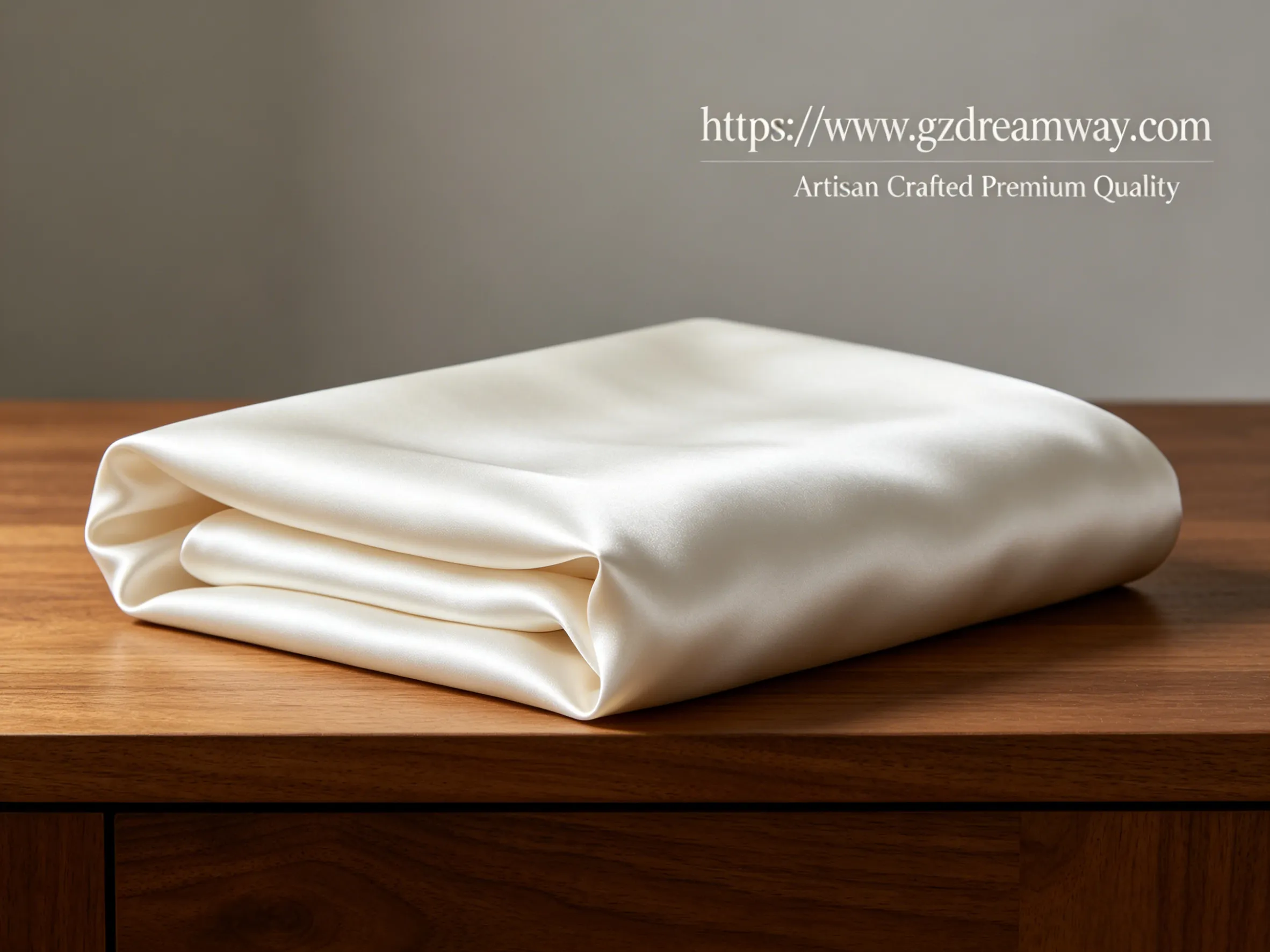
Conventional 12–16 oz canvas is roughly comparable between the two countries. India has a structural advantage on jute and organic cotton; China is more cost-competitive on recycled PET, technical fabrics, and coated canvas. For silk — relevant for premium gift and beauty projects — China (especially the Suzhou/Hangzhou cluster) offers the deepest supply base.
5.2 Labor
Direct labor cost in India remains roughly 30–50% lower than in coastal China. However, China’s higher automation and tighter production planning often compress total labor hours per unit, narrowing the gap on complex products.
5.3 Printing and embellishment
Silkscreen setup is comparable. China has a structural advantage on digital print, hot transfer, and combined print + embroidery workflows, especially for low-MOQ color-rich designs.
5.4 Packaging
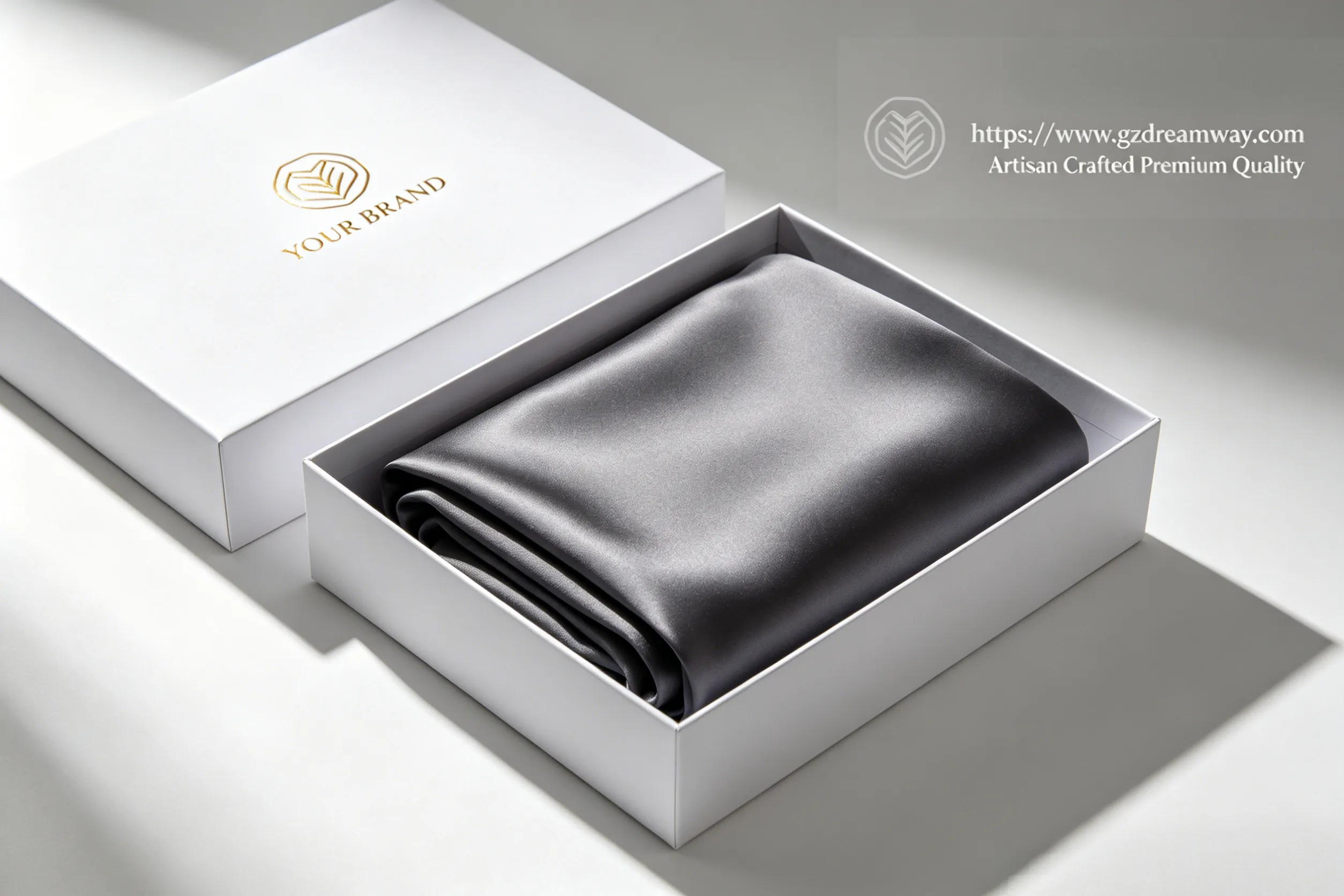
Standard packaging is cheaper in India for cotton/jute programs. Premium packaging — magnetic boxes, velvet pouches, gold-foil inserts — is significantly cheaper and faster in China due to the integrated packaging industry in the Pearl River Delta.
5.5 Shipping and logistics
For US-bound shipments, both countries offer competitive FOB and DDP options, but India has a structural disadvantage due to fewer direct sailings from key export ports to the US East Coast. For EU-bound shipments, both countries perform similarly on transit time but differ on inland trucking cost.
5.6 MOQ as a price lever
India typically asks for higher minimums on cotton and jute programs (300–500 units) but offers aggressive volume discounts above 2,000 units. China offers lower MOQs across the board — many factories accept 50–200 units for silk accessories and 100–200 units for bags — which makes it easier for startups and small brands to launch.
| Product Category | China — Typical Range (USD FOB, indicative) | India — Typical Range (USD FOB, indicative) |
|---|---|---|
| 12 oz canvas tote, silkscreen, poly bag | $1.40 – $2.60 | $1.50 – $2.80 |
| Organic cotton tote, natural, fair-trade | $2.20 – $3.80 | $2.00 – $3.50 |
| Jute tote, lamination, cotton webbing handles | $1.80 – $3.20 | $1.50 – $2.80 |
| Recycled PET rPET tote, GRS-certified | $2.20 – $4.00 | $2.40 – $4.20 |
| 22 momme silk pillowcase, custom gift box | $8.50 – $14.00 | Rare; limited supply |
| Laptop backpack, 600D polyester, custom print | $5.50 – $9.50 | $6.00 – $10.50 |
6. Quality Comparison: Where Each Country Wins
Quality is the most misunderstood dimension in bag manufacturing comparison. Country stereotypes — “China is fast but cheap”, “India is slow but authentic” — are outdated. Modern factories in both countries can deliver luxury-grade output, but they win in different categories.
6.1 Canvas and cotton quality
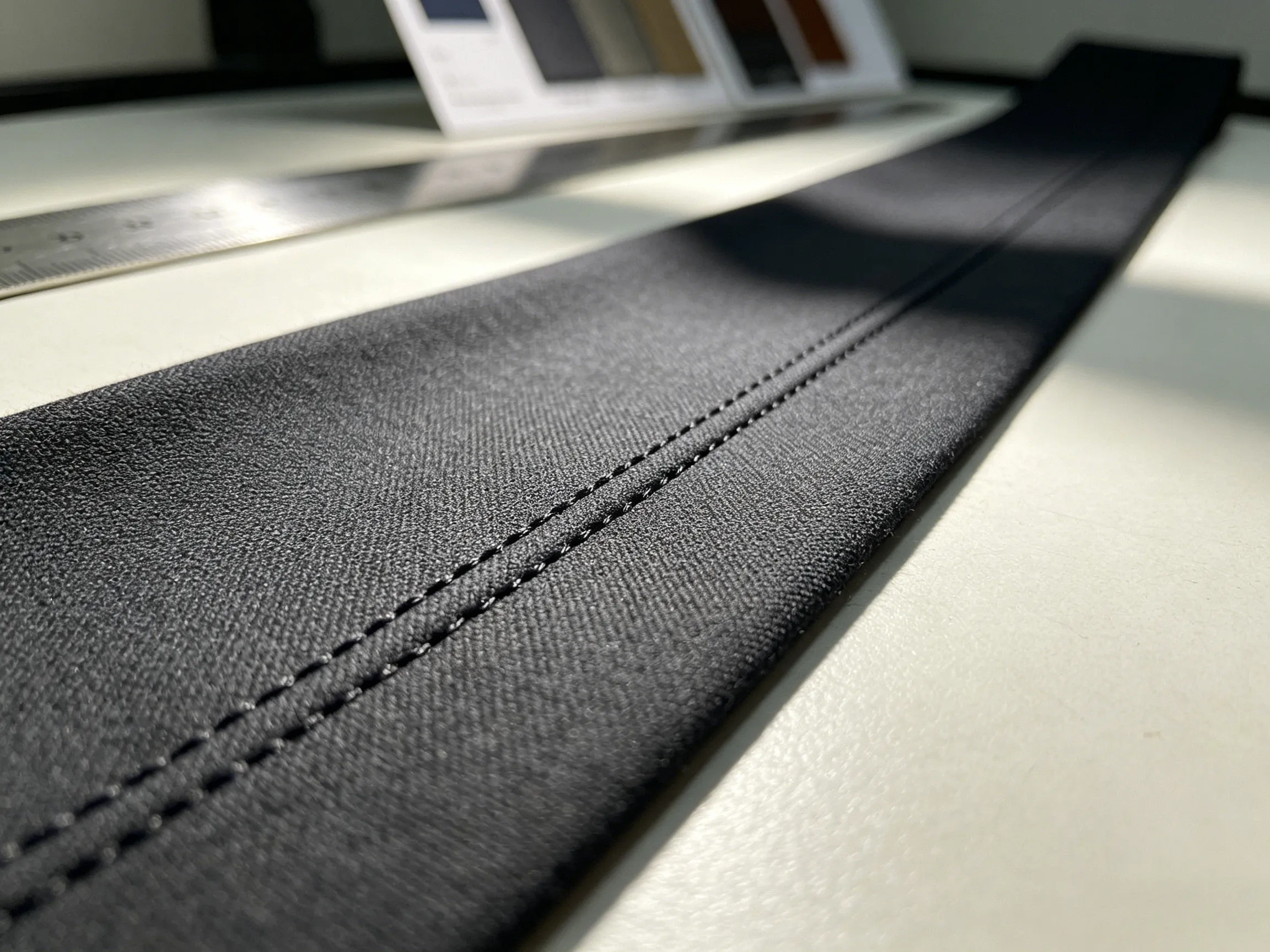
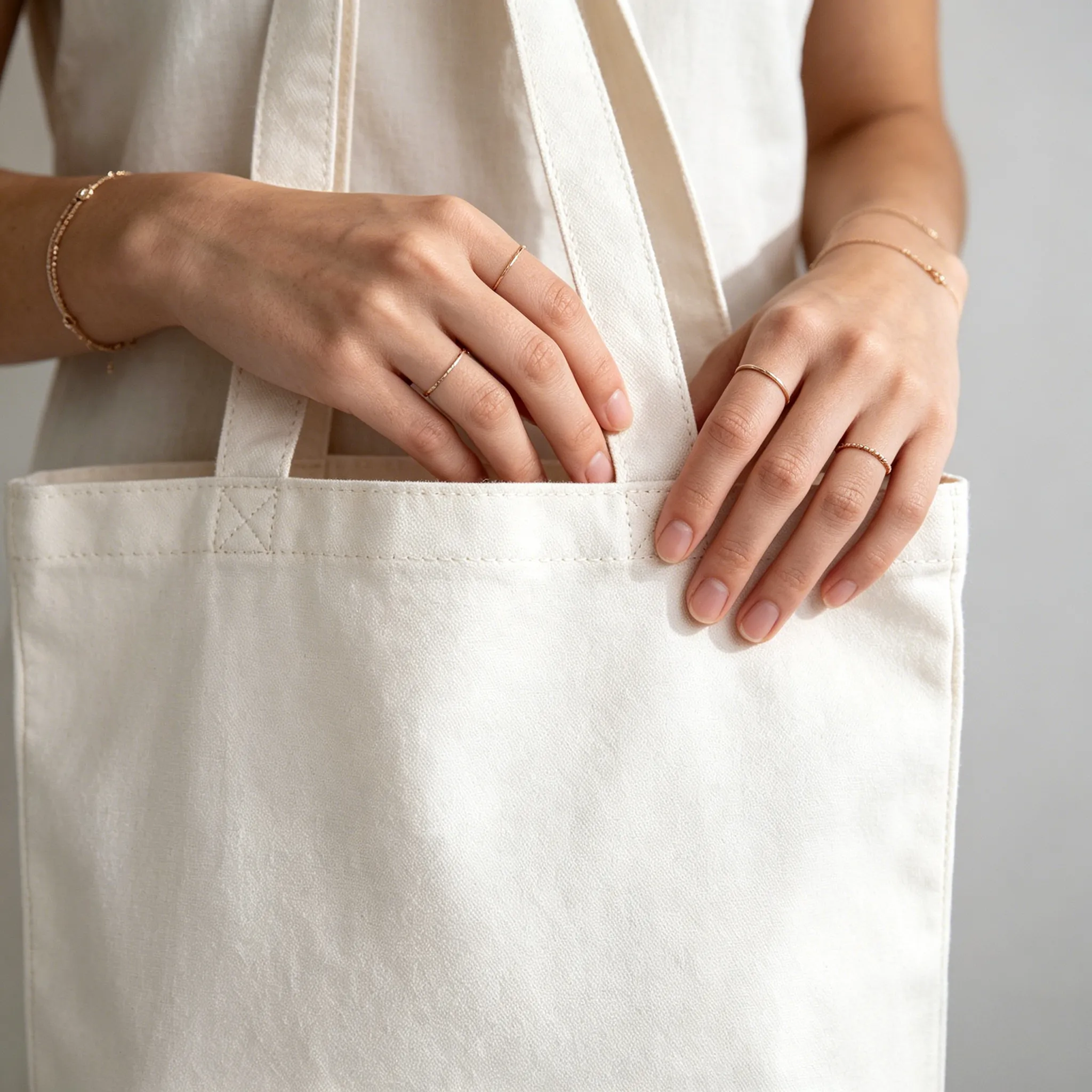
Chinese mills produce consistent 10–16 oz canvas with tight tolerance on weight and yarn count, ideal for structured totes. Indian mills excel at organic cotton and handwoven textures that carry a clear “natural” narrative — useful for sustainable collections.
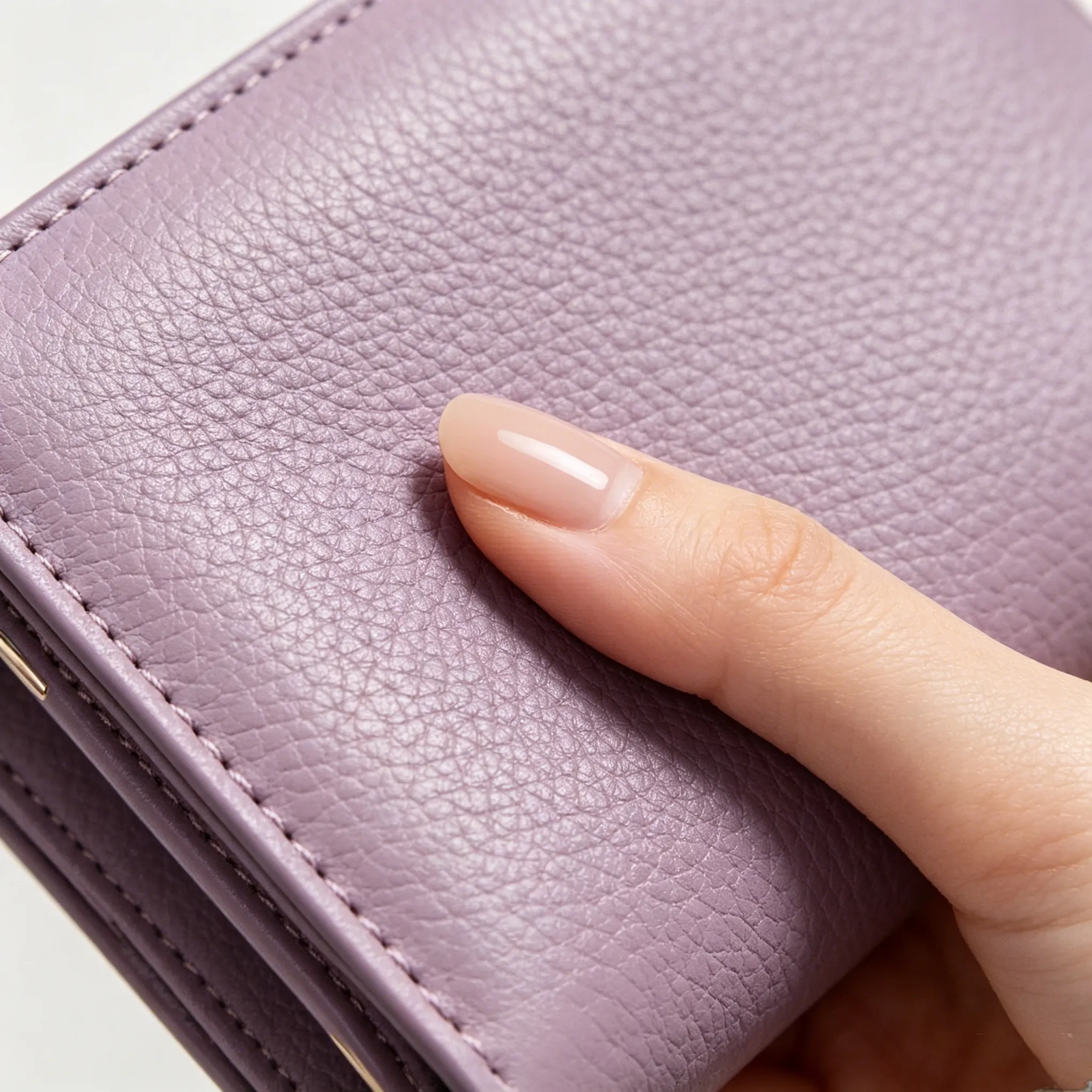
6.2 Leather quality
For luxury leather handbags, China’s coastal factories (Guangzhou, Shenzhen) lead with full-grain, top-grain, and bonded leather capability plus hardware ecosystems. India has excellent vegetable-tanned leather heritage in Kanpur but is stronger in small leather goods than in large structured totes.
6.3 Printing and finishing
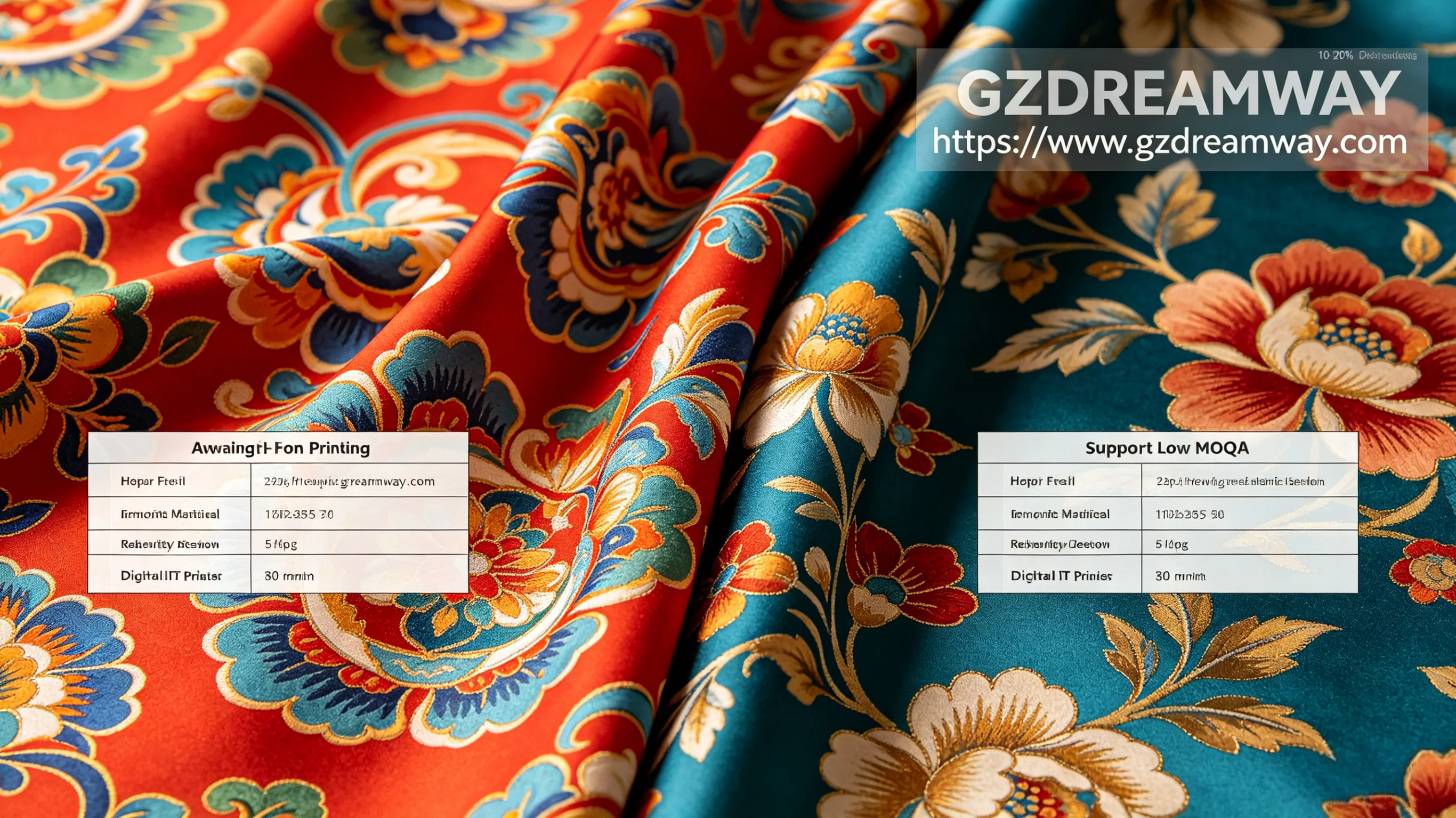
For color-rich, photo-grade artwork, China’s digital print capacity is unmatched. India’s silkscreen output is excellent for 1–3 color brand marks and natural-tone collections.
6.4 QC systems and AQL discipline
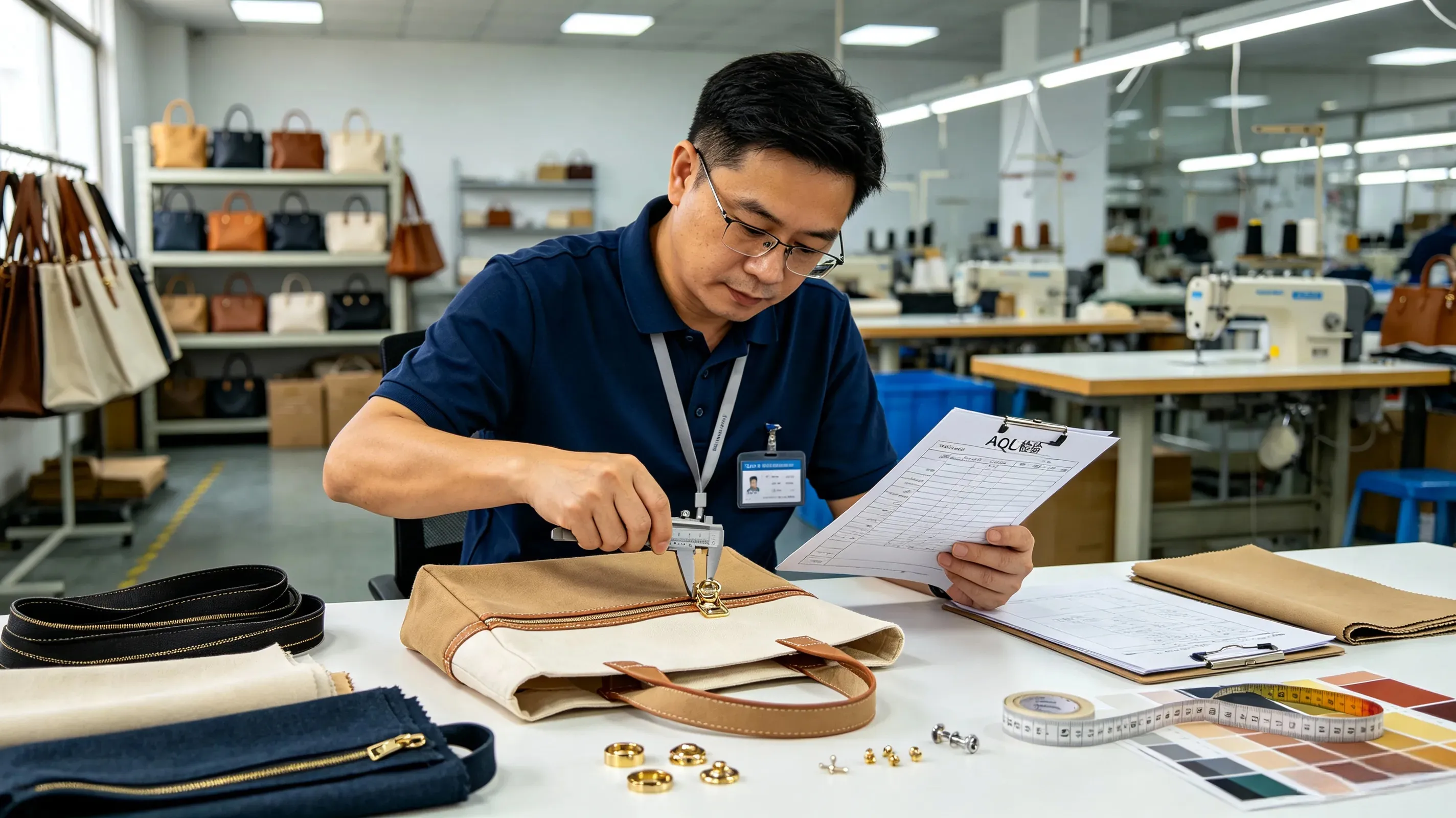
A professional factory — in either country — should operate against a documented AQL (Acceptable Quality Level) standard, typically AQL 2.5 for general inspection and AQL 1.0 for critical defects. China’s mature export factories usually have in-line QC checkpoints, while many Indian factories still rely on final inspection only.
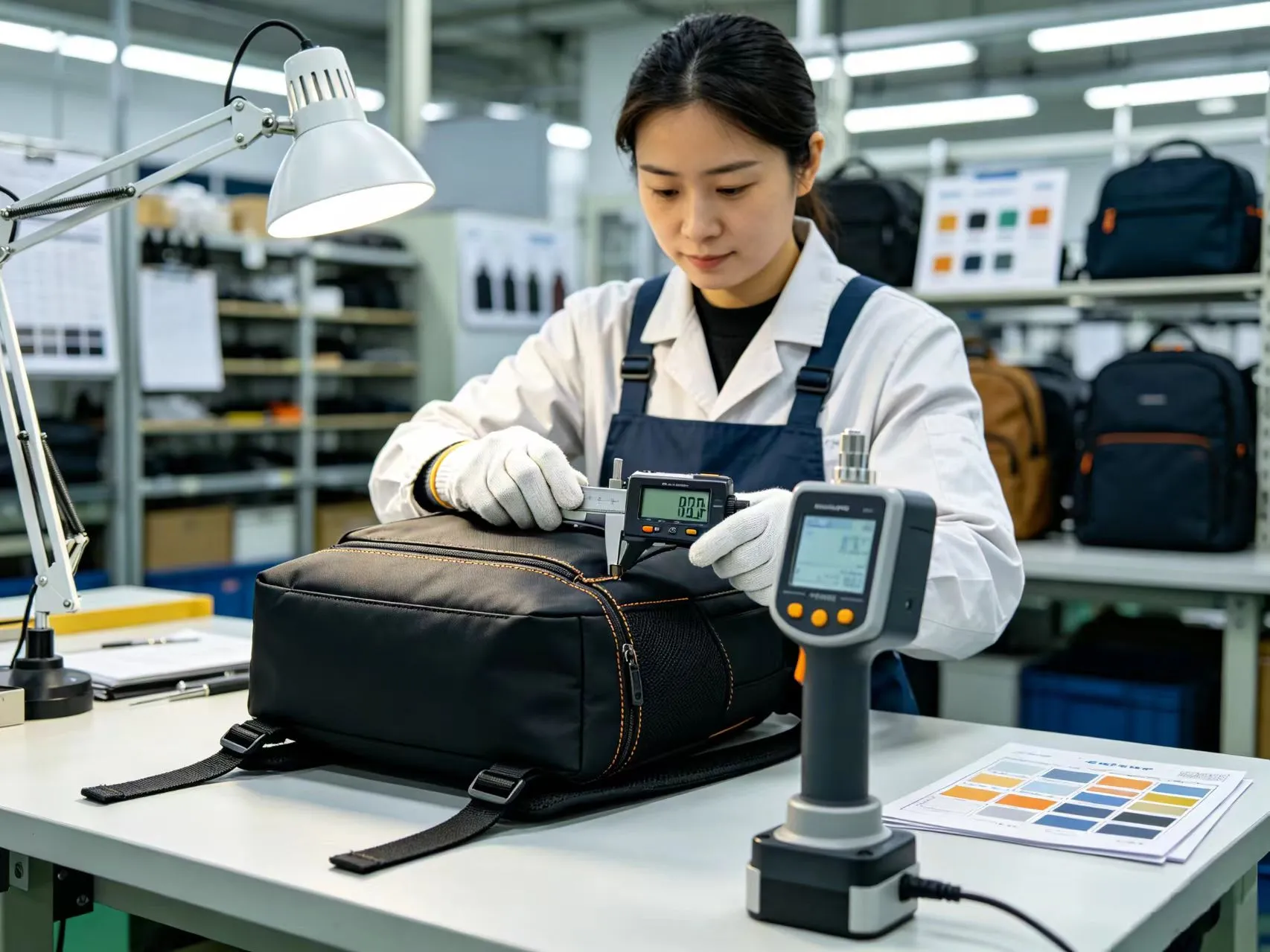
Look for these five QC documentation artifacts during any audit:
- Incoming fabric inspection report (per roll, with weight and width).
- In-line QC checklist signed at each sewing station.
- Final inspection report against an AQL table.
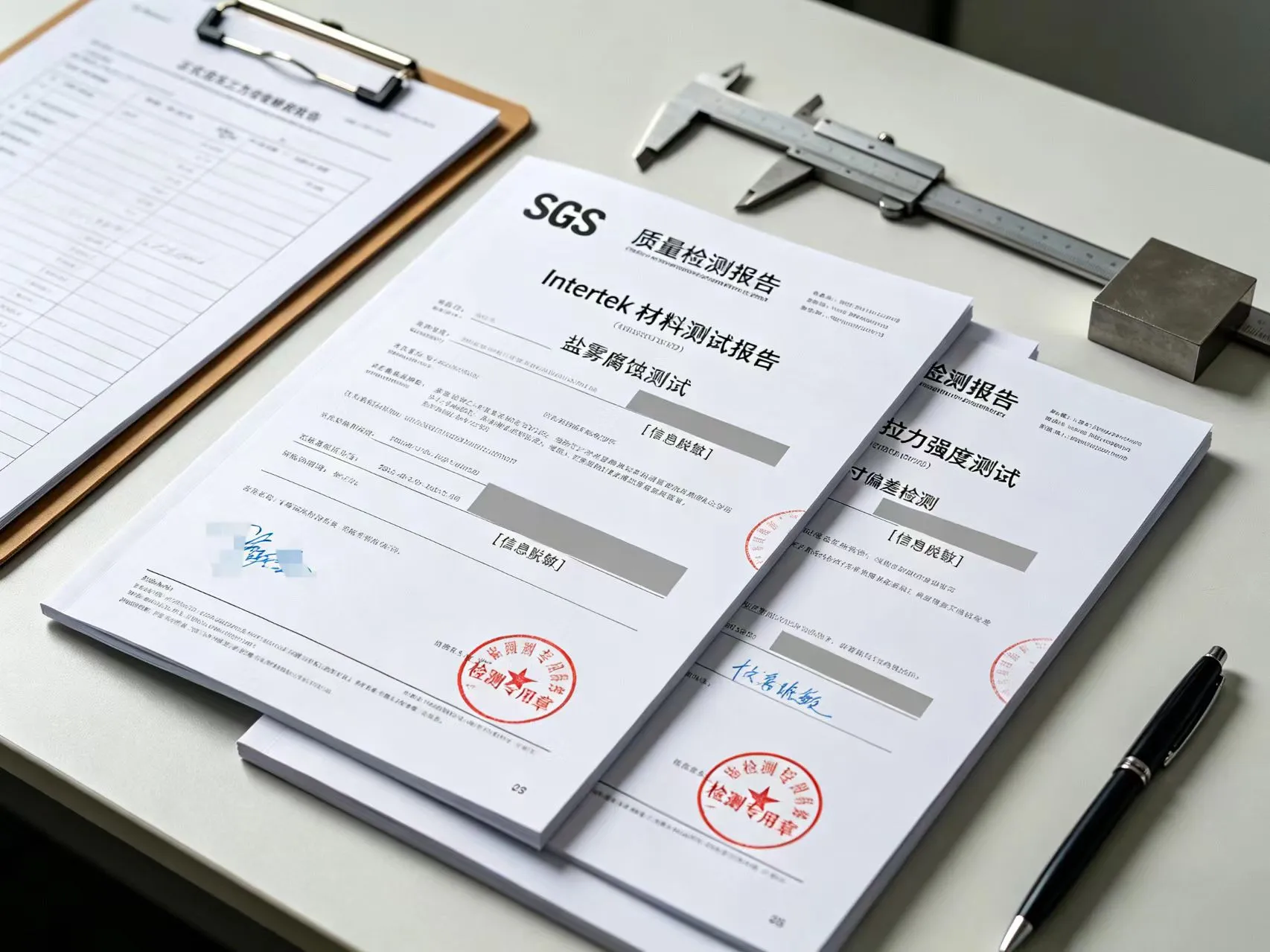
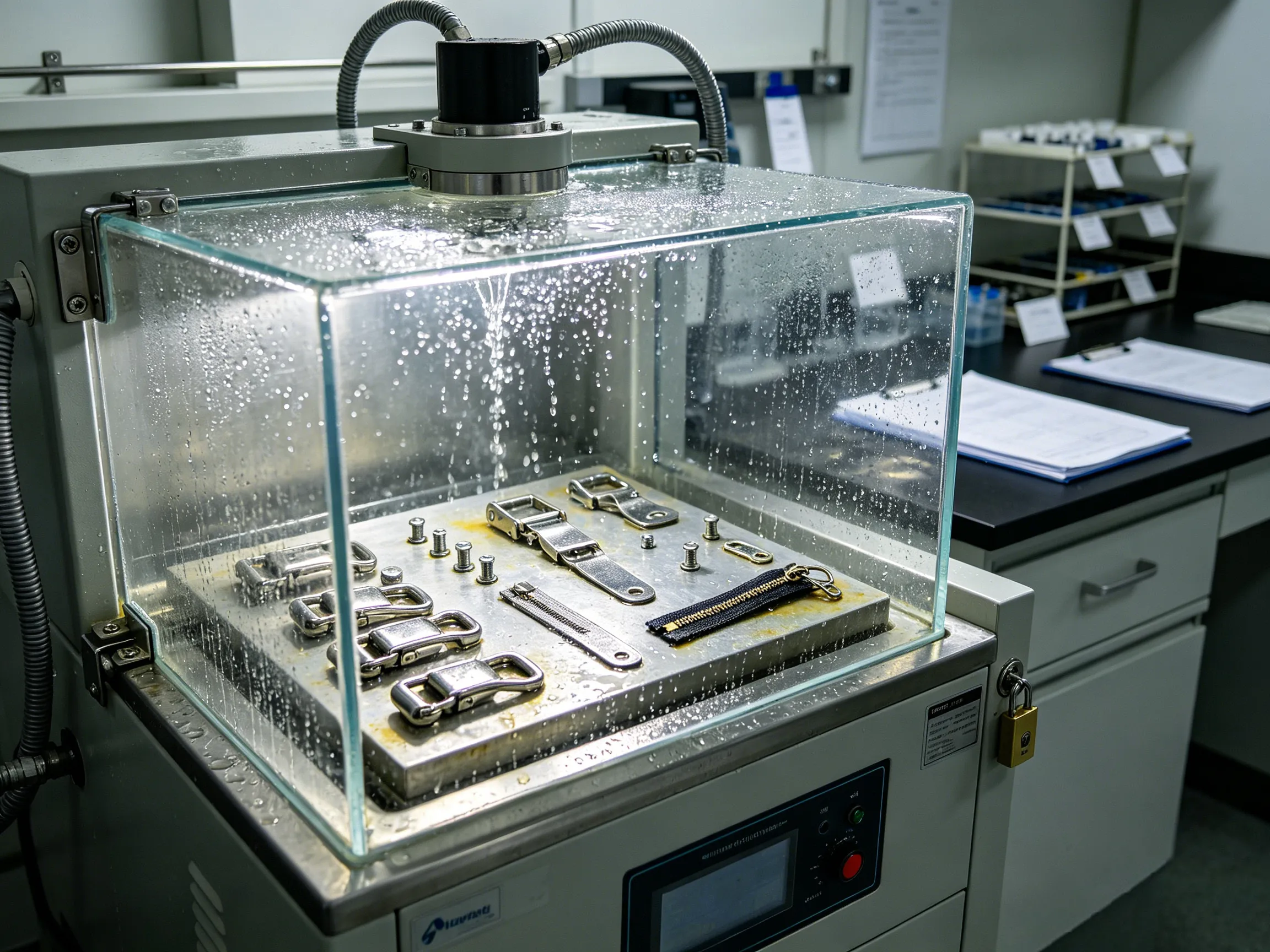
- Hardware salt-spray test report (for metal components).
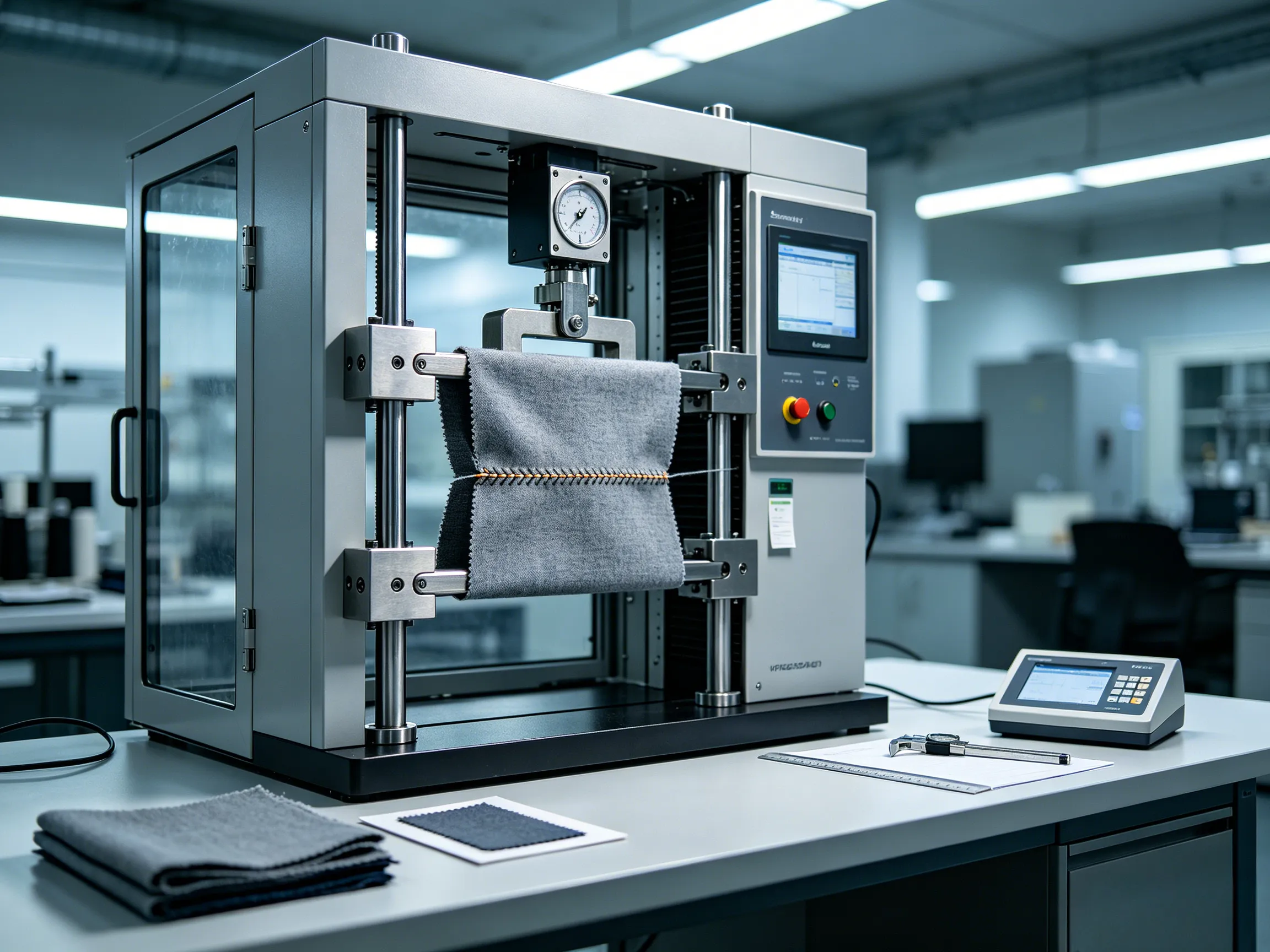
- Tensile / load test report on critical seams and straps.
6.5 Consistency across re-orders
For brands that re-order seasonally, color consistency, fabric batch stability, and hardware supply continuity matter as much as one-time quality. China’s denser supply chains and digital color-matching libraries give it an edge on repeatability.
7. Lead Time Comparison: Sampling, Production & Peak Season
Lead time is where the most expensive surprises happen. We break it down across the four stages of a typical custom tote bag project.
| Stage | China (typical) | India (typical) |
|---|---|---|
| Sampling (custom) | 7 – 14 days | 10 – 20 days |
| Sampling revisions (2 rounds) | 14 – 21 days total | 18 – 28 days total |
| Bulk production (canvas / cotton) | 25 – 40 days | 30 – 50 days |
| Bulk production (jute) | 30 – 45 days | 25 – 40 days |
| Bulk production (silk accessories) | 20 – 35 days | Rare / not typical |
| Peak season risk (Aug – Oct) | Moderate — book 60+ days ahead | High — book 75+ days ahead |
| Ocean shipping to EU / US | 22 – 35 days | 25 – 40 days |
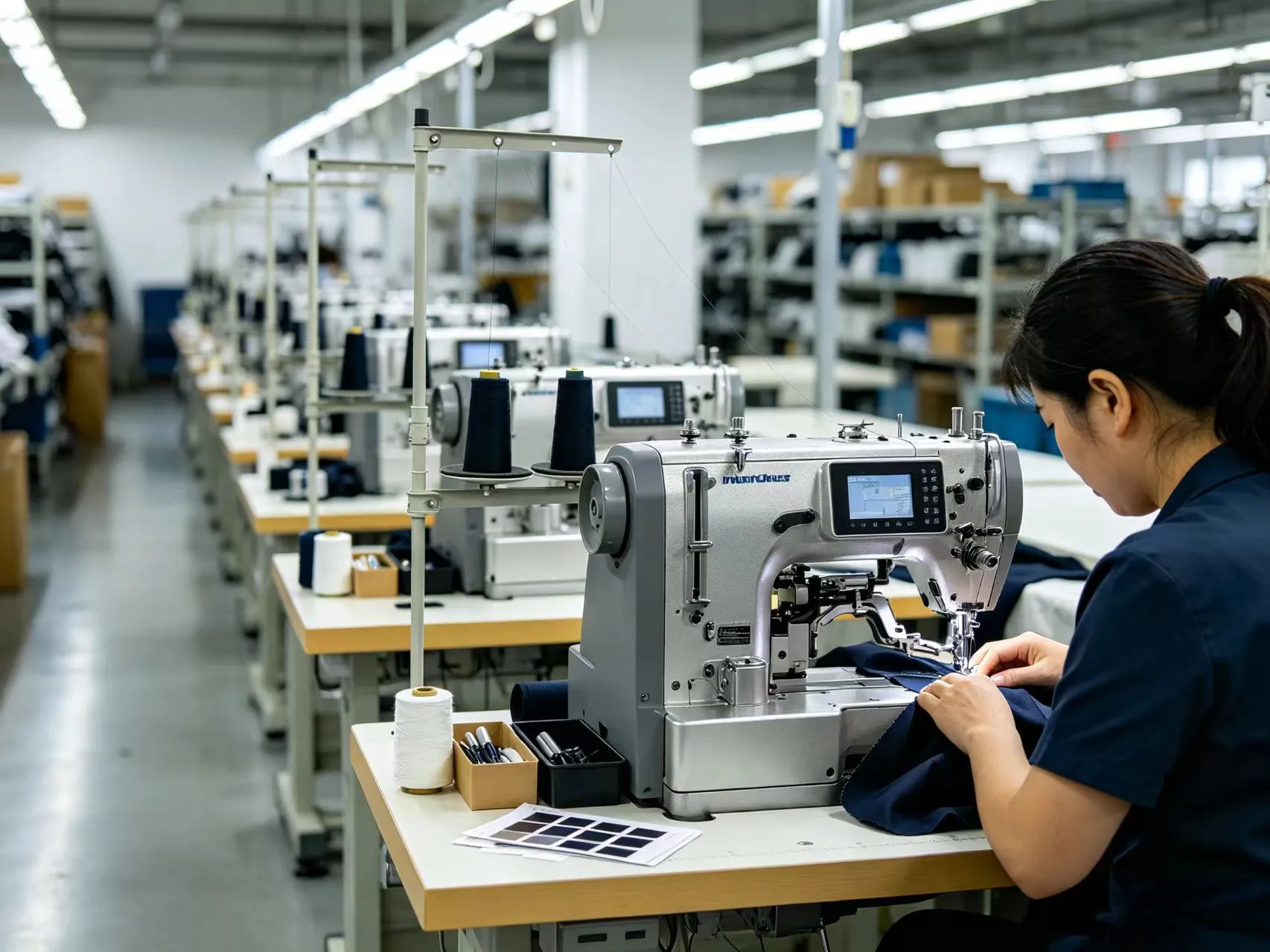
8. MOQ Comparison: Who Truly Serves Small Brands?
Minimum order quantity is often the deciding factor for startups, DTC brands, and corporate gifting buyers. The headline numbers below reflect what is realistic with an experienced export factory in 2026, not the floor of the most aggressive newcomer.
| Buyer Profile | China | India |
|---|---|---|
| Startup / DTC brand | Tote 100 – 200 pcs; silk accessory 50 pcs; backpack 200 pcs. | Cotton tote 300 – 500 pcs; jute tote 500 pcs. |
| Retail brand (mid-volume) | 500 – 2,000 pcs with full custom Tech Pack. | 1,000 – 5,000 pcs standard; better per-unit price at higher volume. |
| Enterprise / promotional | 5,000+ pcs with optimized print line. | 5,000+ pcs with strong economies of scale on cotton/jute. |
| Luxury / limited edition | 50 – 200 pcs on silk, leather accessories, premium packaging. | 200 – 500 pcs on cotton and jute special editions. |
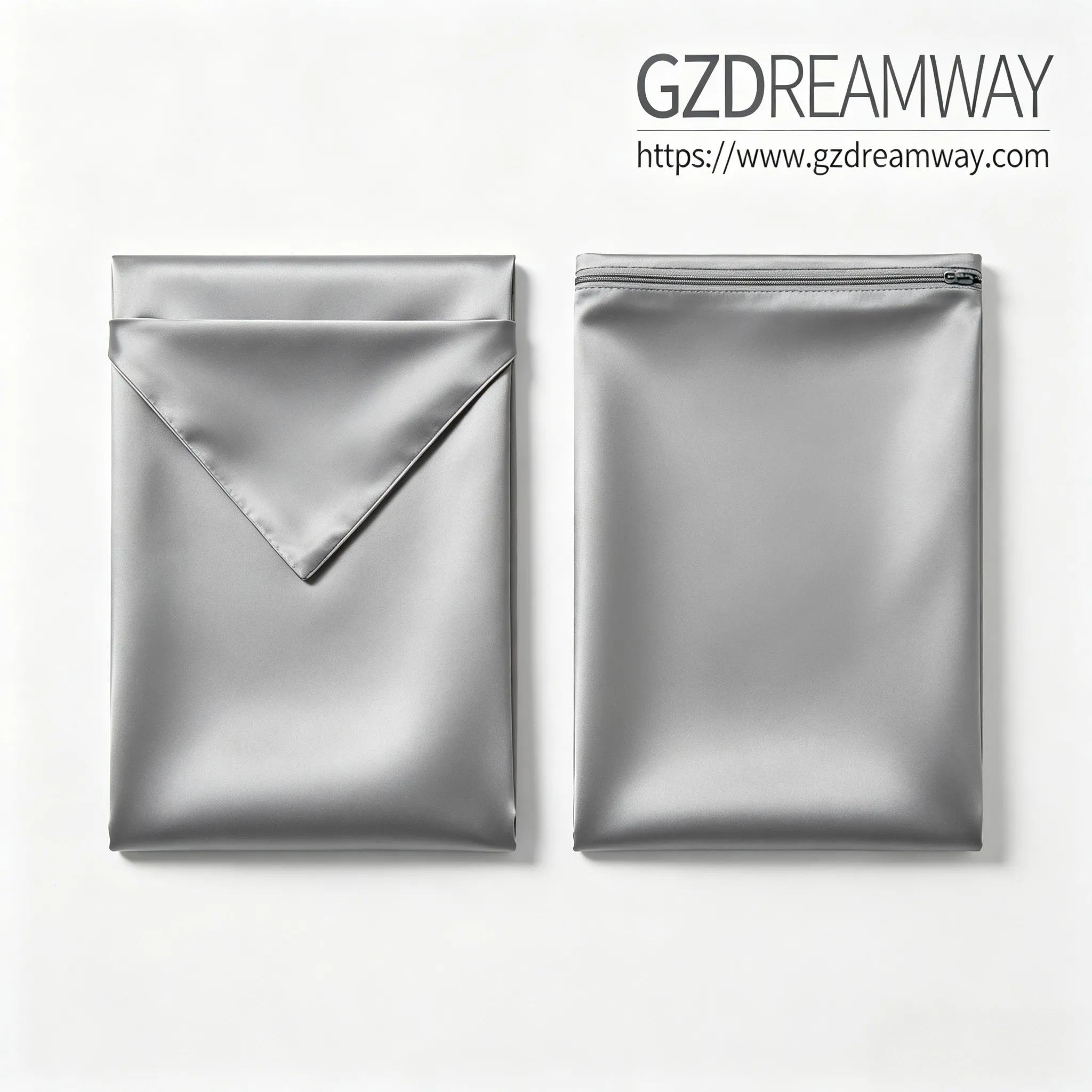
If your brand is at the startup stage, China offers more flexibility — but only with suppliers who have built explicit low-MOQ programs. Look for the phrase “low MOQ tote bag supplier” in their sales materials and verify with a small trial order before committing.
9. Sustainability Comparison: Beyond the Green Slogan
By 2026, sustainability is no longer optional. It is the entry ticket to most European retailers and an increasing number of US and APAC accounts. The two countries are investing heavily, but along different paths.

9.1 GRS (Global Recycled Standard)
Both countries host GRS-certified facilities. China has a higher concentration of vertically integrated rPET mills (recycled fiber → fabric → bag → print) which simplifies chain-of-custody documentation.
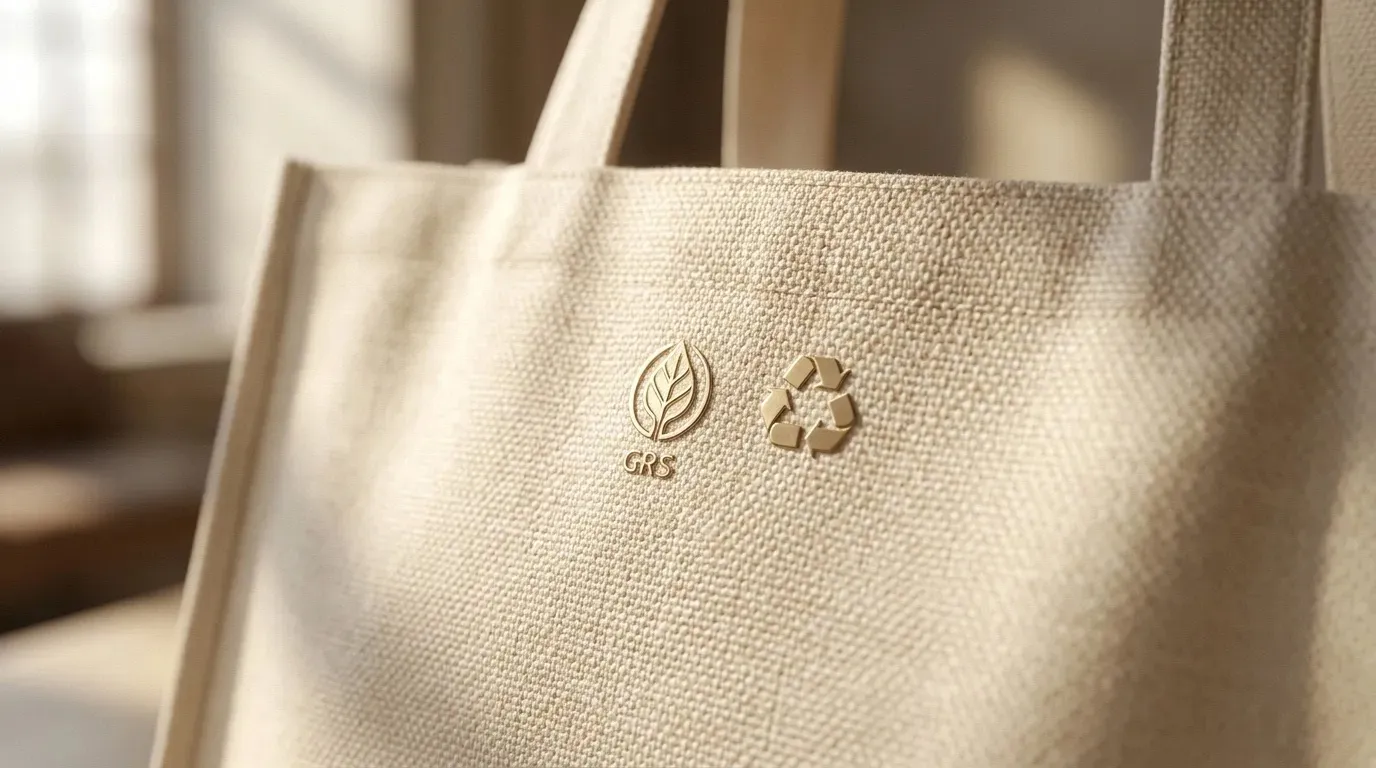
9.2 Organic and recycled cotton
India has stronger agricultural roots for organic cotton (GOTS-certified farms, fair-trade cooperatives). China is rapidly scaling recycled cotton from textile waste streams, especially in coastal provinces.
9.3 OEKO-TEX and FSC
OEKO-TEX Standard 100 is widely available in both countries. For paper-based packaging, FSC certification is more commonly documented in Chinese factories that ship into European retail.
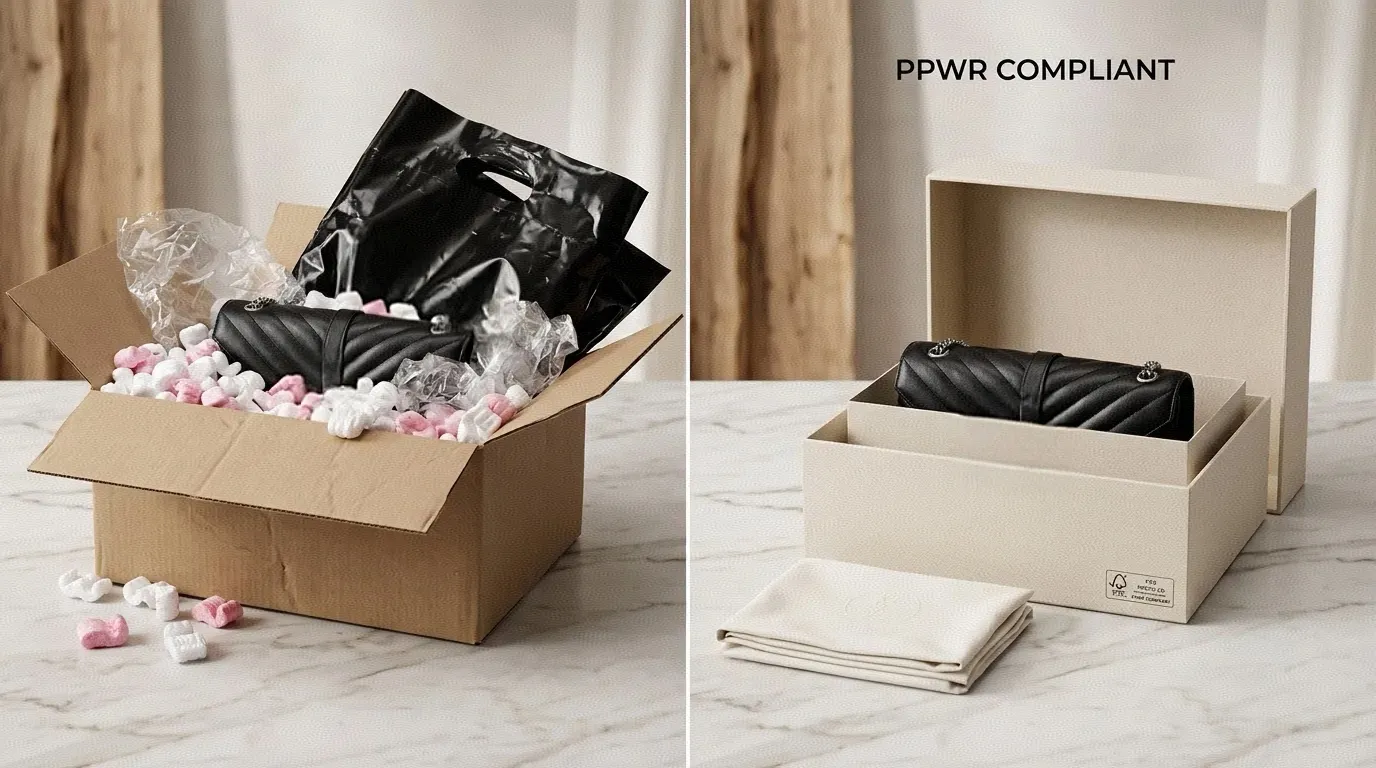
9.4 PPWR — the new EU packaging law
The EU Packaging and Packaging Waste Regulation now governs minimum recycled content, recyclability, and reuse targets. Buyers should ask any potential supplier — Chinese or Indian — for a written PPWR readiness memo covering: minimum recycled content, mono-material design intent, plastic minimization, and labeling compliance.
9.5 Digital Product Passport and traceability
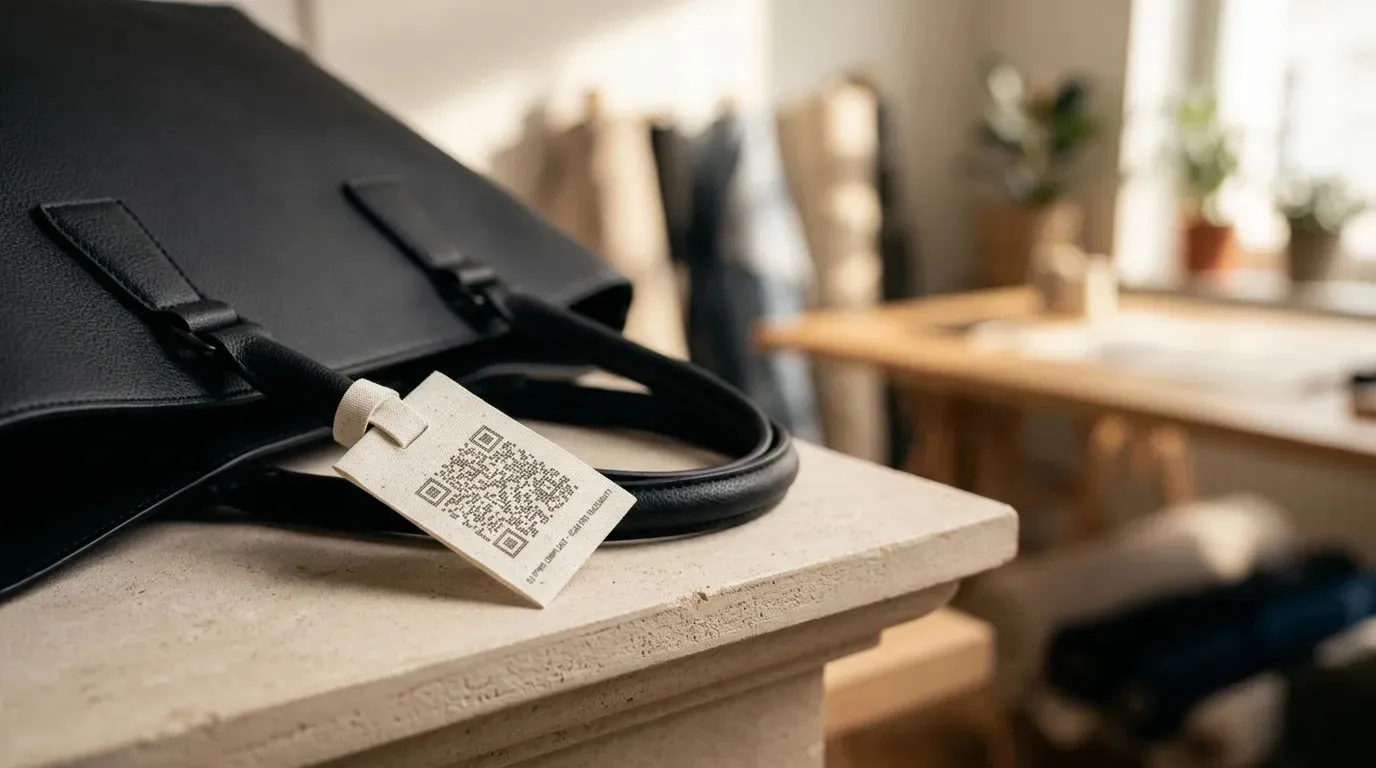
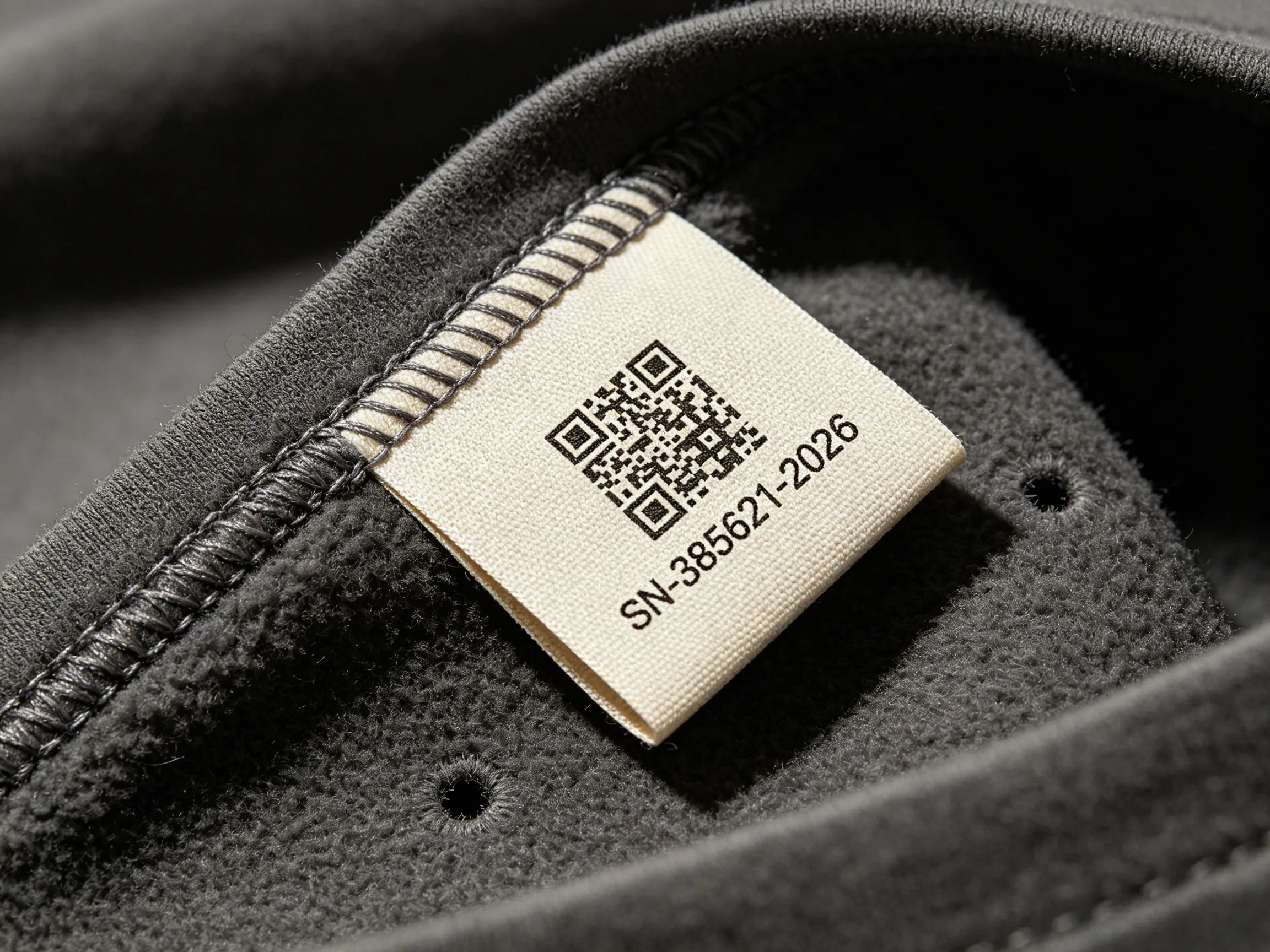
The EU’s Digital Product Passport (DPP) initiative is already reshaping how bags are tagged, traced, and reported. Factories that can embed a unique serial QR code on each unit — and back it with a digital chain-of-custody record — will command a clear premium in 2026 and beyond.
9.6 ESG documentation and audits
Independent audits — BSCI, SEDEX/SMETA, SA8000 — are available in both countries. China has more BSCI-audited bag factories; India has more SEDEX-registered facilities. Always verify the audit version, expiry date, and corrective action plan.
If your buyer profile is a sustainable tote bag manufacturer search, the key question is not which country is greener — it is which supplier can produce verifiable, audit-ready documentation for the specific claim you want to make on shelf.
10. Communication Comparison: The Hidden Project Killer
The most common reason projects fail is not price or quality — it is communication. A 30% cost saving means nothing if critical emails go unanswered for ten days, sample revisions are misunderstood, or a Tech Pack detail gets lost in translation.

10.1 English fluency
Major export hubs in both countries have strong English-speaking project managers. China’s coastal factory hubs (Guangzhou, Shenzhen, Shanghai) tend to be slightly more B2B-fluent due to long exposure to Western brand buyers. India’s English proficiency is broadly strong, with many project managers educated in English-medium institutions.
10.2 Response speed and time zones
China time (GMT+8) overlaps well with EU morning and US West Coast afternoon. India time (GMT+5:30) overlaps better with EU afternoon and US East Coast morning. For 24-hour project flow, multi-country sourcing is genuinely possible.
10.3 Project management depth
The strongest factories in both countries now operate with named project managers, weekly update calls, and shared project trackers. Look for these three signals:
- A documented sampling → PP → bulk production timeline with milestones.
- Weekly photo or video updates from the production floor.
- A pre-production meeting before bulk fabric is cut.
10.4 Tech Pack literacy
Tech Pack fluency is the single most important soft skill a factory can offer. A strong factory should be able to read your English Tech Pack, ask intelligent clarifying questions, and translate it into a clean internal production sheet without losing fidelity.
10.5 Engineering support
For complex constructions — molded back panels, integrated laptop sleeves, magnetic closures, hidden zippers — engineering support is decisive. China offers deeper pattern-making and rapid prototyping resources; India’s engineering is improving but more concentrated in specialty clusters.
11. Which Country Fits Your Business? A Decision Tree
No two brands have the same answer. The simplified decision tree below covers the most common scenarios we see in our inbox. Use it as a starting point, not a final verdict.
- Need low MOQ (under 200 pcs) to test a new SKU? → China. Look for an OEM tote bag factory with an explicit low-MOQ program.
- Need organic cotton with strong fair-trade story? → Both. India has deeper organic supply, but Chinese factories can also source organic cotton and document it fully.
- Need luxury leather handbags with custom hardware? → China. Guangzhou and Shenzhen clusters lead in full-grain leather work.
- Need promotional / branded giveaway bags at 5,000+ pcs? → China. Automation, printing capacity, and packaging ecosystems deliver the best unit economics.
- Need natural jute with handcrafted feel? → India. Jute heritage and authentic hand-finishing are core strengths.
- Need silk accessories (pillowcases, scrunchies, eye masks)? → China. The 19–25 momme mulberry silk ecosystem is unmatched outside Suzhou/Hangzhou.
- Need EU-bound PPWR-ready packaging? → Both, but verify with a written PPWR memo from the factory.
- Need US-bound goods with Section 301 tariff exposure? → Run a landed cost model. The country with the lower unit price is not always the cheaper landed cost.
- Need fastest sampling turnaround (under 10 days)? → China, with documented 7–14 day sampling windows.
- Need a partner with documented ESG / sustainability audits? → Both, but verify BSCI / SEDEX audit date and scope.
12. Representative Tote Bag Manufacturers (Reference Only)
The list below is provided as a starting point for further research. Manufacturers are listed for reference only and are not ranked. Inclusion does not imply endorsement, and exclusion does not imply disapproval. Always conduct your own due diligence before engaging any supplier.
12.1 China — five reference manufacturers
GZDreamway
Headquartered in Guangzhou’s Huadu Shiling leather goods cluster, GZDreamway operates a small team of 30+ specialists serving buyers in more than 50 countries. The factory offers OEM and ODM services across canvas totes, cotton bags, backpacks, leather bags, and mulberry silk accessories, with a deliberate low-MOQ program that makes it accessible to startups as well as mid-sized brands.
MOQ: 200 pcs for bags, 50 pcs for silk products. Strengths: flexible MOQ, integrated printing and packaging, multilingual project management, EU/US retail compliance documentation.
Website: https://www.gzdreamway.com
Bagmasters China
Established promotional and corporate-gifting bag supplier with strong silkscreen and embroidery capacity. Best suited for mid-to-large volume promotional programs.
Rich Bags
Mid-sized OEM bag manufacturer with a balanced portfolio across canvas, cotton, and backpack categories. Suitable for retail brands seeking stable quality at moderate volume.
Kingsons
Backpack-focused manufacturer with strong experience in technical fabrics, laptop compartments, and outdoor-style constructions. Ideal for tech-carry and lifestyle backpack collections.
Guangzhou Minghui
Leather and PU bag specialist in the Guangzhou cluster. Well suited for mid-volume fashion handbag programs that require consistent stitching and finishing at competitive cost.
12.2 India — five reference manufacturers
Navbharat Bags
Established Indian manufacturer with strong jute and cotton programs. Best suited for retailers that prioritize natural materials and traditional handcrafted aesthetics.
Premchand Jute & Industries
Long-standing jute mill with integrated bag-making capacity. Ideal for high-volume promotional and grocery tote programs that emphasize natural fiber narratives.
Eco Bags India
Sustainability-focused manufacturer with strong organic cotton supply. Well suited for European retailers requiring GOTS or fair-trade documentation.
Classic Cotton Bags
Mid-sized cotton tote specialist with consistent quality across re-orders. A practical choice for retail brands that need stable supply of natural cotton totes.
Vinyasa Bags
Lifestyle-oriented manufacturer serving yoga, wellness, and boutique retail accounts. Good fit for brands that prioritize aesthetic storytelling over pure commodity volume.
13. How to Verify Any Factory Before You Commit
Country choice is only half the battle. The other half is whether the specific factory you are about to wire a deposit to is actually capable. Apply this 7-step verification checklist to any candidate, in either country.
- Request a self-declared factory profile. Year established, headcount, export markets, top three product categories.
- Verify business licenses and export records. Cross-check HS codes shipped in the past 12 months.
- Commission a third-party audit. Use SGS, Bureau Veritas, or TUV for a social compliance and capacity audit. BSCI and SEDEX/SMETA reports are the most common.
- Order a pre-production sample. Not a stock sample — a custom sample built to your Tech Pack. This is the single most reliable test.
- Visit or hire a local inspector. A one-day in-person visit or a paid inspector tour reveals more than ten emails.
- Run a final AQL inspection. AQL 2.5 general, AQL 1.0 critical. Hire an independent QC firm if your team cannot be on the ground.
- Document everything. Tech Pack, sample sign-off, inspection reports, shipping documents. These protect you if a dispute arises.

14. Meet the Project Team (A Real-World Example)
Behind every reliable factory stand the people who actually run your project. Here is a snapshot of a real OEM project team from GZDreamway. Most reputable factories — Chinese or Indian — will gladly introduce their key team members on request.
Emily — Senior Project Manager
12 years in OEM bag manufacturing. Manages 15–25 active projects simultaneously, from initial Tech Pack review to bulk delivery. Specialist in OEM coordination, sampling, and material sourcing.
Kevin — Pattern Development Engineer
15 years of experience in bag pattern making across leather, canvas, nylon, and technical fabrics. Owns the first-article pattern sign-off and the technical integrity of every sample.
Jason — Senior QC Supervisor
Drives incoming inspection, in-line QC at each sewing station, and final AQL inspection. Owns the corrective action process when defects are found.
Mia — Customer Experience Lead
Single point of contact for sampling updates, photo / video progress reports, and after-sales communication. Keeps the factory’s internal team aligned with the buyer’s calendar.
Naming real team members is also a strong E-E-A-T (Experience, Expertise, Authoritativeness, Trustworthiness) signal that Google’s helpful content systems reward.
15. Frequently Asked Questions
Is China cheaper than India for tote bag manufacturing?
It depends on the material and order volume. China is typically cheaper on rPET, technical fabrics, silk, and premium packaging. India is typically cheaper on jute and large-volume cotton programs. Always compare landed cost, not just FOB.
Is India better than China for sustainable tote bags?
Not universally. India has stronger agricultural roots in organic cotton and jute. China has stronger rPET supply chains and PPWR-ready documentation. The best supplier is the one whose specific sustainability claims you can verify.
Who has lower MOQ — India or China?
China generally offers lower MOQs, often as low as 50–200 pcs for silk and 100–200 pcs for bags. India typically starts at 300–500 pcs, but offers better per-unit pricing above 2,000 pcs.
Which country has better QC for custom tote bags?
Both countries have excellent and mediocre factories. Quality is factory-specific, not country-specific. Always inspect against an AQL standard and request written QC documentation at each stage.
Which country has faster production lead time?
China is typically 7–14 days faster across the entire sampling → bulk → shipping pipeline. India can match China on jute programs but is usually slower on multi-material or silk products.
Can India produce luxury leather handbags?
Yes — particularly in the Kanpur cluster for vegetable-tanned leather and small leather goods. For full-grain luxury leather totes with custom hardware at scale, China’s coastal clusters currently offer deeper ecosystems.
Can China produce organic cotton tote bags?
Yes. Chinese factories can source GOTS-certified organic cotton and document it through the chain of custody. Verify the supplier’s GOTS scope certificate and transaction certificate for every shipment.
How do I compare suppliers across India and China?
Build a weighted scorecard (price, quality, lead time, sustainability, communication), request indicative quotes against the same Tech Pack, and run a small custom sample order before committing.
What is the best country for a startup launching its first tote bag?
For most startups, China offers lower MOQ, faster sampling, and broader material access. Look for an OEM tote bag factory with an explicit low-MOQ program and strong English-speaking project management.
What is the best country for a 5,000-piece promotional tote program?
Both can deliver. India may win on raw cotton / jute unit cost. China may win on print, packaging, and shipping flexibility. Run a landed cost comparison including Section 301 tariff exposure.
What is PPWR and why does it matter?
The EU Packaging and Packaging Waste Regulation sets minimum recycled content, recyclability, and reuse targets for packaging sold in the EU. Any supplier shipping to Europe must be PPWR-ready by the applicable deadline.
Do I need a Tech Pack if I just want a simple tote bag?
Yes — even a simple tote benefits from a one-page Tech Pack with size, fabric weight, color (Pantone), print method, hardware, and packaging. It eliminates 80% of the back-and-forth emails.
Should I visit the factory before placing a bulk order?
Strongly recommended for first-time engagements. If travel is not feasible, hire a local inspector for a one-day visit and require a live video tour with your project manager.
How long does sampling take in China vs India?
China: 7–14 days for a custom sample. India: 10–20 days. Allow two revision rounds in both cases before signing off on a pre-production sample.
Can I order a mixed container with tote bags and silk accessories?
Yes — most Chinese OEM factories accept mixed-SKU containers, especially when the categories share a common supply chain (e.g., canvas tote + silk scrunchie). Confirm with the factory before booking.
What payment terms are standard?
30% deposit + 70% balance against copy of B/L for first orders. Established relationships often move to 30/70 net-30 or open account terms. Always use a trade-safe payment instrument.
How do I protect my design IP?
Sign a mutual NDA before sharing your Tech Pack, register your trademark in the factory’s country, and require a written non-disclosure clause in every purchase order.
What is AQL and why should I care?
AQL (Acceptable Quality Level) is a statistical sampling standard. It tells the inspector how many defects are tolerable in a random sample of your shipment. Always agree on AQL 2.5 / AQL 1.0 before production starts.
Which certifications matter most for European buyers?
BSCI or SEDEX for social compliance, OEKO-TEX Standard 100 for fabric safety, GRS for recycled content, GOTS for organic cotton, and a written PPWR readiness memo for packaging.
Where can I get help comparing specific factories?
Start with the reference list in Section 12, then commission a third-party audit and order a custom sample from your top two or three candidates before deciding.
16. The Short Version
If you remember only three things from this guide, let it be these:
- Compare on the same Tech Pack. Don’t compare one supplier’s custom quote with another supplier’s stock price.
- Verify, don’t assume. Audit, sample, inspect. Country stereotypes are outdated; specific factory evidence is not.
- Pick the country that fits your brief. Low MOQ, complex print, and silk → China. Organic cotton, jute, and large cotton volume → India. PPWR-ready packaging → both, with documentation.
Ready to Compare Real Quotes?
GZDreamway supports low-MOQ OEM and ODM programs across canvas totes, cotton bags, backpacks, leather bags, and mulberry silk accessories — with EU and US retail documentation built in.
Visit GZDreamway.comReviewed by the GZDreamway Project Team
This article was reviewed by the GZDreamway project team to ensure technical accuracy on material specifications, lead-time ranges, MOQ conventions, and EU compliance frameworks (PPWR, GRS, OEKO-TEX). Last updated: 2026.
12 years in OEM bag manufacturing; covers sampling, sourcing, and buyer communication.
15 years of bag pattern making across leather, canvas, nylon, and technical fabrics.
Continue Exploring Bag Manufacturing Resources
Compare manufacturers, explore real production projects, discover product categories, and find the right OEM partner for your next collection.
Related Manufacturer Guides
Compare leading OEM manufacturers across different bag categories to understand production capabilities, MOQ, quality standards and supplier strengths before selecting your manufacturing partner.
Real Manufacturing Case Studies
Discover how our engineering, quality control and manufacturing teams solved real production challenges for brands in Europe and North America.
Technical Modular Bags
How we improved the load-bearing structure for a German baby brand.
Luxury Leather CraftsmanshipLuxury Leather Goods
Achieving luxury-grade edge finishing for a New York designer brand.
Luxury Silk ManufacturingDelicate Silk Collection
Cleanroom production for a London silk boutique.
Sustainable ManufacturingRecycled Cotton Bags
Helping an eco brand source recycled cotton bags at scale.
Corporate MerchandiseCorporate Merchandise Bags
Bulk custom tote bags for a Fortune 500 corporate gifting campaign.
DTC Brand LaunchDTC Brand Launch Support
From tech pack to first production run for a North American DTC startup.
Explore Our Manufacturing Capabilities
Browse our full range of OEM manufacturing capabilities — from canvas totes and leather handbags to backpacks, travel bags, cosmetic pouches and silk accessories. Low MOQ, premium quality, full customization.
Manufacturing Solutions for Different Brands
Different businesses require different manufacturing strategies. Explore solutions designed for startups, retailers, sustainable brands and promotional product companies.
Helpful Buying Guides
Make informed sourcing decisions with our manufacturing knowledge base — covering materials, MOQ, printing, inspection, compliance and shipping.
Talk to Our OEM Project Team
Reach the right specialist directly. Our OEM project team supports sampling, production, quality control and logistics from our Guangzhou factory — serving 50+ countries with a small, agile team.
Emily
Senior Project Manager
Jason
Senior QC Supervisor
Get a Quote — Reach Us Directly
Add us on WeChat for mainland China communication.
RFQ Form
Submit a Quote RequestShare your design, quantity and target price — best for detailed projects.
Ready to Start Your OEM Project?
From tech pack to first production run — our small team in Guangzhou supports startups, retailers and lifestyle brands with low MOQ (200 bags) and full customization.