
Handbag Design Trends 2026: Materials & Shapes Revolution
The handbag industry stands at a pivotal moment as we approach 2026, with revolutionary changes in materials and shapes reshaping the landscape of fashion accessories. This transformation is driven by evolving consumer preferences, environmental consciousness, and technological innovations that are fundamentally altering how designers conceptualize and create handbags. The upcoming year promises unprecedented creativity in both material choices and form factors, reflecting a sophisticated understanding of modern lifestyle needs and aesthetic preferences.
As sustainability becomes a central concern for consumers and brands alike, the handbag market is experiencing a significant shift toward eco-conscious materials and minimalist design philosophies. Designers are embracing innovative alternatives to traditional leather, exploring plant-based materials, recycled fabrics, and cutting-edge synthetic options that deliver both style and environmental responsibility. This evolution reflects broader cultural shifts toward conscious consumption and ethical manufacturing practices.
The shape revolution of 2026 is equally compelling, with geometric forms, modular designs, and functional aesthetics taking center stage. Handbag silhouettes are becoming more architectural, featuring clean lines and structured elements that blur the boundaries between fashion accessory and functional art piece. These design trends represent a departure from traditional forms, embracing bold new concepts that prioritize both visual appeal and practical utility.
2026 Trend Focus: The convergence of sustainable materials and architectural shapes defines the next generation of handbag design, creating products that are both environmentally conscious and aesthetically forward-thinking.
Revolutionary Materials Shaping 2026 Handbag Designs
The material revolution in handbag design for 2026 encompasses a diverse array of innovative options that challenge conventional wisdom about luxury accessories. Traditional leather is being reimagined through advanced tanning processes and alternative sources, while completely new categories of materials are emerging as viable luxury alternatives. These developments are transforming not only the environmental impact of handbag production but also the tactile experience and aesthetic possibilities available to designers.
Plant-based leathers have reached new levels of sophistication, with materials derived from pineapple leaves, apple peels, and mushroom mycelium offering comparable durability and luxury appearance to animal leather. These innovations address growing consumer demand for cruelty-free alternatives without compromising on quality or aesthetic appeal. The production processes for these materials typically require fewer resources and generate lower carbon emissions than traditional leather processing.
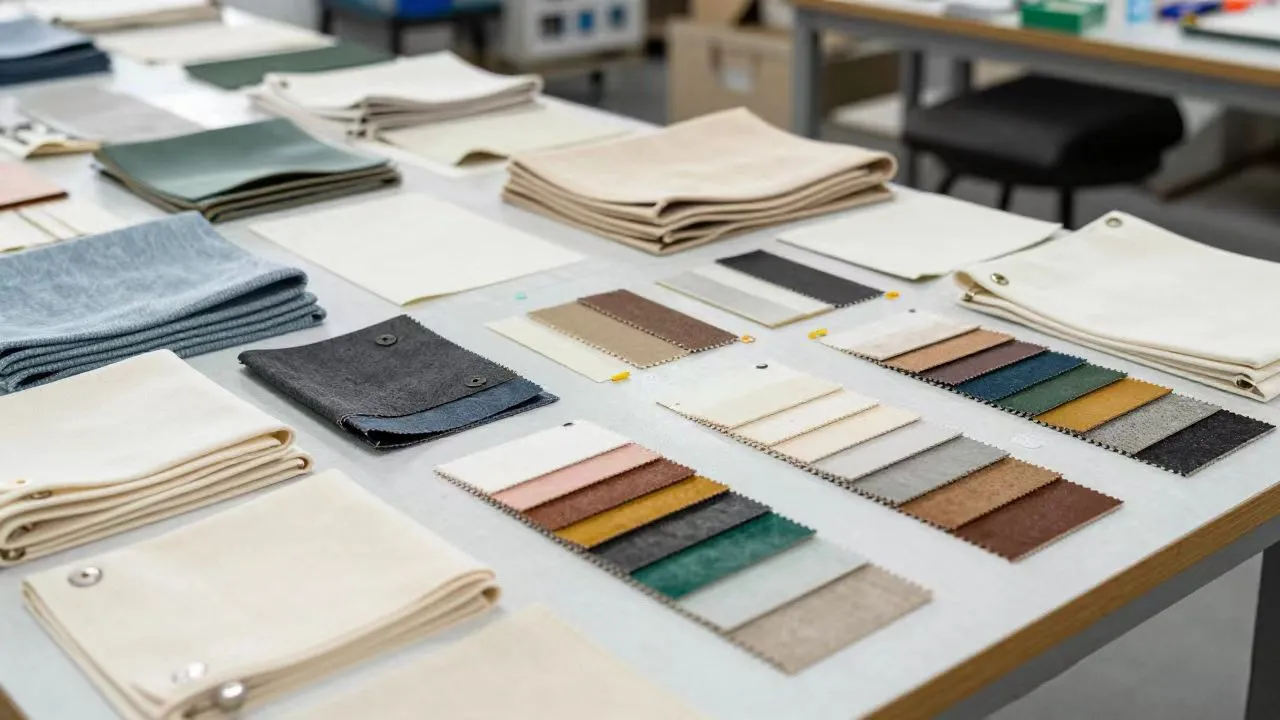
Recycled synthetic materials are gaining prominence as designers discover creative ways to incorporate post-consumer waste into luxury handbag construction. High-quality recycled polyester, derived from plastic bottles and fishing nets, is being transformed into sophisticated handbag exteriors that rival traditional materials in appearance and performance. These materials offer excellent durability while contributing to circular economy principles.
Advanced textile technologies are introducing smart fabrics that incorporate functionality beyond traditional aesthetics. Temperature-regulating materials, moisture-wicking surfaces, and stain-resistant treatments are being integrated into handbag designs to enhance user experience. These innovations represent a fusion of fashion and technology that addresses practical concerns while maintaining aesthetic appeal.
| Material Type | Key Features | 2026 Applications | Environmental Impact |
|---|---|---|---|
| Plant-Based Leather | Biodegradable, cruelty-free, premium texture | Luxury handbags, business accessories | Low carbon footprint, renewable source |
| Recycled Polyester | Water-resistant, durable, versatile | Casual bags, travel accessories | Waste reduction, energy efficient |
| Lab-Grown Materials | Consistent quality, customizable | Designer collections, limited editions | Controlled production, minimal waste |
| Traditional Leather Alternatives | Proven performance, familiar feel | Bridal, formal occasions | Improved processing methods |
| Composite Materials | Enhanced durability, multifunctional | Outdoor, adventure gear | Longevity reduces replacement need |
Architectural Shapes Redefining Handbag Silhouettes
The shape revolution in 2026 handbag design moves beyond traditional forms to embrace architectural principles that emphasize structure, geometry, and spatial relationships. Designers are drawing inspiration from modern architecture, creating handbags that function as sculptural pieces while maintaining practical functionality. This approach results in distinctive silhouettes that make bold fashion statements while serving practical needs.
Geometric forms dominate the 2026 landscape, with angular shapes, asymmetrical designs, and multi-faceted structures replacing the soft curves of previous decades. These architectural approaches create visual interest and provide opportunities for innovative hardware placement and functional compartmentalization. The resulting handbags serve as conversation starters while offering enhanced organizational capabilities.
Modular design concepts are becoming increasingly prevalent, allowing users to customize their handbags by adding or removing components based on specific needs. Detachable straps, interchangeable panels, and expandable sections provide flexibility that adapts to varying situations and personal preferences. This modularity extends product lifespan and increases perceived value.

Sustainable Innovation in Material Development
The sustainability movement in handbag design extends far beyond simple material substitution to encompass comprehensive lifecycle thinking and innovative production methodologies. 2026 trends emphasize closed-loop systems where every aspect of production contributes to environmental responsibility. This holistic approach includes everything from fiber sourcing to end-of-life recyclability, creating handbags that align with conscious consumer values.
Biofabrication represents one of the most exciting frontiers in sustainable handbag materials, with laboratory-grown materials offering unprecedented control over properties and environmental impact. These materials can be engineered to specific performance requirements while eliminating traditional manufacturing waste streams. The potential for customization and consistent quality makes biofabricated materials particularly appealing for luxury applications.
For detailed insights into sustainable manufacturing practices, our sustainability certification guide provides comprehensive information about eco-friendly production standards.
Key Innovation: Circular Design Principles
2026 handbag design embraces circular economy principles, creating products designed for disassembly and recycling at end-of-life. This approach considers material compatibility, component separability, and recycling infrastructure from the initial design phase.
Functional Integration and Smart Features
The integration of smart features into handbag design represents a significant trend for 2026, combining traditional craftsmanship with modern technology. Wireless charging capabilities, built-in security features, and connectivity options are being seamlessly incorporated into handbag structures without compromising aesthetic appeal. These integrations enhance user convenience while maintaining the timeless elegance expected from luxury accessories.
Security-focused design elements are becoming increasingly important as consumers seek protection for valuable items. Hidden compartments, RFID-blocking materials, and tamper-evident closures are being elegantly integrated into handbag designs. These features address practical security concerns while maintaining sophisticated aesthetics.
For businesses looking to understand hardware integration, our hardware guide provides detailed specifications for high-quality components.
Color and Texture Evolution
Color palettes for 2026 handbag designs reflect both environmental consciousness and emotional wellness trends. Earth tones, muted pastels, and natural hues dominate the landscape, representing a connection to nature and sustainability. These colors complement the organic materials being introduced while creating versatile options that pair well with diverse wardrobes.
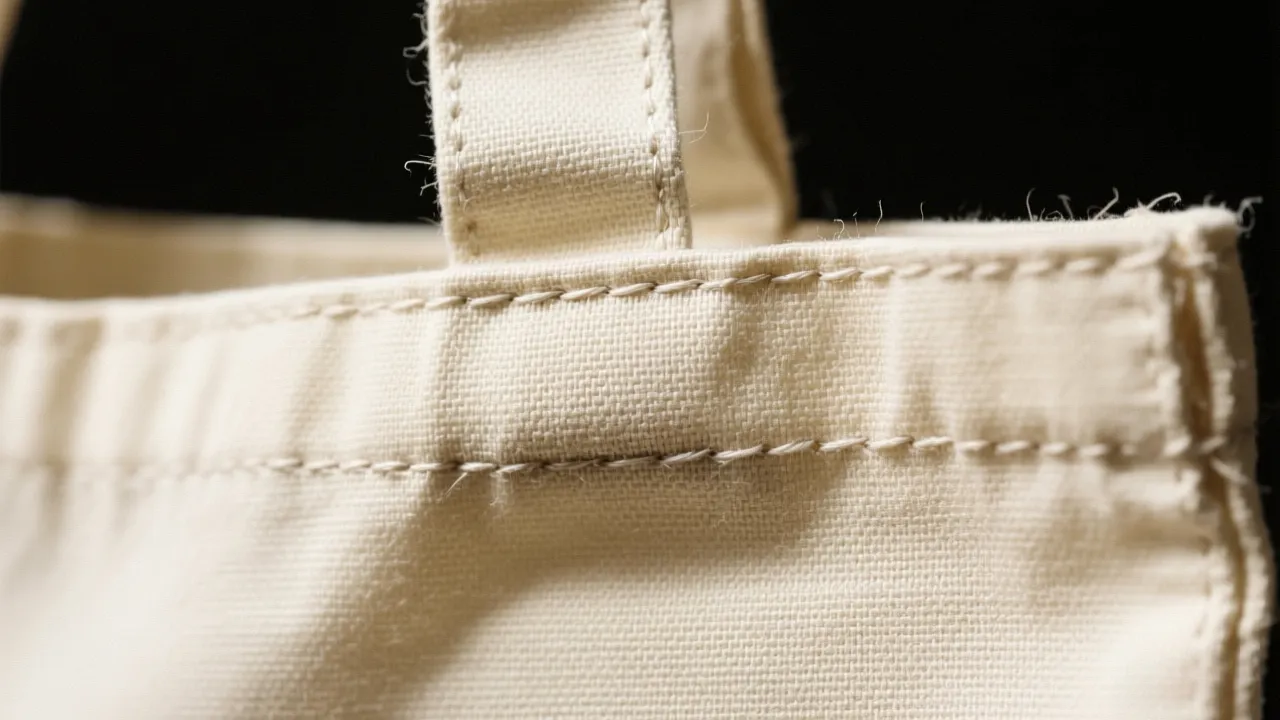
Texture plays an increasingly important role in handbag design, with tactile experiences becoming key differentiators in luxury markets. Innovative surface treatments, embossed patterns, and mixed-texture combinations create visual and physical interest. These textural elements provide sensory engagement that enhances the luxury experience while distinguishing products in competitive markets.
Manufacturing Technology Advancements
Advanced manufacturing technologies are enabling unprecedented precision and customization in handbag production. 3D printing, laser cutting, and automated assembly processes allow for complex geometries and intricate details that were previously impossible or prohibitively expensive. These technologies support the architectural shapes and innovative materials that define 2026 trends.
Digital manufacturing tools facilitate rapid prototyping and design iteration, allowing designers to experiment with unconventional shapes and material combinations. Computer-aided design software specifically developed for handbag construction enables precise engineering of complex structures while maintaining aesthetic integrity.
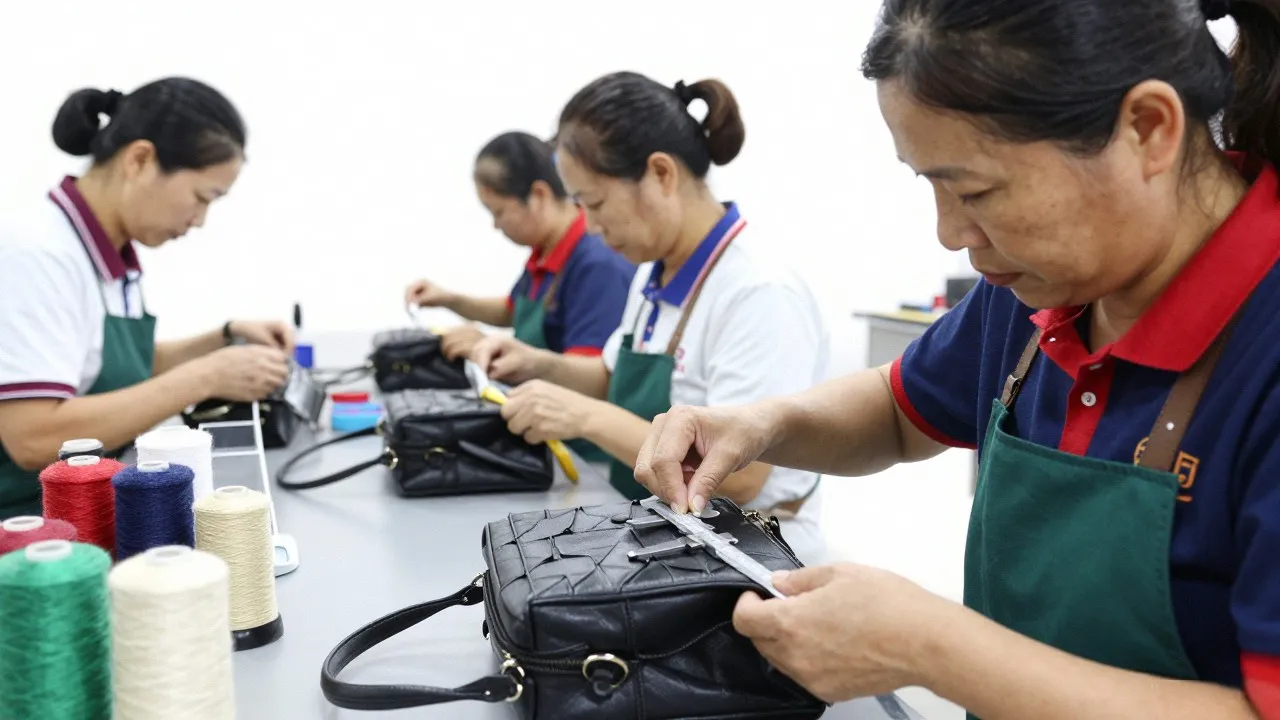
Quality control systems utilizing artificial intelligence and machine vision ensure consistent production quality while identifying defects early in the manufacturing process. These systems support the precise construction required for geometric shapes and innovative materials.
Consumer Behavior and Market Dynamics
Consumer behavior in 2026 reflects increased awareness of environmental impact and social responsibility. Buyers are making purchasing decisions based on brand values, manufacturing transparency, and long-term durability rather than purely aesthetic considerations. This shift drives demand for sustainable materials and ethical production practices.
Customization preferences are growing as consumers seek unique products that reflect individual style and values. Limited edition releases, personalized features, and collaborative design processes appeal to consumers seeking distinctive accessories. Brands are responding with flexible manufacturing systems that support small batch production and customization.
For businesses navigating international markets, our tariff optimization guide provides strategic insights for global operations.
Regional Design Influences
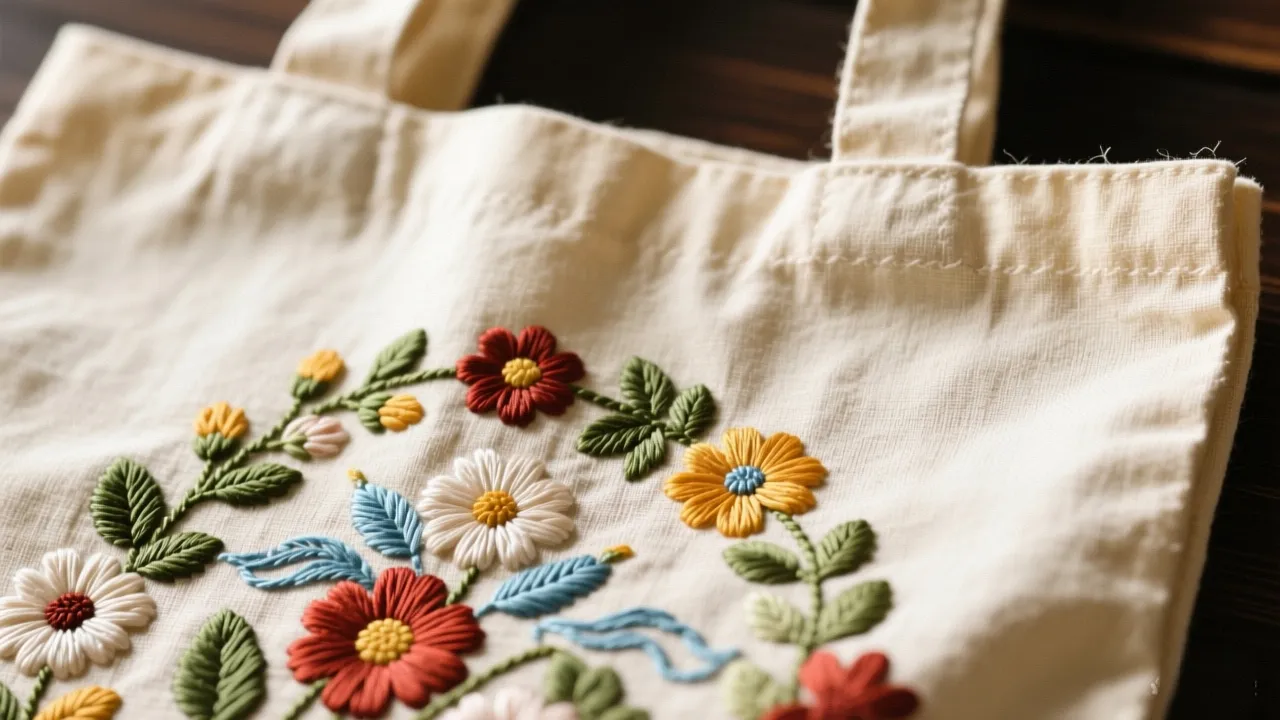
Regional design influences are becoming more pronounced as global communication enables cross-cultural exchange of ideas and aesthetics. European design traditions emphasize craftsmanship and heritage, while Asian markets favor innovative technology integration and minimalist aesthetics. American designers often blend functionality with bold styling, creating distinctive approaches that appeal to diverse markets.
These regional influences create hybrid design languages that combine the best elements from different traditions. The result is handbag design that appeals to global consumers while maintaining cultural authenticity and local relevance. This approach maximizes market reach while respecting diverse aesthetic preferences.
Brand Positioning and Marketing Strategies
Brand positioning strategies for 2026 emphasize authenticity, sustainability, and craftsmanship as key differentiators. Companies are investing in transparent supply chains, artisan partnerships, and storytelling that connects consumers emotionally to products. These strategies resonate with values-driven consumers who prioritize meaning over mere aesthetics.
Marketing approaches leverage digital platforms to showcase the innovation behind sustainable materials and architectural shapes. Virtual reality experiences, interactive catalogs, and social media campaigns highlight the craftsmanship and environmental benefits of new designs. These efforts educate consumers about the value proposition behind premium sustainable handbags.
For businesses developing technical specifications, our tech pack template guide provides professional frameworks for product development.
Quality Standards and Compliance
Quality standards for 2026 handbags encompass both traditional durability metrics and new sustainability certifications. International compliance requirements are expanding to include environmental impact assessments, chemical restrictions, and labor practice verification. Manufacturers must navigate complex regulatory landscapes while maintaining competitive pricing.
Testing protocols for innovative materials require new approaches that account for unique properties and performance characteristics. Standardized testing methods are being developed for biofabricated materials and composite structures, ensuring consistent quality evaluation across the industry.
For comprehensive information about compliance requirements, our compliance guide provides detailed regulatory insights.
Production Efficiency and Cost Management
Production efficiency improvements are essential for implementing 2026 design trends while maintaining competitive pricing. Advanced automation, lean manufacturing principles, and supply chain optimization help manage costs associated with innovative materials and complex shapes. These improvements enable broader market access to premium sustainable handbags.
Cost management strategies include strategic material sourcing, production volume optimization, and waste reduction initiatives. These approaches support the economic viability of sustainable design innovations while delivering value to consumers.
For detailed analysis of production cost factors, our cost factor guide provides comprehensive insights into pricing optimization.
Future Outlook and Emerging Technologies
The future of handbag design extends beyond 2026 with emerging technologies that promise even greater innovation. Nanotechnology applications could provide self-cleaning surfaces, enhanced durability, and adaptive properties. Biotechnology advances may yield materials with living properties that respond to environmental conditions.
Artificial intelligence integration could enable handbags that adapt to user preferences and environmental conditions automatically. These developments represent the next phase of evolution in handbag design, building on the foundation established in 2026.
Virtual and augmented reality technologies will likely transform the shopping experience, allowing consumers to visualize handbags in different contexts and with customized features before purchase. These technologies bridge the gap between online and in-person shopping experiences.
Collaboration and Partnership Opportunities
Collaboration between traditional handbag manufacturers and technology companies is creating new possibilities for innovative products. These partnerships combine expertise in materials science, manufacturing processes, and consumer behavior to create breakthrough products that meet evolving market needs.
Academic partnerships with design schools and research institutions provide access to emerging talent and cutting-edge research. These collaborations accelerate innovation while ensuring fresh perspectives on design challenges and opportunities.

Key Predictions for 2026 Handbag Market
- Sustainable materials will represent over 60% of premium handbag production
- Architectural shapes will dominate luxury market segments
- Smart features will become standard in high-end handbags
- Customization options will drive consumer loyalty
- Regional design influences will create hybrid aesthetic languages
Partner with Industry Experts for 2026 Success
Stay ahead of handbag design trends with expert guidance from industry leaders who understand the complexities of sustainable innovation and market dynamics. Our comprehensive services support the entire product development cycle from concept to market launch.
Guangzhou Huadu Shilong Town — Premium Bag & Silk Product Manufacturer
Bags MOQ: 200 pcs | Silk Products MOQ: 50 pcs
Serving 50+ Countries Worldwide | 30+ Skilled Employees
Location
Guangzhou, China
Factory DirectScan the QR code to connect with Victoria

Discover the World of Exquisite Clutch Bags
From elegant evening clutches to sophisticated everyday designs, our curated collection showcases the finest craftsmanship in leather accessories. Explore our comprehensive range of women’s clutch purses crafted by skilled artisans with decades of experience.
Featured Clutch Collections
Ready to find your perfect clutch bag? Our dedicated team is here to help you source premium accessories that elevate your brand.
Explore Full Clutch CollectionManufacturer Knowledge Hub
Twenty-two practical guides from our Guangzhou factory — covering everything from clutch sourcing, MOQ strategy, and quality control to tariffs, tech packs, and compliance. Each card opens a dedicated resource built from real production data.
Manufacturing & Products
Clutch Purses Manufacturer
Browse the full OEM clutch catalog — from evening minaudières to daytime wristlets — all built to your brand’s specs in our Guangzhou workshop.
Browse the full catalog Private LabelPrivate Label Leather Handbags
Launch a private-label leather line with low MOQs, custom hardware finishes, and dedicated pattern engineers who own your project end to end.
Plan your private label MaterialsGenuine Leather from China
Source full-grain and top-grain leather handbags direct from a Guangzhou maker with long-standing tannery partnerships and traceable supply.
Source full-grain leather Case StudyCustom Leather Clutch — A Success Story
Read how a European fashion brand grew from a cautious 30-piece trial into multi-thousand-piece annual reorders of bespoke clutch bags.
Read the case study Rush OrderRush-Order Logo Tote Bags
Need totes in two weeks? Our express lane ships custom-logo totes with full inline QC and export packing — without skipping any approval step.
Reserve a rush slot LogisticsImport Tote Bags: Shipping, Duty, Lead Time
A complete playbook on import logistics — port-to-port transit, customs duty brackets, and the realistic total lead time from PO to your warehouse.
Map your import routeQuality & Compliance
Tote Bag Quality-Control Checklist
Our 47-point QC checklist covers stitch density, colorfastness, hardware pull-strength, and packing — applied to every shipment, every order.
Download the QC checklist SamplingHandbag Sample-Approval Checklist
Use the same nine-step sample approval workflow our merchandisers run before any bulk production begins — and avoid costly reworks downstream.
Run the sample workflow ComplianceHandbag Compliance: REACH & Prop 65
A plain-English map of REACH SVHC, Prop 65, and CPSIA — learn which handbag materials trigger which compliance rules for US and EU markets.
Decode compliance rulesProcess & Capacity
How Low-MOQ Manufacturing Works
How low-MOQ production stays profitable — pattern sharing, modular components, and a dedicated small-batch line that keeps unit costs sensible.
Tour the MOQ workflow FactoryAbout Our Tote Bag Factory
Meet the 15-year tote bag factory behind your brand — 450 artisans, 18 production lines, and a weekly capacity of 80,000 units across cotton and canvas.
Meet our 450 artisans PaymentsHandbag Factory Payment Terms
T/T 30/70 vs L/C at sight vs D/P — the actual payment terms our clients use for first orders and repeat orders, with pros and cons explained.
Compare payment terms CostingHandbag Cost-Structure Breakdown
See exactly what drives handbag cost — materials 38%, labor 24%, hardware 11%, overhead 18%, margin 9% — with the levers you can actually pull.
Open the cost breakdown PricingEight Price Factors in Handbag Quotes
Eight pricing variables that shift a $9.50 handbag quote to $14.20 — leather grade, lining fabric, zip-pull alloy, edge paint, and four more.
Map the price leversDesign & Technical
Handbag Design Trends 2026
Color, hardware, silhouette, and material forecasts for SS26 handbag collections — curated from Milano and Paris runway shows plus buyer feedback.
Forecast SS26 designs TariffHandbag HS Code Complete Guide
HS codes 4202.21, 4202.22, 4202.31, 4202.32 — find the right tariff line to avoid customs delays and misclassification on every handbag shipment.
Decode HS codes Tech PackHandbag Tech Pack Template
Free handbag tech pack template with bill-of-materials, stitch specs, hardware callouts, and tolerance tables — drop in your numbers and ship.
Get the tech pack template EngineeringTech-Pack Cost-Down Engineering
Five engineering moves that quietly cut $1.80 per bag — reinforcement layouts, seam reductions, and material substitution that buyers never see.
Cut $1.80 per bagSourcing Strategy & Contact
Tariff Engineering with HTS Code Hacks
Reclassify components to shift handbag tariffs from 10% to 3.3% — legally, with proper HTS documentation that survives a CBP audit.
Reclassify duty lines RiskThe True Cost of Cheap Handbag Factories
Five risks of buying from $4.50/bag factories — defect rates, compliance gaps, IP exposure, and what they really cost your brand over three seasons.
Audit factory risks ContactStart Your Project with Our Team
Send your tech pack and get a working sample in seven days — three ways to reach our merchandising team and the fastest path from sketch to shipment.
Start a 7-day sample
Customer Reviews100 Reviews
The article is excellent for 2026 trends, but as a small boutique owner in Dammam, I need clearer details on shipping and customs costs for water-resistant vegan leather bag samples to King Abdulaziz Port in Dammam. The geometric designs with reinforced cores are great, but the vagueness in freight and duty costs made prototyping budget planning difficult. I hope for a transparent quote for shipping 3 samples by air with expected delivery time to Dammam.