
Understanding Digital Printing and Screen Printing for Luxury Silk Products
When it comes to creating custom printed silk scarves and silk pillowcases that captivate discerning customers, the printing method you choose becomes the silent architect of your brand’s visual identity. In the competitive landscape of luxury silk manufacturing, understanding the nuanced differences between digital printing on silk and screen printing silk can be the pivotal factor that elevates your product line from ordinary to extraordinary.
The journey of transforming raw mulberry silk into a canvas of artistic expression involves sophisticated technology, meticulous craftsmanship, and strategic decision-making. Whether you are a boutique fashion label seeking to launch an exclusive collection or an established brand expanding your silk essentials product category, selecting the appropriate printing technique directly impacts your bottom line, production timeline, and ultimately, customer satisfaction.
Our comprehensive guide dives deep into these two predominant silk printing technologies, providing you with actionable insights to make informed decisions for your private label silk accessories wholesale endeavors. By the end of this article, you will possess the knowledge to collaborate effectively with your manufacturing partner and achieve results that resonate with your target audience.
What Is Digital Printing on Silk? A Modern Approach to Custom Silk Design
Digital printing, often referred to as direct-to-fabric digital printing, represents the convergence of cutting-edge inkjet technology and traditional textile artistry. This method revolutionizes silk pillowcase manufacturing costs by eliminating many traditional setup requirements.
In digital printing, designs are transferred directly from a computer to the silk fabric using specialized reactive dyes and advanced inkjet printers. The process begins with digitally prepared artwork, which is then printed directly onto pre-treated silk fabric. Following printing, the fabric undergoes a steam fixation process that permanently bonds the dyes with the silk fibers, ensuring exceptional color retention and wash fastness.
Advantages of Digital Printing for Silk Products
- Minimal Setup Costs: Unlike traditional screen printing, digital printing requires no expensive screen creation, making it exceptionally cost-effective for small to medium production runs. This directly benefits brands looking at wholesale silk pillowcases bulk shipping options.
- Unlimited Color Complexity: Digital printing can reproduce photographs, gradients, and millions of colors without additional charges per color, perfect for intricate mulberry silk fabric sourcing designs.
- Rapid Sampling: Prototype designs can be produced quickly, allowing for faster product development cycles and market responsiveness.
- Flexible Quantities: Starting from our MOQ of 50 pieces, digital printing accommodates smaller orders economically, ideal for boutique brands and seasonal collections.
- Precision and Detail: Fine lines, small text, and photographic imagery are reproduced with remarkable clarity, essential for premium silk pillowcase packaging wholesale branding.
Limitations to Consider
While digital printing offers remarkable versatility, there are considerations for luxury silk manufacturers. The color saturation may be slightly less vibrant compared to screen printing for solid, bold colors. Additionally, production speed for very large quantities may be slower, though the cost-per-unit advantage often compensates for smaller orders.
What Is Screen Printing on Silk? The Time-Honored Art of Textile Printing
Screen printing, also known as serigraphy or silk screening, is a centuries-old technique that has been perfected for luxury textile applications. This method involves creating a separate stencil (screen) for each color in the design, then applying ink through the screen onto the silk fabric.
The process begins with artwork separation, where each color is isolated into individual screens. Skilled technicians then coat screens with light-sensitive emulsion, expose them to UV light through the color separations, and wash away the unhardened emulsion to create the stencil. Ink is then forced through the screen using a squeegee, with each color applied sequentially.
Advantages of Screen Printing for Silk
- Superior Color Vibrancy: Screen printing produces exceptionally bold, saturated colors that pop with luxurious intensity, particularly evident in solid color blocks and brand logos.
- Excellent Durability: The thick ink deposit creates designs that withstand repeated washing while maintaining color integrity, essential for wholesale real silk sleep products testing standards.
- Cost-Effective for Large Runs: Once screens are created, the per-unit cost decreases significantly for large production quantities, optimizing your custom leather bag silk set wholesale orders.
- Specialty Inks: Metallic, glow-in-the-dark, puff, and other specialty inks can be incorporated, adding unique textures and effects to your silk designs.
- Consistent Quality: Large production runs maintain uniformity across thousands of units, crucial for maintaining brand standards.
Considerations for Screen Printing
The primary consideration is the initial setup investment. Screen creation costs can be substantial, and these screens are most economical when used for large quantities. Additionally, highly detailed photographic designs may require more screens, increasing both cost and complexity. Turnaround times for initial samples are typically longer than digital printing.
Digital Printing vs. Screen Printing: A Comprehensive Comparison
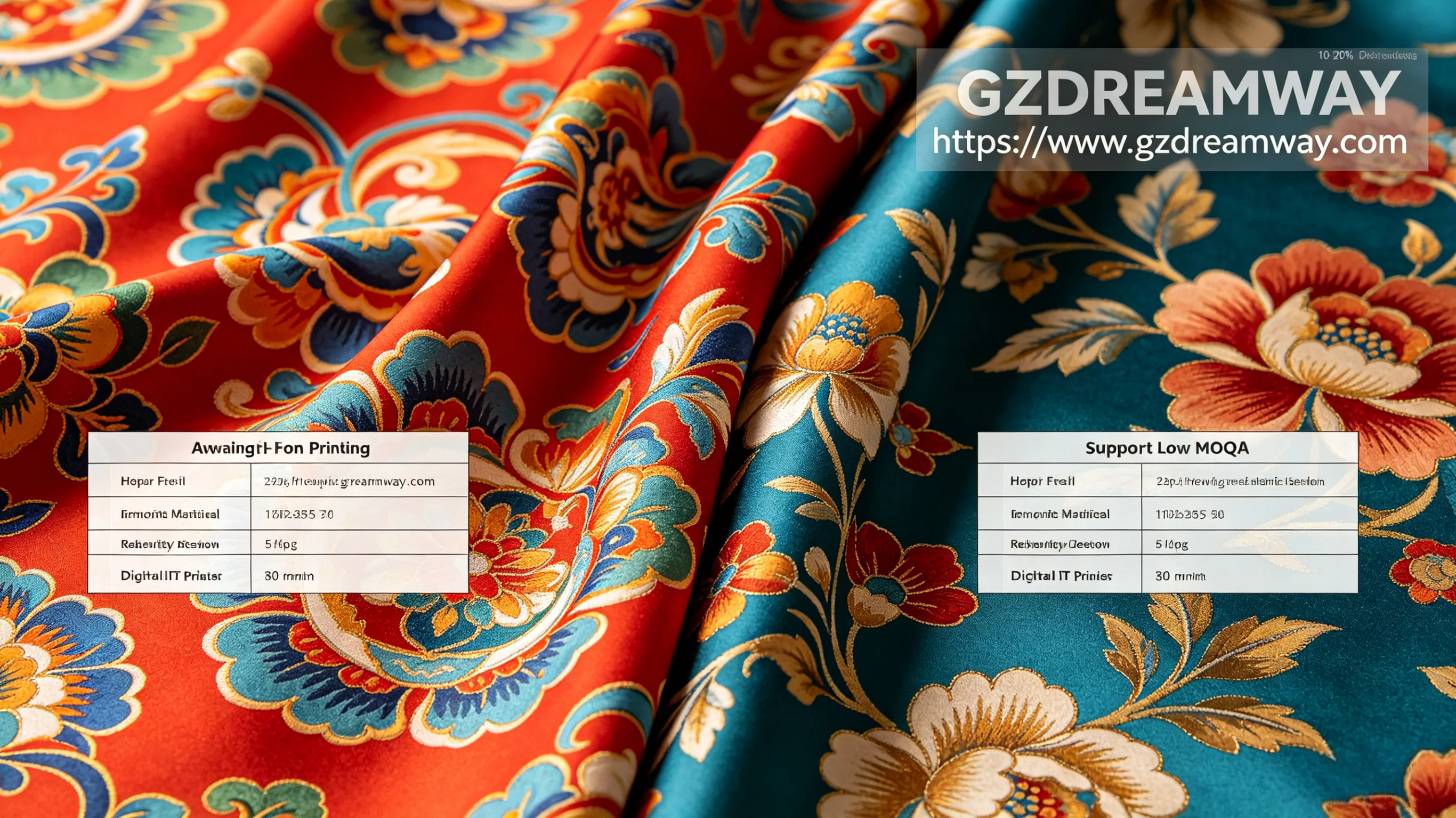
To help you visualize the key differences between these two printing technologies, we have compiled a detailed comparison table that addresses the most critical factors for your silk product manufacturing decisions:
| Factor | Digital Printing | Screen Printing |
|---|---|---|
| Minimum Order Quantity | 50 pieces per design | 200-500 pieces per design |
| Setup Costs | Minimal to none | $50-$200 per color screen |
| Design Complexity | Unlimited colors and details | Limited by color count |
| Color Vibrancy | Good, soft luxurious finish | Excellent, bold and saturated |
| Production Speed | Fast for small batches | Fast for large runs |
| Sample Turnaround | 5-7 business days | 10-14 business days |
| Best For | Photographs, gradients, small orders | Bold graphics, large quantities |
| Eco-Friendliness | Less ink waste | More ink per unit |
| Fabric Texture | Minimal impact on drape | Thicker ink layer may affect hand feel |
This comparison demonstrates why many leather and silk production factories offer both options—to provide brands with flexibility based on their specific requirements.
Key Factors to Consider When Choosing Your Silk Printing Method
1. Order Quantity and Budget Constraints
Your order volume is perhaps the most critical factor in determining the most cost-effective printing method. For orders meeting our 50-piece MOQ, digital printing offers an accessible entry point for emerging brands and established labels testing new designs. Screen printing becomes economically advantageous when your order quantity exceeds 500 units, where the lower per-unit cost offsets the initial screen setup fees.
2. Design Complexity and Artwork Requirements
Evaluate your artwork critically. Does your design feature photographic imagery, subtle gradients, or millions of colors? Digital printing excels in these scenarios. Conversely, if your brand identity relies on bold solid colors, clean geometric shapes, or specific Pantone-matched hues, screen printing delivers superior accuracy and vibrancy.
3. Color Matching and Brand Consistency
Maintaining brand color consistency across multiple production batches is essential for luxury product lines. Screen printing offers tighter color control for specific brand colors, while digital printing provides excellent consistency with modern equipment calibration. Both methods meet the rigorous premium quality security standards required for luxury silk products.
4. Production Timeline and Market Responsiveness
In today’s fast-paced fashion environment, speed to market can be a decisive competitive advantage. Digital printing’s quick setup translates to faster sample production and the ability to respond rapidly to trend changes. If your business model requires agility and smaller seasonal runs, custom branded silk eye masks and other printed silk accessories via digital printing may be your optimal choice.
5. Fabric Selection and Compatibility
Both printing methods work beautifully on 100% mulberry silk in various momme weights. Our silk pillowcase manufacturer with custom stitching capabilities ensure that regardless of your chosen printing method, your finished products showcase the inherent luxury of silk. The pre-treatment process we employ optimizes ink absorption for vibrant, long-lasting results.
Color Management and Quality Assurance in Silk Printing
Achieving consistent, high-quality results in silk craftsmanship requires rigorous color management protocols. Our manufacturing facility employs advanced color calibration systems, ensuring that what you see on your design screen matches what emerges from our production floor.
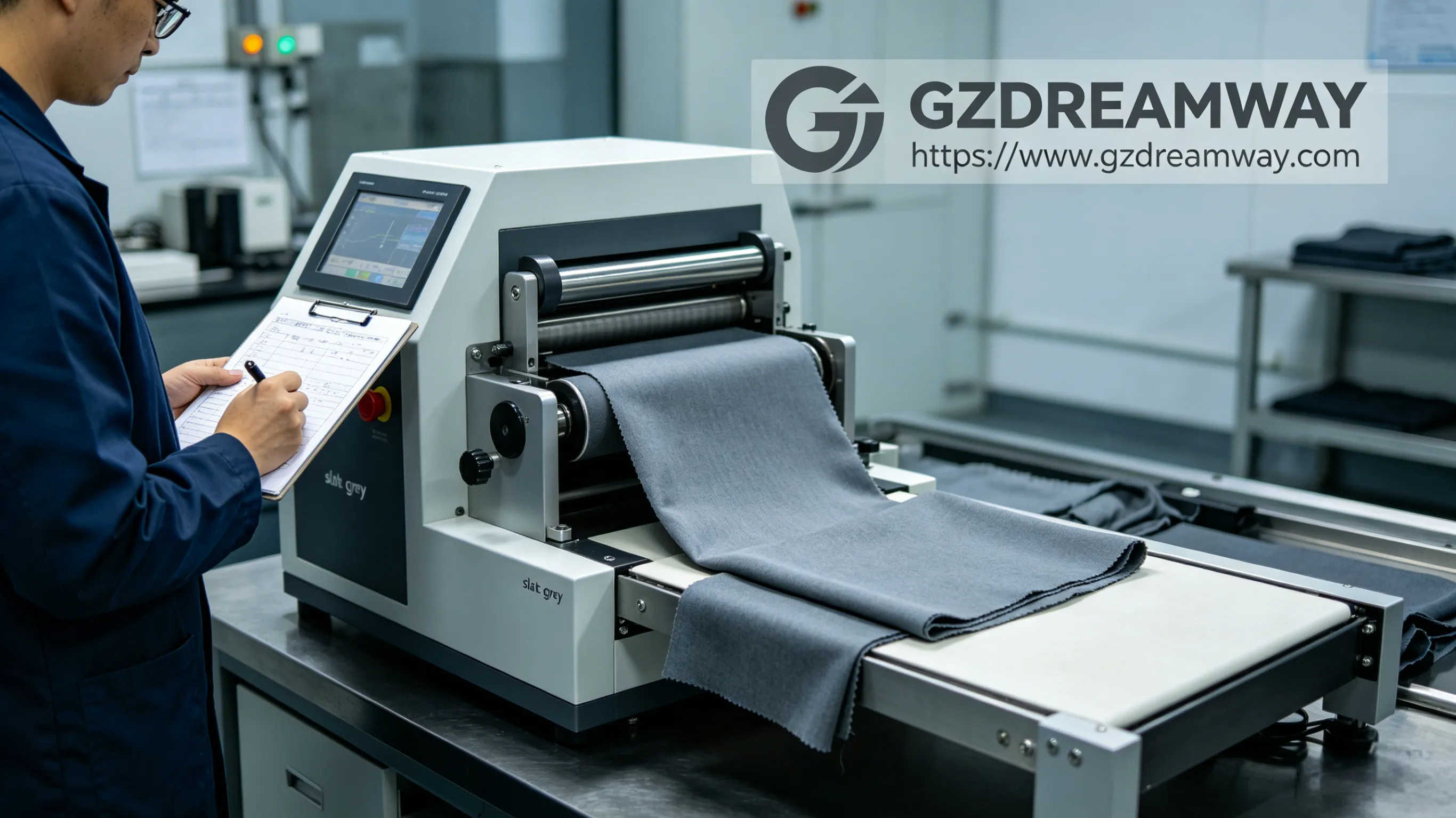
Our comprehensive care labels guide ensures that your customers receive proper care instructions with each product, maintaining the longevity of both the silk fabric and the printed designs. This attention to detail distinguishes premium silk products in the marketplace.
Sustainability Considerations in Modern Silk Printing
As conscious consumption gains prominence among luxury consumers, the environmental impact of textile production has become increasingly important. Digital printing typically generates less waste due to precise ink application and the absence of screen manufacturing byproducts. Our commitment to sustainable silk alternatives extends to optimizing both printing methods for minimal environmental footprint while maintaining the exceptional quality your brand deserves.
Making the Final Decision: Our Expert Recommendations
Choosing between digital and screen printing for your wholesale mulberry silk pillowcase or wholesale silk eye mask orders should align with your strategic business objectives. Here are our expert recommendations based on common scenarios:
Choose Digital Printing If:
- You are launching a new collection with a 50-499 piece minimum order quantity
- Your designs feature photographic imagery, complex gradients, or unlimited color palettes
- You need rapid sampling and quick market turnaround
- You prefer lower upfront investment while testing market demand
- Your brand aesthetic emphasizes soft, luxurious, photography-forward visuals
Choose Screen Printing If:
- Your order quantity exceeds 500 pieces per design
- Brand colors require precise Pantone matching with bold, saturated vibrancy
- Your designs feature solid color blocks, logos, or limited color counts
- You require specialty effects such as metallic inks or raised textures
- Long-term cost efficiency for established product lines is your priority
Partnering with the Right Silk Manufacturer
Your choice of manufacturing partner significantly influences the success of your printed silk products. Look for a factory with demonstrated expertise in both mulberry silk fabric sourcing and advanced printing technologies. The ideal partner offers comprehensive services including fabric selection consultation, design optimization support, quality control at every stage, and flexible MOQ options that grow with your business.
At our manufacturing facility, we combine generations of silk expertise with modern printing capabilities. Our vertically integrated production ensures consistent quality from raw silk selection through final packaging, enabling brands to deliver exceptional products that command premium positioning in the market.
Ready to Bring Your Silk Designs to Life?
Whether you envision intricate digital prints or bold screen-printed patterns, our expert team is here to guide your production journey. With our competitive 50-piece MOQ, flexible printing options, and unwavering commitment to quality, your luxury silk brand vision is within reach.
Get Your Free Printing Consultation Today – Let’s Create Something Extraordinary Together!💡 Pro Tip for Buyers: Share your design concepts and target quantities with our production specialists. We’ll provide a detailed cost comparison and recommend the optimal printing method for your specific requirements. Start your consultation now and receive a customized production quote within 24 hours!
Conclusion: Empowering Your Silk Brand with the Right Printing Choice
The decision between digital printing and screen printing for your custom silk scarves and pillowcases is not merely a technical choice—it is a strategic business decision that impacts your brand positioning, cost structure, and market responsiveness. Both methods have earned their place in luxury silk manufacturing, each excelling in specific applications.
Digital printing democratizes access to custom silk products, enabling brands of all sizes to offer personalized, visually stunning merchandise with an accessible 50-piece minimum order. Screen printing continues to set the standard for bold, vibrant, large-scale production where economies of scale deliver compelling per-unit economics.
We encourage you to leverage this knowledge when planning your next silk collection. Consider your immediate needs alongside long-term growth strategy, and do not hesitate to request samples using both methods to experience the quality difference firsthand. Your perfect printing method awaits discovery.
Frequently Asked Questions (FAQs)
A: Our MOQ for custom printed silk scarves and pillowcases is 50 pieces per design. This applies to both digital printing and screen printing methods, allowing brands to start with manageable quantities while enjoying wholesale pricing. This low minimum makes it accessible for boutique brands and emerging labels to enter the luxury silk market.
A: Digital printing is the ideal choice for small batch orders. With no screen setup costs and no minimum yardage requirements, it allows for highly economical production starting from just 50 pieces per design. This makes it perfect for seasonal collections, limited editions, and market testing.
A: Yes, digital printing excels at reproducing complex photographic designs, gradients, and intricate patterns on silk fabric. Screen printing is better suited for bold, solid-color designs with clean edges and limited color palettes. Our digital printing technology captures every detail with remarkable precision.
A: Consider your order quantity, design complexity, color requirements, and budget. For orders under 500 pieces with intricate designs, digital printing offers better value and faster turnaround. For large orders (500+ pieces) with bold graphics, screen printing provides significant cost advantages and more vibrant colors. Our team can help you analyze the best option for your specific project.
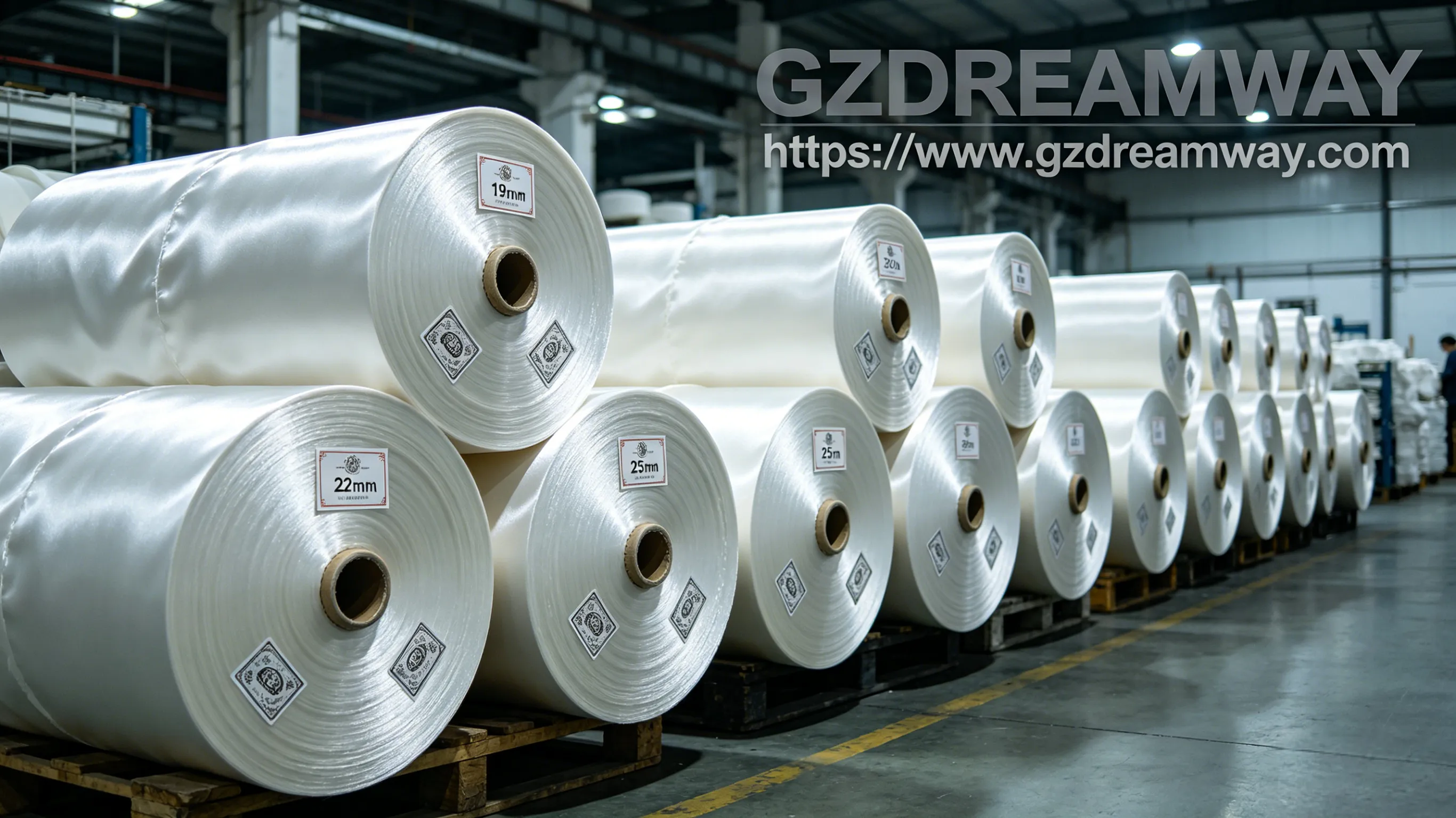
A: Both digital and screen printing work excellently on 100% mulberry silk in various momme weights (16, 19, 22, 25mm). Our silk fabric undergoes professional pre-treatment to ensure optimal ink absorption and superior colorfastness for both printing methods, guaranteeing long-lasting, wash-resistant results.
Customer Reviews65 Reviews