
Factory vs Trading Company: Which Is Better for Custom Bags?
A comprehensive guide for businesses seeking the right sourcing partner for their custom bag manufacturing needs.
Quick Answer
When sourcing custom bags, the choice between a factory and a trading company depends on your specific business needs. Here’s a quick breakdown:
What Is a Factory?
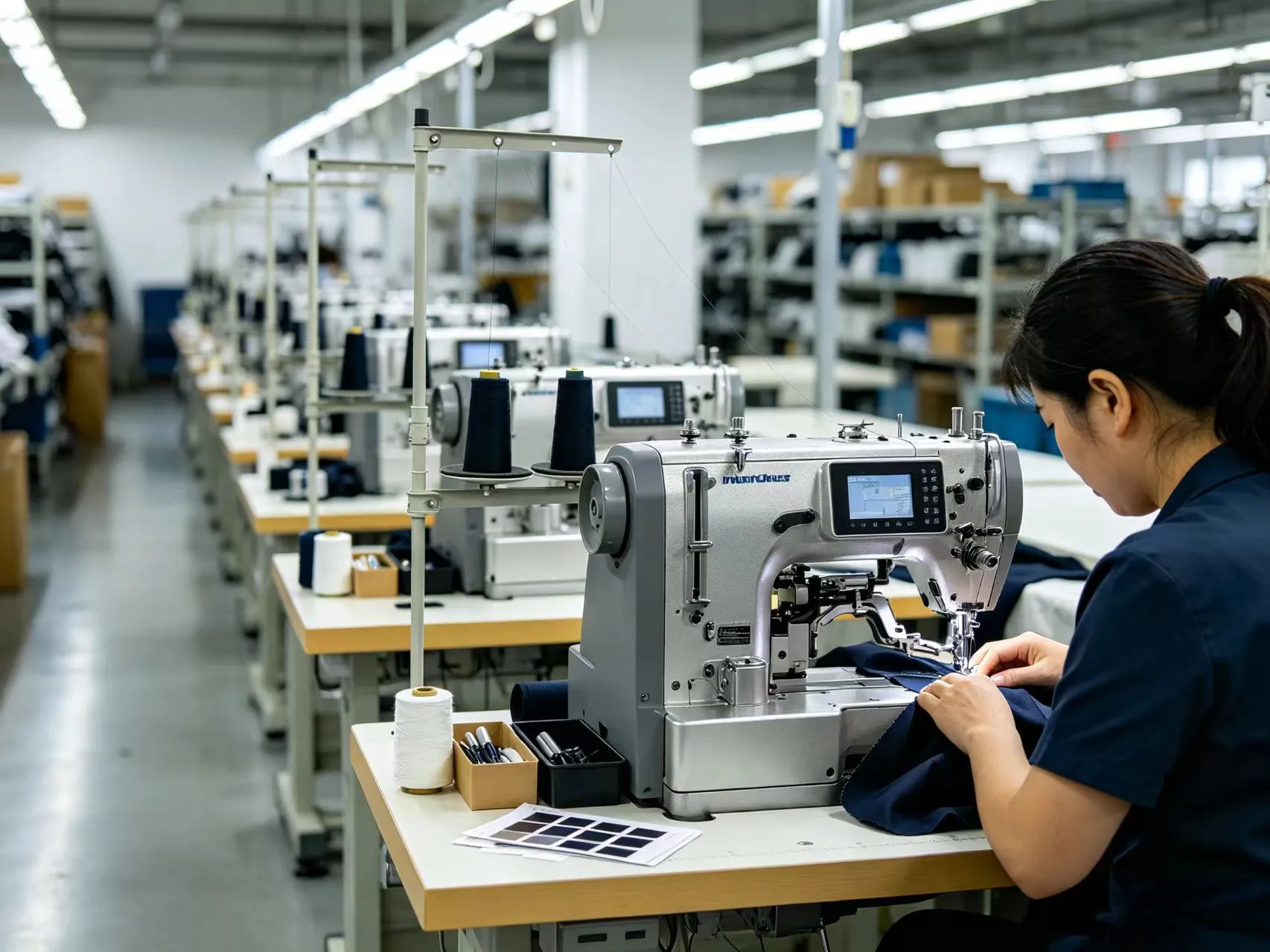
A factory is a direct manufacturing facility that owns production equipment, employs skilled workers, and controls the entire production process from raw materials to finished products. Factories can offer deeper customization, better quality control, and more competitive pricing for larger orders. They typically have in-house quality inspection teams, engineering capabilities, and can provide comprehensive documentation including tech packs and production reports.
What Is a Trading Company?
A trading company acts as an intermediary between buyers and multiple factories. They specialize in sourcing, logistics, and communication coordination. Trading companies excel at finding products quickly and managing multi-category orders, but typically charge a markup for their services. They may have limited engineering capabilities and less direct control over production quality.
Which Is Better for Startups?
For startups with limited budgets and designs still in development, a trading company may offer more flexibility with lower minimum order quantities (MOQs). However, if your design is finalized and you need cost-effective production, a factory with competitive pricing and quality consistency is the better choice. Many startups eventually transition from trading companies to direct factory relationships as their business scales.
Which Is Better for Established Brands?
Established brands typically benefit most from working directly with factories. Direct factory relationships provide better control over quality, stronger intellectual property protection, more customization options, and more competitive pricing for bulk orders. Brands requiring consistent quality across large volumes should prioritize factory partnerships.
Which Is Better for Amazon Sellers?
Amazon sellers need a balance of competitive pricing, reliable quality, and fast turnaround. Factories generally offer better pricing for standard products and can accommodate Amazon’s inventory demands. However, trading companies may be preferable for sellers testing new product ideas with smaller quantities before committing to larger production runs.
Which Is Better for Promotional Buyers?
Promotional buyers typically need quick turnaround, competitive pricing, and straightforward ordering processes. Trading companies often excel in this space by offering ready inventory and established supplier networks. However, for customized promotional items with logos and branding, factories provide better direct control and pricing.
Summary Table
| Your Situation | Recommended Choice | Key Reason |
|---|---|---|
| Startup with limited budget | Trading Company | Lower MOQ, faster sourcing |
| Established brand | Factory | Better pricing, quality control |
| Amazon seller | Factory (for volume) / Trading Co (for testing) | Balance of cost and flexibility |
| Custom OEM/ODM project | Factory | Engineering capabilities |
| Promotional/Small orders | Trading Company | Quick turnaround, lower MOQ |
Factory vs Trading Company: Comparison Table
This comprehensive comparison covers 30+ critical factors to help you make an informed decision when sourcing custom bags from China.
| Comparison Factor | Factory | Trading Company |
|---|---|---|
| Product Price | Lower (direct manufacturing) | Higher (markup added) |
| MOQ (Minimum Order Quantity) | Usually higher (200+ for bags) | Usually lower (50-100) |
| Customization | Full customization available | Limited to existing options |
| OEM Capability | Full OEM support | Limited OEM support |
| ODM Capability | Full ODM with design support | Minimal ODM support |
| Private Label | Full support with quality control | Available but less control |
| Sample Development | In-house sample room | Outsourced to partner factories |
| Tech Pack Support | Full technical documentation | Limited or outsourced |
| Engineering Capability | In-house engineering team | No engineering team |
| Material Selection | Direct supplier relationships | Curated supplier network |
| Production Control | Complete production control | Limited visibility |
| Lead Time | Predictable and controllable | May have additional delays |
| Production Capacity | Known capacity, scalable | Variable, depends on partners |
| Communication | Direct with manufacturer | Through intermediary |
| Quality Control (QC) | Multiple QC checkpoints | May rely on factory QC |
| Certifications | Can provide factory certifications | Limited certification access |
| Factory Audit | Can arrange self-audit | May arrange third-party audit |
| R&D Capability | In-house R&D department | No R&D capability |
| New Product Development | Full NPD support | Limited NPD support |
| Packaging Design | Custom packaging available | Standard packaging options |
| IP Protection | Better IP protection | Higher IP risk |
| Flexibility | High flexibility in production | Limited flexibility |
| Risk Level | Lower for established factories | Higher due to intermediaries |
| After-sales Service | Direct accountability | Indirect accountability |
| Best For | Long-term partnerships, bulk orders | Quick sourcing, multi-category |
| Mold Ownership | Customer owns molds | Usually retained by factory |
| Design Ownership | Protected under agreement | Higher exposure risk |
| Tooling Cost | Competitive pricing | Marked up pricing |
| Shipping Arrangements | Can coordinate directly | Usually arranges shipping |
| Language Barrier | May have communication issues | Usually fluent in English |
What Is a Bag Factory?
A bag factory is a direct manufacturing facility that produces bags, accessories, and related products. Unlike trading companies that act as intermediaries, factories own their production lines, employ skilled workers, and maintain direct control over every stage of manufacturing.
Core Characteristics of a True Factory
- Owned Production Equipment: Industrial sewing machines, cutting equipment, printing presses, and finishing machinery are company-owned
- Employed Workforce: Direct-hire workers with specialized skills in bag manufacturing
- In-house QC Team: Dedicated quality control personnel at every production stage
- Research & Development: Capacity to develop new products and improve existing designs
- Direct Material Sourcing: Established relationships with material suppliers for competitive pricing
Factory Workflow Process
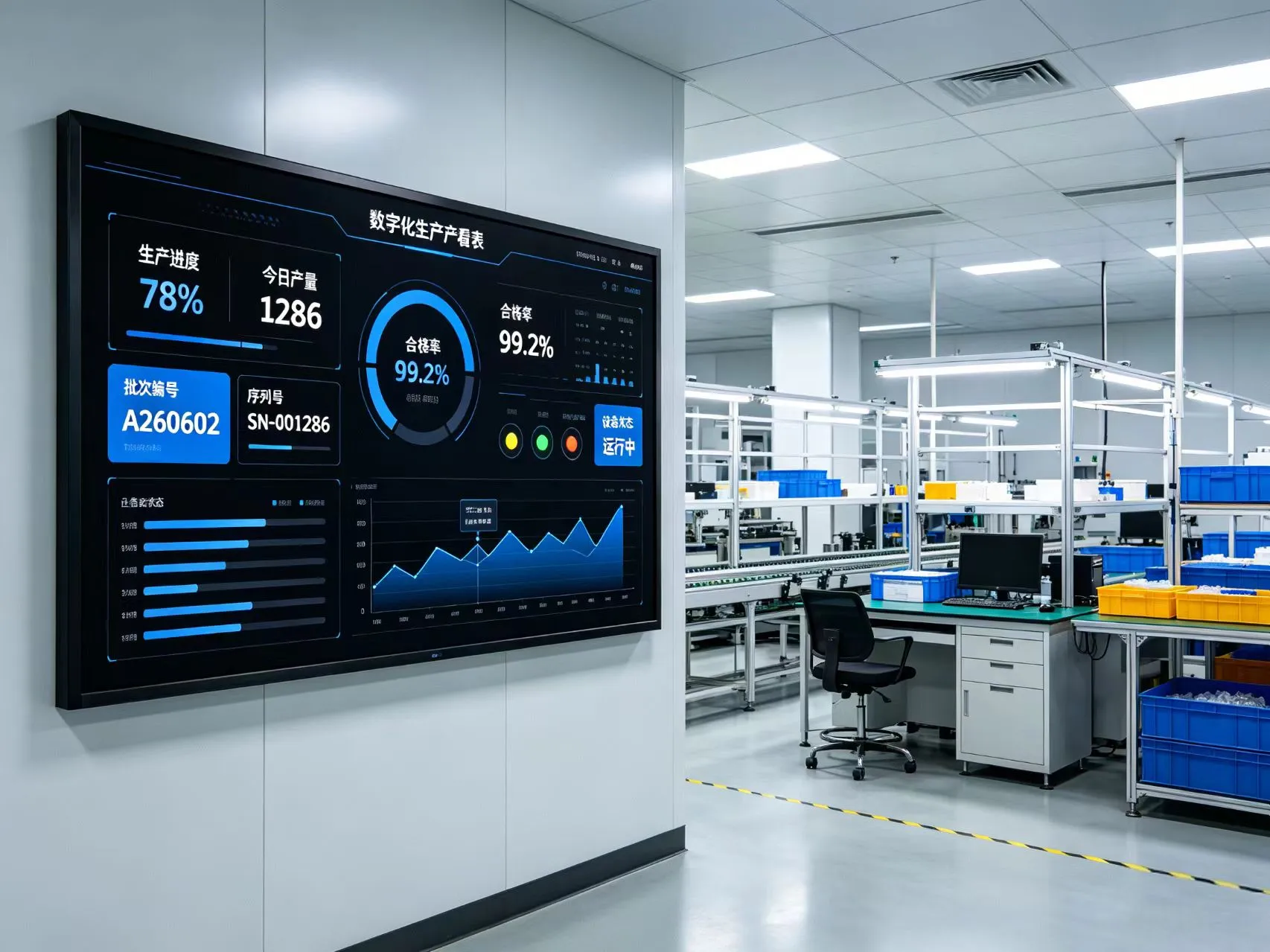
Understanding the factory workflow helps you appreciate the complexity and value-add that direct manufacturers bring to your products:
At each stage, quality checkpoints ensure that only products meeting specifications proceed to the next step. This systematic approach minimizes defects and ensures consistency across large production runs.
Types of Bag Factories
Bag factories in China specialize in various product categories:
- Handbag Manufacturers: Fashion bags, purses, clutch bags
- Backpack Manufacturers: School bags, travel backpacks, laptop bags
- Canvas Bag Factories: Tote bags, shopping bags, promotional bags
- Leather Bag Manufacturers: Genuine leather and PU leather products
- Cotton Bag Factories: Eco-friendly and sustainable options
- Specialty Bag Manufacturers: Military, medical, sports, and industrial bags
What Is a Trading Company?
A trading company serves as an intermediary between international buyers and Chinese manufacturers. Rather than operating their own production facilities, trading companies maintain networks of pre-vetted factories and coordinate orders across multiple suppliers.
How Trading Companies Work
Trading companies typically operate with the following model:
- Client Inquiry: Receive specifications from international buyers
- Supplier Matching: Identify suitable factories from their network
- Price Negotiation: Aggregate orders to negotiate better rates
- Order Coordination: Manage production schedules across multiple factories
- Quality Oversight: Arrange inspections and quality control
- Logistics: Handle shipping, customs, and documentation
- After-sales: Address issues and coordinate with factories
Advantages of Trading Companies
- Faster Initial Sourcing: Pre-established supplier relationships enable quick product identification
- Multi-Category Orders: Can source diverse products from a single contact
- Language Proficiency: Typically offer excellent English communication
- Lower MOQs: Can combine orders across clients to meet factory minimums
- Logistics Expertise: Experienced in international shipping and customs
- Quality Assurance: Can arrange third-party inspections
Limitations of Trading Companies
- Higher Prices: Operating margins add 10-30% to product costs
- Limited Production Control: No direct influence on manufacturing processes
- Intellectual Property Risk: Designs shared with more parties
- Communication Delays: Messages passed through intermediary
- Limited Customization: Restricted to factory capabilities
- Accountability Issues: Unclear responsibility when problems arise
Price Comparison
Understanding the true cost differences between factory and trading company sourcing is essential for accurate budgeting.
| Cost Factor | Direct Factory | Trading Company |
|---|---|---|
| Unit Price | Base manufacturing cost | Factory price + 10-30% margin |
| Sample Cost | Actual production cost | Factory cost + service fee |
| Mold/Tooling Fee | Competitive factory rate | Often marked up significantly |
| Shipping Cost | Direct arrangement | May include handling fees |
| Hidden Costs | Transparent pricing | Additional service charges |
.webp)
When Trading Companies Might Save Money
Despite higher markups, trading companies can be cost-effective in certain scenarios:
- Small Orders: When combining multiple small orders to meet MOQs
- Multi-Category Sourcing: Single point of contact for diverse products
- Initial Sourcing: Reducing research and verification costs
- Quick Turnaround: Avoiding time-consuming factory negotiations
MOQ Comparison
Minimum Order Quantity (MOQ) is often the deciding factor for startups and small businesses. Understanding how MOQs differ between factories and trading companies helps you plan your inventory strategy.
.webp)
| Order Type | Factory MOQ | Trading Company MOQ |
|---|---|---|
| OEM (Own Brand) | 200-500 pieces per style | 50-100 pieces per style |
| ODM (Design Service) | 200-500 pieces per style | 100-200 pieces per style |
| Stock/Ready Products | Varies (often 50+) | 10-50 pieces |
| Private Label | 200+ pieces | 50-100 pieces |
| Mixed Color Orders | Usually 50+ per color | Can split colors (10+ each) |
Negotiating Lower MOQs with Factories
Many factories are willing to negotiate lower MOQs under certain conditions:
- Higher Unit Price: Paying premium for smaller runs
- Repeat Orders: Committing to follow-up orders
- Off-Season Orders: Flexible production scheduling
- Full Payment: Reducing factory’s financial risk
Product Customization Comparison
Customization capabilities differentiate premium sourcing partners from basic suppliers. This comparison shows what you can typically achieve with each partner type.
| Customization Item | Factory | Trading Company |
|---|---|---|
| Material Selection | Wide selection, direct sourcing | Limited to catalog options |
| Size/Dimensions | Fully customizable | Limited to existing sizes |
| Printing/Logo | Multiple techniques available | Standard printing options |
| Zipper Selection | Various brands and types | Limited options |
| Hardware/Metal Parts | Custom plating and designs | Standard hardware |
| Stitching Details | Custom thread, density, style | Standard options |
| Packaging | Full custom packaging | Basic custom packaging |
| Labels/Tags | Custom design and material | Standard label options |
| Hang Tags | Full customization | Limited customization |
| Carton Design | Custom branding | Standard cartons |
.webp)
Quality Control Comparison
Quality control is paramount when sourcing bags that represent your brand. Understanding the QC processes available through each sourcing method helps you protect your reputation.
Factory Quality Control Systems
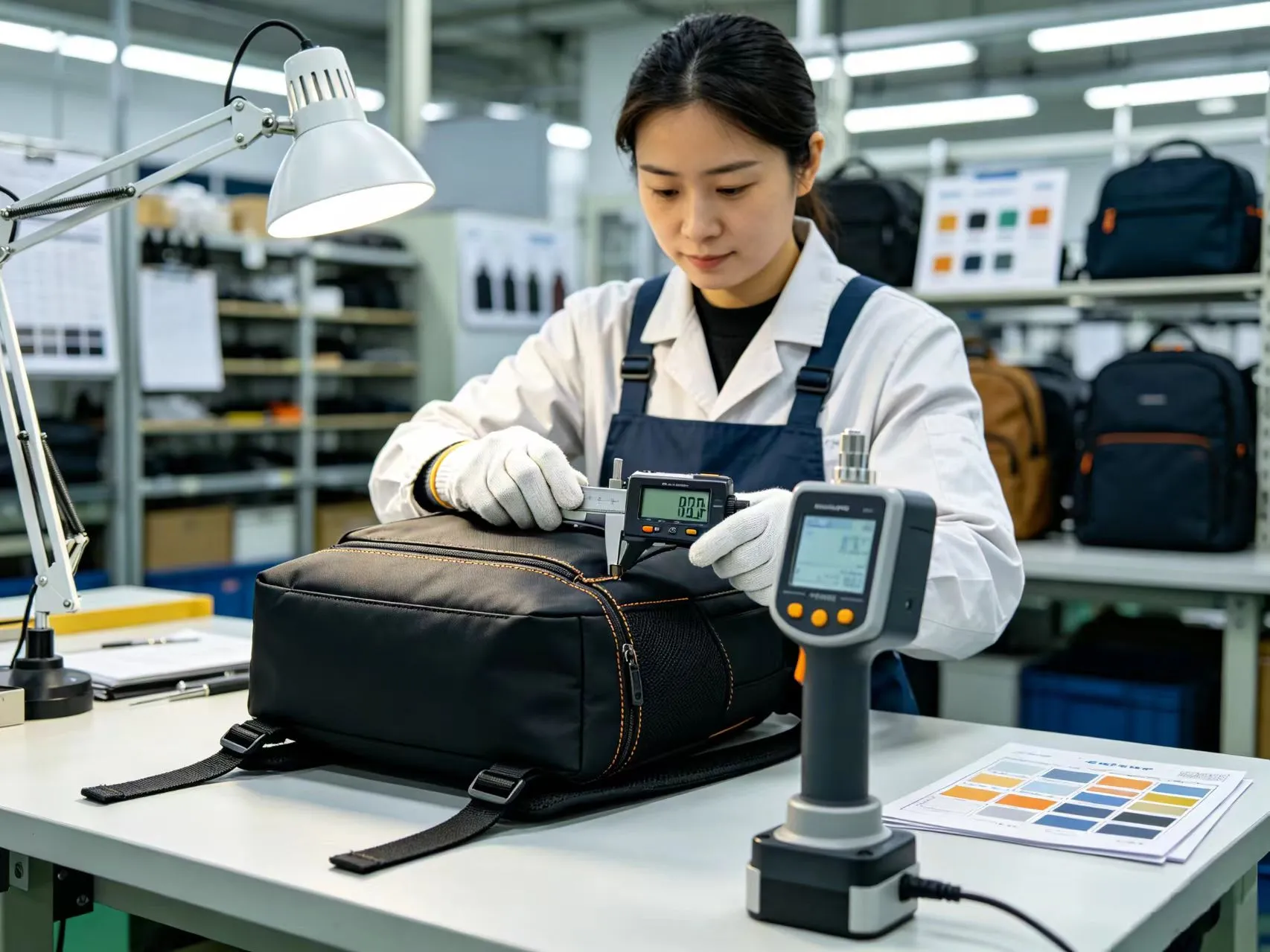
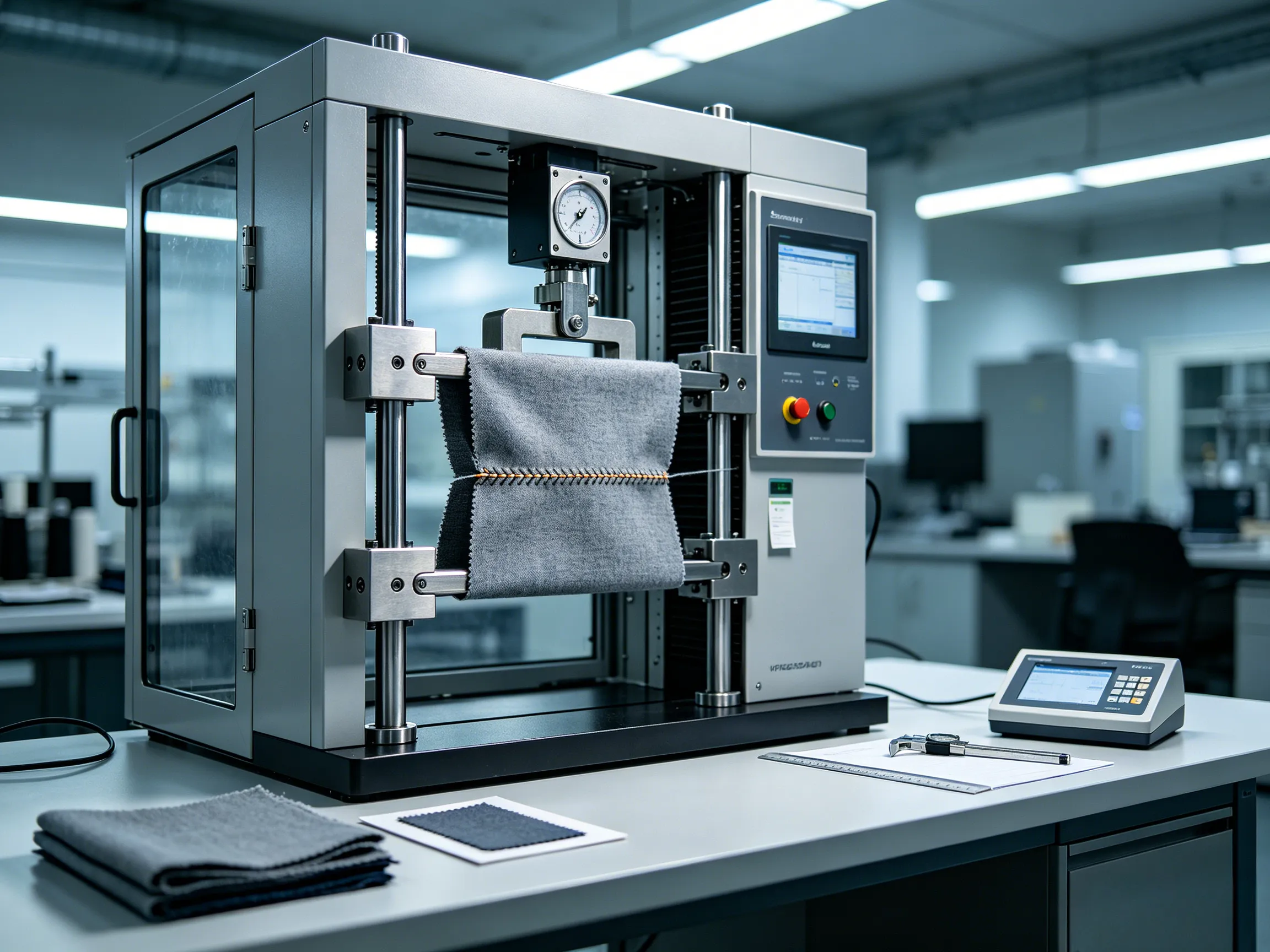
- Incoming Inspection: All raw materials checked upon arrival at factory
- Inline QC: Quality checks during production process
- Final Inspection: Comprehensive check before packing
- AQL 2.5 Standard: International quality acceptance level
- Third-party Inspection: Can arrange independent verification
Quality Inspection Standards
| Inspection Type | Factory Capability | Trading Company Capability |
|---|---|---|
| Incoming Material QC | Full incoming inspection | Relies on factory inspection |
| Production Monitoring | Real-time monitoring | Periodic visits |
| AQL 2.5 Inspection | Internal AQL available | Can arrange third-party |
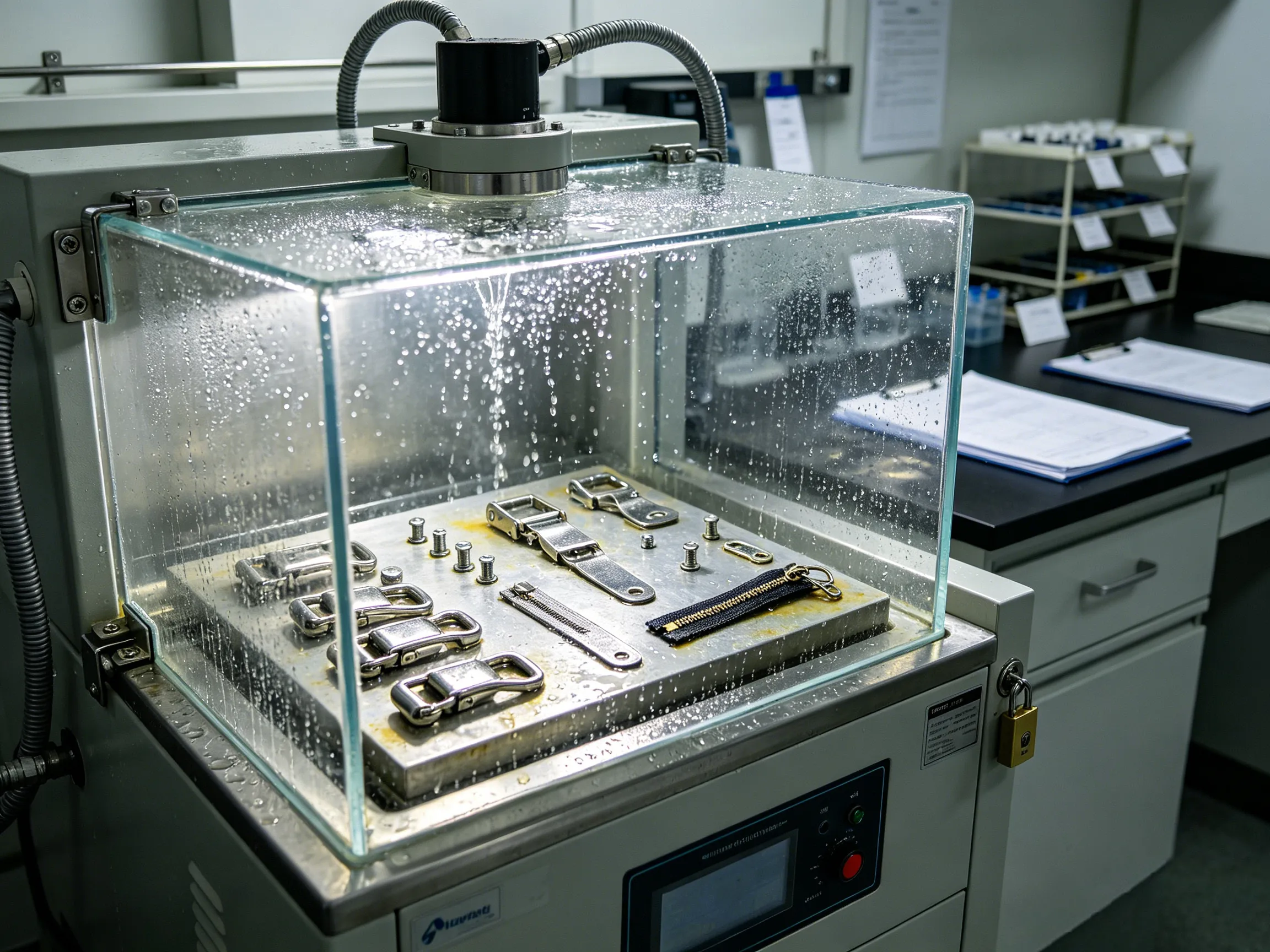
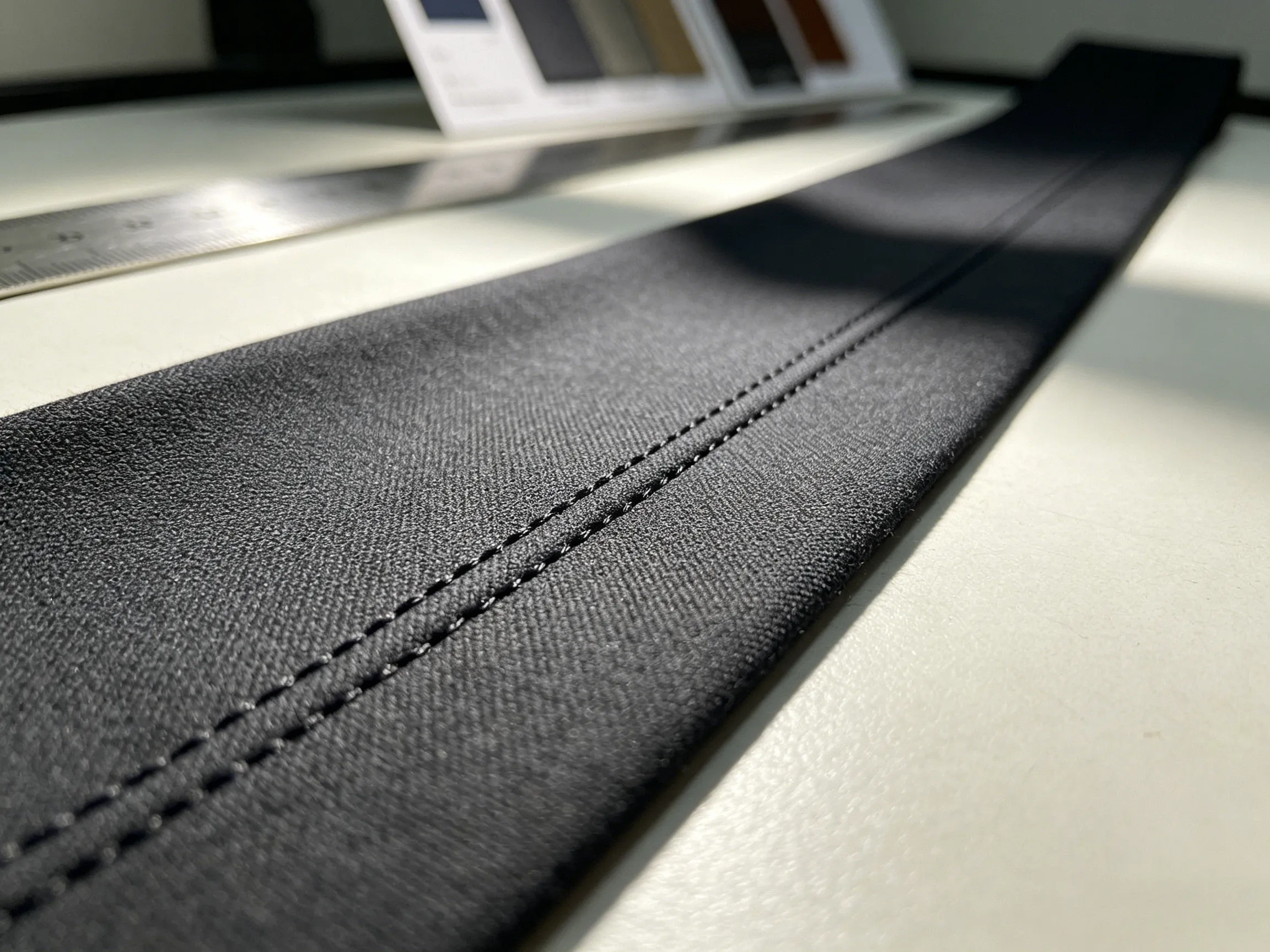
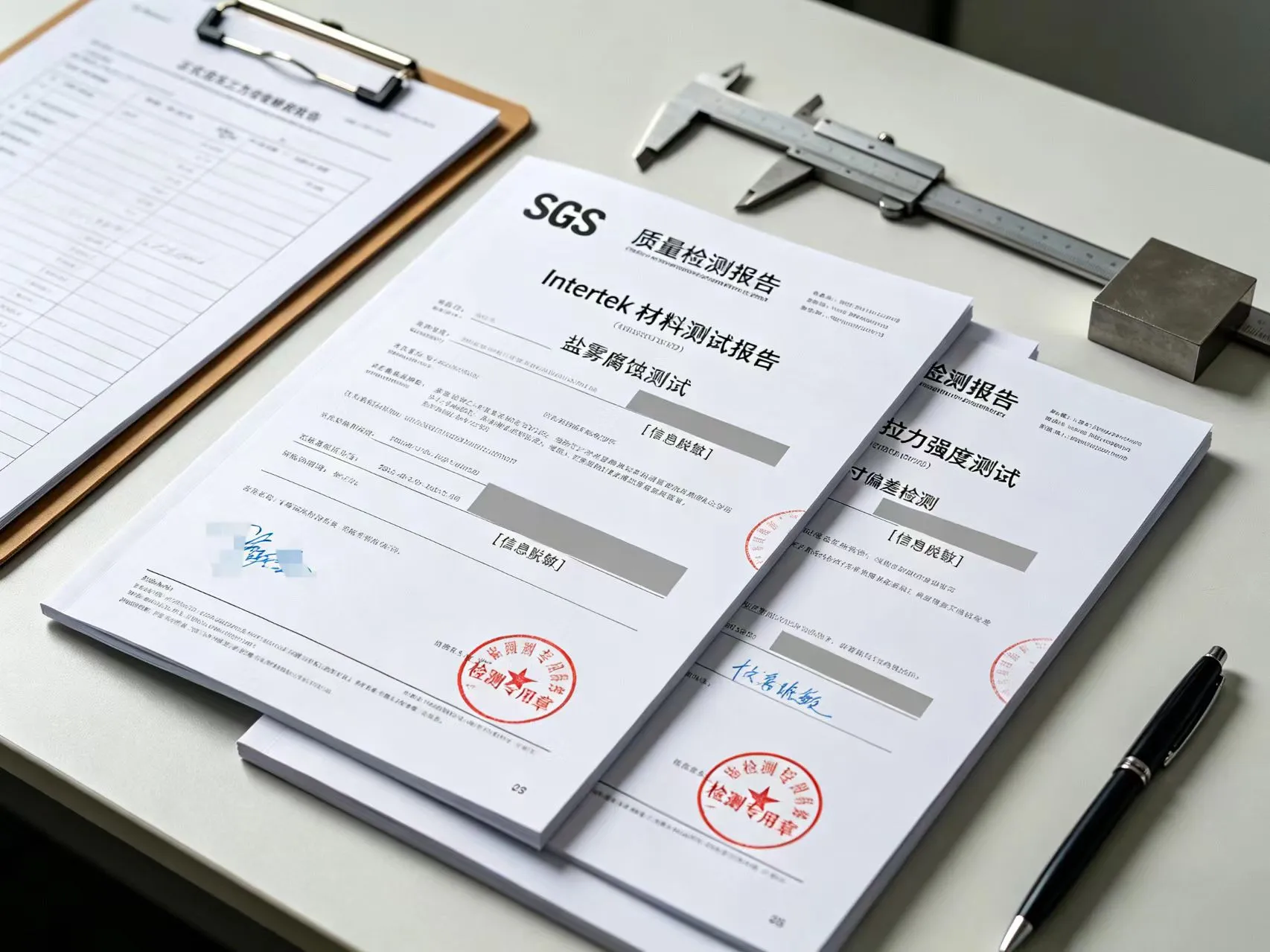
| Lab Testing | On-site lab capability | External lab coordination |
| Pre-shipment Inspection | Comprehensive final check | Can arrange inspection |
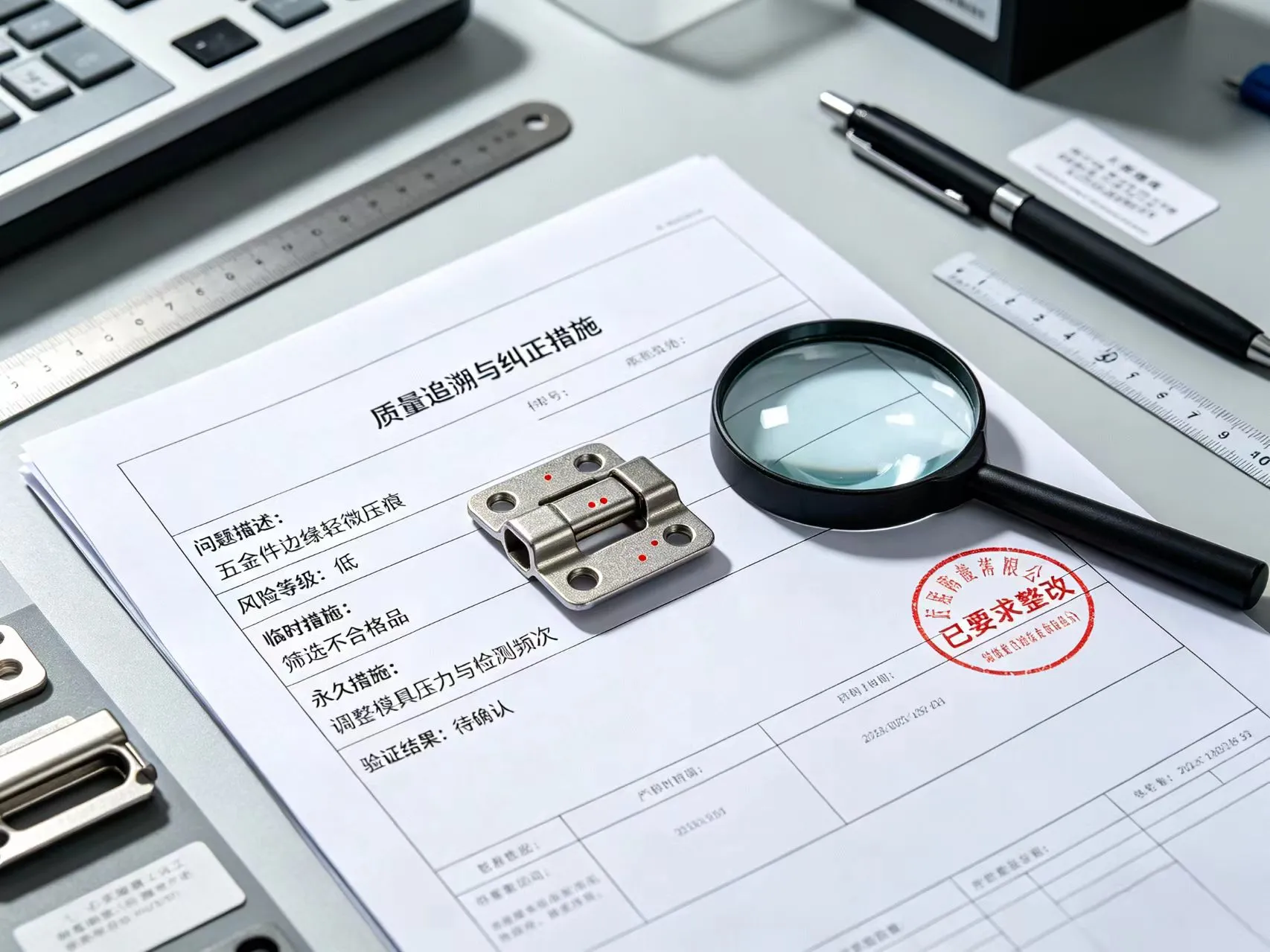
| Issue Documentation | Detailed reporting | Variable quality |

Lead Time Comparison
Production lead times directly impact your inventory management and market responsiveness. Understanding typical timelines helps you plan effectively.
| Stage | Factory Lead Time | Trading Company Lead Time |
|---|---|---|
| Sample Development | 7-14 days | 10-21 days |
| Production | 20-35 days | 25-45 days |
| Shipping (Sea Freight) | 15-30 days | 18-35 days |
| Shipping (Air Freight) | 5-7 days | 7-10 days |
| Rush Order | Possible with premium | More difficult |
| Total (Sample to Door) | 35-50 days | 45-70 days |
Communication Comparison
Effective communication is essential for successful sourcing partnerships. The communication experience differs significantly between factories and trading companies.
Factory Communication
- Direct Access: Communicate directly with decision-makers
- Technical Discussions: Can discuss engineering details with production teams
- Quick Responses: No intermediary delays
- Language Barriers: May require translation assistance
- Documentation: Can receive direct technical documentation
Trading Company Communication
- Professional English: Excellent language proficiency
- Western Business Style: Culturally aligned communication
- Time Zone Flexibility: Often accommodate client schedules
- Message Delays: Information passes through intermediary
- Limited Technical Access: May not understand technical details
Design & Engineering Support
Engineering and design capabilities determine what products you can create. Factories offer significantly more support in this area.
.webp)
Factory Engineering Capabilities
- Tech Pack Development: Can create detailed technical specifications
- CAD Design: Computer-aided design for precise specifications
- Pattern Making: Create production patterns from concepts
- Sampling: In-house sample production
- Prototype Development: Iterate designs before production
- Material Innovation: Suggest improved or cost-effective alternatives
What Only Factories Can Do
- Create custom patterns from scratch
- Modify machinery for unique requirements
- Develop new material combinations
- Produce fully custom hardware
- Offer in-house testing capabilities
- Provide direct engineering consultation
Material Selection
Material quality directly impacts product quality and customer satisfaction. Understanding material options helps you specify products effectively.
| Material Type | Factory Availability | Common Applications |
|---|---|---|
| Canvas | Wide selection, custom weights | Tote bags, shopping bags, promotional |
| Cotton | Various weights and weaves | Eco-friendly bags, casual totes |
| RPET (Recycled) | Growing selection | Sustainable products, eco-brands |
| Nylon | Multiple deniers | Backpacks, sports bags, travel |
| PU Leather | Various qualities | Fashion bags, wallets |
| Genuine Leather | Premium grades | Luxury bags, accessories |
| Polyester | Standard and premium | General purpose bags |
| Non-woven | Various weights | Promotional bags, packaging |
Printing Capability Comparison
Custom printing brings your brand to life on bags. Each printing method has specific applications and capabilities.
| Printing Method | Factory Capability | Best For |
|---|---|---|
| Screen Printing | Full capability, multiple colors | Simple logos, large orders |
| DTF (Direct to Film) | Full capability | Complex designs, small runs |
| DTG (Direct to Garment) | Varies by factory | Detailed full-color prints |
| Heat Transfer | Standard capability | Full coverage, gradients |
| Embroidery | Full capability | Premium look, durability |
| Woven Label | Can source/produce | Internal labels, branding |
| Deboss/Emboss | Available | Leather, premium products |
| Metal Plate | Custom production | Premium branding |
Production Equipment Comparison
Modern equipment ensures consistent quality and efficient production. Understanding factory equipment helps you assess manufacturing capabilities.
Advanced Factory Equipment
- Auto Cutting: Precision cutting with digital patterns
- CNC Machines: Computer-controlled cutting and shaping
- Laser Cutting: Precision edge cutting and engraving
- Industrial Sewing: High-speed production machines
- Heat Press: Printing and lamination
- Metal Detector: Quality assurance for hardware
- Needle Detector: Safety inspection equipment
- Quality Lab: Testing facilities for materials
Which Option Is Better for Different Buyers?
Your specific situation determines the best sourcing partner. This guide matches buyer types with recommended options.
| Buyer Type | Recommendation | Reasoning |
|---|---|---|
| Startup | Trading Company or Low-MOQ Factory | Lower risk, testing market |
| Amazon Seller | Factory (bulk) / Trading Co (testing) | Competitive pricing for volume |
| Shopify Brand | Factory | Quality control, storytelling |
| Retail Chain | Factory | Volume pricing, consistency |
| Promotional Company | Trading Company | Quick sourcing, variety |
| Corporate Gifts | Trading Company or Factory | Depends on order size |
| Luxury Brand | Factory with certifications | Premium quality, IP protection |
| Importer | Factory | Volume, direct relationship |
| Distributor | Factory | Competitive pricing |
| Wholesaler | Factory | Best margins |
Factory vs Trading Company by Order Size
Order size significantly impacts which sourcing option makes most sense economically and operationally.
| Order Size | Better Choice | Key Consideration |
|---|---|---|
| Under 100 pcs | Trading Company | Lower MOQs, quick sourcing |
| 100-300 pcs | Trading Company or Low-MOQ Factory | Balance of cost and flexibility |
| 300-1,000 pcs | Factory | Better pricing, quality control |
| 1,000-5,000 pcs | Factory | Significant cost savings |
| 5,000-10,000 pcs | Factory with capacity | Need production capacity |
| 10,000+ pcs | Established Factory | Dedicated production line |
Pros and Cons
Factory Advantages
- Lower product pricing
- Complete production control
- Full customization capability
- Better IP protection
- Engineering support
- Direct quality accountability
- Volume discount potential
- Mold and tooling ownership
Factory Disadvantages
- Higher initial MOQs
- Language barriers possible
- Longer initial setup
- Requires more buyer expertise
- Limited product variety
- Time zone differences
- Higher minimum investment
- Need for factory verification
Trading Company Advantages
- Lower entry barrier
- Faster initial sourcing
- Professional communication
- Multi-category sourcing
- Flexible MOQs
- Logistics expertise
- Cultural alignment
- Less buyer expertise needed
Trading Company Disadvantages
- Higher product pricing
- Limited customization
- Less production control
- Higher IP risk
- Communication delays
- Accountability gaps
- Quality variation
- Hidden fees possible
Common Mistakes Buyers Make
Avoiding these common pitfalls will save you time, money, and frustration in your sourcing journey.
Top 15 Sourcing Mistakes to Avoid
- Only Comparing Price: Lowest price rarely means best value. Consider total cost including quality, shipping, and potential issues.
- Ignoring Quality Control: Skipping QC processes leads to defective products and customer complaints.
- No Factory Audit: Never assume a supplier is legitimate. Always verify production capabilities.
- No Tech Pack: Vague specifications lead to product variations and disputes.
- No Material Confirmation: Always approve material samples before production.
- Choosing Lowest MOQ Only: Sometimes higher MOQs mean better pricing and consistent quality.
- Ignoring Production Capacity: Verify the factory can actually fulfill your order on time.
- Not Checking Certifications: Ensure factory has required quality and social compliance certifications.
- No Pre-production Sample: Always approve samples before bulk production.
- No AQL Inspection: Establish clear quality standards and inspection procedures.
- Skipping IP Protection: Use contracts and NDAs to protect your designs.
- Ignoring Communication: Poor communication leads to misunderstandings and mistakes.
- Not Planning for Rush Orders: Build buffer time into your production schedule.
- Assuming All Factories Are Equal: Quality and capabilities vary significantly.
- No Backup Plan: Always have alternative suppliers in case of issues.
Decision Tree
Use this decision framework to determine the best sourcing option for your specific situation.
↓ No →
↓ No →
↓ No →
Real Case Studies
These anonymized case studies illustrate real-world sourcing decisions and outcomes.
Case Study 1: Tech Startup Sourcing Strategy
Situation: A technology startup launched a new laptop backpack line with limited initial budget and unproven market demand.
Initial Approach: Started with a trading company to test market response with a 100-unit sample order.
Outcome: Successfully validated product-market fit, then transitioned to a direct factory relationship for their 1,000-unit reorder, achieving 35% cost reduction.
Lesson: Trading companies can be good for initial market testing, but direct factory relationships deliver better economics at scale.
Case Study 2: Amazon Seller Quality Journey
Situation: An established Amazon seller experienced declining product ratings due to inconsistent quality from their trading company-sourced bags.
Challenge: Negative reviews impacted search rankings and customer trust.
Solution: Transitioned to a certified factory with in-house QC and AQL 2.5 inspection standards.
Outcome: Product rating improved from 3.8 to 4.6 stars within six months, with return rate reduced by 40%.
Lesson: Quality control is essential for e-commerce success; the cost of poor quality often exceeds savings from lower prices.
Case Study 3: Luxury Brand Protection
Situation: A luxury bag brand needed to protect their proprietary designs while maintaining premium quality.
Requirements: Strict IP protection, premium materials, consistent craftsmanship, and certification compliance.
Solution: Partnered with a factory offering ISO certification, NDA agreements, and dedicated production lines.
Outcome: Maintained design confidentiality across multiple product lines while achieving consistent premium quality.
Lesson: Luxury brands benefit significantly from direct factory relationships with strong IP protection measures.
Glossary of Key Terms
Frequently Asked Questions
Key Takeaways
About Dreamway
Located in Shiling Town, Huadu District, Guangzhou, Dreamway is a dedicated bag factory with over 30 skilled workers serving clients across more than 50 countries worldwide. Our small yet experienced team specializes in producing high-quality custom bags with a minimum order quantity of 200 pieces per style. Additionally, we offer premium silk products including pillowcases, scrunchies, and eye masks with an MOQ of just 50 pieces. Our commitment to quality, competitive pricing, and reliable delivery has made us a trusted partner for brands, retailers, and importers worldwide.
For inquiries, please visit www.gzdreamway.com
Premium bag & silk manufacturing — under one factory roof.
Tucked inside Shiling Town — Guangzhou’s centuries-old leather district — Dreamway is a focused manufacturing partner for brands that refuse to compromise. We build rugged, retail-ready tote bags, backpacks, handbags with a 200-piece MOQ, and craft 100% Mulberry silk pillowcases, scrunchies & sleep accessories starting from just 50 pieces. Our small team of 30+ artisans is senior, hands-on, and accountable — the same people who quote your sample will personally inspect your shipment.
Every order is verified against our published manufacturing quality standards — AQL 2.5 inspection, hardware pull-tests, seam-strength audits, and silk-fibre authenticity checks. From concept tech-pack to mass production, we run the entire supply chain in-house, so timelines stay honest and revisions stay painless.
Buying Guides & Manufacturing Insights
Sourcing smarter starts with knowing what to compare. These long-form guides break down the decisions our clients wrestle with most — from third-party inspections like the SGS vs Intertek vs Bureau Veritas showdown, to ranking China’s top 10 tote bag manufacturers, to the head-to-head of canvas vs polyester vs PU for bag bodies.
Designing your logo? Our custom tote bag logo size guide shows real placement and stitch-density examples. Curious how a handbag actually comes together? Walk through the leather handbag manufacturing process step by step, and pair it with the canvas tote durability factors that decide whether a bag survives five years of daily use.
For material decisions beyond canvas, compare PU vs polyester for bags and explore our roundup of the world’s top canvas bag manufacturers. If backpacks are your lane, our backpack manufacturing process and backpack lead-time guide give you realistic production windows. Choosing between social-compliance audits? Read BSCI vs SEDEX vs WRAP. For smaller leather goods, dive into the leather wallet manufacturer playbook; for sustainability claims, the recycled PU leather explainer and our backpack QC checklist separate marketing from reality. Finally, stay ahead of EU regulation with our PPWR FAQ for bag manufacturers.
Explore by Topic
Browse our deep-dive knowledge hubs — every cluster is curated by category and updated with new field reports.
By Category
Materials & Compliance
Real Client Cases
Numbers tell part of the story. These production cases show how Dreamway’s small team delivers at scale.
Featured Product Lines
A snapshot of what we manufacture most often — all OEM/ODM-ready with custom hardware, lining, and packaging.
Who We Help
From indie founders to global enterprise — Dreamway is built for brands that need a factory, not a freelancer.
Brand Builders
Beauty & Fashion
Lifestyle & Retail

Skip the inbox. Chat with Victoria — right now.
Point your camera at the QR and you’re connected to a real human in Guangzhou. Send a photo of your reference, get a quote within minutes, and lock in your 200-piece MOQ slot before this month’s capacity fills.
Specialized factories. Unified standards.
Leather & Bag Capital
Our bags come from Guangzhou’s Shiling leather district — home to 30+ senior artisans under one roof, working in 8,000 m² of integrated cutting, sewing, hardware-assembly, and QC space.
Mulberry Silk Heritage
Our 22mm Mulberry silk pillowcases and sleep sets come from vetted partner mills in Suzhou and Hangzhou — at the heart of China’s 5,000-year sericulture heritage, today running OEKO-TEX Standard 100 certified production lines.
Get your sample in 7 working days —
hand-built by Guangzhou’s 30+ artisans.
Send a sketch, a screenshot, or a competitor’s bag you want to beat. We’ll hand-build a custom sample and ship it to your door — produced by the same craftspeople who will run your mass-production order.
business days · in your timezone
on request · signed in 1 day
if first one misses the brief