
How Low MOQ Manufacturing Works
Understanding Every Step from Idea to Finished Product
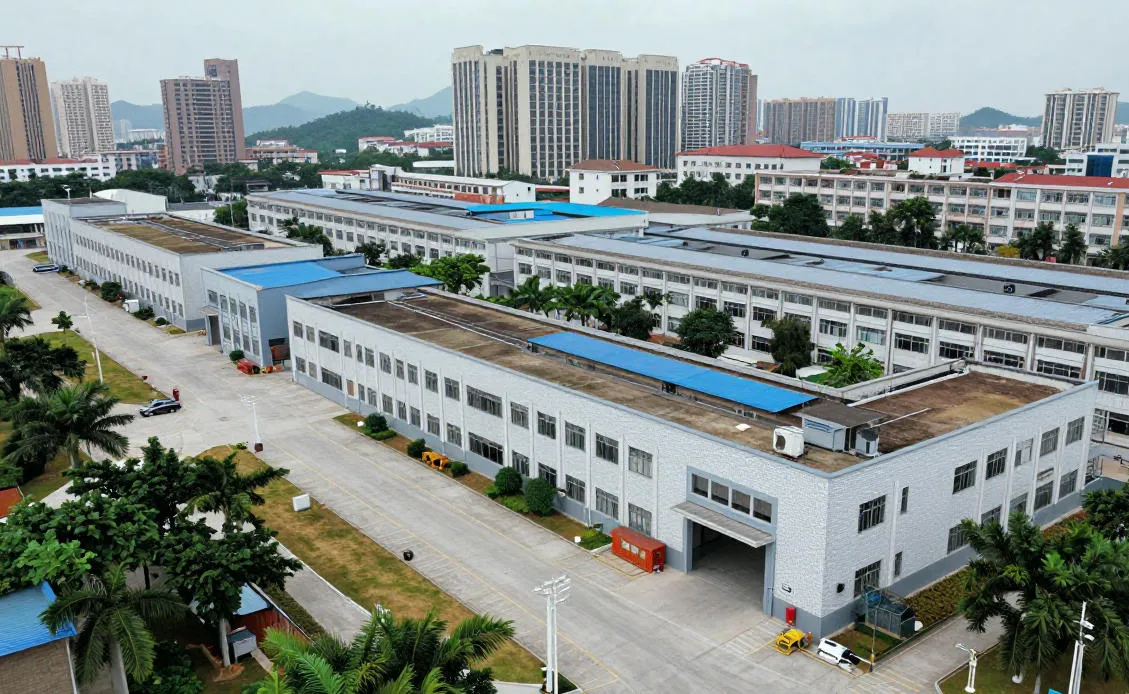
What Does Low MOQ Mean in Manufacturing?
MOQ (Minimum Order Quantity) represents the smallest number of units a manufacturer will produce per design or SKU. While many traditional factories require orders of 1,000 to 5,000+ units, low MOQ manufacturers have optimized their operations to accept orders starting at 50 to 200 units per style. But understanding why MOQ exists is crucial for making informed sourcing decisions.
The concept of MOQ exists because every production run incurs setup costs. From machine calibration and material procurement to labor allocation and quality control, manufacturers must recover these fixed costs regardless of order volume. Low MOQ production has become possible through process optimization, flexible workforce management, and strategic supplier partnerships that minimize setup overhead.
Typical MOQ in the Bag Industry
| Product Type | Traditional MOQ | Low MOQ (Dreamway) |
|---|---|---|
| Cotton Canvas Bags | 500-1,000 pcs | 200 pcs |
| Polyester/Nylon Bags | 500-1,000 pcs | 200 pcs |
| Gift & Luxury Bags | 1,000-2,000 pcs | 50-100 pcs |
| Silk Products | 500+ pcs | 50 pcs |
Why MOQ Is Different Between Factories
Several factors influence a manufacturer’s ability to offer low minimum order quantities:
Key Determinants of Factory MOQ Flexibility
- Equipment Capability: Modern, versatile machinery can handle smaller runs without extensive retooling
- Material Suppliers: Established relationships with suppliers who offer smaller minimum purchases
- Workforce Structure: Flexible staffing models that accommodate variable production volumes
- Quality Systems: Robust QC processes that maintain standards regardless of batch size
- Production Planning: Efficient scheduling that batches compatible orders
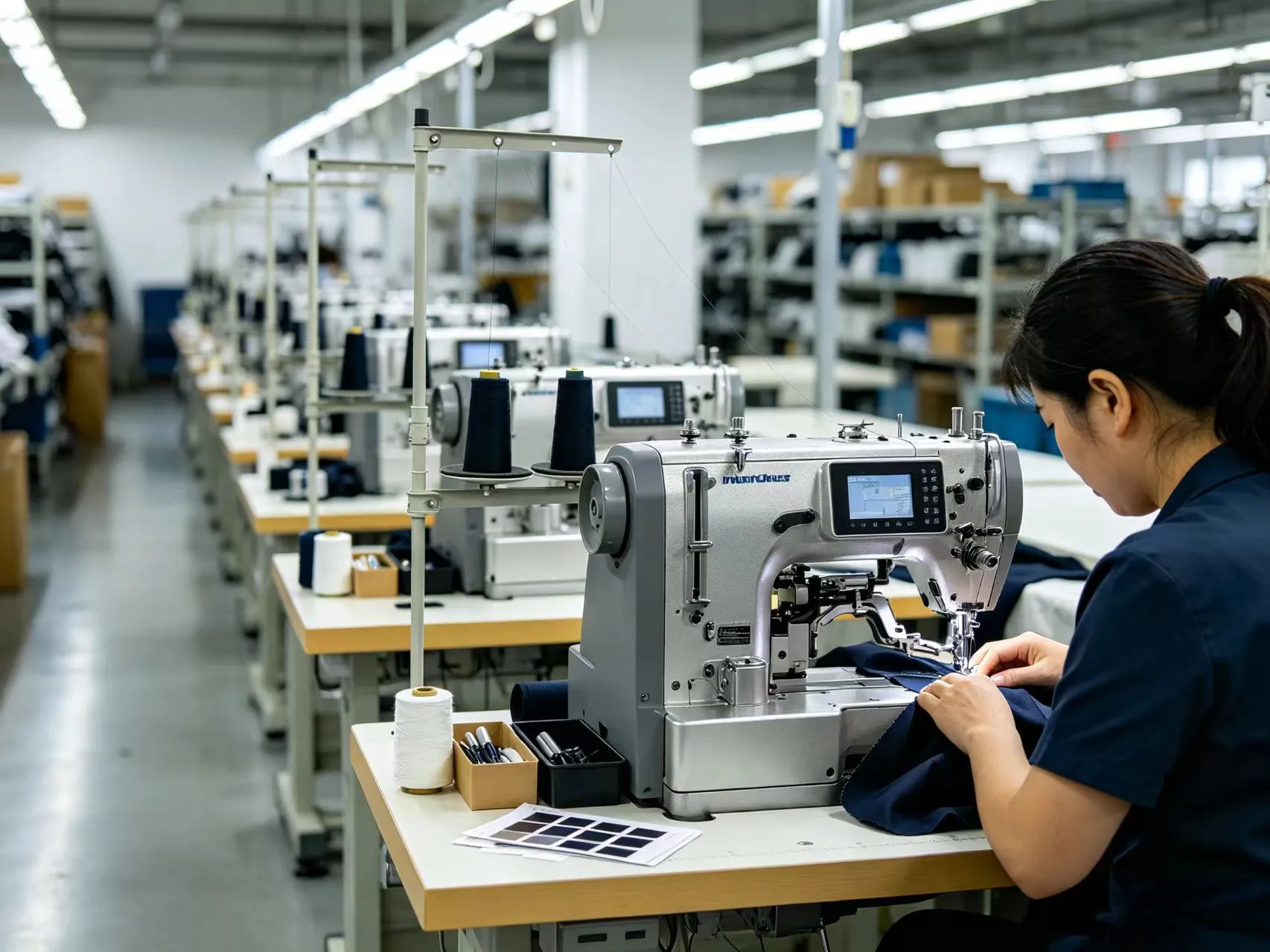
Who Needs Low MOQ Manufacturing?
Understanding your position in the market helps identify why low MOQ manufacturing might be the ideal solution for your business model.
Startup Brands
Launching a new brand requires validated market response before committing to large production runs. Startup bag manufacturers who offer small batch manufacturing allow entrepreneurs to test designs, gather customer feedback, and iterate quickly—reducing the risk of being stuck with unsold inventory.
Crowdfunding Projects
Campaigns on platforms like Kickstarter and Indiegogo often face challenges with production scaling. Low MOQ OEM manufacturing provides the flexibility needed to fulfill backers’ orders without requiring massive upfront capital for inventory.
E-commerce Sellers
Online retailers benefit from low MOQ production by maintaining lean inventory cycles, responding quickly to trending styles, and avoiding the cash flow strain of large warehouse commitments.
Corporate Merchandise Buyers
Companies ordering promotional bags, conference giveaways, or employee gifts often need quantities between 100-500 units—well below traditional factory minimums. Custom bag manufacturing with low MOQ makes branded merchandise economically viable.
Product Testing
Before full production, brands may need samples or pilot runs to validate packaging, functionality, and market reception. Pilot production through low MOQ channels enables comprehensive product validation without excessive investment.
Luxury Brands Launching New Collections
Even established luxury labels appreciate the value of low MOQ production for limited editions, seasonal capsule collections, or testing new markets with minimal risk exposure.
The Complete Low MOQ Manufacturing Process
At Dreamway, our streamlined manufacturing process transforms your concepts into market-ready products through a transparent, step-by-step workflow designed specifically for small batch production.
Step 1: Project Evaluation
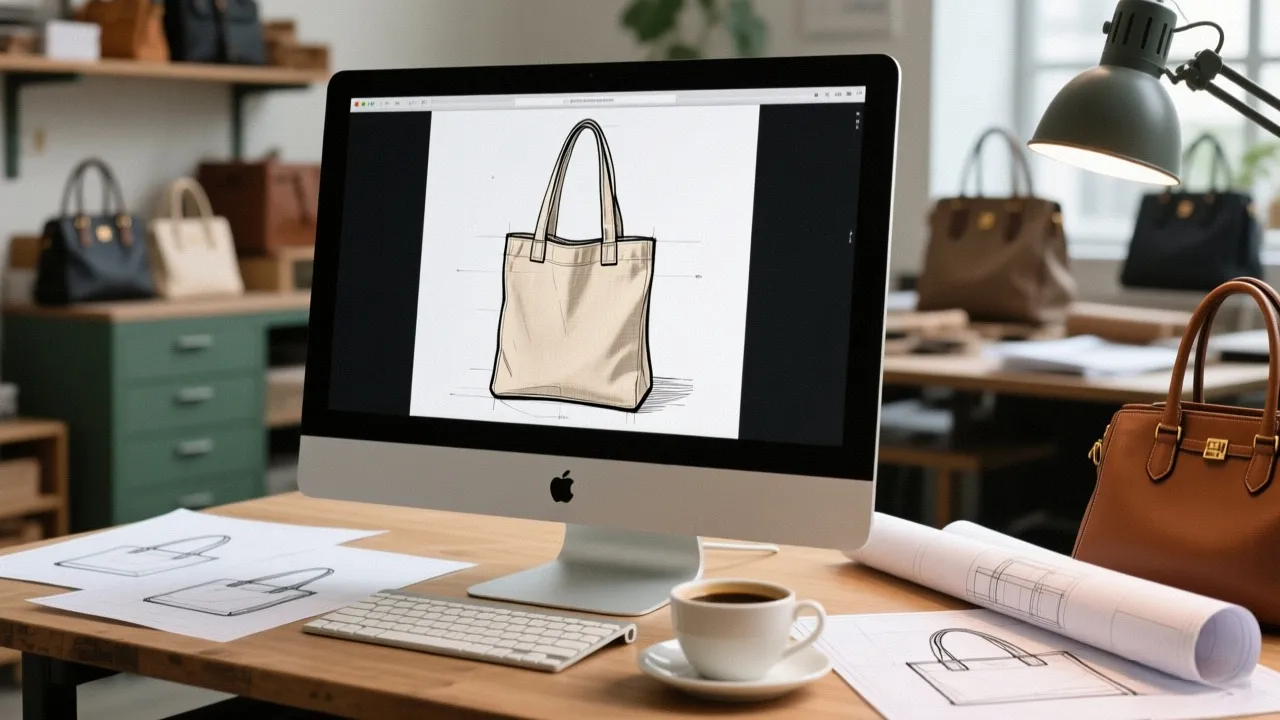
Every successful manufacturing partnership begins with thorough project evaluation. Our team reviews your specifications—whether received as an AI-generated design, professional PDF, hand-drawn sketch, physical sample, or detailed tech pack.
.webp)
During evaluation, we assess:
- Design complexity and manufacturing feasibility
- Material availability and sourcing requirements
- Hardware specifications and lead times
- Quantities and color variations
- Customization requirements (embroidery, printing, labels)
- Packaging and labeling needs
Step 2: Sampling & Pattern Development
The golden sample phase is where design intent transforms into tangible reality. Our experienced pattern engineers translate your specifications into production-ready patterns and prototypes.
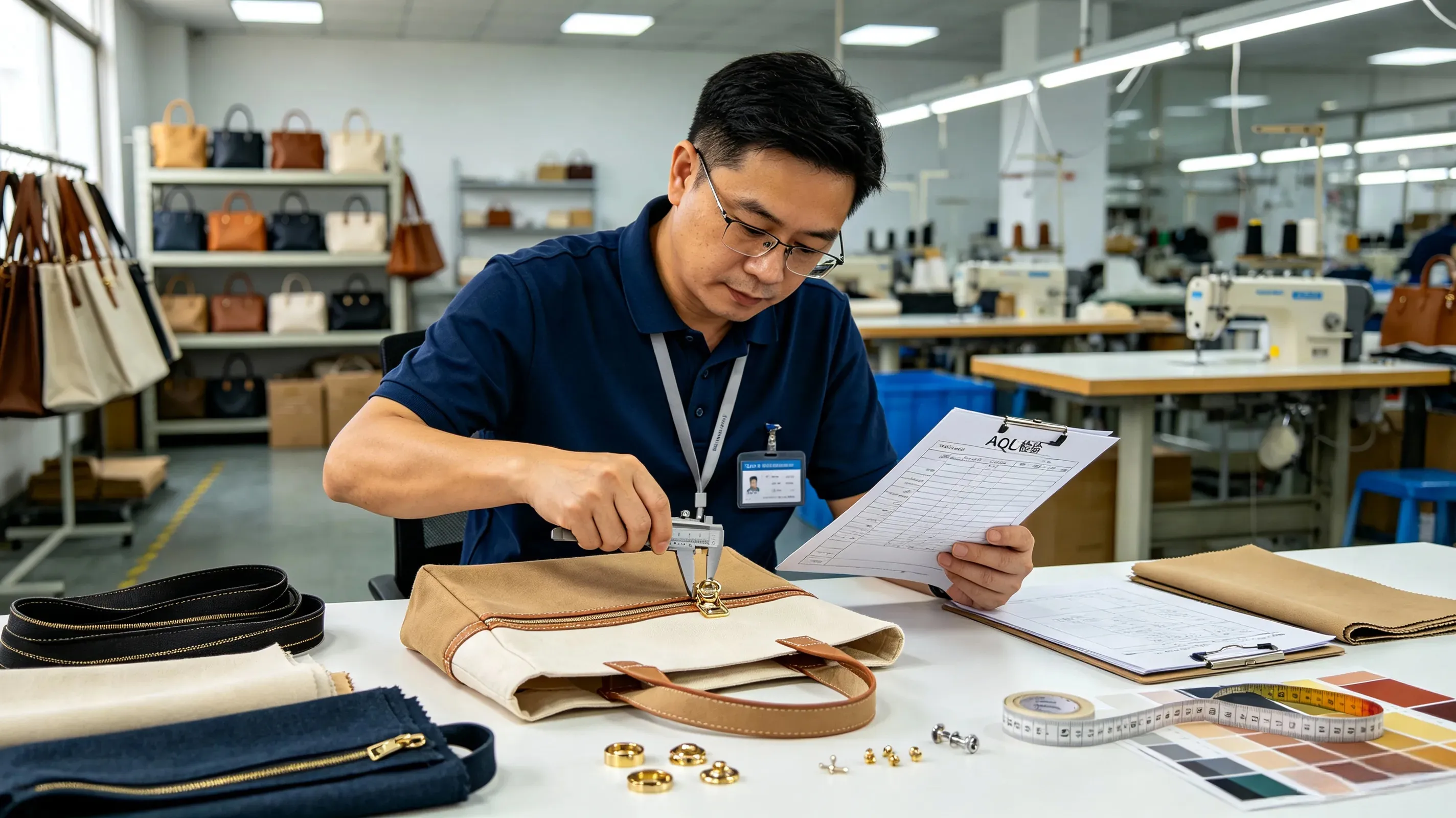
Kevin, our Lead Pattern Engineer, brings over 15 years of expertise in bag pattern making, working with diverse materials including leather, canvas, nylon, and technical fabrics. His deep understanding of material behavior ensures patterns are optimized for both aesthetics and production efficiency.
How Many Sample Revisions Are Typical?
The number of sample revisions depends on design complexity and specification clarity:
| Project Type | Typical Revisions | Timeline |
|---|---|---|
| Simple Design with Clear Specs | 1-2 rounds | 7-10 days |
| Moderate Complexity | 2-3 rounds | 10-15 days |
| Complex/Luxury Products | 3-5 rounds | 15-25 days |
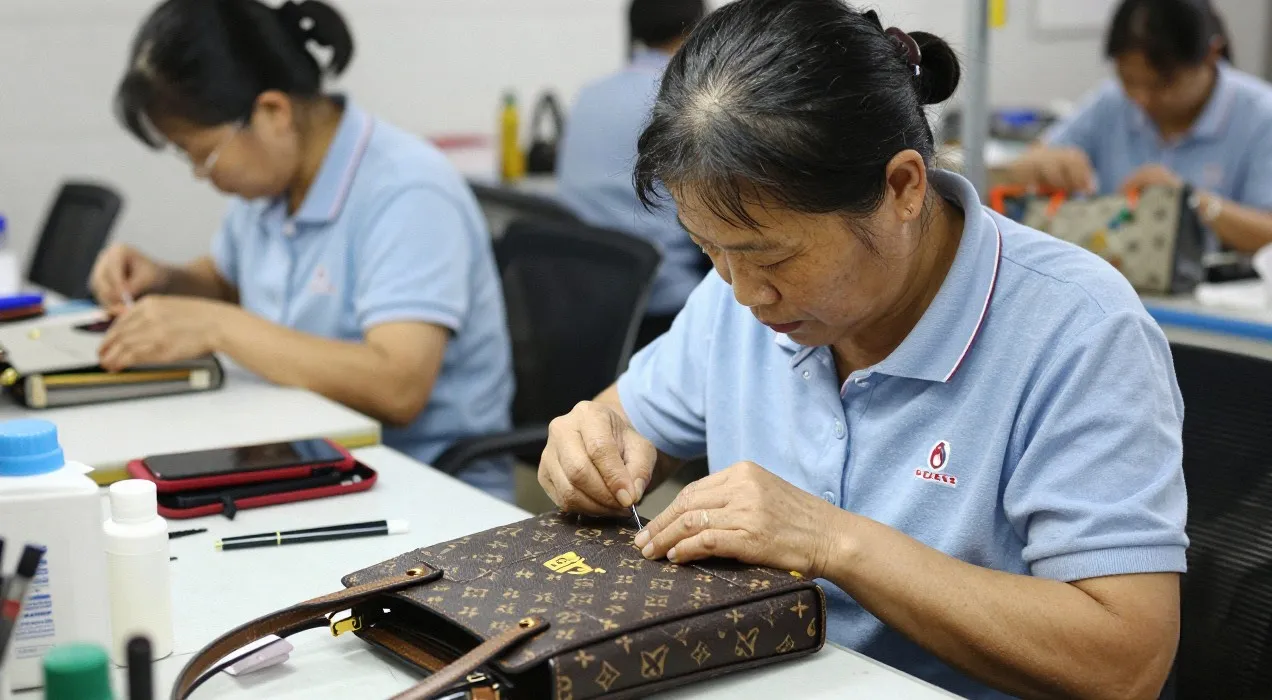
Step 3: Material Sourcing
Material sourcing is a critical determinant of product quality and cost. At Dreamway, we maintain relationships with vetted suppliers to ensure consistent fabric sourcing and hardware sourcing capabilities.
Our Material Sourcing Capabilities
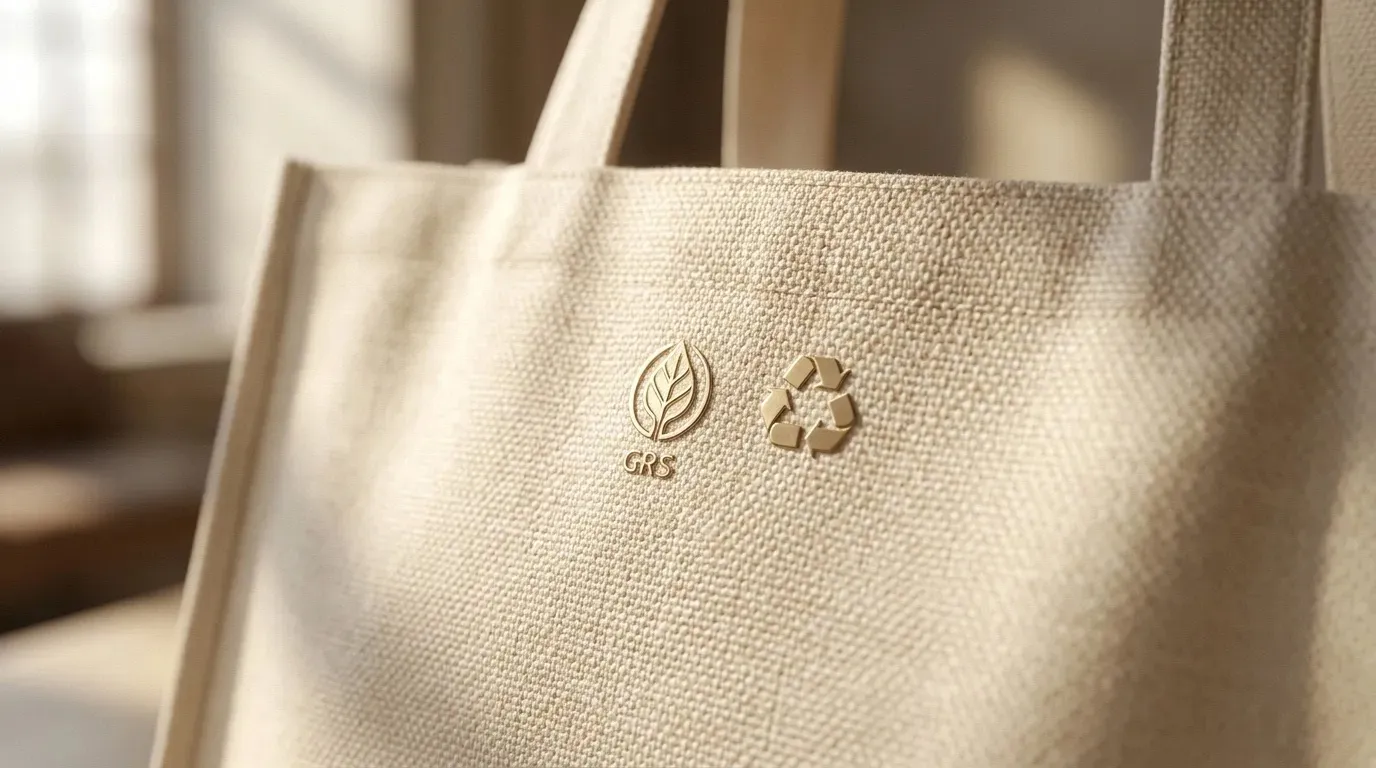
- Fabrics: Cotton canvas, polyester, nylon, velvet, silk, sustainable materials (GRS certified rPET)
- Hardware: Zippers, buckles, clasps, D-rings, magnetic closures—all tested for durability
- Trims: Labels, tags, ribbons, elastic bands from approved suppliers
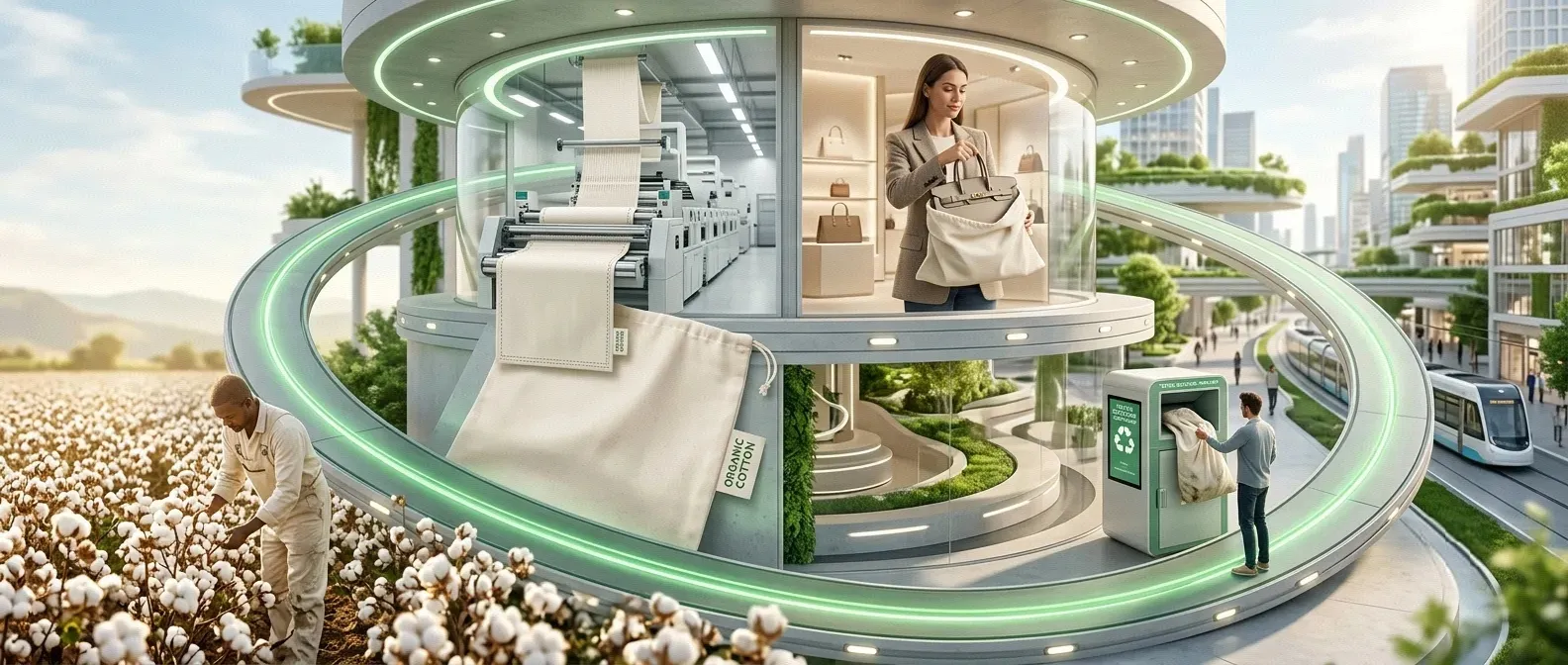
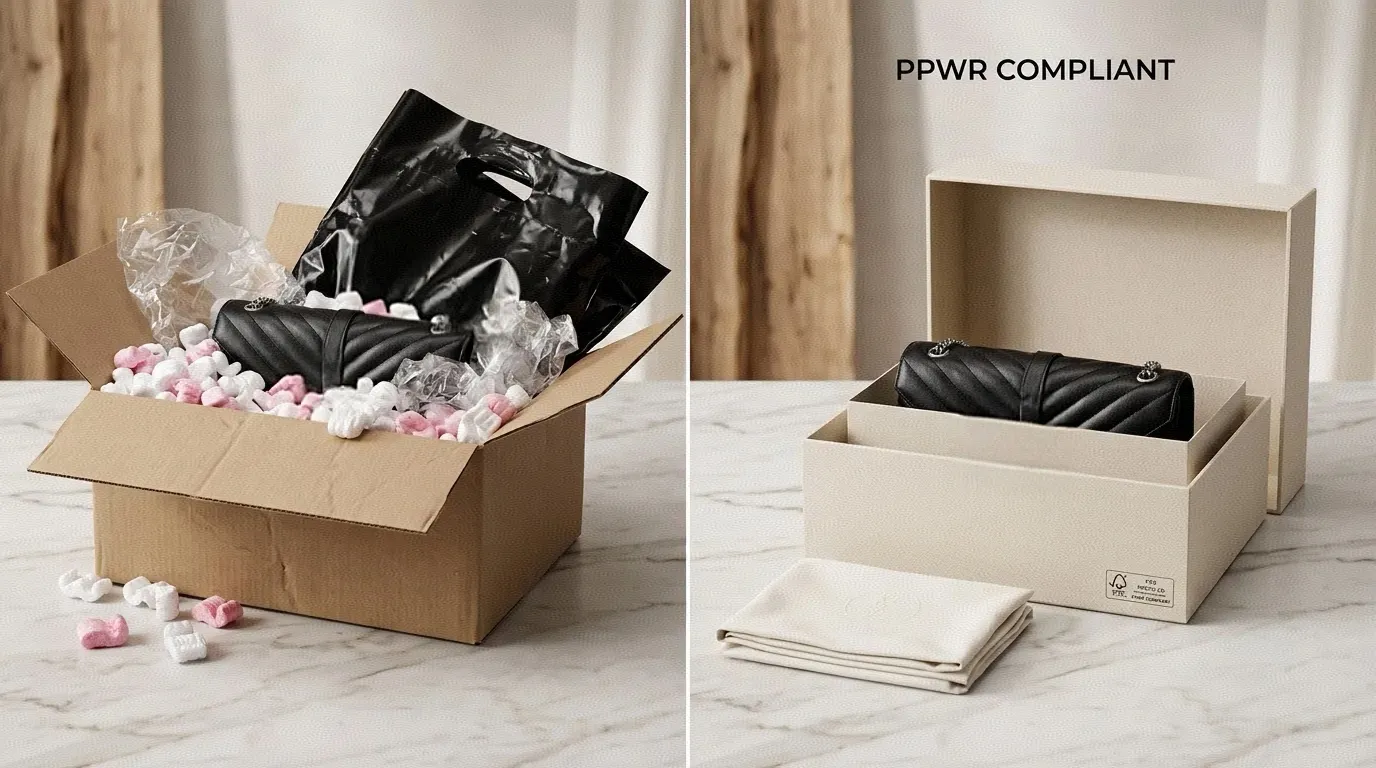
- Sustainable Options: Eco-friendly materials meeting EU PPWR compliance requirements
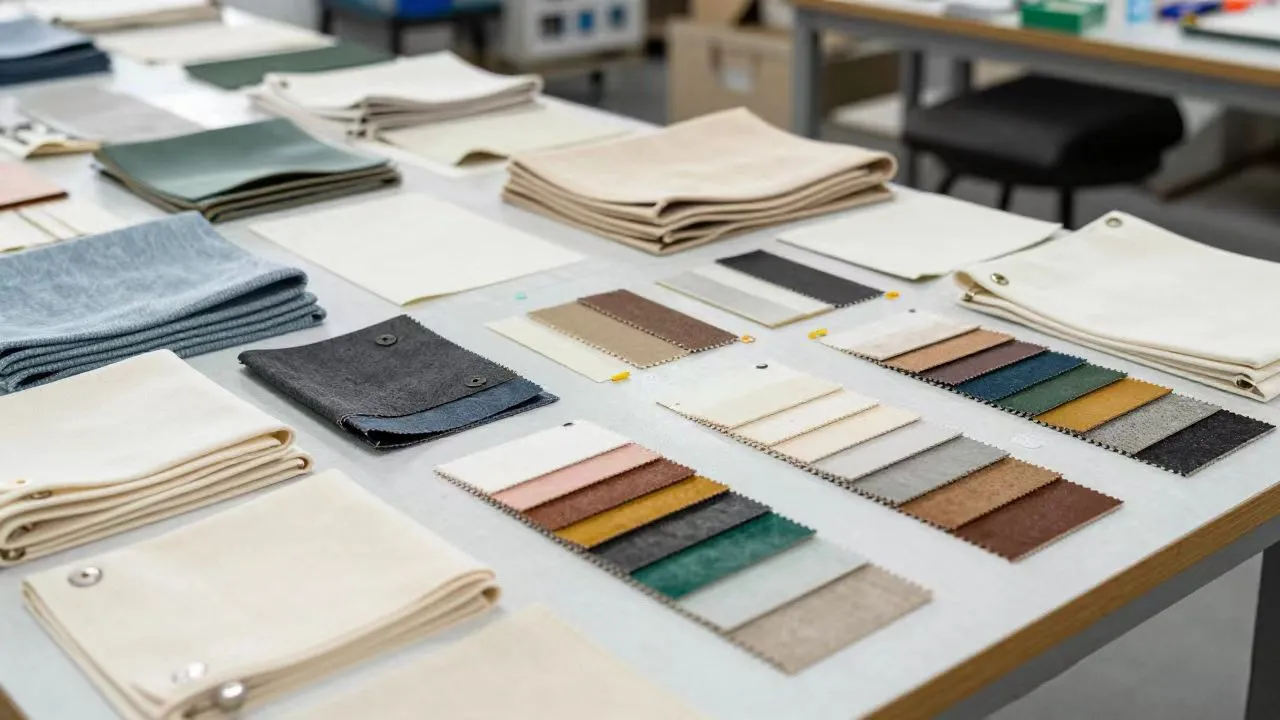
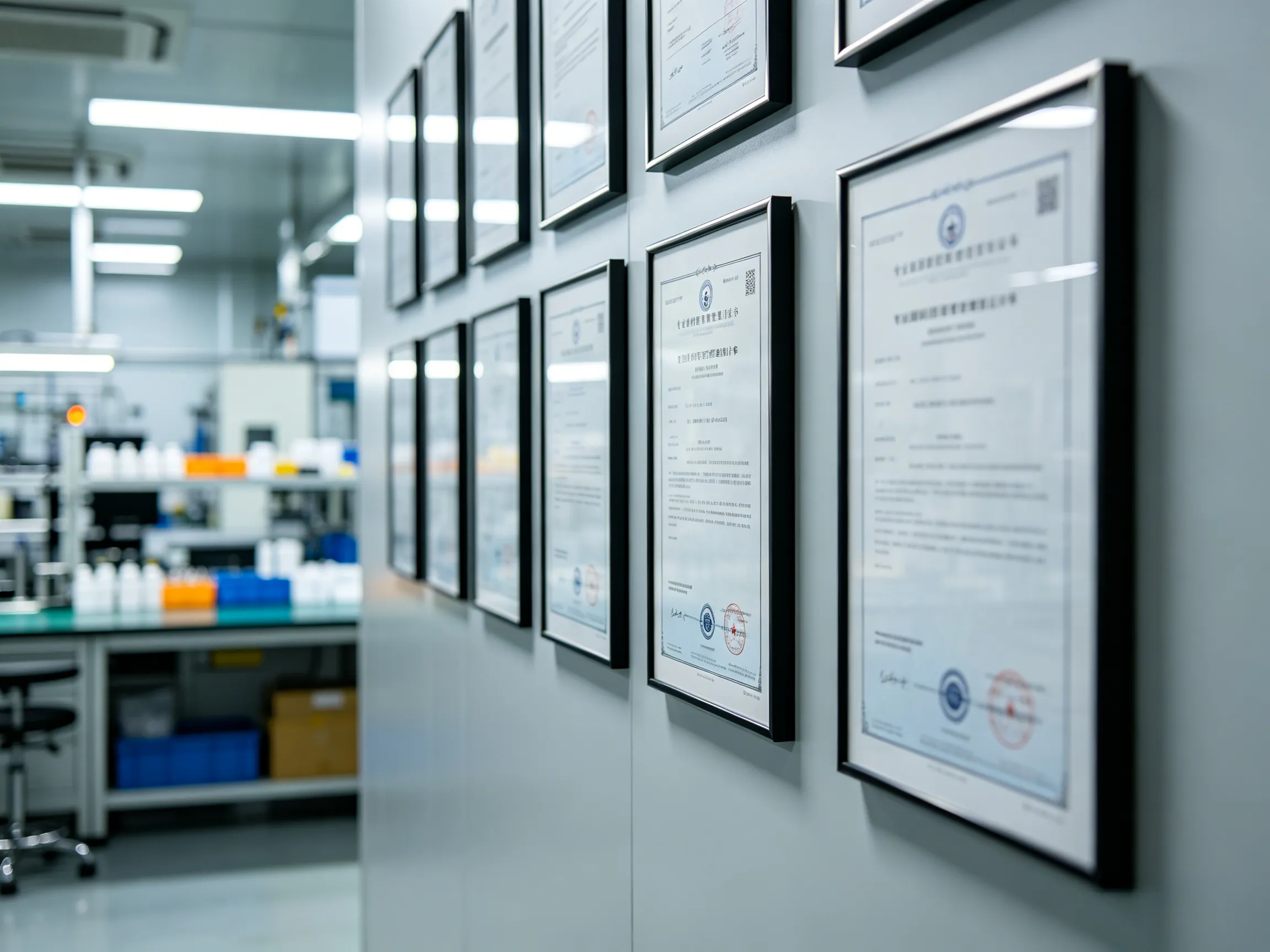
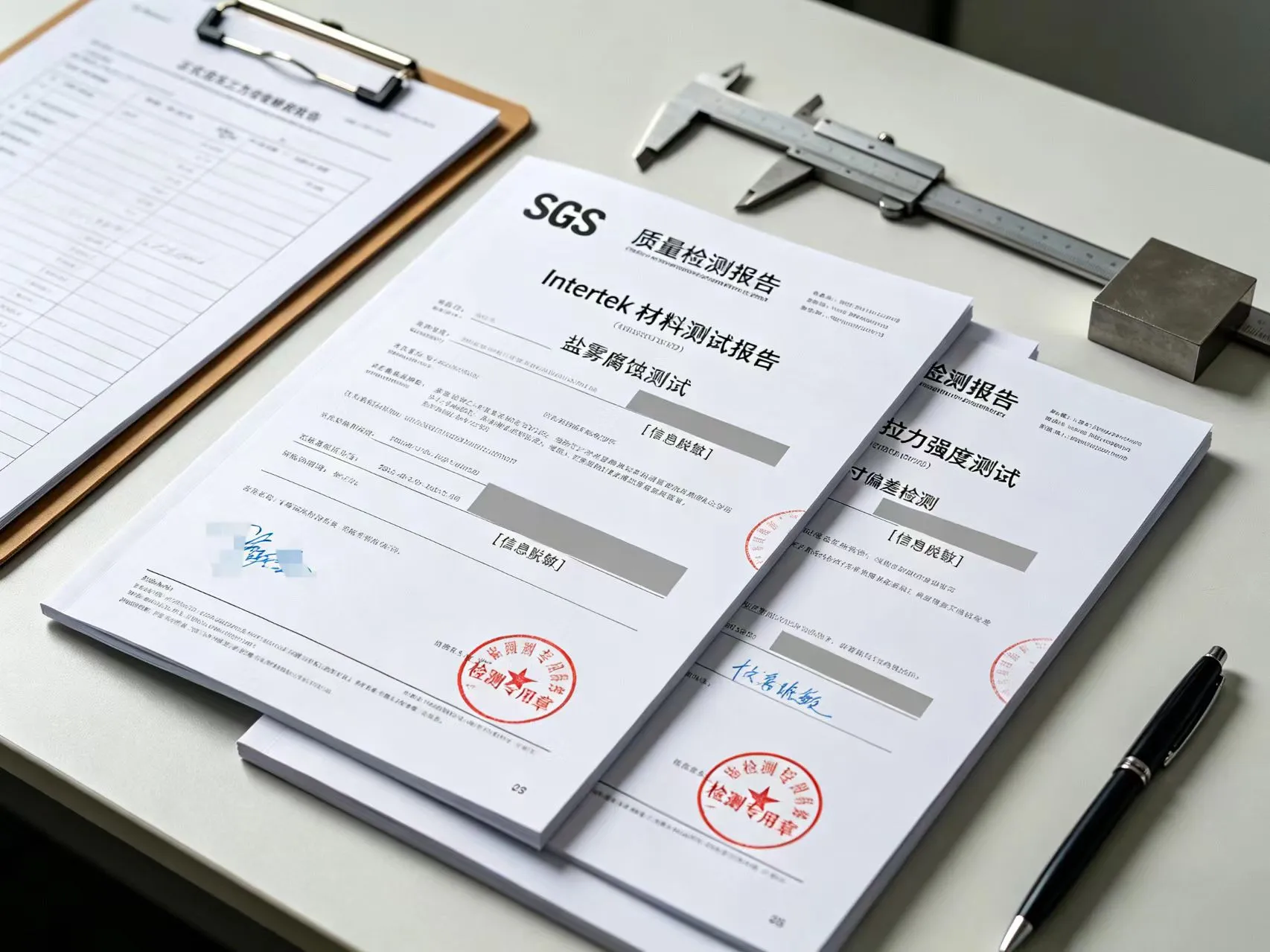
All incoming materials undergo rigorous supplier approval processes, including quality verification and, when required, third-party testing to meet international standards.
Step 4: Production Planning
Effective production planning ensures your order is manufactured efficiently while maintaining quality standards. Our integrated MES (Manufacturing Execution System) and ERP platforms provide real-time visibility into production status.
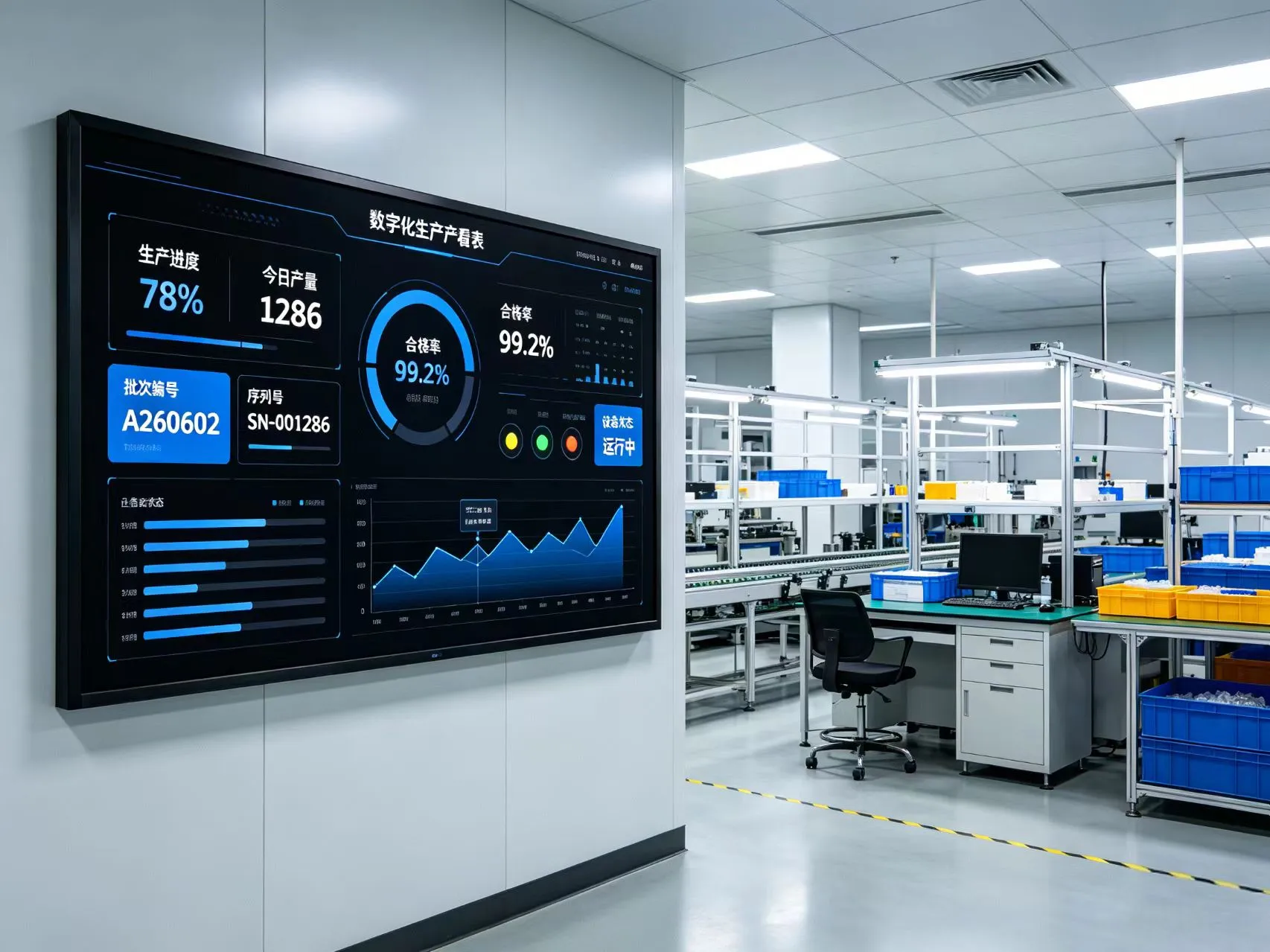
Key planning elements include:
- Production scheduling aligned with material availability
- Workstation allocation based on product requirements
- Quality checkpoint placement throughout production
- Packaging specification confirmation
- Shipping logistics coordination
Step 5: Quality Control
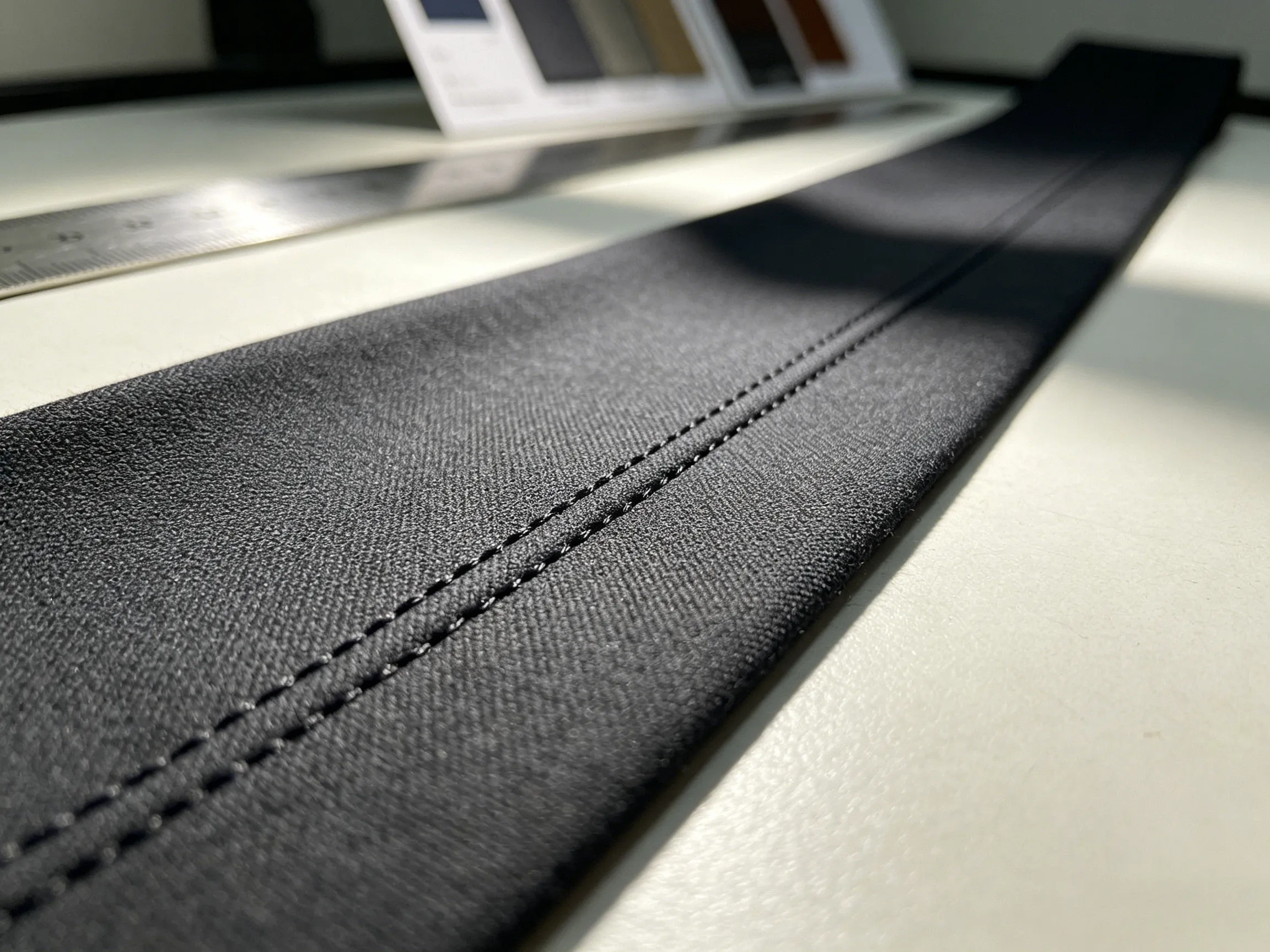
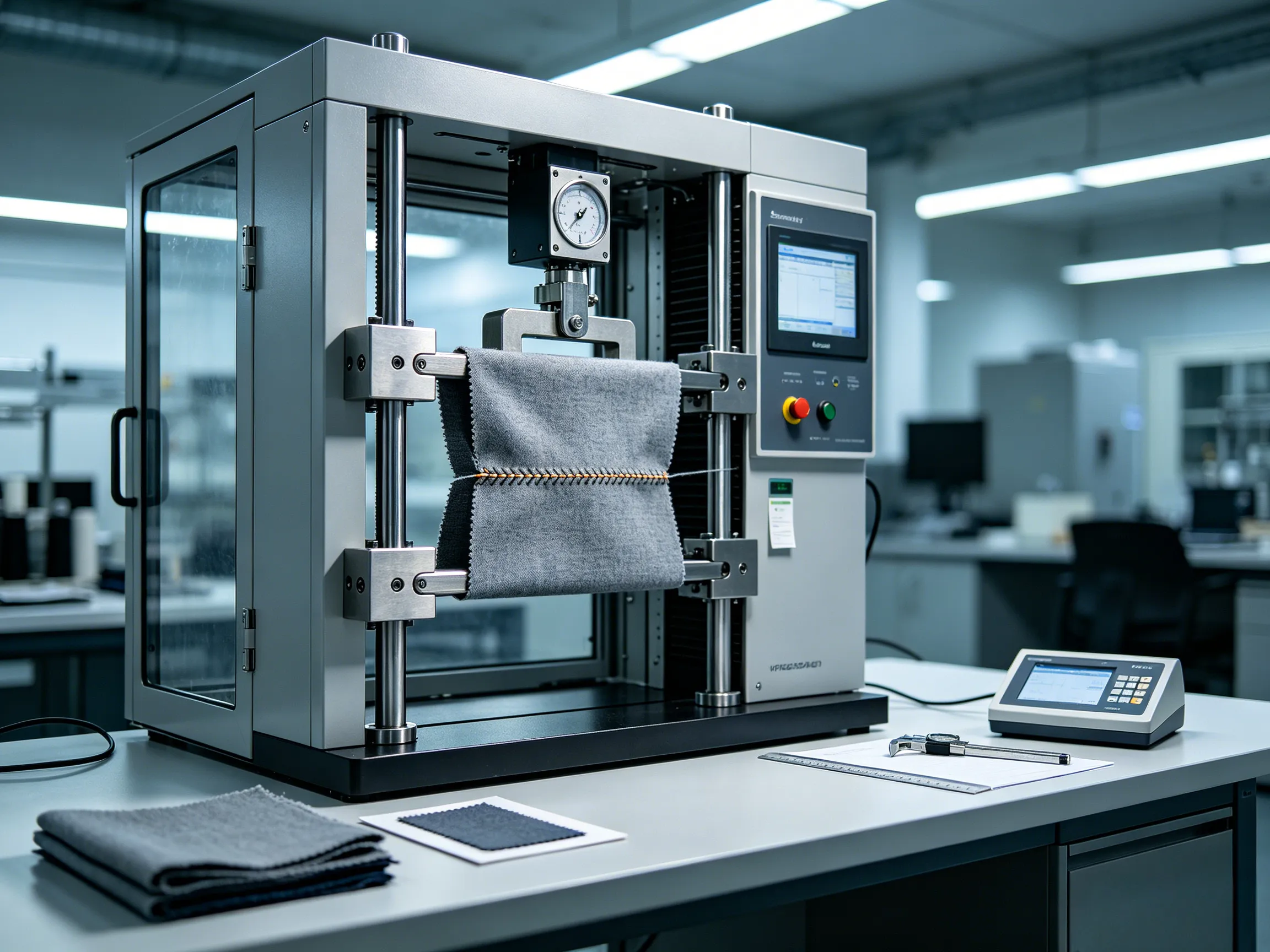
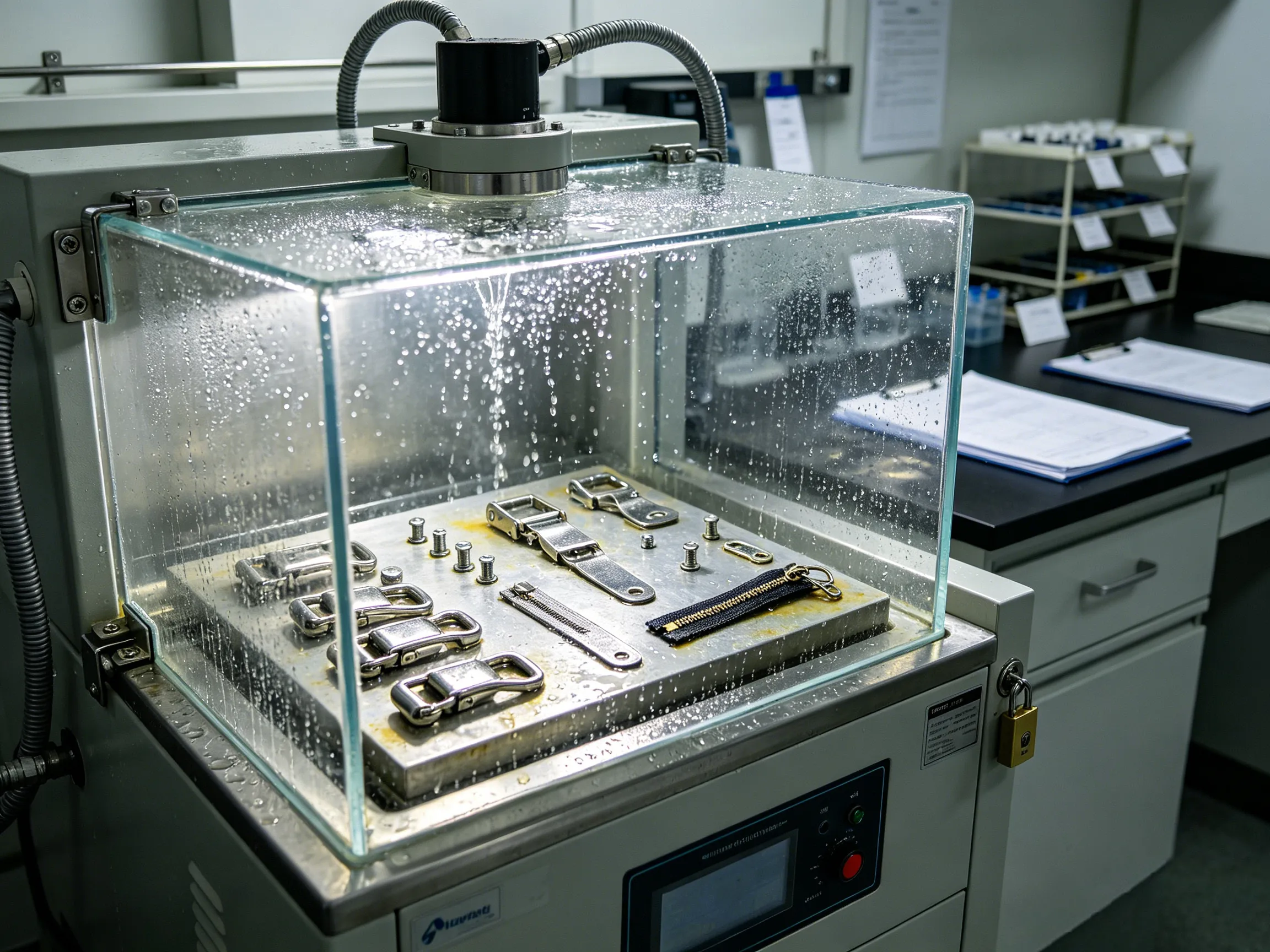
Quality control is not an afterthought—it’s embedded throughout our manufacturing process. Our three-stage QC approach ensures every product meets your specifications before reaching customers.
The Three-Stage Quality Control System
- Incoming Inspection: All raw materials and components verified against specifications before production
- Inline Quality Monitoring: Real-time checks during manufacturing to catch issues immediately
- Final AQL Inspection: Comprehensive evaluation of finished products using industry-standard Acceptance Quality Limit sampling
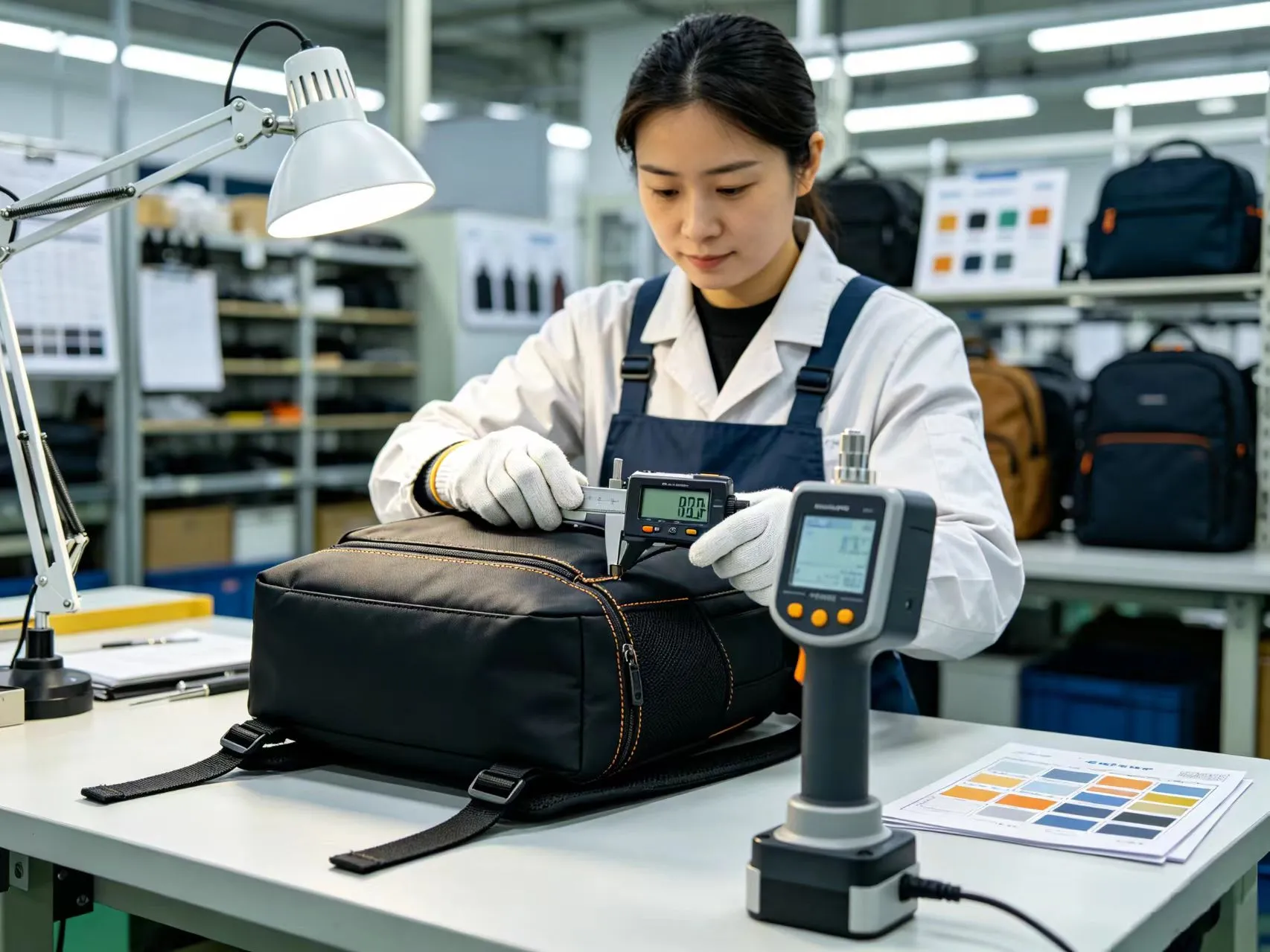
Meet Our QC Engineer
Kevin is responsible for incoming inspection, inline quality monitoring, and final AQL verification before shipment. With years of hands-on experience in quality inspection across diverse bag types, he ensures every unit leaving our facility meets the highest standards.
Step 6: Packing & Shipping
The final stage of small batch manufacturing encompasses careful production workflow completion including packing, labeling, and shipping arrangements.

Our Packing & Shipping Services
- FOB (Free on Board): We handle production and deliver to specified ports
- DDP (Delivered Duty Paid): Full-service delivery including customs and duties
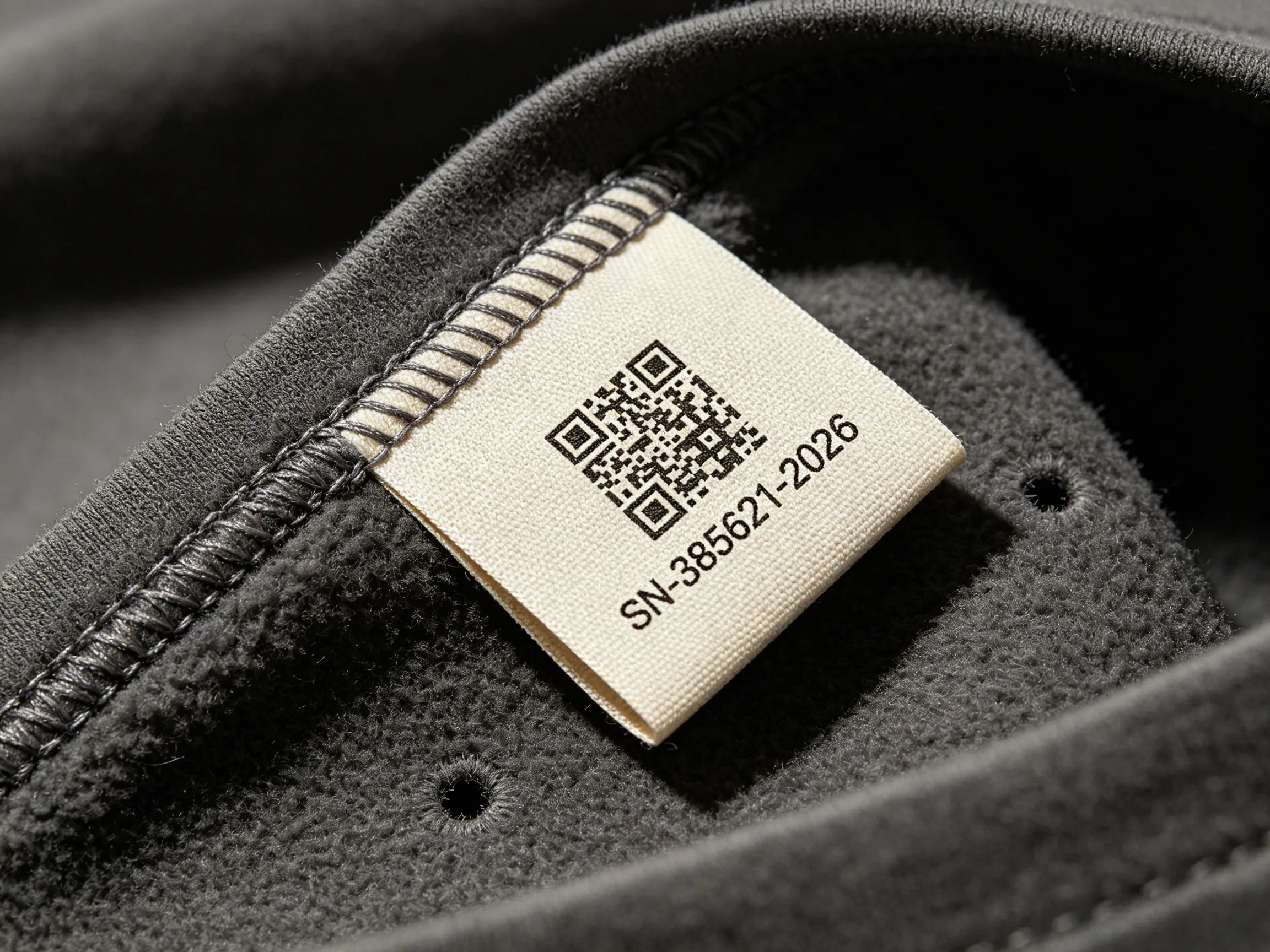
- Custom Labels: Woven labels, hang tags, and care labels per your specifications
- Barcode Integration: GS1 compliant barcodes for retail fulfillment
- Eco-Friendly Options: Sustainable packaging meeting EU PPWR requirements
Common Questions About Low MOQ
Can I order only 100 bags?
Yes, Dreamway specializes in low MOQ manufacturing with minimums starting at 200 units for most bag styles and as low as 50 units for silk products. We understand that not every project requires massive production runs.
Can I mix colors in one order?
Absolutely. Color mixing is standard practice in small batch manufacturing. We can produce multiple colorways within the same production run, often with no additional MOQ penalties.
Can I use different materials in one order?
Yes, but material differences may affect pricing and production planning. Our team will provide transparent报价 (quotation) details for any material variations you require.
Can I customize the logo?
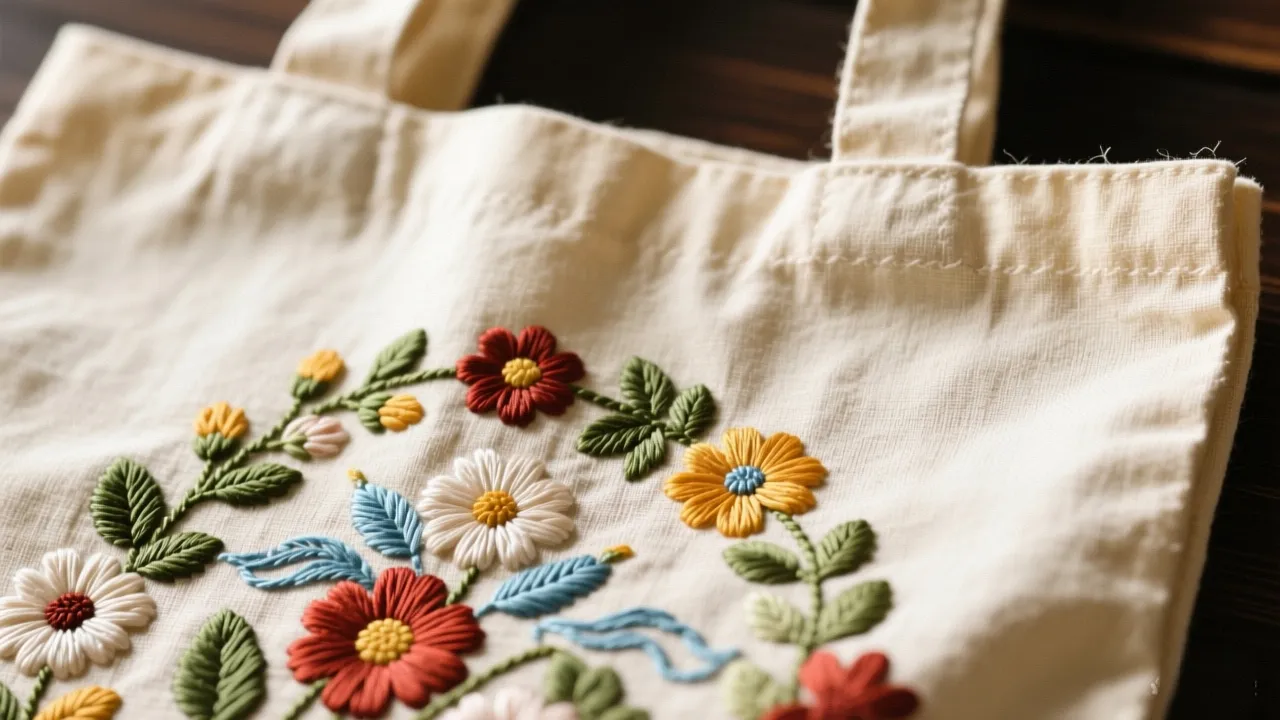
Yes, we offer multiple customization methods including embroidery, screen printing, heat transfer, digital printing, and woven labels. Each method has different minimums and setup costs.
How long does production take?
Production timelines vary based on order complexity: sampling typically takes 7-21 days, while mass production requires 15-35 days after sample approval, depending on quantity and specifications.
Advantages of Low MOQ Manufacturing
Choosing low MOQ manufacturing offers strategic benefits that extend beyond simple convenience:
Strategic Benefits of Small Batch Production
- Reduced Inventory Risk: Test markets and validate demand before committing to large volumes
- Improved Cash Flow: Lower upfront capital requirements free resources for marketing and growth
- Market Responsiveness: Quickly adapt to trends without being stuck with outdated inventory
- Quality Focus: Smaller runs allow greater attention to detail and craftsmanship
- Sustainability: Reduced overproduction means less waste and more environmentally responsible operations
Challenges of Low MOQ Manufacturing
While low MOQ production offers numerous advantages, understanding potential challenges helps set realistic expectations:
Considerations for Low MOQ Production
- Material MOQ: Some specialty fabrics or hardware have supplier minimums that may affect pricing for very small orders
- Unit Cost: Per-unit pricing may be higher than mass production rates due to fixed setup costs being distributed across fewer units
- Color Limitations: Fabric dye lots may limit color options for very small quantities
- Production Efficiency: Smaller runs may have longer lead times as factories batch compatible orders
How to Choose the Right Low MOQ Manufacturer
Selecting the right custom bag supplier requires careful evaluation. Use this checklist to assess potential partners:
Manufacturer Evaluation Checklist
- Sampling Process: Do they offer detailed sample development with clear revision policies?
- Communication: Is there dedicated project management with responsive communication channels?
- Quality Standards: Do they implement AQL inspection protocols with clear acceptance criteria?
- Technology: Do they utilize ERP and production workflow systems for transparency?
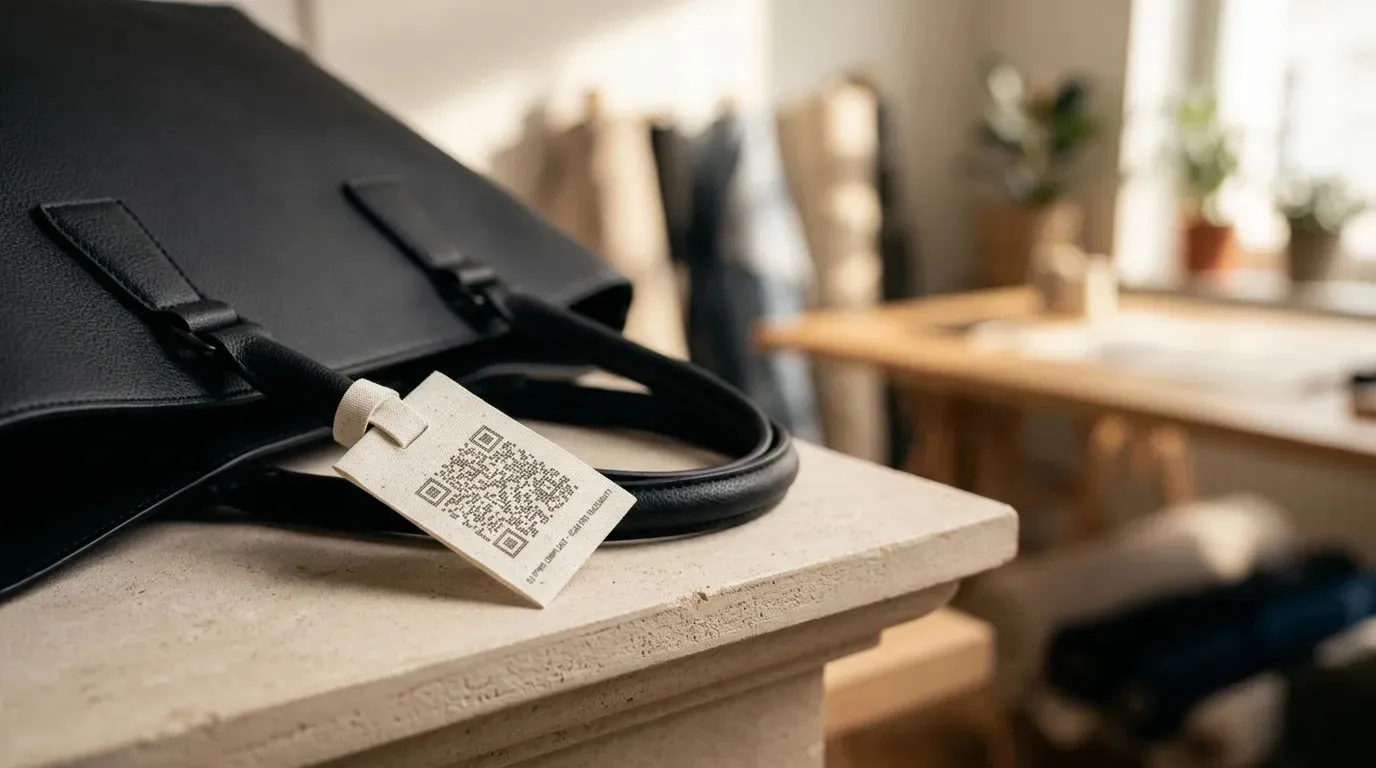
- Traceability: Can they demonstrate production workflow tracking from materials to shipment?
- OEM/ODM Experience: Do they have proven OEM bag manufacturing capabilities across diverse product categories?
- Lead Time: Are their production timelines realistic and clearly communicated?
- Material Sources: Do they have established material sourcing partnerships for consistent quality?
- Certifications: Can they demonstrate compliance with relevant quality and social responsibility standards?
- References: Do they have verifiable client testimonials and case studies?
Real Example: A European Startup’s Journey
Understanding prototype to production journeys helps contextualize the value of partnering with the right low MOQ manufacturer.

Meet Our Senior Project Manager
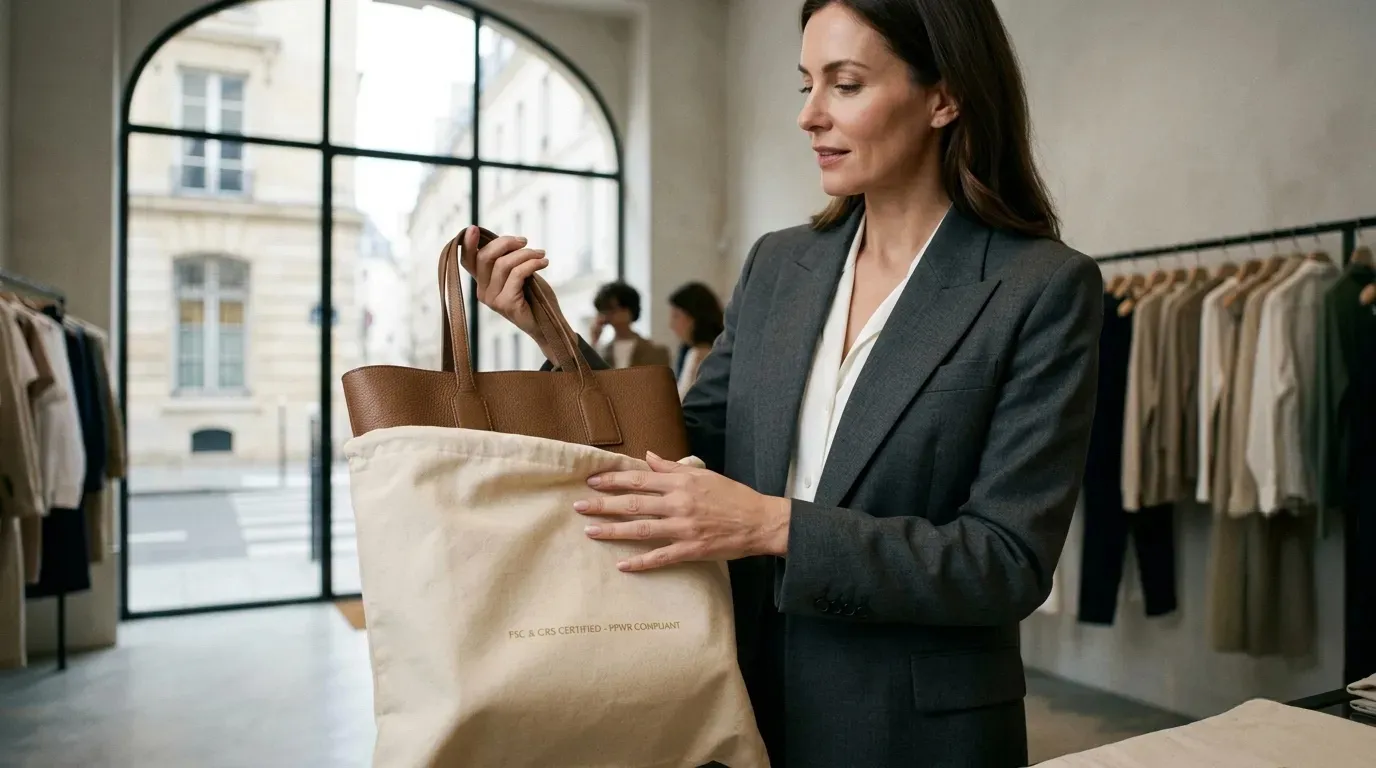
Emily manages 15-25 active projects simultaneously, coordinating sampling, production scheduling, and customer communication throughout every low MOQ project. She explains how project managers orchestrate complex manufacturing workflows to ensure on-time, on-spec delivery.
Frequently Asked Questions
Can I order 200 bags with different colors?
Yes, we commonly accommodate color mixing within orders. A typical order of 200 units might include 4 colors with 50 units each. This flexibility is one of the key advantages of working with a specialized low MOQ bag manufacturer.
How long does sampling take?
Sample development typically requires 7-21 days depending on design complexity. Simple designs with clear specifications may be ready within a week, while intricate designs requiring multiple sample revisions may take longer.
Can I use my own fabric?
Yes, we welcome customer-supplied materials. However, all materials must meet our quality standards and undergo incoming inspection. We can also advise on material specifications if you need assistance identifying suitable options.
Can I combine different bag styles in one order?
This depends on production compatibility. Some combinations can be produced together to optimize efficiency, while others may require separate production runs. Our team will provide honest assessment during the quotation stage.
Can I reorder the same product later?
Yes, reorders are typically easier and faster since patterns and material specifications are already documented. We maintain production records for all orders, ensuring consistency across reorders.
What payment terms do you offer?
We typically require 30-50% deposit with the balance due before shipment. For established clients, we may offer open account terms. All payment arrangements are clearly documented in our service agreements.
Do you provide ODM bag manufacturing services?
Yes, beyond OEM bag manufacturing, we offer ODM services where you can select from our existing design library and customize as needed. This can significantly reduce development time and costs.
What are your quality control standards?
We implement AQL 2.5 standards for general items and stricter standards for critical components. All products undergo three-stage QC: incoming inspection, inline quality monitoring, and final AQL inspection.
Can you help with packaging design?
Yes, our team can assist with packaging design including hang tags, labels, and branded boxes. We can also source eco-friendly packaging options that align with sustainable manufacturing practices.
How do you handle quality disputes?
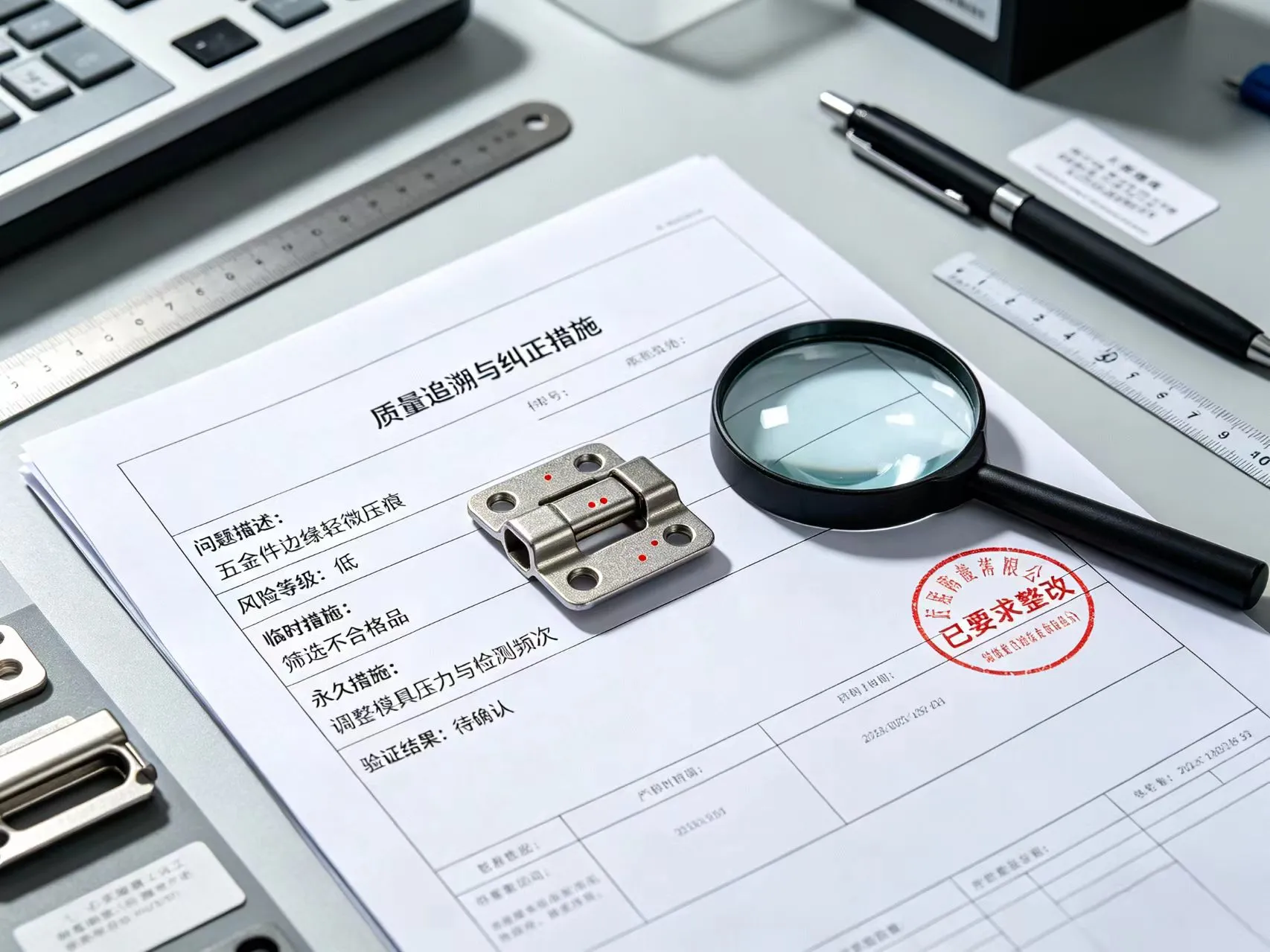
We take quality issues seriously and maintain detailed documentation throughout production. If quality problems arise, we investigate thoroughly, implement corrective actions, and work transparently with clients to reach fair resolutions.
What makes Dreamway different from other manufacturers?
As a small team of 30+ dedicated professionals serving 50+ countries, we combine the quality standards of larger factories with the flexibility and personalized attention that startup brands and crowdfunding projects require. Our integrated MES and ERP systems ensure transparency, while our quality-first approach has earned the trust of brands worldwide.
Ready to Start Your Project?
Whether you’re launching a new brand, testing market demand, or sourcing reliable custom bag manufacturing partners, Dreamway is here to help bring your vision to life.
Visit Our Website
Discover the World of Exquisite Clutch Bags
From elegant evening clutches to sophisticated everyday designs, our curated collection showcases the finest craftsmanship in leather accessories. Explore our comprehensive range of women’s clutch purses crafted by skilled artisans with decades of experience.
Featured Clutch Collections
Ready to find your perfect clutch bag? Our dedicated team is here to help you source premium accessories that elevate your brand.
Explore Full Clutch CollectionManufacturer Knowledge Hub
Twenty-two practical guides from our Guangzhou factory — covering everything from clutch sourcing, MOQ strategy, and quality control to tariffs, tech packs, and compliance. Each card opens a dedicated resource built from real production data.
Manufacturing & Products
Clutch Purses Manufacturer
Browse the full OEM clutch catalog — from evening minaudières to daytime wristlets — all built to your brand’s specs in our Guangzhou workshop.
Browse the full catalog Private LabelPrivate Label Leather Handbags
Launch a private-label leather line with low MOQs, custom hardware finishes, and dedicated pattern engineers who own your project end to end.
Plan your private label MaterialsGenuine Leather from China
Source full-grain and top-grain leather handbags direct from a Guangzhou maker with long-standing tannery partnerships and traceable supply.
Source full-grain leather Case StudyCustom Leather Clutch — A Success Story
Read how a European fashion brand grew from a cautious 30-piece trial into multi-thousand-piece annual reorders of bespoke clutch bags.
Read the case study Rush OrderRush-Order Logo Tote Bags
Need totes in two weeks? Our express lane ships custom-logo totes with full inline QC and export packing — without skipping any approval step.
Reserve a rush slot LogisticsImport Tote Bags: Shipping, Duty, Lead Time
A complete playbook on import logistics — port-to-port transit, customs duty brackets, and the realistic total lead time from PO to your warehouse.
Map your import routeQuality & Compliance
Tote Bag Quality-Control Checklist
Our 47-point QC checklist covers stitch density, colorfastness, hardware pull-strength, and packing — applied to every shipment, every order.
Download the QC checklist SamplingHandbag Sample-Approval Checklist
Use the same nine-step sample approval workflow our merchandisers run before any bulk production begins — and avoid costly reworks downstream.
Run the sample workflow ComplianceHandbag Compliance: REACH & Prop 65
A plain-English map of REACH SVHC, Prop 65, and CPSIA — learn which handbag materials trigger which compliance rules for US and EU markets.
Decode compliance rulesProcess & Capacity
How Low-MOQ Manufacturing Works
How low-MOQ production stays profitable — pattern sharing, modular components, and a dedicated small-batch line that keeps unit costs sensible.
Tour the MOQ workflow FactoryAbout Our Tote Bag Factory
Meet the 15-year tote bag factory behind your brand — 450 artisans, 18 production lines, and a weekly capacity of 80,000 units across cotton and canvas.
Meet our 450 artisans PaymentsHandbag Factory Payment Terms
T/T 30/70 vs L/C at sight vs D/P — the actual payment terms our clients use for first orders and repeat orders, with pros and cons explained.
Compare payment terms CostingHandbag Cost-Structure Breakdown
See exactly what drives handbag cost — materials 38%, labor 24%, hardware 11%, overhead 18%, margin 9% — with the levers you can actually pull.
Open the cost breakdown PricingEight Price Factors in Handbag Quotes
Eight pricing variables that shift a $9.50 handbag quote to $14.20 — leather grade, lining fabric, zip-pull alloy, edge paint, and four more.
Map the price leversDesign & Technical
Handbag Design Trends 2026
Color, hardware, silhouette, and material forecasts for SS26 handbag collections — curated from Milano and Paris runway shows plus buyer feedback.
Forecast SS26 designs TariffHandbag HS Code Complete Guide
HS codes 4202.21, 4202.22, 4202.31, 4202.32 — find the right tariff line to avoid customs delays and misclassification on every handbag shipment.
Decode HS codes Tech PackHandbag Tech Pack Template
Free handbag tech pack template with bill-of-materials, stitch specs, hardware callouts, and tolerance tables — drop in your numbers and ship.
Get the tech pack template EngineeringTech-Pack Cost-Down Engineering
Five engineering moves that quietly cut $1.80 per bag — reinforcement layouts, seam reductions, and material substitution that buyers never see.
Cut $1.80 per bagSourcing Strategy & Contact
Tariff Engineering with HTS Code Hacks
Reclassify components to shift handbag tariffs from 10% to 3.3% — legally, with proper HTS documentation that survives a CBP audit.
Reclassify duty lines RiskThe True Cost of Cheap Handbag Factories
Five risks of buying from $4.50/bag factories — defect rates, compliance gaps, IP exposure, and what they really cost your brand over three seasons.
Audit factory risks ContactStart Your Project with Our Team
Send your tech pack and get a working sample in seven days — three ways to reach our merchandising team and the fastest path from sketch to shipment.
Start a 7-day sample