
Backpack Materials Guide: Polyester, Nylon, Canvas, RPET, Foam & Hardware Explained
Your Ultimate Sourcing Reference for Custom Backpack Materials — From Fabric Selection to Hardware Details
Table of Contents
Introduction: Why Backpack Quality Is 80% Determined by Materials
When sourcing custom backpacks for your brand, the single most critical factor that determines product quality, customer satisfaction, and brand reputation is material selection. Industry data shows that approximately 80% of backpack failures — whether premature wear, waterproof failure, strap breakage, or customer complaints — trace directly back to substandard or inappropriate material choices.
As a leading bag manufacturing factory in Guangzhou, China, we at Dreamway have spent over a decade perfecting our material sourcing and quality control processes. With a dedicated team of 30+ professionals serving clients across 50+ countries, we understand that every gram of fabric, every meter of webbing, and every piece of hardware contributes to the final product experience.
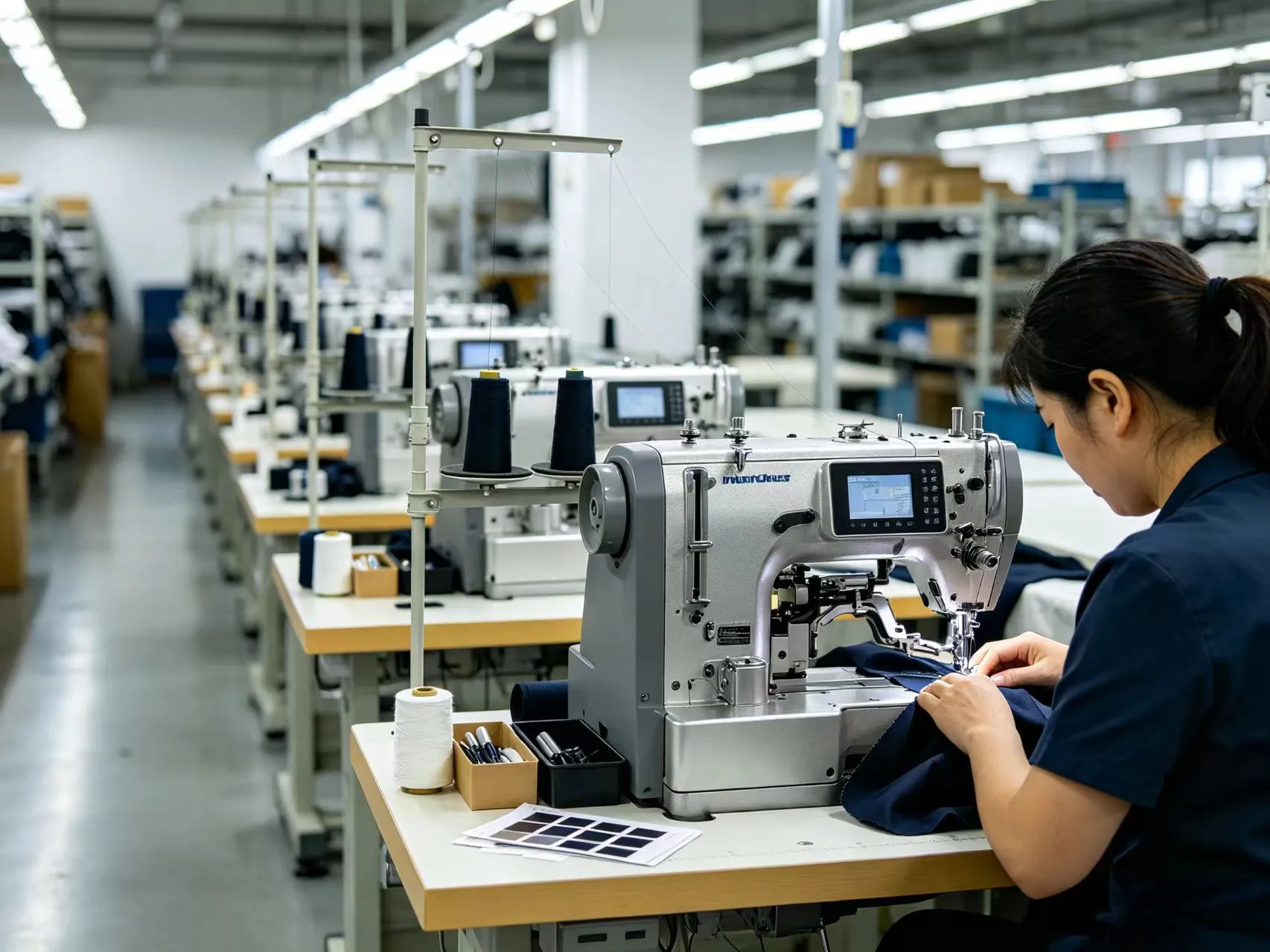
This comprehensive guide covers all essential backpack materials for various applications:
Outdoor & Hiking
Durability, weather resistance, and lightweight performance
Travel & Luggage
Style, capacity, and TSA-compliant features
Laptop & Tech
Protection, organization, and professional aesthetics
School & Student
Ergonomics, water resistance, and affordable durability
Promotional & Corporate
Brand visibility, cost efficiency, and bulk customization
Luxury & Fashion
Premium materials, craftsmanship, and status appeal
Military & Tactical
Extreme durability, MOLLE compatibility, and tactical features
Corporate Gifts
Professional branding, quality perception, and quantity discounts
Why Backpack Material Selection Matters
The materials you choose for your custom backpacks will directly determine five critical performance characteristics:
Weight
Fabric density affects carry comfort and shipping costs
Durability
Abrasion resistance determines product lifespan
Longevity
UV resistance and material degradation rates
Cost
Material choice impacts your entire budget
Environmental Impact
Sustainability credentials for conscious brands
Printability
Custom branding and logo application options
Water Resistance
Protection against moisture and rain
From Material to Market: The Decision Flow
Making informed material decisions upfront prevents costly redesigns, production delays, and customer complaints downstream. This guide will walk you through every material category with actionable insights for professional buyers.
Main Fabrics Used for Backpack Manufacturing
Understanding the seven primary fabric categories is essential for making informed sourcing decisions. Each material offers distinct advantages depending on your target market, price point, and performance requirements.
| Material | Weight Range | Waterproof | Cost Level | Best Uses |
|---|---|---|---|---|
| Polyester | 150D – 1680D | Medium (with coating) | $ | School, Travel, Promotional |
| Oxford Polyester | 600D – 1200D | Medium | $$ | Business, Laptop, Casual |
| Nylon | 420D – 1000D | Good | $$$ | Outdoor, Tactical, Sports |
| Cordura Nylon | 500D – 1000D | Excellent | $$$$ | Military, Heavy-duty, Premium |
| Cotton Canvas | 8oz – 24oz | Low (natural) | $$ | Fashion, Vintage, Eco-brands |
| Waxed Canvas | 10oz – 20oz | High | $$$ | Luxury, Outdoor, Heritage |
| RPET (Recycled) | 300D – 600D | Medium | $$$ | Eco-brands, Sustainability-focused |
| PU Fabric | Varies | Excellent | $$$ | Laptop, Fashion, Vegan leather |
| PVC Fabric | Varies | 100% | $$ | Rain gear, Budget outdoor |
Each of these materials has specific sub-categories and specifications that we will explore in detail in the following sections.
Polyester Backpack Materials Explained
Polyester is the most widely used backpack fabric worldwide due to its excellent cost-to-performance ratio, easy customization options, and versatile applications across market segments.
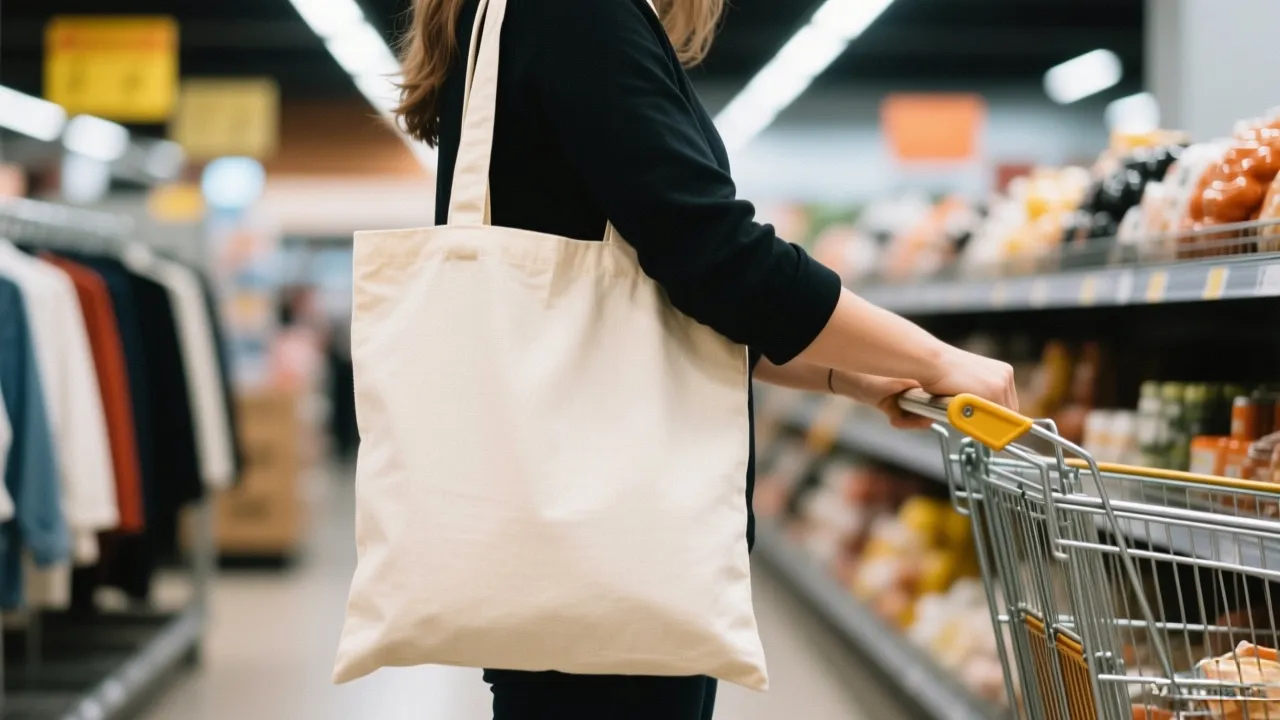
Understanding Denier (D) in Polyester Fabrics
Denier (D) measures the fiber thickness — higher denier means thicker, more durable, but heavier fabric. Here’s how different deniers perform:
| Denier | Weight (gsm) | Durability | Best Application | Cost Efficiency |
|---|---|---|---|---|
| 150D | ~70gsm | Light | Inner linings, lightweight packs | ★★★★★ |
| 300D | ~120gsm | Medium | Daypacks, school bags | ★★★★☆ |
| 600D | ~250gsm | Good | Travel bags, laptop backpacks | ★★★☆☆ |
| 900D | ~380gsm | Very Good | Business bags, tactical packs | ★★★☆☆ |
| 1200D | ~500gsm | Excellent | Heavy-duty, promotional | ★★☆☆☆ |
| 1680D | ~700gsm | Premium | Luxury, premium corporate | ★★☆☆☆ |
Advantages of Polyester
- Cost-effective: Most affordable option for bulk production
- Excellent printability: Dye-sublimation, screen printing, and heat transfer all work well
- Color retention: Polyester holds dyes exceptionally well, resisting fading
- Quick drying: Moisture wicks away faster than natural fibers
- UV resistant: Maintains color and structure under sun exposure
- Wide availability: Consistent supply from multiple global suppliers
Disadvantages of Polyester
- Lower abrasion resistance: Compared to nylon, especially at lower deniers
- Less breathable: Can trap heat and moisture
- Environmental concerns: Petroleum-based, not biodegradable
- Pilling potential: May develop small fabric balls over extended use
Best Applications for Polyester Backpacks
School Backpacks
600D polyester offers the ideal balance of durability and cost for student use
Travel Bags
600D-900D with PVC backing provides good travel durability
Promotional Items
300D-600D with full-coverage printing maximizes brand visibility
Corporate Gifts
1200D-1680D polyester conveys quality at reasonable price points
Nylon Backpack Materials Explained
Nylon is the premium choice for performance backpacks, offering superior strength-to-weight ratio and exceptional durability for demanding applications. While more expensive than polyester, nylon delivers unmatched longevity in challenging environments.
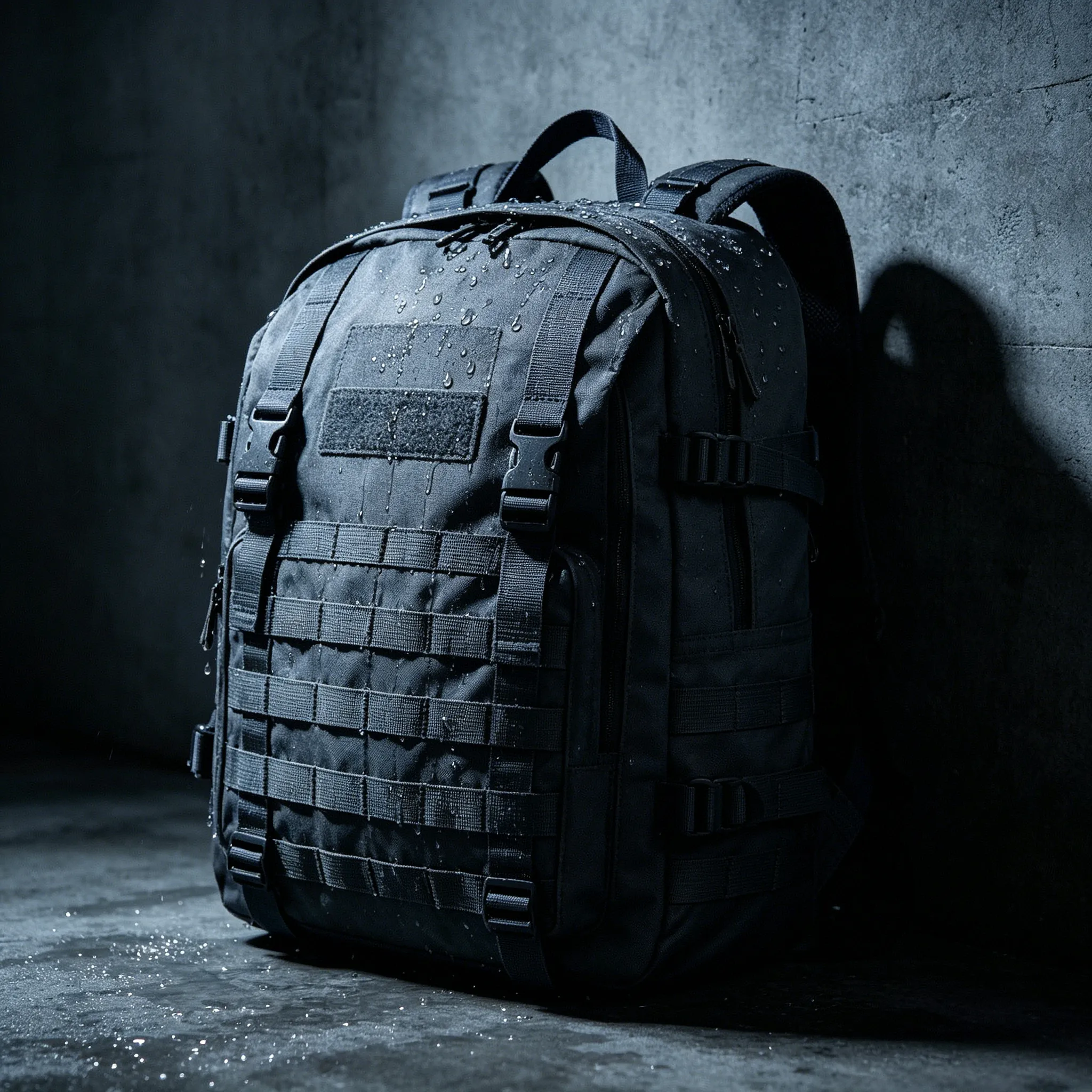
Nylon Fabric Specifications
| Type | Weight (D) | Weight (gsm) | Tear Strength | Best For |
|---|---|---|---|---|
| 420D Nylon | 420D | ~180gsm | Good | Light hiking, daypacks |
| 500D Nylon | 500D | ~210gsm | Very Good | Hiking, cycling |
| 840D Nylon | 840D | ~350gsm | Excellent | Tactical, outdoor |
| 1000D Nylon | 1000D | ~420gsm | Premium | Military, heavy-duty |
Cordura® Nylon: The Premium Standard
Cordura® is a patented high-performance fabric by INVISTA known for exceptional durability. It offers 2-3 times the abrasion resistance of standard nylon while maintaining a lighter weight.
| Feature | Standard Nylon | Cordura® Nylon |
|---|---|---|
| Abrasion Resistance | Good | Excellent (2-3x higher) |
| Tear Strength | Good | Superior |
| Water Resistance | Medium | Excellent with DWR |
| Cost | $$ | $$$$ |
| Typical Use | Consumer products | Military, tactical, premium |
Ripstop Nylon: Enhanced Durability
Ripstop nylon features a reinforced grid pattern that prevents tears from spreading. If the fabric is punctured, the reinforced threads stop the tear from extending.
✓ Advantages
- Lightweight with high strength
- Tear-resistant grid structure
- Quick drying
- Water repellent with DWR coating
✗ Considerations
- Higher cost than standard nylon
- Can be slippery to handle
- Requires skilled manufacturing
Nylon vs Polyester: Detailed Comparison
| Property | Nylon | Polyester | Winner |
|---|---|---|---|
| Strength-to-Weight | Higher | Lower | Nylon ✓ |
| Abrasion Resistance | Excellent | Good | Nylon ✓ |
| UV Resistance | Lower | Higher | Polyester ✓ |
| Color Retention | Fair | Excellent | Polyester ✓ |
| Water Resistance | Good | Medium (needs coating) | Nylon ✓ |
| Printability | Moderate | Excellent | Polyester ✓ |
| Cost | Higher | Lower | Polyester ✓ |
| Drying Speed | Fast | Fast | Tie |
Canvas Backpack Materials Explained
Canvas represents the heritage choice in backpack materials, offering a distinctive aesthetic that appeals to fashion-forward brands and consumers seeking alternatives to synthetic materials. Originally used for sails and workwear, canvas has evolved into a versatile material for premium and lifestyle backpacks.
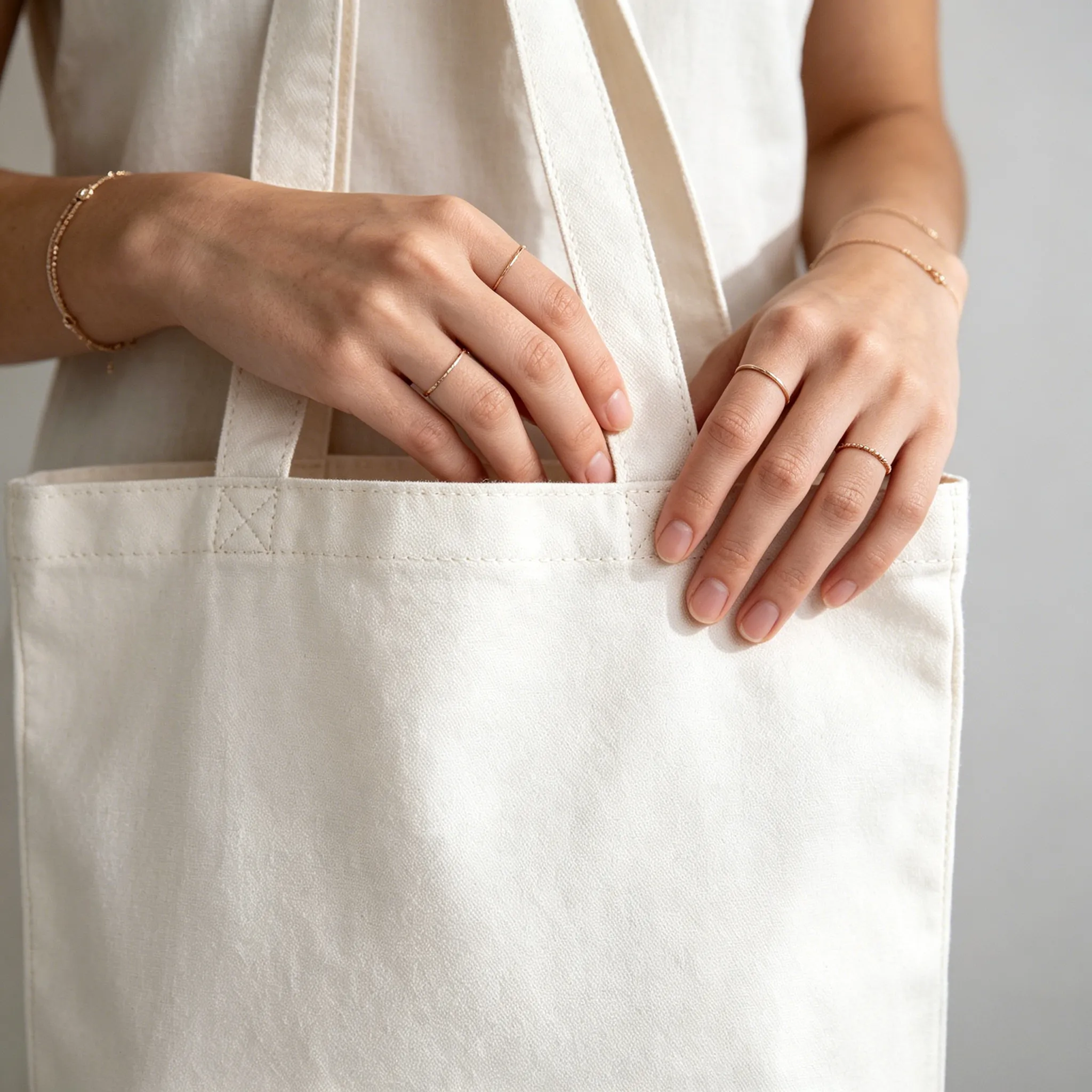
Types of Canvas Materials
Cotton Canvas
The traditional canvas made from natural cotton fibers. Available in weights from 8oz to 24oz (270-810 gsm).
- 8-10oz: Light bags, linings
- 12-14oz: Everyday backpacks, totes
- 16-20oz: Heavy-duty, premium products
- 22-24oz: Industrial, extreme use
Organic Cotton Canvas
GOTS-certified organic cotton canvas for sustainability-focused brands. Premium positioning with environmental credentials.
- Chemical-free production
- Lower environmental impact
- Premium brand positioning
- Higher cost (15-25% above standard)
Waxed Canvas
Cotton canvas treated with wax coating for water resistance. Combines natural aesthetics with practical weather protection.
- Natural water repellency
- Develops unique patina over time
- Requires periodic re-waxing
- Distinctive visual appeal
Understanding Canvas Weight: GSM vs Oz
| GSM | Oz per Sq Yard | Application | Characteristics |
|---|---|---|---|
| 270-340 | 8-10oz | Linings, lightweight bags | Soft, flexible |
| 340-400 | 10-12oz | Casual backpacks, totes | Balanced durability |
| 400-475 | 12-14oz | Everyday backpacks | Good structure |
| 475-540 | 14-16oz | Heavy-use backpacks | Sturdy, structured |
| 540-610 | 16-18oz | Premium, tactical | Very durable |
| 610-810 | 18-24oz | Industrial, extreme | Maximum durability |
Canvas Printing Methods Comparison
| Method | Vibrancy | Durability | MOQ | Setup Cost | Best For |
|---|---|---|---|---|---|
| Screen Printing | Excellent | Very Good | High | High | Simple logos, bold colors |
| Digital Printing | Good | Good | Low | Low | Complex designs, samples |
| Heat Transfer | Good | Medium | Low | Low | Photorealistic images |
| Dye Sublimation | Excellent | Good | Medium | Medium | Full-coverage prints |
RPET & Sustainable Backpack Materials
As consumer awareness of environmental issues grows, sustainable materials have become a key differentiator for forward-thinking brands. Recycled PET (rPET) and other eco-friendly materials offer a responsible alternative without compromising on quality or performance.

Understanding RPET (Recycled Polyethylene Terephthalate)
RPET is made from post-consumer plastic bottles, giving new life to materials that would otherwise end up in landfills or oceans. The recycling process involves:
- Collection: PET bottles are collected and sorted by color
- Cleaning: Labels and caps are removed, bottles are thoroughly washed
- Shredding: Clean bottles are shredded into small flakes
- Melting: Flakes are melted and extruded into polyester fiber
- Weaving: Fibers are spun into yarn and woven into fabric
Sustainable Material Options
| Material | Source | Environmental Benefit | Performance | Cost Premium |
|---|---|---|---|---|
| RPET (rPET) | Recycled plastic bottles | High — diverts plastic waste | Comparable to virgin polyester | 10-20% |
| Recycled Nylon | Pre/Post-consumer nylon waste | Very High — reduces oil dependency | Matches virgin nylon | 25-40% |
| Organic Cotton | GOTS-certified farms | High — no pesticides | Similar to conventional cotton | 15-30% |
| Water-based PU | Solvent-free production | High — no toxic solvents | Good — slightly softer feel | 10-25% |
| Recycled PU | Pre-consumer PU waste | Medium-High | Good for vegan leather alternatives | 15-35% |
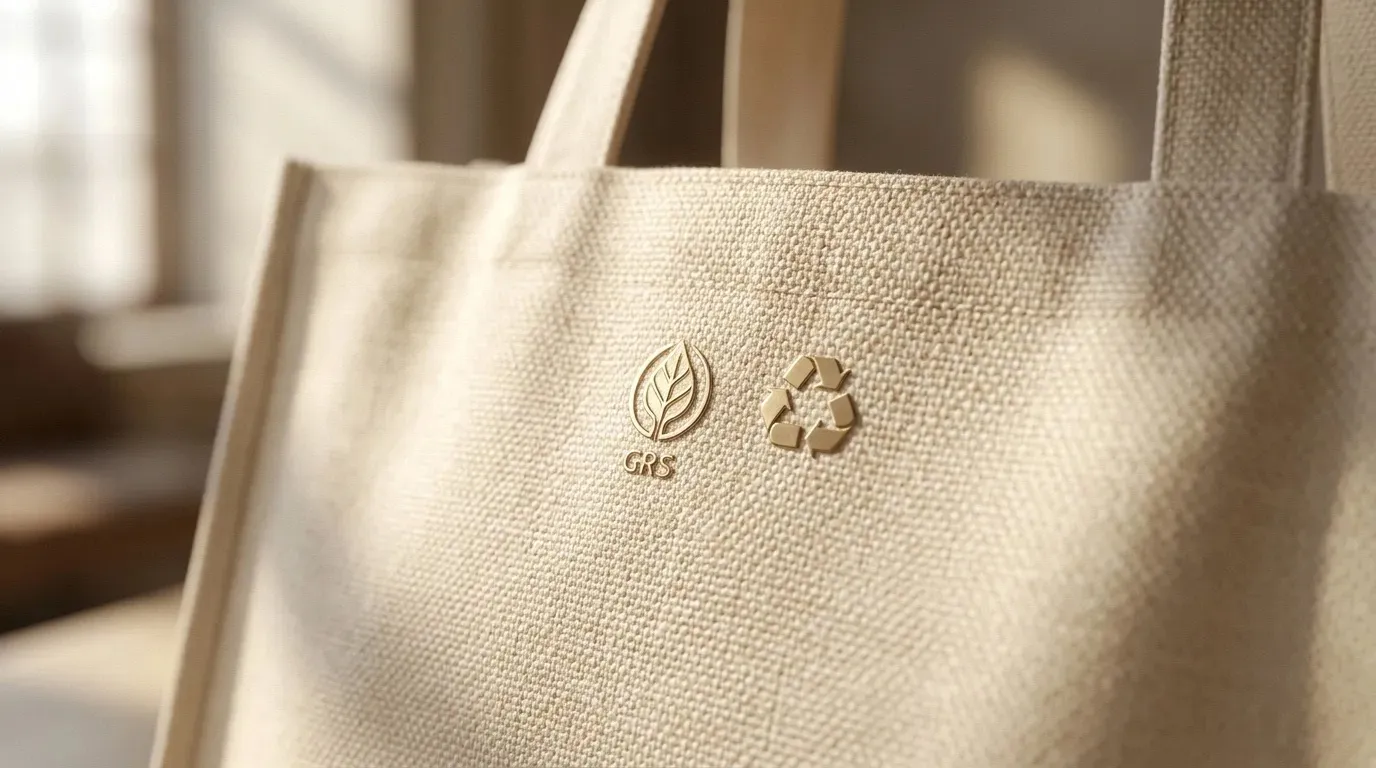
GRS Certification: Your Sustainability Guarantee
The Global Recycled Standard (GRS) is the gold standard for recycled materials. Working with a GRS-certified factory ensures:
- Verified recycled content in final products
- Responsible social and environmental practices
- No harmful chemical processing
- Full supply chain traceability
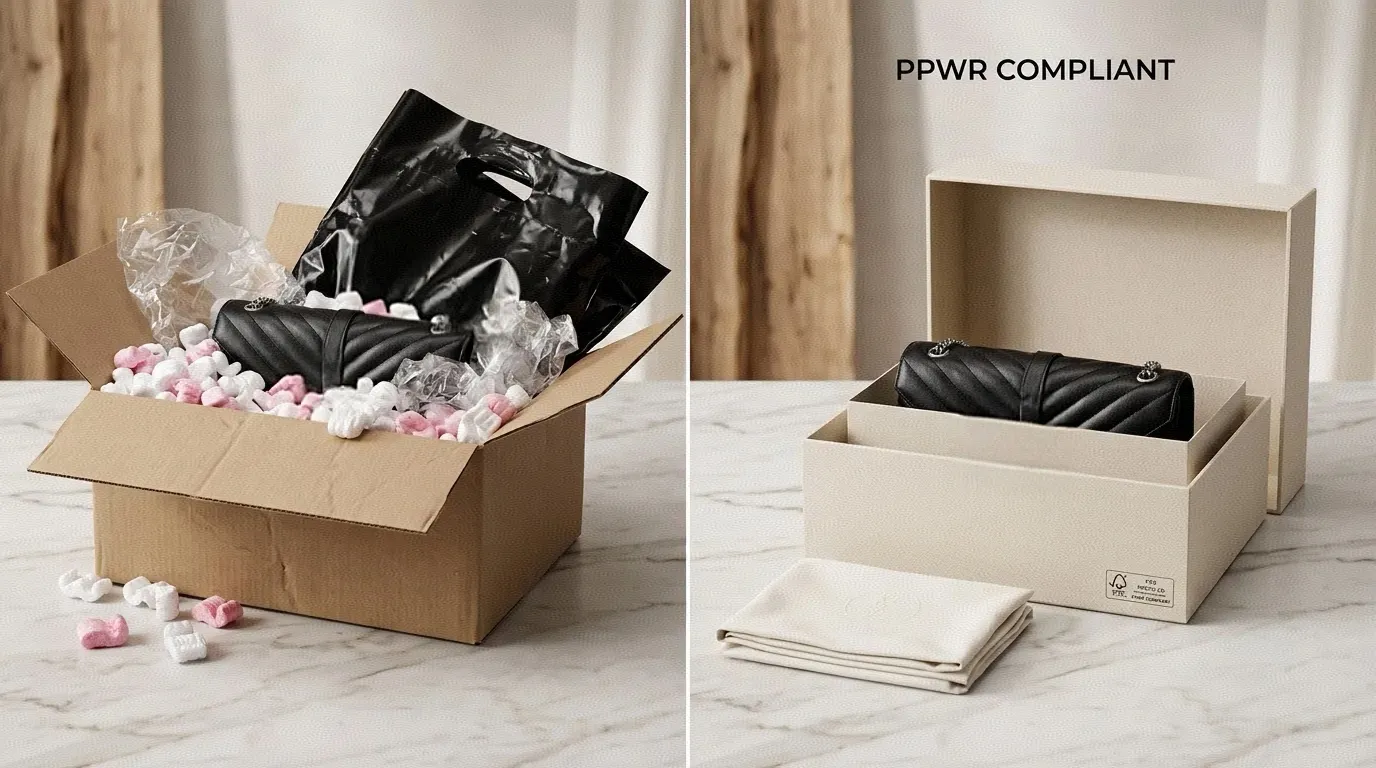
- Compliance with EU regulations (PPWR, GPSR)
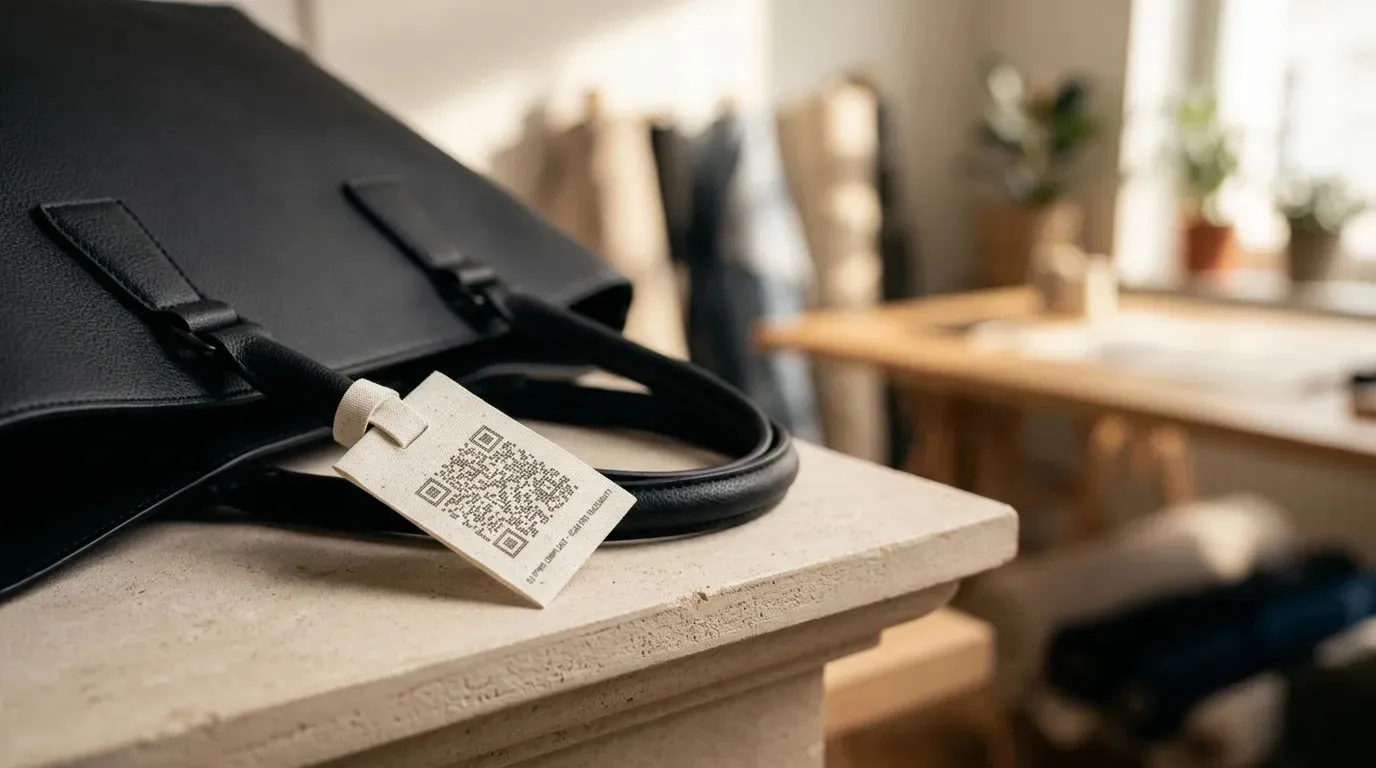
PPWR Compliance for European Markets
The EU’s Packaging and Packaging Waste Regulation (PPWR) mandates recycled content minimums in packaging. Our sustainable materials help you comply with:
- By 2030: 10% recycled content in plastic packaging
- By 2040: 25% recycled content targets
- Traceability requirements: Digital Product Passport (DPP) compliance
Foam Materials Used Inside Backpacks
This is a topic many buyers overlook, but foam materials are crucial for backpack comfort, protection, and durability. The right foam selection determines laptop protection, shoulder comfort, and overall user experience.
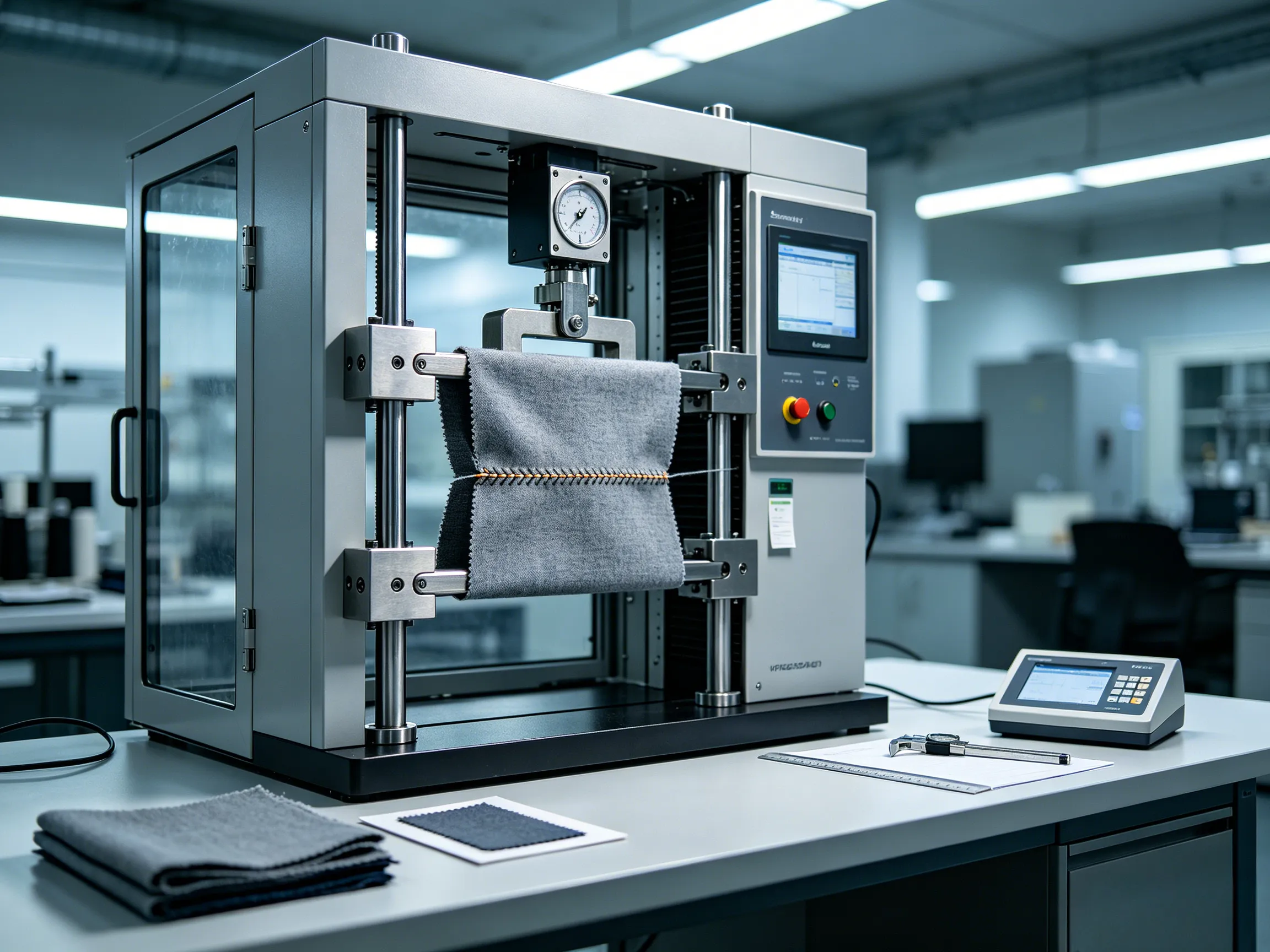
Common Foam Types for Backpacks
EPE Foam (Expanded Polyethylene)
Lightweight, cost-effective foam commonly used in budget backpacks.
EVA Foam (Ethylene-Vinyl Acetate)
Versatile foam with good shock absorption and flexibility.
PE Foam (Polyethylene)
Closed-cell foam with excellent water resistance.
PU Foam (Polyurethane)
Open-cell foam with excellent breathability and comfort.
Memory Foam
High-end foam that conforms to body shape for maximum comfort.
Foam Performance Comparison for Key Applications
| Application | EPE | EVA | PE | PU | Memory | Best Choice |
|---|---|---|---|---|---|---|
| Laptop Protection | ✓✓ | ✓✓✓ | ✓✓✓ | ✓✓✓✓ | ✓✓✓✓✓ | PU/Memory |
| Shoulder Comfort | ✓ | ✓✓ | ✓ | ✓✓✓✓ | ✓✓✓✓✓ | Memory/PU |
| Back Ventilation | ✓ | ✓✓ | ✓ | ✓✓✓ | ✓✓✓ | PU |
| Cost Efficiency | ✓✓✓✓✓ | ✓✓✓ | ✓✓✓ | ✓✓ | ✓ | EPE |
| Water Resistance | ✓✓ | ✓✓✓ | ✓✓✓✓✓ | ✓✓ | ✓✓ | PE |
| Durability | ✓✓ | ✓✓✓✓ | ✓✓✓ | ✓✓✓✓ | ✓✓✓ | EVA/PU |
Backpack Lining Materials
The interior lining is often an afterthought, but it significantly impacts user experience, product durability, and perceived quality. Premium linings can elevate a backpack from functional to luxurious.
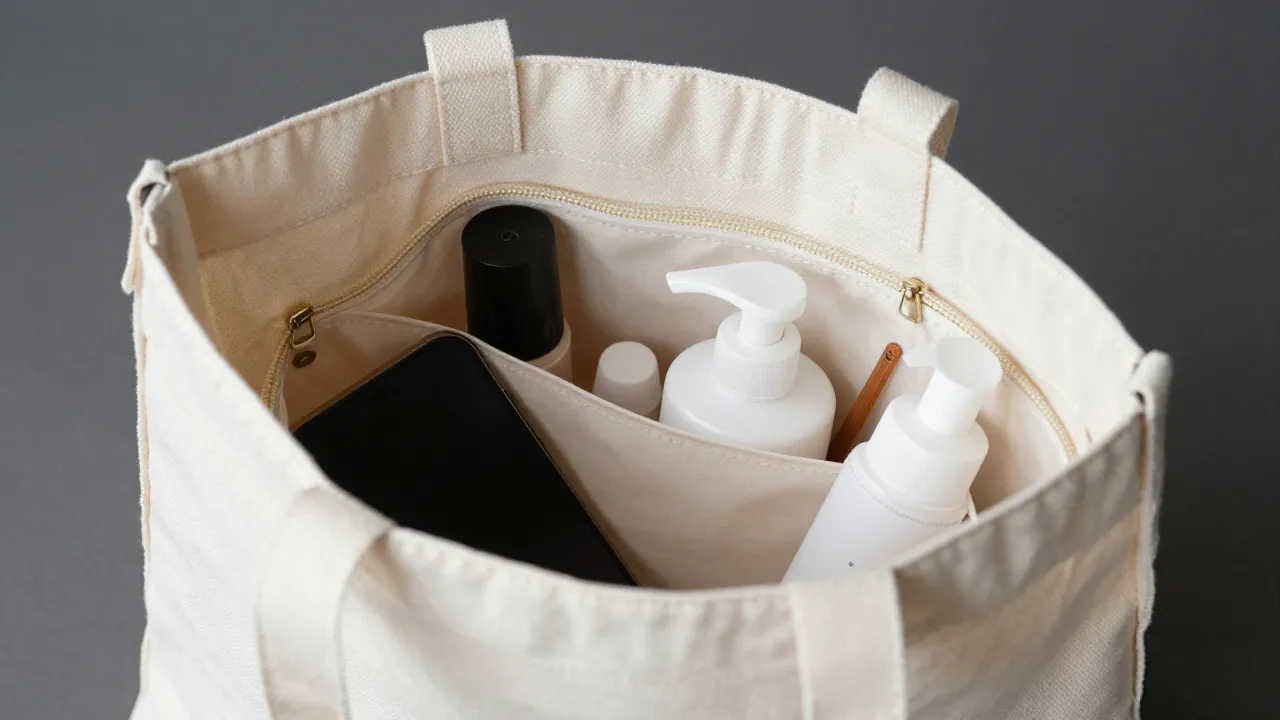
Common Lining Materials
| Material | Weight | Durability | Water Resistant | Cost | Best For |
|---|---|---|---|---|---|
| 210D Polyester | Light | Good | No | $ | Standard backpacks |
| 420D Polyester | Medium | Very Good | No | $$ | Business, travel bags |
| Ripstop Nylon | Light | Excellent | No | $$$ | Tactical, outdoor |
| 210D Recycled Poly | Light | Good | No | $$ | Eco-conscious brands |
| PU Coated Polyester | Medium | Good | Yes | $$ | Wet environments |
| RPET Twill | Medium | Good | No | $$ | Sustainable products |
Specialty Lining Options
Waterproof Lining
TPU or PVC coated fabrics create completely waterproof interiors. Essential for:
- Water bottle compartments
- Wet umbrella storage
- Beach/pool bags
- Outdoor adventure gear
Anti-Slip Lining
Textured or silicone-coated linings prevent items from sliding. Ideal for:
- Laptop compartments
- Electronics storage
- Camera bag interiors
- Premium organizers
Lining Color Psychology
The interior color affects perceived value and practical usability:
- Black lining: Universal, hides dirt, professional look
- Gray lining: Modern, practical, shows less lint
- White/Off-white: Premium feel, shows product quality, requires care
- Color-matched: Brand consistency, fashion-forward appeal
- Printed linings: Unique branding opportunity, premium positioning
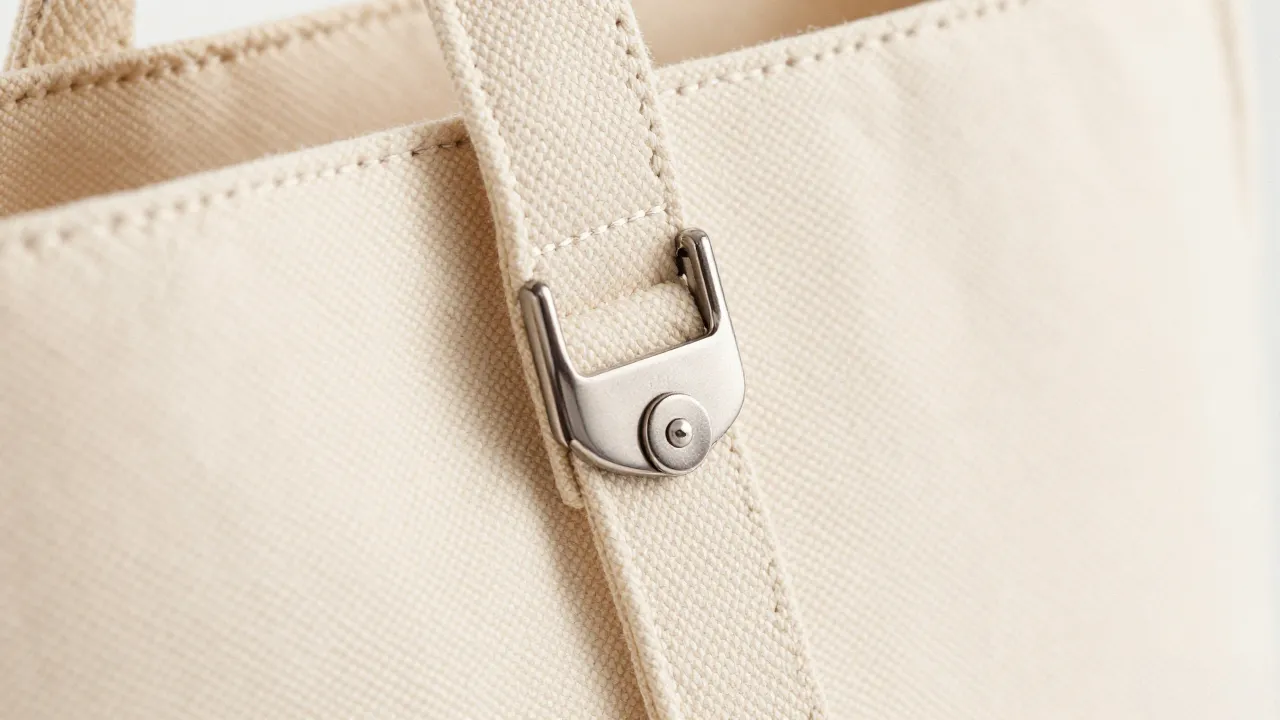
Backpack Webbing & Straps
Webbing and straps are the load-bearing components that determine backpack safety and user comfort. Choosing the right webbing material is critical for products that will carry significant weight.
Webbing Material Types
| Material | Strength | Water Resistance | UV Resistance | Cost | Best Use |
|---|---|---|---|---|---|
| PP Webbing | Good | Excellent | Good | $ | Budget bags, children’s products |
| Polyester Webbing | Very Good | Good | Excellent | $$ | Standard backpacks, outdoor gear |
| Nylon Webbing | Excellent | Good | Fair | $$$ | Tactical, military, premium |
| Seat Belt Webbing | Premium | Good | Excellent | $$$ | Heavy-duty, safety-critical |
Webbing Width Selection Guide
| Width | Common Use | Weight Capacity | Application |
|---|---|---|---|
| 10mm | Small pouches, key straps | Up to 20kg | Accessories, details |
| 15mm | Shoulder pads, small loops | Up to 50kg | Light backpacks, bags |
| 20mm | Standard shoulder straps | Up to 75kg | Daypacks, laptop bags |
| 25mm | Heavy straps, compression | Up to 100kg | Travel bags, hiking packs |
| 38mm | Heavy-duty, chest straps | Up to 150kg | Hiking, tactical, military |
| 50mm+ | Industrial, lifting straps | 150kg+ | Heavy loads, professional |
Load Testing Standards
We conduct rigorous testing on all webbing components to ensure safety:
- Breaking strength test: Webbing must support 4-6x rated load
- Seam strength test: Welded/sewn joints tested for reliability
- UV exposure test: Simulates 500+ hours sunlight exposure
- Cyclic load test: 10,000+ cycles at 50% rated capacity
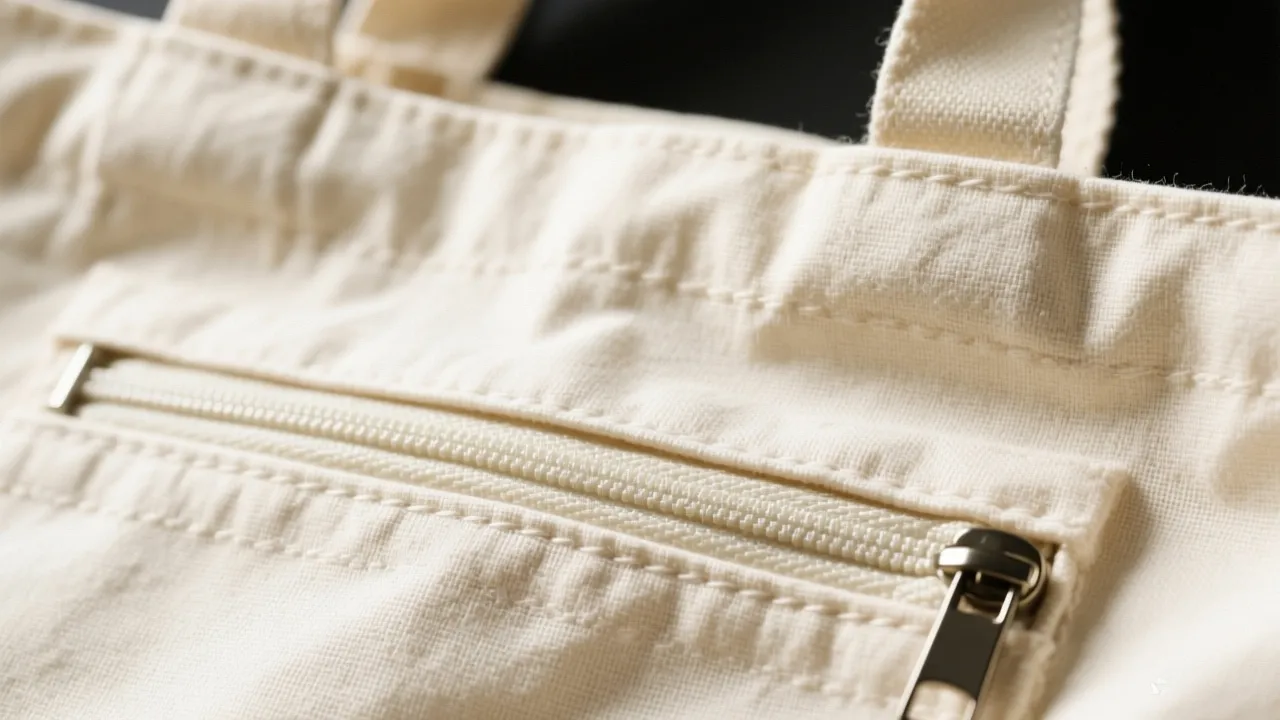
Zippers Used for Backpacks
Zippers are critical functional components that buyers often underestimate. A quality zipper can last the lifetime of the bag, while a poor one can cause premature product failure.
Zipper Types and Applications
| Type | Strength | Water Resistance | Cost | Common Use |
|---|---|---|---|---|
| Nylon Zipper | Good | Low | $ | Main compartments, pockets |
| Metal Zipper | Very Good | Medium | $$$ | Fashion bags, premium products |
| Waterproof Zipper | Good | Excellent | $$$ | Outdoor gear, laptop bags |
| Reverse Coil | Good | Medium | $$ | Modern designs, hidden zippers |
Zipper Size Selection
| Size (#) | Teeth Width | Application | Durability |
|---|---|---|---|
| #3 | 3mm | Invisible pockets, small pouches | Light duty |
| #5 | 5mm | Main pockets, document compartments | Medium duty |
| #8 | 8mm | Large compartments, duffel bags | Heavy duty |
| #10 | 10mm | Luggage, heavy-duty applications | Very heavy duty |
Quality Brands: YKK vs SBS
YKK (Yoshida Kogyo Kabushikigaisha)
The gold standard in zippers, known for:
- Consistent quality worldwide
- Extensive testing standards
- Premium materials and construction
- Higher price point
SBS (SBS Zipper)
Quality alternative with good value:
- Competitive pricing
- Wide range of options
- Reliable for standard applications
- Good balance of cost and quality
Custom Zipper Pull Options
Custom zipper pulls offer excellent branding opportunities:
- Embossed logo pulls: Metal with embossed branding
- Printed pulls: PVC/rubber with full-color logos
- Metal die-cast: Premium zinc alloy custom shapes
- Woven tags: Integrated fabric pull tabs
- Glow-in-dark: Phosphorescent pulls for visibility
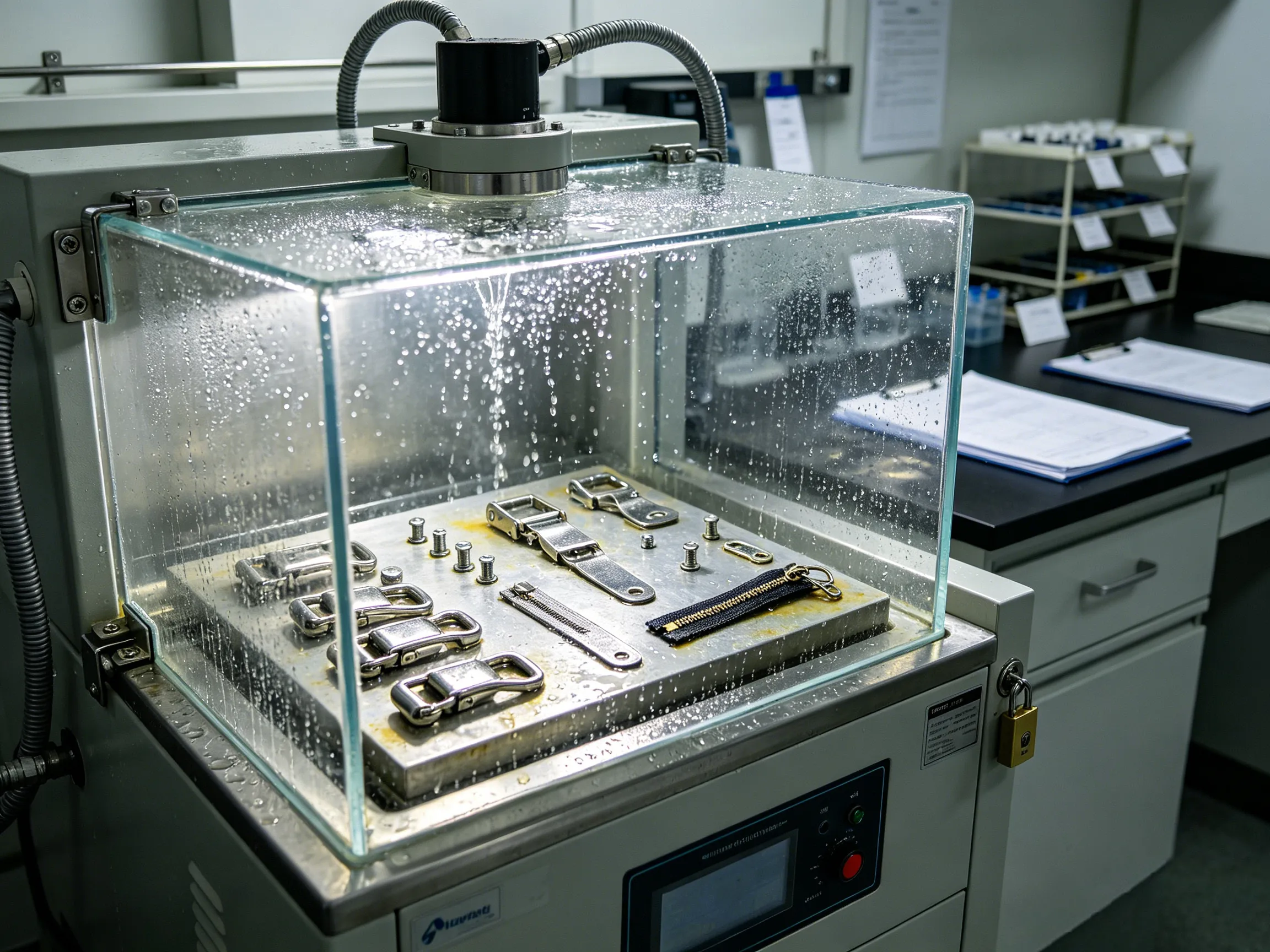
Buckles & Hardware
Hardware components bear significant stress during product use. Quality hardware ensures longevity and reflects overall product quality to your customers.
Buckle Material Types
| Material | Strength | Weight | Corrosion Resistance | Cost | Best For |
|---|---|---|---|---|---|
| Acetal ( POM ) | Very Good | Light | Excellent | $$ | Lightweight packs, fashion |
| ABS Plastic | Good | Light | Good | $ | Budget products |
| Aluminum | Very Good | Light | Good | $$$ | Premium outdoor, hiking |
| Zinc Alloy | Excellent | Heavy | Good (plated) | $$$ | Tactical, heavy-duty |
| Steel | Premium | Heavy | Fair (untreated) | $$ | Industrial, military |
Buckle Types and Functions
Side-Release Buckles
The most common backpack buckle type. Requires two-handed operation with thumb press.
Common sizes: 25mm, 38mm, 50mm
Load rating: 50-200kg depending on size
Magnetic Buckles
Quick-release with magnetic locking. Popular for fashion and children’s products.
Advantages: One-handed operation, satisfying click
Considerations: May accidentally release under stress
Snap Hooks & Carabiners
For attachment points and key chains.
Materials: Aluminum, zinc alloy, stainless steel
Ratings: 20-100kg depending on design
D-Rings
Triangular attachment points for straps and loops.
Materials: Zinc alloy, steel, aluminum
Applications: Strap attachment, hanging points
Hardware Finish Options
| Finish | Appearance | Durability | Cost | Best For |
|---|---|---|---|---|
| Nickel Plating | Silver, shiny | Very Good | $$ | Business, professional |
| Brass Plating | Gold, warm | Good | $$$ | Premium, vintage |
| Black Oxide | Matte black | Good | $$ | Tactical, modern |
| PVD Coating | Various (matte, shiny) | Excellent | $$$$ | Premium, fashion |
| Antique Finish | Aged, worn look | Good | $$$ | Vintage, heritage brands |
Waterproof Materials vs Water-Resistant Materials
Understanding the difference between waterproof and water-resistant is crucial for setting correct customer expectations and choosing appropriate materials for your target market.
Key Differences
| Property | Water-Resistant | Waterproof |
|---|---|---|
| Definition | Slows water penetration, not fully sealed | No water penetration under pressure |
| Rain Protection | Light rain only | Heavy rain, submersion |
| Testing Standard | Spray test (ISO 4920) | Hydrostatic head (ISO 811) |
| Seam Treatment | Optional | Required (sealed/taped) |
| Typical Rating | 1,000-5,000mm | 5,000-20,000+mm |
| Cost Impact | Minimal | Significant |
Waterproof Technologies
PU Coating (Polyurethane)
Applied to fabric back, creates water barrier.
- Pros: Cost-effective, breathable options available
- Cons: May degrade over time, can feel stiff
- Rating: 1,000-5,000mm
TPU Lamination
Thermoplastic polyurethane film bonded to fabric.
- Pros: Durable, flexible, environmental options
- Cons: Higher cost than PU coating
- Rating: 5,000-15,000mm
PVC Coating
Complete waterproof barrier, typically on涤纶/尼龙.
- Pros: 100% waterproof, very durable
- Cons: Heavy, not breathable, environmental concerns
- Rating: 10,000+mm
DW (DWR) Coating
Durable Water Repellent surface treatment.
- Pros: Maintains fabric feel, easy application
- Cons: Wears off over time, needs reapplication
- Rating: Surface only, not true waterproof
Waterproof Rating Guide
| Rating (mm) | Weather Protection | Use Case |
|---|---|---|
| 1,500 | Light rain, drizzle | Daily commute, urban use |
| 5,000 | Moderate rain | Light hiking, travel |
| 10,000 | Heavy rain | Hiking, outdoor activities |
| 20,000 | Extreme rain, extended exposure | Tactical, marine, professional |
Which Backpack Material Is Best?
The answer depends entirely on your specific application, budget, and target market. Use this decision matrix to guide your material selection process.
Material Selection Matrix by Application
| Application | Recommended Primary | Recommended Secondary | Lining | Key Features |
|---|---|---|---|---|
| School | 600D Polyester | 420D Nylon | 210D Poly | Durable, colorful, affordable |
| Travel | 600D-900D Polyester/PVC | 840D Nylon | 210D-420D Poly | Water resistant, organized |
| Outdoor/Hiking | 500D-840D Cordura/Ripstop | 1000D Nylon | Ripstop Nylon | Lightweight, strong, waterproof |
| Military/Tactical | 1000D Cordura | 1680D Poly | 420D Ripstop | Maximum durability, MOLLE |
| Laptop/Business | 600D-1200D Poly/Oxford | PU Coated | 210D+Padding | Protection, professional look |
| Fashion/Luxury | Canvas/Waxed Canvas | Premium PU/PVC | 210D Satin/TC | Stylish, premium feel |
| Eco/Sustainable | RPET/Organic Canvas | Recycled Nylon | RPET | GRS certified, eco-story |
| Promotional | 300D-600D Polyester | 210D Nylon | 190D/210D Poly | Printable, budget-friendly |
| Kids | 600D Polyester | PVC Coated | 210D Poly | Bright colors, easy clean |
| Camera/Photography | 840D Nylon/Ripstop | 500D Cordura | Padded, anti-slip | Protection, organization |
Decision Factors Summary
Heavier loads need 1000D+ nylon or canvas
Wet climates need waterproof options
Outdoor use needs UV-resistant materials
Premium brands should consider canvas/Cordura
Full coverage needs polyester or PU surfaces
Budget products work with 300D-600D polyester
Material Cost Comparison
Understanding material costs helps you budget accurately and negotiate with suppliers. Prices vary by region, order quantity, and market conditions.
.webp)
Fabric Cost Ranges (per meter, FOB China)
| Material | Low End | Mid Range | Premium | Notes |
|---|---|---|---|---|
| 150D-300D Polyester | $0.80 | $1.20 | $1.80 | Basic, standard quality |
| 600D Polyester | $1.20 | $1.80 | $2.50 | Most common backpack fabric |
| 1200D Polyester | $1.80 | $2.50 | $3.50 | Heavy-duty applications |
| 420D Nylon | $1.50 | $2.20 | $3.00 | Lightweight performance |
| 840D Nylon | $2.50 | $3.50 | $5.00 | Tactical, outdoor |
| 500D Cordura | $4.00 | $5.50 | $7.00 | Premium performance |
| 1000D Cordura | $5.50 | $7.00 | $9.00 | Military-grade |
| Cotton Canvas (12oz) | $1.50 | $2.50 | $4.00 | Natural fiber |
| Waxed Canvas | $3.50 | $5.00 | $7.50 | Treated, water-resistant |
| RPET Fabric | $2.00 | $3.00 | $4.50 | GRS certified options |
| PVC Coated | $1.80 | $2.80 | $4.00 | Waterproof applications |
Why Costs Vary: Key Factors
Yarn Quality
Virgin vs. recycled, filament vs. spun, twist level
Weave Density
Thread count affects strength and weight
Coating Thickness
More coating = better waterproof but higher cost
Certification Costs
GRS, OEKO-TEX, REACH add 5-15% to base price
Cost Optimization Strategies
- Standardization: Use fewer fabric types across product lines
- Bulk purchasing: Larger orders reduce per-unit material cost
- Strategic sourcing: Partner with mills for better pricing
- Value engineering: Use premium materials only where needed
- Certification planning: Get all certifications upfront for multiple products
Sustainability & Certifications
Environmental compliance and sustainability certifications are increasingly important for accessing global markets, especially Europe. Here’s what you need to know about the key certifications.
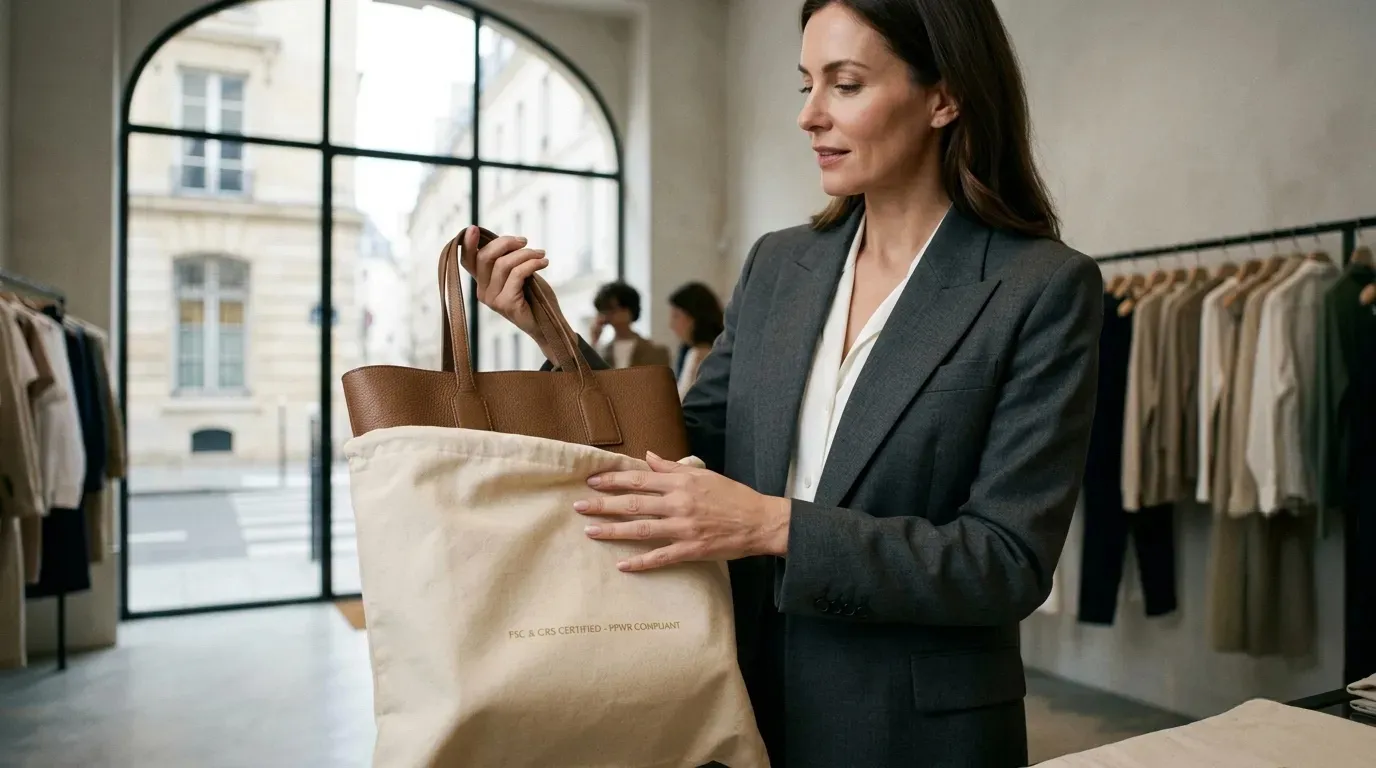
Key Sustainability Certifications
GRS (Global Recycled Standard)
The leading standard for recycled materials, administered by Textile Exchange.
- Verifies recycled content percentage
- Covers social and environmental compliance
- Required for EU PPWR compliance
- Valid for 1 year, requires annual renewal
OEKO-TEX Standard 100
Tests for harmful substances in textile products.
- Tests all components including zippers, buttons
- 4 product class levels based on skin contact
- Renewed annually
- Widely recognized in Europe
REACH Compliance
EU regulation on chemical substances in products.
- Restrictions on SVHC (Substances of Very High Concern)
- Required for all products sold in EU
- Covers REACH + RoHS for electronics
PFAS-Free Declaration
Statement that products contain no per- and polyfluoroalkyl substances.
- Increasingly required by major retailers
- Replaces older DWR coatings
- Alternative coatings available
BSCI (Business Social Compliance Initiative)
Social audit standard for working conditions.
- Covers labor rights, no child labor
- Health and safety requirements
- Sedex members audit group accepted
ISO 9001
Quality management system standard.
- Demonstrates systematic quality processes
- Annual surveillance audits
- 3-year certification cycle
EU Regulations Summary
| Regulation | Scope | Key Requirements | Timeline |
|---|---|---|---|
| PPWR | Packaging | Min recycled content, recyclability | 2030-2040 phased |
| GPSR | General Product Safety | Traceability, incident reporting | Dec 2024 |
| ESPR/DPP | Digital Product Passport | QR code traceability | 2027+ phased |
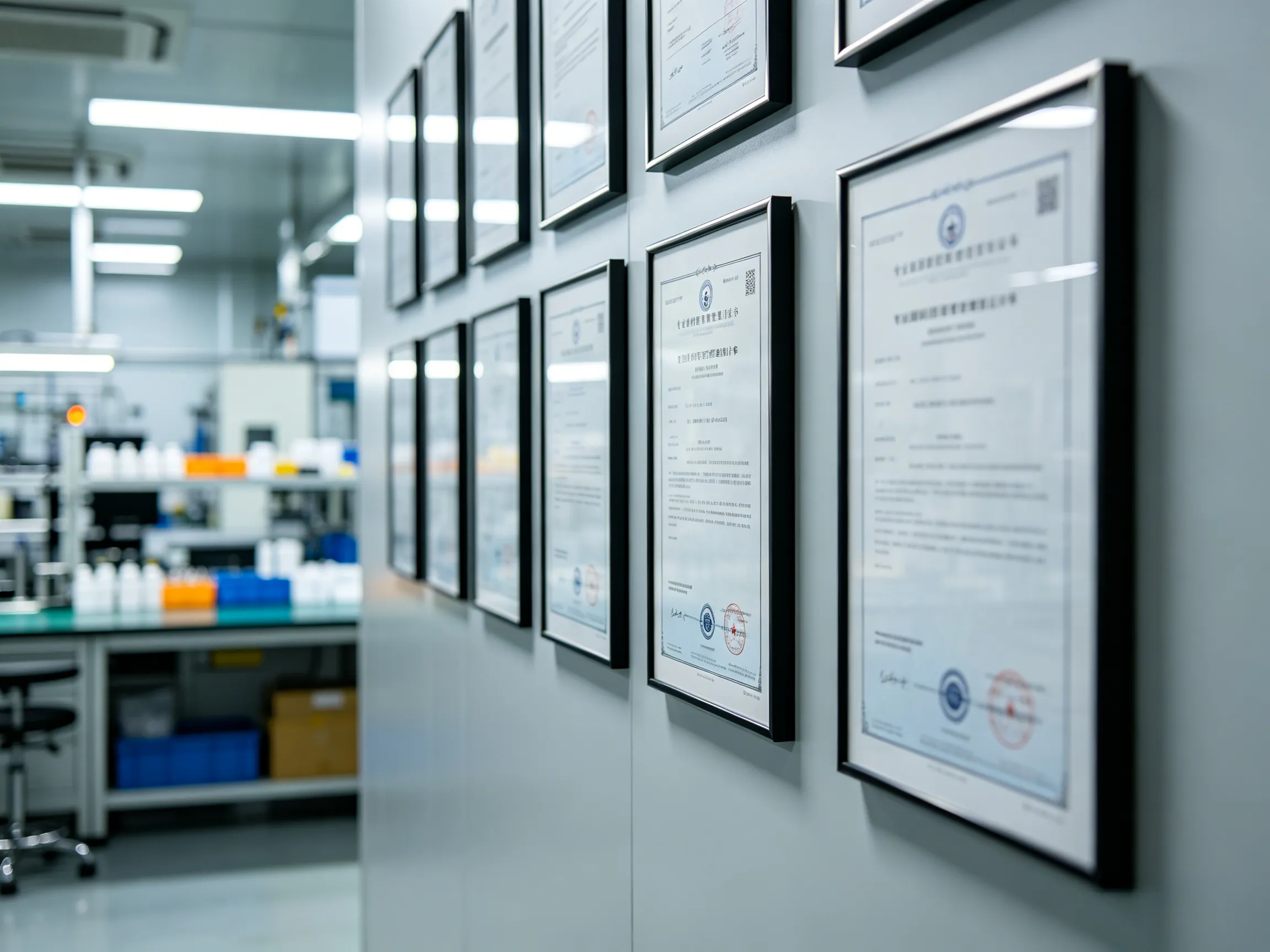
Common Material Defects Buyers Should Watch For
Identifying material defects early saves time and money. Here are the most common issues we see in quality inspections and how to detect them.
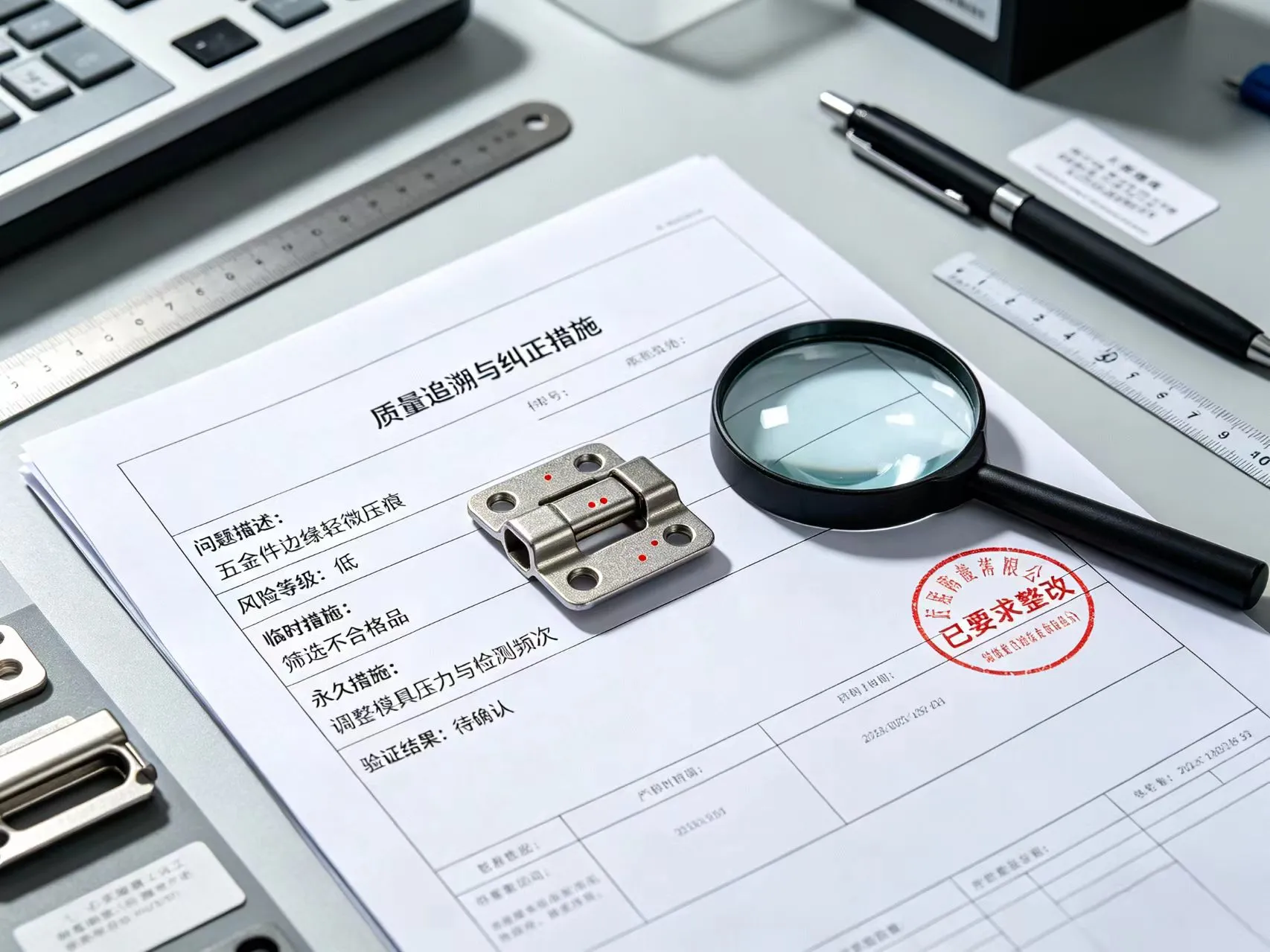
Visual Defects
Color Difference
Issue: Shade variation between batches or within rolls.
Detection: Always request pre-production samples. Check fabric under standardized lighting (D65).
Prevention: Order sufficient fabric for entire production from same dye lot.
Coating Peeling
Issue: PU/PVC coating separates from base fabric.
Detection: Visual inspection, adhesive tape test.
Prevention: Check coating adhesion before bulk production. Store in controlled humidity.
Delamination
Issue: Layers separate in laminated fabrics.
Detection: Flex test, visual inspection of edges.
Prevention: Verify lamination strength with factory test reports.
Fabric Weight Variation
Issue: Weight per square meter differs from specification.
Detection: Weigh fabric samples using precision scale.
Prevention: Specify tolerance (±5%) in purchase order. Test incoming materials.
Performance Defects
Abrasion Resistance Failure
Issue: Fabric wears through faster than expected.
Detection: Martindale or Taber abrasion test.
Prevention: Request test reports. Use higher denier if needed.
Waterproof Failure
Issue: Fabric allows water penetration.
Detection: Hydrostatic head test, spray test.
Prevention: Test seams separately. Verify coating weight.
Pre-shipment Inspection Checklist
Color, appearance, surface defects
GSM/oz matches specification
If waterproof performance required
Across rolls and batches
Buckles, zippers, straps
Pull test on critical seams
Material Selection Checklist
Use this comprehensive checklist when selecting materials for your custom backpack project. Each decision point ensures you’ve considered all critical factors.
Application Requirements
Material Specifications
Performance Requirements
Customization & Branding
Budget & Compliance
Supply Chain & Logistics
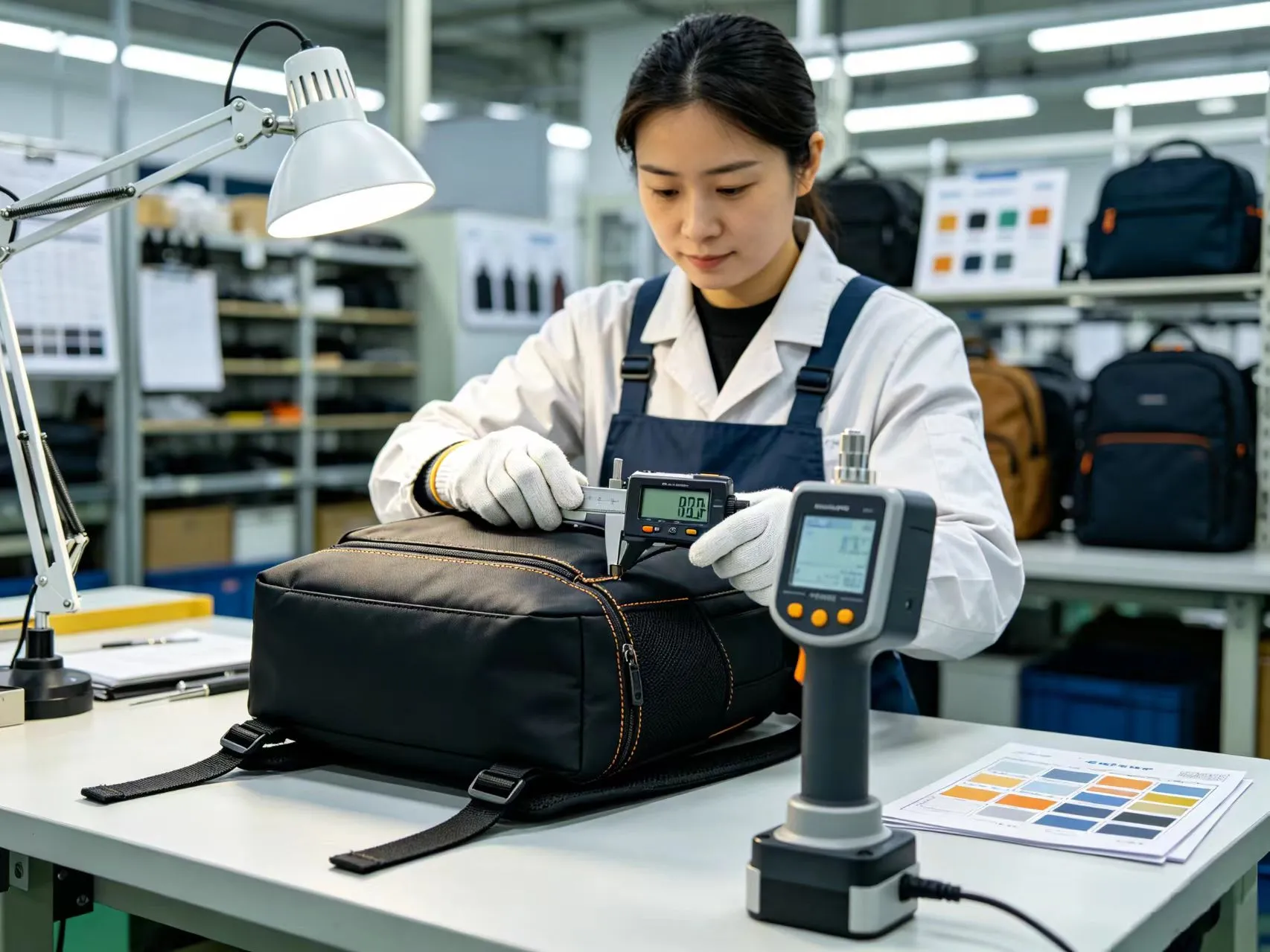
Expert Insights from Our Factory Team
Real expertise comes from hands-on experience. Our team of experienced professionals shares practical insights that can help you make better sourcing decisions.

Emily Chen
Senior Project Manager
12 years in OEM bag manufacturing · Manages 15-25 active projects simultaneously
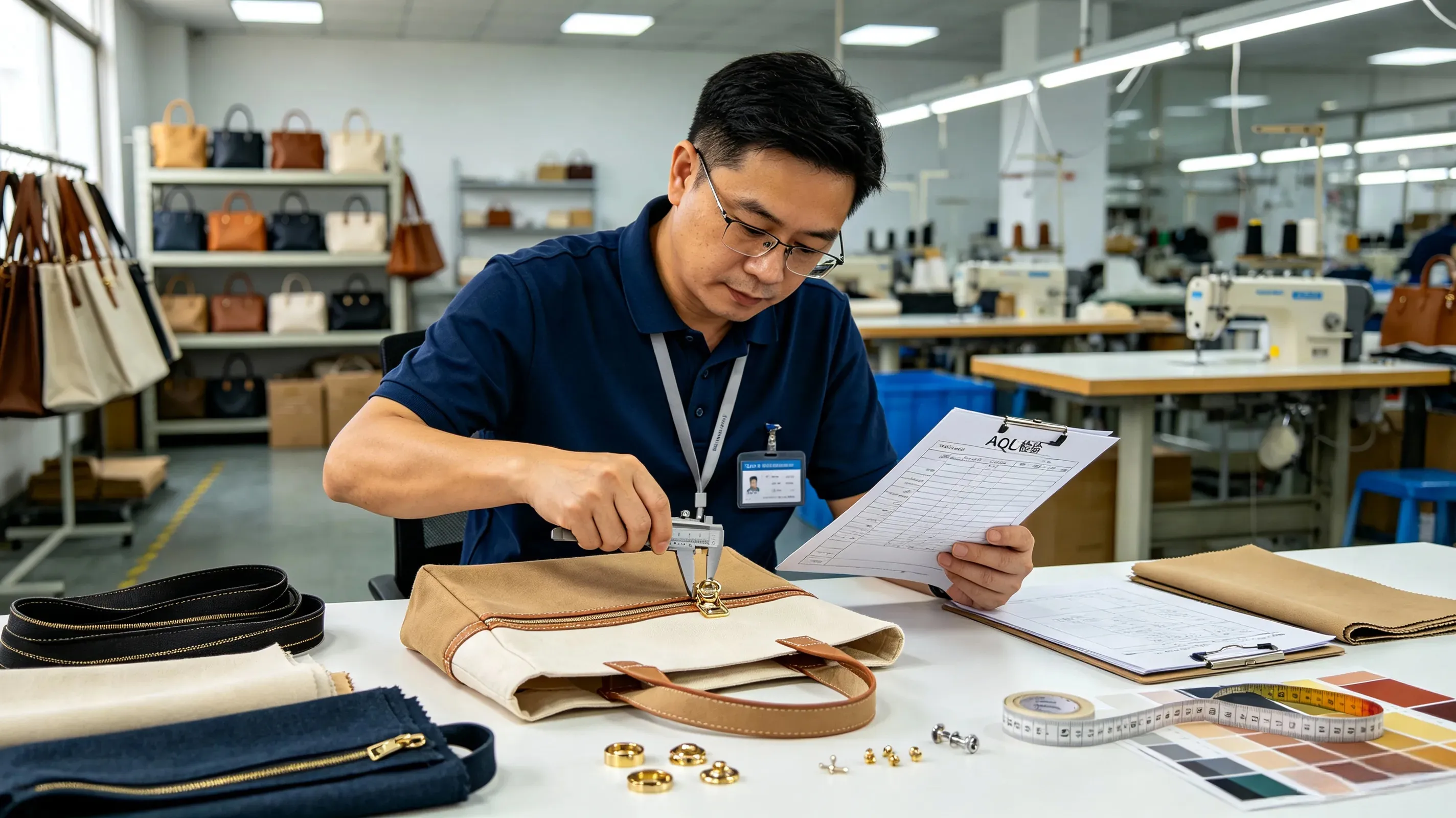
“Many backpack projects fail because buyers choose materials based only on price. I always advise clients to select fabrics according to product positioning and target users. A slightly higher material cost often creates significantly better long-term value through reduced returns and higher customer satisfaction. The cheapest option is rarely the most economical when you factor in quality issues and customer complaints.”
Kevin Zhang
Pattern Development Engineer
15 years experience in bag pattern making · Leather, canvas, nylon, and technical fabrics
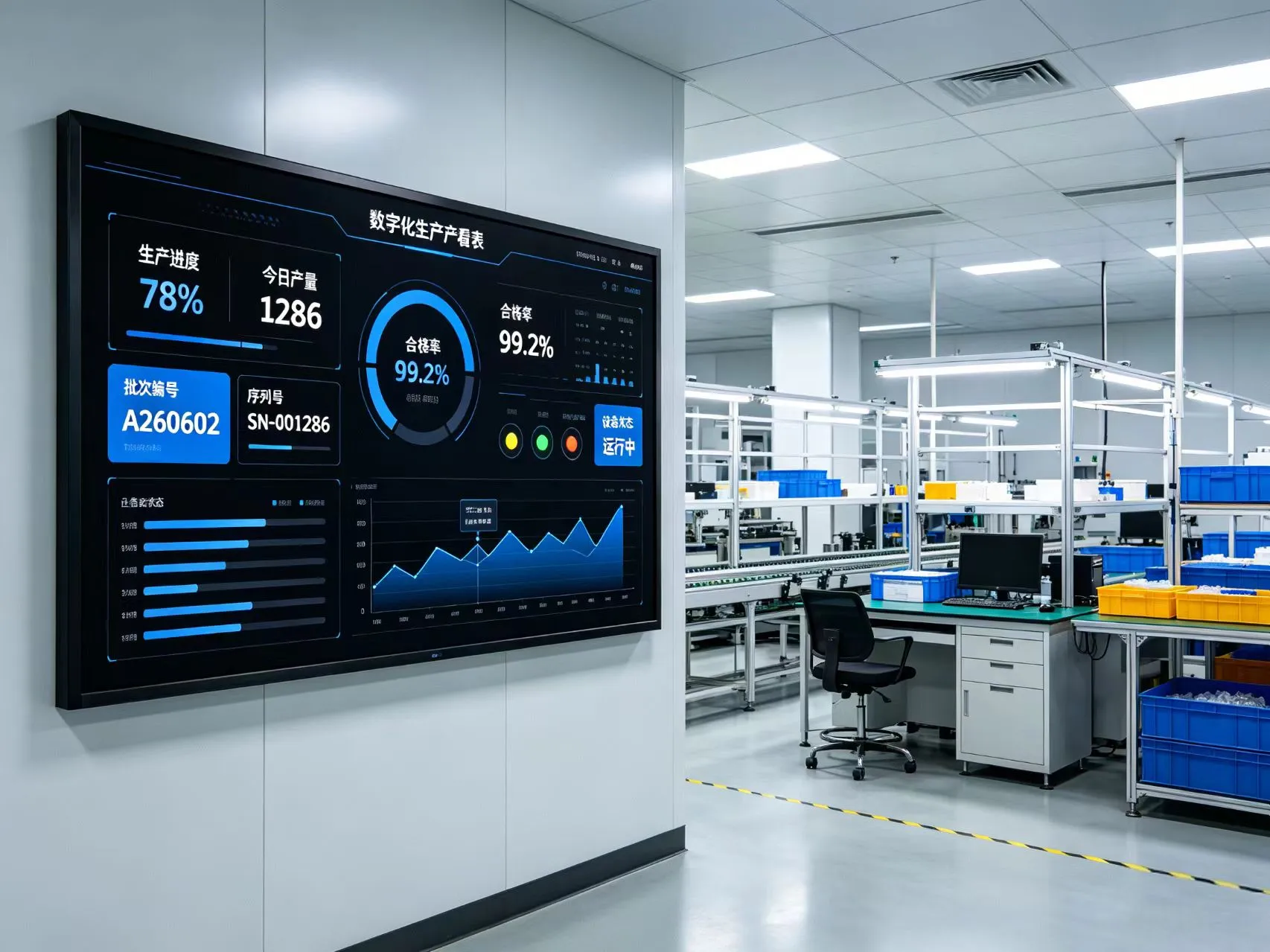
“The same 600D polyester can perform very differently depending on yarn quality, coating thickness, and weaving density. Material inspection before production is just as important as final product inspection. Always request lab test reports for critical properties like tear strength, seam slippage, and coating adhesion. These simple steps can prevent costly quality issues that are difficult to fix after production.”
Key Takeaways from Our Team
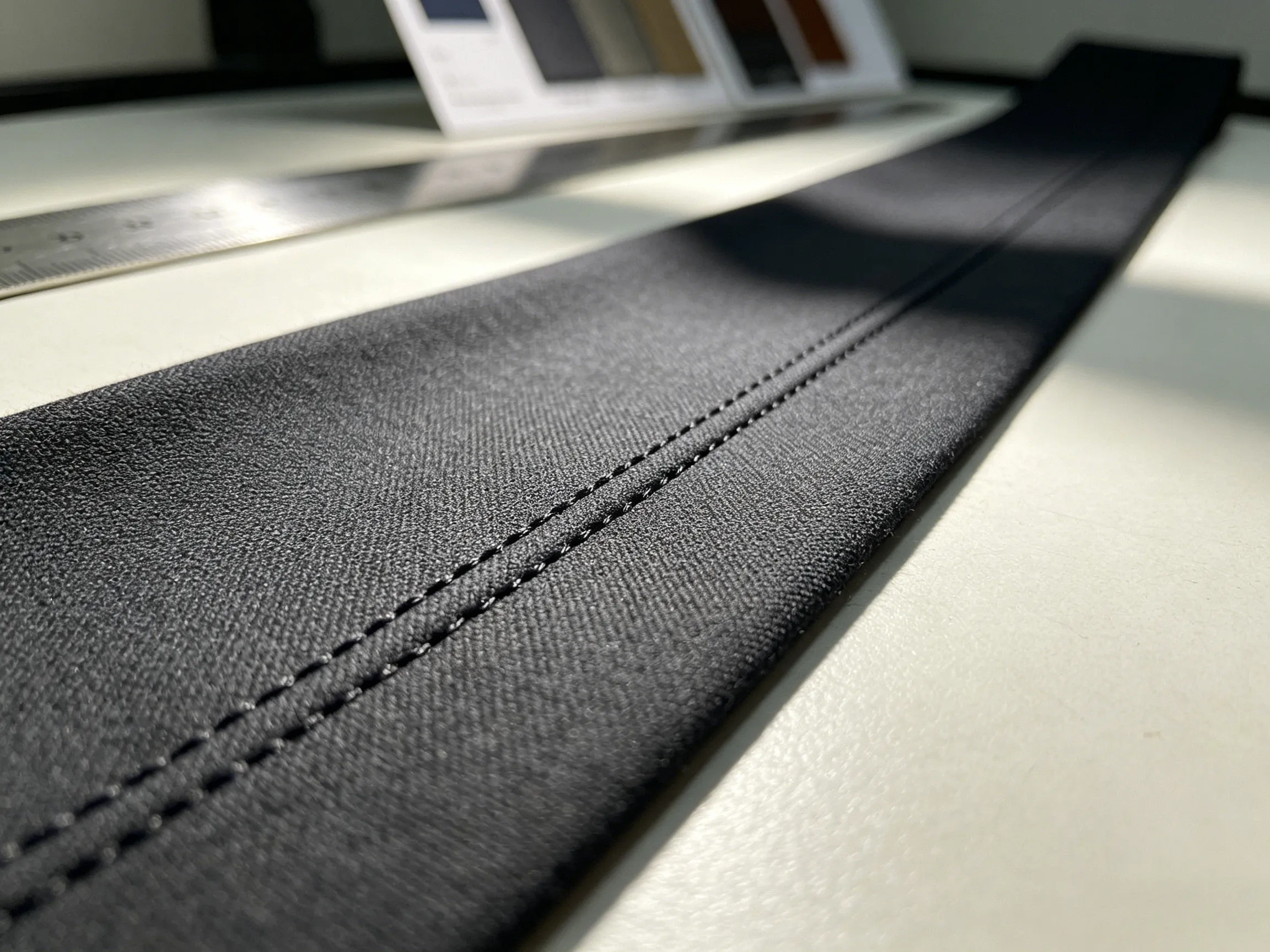
Material specs matter: Always verify denier, coating weight, and weave density in writing.
Test before bulk: Request samples and conduct your own tests before production.
Think long-term: Higher quality materials reduce total cost of ownership.
Document everything: Keep detailed specs and test reports for every order.
Build relationships: Long-term supplier partnerships yield better quality and pricing.
Frequently Asked Questions
Here are the most common questions we receive from buyers about backpack materials, along with detailed answers based on our manufacturing expertise.
What is the strongest backpack fabric?
Cordura® 1000D nylon is generally considered the strongest backpack fabric available for civilian use. It offers exceptional abrasion resistance (2-3x that of standard nylon) while maintaining a favorable strength-to-weight ratio. For extreme military applications, heavier deniers like 1680D polyester may be used, but these are significantly heavier. The “strongest” ultimately depends on your specific requirements — if weight is critical, a high-quality 500D Cordura might be more appropriate than heavy 1680D polyester.
Is nylon better than polyester for backpacks?
Both materials have distinct advantages. Nylon excels in: strength-to-weight ratio, abrasion resistance, and water resistance. Polyester excels in: UV resistance, color retention, printability, and cost-effectiveness. For heavy-duty outdoor and tactical applications, nylon (especially Cordura) is typically preferred. For everyday backpacks, promotional items, and budget-conscious products, polyester offers better value. Many premium products use nylon for high-wear areas and polyester for main body panels.
What is RPET fabric?
RPET (Recycled Polyethylene Terephthalate) is fabric made from post-consumer plastic bottles and other recycled PET sources. The recycling process converts plastic waste into polyester fiber, which is then woven into fabric. RPET offers identical performance to virgin polyester while significantly reducing environmental impact — one ton of RPET fabric saves approximately 3.8 tons of CO2 and diverts about 50,000 plastic bottles from landfills. GRS (Global Recycled Standard) certification verifies the recycled content and environmental compliance of RPET materials.
Is canvas backpack waterproof?
Natural cotton canvas is water-resistant at best, not waterproof. It will absorb water and can become heavy when wet. However, canvas can be made more water-resistant through several methods:
- Wax coating: Creates a water-resistant barrier that develops character over time
- PU/PVC coating: Makes canvas fully waterproof but changes the aesthetic
- DWR treatment: Provides temporary water repellency that wears off
For waterproof requirements, consider adding a waterproof liner or choosing synthetic materials.
What zipper brand is best for backpacks?
YKK is the industry gold standard, known for consistent quality, durability, and global availability. YKK zippers undergo rigorous testing and offer the best long-term reliability. SBS provides good quality at a more competitive price point, suitable for budget-conscious projects. For premium positioning, we recommend YKK. Key considerations include:
- Zipper size (#3-#10) based on application
- Waterproof requirements (use waterproof zippers for wet environments)
- Custom pull options for branding
What webbing should I choose for backpack straps?
The best webbing depends on your application:
- PP (Polypropylene): Budget option, excellent water resistance, good for children’s products
- Polyester: Best overall choice — good UV resistance, colorfast, moderate cost
- Nylon: Highest strength, but less UV resistant, good for tactical/military
- Seat belt webbing: Premium appearance, very strong, used in high-end products
For most backpacks, 25mm or 38mm polyester webbing provides the best balance of cost, durability, and comfort.
Can recycled materials be printed?
Yes, recycled materials (RPET, recycled nylon) can be printed using the same methods as virgin materials. However, there are some considerations:
- Screen printing: Works well, may require ink adjustment for recycled polyester
- Heat transfer: Full compatibility with recycled substrates
- Digital printing: Works but may show slightly reduced saturation
- Dye sublimation: Best results on light-colored recycled polyester
GRS certification applies to the material composition, not printing capability. You can prominently market recycled materials with custom printing to reinforce your sustainability story.
What is the minimum order quantity (MOQ) for custom backpacks?
MOQ varies by factory and product complexity. At Dreamway:
- Standard backpack styles: 200-500 pieces
- Complex/custom designs: 300-500 pieces
- Silk/specialty products: 50-100 pieces
For small orders, we can often accommodate via our in-stock program with custom branding options. Contact us to discuss your specific requirements.
How do I ensure consistent color across production batches?
Color consistency requires several steps:
- Order all fabric from same dye lot: Different lots may have shade variations
- Request pre-production samples: Approve color before bulk production
- Specify tolerance: Industry standard is typically within ΔE 1.0-2.0
- Use color measurement: D65 lighting, CIE LAB color space measurement
- Maintain fabric stock: Keep fabric reserve for future reorders
What certifications do I need for selling in the EU?
For the European market, key certifications include:
- REACH compliance: Chemical restrictions, required for all products
- OEKO-TEX Standard 100: Harmful substance testing
- GRS certification: For recycled content claims
- BSCI or Sedex: Social compliance audits
- PPWR compliance: Packaging recycled content (phased in 2030+)
- GPSR compliance: General Product Safety Regulation (Dec 2024)
What is the difference between water-resistant and waterproof?
Water-resistant fabrics slow water penetration but are not sealed against pressure. They handle light rain and splashes but will eventually allow water through in heavy rain or if pressure is applied. Waterproof fabrics, when properly constructed with sealed seams, prevent water penetration even under pressure. Key differences:
- Testing: Spray test vs. hydrostatic head test
- Seam treatment: Optional for water-resistant, required for waterproof
- Typical ratings: Water-resistant 1,000-5,000mm, Waterproof 5,000-20,000+mm
- Cost: Waterproof significantly more expensive
How do I test backpack materials before production?
Essential pre-production testing includes:
- Tear strength: ASTM D2261 or ISO 13937
- Seam slippage: ASTM D434 or ISO 13936
- Abrasion resistance: Martindale or Taber test
- Water resistance: Hydrostatic head test (ISO 811)
- Colorfastness: Crocking, washing, light exposure
- Coating adhesion: Tape test or specific adhesion tests
We can provide lab test reports for all materials and conduct additional testing as needed.
What foam is best for laptop compartment protection?
For laptop compartments, we recommend multi-layer protection:
- Base layer: 5-10mm EPE or PE foam for structure
- Shock-absorbing layer: 10-15mm PU foam or memory foam
- Soft lining: Fleece or padded fabric to prevent scratches
For premium products, consider memory foam (high-density EVA or PU) for superior shock absorption. The total padding thickness should be at least 20-25mm for adequate protection of 15″ laptops.
How do I calculate fabric consumption for backpack production?
Fabric consumption depends on:
- Bag dimensions: Height × width × depth
- Style complexity: More panels and pockets = more waste
- Fabric width: Typically 150cm or 58″ (147cm)
- Allowance: Add 15-25% for cutting waste and matching
As a rough guide: A 40L backpack typically requires 1.2-1.5 meters of 150cm wide fabric. We provide detailed fabric consumption calculations with every quotation.
What is Cordura® fabric and why is it more expensive?
Cordura® is a patented high-performance fabric by INVISTA featuring a special nylon yarn technology. Key reasons for higher cost:
- Premium raw materials: Specialty nylon with enhanced durability
- Licensing fees: Brand premium charged by INVISTA
- Superior testing: Rigorous quality standards
- Superior performance: 2-3x abrasion resistance vs standard nylon
Cordura® is worth the premium for products requiring maximum durability and for brands wanting to leverage the recognized quality brand.
How can I reduce backpack weight without sacrificing durability?
Weight optimization strategies:
- Use high-denier ripstop: Less material needed for same strength
- Strategic reinforcement: Heavy-duty only where needed
- Lightweight hardware: Aluminum instead of zinc alloy
- Optimize foam: Use denser foam in smaller quantities
- Reduce lining weight: Use lighter 190D instead of 420D
- Design efficiency: Fewer seams = less thread and tape
What is the typical production lead time for custom backpacks?
Standard lead times at Dreamway:
- Sample development: 7-14 days
- Bulk production: 25-35 days after sample approval
- Total from order confirmation: 35-50 days
- For complex designs: Add 7-14 days
Shipping time varies by method (sea freight 15-30 days, air freight 5-7 days). We recommend planning 2-3 months from order to delivery.
Can I get OEKO-TEX certified backpacks?
Yes, we can produce OEKO-TEX Standard 100 certified products. The certification covers:
- All fabric components including coatings and treatments
- Threads, labels, and hang tags
- Zippers, buttons, and hardware
- Adhesives and printing inks
OEKO-TEX certification adds 5-10% to product cost and requires 2-3 weeks for testing. We recommend this for European retail and premium brands.
What is the best material for children’s backpacks?
For children’s backpacks, prioritize:
- Safety: Non-toxic materials, rounded hardware
- Durability: 600D polyester or PVC coated for easy cleaning
- Lightweight: Lower denier fabrics to reduce load on children
- Ergonomics: Padded straps, reflective elements
- Easy care: Machine washable options
We recommend 300D-600D polyester with PVC backing for school backpacks — durable, colorful, and easy to clean.
How do I verify material quality from a new supplier?
Verification steps for new suppliers:
- Request samples: Minimum 1 meter of each material
- Verify specifications: Weight, denier, coating as specified
- Lab testing: Conduct independent testing (SGS, Intertek)
- Factory audit: BSCI, Sedex, or third-party quality audit
- Small trial order: Test production before large order
- Reference checks: Contact existing customers
What is the difference between 600D and 1680D polyester?
Key differences:
- Thickness: 1680D is approximately 2.8× thicker than 600D
- Weight: 1680D ~700 gsm vs 600D ~250 gsm
- Durability: 1680D significantly more abrasion resistant
- Stiffness: 1680D is much stiffer, 600D more flexible
- Cost: 1680D approximately 40-60% more expensive
- Best use: 600D for everyday bags, 1680D for premium/tactical
Do you provide material test reports?
Yes, we provide comprehensive material documentation:
- Standard test reports: Fabric specifications, weight, composition
- Third-party testing: SGS, Intertek, Bureau Veritas reports
- Certification documentation: GRS, OEKO-TEX, REACH compliance
- Custom testing: Additional tests arranged on request
All documentation is provided in English with test methods clearly stated. We maintain records for 3 years post-delivery.
What are the advantages of RPET over virgin polyester?
RPET (Recycled PET) offers multiple advantages:
- Environmental: Diverts plastic from landfills and oceans
- Carbon footprint: ~50% lower CO2 emissions vs virgin polyester
- Market positioning: Appeals to eco-conscious consumers
- Regulatory compliance: Meets EU PPWR requirements
- Performance: Identical to virgin polyester in durability
Cost premium is typically 10-20% but decreasing as recycling technology improves.
How do I choose between PU and PVC coated fabrics?
Comparison:
- PU coating: Softer feel, more breathable, better for vegan leather, slightly less waterproof
- PVC coating: Completely waterproof, very durable, can feel plasticky, heavier
- Cost: Similar pricing
- Environmental: PU considered more eco-friendly
Recommendation: PU for fashion/lifestyle bags, PVC for functional/waterproof applications.
What is the shelf life of backpack materials?
Material shelf life varies:
- Fabrics (uncoated): 2-3 years in proper storage
- Coated fabrics: 1-2 years before coating degradation
- Hardware: Indefinite if stored dry
- Webbing: 2-3 years
- Foam: 1-2 years before compression set
Storage conditions: Cool, dry, away from direct sunlight, original packaging. We recommend using materials within 12 months of receipt.
Disclaimer
This guide is intended for educational and sourcing reference purposes only.
Material performance, durability, certifications, coatings, waterproof ratings, sustainability claims, and manufacturing specifications vary between suppliers, factories, and production batches. The information provided represents general industry knowledge and our manufacturing experience but should not be considered definitive specifications.
Buyers should independently verify:
- Material specifications with their specific suppliers
- Laboratory test reports for critical performance requirements
- Compliance documents for their target markets
- Certification validity and scope with issuing organizations
Product performance depends on proper material selection, manufacturing quality, design engineering, and appropriate use conditions. Dreamway Manufacturing assumes no liability for decisions made based on this guide. We recommend thorough testing and professional consultation for critical applications.
© 2026 Dreamway Manufacturing. All rights reserved.
Guangzhou, China | www.gzdreamway.com
Ready to Start Your Custom Backpack Project?
With over a decade of experience serving 50+ countries, Dreamway Manufacturing is your trusted partner for custom backpack production. Our team of 30+ professionals delivers consistent quality, competitive pricing, and comprehensive certification support.
Our Capabilities
- MOQ: 200 pieces for bags, 50 for silk products
- 15+ years manufacturing experience
- GRS, OEKO-TEX certified production
- Full quality inspection (AQL 2.5)
Get in Touch
Website: www.gzdreamway.com
Location: Huadu District, Guangzhou, China
Service: Global B2B OEM/ODM

- Private Label Backpack Manufacturers | OEM/ODM China Factory
- Custom Travel Bag Manufacturer | OEM/ODM Factory for Travel Bags
- How to Create a Backpack Tech Pack for Manufacturing
- Backpack MOQ Explained: Minimum Order Quantity, Mixed Styles & Cost Strategy
- Custom Backpack Cost Breakdown: Materials, Labor, MOQ & Packaging
- How Long Does It Take to Manufacture a Backpack? Timeline Guide
- How to Create a Backpack Tech Pack for Manufacturing (Free Template)
- The Complete Backpack Quality Inspection Checklist for Buyers
- Inside a Backpack Factory: Complete Backpack Manufacturing Process Step by Step
- Backpack Materials Guide: Polyester, Nylon, Canvas, RPET, Foam & Hardware Explained
- OEM Backpack Manufacturer: Private Label, ODM & Custom Branding Guide
- Backpack Factory China: OEM Manufacturing, MOQ, Production Capacity & Export Guide
DREAMWAY
Custom Bag & Silk Manufacturer · Shiling, Guangzhou
Company
Products
Guides & Insights
Ready to Bring Your Bag Idea to Life? Let’s Talk Today.
From your first sketch to bulk delivery, our team replies within 12 hours with expert advice and a free quote. No pressure — just honest manufacturing guidance.

Prefer a call? +86-020-87682749 · Mon–Sat, 9:00–18:00 (GMT+8)
Premium Selection
Artisan Crafted Canvas Collections
Discover our curated selection of handcrafted canvas bags, where timeless tradition meets contemporary elegance. Each piece reflects skilled craftsmanship, reinforced stitching, and refined materials built for durability.
Looking to develop your own custom collection? Partnering with an experienced OEM canvas bag factory ensures your brand achieves this level of craftsmanship at scale.
Your Premium Nylon Backpack Manufacturing Hub
Explore our comprehensive collection of resources, from material selection to final delivery, connecting you with expert insights from China’s leading backpack manufacturer.
Core Manufacturing Expertise Essential guides for sourcing nylon backpacks
Discover our extensive catalog of wholesale nylon backpacks, featuring premium materials, competitive pricing, and flexible order quantities tailored for global brands and retailers.
Explore wholesale nylon backpack collectionLearn how to personalize every detail of your backpack—from logo placement and color matching to hardware selection—creating products that truly represent your brand identity.
Complete backpack customization guidePartner with our OEM specialists to bring your designs to life. We handle everything from prototype development to mass production with rigorous quality standards.
OEM backpack manufacturing solutionsOur state-of-the-art manufacturing facilities in China combine traditional craftsmanship with modern production technology to deliver exceptional quality at scale.
China-based backpack factory operationsUnderstanding fabric properties is crucial for product performance. Dive deep into nylon grades, denier ratings, coatings, and treatments that affect durability and aesthetics.
Comprehensive backpack materials guideFrom initial design consultation to final packaging, trace every step of our streamlined manufacturing process designed to minimize lead times without compromising quality.
Inside the backpack manufacturing workflowQuality assurance transforms good products into exceptional ones. Explore our multi-point inspection protocols, stress testing procedures, and compliance verification methods.
Professional quality control checklistMinimum order quantities can make or break a sourcing strategy. Find the right balance between inventory investment and per-unit economics for your business model.
Understanding MOQ requirements explainedTransparent pricing demystifies the cost structure behind custom backpacks. Learn how material costs, labor, tooling, and shipping factor into your final quote.
Detailed custom backpack cost analysisLaunch your own backpack line with professional private label services. We provide complete brand packaging, labeling, and custom documentation support.
Private label backpack manufacturing servicesStart small and scale confidently with our low minimum order commitments. Perfect for startups, market testing, and boutique brands seeking quality manufacturing.
Low MOQ backpack manufacturer optionsNavigate the competitive landscape with confidence. Our curated ranking of top-tier manufacturers helps you identify partners who align with your quality standards.
Top rated backpack manufacturers directoryRelated Product Categories Expand your sourcing portfolio
Complement your backpack line with premium custom travel bags. Our travel bag collection shares the same quality standards and manufacturing expertise.
Custom travel bag manufacturing servicesChoosing the right material impacts cost, durability, and market appeal. Our comprehensive comparison helps you make informed material decisions.
Canvas versus polyester versus PU comparisonA well-prepared tech pack bridges design intent with manufacturing reality. Master the art of creating detailed specifications that manufacturers can execute precisely.
Professional backpack tech pack creationTimeline management separates successful launches from costly delays. Understand typical production phases and learn strategies to optimize your lead time.
Backpack manufacturing lead time factorsExpand your product range with canvas tote bags. This guide covers material costs, printing techniques, and production considerations for complementary items.
Canvas tote bag materials and printing costs