
Knowing how to customize backpack for outdoor adventures is essential for any outdoor enthusiast. It can make your trips more comfortable, convenient, and enjoyable.
Understanding the Needs of Outdoor Adventures for Backpack Customization
Outdoor adventures can vary greatly, from a simple day hike to a multi – day camping or climbing expedition. First, consider the duration of your adventure. A short day trip might require a smaller backpack with just enough space for essentials like water, snacks, and a light jacket. However, for longer trips, you’ll need a larger capacity to carry camping gear, food, and extra clothing. Moreover, think about the type of activities involved. Hiking will need a backpack that is comfortable during long walks. Climbing might require a more compact and sturdy backpack that won’t interfere with your movements. Additionally, if you’re going on a water – based adventure like kayaking, you’ll need a backpack that can handle getting wet.
Size and Capacity in How to Customize Backpack for Outdoor Adventures
Choosing the Right Size
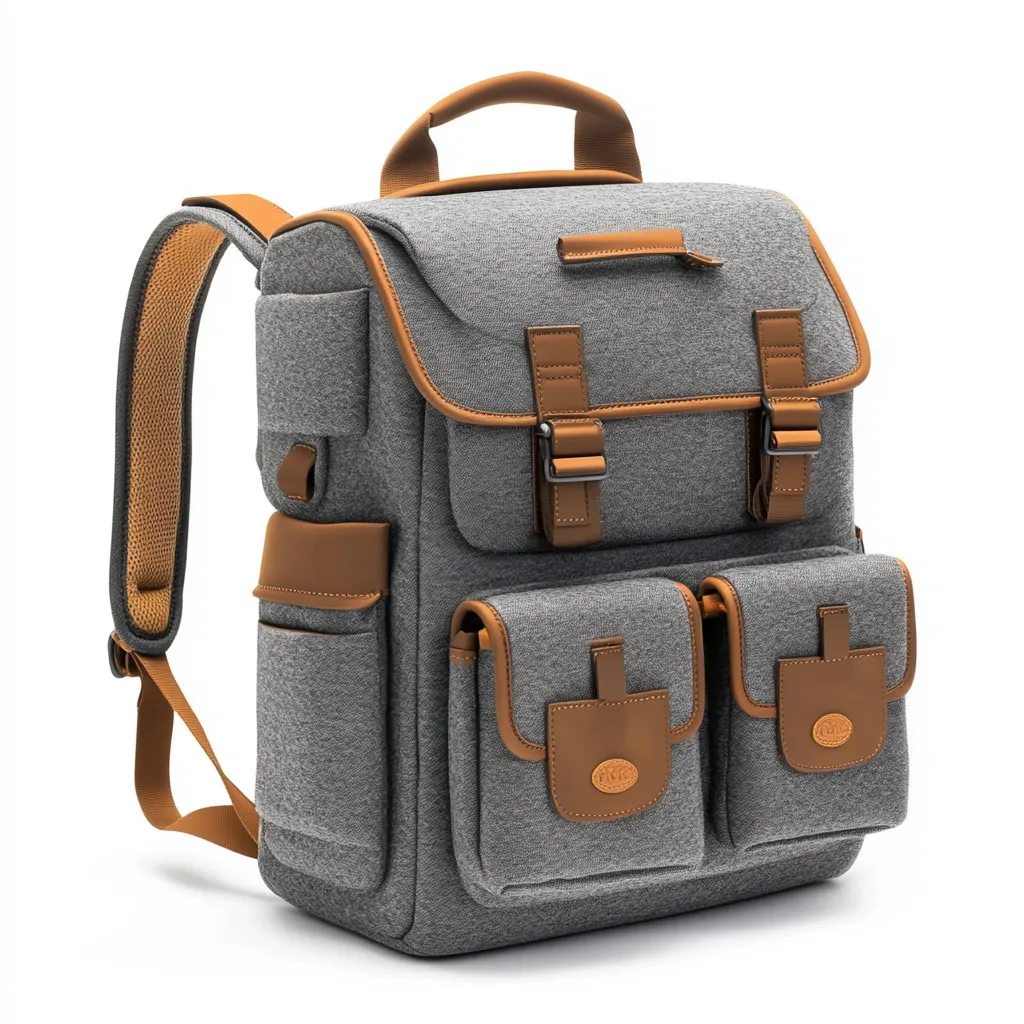
The size of the backpack is crucial. For a day hike, a backpack with a capacity of 20 – 30 liters is usually sufficient. It can hold your water bottles, some food, a first – aid kit, and a rain jacket. For overnight camping trips, you’ll likely need a 30 – 50 – liter backpack. This size can accommodate a sleeping bag, a small tent, and cooking utensils. For extended outdoor adventures like long – distance hiking or backpacking, a 50 – liter or larger backpack is necessary. You’ll have to carry more gear, such as extra clothes, a larger tent, and more food. Furthermore, consider the size of your body. A backpack that is too large or too small for you can cause discomfort.
Capacity and Compartment Design
A well – designed backpack has different compartments to keep your items organized. The main compartment should be large enough to hold bulky items like a sleeping bag or a tent. Inside it, you can have dividers or pockets to separate different types of gear. For example, you can have a section for clothes and another for food. Moreover, there should be a padded compartment for your electronics. If you’re carrying a GPS device, a camera, or a mobile phone, this compartment will protect them from bumps. Additionally, side pockets are great for water bottles. You can easily reach for them without having to take off the backpack. And there should be small internal pockets for storing small items like keys, a multi – tool, or a lighter.
Material Selection for Outdoor Adventure Backpack Customization
Durable Materials
When customizing a backpack for outdoor adventures, durability is key. Nylon is a popular choice as it is very strong and can withstand a lot of wear and tear. It can handle being dragged over rocks, branches, and other rough surfaces during hikes. High – density nylon is even better as it is more resistant to abrasion. Polyester is also a good option. It is durable and has the advantage of being resistant to fading. Leather backpacks can be used for certain types of outdoor adventures, especially if you want a more stylish look. However, they need to be treated properly to be water – resistant and they can be heavier. Canvas is another durable material, often used in traditional – style backpacks. It gives a rugged look and can hold up well under normal outdoor conditions.
Water – resistant and Breathable Materials
Since you’ll be exposed to various weather conditions during outdoor adventures, having a water – resistant backpack is a must. Many backpacks are made with water – resistant coatings on the fabric. Some nylons have inherent water – repelling properties. Additionally, for activities that involve a lot of sweating, like hiking, breathable materials are essential. Mesh panels on the back and shoulder straps allow air to circulate, keeping you cool and dry. This is especially important during long hikes or in hot weather. Some advanced backpacks use special breathable fabrics that can wick away moisture from your body.
Customizing the Appearance of Your Outdoor Adventure Backpack
Color and Pattern Choices
The color and pattern of your backpack can have practical and aesthetic purposes. For visibility in the outdoors, bright colors like orange, yellow, or red can be good choices. They make it easier for you or your companions to spot the backpack from a distance. Patterns can also be fun and unique. You can choose patterns that blend in with the natural environment, like camouflage patterns if you’re hunting or in areas where you want to be less conspicuous. However, if you prefer a more understated look, solid colors like green, brown, or black are also good options. Additionally, you can choose a color that matches your other outdoor gear.
Adding Personal Touches
Adding personal touches to your backpack makes it truly yours. You can embroider your name or initials on the backpack. This not only adds a personal element but also helps in identifying the backpack if it gets lost. Moreover, you can attach patches that represent your favorite outdoor activities or places you’ve visited. For example, if you love mountain climbing, you can have a patch of a mountain peak. Additionally, you can add small charms or keychains related to the outdoors, like a little compass or a bear charm.
How to Find a Quality Handbag Factory for Customizing Your Outdoor Adventure Backpack
Online Research
Start by doing online research. Use search engines to look for handbag factories that specialize in outdoor adventure backpacks. Check their websites for information about the materials they use, the quality of their products, and the customization options they offer. Look for details such as the type of zippers, buckles, and straps they use. Read customer reviews and testimonials to get an idea of the factory’s reputation. Moreover, look for online forums or communities related to outdoor activities and backpacking. You can ask for recommendations from experienced outdoor enthusiasts who have had custom backpacks made.
Asking for Recommendations
Ask your friends, family, or fellow outdoor adventurers if they know of any good handbag factories for customization. They may have had personal experiences or heard of reliable factories from others. Additionally, you can ask in local outdoor stores. The staff there may have information about factories that they work with or have heard good things about. You can also reach out to social media groups dedicated to outdoor adventures. Post a question asking for suggestions on where to get a backpack customized for outdoor activities.
Checking for Certifications and Quality Standards
A quality handbag factory should have relevant certifications. For example, ISO 9001 certification indicates that the factory has a proper quality management system in place. This ensures that the production process is standardized and the products are of high quality. Look for factories that use eco – friendly materials and have certifications related to environmental protection. Also, check if they have certifications for the safety of the materials used, especially if the backpack will be in contact with your body during long hikes. Additionally, certifications related to the strength and durability of the materials, like those for water – resistance and abrasion – resistance, are important.
Visiting the Factory if Possible
If you have the opportunity, visit the factory in person. This will give you a first – hand look at their production facilities. You can observe the quality of the equipment they use, the cleanliness of the working environment, and the skill level of the workers. You can also meet with the design and production teams to discuss your customization requirements in detail. This face – to – face interaction can help you better understand the factory’s capabilities and ensure that they can meet your expectations.
Customizing for Different Types of Outdoor Adventures in How to Customize Backpack for Outdoor Adventures
Hiking Backpacks
For hiking, your backpack needs to be comfortable and have enough space for the essentials. It should have a good weight – distribution system. Adjustable shoulder straps and a waist belt are essential. The waist belt transfers some of the weight from your shoulders to your hips, reducing the strain on your back. Additionally, a sternum strap can help stabilize the backpack. Inside the backpack, there should be a compartment for a hydration system. A hydration bladder with a tube allows you to drink water without having to stop and take off the backpack. Moreover, there should be pockets for snacks, a map, and a compass.
Camping Backpacks
Camping backpacks need to be larger to hold camping gear. A separate compartment for a sleeping bag at the bottom of the backpack is useful. This keeps the sleeping bag dry and easily accessible. There should also be space for a tent, a camping stove, and cooking utensils. Additionally, you can have extra pockets for storing personal items like a change of clothes and toiletries. For camping in wet conditions, having a backpack with a rain cover or made from highly water – resistant materials is important.
Climbing Backpacks
When it comes to climbing, your backpack should be compact and lightweight. It should not interfere with your climbing movements. A small backpack with a capacity of around 20 – 30 liters is usually sufficient. It should have attachment points for climbing gear like ropes, carabiners, and quickdraws. Additionally, the backpack should be made from durable materials that can withstand abrasion from rocks. A streamlined design helps in reducing the risk of the backpack getting caught on rocks or other obstacles during the climb.
Water – based Outdoor Adventure Backpacks
For water – based activities like kayaking or rafting, your backpack needs to be water – proof or highly water – resistant. It should have sealed seams to prevent water from seeping in. Inside, there should be compartments for dry clothes, a waterproof container for electronics, and a place to store your water bottle. Additionally, some water – based backpacks have flotation devices attached to them. This ensures that the backpack won’t sink if it falls into the water.
Customizing for Safety in Your Outdoor Adventure Backpack
Reflective Elements
When you’re outdoors, especially during early morning or late evening hikes, having reflective elements on your backpack can improve your safety. Reflective strips or patches on the backpack make you more visible to other hikers, bikers, or drivers. This is especially important if you’re on or near roads. Additionally, some backpacks have reflective logos or designs that can be easily seen in low – light conditions.
Emergency Signals and Equipment
Your backpack can be customized to carry emergency signals and equipment. You can have a whistle attached to the backpack. In case of an emergency, you can use the whistle to signal for help. Additionally, you can have a small mirror for signaling in sunlight. Some backpacks also have space for a first – aid kit, which should include essential items like band – aids, antiseptic wipes, and painkillers. Moreover, you can consider having a space for a GPS device or a personal locator beacon for more serious outdoor adventures.
Anti – theft Features
In some outdoor areas where there are other people around, having anti – theft features can be useful. Look for backpacks with lockable zippers. You can use small padlocks or combination locks to secure your backpack. Additionally, some backpacks have hidden pockets for storing valuables like your wallet, phone, or keys. These hidden pockets are not easily visible to thieves.
Customizing for Comfort in Your Outdoor Adventure Backpack
Padded Shoulder Straps and Back Panel
Comfort is crucial during long outdoor adventures. Padded shoulder straps reduce the pressure on your shoulders. The padding should be thick enough to provide cushioning but not so thick that it restricts your movement. The back panel of the backpack should also be padded and made of breathable materials. This helps to distribute the weight evenly and keeps you cool and dry. Additionally, the shape of the back panel should fit the curve of your back for better support.
Waist Belt and Chest Strap
A waist belt and chest strap can further enhance the comfort and stability of your backpack. The waist belt transfers some of the weight from your shoulders to your hips, reducing the strain on your back. The chest strap keeps the backpack from shifting around while you’re walking or moving. Adjust these straps according to your body size and the load you’re carrying for the best fit. Additionally, some waist belts have pockets where you can store small items like your phone or a snack.
Customizing for Specific Outdoor Environments in How to Customize Backpack for Outdoor Adventures
Desert Outdoor Adventures
For desert adventures, your backpack should be able to handle the hot and dry conditions. It should be made from materials that can withstand high temperatures. A light – colored backpack can help reflect the sun’s heat. Additionally, you’ll need to carry a large amount of water. So, having a backpack with a good hydration system and extra space for water bottles is important. There should also be pockets for sunscreen, a hat, and sunglasses.
Jungle Outdoor Adventures
In the jungle, your backpack needs to be able to handle the humidity and moisture. It should be made from materials that are resistant to mold and mildew. A backpack with a rain cover is essential as there can be sudden rain showers. Additionally, you should have compartments for insect repellent, a machete, and other jungle – specific tools. The backpack should also be able to keep your items dry in the wet environment.
Mountain Outdoor Adventures
For mountain adventures, your backpack should be able to handle the cold and variable weather conditions. It should have insulated compartments for keeping your hands warm or storing food that can freeze. Additionally, it should be able to hold snow – clearing tools like an ice axe. The backpack should also have attachment points for crampons and other climbing gear. Moreover, having a backpack with a wind – proof cover can be useful in windy mountain conditions.
Customizing for Different Outdoor Adventure Gear in How to Customize Backpack for Outdoor Adventures
Carrying Camping Gear
When carrying camping gear, your backpack needs to have enough space and the right compartments. As mentioned before, a separate compartment for the sleeping bag is important. You also need to have space for a tent, which can be either a small backpacking tent or a larger family – size tent depending on your needs. Additionally, there should be room for cooking gear like a stove, pots, and pans. You can have pockets for storing fuel, utensils, and food.
Carrying Hiking Gear
For hiking gear, your backpack should be able to hold items like hiking poles, a map, a compass, and a GPS device. There should be attachment points for the hiking poles. The backpack should also have a compartment for a hydration system as mentioned earlier. Additionally, you can have pockets for storing snacks, a first – aid kit, and other small items like a multi – tool or a flashlight.
Carrying Climbing Gear
When carrying climbing gear, your backpack should have attachment points for ropes, carabiners, and other climbing equipment. It should be compact enough to not interfere with your climbing movements. Additionally, you can have a small compartment for personal items like a wallet, phone, and keys. The backpack should also be made from durable materials that can withstand the abrasion from rocks during climbs.
Backpack Manufacturing Guides
How to Customize a Backpack
Customizing a backpack begins with fabric weight (typically 400D–1200D nylon or polyester), hardware selection (YKK zippers, Duraflex buckles), and compartment layout (6–8 functional zones). From adjustable sternum straps and custom zipper pulls to embossed logos and reinforced grab handles, each of the 8–12 detail points shapes both user experience and brand identity across every carrying occasion.
how to customize a backpack — fabric, hardware, and compartment guideHow to Customize a Backpack for Outdoor Adventures
Hiking, climbing, and expedition packs require 1.5–3 kg load-rated construction. Reinforced 1000D+ Cordura bottom panels, YKK AquaGuard weatherproof zippers (5,000 mm hydrostatic head), hydration sleeves (2–3 L), and load-bearing hip belts (15–30 kg capacity) transform a standard pack into gear capable of traversing mountains, forests, and unpredictable terrain with confidence.
how to customize a backpack for outdoor adventures — rugged construction guideHow to Customize a Backpack for Travel
Frequent flyers prioritize 30–45 L carry-on capacity and TSA-compliant organization. Built-in 17-inch TSA-approved laptop sleeves, concealed anti-theft RFID-blocking pockets, luggage pass-through straps, and quick-access top compartments make travel smoother, safer, and considerably more convenient across long international journeys of 8–24 hours.
how to customize a backpack for travel — TSA, anti-theft, and packingAdvanced Backpack Customization Upgrades
Modern packs benefit from 5–8 modular add-ons that extend capability: detachable camera cubes, integrated 10–20 W solar panels, roll-top expanders (5–10 L), MOLLE (Modular Lightweight Load-carrying Equipment) webbing, and ergonomic airflow back panels. These innovations take a backpack’s utility well beyond traditional daily commuting and casual outings.
how to customize a backpack — advanced features and modular add-onsBackpack Interior Partition Design
Thoughtful internal organization uses 4–6 adjustable partitions to prevent gear chaos on every trip. Padded 15–17 inch laptop sleeves, removable dividers (3–5), dedicated shoe compartments, mesh organizer panels (3–5 pockets), and reinforced water-bottle holders transform ordinary carrying space into meticulously planned, accessible storage zones for daily commuters.
backpack interior partition design and layout ideasLow MOQ Backpack Manufacturer
Emerging brands need flexible production partners to scale gradually. BSCI- and Sedex-audited suppliers offering 50–200-unit MOQ (minimum order quantity) help startups, crowdfunding creators, and niche retailers launch within 30–60 days without massive capital commitments while maintaining consistent ISO 9001 quality, custom branding, and reliable delivery schedules.
low MOQ backpack manufacturer — 50 to 200 unit minimumsBackpack Factory in China
Chinese OEM (Original Equipment Manufacturer) factories combine 50,000–200,000-unit monthly capacity with competitive pricing, exporting 3+ million units annually to 90+ countries. Understanding production capacity, MOQ tiers (typically 100–500 units), 7–15 day sample development, AQL-based QC, and export documentation streamlines sourcing decisions for international wholesale buyers.
backpack factory in China — capacity, MOQ, and export guideOEM Backpack Manufacturer and Private Label Services
From logo embroidery and woven labels to fully bespoke ODM (Original Design Manufacturer) projects, manufacturers support brand development across 5–7 customization areas. Custom hardware colorways, exclusive pattern prints, and proprietary silhouette development distinguish premium private-label collections in crowded retail markets within 30–60 day production timelines.
OEM and ODM backpack manufacturer — private label solutionsBackpack Manufacturing Process
Production flows through 7–9 sequential stages: pattern cutting, fabric printing, panel stitching, strap assembly, hardware attachment, final QC, and packaging. Each stage requires precision, trained operators, and consistent ISO 9001 oversight to deliver durable, market-ready finished products within the standard 30–60 day bulk-production schedule.
backpack manufacturing process — 7 production stages explainedBackpack Materials and Hardware Guide
Polyester (600D–1200D, 200–400 GSM) offers affordability; nylon (420D–1000D Cordura) delivers strength-to-weight balance; canvas (10–16 oz) provides heritage appeal; RPET (recycled polyethylene terephthalate, 300D–600D) supports sustainability goals. YKK zippers (size 5–10), Duraflex buckles, and foam density (3–6 mm) each influence durability, comfort, price positioning, and end-user satisfaction.
backpack materials and hardware guide — denier, GSM, and zipper specsBackpack Tech Pack Guide (with Free Template)
A complete tech pack includes 9–12 sections: flat sketches, 12–25 measurements, material callouts (denier, GSM), Pantone color specifications, hardware lists, and construction notes. The free downloadable 12–25 page template streamlines designer–factory communication, cutting sample revision cycles from 4 rounds down to 1–2 rounds during sampling and bulk production.
backpack tech pack guide with free downloadable templateBackpack Quality Control Checklist
Inspection follows AQL (Acceptable Quality Level) 2.5 / 4.0 sampling per ISO 2859-1, covering stitch density (8–12 SPI), seam strength, zipper cycling (500+ cycles), colorfastness (AATCC 61), strap load testing (15–30 kg), and hardware integrity. This 6-stage check helps buyers identify defects before shipment leaves the factory floor.
backpack quality control checklist — AQL sampling and defect standardsBackpack Manufacturing Lead Time
Sampling typically requires 7–15 days, bulk production 30–60 days, plus 2–5 day QC and 21–35 day ocean freight to most major markets. The total 60–115 day timeline supports seasonal launches, holiday sales (Q4), and trade show debuts while avoiding costly expedited shipping premiums of 30–50%.
backpack manufacturing lead time — sampling, production, and shippingCustom Backpack Cost Breakdown
Total production cost breaks into raw materials (55–70%), labor (15–25%), hardware (8–15%), packaging (2–5%), logo application (1–3%), and factory overhead (5–10%). Transparent itemized quotations help buyers benchmark against industry averages of $8–$25 per unit FOB China, budget accurately, and forecast expenses for new private-label collections.
custom backpack cost breakdown — material, labor, and overheadBackpack MOQ Strategy Guide
MOQ (minimum order quantity) typically ranges from 100–500 units per style-color, balancing factory setup costs ($500–$2,000) against buyer flexibility. Mixed-style orders (3–5 SKUs), color grouping (5–8 Pantones), and progressive replenishment strategies help smaller brands access competitive pricing while managing inventory exposure across multiple retail channels and seasonal cycles.
backpack MOQ strategy — minimum order quantity planningBackpack Tech Pack Specifications for Production
Detailed tech packs specify 8–10 stitch types (SPI 8–12), 5–7 seam allowances (10–15 mm), bar-tack placements at 6–10 stress points, panel dimensions (within ±2 mm tolerance), and thread specifications (Tex 30–90). Comprehensive documentation reduces revision cycles by ~60% and accelerates sample approval from 4 rounds down to 1–2 rounds.
backpack tech pack specifications — stitch, seam, and tolerance standardsCustom Travel Bag Manufacturer
Specialized factories produce 4 core product categories—rolling luggage, weekenders, duffels, and convertible backpacks—in 6–8 sizes (20–30 inch) with reinforced handles, smooth-glide wheels, and expandable compartments (5–10 L). OEM and ODM services adapt proven travel silhouettes to match each brand’s positioning within 45–75 day production cycles.
custom travel bag manufacturer — OEM factory and capabilitiesPrivate Label Backpack Manufacturers
Building a backpack brand requires 5–7 partnership service areas: market intelligence, material sourcing, packaging guidance, and scalable 30–90 day end-to-end production. Manufacturing partners who have supported 50+ private-label brand launches transform founder concepts into commercially viable, retail-ready collections with 100–500 unit MOQs.
private label backpack manufacturers — partnership and brand launchWholesale Nylon Backpacks
Built from 420D–1000D Cordura-grade nylon with reinforced 600D–1200D base panels, our wholesale nylon backpacks deliver lightweight strength (~0.8–1.6 kg empty) with daily and outdoor durability. Ballistic weave and ripstop options, paired with YKK reverse-coil zippers, support 50–500 unit MOQ per style-color, full OEM logo application, and 30–60 day bulk production. As a direct-factory nylon backpack supplier serving 30+ private-label brands across 12+ countries, we offer customization, AATCC 61 grade 4+ colorfastness testing, and competitive FOB pricing from $7–$22 per unit.
wholesale nylon backpacks — direct factory supplier and customizationCustom Outdoor Brand Bag Manufacturer
Outdoor brands building hiking, climbing, and expedition collections need a manufacturing partner who understands load-rated performance. As a custom outdoor brand bag manufacturer, we deliver 1000D+ Cordura body fabric, 15–30 kg load-tested hip belts, YKK AquaGuard zippers (5,000 mm hydrostatic head), and BSCI-audited production across 30–60 day timelines. From 100-unit startup runs to 50,000-unit seasonal collections, our OEM and ODM services help outdoor brands launch technical, retail-ready packs backed by ISO 9001 quality, 90+ country export experience, and 50+ private-label launches completed.
custom outdoor brand bag manufacturer — partnership and OEM servicesCustom Travel Brand Bag Manufacturer
Travel brands serving frequent flyers, business commuters, and weekend explorers need a manufacturer fluent in carry-on compliance and modern convenience features. As a custom travel brand bag manufacturer, we produce 20–45 L carry-on backpacks, rolling luggage, weekenders, and convertible duffels with 17-inch TSA-approved laptop sleeves, RFID-blocking pockets, and reinforced wheel housings. Our OEM services support 100–500 unit MOQs, 6 Pantone color matching, and 30–60 day production cycles, helping 40+ travel brands launch polished, retail-ready collections with reliable factory-direct communication and BSCI-audited quality control.
custom travel brand bag manufacturer — partnership and OEM services