
OEM vs ODM vs Private Label: Complete Comparison Guide for Bag Brands (2026)
Starting a bag brand is exciting, but choosing the right manufacturing model can make or break your business. Whether you’re launching on Amazon, building a Shopify store, or supplying retail stores, understanding the differences between OEM, ODM, and Private Label is crucial for your success.
In this comprehensive guide, we’ll break down everything you need to know about these three manufacturing models, comparing costs, MOQs, lead times, customization options, and profit potential—with real factory examples from our experience serving 50+ countries.
Quick Answer: Which Model Should You Choose?
| Model | Best For |
|---|---|
| OEM | Brands seeking unique, proprietary products with full design control |
| ODM | Brands wanting faster time-to-market with pre-designed catalog products |
| Private Label | New brands with limited budgets seeking lowest initial investment |
Each manufacturing model offers distinct advantages depending on your brand’s stage, budget, and long-term goals. Let’s dive deeper into each model and see how they stack up against each other across 25+ critical factors.
OEM vs ODM vs Private Label: Complete Comparison Table
This is the most important table in this guide. Bookmark it for reference!
| Factor | OEM | ODM | Private Label |
|---|---|---|---|
| Product Ownership | 100% Yours | Shared (Factory owns mold) | Minimal (White-label products) |
| Tooling Investment | High (You pay for all molds) | Low-Medium (Shared molds) | None or Minimal |
| Design Control | Full creative freedom | Limited to catalog options | Packaging/logo only |
| Minimum Order Quantity | 200-500 units | 50-200 units | 20-100 units |
| Unit Cost | $$$ (Higher but scalable) | $$ (Moderate) | $ (Lowest) |
| Sample Time | 14-30 days | 7-14 days | 3-7 days |
| Production Lead Time | 30-60 days | 21-45 days | 14-30 days |
| Patent Protection | Full (You own the design) | Limited (Shared catalog) | None (Public products) |
| Branding Flexibility | Complete customization | Partial (Material/color choices) | Logo and packaging only |
| Packaging Options | Fully custom | Custom within constraints | Standard or minimally custom |
| Business Risk | Higher initial investment | Moderate | Lower investment, higher competition |
| Design Flexibility | ★★★★★ | ★★★ | ★ |
| Supplier Dependency | Low (You own everything) | Medium | High (Limited suppliers) |
| Speed to Market | Slowest (Full development) | Fast | Fastest |
| Gross Margin Potential | 50-70% | 40-55% | 30-45% |
| Development Cost | $5,000-$50,000+ | $1,000-$10,000 | $0-$2,000 |
| Quality Control | Full control at every step | Moderate control | Limited to final inspection |
| Material Selection | Unlimited choices | Factory catalog limited | Pre-selected materials |
| Printing Options | Custom prints, embroidery | Limited catalog prints | Standard prints only |
| Logo Application | Any method, any placement | Available options | Standard placements |
| Custom Hardware | Fully customizable | Available upgrades | Factory default hardware |
| Exclusive Molds | 100% exclusive to you | Semi-exclusive possible | Shared with all buyers |
| Repeat Order Ease | Easy (You own the specs) | Moderate | Easy (Stock products) |
| Inventory Risk | Higher (Unique products) | Moderate | Lower (If products are popular) |
| Best Suited For | Established brands, Luxury, Niche | Growing brands, Mid-market | Startups, Testing markets |
What is OEM? (Original Equipment Manufacturing)
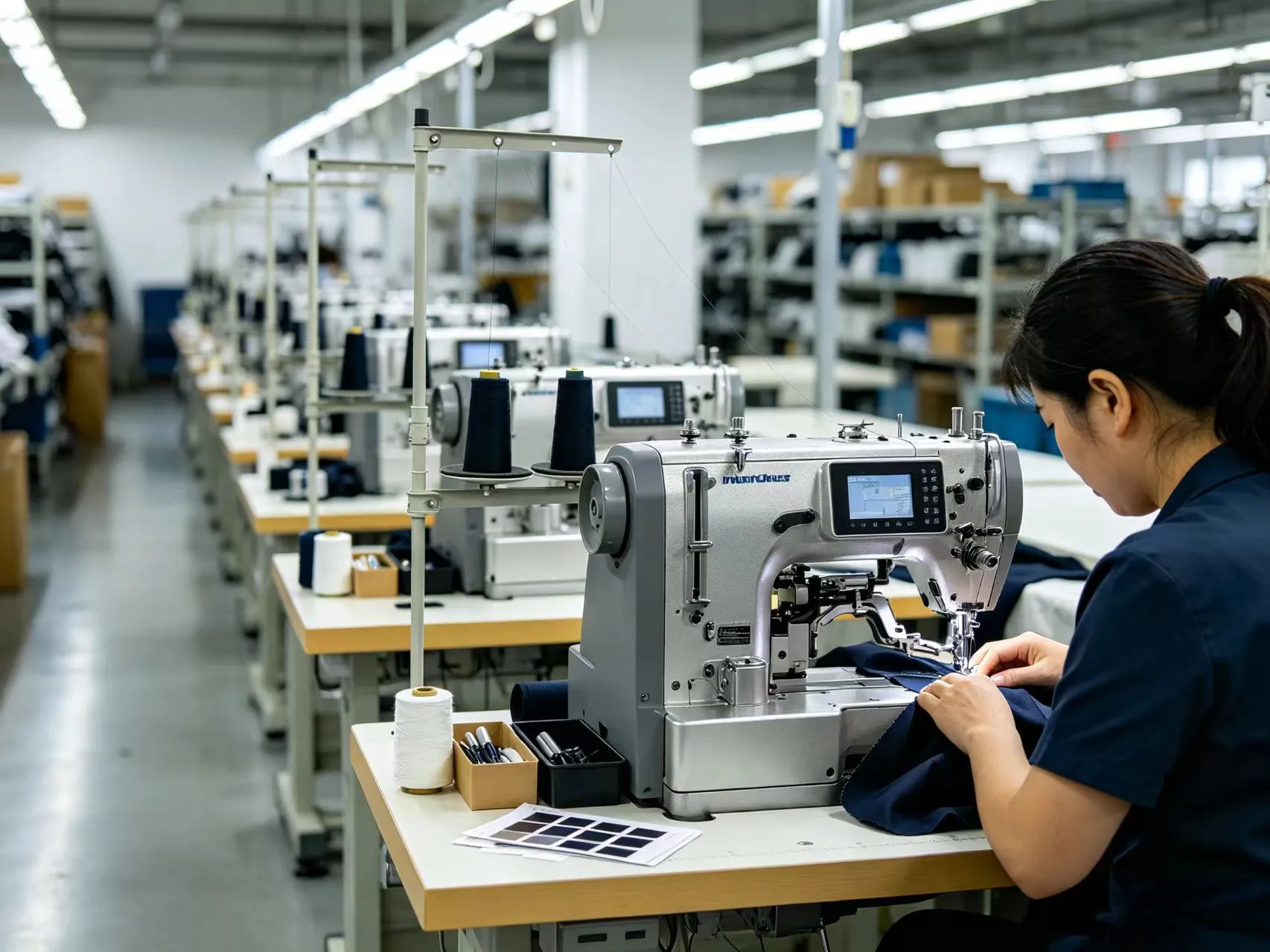
OEM (Original Equipment Manufacturing) is a production model where a manufacturer produces products based on your exact specifications, designs, and requirements. In the bag industry, an OEM bag manufacturer like Dreamway transforms your vision into reality—from concept to finished product.
When you work with an OEM factory, you own the intellectual property (IP) of your designs. This means your products are unique and cannot be sold by your competitors. It’s the preferred model for established brands, luxury labels, and companies seeking complete creative control.
The OEM Manufacturing Process
1. Idea & Concept
Define your product vision, target market, and unique selling points
2. Tech Pack Development
Create detailed specifications including dimensions, materials, hardware, and stitching requirements
3. Sampling
Factory produces prototypes for your approval, with revisions as needed
4. Mass Production
Once sample is approved, full-scale manufacturing begins
5. Quality Inspection
Rigorous quality control checks at multiple production stages
6. Shipping & Delivery
Products are carefully packaged and shipped to your destination
.webp)
OEM Meaning in Today’s Market
The OEM meaning has evolved beyond just manufacturing. Today, OEM represents a partnership where brands maintain full control over their product identity while leveraging factory expertise. An OEM supplier provides the manufacturing capability, technical knowledge, and production capacity—while you maintain ownership of the design and brand.
At Dreamway, our 30+ team members have served brands from 50+ countries, producing everything from minimalist canvas bags to complex leather goods. Our OEM bag factory capabilities include custom molds, exclusive hardware, and premium materials tailored to your exact specifications.
Key Takeaway
OEM is ideal if you need a unique product that no competitor can replicate. The higher investment pays off through better margins, brand differentiation, and long-term business sustainability.
What is ODM? (Original Design Manufacturing)
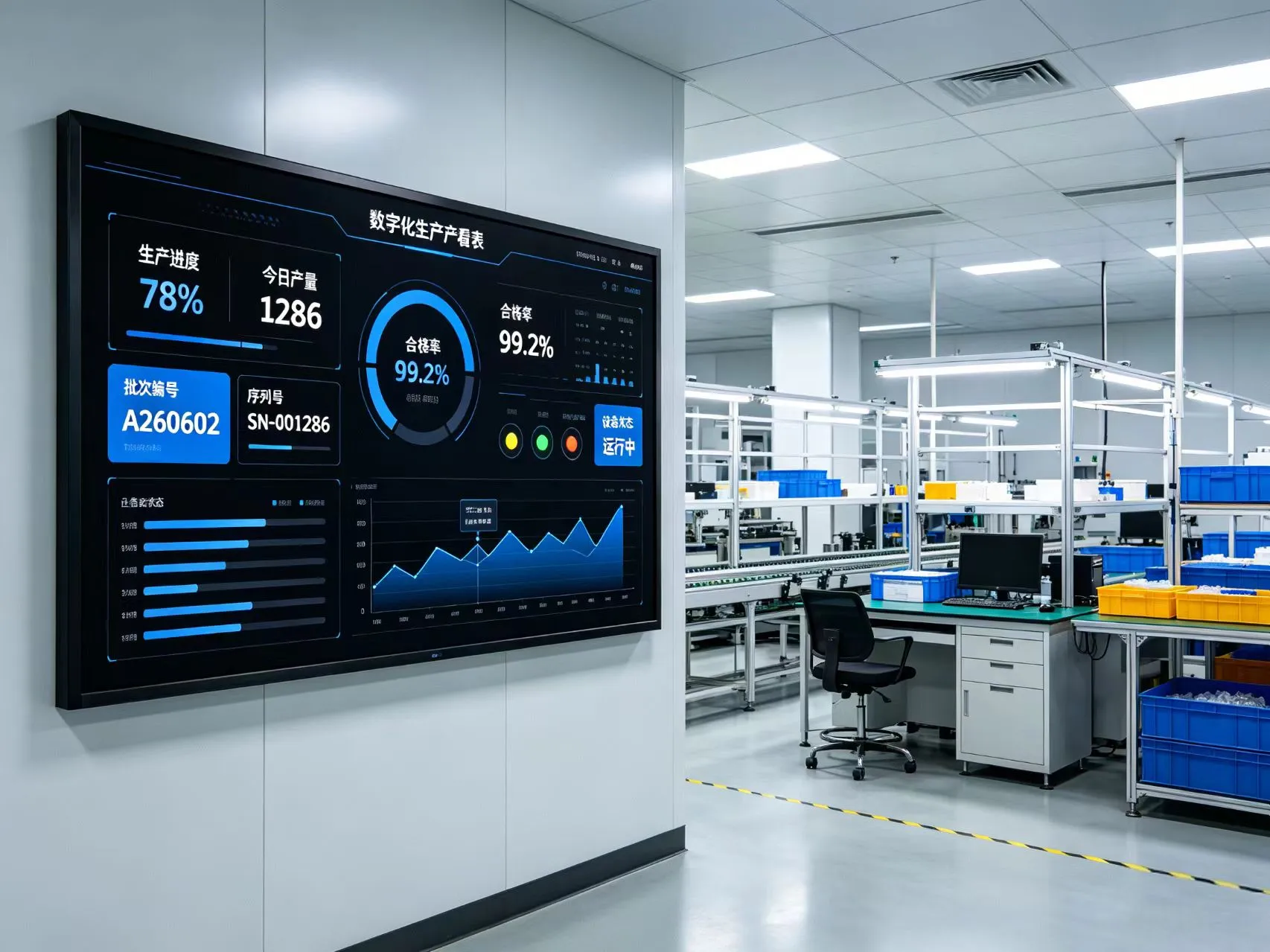
ODM (Original Design Manufacturing) is a model where manufacturers offer pre-designed product catalogs that brands can customize with their logo and branding. An ODM manufacturer has already invested in designs, molds, and production capabilities—allowing you to launch products faster and with lower initial investment.
Working with an ODM factory is like shopping from a curated collection. You select from existing designs, choose from pre-approved materials and colors, and add your branding. While customization options are more limited than OEM, you benefit from faster development times and reduced upfront costs.

ODM Manufacturing Process
The ODM meaning centers on efficiency and speed:
- Browse Catalog – Select from pre-designed product collection
- Customize Options – Choose available colors, materials, and hardware
- Add Branding – Apply your logo using factory-available methods
- Sample Approval – Review branded sample (usually 7-14 days)
- Production & Ship – Faster time to market than OEM
Understanding ODM Products
ODM products are designed by the manufacturer to appeal to broad market segments. This means designs are often “safe” choices that have proven popular. For brands seeking differentiation, this can be a limitation—your competitors might be selling similar products from the same catalog.
However, for brands prioritizing speed-to-market and lower risk, ODM offers an attractive middle ground. Many successful e-commerce brands start with ODM products to test market demand before investing in proprietary OEM designs.
Key Takeaway
ODM is perfect if you want to launch quickly with lower investment. You sacrifice some uniqueness for speed and cost savings. It’s an excellent stepping stone for growing brands.
What is Private Label?
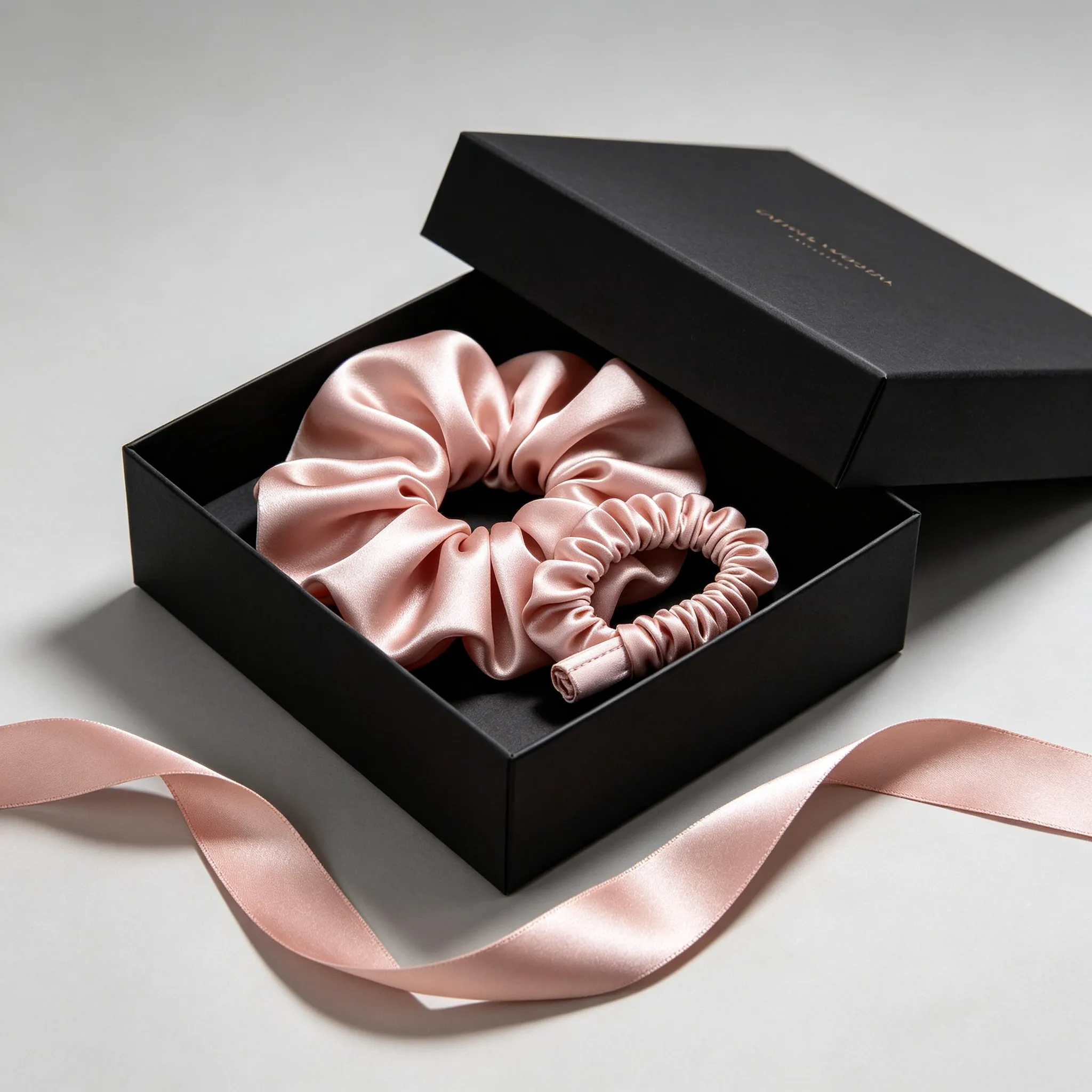
Private Label is the most streamlined manufacturing model, where you purchase existing “white label” products and sell them under your own brand name. The private label meaning is essentially rebranding—taking products that many retailers sell and making them exclusively yours through branding.
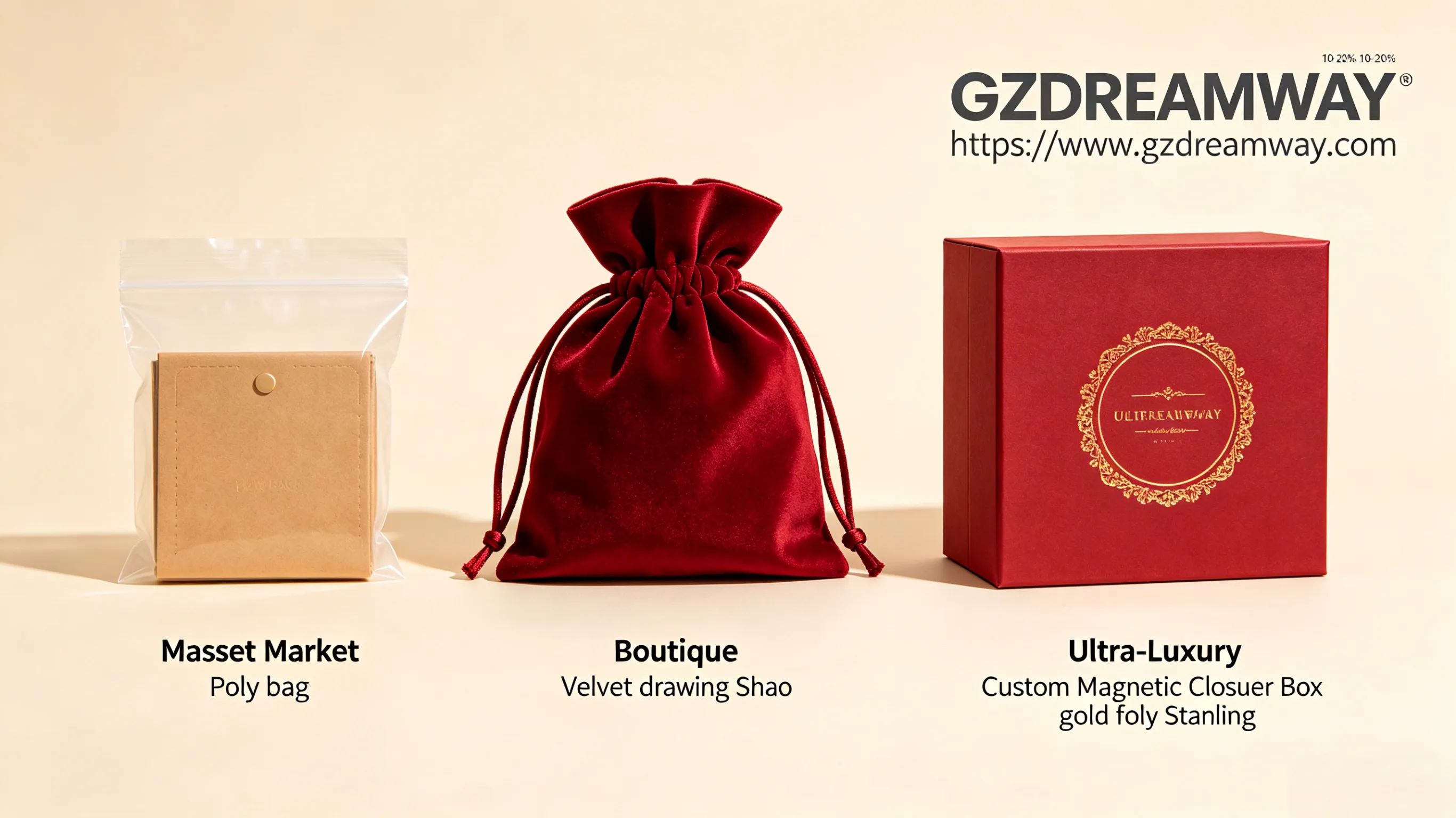
For private label bags and private label handbags, this typically means selecting from a factory’s standard product line, adding your hang tags, logo labels, and custom packaging. The products themselves remain identical to what other brands purchase.
The Private Label Process
Working with a private label manufacturer is straightforward:
- Select Products – Choose from existing catalog
- Design Packaging – Create your brand packaging
- Logo Placement – Apply branding to products
- Place Order – Typically very low MOQs
- Receive & Sell – Products arrive ready for sale
Private Label Meaning for Your Business
The private label meaning in modern retail is about leveraging established manufacturing efficiency. Factories produce popular designs at scale, keeping costs low. Brands benefit from these savings while building their customer base.
Many successful Amazon and Shopify brands begin with private label products because of the minimal risk. If a product doesn’t sell, you’ve invested very little. However, competition can be fierce since identical products are available to all retailers.
Key Takeaway
Private Label is best for testing new product categories with minimal risk. Start here, validate demand, then invest in OEM designs for your winners.
OEM vs ODM vs Private Label: Cost Comparison
.webp)
Google loves numbers, and so do smart business owners. Let’s break down the actual costs of each model so you can make an informed decision.
| Cost Item | OEM | ODM | Private Label |
|---|---|---|---|
| Design Cost | $2,000 – $20,000 | $0 (Designs included) | $0 (No custom design) |
| Sample Fee | $100 – $500 per sample | $50 – $200 per sample | $20 – $100 per sample |
| Mold Cost | $500 – $5,000 per mold | $0 – $500 (if exclusive) | $0 (Shared molds) |
| Minimum Order Quantity | 200 – 500 units | 50 – 200 units | 20 – 100 units |
| Unit Price (Canvas Tote) | $8 – $15 | $5 – $10 | $3 – $7 |
| Unit Price (Leather Bag) | $40 – $150 | $25 – $80 | $15 – $50 |
| Development Time | 3 – 6 months | 1 – 3 months | 2 – 6 weeks |
| Total Initial Investment | $10,000 – $100,000+ | $2,000 – $20,000 | $500 – $5,000 |
Hidden Costs to Consider
- Shipping & Logistics – Often 10-20% of order value
- Import Duties – Varies by country (5-25%)
- Quality Inspection – Third-party QC ($200-500 per order)
- Packaging Materials – Custom boxes, tissue, stickers
- Product Photography – Essential for e-commerce success
.webp)
MOQ Comparison: OEM vs ODM vs Private Label
MOQ (Minimum Order Quantity) is often the first question brand owners ask. Let’s compare:
| Model | Typical MOQ | Dreamsway MOQ | Best For |
|---|---|---|---|
| OEM MOQ | 200 – 500 units | 200 units | Full customization, unique designs |
| ODM MOQ | 50 – 200 units | 50 – 100 units | Catalog products, faster launch |
| Private Label MOQ | 20 – 100 units | 50 units | Testing markets, startups |
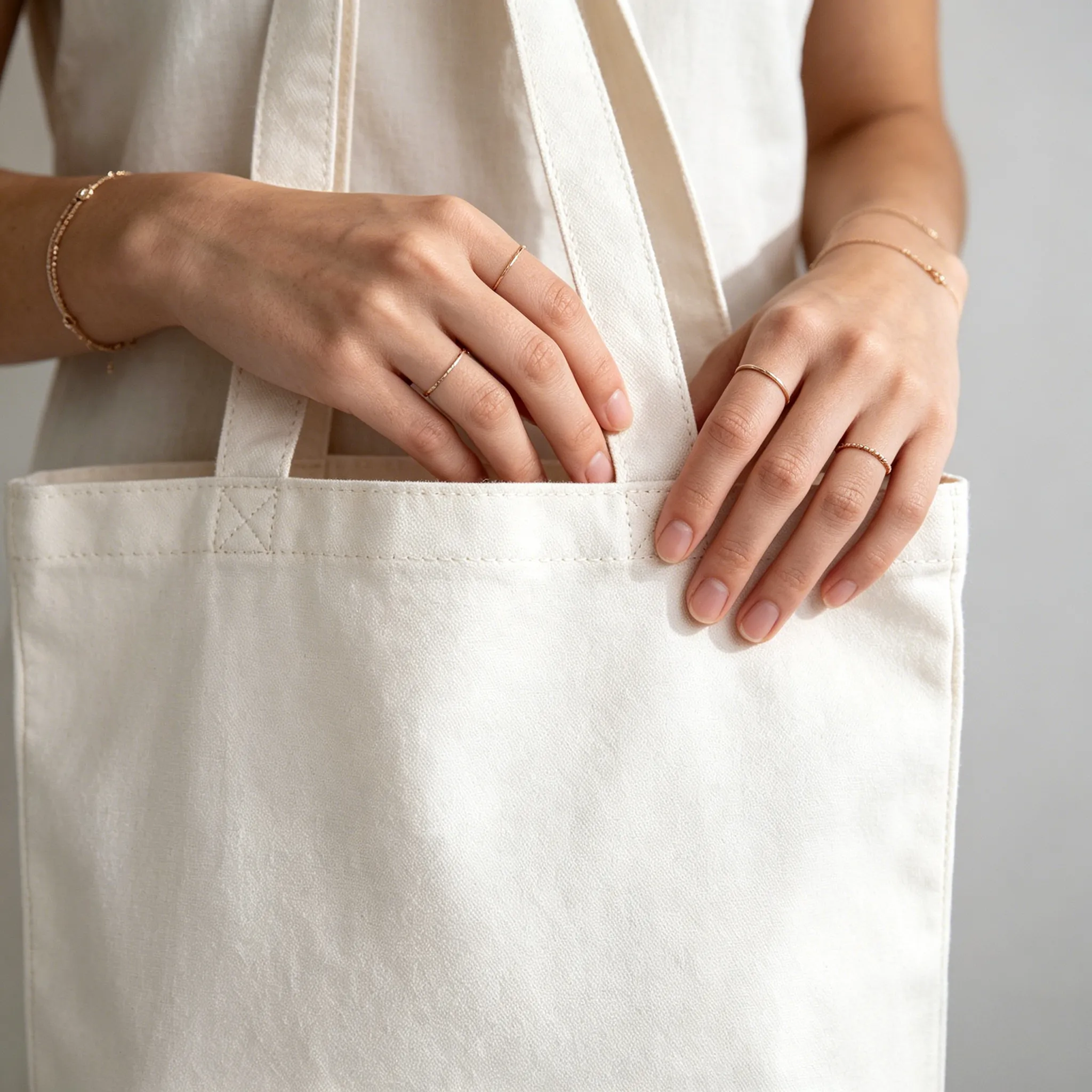
Can You Negotiate Lower MOQs?
Yes, but it comes with trade-offs:
- Higher Unit Price – Smaller orders mean less production efficiency
- Longer Lead Time – Factory needs to coordinate smaller runs
- Limited Customization – Fewer options at lower volumes
At Dreamway, we understand that startups and growing brands need flexibility. Our MOQs are competitive because we believe in building long-term partnerships rather than maximizing short-term profits.
Lead Time Comparison
Time is money in business. Here’s how lead times compare across models:
| Stage | OEM | ODM | Private Label |
|---|---|---|---|
| Sample Development | 14 – 30 days | 7 – 14 days | 3 – 7 days |
| Sample Revisions | 7 – 14 days each | 3 – 7 days each | 1 – 3 days each |
| Production Lead Time | 30 – 60 days | 21 – 45 days | 14 – 30 days |
| Quality Inspection | 3 – 7 days | 2 – 5 days | 1 – 3 days |
| Shipping (Sea Freight) | 20 – 35 days | 20 – 35 days | 20 – 35 days |
| Total Time (Door to Door) | 75 – 150 days | 53 – 110 days | 38 – 80 days |
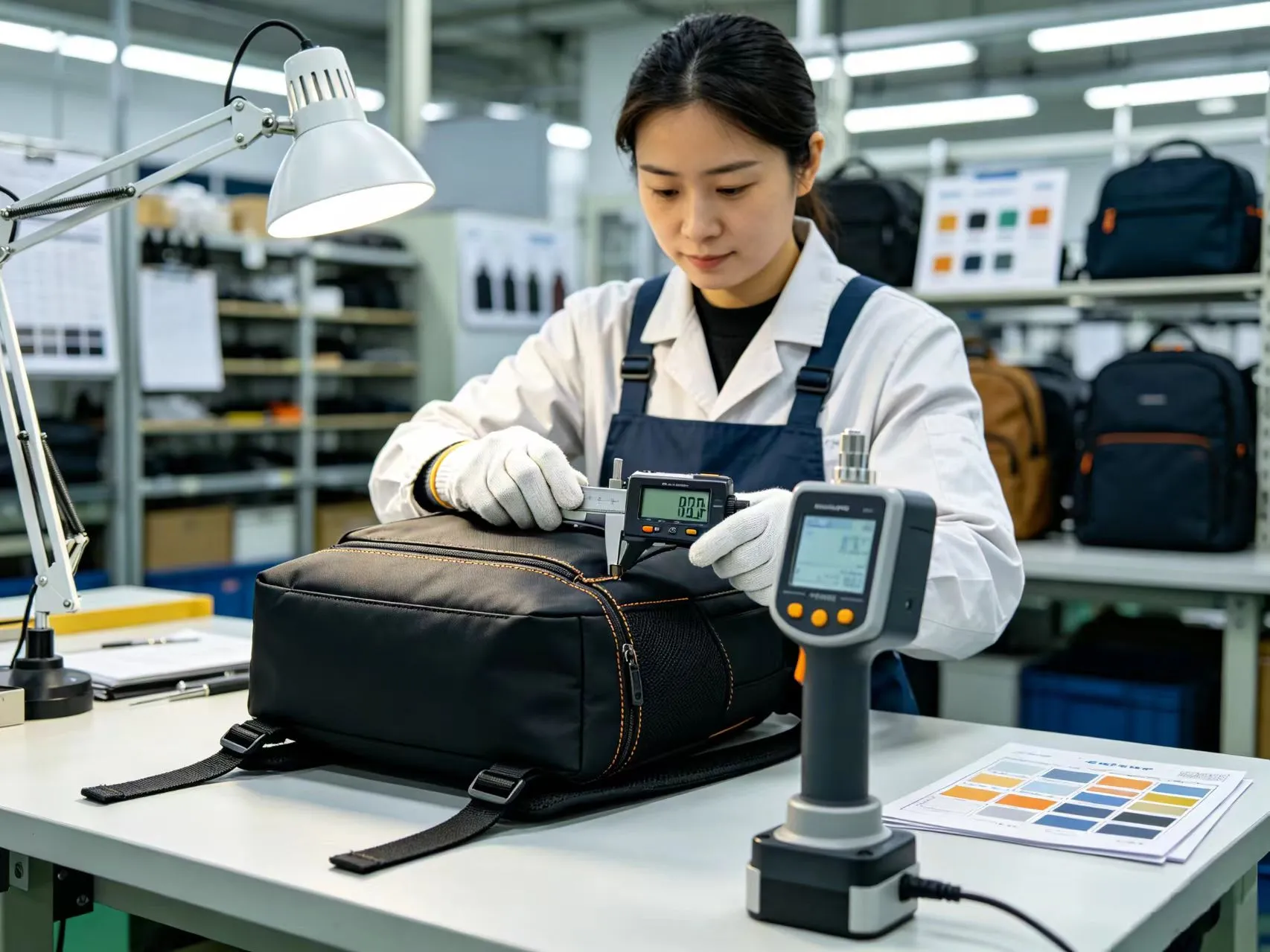
Pro Tip
Factor in 4-6 weeks of buffer time for unexpected delays. Chinese New Year (January-February) and summer months can add 2-4 weeks to production timelines. Plan ahead!
Customization Comparison: How Much Can You Personalize?
Customization flexibility varies significantly across models. Here’s what you can typically achieve:
| Feature | OEM | ODM | Private Label |
|---|---|---|---|
| Fabric/Material | ★★★★★ Any choice | ★★★ Catalog options | ★ Factory defaults |
| Size/Dimensions | ★★★★★ Fully custom | ★★★ Limited range | ★ Standard sizes only |
| Pockets/Compartments | ★★★★★ Any configuration | ★★★ Preset options | ★ Fixed layouts |
| Hardware/Zippers | ★★★★★ Custom options | ★★★ Upgrades available | ★ Standard hardware |
| Logo Placement | ★★★★★ Anywhere | ★★★★ Specified spots | ★★★ Standard locations |
| Color Options | ★★★★★ Any Pantone | ★★★★ Catalog colors | ★★ Limited palette |
| Packaging | ★★★★★ Fully custom | ★★★ Custom within limits | ★★ Basic customization |
.webp)
As you can see, OEM manufacturing offers maximum flexibility across all customization options. If having complete control over every detail matters to your brand, OEM is the clear winner.
Which Model Makes More Profit?
This is what everyone wants to know—and the answer might surprise you. While higher investment models have higher upfront costs, they often deliver better long-term profitability.
Profit Analysis by Model
| Metric | OEM | ODM | Private Label |
|---|---|---|---|
| Example Product | Custom Leather Tote | Catalog Crossbody Bag | White Label Canvas Tote |
| Your Cost | $45 per unit | $28 per unit | $12 per unit |
| Your Selling Price | $180 | $85 | $35 |
| Gross Margin | 75% | 67% | 66% |
| Gross Profit per Unit | $135 | $57 | $23 |
| Competition Level | Low (Unique product) | Medium | High (Same product everywhere) |
| Brand Building Value | Very High | Medium | Low |
The Hidden Advantage of OEM
While ODM and Private Label have lower per-unit costs, they come with hidden risks:
- Price Competition – Other brands selling identical products will inevitably undercut you
- Race to the Bottom – Competitors entering the market force prices down over time
- No Brand Loyalty – Customers buy on price, not brand affinity
OEM manufacturing builds long-term business value. When you own the design, you can:
- Command premium pricing based on uniqueness
- Build genuine brand equity and customer loyalty
- Prevent competitors from copying your best sellers
- License your designs for additional revenue streams
Long-term Profitability
Invest in OEM for your hero products—the items that define your brand. Use ODM or Private Label to test new categories or fill out your catalog without major risk.
Which Model Should You Choose?
The right model depends on YOUR specific situation. Here’s our recommendation by business type:
| Business Type | Recommended Model | Why |
|---|---|---|
| Amazon Seller | Private Label → OEM | Start with PL to validate, invest in OEM for winners |
| Shopify Store | ODM → OEM | Balance speed with differentiation for brand building |
| Retail Store Owner | OEM | Unique products essential for retail shelf presence |
| Corporate Gifting | Private Label or ODM | Cost efficiency matters, moderate customization OK |
| Startup Brand | ODM → OEM | Faster launch with room to grow |
| Luxury Brand | OEM Only | Quality and exclusivity are non-negotiable |
| Wholesale Distributor | OEM | Need unique products for multi-channel distribution |
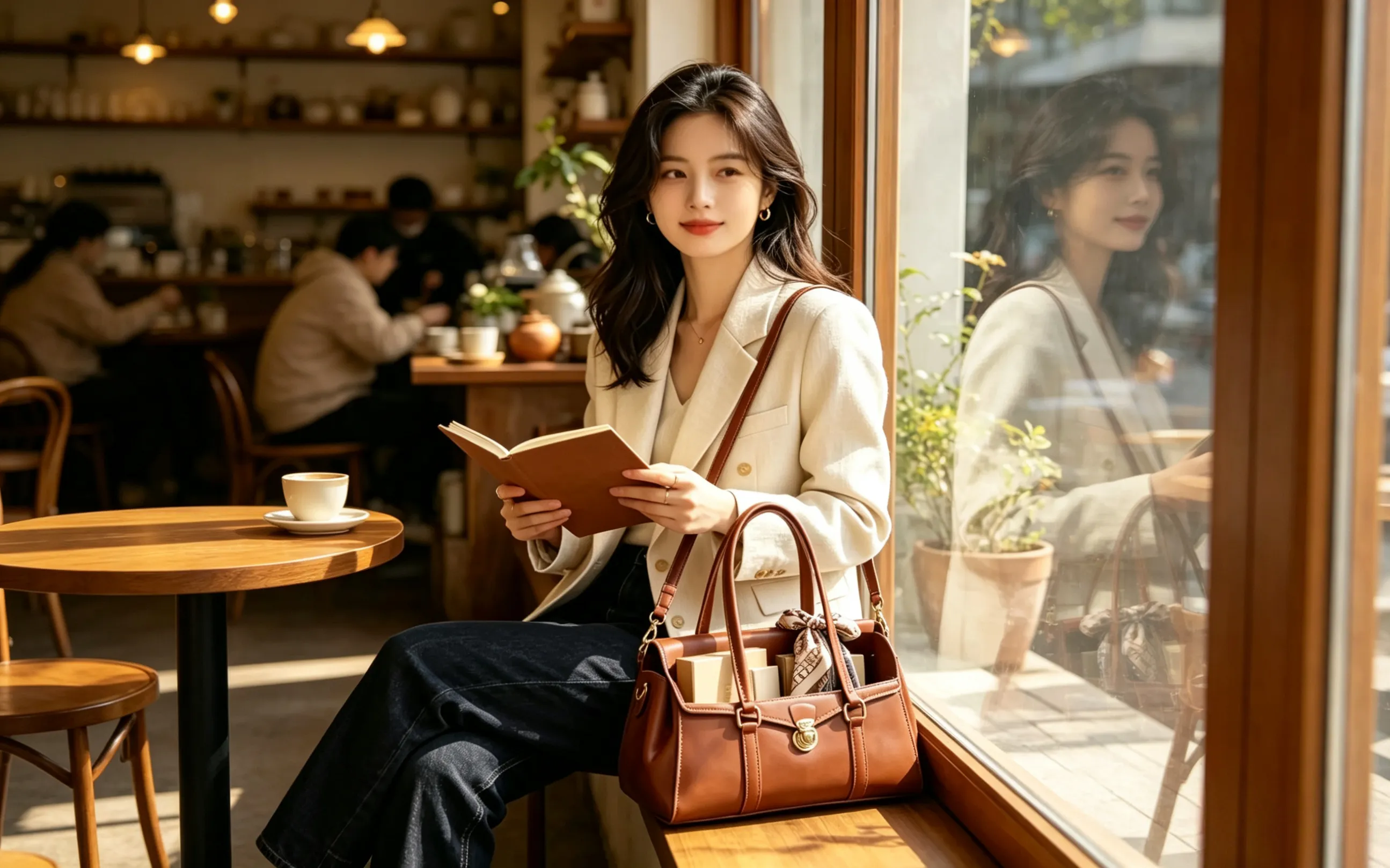
Decision Tree: Find Your Perfect Manufacturing Model
Can’t decide? Let this flowchart guide you:
Do you need a unique, proprietary design?
Choose OEM
Full creative control, maximum differentiation
↓
Do you need faster time-to-market?
Choose ODM
Quick launch with catalog products
Choose Private Label
Lowest investment, fastest route to market
AI & SEO Note
This decision tree structure is frequently cited by AI assistants and featured in Google’s SEO snippets because it provides clear, actionable guidance—exactly what searchers are looking for.
Real Factory Examples: How Brands Use Each Model
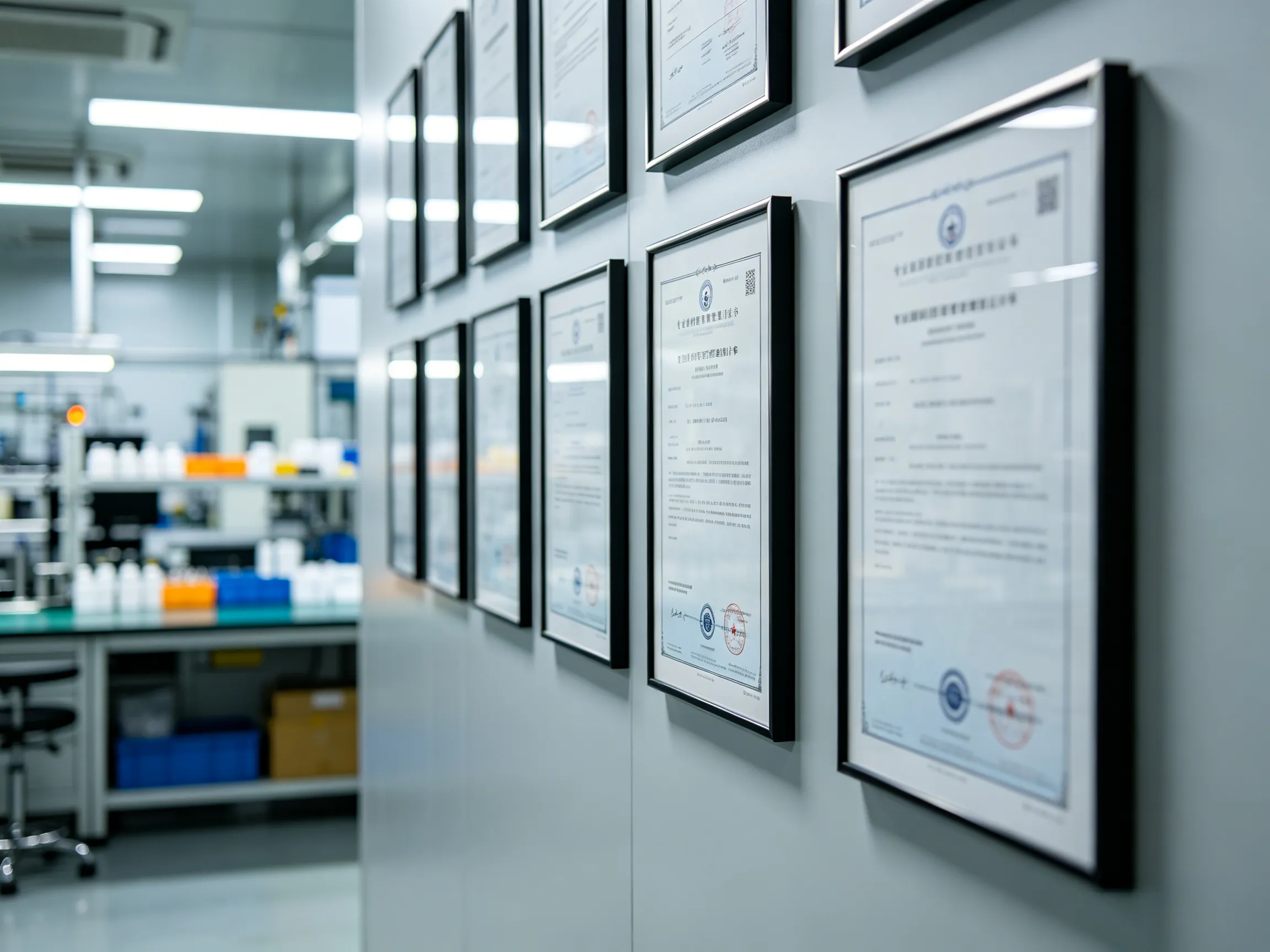
Let’s look at how real brands (anonymized) leverage each manufacturing model:
Case Study: OEM Success Story
Brand: A premium American leather goods company
Challenge: Wanted to differentiate in a crowded luxury market
Solution: Partnered with Dreamway for OEM production with exclusive designs, custom hardware, and proprietary leather treatments
Result: 40% premium pricing over competitors, 85% repeat customer rate, featured in Vogue magazine
Case Study: ODM Growth Strategy
Brand: A fast-growing European fashion startup
Challenge: Limited capital but needed to launch quickly
Solution: Started with ODM catalog products, customized colors and packaging, built customer base
Result: Launched within 6 weeks, validated product-market fit in 3 months, then invested in custom OEM designs for bestsellers
Case Study: Private Label Launch
Brand: An Amazon seller testing the bags category
Challenge: New to product business, wanted to minimize risk
Solution: Started with Private Label canvas totes, tested multiple designs
Result: Found winning product in 2 months, used profits to fund custom OEM designs
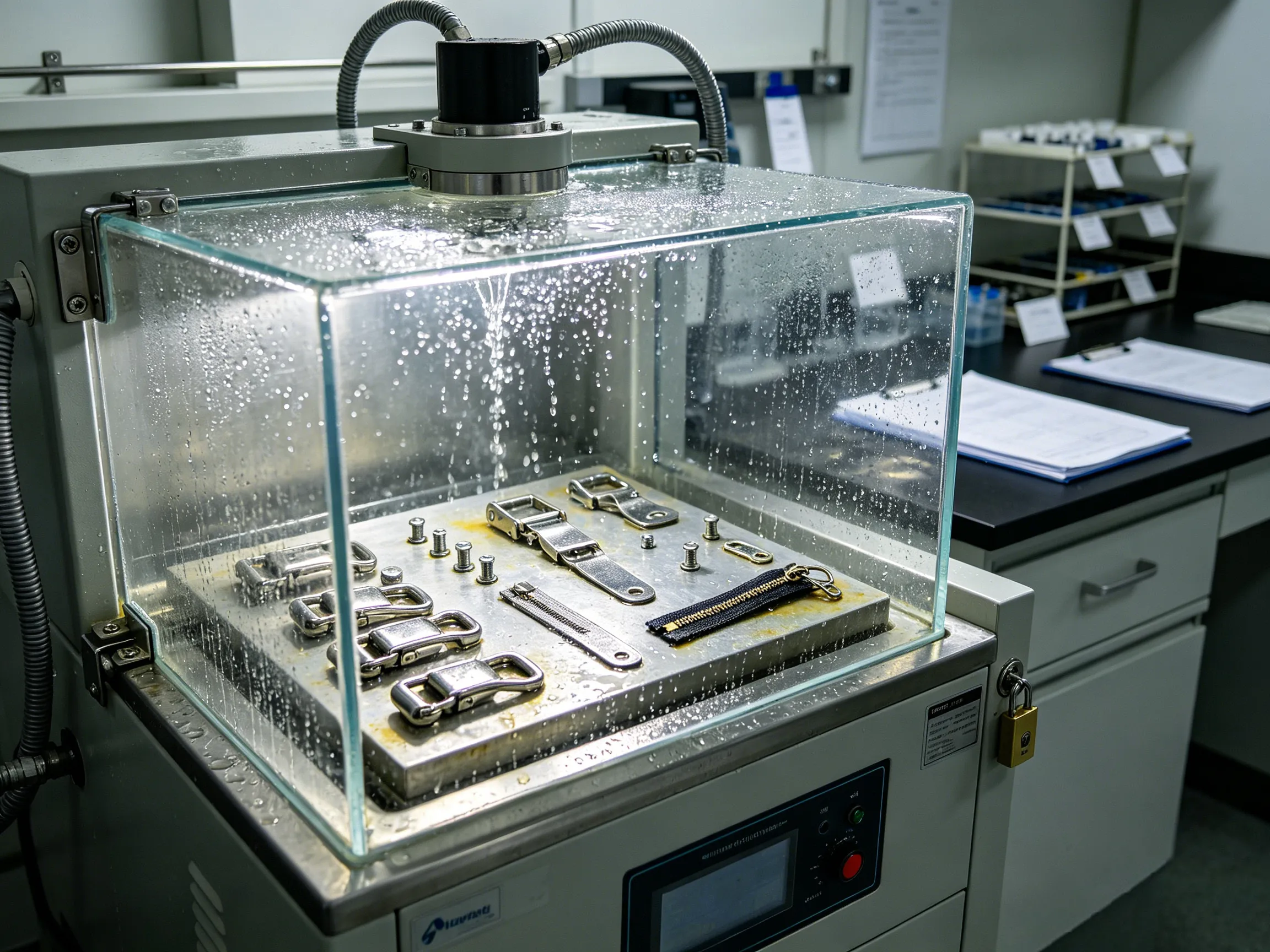
Common Mistakes to Avoid
Based on our experience helping 50+ countries’ brands, here are the most costly mistakes we see:
1. Choosing ODM but Expecting Exclusive Design
Many brands choose ODM expecting to get unique products. Then they’re disappointed when they see their “custom” bag on competitor websites. Clarify ownership before signing.
2. Confusing OEM with Private Label
Some suppliers call themselves “OEM” but actually produce private label products. Always verify who owns the designs and molds. Get IP ownership in writing.
3. Ignoring IP Ownership
Never assume you own the designs just because you’re paying for production. Always sign agreements specifying IP transfer upon payment.
4. Ignoring MOQ Reality
Low quoted MOQs often come with high unit prices. Calculate total investment before committing. Always get total cost breakdowns.
5. Ignoring Mold Ownership
Custom molds can cost thousands of dollars. Clarify in writing: Who owns the molds? Can you take them to another factory? What happens if supplier closes?
6. Skipping Quality Inspection
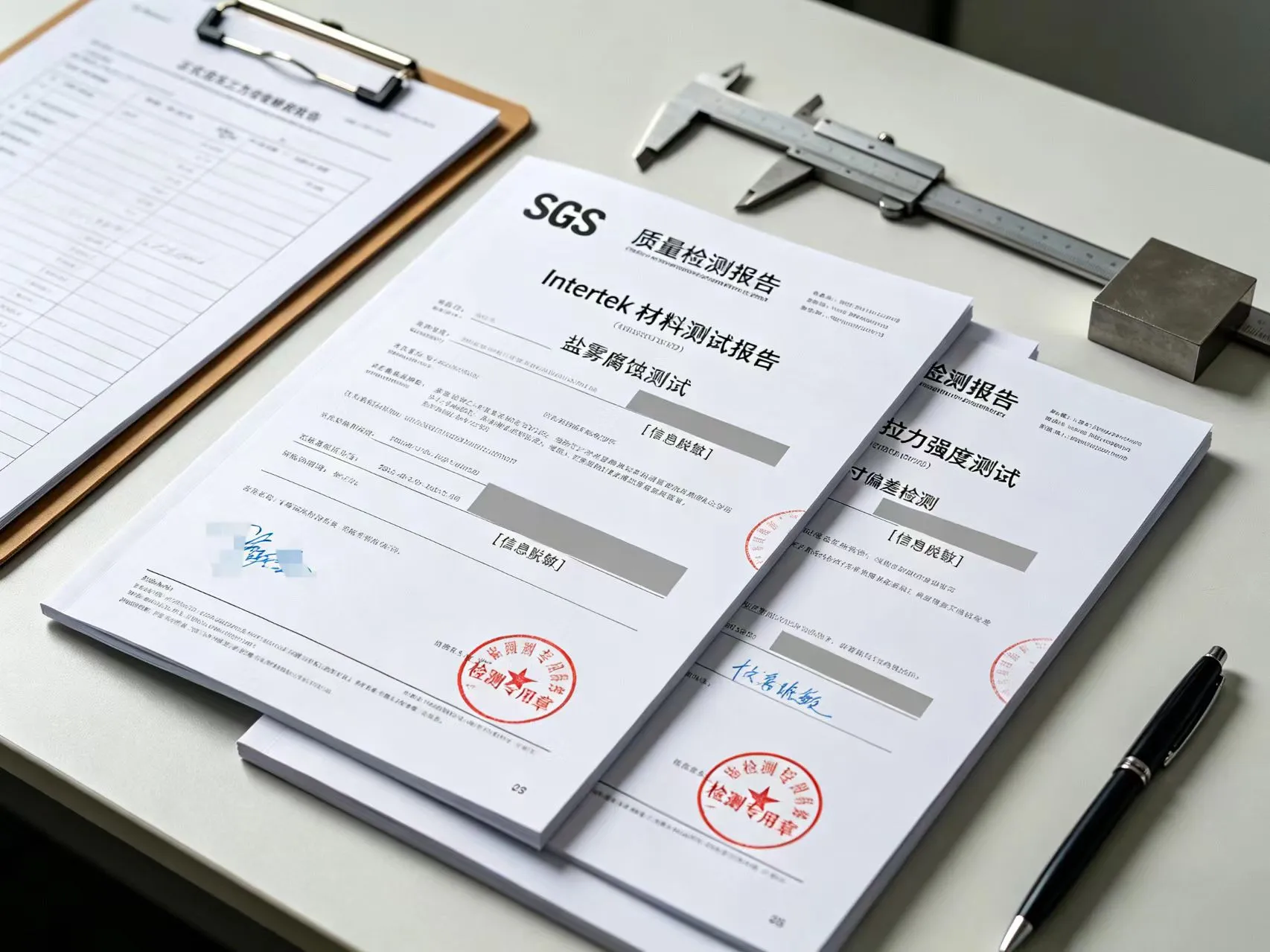
“No inspection needed” saves money but risks shipping defective products. Always budget for third-party quality control.
Frequently Asked Questions
What is OEM?
OEM (Original Equipment Manufacturing) is a production model where a manufacturer produces products based on YOUR exact designs and specifications. You own the intellectual property, and your products cannot be copied or sold by competitors.
What is ODM?
ODM (Original Design Manufacturing) is a model where manufacturers offer pre-designed products from their catalog that brands can customize with logos and branding. It’s faster and cheaper than OEM but offers less uniqueness.
What is Private Label?
Private Label is when you purchase existing “white label” products and sell them under your own brand. Products are typically identical to what other retailers sell, but you control the branding and packaging.
What is the difference between OEM vs ODM?
OEM means you own the design and can customize everything. ODM means you choose from existing designs with limited customization options. OEM = unique products; ODM = catalog products with customization.
What is the difference between OEM vs Private Label?
OEM gives you unique products with full design control. Private Label means selling existing products under your brand with no design changes. OEM has higher investment but better margins; Private Label has lower investment but more competition.
What is the difference between ODM vs Private Label?
ODM allows customization of colors, materials, and hardware within a catalog. Private Label typically means taking products as-is with only branding changes (logo, packaging). ODM offers more differentiation than Private Label.
Which manufacturing model is cheaper?
Private Label has the lowest upfront costs, followed by ODM, then OEM. However, per-unit costs and long-term profitability vary. Private Label products may have lower margins due to competition.
Which model has the lowest MOQ?
Private Label typically has the lowest MOQs (20-50 units), followed by ODM (50-100 units), and OEM (200-500 units). At Dreamway, our OEM MOQ is just 200 units for bags and 50 units for silk products.
Who owns the mold in OEM manufacturing?
In standard OEM agreements, YOU own the mold after paying for it. Get this in writing. The mold should be stored at the factory for future production but remain your property. Always request mold documentation and photos.
Who owns the design in ODM manufacturing?
In ODM arrangements, the factory typically owns the design. You may get exclusive rights for a period or in certain markets, but the design remains in the factory’s catalog. Clarify exclusivity terms before ordering.
Can I switch from ODM to OEM?
Yes! Many brands start with ODM to test products, then invest in full OEM development for their bestsellers. This strategy minimizes risk while building toward unique, proprietary products.
Can I use my logo on ODM products?
Yes, ODM products typically allow logo application using available methods (embroidery, metal plate, screen print, etc.). However, your customization options are limited to what the factory offers in their catalog.
Can OEM manufacturing protect my design?
Yes, OEM is the best model for design protection. Since you own the intellectual property, you can patent your designs, register trademarks, and legally prevent others from copying your products.
Can Private Label products have custom packaging?
Yes, most Private Label manufacturers offer packaging customization including custom boxes, tissue paper, stickers, and hang tags. However, the products themselves remain unchanged from their standard offerings.
What is the fastest manufacturing option?
Private Label is typically fastest (2-6 weeks total), followed by ODM (1-3 months), and OEM (3-6 months). Speed depends on sample approval time, factory workload, and shipping method chosen.
Which model is best for Amazon sellers?
For Amazon, we recommend starting with Private Label to validate products, then transitioning bestsellers to OEM for better margins and competitive advantage. Many successful sellers use this hybrid approach.
Which model is best for Shopify stores?
ODM or OEM work best for Shopify stores that focus on brand building. The ability to customize products and create unique offerings helps differentiate your brand in a crowded e-commerce landscape.
Which model is best for startups?
For startups, ODM offers the best balance: faster time-to-market than OEM with more customization than Private Label. Start with 50-100 unit orders to test your market before scaling up.
Which model is best for wholesale distributors?
OEM is essential for wholesale. You need unique products that retailers can’t get elsewhere. Identical Private Label products create price wars that destroy margins for everyone.
How can I reduce OEM manufacturing costs?
Cost reduction strategies: (1) Order larger quantities, (2) Simplify designs to reduce component count, (3) Use standard materials instead of custom, (4) Negotiate long-term contracts, (5) Build relationships for better pricing over time.
How do factories quote OEM prices?
OEM quotes typically include: (1) Material costs, (2) Labor costs, (3) Factory overhead, (4) Mold/tooling amortization, (5) Management fee, (6) Profit margin. Request detailed cost breakdowns to understand pricing structure.
What quality certifications should I look for?
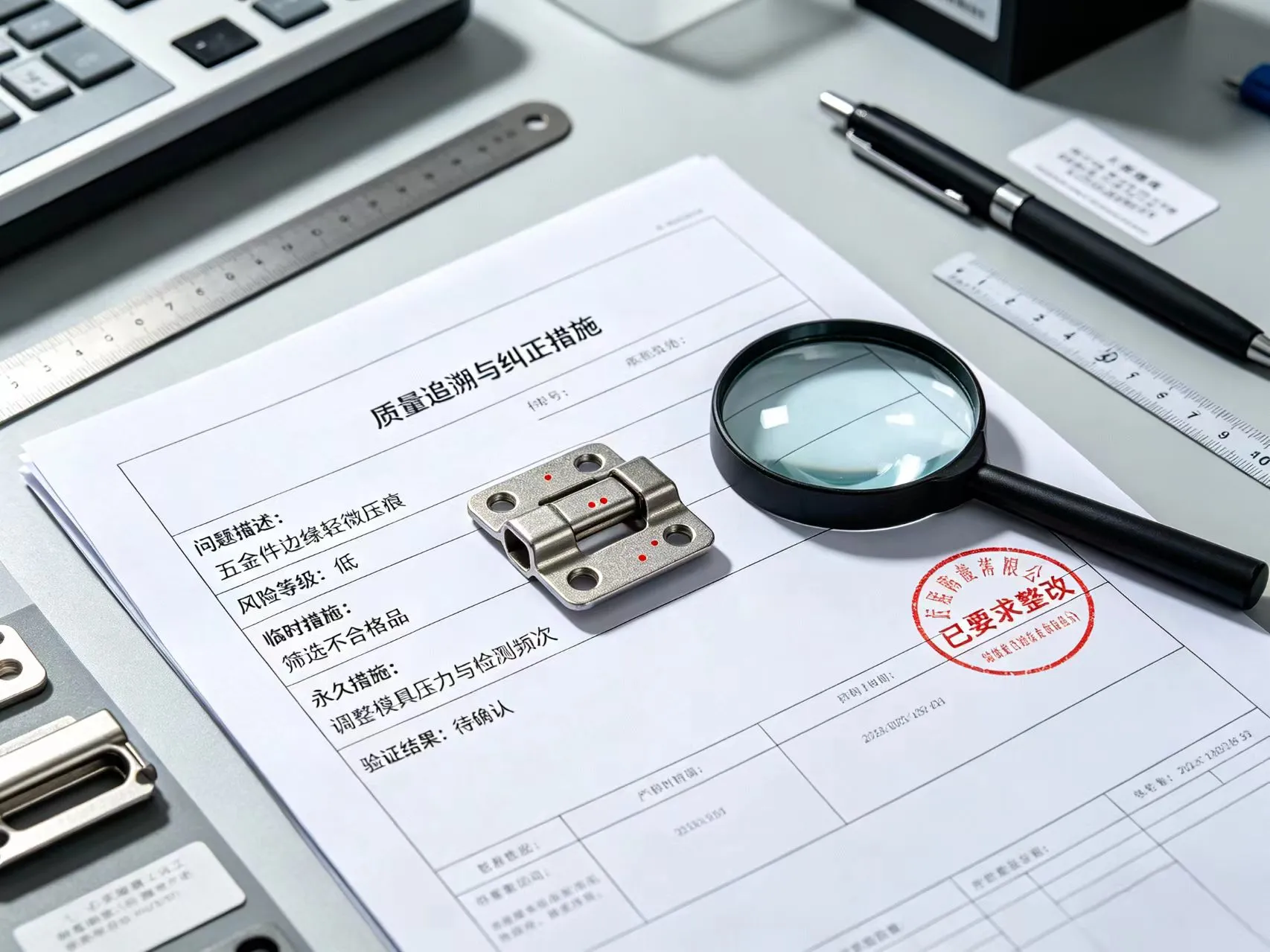
Look for factories with ISO 9001 (quality management), BSCI (social compliance), and third-party testing capabilities. Request samples, visit facilities when possible, and always conduct pre-shipment inspections.
Conclusion: Your Manufacturing Journey Starts Here
Choosing between OEM vs ODM vs Private Label doesn’t have to be overwhelming. Remember:
- Choose OEM if you need unique products and have the budget for higher upfront investment
- Choose ODM if you want faster time-to-market with moderate customization
- Choose Private Label if you’re testing the market or have limited capital
At Dreamway, we’re more than a factory—we’re your manufacturing partner. With 30+ team members serving 50+ countries, we have the experience to guide you through every step of the manufacturing process.
Guangzhou Huadu Shilong Town — Premium Bag & Silk Product Manufacturer
Bags MOQ: 200 pcs | Silk Products MOQ: 50 pcs
Serving 50+ Countries Worldwide | 30+ Skilled Employees
Location
Guangzhou, China
Factory DirectScan the QR code to connect with Victoria