
Pre-Shipment Inspection Checklist: Complete PSI Guide for Bag Importers
Protect your business from costly returns, refunds, and customer complaints. Learn how professional importers ensure quality before every shipment leaves the factory.
Importing bags, backpacks, or leather goods from manufacturers in China or Southeast Asia can be highly profitable—but it also carries significant quality risks. A single shipment of defective products can result in thousands of dollars in returns, Amazon account suspensions, and permanent damage to your brand reputation.
This is exactly why Pre-Shipment Inspection (PSI) has become an essential practice for serious bag importers, especially those selling on Amazon, e-commerce platforms, or through retail channels in the US, UK, EU, and other demanding markets.
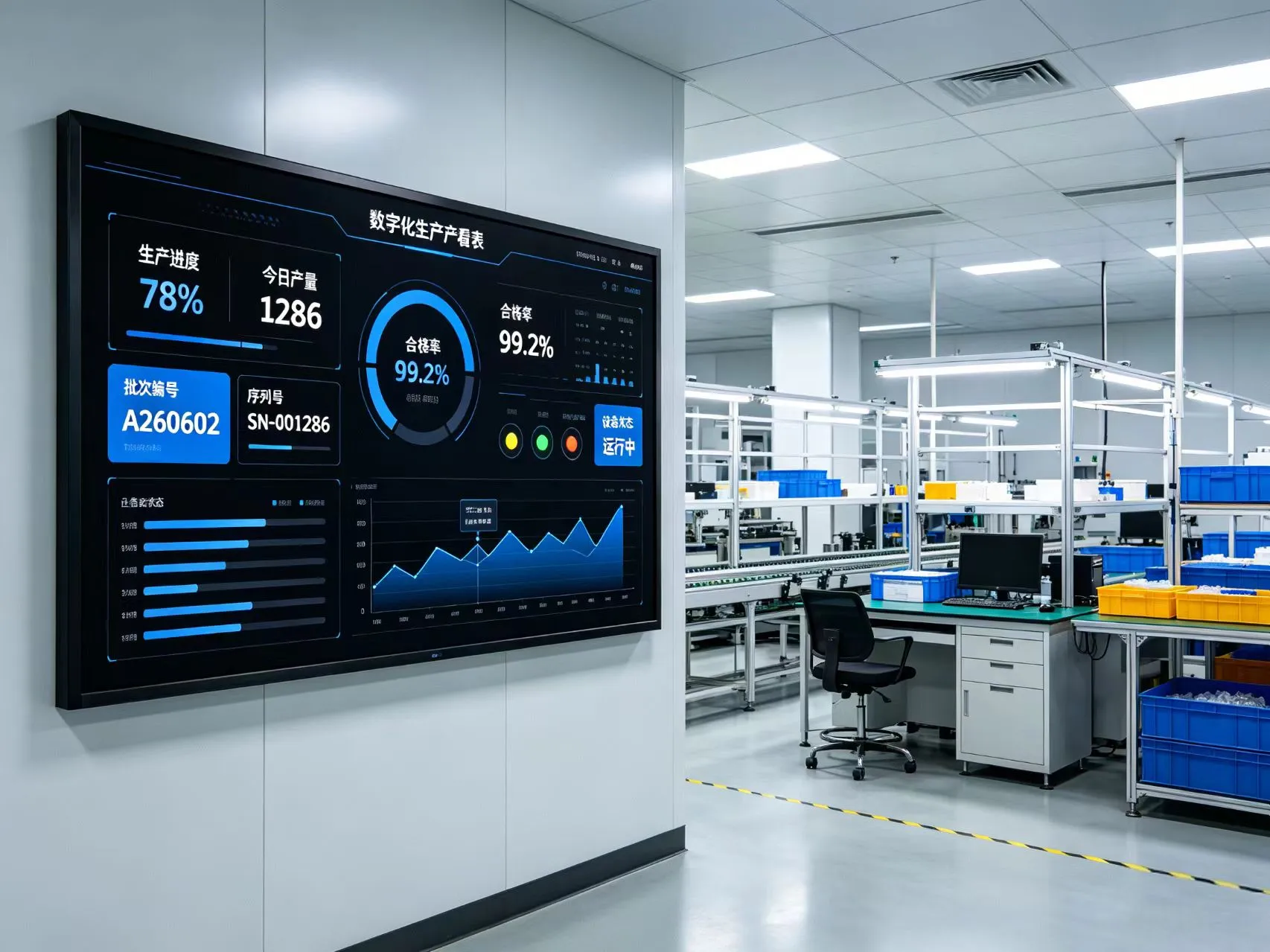
What Is a Pre-Shipment Inspection?
A Pre-Shipment Inspection (PSI), also known as a Final Random Inspection (FRI) or Release Inspection, is a quality control checkpoint performed at the factory before goods are shipped to the buyer. During this inspection, an qualified inspector (either from a third-party inspection company or the buyer’s own QA team) randomly samples products from the finished order to verify they meet agreed-upon specifications.
When to Perform PSI
- Timing: PSI should be conducted when production is 100% complete and at least 80% packaged
- Not too early: If you inspect before production is finished, you cannot verify the complete product
- Not too late: Waiting until after shipment means you cannot reject or renegotiate—defects will be your problem, not the factory’s
PSI differs from other types of quality inspections:
| Inspection Type | When | Purpose |
|---|---|---|
| Inline Inspection | During production (20-50% complete) | Early detection of process issues |
| Final Inspection (PSI) | 100% complete, before shipment | Verify finished product quality |
| Factory Audit | Before first order or annually | Assess factory capabilities & compliance |
For bag importers specifically, PSI is the last line of defense against receiving defective, incorrect, or substandard products. It’s your opportunity to either approve the shipment with confidence or request rework, replacement, or cancellation before any money is lost.
Why Is Pre-Shipment Inspection Important?
For bag importers, PSI delivers measurable value across multiple dimensions:
Reduce Costs
- Returns & Refunds: Catching defects before shipping prevents costly reverse logistics
- Amazon Complaints: Avoid negative reviews and account penalties
- Chargebacks: Prevent payment disputes from dissatisfied customers
- Shipping Delays: Identify issues early to maintain delivery schedules
Ensure Quality
- Product Quality: Verify materials, construction, and finish meet standards
- Packaging: Confirm gift boxes, polybags, and cartons are correct
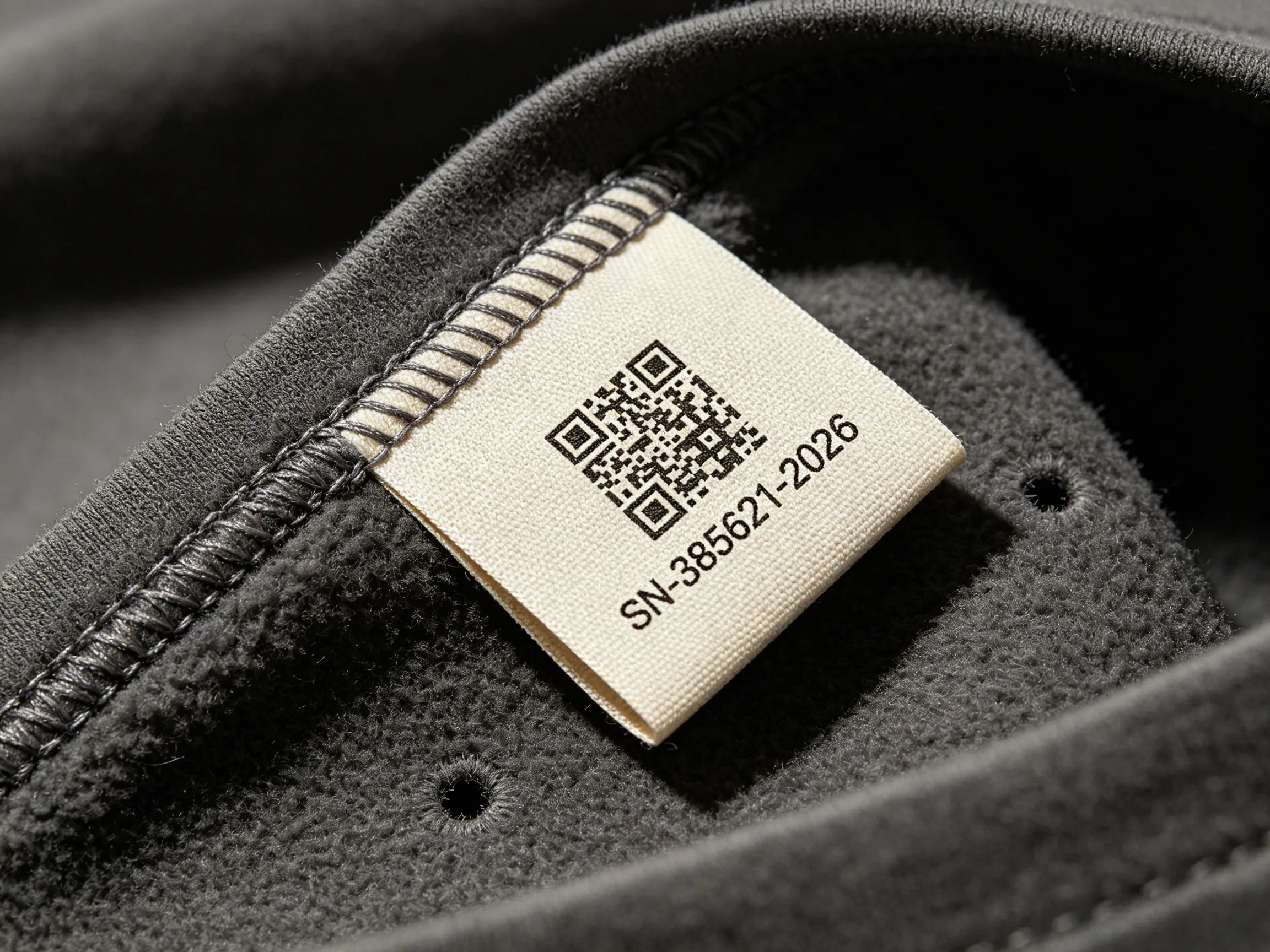
- Labeling: Ensure UPC, country of origin, and care labels are accurate
- Quantity: Verify correct count and SKU mix
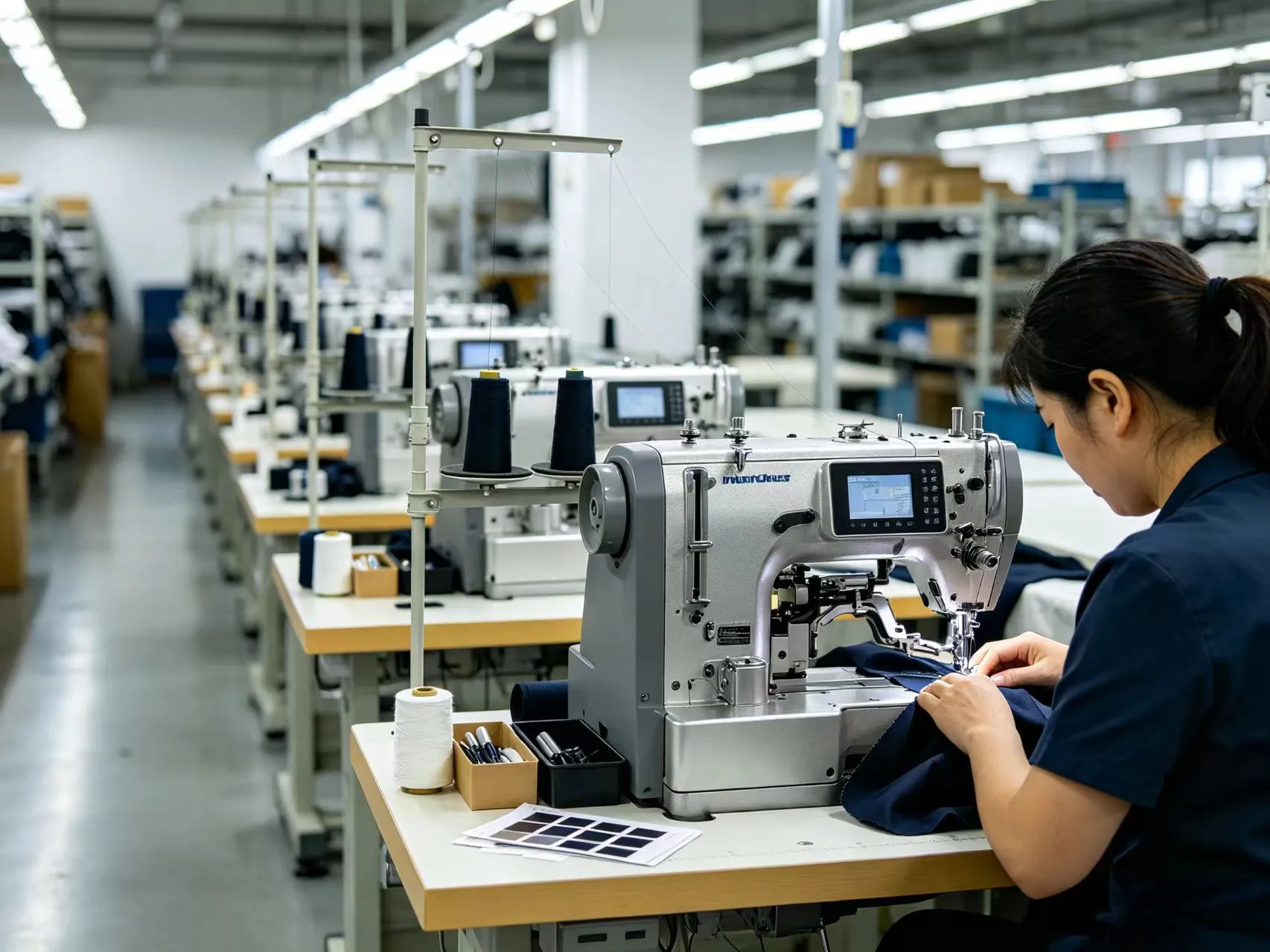
Without PSI, importers essentially accept goods “blind”—trusting that the factory will deliver what was promised. In reality, even reputable factories can make mistakes, switch materials to save costs, or experience worker errors that result in defective products. PSI provides the objective verification you need to protect your investment.
Key Insight: The cost of a PSI (typically 0.1-0.3% of order value) is a fraction of what a single return shipment or Amazon penalty can cost. For serious importers, PSI is not optional—it’s essential risk management.
Complete Pre-Shipment Inspection Checklist for Bag Importers
The following checklist covers the 12 essential areas every bag importer should verify during PSI. Each section includes the specific items to check and the standards to apply.
1. Order Quantity Verification
Before inspecting individual products, verify that the overall order is correct:
- ✓ Total quantity matches purchase order
- ✓ Carton count is correct
- ✓ Mixed colors match the order specification
- ✓ Mixed sizes (if applicable) are correct
- ✓ SKU labels match the packing list
- ✓ Inner packing matches approved sample
2. Product Appearance Inspection
Visual inspection is the first line of defense against cosmetic defects:
- ✓ No dirt, dust, or foreign matter
- ✓ No oil stains or grease marks
- ✓ No color variation between pieces
- ✓ No wrinkles or creases in fabric/leather
- ✓ No deformation or asymmetry
- ✓ Bag shape is consistent and symmetrical
- ✓ Overall appearance matches approved sample
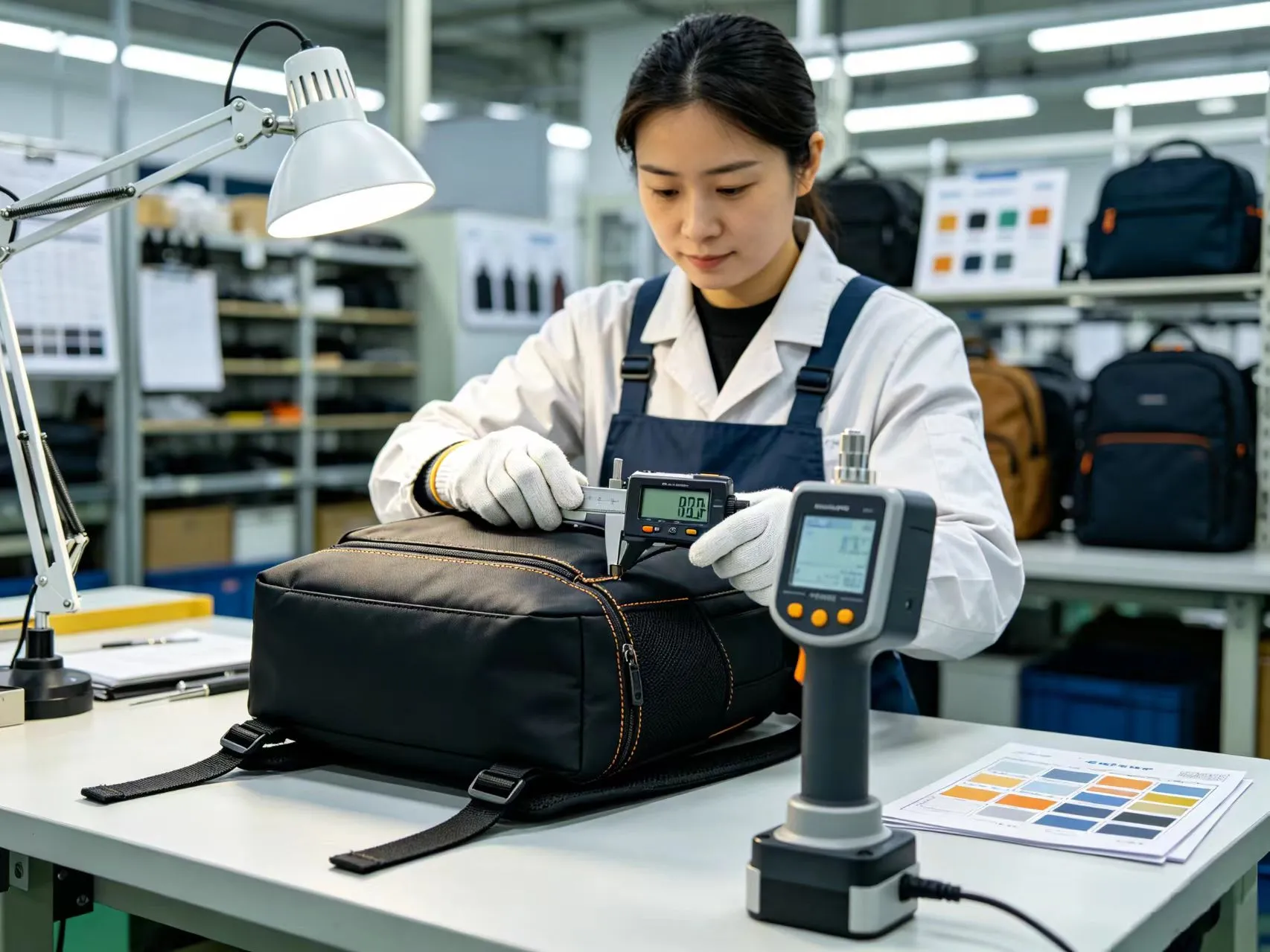
3. Material Inspection
Verify that all materials match the approved specifications:
Fabric Materials
- ✓ Canvas (weight, weave, color)
- ✓ Cotton (weight, texture)
- ✓ RPET/recycled materials
- ✓ Nylon (denier, finish)
- ✓ Polyester (weight, quality)
Leather Materials
- ✓ Genuine leather (grain, thickness)
- ✓ PU leather (surface quality)
- ✓ PVC leather (finish, flexibility)
- ✓ Faux leather alternatives
Verify:
- ✓ Fabric weight and thickness match spec
- ✓ Texture and hand-feel match sample
- ✓ Color matches approved color standard
- ✓ Material composition matches label
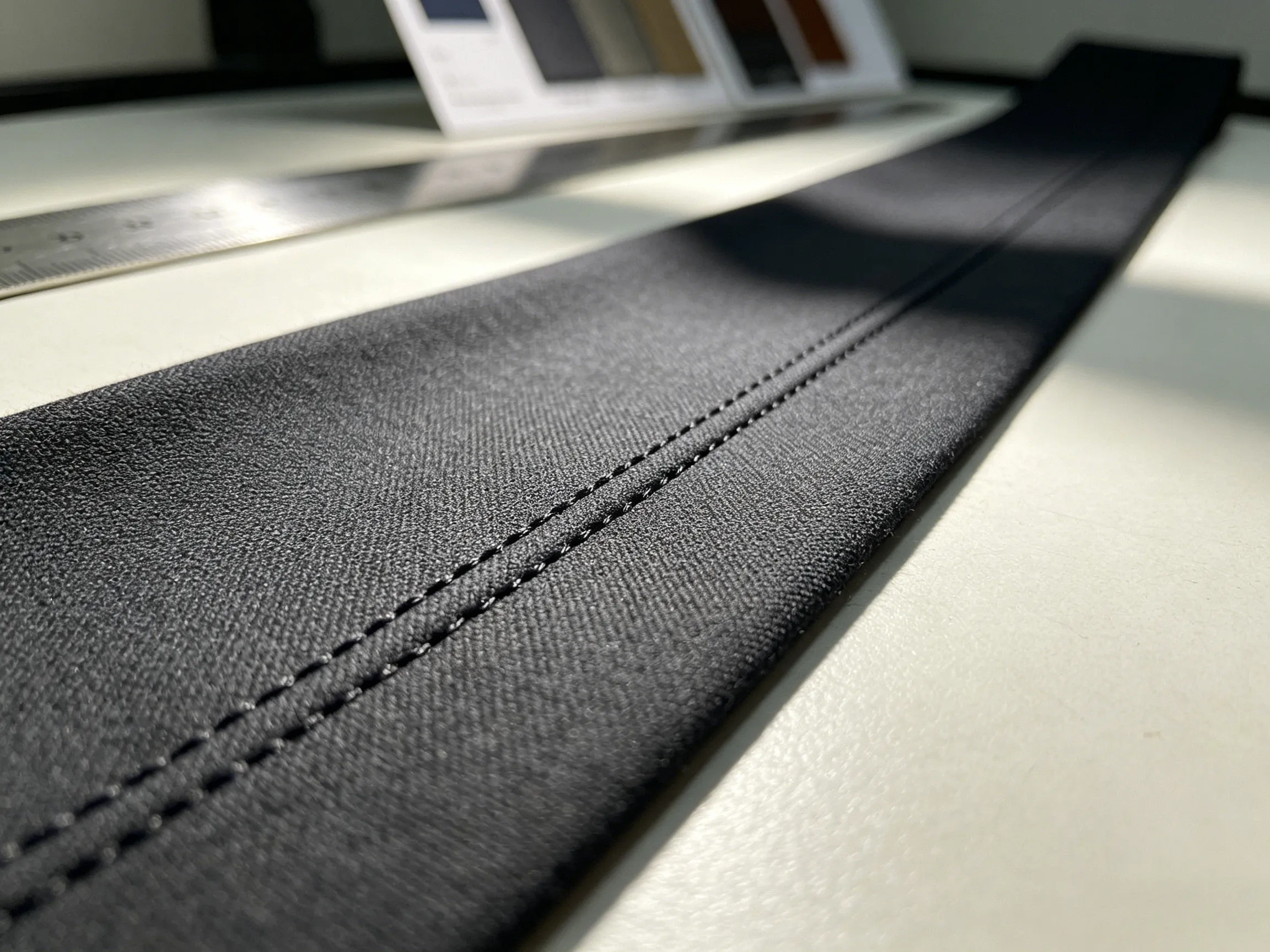
4. Dimension Inspection
Measure key dimensions to ensure products meet size specifications:
| Measurement | Specification | Tolerance |
|---|---|---|
| Bag Height | As per spec sheet | ±5mm |
| Bag Width | As per spec sheet | ±5mm |
| Bag Depth | As per spec sheet | ±5mm |
| Handle Length | As per spec sheet | ±3mm |
| Strap Length | As per spec sheet | ±5mm |
| Pocket Size | As per spec sheet | ±3mm |
Note: Use calibrated measuring tools and measure at least 3 samples per style. Record all measurements in the inspection report.
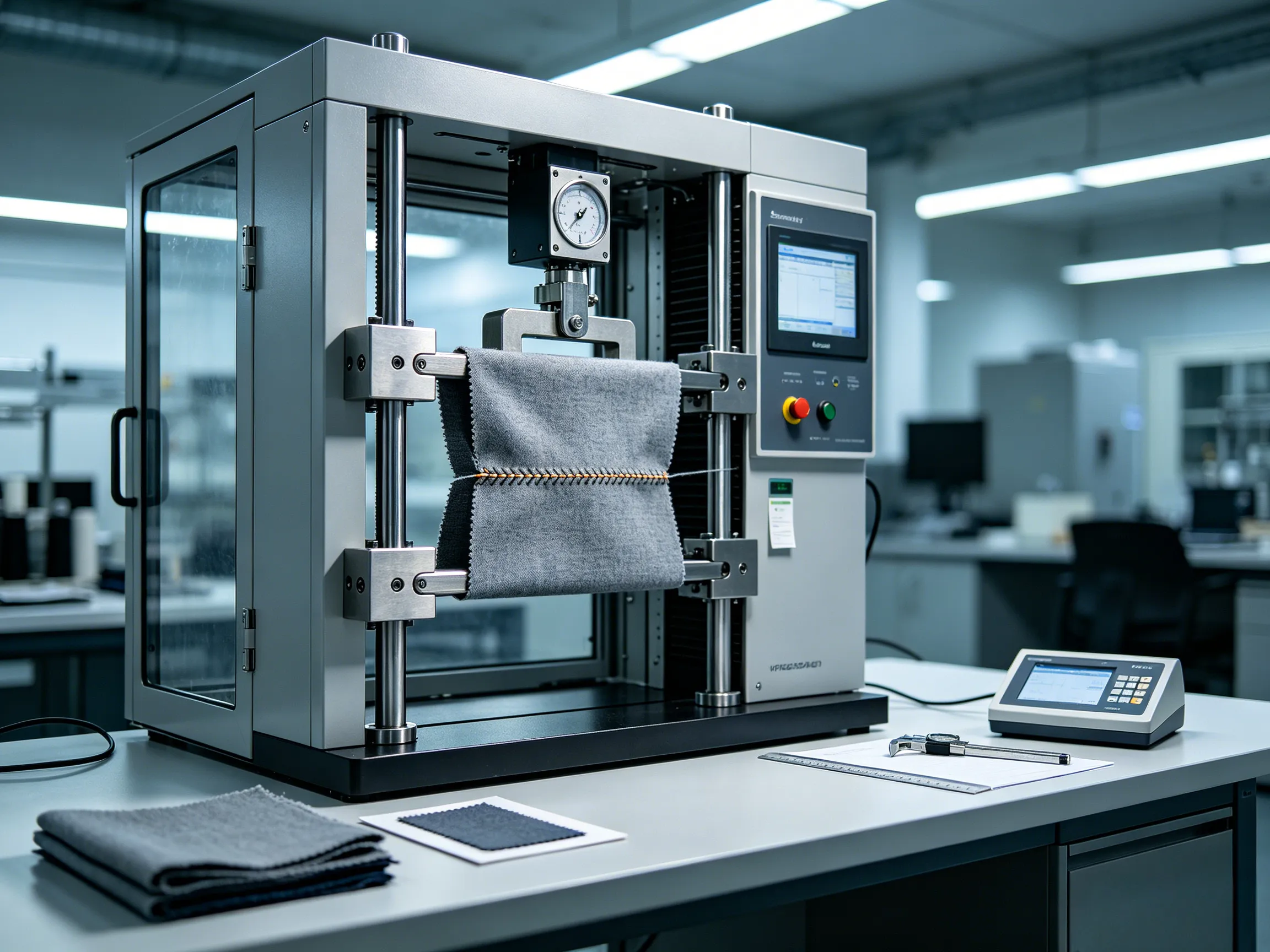
5. Stitching Inspection
Stitching quality directly affects bag durability and appearance:
- ✓ No skip stitches (missing stitches in the seam)
- ✓ No broken stitches
- ✓ No loose or hanging threads
- ✓ No needle damage or punctures
- ✓ Even stitch tension and spacing
- ✓ Proper seam alignment
- ✓ Bartack stitches at stress points
- ✓ Box-X stitching at handle attachments
- ✓ Proper reinforcement at all critical seams
6. Printing & Logo Inspection
If your bags feature logos, prints, or custom designs:
Printing Methods to Check:
- ✓ Screen printing (color, coverage, adhesion)
- ✓ DTF (Direct to Film) printing
- ✓ Heat transfer printing
- ✓ Embroidery (stitch density, color)
- ✓ Digital printing
Verify:
- ✓ Color matches approved color standard
- ✓ Position is centered and aligned
- ✓ Print sharpness and detail clarity
- ✓ Print durability (rub test, wash test if applicable)
- ✓ No ink bleeding or color migration
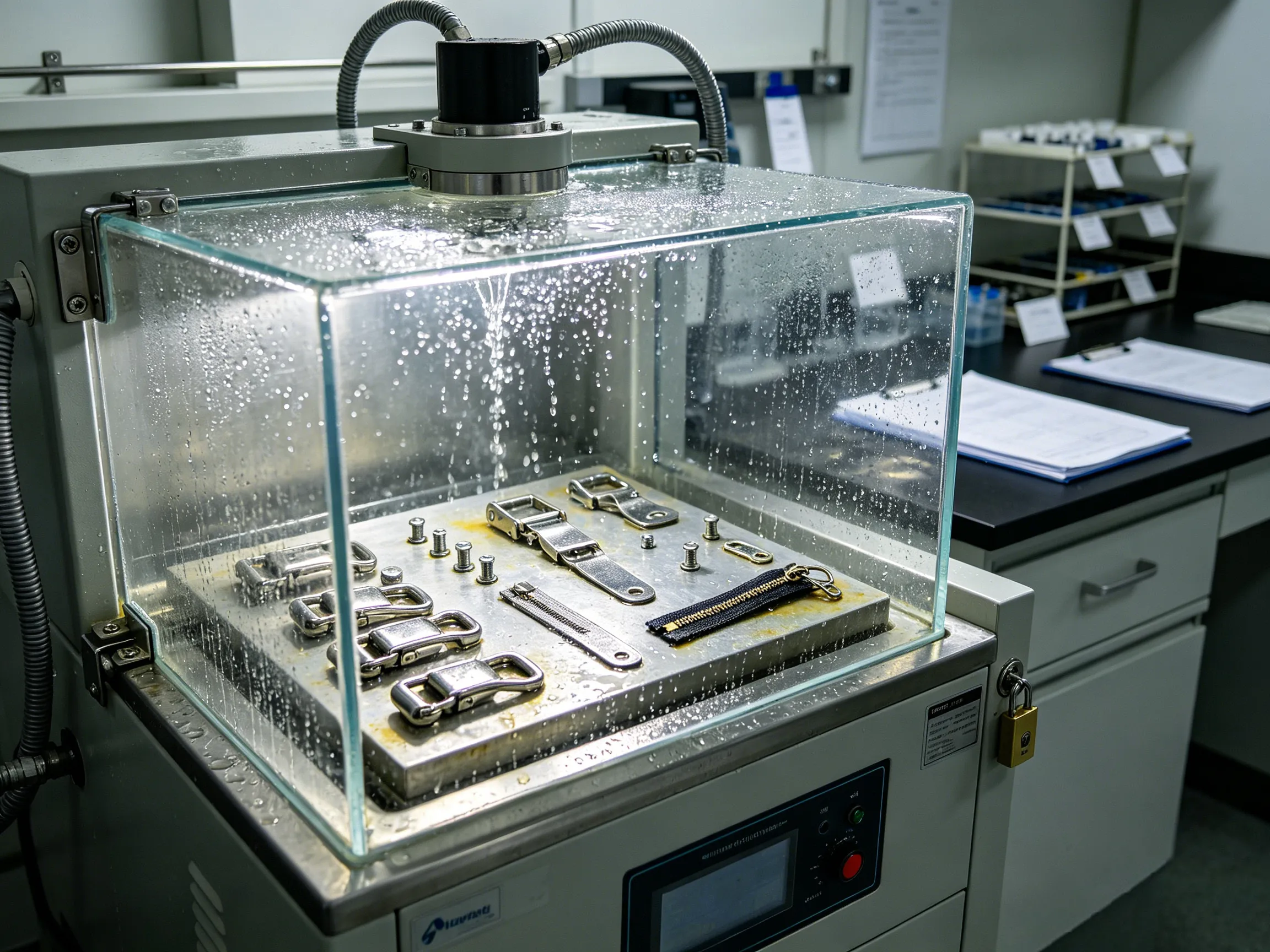
7. Hardware Inspection
Hardware quality affects both functionality and perceived value:
- ✓ Zipper runs smoothly without catching
- ✓ Zipper slider locks securely
- ✓ Zipper puller is attached firmly
- ✓ Buckles clip and release properly
- ✓ Hooks are secure and durable
- ✓ Snap buttons attach firmly
- ✓ Buttons are securely attached
- ✓ All metal parts are free from rust or corrosion
- ✓ Hardware color matches approved sample
8. Functional Testing
Verify that all functional elements work correctly:
- ✓ Open/close functions work smoothly
- ✓ Load test: handles and straps support rated weight
- ✓ Drop test: bag maintains integrity when dropped
- ✓ Handle test: no loosening after simulated use
- ✓ Zipper cycle test: 50+ open/close cycles
- ✓ All pockets open and close properly
- ✓ Adjustable straps function correctly
- ✓ Magnetic closures work properly
Industry Standard Testing:
For high-volume orders or retail products, consider additional tests such as tensile strength testing, seam peeling tests, and color fastness tests. Request test reports from the factory or conduct第三方实验室 testing.
9. Packaging Inspection
Verify all packaging materials and methods:
- ✓ Individual polybag: clean, properly sized, no holes
- ✓ Gift box: matches approved sample, no damage
- ✓ Barcode labels: scannable, correct SKU
- ✓ Hangtags: correct information, secure attachment
- ✓ Instruction cards: included if required
- ✓ Master carton: proper size, no damage
- ✓ Shipping marks: correct, legible
- ✓ Carton count matches packing list
- ✓ Products packed in correct orientation
10. Label Inspection
Verify all required labels are present and accurate:
| Label Type | Required Information | Market |
|---|---|---|
| Country of Origin | Made in China (or applicable country) | All markets |
| Fiber Content | Material composition percentages | US, EU, UK |
| Care Label | Washing, drying, ironing instructions | US, EU, UK |
| Warning Label | Safety warnings if applicable | US, EU |
| Brand Label | Brand name/logo | As required |
| UPC/EAN | Valid barcode | All retail |
| FNSKU | Amazon-specific barcode | Amazon FBA |
11. Compliance Documentation
Verify required certifications and test reports:
Chemical & Safety
- ✓ REACH compliance (EU)
- ✓ Prop 65 (California, USA)
- ✓ OEKO-TEX certification
- ✓ GRS (Global Recycled Standard)
Social & Factory
- ✓ BSCI audit report
- ✓ Sedex/SMETA audit
- ✓ ISO certifications
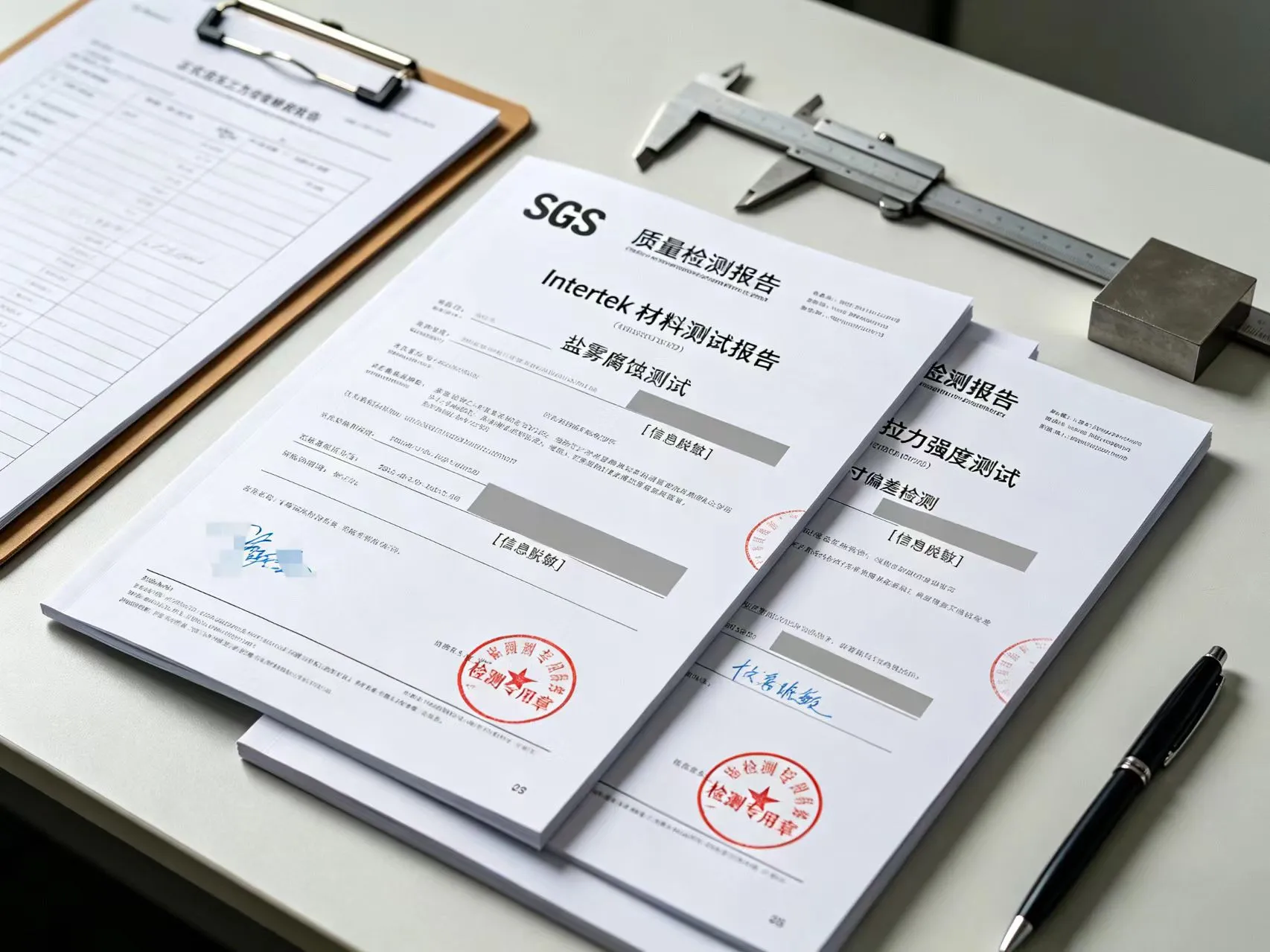
Third-Party Test Reports:
- ✓ SGS test reports
- ✓ Intertek test reports
- ✓ Bureau Veritas (BV) reports
- ✓ Physical/mechanical test results

12. Carton Drop Test
Many international buyers require carton testing to ensure products survive shipping:
Common Standards:
- ✓ ISTA 1A/2A/3A testing (International Safe Transit Association)
- ✓ Free drop test (various heights)
- ✓ Edge drop test
- ✓ Corner drop test
- ✓ Compression test
Drop Test Requirements (ISTA Standard):
- 0-15 kg: Drop height 800mm, 1 corner, 3 edges, 6 faces
- 15-30 kg: Drop height 600mm
- >30 kg: Drop height 500mm
After testing, verify: no product damage, no carton collapse, proper product securement inside.
AQL Sampling During PSI
You might wonder: “Why not inspect 100% of the products?” While 100% inspection (also known as full inspection) is sometimes necessary for high-value or safety-critical products, it’s rarely cost-effective for standard bag orders.
Instead, PSI uses AQL (Acceptable Quality Limit) sampling—a statistically valid method that allows you to make quality decisions based on a representative sample rather than inspecting every single unit.
Understanding AQL
AQL represents the maximum percentage of defective items that can be considered acceptable in a lot. Common AQL levels for bag inspections:
| Defect Type | Typical AQL | What It Means |
|---|---|---|
| Critical Defects | 0% or 0.1% | Safety hazards, legal issues—zero tolerance |
| Major Defects | 1.0% or 1.5% | Functionality affected, highly visible |
| Minor Defects | 2.5% or 4.0% | Cosmetic issues, minor functionality |
AQL Sampling Table (ANSI/ASQ Z1.4 / ISO 2859-1)
| Lot Size | Sample Size | AQL 1.0 Ac/Re |
AQL 1.5 Ac/Re |
AQL 2.5 Ac/Re |
|---|---|---|---|---|
| 1,201 – 3,200 | 125 | 3/4 | 4/5 | 7/8 |
| 3,201 – 10,000 | 200 | 3/4 | 5/6 | 10/11 |
| 10,001 – 35,000 | 315 | 5/6 | 7/8 | 14/15 |
| 35,001 – 150,000 | 500 | 7/8 | 10/11 | 21/22 |
| 150,001 – 500,000 | 800 | 10/11 | 14/15 | 21/22 |
Legend: Ac = Acceptance Number (max defects allowed), Re = Rejection Number (defects that trigger lot rejection)
Example: If you’re importing 5,000 bags and using AQL 1.5 for major defects, you would inspect 200 samples. If 4 or fewer major defects are found, the lot passes. If 5 or more major defects are found, the lot fails and should not be shipped.
Common Defects Found During PSI
Understanding common defects helps you define clear inspection standards and communicate effectively with your factory. Defects are categorized by severity:
Critical Defects
Safety hazards or legal violations—zero tolerance
- Sharp edges that could injure users
- Mold or mildew on products
- Wrong materials (e.g., non-compliant materials)
- Needles or sharp objects left in products
- Broken or non-functional zippers
- Flammable materials in non-flame retardant products
- Missing or incorrect safety warnings
- Lead or phthalate content violations
Major Defects
Functionality or appearance significantly affected
- Wrong logo or print
- Wrong size or dimensions
- Large stains or discoloration
- Wrong color
- Loose or detached handles
- Broken seams
- Missing hardware
- Damaged or dented hardware
- Major color variation between pieces
Minor Defects
Cosmetic issues with minimal impact
- Loose threads (minor)
- Small scratches or marks
- Minor wrinkles in fabric
- Slight color difference
- Small glue stains
- Minor stitch irregularities
- Small dust marks
- Minor printing misalignment
Sample PSI Inspection Report
A professional PSI report should include the following elements. Here’s what a comprehensive inspection report contains:
PRE-SHIPMENT INSPECTION REPORT
Report No: PSI-2026-XXXXX
1. Order Information
2. Sample Information
3. Inspection Results Summary
| Defect Type | Defects Found | AQL Limit | Acceptance | Result |
|---|---|---|---|---|
| Critical | 0 | 0 | 0 | PASS |
| Major | 1 | 5 | Accept | PASS |
| Minor | 3 | 7 | Accept | PASS |
4. Defect Details
[List of specific defects found with photos, locations, and severity classifications]
5. Final Verdict
Products meet quality standards. Shipment is authorized.
Typical PSI Workflow
Understanding the PSI process helps you plan your timeline and coordinate with your factory and inspection company:
Production Finished
Factory notifies you when production is 100% complete and 80%+ packaged
Inspection Booking
Contact your inspection company (or internal QA team) to schedule PSI. Provide order details and AQL standards
Random Sampling
Inspector selects random samples from finished goods following AQL sampling tables
Inspection Execution
Full inspection per checklist: quantity, appearance, materials, dimensions, stitching, hardware, functionality, packaging, labeling, compliance
Inspection Report
Detailed report generated with defect photos, AQL calculations, and pass/fail recommendation
Decision: Pass or Fail
Based on AQL results: approve shipment, request rework, or reject lot
Shipment Authorization
Once approved, release shipping documents and arrange logistics
Timeline Considerations
Typical PSI duration: 1-3 days depending on order size and inspection scope. Factor this into your production timeline—PSI adds approximately 3-7 days to your total lead time.
Common Mistakes Buyers Make
Avoid these pitfalls that lead to failed inspections, quality issues, or business losses:
Choosing Suppliers by Price Alone
The lowest quote often means compromised materials, rushed production, or inexperienced workers. Always evaluate suppliers holistically.
Not Approving Golden Samples
A Golden Sample (approval sample) is your quality benchmark. Never start production without an approved sample that the factory must match.
Missing or Incomplete Tech Pack
Technical specifications should include dimensions, materials, colors (with Pantone codes), hardware details, and packaging requirements. Vague specs lead to interpretation errors.
Skipping AQL Standards
Without clear AQL limits, there’s no objective standard for pass/fail. Disputes become subjective and difficult to resolve.
No Packaging Standards
Packaging defects are among the most common PSI failures. Specify polybag thickness, gift box dimensions, carton requirements, and shipping marks in detail.
No Written Inspection Standards
Create a detailed inspection checklist and share it with both the factory and inspection company. Verbal agreements are easily forgotten or misinterpreted.
Pro Tip: Always have a clear agreement with your factory about what happens when PSI fails. Should they rework? Replace? Issue a discount? Get these terms in writing before production begins.
Frequently Asked Questions
What is a pre-shipment inspection?
A pre-shipment inspection (PSI) is a quality control check performed at the factory before goods are shipped. A trained inspector randomly samples products from your order and checks them against agreed specifications to verify quality, quantity, packaging, and labeling before you pay the final balance.
Who pays for a PSI inspection?
Typically, the buyer pays for PSI as it’s their quality control expense. However, some factories may offer free PSI as a service to win orders. For standard bag orders, inspection costs typically range from $150-$300 per day for third-party inspection companies like SGS, Intertek, or Bureau Veritas.
How much does a pre-shipment inspection cost?
Inspection costs depend on order size, inspection duration, and the inspection company. Typical costs range from $200-$400 for small orders (under 5,000 units) to $500-$1,000+ for large orders. This is often calculated as a daily rate ($200-$350/day) plus travel expenses if applicable.
What happens if a PSI fails?
When PSI fails (defects exceed AQL limits), you have several options:
- Request rework: Factory fixes defective items and re-inspection is conducted
- Request replacement: Factory produces replacement goods
- Negotiate discount: Accept goods with a price reduction
- Reject entire lot: Cancel order and seek refund (rare, usually with serious breaches)
The best approach depends on your relationship with the factory, timeline, and the nature of defects.
How long does PSI take?
PSI duration depends on order size and inspection scope. For a typical bag order of 1,000-5,000 units, expect 1-2 days of inspection. Large orders (10,000+ units) may require 2-3 days. Add 1-2 days for report generation.
Can PSI replace factory audits?
No, PSI and factory audits serve different purposes. A factory audit assesses the manufacturer’s capabilities, quality systems, and compliance before you place an order. PSI verifies the specific order’s quality before shipment. Both are important risk management tools.
What is the difference between PSI and AQL inspection?
PSI is the overall inspection process performed before shipment. AQL (Acceptable Quality Limit) is the sampling standard used during PSI. AQL defines how many samples to inspect and how many defects are acceptable. PSI uses AQL methodology, but you can have PSI with or without formal AQL standards.
Can suppliers choose the inspection samples?
No. Random sampling is essential for valid inspection results. The inspector should select samples randomly from finished cartons, not from items the factory has pre-selected. Pre-selected samples are often “cherry-picked” to show the best products.
Should every order have a PSI?
For serious importers selling to discerning markets, yes—every order should have PSI. The only exceptions might be:
- Reorders of identical products from trusted suppliers (still recommended)
- Very small orders where inspection cost exceeds order value (still advisable for risk awareness)
- Prototype or sample orders
What documents should be prepared before inspection?
Prepare:
- Purchase order and order specifications
- Technical pack with dimensions, materials, colors
- Approved Golden Sample (physical or photos)
- AQL standards and inspection checklist
- Packaging specifications and artwork
- Label requirements (UPC, country of origin, etc.)
- Any special testing requirements
Is PSI required for Amazon FBA products?
While Amazon doesn’t explicitly require PSI, it is highly recommended for FBA sellers. Amazon’s strict inventory requirements and potential for account suspension due to defective products make PSI a smart investment. Many experienced FBA sellers consider it mandatory for any non-trivial order.
Which inspection companies provide PSI services?
Major third-party inspection companies include:
- SGS (Swiss company, global presence)
- Intertek (UK-based, comprehensive services)
- Bureau Veritas (BV) (French company)
- QIMA (cost-effective, technology-focused)
- Asia Quality Focus (AQF) (specialized in Asia)
Many importers also use in-house QA teams or local inspection agents for more flexible, cost-effective coverage.
Ready to Ensure Your Next Shipment’s Quality?
At Dreamway, we understand the importance of quality control for bag importers. Our professional quality team can help you with:
- Pre-production sample approval
- Inline and final inspection coordination
- Detailed inspection reports with photos
- AQL-compliant sampling and testing
Contact us: www.gzdreamway.com
As a small but dedicated team of 30+ professionals, we’ve served importers from 50+ countries, delivering consistent quality and reliable delivery.