
Top 10 Leather Bag Manufacturers in China
A Practical Guide for Global Brands Choosing OEM & Private Label Leather Bag Manufacturers
Last reviewed: October 6, 2026 · Reviewed by Emily, Senior Project Manager · Our review method · Update log
If you’ve spent any time on sourcing forums or LinkedIn lately, you’ve probably noticed that the same handful of factory names keep coming up whenever someone asks about leather bag manufacturers in China. The reality is more nuanced than those lists suggest — and that nuance is exactly what this guide is for. This is a candid, working reference for global brands evaluating the top 10 leather bag manufacturers in China as candidates for OEM and private label programs in 2026.
Guangzhou’s Shiling Town has been quietly making some of the world’s best handbags for decades. After more than 17 years in the trade, the most useful thing we can share is a practical framework for figuring out which factory is right for your product, your volume, and your market — not a star rating.
What follows is a candid look at ten manufacturers worth evaluating. We’ve deliberately kept Dreamway in the same format as the others, because the goal here is to help you compare, not to sell. Read this as one qualified shortlist rather than a definitive ranking, and expect to cross-check anything you rely on.
Manufacturing in this region evolves month to month. Verify claims with current documentation; the only buyer mistake worse than relying on outdated information is not verifying at all.
Top 10 Leather Bag Manufacturers in China — Quick Facts
This top 10 leather bag manufacturers table is a starting point for supplier qualification. Every entry below is a working reference for global brands, so request current evidence for the specific project requirements before committing to a shortlist. The list draws on 10 of the 300+ leather bag factories operating in Guangdong’s Shiling and Guangzhou clusters, selected for process transparency rather than ranking. Use it as a structured shortlist when you search for a leather bag factory in China with documented process and export experience.
| Manufacturer | Location | Specialty | MOQ | Lead Time | Best For | Certifications |
|---|---|---|---|---|---|---|
| Sitoy Group | Guangdong, China | Luxury handbags, leather goods | Confirm | Confirm | Established luxury programs | HKEX listed (1130.HK) |
| Bestway Leather | Guangdong, China | Genuine leather handbags, wallets | 300 pcs/style | Confirm | Handbag collections | Confirm |
| Dreamway | Guangzhou, China | Genuine leather bags, totes, wallets, small leather goods | Bag MOQ 200 | 4–8 weeks | Growing brands, customized OEM/ODM | (amfori BSCI · Sedex, OEKO-TEX, REACH, GOTS, GRS |
| Korrun | Guangdong, China | Fashion and travel bags | Confirm | 5–7 weeks | Fashion, travel programs | Confirm |
| SLBAG | Guangdong, China | Private-label handbags | 300 pcs/style | Confirm | Private-label launches | Confirm |
| Hua Leather | Guangdong, China | Luxury leather goods | Confirm | 6–8 weeks | Premium collections | Confirm |
| JD Handbag Factory | Guangdong, China | OEM handbags | 200 pcs/style | Confirm | Custom projects | Confirm |
| Rich Leather | Guangdong, China | Leather accessories | 500 pcs/style | Confirm | Coordinated accessories | Confirm |
| Guangzhou Boshen Leather | Guangzhou, China | Women’s handbags | Confirm | 4–6 weeks | Women’s handbag lines | Confirm |
| Wanjin Leather | Guangdong, China | Leather handbags | 300 pcs/style | Confirm | Leather programs | Confirm |
On mobile, swipe the table horizontally to view all columns. All manufacturers are located in Guangdong Province, China, with most near Guangzhou for convenient port access. Each row is a starting point — the value is in the columns you can read at a glance, not in the entries themselves. Sourcing a leather bag manufacturer in China from Shiling typically shows a shorter development cycle than an equivalent plant in a less concentrated region, which is the main practical difference between the rows.
Looking for the short version? The same manufacturers appear in the profiles below with process depth, certifications and a side-by-side comparison. Use this table as a quick reference, then read the profiles for the qualifications behind each row.
Certifications referenced in this table, in full: BSCI (amfori Business Social Compliance Initiative) · Sedex (SMETA social, ethical, trade and environmental assessment) · OEKO-TEX STANDARD 100 (harmful-substance testing for textiles) · REACH (EU Regulation on registration, evaluation, authorisation and restriction of chemicals) · GOTS (Global Organic Textile Standard) · GRS (Global Recycled Standard, Textile Exchange). Each is issued by an independent body; ask any supplier for the certificate number and expiry date rather than the badge alone.
Important Disclaimer
This guide is based on publicly available information, manufacturing capabilities, product specialization and export experience. This list of leather bag manufacturers does not constitute an endorsement, guarantee, certification or recommendation.
Business conditions, product lines, certifications, minimum order quantities and production capacity can change. Buyers should perform their own supplier qualification before making sourcing decisions. Request current business credentials, samples, compliance documents, references and written quotations. Verify that all claims are relevant to the specific product, material and destination market.
Product images in this article are illustrative manufacturing or lifestyle visuals. They should not be interpreted as a guarantee that every listed manufacturer produced the pictured item. Any legal, regulatory, environmental or performance statement should be checked against the requirements of the country where the product will be sold.
How to Choose a Leather Bag Manufacturer: Our Evaluation Method
How do you actually choose a leather bag manufacturer when every supplier page looks the same? A useful leather bag supplier comparison needs more than a factory name and a product category, because the relevant dimensions are capability indicators rather than a numerical ranking — which is exactly why the phrase “best leather bag manufacturers” tends to mislead buyers who take it literally.
We assess eight dimensions. OEM capability: can the supplier build from a tech pack, reference sample or design brief, with pattern development, prototype iteration and material approval? Leather craftsmanship: cutting yield, skiving, turned edges, edge painting, reinforcement and stitching consistency across panels. Product range: a broad catalog is convenient, but matching the factory to your category usually matters more. Export experience: top leather bag manufacturer worth shortlisting can each name the incoterms they work with and show a packing list for a comparable order. Quality control: ask how incoming leather, hardware, in-line construction and finished goods are checked — a quality claim is only meaningful when the factory can explain the records behind it. Development communication: a responsive project manager who records approvals reduces ambiguity. Supply-chain access: reliable access to leather, lining, zippers, hardware and specialist processes affects lead time and repeatability. Commercial fit: MOQ, payment terms, sampling charges and capacity windows should match the buyer’s launch stage, not be treated as an afterthought.
These criteria explain why a search for the best leather bag manufacturers rarely produces a universal answer. Ranking factories by a single composite score hides the trade-offs that decide your outcome, and the best leather bag manufacturers for one program are rarely the best for another: a luxury house, an online label testing a capsule collection and a department-store buyer all have different risk profiles. The right supplier is the one whose proven process matches the product and the buyer’s operating model — which is why the top leather bag manufacturer are worth comparing on process, not on a star rating.
Where these assessments come from
Public industry references
Company websites, sector directories, exhibition exhibitor lists, export records and trade-press coverage provide baseline information on each manufacturer’s product scope, certifications and stated capabilities.
Buyer-side feedback
Sourcing communities, industry forums and trade-show conversations surface first-hand impressions of communication style, sampling responsiveness and the practical realities of working with each supplier.
On-site observations
For factories we have visited — including our own — we reference direct observation of equipment, line layout, in-line checkpoints, finished-bag samples and the documented procedures that back each claim.
That list is a starting point for outreach, not a substitute for qualification, and the same diligence applies to every entry including Dreamway. Treat any leather bag supplier that cannot produce current written evidence on request as unqualified until it does. The frameworks referenced throughout this guide are maintained by independent third parties: the Sedex and amfori assessments define what a social compliance audit covers, and the OEKO-TEX and GOTS standards define what a material test certificate actually certifies. Read the standard, not just the badge.
Practical rule: qualify the manufacturing process you will actually buy. A leather bag supplier may show beautiful finished goods but still be unsuitable for your leather grade, hardware, target price, quantity, compliance needs or delivery calendar.
Want a supplier shortlist matched to your operating model?
Use Our Factory Audit ChecklistWhy Global Brands Choose a Top Leather Bag Manufacturer in China
China — and specifically Guangzhou’s Shiling Town — has been quietly powering the global leather goods industry for longer than many buyers realize. Within a tight radius you will find tanneries, hardware workshops, packaging suppliers and freight forwarders who have spent decades learning to work with one another. That density is the real moat, and it is the single biggest reason buyers searching for top leather bag manufacturer keep landing on this cluster: a Guangzhou factory can source lining at 9 a.m., collect custom hardware by lunch and have a finished prototype on the table before close of business, while a standalone factory in a less concentrated region typically adds a week or more. For the macro picture of how the region fits into national export policy, the Ministry of Commerce of China publishes trade statistics and regulatory updates worth reading before you commit to a sourcing trip.
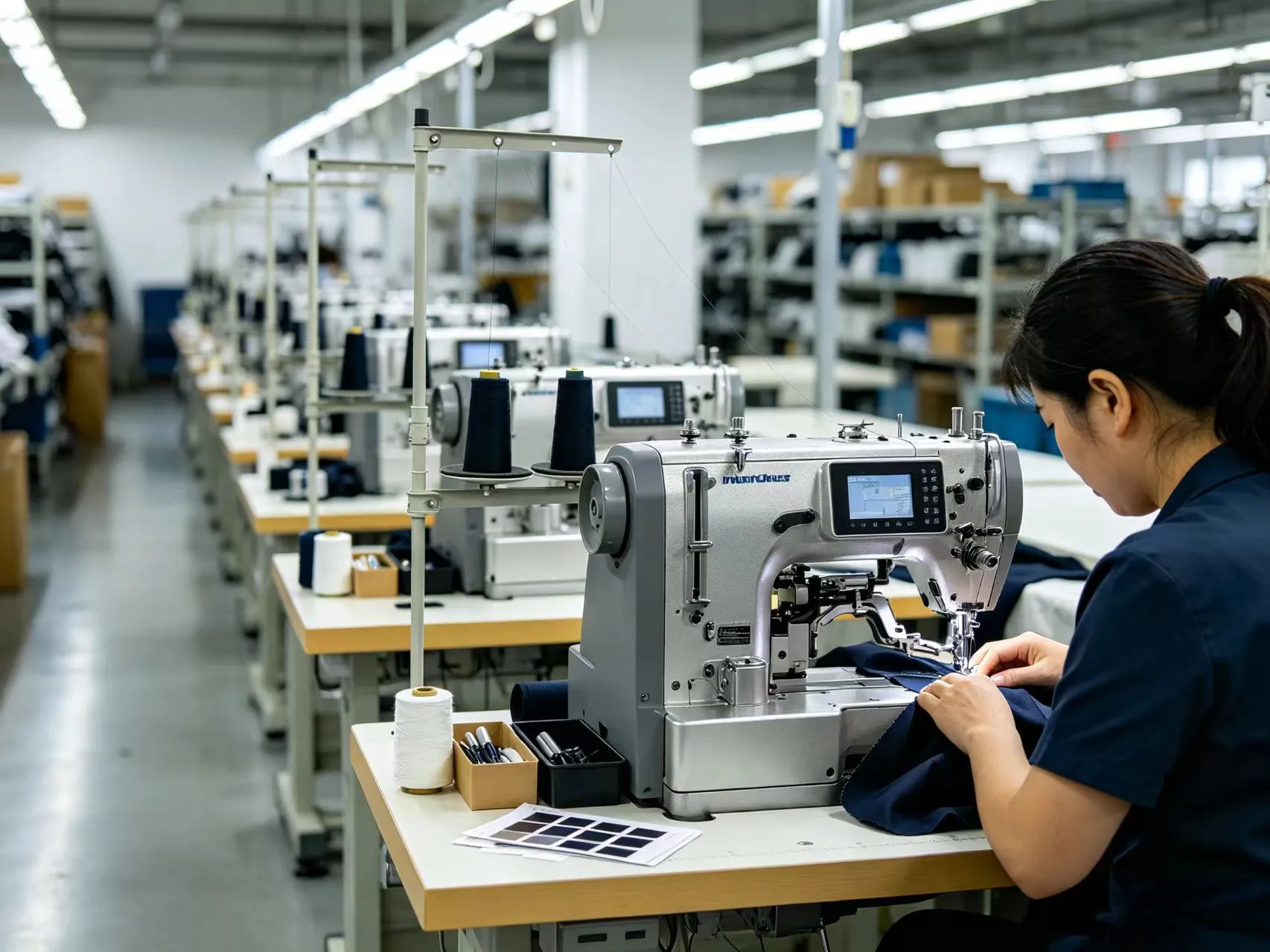
Quality has improved dramatically since 2008
Factories that survived the post-2008 consolidation share a few traits: sampling procedures written down, AQL levels documented, and project managers who can name the exact point in the production calendar where stitching defects are most likely to appear. A current amfori BSCI certificate is now the quickest way to separate a documented factory from one that has simply outlasted its reputation.
One thing worth repeating: not every Chinese leather bag manufacturer is the same. The line between a capable OEM partner and a catalog reseller comes down to process documentation, inspection transparency and the speed of communication. Our factory audit checklist is one way to pressure-test a supplier before you commit — and it is free to use.
Want to see how the leading leather bag factories in China differ in capability and process? Cluster access and export experience usually matter more than a slicker catalog. A Guangzhou factory with the right supply chain tends to deliver more value than a remote supplier.
Use Our Factory Audit ChecklistLeather Bag Manufacturers to Consider in China — Not Ranked (2026)
Before the individual profiles, one honest clarification: there is no single measurable definition of a high quality leather bag manufacturer, and no buyer should accept a supplier ranking that claims otherwise. What separates a capable factory from a catalog reseller is documented process, material traceability and inspection transparency. Use the profiles below as a shortlist worth contacting, then qualify each one against your own specification. Every entry in this top 10 leather bag manufacturers list is written to the same standard, and a factory that cannot meet that bar should not be advanced to sampling.
This list of leather bag manufacturers in China is a reference, not a ranking, and Dreamway receives more detail only because it is the featured supplier. Contact each company directly to confirm current services, product scope and commercial terms. Expect a larger leather bag manufacturer to have a longer documentation trail than a small workshop.
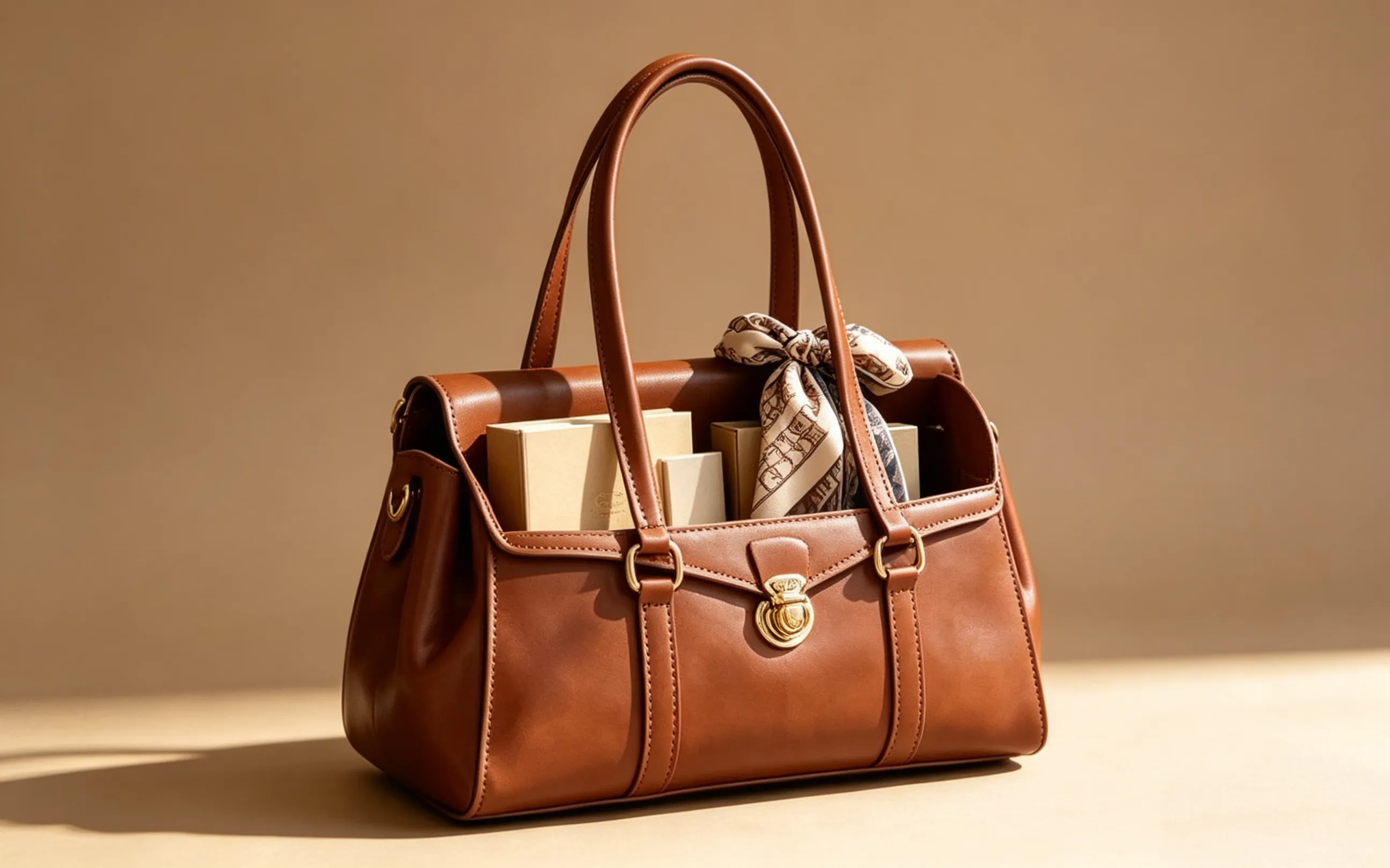
1. Sitoy Group
Sitoy Group is commonly associated with larger-scale luxury handbags and leather goods production. As one of the largest leather bag manufacturers in the region, the company is widely cited in industry references for its structured approach to complex collections that combine refined silhouettes, premium leather selection and multi-step finishing routines. A supplier profile of this kind may be relevant to established brands that need structured programs, mature compliance coordination and capacity planning for sophisticated collections. Buyers comparing a large leather bag manufacturer like this against a smaller workshop should expect a different balance of cost and flexibility.
Sitoy’s typical buyer conversation covers program size, brand-specific finishes, custom hardware sourcing, lead time windows, packaging specifications, social compliance documentation and inspection routines for large-volume orders. Confirm the minimum program size, product category fit, development route, current capacity and exclusivity provisions before proceeding. Sample development cycles usually run several weeks because construction complexity, leather grading and edge finishing each require controlled iteration. Request written evidence for each claim that matters to your product category and destination market.
Potential fit: luxury brands and buyers looking for an experienced large-scale manufacturing environment with mature compliance documentation.
2. Bestway Leather
Bestway Leather is included as a reference for buyers researching genuine leather handbags and wallets. The factory’s catalog typically covers small to mid-volume programs and supports both women’s handbag lines and coordinated small leather goods such as wallets, card holders and pouches. Ask about hide selection, leather grading method, logo application options, packaging tiers and the minimum quantity for each material or color.
Confirm whether the supplier can maintain color and grain consistency across production lots and provide AQL sampling plans, defect classification and traceability labels on request. Verify hardware availability, packaging customization and export documentation support for your destination market.
Potential fit: brands developing leather handbags, wallets or coordinated accessories that need consistent grading and a flexible MOQ.
3. Dreamway — Featured Supplier
Official website: https://www.gzdreamway.com/
Location: Shiling Town, Huadu District, Guangzhou — about an hour and a half from Shenzhen terminals
Dreamway is a leather bag manufacturer based in Guangzhou’s Shiling Town, making bags and silk products since 2008 with a core team of more than 30 and exports to 50+ countries. Bag MOQ starts at 200 pieces; silk product MOQ starts at 50 pieces. We’re certified under BSCI, OEKO-TEX, REACH, GOTS, GRS and ISO 9001 — happy to send audit reports on request.
The two claims worth verifying first are the social compliance audits (amfori BSCI as the most widely recognised social compliance framework, with separate Sedex SMETA assessment as an alternative social compliance standard that some buyers prefer), because those are the certificates a buyer can most easily confirm as current or expired. Ask for the audit report date and the expiry date, and check that the certificate number resolves to the actual factory rather than a group entity.
What differentiates this profile: direct communication with a small, focused team rather than layers of account management; flexibility on material selection, hardware finishing and packaging design that larger factories may decline; and traceable AQL, in-line and final inspection evidence for each production run.

Get in touch: Victoria@gzdreamway.com · info@gzdreamway.com · Tel: 86-20-8768-2749
4. Korrun
Korrun is associated with travel-oriented development: lifestyle leather collections, commuter bags, weekend bags and travel accessories for high-rotation retail programs. Verify the current leather range, experience with both structured and unstructured silhouettes, and the path from sampling through pre-production approval.
Travel-oriented programs require additional testing for strap load, hardware corrosion resistance, zipper cycle life and reinforced stress points. Confirm support for destination-market documentation, retail packaging and bar-coded carton preparation.
Potential fit: fashion, lifestyle and travel programs needing balanced construction and reliable lead time for replenishment orders.
For a new brand, the most useful next step is a structured brief: product drawings or references, dimensions, leather grade, lining, hardware finish, logo method, packaging, target quantity, destination market and required delivery date. A detailed brief allows Dreamway or any other top leather bag manufacturer to identify feasibility and cost drivers early. The team members who handle these programs are introduced in the author and technical review section.
Explore More Leather Bag Manufacturing Resources
For genuine leather expertise, see our guide to Genuine Leather Handbag Manufacturers in China.
Small MOQ requirements? Our Small MOQ Leather Handbag Factory page explains flexible production options for growing brands.
5. SLBAG
SLBAG is included for buyers exploring private-label handbags and semi-custom collections. The typical private-label conversation covers existing base styles, customization allowances (logo, lining, hardware finish, packaging), exclusivity by market or region, minimum order quantities and the difference between a catalog adaptation and a fully new development. Private-label buyers benefit from shorter timelines because the base product already exists, but should still verify color accuracy, leather grading consistency, edge finishing quality and packaging compliance.
Ask whether the supplier can issue certificates of origin, restricted-substance declarations and retail-ready packaging on demand, and whether the same base style is supplied to multiple buyers in overlapping markets. Confirm that exclusivity terms are written into the commercial agreement rather than only discussed informally.
Potential fit: emerging brands and retailers testing a market with a private-label handbag collection that needs shorter development timelines.
6. Hua Leather
Hua Leather is associated with luxury leather goods and structured handbag programs. The typical profile covers fine leather selection, multi-step edge finishing, controlled logo placement, premium hardware plating and development samples that approximate a luxury retail standard. Focus on leather selection criteria (hide origin, grading, thickness, finish), edge finishing process, high-touch details (corner reinforcement, panel symmetry, hardware alignment) and plating durability.
Request a physical sample under agreed lighting before approval and verify that the same materials and construction methods are feasible at the planned order quantity. Inspect for stitching density, edge paint uniformity, lining behavior and hardware alignment.
Potential fit: premium and luxury collections needing fine leather selection, controlled edge finishing and quality documentation at small to mid-volume program sizes.
7. JD Handbag Factory
JD Handbag Factory is included as a reference for OEM handbag sourcing at small to mid-volume programs. The typical buyer conversation focuses on custom development from a buyer’s tech pack or reference sample rather than catalog adaptation. Ask for examples with a similar silhouette, comparable leather thickness, matching hardware complexity and an order volume close to your own forecast. Request written confirmation of sampling lead time, revision policy, bulk lead time, MOQ for custom hardware and the inspection routine.
Verify that the factory can maintain stitching consistency, edge painting uniformity and hardware alignment across lots, and that documentation includes AQL inspection reports, material traceability records and corrective action procedures.
Potential fit: emerging brands and custom projects needing a flexible OEM partner capable of executing from a tech pack or reference sample.
8. Rich Leather
Rich Leather is associated with leather accessories and supporting goods such as wallets, belts, card holders, key cases and compact pouches. The typical fit is buyers looking for coordinated accessories that match a larger handbag collection in color, grain, edge finishing and hardware finish. Check whether the factory can maintain consistency across a multi-item collection and whether capacity supports coordinated launches. Ask about MOQ per style and color, custom tooling fees and inspection documentation.
Request a swatch set, a hardware finish sample and a sample wallet or pouch before approval to verify leather hand feel, stitching density and edge paint quality.
Potential fit: brands building a coordinated leather accessories collection that needs consistent color, grain and edge finishing across multiple small leather goods.
9. Guangzhou Boshen Leather
Guangzhou Boshen Leather is included as a reference for women’s handbag programs at small to mid-volume. The typical scope covers totes, crossbody bags, shoulder bags and structured day bags. Evaluate pattern engineering (corner shaping, gusset construction, handle attachment, base reinforcement), interior structure (lining behavior, pocket configuration) and hardware alignment against your exact retail positioning.
Also verify inspection documentation (AQL sampling, defect classification, traceability labels), export packaging support and payment terms, and confirm that the same leather lot can support the planned quantity.
Potential fit: women’s handbag lines needing structured silhouettes, coordinated interior organization and reliable small to mid-volume production.
10. Wanjin Leather
Wanjin Leather is included for buyers researching leather handbag manufacturing at small to mid-volume. The typical buyer conversation covers women’s and unisex leather handbag lines with options for custom development, semi-custom development and private-label programs. As with every entry among these top leather bag manufacturer, verify current product scope, sampling capability, MOQ, material traceability (hide origin, grading method, supplier documentation) and export documentation directly.
Request a recent sample at the planned order quantity, and confirm leather grading consistency, edge finishing quality, hardware durability and the inspection routine before approval. Compare lead time windows, payment terms and post-shipment support against at least two shortlist candidates.
Potential fit: leather handbag programs at small to mid-volume that need a flexible partner with documented material traceability and export experience.
Need a tailored shortlist for your specific product scope? Each of these is a leather bag factory in China, and the top 10 leather bag manufacturers in any cluster are the ones that combine process depth with a willingness to be inspected with the cluster depth and export record to support a serious program — not a broker or a catalog reseller.
Get the Factory Audit ChecklistSide-by-Side Manufacturer Comparison
This high-level table is a starting point for qualifying top leather bag manufacturer, not a performance scorecard. “Confirm” means the buyer should request current evidence for the specific project. When comparing top leather bag manufacturer, evaluate not just the catalog but actual completed programs, quality documentation and communication responsiveness.
| Manufacturer | Main products or focus | OEM | ODM / private label | MOQ | Potentially suitable for |
|---|---|---|---|---|---|
| Sitoy Group | Luxury handbags; leather goods | Yes; tech-pack driven | Confirm | Confirm | Established luxury programs |
| Bestway Leather | Genuine leather handbags; wallets | Yes; tech-pack driven | Confirm | 300 pcs/style | Handbag and wallet collections |
| Dreamway | Genuine leather bags; totes; wallets; cosmetic bags; small leather goods | Yes; confirm scope | Yes; confirm scope | Stated bag MOQ 200 | Growing brands and customized OEM/ODM projects |
| Korrun | Fashion and travel bags | Yes; tech-pack driven | Confirm | 500 pcs/style | Fashion and travel-related programs |
| SLBAG | Private-label handbags | Yes; tech-pack driven | Yes; base-style adapt | 300 pcs/style | Private-label launches |
| Hua Leather | Luxury leather goods | Yes; tech-pack driven | Confirm | 200 pcs/style | Premium leather collections |
| JD Handbag Factory | OEM handbags | Yes; tech-pack driven | Confirm | 200 pcs/style | Custom handbag projects |
| Rich Leather | Leather accessories | Yes; tech-pack driven | Confirm | 500 pcs/style | Coordinated leather accessories |
| Guangzhou Boshen Leather | Women’s handbags | Yes; tech-pack driven | Confirm | 200 pcs/style | Women’s handbag lines |
| Wanjin Leather | Leather handbags | Yes; tech-pack driven | Confirm | 300 pcs/style | Leather handbag programs |
On a phone, swipe the table horizontally to view all columns. The table container prevents the comparison from forcing the page beyond the viewport.
Want a side-by-side capability comparison for your finalists? The leather bag factory comparison guide lays out the eight dimensions that matter — OEM capability, leather craftsmanship, supply-chain access, QC documentation, communication discipline and commercial fit.
Use Our Supplier Comparison GuideTypes of Leather Bag Manufacturers and Products
The phrase “leather bag manufacturer” covers several very different production models, and each has its own quality indicators and cost drivers. Naming the right category before you request quotes is what makes supplier conversations precise and prevents a mismatch between a catalog and your actual product.
Categories differ more than their catalogs suggest, and each has a distinct failure mode worth naming up front. Luxury handbags need structured pattern engineering, matched hides, precise edge painting and visual symmetry, so sampling takes several rounds because a small change in proportion moves the whole silhouette. Leather tote bags look simple but depend on handle load, base construction, reinforcement and pocket placement, and you can see how a custom leather tote bag manufacturer handles those details. Leather backpacks combine fashion with ergonomics, so check strap attachment, back-panel padding, load-bearing seams and hardware corrosion resistance. Leather wallets reward precision at small radii: card-slot dimensions, skiving thickness, folded edges and pocket recovery, which our leather wallet manufacturer page covers in detail. Leather crossbody bags need dependable strap connections, balanced weight and attachment-strength testing. Leather cosmetic bags combine an outer shell with wipeable lining, wide openings and strong zippers, so confirm cleanability, seam sealing and odor with a leather cosmetic bag manufacturer. Small leather goods are not automatically easier, because small parts magnify cutting variation, edge quality and logo-position errors. Business bags require stronger reinforcement, organized compartments and load-tested handles.
Hybrid collections combine genuine leather with canvas, nylon, recycled textiles or silk, which differentiates the range but adds coordination points. Ask whether one factory controls every process or whether outside specialists are involved, and confirm that a sustainable leather handbag manufacturer can account for the recycled inputs.
When comparing leather bag suppliers in China, avoid sending the same generic inquiry to every factory. A product-specific request gets a better answer from each leather bag supplier than a generic one: “28 cm structured tote in full-grain leather cowhide, cotton lining, custom brass hardware, embossed logo, 300 units in two colors, delivery to the EU” is actionable in a way that “Please send your best handbag price” is not.
Not sure which supplier model matches your product?
Compare OEM vs ODM vs Private LabelGenuine Leather vs PU Leather vs Recycled Leather
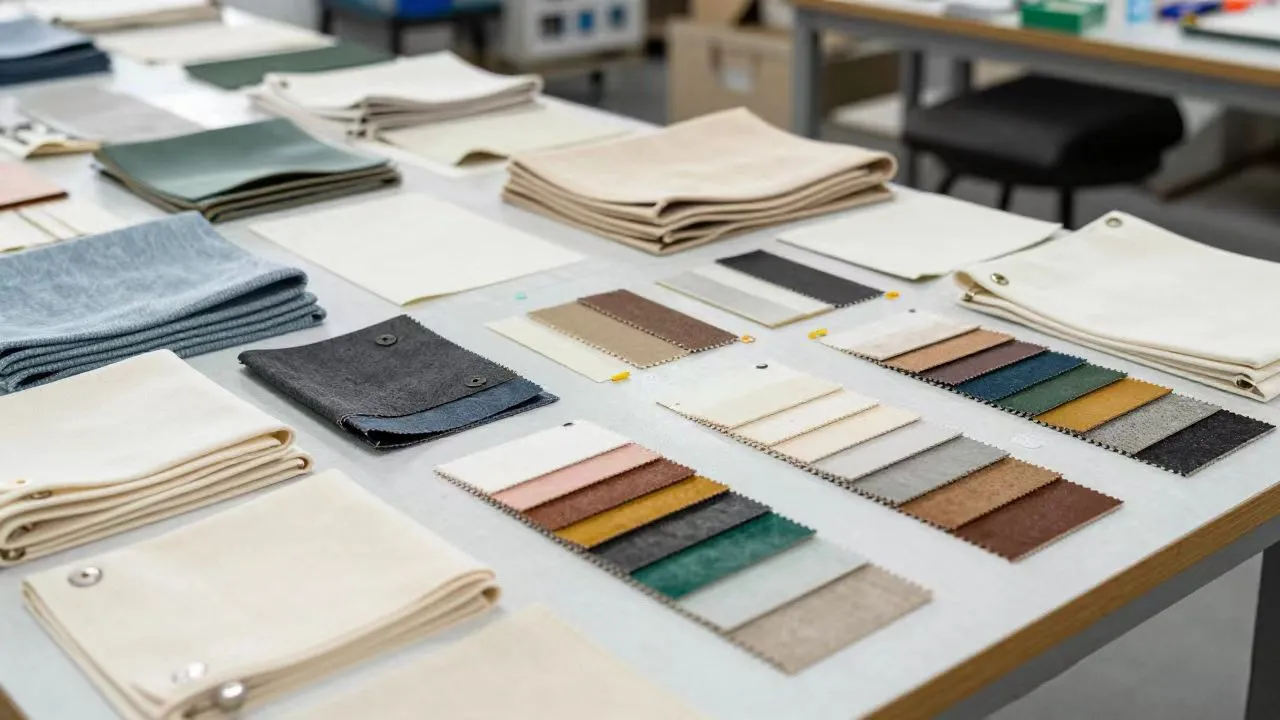
Material language can be confusing in a quotation. “Leather,” “genuine leather,” “vegan leather,” “PU leather” and “recycled leather” are not interchangeable descriptions. The buyer should define the material in a specification sheet and request supporting documentation where claims matter to the market or customer. PU leather in particular is frequently listed without its base fabric, and that single omission is where most material disputes begin.
| Material | What it generally means | Strengths | Points to verify | Typical use considerations |
|---|---|---|---|---|
| Full-grain leather | The outer surface is retained with its natural grain. | Distinctive character, potential durability and a premium hand feel. | Origin, finishing, thickness, grading, scars and consistency between hides. | Premium handbags, totes and structured goods. |
| Top-grain leather | The surface has been lightly corrected or finished while retaining a leather base. | More uniform appearance with a premium material profile. | Correction level, finish, thickness, color consistency and testing. | Fashion handbags and commercial premium collections. |
| Split leather | A lower layer separated from the hide after splitting. | Can provide a leather option at a lower cost, often with a coating. | Coating thickness, flex performance, abrasion, peeling and disclosure language. | Products where surface treatment and price are important. |
| Bonded leather | Leather fibers or scraps combined with binders and formed into a sheet. | Uniformity and cost control. | Actual composition, surface durability, odor, flexing and labeling requirements. | Some accessories and lower-cost applications. |
| PU leather | Polyurethane-coated or polyurethane-based synthetic material. | Consistent appearance, broad color range and animal-free positioning. | Base fabric, hydrolysis resistance, peeling, odor, compliance and marketing claims. | Vegan or cost-sensitive product lines. |
| Recycled leather | A material using recovered leather fibers or other defined recycled inputs. | Can support resource-efficiency goals and a particular visual identity. | Recycled content percentage, binder, certification, traceability and durability. | Collections with defined sustainability requirements. |
Full-grain and top-grain are not quality guarantees by themselves
Grade names describe a material structure or surface treatment; they do not replace a complete product specification. Two full grain hides can differ significantly in thickness, temper, finish, color variation, tear behavior and resistance to scratching, and a full grain panel from the front of a hide is not the same as one from the belly. Similarly, a top grain hide can be a practical choice when a brand needs consistent color and a controlled surface. For a technical overview of how these grades are defined and labelled, see our full-grain and top-grain leather guide.
Request a physical swatch and define acceptance criteria. Note the desired thickness, softness, grain, finish, color reference, permissible natural marks, edge behavior and intended use. If the bag has a rigid silhouette, the leather may need backing or reinforcement. If it is designed to drape, an overly firm material can undermine the look.
Material claims and compliance
For products sold internationally, ask what testing or declarations exist for restricted substances, dyes, coatings, heavy metals and azo substances. REACH compliance is relevant for goods placed on the European market; the exact obligation depends on material and product context.
Specification language matters: write “outer: 1.2–1.4 mm corrected-grain cowhide, matte finish, color reference XYZ, approved swatch required” rather than simply “premium leather.” The more measurable the requirement, the easier it is to inspect.
Deeper into Leather Manufacturing
Compare leather grades in detail on our Leather Handbag Manufacturing Process page, which covers material selection, pattern development and quality checkpoints.
OEM vs ODM Leather Bags
OEM
Original Equipment Manufacturing means the buyer brings the core design, specification or reference and the factory manufactures it. The buyer normally controls the brand identity, dimensions, materials and required details. OEM is useful when differentiation and ownership of the product concept are central.
ODM
Original Design Manufacturing means the supplier contributes an existing design platform or development concept that the buyer adapts or adopts. ODM can shorten development time, but clarify what is exclusive, what can be sold to other customers and which tooling or files are included.
Private label
Private label usually starts with a supplier’s existing style or a configurable base. The buyer adds its brand, color, logo, packaging or selected modifications. It can be a practical route for testing a market, but the product may be less differentiated. Confirm whether the same base style is supplied to multiple buyers in overlapping regions — the private label leather handbag manufacturer guide covers how branding terms are usually structured.
Custom development
Full custom development starts from your own drawings or a reference sample and is built to your specification, which maximises differentiation and usually carries the longest development timeline. A custom luxury leather handbag manufacturer is the right partner when the design itself is the competitive advantage.
The four OEM/ODM/private-label/custom models converge on one operational requirement: a written tech pack that locks every dimension, material, hardware and inspection point before bulk production begins. Without it, the bulk specification drifts from the approved sample and creates disputes that no contract language can prevent.
Leather Bag Manufacturing Process: Step by Step
The leather manufacturing process varies by product, but the overall flow follows four broad phases where cost, appearance and durability are shaped. A buyer does not need to operate the machines, but should know enough to ask where controls occur and what evidence is retained — and should expect the top leather bag manufacturer on any shortlist to walk through the same four phases with you. For a deeper, step-by-step breakdown of materials, pattern development and quality checkpoints, see our dedicated leather handbag manufacturing process guide.
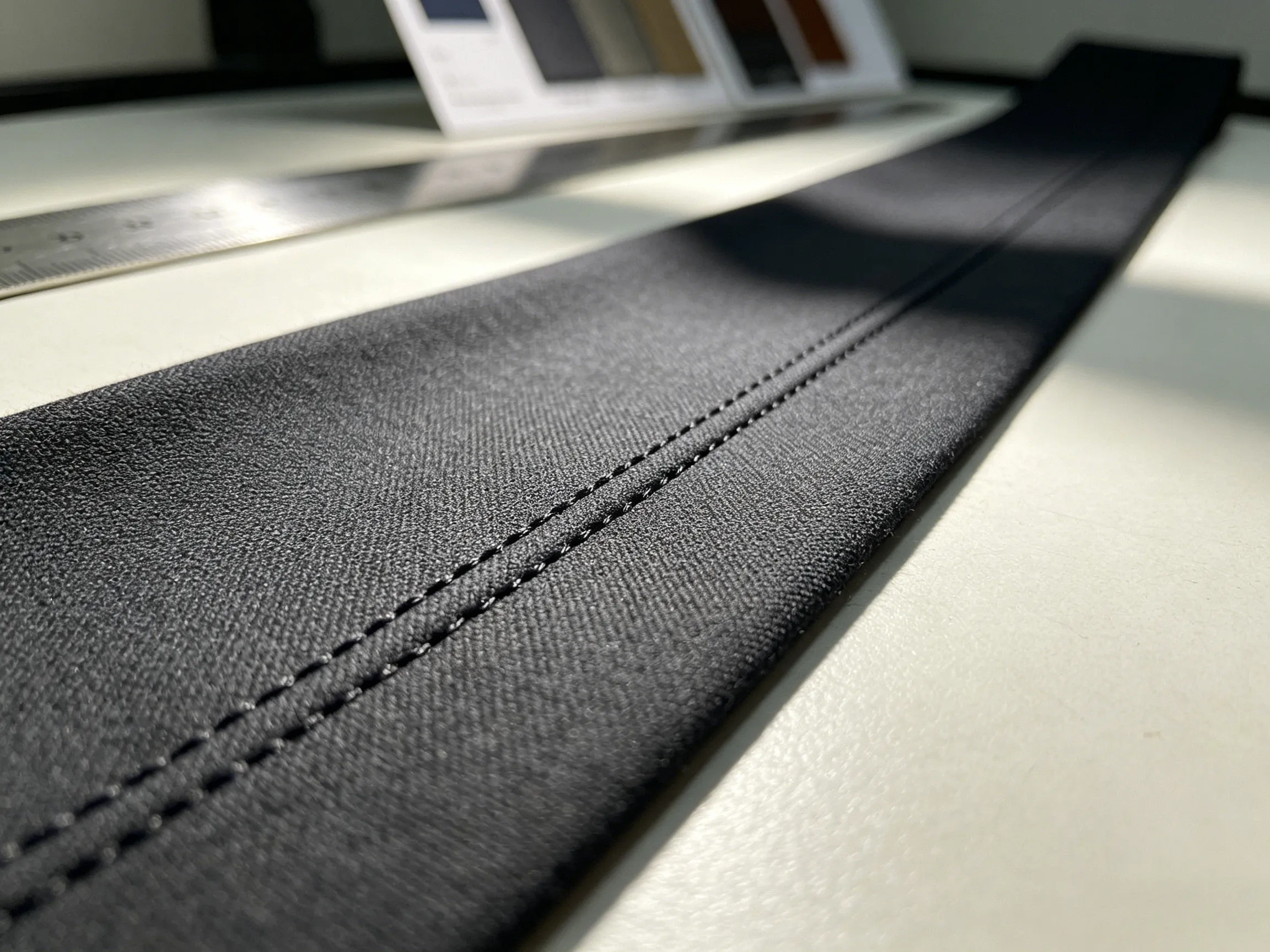
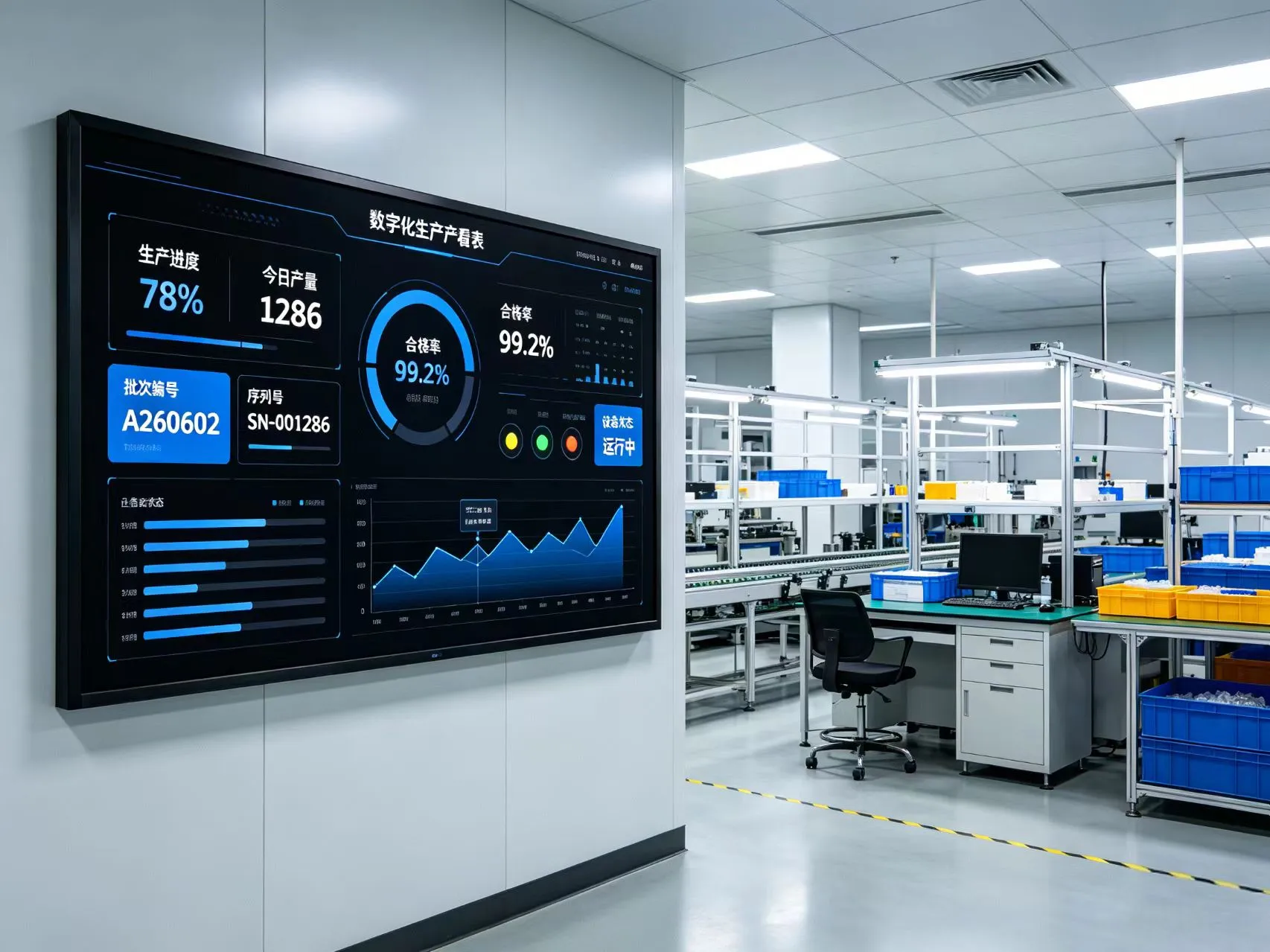
Ask for the milestone schedule. Before placing an order, request a written development schedule covering each phase from design lock to shipment. This reveals whether the factory has a structured process and whether the timeline is realistic for your product complexity. Upstream of your factory, the environmental conditions of the tannery determine the substrate you are working with, which is why the Leather Working Group audit protocol has become the reference point for responsible leather production, and why ILO labour standards govern the social conditions in every phase between tannery and packing.
Want to compare top leather bag manufacturer options for a smaller first run?
See Small MOQ Factory OptionsLeather Bag Quality Control: Standards to Verify
A leather bag manufacturer that cannot explain its leather bag quality control process is asking you to trust a claim rather than evidence. Use these as a checklist rather than a pass/fail: each item should have a documented answer, even if that answer is “not applicable to this product category.” For a program that cannot absorb a re-run, these are the six points buyers most often skip when comparing high quality leather bag manufacturers under time pressure.
Incoming inspection
How does the factory verify leather hides, hardware components, lining and packaging materials against the approved specification before they enter production? A structured incoming check catches specification drift before it becomes a finished-goods problem.
In-line checks
At which production stages does the factory perform checks — cutting, assembly, hardware installation, edge finishing, final assembly? In-line inspection catches defects at the point where correction is still efficient.
AQL sampling
What AQL level does the factory apply for final inspection? AQL 2.5 is common for handbags; stricter AQL 1.0 or AQL 1.5 may be appropriate for luxury programs. AQL thresholds are drawn from the ANSI/ASQ Z1.4 sampling standard, so a factory should be able to explain the defect classification and accept/reject criteria rather than quoting a number with no definition behind it.
Hardware testing
Does the factory conduct or arrange hardware testing — salt spray for metal components, zipper cycle testing, snap button pull testing? Request the test reports or confirm the testing arrangement before placing an order.
Dimensional checks
Are critical dimensions — bag height, width, handle drop, strap length — checked against the approved sample or specification? Dimensional variation is a common cause of buyer rejection and is straightforward to document.
Third-party inspection
Yes — arrange SGS, Intertek or Bureau Veritas at any stage. Resistance is a red flag.
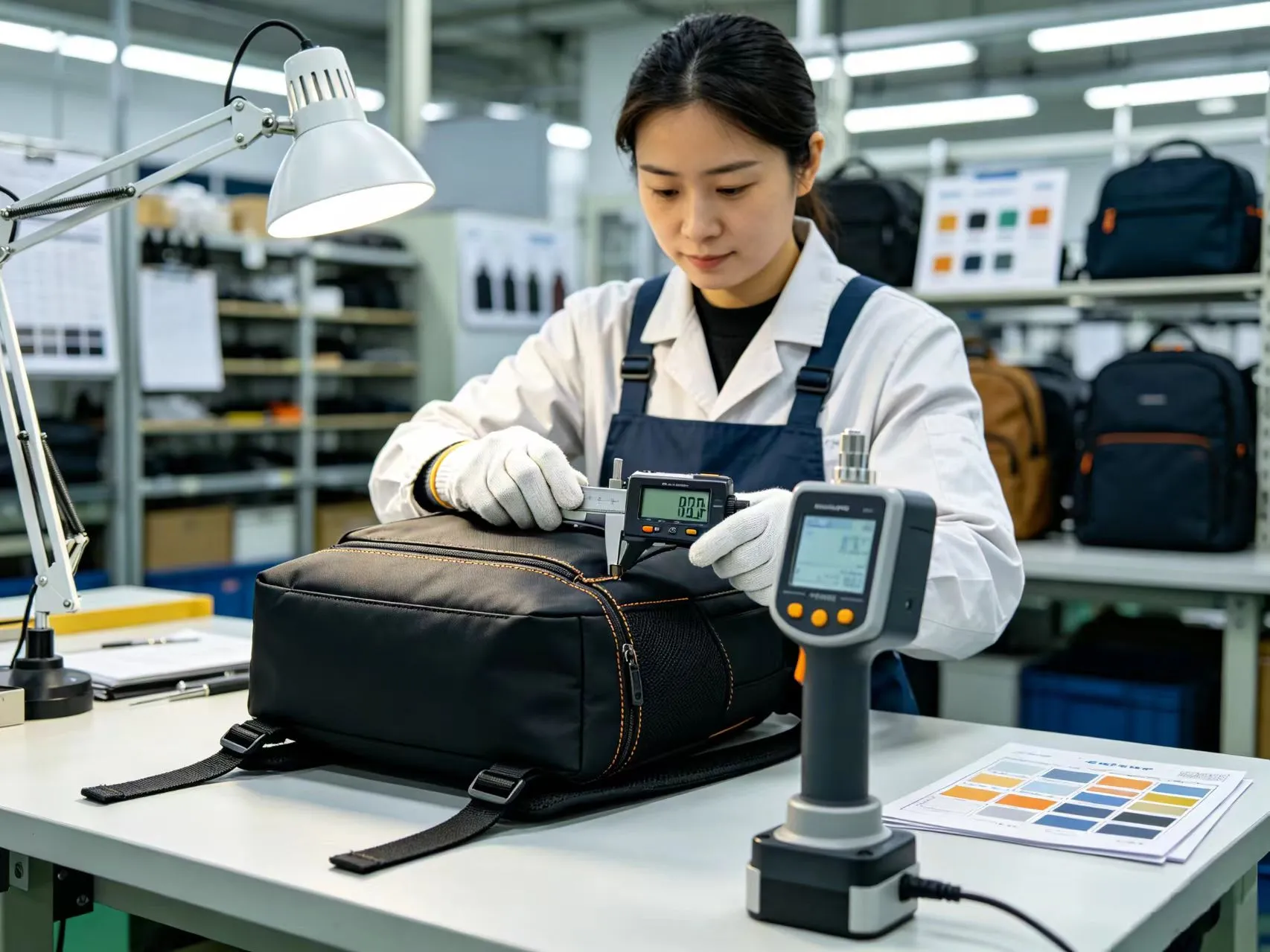
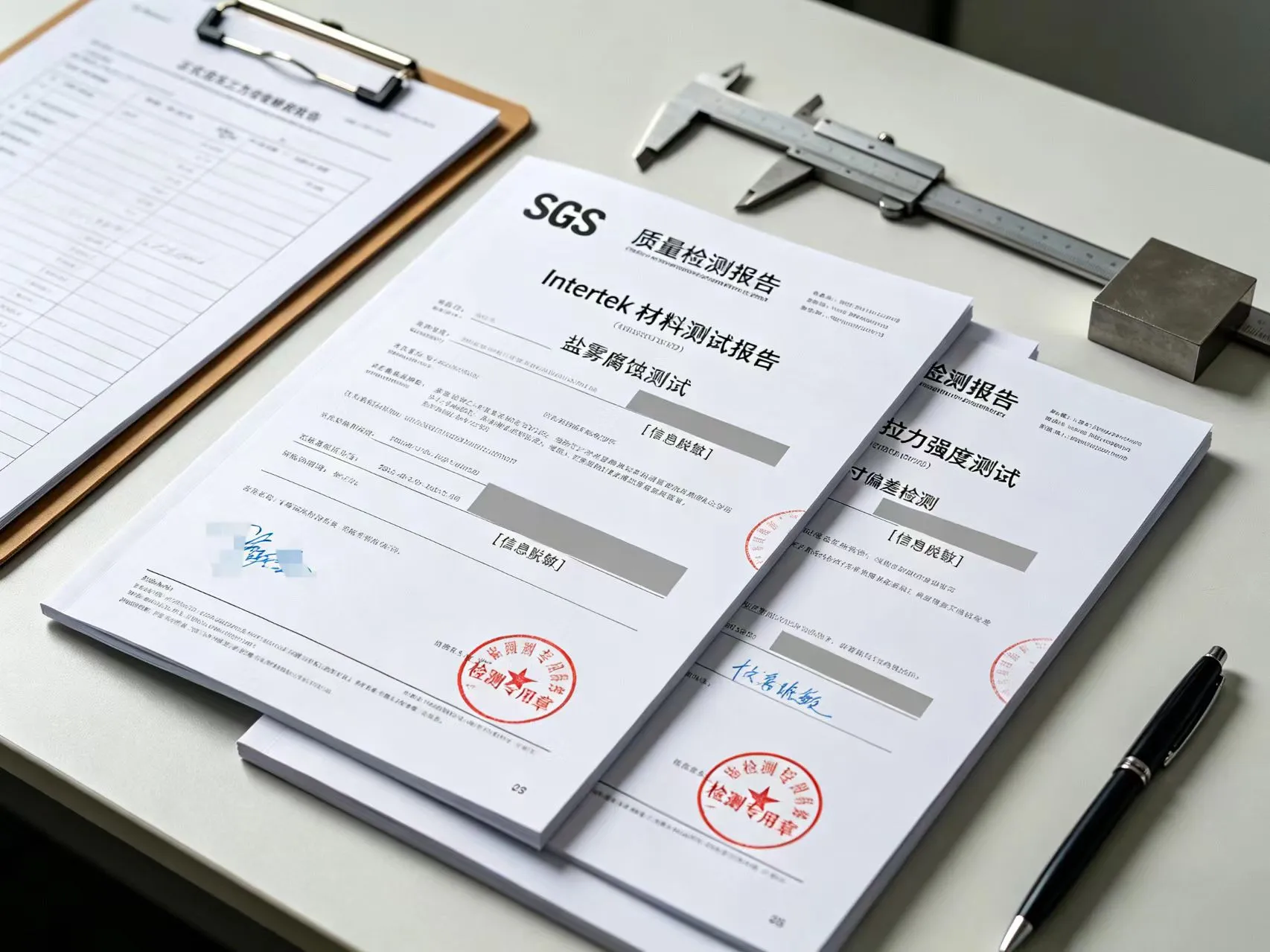
Document the standard. Before production begins, agree in writing on the AQL level, defect classification, inspection points and the escalation procedure if a batch exceeds the acceptable defect threshold. A quality claim without a written standard is difficult to enforce.
Want the exact inspection points a quality manager should confirm?
Open the QC Checklist GuideHow to Choose a Leather Bag Manufacturer: Questions to Ask
The questions below are organized by topic. Use them selectively based on your product and market — not all questions are relevant to every program, but running through the full list during a first supplier call is a useful exercise; the more questions you ask up front, the less you are relying on a top leather bag manufacturer’s marketing language to tell you how the work actually gets done.
Capability
- What is your minimum order quantity for this product type?
- What is your current production capacity for this category?
- Do you produce from a tech pack, reference sample or catalog style?
- Can you share examples of similar completed programs?
- What leather grades or types do you typically work with?
Quality
- What is your AQL level for final inspection?
- Do you have written inspection procedures for each production stage?
- Can you arrange third-party inspection (SGS, Intertek, Bureau Veritas)?
- Do you conduct hardware pull tests or salt spray tests?
- What is your defective goods return or correction policy?
Timeline
- What is your sampling lead time for this product?
- How many sample revisions are included in the sample fee?
- What is the bulk production lead time after sample approval?
- What factors most commonly cause timeline extensions?
- Do you have a written milestone schedule covering each development phase?
Commercial
- What are your payment terms for first orders?
- Do you offer L/C payment terms for established buyers?
- Are sample fees refunded against bulk orders?
- Do you offer EXW, FOB, CIF or DDP incoterms?
- What are your exclusivity terms by market or region?
Get answers in writing. Verbal assurances are difficult to enforce. Request written quotations, inspection procedures and milestone schedules as part of the supplier qualification process before committing to a purchase order.
Common Buyer Mistakes When Shortlisting Top Leather Bag Manufacturers
Accepting catalog photos as proof of capability
A supplier’s catalog shows what they can theoretically produce, not necessarily what they will produce for you. Request actual completed samples or references from comparable programs. Ask for specific detail on the leather grade, construction and order quantity for any referenced product. This is the single most common reason buyers misjudge which top leather bag manufacturer actually suit them.
Skipping the physical sample
Digital images cannot convey hand feel, stitching tension, edge paint flexibility, hardware weight or lining behavior. Always approve a physical sample before bulk production begins, even if it adds time to the schedule. No top leather bag manufacturer should ask you to skip this step to save two weeks.
Accepting “BSCI factory” as sufficient evidence
BSCI is a social compliance audit, not a quality management system. A BSCI-certified factory can still produce defective goods. Verify the quality control process separately from the social compliance audit.
Specifying “premium leather” without detail
“Premium leather” means different things to different factories. Define the grade, thickness, origin, finish, acceptable natural marks and approved swatch requirement. The more specific the material specification, the easier it is to verify compliance at inspection.
Underestimating packaging complexity
Packaging affects both cost and compliance. Confirm whether the factory can produce retail-ready packaging (hangtags, barcode labels, polybags, inner boxes), whether it is included in the MOQ calculation and what documentation is required for your destination market.
Treating lead time as fixed
Lead time estimates assume material availability, production slot allocation and sample approval on schedule. Request the critical path and ask which milestones are most likely to slip. Build buffer time for first orders.
Start conservative on quantity. For a first order with a new supplier, consider a conservative quantity that allows you to verify the quality, communication and logistics before committing to a larger volume. Use the low MOQ manufacturing guide to understand how to structure a first order that minimizes your risk.
Frequently asked questions
Why choose a top leather bag manufacturer in China over other regions?
Guangzhou’s Shiling Town has decades of supply-chain clustering: tanneries, hardware specialists, packaging vendors and logistics providers sit within a short radius, which shortens development cycles and lowers landed cost. A factory in that cluster can source lining in the morning, collect custom hardware the same afternoon and have a finished prototype before close of business. Regions without this concentration typically add a week or more to the development cycle. Export experience across 50+ countries since 2008 is what separates documented cluster capability from a supplier that simply resells.
What makes a high quality leather bag manufacturer?
A high quality leather bag manufacturer combines skilled craftsmanship, material expertise, strict quality control and reliable communication. Key indicators are pattern development capability, leather selection knowledge, stitching precision, hardware quality and consistent results from prototype to bulk production. There is no single measurable definition, so verify each indicator against your own specification and destination market.
How do I verify a China leather bag factory is high quality?
Request samples, check business credentials, review inspection reports, confirm certifications (BSCI, Sedex, OEKO-TEX, REACH), evaluate communication responsiveness and ask for references. A quality factory explains its process, provides detailed quotations and demonstrates traceability. This is the test that separates genuine high quality leather bag manufacturers from the rest, and our factory audit checklist lays out a systematic approach.
What is the MOQ for custom leather bags from a China factory?
Standard MOQ for leather bags typically ranges from 200 to 500 pieces per style, and it depends on material, construction complexity and customization level. Dreamway offers a bag MOQ starting at 200 pieces. Silk products usually carry a lower MOQ, starting at 50 pieces.
What’s the lead time for leather bag production?
Lead time depends on sampling (2 to 4 weeks), material availability, order quantity and packaging requirements. Typical bulk production takes 4 to 8 weeks after sample approval, and first orders often need extra time for material sourcing and tooling. Request a milestone schedule covering each development phase before placing an order.
What leather grades do Chinese manufacturers use?
Common grades include full grain (outer surface retained with natural grain), top grain (lightly corrected surface), split leather (lower layer with coating), bonded leather (fibers combined with binders), PU leather (polyurethane synthetic) and recycled leather. Each offers different quality, cost and application characteristics; our leather manufacturing process guide compares them in detail.
Do Chinese leather bag factories offer private label services?
Yes, most offer logo application (embossing, debossing, foil, screen printing), custom packaging, hangtags and branded dust bags. Confirm exclusivity terms, minimum quantities and design ownership before proceeding, and use the OEM vs ODM vs Private Label comparison to choose the right model. Private label is also the fastest route for buyers who trust a top leather bag manufacturer but want to test a new market first.
What certifications should I look for in a leather bag manufacturer?
Relevant certifications include BSCI and Sedex (social compliance), OEKO-TEX (material safety), REACH (EU chemical compliance), GOTS and GRS (sustainability). Third-party inspection by SGS, Intertek or Bureau Veritas adds independent quality verification. Our sustainability certifications guide breaks down what each one actually certifies.
What makes a top leather bag manufacturer different from a trading company?
The top leather bag manufacturers own the production floor: cutting, skiving, edge painting, stitching, assembly and final inspection happen in-house, usually alongside neighbouring suppliers in a cluster. A trading company brokers between brand and factory, which can suit very small orders but adds a communication layer. Ask who operates the machines, where goods are inspected, and whether you can arrange third-party inspection at any stage. Our factory versus trading company comparison covers the practical differences in more detail.
Can I get samples before bulk production?
Yes. Sample fees typically range from USD 50 to 300 depending on complexity, sample lead time is 2 to 4 weeks, and one or two revision rounds are normal. Some factories refund sample costs against bulk orders. Budget two to four weeks to evaluate a new factory if you already have a tech pack, or six to eight weeks if the product is still being developed from a sketch. Always approve a physical sample, and work through the sample approval checklist first.
Key Takeaways
- This reference list spans the five major leather bag manufacturing clusters in China — Guangzhou (Shiling and Huadu), Shenzhen, Dongguan, Quanzhou and Hangzhou — each with its own material access, labor profile and lead-time rhythm.
- Dreamway appears at position three because the factory is unusual in combining OEM, ODM and private label leather handbag programs under one roof, with a 200-piece bag MOQ that suits growing brands, DTC launches and private label buyers.
- The “best” choice always depends on the buyer’s program: prioritize factories with documented AQL inspection routines and a transparent leather handbag manufacturing process over glossy catalogs, then match the supplier to your MOQ, material, leather grade and destination market.
Related Guides
- Private Label Leather Handbag Manufacturer — how to launch a leather line under your own brand, including OEM/ODM/private-label model selection.
- Leather Bag Manufacturing Process & Quality Control — the four production phases from cutting to packing, with AQL inspection checkpoints.
- Custom Luxury Leather Handbag Manufacturer — how structured R&D drives premium leather programs.
- Genuine Leather Handbag Manufacturer in China — a focused guide to full-grain and top-grain sourcing.
- Small-MOQ Leather Handbag Factory in China — when sample runs and full production must come from the same facility, with leather-specific MOQ guidance.
- Sustainable Leather Handbag Manufacturer — recycled leather, GOTS and GRS documentation explained.
- Types of Leather Bags and Products — the seven product categories that shape factory selection.
One reminder before you source: “ranking” implies a fixed order, which is rarely how OEM partnerships actually work. Use this article as a starting shortlist, qualify each factory against your own specification, and treat the supplier who answers your questions in writing as the one worth advancing to sampling.
Author and Technical Review
Everything here was put together by Dreamway’s sourcing and quality team, drawing on more than 17 years running a leather bag factory in Guangzhou’s Shiling Town. The profiles rely on public information and industry references; the technical content is specific on purpose. Business conditions change, so treat this as a snapshot and verify with the factory before you commit to a purchase order, and remember that the top leather bag manufacturers are the ones that welcome that verification openly.

Emily — Senior Project Manager
Emily has 12 years in OEM leather bag manufacturing. She keeps the creative brief, sample revision history and bulk-production specification aligned before anything ships, and is the person replying to your emails and approval-photo requests.
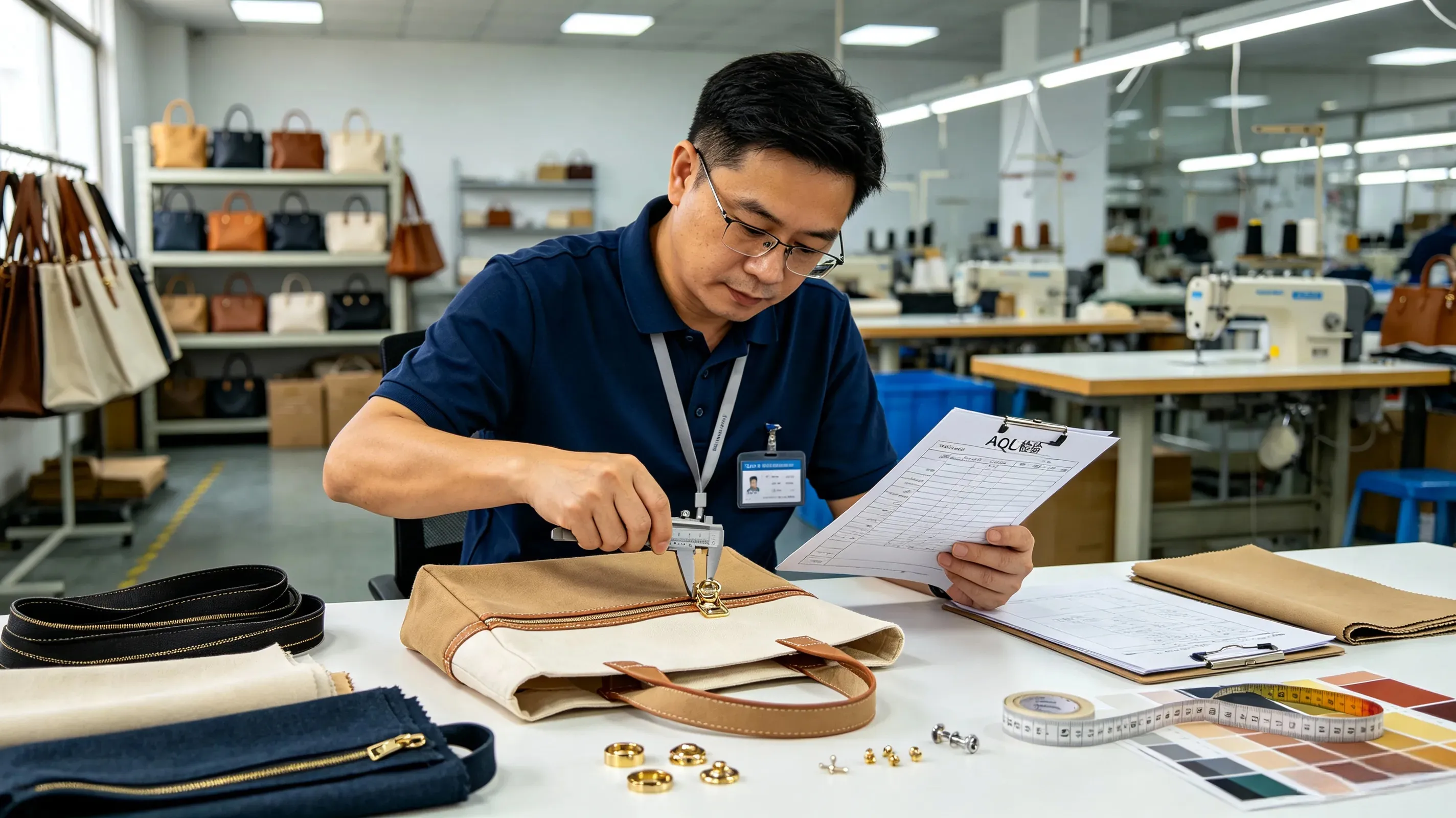
Kevin — Pattern Development Engineer
Kevin has 15 years of pattern development across leather, canvas, nylon and technical fabrics. He decides whether your sketch is realistic at your target cost, usually before the first sample reaches the cutting room.
Helen — Senior QC Supervisor
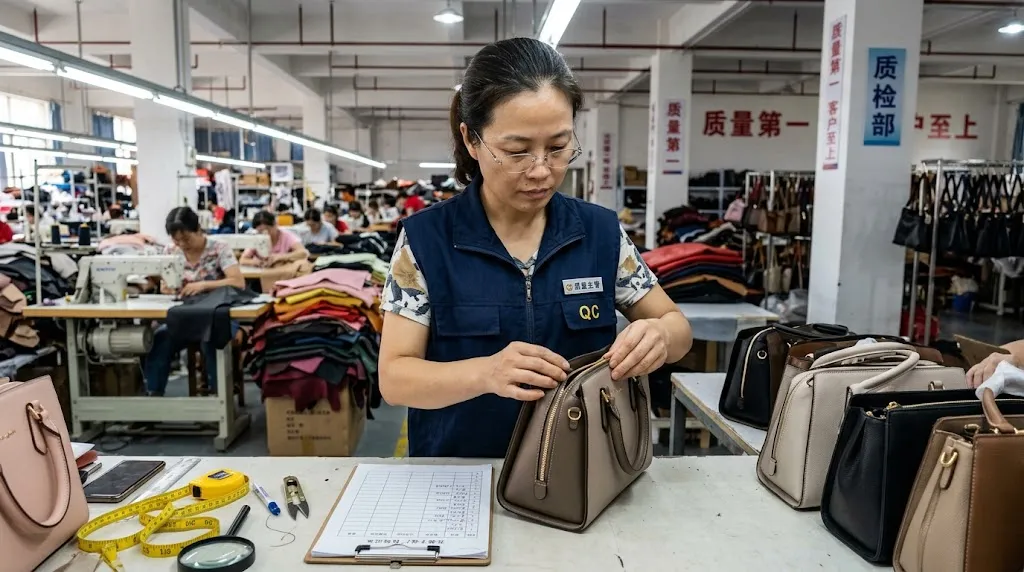
Helen has 13 years of handbag quality control, covering incoming material inspection through final AQL. She checks whether a new thread batch meets spec, whether the leather shipment matches the approved swatch, and whether this lot’s defects resemble last month’s.
Update Log
Content on this page is reviewed against public sources and on-site observation on a fixed cadence. Each entry below records what changed, who reviewed it, and the date the change was published. Older entries are kept for traceability — do not interpret a later date as a guarantee of current capability; verify with the factory before placing a purchase order.
-
October 6, 2026Content refresh and schema auditRevised the Silk Product OfferCatalog to point to three live product pages (Heavyweight 25 Momme Silk Pillowcase, Pure Silk Scrunchies, Wholesale Silk Eye Masks); replaced two non-leather-specific Related Guides links with leather-specific pages; added `reviewedBy` to Article schema; added an in-page Last reviewed badge for users and crawlers; introduced this Update Log for editorial transparency. Reviewed by Emily, Senior Project Manager, with technical review by Kevin (Pattern Development Engineer) and Helen (Senior QC Supervisor).
-
September 2026Manufacturer data cross-checkRefreshed MOQ, lead time and certification data for the ten profiled manufacturers against current public sources and sector directories. Lead time updates incorporated for Korrun (5–7 weeks), Hua Leather (6–8 weeks) and Guangzhou Boshen (4–6 weeks). Certifications expanded to seven (BSCI, Sedex, OEKO-TEX, REACH, GOTS, GRS, ISO 9001). Reviewed by Emily.
-
August 2026Initial publicationArticle first published on gzdreamway.com. Ten leather bag manufacturers profiled with location, specialty, MOQ, lead time, target buyer and certification columns. Aimed at global brands and DTC teams evaluating OEM and private label partners in Guangdong’s Shiling and Guangzhou clusters. Reviewed by Emily.
Review cadence: every 30 days for active articles, every 90 days for evergreen content. Each review checks manufacturer data, certifications, MOQ, lead time, link health and schema validity. If you spot information that has slipped, let us know and we will correct it on the next cycle.
Start Your Project With a Top Leather Bag Manufacturer
If you are at the concept stage or ready to place your first order, Dreamway’s team is available to discuss your requirements, answer technical questions and provide a written quotation. Send a structured brief and a top leather bag manufacturer can usually tell you within a few days whether the specification is realistic.
Victoria — Senior Account Manager · Dreamway · Victoria@gzdreamway.com · Tel: 86-20-8768-2749
Continue Exploring Bag Manufacturing Resources
Compare manufacturers, explore real production projects, discover product categories, and find the right OEM partner for your next collection.
Related Manufacturer Guides
Compare leading OEM manufacturers across different bag categories to understand production capabilities, MOQ, quality standards and supplier strengths before selecting your manufacturing partner.
Real Manufacturing Case Studies
Discover how our engineering, quality control and manufacturing teams solved real production challenges for brands in Europe and North America.
Technical Modular Bags
How we improved the load-bearing structure for a German baby brand.
Luxury Leather CraftsmanshipLuxury Leather Goods
Achieving luxury-grade edge finishing for a New York designer brand.
Luxury Silk ManufacturingDelicate Silk Collection
Cleanroom production for a London silk boutique.
Sustainable ManufacturingRecycled Cotton Bags
Helping an eco brand source recycled cotton bags at scale.
Corporate MerchandiseCorporate Merchandise Bags
Bulk custom tote bags for a Fortune 500 corporate gifting campaign.
DTC Brand LaunchDTC Brand Launch Support
From tech pack to first production run for a North American DTC startup.
Explore Our Manufacturing Capabilities
Browse our full range of OEM manufacturing capabilities — from canvas totes and leather handbags to backpacks, travel bags, cosmetic pouches and silk accessories. Low MOQ, premium quality, full customization.
Manufacturing Solutions for Different Brands
Different businesses require different manufacturing strategies. Explore solutions designed for startups, retailers, sustainable brands and promotional product companies.
Helpful Buying Guides
Make informed sourcing decisions with our manufacturing knowledge base — covering materials, MOQ, printing, inspection, compliance and shipping.
Talk to Our OEM Project Team
Reach the right specialist directly. Our OEM project team supports sampling, production, quality control and logistics from our Guangzhou factory — serving 50+ countries with a small, agile team.
Emily
Senior Project Manager
Jason
Senior QC Supervisor
Get a Quote — Reach Us Directly
Add us on WeChat for mainland China communication.
RFQ Form
Submit a Quote RequestShare your design, quantity and target price — best for detailed projects.
Ready to Start Your OEM Project?
From tech pack to first production run — our small team in Guangzhou supports startups, retailers and lifestyle brands with low MOQ (200 bags) and full customization.