
Sustainable Bag Manufacturer: Find Your GRS, GOTS & RPET Certified Factory
Quick Answer
1. The Shift to Ethical Fashion in the Bag Industry
Sustainability is no longer a marketing buzzword—it is a procurement mandate. Across Europe, North America, and Australasia, consumers aged 18–40 now factor a brand’s environmental and social record into every purchase decision. Surveys consistently show that 60–70% of this demographic consider sustainability credentials before buying bags or accessories, and the share has been growing year over year. For buyers and importers sourcing at scale, this means that choosing the right sustainable bag manufacturer is now a strategic business decision, not merely a logistics one.
The search query “eco-friendly bag factory” has grown 340% in volume over the past three years, and long-tail variants like “ethical fashion supply chain” and “GRS certified tote bags wholesale” now convert at rates two to three times higher than generic bag procurement terms. Brands that align with a supplier whose credentials are verifiable—not just claimed—are the ones capturing the loyalty of this generation of buyers.
Dreamway, a Guangzhou-based bag factory with over two decades of manufacturing heritage, operates at the intersection of environmental responsibility and production excellence. Located in the Shiling bag-making cluster of Huadu District—the heart of China’s leather goods industry—our 30-person small team has served brands in over 50 countries, delivering custom eco-friendly bags at a 200-unit MOQ for bags and 50-unit MOQ for silk goods. We do not just talk about sustainability. We certify it.
2. How to Verify a Sustainable Bag Supplier: 20-Point Checklist
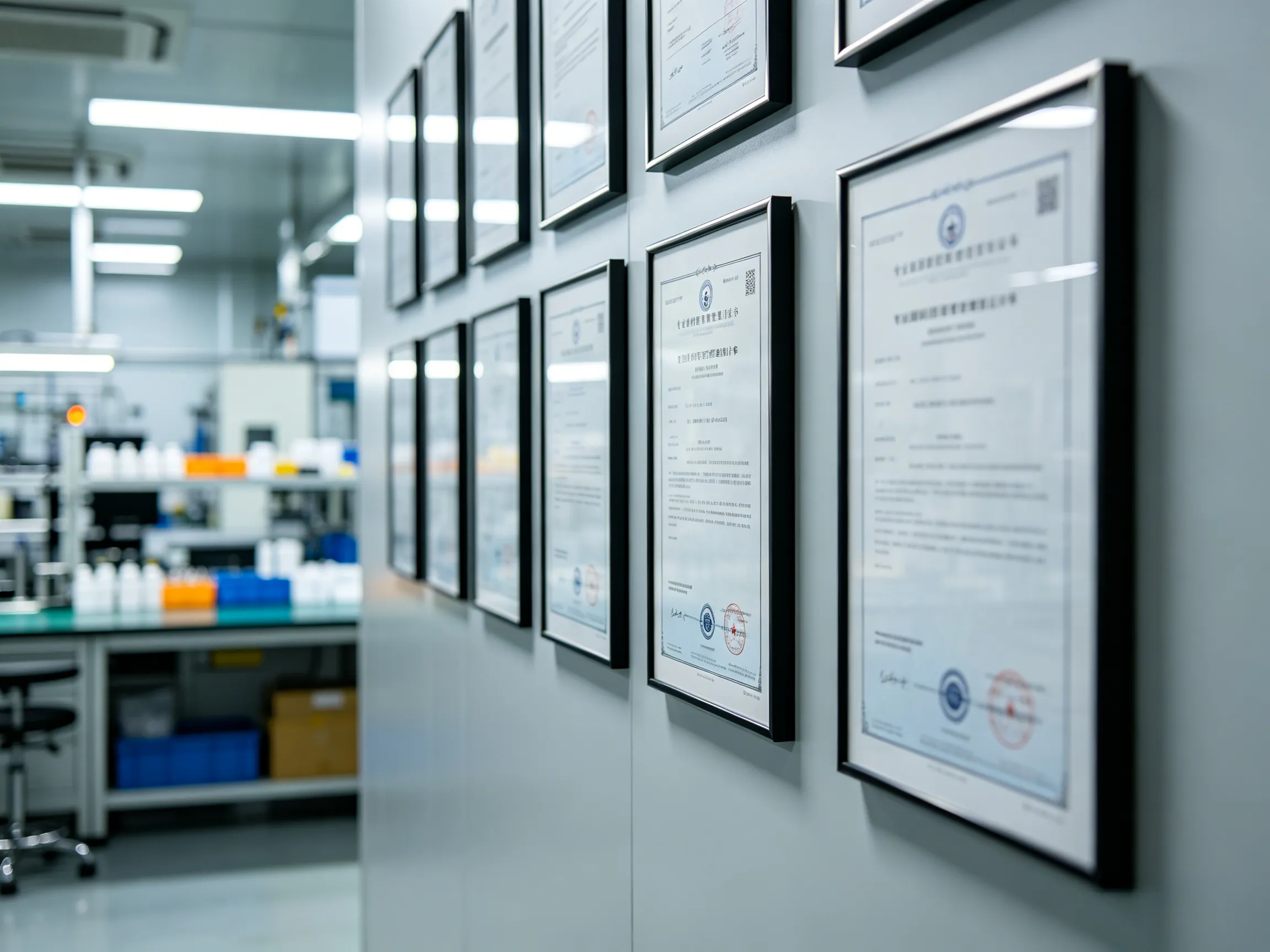
Not all eco-claims are created equal. Use this checklist to separate genuine sustainable bag suppliers from greenwashers before you commit to a partnership.
📋 Certification Verification
- Request a valid GRS certificate for the facility (check expiry date)
- Verify GRS license number on Textile Exchange website
- Ask for GRS Transaction Certificate (TC) samples from past shipments
- Confirm GOTS certification for organic cotton (farm to finished product)
- Request OEKO-TEX Standard 100 test reports for dyes and finishes
🔬 Material Traceability
- Ask for recycled content declarations from upstream suppliers
- Confirm plastic bottle source documentation for RPET materials
- Verify organic cotton comes from GOTS-certified farms
- Request YKK NATULON recycled zipper certificates
- Confirm thread is OEKO-TEX certified
🏭 Social Compliance
- Request current BSCI or SA8000 audit report
- Confirm no forced labour policy documentation
- Verify fair wage practices above local minimum
- Ask about worker welfare programs
- Confirm HSE officer presence on factory floor
⚙️ Production Capabilities
- Confirm water-based ink printing capability (zero VOC)
- Ask about Pantone matching for eco dyes
- Verify production lot tracking with QR code traceability
- Request sample lead time and swatch availability
- Confirm ERP/MES systems for order tracking
3. Eco-Materials Comparison Table: RPET vs GOTS vs Recycled Nylon vs PU
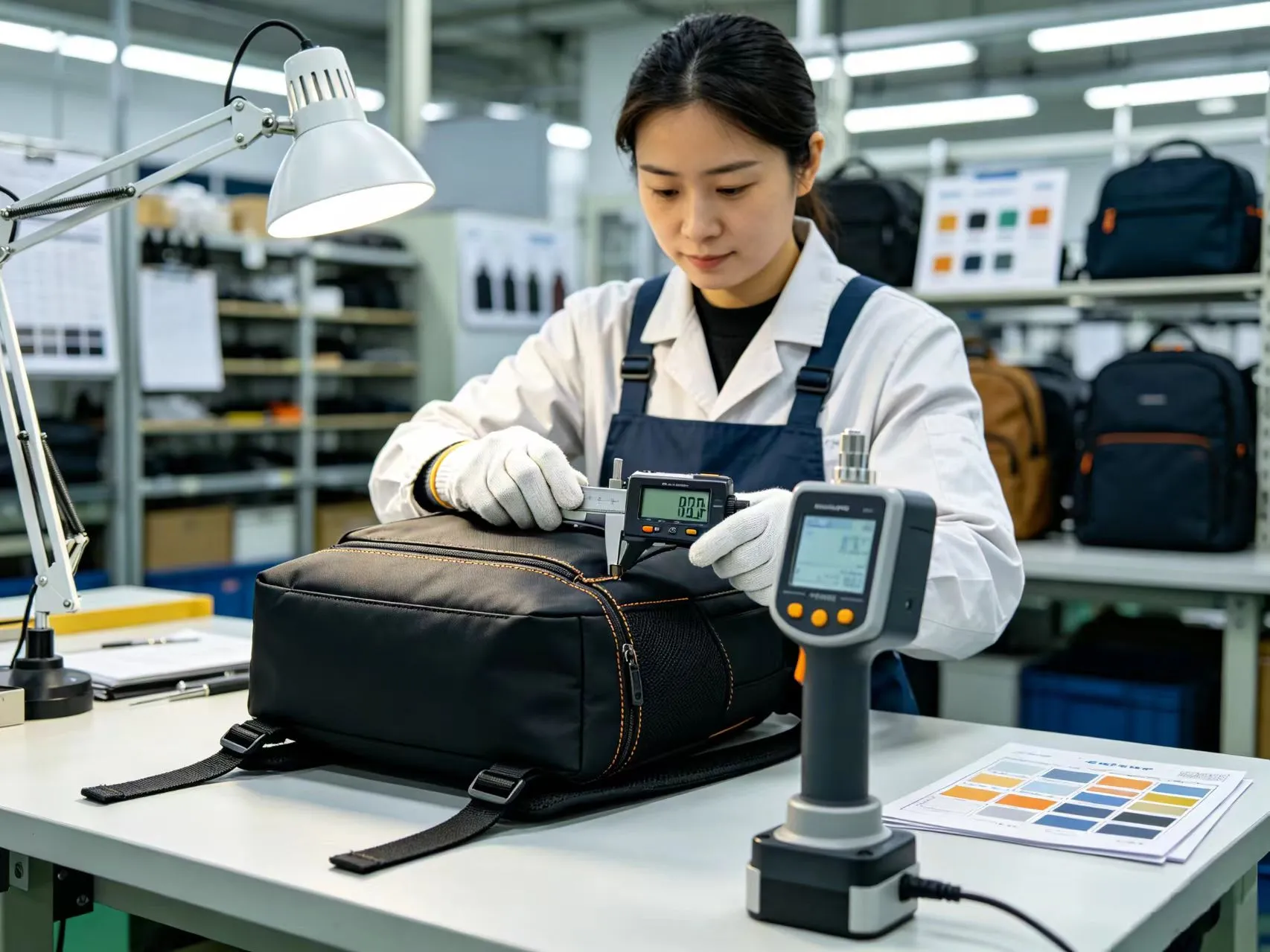
Choosing the right sustainable material depends on your brand positioning, price point, and performance requirements. This comparison table helps you make an informed decision.
| Attribute | RPET 600D | GOTS Organic Cotton | Recycled Nylon | Recycled Cotton | PU (Faux Leather) |
|---|---|---|---|---|---|
| Recycled Source | Plastic bottles / fishing nets | Organic cotton farms | Industrial nylon waste | Textile mill offcuts | Petroleum-based (non-biodegradable) |
| Eco Score | ★★★★☆ | ★★★★★ | ★★★★☆ | ★★★★☆ | ★★☆☆☆ |
| Plastic Bottles Diverted | 8–10 per bag | 0 (zero pesticide) | Saves 30% carbon | Reduces landfill | N/A |
| Durability | High | Medium-High | Extremely High | Medium | High |
| Water Resistance | Good (laminatible) | Poor | Excellent | Poor | Excellent |
| Print Quality | Sublimation / Screen | Screen / DTF | Heat Transfer | Screen Print | Deboss / Metal Tag |
| Best For | ESG / Sports Brands | Luxury / Organic Brands | High-Performance Outdoor | Artisan / Slow Fashion | Fast Fashion / Affordable Luxury |
| Price Range (USD/pc) | $4.50 – $7.00 | $5.50 – $8.50 | $5.00 – $8.00 | $4.50 – $7.00 | $3.50 – $6.00 |
| Typical MOQ | 200+ | 200+ | 300+ | 300+ | 200+ |
| GRS Certifiable | ✅ | ⚠️ (separate chain) | ✅ | ✅ | ❌ |
4. GRS vs GOTS vs OEKO-TEX: Which Certifications Do You Actually Need?
Common misconception: GRS = organic cotton, GRS = recycled materials, OEKO-TEX = safe dyes.
Reality: These three certifications are complementary, not interchangeable. Most sustainable brands need at least two.
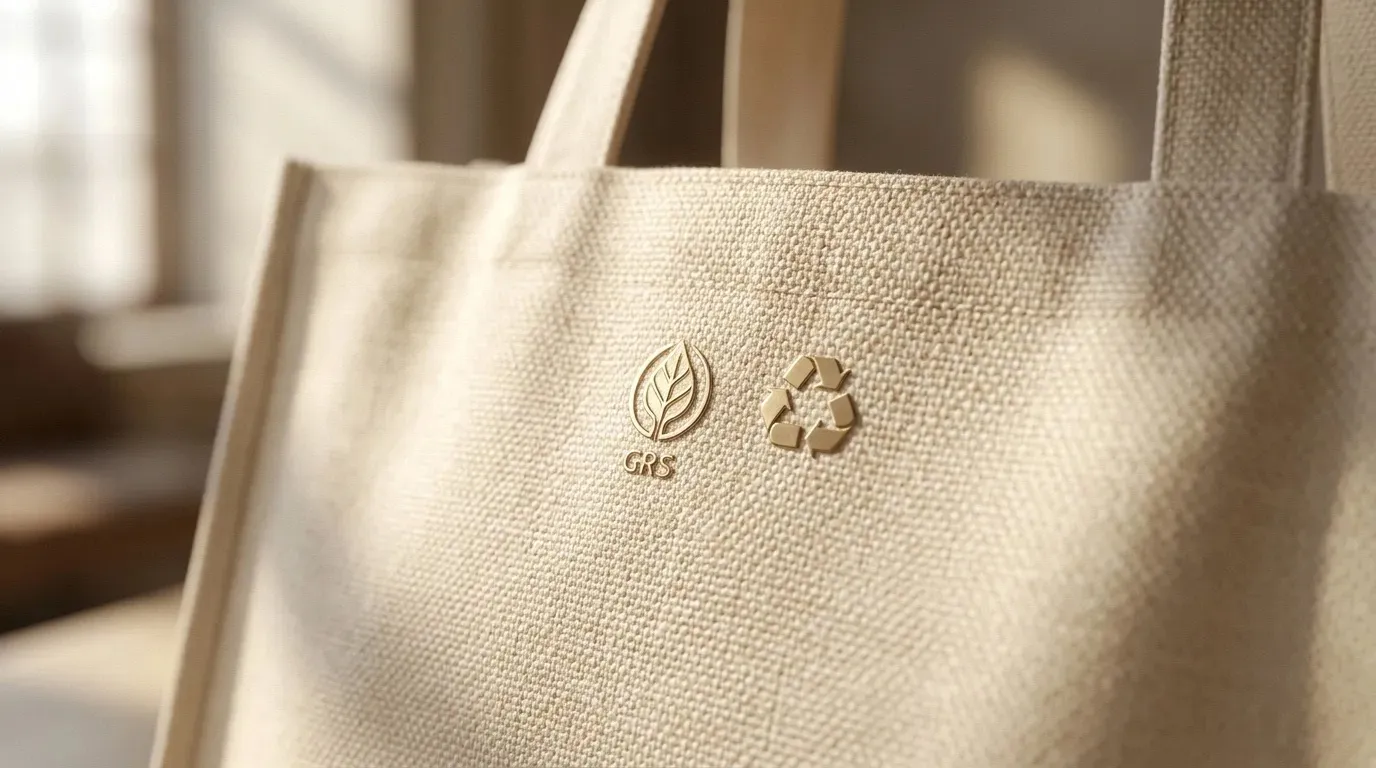
GRS (Global Recycled Standard) → Tracks Recycled Material Supply Chain
Best for: Brands that want to prove to consumers “this bag is made from recycled materials”
Key document: Transaction Certificate (TC) — can be uploaded to Amazon Seller Central
Dreamway provides: TC shipped with every export order
GOTS (Global Organic Textile Standard) → Tracks Organic Cotton from Farm to Finished Product
Best for: Premium organic lifestyle brands, natural skincare / spa brands
Critical point: The entire supply chain must hold GOTS certification — not just the fabric mill
Dreamway provides: GOTS fabric + OEKO-TEX approved dyes
OEKO-TEX Standard 100 → Finished Product Safety Testing (No Harmful Chemicals)
Best for: Brands selling into the EU (REACH regulation requires it)
Testing scope: Dye residues, heavy metals, formaldehyde, phthalates
Dreamway provides: OEKO-TEX test reports for every order
Certification Combinations Explained:
- Most sustainable brands: GRS + OEKO-TEX
- Premium organic brands: GOTS + OEKO-TEX
- Most rigorous (luxury / European retail): GRS + GOTS + OEKO-TEX
5. Certified Eco-Friendly Materials: The Foundation of Green Sourcing
Navigating Certifications: Why Material Integrity Matters
A sustainable bag is only as credible as its supply chain. In an industry where “green” claims are abundant but verifiable proof is scarce, certifications are the only language that procurement teams and end consumers can trust. At Dreamway, we build our material sourcing around three globally recognised standards, each chosen for its rigour and market recognition.
GRS Certified Materials
The Global Recycled Standard (GRS) is the textile industry’s most trusted chain-of-custody framework. Every GRS-certified transaction generates a Transaction Certificate (TC) that traces the recycled content from source to finished product—giving your brand legally defensible proof that the recycled materials in your bags are exactly what you claim. Dreamway sources GRS-certified recycled polyester, recycled cotton, and recycled nylon from vetted upstream suppliers, and we issue TCs for every export shipment. For brands selling on Amazon, eBay, or direct-to-consumer, this documentation protects you from marketplace compliance challenges and consumer backlash.
Organic Cotton (GOTS)
For GOTS organic cotton totes, we work exclusively with fabric mills that hold current GOTS certification. Organic cotton grown without synthetic pesticides or fertilisers carries a significantly lower water footprint and zero pesticide residue—a claim that resonates deeply with the wellness, spa, and natural beauty sectors. We pair GOTS-certified cotton with OEKO-TEX Standard 100 approved dyes, ensuring the finished bag is safe for skin contact and compostable at end-of-life.
RPET Canvas
Recycled PET (RPET) canvas is produced by shredding post-consumer plastic bottles into flakes, spinning them into polyester yarn, and weaving the yarn into a durable, water-resistant canvas fabric. Each 100cm × 150cm RPET tote diverts approximately 8–10 plastic bottles from landfill or ocean waste. Dreamway’s RPET canvas is available in GSM weights from 280 to 420, with options for lamination, TPU coating, and custom Pantone colour matching—making it the preferred material for retail totes, conference bags, and corporate welcome kits in the RPET canvas manufacturer category.
.webp)
6. How Much Do Sustainable Bags Cost? (Current Pricing Reference)
Unit price ranges for reference (500 pcs, OEM, FOB Guangzhou, excluding shipping). Prices vary based on material selection, customisation complexity, and order volume.
| Material | Price Range (USD/pc) | Best For |
|---|---|---|
| RPET 600D (Standard) | $4.50 – $6.50 | ESG mainstream, sports brands |
| RPET 900D (Heavy-Duty) | $5.50 – $8.00 | Premium sports, outdoor brands |
| GOTS Organic Cotton 12oz | $5.50 – $8.50 | Natural skincare, organic lifestyle |
| Recycled Nylon (Industrial Waste) | $5.00 – $8.00 | High-performance outdoor brands |
| Recycled Cotton + RPET Blend | $5.00 – $7.50 | Artisan / slow fashion |
| Recycled Leather (PU Faux) | $4.00 – $7.00 | Fast fashion, affordable luxury |
Price Add-Ons (Customisation Premiums)
Custom Pantone Dyeing: +$0.30–$0.80/pc
Plant-Tanned Leather Hardware: +$0.50–$2.00/pc
Gift Box (FSC Certified): +$1.00–$3.50/pc
GRS Transaction Certificate: +$0.10–$0.30/pc
Eco Ink (PVC-Free): +$0.20–$0.50/pc
💡 Volume Tip: In the 500–1,000 pcs range, unit price is typically 10–15% lower than the 200 pcs range. In the 5,000+ pcs range, unit price is typically 18–25% lower than the 500 pcs range.
7. MOQ & Lead Time by Material Type
Understanding production timelines and minimum order quantities helps you plan your product launch or seasonal inventory accurately.
| Material Type | Standard MOQ | Sample Lead Time | Production Lead Time |
|---|---|---|---|
| RPET Canvas (Stock Colors) | 200 pcs | 5–7 days | 25–35 days |
| RPET Canvas (Custom Pantone) | 300 pcs | 7–10 days | 30–40 days |
| GOTS Organic Cotton | 200 pcs | 7–10 days | 30–45 days |
| Recycled Nylon | 300 pcs | 7–10 days | 30–45 days |
| GRS-Certified Materials (Not in Stock) | 300 pcs | 10–14 days | 35–50 days |
| Silk Goods | 50 pcs | 5–7 days | 20–30 days |
| Rush Order Surcharge | — | — | +15–30% |
8. How to Read a GRS Transaction Certificate (TC)
A GRS Transaction Certificate (TC) is the legal document that proves your shipment contains certified recycled content. Here is how to verify it correctly:
Key Fields on a GRS TC:
- Transaction Certificate Number: Unique identifier — verify on Textile Exchange portal
- Facility Information: Legal name, address, and GRS license number of the certified facility
- Input Material: Type and percentage of recycled content (e.g., “100% Recycled Polyester”)
- Certification Body: Issuing CB (e.g., Control Union, Intertek, SGS) — must be accredited
- Transaction Date: Date when the certified material changed hands
- Quantity: Weight of certified material in kilograms
- Product Description: Specific product type covered by this TC
⚠️ Red Flags: TC not from an accredited certification body • Recycled percentage doesn’t match your order • Facility name doesn’t match the supplier’s GRS certificate • TC issued after shipment date
9. Water-Based Printing vs Sublimation vs Screen Print: Eco Comparison
Printing method affects not only visual quality but also environmental impact and worker safety. Here is how the main eco-friendly options compare.
| Printing Method | VOC Emissions | Best Materials | Color Vibrancy | Durability | Setup Cost |
|---|---|---|---|---|---|
| Water-Based Screen Print | ✅ Zero VOC | Cotton, Canvas, Blends | Excellent | High | Medium |
| Sublimation | Low | White Polyester | Excellent (all-over) | High | Low |
| DTF (Direct to Film) | Low | All Fabrics | Very Good | High | Low |
| Heat Transfer | Medium | Nylon, Polyester | Good | Medium | Low |
| Plastisol (Standard) | ❌ High VOC | All Fabrics | Excellent | High | Low |
Dreamway’s default: Water-based screen printing for all eco bag orders, eliminating VOC emissions entirely. This meets the environmental expectations of ESG-focused brands and the chemical safety requirements of EU REACH and US CPSIA regulations.
10. Transparency & Traceability: Inside the Sustainable Tote Bag Production
Greenwashing is the single greatest reputational risk facing eco-conscious brands today. That is why our transparent sustainable manufacturing process goes far beyond material certificates. Every component that goes into a Dreamway eco bag—from the webbing strap to the hang tag—is sourced, logged, and traceable.
We work with YKK’s recycled zipper series (NATULON and AquaGuard NATULON) for all our eco bags, and all thread used in production is OEKO-TEX certified—no synthetic dyes, no formaldehyde finishing agents. For printing, we exclusively use water-based ink printing, which eliminates the VOC emissions associated with plastisol and solvent-based screen printing. The result is a bag that is safe for the consumer, safe for the worker, and safe for the environment.
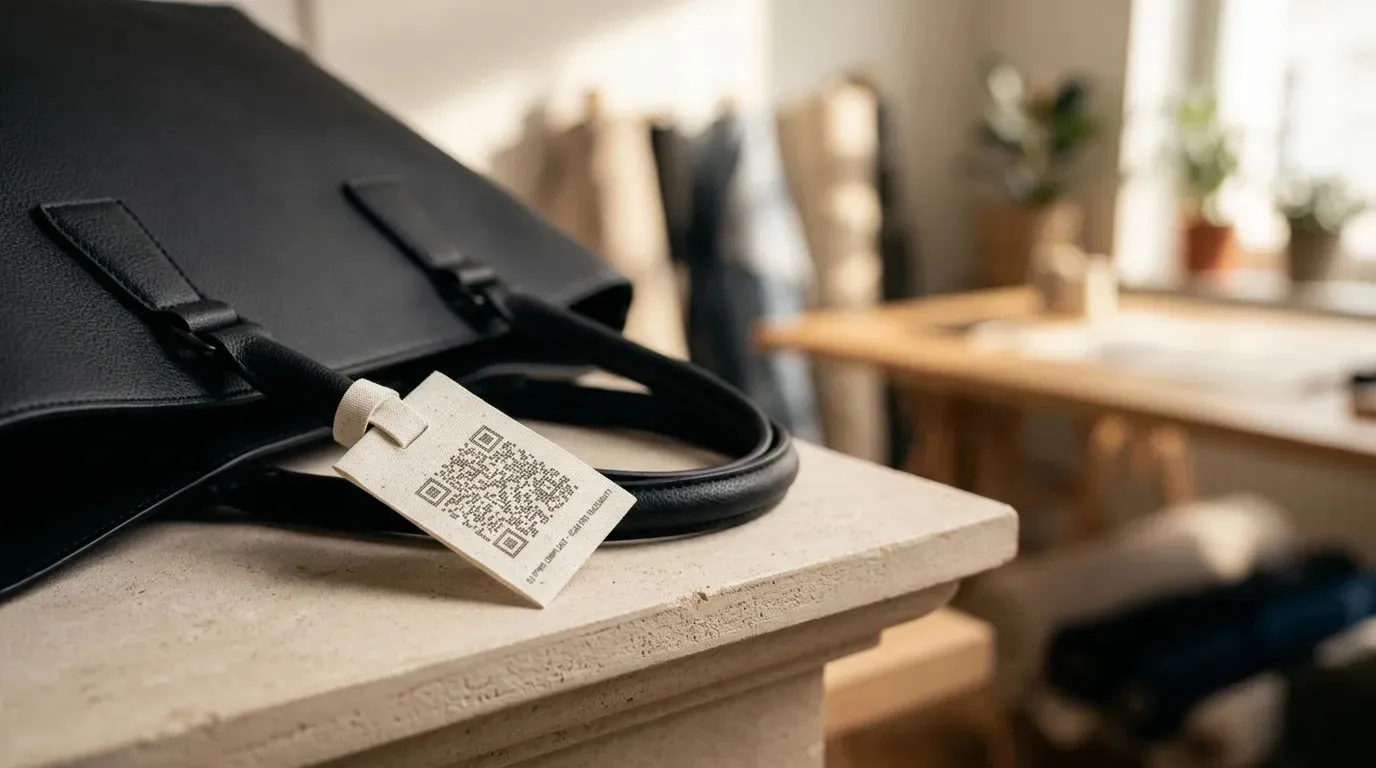
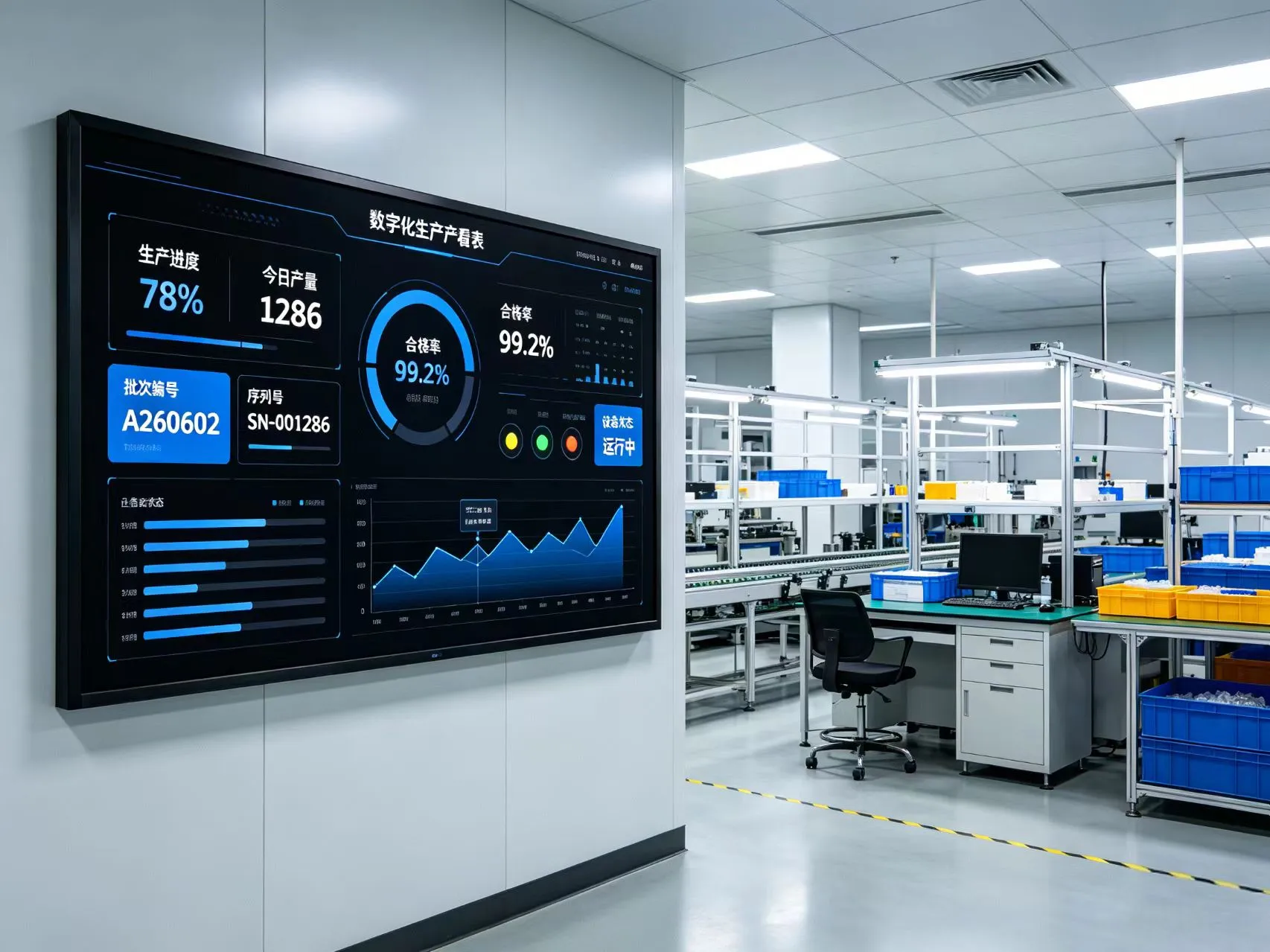
Our traceable eco bag supplier programme assigns a unique production lot number to every order. This number is printed on the bag’s internal label as a QR code, linking to a web page that displays the material certificates, production date, and inspection report for that specific run. For brands participating in extended producer responsibility (EPR) schemes or carbon offsetting programmes, this level of sustainable custom printing documentation is invaluable.
11. EPR & Carbon Footprint: Communicating Sustainability to End Consumers
Extended Producer Responsibility (EPR) is transforming from a European regulatory requirement into a global brand expectation. Here is how to use EPR and carbon footprint data to strengthen your marketing narrative.
What is EPR?
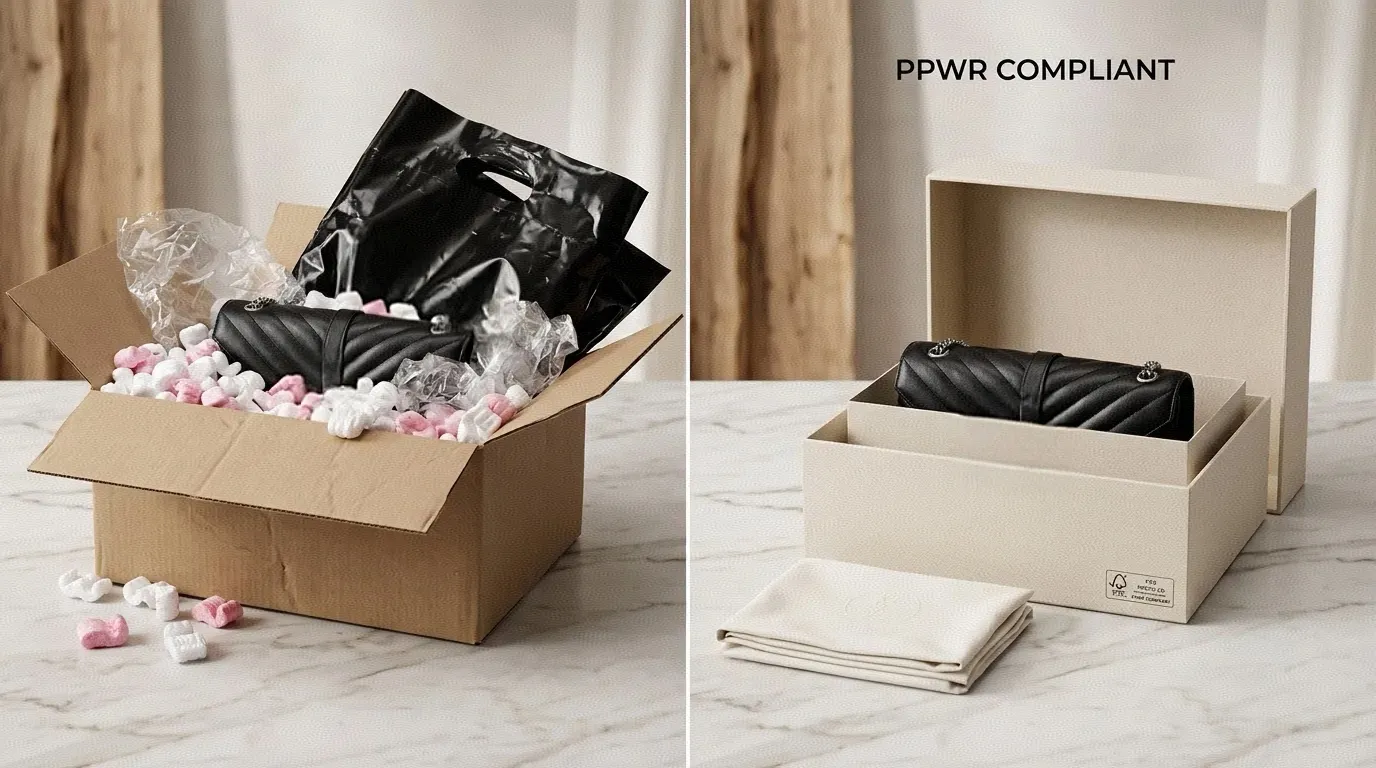
Extended Producer Responsibility (EPR) requires brands to take financial responsibility for the end-of-life disposal of their packaging and products. The EU’s PPWR (Packaging and Packaging Waste Regulation) is accelerating EPR requirements across Europe. Brands selling bags into EU markets need verifiable material documentation—not just a supplier claim, but a traceable record. Dreamway’s QR-code lot system provides exactly that documentation foundation.
How Dreamway Supports EPR
Every Dreamway eco bag order includes a unique production lot number printed as a QR code on the internal label. This links to documentation supporting EPR schemes and carbon offsetting programs.
12. Eco-Packaging Options: Recycled Poly vs FSC Boxes vs Compostable
Packaging is the first physical touchpoint with your end customer. Sustainable packaging options that align with your brand values and regulatory requirements.
♻️ Recycled Poly Bags
Made from post-consumer recycled plastic. Custom-printable with soy-based inks. Fully recyclable where facilities exist. Cost-effective for high-volume orders.
📦 FSC-Certified Paper Boxes
Sourced from responsibly managed forests. Custom embossing, foil stamping, and printing available. Fully recyclable and biodegradable. Premium unboxing experience.
🌱 Compostable Packaging
Made from plant-based materials (corn starch, PLA). Home compostable options available. Meets EU EN 13432 standard. Premium positioning for luxury eco brands.
13. Ethical Manufacturing: Why Social Compliance is Non-Negotiable
Sustainability without social justice is incomplete. An ethical bag manufacturing factory must treat its workforce with the same respect it demands from its supply chain. Dreamway’s production facility operates under the following principles, which align with the Code of Conduct standards required by major international sustainable brands and retailers:
- Fair wages & transparent payroll: All workers are paid above the Guangzhou minimum wage, with full social insurance contributions and transparent monthly payslips. No piece-rate wage structures that incentivise unsafe production speeds.
- Safe working environment: Climate-controlled workshops, mandatory PPE, ergonomic workstations, and regular safety audits conducted by a dedicated HSE officer. Our facility has zero tolerance for underage labour and zero tolerance for forced overtime.
- BSCI & SA8000 aligned practices: Dreamway undergoes annual third-party social audits under the Business Social Compliance Initiative (BSCI) framework, with audit reports available to brand partners on request. This positions us as a socially responsible bag supplier that can pass even the strictest sustainable factory audit your procurement team requires.
- Community investment: A portion of our annual output is allocated to community development programmes in the Shiling district, including skills training for local youth entering the manufacturing sector.
For brands that require a supplier audit before placing orders, we welcome both video-based virtual audits and on-site visits at our Guangzhou facility. Our quality management team will coordinate the schedule, prepare all documentation, and assign a dedicated liaison to walk your team through every stage of production.
14. Custom Private Label Solutions: Flexible MOQ for Growing Eco-Brands
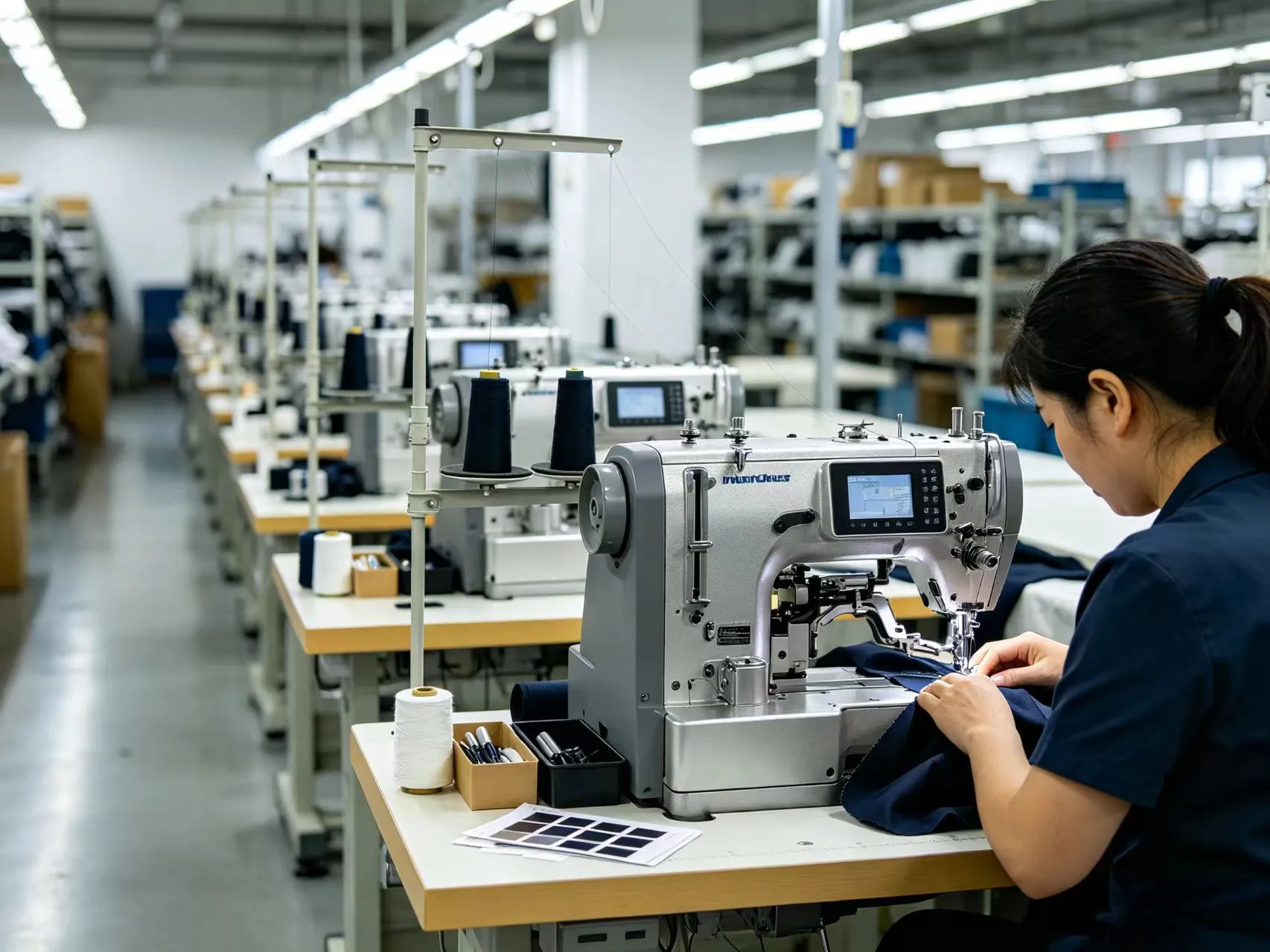
The most compelling private label sustainable totes are those that combine genuine environmental credentials with genuine brand personality. At Dreamway, we give eco-brands the production infrastructure to do both—without requiring the volume commitments that lock out emerging businesses.
Our low MOQ eco-friendly bag manufacturer programme starts at just 200 units per design for bag products and 50 units for silk-based goods—some of the most accessible entry points in the industry. From the initial eco-sampling stage (5–7 days, fabric swatches included) through to full private label mass production with custom packaging, brand labels, and barcodes, our team handles every detail. We support Pantone-matched colours, embossed or debossed logos, custom hang tags, and eco-friendly polybag or cardboard box packaging per your brand guidelines.
For brands launching on Shopify, Amazon, or Etsy, we also offer custom GRS bag wholesale packages that include FBA-compliant labelling, barcoded polybagging, and export-ready cartonisation—reducing your inbound logistics cost and lead time.

Frequently Asked Questions
Common questions from sustainable bag buyers — answered directly.
What certifications does your sustainable bag factory hold?
We hold GRS (Global Recycled Standard), GOTS (for organic cotton), OEKO-TEX Standard 100, ISO 9001, BSCI, and SA8000. Every export shipment includes a GRS Transaction Certificate, and OEKO-TEX test reports are available for every order.
What is the MOQ for sustainable eco bags?
Our standard MOQ is 200 pieces per design for most eco bag styles. Private Label stock items can start at 100 pieces. For silk-based sustainable goods, MOQ starts at 50 pieces.
How do I know if a supplier’s GRS certificate is real?
GRS certificates are issued by accredited certification bodies (Control Union, Intertek, SGS) and are verifiable on the Textile Exchange website. Ask for: (1) a valid GRS scope certificate, (2) a GRS Transaction Certificate for your specific shipment, and (3) the licence number to verify independently.
What is the difference between GRS, GOTS, and OEKO-TEX?
GRS tracks recycled material supply chains (plastic bottles → fabric). GOTS tracks organic cotton from farm to finished product. OEKO-TEX tests the finished bag for harmful chemicals. Most sustainable brands need GRS + OEKO-TEX; premium organic brands need GOTS + OEKO-TEX.
Can you provide GRS Transaction Certificates for Amazon?
Yes. We issue a GRS TC with every export shipment, tracing recycled content from source to finished product. This meets Amazon’s Climate Pledge Friendly requirements.
What printing methods do you use for eco bags?
We exclusively use water-based screen printing as default for all eco bag orders — eliminating VOC emissions entirely. We also offer sublimation, DTF, heat transfer, and embroidery.
What is the lead time for sustainable bag production?
Sampling takes 5–7 days. Mass production takes 25–45 days depending on material and order size. GRS-certified material sourcing adds 5–10 days if not in stock. Rush orders available with a 15–30% surcharge.
How much does a sustainable bag cost?
Reference prices (500 pcs, OEM, FOB Guangzhou): RPET 600D $4.50–$6.50/pc; GOTS organic cotton $5.50–$8.50/pc; recycled nylon $5.00–$8.00/pc. Custom Pantone dyeing adds $0.30–$0.80/pc. Free detailed quotation within 4 business hours.
Can you ship DDP to our country?
Yes. We quote DDP (Delivered Duty Paid) to over 50 countries including all EU member states, UK, US, Canada, Australia, Japan, and Singapore.
Can you do a virtual factory audit before we place an order?
Yes. We offer video-based virtual audits. BSCI audit reports are available on request.
Do you offer eco-friendly packaging options?
Yes. We offer recycled poly bags (post-consumer recycled plastic), FSC-certified paper boxes, and compostable packaging (plant-based, EU EN 13432 compliant).
What is your minimum order for Amazon FBA sustainable bags?
We support Amazon FBA orders from 200 pieces with FNSKU labels, recycled poly bagging, and palletisation per Amazon FBA requirements.
15. Partner with Dreamway for Your Next Eco-Collection
When your brand’s reputation depends on getting sustainability right, you need a partner who has already done the hard work of building a credible, certified, and scalable eco-production system. Dreamway combines nearly two decades of bag manufacturing expertise with a forward-looking commitment to GRS certification, GOTS organic sourcing, and water-based printing—standards that the world’s most discerning sustainable brands now expect as baseline.
Whether you are launching your first organic cotton tote line, scaling a RPET canvas collection for retail distribution, or sourcing premium silk pillowcases as a brand extension, our team is ready to move fast. We ship to over 50 countries, and our English-speaking merchandising team will deliver a detailed quotation and free fabric swatches within 4 business hours of your inquiry.
Who Else We Manufacture For
Dreamway serves a diverse portfolio of brands beyond sustainable fashion. Explore our other specialisations to see how we can support your broader product roadmap:
Beauty & Cosmetics Brands
Custom cosmetic bags with silk linings, vegan leather options, and REACH-compliant materials for prestige and mass-market lines.
View beauty manufacturing →Corporate Merchandise (Tech & SaaS)
Premium totes and merch bags for tech companies, SaaS firms, and enterprise gifting programmes needing logo-accurate, brand-safe production.
View corporate merch →Wellness & Fitness Brands
Gym bags, toiletry pouches, and sport-specific carry solutions built for active lifestyle brands.
View wellness manufacturing →Creator & Merch Brands
Low-MOQ custom bags for YouTubers, podcasters, and content creators launching their own product lines.
View creator merch →Startup & Emerging Brands
MOQ as low as 200 for bags and 50 for silk goods—built for brands at the seed stage who need quality without the volume commitment.
View startup options →Browse all client categories: Who We Help at Dreamway →
Explore Our Product Portfolio

Ready to Build Your Eco-Collection?
Send us your brief today and receive a detailed quotation, free GOTS and GRS fabric swatches, and a preview of our latest sustainable product catalogue—within 4 business hours. We ship to 50+ countries and work with Shopify sellers, Amazon FBA brands, and established retailers alike.
Get in Touch Directly

Premium bag & silk manufacturing — under one factory roof.
Tucked inside Shiling Town — Guangzhou’s centuries-old leather district — Dreamway is a focused manufacturing partner for brands that refuse to compromise. We build rugged, retail-ready tote bags, backpacks, handbags with a 200-piece MOQ, and craft 100% Mulberry silk pillowcases, scrunchies & sleep accessories starting from just 50 pieces. Our small team of 30+ artisans is senior, hands-on, and accountable — the same people who quote your sample will personally inspect your shipment.
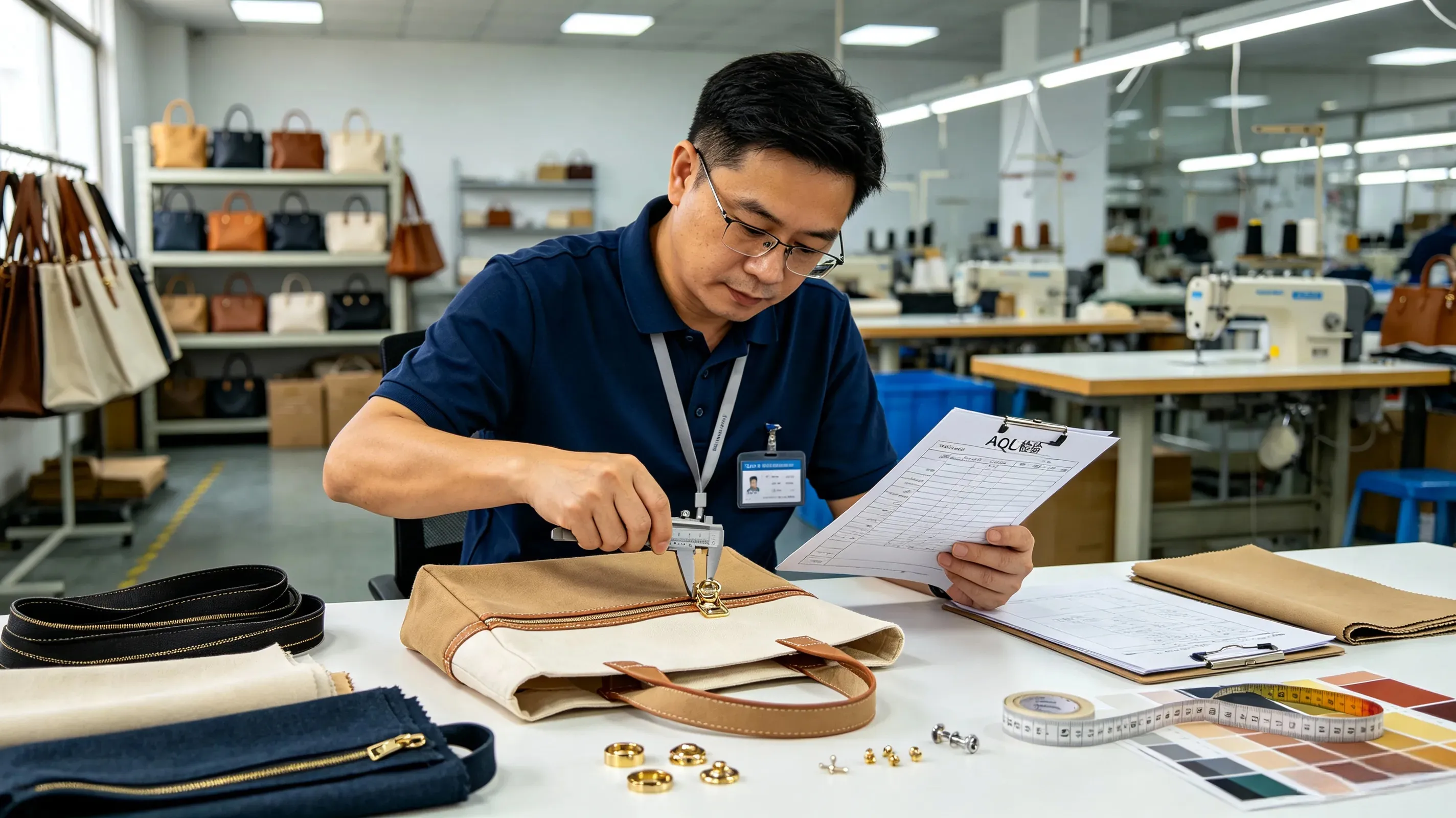
Every order is verified against our published manufacturing quality standards — AQL 2.5 inspection, hardware pull-tests, seam-strength audits, and silk-fibre authenticity checks. From concept tech-pack to mass production, we run the entire supply chain in-house, so timelines stay honest and revisions stay painless.
Buying Guides & Manufacturing Insights
Sourcing smarter starts with knowing what to compare. These long-form guides break down the decisions our clients wrestle with most — from third-party inspections like the SGS vs Intertek vs Bureau Veritas showdown, to ranking China’s top 10 tote bag manufacturers, to the head-to-head of canvas vs polyester vs PU for bag bodies.
Designing your logo? Our custom tote bag logo size guide shows real placement and stitch-density examples. Curious how a handbag actually comes together? Walk through the leather handbag manufacturing process step by step, and pair it with the canvas tote durability factors that decide whether a bag survives five years of daily use.
For material decisions beyond canvas, compare PU vs polyester for bags and explore our roundup of the world’s top canvas bag manufacturers. If backpacks are your lane, our backpack manufacturing process and backpack lead-time guide give you realistic production windows. Choosing between social-compliance audits? Read BSCI vs SEDEX vs WRAP. For smaller leather goods, dive into the leather wallet manufacturer playbook; for sustainability claims, the recycled PU leather explainer and our backpack QC checklist separate marketing from reality. Finally, stay ahead of EU regulation with our PPWR FAQ for bag manufacturers.
Explore by Topic
Browse our deep-dive knowledge hubs — every cluster is curated by category and updated with new field reports.
By Category
Materials & Compliance
Real Client Cases
Numbers tell part of the story. These production cases show how Dreamway’s small team delivers at scale.
Featured Product Lines
A snapshot of what we manufacture most often — all OEM/ODM-ready with custom hardware, lining, and packaging.
Who We Help
From indie founders to global enterprise — Dreamway is built for brands that need a factory, not a freelancer.
Brand Builders
Beauty & Fashion
Lifestyle & Retail

Skip the inbox. Chat with Victoria — right now.
Point your camera at the QR and you’re connected to a real human in Guangzhou. Send a photo of your reference, get a quote within minutes, and lock in your 200-piece MOQ slot before this month’s capacity fills.
Specialized factories. Unified standards.
Leather & Bag Capital
Our bags come from Guangzhou’s Shiling leather district — home to 30+ senior artisans under one roof, working in 8,000 m² of integrated cutting, sewing, hardware-assembly, and QC space.
Mulberry Silk Heritage
Our 22mm Mulberry silk pillowcases and sleep sets come from vetted partner mills in Suzhou and Hangzhou — at the heart of China’s 5,000-year sericulture heritage, today running OEKO-TEX Standard 100 certified production lines.
Get your sample in 7 working days —
hand-built by Guangzhou’s 30+ artisans.
Send a sketch, a screenshot, or a competitor’s bag you want to beat. We’ll hand-build a custom sample and ship it to your door — produced by the same craftspeople who will run your mass-production order.
business days · in your timezone
on request · signed in 1 day
if first one misses the brief