
In the world of bag and textile manufacturing, quality control is not a single checkpoint — it is a comprehensive process that spans every stage of production. Among the many quality assurance methodologies, Inline QC (Inline Quality Control) and Final Inspection stand as the two most critical pillars of a reliable quality management system. Yet many buyers find themselves asking: Which one do I really need? Can I skip inline inspections and just rely on final checks? This comprehensive guide will demystify both approaches, compare their strengths and limitations, and help you build a more robust quality control strategy for your OEM/ODM projects.
What Is Inline QC?
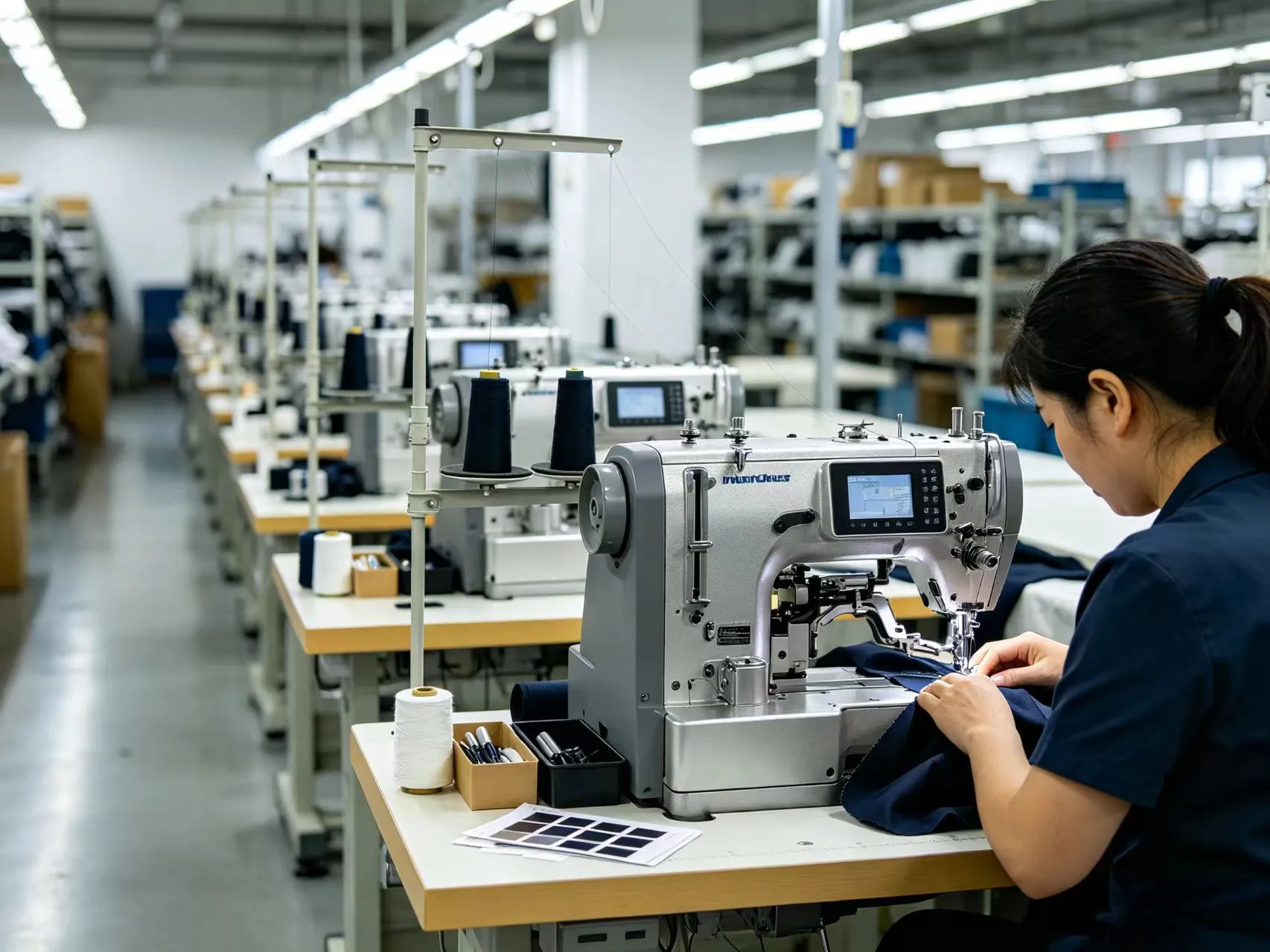
Inline QC, also known as in-process inspection, refers to quality control activities that take place during the production process. Rather than waiting until an entire batch is completed, inline QC inspectors examine products at key stages of manufacturing — catching defects the moment they occur, not after the damage is done.
The fundamental philosophy behind inline QC is prevention over detection. By monitoring quality in real-time, manufacturers can address issues before they multiply across an entire production run, saving both time and resources.
When Is Inline QC Performed?
Inline inspections are strategically placed at critical points throughout the production workflow. These typically include:
- Cutting: Verifying pattern accuracy, material quality, and dimensional precision before pieces move to sewing.
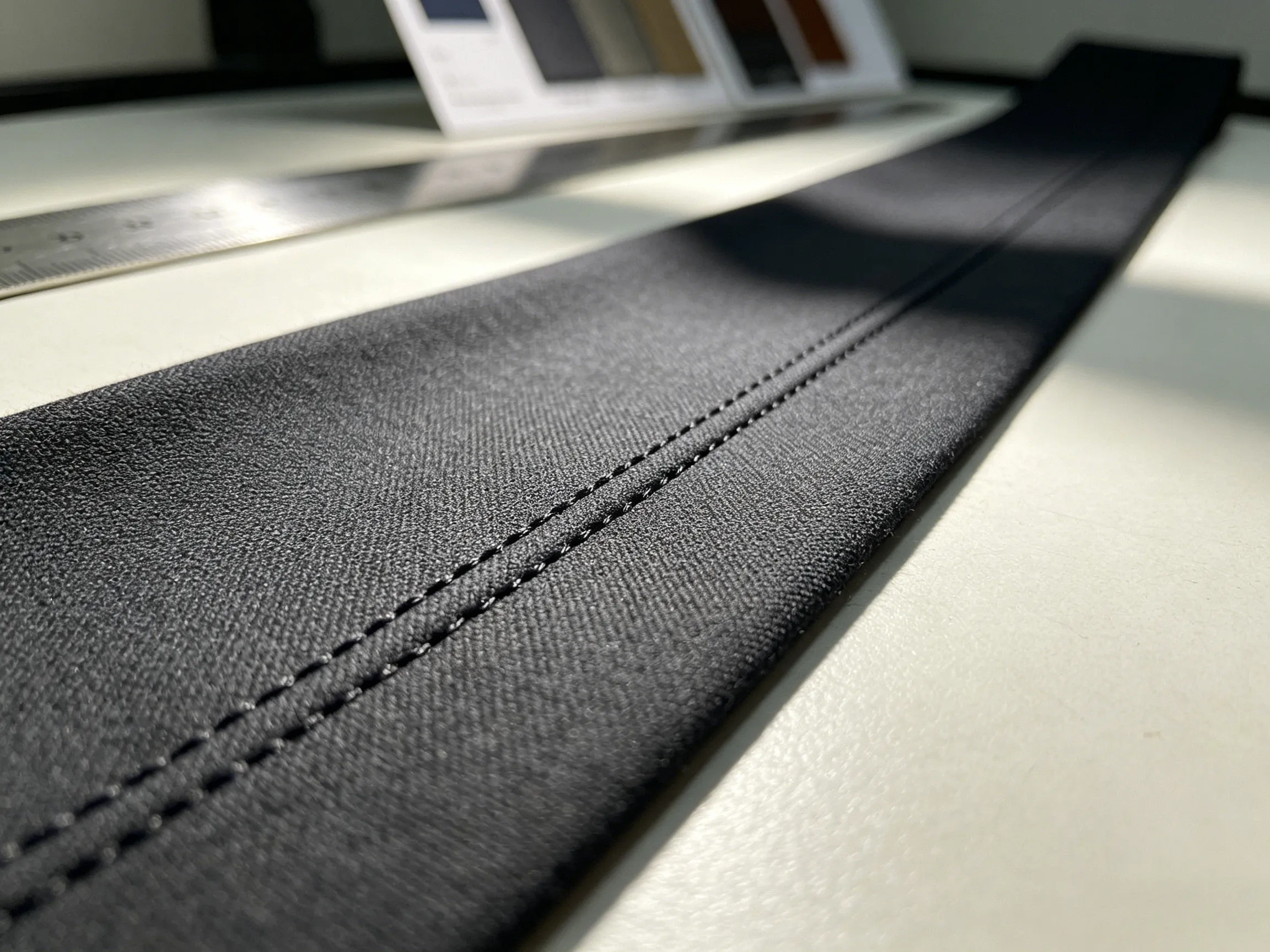
- Sewing: Checking stitch quality, thread tension, seam straightness, and reinforcement at stress points.
- Assembly: Ensuring proper joining of components, hardware attachment, and structural integrity.
- Logo Application: Verifying logo positioning, alignment, color accuracy, and secure attachment.
- Packaging Preparation: Inspecting pre-packaging conditions, ensuring products are clean and ready for final packing.
Benefits of Inline QC
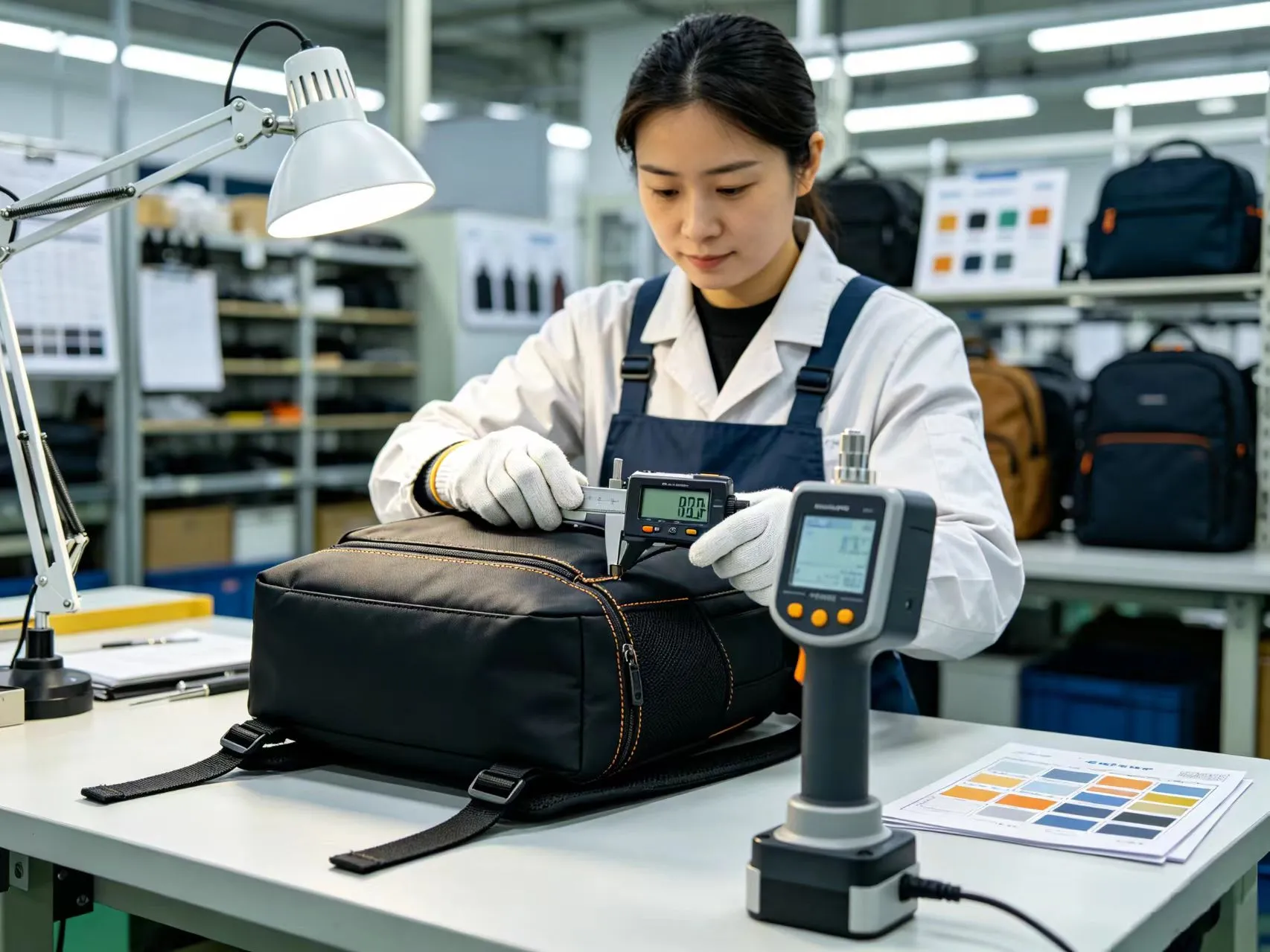
Implementing a robust inline QC program delivers measurable advantages throughout the production cycle:
- Early Defect Detection: Identifying issues during production prevents defective pieces from progressing to completion, where correction becomes more costly.
- Reduced Rework: Catching problems at the source minimizes the need for expensive rework or scrapping of finished goods.
- Improved Production Efficiency: When quality issues are addressed immediately, production flow remains uninterrupted.
- Lower Long-Term Costs: While inline QC requires investment in trained personnel and inspection time, it dramatically reduces the total cost of poor quality.
- Consistent Workmanship: Continuous monitoring ensures that quality standards remain consistent across all shifts and workers.
What Is Final Inspection?
Final Inspection, also referred to as Final Random Inspection (FRI) or pre-shipment inspection, is conducted after production is complete and before goods are shipped to the buyer. The primary purpose is to verify that the finished products meet agreed-upon specifications, quality standards, and contractual requirements.
Final inspection follows established statistical sampling methods, typically using AQL (Acceptable Quality Level) standards. This means a randomly selected sample from the batch is inspected, and the entire shipment’s fate is determined based on the sample’s results.
What Does Final Inspection Cover?
A comprehensive final inspection evaluates multiple aspects of the finished product:
- Appearance: Overall visual quality, color consistency, surface finish, and aesthetic standards.
- Measurements: Dimensional verification against approved specifications and tech packs.
- Function Tests: Testing closures, straps, hardware functionality, and structural integrity under load.
- Packaging: Verification of inner and outer packaging materials, completeness, and presentation.
- Labeling: Checking care labels, brand labels, country of origin tags, and barcodes for accuracy.
- Carton Inspection: Ensuring shipping cartons are properly constructed, labeled, and ready for transport.
- Quantity Verification: Confirming that the correct number of units has been produced and packed.
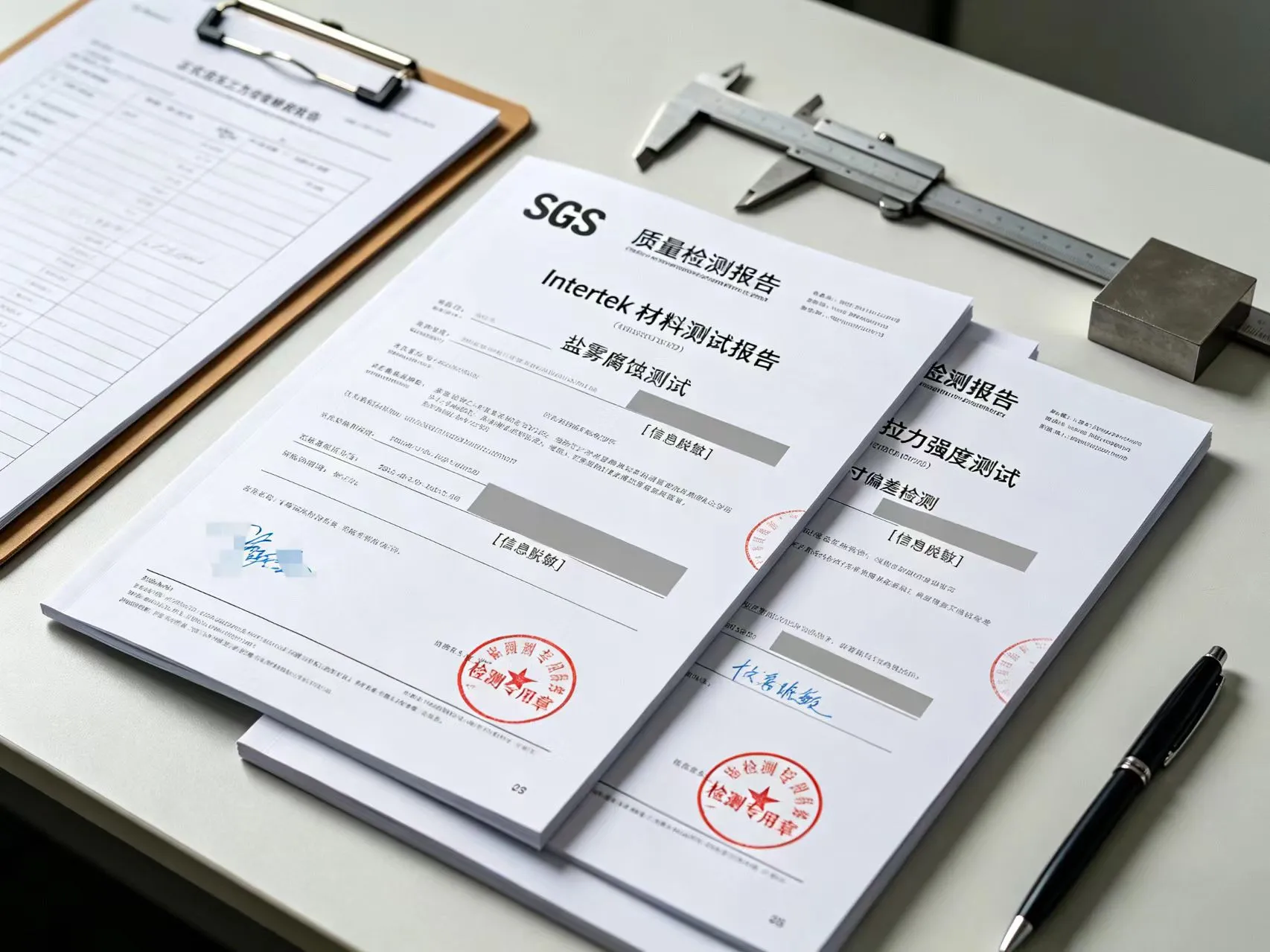
Inline QC vs Final Inspection: Key Differences
While both inspection methods share the goal of ensuring product quality, they differ significantly in their approach, timing, and value proposition. Understanding these differences is essential for making informed sourcing decisions.
| Aspect | Inline QC | Final Inspection |
|---|---|---|
| Timing | During production (in-process) | After production is complete |
| Primary Purpose | Prevent defects from occurring | Verify finished products meet standards |
| Sampling Method | Continuous monitoring | AQL statistical sampling |
| Cost Impact | Lower long-term investment | Higher if defects found late |
| Buyer Value | Process control & improvement | Shipment approval decision |
| Defect Scope | Isolated to specific process | May indicate systemic issues |
| Correction Window | Immediate correction possible | Limited to sorting/rework |
| Documentation | Process logs & in-process records | Formal inspection reports |
Advantages and Limitations of Inline QC
Advantages
- Proactive Quality Management: Inline QC shifts the quality paradigm from reactive correction to proactive prevention.
- Continuous Improvement Data: Regular inspections generate data that identifies recurring issues and process improvement opportunities.
- Process Monitoring: Provides real-time visibility into production line performance and operator adherence to standards.
- Reduced Waste: By catching defects early, inline QC significantly reduces material waste and scrap.
Limitations
- Requires Trained Inspectors: Effective inline QC demands skilled personnel who understand each production stage.
- Cannot Replace Final Inspection: Inline QC focuses on process; it cannot assess the final product’s overall conformance.
- Resource Investment: Requires dedicated inspection stations and time allocated throughout production.
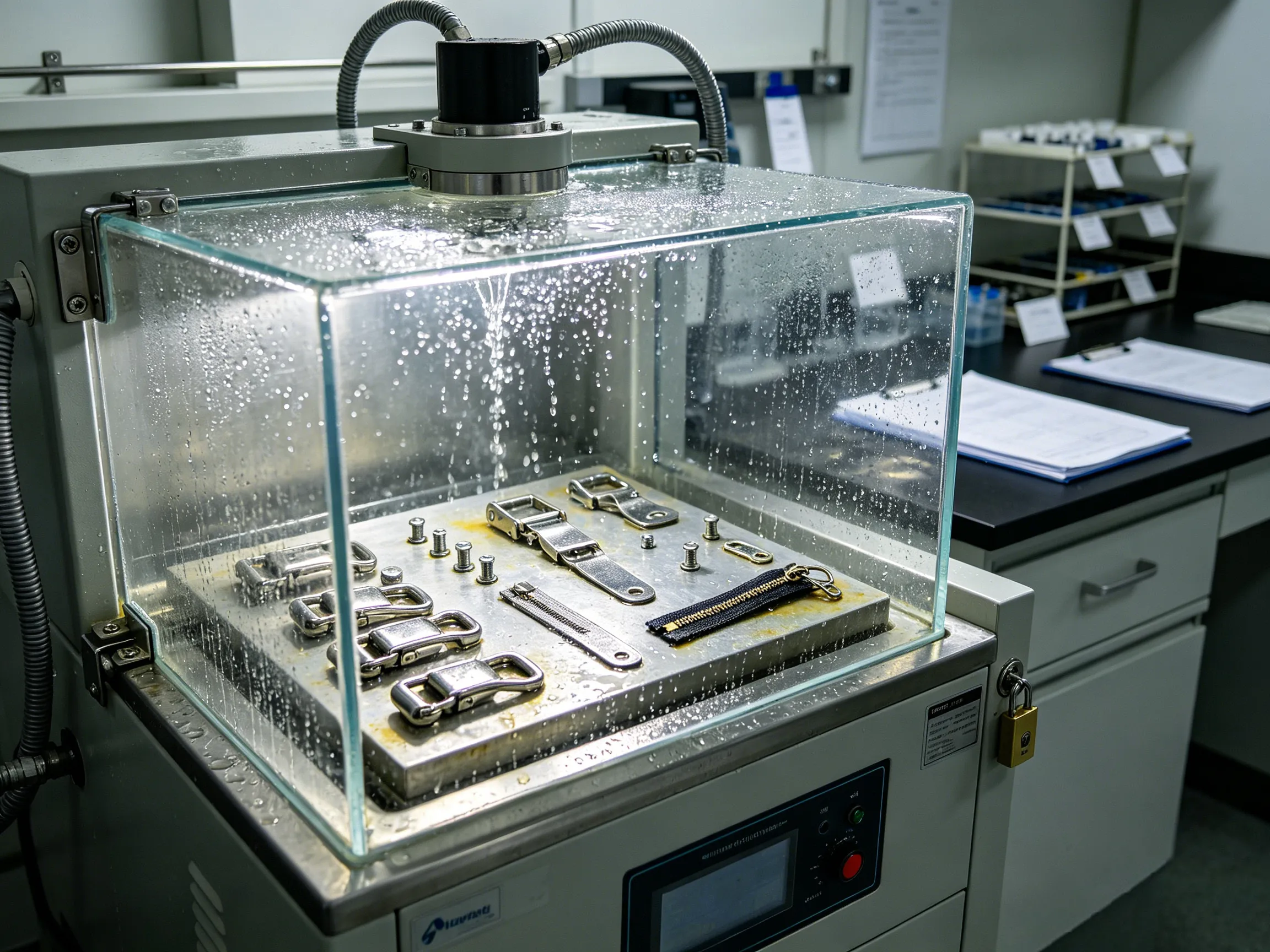
Advantages and Limitations of Final Inspection
Advantages
- Shipment Verification: Provides objective evidence that products are ready for shipping and meet buyer requirements.
- Customer Confidence: A passed final inspection gives buyers confidence that their orders meet quality standards.
- Compliance Check: Verifies adherence to regulatory requirements, labeling laws, and safety standards for target markets.
- Third-Party Credibility: Formal inspection reports provide documented proof of quality status for all stakeholders.
Limitations
- Defects May Be Widespread: If inline QC is lacking, defects found at final inspection may affect a large portion of the batch.
- Higher Rework Costs: Correcting defects on finished products is significantly more expensive than in-process corrections.
- Production Delays: Finding critical defects at final inspection can delay shipments and miss seasonal deadlines.
- Sample-Based Assessment: AQL sampling means some defective items may still reach the buyer if they fall outside the sample.
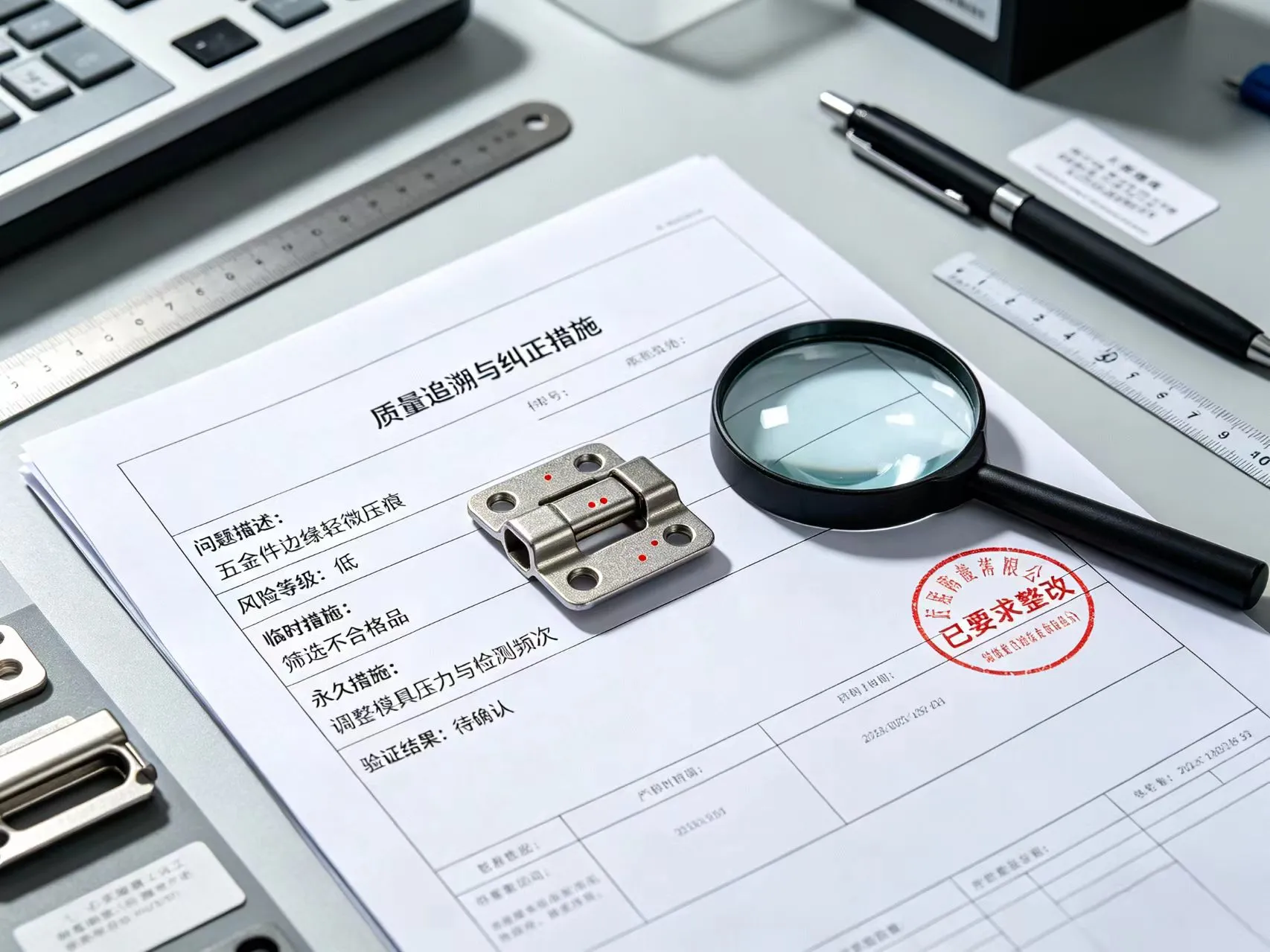
Why Manufacturers Need Both Inline QC and Final Inspection
The question is not inline QC vs final inspection — the real answer is inline QC and final inspection. These two approaches are not competing alternatives; they are complementary components of a comprehensive quality management system.
Inline QC is about prevention. It catches issues at their source, preventing defects from propagating through the production process. Think of it as the immune system of your manufacturing operation — constantly monitoring and neutralizing threats before they spread.
Final inspection is about verification. It confirms that the completed products meet all requirements before leaving the factory. This is your last line of defense — the final checkpoint that ensures only conforming products reach your customers.
When used together, inline QC and final inspection create a powerful quality闭环 (closed-loop system). Inline data feeds back into process improvements, which reduce future defects, which makes final inspection smoother and more predictable.
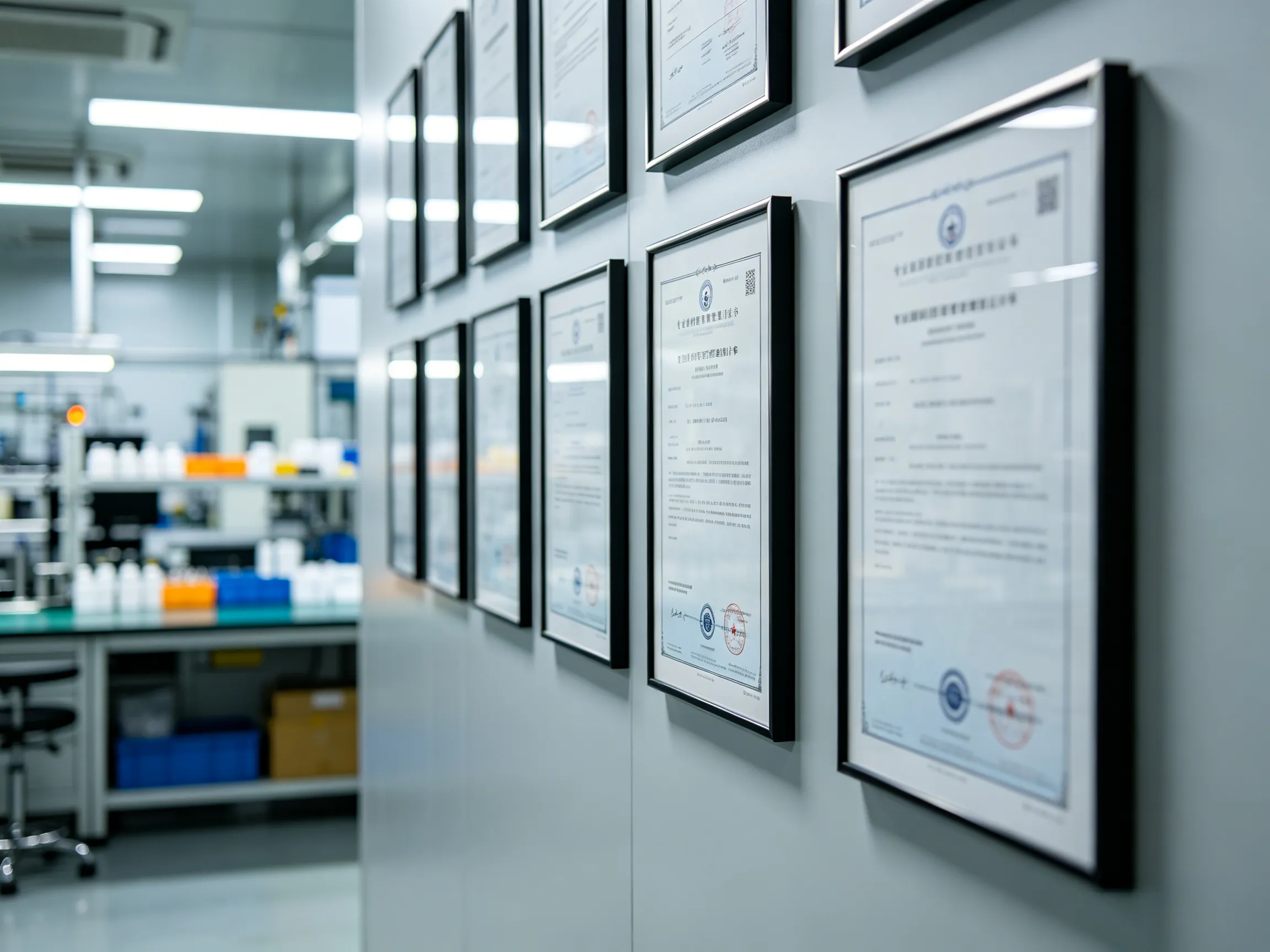
Common Defects Found During Inline QC
Inline inspections are particularly effective at identifying process-related defects. Common issues caught during inline QC include:
- Uneven Stitching: Irregular stitch length, skipped stitches, or inconsistent thread tension.
- Wrong Thread Color: Threading errors that would result in visible color discrepancies.
- Misaligned Logo: Incorrect positioning or orientation of brand logos and labels.
- Poor Edge Painting: Incomplete, uneven, or bubbling edge coating on leather components.
- Loose Hardware: D-rings, buckles, or zipper pulls that are not properly secured or welded.
- Material Defects: Scuffs, marks, or inconsistencies in leather or fabric before cutting.
- Improper Seam Allowance: Seams that do not meet specified width requirements.
Common Defects Found During Final Inspection
Final inspection typically reveals issues that relate to the complete product, packaging, and compliance. Common findings include:
- Packaging Errors: Incorrect inner packaging, missing tissue paper, or improper folding techniques.
- Missing Accessories: Dust bags, care cards, or promotional materials not included.
- Wrong Labels: Incorrect care instructions, size labels, or country of origin tags.
- Mixed Colors: Unintentional color mixing in the same carton.
- Carton Damage: Water damage, crushing, or improper carton construction.
- Barcode Scanning Issues: Unreadable or incorrect UPC/EAN barcodes on retail packaging.
- Quantity Discrepancies: Cartons with incorrect unit counts.
How Buyers Decide Which Inspection Method to Use
For buyers navigating the sourcing landscape, choosing the right inspection strategy depends on several key factors:
Consider Your Order Value
High-value orders merit both inline QC and final inspection. The cost of a failed shipment increases exponentially with order value, making comprehensive quality coverage essential.
Assess Product Complexity
Intricate designs with multiple components, specialized materials, or complex construction benefit significantly from inline QC monitoring at each critical stage.
Evaluate Supplier Relationships
New suppliers or new product lines with an established partner warrant closer in-process monitoring. Long-term suppliers with proven track records may require less intensive inline supervision.
Check Regulatory Requirements
Products destined for markets with strict safety and compliance regulations (EU, US, Australia) typically require documented final inspection reports for customs clearance and liability protection.
Define Brand Quality Standards
Premium brands with uncompromising quality expectations should insist on both inline QC documentation and comprehensive final inspection — quality is a key differentiator for luxury positioning.
Best Practices for Effective Factory Quality Control
For manufacturers committed to excellence, implementing a world-class quality control system requires attention to multiple dimensions:
- Clear QC Standards: Develop detailed inspection checklists and quality specifications that leave no room for interpretation ambiguity.
- SOP Implementation: Establish and enforce Standard Operating Procedures for every critical production process.
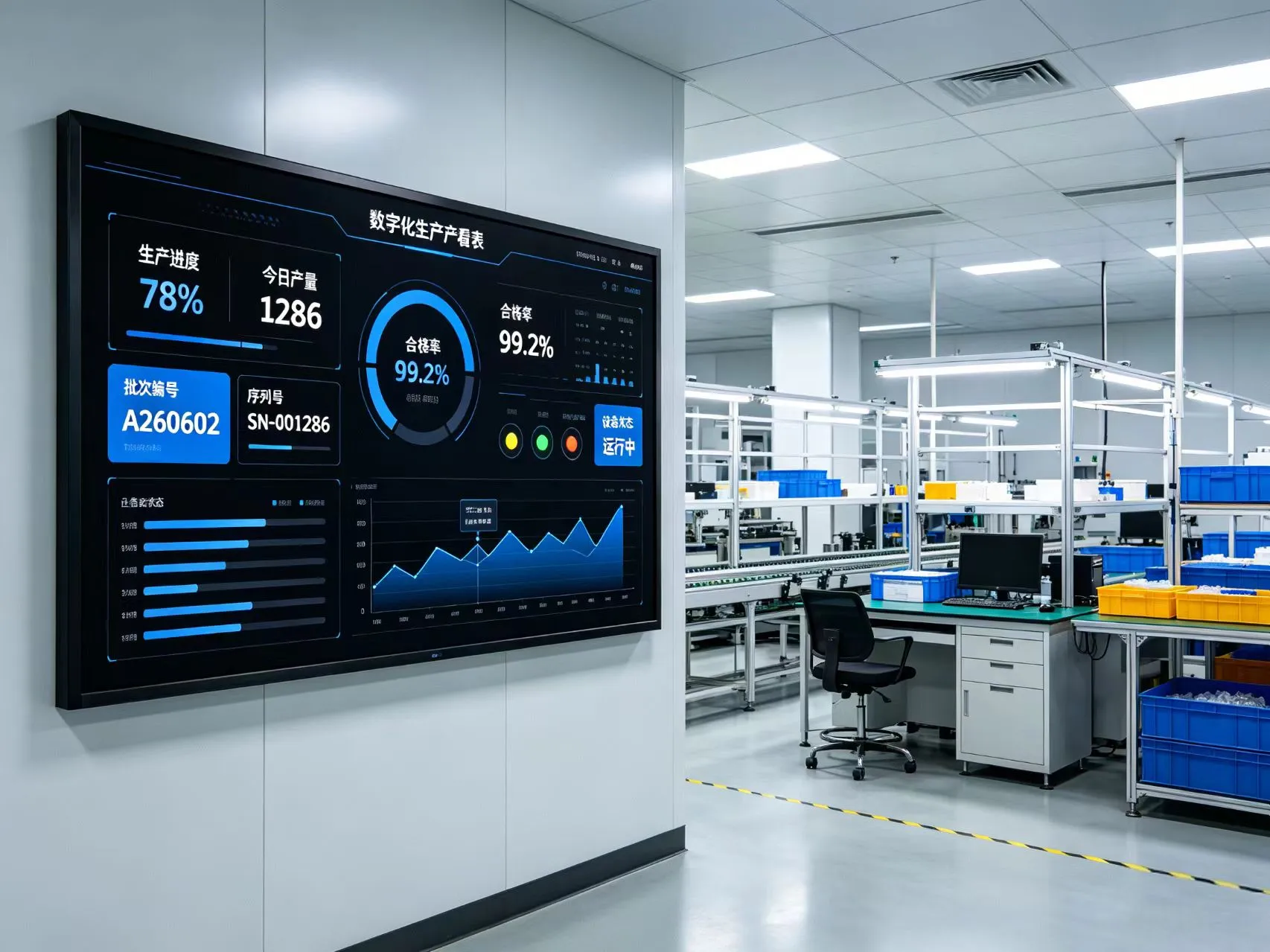
- Inline Monitoring Systems: Deploy real-time quality tracking tools and MES (Manufacturing Execution System) integration for immediate visibility.
- Final AQL Inspection: Conduct statistically valid sampling based on internationally recognized AQL standards.
- Corrective Action Tracking: Implement CAPA (Corrective and Preventive Action) systems to address root causes of quality issues.
- Continuous Improvement: Analyze quality data trends to identify systemic improvements and prevent recurrence.
- Third-Party Verification: Welcome independent inspection agencies for objective quality assessment and buyer confidence.
Frequently Asked Questions
What is inline QC?
Inline QC (Inline Quality Control) is a quality inspection method performed during the production process, at key stages such as cutting, sewing, and assembly. Its purpose is to detect and correct defects early, before they affect an entire production batch.
What is final inspection?
Final inspection (also called Final Random Inspection or pre-shipment inspection) is conducted after production is complete. It verifies that finished products meet agreed specifications using AQL sampling methods before shipment approval.
What is the difference between inline QC and final inspection?
The main difference lies in timing and purpose. Inline QC occurs during production and focuses on prevention, while final inspection occurs after production and focuses on verification. Inline QC provides continuous monitoring, while final inspection uses statistical sampling.
Is final inspection enough?
Final inspection alone is not sufficient for comprehensive quality management. Without inline QC, defects discovered at the final stage may be widespread, making correction costly and potentially causing shipment delays.
Why is inline QC important?
Inline QC is important because it catches defects early, when correction is least expensive. It prevents defective products from progressing through production, reduces waste, and enables continuous process improvement.
What is Final Random Inspection (FRI)?
Final Random Inspection (FRI) is a statistical quality control method where a random sample is selected from a completed production batch and inspected against established quality standards. The entire shipment is accepted or rejected based on the sample results and predefined AQL limits.
Can buyers request both inspections?
Absolutely. Most professional manufacturers recommend — and sophisticated buyers demand — both inline QC monitoring throughout production and formal final inspection before shipment. This dual approach provides the most comprehensive quality assurance.
What defects are easier to detect during inline QC?
Process-related defects are most easily caught during inline QC, including stitching irregularities, thread color errors, misaligned logos, poor edge painting, loose hardware, and material defects before cutting.
How does AQL apply to final inspection?
AQL (Acceptable Quality Level) defines the maximum number of defects acceptable in a sample. During final inspection, inspectors sample products according to AQL tables based on lot size and inspection level, and the shipment is accepted or rejected based on whether defects exceed the AQL limit.
Which inspection method reduces quality risks the most?
The combination of both inline QC and final inspection provides the greatest risk reduction. Inline QC prevents defects, while final inspection verifies the final product. Together, they create a comprehensive quality assurance system that neither method achieves alone.
Conclusion
In the competitive landscape of bag and textile manufacturing, quality is not a luxury — it is a necessity. Inline QC and Final Inspection are not competing alternatives; they are complementary pillars of an effective quality management strategy.
Inline QC serves as your proactive defense system, identifying and correcting issues during production before they escalate. Final Inspection acts as your verification checkpoint, ensuring that completed products meet every specification before reaching your customers.
For OEM/ODM bag projects especially, implementing both inspection methodologies delivers quantifiable benefits: reduced rework costs, minimized quality risks, fewer shipment delays, and ultimately, higher customer satisfaction. The investment in comprehensive quality control pays dividends in brand reputation, repeat orders, and long-term partnerships.
At Dreamway, we understand that quality is the foundation of trust. Our small but dedicated team of 30+ professionals combines advanced manufacturing equipment with rigorous inline QC protocols and thorough final inspection procedures. With certified compliance to international standards including ISO and BSCI, we serve brands across 50+ countries with a commitment to excellence that defines every stitch, every detail, every product.
Ready to experience the difference that comprehensive quality control makes? Visit our website to explore how Dreamway can bring your vision to life with uncompromising quality.
Premium bag & silk manufacturing — under one factory roof.
Tucked inside Shiling Town — Guangzhou’s centuries-old leather district — Dreamway is a focused manufacturing partner for brands that refuse to compromise. We build rugged, retail-ready tote bags, backpacks, handbags with a 200-piece MOQ, and craft 100% Mulberry silk pillowcases, scrunchies & sleep accessories starting from just 50 pieces. Our small team of 30+ artisans is senior, hands-on, and accountable — the same people who quote your sample will personally inspect your shipment.
Every order is verified against our published manufacturing quality standards — AQL 2.5 inspection, hardware pull-tests, seam-strength audits, and silk-fibre authenticity checks. From concept tech-pack to mass production, we run the entire supply chain in-house, so timelines stay honest and revisions stay painless.
Buying Guides & Manufacturing Insights
Sourcing smarter starts with knowing what to compare. These long-form guides break down the decisions our clients wrestle with most — from third-party inspections like the SGS vs Intertek vs Bureau Veritas showdown, to ranking China’s top 10 tote bag manufacturers, to the head-to-head of canvas vs polyester vs PU for bag bodies.
Designing your logo? Our custom tote bag logo size guide shows real placement and stitch-density examples. Curious how a handbag actually comes together? Walk through the leather handbag manufacturing process step by step, and pair it with the canvas tote durability factors that decide whether a bag survives five years of daily use.
For material decisions beyond canvas, compare PU vs polyester for bags and explore our roundup of the world’s top canvas bag manufacturers. If backpacks are your lane, our backpack manufacturing process and backpack lead-time guide give you realistic production windows. Choosing between social-compliance audits? Read BSCI vs SEDEX vs WRAP. For smaller leather goods, dive into the leather wallet manufacturer playbook; for sustainability claims, the recycled PU leather explainer and our backpack QC checklist separate marketing from reality. Finally, stay ahead of EU regulation with our PPWR FAQ for bag manufacturers.
Explore by Topic
Browse our deep-dive knowledge hubs — every cluster is curated by category and updated with new field reports.
By Category
Materials & Compliance
Real Client Cases
Numbers tell part of the story. These production cases show how Dreamway’s small team delivers at scale.
Featured Product Lines
A snapshot of what we manufacture most often — all OEM/ODM-ready with custom hardware, lining, and packaging.
Who We Help
From indie founders to global enterprise — Dreamway is built for brands that need a factory, not a freelancer.
Brand Builders
Beauty & Fashion
Lifestyle & Retail

Skip the inbox. Chat with Victoria — right now.
Point your camera at the QR and you’re connected to a real human in Guangzhou. Send a photo of your reference, get a quote within minutes, and lock in your 200-piece MOQ slot before this month’s capacity fills.
Specialized factories. Unified standards.
Leather & Bag Capital
Our bags come from Guangzhou’s Shiling leather district — home to 30+ senior artisans under one roof, working in 8,000 m² of integrated cutting, sewing, hardware-assembly, and QC space.
Mulberry Silk Heritage
Our 22mm Mulberry silk pillowcases and sleep sets come from vetted partner mills in Suzhou and Hangzhou — at the heart of China’s 5,000-year sericulture heritage, today running OEKO-TEX Standard 100 certified production lines.
Get your sample in 7 working days —
hand-built by Guangzhou’s 30+ artisans.
Send a sketch, a screenshot, or a competitor’s bag you want to beat. We’ll hand-build a custom sample and ship it to your door — produced by the same craftspeople who will run your mass-production order.
business days · in your timezone
on request · signed in 1 day
if first one misses the brief