
PPWR Timeline Explained: Key Compliance Milestones for Bag Manufacturers & Importers
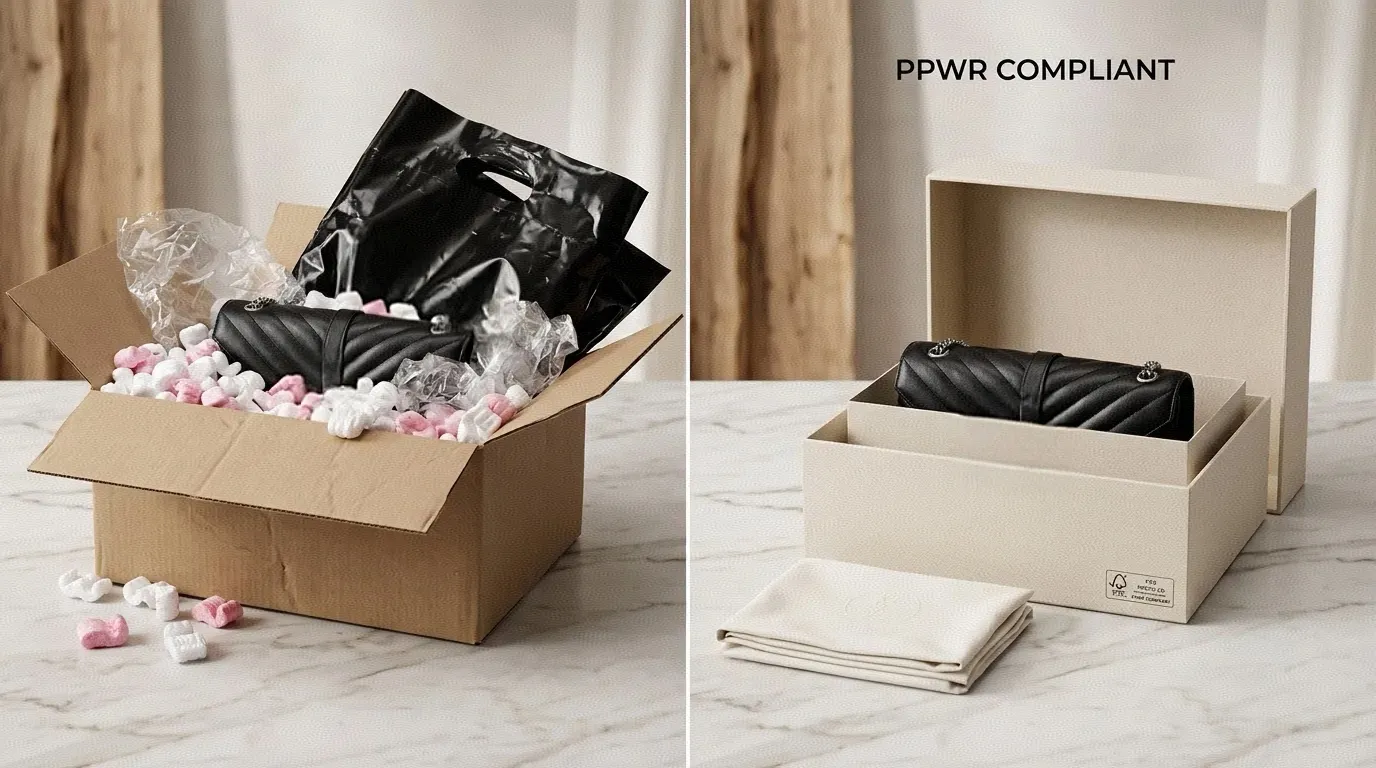
Introduction
When European regulators announced the EU Packaging and Packaging Waste Regulation (PPWR), many in the bag manufacturing and import industry made the same mistake: they treated it as a single deadline. They assumed they had time—or that compliance was years away.
This misunderstanding is costly. The PPWR is not a single date on the calendar. It is a complex framework of phased implementation, delegated acts, technical standards, and industry preparation timelines that unfold over multiple years.
For OEM factories, brands, procurement teams, and importers, understanding the timeline is often more critical than understanding the regulation itself. Why? Because preparation must begin before requirements become mandatory—and that preparation cycle for custom bag manufacturing can stretch from 12 to 24 months.
This guide breaks down every key milestone in the PPWR timeline, explains what each phase means for your operations, and shows you exactly when to act.
What Is the EU PPWR?
The Packaging and Packaging Waste Regulation (PPWR) is a European Union regulation that replaces the existing Packaging and Packaging Waste Directive 94/62/EC. Unlike its predecessor, the PPWR is a Regulation—meaning it applies directly and uniformly across all 27 EU member states without requiring national transposition.

The regulation addresses the entire packaging lifecycle—from design and materials to end-of-life treatment. It sets ambitious targets for:
- Packaging reduction: Mandatory minimum reduction in packaging weight and volume
- Recyclability: All packaging must be recyclable by 2030
- Recycled content: Specific percentages of recycled material in plastic packaging
- Reuse targets: Minimum reuse rates for certain packaging formats
- Digital Product Passports (DPP): QR codes and traceability requirements
For a deeper dive into the regulation itself, see our Practical PPWR Guide.
Why the PPWR Timeline Matters for OEM Bag Manufacturing
The PPWR timeline is not just an academic exercise. It determines when your products will be blocked from entering the EU market—and when your customers will need documentation you must provide.
Brands
Responsible for packaging design decisions, supplier qualification, and ensuring products meet EU requirements before launch.
Importers
Face direct compliance obligations including EPR registration, recycling fee payment, and customs documentation requirements.
OEM Factories
Must adapt materials, processes, testing, labeling, and documentation systems to meet new specifications from buyers.
Packaging Suppliers
Need to reformulate materials, invest in recyclability certifications, and implement DPP infrastructure.
The critical insight: your customers’ deadlines are your deadlines. A European brand that must comply by January 2026 will begin requesting compliant samples 18–24 months before that date. If you are not prepared when they start their qualification process, you lose the business.
Complete PPWR Timeline
This is the most important section of this guide. Below is a comprehensive timeline of PPWR milestones relevant to bag manufacturers and importers.
| Phase | Expected Date | Key Milestone | What It Means for You |
|---|---|---|---|
| 1 | Q1 2024 | Regulation Adopted | Final text approved by EU Parliament and Council. Industry can begin strategic planning. |
| 2 | Q3 2024 | Entry into Force | Regulation becomes binding EU law. 20-day implementation period begins. |
| 3 | 2024-2025 | Delegated Acts Period | European Commission develops technical standards, definitions, and calculation methodologies. |
| 4 | 2025 | Essential Requirements Revision | Updated design requirements for packaging become applicable. |
| 5 | January 2026 | Phase-in: Reuse Targets | First reuse target obligations begin for B2B and certain B2C packaging. |
| 6 | January 2030 | Full Recyclability Mandate | All packaging must be designed for recycling. Non-compliant packaging prohibited. |
| 7 | 2035 | Advanced Recyclability | Plastic packaging must be recyclable in practice and at scale. |
| 8 | Ongoing | DPP Rollout | Digital Product Passport requirements expand to cover all packaging types. |

What Should Bag Manufacturers Prepare at Each Stage?
Understanding the timeline is only half the battle. Here is a practical checklist for each operational area of a bag manufacturing facility:
Engineering & Design
- Review current packaging designs against PPWR essential requirements
- Identify materials that may become non-compliant (e.g., mixed-material laminates)
- Begin redesign process for affected packaging
- Evaluate alternative materials (GRS-certified rPET, mono-material structures)
Materials & Sourcing
- Audit current material suppliers for compliance certifications
- Source recycled content materials meeting PPWR percentages
- Establish供应链 for PPWR-compliant components
- Verify supplier documentation and traceability systems
.webp)
Packaging Development
- Design PPWR-compliant primary, secondary, and transport packaging
- Eliminate unnecessary packaging layers
- Ensure packaging is designed for disassembly and recycling
- Test alternative packaging solutions with customers
Purchasing & Supply Chain
- Update supplier qualification questionnaires
- Request updated compliance documentation from all suppliers
- Map supply chain for material traceability requirements
- Negotiate longer lead times for compliant materials
Sampling & Validation
- Develop sampling protocols for new packaging designs
- Conduct packaging validation testing (drop tests, compression, etc.)
- Document all sampling results for customer approval
- Prepare samples for customer DPP pilot programs
Production & Operations
- Implement labeling systems meeting DPP requirements
- Establish QR code generation and database infrastructure
- Train production staff on new packaging requirements
- Update production documentation and work instructions
Quality Control
- Update QC checklists to include PPWR compliance points
- Implement incoming material verification procedures
- Conduct periodic audits of compliant packaging suppliers
- Maintain traceability records for all packaging components
Testing & Certification
- Conduct recyclability assessments for all packaging
- Obtain third-party recyclability certifications
- Test recycled content percentages with accredited labs
- Prepare technical files for each packaging type
Documentation & Export
- Prepare EU Declaration of Conformity templates
- Compile technical documentation packages
- Ensure DPP data is accessible and properly formatted
- Coordinate with customs brokers on new requirements
Timeline for European Brands
If you are a European brand or retailer sourcing bags from Asia, your compliance timeline is driven by your market entry dates and customer expectations. Here is when your procurement team needs to take action:
| Timeline | Action Required | Priority |
|---|---|---|
| 18-24 months before launch | Begin supplier audit and qualification process | Critical |
| 12-18 months before launch | Review and approve new packaging designs | High |
| 9-12 months before launch | Complete material qualification and testing | High |
| 6-9 months before launch | Finalize DPP system integration | Medium |
| 3-6 months before launch | Complete artwork approval and labeling | Medium |
| 1-3 months before launch | Final compliance verification and documentation | High |
Key insight: The packaging qualification process alone can take 6-12 months. Starting early is not optional—it is the only way to ensure uninterrupted market access.
Timeline for Importers & Distributors
Importers and distributors face unique compliance obligations under PPWR, including Extended Producer Responsibility (EPR) registration, recycling fee payments, and customs documentation requirements.
Procurement
- Verify supplier PPWR compliance status
- Update purchase contracts with compliance clauses
- Request DPP data for all packaging
- Plan for longer procurement cycles
Customs
- Prepare for new documentation requirements
- Train customs brokers on PPWR compliance
- Establish procedures for non-compliant shipment rejection
- Monitor EU border control enforcement
Warehouse
- Implement DPP scanning and verification systems
- Separate compliant vs. non-compliant inventory
- Update warehouse management systems
- Train staff on compliance procedures
Retail
- Update product listings with compliance claims
- Prepare consumer-facing DPP information
- Establish return procedures for non-compliant products
- Monitor regulatory developments by market
Typical OEM Timeline Compared with PPWR Timeline
Understanding how standard OEM manufacturing cycles align with PPWR requirements helps you plan effectively. Here is a side-by-side comparison:
.webp)
| OEM Stage | Duration | PPWR Alignment | Key Actions |
|---|---|---|---|
| Quotation | 1-2 weeks | Initial compliance assessment | Confirm PPWR requirements with buyer |
| Sampling | 4-8 weeks | Packaging validation | Test compliant packaging designs |
| Material Procurement | 8-16 weeks | Supplier qualification | Source compliant materials, verify certifications |
| Production | 4-12 weeks | Labeling & marking | Apply DPP labels, maintain traceability |
| QC & Inspection | 1-2 weeks | Documentation verification | Verify all compliance documentation |
| Shipment | 2-6 weeks | Export clearance | Prepare EU compliance documentation |
Common Mistakes Companies Make
After working with hundreds of manufacturers and brands on PPWR preparation, we have identified the most costly and common mistakes:
Mistake #1: Treating PPWR as a Single Deadline
Many companies assume they have until 2030—the full recyclability deadline—to take action. But material qualification, sampling, and production cycles mean you need to start now. By the time 2028 arrives, compliant materials may be in short supply.
Mistake #2: Ignoring Delegated Acts
The PPWR framework is not complete. Delegated acts will define technical standards, calculation methodologies, and enforcement details. Companies that wait for final rules risk being unprepared when they arrive.
Mistake #3: Focusing Only on Recyclability
Recyclability is critical, but the PPWR also addresses recycled content requirements, reuse targets, and the Digital Product Passport (DPP). A holistic compliance approach covers all dimensions.
Mistake #4: Underestimating Documentation Burden
The technical documentation requirements are substantial. Companies that do not invest in documentation systems and traceability infrastructure early will struggle to meet deadlines.
Mistake #5: Waiting for Customer Requests
Proactive suppliers are winning business. When customers begin their compliance programs, they need compliant partners immediately. Suppliers who start preparation now will have a significant competitive advantage.
How Dreamway Helps Customers Prepare
At Dreamway, we understand that PPWR compliance is not just about meeting regulations—it is about maintaining your competitive position in the European market. Our team is fully committed to helping our customers navigate this transition.

Senior Project Manager
12 years in OEM bag manufacturing
Manages 15-25 active projects simultaneously
“PPWR preparation is a marathon, not a sprint. We work with each customer to develop a customized compliance roadmap that aligns with their product timelines. Starting early allows us to optimize both cost and compliance.”
Pattern Development Engineer
15 years in bag pattern making
Expert in leather, canvas, nylon, and technical fabrics
“Material selection is the foundation of PPWR compliance. We guide customers through selecting materials that meet both their quality standards and EU regulatory requirements.”
Timeline Planning
We help customers map their product development cycles against PPWR milestones to ensure compliance without production delays.
Sampling Support
Our sampling team develops and tests PPWR-compliant packaging designs, providing documentation for customer approval.
Documentation Services
We prepare complete technical documentation packages including material specifications, test reports, and EU Declaration of Conformity.
DPP Integration
We implement QR code labeling and traceability systems that meet Digital Product Passport requirements.
Packaging Inspection
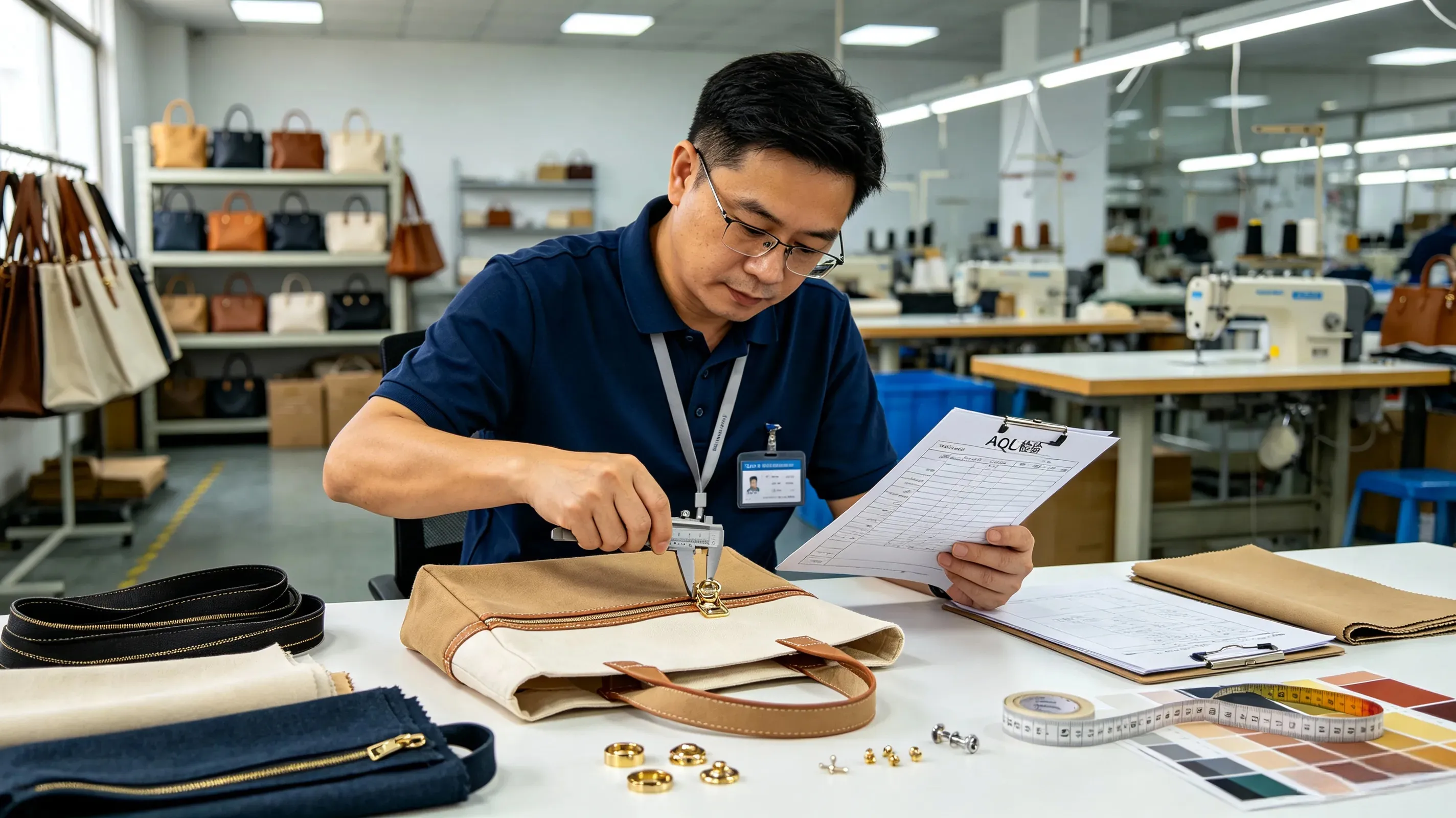
Our QC team conducts comprehensive packaging inspections to verify compliance before shipment.
Supplier Records
We maintain complete traceability records for all packaging components, enabling rapid response to regulatory inquiries.
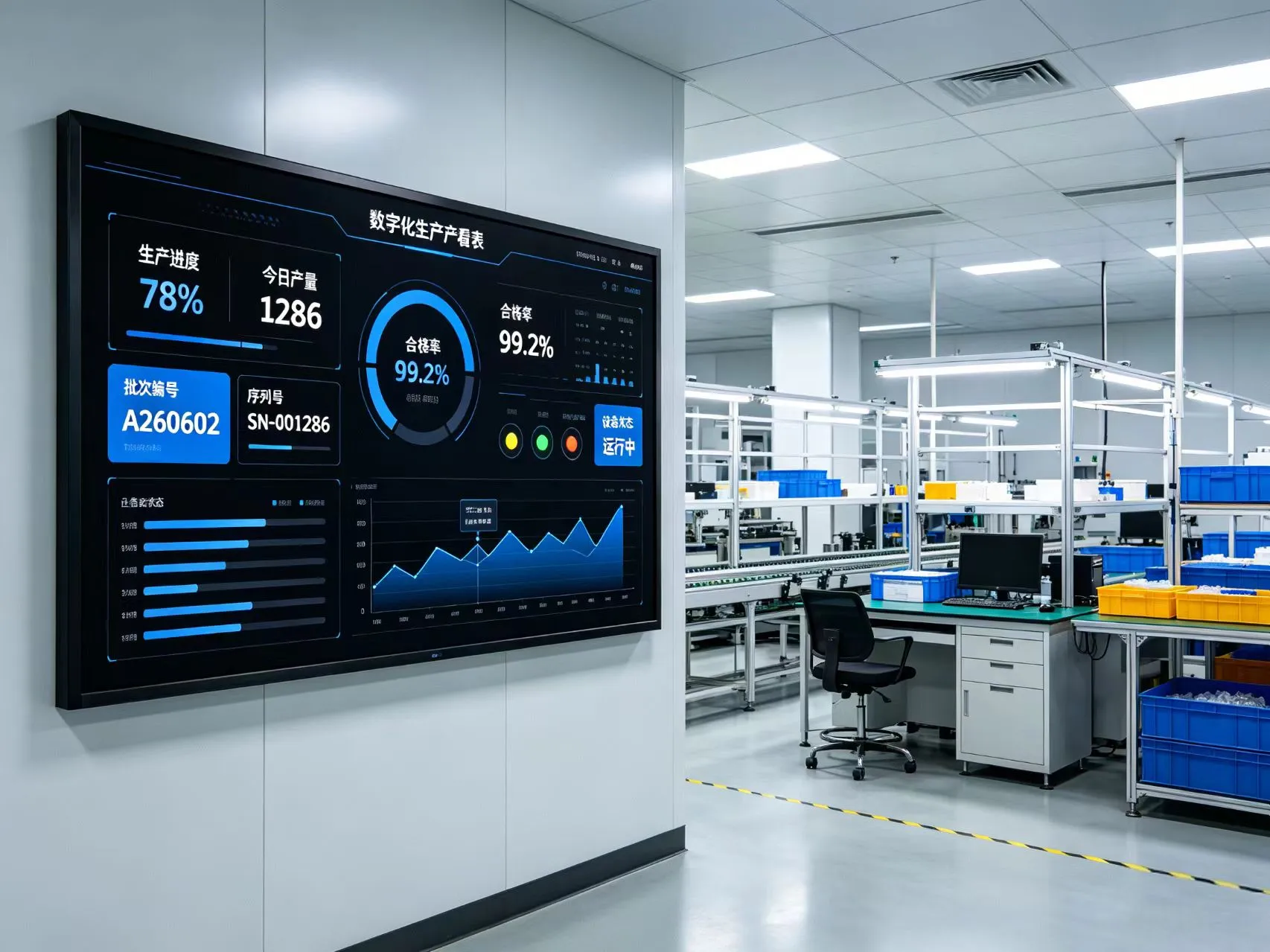
As a small but experienced team of 30+ professionals serving 50+ countries, Dreamway combines the agility of a specialized manufacturer with the expertise needed to navigate complex regulatory requirements. Visit our PPWR Packaging Compliance Center to download our material traceability templates or request a compliant sample today.
Frequently Asked Questions
When will PPWR apply?
The PPWR entered into force in late 2024, with various requirements phasing in from 2025 through 2035. Key deadlines include January 2026 for first reuse targets and January 2030 for full recyclability requirements.
Does PPWR replace current packaging rules?
Yes, the PPWR is a Regulation that replaces the Packaging and Packaging Waste Directive. As a Regulation, it applies directly in all EU member states without requiring national transposition.
Does PPWR apply outside Europe?
The PPWR applies to all packaging placed on the EU market, regardless of where it is manufactured. Non-EU manufacturers must comply if their products are sold in Europe.
Does PPWR affect imported bags?
Yes, absolutely. Imported bags and their packaging must comply with PPWR requirements. Importers bear direct responsibility for compliance, including documentation and Extended Producer Responsibility (EPR) obligations.
Will QR codes become mandatory?
Yes, the Digital Product Passport (DPP), which includes QR code labeling, will become mandatory for packaging. The specific requirements and timelines are being defined through delegated acts.
What is the Digital Product Passport (DPP)?
The DPP is a digital record containing information about a product’s materials, origin, environmental footprint, and compliance status. For packaging, it will enable traceability and end-of-life treatment information.
Is PPWR mandatory for OEM factories?
While OEM factories outside the EU are not directly subject to PPWR enforcement, they must meet PPWR requirements to supply products to the EU market. Non-compliant suppliers will lose access to European customers.
Should suppliers prepare before buyers ask?
Absolutely. Suppliers who wait for customer requests risk losing business to more proactive competitors. Starting preparation now positions you as a preferred partner when European brands begin their compliance programs.
What are the recycled content requirements?
The PPWR sets specific minimum percentages for recycled content in plastic packaging. These percentages increase over time, reaching 50% by 2040 for certain packaging types.
How do reuse targets affect bag packaging?
Certain packaging formats must meet minimum reuse rates under PPWR. This affects secondary and transport packaging design, potentially requiring reusable or refillable alternatives.
What materials are affected by recyclability requirements?
Mixed-material laminates, PVC, black plastic, and certain composite structures face the highest risk of non-compliance. Mono-material structures and clearly recyclable materials are preferred.
How long does packaging qualification take?
Full packaging qualification, including material testing, design validation, and customer approval, typically takes 6-12 months. Planning ahead is essential to avoid production delays.
What documentation is required?
Required documentation includes EU Declaration of Conformity, technical files, material specifications, test reports, recyclability assessments, recycled content verifications, and DPP data.
How does PPWR enforcement work?
Market surveillance authorities in each EU member state will enforce PPWR requirements. Non-compliant products may be removed from the market, and companies may face fines and other penalties.
Can Dreamway help with compliance planning?
Yes. Our team works directly with customers to develop customized compliance roadmaps, conduct packaging audits, and implement PPWR-compliant processes. Contact us to discuss your specific requirements.
What is the MOQ impact of PPWR compliance?
Some compliant materials may require higher minimum order quantities due to specialized production processes. However, the long-term cost of non-compliance far exceeds any MOQ adjustments.
How often will PPWR requirements change?
The regulation framework will evolve through delegated acts as technology and recycling infrastructure develop. Companies should build flexibility into their compliance programs.
Key Takeaways
- PPWR is not a single deadline—it is a phased implementation spanning from 2024 to 2035
- Start preparation now—material qualification and sampling cycles require 12-24 months
- Address all compliance dimensions—recyclability, recycled content, reuse, and DPP
- Build documentation infrastructure—technical files and traceability records are essential
- Partner proactively—suppliers who prepare early will win competitive advantage
- Monitor delegated acts—regulatory details will continue to evolve
- Align timelines with customers—their compliance deadlines are your deadlines
- Invest in traceability—DPP requirements will become mandatory for all packaging
Who Should Act at Each Stage?
| Stakeholder | Primary Responsibilities | Key Timeline |
|---|---|---|
| European Brands | Packaging design, supplier qualification, market compliance | Begin supplier audits 18-24 months before launch |
| Importers | EPR registration, customs documentation, distribution compliance | Register with EPR schemes by 2025 |
| OEM Factories | Material compliance, labeling, documentation, testing | Qualify materials and processes now |
| Packaging Suppliers | Recyclability certification, recycled content sourcing, DPP infrastructure | Achieve recyclability certification by 2028 |
Our Manufacturing Foundation
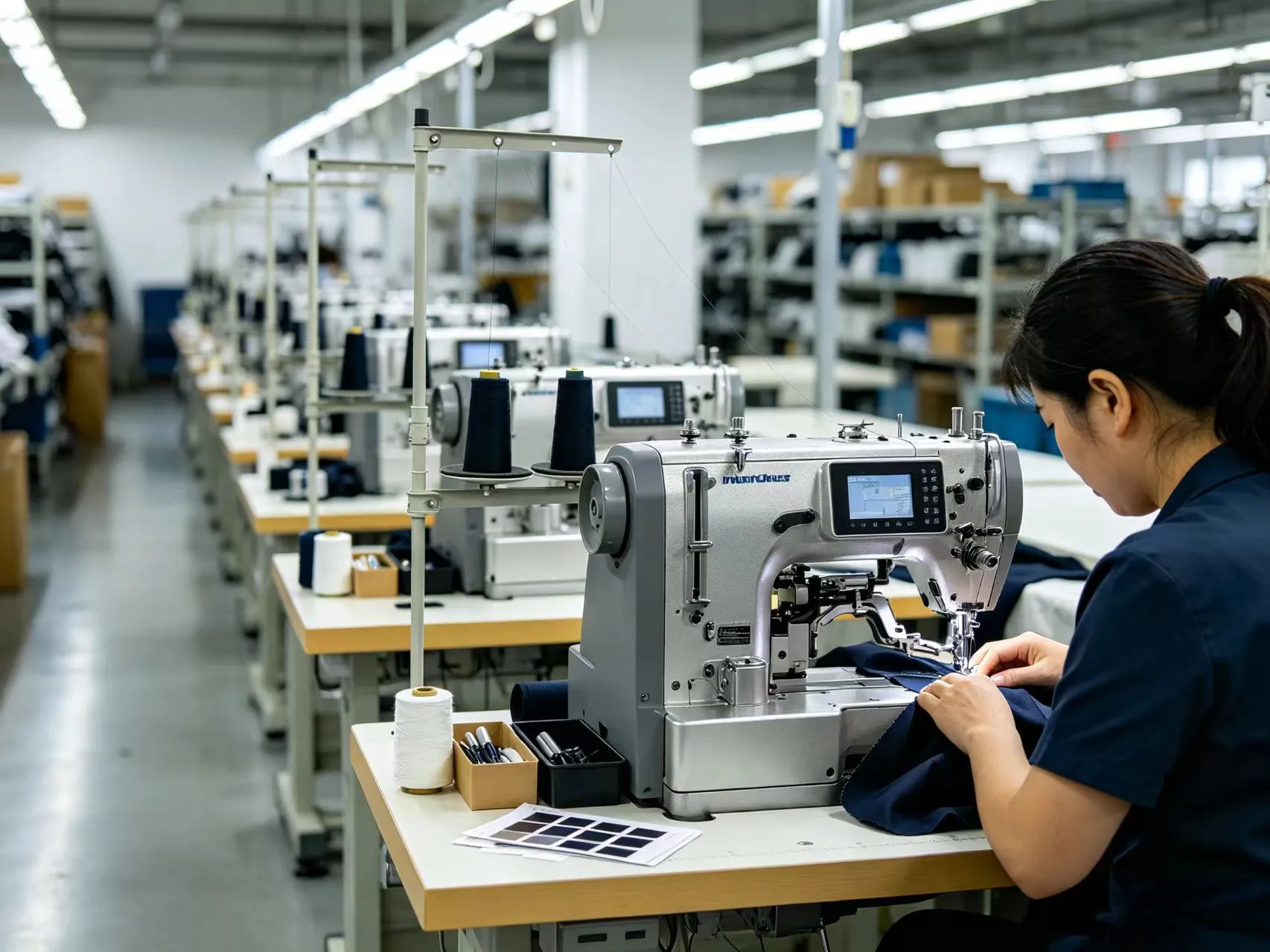
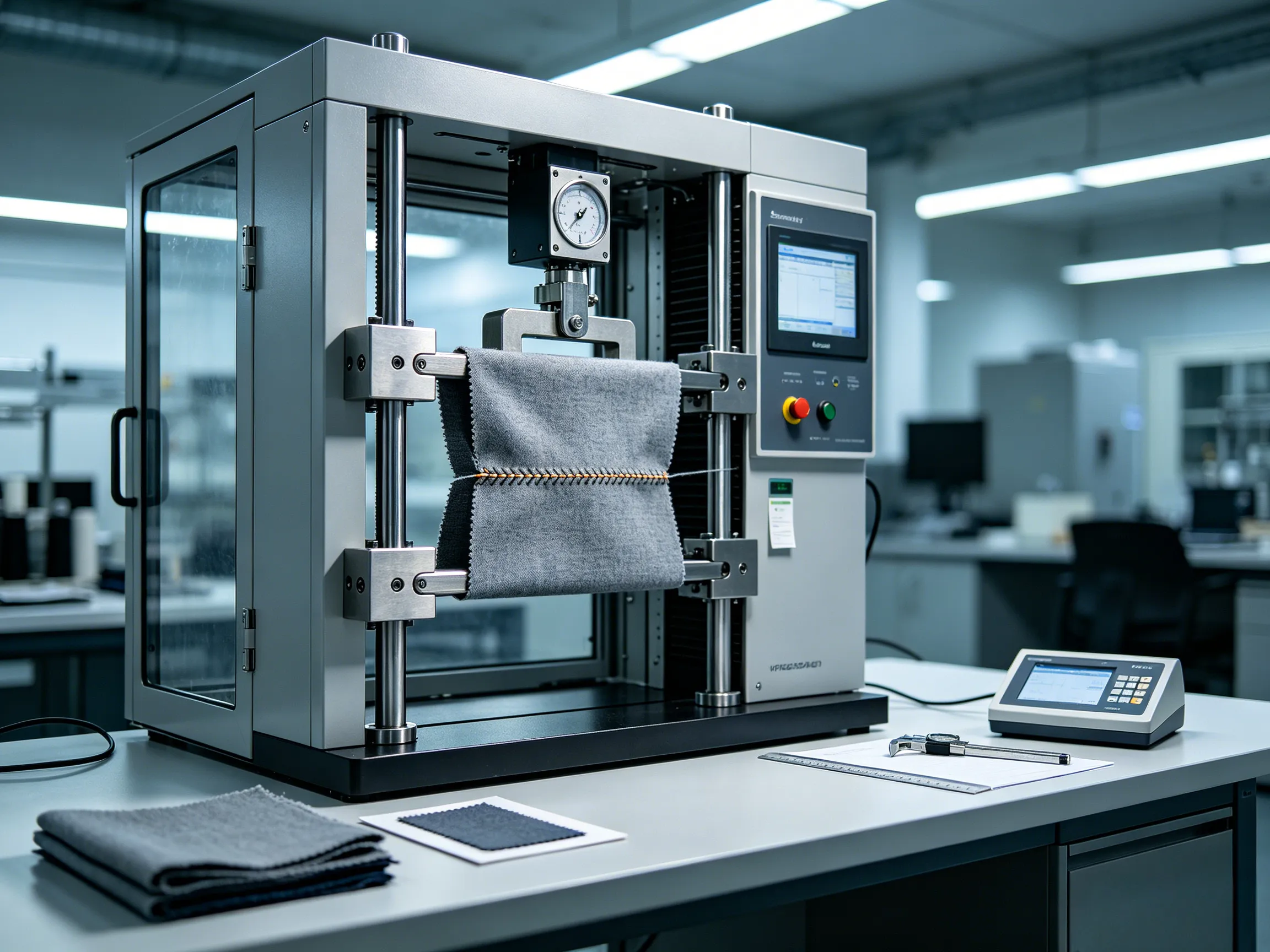
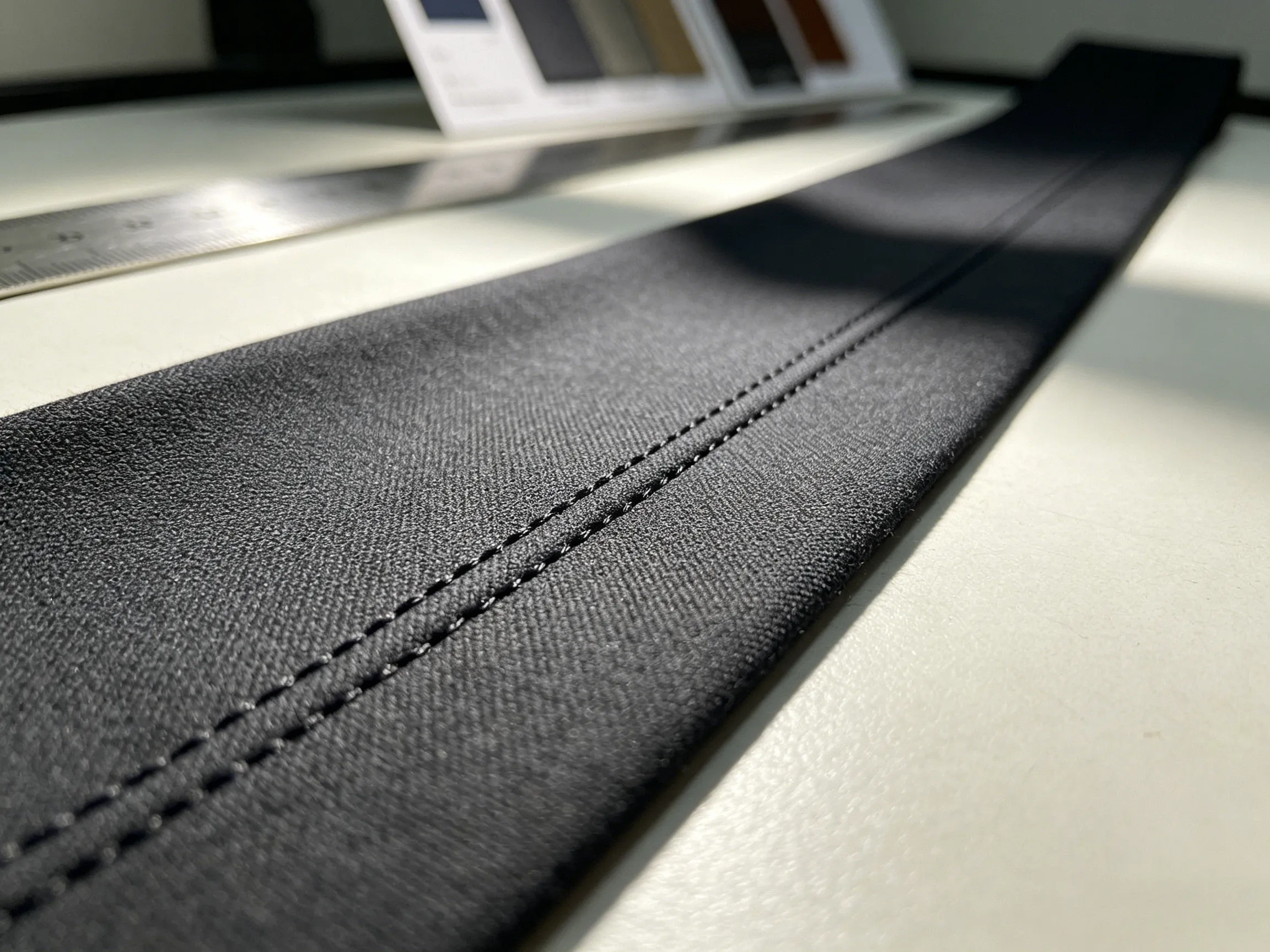
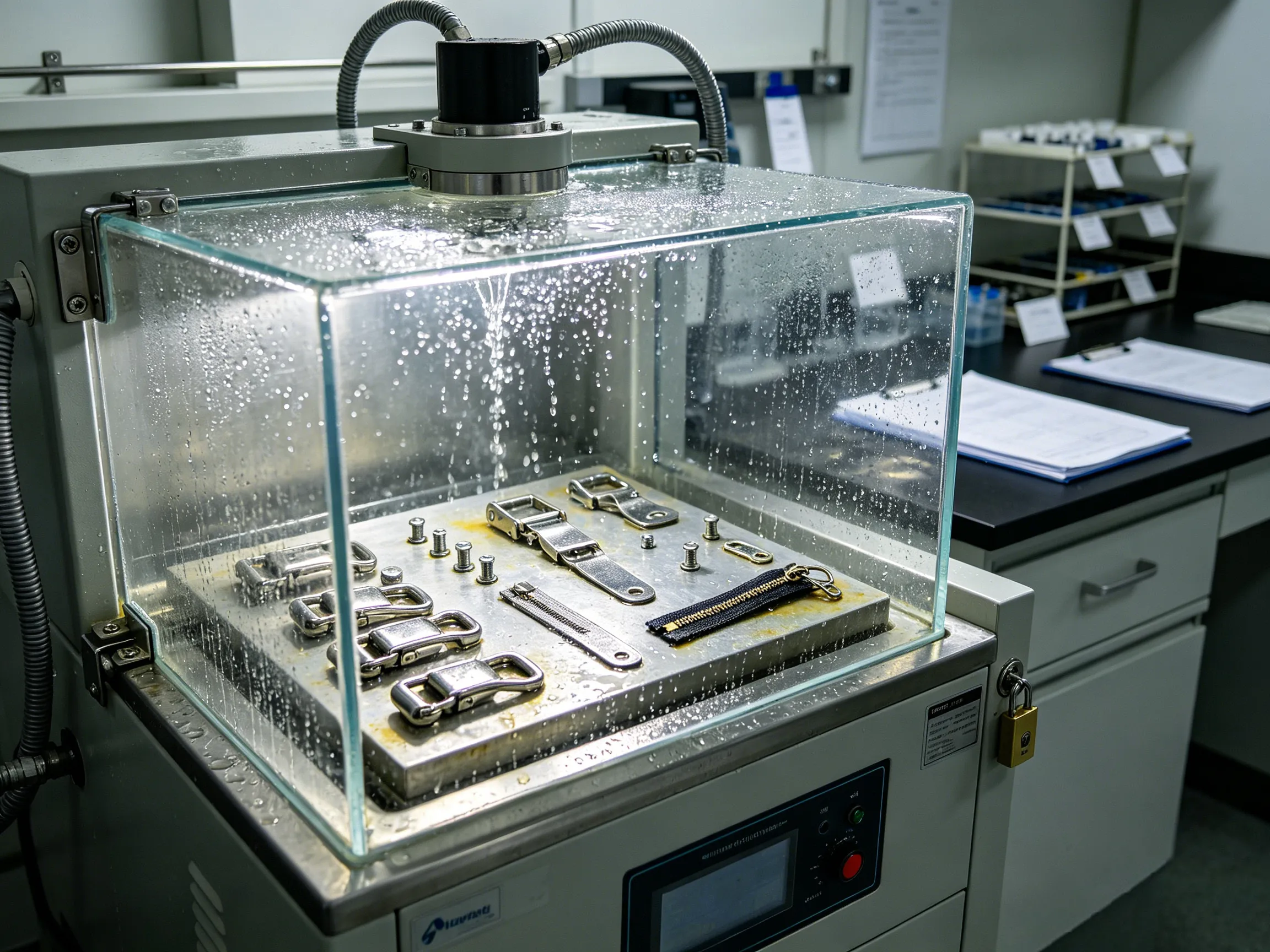
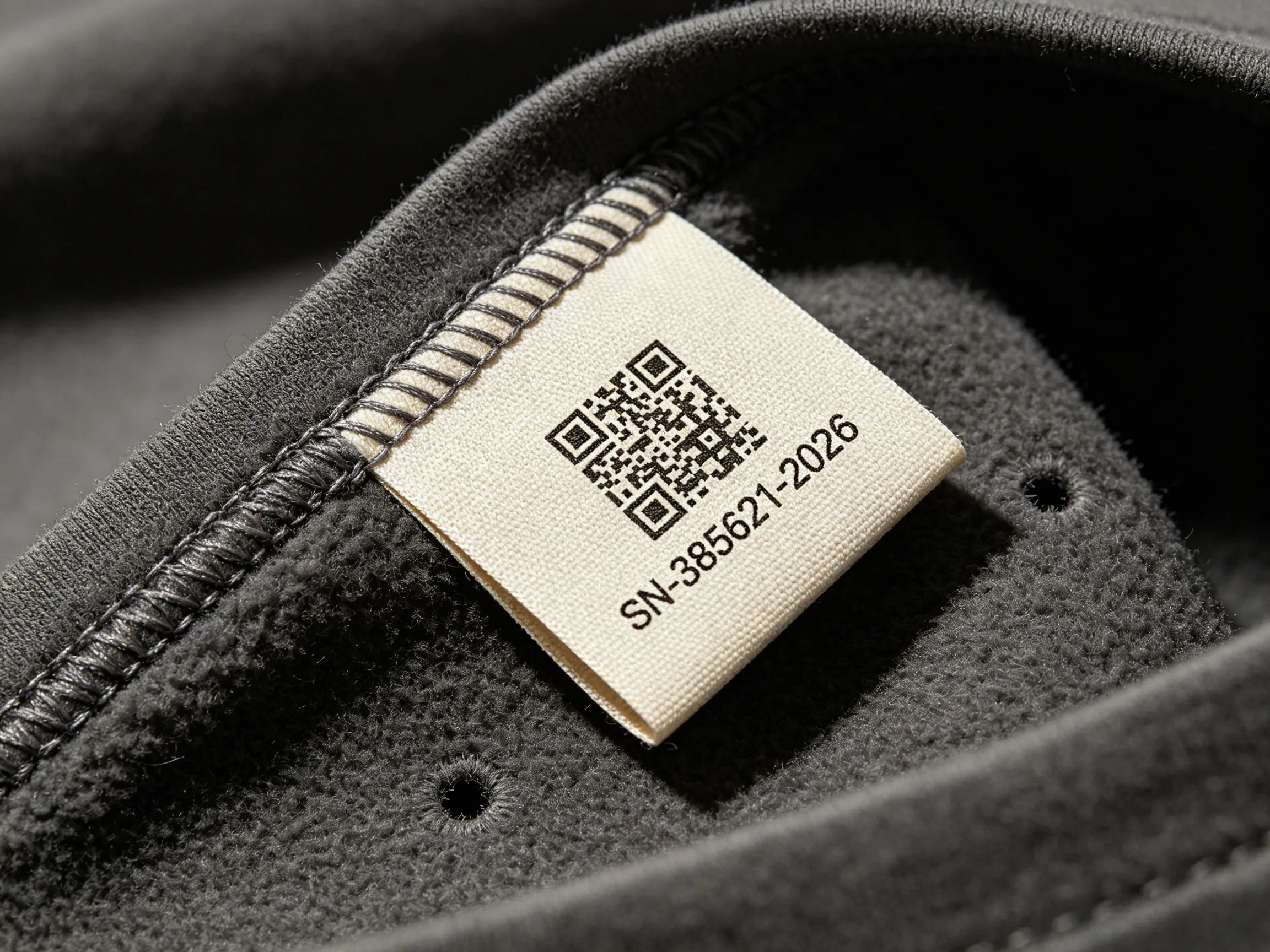
At Dreamway, we believe that regulatory compliance is built on operational excellence. Our state-of-the-art manufacturing facilities and rigorous quality systems ensure that every product we produce meets the highest standards.

Timeline Summary
Immediate (Now – 2025)
- Conduct packaging audit
- Identify non-compliant materials
- Begin supplier qualification
- Start redesign process
Near-term (2025 – 2026)
- Complete material qualification
- Implement DPP infrastructure
- Validate packaging designs
- Prepare documentation
Medium-term (2026 – 2028)
- Achieve full recyclability
- Meet recycled content targets
- Optimize compliance processes
- Monitor regulatory updates
Long-term (2028 – 2035)
- Maintain compliance evolution
- Adapt to new requirements
- Invest in infrastructure
- Continuous improvement
Disclaimer
This article is provided for general informational purposes only and should not be considered legal or regulatory advice. Packaging regulations may be updated through delegated acts, implementation guidance, or national enforcement practices. Businesses should consult the latest official European Union publications and qualified compliance professionals before making regulatory decisions.
Official Reference Notice: The regulation text, delegated acts, and implementation guidance are published by the European Commission. Always verify current requirements against the official EU legislative database and consult with qualified compliance professionals.

Scan with WhatsApp to chat with Victoria