
Quality Standards
AQL 1.0 vs AQL 2.5 vs AQL 4.0: Which Inspection Level Should You Choose?
As a professional bag factory in Guangzhou, China with over 15 years of manufacturing experience, Dreamway has served clients across 50+ countries with our dedicated team of 30+ skilled artisans. We specialize in both custom bags (MOQ: 200) and luxury silk products (MOQ: 50), maintaining rigorous quality standards that meet international certifications including ISO and BSCI.
Quick Answer
For high-value, high-risk products where quality cannot be compromised
The global manufacturing standard for most commercial production
For low-cost, high-volume promotional products
| AQL Level | Acceptance Rate | Best For | Cost |
|---|---|---|---|
| AQL 1.0 | 99.0% | Luxury goods, medical products | Highest |
| AQL 2.5 | 97.5% | Standard commercial products | Moderate |
| AQL 4.0 | 96.0% | Promotional items, bulk orders | Lowest |
AQL 1.0 vs AQL 2.5 vs AQL 4.0 Comparison Table
This comprehensive comparison covers 30+ dimensions to help you make an informed decision for your quality inspection strategy.
| Comparison Dimension | AQL 1.0 | AQL 2.5 | AQL 4.0 |
|---|---|---|---|
| Acceptance Quality Level | 1.0% max defects | 2.5% max defects | 4.0% max defects |
| Maximum Defects Allowed | 1 per 100 units | 2.5 per 100 units | 4 per 100 units |
| Critical Defects | Zero tolerance (0) | Zero tolerance (0) | Zero tolerance (0) |
| Major Defects | 1.0% | 2.5% | 4.0% |
| Minor Defects | 1.0% | 2.5% | 4.0% |
| Sampling Size (for 10,000 units) | 200 units | 200 units | 125 units |
| Inspection Cost | Highest (30-50% more) | Standard baseline | Lowest (20-30% less) |
| Inspection Time | Longest (100% more) | Standard | Shortest (30-40% less) |
| Manufacturing Cost Impact | +15-25% | +5-10% | Baseline |
| Product Quality Consistency | Excellent | Very Good | Acceptable |
| Customer Risk | Lowest | Moderate | Highest |
| Supplier Risk | Highest (rejection likely) | Moderate | Lowest |
| Return Rate | 0.5-1% | 1-3% | 3-8% |
| Complaint Risk | Very Low | Low | Moderate-High |
| Suitable Industries | Medical, Aerospace, Luxury | General Manufacturing, Retail | Promotional, Giveaways |
| Luxury Products | ✅ Highly Recommended | ⚠️ Acceptable | ❌ Not Recommended |
| Promotional Products | ❌ Overkill | ⚠️ Acceptable | ✅ Recommended |
| Medical Products | ✅ Required | ⚠️ Case-by-case | ❌ Not Allowed |
| Electronics | ✅ Recommended | ✅ Standard | ⚠️ Case-by-case |
| Bags & Accessories | ✅ For luxury bags | ✅ Standard | ✅ For canvas/tote |
| Garments | ✅ For premium brands | ✅ Industry standard | ⚠️ Budget brands |
| Toys | ⚠️ For collectibles | ✅ Standard | ✅ Basic toys |
| OEM Projects | ✅ For premium lines | ✅ Most common | ⚠️ Budget lines |
| ODM Projects | ⚠️ Depends on brand | ✅ Recommended | ⚠️ Budget options |
| Amazon Sellers | ✅ For FBA premium | ✅ Standard choice | ⚠️ Low-price items |
| Retail Brands | ✅ Premium lines | ✅ Mainstream products | ⚠️ Clearance items |
| Recommended Order Size | Any size | 500+ units | 2,000+ units |
| Common Usage | 5% of market | 70% of market | 25% of market |
| Difficulty Level | Most demanding | Moderate | Least demanding |
| Overall Recommendation | Premium/High-risk | Best Value Choice | Budget/Volume |
What Is AQL?
Understanding AQL Meaning
AQL stands for Acceptable Quality Limit (also known as Acceptable Quality Level). It represents the maximum percentage of defective items that can be considered acceptable during random sampling inspection of a production lot. AQL is a fundamental concept in quality control that helps manufacturers and buyers establish clear quality standards before production begins.
Why Do Global Factories Use AQL?
AQL inspection provides a scientific, standardized approach to quality verification that benefits both manufacturers and buyers. Rather than inspecting every single item (which would be cost-prohibitive for large orders), AQL sampling allows for statistically valid quality assessment with reasonable inspection costs.
Reduces inspection costs while maintaining quality standards
Provides clear, measurable criteria for quality acceptance
Balances buyer and supplier risks fairly
The Relationship Between ANSI/ASQ Z1.4 and ISO 2859-1
AQL inspection standards are primarily governed by two internationally recognized documents:
- ANSI/ASQ Z1.4 – The American National Standard for sampling procedures and tables
- ISO 2859-1 – The International Organization for Standardization’s equivalent global standard
These two standards are essentially identical in their technical content, with minor differences in formatting. Both provide the sampling tables and acceptance criteria used worldwide for quality inspection.
Why Is AQL Specified in Purchase Contracts?
Including AQL requirements in purchase contracts creates a mutually agreed framework for quality evaluation. This protects both parties:
- Buyers have clear quality expectations and defined rejection criteria
- Suppliers understand exactly what quality standards they must meet
- Disputes are minimized through pre-agreed inspection standards
What Does AQL 1.0 Mean?
AQL 1.0 Definition
AQL 1.0 means that no more than 1% of inspected items may have major or minor defects. Critical defects are never acceptable (zero tolerance).
Advantages of AQL 1.0
- Highest Quality Assurance – Ensures premium product quality consistency
- Lowest Customer Complaints – Significantly reduces return rates and negative feedback
- Brand Protection – Safeguards luxury and premium brand reputations
- Long-term Cost Savings – Higher upfront inspection costs offset by fewer returns
Disadvantages of AQL 1.0
- Higher Inspection Costs – More rigorous inspection protocols increase expenses
- Longer Production Time – Stricter standards may extend manufacturing timelines
- Lower Production Yield – Factories may reject more units to meet standards
- Potential Supply Chain Delays – Higher rejection rates can cause shipment delays
Recommended Industries for AQL 1.0
| Industry | Why AQL 1.0? |
|---|---|
| Luxury Handbags | Brand reputation depends on flawless presentation |
| Medical Devices | Safety-critical applications require zero defects |
| Aerospace Components | Life-safety requirements mandate highest standards |
| Premium Electronics | High-value products warrant rigorous quality control |
| Children’s Products | Safety concerns justify extra scrutiny |
What Does AQL 2.5 Mean?
AQL 2.5 Definition
AQL 2.5 means that no more than 2.5% of inspected items may have major or minor defects. Critical defects remain unacceptable. This is the global industry standard for most commercial manufacturing.
Why Do Global OEM Factories Use AQL 2.5?
AQL 2.5 has emerged as the de facto standard for international manufacturing because it strikes the perfect balance between quality assurance and commercial viability:
- Universally Accepted – Recognized by buyers and suppliers across all industries
- Cost-Effective – Reasonable inspection costs without excessive overhead
- Risk Balanced – Protects both buyer and supplier interests
- Flexible Application – Works for a wide range of product categories
- Supply Chain Friendly – Reduces friction in international trade
Recommended Products for AQL 2.5
At Dreamway Factory, we apply AQL 2.5 as our standard inspection level for all custom bag and silk product orders, ensuring consistent quality that meets international buyer expectations.
What Does AQL 4.0 Mean?
AQL 4.0 Definition
AQL 4.0 means that up to 4% of inspected items may have major or minor defects. This relaxed standard is appropriate for low-cost, high-volume products where absolute perfection is not commercially necessary.
When to Use AQL 4.0
AQL 4.0 is most appropriate for:
- Promotional Giveaways – Branded items distributed at events and trade shows
- Bulk Commodity Bags – Large orders with minimal profit margins
- Internal Use Items – Company merchandise not sold to end consumers
- Sample Products – Prototype runs before full production
- Budget Fashion – Fast fashion items with short lifecycles
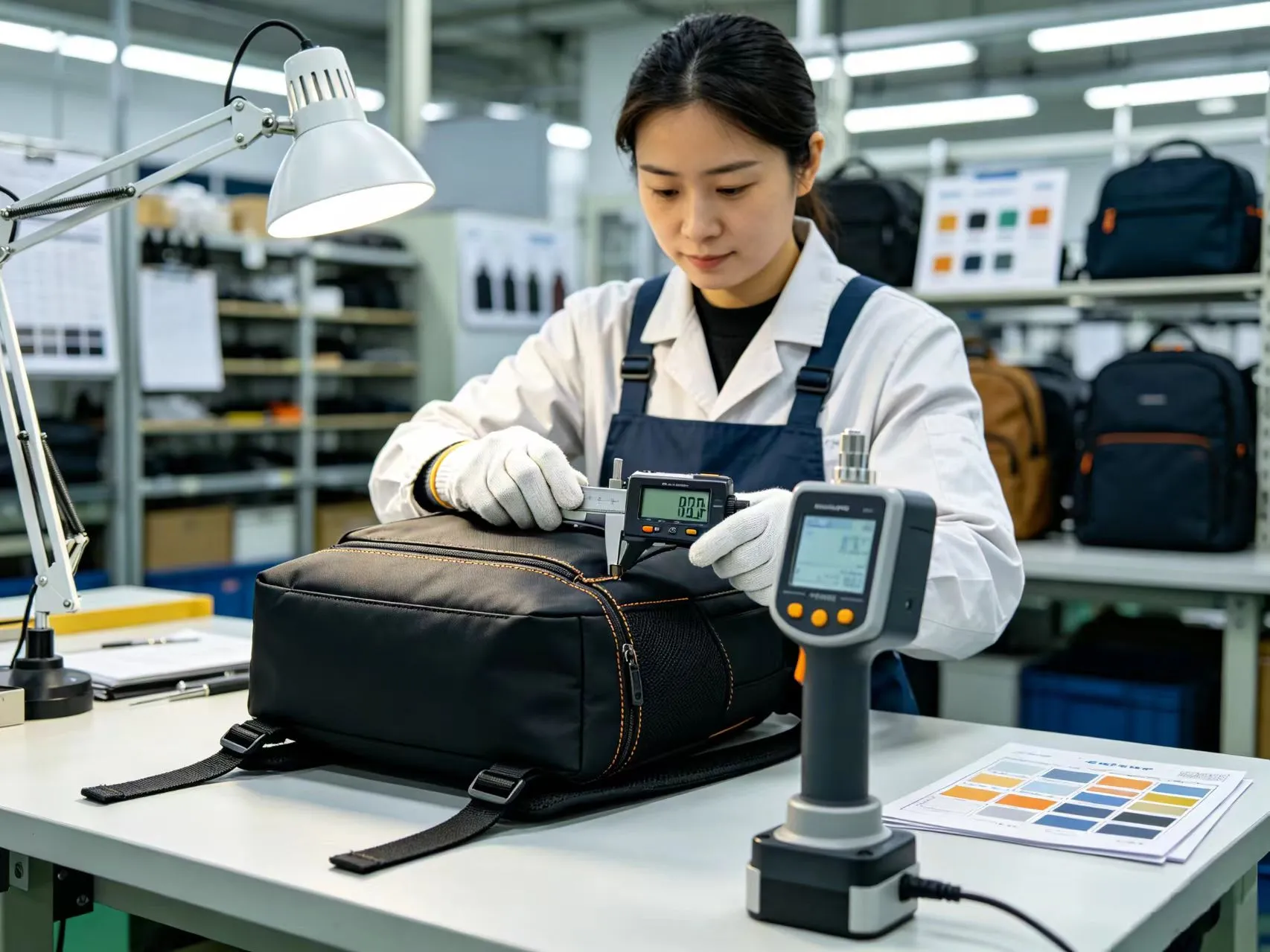
⚠️ Important Consideration
AQL 4.0 does not mean poor quality. Critical defects (safety issues, functional failures) are still never acceptable regardless of the AQL level chosen.
Understanding Critical, Major and Minor Defects
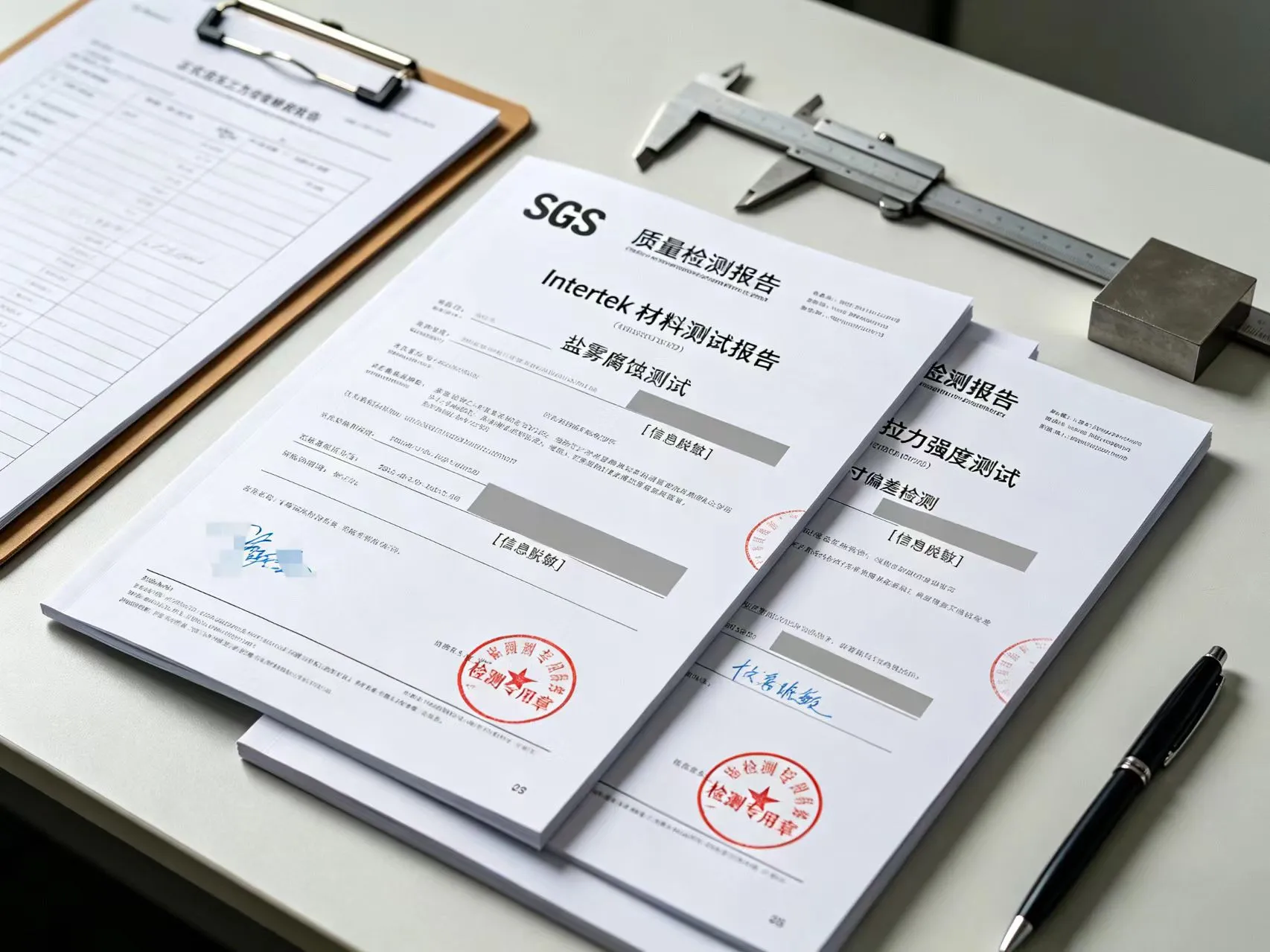
Proper defect classification is essential for effective quality control. Different defect types carry different weight in AQL calculations:
| Defect Type | Definition | Typical Examples | Standard Action |
|---|---|---|---|
| Critical | Defects that cause safety hazards or render the product unusable |
|
Zero Tolerance |
| Major | Defects that significantly affect usability or appearance |
|
Per AQL Level |
| Minor | Small imperfections that don’t affect functionality |
|
Per AQL Level |
Bag Factory Case Examples
Case 1: Luxury Leather Handbag
A high-end boutique ordered 500 leather handbags with AQL 1.0. During inspection, a minor scratch was found on one bag’s leather surface. While barely visible, this was classified as a major defect for luxury goods and the unit was rejected. The factory’s premium materials selection process was subsequently reviewed to prevent recurrence.
Case 2: Promotional Canvas Tote Bags
A marketing company ordered 10,000 branded tote bags with AQL 4.0 for a trade show. Minor thread inconsistencies and slight color variations were noted but fell within acceptable limits. The order passed inspection, and the promotional items were distributed successfully at a significantly reduced cost.
How AQL Sampling Works
AQL sampling is a statistically-based methodology that allows quality assessment of large production lots without inspecting every single item. Understanding the sampling process helps both buyers and suppliers set realistic expectations.
Inspection Levels
| Level | Description | Sample Size | When to Use |
|---|---|---|---|
| Level I | Reduced inspection for stable processes | Smallest | When supplier has excellent track record |
| Level II | Standard inspection (most common) | Medium | Normal production runs |
| Level III | Rigorous inspection for critical products | Largest | High-value or safety-critical items |
General vs Special Inspection Levels
General Inspection Levels (G-I, G-II, G-III) are used for most visual and dimensional checks. They apply to the majority of quality inspections.
Special Inspection Levels (S-1 through S-4) are used for specific testing requirements where smaller sample sizes are statistically valid for particular characteristics:
- S-1: Very small samples for minor characteristics
- S-2: Moderate sampling for specific attributes
- S-3: Normal special inspection
- S-4: Enhanced special inspection
AQL Sampling Table Explained
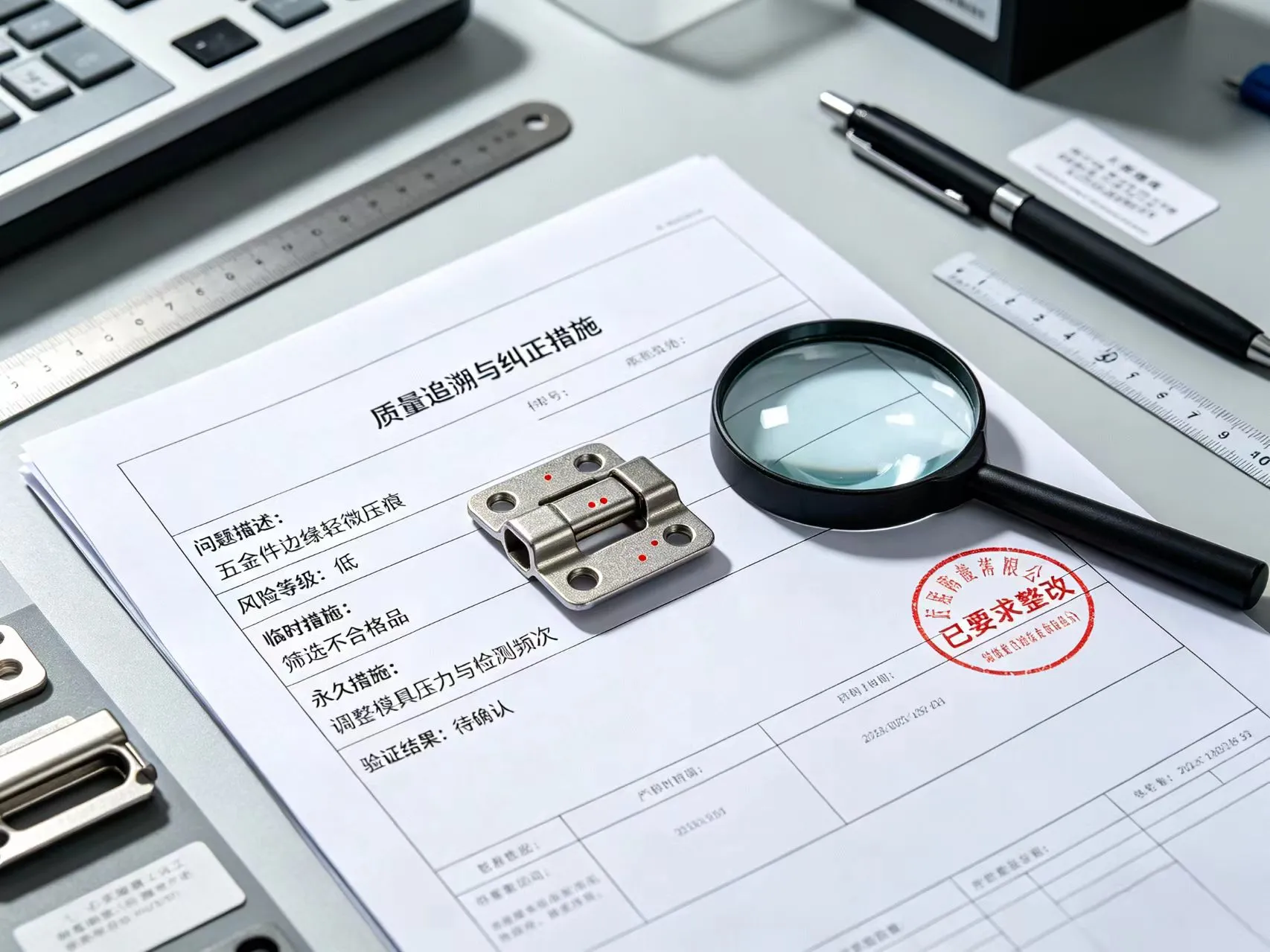
The AQL sampling table (based on ANSI/ASQ Z1.4 / ISO 2859-1) determines how many samples to inspect based on your lot size. Here’s how it works:
Practical Example: AQL 2.5 with Level II Inspection
| Order Quantity | Sample Size | AQL 2.5 Accept# | Reject# |
|---|---|---|---|
| 1,200 – 3,200 | 125 | 7 | 8 |
| 3,201 – 10,000 | 200 | 10 | 11 |
| 10,001 – 35,000 | 315 | 14 | 15 |
| 35,001 – 150,000 | 500 | 21 | 22 |
*Accept# = Maximum defects allowed. Reject# = Minimum defects that trigger rejection.
Understanding Accept and Reject Numbers
Accept Number (Ac): The maximum number of defects found in the sample that still allows
the lot to pass inspection.
Reject Number (Re): The minimum number of defects that causes the lot to fail. Note that
Re is always Ac + 1.
For example, with a sample size of 200 and AQL 2.5: if you find 10 or fewer defects, the lot passes. If you find 11 or more defects, the lot fails.
AQL Acceptance Numbers Explained
Let’s walk through real-world inspection scenarios to understand how acceptance numbers work:
Scenario 1: Order of 5,000 Canvas Bags (AQL 2.5)
- Sample Size: 200 units (from ANSI/ASQ Z1.4 table)
- Accept Number: 10 defects
- Reject Number: 11 defects
- Result: If 8 major + 2 minor = 10 total defects → PASS ✓
- Result: If 12 defects found → FAIL ✗
Scenario 2: Order of 2,000 Silk Pillowcases (AQL 1.0)
- Sample Size: 200 units
- Accept Number: 3 defects
- Reject Number: 4 defects
- Result: If 4 defects found (even all minor) → FAIL ✗
Scenario 3: Order of 15,000 Promotional Tote Bags (AQL 4.0)
- Sample Size: 315 units
- Accept Number: 21 defects
- Reject Number: 22 defects
- Result: If 18 defects found → PASS ✓
Which AQL Level Is Best?
The “best” AQL level depends entirely on your product category, market positioning, and business requirements. Here’s our recommendation matrix:
| Product Type | Recommended AQL | Key Considerations |
|---|---|---|
| Luxury Bags | AQL 1.0 | Brand reputation is paramount |
| Canvas Bags | AQL 2.5 | Standard for most commercial orders |
| Promotional Bags | AQL 4.0 | Cost efficiency prioritized |
| Leather Bags | AQL 2.5 | Balance quality and cost |
| Silk Products | AQL 2.5 | Material value requires careful QC |
| Fashion Accessories | AQL 2.5 | Varies by brand positioning |
| Baby Products | AQL 1.0 | Safety-critical category |
| Corporate Gifts | AQL 2.5 | Professional appearance matters |
Cost Comparison
Understanding the true cost implications of different AQL levels helps make informed decisions:
| Cost Factor | AQL 1.0 | AQL 2.5 | AQL 4.0 |
|---|---|---|---|
| Inspection Cost (per order) | $300 – $500 | $200 – $350 | $150 – $250 |
| Expected Reject Rate | 1-2% | 2-4% | 4-8% |
| Complaint Rate | 0.5-1% | 1-3% | 3-6% |
| Return Processing Cost | $2-5 per unit | $3-8 per unit | $5-15 per unit |
| Brand Damage Risk | Very Low | Low | Moderate |
| Total Cost Impact | Highest upfront, lowest long-term | Balanced approach | Lowest upfront, highest long-term |
Key Insight: While AQL 1.0 has the highest inspection costs, the total cost of ownership (including returns, complaints, and brand damage) often makes it the most economical choice for premium products.
Risk Comparison
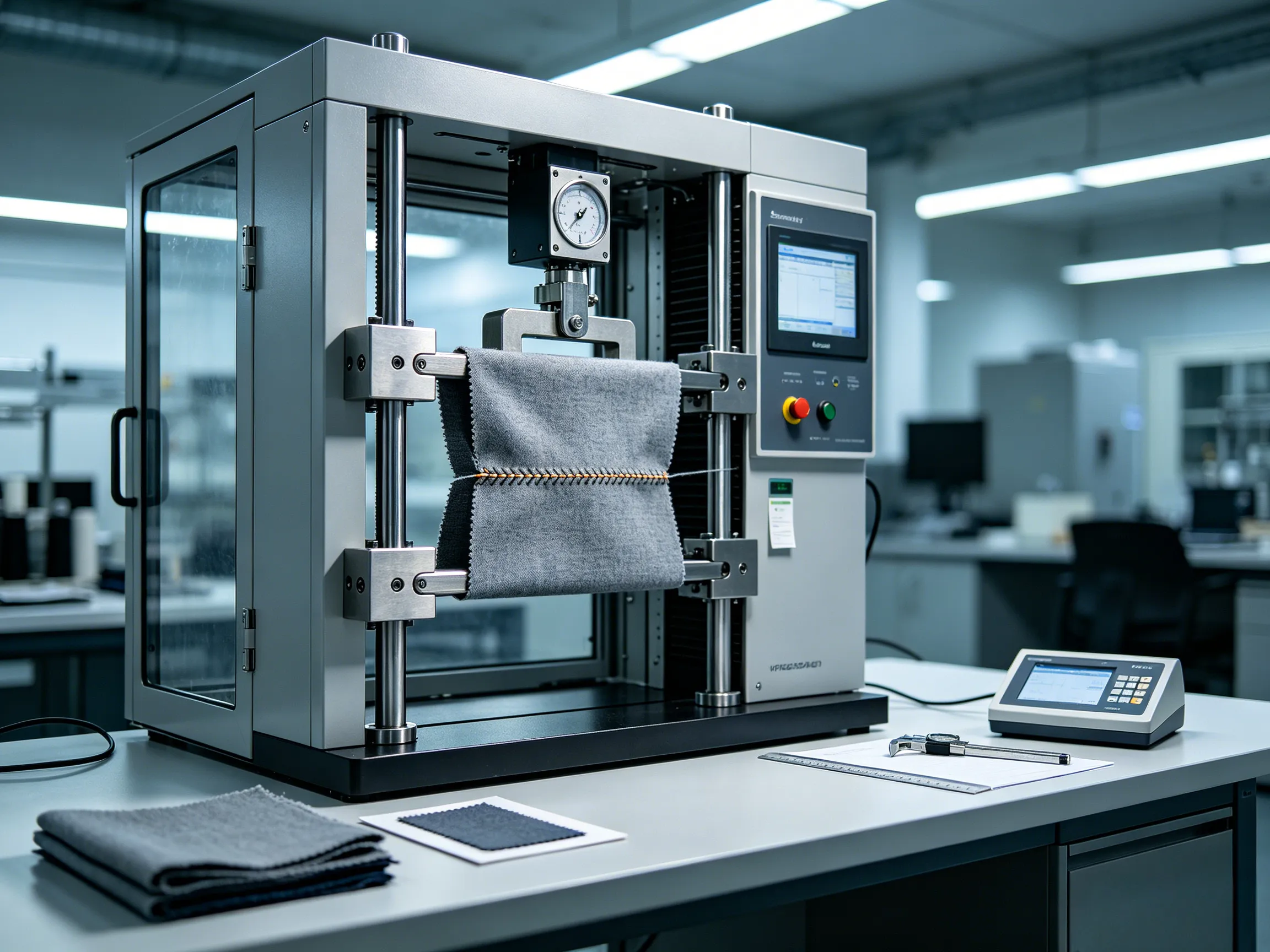
| Risk Category | AQL 1.0 | AQL 2.5 | AQL 4.0 |
|---|---|---|---|
| Factory Risk | Highest (strict rejection) | Moderate | Lowest |
| Buyer Risk | Lowest | Moderate | Highest |
| Brand Risk | Very Low | Low | Moderate |
| Customer Satisfaction | Highest (99%+ satisfied) | Very Good (97%+) | Acceptable (92%+) |
When Factory Risk is High:
Strict AQL standards may seem burdensome to manufacturers, but they actually improve production processes over time. Factories that consistently meet AQL 1.0 develop superior quality control systems that benefit all future orders.
When Buyer Risk is High:
For products sold through major retailers or e-commerce platforms (Amazon, etc.), negative reviews can devastate sales. The higher inspection cost of AQL 1.0 or 2.5 is an investment in protecting your brand reputation.
AQL Levels for Different Buyers
| Buyer Type | Recommended AQL | Reasoning |
|---|---|---|
| Startup | AQL 2.5 | Balance quality with budget constraints |
| Amazon Seller | AQL 2.5 | Protect seller rating and reviews |
| Shopify Brand | AQL 2.5 | Brand reputation is critical for DTC |
| Luxury Brand | AQL 1.0 | Premium positioning demands perfection |
| Retail Chain | AQL 2.5 | Most retail buyers require this standard |
| Promotional Company | AQL 4.0 | Volume orders prioritize cost efficiency |
| Government Procurement | AQL 2.5 | Varies by item, usually standard |
| Corporate Gifts | AQL 2.5 | Professional image matters |
Industry Comparison
Different industries have established norms for AQL levels based on their unique requirements:
| Industry | Typical AQL | Special Requirements |
|---|---|---|
| Bags & Luggage | AQL 2.5 | Functional testing for zippers, handles, straps |
| Garments | AQL 2.5 | Seam strength, colorfastness, sizing |
| Textiles / Home | AQL 2.5 – 4.0 | Fabric quality, dye consistency |
| Electronics | AQL 1.0 – 2.5 | Safety testing, functional verification |
| Toys | AQL 2.5 | Safety standards (lead, phthalates) |
| Food Packaging | AQL 1.0 | Strict hygiene and safety requirements |
| Cosmetics | AQL 1.0 | Product safety is paramount |
Common Quality Defects Found During Bag Inspection
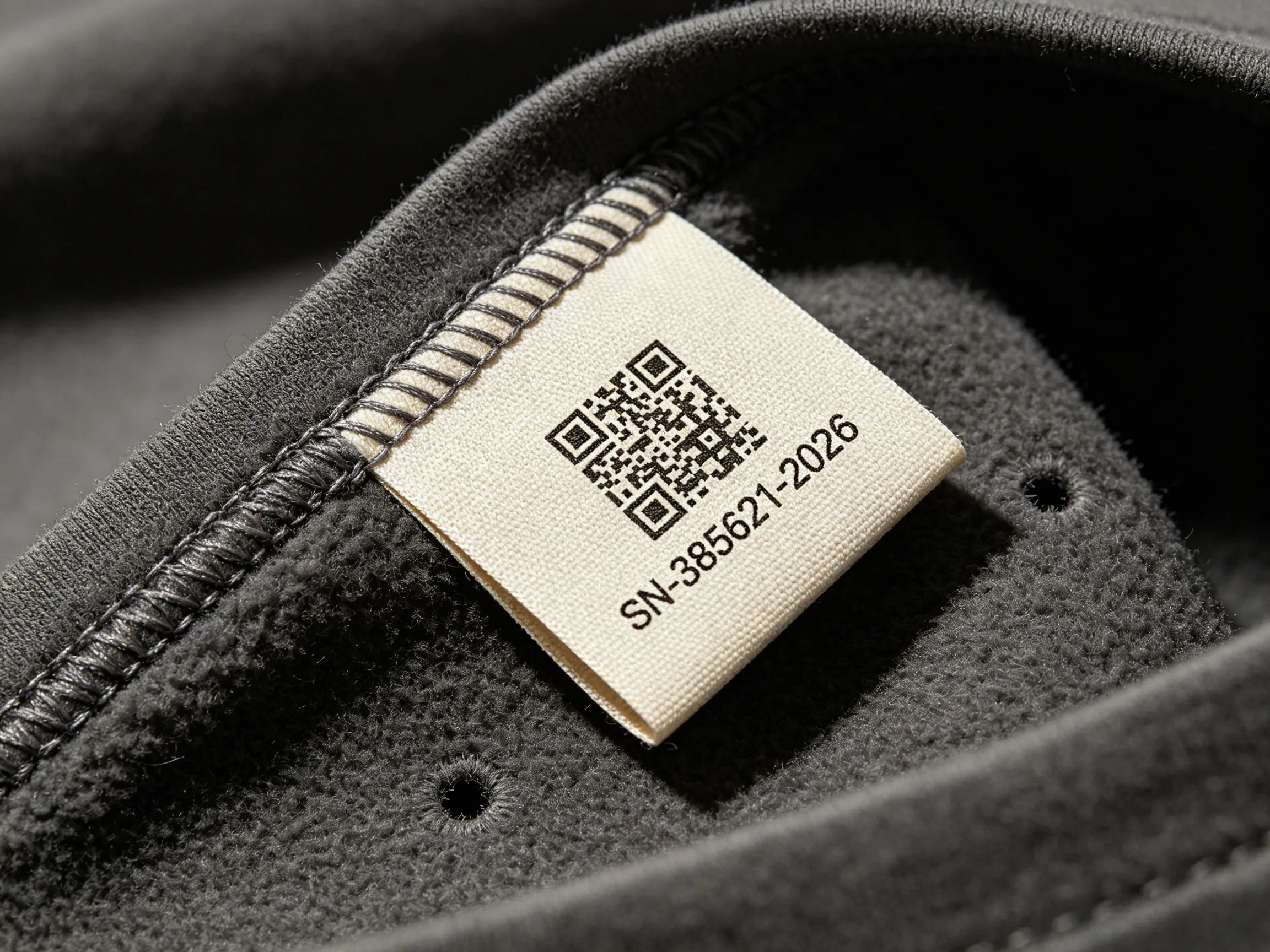
Based on Dreamway’s 15+ years of bag manufacturing experience, here are the most common defects found during inspection:
1. Stitching Defects
Uneven stitch tension, missed stitches, loose threads, or crooked seams
2. Broken Zippers
Zipper teeth misaligned, slider malfunction, or zipper tape defects
3. Wrong Logo Position
Embroidery, printing, or metal logo placed incorrectly per specifications
4. Color Variation
Noticeable difference between approved sample and production units
5. Fabric Damage
Holes, tears, snags, or worn areas in the fabric
6. Printing Defects
Faded ink, smudging, misalignment, or incomplete prints
7. Loose Threads
Untrimmed threads, thread unraveling, or excessive thread length
8. Size Deviation
Dimensions outside specified tolerances
9. Missing Accessories
Missing buttons, buckles, tags, or other attached components
10. Dirty Products
Stains, marks, dust, or foreign matter on finished products
At Dreamway Factory, our multi-stage quality control process addresses these common defects at every production milestone, ensuring consistent quality for all custom orders.
AQL Inspection Process
Our standardized inspection process ensures reliable, consistent quality assessment:
1. Production Complete
All units manufactured and ready for final inspection
2. Random Sampling
Statistically random sample selected per ANSI/ASQ Z1.4
3. Visual Inspection
100% visual check of all sampled units
4. Functional Testing
Zipper tests, weight tests, stress tests as required
5. Count Defects
Classify and count all defects found
6. Compare with AQL Table
Match defect counts against acceptance numbers
7. Pass / Fail
Issue inspection report and release decision
Real Inspection Examples
Here are real-world examples from Dreamway Factory’s quality inspection history:
Premium Leather Handbag Order
Order: 300 units, Custom leather handbags
AQL Level: AQL 1.0
Sample Size: 80 units
Accept/Reject: 1 / 2
Result: PASS – 0 critical, 0 major, 1 minor defect found
Branded Laptop Backpacks
Order: 2,000 units, Laptop backpacks
AQL Level: AQL 2.5
Sample Size: 200 units
Accept/Reject: 10 / 11
Result: PASS – 2 major, 5 minor defects found
Trade Show Canvas Totes
Order: 15,000 units, Canvas tote bags
AQL Level: AQL 4.0
Sample Size: 315 units
Accept/Reject: 21 / 22
Result: PASS – 8 major, 10 minor defects found
22mm Mulberry Silk Pillowcases
Order: 500 units, Silk pillowcases
AQL Level: AQL 2.5
Sample Size: 125 units
Accept/Reject: 7 / 8
Result: PASS – 1 major, 3 minor defects found
Common Mistakes Buyers Make
Choosing AQL 1.0 for Low-Cost Promotional Products
This creates unnecessary costs and delays. AQL 4.0 is appropriate for promotional items.
Assuming AQL Means Zero Defects
AQL defines acceptable quality limits – it doesn’t guarantee perfect products. Some level of minor defects is always expected.
Ignoring Critical Defects
Regardless of AQL level, critical defects (safety issues) should always result in rejection and rework.
Using the Wrong Inspection Level
Level III is for high-risk products; Level I is only appropriate when you have an established relationship with a proven supplier.
Not Defining Defect Classifications Before Production
Critical, major, and minor classifications must be agreed upon before manufacturing begins.
Forgetting to Include AQL Requirements in Purchase Contracts
Without written specifications, there’s no legal basis for rejection or claims.
Confusing Sample Size with Inspection Level
Sample size depends on lot size; inspection level determines the rigor of inspection.
Skipping Pre-Shipment Inspections
Always conduct final inspection before shipment – it’s much cheaper than handling returns.
Accepting Inconsistent Inspection Reports
Insist on standardized reports using recognized formats (ISO 2859-1 compliant).
Relying Solely on Factory Self-Inspection
Third-party inspections provide unbiased assessment and protect both parties.
Decision Tree: Choosing Your AQL Level
Follow this decision tree to determine the optimal AQL level for your order:
High-value product?
Luxury retail brand?
Low-cost promotional item?
Note: This is a simplified guide. Specific product requirements, regulatory compliance, and customer specifications may override these recommendations.
Frequently Asked Questions
What is AQL?
AQL stands for Acceptable Quality Limit (or Acceptable Quality Level). It’s the maximum percentage of defective items that can be considered acceptable in a production lot during random sampling inspection.
What does AQL stand for?
AQL stands for Acceptable Quality Limit (also known as Acceptable Quality Level). It defines the boundary between acceptable and unacceptable quality levels in a production batch.
What is AQL 2.5?
AQL 2.5 means that a maximum of 2.5% of inspected items may contain major or minor defects. Critical defects are never acceptable. This is the most widely used standard in global manufacturing.
What is the difference between AQL 1.0 and AQL 2.5?
AQL 1.0 allows only 1% defects while AQL 2.5 allows 2.5%. AQL 1.0 is stricter and used for premium products; AQL 2.5 is the industry standard for most commercial goods.
Is AQL 2.5 the industry standard?
Yes, AQL 2.5 is considered the global industry standard for general manufacturing. Approximately 70% of all international orders use AQL 2.5 as their quality benchmark.
How is AQL calculated?
AQL is not calculated – it’s a chosen standard. The acceptance/reject numbers are derived from statistical sampling tables (ANSI/ASQ Z1.4 or ISO 2859-1) based on your chosen AQL level, lot size, and inspection level.
Does AQL guarantee zero defects?
No. AQL defines acceptable quality limits, not perfection. Even with the strictest AQL 1.0, some minor defects are permissible. Zero defects is only required for critical safety issues.
What is the difference between major and minor defects?
Major defects significantly affect usability, appearance, or marketability. Minor defects are small imperfections that don’t impact the product’s function or value significantly.
How many defects are allowed under AQL 2.5?
It depends on sample size. For example, with 200 samples at AQL 2.5, you can have up to 10 defects (accept=10, reject=11). The specific numbers come from the AQL sampling tables.
Which AQL level is best for custom bags?
For most custom bag orders, AQL 2.5 is recommended. Use AQL 1.0 for luxury or high-end bags, and AQL 4.0 only for low-cost promotional canvas bags.
Which inspection level is recommended for luxury products?
Luxury products should use AQL 1.0 with General Inspection Level II or III. This ensures the strictest quality control appropriate for premium brand positioning.
Can buyers choose their own AQL level?
Yes, buyers can specify any AQL level they prefer. However, the supplier must agree, and it should be clearly stated in the purchase contract before production begins.
What inspection standard do most factories use?
Most factories use ANSI/ASQ Z1.4 (US) or ISO 2859-1 (international). These standards are essentially identical and provide the same sampling tables and acceptance criteria.
What is General Inspection Level II?
General Inspection Level II is the standard inspection level used for most orders. It provides a balance between inspection rigor and cost-effectiveness.
What happens if a shipment fails an AQL inspection?
If defects exceed the accept number, the lot fails. Options include: 100% inspection and sorting, complete rework, or replacement of defective units. The specific remedy should be defined in the purchase contract.
Should startups use AQL 2.5 or AQL 4.0?
For startups building brand reputation, AQL 2.5 is recommended. The investment in quality protects your brand during the critical early stages. AQL 4.0 may save money upfront but can damage brand perception.
How much does an AQL inspection cost?
Inspection costs vary by location, inspector qualifications, and order complexity. Typically, third-party inspection costs $150-500 per order, depending on sample size and testing requirements.
Is AQL required by Amazon or major retailers?
While Amazon and major retailers don’t mandate specific AQL levels, they expect quality that prevents customer complaints and returns. AQL 2.5 is generally accepted as meeting their quality expectations.
How do third-party inspection companies apply AQL?
Third-party inspectors follow standardized procedures: random sampling per the standard, visual and functional inspection of each sample unit, defect classification and counting, and comparison with AQL tables for pass/fail determination.
Can AQL standards be customized for different products?
Yes, buyers can set different AQL levels for different defect types (e.g., AQL 0 for critical defects, AQL 1.0 for major, AQL 2.5 for minor). Customization should be clearly documented in the quality specification sheet.
Key Takeaways
AQL defines the maximum acceptable number of defects in a production lot rather than guaranteeing defect-free products.
AQL 2.5 is the most widely adopted inspection level for custom bag manufacturing because it balances quality assurance and inspection costs.
AQL 1.0 is better suited to premium products where brand reputation and customer expectations are exceptionally high.
AQL 4.0 is commonly used for low-cost promotional products where minor cosmetic defects are more acceptable.
Clearly defining critical, major, and minor defects before production helps avoid disputes during final inspection.
Using the correct AQL level can reduce return rates, improve customer satisfaction, and control quality-related costs.
Third-party inspections based on ANSI/ASQ Z1.4 or ISO 2859-1 provide a standardized method for evaluating production quality.
The best AQL level depends on your product value, target market, acceptable risk, and brand positioning.
Ready to Start Your Custom Order?
As a professional bag and silk product factory in Guangzhou, China, Dreamway offers:
- 30+ skilled craftsmen with 15+ years experience
- Flexible MOQ: 200 bags / 50 silk products
- 50+ countries served worldwide
- ISO & BSCI certified quality management
- AQL 2.5 standard inspection on all orders
About Dreamway Factory
Dreamway is a professional manufacturer located in Guangzhou, China, specializing in custom bags, silk products, and accessories. With a dedicated team of 30+ artisans, we’ve served satisfied clients across 50+ countries worldwide.
Our commitment to quality is backed by ISO and BSCI certifications, ensuring every product meets international standards. Whether you need premium leather bags, promotional canvas totes, or luxurious silk pillowcases, we bring the same attention to detail and quality control to every order.
Website: www.gzdreamway.com
Premium bag & silk manufacturing — under one factory roof.
Tucked inside Shiling Town — Guangzhou’s centuries-old leather district — Dreamway is a focused manufacturing partner for brands that refuse to compromise. We build rugged, retail-ready tote bags, backpacks, handbags with a 200-piece MOQ, and craft 100% Mulberry silk pillowcases, scrunchies & sleep accessories starting from just 50 pieces. Our small team of 30+ artisans is senior, hands-on, and accountable — the same people who quote your sample will personally inspect your shipment.
Every order is verified against our published manufacturing quality standards — AQL 2.5 inspection, hardware pull-tests, seam-strength audits, and silk-fibre authenticity checks. From concept tech-pack to mass production, we run the entire supply chain in-house, so timelines stay honest and revisions stay painless.
Buying Guides & Manufacturing Insights
Sourcing smarter starts with knowing what to compare. These long-form guides break down the decisions our clients wrestle with most — from third-party inspections like the SGS vs Intertek vs Bureau Veritas showdown, to ranking China’s top 10 tote bag manufacturers, to the head-to-head of canvas vs polyester vs PU for bag bodies.
Designing your logo? Our custom tote bag logo size guide shows real placement and stitch-density examples. Curious how a handbag actually comes together? Walk through the leather handbag manufacturing process step by step, and pair it with the canvas tote durability factors that decide whether a bag survives five years of daily use.
For material decisions beyond canvas, compare PU vs polyester for bags and explore our roundup of the world’s top canvas bag manufacturers. If backpacks are your lane, our backpack manufacturing process and backpack lead-time guide give you realistic production windows. Choosing between social-compliance audits? Read BSCI vs SEDEX vs WRAP. For smaller leather goods, dive into the leather wallet manufacturer playbook; for sustainability claims, the recycled PU leather explainer and our backpack QC checklist separate marketing from reality. Finally, stay ahead of EU regulation with our PPWR FAQ for bag manufacturers.
Explore by Topic
Browse our deep-dive knowledge hubs — every cluster is curated by category and updated with new field reports.
By Category
Materials & Compliance
Real Client Cases
Numbers tell part of the story. These production cases show how Dreamway’s small team delivers at scale.
Featured Product Lines
A snapshot of what we manufacture most often — all OEM/ODM-ready with custom hardware, lining, and packaging.
Who We Help
From indie founders to global enterprise — Dreamway is built for brands that need a factory, not a freelancer.
Brand Builders
Beauty & Fashion
Lifestyle & Retail
Skip the inbox. Chat with Victoria — right now.
Point your camera at the QR and you’re connected to a real human in Guangzhou. Send a photo of your reference, get a quote within minutes, and lock in your 200-piece MOQ slot before this month’s capacity fills.
Specialized factories. Unified standards.
Leather & Bag Capital
Our bags come from Guangzhou’s Shiling leather district — home to 30+ senior artisans under one roof, working in 8,000 m² of integrated cutting, sewing, hardware-assembly, and QC space.
Mulberry Silk Heritage
Our 22mm Mulberry silk pillowcases and sleep sets come from vetted partner mills in Suzhou and Hangzhou — at the heart of China’s 5,000-year sericulture heritage, today running OEKO-TEX Standard 100 certified production lines.
Get your sample in 7 working days —
hand-built by Guangzhou’s 30+ artisans.
Send a sketch, a screenshot, or a competitor’s bag you want to beat. We’ll hand-build a custom sample and ship it to your door — produced by the same craftspeople who will run your mass-production order.
business days · in your timezone
on request · signed in 1 day
if first one misses the brief