
AQL Inspection vs 100% Inspection: Which Quality Control Method Is Better?
A comprehensive guide to choosing the right inspection method for your bag and silk products orders.
Table of Contents
Introduction: Making the Right Choice for Your Quality Control
If you’re sourcing bags or silk products from China, you’ve probably asked yourself these critical questions:
- Should I choose AQL inspection?
- Should I request 100% inspection?
- Which inspection method actually reduces quality risk?
- Is 100% inspection really better?
The truth is: there is no one-size-fits-all answer.
Different orders, different MOQs, and different products require different solutions. A small order of 500 promotional canvas tote bags has very different quality control needs compared to a 10,000-piece luxury silk pillowcase shipment or a 2,000-unit designer handbag order.
At Dreamway, a professional bag and silk products manufacturer based in Guangzhou, China, with over 30 skilled workers serving 50+ countries worldwide, we help clients navigate these decisions every day. Our MOQ starts at 200 pieces for bags and 50 pieces for silk products.
This comprehensive guide will walk you through everything you need to know about AQL inspection versus 100% inspection, so you can make the best decision for your specific business needs.
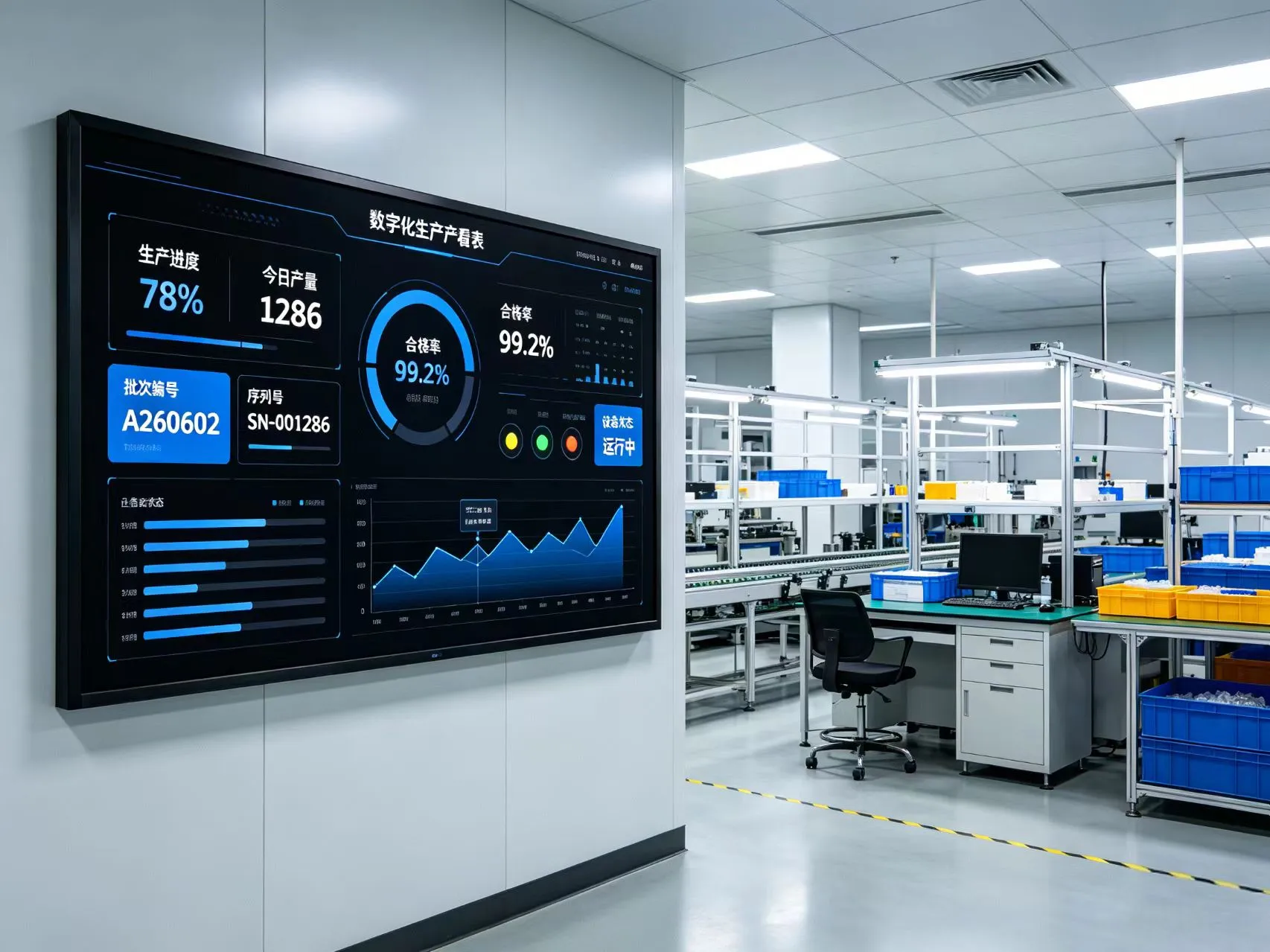
What Is AQL Inspection?
AQL (Acceptable Quality Limit) inspection is a statistical quality control method used worldwide to determine whether a production batch meets specified quality standards. Also known as sampling inspection or random inspection, this method examines a representative sample from the entire order rather than checking every single item.
Key Definitions
- AQL (Acceptable Quality Level): The maximum percentage of defective items considered acceptable in a batch
- Sampling Inspection: The process of inspecting a predetermined number of units randomly selected from a batch
- Random Inspection: Selection of samples without bias to ensure statistical validity
International Standards Behind AQL
AQL inspection is governed by internationally recognized standards:
- ANSI ASQ Z1.4 – American National Standard for sampling procedures
- ISO 2859 – International Organization for Standardization’s sampling procedures
- ISO 2859-1 – For inspection by attributes
These standards provide the statistical foundation that makes AQL inspection reliable and universally accepted in global trade.
How AQL Inspection Works: A Visual Flow
This systematic approach allows factories to efficiently verify quality while keeping inspection costs manageable. At Dreamway, we strictly adhere to these international standards for every AQL inspection we conduct, ensuring your results are recognized globally.
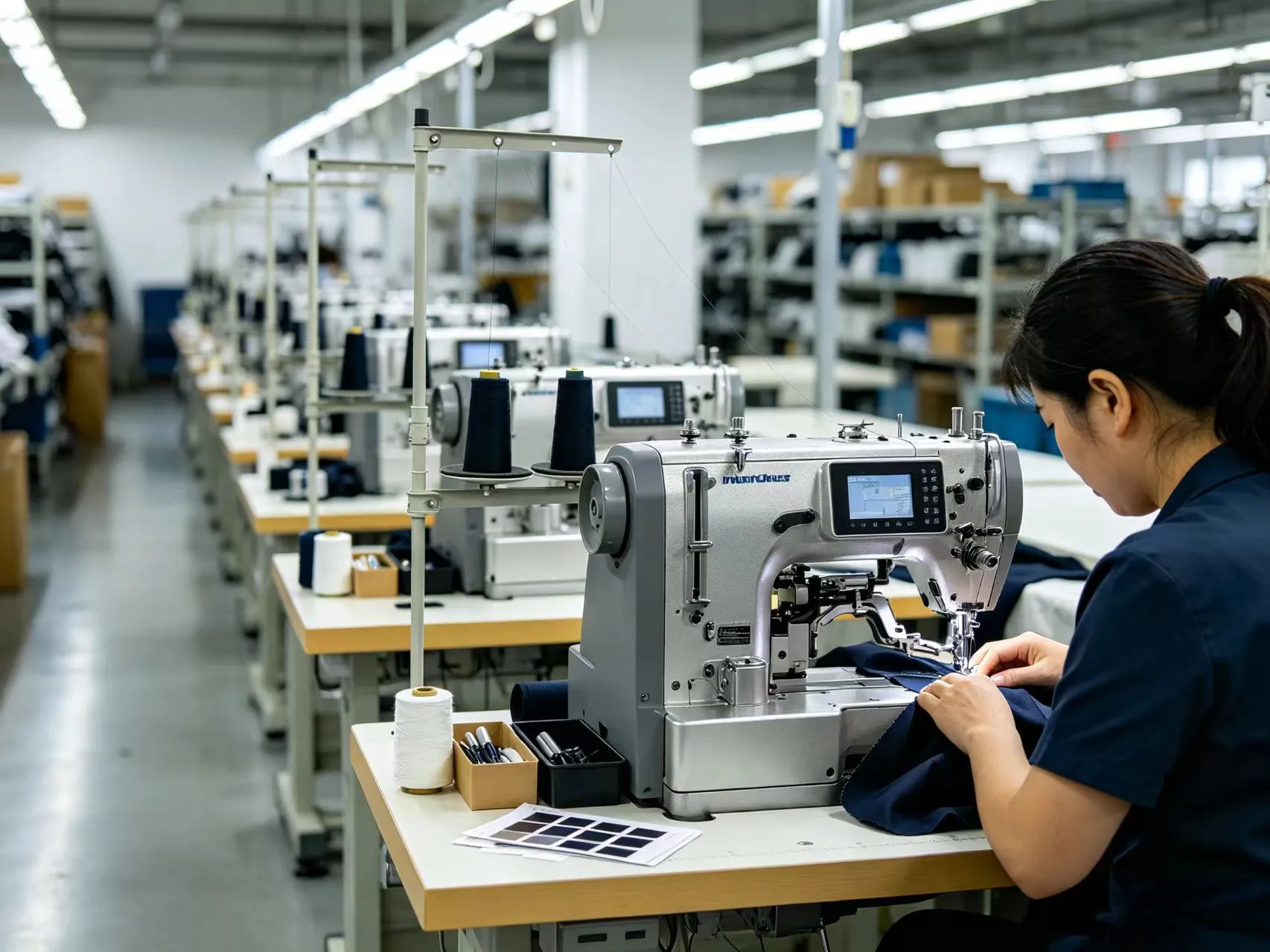
What Is 100% Inspection?
100% Inspection (also called full inspection, complete inspection, or every piece inspection) means exactly what it sounds like: every single unit in your order is individually examined before shipment.
What Gets Checked During 100% Inspection?
When Is 100% Inspection Recommended?
100% inspection is particularly crucial for:
Luxury Products
High-end handbags and premium silk items where any defect damages brand reputation
Medical & Healthcare
Products requiring zero tolerance for contamination or functional failures
Baby & Children Products
Diaper bags, children’s accessories where safety is paramount
High-Value Bags
Designer bags, leather goods where defects equal significant financial loss
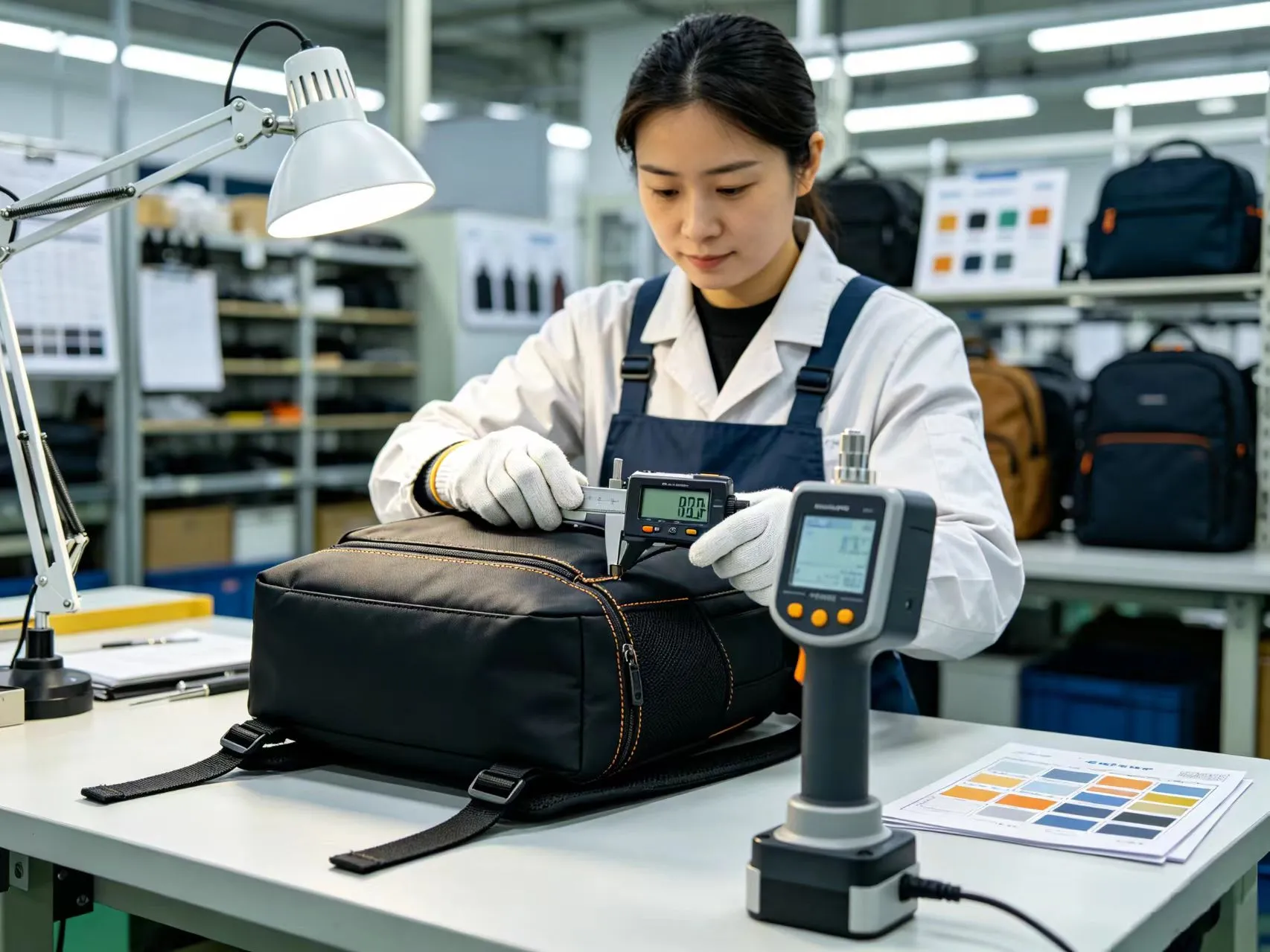
AQL Inspection vs 100% Inspection: Quick Comparison Table
The following table provides a side-by-side comparison of the two main inspection methods. This is one of the most important sections for search engines, so we’ve made it comprehensive.
| Factor | AQL Inspection | 100% Inspection |
|---|---|---|
| Inspection Method | Sampling (statistical) | Every unit checked |
| Inspection Cost | Lower (5-15% of order value typically) | Higher (20-40% of order value typically) |
| Inspection Time | Faster (hours vs days) | Longer (depends on order quantity) |
| Risk Level | Statistical probability of missing defects | Near-zero risk |
| Suitable MOQ | Best for 500+ units | Best for any quantity |
| Suitable Products | Standard bags, canvas, promotional | Luxury, medical, baby, high-value |
| Production Speed | Minimal delay | May create bottleneck |
| Defect Detection | Random sampling may miss batch issues | Nearly all defects detected |
| Recommended For | Repeat orders, stable suppliers | First orders, new suppliers |
| International Standard | ISO 2859, ANSI ASQ Z1.4 | Client-specific requirements |
Note: The “best” method depends entirely on your product type, budget, and risk tolerance. Neither method is universally superior.
How Does AQL Sampling Actually Work?
Let’s walk through a real-world example to understand how AQL sampling works in practice.
Real Example: 10,000 Bags Order
From the 10,000 bags produced, 315 are randomly selected and inspected according to the AQL standard.
Defect Classification in AQL
Critical Defects
Safety hazards, functional failures that could harm users
Typical AQL: 0 (zero tolerance)Major Defects
Visible issues that affect usability or appearance significantly
Typical AQL: 2.5Minor Defects
Slight imperfections that don’t affect functionality
Typical AQL: 4.0AQL Decision Flow
Advantages of AQL Inspection
AQL inspection remains the global standard for good reasons. Here are the key benefits:
Lower Cost
Only a fraction of your order needs inspection, significantly reducing quality control expenses. For a 10,000-unit order, you might inspect only 315 pieces.
Faster Turnaround
Sample-based inspection takes hours instead of days, allowing for quicker shipment and reduced lead times.
International Recognition
ISO 2859 and ANSI ASQ Z1.4 standards mean your inspection results are accepted worldwide by retailers, brands, and customs authorities.
Easy to Schedule
Fixed sample sizes and clear acceptance criteria make planning and resource allocation straightforward for both buyers and factories.
Ideal for Mass Production
When quality processes are mature and defects are rare, statistical sampling is statistically sound and operationally efficient.
At Dreamway, our 30+ member production team has extensive experience with AQL procedures for bags and silk products, ensuring smooth, internationally-recognized quality verification.
Disadvantages of AQL Inspection
While AQL inspection is cost-effective and efficient, it’s important to understand its limitations:
Statistical Sampling Risk
By definition, AQL only inspects a sample. There’s always a statistical probability that defective items exist outside the sample.
Batch Risk
If defects cluster in a specific production run (e.g., a machine malfunction), random sampling might miss the entire problematic batch.
May Miss Systematic Issues
Random sampling can fail to detect consistent problems like color drift across multiple units or systematic stitching errors.
Higher Risk Scenarios
- First orders with new suppliers
- Complex designs with multiple components
- Products with history of quality issues
- High-value orders where any defect is costly
Advantages of 100% Inspection
For certain products and situations, 100% inspection provides irreplaceable benefits:
Zero Sampling Risk
No chance of defective units slipping through simply because they weren’t selected in the sample.
Every Unit Verified
Each product has been personally checked, giving you complete confidence in shipment quality.
Essential for Luxury Products
Premium brands cannot afford visible defects. Every piece must meet exacting standards.
High Customer Expectations
When your customers expect perfection, 100% inspection delivers the assurance they require.
Premium Brand Protection
Protect your brand reputation by ensuring only flawless products reach your customers.
Disadvantages of 100% Inspection
Despite its thoroughness, 100% inspection comes with significant drawbacks:
Higher Labor Costs
Every unit requires individual inspection, dramatically increasing labor expenses.
Longer Lead Time
100% inspection of large orders can add days to your production timeline.
Higher Inspection Cost
Expect to pay 2-4x more for 100% inspection compared to AQL sampling.
Human Fatigue
Inspectors checking thousands of identical items may miss subtle defects due to repetitive strain.
Production Bottleneck
Large orders may wait in queue for complete inspection, creating shipping delays.
Cost Comparison: AQL vs 100% Inspection
Understanding the financial implications helps you make the right choice. Here’s a detailed cost comparison:
| Order Qty | Inspection Type | Estimated Cost | Inspection Time | Labor Required | Risk Level |
|---|---|---|---|---|---|
| 500 pcs | AQL | $150-300 | 2-4 hours | 1-2 inspectors | Medium |
| 100% | $500-800 | 1-2 days | 4-6 inspectors | Very Low | |
| 1,000 pcs | AQL | $250-500 | 3-5 hours | 2-3 inspectors | Medium |
| 100% | $900-1,500 | 2-3 days | 6-8 inspectors | Very Low | |
| 5,000 pcs | AQL | $500-1,000 | 6-8 hours | 3-4 inspectors | Medium |
| 100% | $4,000-7,000 | 5-7 days | 15-20 inspectors | Very Low | |
| 10,000 pcs | AQL | $800-1,500 | 8-12 hours | 4-5 inspectors | Medium |
| 100% | $8,000-15,000 | 10-14 days | 25-30 inspectors | Very Low |
Note: Costs are estimates and vary by factory location, product complexity, and inspection depth. Contact Dreamway for a customized quote.
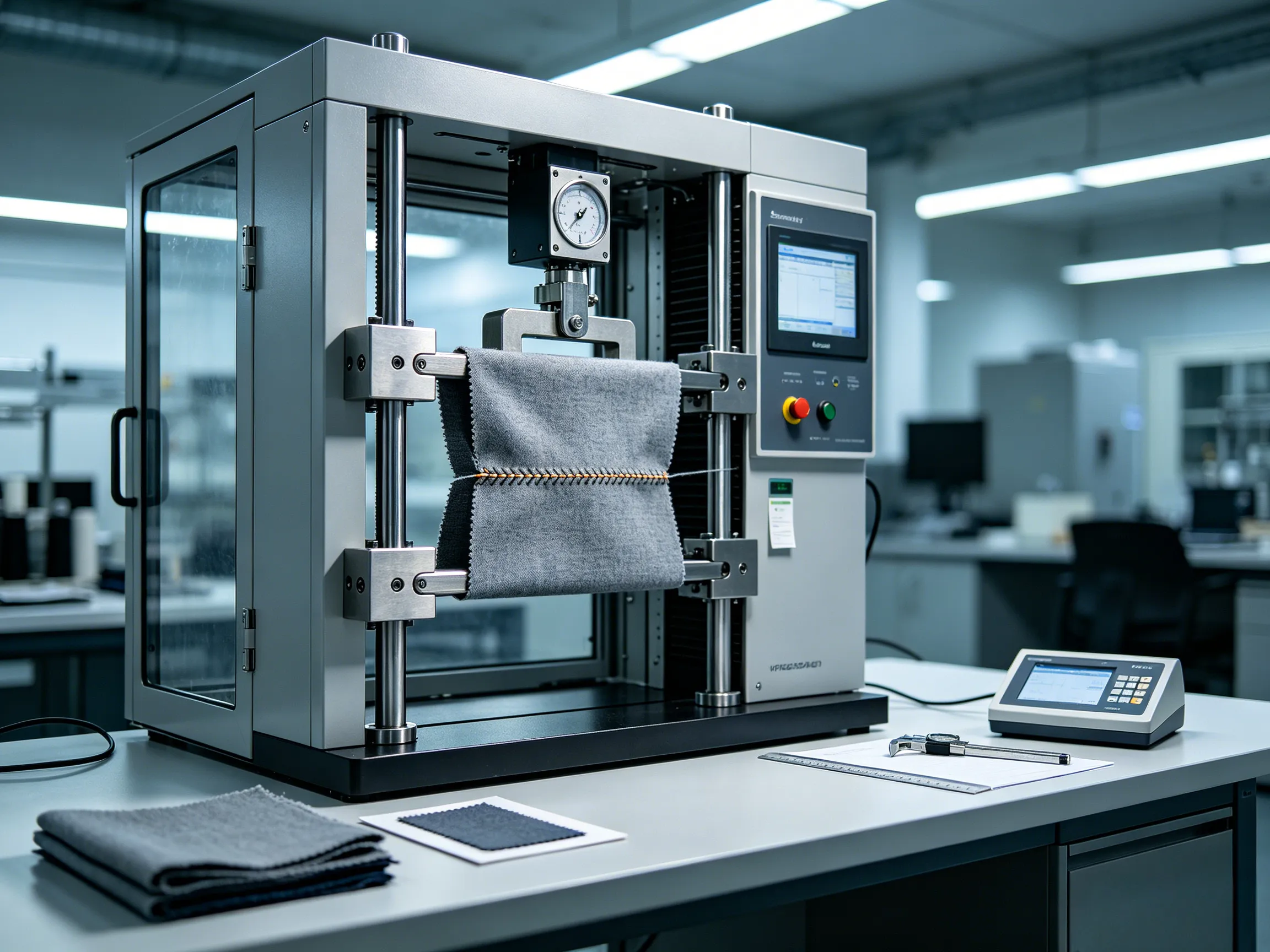
Which Inspection Method Finds More Defects?
When it comes to actually detecting defects, the comparison is revealing:
100% Inspection Advantages
- Needle defects: Every needle break is found
- Logo defects: Crooked or wrong logos on every bag caught
- Color deviation: All color inconsistencies identified
- Wrong accessories: Missing or incorrect parts on all units detected
- Broken zippers: Every malfunctioning zipper found
- Poor stitching: All seam issues caught
- Packaging issues: Every incorrect label or box caught
AQL Inspection Limitations
- Only finds defects in sampled units
- Systematic issues may cluster outside sample
- Low defect rates might mask real problems
- Batch-specific issues can slip through
Key Insight
100% inspection finds more defects, but at a significantly higher cost. The question isn’t just “which finds more” but “which provides the best value for your specific situation.”
When Should You Choose AQL Inspection?
AQL inspection is the optimal choice in these scenarios:
OEM Bags
Standard OEM bag orders where you have established quality baselines with your supplier.
Canvas Bags
Durable canvas products with tolerance for minor cosmetic imperfections.
Promotional Bags
High-volume promotional items where extreme precision isn’t critical to use.
Corporate Gifts
Branded merchandise with reasonable quality expectations.
Stable Suppliers
Working with proven manufacturers with track records of consistent quality.
Repeat Orders
Reorders of products that have already passed quality standards multiple times.
At Dreamway, we recommend AQL inspection for most standard bag orders (MOQ 200+) where quality processes are established and defect rates are historically low.
When Should You Choose 100% Inspection?
100% inspection is essential in these high-stakes situations:
Luxury Handbags
Premium leather goods and designer bags where any defect damages brand equity.
Silk Products
Delicate silk pillowcases, sleep masks, and scarves require meticulous inspection due to their premium nature and visibility.
Baby & Diaper Bags
Products used around children require zero-tolerance quality standards for safety.
Medical Bags
Healthcare-related products require absolute reliability and cleanliness.
Amazon FBA
Marketplace returns and negative reviews can destroy product rankings. Many sellers opt for 100% inspection to protect their Amazon business.
New Supplier
First orders from any new factory should be 100% inspected to establish quality baseline.
First Order
Always 100% inspect your first production run with any new product design.
High Complaint Risk
Products with history of customer complaints need extra scrutiny.
Dreamway’s silk products (MOQ 50+) particularly benefit from 100% inspection due to the delicate nature of 22mm and 25mm mulberry silk, where even minor defects can significantly impact product value.
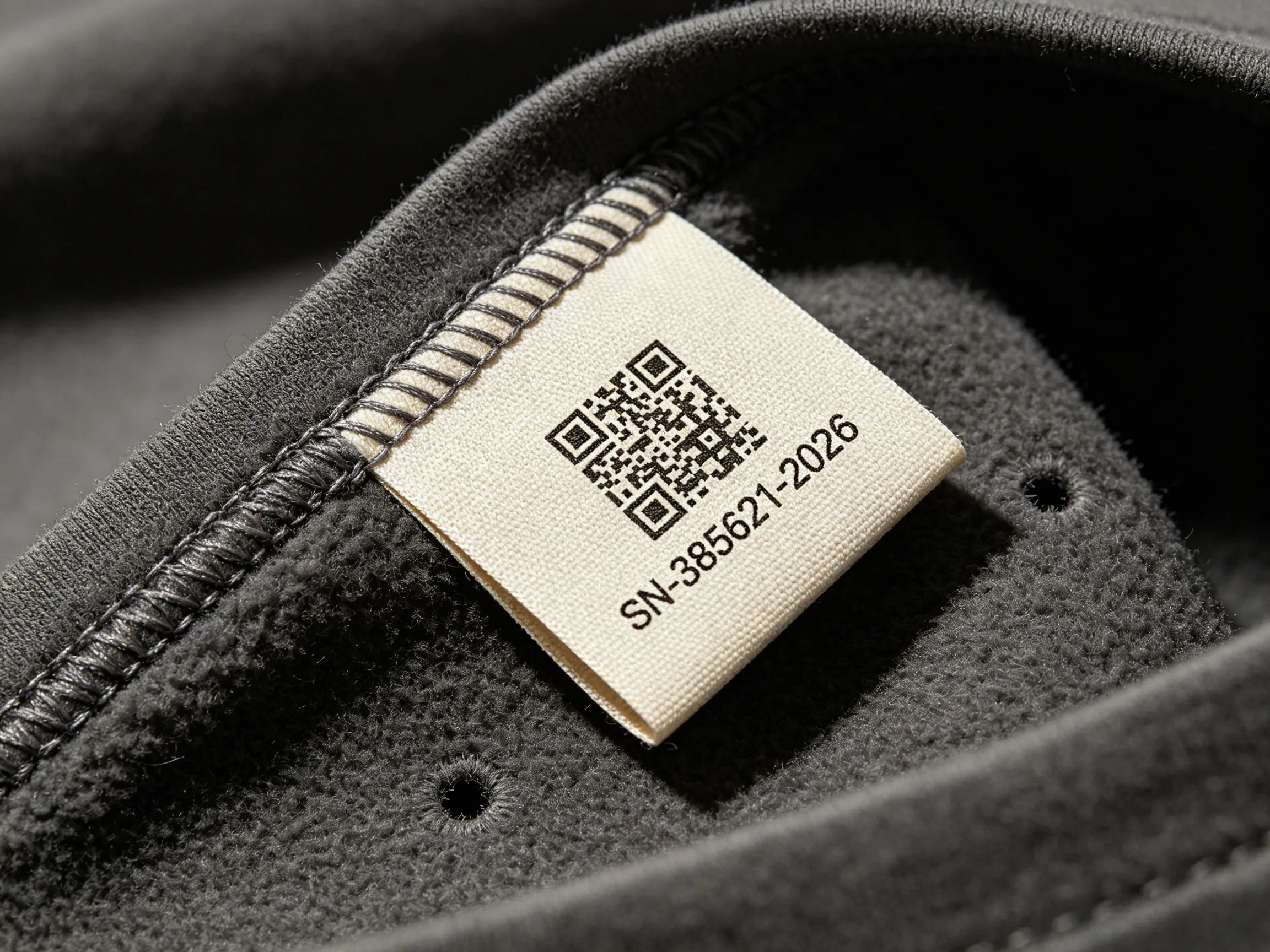
Can You Combine AQL and 100% Inspection?
Yes! This is actually the approach many sophisticated buyers and major brands use. The hybrid approach gives you the best of both worlds.
Method 1: Production Process + Final AQL
Method 2: Critical Parts 100% + Others AQL
Critical Components
100% Inspection
- Structural seams
- Heavy-duty zippers
- Safety hardware
- Functional closures
Standard Components
AQL Inspection
- Interior linings
- Decorative elements
- Minor accessories
- Packaging
This tiered approach is what many major brands implement. At Dreamway, we can customize our inspection procedures to match your quality requirements and budget.
Typical Inspection Workflow in a Bag Factory
Understanding the complete quality control process helps you appreciate what happens between production and shipment.
Raw Material Inspection
All fabrics, hardware, and accessories checked before production begins.
Cutting Inspection
Die-cut pieces verified for dimensions, pattern alignment, and material quality.
Sewing Inspection
Inline quality checks at sewing stations ensure proper stitch density and seam strength.
Inline QC (In-Process)
Quality controllers巡检生产线,catching issues before they become widespread.
Final QC
Complete unit inspection before packaging, including function testing.
AQL Inspection
Statistical sampling per your chosen standard (if applicable).
Packing Inspection
Packaging accuracy, labeling, and quantity verification.
Shipment Preparation
Final documentation, loading supervision, and shipping inspection.
Pro Tip: Ask your factory about their inline inspection and in-process inspection procedures, not just final inspection. Catching issues early saves money for everyone.
Common Inspection Defects Found in Bag Manufacturing
Knowing what defects to look for helps you communicate better with your factory. Here’s what professional inspectors typically find:
Open Seams
Seams that have come apart or weren’t properly sealed during production.
Loose Threads
Uncut thread ends or loose stitching that could unravel.
Crooked Logo
Misaligned or uneven brand markings and labels.
Broken Zipper
Zippers that don’t function smoothly or have damaged teeth.
Wrong Color
Color variation between expected and delivered shades.
Fabric Stain
Marks, spots, or discoloration on fabric surfaces.
Missing Accessories
Absent or incorrect hardware, tags, or included items.
Uneven Stitching
Inconsistent stitch density or crooked seam lines.
Wrong Dimensions
Products not matching specified measurements.
Packaging Defects
Incorrect boxes, damaged packaging, or wrong labels.
Tip: Create a defect reference sheet with your factory. The more specific you are about what constitutes a defect, the better your results will be.
Frequently Asked Questions
Is AQL inspection enough for my order?
For standard bags with MOQ 500+ and a trusted supplier, AQL inspection is usually sufficient. However, first orders, luxury products, and high-value items should be 100% inspected.
Is 100% inspection always better?
Not necessarily. While 100% inspection finds more defects, it costs significantly more and takes longer. For well-established products from reliable suppliers, AQL often provides the best value.
Does Amazon require AQL inspection?
Amazon doesn’t mandate specific inspection methods, but they strongly recommend pre-shipment inspection. Many FBA sellers opt for 100% inspection to protect their seller rating and avoid returns.
How much does AQL inspection cost?
Typically 5-15% of your order value, depending on product complexity, location, and inspection depth. Contact your factory for specific quotes.
Can AQL miss defective bags?
Yes. AQL is statistical sampling, so there’s always a probability that defects exist outside the sample. This risk is higher for first orders, new products, or suppliers with quality issues.
When should I use 100% inspection?
Use 100% inspection for: luxury products, silk items, baby/children’s products, medical bags, first orders with new suppliers, high-value orders, and Amazon FBA shipments.
What AQL level do luxury brands use?
Luxury brands typically use stricter AQL levels: Major defects at 1.0 or even 0.65, and Minor defects at 1.5 or 2.5. Some require 100% inspection entirely.
Is AQL 2.5 stricter than AQL 4.0?
Yes. Lower AQL numbers mean stricter standards. AQL 2.5 allows fewer defects than AQL 4.0. AQL 1.0 is stricter than both.
Can factories perform both inspections?
Absolutely. Many sophisticated buyers use a hybrid approach: 100% inspection for critical components and AQL for standard parts.
Which inspection method do most brands choose?
Most established brands use AQL inspection (Level II) for regular orders and 100% inspection for first orders, luxury lines, or high-risk products.
Final Recommendation: Which Inspection Method Should You Choose?
Here’s your decision matrix based on specific situations:
| Your Situation | Recommended Method | Why |
|---|---|---|
| First Order | 100% Inspection | Establish quality baseline with new supplier |
| Luxury Brand Products | 100% Inspection | Brand reputation depends on perfection |
| Baby Products | 100% Inspection | Safety cannot be compromised |
| Silk Products | 100% Inspection | Delicate materials need meticulous checking |
| Stable Supplier, Repeat Order | AQL Inspection | Established trust and quality history |
| OEM Bags (Standard) | AQL Inspection | Cost-effective for proven products |
| Corporate Tote Bags | AQL Inspection | Moderate quality expectations |
| Promotional Bags | AQL Inspection | High volume, lower quality sensitivity |
| Amazon FBA | Depends | Consider product value and return rate risk |
| Mass Production | AQL Inspection | Efficient for large, established runs |
Ready to Start Your Order?
Dreamway is a professional bag and silk products manufacturer based in Guangzhou, China. With 30+ skilled workers and over 50 countries served, we have the expertise to guide you through the right inspection strategy for your needs.
Products: Bags (MOQ 200) | Silk Products (MOQ 50)
Website: www.gzdreamway.com
Premium bag & silk manufacturing — under one factory roof.
Tucked inside Shiling Town — Guangzhou’s centuries-old leather district — Dreamway is a focused manufacturing partner for brands that refuse to compromise. We build rugged, retail-ready tote bags, backpacks, handbags with a 200-piece MOQ, and craft 100% Mulberry silk pillowcases, scrunchies & sleep accessories starting from just 50 pieces. Our small team of 30+ artisans is senior, hands-on, and accountable — the same people who quote your sample will personally inspect your shipment.
Every order is verified against our published manufacturing quality standards — AQL 2.5 inspection, hardware pull-tests, seam-strength audits, and silk-fibre authenticity checks. From concept tech-pack to mass production, we run the entire supply chain in-house, so timelines stay honest and revisions stay painless.
Buying Guides & Manufacturing Insights
Sourcing smarter starts with knowing what to compare. These long-form guides break down the decisions our clients wrestle with most — from third-party inspections like the SGS vs Intertek vs Bureau Veritas showdown, to ranking China’s top 10 tote bag manufacturers, to the head-to-head of canvas vs polyester vs PU for bag bodies.
Designing your logo? Our custom tote bag logo size guide shows real placement and stitch-density examples. Curious how a handbag actually comes together? Walk through the leather handbag manufacturing process step by step, and pair it with the canvas tote durability factors that decide whether a bag survives five years of daily use.
For material decisions beyond canvas, compare PU vs polyester for bags and explore our roundup of the world’s top canvas bag manufacturers. If backpacks are your lane, our backpack manufacturing process and backpack lead-time guide give you realistic production windows. Choosing between social-compliance audits? Read BSCI vs SEDEX vs WRAP. For smaller leather goods, dive into the leather wallet manufacturer playbook; for sustainability claims, the recycled PU leather explainer and our backpack QC checklist separate marketing from reality. Finally, stay ahead of EU regulation with our PPWR FAQ for bag manufacturers.
Explore by Topic
Browse our deep-dive knowledge hubs — every cluster is curated by category and updated with new field reports.
By Category
Materials & Compliance
Real Client Cases
Numbers tell part of the story. These production cases show how Dreamway’s small team delivers at scale.
Featured Product Lines
A snapshot of what we manufacture most often — all OEM/ODM-ready with custom hardware, lining, and packaging.
Who We Help
From indie founders to global enterprise — Dreamway is built for brands that need a factory, not a freelancer.
Brand Builders
Beauty & Fashion
Lifestyle & Retail
Skip the inbox. Chat with Victoria — right now.
Point your camera at the QR and you’re connected to a real human in Guangzhou. Send a photo of your reference, get a quote within minutes, and lock in your 200-piece MOQ slot before this month’s capacity fills.
Specialized factories. Unified standards.
Leather & Bag Capital
Our bags come from Guangzhou’s Shiling leather district — home to 30+ senior artisans under one roof, working in 8,000 m² of integrated cutting, sewing, hardware-assembly, and QC space.
Mulberry Silk Heritage
Our 22mm Mulberry silk pillowcases and sleep sets come from vetted partner mills in Suzhou and Hangzhou — at the heart of China’s 5,000-year sericulture heritage, today running OEKO-TEX Standard 100 certified production lines.
Get your sample in 7 working days —
hand-built by Guangzhou’s 30+ artisans.
Send a sketch, a screenshot, or a competitor’s bag you want to beat. We’ll hand-build a custom sample and ship it to your door — produced by the same craftspeople who will run your mass-production order.
business days · in your timezone
on request · signed in 1 day
if first one misses the brief