
Recycled PU Leather: Is It Sustainable? Bag Brand Guide
A sourcing-grade guide for sustainable bag brands — written by the engineering desk at Dreamway, a bag manufacturer based in Guangzhou since 2008.
Yes — recycled PU leather is generally more sustainable than virgin PU leather. It diverts PU waste from landfill and reduces demand for new petrochemical inputs. However, it is not biodegradable and not 100% eco-friendly. Actual sustainability depends on recycled content percentage, manufacturing processes, and certification. GRS-certified recycled PU is the most credible option for bag brands.

Introduction
Recycled PU is becoming one of the most discussed material options for bag brands looking to reduce environmental impact. From Paris-based boutique buyers to New York fashion startups, the same conversation keeps surfacing in 2026: Is recycled PU leather actually sustainable? Is it a credible choice for an eco-positioned collection? And how does it really compare to standard PU leather?
The short answer is nuanced — and worth understanding in full.
Recycled PU reduces environmental impact. It does not eliminate it. The label “recycled” is not a synonym for “100% sustainable,” and a responsible sourcing decision has to weigh the recycled content percentage, the manufacturing process, durability, certifications, and the full product lifecycle of the bag.
This guide is written for sustainable bag brands, fashion startups, and product teams who need to evaluate recycled PU honestly — without the greenwashing. By the end, you’ll understand what recycled PU really is, how it compares to traditional PU, what certifications actually verify, and how an experienced bag factory inspects and works with the material in production.
- What Is Recycled PU Leather?
- Why Are Brands Choosing Recycled PU Leather?
- How Sustainable Is Recycled PU Compared With Traditional PU?
- Environmental Benefits of Recycled PU Leather
- Is Recycled PU Leather 100% Eco-Friendly?
- Recycled PU Leather vs Vegan Leather
- Recycled PU Leather vs Bio-Based Leather Alternatives
- What Certifications Can Verify Recycled PU Sustainability?
- Is Recycled PU Durable Enough for Bags?
- Cost Consideration: Is Recycled PU More Expensive?
- Real-World Case Studies From Bag Brand Buyers
- How Sustainable Bag Brands Should Evaluate Recycled PU
- Quality Control for Recycled PU Bags
- Expert Insights From Dreamway Manufacturing Team
- Frequently Asked Questions
What Is Recycled PU Leather?
For a deeper material primer, see our companion guide What Is Recycled PU Leather? Complete Guide for Bag Brands. Here is the condensed version.
Recycled PU leather is a man-made synthetic leather engineered the same way as standard PU leather — fabric backing, polyurethane coating, surface finishing — but with one critical difference: a portion of the polyurethane resin is sourced from recycled PU feedstock rather than 100% virgin petrochemical polymers.
How is recycled PU leather made?
Recycled PU is made through three main steps:
- PU scrap collection — post-industrial scrap (factory trim, off-spec rolls) or post-consumer recovered PU material.
- Mechanical or chemical reprocessing — grinding, pelletizing, or depolymerization into reusable feedstock.
- Blending and coating — recycled feedstock is blended with virgin PU (typically 30–100% recycled content), then coated onto a fabric backing with optional topcoat and embossing.
What is recycled PU made of?
The composition typically includes three layers:
- Fabric backing — polyester, cotton, or blended knit that provides tensile strength and dimensional stability.
- Polyurethane coating — the polymer surface that delivers the leather-like look, flexibility, and texture.
- Recycled PU content — reprocessed polyurethane from post-industrial scrap or recovered end-of-life PU material, blended into the coating.
Is recycled PU real leather?
No. Recycled PU is not genuine leather — it contains no animal hide. It is a synthetic leather alternative that mimics the look and hand-feel of leather while incorporating recycled polyurethane content.
What recycled PU leather is not:
- It is not genuine leather — it contains no animal hide.
- It is not a fully biodegradable material — polyurethane is a synthetic polymer.
Think of recycled PU as recycled-content synthetic leather — a hybrid between traditional PU and the broader family of plant-based or bio-based leather alternatives. It is one option among several, and the right choice depends on your brand’s sustainability goals, price point, and end application.
Why Are Brands Choosing Recycled PU Leather?
Sustainable bag brands, fashion startups, and lifestyle accessories labels are increasingly specifying recycled PU. The drivers fall into three categories.
1. Reduce Waste
Recycled PU diverts industrial PU waste and production scraps from landfill and incineration. PU production generates significant trim and off-spec material; recycled PU gives that feedstock a second life inside new bags.
2. Reduce Virgin Material Usage
Every yard of recycled PU represents a measurable reduction in demand for new petrochemical-derived polyurethane. For brands with ESG reporting commitments, this is a directly quantifiable metric.
3. Meet Consumer Sustainability Expectations
End customers — particularly in Europe, North America, and parts of Asia-Pacific — increasingly look for eco collections, sustainable accessories, and verified recycled materials. Recycled PU is a credible way to meet that expectation without abandoning the performance and aesthetic benefits of synthetic leather.
How Sustainable Is Recycled PU Leather Compared With Traditional PU?
This is the central comparison — and the one most likely to come up in a sourcing meeting.
| Factor | Recycled PU | Traditional PU |
|---|---|---|
| Virgin material usage | Lower (blended with recycled content) | Higher (100% virgin feedstock) |
| Waste created | ~30% less waste diverted from landfill | Baseline — higher trim and off-spec scrap |
| Carbon footprint | −20% to −40% (varies by formulation) | Baseline |
| Durability | Similar, depending on formulation | Similar, depending on formulation |
| Cost premium | +5% to +20% over virgin PU | Baseline |
| Certification availability | Possible — GRS, OEKO-TEX, REACH | Possible — same standards apply |
| Best positioning | Sustainable collections, eco-led brands | Mass-market bags, value-tier products |
The takeaway: environmental impact cannot be judged from the material name alone. A poorly made recycled PU can have a higher footprint than a well-engineered virgin PU. Formulation, manufacturing energy, supply chain, and certification all matter.
Environmental Benefits of Recycled PU Leather
When sourced and specified correctly, recycled PU offers three concrete environmental advantages.
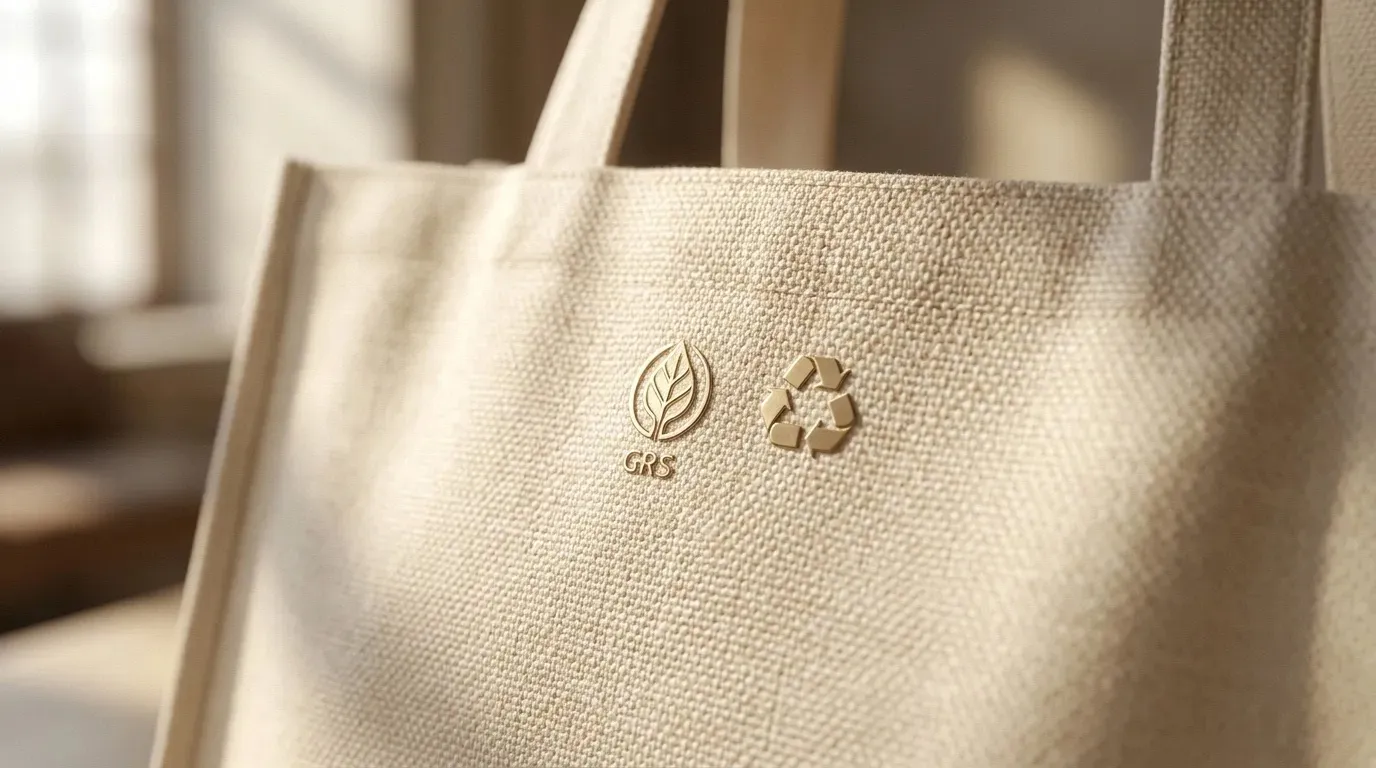
Benefit 1: Waste Reduction
Recycled PU puts manufacturing waste and recycled polyurethane materials back into circulation. The PU industry generates substantial off-cut and trim waste during coating and finishing; recycled PU gives that material a productive second life rather than sending it to landfill or incineration.
Benefit 2: Supporting Circular Material Use
Recycled PU is a tangible step toward a circular economy for synthetic materials. It keeps polyurethane feedstock in use across multiple product cycles, reducing cumulative demand for virgin petrochemical inputs.
Benefit 3: Sustainable Product Positioning
For brands marketing eco collections, sustainable accessories, or limited-edition drops with a sustainability narrative, recycled PU is a credible, defensible material choice — provided the documentation backs the claim.
Is Recycled PU Leather 100% Eco-Friendly?
This question is critical — and it deserves a direct answer.
No, recycled PU leather is not 100% eco-friendly.
Even when fully optimized, recycled PU is still a synthetic polymer with a petroleum-based origin. It is not biodegradable, and its end-of-life options remain limited. Recycling PU feedstock back into new PU is technically possible and increasingly common, but it is not the same as a closed-loop bio-based material.
Is recycled PU biodegradable?
No. Recycled PU leather is not biodegradable. Polyurethane is a synthetic polymer and does not break down naturally in the environment within a relevant timeframe. Even with recycled content, end-of-life disposal typically follows the same pathway as conventional PU.
Recycled PU reduces environmental impact compared to virgin PU. It does not eliminate the environmental concerns associated with synthetic leather production.
Recycled PU Leather vs Vegan Leather: Are They the Same?
Vegan leather is a broad category — not a single material. It includes any leather alternative that does not use animal-derived inputs.
The vegan leather family typically includes:
- PU leather — virgin polyurethane coating on a fabric backing.
- Recycled PU leather — PU coating with recycled polyurethane content.
- PVC leather — polyvinyl chloride coating, generally less favored for sustainability reasons.
- Bio-based leather alternatives — pineapple, cactus, apple, mushroom, and other plant-fiber-derived materials.
Recycled PU is a member of the vegan leather family. But vegan does not automatically mean sustainable. PVC vegan leather is a clear example of a vegan material with serious environmental drawbacks.
For sourcing teams, the question is not “is it vegan?” — it is “what is the material made of, how is it produced, and what certifications back the claims?”
Recycled PU Leather vs Bio-Based Leather Alternatives
Bio-based leather alternatives are growing rapidly as brands look for plant-derived options. Here is how they compare at a high level.
| Material | Source | Biodegradable | Carbon Footprint | Durability | Supply Maturity | Cost vs Recycled PU |
|---|---|---|---|---|---|---|
| Recycled PU | Recycled polyurethane + fabric backing | No | Low (−20% to −40% vs virgin PU) | High | Mature, scalable | Baseline |
| Apple leather | Apple waste from juice industry | Partial | Low | Medium | Limited supply | Higher (premium positioning) |
| Pineapple leather (Piñatex) | Pineapple leaf fiber | Partial | Low | Medium | Growing acceptance | Higher |
| Cactus leather (Desserto) | Cactus plant fiber | Partial | Low | Medium | Niche supply | Higher |
| Mushroom leather (Mylo) | Mycelium | Yes | Low | Variable | Limited scale (emerging) | Higher (R&D premium) |
| PVC leather | Polyvinyl chloride | No | High | High | Mature, low cost | Lower (but sustainability penalty) |
For a deeper comparison, see our guide The Future of Vegan Leather: Pineapple, Cactus, and Apple Fiber.
Each material has trade-offs. Recycled PU wins on scalability, mature supply, and certification availability. Bio-based alternatives win on renewable feedstock and consumer narrative. Most sustainable brands in 2026 use a mix — not a single material solution.
What Certifications Can Verify Recycled PU Sustainability?
Certifications are how the industry validates that a recycled PU material is what the supplier claims. The most common ones our buyers ask about:
GRS — Global Recycled Standard
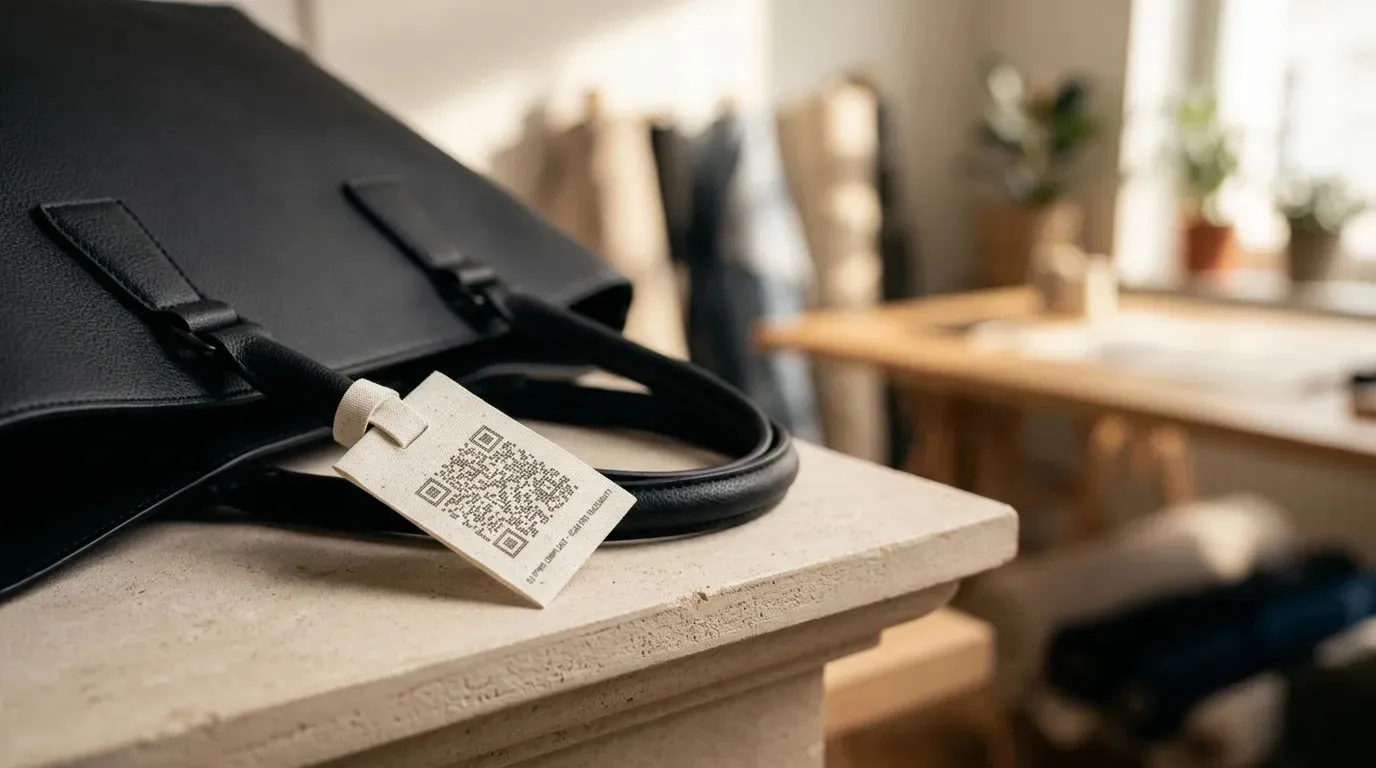
GRS verifies the recycled content of a material and tracks it through the supply chain. It is the primary certification buyers should request when sourcing recycled PU. A GRS transaction certificate documents the percentage and origin of recycled feedstock.
REACH Compliance
REACH restricts hazardous chemicals in materials sold in the European Union. For recycled PU, REACH compliance confirms the material does not contain substances of very high concern above permitted thresholds — important for both EU market access and overall chemical safety.
OEKO-TEX
OEKO-TEX certifies that a material has been tested for harmful substances and is safe for human contact. For bag products that touch skin daily, OEKO-TEX Standard 100 is a strong credibility signal.
| Certification | What It Verifies | Key Document | Best For |
|---|---|---|---|
| GRS (Global Recycled Standard) | Recycled content + chain-of-custody | Transaction Certificate (TC) | Recycled content claims |
| OEKO-TEX Standard 100 | Harmful substance testing | Product certificate | Skin-contact safety |
| REACH (EU) | Chemical safety / SVHC restriction | Declaration of compliance | EU market access |
| ISO 14001 | Environmental management system | Factory certification | Process-level credibility |
| BSCI | Social compliance audit | Audit report | Ethical sourcing |
A certification helps verify recycled content and responsible processing — it does not, on its own, guarantee a material is “environmentally friendly.” Avoid supplier language such as “GRS guarantees eco-friendliness.” The accurate framing is: GRS helps verify recycled content and chain-of-custody traceability. For GRS verification, refer to the official Global Recycled Standard published by Textile Exchange.
Is Recycled PU Durable Enough for Bags?
Durability is the question that keeps product managers up at night — and rightly so. A bag that fails in the field is the most expensive warranty claim of all.
Factors That Drive Recycled PU Durability
- Coating quality — the polyurethane formulation, topcoat chemistry, and additives.
- Thickness — heavier gauges typically perform better under daily wear.
- Backing fabric — the tensile strength and dimensional stability of the substrate.
- Finishing technology — embossing, surface treatment, and topcoat selection.
When properly formulated, recycled PU performs comparably to standard PU across abrasion resistance, peel strength, flex endurance, and hydrolysis resistance. The label “recycled” does not predict performance — the formulation does.
Suitable Bag Applications
Recycled PU is well-suited to:
- Handbags — fashion handbags, totes, shoulder bags.
- Cosmetic bags — soft, lightweight, color-consistent.
- Backpacks — heavier gauges work well with reinforced coatings.
- Tote bags — both fashion and promotional applications.
Cost Consideration: Is Recycled PU More Expensive?
The honest answer: recycled PU is usually more expensive than standard PU — but the premium is narrowing as supply chains mature.
Cost Drivers
- Recycled content percentage — higher recycled content typically carries a feedstock premium.
- Certification — GRS documentation, transaction certificates, and third-party audits add cost.
- Order quantity — MOQ and run length affect unit economics.
- Finishing — specialty topcoats, embossing, and treatments add cost.
We intentionally do not publish fixed per-yard prices in this guide. Material costs move with feedstock markets, freight, certification status, and order specifics. For accurate pricing, request a tailored quote with your specs, quantity, and target recycled content.
Real-World Case Studies From Bag Brand Buyers
These are anonymized case studies from real Dreamway clients who specified recycled PU for their collections. They illustrate the kind of decisions, trade-offs, and outcomes that sustainable bag brands encounter in production.
Country: Germany · Product: Recycled PU tote bag · Order: 3,000 pcs
Challenge: Source GRS-certified recycled PU and complete production within 35 days for an EU retail launch.
Solution: Selected 50% recycled-content PU with documented GRS transaction certificate. Locked color and finish during a 7-day golden-sample approval cycle. Production ran on a dedicated line with two in-line QC checkpoints.
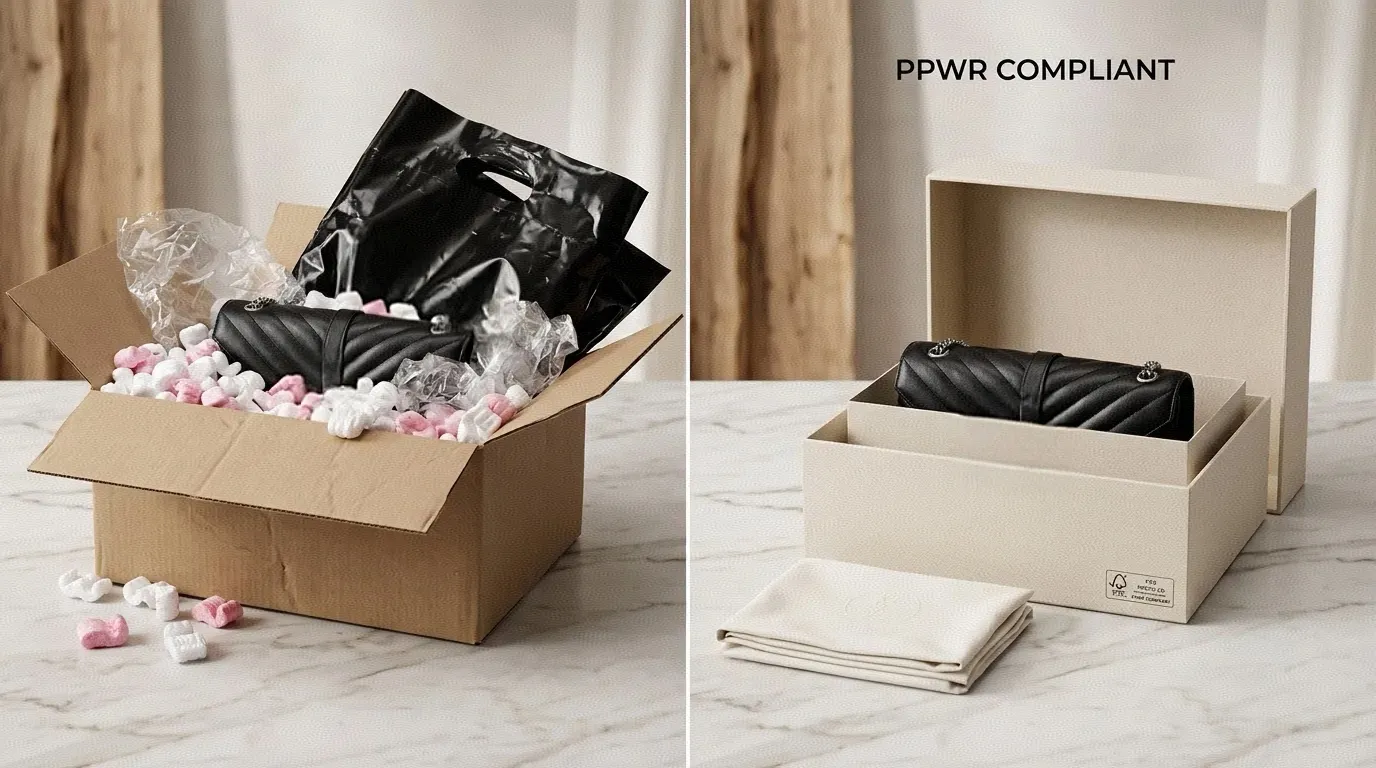
Result: On-time delivery, successful EU launch, packaging aligned with PPWR-compliant minimalist design.
Country: USA · Product: Recycled PU backpack · Order: 1,500 pcs
Challenge: Hit a recycled-content threshold for retail ESG reporting while keeping total cost within 8% of standard PU.
Solution: Specified 30% recycled-content PU, optimized back-panel construction to reduce material consumption, and consolidated hardware sourcing.
Result: 6% cost premium over virgin PU, OEKO-TEX Standard 100 documentation available, brand successfully published ESG metrics.
Country: Japan · Product: Recycled PU cosmetic pouch (12 SKUs) · Order: 5,000 pcs
Challenge: Match 12 pastel colors with consistent finish across a recycled PU substrate.
Solution: Tightened incoming material inspection — color, thickness, and hand-feel checked against the approved golden sample for every roll. Added a third-party lab test for light-fastness on the lighter shades.
Result: Delta-E color deviation under 1.0 across SKUs; client reduced incoming reject rate from 4% to <1%.
Country: Australia · Product: Recycled PU shoulder bag · Order: 800 pcs
Challenge: Low MOQ with no compromise on REACH and OEKO-TEX compliance.
Solution: Used a recycled PU stock grade from a pre-certified supplier to bypass the certification lead-time. Mapped all hardware to REACH-compliant alternatives.
Result: 800-piece MOQ met, full compliance dossier delivered, repeat order scaled to 2,500 pcs within 6 months.
Country: United Kingdom · Product: Recycled PU travel duffel · Order: 2,000 pcs
Challenge: Match a “vintage leather” aesthetic on a recycled PU substrate with embossed grain.
Solution: Custom embossing plate developed in 3 weeks; topcoat tuned for matte, wax-like hand-feel. Added edge-paint testing against standard rub-fastness thresholds.
Result: Buyer approval on first golden-sample submission; product positioned as flagship sustainable SKU.
How Sustainable Bag Brands Should Evaluate Recycled PU Materials
Before placing an order, every sustainable brand should run through this sourcing checklist.
Pre-Order Evaluation Checklist
- Recycled content percentage — request the GRS transaction certificate and verify the percentage on the TC.
- Certification documents — request GRS, OEKO-TEX, REACH, ISO 14001, and BSCI as applicable.
- Supplier transparency — confirm the recycled feedstock source (post-industrial vs. post-consumer) and traceability documentation.
- Durability testing — required tests depend on application: abrasion (Taber / Martindale), peel strength, flex endurance, hydrolysis resistance.
- Regulatory compliance — confirm REACH for EU, Prop 65 for California, and other regional regulations.
- Color and finish validation — golden sample approval with documented Delta-E tolerance.
- MOQ and lead time — confirm minimum order quantity and quoted production lead time.
- Sustainability statement — request a written factory sustainability statement, including energy source and waste management.
- Ask for the recycled content percentage (GRS transaction certificate)
- Request all relevant certification documents
- Check supplier transparency and traceability
- Test durability against your application requirements
- Confirm compliance with target market regulations
- Validate color and finish against the golden sample
- Request a sustainability statement from the factory
This list is not exhaustive, but it covers the questions that catch buyers out most often.
Quality Control for Recycled PU Bags
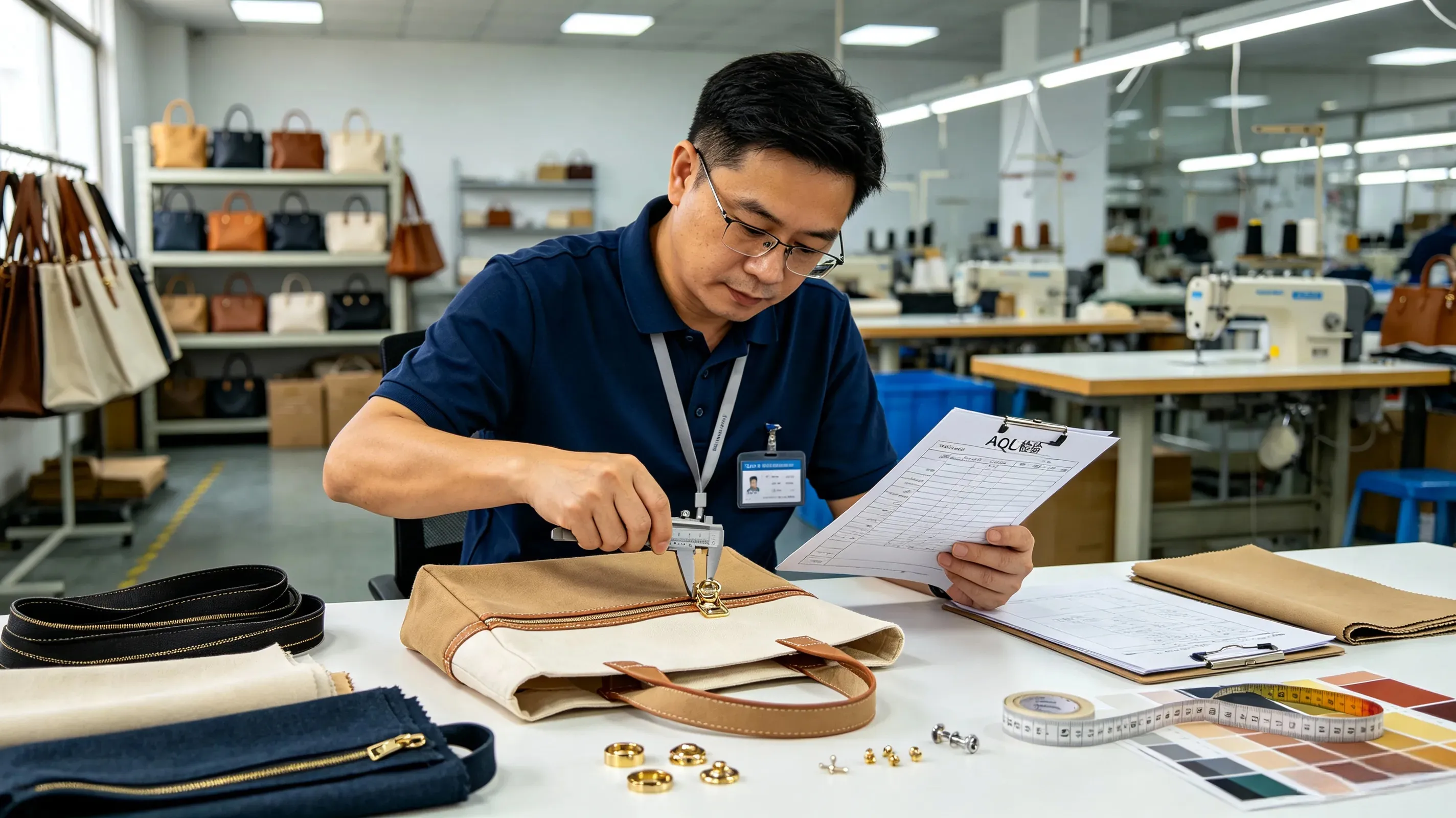
At Dreamway, recycled PU is inspected at three stages. This is the framework our QC team uses — and the one we recommend buyers ask their factory to follow.
| QC Stage | Focus Areas | Tools / Method | Acceptance Threshold |
|---|---|---|---|
| Incoming Material | Color, thickness, surface defects, hand-feel | Standardized QC lighting, thickness gauge | Delta-E ≤ 1.0 vs. golden sample |
| In-Production | Stitching, bonding, hardware | Tension gauge, visual inspection | Per spec sheet, zero critical defects |
| Final Inspection | Appearance, function, dimensional accuracy | AQL 2.5 sampling, closure cycle test | Per AQL 2.5 General Level II |
Incoming Material Inspection
- Color — verified against the approved golden sample under standardized lighting.
- Thickness — measured at multiple points across each roll.
- Surface defects — scratches, blemishes, uneven coating, delamination.
In-Production QC
- Stitching — seam uniformity, tension, and consistency at intersections.
- Bonding — lamination strength between coating and backing.
- Hardware — zipper function, snap strength, buckle integrity.
Final Inspection
- Appearance — under standardized lighting against reference samples.
- Functionality — closure cycles, strap load testing, dimensional accuracy.
Recycled PU is not a single product — it is a family of blends with varying recycled content, feedstock source, and formulation. Every new lot should be treated as a fresh qualification, even from a familiar supplier.

Expert Insights From Dreamway Manufacturing Team
These are the people who work with recycled PU on the production floor every day. We asked them the questions buyers ask us most.

Emily
Senior Project Manager · 12 Years in OEM Manufacturing“What do sustainable brands usually ask before choosing recycled PU materials?”
The first question is almost always about certification — buyers want the GRS certificate, the recycled content percentage, and full chain-of-custody traceability. Right after that comes MOQ, because recycled PU often carries a higher minimum than standard PU. Then it’s color options, finishing capability, and — almost always — the cost difference versus standard PU. I always tell buyers to treat the sustainability story the same way they treat the bag’s design: it has to be authentic, verified, and ready to defend in front of their own customer.
Kevin
Pattern Development Engineer · 15 Years Experience“How does the factory check recycled PU material quality before it goes into production?”
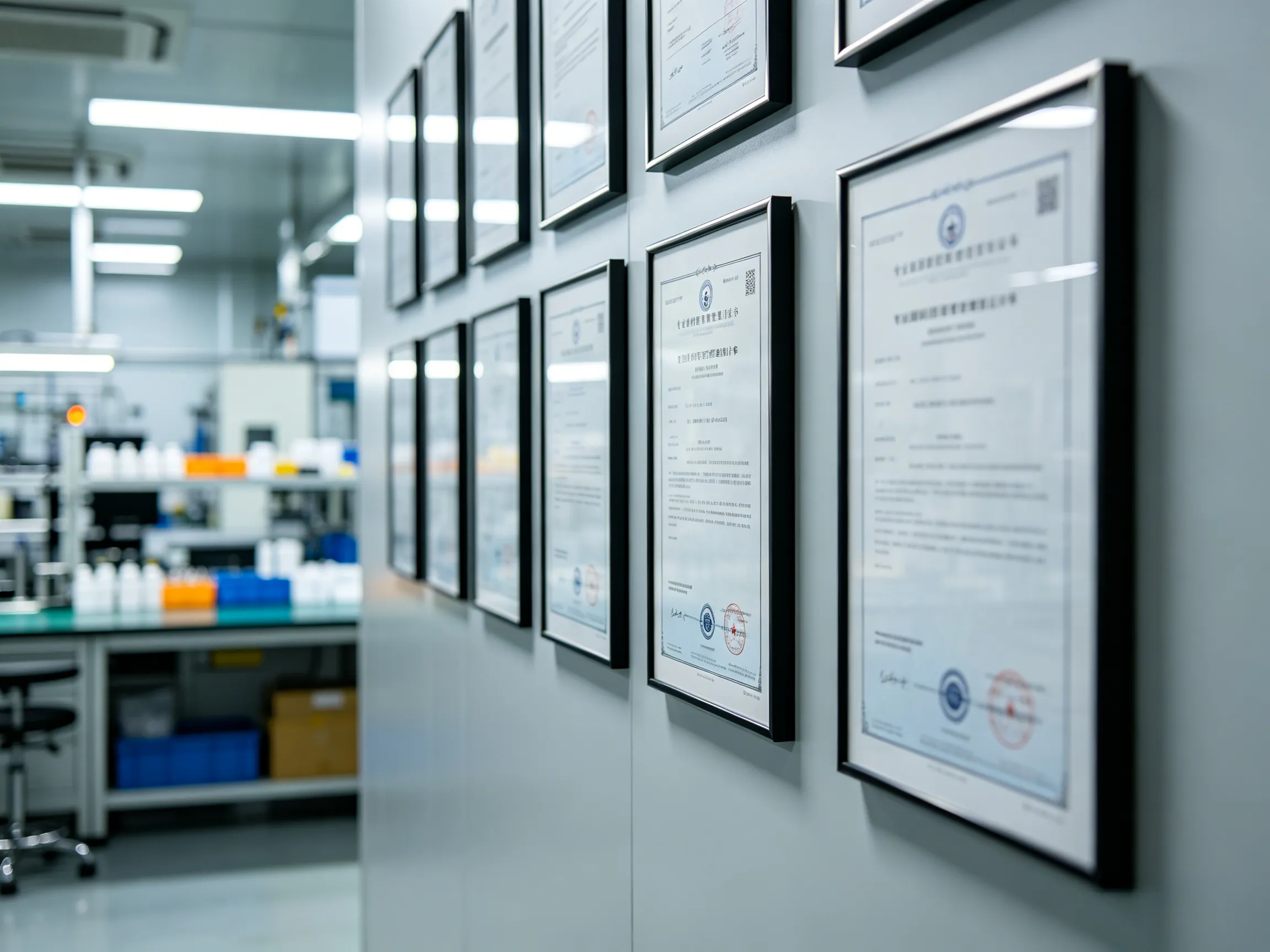
We start with incoming material inspection — checking thickness, color, and hand-feel against the approved golden sample. Then we run surface inspection under standardized QC lighting, followed by durability testing on representative samples. Recycled PU is not a single product; it’s a family of blends, so we treat every new lot as a fresh qualification. We also verify the supplier’s recycled-content documentation and request the GRS transaction certificate before cutting the first panel.
Linda
Sourcing Specialist · 10 Years in Sustainable Materials“What’s the most common mistake buyers make when sourcing recycled PU?”
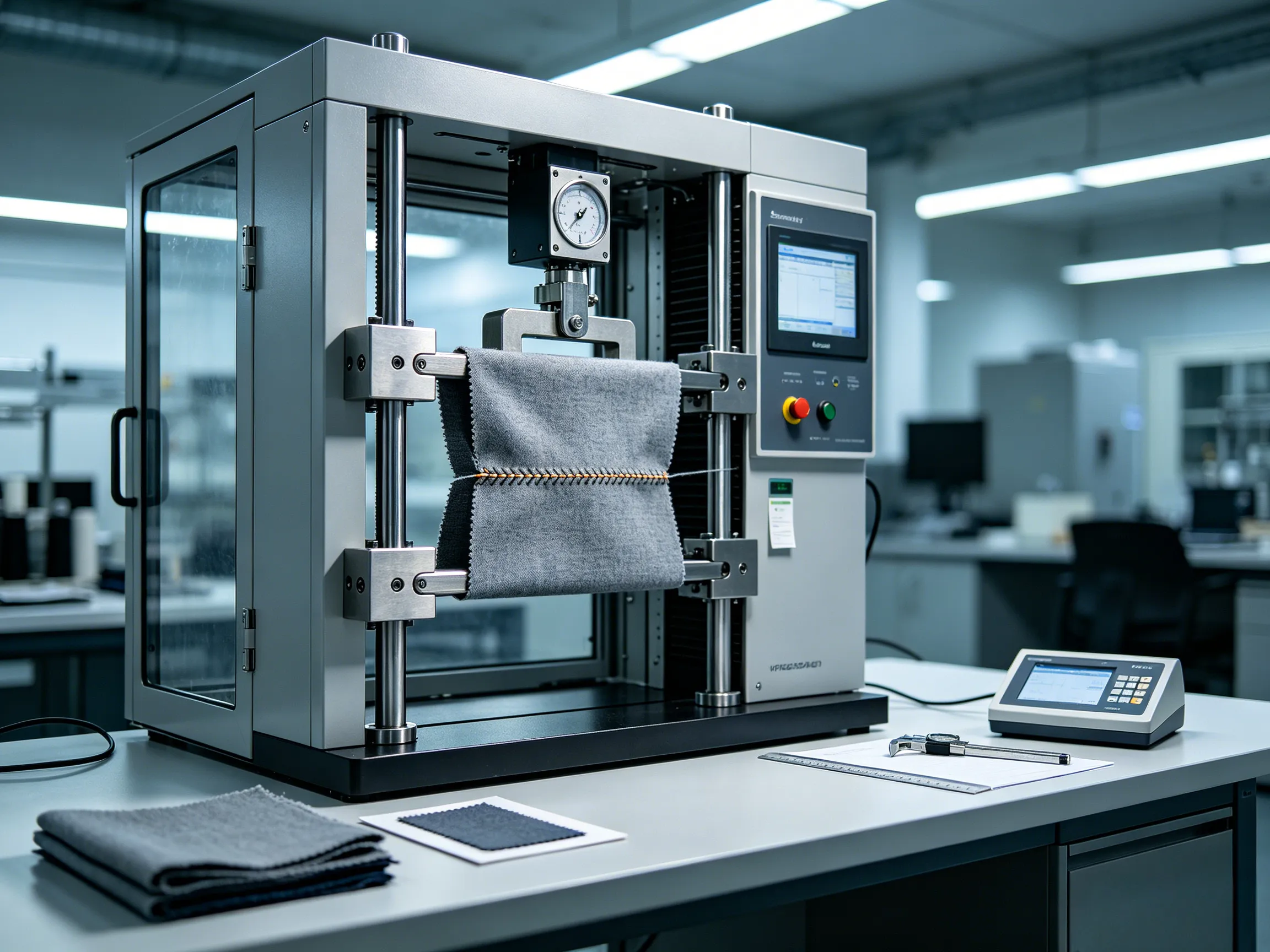
Assuming that any material labeled “recycled” is automatically sustainable. The biggest mistake is accepting a supplier’s recycled-content claim without a transaction certificate. GRS has a strict chain-of-custody rule — you need to see the TC that documents the actual recycled percentage. Without it, you have no defensible evidence to back your sustainability claims in front of regulators, retailers, or end customers.
David
QC Director · 14 Years in Bag Quality Assurance“How should buyers test recycled PU before approving a production run?”
Three tests minimum: Taber abrasion (load and cycles depend on bag type), peel strength between coating and backing, and flex endurance. For tropical or humid destination markets, add hydrolysis resistance. We run all four as standard on any new recycled PU supplier qualification, and we share the report with the buyer so they can make an evidence-based decision.
Frequently Asked Questions About Recycled PU Leather Sustainability
- Recycled PU vs PVC: Which Material Is Better for Sustainable Bags?
- Is Recycled PU Leather Toxic? Safety, Chemical Risks & Buyer Guide
- Recycled PU Leather: Is It Sustainable? Bag Brand Guide
- Recycled PU vs PU Leather: Which Is Better for Bags?
- What Is Recycled PU Leather? Complete Guide for Bag Brands
- PU vs. Polyester for Bags: Which Material Is Better for Your Brand?
- Silk vs. Bamboo vs. Tencel: Why Luxury Wellness Brands Still Choose Real Mulberry Silk for Bedding
- How to Spot Fake Silk: A Factory Guide to Testing Real Mulberry Silk for B2B Buyers
- The Ultimate Guide to Sourcing Mulberry Silk: 16mm vs 19mm vs 22mm Compared
- Canvas vs. Polyester vs. PU: Material Comparison
- Guide to Sustainability: GRS, OEKO-TEX & FSC
- Canvas Fabric Weight Guide: GSM and Oz Explained
- The Future of Vegan Leather: Pineapple, Cactus, and Apple Fiber
- Water-Based PU vs Recycled PU: Which Is Better for Bags?
- Why Water Based PU Leather is so popular?
- Comparing Cotton vs. Blended Canvas for Tote Bags
- Eco-Friendly and Sustainable Canvas Tote Bags
- Canvas Tote Bag Material & Weight Guide: oz/GSM Chart for Every Bag Type
- Sustainable Custom Tote Bags with Logo: Certifications, Materials & Greenwashing Red Flags
- Canvas Tote Bag Factory: What Affects the Durability?
- Cotton Tote Bag Factory: Grades, GSM Options & Fabric Testing
- Luxury Tote Bag Factory for Premium Brands (PU/Leather Options)
- Recycled Tote Bag Factory: RPET, Organic Cotton & Eco-Friendly Materials
- Top Custom PU Handbag Factories & Pro Tips for Choosing Quality
DREAMWAY
Custom Bag & Silk Manufacturer · Shiling, Guangzhou
Company
Products
Guides & Insights
Ready to Bring Your Bag Idea to Life? Let’s Talk Today.
From your first sketch to bulk delivery, our team replies within 12 hours with expert advice and a free quote. No pressure — just honest manufacturing guidance.

Prefer a call? +86-020-87682749 · Mon–Sat, 9:00–18:00 (GMT+8)