
How to Spot Fake Silk: A Factory Guide to Testing Real Mulberry Silk for B2B Buyers

In the silk industry, distinguishing authentic mulberry silk from counterfeits is critical for B2B buyers. This comprehensive factory guide reveals professional testing methods including burn tests, microscopic fiber analysis, and chemical examinations that manufacturers use to verify 100% mulberry silk quality. Learn the telltale signs, understand the science behind silk authentication, and protect your supply chain from fraudulent suppliers with our expert procurement insights tailored for wholesale silk buyers worldwide.

The global silk market has witnessed a surge of counterfeit products, making it increasingly challenging for B2B buyers to source genuine mulberry silk with confidence. When you are placing bulk orders for silk pillowcases or luxury sleep accessories, verifying authenticity is not optional—it is essential for protecting your brand reputation and ensuring customer satisfaction.

As a trusted silk manufacturer with years of production experience, we have compiled this definitive guide to help wholesale buyers identify real mulberry silk before committing to large orders.
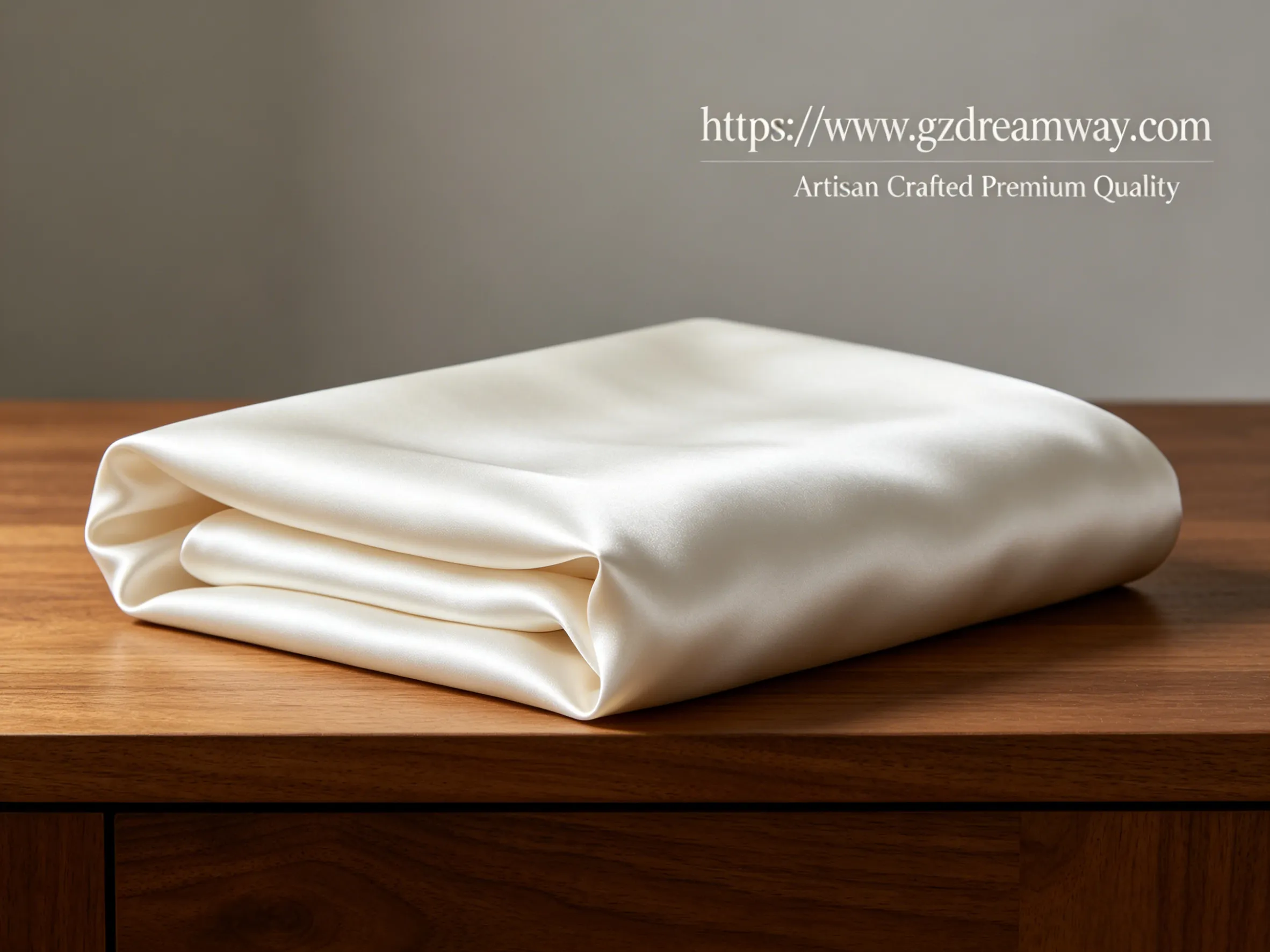
Premium 100% Mulberry Silk Pillowcase Displayed on Minimalist Wooden Surface
Elegant ivory white silk pillowcase showcasing natural pearl luster and smooth texture

Why B2B Buyers Must Master Silk Authentication

When sourcing mulberry silk fabric for your private label products, the financial stakes are substantial. A single container of 22mm silk fabric represents a significant investment, and receiving inferior polyester disguised as silk can devastate your business.

Beyond financial losses, counterfeit silk damages brand credibility. Your customers expect the luxurious feel and skin benefits of genuine silk—polyester alternatives cannot deliver these experiences. Understanding how to test real silk has become a non-negotiable skill for every silk procurement professional.

The Science Behind Authentic Mulberry Silk

Genuine mulberry silk originates from the cocoons of Bombyx mori silkworms that feed exclusively on mulberry leaves. This specialized diet produces silk fibers with unique molecular structures that define authentic silk’s exceptional properties:

  • Triangular prism structure: Refracts light at different angles, creating silk’s characteristic iridescent sheen
  • Protein-based composition: Contains 18 amino acids beneficial for skin and hair
  • Natural temperature regulation: Keeps users cool in summer and warm in winter
  • Moisture-wicking properties: Absorbs moisture without feeling damp

These properties are impossible to replicate with synthetic fibers, which is why professional silk product testing methods can reliably detect authenticity.

Professional Testing Methods for Authenticating Silk

1. The Burn Test: The Gold Standard

Perhaps the most reliable field test for silk pillowcase manufacturers and buyers alike is the burn test. Here is how professionals conduct this examination:

Take a small fiber sample and hold it with tweezers near a flame. Observe the following characteristics:

Characteristic Authentic Mulberry Silk Synthetic Imitation
Ignition behavior Slow to ignite, self-extinguishing Melts first, then burns rapidly
Flame color Small yellow flame Bright orange flame with melting
Odor Resembles burning hair or feathers Smells like burning plastic or chemicals
Ash residue Crushable black ash Hard bead-like residue
Smoke Minimal, gray smoke Black, acrid smoke

Our quality control team performs this test on every batch. When manufacturing silk accessories, we ensure each production run meets strict authenticity standards.
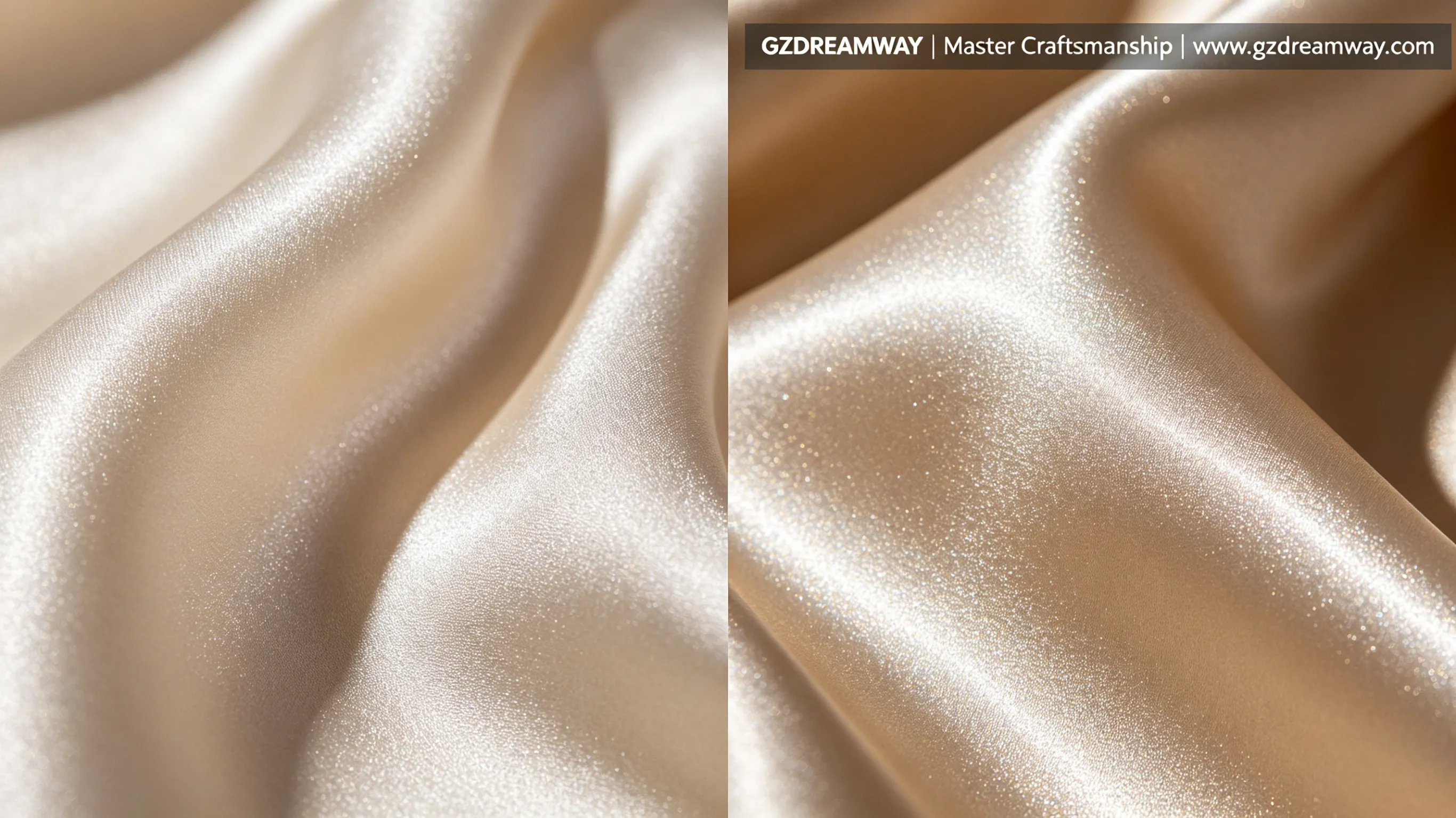
Side-by-side Fabric Comparison: Real Silk vs Polyester Satin
Visual comparison demonstrating the dramatic difference between authentic silk luster and synthetic sheen

2. Microscopic Fiber Analysis

Under magnification, genuine silk fibers display distinctive characteristics invisible to the naked eye. Professional laboratories and experienced silk product manufacturers use this method for definitive authentication:

  • Fiber uniformity: Natural silk shows consistent diameter throughout
  • Smooth surface: Fibers appear glossy and uniformly structured
  • No splitting: Individual fibers remain intact under magnification
  • Natural irregularities: Subtle variations confirm organic origin

Synthetic polyester, even high-quality “silk-like” fabrics, shows obvious manufacturing imperfections under the microscope—visible seams, uniform plastic appearance, and mechanical uniformity that betrays its artificial nature.

3. The Water Absorption Test

Genuine mulberry silk demonstrates remarkable hydrophilicity due to its protein structure. When a water droplet contacts authentic silk, it spreads rapidly and absorbs within seconds. Polyester and other synthetics repel water, causing droplets to bead and roll off the surface.

This test is particularly valuable when inspecting finished products like wholesale silk pillowcases without damaging them.

4. Chemical Testing for Definitive Results

For absolute certainty in silk authenticity verification, chemical tests provide conclusive evidence:

  • Sulfuric acid test: Silk dissolves in concentrated sulfuric acid while synthetics do not
  • Acetone test: Genuine silk remains unaffected; some synthetics dissolve or discolor
  • Zinc chloride test: Authentic silk fibers swell and dissolve in this solution

These tests require laboratory conditions but offer the highest level of certainty for B2B silk procurement professionals making significant purchasing decisions.
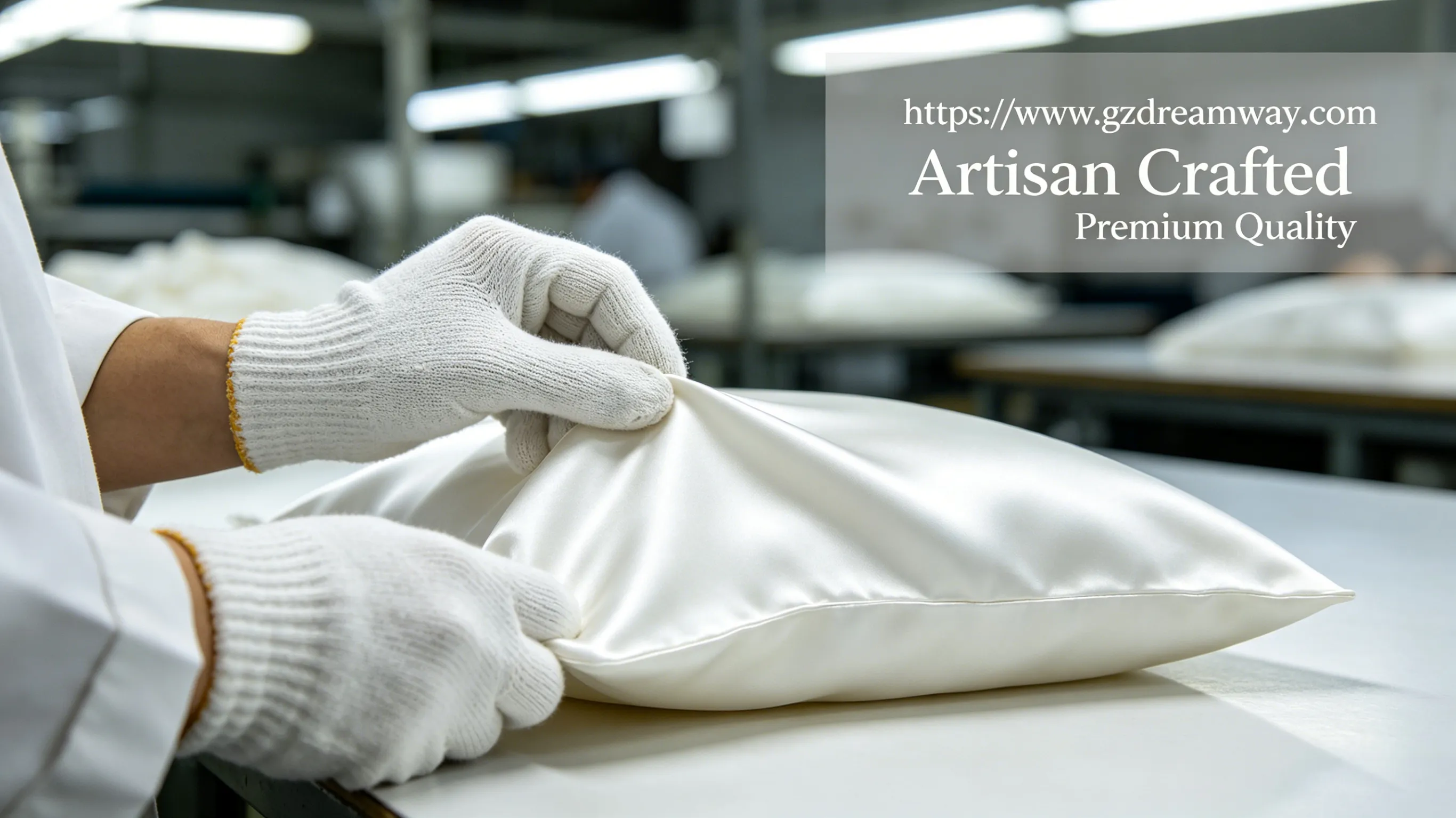
Factory Quality Control Inspector Examining Silk Pillowcase Under Bright Lighting
Professional quality control inspection ensures every silk product meets authentication standards

Physical Characteristics: What to Look For

Beyond laboratory testing, experienced silk buyers develop an eye for authentic silk through careful observation of physical properties:

Luster and Sheen

Authentic mulberry silk displays what experts call a “soft, diffused luster”—a gentle, multi-dimensional shine that shifts with viewing angle. Counterfeit silk typically shows a flat, plastic-like sheen or an unnaturally bright shine that looks artificial under lighting.

Touch and Feel

The tactile experience of genuine silk is unmistakable:

  • Temperature: Authentic silk feels cool to the touch and quickly warms with skin contact
  • Texture: Smooth without slipperiness, with a subtle grip that feels luxurious
  • Weight: Real silk has a characteristic weight that feels substantial yet light
  • Drape: Flows naturally without stiffness or excessive fluidity

Comparing authentic silk against known samples, as demonstrated in our silk versus bamboo comparison, helps train procurement teams to recognize quality.

The Wrinkle Test

Genuine silk wrinkles differently than synthetic alternatives. When crumpled, authentic silk forms soft, flowing wrinkles with gentle creases. Polyester tends to form sharp, plastic-like creases that persist and may even appear permanent.

Understanding Momme Weight and Quality Grades

Authentic silk quality is measured in momme (mm), with higher numbers indicating denser, more luxurious fabric. Professional B2B silk buyers understand this grading system:

Momme Weight Quality Grade Best Applications Characteristics
8-12 mm Lightweight Lining, scarves Sheer, delicate appearance
14-16 mm Standard Pillowcases, light garments Balance of quality and affordability
19-22 mm Premium Luxury bedding, sleepwear Rich luster, substantial feel
25-30 mm Ultra-Premium Luxury accessories, high-end bedding Maximum durability and opulence

When sourcing private label silk accessories, specifying momme weight protects you from receiving inferior products disguised under vague descriptions.

Certifications and Documentation

Reputable silk suppliers provide comprehensive documentation to verify authenticity:

  • Oeko-Tex Standard 100: Certifies absence of harmful substances
  • GOTS certification: Confirms organic silk production methods
  • Laboratory test reports: Provides scientific verification of fiber composition
  • Raw material certificates: Documents the source of silk cocoons

Our commitment to transparency means we provide full documentation for every order, as detailed in our quality assurance processes.

Protecting Your Silk Supply Chain

Establishing reliable silk sourcing relationships requires multiple verification layers:

Supplier Verification Checklist

  • Request physical samples before placing bulk orders
  • Conduct or request third-party laboratory testing
  • Verify supplier manufacturing capabilities and certifications
  • Request references from other B2B clients
  • Start with smaller trial orders to establish trust

The investment in thorough verification protects against far greater losses from counterfeit products. Our team at GzDreamway welcomes contact for custom silk manufacturing inquiries, where we demonstrate our commitment to authentic, premium-quality silk products.

Conclusion: Knowledge is Your Best Defense

Distinguishing authentic mulberry silk from imitations requires a combination of scientific understanding, practical testing skills, and supplier due diligence. By mastering the methods outlined in this guide, B2B buyers can confidently source genuine silk products that meet their quality standards and brand expectations.

Whether you are launching a new line of custom branded silk accessories or expanding your existing collection with premium pillowcases, the knowledge to authenticate silk protects your investment and ensures customer satisfaction.

For expert guidance on sourcing authentic silk products and understanding silk industry essentials, connect with our experienced team. We specialize in helping B2B buyers navigate the complexities of silk procurement with confidence.

Remember: In silk sourcing, there are no shortcuts to quality. Invest in knowledge, verify thoroughly, and partner with manufacturers who prioritize authenticity above all else.

Frequently Asked Questions

What is the minimum order quantity for authentic mulberry silk products?

At our manufacturing facility, the minimum order quantity (MOQ) is 50 pieces per design for silk products. This MOQ applies to standard pillowcases, eye masks, and other silk accessories. For custom private label orders, we offer flexible production options that accommodate various order volumes while maintaining our rigorous quality standards. Bulk orders typically qualify for additional pricing benefits and priority production scheduling.

How can I verify silk authenticity without damaging the product?

Non-destructive testing methods include examining luster quality under different lighting conditions, performing the water absorption test on hidden areas, checking fabric weight against stated momme specifications, and observing how the fabric drapes and wrinkles. For valuable finished products, we recommend working with third-party textile testing laboratories that specialize in fiber authentication using microscopic and chemical analysis methods.

What certifications should I look for when sourcing silk?

Essential certifications include Oeko-Tex Standard 100 (safety), GOTS (organic), and ISO quality management certifications. Request documentation of fiber composition testing, which should confirm 100% mulberry silk content. Reputable manufacturers provide certificates of authenticity and laboratory test reports from recognized testing facilities.

Why does authentic mulberry silk cost more than alternatives?

Genuine mulberry silk requires specialized production: silkworms fed exclusively on mulberry leaves, careful cocoon harvesting, delicate fiber reeling processes, and skilled weaving. This labor-intensive, time-sensitive production explains the premium pricing compared to synthetic alternatives that can be manufactured rapidly with automated processes.

Can I request samples before placing bulk silk orders?

Absolutely. We strongly encourage all B2B clients to request samples before committing to large orders. Sample orders allow you to conduct your own authenticity testing, evaluate physical properties, and ensure the silk meets your quality expectations. Contact us to discuss sample options for your specific requirements.

Customer Reviews24 Reviews

Oliver North2026-06-24
I'm sourcing 100% handbag lining mulberry silk for UK luxury handbags but several samples labeled 100% feel like blends — it's frustrating. UK buyers prioritize color consistency, OEKO‑TEX/REACH compliance and end‑to‑end supply chain traceability. Which tests should I prioritize (momme weight testing, FTIR silk analysis, colorfastness testing, sericin residue check, batch‑level SGS reports) and what's a practical OEM color approval process with small pilot runs (MOQ 100–500 m)?
GZDreamway2026-06-22
Thank you Oliver — we fully understand your concern when samples feel blended despite labels. For UK luxury handbag lining we recommend this prioritized QA approach: 1) Incoming QC with momme weight testing and microscopic fiber ID to confirm 100% mulberry silk; 2) FTIR silk analysis to detect blends or synthetic contamination; 3) Colorfastness testing (wash/wet/perspiration) plus ΔE measurement with a spectrophotometer to secure color consistency for premium linings; 4) Sericin residue checks for hand‑feel and sewing behaviour; 5) Documentation checks (OEKO‑TEX, REACH where applicable) and batch‑level SGS reports to ensure traceability of silk supply chain. Practical OEM color approval process: sample approval → lab‑dye with color recipes → small pilot runs (recommended 100–500 m) to validate ΔE tolerances → pilot acceptance → mass production. If a sample fails we issue a Non‑Conformance Report and propose retest, recolor or return/refund options, plus clear acceptance criteria and color recipes to avoid repeats. Please send representative samples, color swatches and your target MOQ — we will prepare a tailored test plan, itemized quotes per test (momme/FTIR/color tests/SGS/OEKO‑TEX) and sample lab reports to resolve the issue promptly.
平野 恵理2026-06-23
日本のhandbag factory向けにB2Bで100% handbag lining mulberry silkを検討していますが、届いたサンプルがラベルと違って混紡っぽく感じて少しイライラしています。日本市場はcolor consistencyとtraceability、OEKO‑TEX/REACH準拠を重視するため、優先すべき検査(momme weight testing、FTIR silk analysis、colorfastness testing、sericin residue check、batch‑level SGS報告など)と、実務的なOEM color approval process、small pilot runs(MOQ 100–500 m程度)の進め方を教えてください。
GZDreamway2026-06-23
ご相談ありがとうございます、平野様。まずは落ち着いて対処できるQAフローが重要です。日本市場向けの実務的な優先順位は:1) Incoming QCでのmomme weight testing+顕微鏡によるfiber IDで100% mulberry silkを迅速確認、2) FTIR silk analysisで混紡や合成繊維を検出、3) colorfastness testing(wash/wet/perspiration)とΔEによるスペクトロフォトメーター測定でcolor consistencyを担保、4) sericin residue checkで縫製性とタッチを評価、5) 文書確認(OEKO‑TEX、REACH該当時の適合証明、batch‑level SGS reports)でtraceabilityを確保。OEM color approval processは「サンプル承認→lab‑dye(色票・color recipes)→small pilot runs(推奨100–500 m)でΔE許容範囲を確認→パイロット合格で量産移行」の流れが実務的です。問題が発生した場合はNon‑Conformance Report発行、リテスト/再染色/返品オプションを明記したAcceptance Criteriaを設定します。所要時間の目安:momme & QC 1–3日、FTIR 2–5日、色堅牢度+ΔE 3–7日、SGS/OEKO‑TEXは検査機関により7–21日。代表サンプル、色見本、目標MOQをお送りいただければ、具体的なtest plan、項目別見積もり、サンプル報告書とcolor recipeを作成して迅速に対応します。ご不満点は当社の受入基準でフォローし、トレーサビリティ記録と試験結果でクリアにします。

Thank you for your inquiry, Eri Hirano. For the Japanese handbag factory market we recommend a practical, prioritized QA workflow: 1) Incoming QC with momme weight testing and microscopic fiber ID to quickly confirm 100% mulberry silk; 2) FTIR silk analysis to detect blends or synthetic fibers; 3) Colorfastness testing (wash/wet/perspiration) plus ΔE measurement with a spectrophotometer to ensure color consistency; 4) Sericin residue checks for hand-feel and sewing behavior; 5) Documentation checks (OEKO‑TEX, REACH where applicable, and batch‑level SGS reports) for full traceability. The OEM color approval process should follow: sample approval → lab‑dye (color swatches & color recipes) → small pilot runs (recommended 100–500 m) to confirm ΔE tolerances → pilot pass → mass production. In case of discrepancies we issue a Non‑Conformance Report, offer retest/recolor/return options, and define clear acceptance criteria. Typical lead times: momme & QC 1–3 days, FTIR 2–5 days, colorfastness + ΔE 3–7 days, and SGS/OEKO‑TEX 7–21 days depending on lab. Please send representative samples, color swatches and your target MOQ; we will provide a detailed test plan, itemized quotes per test, sample lab reports and color recipes to resolve the issue and ensure traceability. We will also implement acceptance criteria and corrective actions to address your complaint.
Manuel Soto2026-06-22
Estoy organizando una compra B2B de 100% handbag lining mulberry silk para clientes en España y Latinoamérica, pero varias muestras recibidas se sienten a mezcla y no concuerdan con la etiqueta — muy molesto antes de una bulk order. En España la trazabilidad y cumplimiento REACH/OEKO‑TEX es imprescindible; en LatAm priman el color match y precio competitivo. ¿Qué pruebas debo priorizar (momme weight testing, FTIR silk analysis, colorfastness testing, sericin residue check, batch‑level SGS reports)? ¿Qué MOQ recomiendan para small pilot runs (100–500 m) y cómo gestionar un práctico OEM color approval process para asegurar color consistency en producción? Gracias.
GZDreamway2026-06-22
Gracias Manuel — entendemos la frustración cuando las muestras no coinciden con las etiquetas. Recomendamos un flujo práctico y priorizado para mercados iberoamericanos: 1) Incoming QC: momme weight testing + identificación microscópica de fibras para confirmar 100% mulberry silk rápidamente; 2) FTIR silk analysis para detectar blends y falsificaciones; 3) Colorfastness testing (wash, wet & perspiration) con ΔE measurement usando espectrofotómetro para garantizar color consistency y buen color match; 4) Sericin residue check para evaluar tacto y comportamiento en costura; 5) Verificación documental: OEKO‑TEX, REACH where applicable y batch‑level SGS reports para traceability of silk supply chain; 6) Lab‑dye y small pilot runs (recomendado 100–500 m) como paso obligatorio en el OEM color approval process antes de mass production. Para resolver discrepancias ofrecemos Non‑Conformance Reports, retest o recolor options y definimos acceptance criteria y color recipes. Tiempos orientativos: momme & QC 1–3 días, FTIR 2–5 días, pruebas de solidez + ΔE 3–7 días, SGS/OEKO‑TEX según laboratorio 7–21 días. Envíenos representative samples, color swatches y su objetivo de MOQ; le remitiremos un test plan detallado, cotizaciones por prueba (momme/FTIR/SGS/OEKO‑TEX/color tests), y ejemplos de reportes para acelerar la aprobación.
Jonas Kappel2026-06-21
Ich plane für den deutschen Luxus‑Handtaschenmarkt größere B2B‑Bestellungen von 100% handbag lining mulberry silk, aber gelieferte Muster fühlen sich oft wie Mischfasern an — sehr ärgerlich vor einer Bulk‑Order. In Deutschland sind REACH‑Konformität und OEKO‑TEX‑Zertifikate entscheidend; bitte konkrete Prioritäten: momme weight testing, FTIR silk analysis, colorfastness inkl. ΔE measurement with spectrophotometer, batch‑level SGS und traceability of silk supply chain. Welche Tests zuerst, welche MOQ‑Empfehlung für small pilot runs (100–500 m) und wie läuft ein praxisnaher OEM color approval process? Kurze Hinweise zu sericin residue check und realistischen Timeframes wären hilfreich — danke!
GZDreamway2026-06-21
Vielen Dank, Jonas — verständlich, dass inkonsistente Muster vor einer Großbestellung frustrieren. Praktische Priorisierung für den deutschen Luxusmarkt: 1) Incoming QC: momme weight testing + mikroskopische Faseridentifikation zur schnellen Bestätigung von 100% mulberry silk; 2) FTIR silk analysis zur Aufdeckung von Mischfasern; 3) Colorfastness‑Prüfungen (wash, wet & perspiration) + ΔE‑Messungen per Spektrophotometer zur Sicherstellung der color consistency für luxury handbags; 4) Sericin residue check für das Handgefühl und Nähverhalten; 5) Dokumentenprüfung: OEKO‑TEX, REACH‑Konformität und batch‑level SGS reports für vollständige traceability of silk supply chain; 6) Lab‑dye + small pilot runs (empfohlen 100–500 m) als verbindlicher Schritt im OEM color approval process vor Mass Production. Zur Problemlösung erstellen wir Non‑Conformance Reports, bieten Retest/Refund‑Optionen oder Recolouring an und definieren Acceptance Criteria und color recipes. Zeitrahmen (Orientierung): schnelle QC & momme 1–3 Tage, FTIR 2–5 Tage, colorfastness + ΔE 3–7 Tage, SGS/OEKO‑TEX je nach Labor 7–21 Tage. Bitte senden Sie representative samples, color swatches und Ziel‑MOQ; wir liefern Testplan, itemisierte Angebote (momme/FTIR/SGS/OEKO‑TEX/farbtests) und Musterberichte zur schnellen Freigabe.
Darío Almazán2026-06-20
Estoy coordinando una compra B2B de 100% handbag lining mulberry silk dirigida al mercado español y a Latinoamérica; en España la trazabilidad y cumplimiento REACH/OEKO‑TEX es crucial, y en Latinoamérica buscan buen color match y precio competitivo. He recibido muestras cuya etiqueta dice seda pero al tacto parecen mezclas — muy molesto antes de una bulk order. ¿Qué pruebas debo priorizar (pruebas momme, FTIR silk analysis, pruebas de solidez del color, informes SGS a nivel de lote)? ¿Qué MOQ recomiendan para muestras piloto y tiempos orientativos?
GZDreamway2026-06-18
Gracias Darío — entendemos la frustración con etiquetas que no coinciden. Recomendamos priorizar un flujo práctico: 1) incoming QC con momme weight testing y identificación microscópica de fibras para confirmar 100% mulberry silk; 2) FTIR silk analysis para detectar mezclas y falsificaciones; 3) pruebas de solidez del color (incl. wet & perspiration) y medición ΔE con espectrofotómetro para asegurar color consistency; 4) sericin residue check para calidad táctil y procesamiento; 5) verificación documental de OEKO‑TEX y batch‑level SGS reports para la trazabilidad de la cadena de suministro de seda; 6) lab‑dye & pilot lots como paso obligatorio en el OEM color approval process y control de color para OEM antes de producción en masa. Para MOQ sugerimos small pilot runs de 100–500 m (o el equivalente en metros‑peso) para validar color, recipes y parámetros momme; tras aprobación se escala a pedidos mayores. Para resolver la incidencia ofrecemos emitir un non‑conformance report, fotos y protocolo de retest, y opciones de devolución o recoloración si corresponde. Envíenos representative samples y color swatches y le entregamos un test plan detallado, cotización por prueba (momme/FTIR/SGS/OEKO‑TEX/pruebas de color), y tiempos estimados (resultados básicos 3–7 días, FTIR 2–5 días, SGS/OEKO‑TEX según laboratorio).
Lukas Steiner2026-06-19
Als B2B-Einkäufer für deutsche Luxushandtaschen bestelle ich 100% "handbag lining mulberry silk" – leider passen Etiketten und Material nicht immer zusammen, was vor einer Bulk‑Order echt nervig ist. In Deutschland zählen Nachhaltigkeit, Traceability und EU‑Konformität (OEKO‑TEX/REACH). Welche Tests sollte ich priorisieren: momme weight testing, FTIR silk analysis, colorfastness testing, SGS‑Reports? Und wie läuft ein praxisnahes OEM color approval process plus MOQ‑Strategie für kleine Pilotcharges?
GZDreamway2026-06-19
Vielen Dank, Lukas — das Problem mit inkonsistenten Etiketten ist leider häufig, lässt sich aber systematisch und technisch lösen. Unsere empfohlene Priorisierung: 1) incoming QC mit momme weight testing und mikroskopischer Faseridentifikation zur Bestätigung von 100% mulberry silk; 2) FTIR silk analysis, um Mischfasern aufzuspüren; 3) sericin‑Residuenprüfung und colorfastness testing (inkl. wet & perspiration) plus ΔE‑Messungen per Spektrophotometer zur Sicherung der color consistency; 4) Verifizierung von OEKO‑TEX‑Zertifikaten und batch‑level SGS‑Reports zur Traceability of silk supply chain; 5) Lab‑dye und Pilot‑lots als verbindlicher Schritt im OEM color approval process vor Mass Production. Zur MOQ‑Strategie empfehlen wir small pilot runs (z. B. 100–500 m oder entsprechend Metergewicht) für Farbfreigabe und technische Prüfungen, danach schrittweises Hochskalieren. Wir erstellen Acceptance Criteria, Color Recipes und ein Non‑Conformance Report mit klaren Rückgabe‑/Retest‑Protokollen. Bitte senden Sie uns representative samples, color swatches und Ihre Ziel‑MOQ; wir liefern dann einen detaillierten Testplan, itemisierte Angebote für momme/FTIR/SGS/OEKO‑TEX‑Checks und Beispiel‑Laborberichte.

Thank you, Lukas — label inconsistencies are common but fully solvable with a technical QA workflow. Our suggested priority: 1) incoming QC with momme weight testing and microscopic fiber ID to confirm 100% mulberry silk; 2) FTIR silk analysis to detect blends; 3) sericin residue checks and colorfastness testing (including wet & perspiration) plus ΔE measurement with a spectrophotometer to ensure color consistency; 4) verification of OEKO‑TEX certificates and batch‑level SGS reports for traceability of the silk supply chain; 5) lab‑dye and pilot lots as mandatory steps in the OEM color approval process before mass production. For MOQ we recommend small pilot runs (e.g., 100–500 m) for color approval and technical validation, then scale up. We will prepare acceptance criteria, color recipes and a non‑conformance report with clear return/retest protocols. Please send representative samples, color swatches and your target MOQ and we will provide a detailed test plan, itemized quotes for momme/FTIR/SGS/OEKO‑TEX checks and sample lab reports.
نادر صليبي2026-06-18
أرسلت عينات بطانة من "handbag lining mulberry silk" لعدة موردين في الخليج ولاحظت أن الملصقات لا تطابق الواقع، وهذا مزعج قبل طلب bulk order. السوق لدى العملاء هنا يركز جداً على color consistency وtraceability، فأحتاج نصيحة عملية حول اختبارات مثل momme weight testing وFTIR silk analysis وOEKO‑TEX وSGS وcolorfastness testing، وأيضاً كيف ندير OEM color approval process وMOQ عند طلب كميات كبيرة. ما هي الخطوات السريعة لفحص العينة قبل شحنة؟
GZDreamway2026-06-18
نشكر تواصلك يا نادر، وفهمنا لقلقك تماماً — عدم تطابق الملصقات مع العينات أمر شائع لكن يمكن معالجته منهجياً. ننصح بتطبيق خطة فحص عملية مكونة من: 1) incoming batch QC: momme weight measurement + microscopic fiber ID للتأكد من 100% mulberry silk، 2) FTIR silk analysis للكشف عن أي blends، 3) sericin residue check وcolorfastness testing (wet & perspiration) + قياس ΔE عبر spectrophotometer للتحكم في color consistency، 4) التحقق من شهادة OEKO‑TEX وملفات SGS وبيانات traceability of silk supply chain، 5) lab-dye & pilot lot للتحكم في OEM color approval process قبل الإنتاج الضخم. بالنسبة للMOQ، نقدر نقدم small pilot runs للـcolor approval ثم ننتقل إلى bulk order؛ سنشاركك أيضًا نماذج من batch-level SGS reports وcolor recipes وacceptance criteria لتوقيع اتفاقية قبول اللون. إذا تود، أرسل لنا representative samples وcolor swatches وهدف الـMOQ وسنعد خطة اختبار مفصلة مع تكلفة لكل فحص وعينات تقارير سابقة. سنتعامل مع الشكوى بإصدار تقرير عدم مطابقة أولي واقتراح إجراءات إرجاع/إعادة فحص محددة إن لزم.

Thank you for reaching out, Nader — we fully understand your concern. Label mismatches happen but can be resolved with a practical QA workflow: 1) incoming batch QC with momme weight testing and microscopic fiber ID to confirm 100% mulberry silk; 2) FTIR silk analysis to detect blends; 3) sericin residue checks and colorfastness testing (including wet and perspiration) plus ΔE measurement with a spectrophotometer to control color consistency; 4) verification of OEKO‑TEX and batch-level SGS documentation and full traceability of silk supply chain; 5) lab-dye and pilot lot trials as part of the OEM color approval process before mass production. For MOQ, we can support small pilot runs for color approval, then scale to bulk orders. Please send representative samples, color swatches and your target MOQ — we will return a tailored test plan, itemized quotes for momme weight testing, FTIR analysis, SGS/OEKO‑TEX checks, and sample lab reports. We will also provide a non-conformance report and a clear return/retest protocol to address the mismatch issue.
松永 咲子2026-06-17
日本の高級ハンドバッグ向けに、B2Bで100%マルベリーシルク裏地を大量発注したいのですが、サプライヤーから届いたサンプルでラベル表示と実物が一致しないことがあり少し困っています。日本市場は色のカラーマッチングやトレーサビリティを非常に重視するため、momme測定、FTIRによる成分分析、OEKO‑TEXやSGSの証明書確認、染色の色堅牢度試験、セリシン残留検査など、どの検査を優先すべきか具体的なアドバイスとMOQやOEMでの色味管理の実務的な提案をお願いします。特に「handbag lining mulberry silk」「momme weight testing」「FTIR silk analysis」などの検査が必要か迷っています。
GZDreamway2026-06-17
ご相談ありがとうございます。まずラベル不一致やサンプルのばらつきに関しては「受入バッチごとの受入検査+第三者検査(SGS/Intertek等)」を最優先にしてください。弊社が推奨する優先検査フローは:1) momme(momme weight)測定と顕微鏡による繊維同定、2) FTIRでの化学組成確認(シルクと混紡の判別)、3) セリシン残留チェックと色堅牢度試験、4) OEKO‑TEX適合・証明書の書類確認、5) カラーマッチ用のラボダイ&試作ロット検査です。日本のハンドバッグ市場向けには「handbag lining mulberry silk color consistency」「traceability of silk supply chain」「OEM color approval process」などが重要なので、サンプル承認→ラボダイ(色票)→パイロットロット検査→定期ロット検査の流れで色味とトレーサビリティを管理します。MOQは染色やmomme数、加工工程によって変動しますが、小ロットでの色承認とパイロット生産は対応可能です。サプライヤー監査やバッチごとのSGS報告書の共有、色レシピ(染料配合)と受入基準書を作成していただければ、異常が出た際の返品基準や再検査プロトコルまで含めた品質保証プランをご提案します。まず代表サンプルと希望のMOQ、色見本をお送りください。検査項目ごとの見積もりと過去の検査報告書サンプルを添えて具体案を返送します。

Thank you for your inquiry. For discrepancies between labels and actual samples, please prioritize incoming batch inspections combined with third‑party testing (SGS/Intertek). Our recommended inspection flow is: 1) momme weight measurement and microscopic fiber ID, 2) FTIR composition analysis to detect blends, 3) sericin residue checks and colorfastness tests, 4) OEKO‑TEX compliance and document verification, and 5) lab-dye and pilot lot testing for color matching. For the Japanese handbag market, managing "handbag lining mulberry silk color consistency," "traceability of silk supply chain," and an "OEM color approval process" is essential. We handle sample approval → lab dye (color swatches) → pilot production inspection → regular lot inspections to ensure consistent linings and traceability. MOQ depends on dyeing, momme weight and processing, but we can support small pilot runs for color approval. If you provide representative samples, target MOQ and color swatches, we will return a tailored QA/QC plan, quote for each test, and sample lab reports including SGS/OEKO‑TEX documentation.
杉山 裕子2026-06-16
最近、複数のサプライヤーからマルベリーシルクのハンドバッグ裏地サンプルを取り寄せましたが、ラベル表記と実物が一致しないことがあり困っています。B2Bで100% マルベリーシルク 裏地を大量発注したいので、モメ(momme)測定、FTIRによる成分分析、OEKO‑TEXやSGSの証明書確認、サプライチェーンのトレーサビリティ確認、色堅牢度試験など、どの検査を優先すべきか教えてください。MOQやOEMでの色味管理についても知りたいです。
GZDreamway2026-06-16
ご相談ありがとうございます。ラベルと実物の不一致については、まず入荷バッチごとの受入検査と第三者機関(SGS/Intertek等)によるサンプル検査を推奨します。当社で対応可能な項目は:モメ(momme)測定、顕微鏡での繊維同定、FTIRによる化学組成確認、セリシン残留チェック、色堅牢度・引張強度試験、及びOEKO‑TEX適合支援です。OEM大量発注時は「サンプル承認→試作ロット検査→定期ロット検査」でトレーサビリティと品質管理を行い、MOQや納期は素材のモメ数や加工(染色・コーティング)によって変わります。まずは代表サンプルと仕様書、希望のMOQをお送りください。検査プランと見積もり、過去のSGS報告書サンプルを添えてご提案します。

Thank you for your inquiry. For inconsistent labeling vs. actual material we recommend incoming batch QC plus third‑party testing (SGS/Intertek). We can provide momme measurement, microscopic fiber identification, FTIR composition analysis, sericin residue checks, colorfastness and tensile tests, and support for OEKO‑TEX compliance. For OEM bulk orders we follow: sample approval → pilot lot testing → regular lot inspections to ensure traceability and consistent lining quality. MOQ and lead times depend on momme weight, dyeing/coating specs and order volume. Please send representative samples, spec sheets and your target MOQ; we will return a tailored test plan, quote and sample lab reports.
Shopping Cart
Leave a Message
×
Message submitted successfully.