
Factory Audit Report Example: A Complete Guide for Buyers and Suppliers
For international brands and sourcing professionals, a Factory Audit Report serves as one of the most critical documents in evaluating and selecting suppliers. Whether you’re sourcing handbags, silk products, or any manufactured goods, understanding how audits work and what they reveal can make the difference between a successful partnership and a costly supply chain disaster.
However, many procurement teams receive lengthy audit reports spanning dozens of pages yet struggle to identify the key metrics that actually matter. Terms like “non-conformity,” “corrective action plan,” and “audit score” can feel overwhelming without proper context.
This comprehensive guide will walk you through a detailed factory audit report example, explaining the structure, core indicators, and how to leverage audit results for more reliable sourcing decisions. By the end, you’ll have the knowledge to interpret any audit report with confidence.
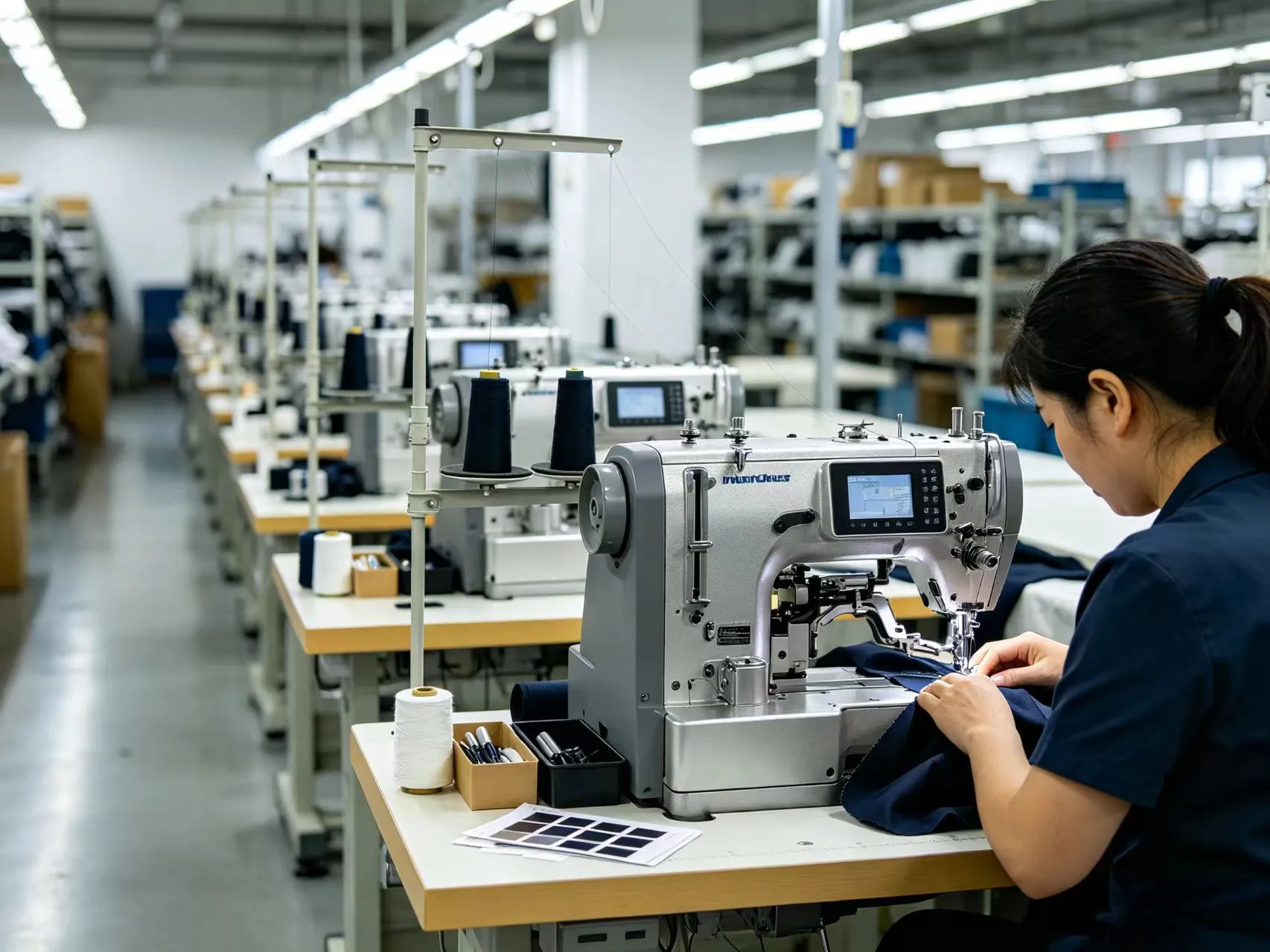
What Is a Factory Audit Report?
A factory audit report is a formal document that evaluates a manufacturer’s capabilities, compliance standards, and overall suitability as a supplier. Conducted by third-party inspection agencies, internal quality teams, or brand representatives, these audits provide an objective assessment of factories across multiple dimensions.
The primary purpose of a supplier audit is to verify that a manufacturing facility can consistently produce goods that meet quality, social compliance, and operational standards. Unlike simple product inspections that focus on individual batches, factory audits examine the entire ecosystem of production—from management systems to worker conditions.
Who performs factory audits? Typically, audits are conducted by:
Common Audit Conductors
- Third-party inspection companies (SGS, Bureau Veritas, Intertek, QIMA)
- Brand internal quality teams
- Independent consulting firms specializing in manufacturing
- Buying agents representing multiple brands
Factory audits matter because they help brands mitigate sourcing risks before committing to large orders. A poor audit result can save a company from partnering with a supplier that might deliver defective products, violate labor laws, or damage brand reputation.
Why Buyers Request Factory Audit Reports
International brands request manufacturing audits for several strategic reasons:
1. Verify Supplier Capability: Confirm that factories have the equipment, workforce, and expertise to fulfill orders at the required volume and quality level.
2. Reduce Sourcing Risks: Identify potential red flags early—such as inadequate quality management systems, labor violations, or capacity constraints—before they cause problems.
3. Ensure Compliance: Verify that suppliers adhere to local regulations, international standards, and brand-specific codes of conduct regarding labor, environment, and ethics.
4. Protect Brand Reputation: Prevent associations with suppliers involved in controversial practices that could harm brand image through negative publicity or social media exposure.
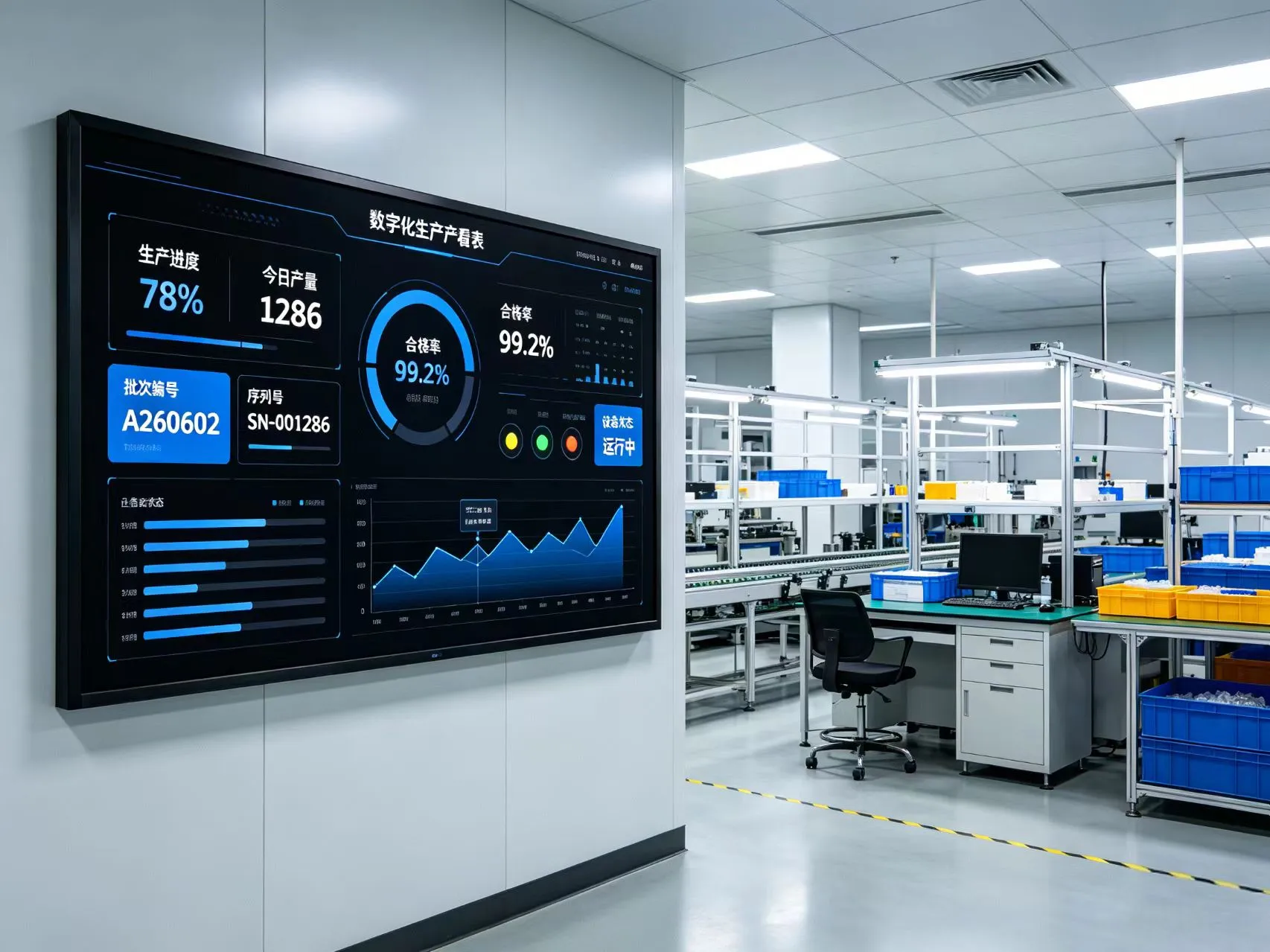
Types of Factory Audits
Different factory audit types serve specific purposes depending on what buyers need to evaluate. Understanding these categories helps you request the appropriate audit for your sourcing needs.
| Audit Type | Primary Focus | Best For |
|---|---|---|
| Quality Audit | Production processes, QC systems, equipment maintenance | Brands prioritizing product consistency |
| Social Compliance Audit | Labor conditions, wages, working hours, health & safety | Ethical sourcing and CSR requirements |
| Environmental Audit | Waste management, chemical handling, sustainability | Eco-conscious brands and regulations |
| Security Audit (C-TPAT) | Supply chain security, theft prevention, access control | US market importers requiring customs clearance |
| Technical Capability Audit | Engineering skills, prototyping, R&D capacity | Complex products requiring customization |
Many buyers opt for combined audits that cover multiple areas in a single visit, which is more cost-effective and provides a comprehensive supplier profile.
What Is Included in a Factory Audit Report?
This is the core chapter of any factory audit report. A comprehensive audit report typically covers six major sections, each providing insights into different aspects of the manufacturer’s operations.
Factory Profile
The factory profile section establishes the basic identity of the manufacturing facility. It answers fundamental questions about who you’re potentially working with.
Key Information in Factory Profile
- Company Information: Legal business name, registration number, year established, ownership structure
- Production Capacity: Monthly output capabilities, maximum order sizes, current utilization rates
- Number of Employees: Total workforce, breakdown by department, management structure
- Main Products: Categories manufactured, specialization areas, experience with similar products
- Export Markets: Countries served, major clients, international experience
Example Context: Dreamway, a small team of 30+ employees in Huadu District, Guangzhou, specializes in handbag manufacturing (MOQ: 200) and silk products (MOQ: 50). With over 50 countries served, they demonstrate substantial international experience.
Production Facilities
Auditors examine the physical infrastructure that enables production. This section reveals whether the factory has adequate resources to fulfill orders.
Facility Assessment Criteria
- Workshops: Size, layout, organization, cleanliness, lighting, ventilation
- Equipment: Type and age of machinery, maintenance schedules, calibration records
- Maintenance: Preventive maintenance programs, recent upgrades, equipment condition
- Production Flow: Line layout efficiency, workflow optimization, bottleneck identification
Quality Management System
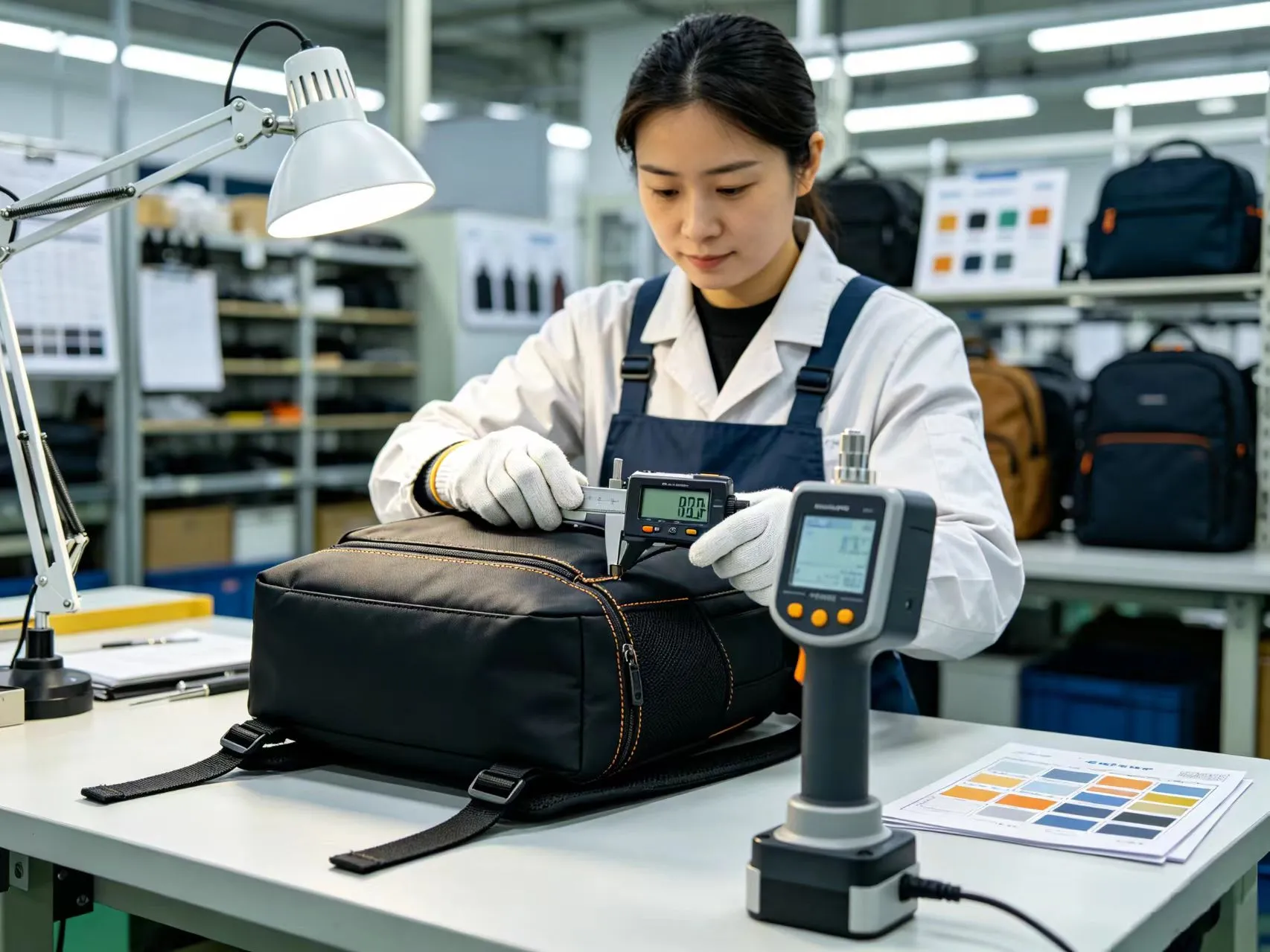
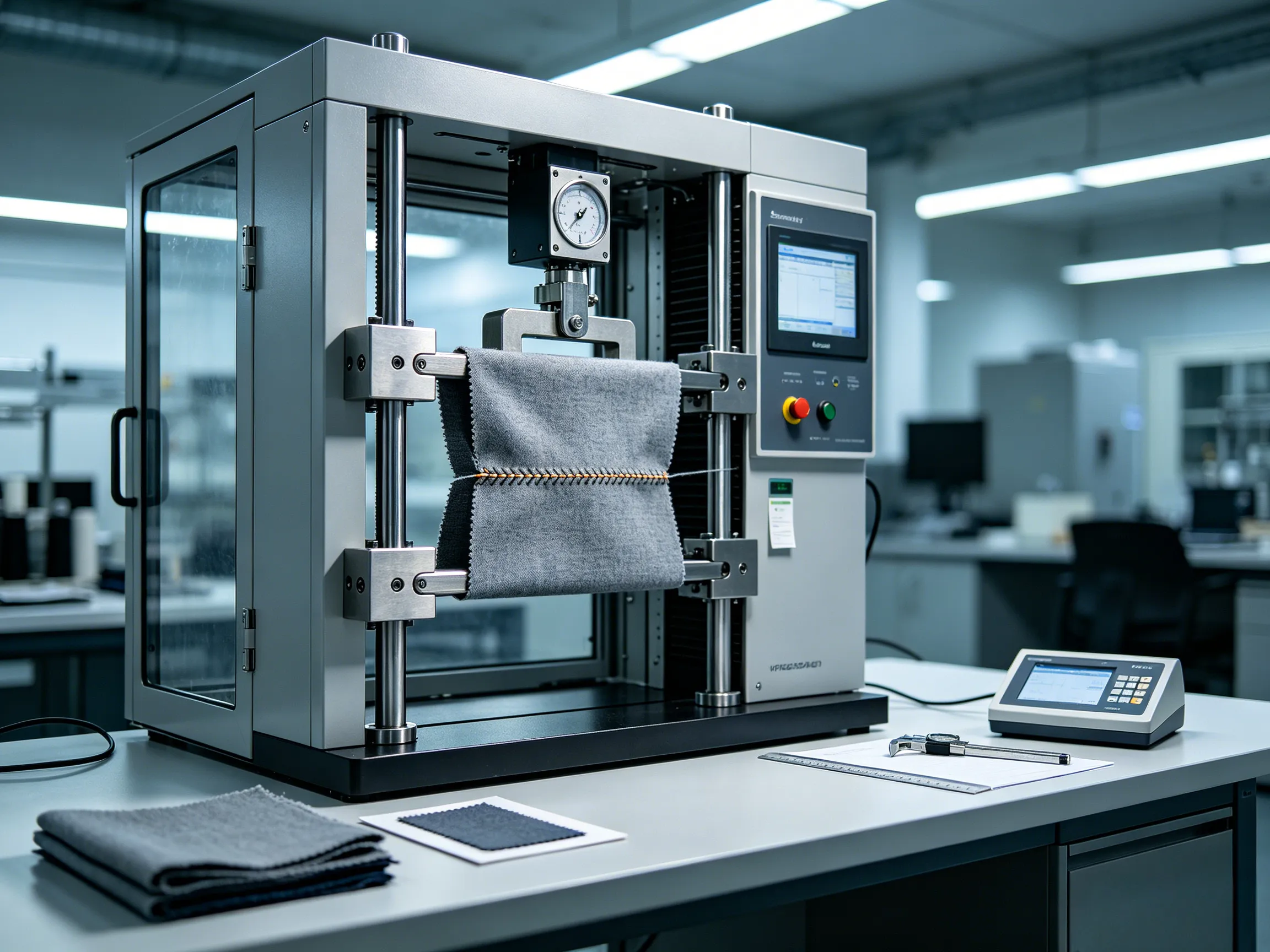
The QMS section evaluates how systematically the factory controls quality throughout the production process. This is often where quality audit reports reveal the most actionable information.
| Quality Control Stage | What Auditors Check | Red Flags |
|---|---|---|
| Incoming Inspection | Raw material verification, sampling procedures, rejection rates | No inspection records, high defect rates in materials |
| In-Process QC | Checkpoints, worker training, defect tracking | Unclear procedures, insufficient monitoring |
| Final Inspection | AQL sampling, test reports, packaging checks | No AQL standards, skipped inspection steps |
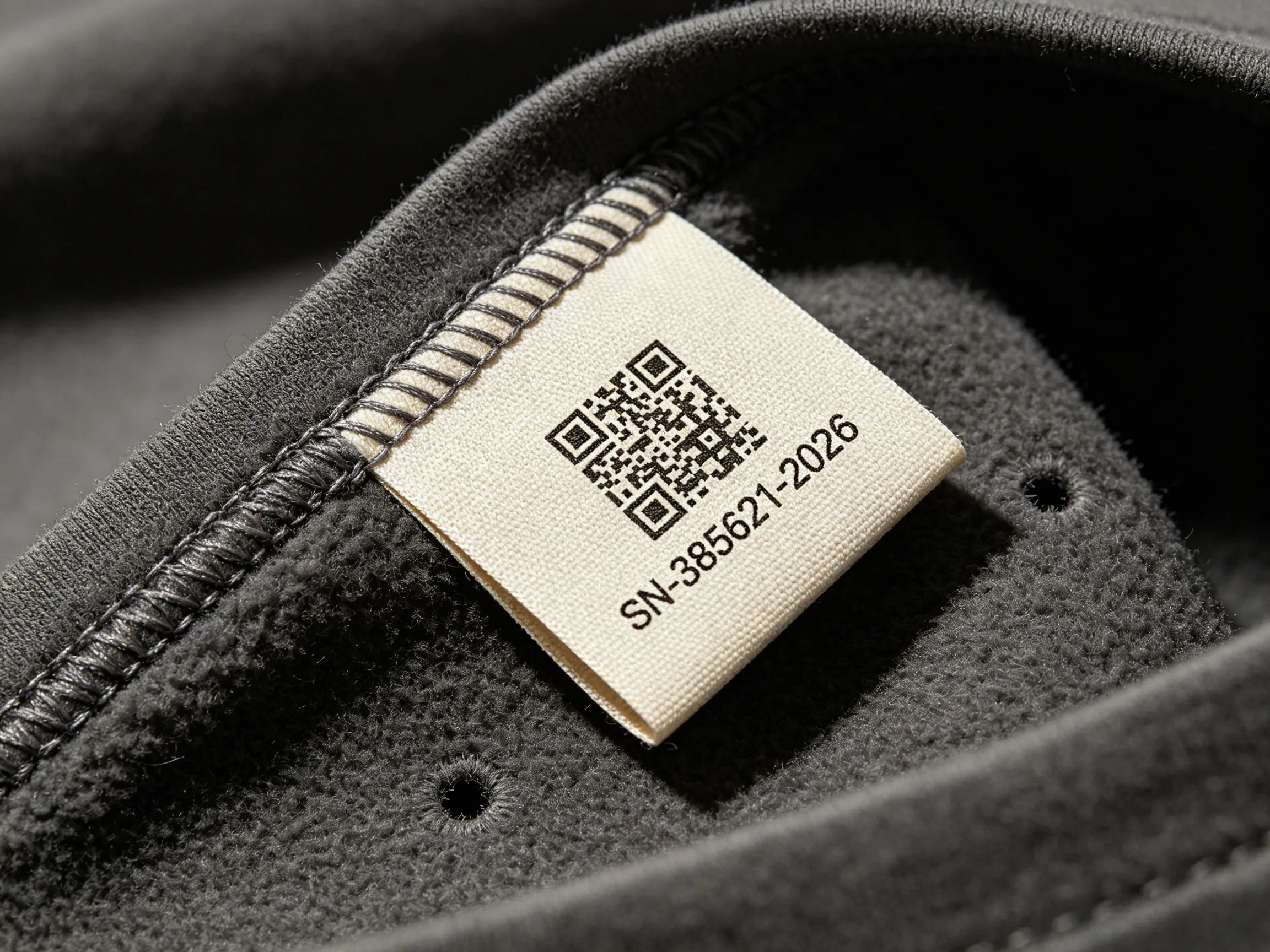
| Traceability | Lot tracking, QR codes, production records | No traceability system, incomplete records |
| SOPs | Written procedures, worker compliance, updates | Missing or outdated procedures |
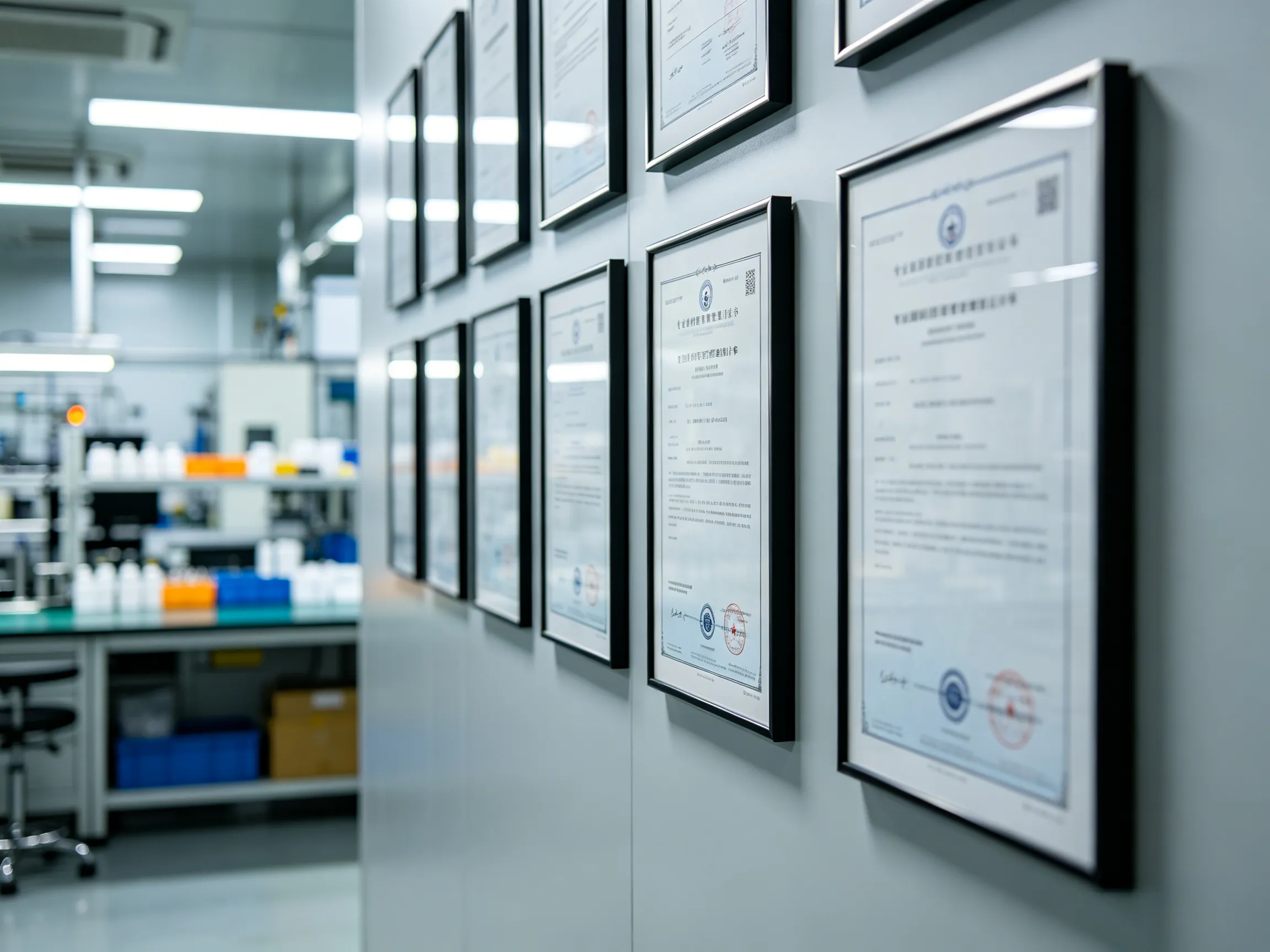
Factories with ISO 9001 certification often have more mature quality systems, though auditors will verify actual implementation, not just certificates on the wall.

Social Compliance
Social compliance audits examine working conditions, labor practices, and employee welfare. This is increasingly important for brands with ethical sourcing commitments.
Social Compliance Checklist
- Working Hours: Overtime practices, regular hours, compliance with local laws
- Wages: Minimum wage compliance, payment punctuality, benefits
- Health & Safety: Fire exits, emergency procedures, protective equipment
- Child Labor: Age verification, prohibition policies, remediation plans
- Employee Welfare: Dormitory conditions, meals, worker satisfaction
Common social compliance standards include BSCI (Business Social Compliance Initiative), amfori BSCI, and Sedex. Auditors will check for evidence of implementation and ongoing improvement rather than just documentation.
Environmental Management
For brands with sustainability commitments, the environmental section reveals a factory’s ecological footprint and compliance with environmental regulations.
Environmental Assessment Areas
- Waste Management: Proper disposal of production waste, recycling programs
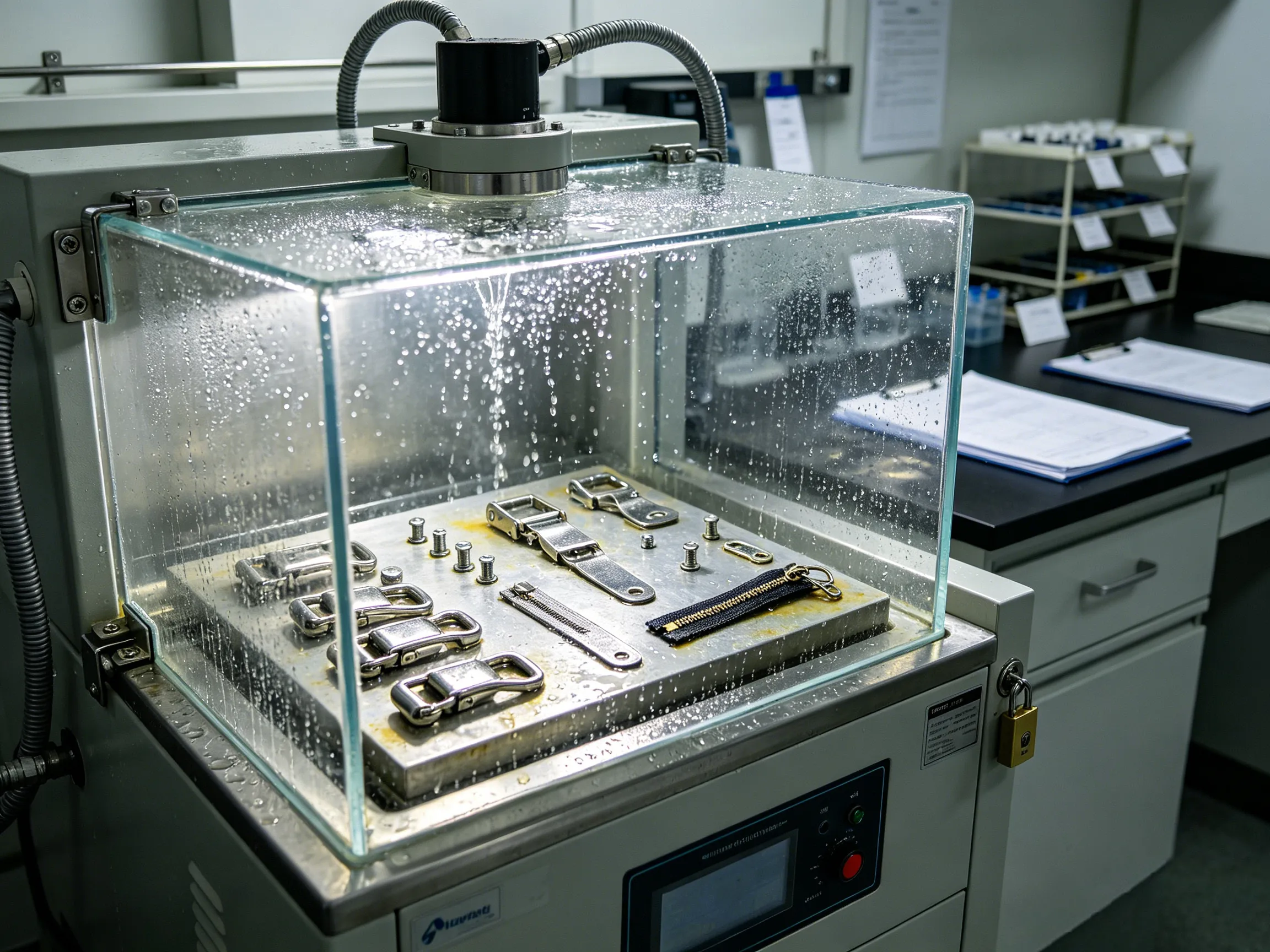
- Chemical Handling: Storage of dyes, solvents, restricted substances
- Energy Efficiency: Utility consumption, renewable energy use, carbon footprint
- Environmental Compliance: Permits, certifications, regulatory adherence
Documentation Review
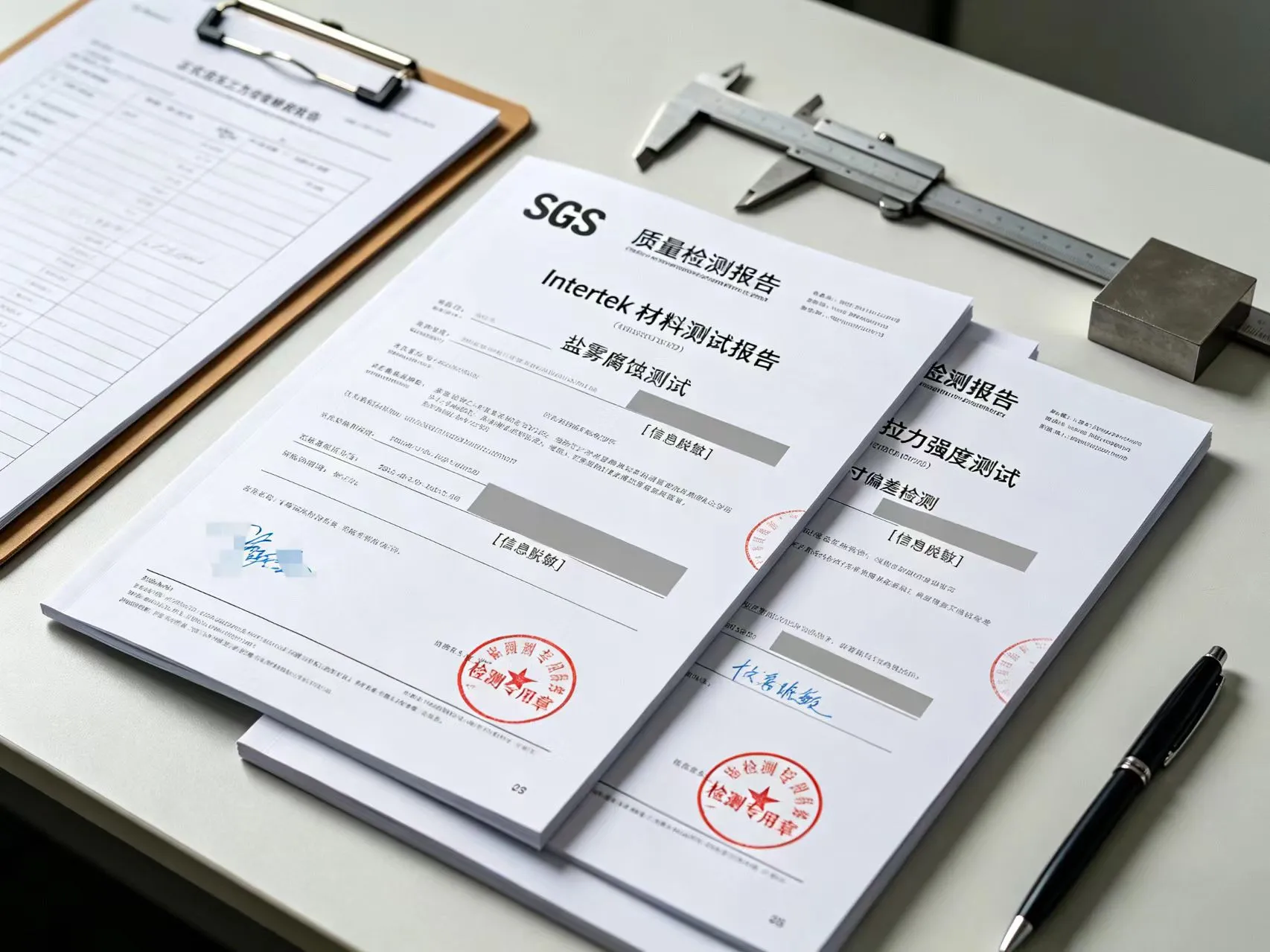
Auditors examine records and documentation that prove the factory operates systematically. Poor documentation often indicates poor management.
| Document Type | Purpose | What Auditors Look For |
|---|---|---|
| Business License | Legal operation verification | Valid, current, matching factory name |
| Certifications | Standard compliance proof | ISO 9001, BSCI, environmental permits |
| QC Records | Quality history tracking | Complete, recent, organized |
| Training Records | Worker competency proof | Regular training, skill development |
| Material Traceability | Component tracking capability | Lot numbers, supplier records |
Factory Audit Report Example: Sample Structure
Below is a representative factory inspection report structure demonstrating how audit findings are typically presented. This example illustrates the reporting format without including real company data.
| Audit Section | Status | Score | Notes |
|---|---|---|---|
| Company Profile | Pass | 92/100 | Established 2010, stable management |
| Production Capacity | Pass | 88/100 | Capacity adequate for MOQ requirements |
| Quality Management System | Pass | 85/100 | ISO 9001 certified, processes documented |
| Social Compliance | Observation | 78/100 | Minor overtime documentation gaps |
| Environmental Management | Pass | 82/100 | Waste properly managed |
| Documentation & Records | Pass | 90/100 | Complete and organized |
| Corrective Actions | Required | — | CAP submission within 30 days |
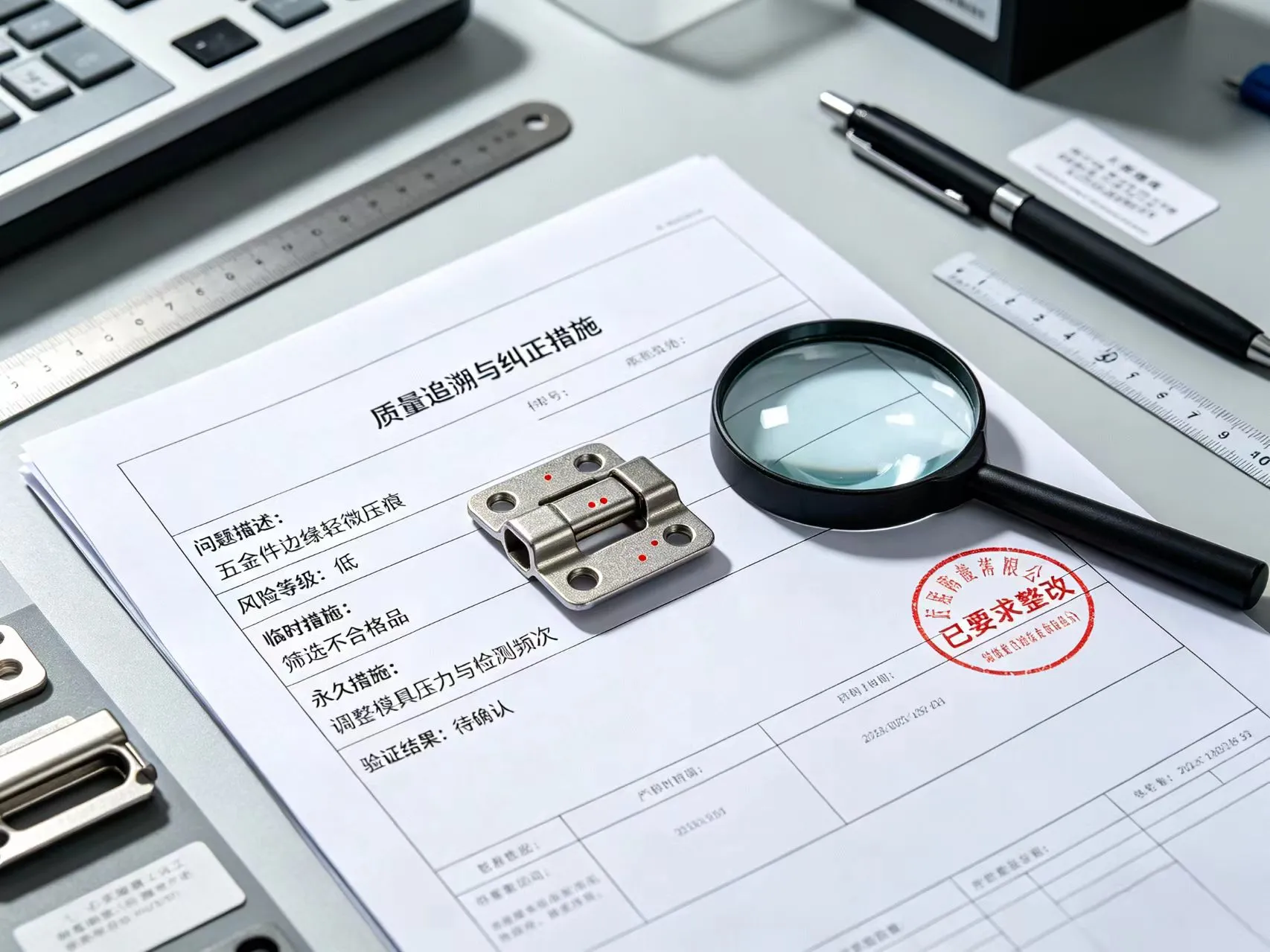
Overall Audit Result: Conditional Pass — The factory meets minimum requirements but must address social compliance observations before business can proceed. A corrective action plan is required.
How to Read a Factory Audit Report
From a buyer’s perspective, understanding how to interpret audit findings is crucial for making informed sourcing decisions. Here’s what to focus on when reviewing any supplier evaluation report.
Key Elements to Examine
Critical Report Components
- Audit Score: Overall numerical rating (usually 0-100) indicating general factory performance. Scores above 80 typically indicate acceptable suppliers.
- Non-Conformities: Specific findings where the factory failed to meet standards. These are categorized by severity.
- Risk Level: Overall risk assessment (low, medium, high) based on combined findings.
- Corrective Actions: Required improvements and deadlines for addressing issues.
- Expiration Date: Audit validity period. Most audits are valid for 12 months.
Don’t focus solely on the overall score. Drill down into specific non-conformities to understand what problems exist and whether they align with your quality priorities.
Understanding Audit Findings
Audit reports use specific terminology to categorize findings. Understanding these categories helps you assess the severity of each issue.
| Finding Category | Definition | Action Required |
|---|---|---|
| Conformity | Factory meets the standard requirement | None — maintain current practices |
| Observation | Not a non-conformity but noted for awareness | Monitor; may become an issue if unaddressed |
| Minor Non-Conformity | Isolated issue with limited impact | Corrective action recommended |
| Major Non-Conformity | Systemic issue affecting multiple areas | Corrective action required; may affect pass/fail |
| Critical Non-Conformity | Severe violation (safety, legal, ethical) | Immediate action; likely audit failure |
What Is a Corrective Action Plan (CAP)?
A Corrective Action Plan (also called CAPA) is a documented approach for addressing audit findings. Both buyers and suppliers need to understand how CAPs work.
The Purpose of CAPs
Corrective action plans serve several important functions:
1. Documentation: Creates a written record of issues and planned solutions for accountability.
2. Improvement Tracking: Provides measurable milestones to verify that factories are making progress.
3. Communication: Establishes clear expectations between buyers and suppliers regarding required changes.
Typical CAP Process
Corrective Action Workflow
- 1. Identification: Audit findings are documented with specific non-conformities
- 2. Root Cause Analysis: Factory investigates why the issue occurred
- 3. Action Plan Development: Factory proposes specific actions to address each finding
- 4. Timeline Establishment: Deadlines are set for completing corrective actions
- 5. Implementation: Factory executes the corrective measures
- 6. Verification: Follow-up audit or documentation review confirms effectiveness
A well-structured CAP includes specific actions, responsible personnel, and completion dates. Vague commitments like “we will improve” are insufficient.
Follow-Up Audits
After a CAP is implemented, buyers typically request a follow-up audit to verify that corrective actions were effective. The follow-up may focus only on previously identified issues or be a full re-audit depending on the severity of findings.
Factory Audit vs. QC Inspection Report
Many buyers confuse factory audits with product quality inspections. While both are quality assurance tools, they serve different purposes at different stages of the sourcing process.
| Aspect | Factory Audit | QC Inspection |
|---|---|---|
| Purpose | Evaluate factory capabilities and compliance | Inspect finished or in-production products |
| Timing | Before or early in cooperation | During or after production |
| Scope | Entire factory operations | Specific product batch |
| Focus | Management systems, compliance, processes | Product quality, defects, specifications |
| Outcome | Supplier approval/rejection decision | Ship/release/hold decision |
| Frequency | Annual or upon significant changes | Every order or at milestones |
Both are essential components of a comprehensive quality assurance strategy. Factory audits help you choose the right suppliers, while QC inspections ensure the products from those suppliers meet your standards.
How Buyers Use Audit Reports to Select Suppliers
Experienced procurement professionals analyze audit reports strategically when evaluating multiple suppliers. Here’s what brands evaluate during the supplier selection process.
Buyer Evaluation Criteria
- Production Capability: Can they make what you need in required quantities?
- Compliance Status: Do they meet your ethical and regulatory requirements?
- Quality Systems: Do they have processes to ensure consistent quality?
- Improvement History: Have previous issues been addressed effectively?
- Communication: How professionally do they respond to audit findings?
- Risk Assessment: Overall alignment with your risk tolerance
A high audit score alone doesn’t guarantee success. Consider how the factory responds to criticism and whether they’re genuinely committed to improvement.
Best Practices for Manufacturers Preparing for Audits
For factories, audit success isn’t about passing inspections—it’s about building genuinely excellent operations. Here’s how manufacturers can prepare effectively.
Factory Preparation Guidelines
- Maintain Updated Documentation: Keep all records current, organized, and easily accessible. Gaps in documentation suggest process gaps.
- Implement Quality Systems: Develop systematic approaches to quality control rather than relying on ad-hoc inspections.
- Conduct Internal Audits: Regular self-assessments help identify and fix issues before external auditors arrive.
- Train Employees: Ensure all workers understand quality standards and their role in maintaining them.
- Track Corrective Actions: Maintain records of how you’ve addressed past issues and the results achieved.
Professional Insight: The best approach is building a culture of continuous improvement rather than “audit preparation mode.” Factories that excel in daily operations will naturally perform well in audits.
Frequently Asked Questions
Ready to Evaluate Your Suppliers?
Understanding factory audit reports is essential for building reliable supply chains. Whether you’re a brand seeking quality partners or a manufacturer demonstrating your capabilities, proper audit documentation protects everyone’s interests.
Visit Our WebsiteConclusion
Factory Audit Reports provide brands and procurement professionals with comprehensive insights into supplier capabilities, quality management systems, social compliance, and production environments. Learning to read and interpret these reports is an essential skill for anyone involved in international sourcing.
Key takeaways from this guide include understanding the different audit types, knowing what sections to examine in a quality audit report, recognizing how to categorize findings by severity, and understanding the importance of corrective action plans in driving supplier improvement.
For manufacturers, viewing audits as opportunities for improvement rather than tests to pass leads to genuinely better operations. Factories that maintain high standards consistently will find that audits become routine verifications of practices they’re already following.
Whether you’re evaluating a new potential partner or preparing for your next audit, the knowledge gained from understanding factory audit processes helps build more stable, transparent, and successful supply chain relationships.
About Dreamway
Located in Guangzhou’s Huadu District, Dreamway is a dedicated manufacturer specializing in handbags (MOQ: 200) and premium silk products (MOQ: 50). With over 50 countries served and a small team of 30+ professionals, we combine artisan craftsmanship with modern quality management systems to deliver exceptional products to global brands.
Premium bag & silk manufacturing — under one factory roof.
Tucked inside Shiling Town — Guangzhou’s centuries-old leather district — Dreamway is a focused manufacturing partner for brands that refuse to compromise. We build rugged, retail-ready tote bags, backpacks, handbags with a 200-piece MOQ, and craft 100% Mulberry silk pillowcases, scrunchies & sleep accessories starting from just 50 pieces. Our small team of 30+ artisans is senior, hands-on, and accountable — the same people who quote your sample will personally inspect your shipment.
Every order is verified against our published manufacturing quality standards — AQL 2.5 inspection, hardware pull-tests, seam-strength audits, and silk-fibre authenticity checks. From concept tech-pack to mass production, we run the entire supply chain in-house, so timelines stay honest and revisions stay painless.
Buying Guides & Manufacturing Insights
Sourcing smarter starts with knowing what to compare. These long-form guides break down the decisions our clients wrestle with most — from third-party inspections like the SGS vs Intertek vs Bureau Veritas showdown, to ranking China’s top 10 tote bag manufacturers, to the head-to-head of canvas vs polyester vs PU for bag bodies.
Designing your logo? Our custom tote bag logo size guide shows real placement and stitch-density examples. Curious how a handbag actually comes together? Walk through the leather handbag manufacturing process step by step, and pair it with the canvas tote durability factors that decide whether a bag survives five years of daily use.
For material decisions beyond canvas, compare PU vs polyester for bags and explore our roundup of the world’s top canvas bag manufacturers. If backpacks are your lane, our backpack manufacturing process and backpack lead-time guide give you realistic production windows. Choosing between social-compliance audits? Read BSCI vs SEDEX vs WRAP. For smaller leather goods, dive into the leather wallet manufacturer playbook; for sustainability claims, the recycled PU leather explainer and our backpack QC checklist separate marketing from reality. Finally, stay ahead of EU regulation with our PPWR FAQ for bag manufacturers.
Explore by Topic
Browse our deep-dive knowledge hubs — every cluster is curated by category and updated with new field reports.
By Category
Materials & Compliance
Real Client Cases
Numbers tell part of the story. These production cases show how Dreamway’s small team delivers at scale.
Featured Product Lines
A snapshot of what we manufacture most often — all OEM/ODM-ready with custom hardware, lining, and packaging.
Who We Help
From indie founders to global enterprise — Dreamway is built for brands that need a factory, not a freelancer.
Brand Builders
Beauty & Fashion
Lifestyle & Retail

Skip the inbox. Chat with Victoria — right now.
Point your camera at the QR and you’re connected to a real human in Guangzhou. Send a photo of your reference, get a quote within minutes, and lock in your 200-piece MOQ slot before this month’s capacity fills.
Specialized factories. Unified standards.
Leather & Bag Capital
Our bags come from Guangzhou’s Shiling leather district — home to 30+ senior artisans under one roof, working in 8,000 m² of integrated cutting, sewing, hardware-assembly, and QC space.
Mulberry Silk Heritage
Our 22mm Mulberry silk pillowcases and sleep sets come from vetted partner mills in Suzhou and Hangzhou — at the heart of China’s 5,000-year sericulture heritage, today running OEKO-TEX Standard 100 certified production lines.
Get your sample in 7 working days —
hand-built by Guangzhou’s 30+ artisans.
Send a sketch, a screenshot, or a competitor’s bag you want to beat. We’ll hand-build a custom sample and ship it to your door — produced by the same craftspeople who will run your mass-production order.
business days · in your timezone
on request · signed in 1 day
if first one misses the brief