
ISO 9001 vs BSCI: What’s the Difference?
A Comprehensive Guide for Brands & Manufacturers
If you are a procurement professional, brand manager, or business owner searching for reliable suppliers, you have likely encountered these acronyms: ISO 9001 and BSCI. Perhaps you have seen both terms on factory profiles, compliance documents, or audit reports and wondered: Are they the same thing? Do I need both? Which one matters more for my supply chain?
The short answer is: No, they are not the same, and yes, you likely need both—though for different reasons. ISO 9001 focuses on quality management systems, ensuring that a manufacturer consistently produces products that meet customer and regulatory requirements. BSCI (now formally known as amfori BSCI) focuses on social compliance, ensuring ethical working conditions and environmental responsibility.
This article will help you understand the fundamental differences between ISO 9001 vs BSCI, why both matter in modern supply chain management, and how to evaluate certified manufacturers when sourcing handbags, leather goods, silk products, or any other manufactured goods.

What Is ISO 9001?
ISO 9001 is the internationally recognized standard for Quality Management Systems (QMS). Published by the International Organization for Standardization (ISO), this standard provides a systematic framework that organizations use to ensure their products and services consistently meet customer requirements and applicable regulatory requirements.
Unlike many other standards that apply to specific industries or products, ISO 9001 is generic—it can be applied to any organization, regardless of size, type, or the products/services it provides. This universality has made ISO 9001 the world’s most widely adopted quality management standard, with millions of organizations certified across virtually every industry.
Core Principles of ISO 9001
The Seven Quality Management Principles
- Customer Focus: The primary focus of quality management is to meet customer requirements and strive to exceed customer expectations.
- Leadership: Leaders at all levels establish unity of purpose and direction, creating an environment in which people can engage in achieving the organization’s quality objectives.
- Engagement of People: Competent, empowered and engaged people at all levels throughout the organization are essential to enhance its capability to create and deliver value.
- Process Approach: Consistent and predictable results are achieved more effectively and efficiently when activities are understood and managed as interrelated processes that function as a coherent system.
- Improvement: Successful organizations have an ongoing focus on improvement, as improvement is essential for organizations to maintain current levels of performance, react to changes, and create new opportunities.
- Evidence-based Decision Making: Decisions based on the analysis and evaluation of data and information are more likely to produce desired results.
- Relationship Management: For sustained success, an organization manages its relationships with interested parties, such as suppliers.
Benefits of ISO 9001 for Manufacturers
For manufacturers—especially those in the handbag, leather goods, and silk product industries—ISO 9001 certification delivers tangible benefits:
- Consistent Product Quality: A well-implemented QMS reduces defects and ensures that every batch of products meets the same high standards.
- Lower Production Costs: By identifying and eliminating inefficiencies, ISO 9001 helps reduce waste, rework, and recalls.
- Improved Customer Confidence: When brands see ISO 9001 certification, they know the factory has a documented system for quality control.
- Access to Global Markets: Many international brands and retailers require ISO 9001 certification as a prerequisite for doing business.
- Better Documentation and Traceability: ISO 9001 requires comprehensive documentation, making it easier to trace quality issues back to their root cause.

What Is BSCI?
BSCI stands for the Business Social Compliance Initiative. Today, it is formally known as amfori BSCI, reflecting its integration into amfori, the leading global business association for open and sustainable trade. BSCI is not an ISO-style certification—it is an audit system designed to monitor and improve social compliance in factories and production facilities across global supply chains.
The primary purpose of BSCI is to promote social compliance and ethical manufacturing practices. It provides brands and retailers with a common platform to assess, audit, and engage with their suppliers on social and environmental issues.
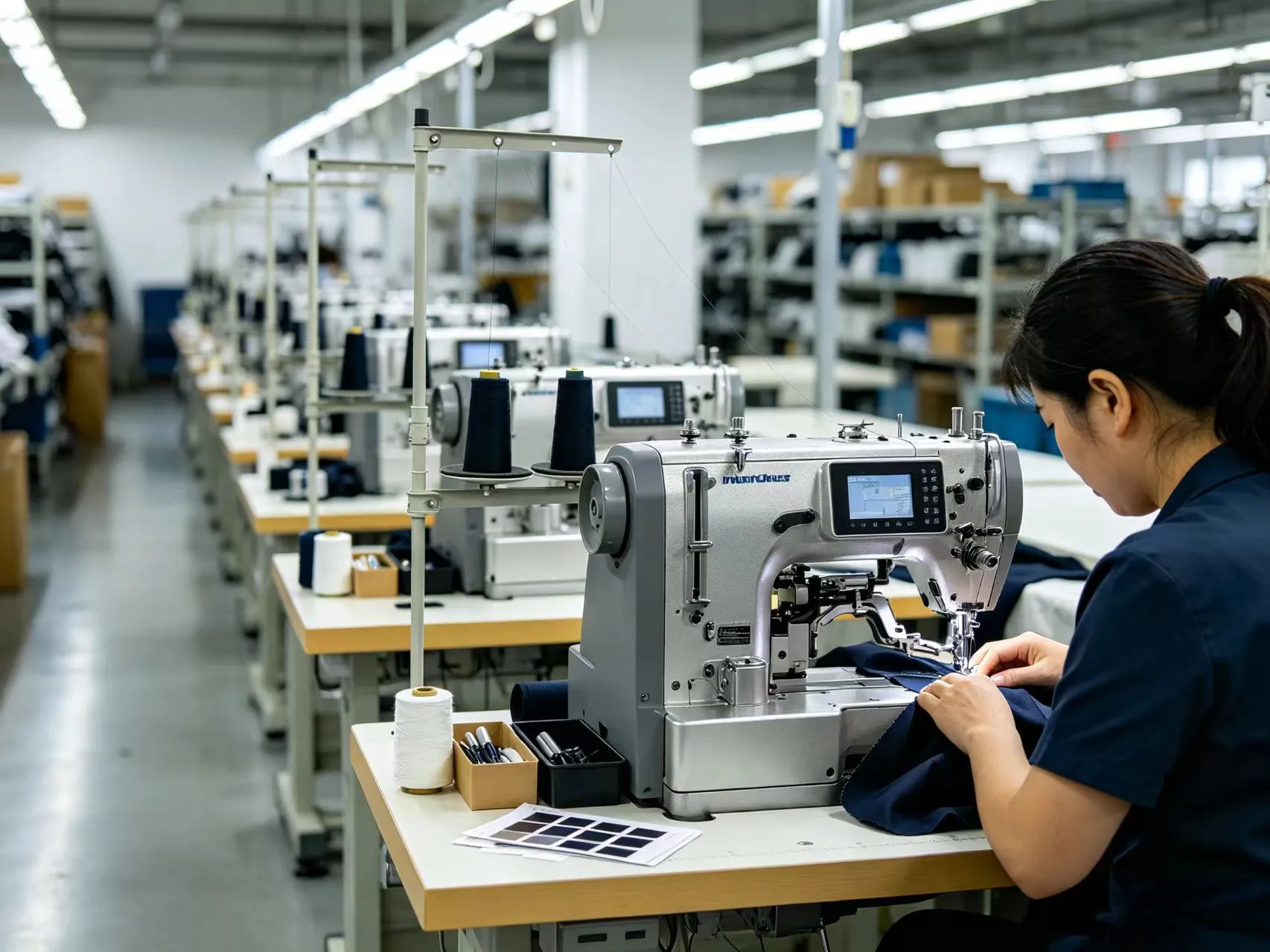
What Does a BSCI Audit Cover?
A BSCI audit evaluates factories across multiple social compliance areas:
Key Areas of BSCI Audit Assessment
- Workers’ Rights: Freedom of association, collective bargaining, and protection against discrimination.
- Working Hours: Compliance with maximum working hours and overtime regulations.
- Wages and Benefits: Payment of at least the legal minimum wage and provision of legally required benefits.
- Health and Safety: Safe working conditions, emergency preparedness, and access to medical facilities.
- Child Labor Prevention: Strict prohibition of child labor and protection of young workers.
- Environmental Practices: Proper waste management, chemical handling, and environmental compliance.
- Ethical Business Practices: Prohibition of bribery, corruption, and unfair business practices.
Is BSCI a Certification?
This is one of the most frequently asked questions—and a critical distinction to understand. BSCI is NOT a certification in the traditional sense. Unlike ISO 9001, which results in a formal certification upon successful audit, BSCI provides an audit rating rather than a pass/fail certification.
When a factory undergoes a BSCI audit, it receives a rating ranging from A (Excellent) to E (Unacceptable). These ratings are valid for two years and can be accessed by all members of the amfori BSCI platform. The system is designed to encourage continuous improvement rather than simply awarding or withholding a certificate.
This distinction is crucial for brands: while an ISO 9001 certificate proves a factory has met specific quality management standards, a BSCI audit report shows how a factory performed on social compliance criteria at a specific point in time.
ISO 9001 vs BSCI: Key Differences
Now that we understand both standards individually, let us examine the fundamental differences between ISO 9001 and BSCI:
| Aspect | ISO 9001 | BSCI |
|---|---|---|
| Primary Purpose | Quality Management | Social Compliance |
| Focus Area | Management Systems & Processes | Working Conditions & Ethics |
| Type of Assessment | QMS Audit | Social Audit |
| Certification/Result | Formal Certificate (valid 3 years) | Audit Rating (A to E scale) |
| Issued By | Accredited Certification Bodies | amfori / Approved Auditors |
| Key Value to Brands | Product Quality & Consistency | Ethical Manufacturing & Sustainability |
| Customer Focus | End-user satisfaction with product | Worker welfare in the supply chain |
| Industry Application | Universal (all industries) | Manufacturing & Retail focused |

ISO 9001 vs BSCI: Which Is More Important?
The honest answer is: neither is inherently more important than the other—they serve different but complementary purposes. The relative importance depends on your specific procurement requirements, target markets, and brand values.
ISO 9001 becomes critical when:
- Product quality and consistency are your top priorities
- You are sourcing for premium or luxury brands where defects are costly
- You need documented traceability and quality control processes
- Your customers require proof of quality management systems
BSCI becomes critical when:
- Your target market (especially Europe and North America) requires ethical sourcing
- Your brand has public commitments to sustainability and fair labor practices
- You are concerned about supply chain risks and reputational damage
- Your customers conduct due diligence on supplier working conditions
In reality, most international brands require both ISO 9001 and BSCI from their key suppliers. This dual approach ensures that the factory not only produces quality products but does so in an ethically responsible manner.
Why Many Brands Require Both ISO 9001 and BSCI
The convergence of quality expectations and ethical sourcing requirements has made dual certification the industry standard for serious international brands. Here is why:
- Risk Mitigation: Brands that source from factories with both certifications significantly reduce their exposure to quality failures and social compliance scandals.
- Market Access: Many European and North American retailers have mandatory requirements for both quality management and social compliance certifications.
- Consumer Expectations: Today’s consumers are increasingly informed and concerned about both the quality of products they purchase and the ethical practices behind them.
- Supply Chain Transparency: Having both certifications provides brands with comprehensive documentation for their supply chain due diligence.
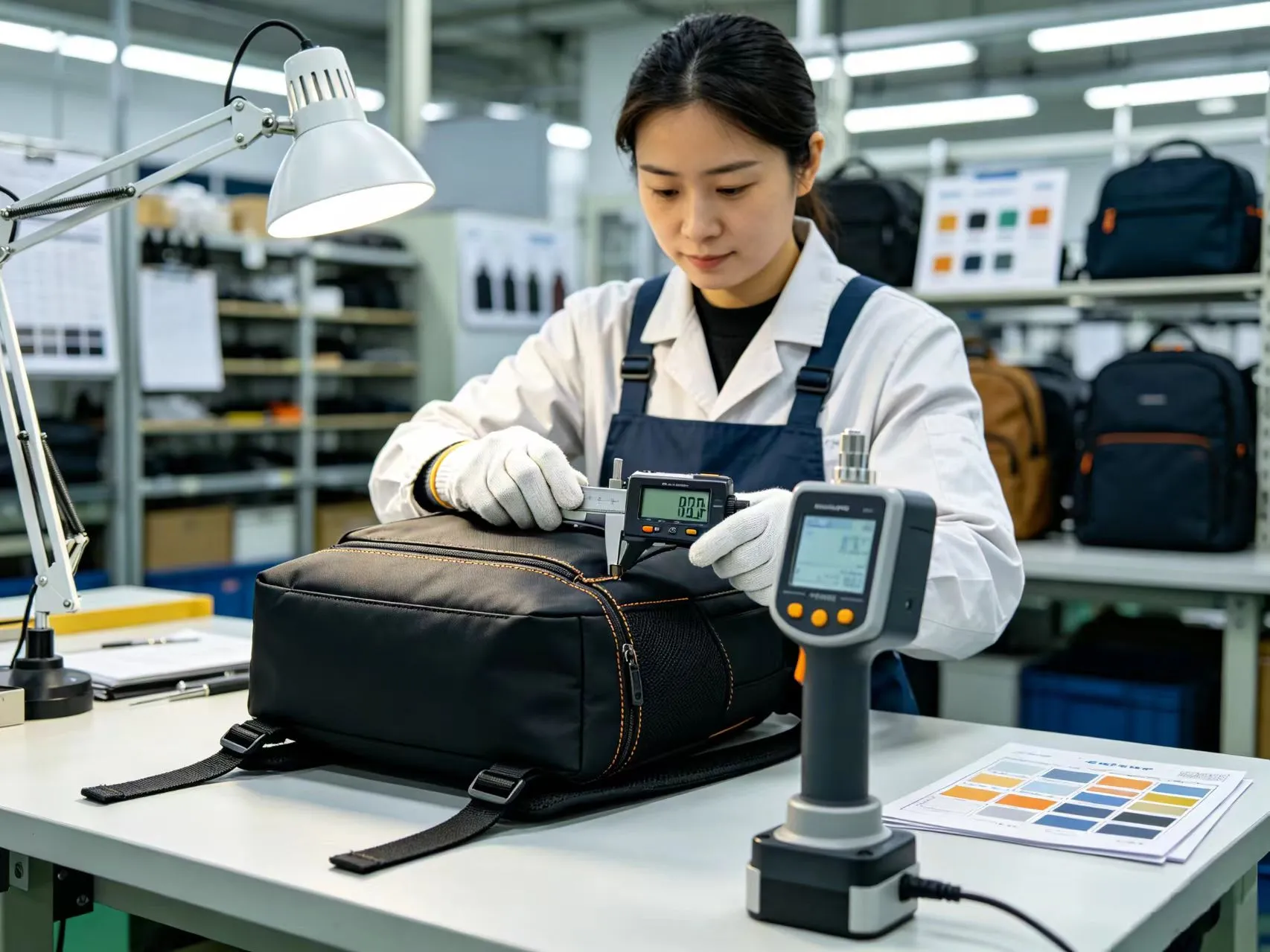
How ISO 9001 and BSCI Complement Each Other
Think of ISO 9001 and BSCI as two pillars supporting a reliable supply chain:
The Complementary Relationship
ISO 9001 ensures the WHAT: What products are being made? Are they meeting specifications? Is the quality consistent?
BSCI ensures the HOW: How are products being made? Under what conditions? Are workers treated fairly?
Together they ensure: Quality products made ethically by a well-managed, responsible manufacturer.
When a factory holds both certifications, brands gain confidence that:
- Production processes are documented and controlled (ISO 9001)
- Workers are treated ethically and work in safe conditions (BSCI)
- Quality issues can be traced and resolved systematically (ISO 9001)
- Social compliance risks are monitored and improved (BSCI)
- Supplier reliability is enhanced through comprehensive management (both)
- Brand reputation is protected through due diligence (both)
How Handbag Manufacturers Benefit from ISO 9001 and BSCI
For handbag manufacturers, leather goods factories, and silk product suppliers, the combination of ISO 9001 and BSCI creates significant competitive advantages in the global marketplace.
Quality Excellence in Bag Manufacturing
Handbag production involves complex processes: material selection, cutting, stitching, hardware attachment, finishing, and quality inspection. ISO 9001 helps manufacturers:
- Maintain consistent stitch quality across all production runs
- Document and control critical quality checkpoints
- Trace defects back to specific production batches
- Reduce returns and customer complaints
- Deliver products that consistently meet design specifications

Ethical Production for Global Markets
European and American brands increasingly require their suppliers to demonstrate ethical manufacturing practices. BSCI certification helps handbag factories:
- Access premium brand partnerships that require social compliance
- Differentiate themselves from competitors with lower standards
- Demonstrate commitment to worker welfare and sustainable practices
- Build long-term relationships with ethically conscious brands
- Comply with regulations in different target markets

Why Certifications Matter for OEM & ODM Bag Manufacturing
For OEM (Original Equipment Manufacturer) and ODM (Original Design Manufacturer) bag factories, certifications serve as powerful marketing tools and operational frameworks:
- OEM Handbag Manufacturer: When producing bags under a client’s brand, ISO 9001 ensures the factory follows documented processes that match the client’s quality requirements, while BSCI demonstrates commitment to ethical production.
- Custom Handbag Factory: For factories handling custom designs, both certifications provide the systematic approach needed to manage complex, variable orders while maintaining consistent quality.
- Private Label Bags: Brands launching private label products rely on certified manufacturers to protect their brand reputation and ensure product quality.
- Quality Assurance: A documented quality management system (ISO 9001) combined with ethical production practices (BSCI) provides comprehensive quality assurance that protects both the factory and its clients.
How Buyers Evaluate Certified Bag Suppliers
When brands evaluate handbag suppliers, they typically look for the following evidence of certification and capability:
| Evaluation Criteria | What Brands Look For |
|---|---|
| Factory Audit Reports | Recent BSCI audit ratings, improvements from previous audits, and overall compliance history |
| Quality Certificates | Valid ISO 9001 certificate, scope of certification, and accredited certification body |
| Production Capability | Production capacity, equipment清单, technical capabilities, and quality control processes |
| Compliance History | Track record with other brands, incident history, and response to non-conformities |
| Documentation Systems | Quality manuals, inspection procedures, traceability systems, and record-keeping practices |
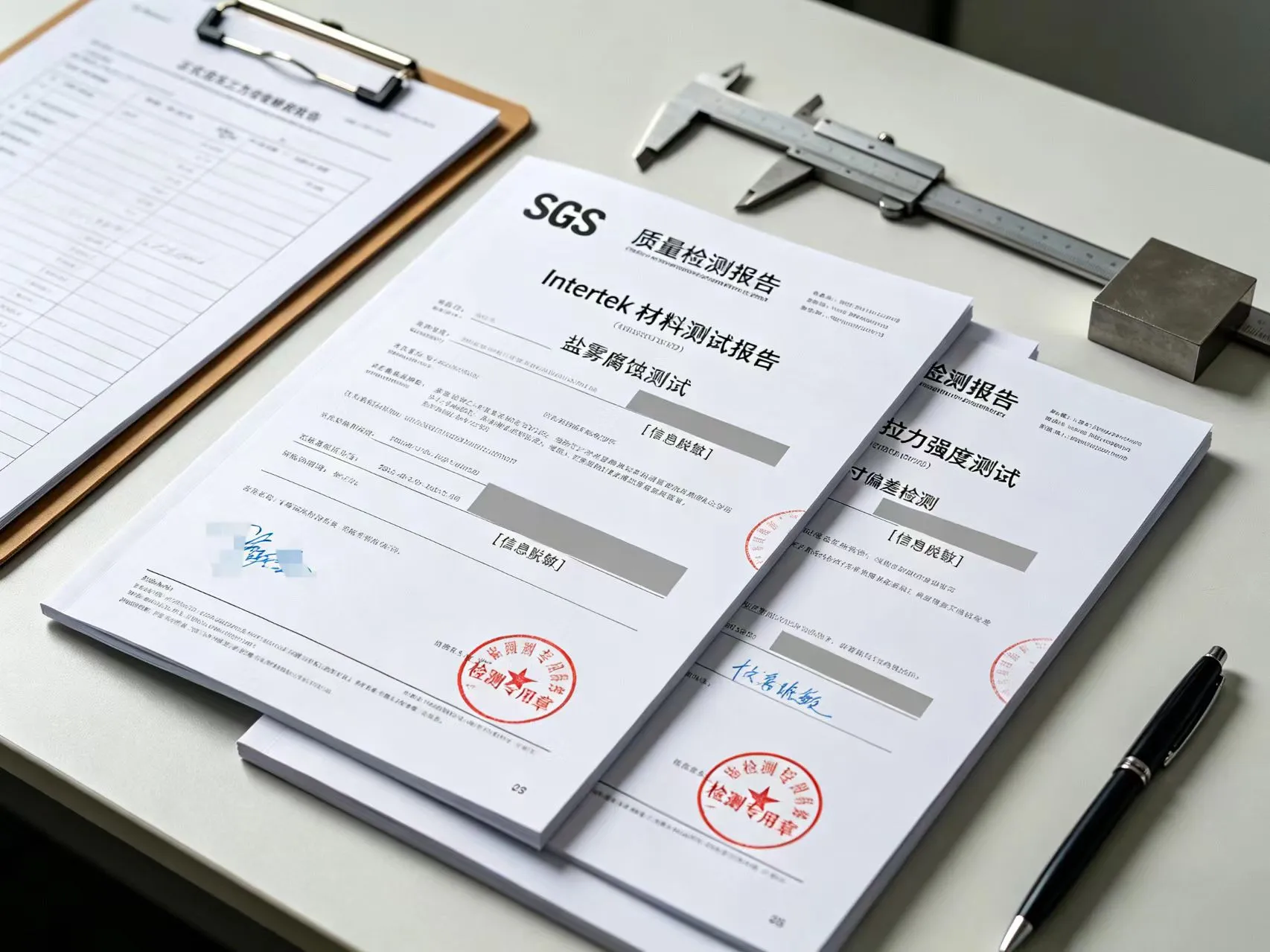
Other Certifications Brands Often Request
Beyond ISO 9001 and BSCI, brands may also request additional certifications depending on their products and target markets:
Common Additional Certifications
- ISO 14001: Environmental management systems
- GRS (Global Recycled Standard): For products made with recycled materials
- RCS (Recycled Claim Standard): Textile chain of custody for recycled materials
- OEKO-TEX: Standard 100 for harmful substance testing in textiles
- FSC (Forest Stewardship Council): Responsible forestry practices
- Sedex: Supplier ethical data exchange platform
- WRAP (Worldwide Responsible Accredited Production): Social compliance certification
- SA8000: Social accountability international standard
- REACH: EU regulation on chemical substances
- PFAS Compliance: Testing for per- and polyfluoroalkyl substances
Having a comprehensive certification portfolio demonstrates a manufacturer’s commitment to quality, sustainability, and ethical practices—making them more attractive to discerning international brands.

How to Choose a Reliable Handbag Manufacturer
Beyond certifications, when evaluating potential handbag or silk product suppliers, consider these practical factors:
- Industry Experience: Look for factories with proven track records in your specific product category—handbags, leather goods, silk products, or accessories.
- Sampling Process: A professional factory should offer transparent sampling procedures, clear pricing, and quality previews before bulk production.
- Quality Control: Ask about their QC procedures, inspection points, and how they handle quality issues when they arise.
- Material Sourcing: Understand where the factory sources their materials and whether they can accommodate your preferred suppliers or sustainable material requirements.
- Communication: Clear, responsive communication is essential for successful OEM/ODM partnerships—language barriers and delayed responses can lead to costly mistakes.
- Sustainability Practices: Beyond certifications, ask about their environmental policies, waste management, and chemical handling procedures.
Frequently Asked Questions
Is ISO 9001 better than BSCI?
No, they are not comparable in that way. ISO 9001 and BSCI address different aspects of manufacturing. ISO 9001 focuses on quality management systems, while BSCI focuses on social compliance. Most international brands need both—one ensures product quality, the other ensures ethical production. Neither is “better”; they simply serve different purposes.
Do factories need both ISO 9001 and BSCI?
While not legally required, having both certifications has become the industry standard for manufacturers supplying international brands, especially in Europe and North America. Brands increasingly require both as part of their supplier qualification process. A factory with both certifications has a significant competitive advantage over those with only one or neither.
Is BSCI a certification?
No, BSCI is an audit system, not a certification in the traditional sense. Unlike ISO 9001 which results in a formal certificate, BSCI provides an audit rating (A through E). The rating reflects the factory’s performance on social compliance criteria at the time of the audit. This distinction is important for brands to understand when evaluating suppliers.
What is the difference between ISO certification and BSCI audit?
The key differences are: ISO certification (like ISO 9001) results in a formal certificate valid for three years, issued by an accredited certification body, and focuses on management systems and processes. A BSCI audit provides a rating (valid for two years), conducted by approved amfori auditors, and focuses on working conditions and social compliance. Both have different values for brands’ due diligence processes.
Why do brands ask suppliers for ISO 9001?
Brands require ISO 9001 to ensure consistent product quality, documented quality control processes, traceability of quality issues, systematic approaches to continuous improvement, and reduced risk of defects and recalls. ISO 9001 certification demonstrates that a factory has a mature, documented quality management system in place.
Why is BSCI important for ethical sourcing?
BSCI is crucial for ethical sourcing because it provides a standardized framework for evaluating and monitoring suppliers’ social compliance practices. It covers workers’ rights, wages, working hours, health and safety, and environmental practices. For brands committed to responsible sourcing and supply chain transparency, BSCI provides the verification needed to support these claims.
Can a small manufacturer obtain ISO 9001 and BSCI?
Yes, absolutely. ISO 9001 is designed to be scalable and can be implemented by organizations of any size. Many small and medium-sized manufacturers have successfully obtained ISO 9001 certification. For BSCI, the audit system is equally applicable to factories of all sizes. A small team of 30+ workers, like those at GZDreamway, can and should pursue both certifications.
Which certifications should a handbag manufacturer have?
A professional handbag manufacturer should at minimum have ISO 9001 (quality management) and BSCI/amfori BSCI (social compliance). Additional valuable certifications include: ISO 14001 (environmental management), OEKO-TEX (if working with textiles), GRS or RCS (if using recycled materials), and PFAS compliance documentation. The specific requirements depend on your target markets and brand expectations.
Conclusion
Understanding the difference between ISO 9001 vs BSCI is essential for any brand or procurement professional navigating the complexities of modern supply chain management. These two standards represent distinct but complementary approaches to responsible manufacturing: ISO 9001 ensures that products meet consistent quality standards through systematic management processes, while BSCI ensures that products are made ethically with respect for workers’ rights and environmental responsibility.
In today’s global marketplace, where consumers and brands increasingly demand both quality and ethical production, the combination of ISO 9001 and BSCI has become the foundation of a reliable, responsible supply chain. For handbag manufacturers, leather goods factories, and silk product suppliers seeking to serve international markets, obtaining and maintaining both certifications represents not just compliance—but a genuine commitment to excellence in every dimension of the business.
Whether you are a startup brand launching your first product line or an established company optimizing your supply chain, understanding these certifications—and partnering with manufacturers who hold both—will help you build a more stable, transparent, and trustworthy supply chain that protects your brand reputation and meets the expectations of modern consumers.
Partner with a Certified Manufacturer
At GZDreamway, we are a small team of 30+ dedicated professionals operating from our handbag and silk product manufacturing facility in Guangzhou, China. We hold both ISO 9001 certification and BSCI audit ratings, serving clients across 50+ countries worldwide.
Handbag MOQ: 200 pieces | Silk Products MOQ: 50 pieces
Ready to discuss your next project? Visit our website to learn more about our capabilities and certifications.
Premium bag & silk manufacturing — under one factory roof.
Tucked inside Shiling Town — Guangzhou’s centuries-old leather district — Dreamway is a focused manufacturing partner for brands that refuse to compromise. We build rugged, retail-ready tote bags, backpacks, handbags with a 200-piece MOQ, and craft 100% Mulberry silk pillowcases, scrunchies & sleep accessories starting from just 50 pieces. Our small team of 30+ artisans is senior, hands-on, and accountable — the same people who quote your sample will personally inspect your shipment.
Every order is verified against our published manufacturing quality standards — AQL 2.5 inspection, hardware pull-tests, seam-strength audits, and silk-fibre authenticity checks. From concept tech-pack to mass production, we run the entire supply chain in-house, so timelines stay honest and revisions stay painless.
Buying Guides & Manufacturing Insights
Sourcing smarter starts with knowing what to compare. These long-form guides break down the decisions our clients wrestle with most — from third-party inspections like the SGS vs Intertek vs Bureau Veritas showdown, to ranking China’s top 10 tote bag manufacturers, to the head-to-head of canvas vs polyester vs PU for bag bodies.
Designing your logo? Our custom tote bag logo size guide shows real placement and stitch-density examples. Curious how a handbag actually comes together? Walk through the leather handbag manufacturing process step by step, and pair it with the canvas tote durability factors that decide whether a bag survives five years of daily use.
For material decisions beyond canvas, compare PU vs polyester for bags and explore our roundup of the world’s top canvas bag manufacturers. If backpacks are your lane, our backpack manufacturing process and backpack lead-time guide give you realistic production windows. Choosing between social-compliance audits? Read BSCI vs SEDEX vs WRAP. For smaller leather goods, dive into the leather wallet manufacturer playbook; for sustainability claims, the recycled PU leather explainer and our backpack QC checklist separate marketing from reality. Finally, stay ahead of EU regulation with our PPWR FAQ for bag manufacturers.
Explore by Topic
Browse our deep-dive knowledge hubs — every cluster is curated by category and updated with new field reports.
By Category
Materials & Compliance
Real Client Cases
Numbers tell part of the story. These production cases show how Dreamway’s small team delivers at scale.
Featured Product Lines
A snapshot of what we manufacture most often — all OEM/ODM-ready with custom hardware, lining, and packaging.
Who We Help
From indie founders to global enterprise — Dreamway is built for brands that need a factory, not a freelancer.
Brand Builders
Beauty & Fashion
Lifestyle & Retail

Skip the inbox. Chat with Victoria — right now.
Point your camera at the QR and you’re connected to a real human in Guangzhou. Send a photo of your reference, get a quote within minutes, and lock in your 200-piece MOQ slot before this month’s capacity fills.
Specialized factories. Unified standards.
Leather & Bag Capital
Our bags come from Guangzhou’s Shiling leather district — home to 30+ senior artisans under one roof, working in 8,000 m² of integrated cutting, sewing, hardware-assembly, and QC space.
Mulberry Silk Heritage
Our 22mm Mulberry silk pillowcases and sleep sets come from vetted partner mills in Suzhou and Hangzhou — at the heart of China’s 5,000-year sericulture heritage, today running OEKO-TEX Standard 100 certified production lines.
Get your sample in 7 working days —
hand-built by Guangzhou’s 30+ artisans.
Send a sketch, a screenshot, or a competitor’s bag you want to beat. We’ll hand-build a custom sample and ship it to your door — produced by the same craftspeople who will run your mass-production order.
business days · in your timezone
on request · signed in 1 day
if first one misses the brief