
Canvas Fabric Weight Guide: GSM and Oz Explained

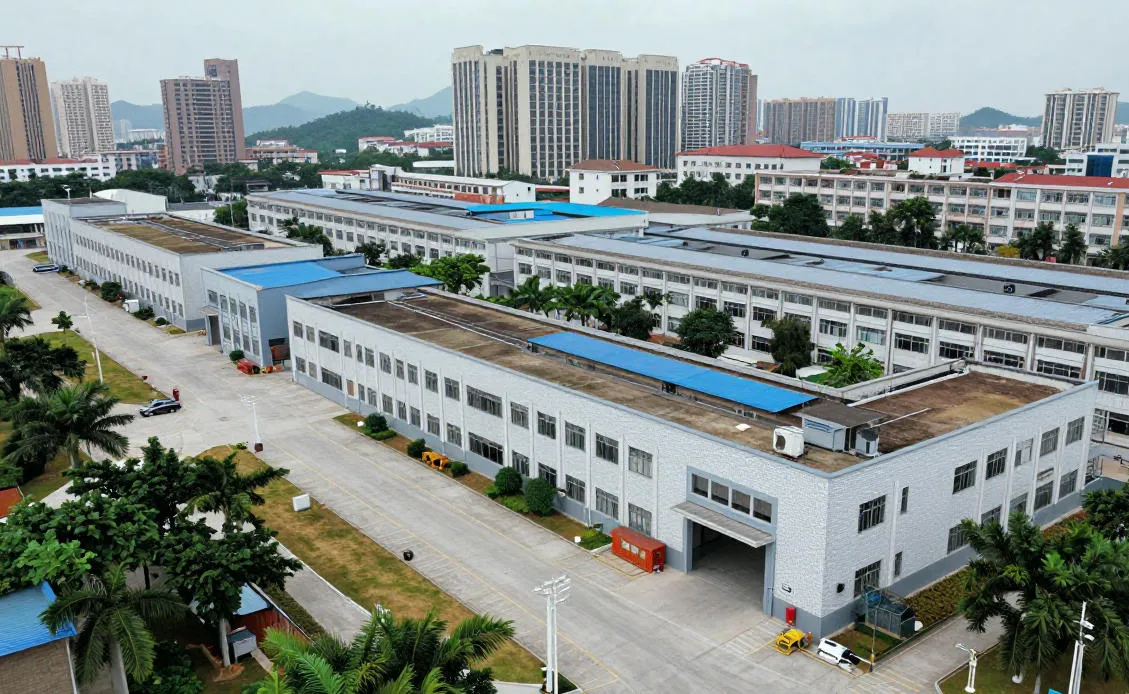
Canvas Fabric Manufacturing Facility
Professional canvas fabric manufacturing facility with advanced equipment

Canvas Fabric Weight Guide: Understanding GSM and Oz Measurements

Canvas fabric weight measurement is a critical factor that determines the quality, durability, and suitability of canvas products for various applications. Whether you’re a manufacturer selecting materials for canvas bags, a designer choosing fabrics for outdoor gear, or a consumer purchasing canvas products, understanding the weight specifications is essential for making informed decisions. The two primary measurement systems used globally are grams per square meter (GSM) and ounces per square yard (Oz), each offering unique advantages in different contexts.

The canvas fabric industry relies heavily on precise weight measurements to ensure consistency across production batches and to meet specific customer requirements. These measurements directly impact the fabric’s performance characteristics, including strength, thickness, water resistance, and overall functionality. As sustainability becomes increasingly important in textile manufacturing, understanding canvas weight also helps in evaluating the environmental impact and resource efficiency of production processes.

GSM Definition: GSM stands for “Grams per Square Meter,” which measures the weight of one square meter of fabric in grams. This metric system is widely used internationally and provides consistent measurements regardless of fabric composition.

The Fundamentals of Canvas Fabric Weight Measurement

Canvas fabric weight is determined by measuring the mass of fabric per unit area, providing a standardized way to compare different materials. This measurement system allows manufacturers, suppliers, and customers to communicate effectively about fabric properties without ambiguity. The weight directly correlates with the fabric’s density, thread count, and weave tightness, all of which contribute to the final product’s performance characteristics.

Heavier canvas fabrics generally offer superior durability and weather resistance, making them ideal for applications requiring long-term use or exposure to harsh conditions. Lighter weight canvases, while less robust, provide enhanced comfort and portability, making them suitable for applications where weight is a critical factor. Understanding these relationships helps in selecting the optimal canvas weight for specific applications.
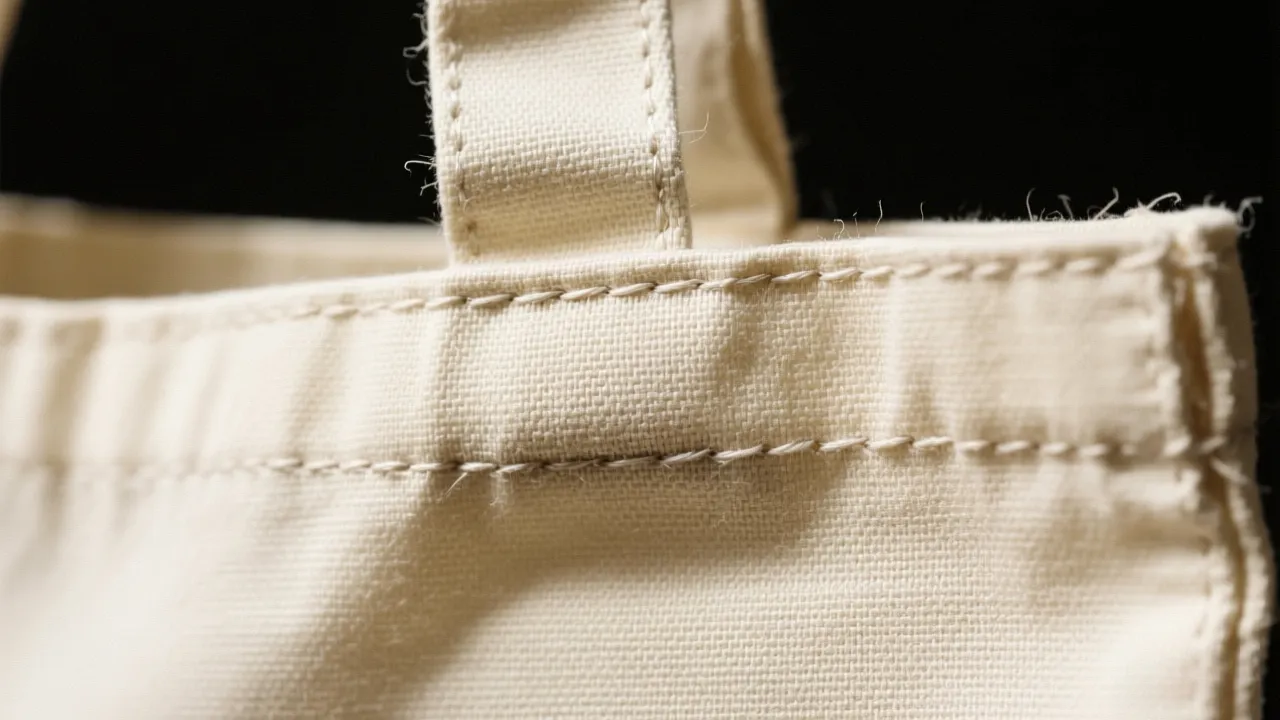
Canvas Fabric Texture Detail
Close-up view of canvas fabric texture and weave pattern

Understanding GSM: The Metric Standard

GSM (Grams per Square Meter) represents the international standard for measuring fabric weight, widely adopted across Europe, Asia, and most other regions worldwide. This measurement system provides precise, consistent results that enable accurate comparisons between different fabrics and suppliers. The GSM value indicates exactly how many grams one square meter of fabric weighs, eliminating confusion and ensuring standardized communication in global trade.

Typical canvas fabric weights range from 200 GSM for lightweight applications to over 1000 GSM for heavy-duty industrial uses. Medium-weight canvas, commonly used for bags and general-purpose applications, typically falls between 350-500 GSM. This range offers an optimal balance between durability and usability, making it suitable for a wide variety of products.

GSM Range Application Category Common Uses Characteristics
150-250 GSM Lightweight Shopping bags, light pouches Soft, flexible, portable
250-400 GSM Medium-light Everyday tote bags, casual wear Good durability, comfortable
400-600 GSM Medium-weight Professional bags, backpacks Robust, weather-resistant
600-800 GSM Heavy-duty Industrial bags, outdoor gear Extremely durable, strong
800+ GSM Ultra-heavy Military, industrial applications Maximum durability, thick

Ounce Measurement: The Imperial System

Ounces per square yard (Oz) represents the imperial measurement system primarily used in the United States and some other countries. This system measures the weight of one square yard of fabric in ounces, providing an alternative method for specifying canvas weight. While less common globally, understanding ounce measurements remains important for businesses operating in or trading with imperial system countries.

The conversion between GSM and ounces follows a standard formula: 1 oz/sq yd equals approximately 33.92 GSM. This conversion factor enables seamless communication between suppliers and customers using different measurement systems. However, it’s crucial to note that rounding differences can occur, so specifying exact conversion methods in contracts helps prevent misunderstandings.

Important Conversion Note: 1 oz/sq yd ≈ 33.92 GSM. When ordering canvas fabric internationally, always clarify the measurement system being used to avoid specification errors that could affect product quality and performance.
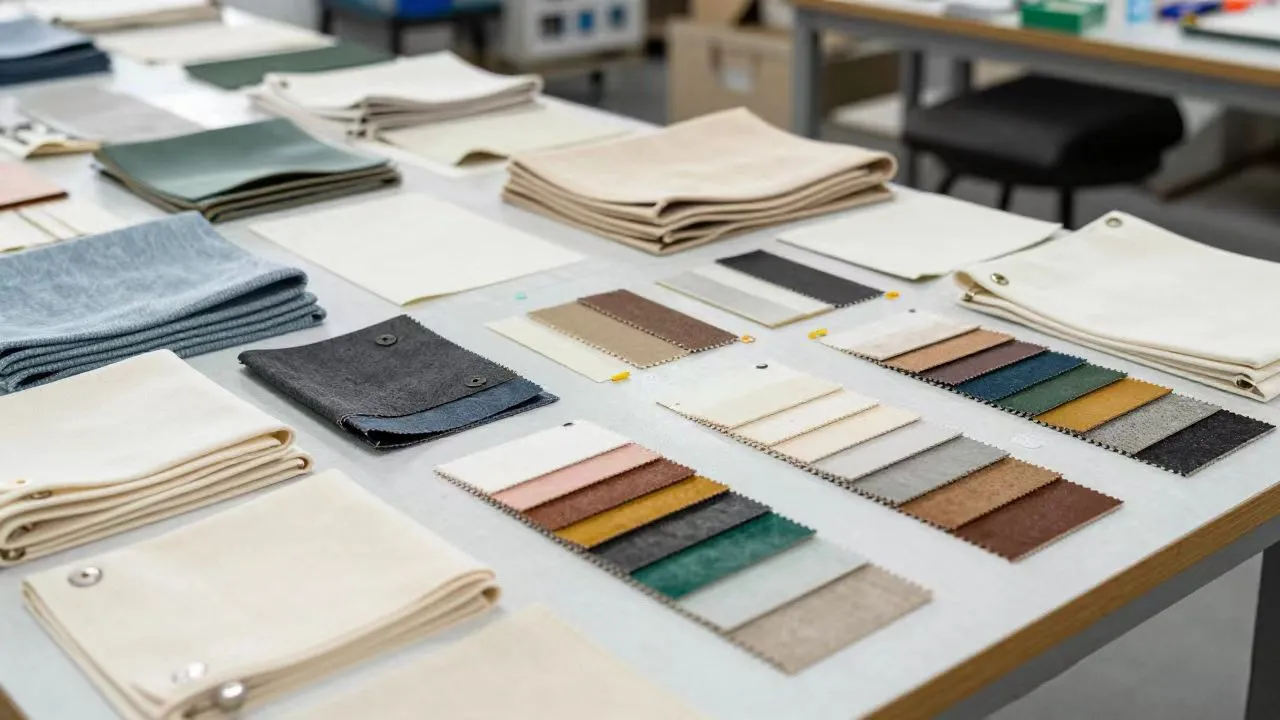
Canvas Color Sample Cards
Color sample cards showing various canvas fabric options with weight specifications

Applications Based on Canvas Weight Categories

Different canvas weight categories serve specific applications based on their performance characteristics. Lightweight canvas (150-250 GSM) works well for disposable shopping bags, promotional items, and temporary applications where cost-effectiveness takes priority over durability. These fabrics offer excellent printability and are ideal for single-use or short-term applications.

Medium-weight canvas (250-400 GSM) represents the sweet spot for most commercial applications, including everyday tote bags, messenger bags, and casual accessories. This weight category balances cost, durability, and functionality, making it popular among manufacturers and consumers alike. The fabric maintains structural integrity while remaining comfortable to carry and easy to handle.

Heavy-duty canvas (400-600 GSM) serves professional and industrial applications where durability and longevity are paramount. Business bags, travel gear, and outdoor equipment commonly utilize this weight category. The increased thickness provides enhanced protection for contents while maintaining reasonable weight for user comfort.

For insights into sustainable canvas applications, our guide on future sustainable bag materials explores innovative approaches to eco-friendly canvas production.
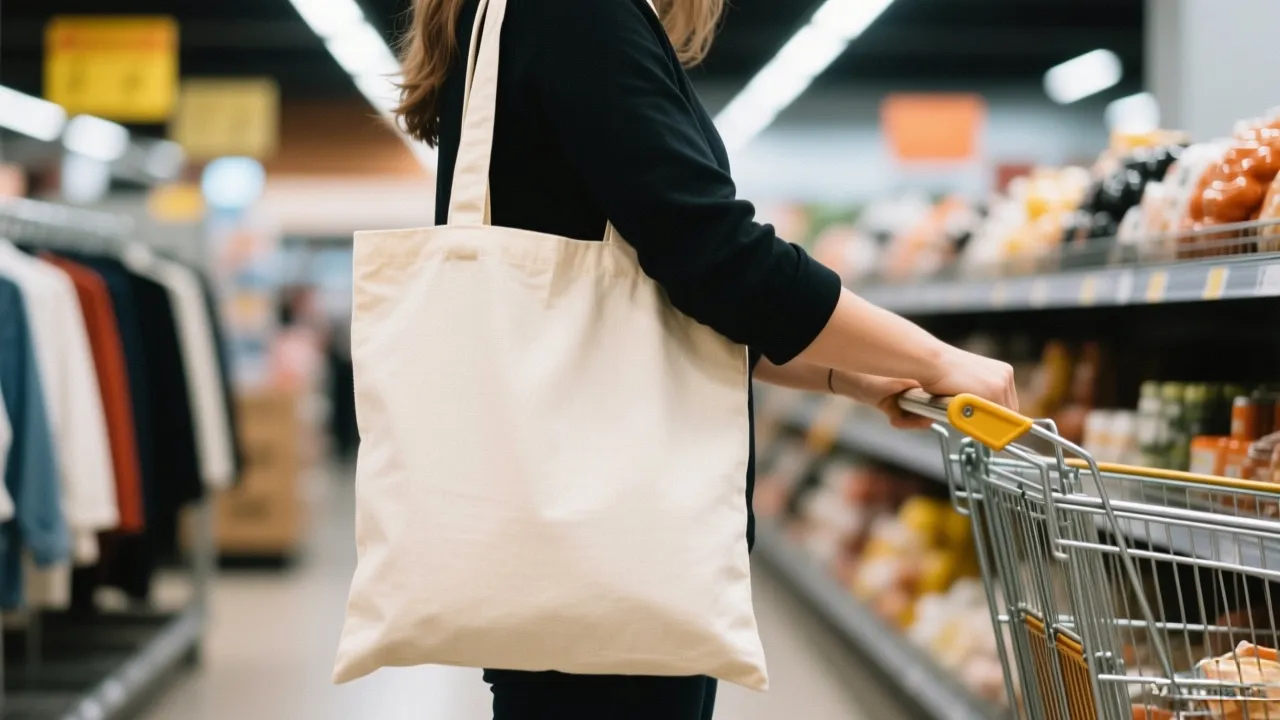
Canvas Shopping Bag Usage
Practical application of medium-weight canvas in everyday shopping scenarios

Manufacturing Considerations for Different Weight Classes

Canvas fabric manufacturing processes vary significantly based on the target weight specifications. Lighter weight canvases typically use finer yarns and looser weaves, requiring different machinery settings and production techniques compared to heavier weights. Manufacturers must adjust tension, speed, and finishing processes to achieve consistent quality across different weight categories.

Heavier canvas production demands specialized equipment capable of handling dense, thick fabrics. The weaving process requires stronger looms and more robust machinery components. Additionally, finishing treatments such as coating or lamination may need adjustment to accommodate the different absorption rates and surface characteristics of various weight classes.

Quality control measures also differ based on canvas weight. Heavier fabrics undergo more rigorous testing for tear strength, abrasion resistance, and dimensional stability. Lighter weight canvases receive focus on print quality, colorfastness, and handling characteristics. Professional manufacturing facilities implement comprehensive testing protocols to ensure each weight category meets specified performance requirements.
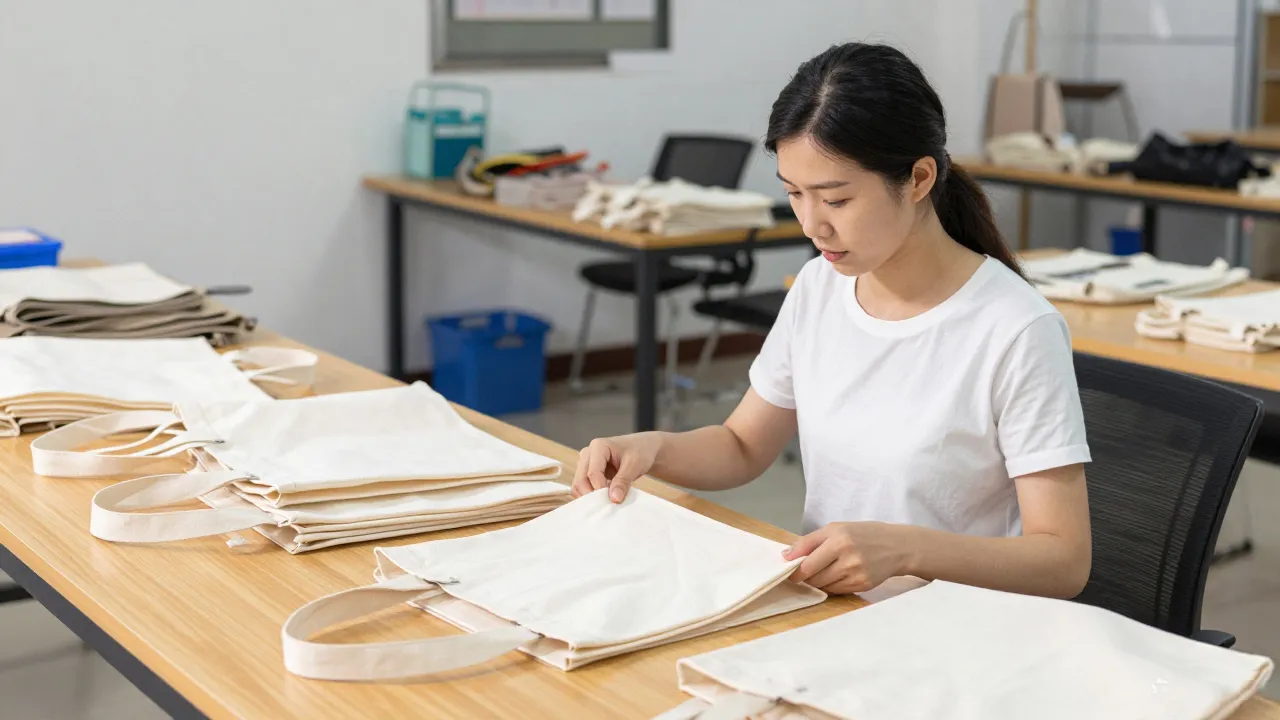
Quality Control Process
Quality inspection process for canvas fabric before shipment

Environmental Impact and Sustainability

Canvas fabric weight directly influences environmental impact through material consumption, energy usage, and transportation efficiency. Heavier fabrics require more raw materials and energy to produce, but may offer extended product life that offsets initial resource investment. Lighter fabrics reduce material usage but may require more frequent replacement.

Sustainable canvas production considers the entire lifecycle impact, from fiber production through end-of-life disposal. Manufacturers increasingly focus on optimizing weight specifications to achieve desired performance while minimizing environmental footprint. This approach involves balancing durability requirements with resource efficiency to create environmentally responsible products.

For comprehensive information about sustainable manufacturing practices, our sustainability certification guide provides detailed insights into eco-friendly production methods.
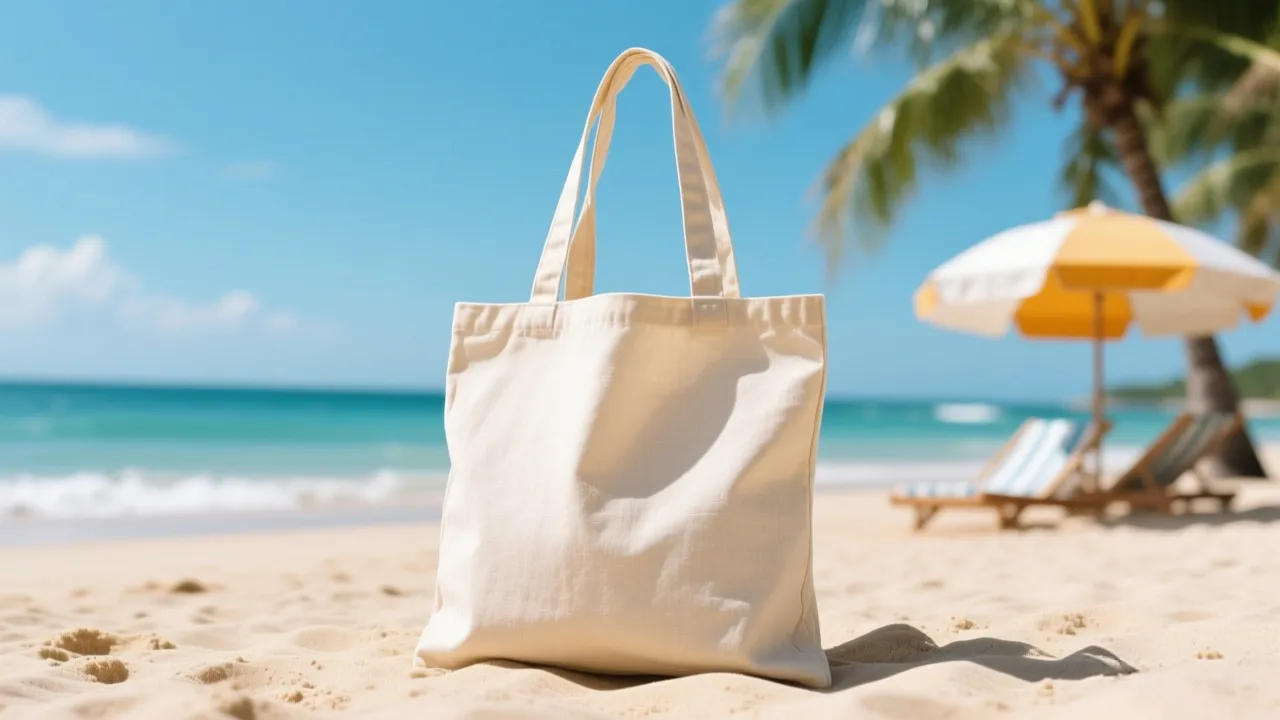
Canvas Bag at Beach
Durable canvas bags performing well in beach and outdoor environments

Quality Testing Methods for Canvas Weight Verification

Accurate canvas weight measurement requires standardized testing procedures to ensure consistency and reliability. The testing process involves cutting precisely measured fabric samples and weighing them using calibrated scales. International standards specify sample sizes, conditioning requirements, and calculation methods to eliminate variability between testing facilities.

Professional testing laboratories follow ASTM D3776 or ISO 3801 standards for fabric weight determination. These standards specify sample preparation, environmental conditioning, and measurement procedures that ensure reproducible results. Regular calibration of testing equipment and operator training are essential for maintaining accuracy and reliability.

Manufacturers typically perform in-process weight verification during production runs to catch variations early. This proactive approach helps maintain consistent quality and reduces waste from out-of-specification materials. Advanced manufacturing facilities integrate real-time monitoring systems that continuously track weight variations and automatically adjust production parameters.
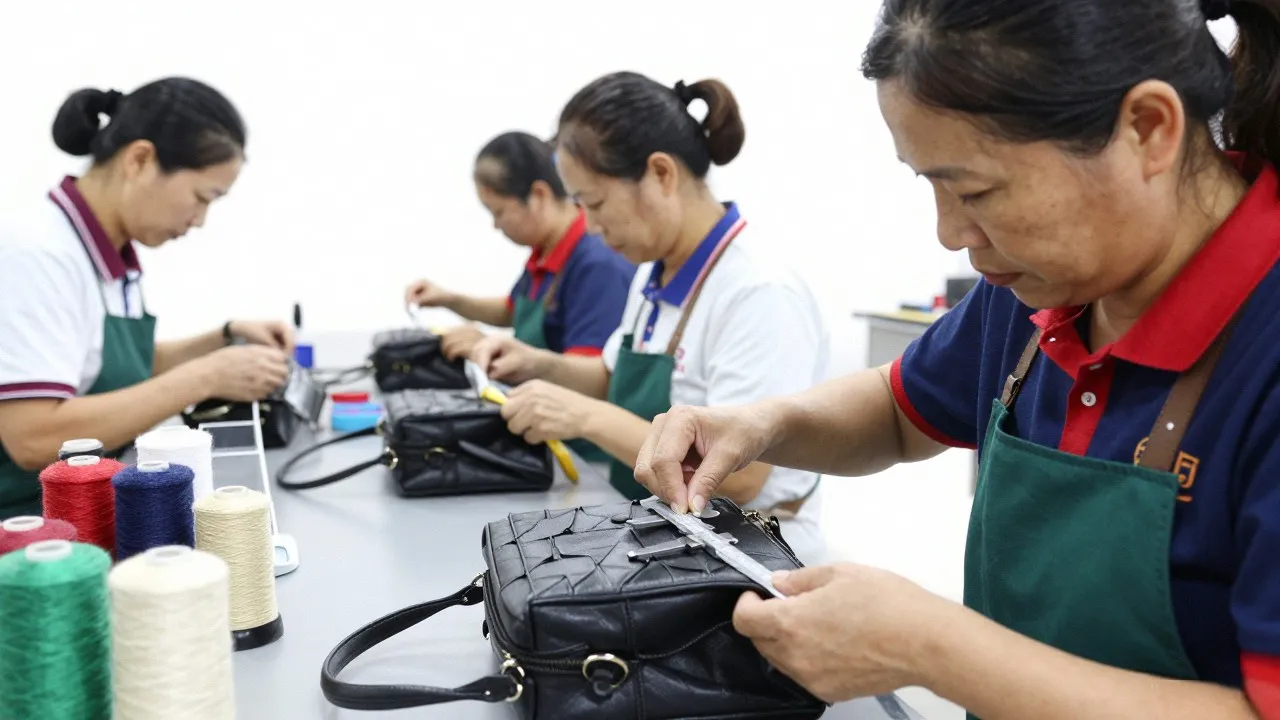
Quality Control Inspection
Professional quality control inspection ensuring canvas fabric meets specifications

Industry Standards and Specifications

The textile industry has established comprehensive standards for canvas fabric weight classification and testing. These standards provide guidelines for manufacturers, suppliers, and customers to ensure consistent communication and quality expectations. Industry associations and regulatory bodies regularly update these standards to reflect technological advances and changing market requirements.

International trade agreements often specify acceptable tolerance ranges for fabric weight measurements, typically allowing ±5% variation from stated specifications. Understanding these tolerances helps in contract negotiations and quality acceptance criteria. Suppliers and customers should clearly define acceptable deviation limits in purchase agreements to prevent disputes.

For businesses requiring detailed technical specifications, our tech pack template guide provides comprehensive frameworks for product specification documentation.
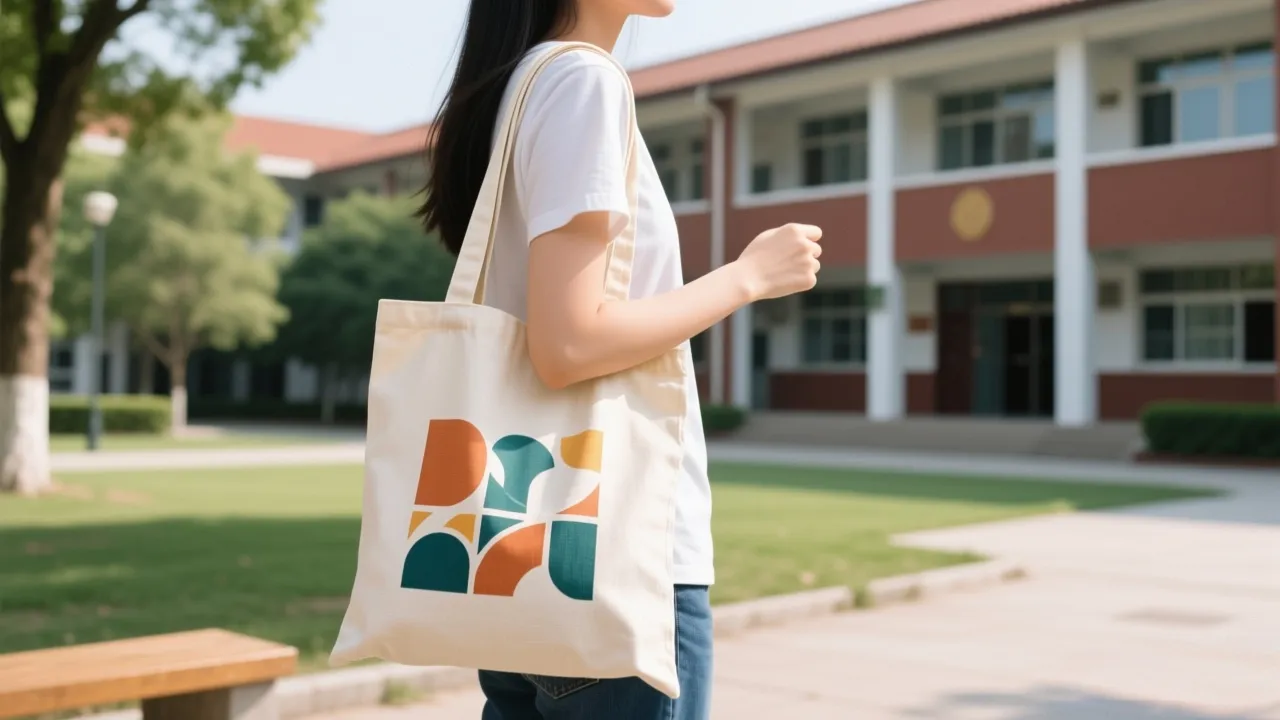
Canvas Bag in School Setting
Educational environment showcasing canvas bags for student use

Market Applications and Weight Selection

Market research indicates that consumers increasingly prefer canvas products with appropriate weight specifications for their intended use. Overly heavy bags create user discomfort and transportation difficulties, while insufficiently weighted canvas fails to meet durability expectations. Successful products strike the optimal balance between performance and usability.

Retail applications often favor medium-weight canvas (350-450 GSM) for reusable shopping bags, combining adequate durability with reasonable cost and user comfort. Corporate promotional items typically use lighter weight canvas to minimize shipping costs while maintaining acceptable quality. Luxury and professional applications often specify heavier weights to convey premium quality and ensure extended product life.

Seasonal variations also influence weight selection, with heavier canvas preferred for winter applications where additional protection and warmth are beneficial. Summer applications often favor lighter weights for enhanced breathability and reduced thermal mass. Climate considerations play an important role in optimal weight selection for global markets.
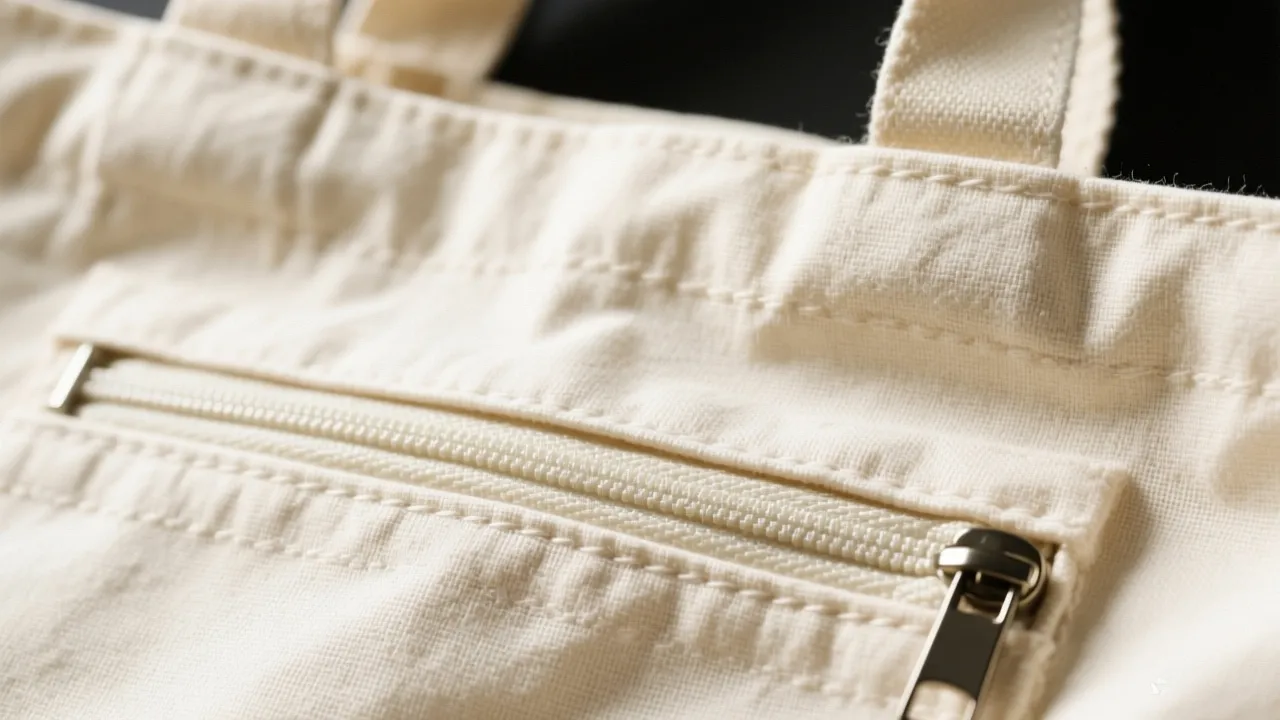
Canvas Bag Hardware Detail
Hardware integration with canvas fabric showing reinforcement points

Technical Considerations for Print and Decoration

Canvas fabric weight significantly affects print quality and decoration techniques. Heavier canvas provides better ink adhesion and color saturation due to increased surface area and better fiber structure. However, very heavy canvas may require special printing equipment and techniques to achieve optimal results.

Lighter canvas fabrics are more susceptible to print distortion and may require pre-treatment or special ink formulations to achieve desired results. The weave structure of different weight classes affects how dyes and pigments penetrate and bond with the fabric fibers. Understanding these relationships helps in selecting appropriate decoration methods for specific weight categories.

Advanced decoration techniques such as heat transfer printing, digital printing, and embroidery perform differently across weight ranges. Heavier canvas provides stable substrates for complex designs, while lighter canvas may require additional support or backing materials. Our article on material comparison guides provides detailed insights into decoration compatibility.
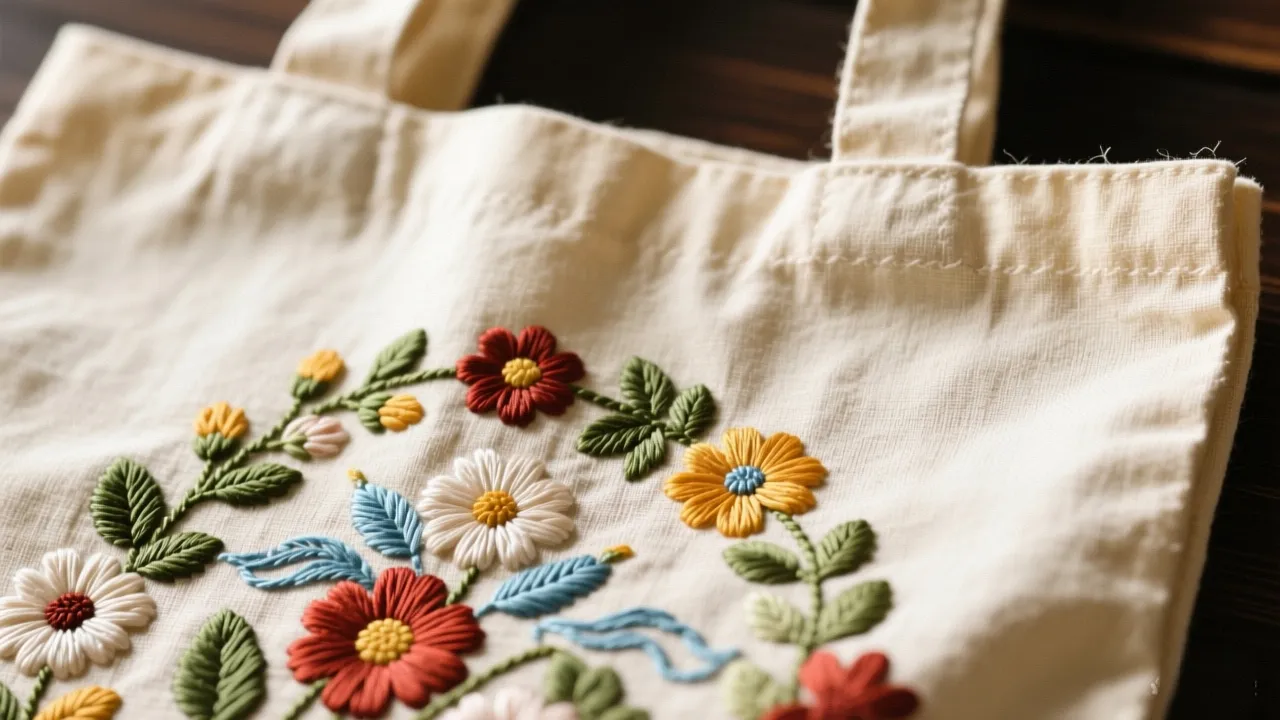
Canvas Embroidery Detail
Embroidered design elements showcasing quality of canvas fabric

Supply Chain and Cost Implications

Canvas fabric weight directly impacts supply chain costs through material pricing, shipping expenses, and storage requirements. Heavier canvas commands higher material costs due to increased fiber consumption and more complex manufacturing processes. Transportation costs also increase proportionally with fabric weight, affecting overall product economics.

Storage and inventory management considerations vary with canvas weight. Heavy canvas requires more warehouse space per yardage quantity and may need specialized storage equipment. Lighter canvas offers better space utilization but may be more susceptible to damage during handling and storage. Balancing these factors helps optimize total cost of ownership.

For detailed analysis of manufacturing cost factors, our manufacturing cost guide provides comprehensive insights into price optimization strategies.
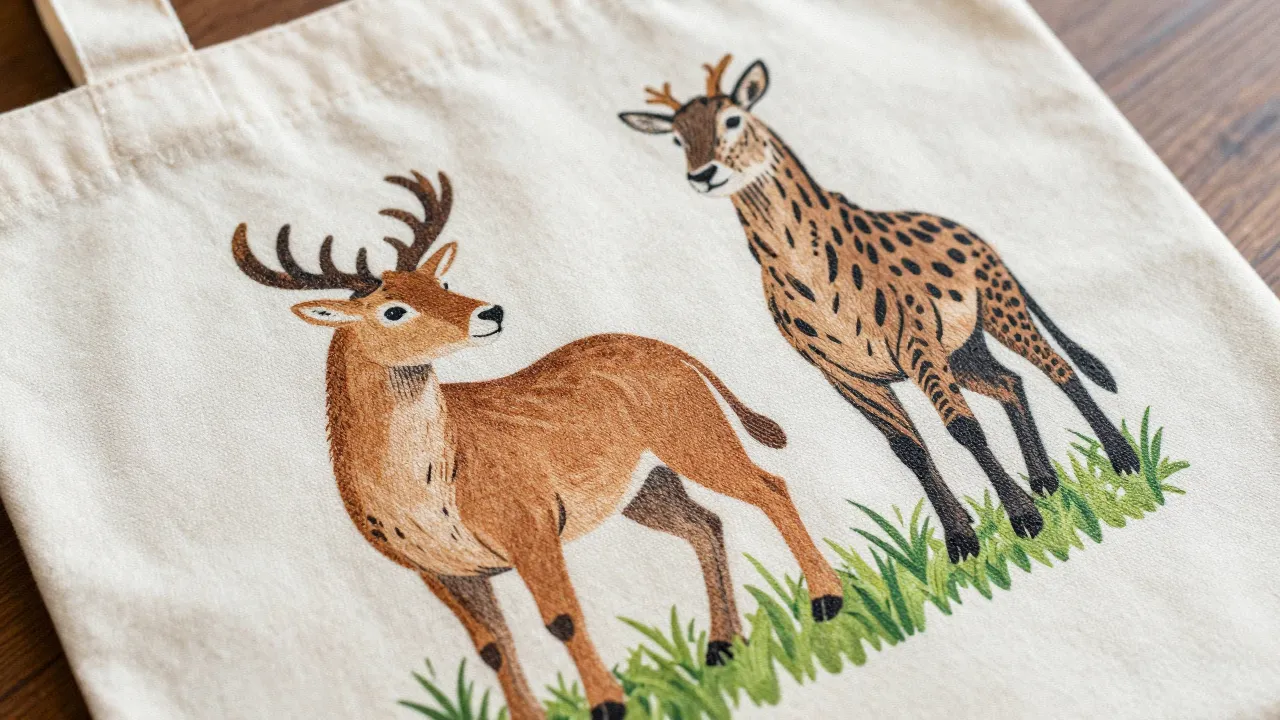
Heat Transfer Printing Process
Heat transfer printing application on canvas fabric showing precision

Future Trends in Canvas Weight Technology

Emerging technologies in canvas manufacturing are revolutionizing weight-performance relationships. Advanced fiber treatments and innovative weaving techniques now allow achieving higher durability with lower weight fabrics. These developments respond to market demands for lightweight yet durable products that maintain traditional canvas performance characteristics.

Nanotechnology applications in canvas treatment are enabling enhanced properties without significantly increasing weight. These innovations include water-repellent coatings, antimicrobial treatments, and UV protection that add functionality without compromising weight specifications. The future of canvas manufacturing lies in achieving optimal performance-to-weight ratios through technological advancement.

Smart textiles incorporating conductive fibers and sensors are beginning to emerge in canvas applications. These innovations require careful weight management to maintain traditional canvas feel while adding electronic functionality. The integration of technology with traditional canvas properties represents an exciting frontier in textile innovation.
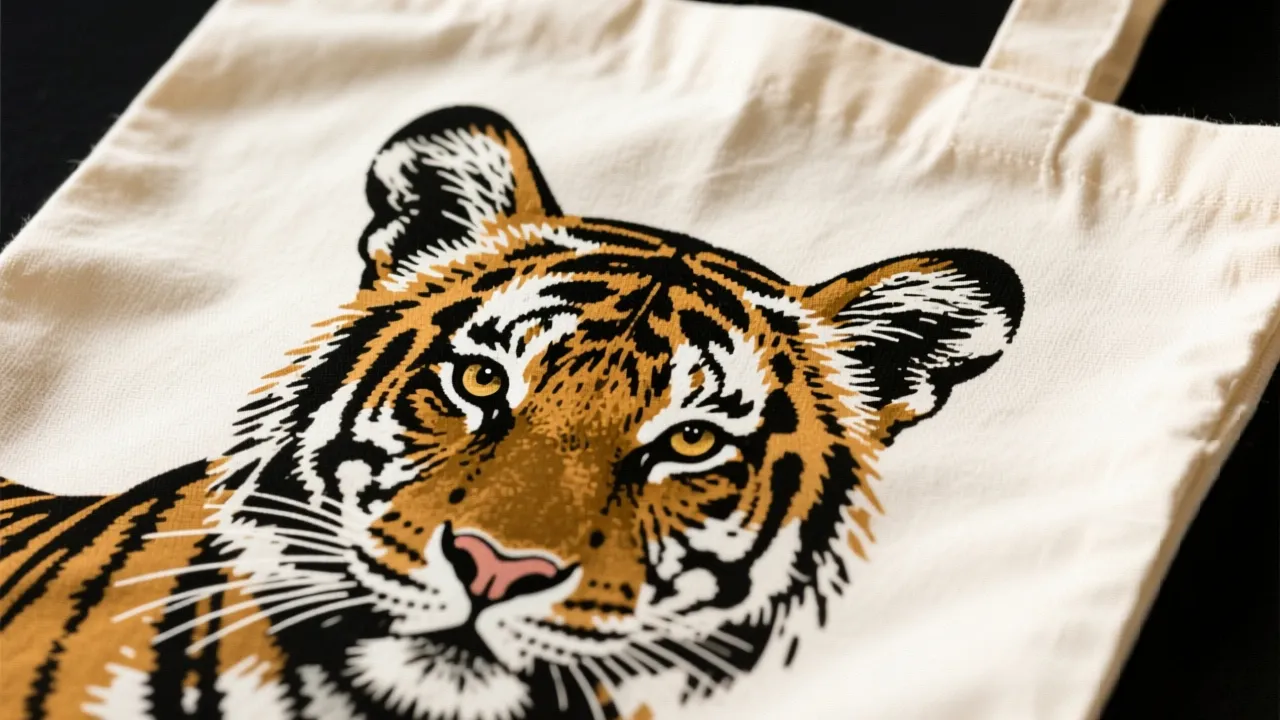
Digital Printing Technology
Digital printing technology applied to canvas fabric with precision

Quality Assurance and Compliance

Quality assurance programs for canvas fabric weight verification involve systematic testing and documentation procedures. Professional manufacturers implement statistical process control methods to monitor weight consistency throughout production runs. These programs include regular calibration of measuring equipment and operator training to maintain accuracy.

Compliance with international standards requires detailed documentation of weight measurements and testing procedures. Certificates of compliance, test reports, and quality control records must be maintained to satisfy customer requirements and regulatory obligations. Modern quality management systems integrate these processes with production tracking for comprehensive traceability.

For detailed information about compliance requirements, our compliance guide provides comprehensive coverage of international regulatory standards.
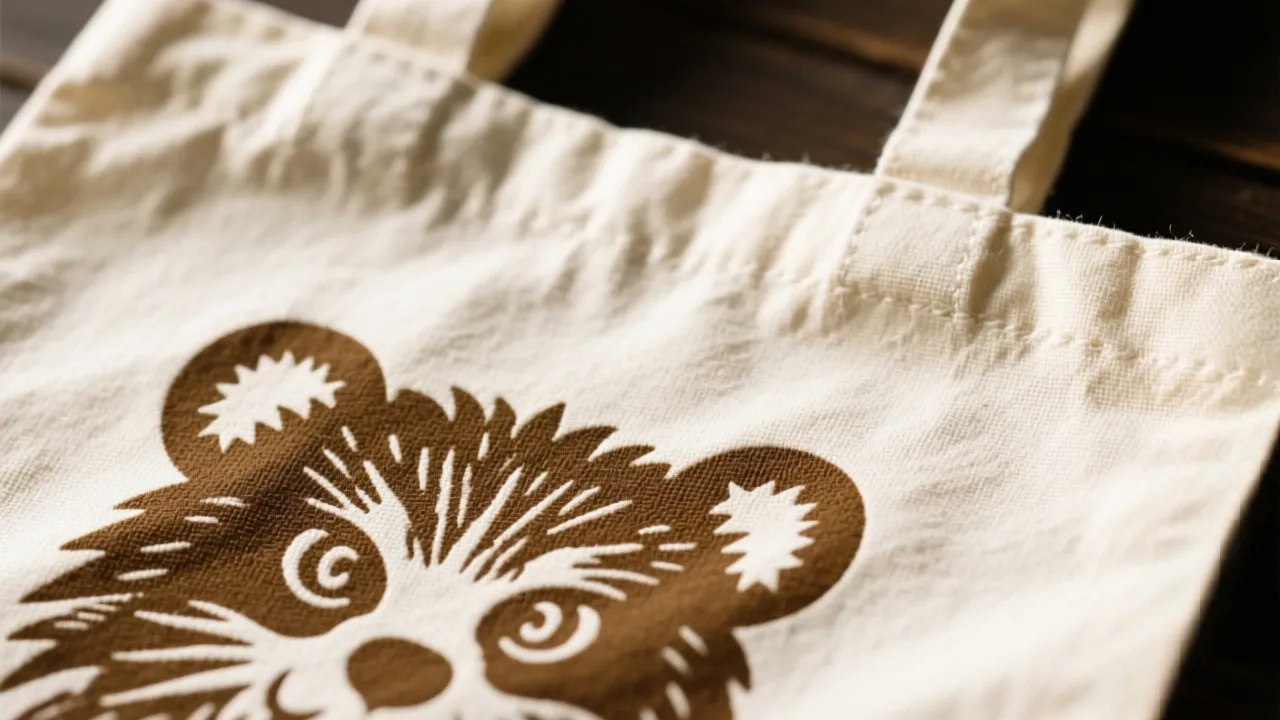
Screen Printing Application
Screen printing technique demonstrating precision on canvas fabric

Customization and Specialized Applications

Custom canvas weight specifications are increasingly requested for specialized applications requiring specific performance characteristics. Military, aerospace, and industrial applications often require non-standard weight specifications to meet demanding performance requirements. Custom weight development involves collaboration between customers and manufacturers to achieve optimal results.

Medical and safety applications may require specific weight ranges to meet regulatory requirements while providing necessary functionality. These specialized applications often involve extensive testing and validation to ensure compliance with industry standards. The ability to customize weight specifications provides competitive advantages for manufacturers serving niche markets.

Our comprehensive HS code guide provides additional information about classification requirements for specialized canvas applications.
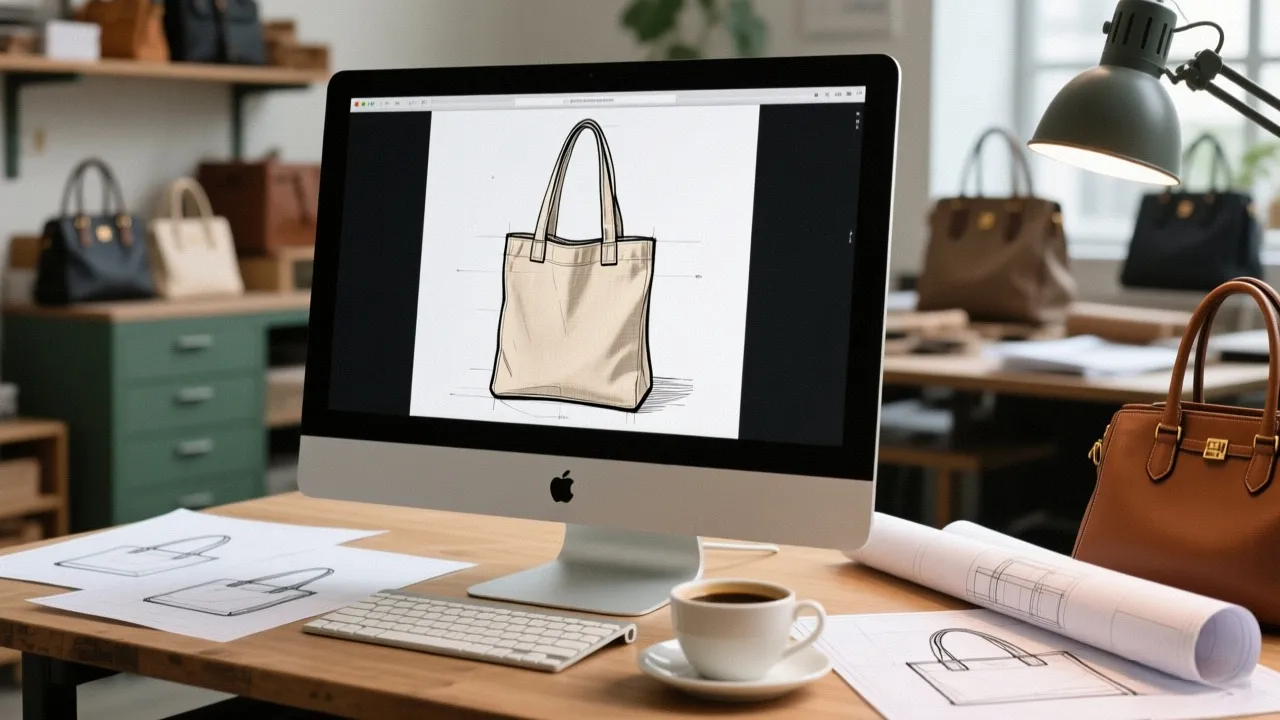
Digital Design Process
Computer-aided design process for custom canvas bag development

Performance Testing and Durability Assessment

Canvas fabric performance testing evaluates how different weight classes perform under various stress conditions. Tensile strength, tear resistance, and flex durability tests reveal how weight affects overall performance. These tests help manufacturers recommend appropriate weight ranges for specific applications and usage conditions.

Accelerated aging tests simulate years of normal use in controlled laboratory conditions. These tests evaluate how different canvas weights respond to UV exposure, temperature cycling, and moisture variations. Results guide recommendations for applications in harsh environments or extended outdoor use.

For businesses interested in factory audit procedures, our factory audit guide provides comprehensive quality assurance frameworks.

Key Takeaways for Canvas Weight Selection

  • Understand the relationship between GSM and Oz measurements for international communication
  • Select appropriate weight ranges based on intended application and performance requirements
  • Consider environmental impact and sustainability when choosing canvas weight specifications
  • Implement proper quality control measures to ensure consistent weight measurements
  • Balance durability requirements with cost considerations for optimal value

Expert Guidance for Canvas Fabric Selection

Choosing the right canvas fabric weight for your specific application requires expert knowledge of material properties, performance characteristics, and market requirements. Our experienced team provides comprehensive consultation services to help you select optimal canvas specifications for your products.

Visit Our Homepage | Contact Us Now

Business Partnership Agreement
Successful partnership agreement between canvas manufacturer and client

Customer Reviews44 Reviews

Kira Albrecht2026-05-25
Als kleine Handtaschenmarke in München suche ich seriöse Partner: canvas bag manufacturer Germany oder OEM canvas Berlin, die small-batch digital printing (100–300) und PANTONE color matching zuverlässig liefern. In der Praxis waren 12oz oft zu steif, es gab Farbschwankungen zwischen Chargen und gelegentlich lose Nähte — ärgerlich für ein Premium-Label. Brauche enzyme wash oder silicone finish für bessere Drapierung, DWR gegen Regen/Straßenschmutz, Verstärkung der Träger mit bartack/backstitch und Messing‑Hardware. Wie sind eure MOQs für digital printing vs. screen printing, Muster‑ und Produktionszeiten sowie DDP‑Optionen nach Hamburg oder München? Und wie löst ihr Charge‑zu‑Charge Farbabweichungen?
GZDreamway2026-05-25
Vielen Dank, Kira — guter, konkreter Punkt; wir verstehen den urbanen Münchner Markt und die Anforderungen an Faltbarkeit und Premium‑Optik. Kurz zu unseren Lösungen: für weiche Drapierung empfehlen wir 10–12oz mit enzyme wash oder silicone finish (14–16oz für mehr Struktur), plus DWR/anti‑sand Beschichtungen für Straßenschmutz und Regen. Träger verstärken wir mit bartack, backstitch und double‑stitch; für Hardware nutzen wir poliertes Messing, Riegel/Nieten und Edge‑Coating für saubere Kanten. Farbmanagement: PANTONE lab‑dips, PP/FPP‑Proofs, Wasch‑ und Licht‑Fastness‑Tests und dokumentierte Farbstandards pro Lot (dabei Farbmessungen im Lab), um Charge‑zu‑Charge Abweichungen zu minimieren. MOQs: Digital printing typ. 50–100 Stück (geeignet für 100–300 small batches); Screen printing meist 100–300 Stück pro Farbe je nach Pantone‑Separation. Zeiten: Muster 7–14 Tage; Kleinserien 4–8 Wochen nach Musterfreigabe. Logistik/DDP: Luft 3–7 Tage, See LCL nach Hamburg typ. 7–18 Tage (je nach Route), DDP‑Service verfügbar zu allen großen deutschen Zielen; für München bieten wir Luft/express‑DDP oder Zustellung an einen zollabwickelnden Importeur. Qualitätssicherung: 100% Vorversand‑Inspektion, Zugbelastungstests an Trägern, Foto/Video‑Reports des PP, und wir weisen einen festen Account Manager zu, um langsame Kommunikation zu vermeiden. Wir entschuldigen uns für Ihre früheren schlechten Erfahrungen und bieten an, Ihnen ein enzyme‑washed Hand‑feel Sample plus PANTONE Lab‑dip und ein technisches Angebot zu senden, sobald Sie GSM‑Ziel, gewünschte PANTONE‑Codes, Druckart und Trägermaße übermitteln.

Thank you, Kira — excellent and specific points; we understand the Munich urban market and the need for foldability with a premium look. Briefly on our solutions: for softer drape we recommend 10–12oz with enzyme wash or silicone finish (14–16oz for added structure), plus DWR/anti‑soil coatings for street grime and rain. We reinforce straps with bartacks, backstitching and double stitching; we use polished brass hardware, rivets and edge‑coating for neat edges. Color management: PANTONE lab‑dips, PP/FPP proofs, wash and lightfastness tests, and documented lot color standards (laboratory color measurements) to minimize batch‑to‑batch variance. MOQs: digital printing typically 50–100 pcs (suitable for 100–300 small runs); screen printing normally requires 100–300 pcs per color depending on Pantone separations. Lead times: samples 7–14 days; small batches 4–8 weeks after sample approval. Logistics/DDP: air 3–7 days, sea LCL to Hamburg typically 7–18 days (route dependent), DDP service available to major German destinations; for Munich we offer air/express DDP or delivery to a customs‑clearing importer. Quality control: 100% pre‑shipment inspection, strap load testing, PP photo/video reports, and we assign a dedicated account manager to prevent slow communication. We apologise for your prior poor experiences and can send an enzyme‑washed hand‑feel sample plus a PANTONE lab‑dip and a technical quote once you provide target GSM, desired PANTONE codes, printing method and strap dimensions.
نور الهادي2026-05-23
قرأت دليلكم عن GSM/Oz بعناية. أدير علامة حقائب صغيرة في دبي وأبحث عن 'canvas bag manufacturer UAE' أو 'OEM canvas Dubai' يمكنه عمل small-batch digital printing 100–300 مع ثبات ألوان PANTONE. المورد السابق سلّم 12oz قاسٍ وواجهت تفاوت ألوان وخياطة غير محكمة — مزعج. أحتاج enzyme wash أو silicone finish لليونة، DWR لمقاومة الرمل، تقوية أحزمة بـbartack/backstitch، hardware من النحاس المصقول. ما هو الـMOQ للطباعة الرقمية والـscreen printing، ووقت العينات والـDDP إلى جبل علي؟
GZDreamway2026-05-23
شكرًا نور على الوصف المفصل. نثمن سوق الإمارات ومتطلباته من حرارة وغبار وسوق متطلب للجودة. نقدم enzyme wash وsilicone finish لملمس مرن على 10–12oz مع إمكانية 14–16oz للبنية، وDWR ومقاومة الرمل. نقوي الأحزمة بـbartack، backstitch وdouble‑stitch، ونستخدم ريفيت ونهايات edge‑coating وقطع نحاسية مصقولة حسب طلب. بالنسبة للطباعة: الطباعة الرقمية عادة تسمح MOQ 50–100 قطعة والأنسب لدفعات 100–300، أما الـscreen printing فالمعدل العملي 100–300 قطعة لكل لون حسب فصل Pantone. عينات 7–14 يومًا، دفعات صغيرة 4–8 أسابيع بعد موافقة العينة. شحن DDP إلى Jebel Ali (دبي) عبر LCL بحوالي 7–18 يومًا، جواً 3–7 أيام. لدينا فحص 100% قبل الشحن، اختبارات حمل الأحزمة، PANTONE Lab‑dips وPP/FPP وفحوص ثبات الغسيل والضوء. نعي شكواك عن بطء الردود ونخصص مدير حساب لتواصل سريع وتحديثات أسبوعية، ونرسل عيّنة enzyme‑wash وPP للفحص السريع بعد استلام المواصفات (GSM، ألوان PANTONE، أبعاد الأحزمة، طريقة الطباعة).

Thank you, Nour, for the detailed brief. We understand UAE market needs (heat, dust) and offer enzyme wash or silicone finish for 10–12oz (14–16oz for structure), plus DWR and anti‑sand coatings. We reinforce straps with bartacks, backstitching and double stitching, use rivets and edge‑coating and supply polished brass hardware. Digital printing MOQ typically 50–100 (suitable for 100–300 runs); screen printing 100–300 pcs per color depending on Pantone separations. Samples 7–14 days; small batches 4–8 weeks after approval. DDP to Jebel Ali LCL ~7–18 days, air 3–7 days. We provide 100% pre‑shipment inspection, strap load tests, PANTONE lab‑dips and PP/FPP proofs. To fix slow response issues we assign an account manager and weekly updates. Please send target GSM, PANTONE refs, print method and strap specs and we’ll prepare a technical quote and sample plan.
María Ortega2026-05-22
Estoy montando una pequeña marca en Sevilla y vuestro artículo sobre GSM me fue útil, pero tengo problemas prácticos: proveedores anteriores enviaron canvas 12oz demasiado rígido, variaciones de color entre lotes y costuras internas sueltas que dañan la imagen premium. Busco una fábrica de bolsos canvas Barcelona u otro OEM canvas España que ofrezca enzyme wash o silicone finish para 10–12oz, DWR para uso costero, refuerzo de asas con bartack/backstitch, hardware en latón pulido y opciones de impresión digital small-batch (50–300 uds) o serigrafía en lona (100–300 por color). ¿Cuál es vuestro MOQ real para impresión digital y para serigrafía, tiempos de muestra y producción, y opciones DDP a puerto de Barcelona o Valencia? Me frustra la lentitud de respuesta de algunos proveedores, agradecería un plan técnico y plazos claros.
GZDreamway2026-05-24
Gracias María por el detalle y por señalar el contexto español; entendemos la importancia del tacto, la consistencia de color y las costuras impecables para marcas premium. Concretamente ofrecemos: enzyme wash o silicone finish para suavizar 10–12oz sin perder resistencia (14–16oz si buscáis mayor estructura), aplicaciones DWR para protección costera y tratamientos anti-arena. Reforzamos las asas con bartack, backstitch y doble pespunte; usamos remaches y edge-coating para evitar deshilachados y ofrecemos hardware en latón pulido según especificación. Para impresión: la impresión digital suele admitir MOQ 50–100 (ideal para small-batch 100–300), mientras que la serigrafía en lona norma 100–300 uds por color según separaciones PANTONE. Control de color: PANTONE lab-dips, PP/FPP y pruebas de wash/lightfastness antes de producción. Tiempos: muestras 7–14 días; producción small-batch 4–8 semanas tras aprobación de muestra. Envío DDP a Barcelona/Valencia: marítimo LCL típico 14–28 días, aéreo 3–7 días; podemos cotizar opciones DDP y tiempos exactos según tamaño de la tanda. Calidad y comunicación: 100% inspección pre-embarque, pruebas de carga en asas, reportes foto/video del PP y asignación de un account manager para respuestas rápidas y actualizaciones semanales — así solucionamos la lentitud que mencionas. Si nos envías GSM objetivo, referencias PANTONE, especificaciones de impresión y medidas de asas, te remitimos propuesta técnica con desglose de MOQ, plan de muestras y calendario de lead times.

Thank you, María, for the detailed brief and for highlighting the Spanish market needs; we understand how important hand-feel, color consistency and flawless seams are for premium brands. Concretely we offer enzyme wash or silicone finish to soften 10–12oz while retaining strength (14–16oz for more structure), DWR and anti-sand finishes for coastal use. We reinforce straps with bartacks, backstitching and double stitching, use rivets and edge-coating to prevent fraying, and supply polished brass hardware per spec. Printing: digital printing typically allows a 50–100 MOQ (suitable for 100–300 small batches); screen printing on canvas normally requires 100–300 pcs per color depending on PANTONE separations. Color control via PANTONE lab-dips, PP/FPP proofs and wash/lightfastness testing before bulk. Timelines: samples 7–14 days; small-batch production 4–8 weeks after sample approval. DDP to Barcelona/Valencia: sea LCL ~14–28 days, air 3–7 days; we will quote exact DDP options based on order size. Quality & communication: 100% pre-shipment inspection, strap load tests, PP photo/video reports and an assigned account manager for fast replies and weekly updates — addressing the slow-response issues you mentioned. Please send target GSM, PANTONE refs, print method and strap specs and we will prepare a technical quote with MOQ breakdown, sample plan and lead-time schedule.
Nora Beckett2026-05-20
Als kleine Handtaschenmarke in Hamburg suche ich einen zuverlässigen Canvas Taschen Hersteller OEM Deutschland. Euer GSM-Guide war hilfreich, aber bei früheren Bestellungen war das 12oz Canvas zu steif, es gab Farbschwankungen zwischen Chargen und innen traten lockere Nähte auf — das schadet dem Premium-Eindruck. Ich benötige enzyme wash oder silicone finish für 10–12oz, DWR für Nordseeküste, Verstärkung der Träger mit Bartack/Backstitch, Messing-Hardware und sauberes Edge-Coating. Wichtig sind auch kleine Auflagen: digitaler Direktdruck auf Segeltuch 100–300 Stück oder Siebdruck (100–300 Stück pro Farbe). Wie hoch sind eure MOQs für Digitaldruck und Siebdruck, Muster- und Produktionszeiten sowie DDP-Versand nach Hamburg/Bremerhaven? Bitte PANTONE LabDips und PP/FPP-Infos — und eine schnellere Kommunikation wäre super, bisher war das oft zu langsam.
GZDreamway2026-05-22
Vielen Dank für Ihre ausführliche Anfrage. Als erfahrenes Canvas Taschen Hersteller OEM Deutschland bieten wir enzyme wash oder silicone finish für 10–12oz an (14–16oz für mehr Struktur) und DWR‑Behandlungen speziell für Küstenstandorte wie die Nordsee. Nähte sichern wir mit Bartack, Backstitch und Doppelnaht; Riegel/Nieten, Messing‑Hardware und Edge‑Coating sind verfügbar. Für Druckverfahren: digitaler Direktdruck auf Segeltuch erlaubt oft MOQ 50–100 Stück (ideal für 100–300 Runs); Siebdruck benötigt typischerweise 100–300 Stück pro Farbe je nach Pantone‑Separierung. Farbkontrolle erfolgt über PANTONE Lab‑Dips, PP/FPP‑Muster sowie Wasch‑ und Licht‑Fastness‑Tests vor der Serienfreigabe. Zeitrahmen: Muster 7–14 Tage, Kleinserien 4–8 Wochen nach Musterfreigabe. Versand/Logistik: DDP nach Hamburg/Bremerhaven per LCL typischerweise 7–18 Tage (FCL ähnlich), Luft 3–7 Tage. Qualitätssicherung: 100% Vorversand‑Inspektion mit Foto/Video‑Report, Zugbelastungstests an Trägern und detaillierte Prüfprotokolle. Schicken Sie uns bitte Ziel‑GSM, PANTONE‑Referenzen, gewünschtes Druckverfahren und Maße der Träger; wir erstellen ein technisches Angebot mit MOQ‑Aufschlüsselung für digitalen Direktdruck und Siebdruck sowie einem Muster‑ und Produktionsplan. Wir verstehen die Frustration über langsame Antworten und garantieren schnelle Reaktionszeiten und wöchentliche Updates.

Thank you for your detailed brief. As an experienced canvas bag OEM in Germany we offer enzyme wash or silicone finish for 10–12oz (14–16oz for extra structure), and DWR treatments tailored for coastal use. We reinforce seams with bartacks, backstitching and double stitching; rivets, brass hardware and edge‑coating are available. For printing: digital direct‑to‑fabric often allows a 50–100 MOQ (suitable for 100–300 runs); screen printing typically requires 100–300 pcs per color depending on Pantone separations. Color control is done via PANTONE lab‑dips, PP/FPP samples and wash/lightfastness tests before bulk. Timelines: samples 7–14 days, small batches 4–8 weeks after approval. Shipping: DDP to Hamburg/Bremerhaven LCL usually 7–18 days (FCL similar), air 3–7 days. We provide 100% pre‑shipment inspection with photo/video reports and strap load testing. Please send target GSM, PANTONE references, print method and strap specs and we will provide a technical quote with MOQs and a sample plan. We prioritize fast replies and weekly progress updates.
Sylvain Marchand2026-05-20
Le guide GSM/Oz est utile, merci. Je suis une petite marque de sacs à main sur la côte d'Azur (Marseille/Cannes) et j'ai encore des soucis pratiques : des toiles 12oz trop raides et des variations de teinte entre lots qui gâchent le rendu boutique. Aussi quelques fils lâches en interne sur la dernière commande — décevant pour des sacs premium. Je cherche un fabricant de sacs en toile OEM France ou un atelier sac en toile Marseille qui propose enzyme wash ou silicone finish pour assouplir 12oz sans perdre la tenue, DWR pour usage bord de mer, renforts bartack/backstitch aux anses, et options d'impression numérique petites séries (100–300) ou sérigraphie sur toile. Quel est votre MOQ réel pour impression digitale en petites séries et pour la sérigraphie ? Quels délais pour échantillons et production vers port de Marseille/Le Havre ? Merci pour des solutions concrètes et rapides, j'aimerais éviter encore des PP flous.
GZDreamway2026-05-20
Merci Sylvain pour votre message et pour avoir précisé le marché azuréen — cela aide vraiment. En réponse concrète : pour le marché français nous recommandons 10–12oz avec enzyme wash ou silicone finish pour assouplir sans sacrifier la résistance ; 14–16oz si vous voulez plus de structure. Nous appliquons DWR pour la côte, traitements anti-sable et renforçons les points de charge avec bartack, backstitch et double couture ; on peut ajouter rivets ou renforts cuir aux ancrages d'anses. Pour l'impression : impression digitale petites séries accepte souvent 50–100 pcs, idéale pour runs 100–300 ; sérigraphie sur toile MOQs typiques 100–300 pcs par couleur selon séparations Pantone. Contrôle couleur : PANTONE lab-dips, épreuves PP/FPP et tests de solidité (wash/light) avant production. Délais indicatifs : échantillons 7–14 jours, petites séries 4–8 semaines après approbation, expédition maritime LCL vers Marseille/Le Havre 10–18 jours (FCL similaire), aérien 3–7 jours ; nous proposons DDP et inspection 100% pré-embarquement avec rapports photo/vidéo pour éviter surprises et PP flous. Envoyez-nous vos specs (GSM cible, méthode d'impression, références PANTONE, dimensions d'anses) et nous préparons une proposition technique, MOQs par finition et échantillons enzyme wash. Nous comprenons la frustration liée aux délais et aux PP imprécis et offrons un suivi réactif pour les marques françaises.

Thank you Sylvain for your detailed message and for specifying the Côte d'Azur market — that really helps. Concretely: for the French coastal market we recommend 10–12oz with enzyme wash or silicone finish to soften while keeping strength; use 14–16oz for more structure. We apply DWR and anti-sand treatments, and reinforce load points with bartacks, backstitching and double stitching; rivets or leather reinforcements at strap anchors are available. For printing: digital printing often allows 50–100 pcs MOQ and suits 100–300 runs; screen printing on canvas typically requires 100–300 pcs per color depending on Pantone separations. Color control: PANTONE lab-dips, PP/FPP proofs and wash/lightfastness tests before bulk. Timelines: samples 7–14 days, small batches 4–8 weeks after sample approval; sea LCL to Marseille/Le Havre 10–18 days (FCL similar), air 3–7 days. We offer DDP shipping and 100% pre-shipment inspection with photo/video reports to prevent surprises and unclear PPs. Please send your specs (target GSM, printing method, PANTONE codes, strap dimensions) and we will provide a technical quote, finish-specific MOQs and enzyme-wash samples. We understand frustration with slow replies and vague PP — we prioritize fast, technical follow-up for French OEM canvas bag projects.
山中 里奈2026-05-19
記事は勉強になりましたが、東京の小さなブランド運営者として実務で困っています。以前のサプライヤーで12ozが硬すぎて折り畳みにくく、ロット間の色ズレや内縫いの糸ほつれが続き、商品価値が落ちました。キャンバスバッグ OEM 東京、酵素洗い(10–12oz)やシリコンフィニッシュ、海岸用DWR、バータック/バックステッチ補強、真鍮ハードウェア、小ロットデジタル印刷100–300枚対応について具体的なMOQやサンプル/生産リードタイム、PANTONE色合わせ対策を教えてください。返信の遅さだけは勘弁です、お願いします。
GZDreamway2026-05-21
山中様、ご投稿ありがとうございます。ご不便おかけした点についてお詫び申し上げます。実務的な対策として当社は都市向けキャンバスバッグOEM Tokyoニーズに対し、10–12ozをベースに酵素洗い(enzyme wash)やシリコンフィニッシュで柔らかさを出しつつ、14–16ozで構造性を確保する選択肢をご提案します。海岸向けにはDWR処理を追加し砂対策も可能です。縫製の品質対策はバータック/バックステッチ/ダブルステッチ強化、リベット補強とコバ処理で糸ほつれを防止します。プリントはデジタル印刷のMOQは通常50–100枚、小ロットの100–300枚レンジに最適。シルクスクリーン(スクリーン印刷)は色数やパン톤分解により100–300枚/色が目安です。色管理はPANTONE lab-dips、PP/FPPサンプルにて確認、洗濯・光堅牢度テストを行いロット間の色ブレを抑えます。納期目安:サンプル7–14日、承認後小ロット生産4–8週間。出荷は航空3–7日/海上10–21日(東京税関向けのDDP手配可)。出荷前100%検査と写真・動画によるPP報告をお送りします。返信遅延については担当窓口で優先対応し、週次の進捗報告を実施します。具体仕様(目標GSM、使用予定のPANTONE、印刷方式、ショルダー寸法、希望ハードウェア)を頂ければ、技術提案と詳細見積・サンプルスケジュールをお出しします。よろしくお願いいたします。

Dear Ms. Yamanaka, thank you for your detailed note and sorry for the prior issues. Practically: for Tokyo urban canvas bag OEM needs we recommend 10–12oz with enzyme wash or silicone finish for softness while keeping 14–16oz as an option for more structure. We add DWR for coastal resistance. Sewing quality is secured with bartacks, backstitching, double stitching, rivet reinforcements and edge-coating to prevent loose threads. Digital print MOQ is typically 50–100 pcs (ideal for 100–300 runs); screen printing usually requires 100–300 pcs per color depending on Pantone separations. Color control uses PANTONE lab-dips, PP/FPP proofs and wash/lightfastness tests to minimize lot variance. Timelines: samples 7–14 days, small batches 4–8 weeks after approval. Shipping: air 3–7 days, sea 10–21 days; DDP available. We perform 100% pre-shipment inspection and provide photo/video PP reports. To address slow replies we assign a priority contact and weekly updates. Please send target GSM, PANTONE codes, print method, strap dimensions and preferred hardware and we will send a technical proposal, MOQ breakdown, sample plan and lead times. Thank you.
Marcos Blanco2026-05-19
Como pequeña marca de bolsos en Madrid, vuestro artículo sobre GSM/Oz me aclaró mucho, pero sigo con dudas prácticas: en pedidos anteriores el canvas 12oz salió muy rígido y con variaciones de color entre lotes; además aparecieron hilos sueltos en las costuras internas que dañaron la imagen premium. Busco un fabricante de bolsos canvas OEM España o fábrica de bolsos canvas Barcelona que ofrezca enzyme wash o silicone finish para suavizar 12oz sin perder resistencia, DWR para costa (Costa Brava) y refuerzo de asas con bartack/backstitch; también necesito serigrafía y impresión digital en tiradas pequeñas (100–300 uds). ¿Cuál es vuestro MOQ para serigrafía en lona y para impresión digital en tiradas cortas? ¿Y tiempos típicos de producción/envío a puerto de Barcelona o Valencia? Gracias por cualquier consejo práctico para mantener colores PANTONE consistentes y costuras impecables, y una pequeña queja: proveedores anteriores tardaban mucho en responder y no ofrecían PP/FPP claros.
GZDreamway2026-05-19
Gracias Marcos por el comentario detallado y por señalar los problemas que sufren muchas marcas en España. Para el mercado español y costas como Costa Brava recomendamos 10–12oz con enzyme wash o silicone finish para mantener la flexibilidad sin perder resistencia; 14–16oz si buscáis estructura más rígida. Aplicamos DWR y tratamientos anti-arena para uso costero. Para evitar hilos sueltos reforzamos puntos de carga con bartack, backstitch y doble pespunte, añadimos remaches o refuerzos de cuero en antepié de las asas y hacemos edge-coating para un acabado premium. Control de color: PANTONE lab-dips, pruebas FPP/PP y test de fastness (wash/light) antes de la producción en masa. MOQs prácticos: impresión digital suele permitir 50–100 piezas; serigrafía en lona normalmente 100–300 piezas por color según separación de pantones y trama. Tiempos: muestras 7–14 días, pequeñas series 4–8 semanas tras aprobación de muestras; envío marítimo a Barcelona/Valencia LCL 14–28 días (FCL similar), aéreo 3–7 días; ofrecemos DDP para simplificar importación. Hacemos inspección 100% pre-embarque, pruebas de carga de asas y reportes fotográficos para evitar sorpresas. Entendemos la frustración por la falta de respuesta: en nuestra operativa priorizamos comunicación técnica y envío de PP/FPP claros con fotos y videos. Si nos enviáis especificaciones (GSM objetivo, método de impresión, colores PANTONE, medidas de asas), os remitimos propuesta técnica, MOQs por acabado, muestras enzyme wash y plan de lead time y envío a vuestro puerto. Estamos listos para ofrecer small-batch OEM con control riguroso de calidad.

Thank you Marcos for the detailed comment and for highlighting issues many Spanish brands face. For Spain and coastal areas like the Costa Brava we recommend 10–12oz with enzyme wash or silicone finish to keep flexibility without losing strength; use 14–16oz for a stiffer structure. We apply DWR and anti-sand treatments for coastal use. To prevent loose threads we reinforce load points with bartacks, backstitching and double stitching, add rivets or leather reinforcement at strap anchors, and perform edge-coating for a premium finish. Color control: PANTONE lab-dips, FPP/PP proofs and wash/lightfastness testing before bulk production. Practical MOQs: digital printing typically allows 50–100 pcs; screen printing on canvas usually requires 100–300 pcs per color depending on pantone separations. Timelines: samples 7–14 days, small batches 4–8 weeks after sample approval; sea freight to Barcelona/Valencia LCL 14–28 days (FCL similar), air 3–7 days; we can offer DDP. We perform 100% pre-shipment inspection, strap load tests and photo reports to prevent surprises. We understand the frustration with poor responsiveness: we prioritize technical communication and provide clear PP/FPP with photos and videos. Send us your specs (target GSM, printing method, PANTONE colors, strap dimensions) and we will provide a technical quote, MOQs per finish, enzyme-wash samples and a lead-time + shipping plan to your port. We are ready to supply small-batch OEM with strict quality control.
Mateo Cruz2026-05-19
He leído el artículo y muy útil, soy una marca pequeña cerca de Barcelona y necesito un fabricante de bolsos canvas OEM en España que entienda el mercado costero (Costa Brava/Valencia). En pedidos anteriores el canvas 12oz vino muy rígido, hubo variaciones de color por lote y algunos hilos sueltos en las costuras internas que dañaron la imagen premium. Busco soluciones: enzyme wash o silicone finish para suavizar sin perder resistencia, DWR contra agua y arena, refuerzo de asas con bartack/backstitch y opciones de hardware en latón; también serigrafía y impresión digital para tiradas cortas (100–300 uds). ¿Cuál suele ser vuestro MOQ para serigrafía en lona y para impresión digital en pequeñas series? ¿Y tiempos de muestras/producción y envío a Barcelona o Valencia? Además agradecería garantías sobre control PANTONE y respuestas ágiles: proveedores anteriores tardaban mucho y no enviaban PP claros.
GZDreamway2026-05-19
Gracias Mateo por detallar el contexto costeño y los problemas anteriores — eso ayuda mucho. Recomendamos 10–12oz con enzyme wash o silicone finish para conservar doblabilidad y suavidad sin perder resistencia; 14–16oz si queréis más estructura. Aplicamos DWR y tratamientos anti-arena para uso litoral. Para evitar hilos sueltos reforzamos puntos de carga con bartacks, backstitch y doble pespunte, añadimos remaches o refuerzos de cuero en anclajes y hacemos edge-coating para un acabado premium. Control de color: PANTONE lab-dips, pruebas PP/FPP y tests de fastness (wash/light) antes de producción en masa; enviamos fotos y vídeos del PP para aprobación. MOQs prácticos: impresión digital suele permitir 50–100 uds; serigrafía en lona normalmente 100–300 uds por color según separación de pantones. Tiempos: muestras 7–14 días, pequeñas series 4–8 semanas tras aprobación de muestras; envío marítimo a Barcelona/Valencia LCL 14–28 días (FCL similar), aéreo 3–7 días; ofrecemos DDP y 100% inspección pre-embarque con reportes fotográficos. Entendemos la frustración por la falta de respuesta: priorizamos comunicación técnica rápida, envío de PP/FPP claros y actualizaciones semanales. Si nos pasas especificaciones (GSM objetivo, tipo de impresión, colores PANTONE, medidas de asas), te remitimos propuesta técnica, MOQs por acabado, muestras enzyme-wash y plan de lead time y envío a vuestro puerto para valorar un small-batch OEM con control riguroso de calidad.

Thank you, Mateo, for outlining the coastal context and previous supplier issues — that really helps. We recommend 10–12oz with enzyme wash or silicone finish to keep foldability and softness without losing strength; use 14–16oz for a firmer structure. We apply DWR and anti-sand finishes for coastal use. To prevent loose threads we reinforce load points with bartacks, backstitching and double stitching, add rivets or leather reinforcements at strap anchors, and perform edge-coating for a premium finish. Color control: PANTONE lab-dips, PP/FPP proofs and wash/lightfastness tests before bulk production; we send PP photos/videos for approval. Practical MOQs: digital printing typically allows 50–100 pcs; screen printing on canvas usually requires 100–300 pcs per color depending on pantone separations. Timelines: samples 7–14 days, small batches 4–8 weeks after sample approval; sea freight to Barcelona/Valencia LCL 14–28 days (FCL similar), air 3–7 days; we offer DDP and 100% pre-shipment inspection with photo reports. We understand the frustration with slow responses: we prioritize fast technical communication, clear PP/FPP delivery and weekly updates. Send your specs (target GSM, printing method, PANTONE colors, strap dimensions) and we will provide a technical quote, finish-specific MOQs, enzyme-wash samples and a lead-time + shipping plan to your port so you can evaluate a well-controlled small-batch OEM production.
Helena Matos2026-05-17
O vosso guia sobre GSM/Oz foi mesmo útil, mas queria partilhar uma experiência: trabalho com acessórios no Porto e já tive encomendas em 12oz que saíram demasiado rígidas e com variação de cor entre lotes. Além disso, surgiram fios soltos nas costuras internas que comprometeram o aspeto premium. Procuro um fabricante de sacos de lona personalizados Portugal / fábrica de bolsas de lona OEM Lisboa que faça enzyme wash ou silicone finish para suavizar 12oz sem perder resistência, aplique DWR para resistência à água e à areia, e reforce as alças com bartack/backstitch. Preciso também de impressão serigráfica e impressão digital em pequenas quantidades: qual o MOQ para serigrafia em lona e para impressão digital em tiragens de 100–300 peças? E quanto tempo típico de produção + envio para Porto de Leixões ou Lisboa? Agradeço dicas práticas para garantir cores PANTONE consistentes e costuras sem falhas, e se oferecem soluções para pequenas séries com controlo de qualidade rígido.
GZDreamway2026-05-15
Olá Helena, obrigado pelo relato detalhado — estas são precisamente as questões que tratamos diariamente para marcas portuguesas. Para resolver rigidez e variação de cor recomendamos enzyme wash ou silicone finish em 10–12oz para manter dobrabilidade sem perder durabilidade; 14–16oz é para estruturas mais rígidas. Aplicamos DWR e acabamentos anti-areia para usos costeiros e testes de resistência UV. Para costuras internas problemáticas fazemos reforço com bartacks, backstitch e double stitch nos pontos de carga, além de acabamento interno em viés ou costura francesa para eliminar fios soltos. Quanto à impressão: impressão digital permite MOQs mais baixos (normalmente 50–100 peças) e é ideal para tiragens de 100–300 com gradientes; serigrafia em lona costuma exigir 100–300 peças por cor dependendo da separação de pantones. Processos de controlo de cor incluem PANTONE lab-dips, provas FPP/PP e testes de cor (wash/lightfastness) antes da produção em massa. Prazos: amostras 7–14 dias, produção de pequenas séries 4–8 semanas após aprovação de amostras, grandes volumes 8–12 semanas. Envio marítimo para Porto de Leixões/Lisboa leva tipicamente 21–35 dias (LCL/FCL), e envio aéreo 5–10 dias; também oferecemos opções DDP para simplificar a logística. Fazemos 100% de inspeção pré-embarque, testes de carga nas alças e relatórios fotográficos para evitar surpresas. Se nos enviar as especificações (GSM desejado, tipo de impressão, cores PANTONE e medidas das alças), responderemos com uma proposta técnica, MOQs específicos por acabamento, amostras de enzyme wash e um plano de lead time e envio para Portugal. Estamos prontos para ajudar a eliminar variações de cor e problemas de costura nas suas pequenas séries.

Hello Helena, thank you for the detailed report — these are exactly the issues we handle daily for Portuguese brands. To address stiffness and color variation we recommend enzyme wash or silicone finish on 10–12oz to keep foldability while retaining durability; 14–16oz is for a firmer structure. We apply DWR and anti-sand finishes for coastal use and run UV resistance tests. For problematic internal seams we reinforce with bartacks, backstitching and double stitching at stress points, and use bias binding or French seams internally to eliminate loose threads. Printing: digital printing allows lower MOQs (typically 50–100 pcs) and suits runs of 100–300 with gradients; screen printing on canvas usually requires 100–300 pcs per color depending on pantone separations. Color control processes include PANTONE lab-dips, FPP/PP proofs and wash/lightfastness testing before bulk runs. Timelines: samples 7–14 days, small-batch production 4–8 weeks after sample approval, larger volumes 8–12 weeks. Sea freight to Leixões/Lisbon typically takes 21–35 days (LCL/FCL), air freight 5–10 days; we can also offer DDP to simplify import. We perform 100% pre-shipment inspection, strap load testing and photo reports to avoid surprises. If you send your specs (desired GSM, printing method, PANTONE colors and strap dimensions) we will reply with a technical quote, precise MOQs per finish, enzyme-wash samples and a lead-time + shipping plan to Portugal. We are ready to help eliminate your past color and stitching issues.
هالة سعيد2026-05-16
أدير علامة حقائب صغيرة في دبي ونقرأ الدليل عن GSM وOz باهتمام. بالنسبة لسوق الخليج الحار والمغبر أواجه مشاكل واقعية: أحيانًا كان قماش 12oz قاسٍ جدًا ويصعب طيه، كما ظهرت تفاوتات ألوان وخياطة غير محكمة من الموردين السابقين مما أثر على صورة المنتج الفاخرة. أحتاج حلول تصنيع محلية/قريبة مثل مصنع حقائب كانفاس في الإمارات أو خدمات تصنيع OEM في دبي تتضمن قماش كانفاس مقاوم للماء والرمل، تشطيب إنزيمي أو سيليكون لليونة، تقوية حزام الكتف بخياطة بار تاك وباك ستيتش، دبابيس نحاسية/قطع معدنية من النحاس المصقول، ومطابقة ألوان PANTONE وحلول لطباعة مخصصة على دفعات صغيرة. ما هو الـMOQ المعتاد لديكم للطلبات الصغيرة مع طباعة سكرين أو طباعة رقمية؟ وكم تستغرق الفترات القياسية للتصنيع والشحن إلى الخليج؟ شكرًا مقدمًا على رد مهني يساعدنا على دخول سوق الإمارات بجودة ثابتة.
GZDreamway2026-05-14
نشكركم يا هالة على وصف تحديات سوق الخليج المفصل. نفهم جيدًا متطلبات بيئة الخليج (حرارة عالية، غبار ورمل، طلب على مقاومة الماء والنعومة مع الحفاظ على التحمل). للتصدي للمشكلات التي ذكرتِها نقترح الآتي: استخدام 10–12oz مع تشطيب إنزيمي أو سيليكون لزيادة ليونة القماش مع الاحتفاظ بمقاومة التحميل، أما إذا كنتم تفضلون بنية أكثر صلابة فنقترح 14–16oz. نطبق أيضًا طلاءات DWR لمقاومة الماء والغبار ومضادات للبقع عند الحاجة. لحل مشكلة الخياطة المتراخية نقوم بتعزيز نقاط التحميل بخياطة بارتاك وباك ستيتش ودبل ستيتش واستخدام ريفيتات أو خطوط لحمية للـhardware، بالإضافة إلى تشطيب الحواف (Edge-Coating) وربط داخلي للحواف لمنع التفكك. للتحكم في تباين الألوان ندير اختبارات PANTONE Lab Dips واختبارات ثبات اللون (غسيل/ضوء) ونقدم عينات PP/FPP مع عينات تشطيب إنزيمي لتقييم اللمس قبل الإنتاج التسلسلي. بخصوص الـMOQ: يعتمد على البنود والتقنية، لكن لطلبات ذات طباعة مخصصة وكميات صغيرة نغطي حلول OEM وطلبات تجريبية تبدأ عادة من نطاق 100–500 قطعة حسب التعقيد (مثال: طباعة رقمية أقل MOQ من Siebdruck للمواد الثقيلة)، ووقت التسليم النموذجي للدفعات الصغيرة يتراوح بين 4–8 أسابيع بعد موافقة العينة، والطلبات الأكبر 8–12 أسبوعًا. نجري فحصًا نهائيًا 100% واختبارات تحمل للأشرطة والمسامير قبل الشحن، ونستطيع تسهيل شحنات إلى موانئ الخليج مع وثائق مطابقة Öko‑Tex/REACH عند الطلب. إذا زودتينا بالمواصفات الدقيقة (GSM المرغوب، نوع الطباعة، حجم الحزام، نوع النحاس المطلوب)، نرسل لك عرضًا فنيًا مفصلًا مع عينات تشطيب ووقت تسليم ومخطط MOQ. نأمل بذلك معالجة ملاحظاتك عن تفاوت الألوان والخياطة غير المحكمة ونضمن ثبات الجودة في سوق الإمارات.

Thank you, Hala, for the detailed description of Gulf market challenges. We fully understand the regional demands (high heat, sand/dust, need for water resistance while keeping softness and load capacity). To address the issues you raised we recommend 10–12oz canvas with enzyme or silicone finishing for improved foldability while retaining strength; use 14–16oz if a stiffer structure is required. We can apply DWR and stain-repellent coatings for water and dust resistance. To fix loose stitching we reinforce stress points with bartacks, backstitching and double stitching, use rivets or reinforced attachment methods for hardware, and perform edge-coating and internal binding to prevent fraying. For color control we run PANTONE lab dips and wash/lightfastness tests and provide PP/FPP samples including enzyme-washed hand-feel swatches prior to bulk production. Regarding MOQ: it depends on construction and printing, but small-run OEM solutions typically start in the 100–500 piece range depending on complexity (digital printing often allows lower MOQ than heavy-duty screen printing). Typical lead times are 4–8 weeks for small batches after sample approval, and 8–12 weeks for larger volumes. We perform 100% pre-shipment inspection and strap/load testing, and can arrange shipments to Gulf ports with Öko-Tex/REACH documentation if required. Please share your exact specs (target GSM, printing method, strap dimensions, preferred brass hardware), and we will provide a detailed technical quote, finish samples and lead time plan. We aim to resolve your past color variation and stitching issues and ensure consistent quality for the UAE market.
Lena Richter2026-05-15
Als kleine Handtaschenmarke in Berlin suche ich verlässliche Canvas-Lieferanten für den urbanen Pendler-Markt. Euer GSM-Guide war hilfreich, aber ich hatte bei früheren Bestellungen Probleme: 12oz Canvas war zu steif, Farbschwankungen und lockere Nähte trübten das Qualitätsbild. Ich brauche faltenfreundliche, dennoch tragfähige Shopper für den täglichen Gebrauch, mit verstärkten Schulterriemen (BarTack/Backstitch), Messing-Hardware und sauberem Kantenfinish. Bietet ihr "Canvas Taschen Hersteller OEM Deutschland" Lösungen mit Enzymwäsche oder Silikon-Finish, PANTONE LabDips und kontrollierter Kleinserienfertigung für nachhaltige Stoffe (Öko-Tex/REACH)? Was sind MOQ und typische Lieferzeiten für kundenspezifische Drucke auf Canvas-Taschen? Vielen Dank!
GZDreamway2026-05-13
Vielen Dank für Ihr ausführliches Feedback, Frau Richter. Für den deutschen Markt und städtische Pendler-Produkte empfehlen wir oft einen Kompromiss: 10–12oz Canvas mit Enzymwäsche oder Silikon-Finish für bessere Faltbarkeit, oder 14–16oz für maximale Struktur. Um Ihre genannten Probleme zu lösen, führen wir PANTONE-Lab-Dips und Farbechtheitsprüfungen (Wasch-/Lichtechtheit) durch, setzen verstärkte Nähte an Tragpunkten (BarTack, Backstitch, Doppelnaht) und verwenden Riegel-/Nieten für Hardware-Befestigungen. Kantenversiegelung (Edge-Coating) und sauber ausgeführte Kanten (Kantenleim) verbessern das Premium-Finish. Für nachhaltige Stoffe behalten wir Öko-Tex- und REACH-konforme Lieferanten bei, bieten kleine Chargen/OEM-Fertigung und Musterfreigaben (PP/FPP) an, damit Sie Haptik und Falteigenschaften vor Serienstart prüfen können. Unsere MOQ ist abhängig von Ausführung und Drucktechnik (z.B. Direktdruck, Siebdruck), typische Leadtimes für Kleinserien liegen bei 4–8 Wochen nach Musterfreigabe; für größere Bestellungen 8–12 Wochen. Wir können Messing-D-Ringe, verstellbare Gurte mit Schulterpolstern und kundenspezifische Drucke liefern und führen 100% Endkontrollen sowie Belastungstests durch. Wenn Sie uns Zielgewicht, gewünschte Falteigenschaft und bevorzugte Hardware-Optionen nennen, erstellen wir ein konkretes Angebot mit GSM-Vorschlag, Prüfprotokollen und Lieferzeiten. Wir wissen, wie wichtig konsistente Farbtöne und saubere Nähte für das Berliner Designpublikum sind, und unterstützen Sie gern mit Small-Batch-OEM-Lösungen.

Thank you for the detailed inquiry, Ms. Richter. For the German urban commuter market we often recommend a balance: 10–12oz canvas with enzyme wash or silicone finish for foldability, or 14–16oz for stronger structure. To address the issues you mentioned, we perform PANTONE lab dips and colorfastness tests (wash/lightfastness), reinforce stress points with bartacks, backstitching and double stitching, and use rivets or bar-tacks for hardware attachment. Edge coating and neat edge binding improve the premium look. We work with Öko-Tex and REACH-compliant mills for sustainable materials, offer small-batch OEM production, and provide PP/FPP samples so you can verify hand-feel and foldability before mass production. MOQ depends on construction and printing method (direct-to-fabric vs screen print); typical lead times for small runs are 4–8 weeks after sample approval, and 8–12 weeks for larger volumes. We can supply brass D-rings, adjustable straps with shoulder pads, and custom prints, and we perform 100% pre-shipment inspections and load testing. If you share target carrying capacity, preferred foldability, and hardware choices, we will prepare a tailored GSM recommendation, test plan and quotation. We understand the importance of consistent color and flawless stitching for the German market and can support you with reliable small-batch OEM manufacturing.
中島 真理2026-05-14
東京で小規模のハンドバッグブランドを運営しています。記事のGSMとOzの説明はとても参考になりましたが、過去に12ozキャンバスで作ったトートが硬すぎて折り畳みにくく、通勤で使うには肩への負担も気になりました。都市部の顧客向けには折りたためる柔らかさと高い耐荷重を両立したいです。酵素洗いやシリコン加工での風合い調整、10〜12ozや14〜16ozの使い分け、ショルダーストラップの補強縫製(バックステッチ、バータック)、コバ処理、ハードウェア(真鍮リングや調整金具)対応、そしてロットごとの色差対策やカスタムプリントについてGZDreamwayさんの経験を教えてください。前の工場では色ムラや縫製の甘さが残って困りました。
GZDreamway2026-05-13
中島様、ご質問ありがとうございます。東京の都市型ブランド向けの卸売帆布バッグOEMについて多くのご相談をいただいており、実際の対策をいくつかご案内します。まず、12ozは耐久性に優れますが硬さが気になる場合、酵素洗い(酵素洗浄)やシリコン加工で手触りを柔らかくしつつ、繊維の強度を保てます。より折りたたみやすさを重視するなら10〜12ozをベースに加工、構造的な安心感を重視するなら14〜16ozを推奨します。縫製面では主要負荷箇所にバータックとバックステッチ、二重縫い、革付け部のコバ処理、金具取り付けはリベット補強やトライアルで耐荷重試験を行います。色差対策は事前のラボディップとパントーン合わせ、着色歩留まり管理でロット間のズレを抑制します。当社は出荷前の100%検品、縫い目の拡大検査、サンプル承認(PPサンプル、FPP)を必須とし、必要ならば酵素洗いサンプルや仕上がりのハンドフィール見本をお送りして確認いただけます。小ロットのOEMやカスタムプリント、金具の仕入れ代行も対応可能です。ご希望があれば使用用途(通勤・アウトドア・ビーチ等)や想定荷重、希望の折り畳み性を教えてください。詳細な仕様書をいただければ、最適なGSM提案、加工工程、見積もりとリードタイムをご提示いたします。迅速な解決をお手伝いします。

Dear Ms. Nakajima, thank you for your detailed question. For Tokyo urban brands we commonly recommend enzyme wash or silicone finishing to soften 12oz canvas while keeping strength; alternatively, 10–12oz suits foldability and 14–16oz suits heavy-duty structure. We reinforce high-stress points with bartacks, backstitching, double stitching and rivets, and perform PANTONE lab dips to control color variance. We require PP/FPP samples and 100% pre-shipment inspections, and can provide hand-feel samples of enzyme-washed fabric. We also handle custom printing, hardware sourcing (brass D-rings, adjusters) and load testing. Please share your intended use, target weight capacity and preferred foldability, and we will produce a tailored GSM/finish recommendation, production plan, MOQ and lead times. We are ready to resolve the previous issues you experienced.
Leopold Blackwood2026-05-10
As a project manager for a retail brand in London, I found your article on canvas fabric weights to be extremely informative for our upcoming seasonal launch. We are specifically looking for heavy-duty canvas tote bags that can withstand significant weight, but we've had issues with 12oz cotton canvas fabric being too rigid and stiff from previous suppliers. It made the final products feel somewhat inflexible and difficult for customers to fold or carry comfortably. Do you offer any custom canvas bag manufacturing options that include fabric softening or enzyme washing without losing the structural integrity or the high-quality feel of the bag?
GZDreamway2026-05-10
Hello Leopold, thank you for your insightful feedback! We understand that excessive rigidity can be a concern with high-density materials. At GZDreamway, we specialize in wholesale canvas tote production and offer various professional finishing techniques, such as enzyme washing or silicon softening, which provide a premium, soft hand-feel while maintaining the legendary durability of your heavy-duty canvas tote bags. Our 12oz cotton canvas fabric is specifically sourced for its balance of strength and flexibility, and we can definitely customize the texture to meet your brand’s specific requirements. We will reach out to you via email shortly to discuss a tailored manufacturing solution for your seasonal launch.
Patrícia Peixoto2026-05-10
Como proprietária de uma boutique de moda sustentável em Lisboa, achei o seu guia sobre pesos de lona (GSM e Oz) extremamente útil para planejar nossa próxima coleção de sacolas de praia premium. Estamos buscando um fornecedor de bolsas de lona de alta gramagem que possa garantir durabilidade e um acabamento refinado. No entanto, em pedidos anteriores com outros fabricantes, tivemos problemas com costuras internas mal finalizadas e fios soltos, o que comprometeu a percepção de luxo da peça. Vocês oferecem fabricação de bolsas de lona personalizadas com controle de qualidade rigoroso nas costuras reforçadas para evitar esse tipo de detalhe técnico?
GZDreamway2026-05-10
Olá Patrícia, agradecemos muito pelo seu comentário e pela oportunidade de esclarecer nossos processos. Na GZDreamway, entendemos que para o mercado de luxo em Lisboa, cada detalhe conta. Nossa fabricação de bolsas de lona personalizadas utiliza tecnologia de costura de precisão e um sistema de inspeção de 100% para garantir que não haja fios soltos ou falhas estruturais. Para sacolas de algodão sustentável atacado, recomendamos nossa lona de 12oz com acabamento interno em viés ou costura francesa, o que elimina qualquer imperfeição. Garantimos que a qualidade das nossas sacolas de praia premium superará suas expectativas em termos de robustez e estética.

Hello Patrícia, thank you for your comment and the opportunity to clarify our processes. At GZDreamway, we understand that for the luxury market in Lisbon, every detail counts. Our custom canvas bag manufacturing uses precision stitching technology and a 100% inspection system to ensure no loose threads or structural flaws. For sustainable cotton bags wholesale, we recommend our 12oz canvas with internal binding or French seams, which eliminates any imperfections. We guarantee that the quality of our premium beach bags will exceed your expectations in terms of robustness and aesthetics.
Shopping Cart
Leave a Message
×
Message submitted successfully.