
Custom Cotton Bags from an Experienced China Manufacturer
A cotton bag manufacturer controls fabric, cutting, printing, stitching and final inspection under one roof, and that control separates consistent bulk quality from inconsistent reseller stock. This guide from a real custom cotton bags manufacturer in Guangzhou covers GSM grades, sizes, printing, factory process, AQL checks, MOQ pricing, China versus local sourcing, certifications and a 12-point vetting checklist.

What Is a Cotton Bag Manufacturer? A Clear Definition for Buyers
A custom cotton bags manufacturer buys the canvas, cuts the panels, prints your logo, sews the seams and inspects the bags. When a 2,000-piece run goes wrong, that company owns the fix instead of passing it to a workshop it has never visited.
A definition you can forward to your team
Ask every bidder which steps they run themselves. A real manufacturer owns fabric conformity, print durability, seam strength and packing accuracy. A trading company owns none of them.
We have seen this before: the quote looked right, the bags arrived, and the seam let go in the third wash.
| Buyer question | Factory answer | Reseller answer |
|---|---|---|
| Exact GSM? | 407 GSM + lab report | “Heavy canvas” |
| Who printed? | In-house, cure log | Outsourced, no log |
| Seam strength? | ≥180 N tensile | No test data |
| Pantone 186 C? | Strike-off, ΔE ≤2 | “Close enough” |
| Defect rate? | AQL 2.5, rework clause | Return window only |
| Fabric lot? | Named mill, lot number | No lot reference |
Ask for the GSM lab ticket covering your roll, then read the cotton tote bag manufacturer guide for tote-only specs.
Cotton Bag Manufacturer vs. Cotton Bag Factory vs. Cotton Bags Supplier vs. Trading Company
Buyers searching “cotton bag manufacturer China” mix four labels up before comparing a quotation: a cotton bag manufacturer owns product accountability, a cotton bag factory owns the machines, a cotton bags supplier owns blank inventory, a trader owns relationships only.
Cotton tote bag manufacturer, cotton bag factory, cotton bags supplier or trader
A factory owns cutting tables, sewing lines and presses. A manufacturer adds the pattern room and print lab. A supplier stocks standard totes and prints locally from 24 pieces. A trader outsources everything. A custom cotton bags manufacturer keeps programmed equipment in-house, so repeat orders match the sealed sample instead of drifting between workshops.
Start from the decision in front of you
Importers need audit access, custom-print brands need MOQ rules, wholesale buyers need unit price.
| Dimension | Factory | Manufacturer | Supplier | Trader |
|---|---|---|---|---|
| Production lines | Own | Own + pattern room | None | Subcontracted |
| Fabric stock | Partial | Graded lots | Blanks only | None |
| Printing | Sometimes | 6 methods | 1 color | Outsourced |
| MOQ | 500+ | 200+ | From 24 | 300+ |
| Lead time | 20-30 d | 20-35 d | 3-10 d | 30-45 d |
| Markup | Baseline | +8-15% | +25-60% | +15-30% |
| What you are deciding | Confirm this first | Ask for |
|---|---|---|
| Factory or trading company | Who owns the lines | Dated factory video |
| Custom run in China | Audit access, compliance file | Certificates + TCs |
| Rush replenishment | Lead time, minimum order | In-stock blank, 3-10 d |
Compare factory vs. supplier and factory vs. trading company, then send importers to our 12-point vetting checklist.
Cotton Bag Fabric Grades and GSM: What a Cotton Bag Factory Should Offer You
A cotton bag factory prices durability by fabric weight, in GSM or ounces per square yard. One ounce equals 28.35 g/m², so 10 oz canvas sits near 339 GSM.
From 4 oz to 16 oz
Light 4-6 oz suits promo totes, mid 8-10 oz grocery and event totes, heavy 12-16 oz canvas suits bookstore and workshop bags. From 8 oz to 12 oz a handle needs bartacks rather than topstitch.
| Fabric | oz/yd² | GSM | Load | Best use | Cost |
|---|---|---|---|---|---|
| Light cotton | 4 oz | 136 | 90 N | Dust bags | 0.55 |
| Promo cotton | 6 oz | 203 | 130 N | Trade show | 0.75 |
| Mid tote | 8 oz | 271 | 160 N | Grocery | 0.90 |
| Heavy tote | 10 oz | 339 | 190 N | Retail, gym | 1.00 |
| Canvas | 12 oz | 407 | 230 N | Commute | 1.20 |
| Heavy canvas | 14 oz | 475 | 270 N | Tools | 1.40 |
| Duck canvas | 16 oz | 542 | 310 N | Industrial | 1.60 |
Cotton, blends, organic, recycled
One hundred percent cotton prints crispest but shrinks, cotton-poly resists wrinkles and trims the bill, organic adds paperwork, recycled cotton carries a fleck.
| Fabric | Composition | Hand | Structure | Cost and claim | |
|---|---|---|---|---|---|
| 100% cotton | 100% cotton | Soft, matte | Medium | CMYK + Pantone | Shrink 2-3% |
| Cotton-poly | 65/35 | Smooth | Stable | Vivid | −8-12% |
| Organic cotton | GOTS cotton | Soft | Medium | Water-based | +15-30%, TC |
| Recycled cotton | Pre-consumer | Textured | Soft | Muted | +10-20%, GRS |
| Canvas duck | Plain weave | Firm | Rigid | Spot colors | +20-40% at 12 oz |
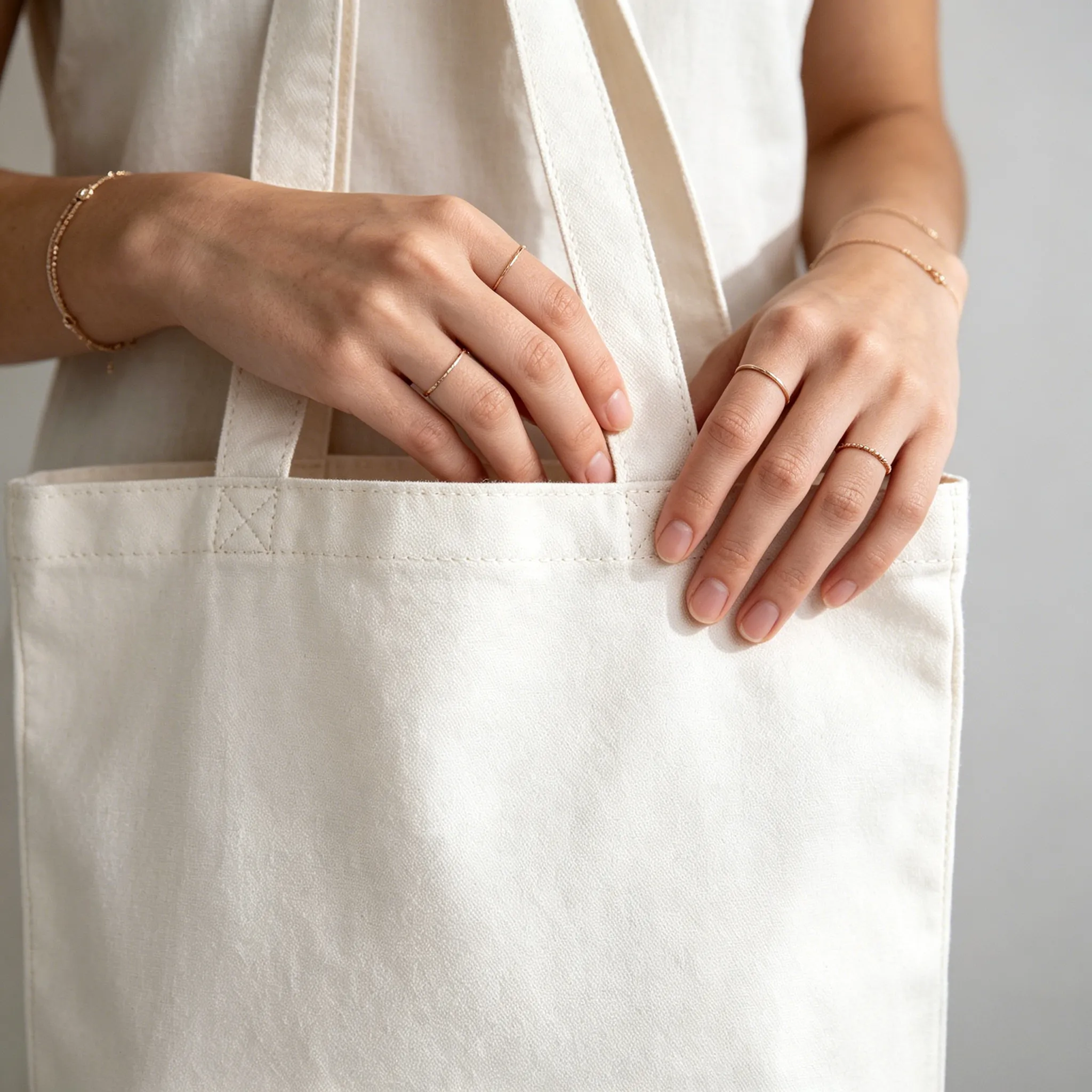
Compare cotton vs. blended canvas and OEKO-TEX vs GOTS vs GRS, read the cotton tote bag factory GSM testing and the canvas weight guide, then lock five numbers in writing: usable width, shrinkage at 3%, colorfastness, GSM deviation and fiber content.
Cotton Tote Bag Sizes and Styles: A Size Matrix Buyers Can Reuse
A cotton tote bag manufacturer prices a tote by cut size, gusset construction and handle. Standardize on the sizes below and one tech pack works across seasons.
The sizes that repeat
Most buyers settle on three: 30 x 35 cm flat for handouts, 38 x 40 cm gusseted for grocery, 42 x 40 cm retail with a heavier handle. Gusset depth moves panel weight, so price one spec across two factories.
| Size W x H cm | GSM | Typical use | Price, 1,000 pcs |
|---|---|---|---|
| 25 x 30 flat | 5-6 oz | Favor tote | $0.80-$1.20 |
| 30 x 35 flat | 6 oz | Event handout | $0.90-$1.40 |
| 35 x 38 flat | 6-8 oz | Bookstore tote | $1.10-$1.70 |
| 38 x 40, 10 gusset | 8-10 oz | Grocery | $1.50-$2.30 |
| 42 x 40, 15 gusset | 10-12 oz | Retail | $2.00-$3.00 |
| 45 x 40, 18 gusset | 12 oz | Beach, gym | $2.40-$3.60 |
| 35 x 40, zip top | 10 oz | Commute | $2.20-$3.40 |
| 32 x 28 box | 12 oz | Bakery | $2.10-$3.20 |
Flat, gusseted, box, drawstring, zip, wine
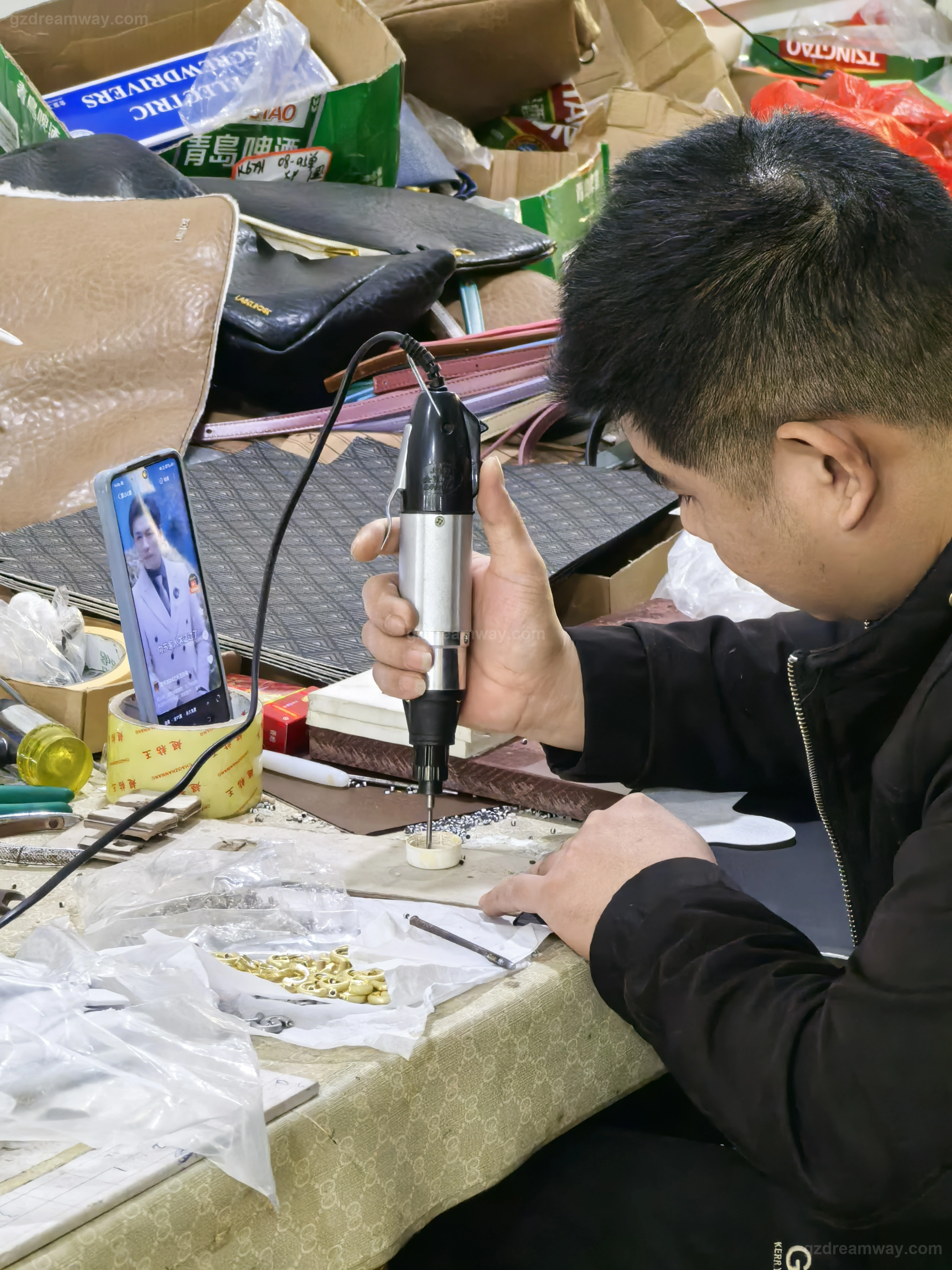
Shape follows the fill. Flat totes print well, gussets add volume, box totes hold squared loads, drawstrings suit soft kits, mesh keeps weight down. Handles set price and carry rating: 2.5 cm polyester webbing is strongest per cost. For zip-top and box styles a cotton tote bag manufacturer sets hardware the same way every time, so clasps and feet survive the pull test and the wash test.
| Style | Side and bottom | Closure | Handle | Carry | MOQ |
|---|---|---|---|---|---|
| Flat tote | No gusset | Open | Self 55 cm | 5 kg | 200 |
| Gusseted | Side and base | Open | Webbing 60 cm | 10 kg | 200 |
| Box tote | 3D gusset | Snap | Reinforced webbing | 12 kg | 300 |
| Zip top | Gusseted | Nylon zip | Webbing, bartack | 10 kg | 300 |
| Drawstring | Tubular | Cotton cord | Cord handle | 4 kg | 200 |
| Wine single | Divider | Tie | Short webbing | 2 kg | 200 |
| Mesh | Open weave | Open | Self-fabric | 6 kg | 500 |
Industry quick selector
Grocery wants a 10 oz gusset, boutiques a crisp flat face, events cheap flats, food programs a traceable label.
| Industry | Recommended style | GSM | MOQ | Lead | |
|---|---|---|---|---|---|
| Grocery | Gusseted 40 x 38 | 10 oz | Screen 1-2 color | 1,000 | 30 d |
| Boutique | Flat 38 x 40 | 8-10 oz | Screen or DTF | 300 | 25 d |
| E-commerce | Drawstring 30 x 35 | 6-8 oz | 1 color + tag | 500 | 25 d |
| Corporate gifts | Zip top 35 x 40 | 10-12 oz | Embroidery | 300 | 30 d |
| Schools | Flat or drawstring | 6-8 oz | Screen 1 color | 200 | 20 d |
| Food, bakery | Box 32 x 28 | 10-12 oz | Water-based | 500 | 30 d |
Compare handle styles and the custom tote design guide, with picks for ecommerce totes and school fundraising totes.
Printing and Branding Options for Custom Cotton Bags
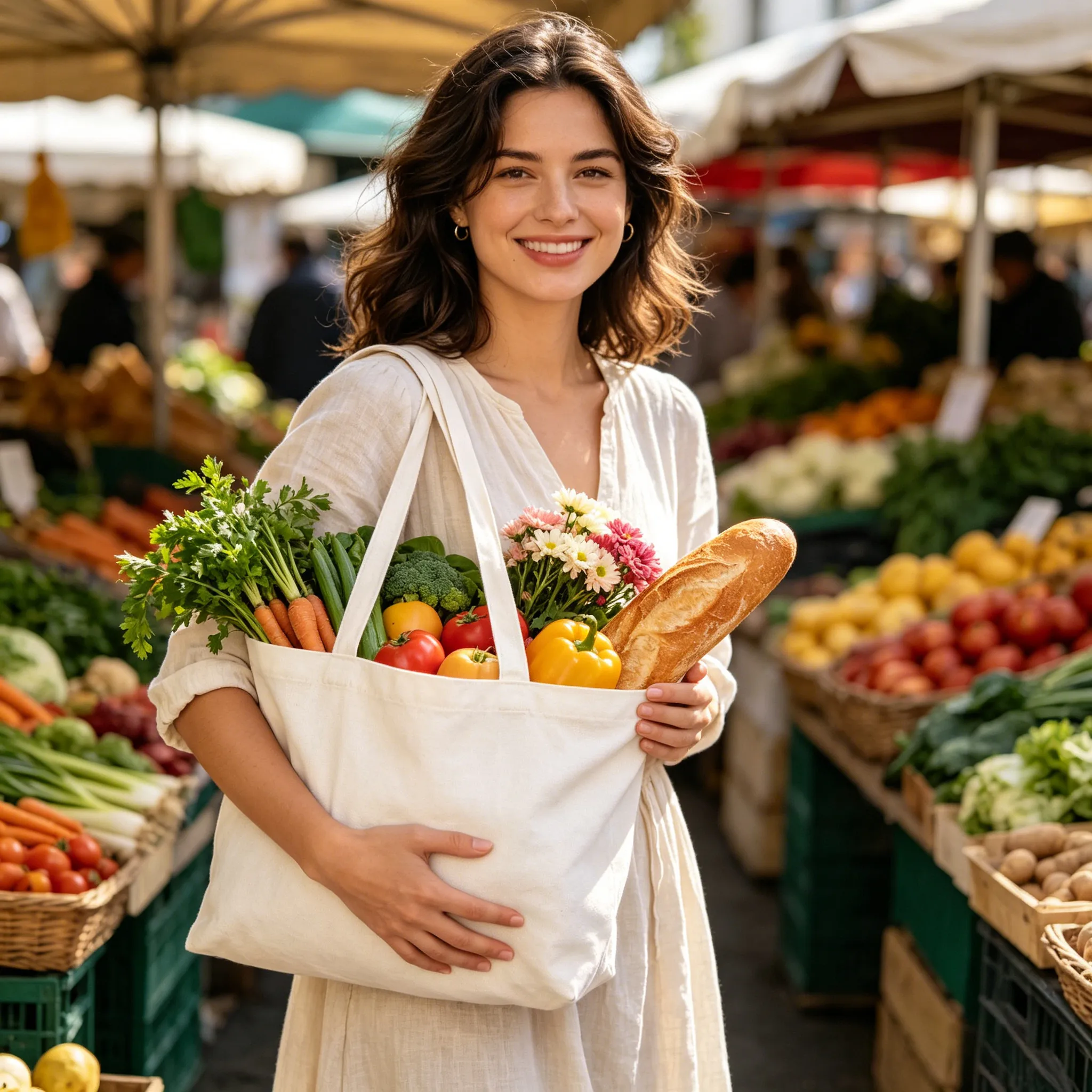
A custom cotton bags manufacturer offers six branding routes: screen print, DTG, heat transfer, embroidery, woven label and hangtag. Screen print and embroidery carry most orders; the right one depends on quantity, color count and washing.
Six ways to put a logo on cotton
Screen print lays down thick opaque ink that survives washing, DTG handles photographic detail on light fabric, embroidery gives the premium hand and the longest life. Book a strike-off before bulk: ink cures for 24 hours, and lifting shows up first at the film border.
| Method | Cost | Best quantity | Colors | Wash life | Best fabric |
|---|---|---|---|---|---|
| Screen, plastisol | $ | 300+ pcs/color | 1-6 spot | 25-50 washes | 6-14 oz |
| Screen mesh, multi-color | $$ | 500+ pcs | Full color | 30-50 washes | 8-14 oz |
| DTG digital | $$ | 50-300 pcs | CMYK + photo | 15-25 washes | Light 5-8 oz |
| Heat transfer | $$ | 100-500 pcs | Full color | 15-20 washes | Blends, dark |
| Embroidery | $$$ | 200+ pcs | 9 threads max | 50+ washes | 10-14 oz canvas |
| Woven label | $$ | 500+ pcs | Woven yarns | 50+ washes | All weights |
Quantity break points and artwork
Below 50 pieces DTG or heat transfer is the only sensible route. Between 50 and 300 a single screen color beats both on unit cost. Send vector artwork with Pantone C callouts, 3 mm bleed and a 1.5 mm minimum font size.
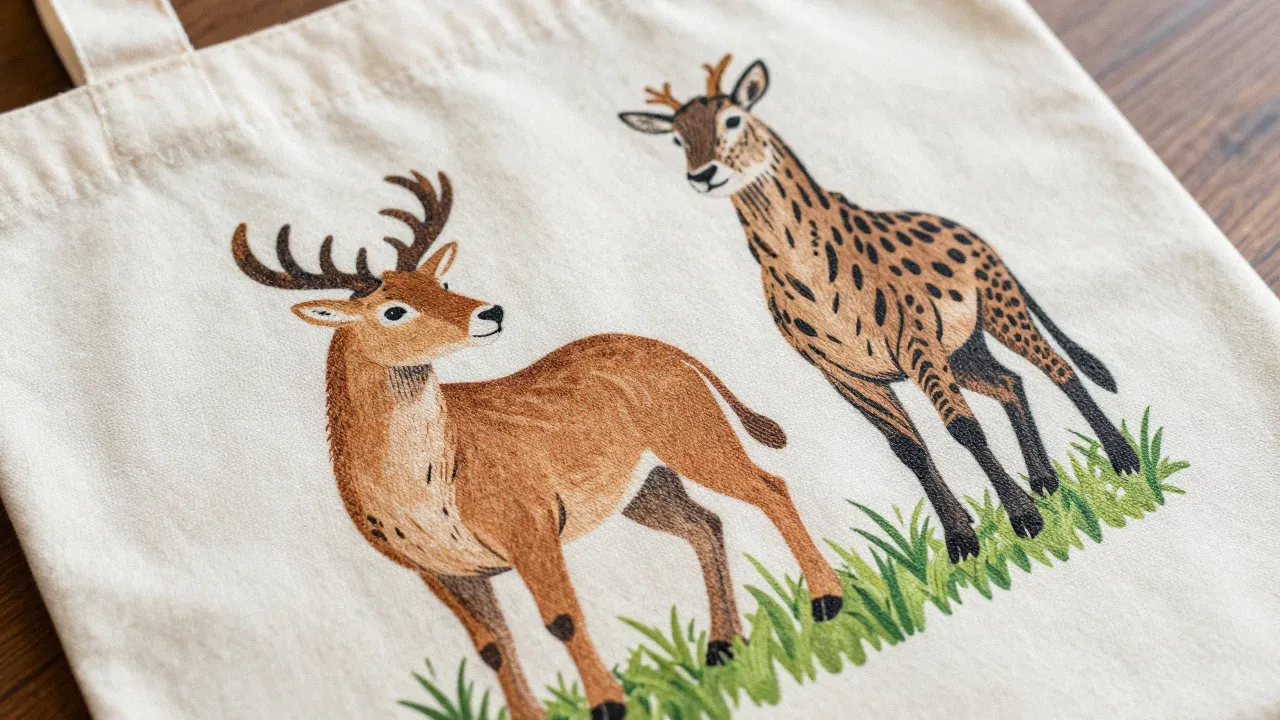
Compare the logo printing methods guide and our custom printed tote service.
Inside the Cotton Bag Factory: From Fabric Roll to Packed Carton
A cotton bag factory turns a fabric roll into a sealed export carton through about twelve controlled steps: pattern grading, marker nesting, cutting, overlocking, printing, sewing, bartacking, folding, counting and packing. Every step leaves a record.
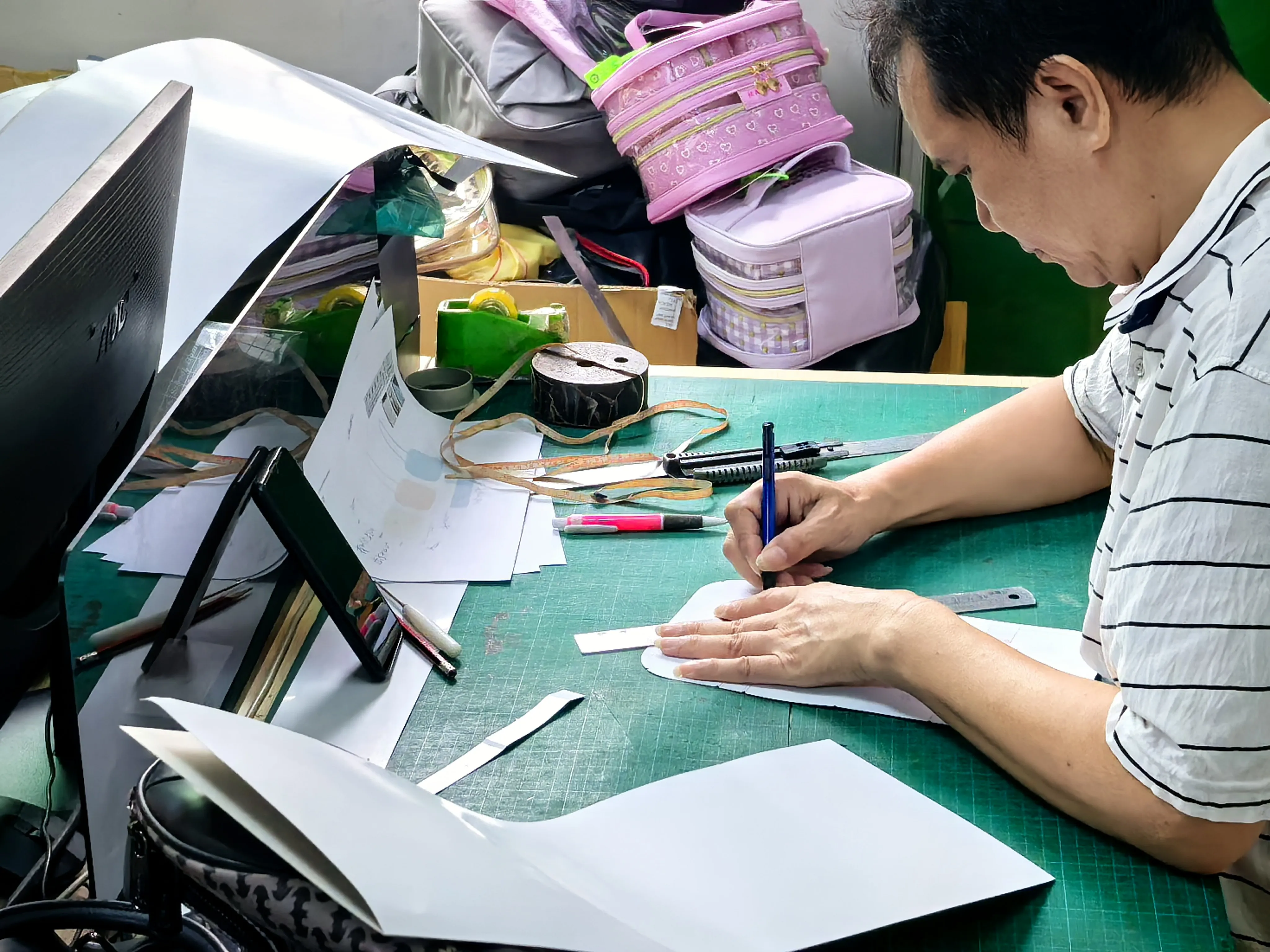
Grading, nesting and fabric waste
Each style starts as a graded paper pattern, then marker nesting arranges the panels to hold 85% fabric utilization. Waste above that lands in your unit price.
Cutting, overlocking and handle attachment
Panels come off a straight knife or clicker, edges are overlocked, topstitching is set at 8-10 mm, handles are bartacked at both anchors before the bag closes.
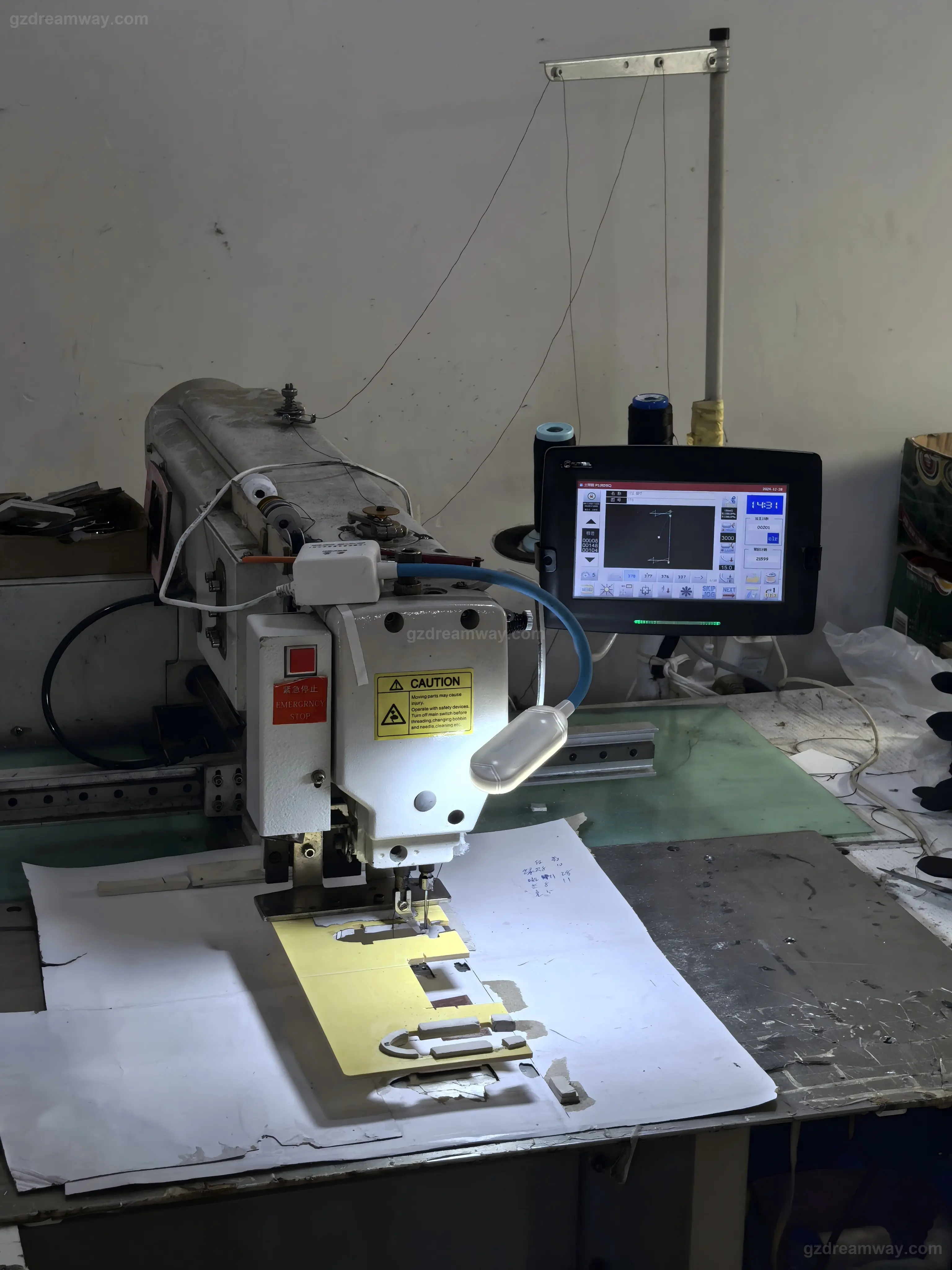
On the floor of a working cotton bag factory, each row runs one operation at a time so stitch length and seam allowance stay stable from the first panel to the last carton. That line discipline is what separates a factory lot from mixed-workshop stock.
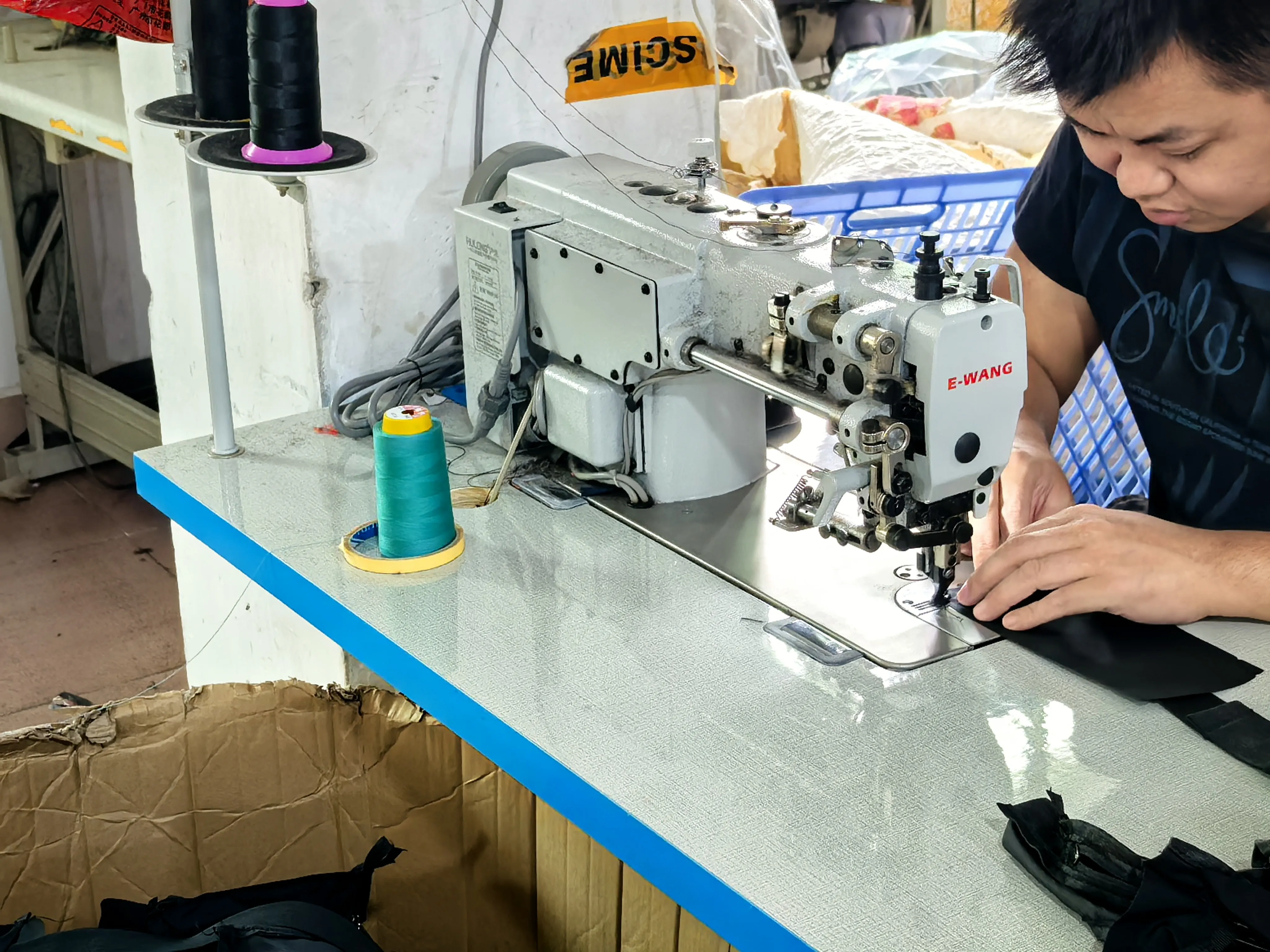
For handles, box corners and other stress points, a cotton tote bag manufacturer programs the stitch path once and repeats it by template. The programmed tack holds 42+ stitches in the same footprint, which is why the handle survives the 180 N pull test later.
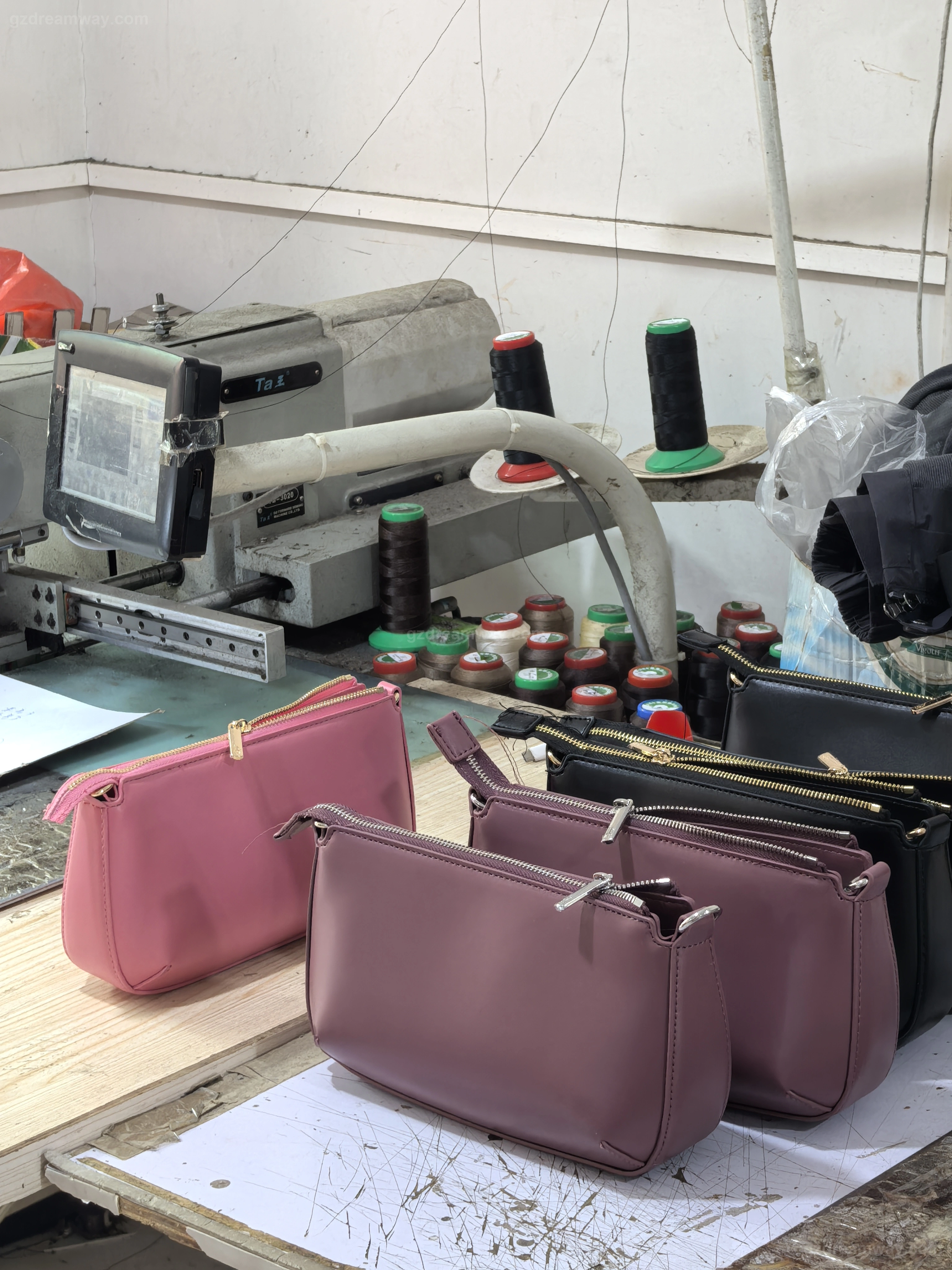
Printing, folding and export cartons
Printing runs after cutting and before side-seam assembly, so a misprinted panel is replaced without re-sewing the bag. Bags are then trimmed, pressed, folded, counted, poly-bagged and packed into five-layer export cartons, marks and seal number photographed.
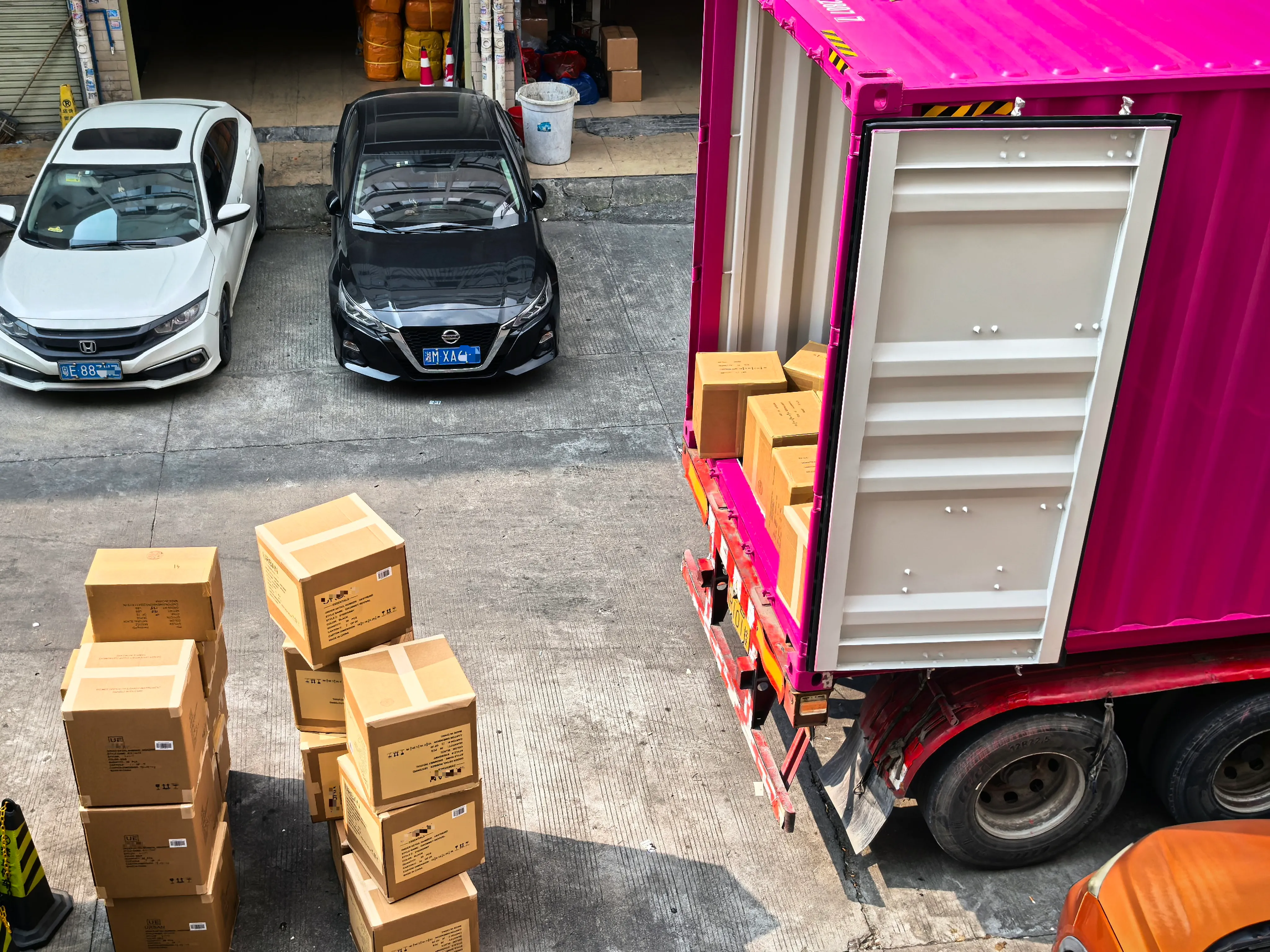
For mixed-SKU replenishment, a cotton bags supplier stages cartons by PO before the container arrives, so counts stay exact and labels stay matched. That dock discipline is what a cotton bag manufacturer China audit checks in the loading photos.
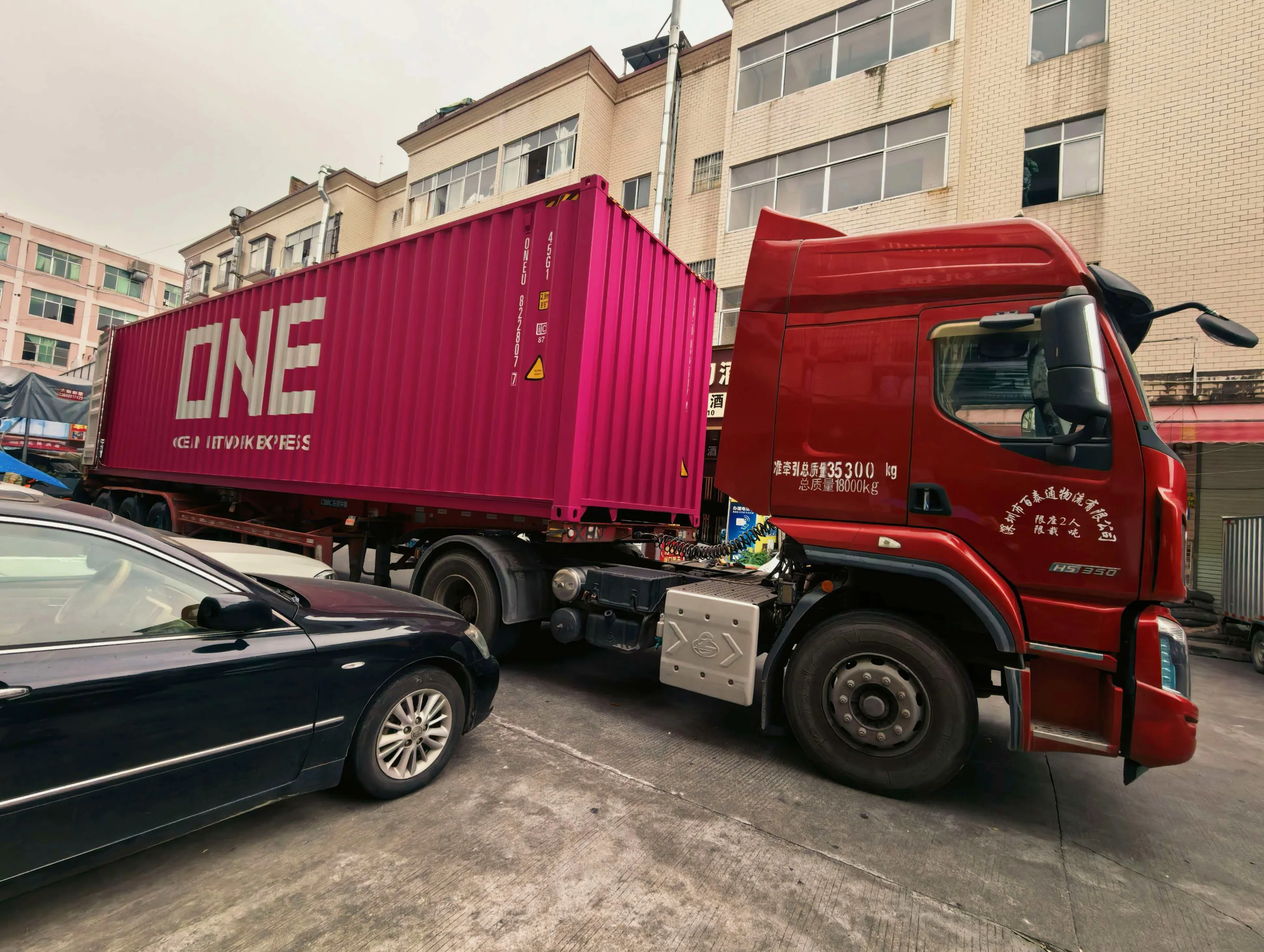
The full sequence sits in our guide to how totes are made and the production process walkthrough.
Quality Control: AQL Standards and the Tests That Catch Real Failures
A cotton bag manufacturer proves quality with sampling math: AQL 2.5 for major defects and 4.0 for minor, the standard pairing for promo and retail totes.
Inline checks versus final inspection
Inline inspection sits at the sewing station and catches drifting stitch length, skipped seams and print registration errors while the lot is still reworkable. A lot of 2,000 bags at AQL 2.5 allows roughly 50 units to carry major defects up to the limit: a sampling rule, not a defect rate.
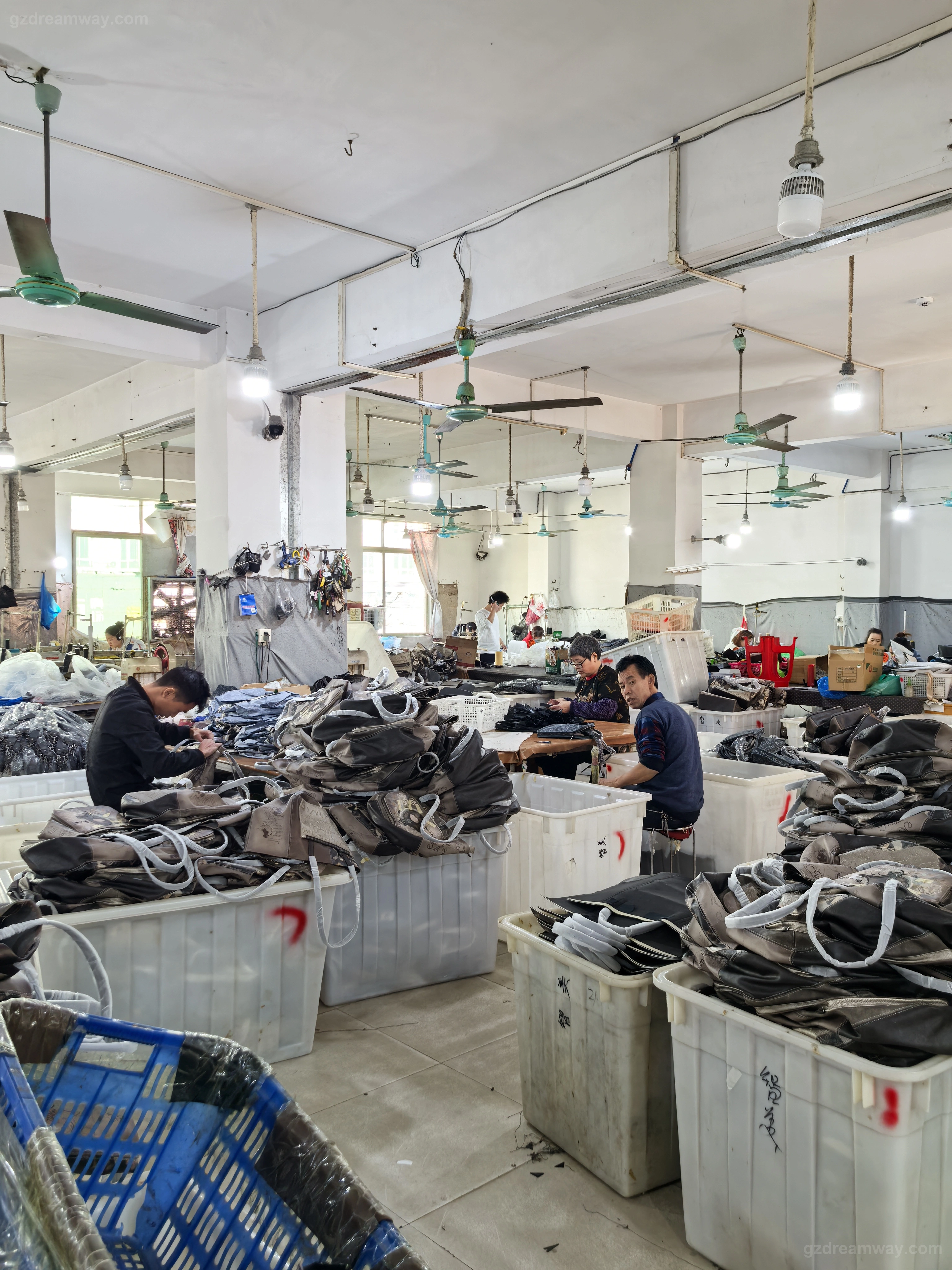
Inside a real cotton bag factory, inline work looks like this: one operator, one jig, one seam at a time. A cotton bags supplier that skips this station only finds the skipped stitch at final inspection, when rework costs five times more.
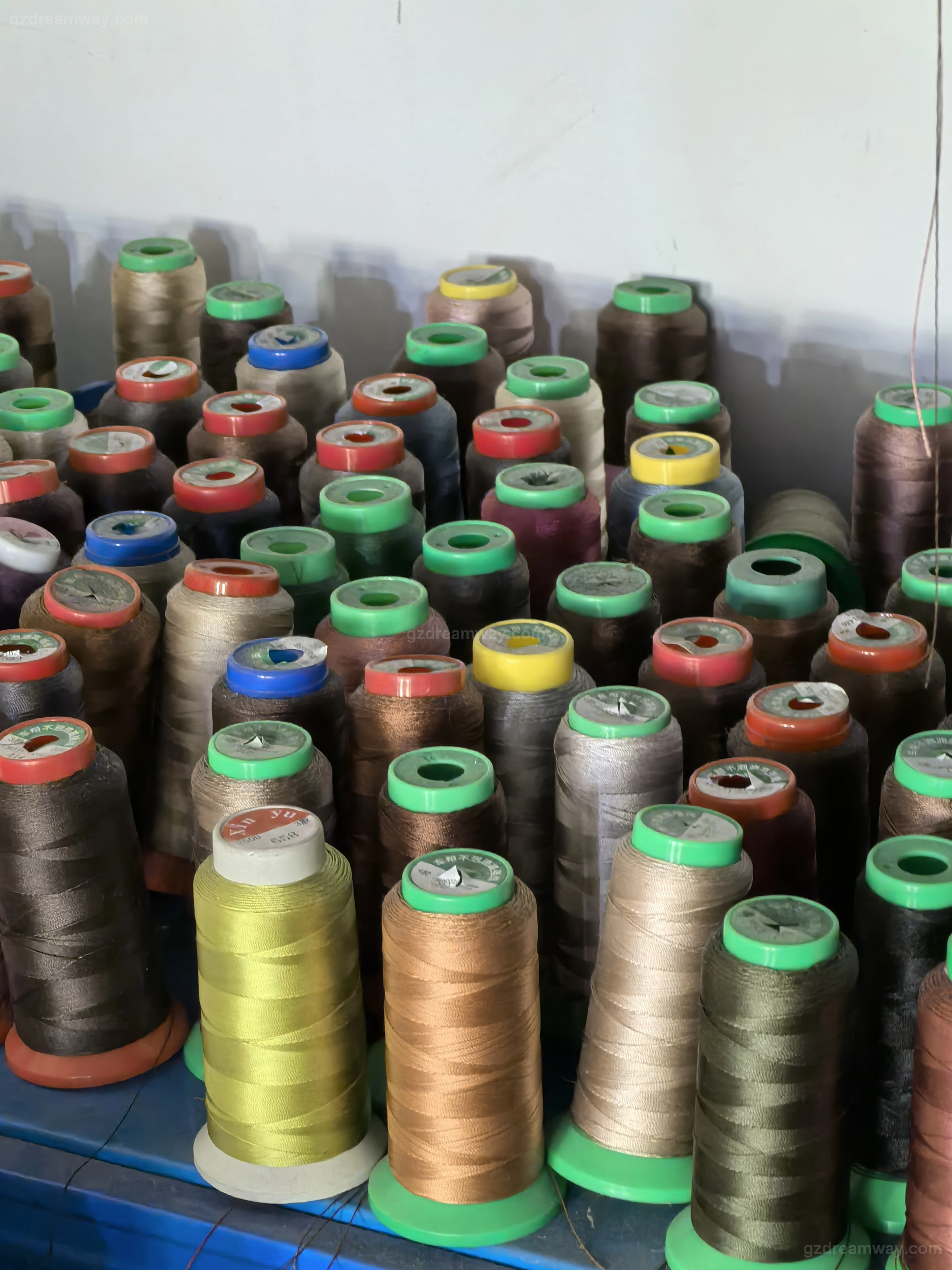
Thread choice decides whether that seam still matches the bag after 25 washes. A cotton tote bag manufacturer keeps bonded nylon and polyester in every canvas shade, then locks the thread lot to the fabric lot on the traveler card.
Cut panels wait in lot bins between operations, not on the floor. That traveler-card discipline lets a cotton bag manufacturer China buyer trace any bundle back to its roll, operator and stitch check.
The three tests that catch failures
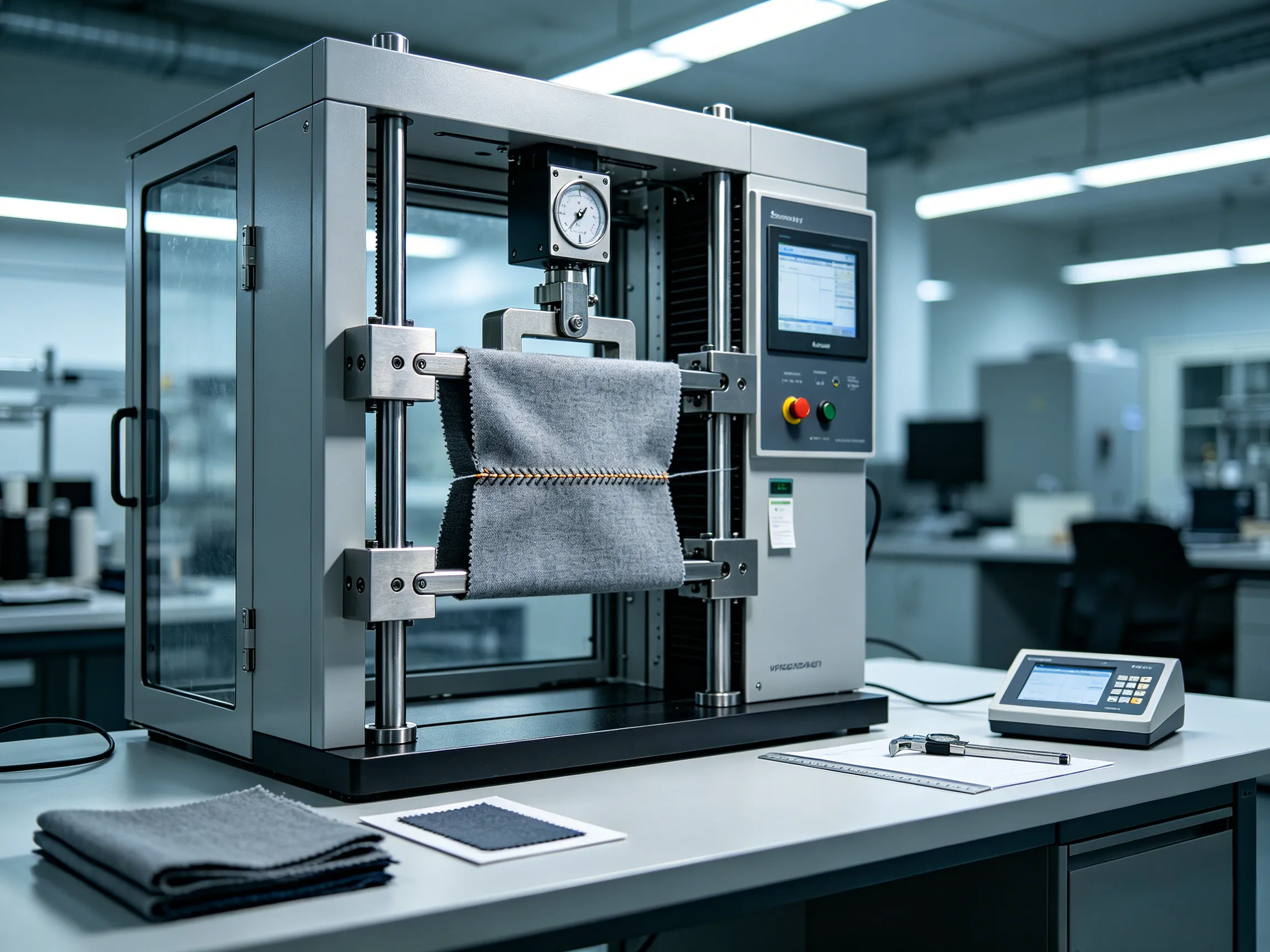
Handle pull testing near 180 N and a 24-hour 10 kg hang check expose weak bartacks, sealed Pantone swatches catch color drift that only shows in bulk.
| Stage | Check item | Pass standard | AQL | Frequency |
|---|---|---|---|---|
| Fabric in | GSM and width | ±3% | N/A | Per roll |
| Fabric in | Shrinkage | ≤3% | N/A | Per color |
| Cutting | Panel size | ±3 mm | 2.5 | 5 pcs/hr |
| Printing | Pantone match | ΔE ≤2.0 | 2.5 | Per 100 |
| Printing | Cure | No lifting | 2.5 | Per lot |
| Sewing | Stitch count | 7-9 SPI | 2.5 | Inline |
| Sewing | Bartack | 42+ stitches | 1.5 | 100% |
| Finishing | Trim, carton count | <3 mm, exact | 4.0 | 100% |
Read tote bag quality control, the AQL inspection guide and inline QC vs final inspection before booking.
Third-party inspection
Book SGS, Intertek or Bureau Veritas three to five working days before loading, require the inspector to pull from packed cartons, and ask for defect photos and carton counts. A one-line “passed” report is not an inspection.
MOQ, Pricing and Lead Time: How a Cotton Bags Supplier Quotes You
A cotton bags supplier quote blends five cost drivers, fabric, cut and sew labor, print, trims and packing, plus margin and freight.
What a cotton bags supplier prices
Fabric weight, bag construction, print method and color count, order quantity and delivery term. Change one and the quotation moves. Consolidate colors to jump a tier.
| Quantity | Unit range | Saving | Best process | Sample |
|---|---|---|---|---|
| 200-299 pcs | $2.60-$3.40 | — | Screen 1-color | Paid, 7-10 d |
| 500-999 pcs | $1.90-$2.50 | ~29% | Screen multi-color | PP + lab dip |
| 1,000-2,999 pcs | $1.60-$2.10 | ~16% | Screen or embroidery | PP, AQL 2.5 |
| 3,000-5,000 pcs | $1.35-$1.80 | ~15% | Dedicated line | Sealed spec |
| 5,000+ pcs | $1.15-$1.55 | ~13% | Roll-to-cut automation | Compliance file |
Sample fees, then approved sample to bulk
Sampling runs $50 to $150 per style over 7 to 10 days, a pre-production sample adding five to seven. Credited against bulk confirmed within 60 days.
| Cost block | Share of FOB unit | What moves it |
|---|---|---|
| Fabric | 32-42% | GSM, width yield, organic premium |
| Cutting | 4-6% | Marker efficiency, plies |
| Sewing labor | 18-24% | Gussets, zips, bartacks |
| Printing | 8-15% | Colors, screens, stitch count |
| Trims and packing | 6-12% | YKK vs generic, carton ply |
| Overhead, QC, margin | 14-21% | AQL level, order size, terms |
The production calendar and shipping terms
Bulk runs 20 to 30 days and final inspection two to three, and May through September is peak season, so lock capacity early. On terms, EXW leaves export handling to you, FOB adds port clearance, CIF adds freight, DDP adds duty.
| Phase | Working days | Buyer action |
|---|---|---|
| Sampling | 7-10 days | Vector art, Pantone, spec |
| Pre-production sample | 5-7 days | Written approval |
| Bulk production | 20-30 days | Deposit, fabric locked |
| Final inspection | 2-3 days | Book SGS or BV |
| Ocean freight | 25-35 days | HS code, consignee docs |
| Air freight | 5-7 days | Under 500 pcs rush |
Model a landed cost with the MOQ and lead time guide, the cost breakdown and the cost calculator, then compare FOB, EXW, CIF and DDP terms.
Sourcing Cotton Bags from a Cotton Bag Manufacturer in China vs. a Domestic Supplier
A custom cotton bags manufacturer in China wins on unit cost, customization and scale, a domestic cotton bags supplier wins on speed, no duty and no minimum order. Ask for landed cost, not FOB price, and add shipping, duty and lead time before you compare.
Cost, lead time, duty and flexibility
A printed 10 oz tote at 1,000 pieces runs $1.60 to $2.10 FOB against $2.90 to $4.50 domestically, plus $0.35 per bag of ocean freight from Ningbo.
| Factor | China factory | US or EU stock supplier |
|---|---|---|
| MOQ | 200 pcs per style | 24-100 pcs |
| Cost at 1,000 pcs | $1.60-$2.10 FOB | $2.90-$4.50 printed |
| Lead time | 45-65 days landed | 3-10 days |
| Customization | Size, GSM, structure, 6 prints | 1-color imprint |
| Print freedom | Full bleed, Pantone | Chest-size area |
| Compliance file | Lab reports, TCs, AQL | CPSIA, Prop 65 |
When a domestic supplier is cheaper
Domestic wins under 200 pieces, where screens and freight cannot amortize, and on deadlines inside two weeks.
Levers that stay inside quality limits
The safest savings come from specification, not squeezing the factory: drop one GSM step, remove a gusset, cut colors, consolidate orders.
| Lever | Typical saving | What you give up |
|---|---|---|
| 12 oz down to 10 oz | 12-18% | 2-3 kg carry rating |
| Flat instead of gusseted | 10-15% | Volume, premium feel |
| 3 colors down to 1 | 8-12% | Design richness |
| ±5% GSM tolerance | 3-5% | Tighter hand-feel control |
| Polybag instead of gift box | 6-10% | Unboxing experience |
| One PO for 3 colors | 10-14% | Separate shipments |
| DTF instead of embroidery | 15-25% | Thread texture |
Country trade-offs sit in India vs China tote manufacturers and the savings in how to reduce production costs. For most brands the split is simple: source the custom run from a cotton bag manufacturer in China, keep rush replenishment local, and let the factory run the compliance file.
Certifications and Compliance: What a Responsible Cotton Bag Factory Holds
A responsible cotton bag factory documents fiber, chemical and social claims with third-party paper: OEKO-TEX for restricted substances, GOTS for organic chain of custody, GRS for recycled content, plus BSCI, Sedex and ISO 9001 for factory systems.
What each fiber certificate proves
OEKO-TEX tests the finished product, GOTS certifies organic fiber and the chain, GRS certifies recycled content, Fairtrade addresses farmer income. Mixing these up is the most common compliance error we see.
| Scheme | Certifies | Valid | Buyer use | Ask for |
|---|---|---|---|---|
| OEKO-TEX 100 | Finished product | 1 yr | Chemical claim | Cert + class |
| GOTS | Organic fiber, chain | 1 yr | “Organic” label | Scope + TC |
| GRS | Recycled content | 1 yr | “Recycled” label | Scope + TC |
| Fairtrade Cotton | Farmer premium | 1 yr | Sourcing story | License + plan |
| BSCI, amfori | Social audit | 2 yrs | Retailer onboarding | Audit report |
| Sedex SMETA | Social audit | Per audit | UK and EU retail | SMETA report |
| ISO 9001 | Quality system | 3 yrs | Process confidence | Cert + scope |
GPSR, REACH, PPWR, Prop 65 and PFAS
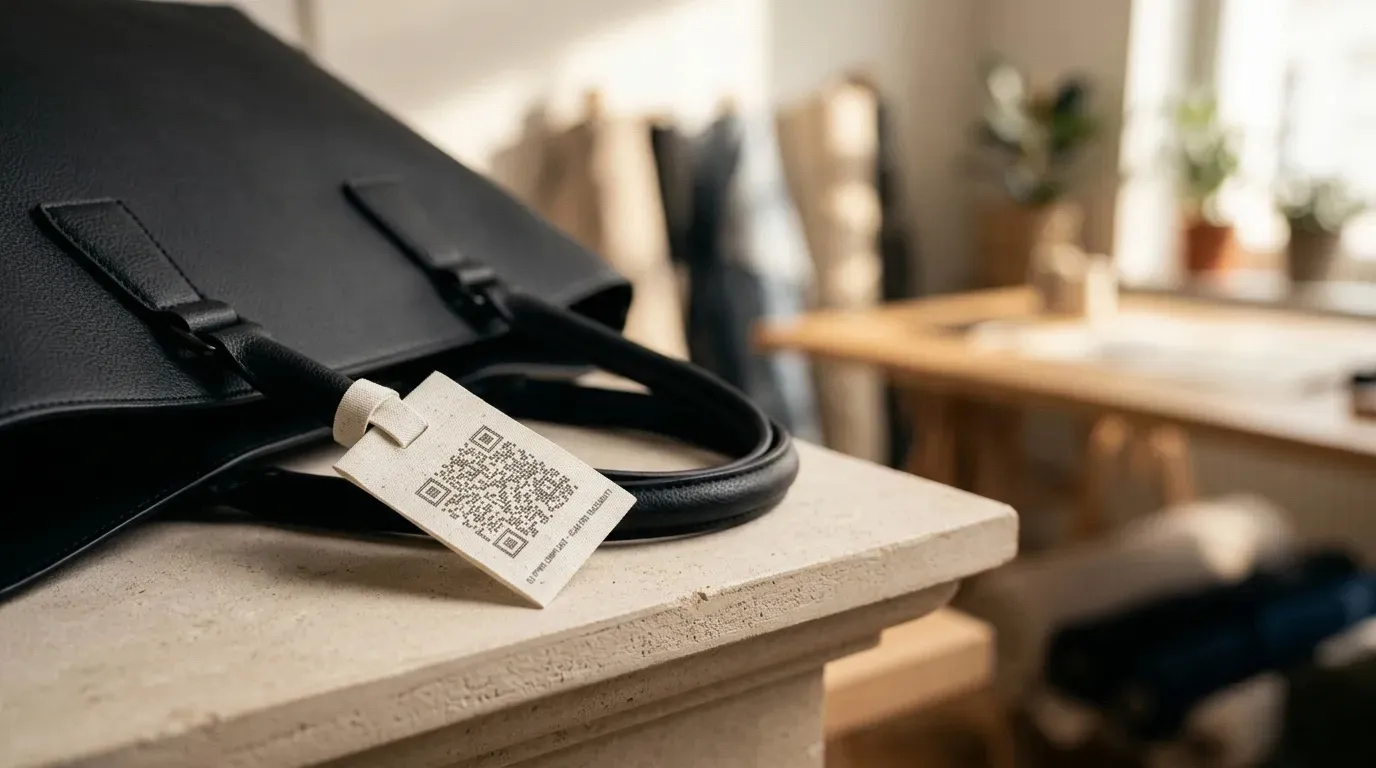
Rules differ by market, construction and sales channel. GPSR requires traceability on EU consumer bags, REACH governs SVHC in dyes and coatings, PPWR adds recyclability and EPR to packaging, Prop 65 governs lead and phthalates in trims, and state PFAS rules restrict water-repellent finishes.
| Rule | Market | Applies to | Key requirement | Your action |
|---|---|---|---|---|
| EU GPSR 2023/988 | EU | Consumer bags | Traceability label | Name, address, batch |
| EU REACH SVHC | EU | Dyes, coatings, zips | <0.1% SVHC | Lab screen per color |
| EU PPWR 2025/40 | EU | Packaging | Recyclability, EPR | FSC cartons, EPR sign-up |
| US Prop 65 | California | Lead in trims | Warning or safe harbor | Trim-level report |
| LFGB, EU 1935/2004 | EU food bags | Food-contact totes | Migration limits | LFGB test per SKU |
| US PFAS state laws | Several states | Water-repellent finishes | Phased bans | Avoid PFAS |
Start with the certifications guide, then EU GPSR compliance and REACH vs Prop 65, then PPWR labeling and PFAS rules. A certificate without scope pages supports no label claim.

How to Vet a Cotton Bag Manufacturer: A 12-Point Checklist
A reliable cotton bag manufacturer passes twelve document checks, six before deposit and six before shipment. A factory that keeps them internal is asking you to carry the risk.
The six checks before deposit
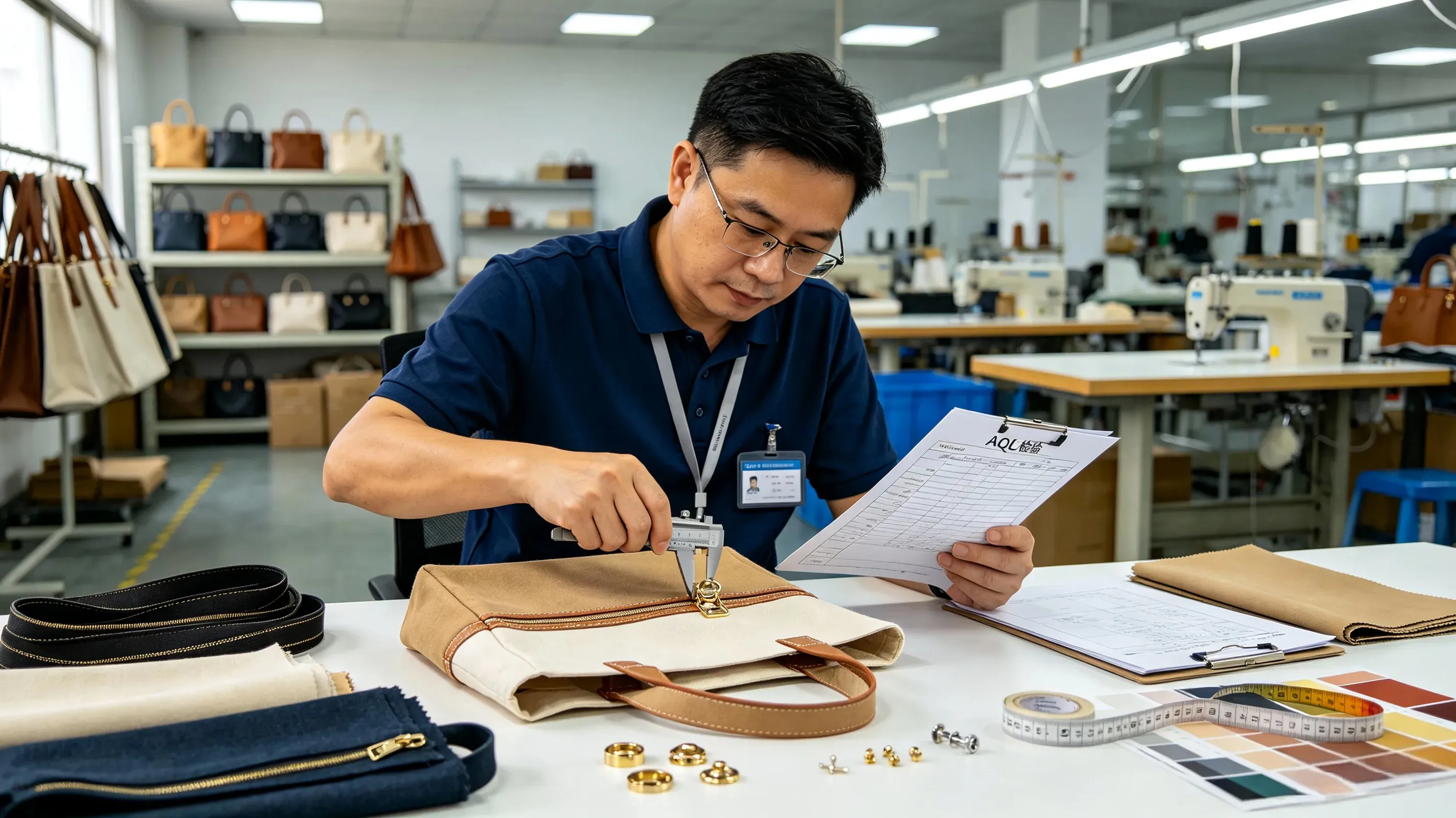
Business license, dated factory video, GSM lab report tied to a named lot, Pantone strike-off, sealed pre-production sample, proforma invoice stating AQL and rework terms. Ask in writing.
The six checks before sealing
Inline inspection log, final AQL report with defect photos, handle pull-test records, carton and shipping-mark audit, compliance file, supervised loading photos, shipping documents checked for HS code and consignee.
Three signals to end the conversation
Walk away if the factory refuses a dated in-house video, refuses to put the AQL and rework terms in writing, or insists on 100% prepayment to a personal account.
| Phase | Check | Pass standard | Common trap |
|---|---|---|---|
| Pre-deposit | License | 3+ years | Borrowed |
| Pre-deposit | Dated video | 3 lines | Showroom |
| Pre-deposit | GSM report | ±3% | Sample fabric |
| Pre-deposit | Strike-off | Pantone | Screen photo |
| Pre-deposit | PP sample | Full spec | “Same as before” |
| Pre-deposit | Rework, payment | AQL 2.5, 30-50% | Personal account |
| Pre-shipment | Inline log | Hourly | No inline check |
| Pre-shipment | AQL report | Level II | “100% checked” |
| Pre-shipment | Pull test | 180 N | Hand-tug |
| Pre-shipment | Carton audit | Exact counts | Mixed SKUs |
| Pre-shipment | Compliance file | Valid certs | Expired |
| Pre-shipment | Loading, docs | Seal photo, HS | Unsupervised |
Deeper steps sit in the factory audit checklist, the sample approval checklist and common factory problems.

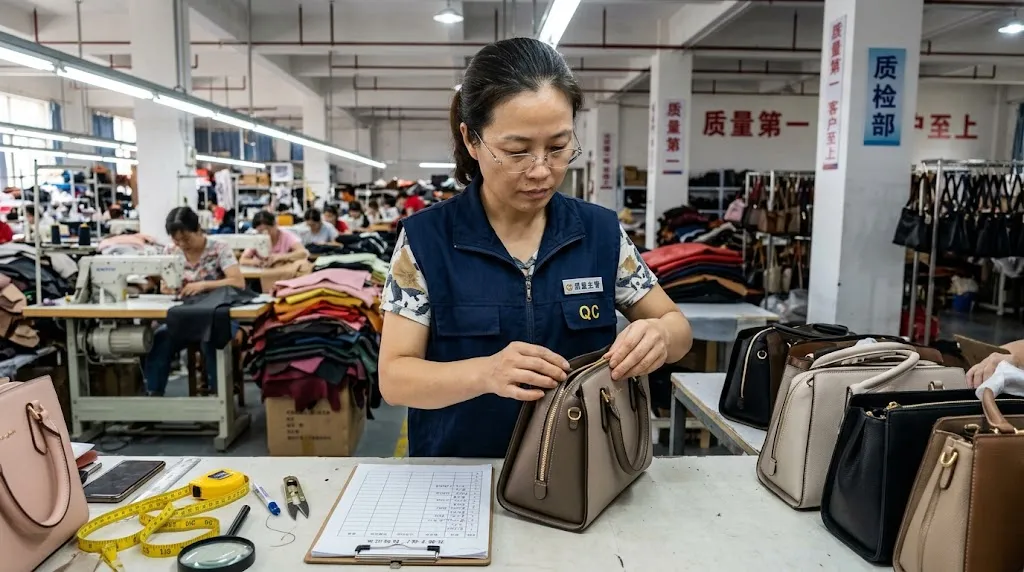
13 years of handbag QC. Final reviewer of this guide.
Frequently Asked Questions From a Cotton Bag Manufacturer
These are the questions our sales team answers most often before a first order, and they come straight from our floor in Guangzhou. The wider tote bag FAQ has the rest, including mixing colors in one order.
What is the minimum order quantity for custom cotton bags?
At GZ Dreamway the standard MOQ is 200 pieces per style for bags and 50 pieces for silk products.
How much does a custom cotton bag cost?
A printed 10 oz tote runs $1.60-$2.10 FOB at 1,000 pieces, $1.15-$1.55 at 5,000.
How long does it take from order to shipment?
Sampling 7-10 days, bulk 20-30, inspection 2-3, plus 25-35 by sea: plan 45-65 days.
Can you use our specified fabric or GOTS-certified organic cotton?
Yes. Nominate a mill or ask for GOTS organic, recycled or OEKO-TEX canvas.
How much cheaper is a cotton bag factory in China than a local supplier?
At 1,000-3,000 printed mid-weight totes a China factory lands 30-50% lower per bag.
Can one order mix styles or colors?
Yes, split the MOQ across colors on one construction. Different constructions each need their own MOQ.
How many washes can a cotton tote bag withstand?
Plastisol screen print and embroidery hold up through 25-50 cold washes. DTG fades faster, around 15-25.
Are cotton bags food-safe, and what does LFGB require?
Undyed cotton suits dry produce, but printed or coated bags need LFGB or EU 1935/2004 migration testing per SKU.
What is the sample fee, and is it refundable?
Sampling runs $50-$150 per style, 7-10 days. Credited against bulk confirmed within 60 days.
Start Your Order With a Cotton Bag Manufacturer You Can Audit
Dreamway has run cotton bag production from Shiling, Guangzhou since 2008, with a core team of 30+ and buyers in more than 50 countries. Send us your size, fabric weight, print method and quantity, and we come back with a quotation on the same spec, an honest MOQ and a real date.
Start from the tech pack template and our sample to mass production steps, then send us your spec. Prefer to talk it through? Call +86-20-8768-2749 or write to Victoria@gzdreamway.com. How we inspect every lot to AQL 2.5 is on the quality standards page.
Send us your spec, get a real quotation
Size, fabric weight, print method, quantity. We reply with an honest MOQ, a landed-cost estimate and a realistic production date.
Email Victoria@gzdreamway.comEmail info@gzdreamway.com
Tel: +86-20-8768-2749 · Wholesale and OEM sales in English
Inside the Atelier of a Custom Cotton Tote Bag Manufacturer
A reference shelf assembled for brand managers, procurement leads and creative directors evaluating natural-fibre carriers. Each resource below informs specification sheets, sustainability claims and decoration decisions, complementing the technical detail carried on the parent guide.
Cotton Tote Bag Category Hub
The curated custom cotton tote bag manufacturer category page centralises specifications, weaves, print methods and order volumes, giving buyers and procurement teams a single pre-qualified sourcing hub.
browse the custom cotton tote bag category hubGrading Tote Fabrics by GSM Weight
Luxury labels rely on grade and weight verification protocols covering tensile strength, abrasion cycles, yarn count and GSM tolerances that define the drape, quality and longevity buyers expect.
examine fabric grades with gsm testing protocolsRecycled & Organic Cotton Programmes
Forward-looking brands anchor circular pledges in reclaimed and certified organic cotton fibre programmes with GOTS-certified yarn sourcing, low-impact dyeing and chain-of-custody documentation for ESG auditors and procurement committees.
shop recycled organic cotton tote collectionsCotton versus Blended Canvas
The brief compares cotton versus blended canvas trade-offs across GSM weight, colourfastness and shrinkage: pure cotton offers breathability, while blends add abrasion resistance and sharper print registration.
compare cotton versus blended canvas materialsCanvas Dust Bag Manufacturing
Premium houses protect leather goods with bespoke cotton canvas dust bag production doubling as signature packaging: 12 oz cotton, drawstring closures and embroidered crests for dust-free transit.
browse canvas dust bag manufacturing optionsCanvas Wine Bag Production
Hospitality groups and vineyards rely on reinforced canvas wine carrier production for one- to six-bottle presentations, with padded dividers, webbing handles and foil-stamped crests for elegant gifting.
discover canvas wine bag production capabilitiesChina-Based Manufacturing Partner
International brands route natural-fibre programmes through vertically integrated China-based cotton tote manufacturing, where ISO-certified quality, trade assurance and multilingual account managers compress lead times and keep finishes premium.
partner with china based cotton tote manufacturersWholesale Cotton Tote Programmes
Ecru, white and dyed colourways lead the range. Flexible minimum order quantities and tiered wholesale cotton tote programmes adapt to seasonal demand with bonded warehousing and full compliance.
order wholesale cotton tote bags in bulkLogo-Imprinted Wholesale Totes
Every carried bag is a moving billboard: logo-imprinted wholesale cotton tote decoration programmes unify artwork prep, colour separation and bulk printing, with Pantone-matched strike-offs for large orders.
request logo imprinted wholesale tote programmesCustom Printed Tote Production
Full-coverage artwork needs precise Pantone rendering on natural fibres. The custom printed cotton tote bag manufacturer profile matches press selection to edition size, from direct-to-garment to rotary lines.
source custom printed tote production servicesCustom Embroidered Cotton Totes
Embroidery adds depth to matte cotton. The custom embroidered cotton tote digitising and production service calibrates stitch density and underlay with Coats and Madeira threads for colour fidelity.
explore custom embroidered cotton tote optionsCotton Bag Manufacturing Overview
Brands seeking one accountable partner choose an integrated cotton bag manufacturer for custom wholesale programmes covering totes, pouches and shoppers, with in-house cutting, GSM control and audited compliance.
meet the cotton bag manufacturer partner