
Executive Summary
This comprehensive guide reveals insider strategies for selecting a trustworthy tote bag factory in 2026. Learn to decode factory quotes, identify material quality markers, navigate MOQ requirements, and implement multi-stage quality control. Whether you’re sourcing for brand retail, corporate gifts, or promotional campaigns, this article equips you with actionable intelligence to eliminate supplier risks and optimize your procurement outcomes.
Market Trends & Sourcing Landscape in 2026
The global custom tote bag market has evolved dramatically. Environmental consciousness now drives purchasing decisions—62% of B2B buyers prioritize sustainable materials when selecting suppliers. E-commerce brands and retail businesses face mounting pressure to deliver premium unboxing experiences while maintaining healthy margins.
Choosing the right factory isn’t merely about finding the lowest price. It’s about building a supply chain partnership that scales with your business. A poor choice can result in production delays, quality disasters, and reputational damage—costing far more than any price savings.
The market now demands trend-responsive manufacturing with faster turnaround times. Buyers who understand factory operations command respect and secure better terms.
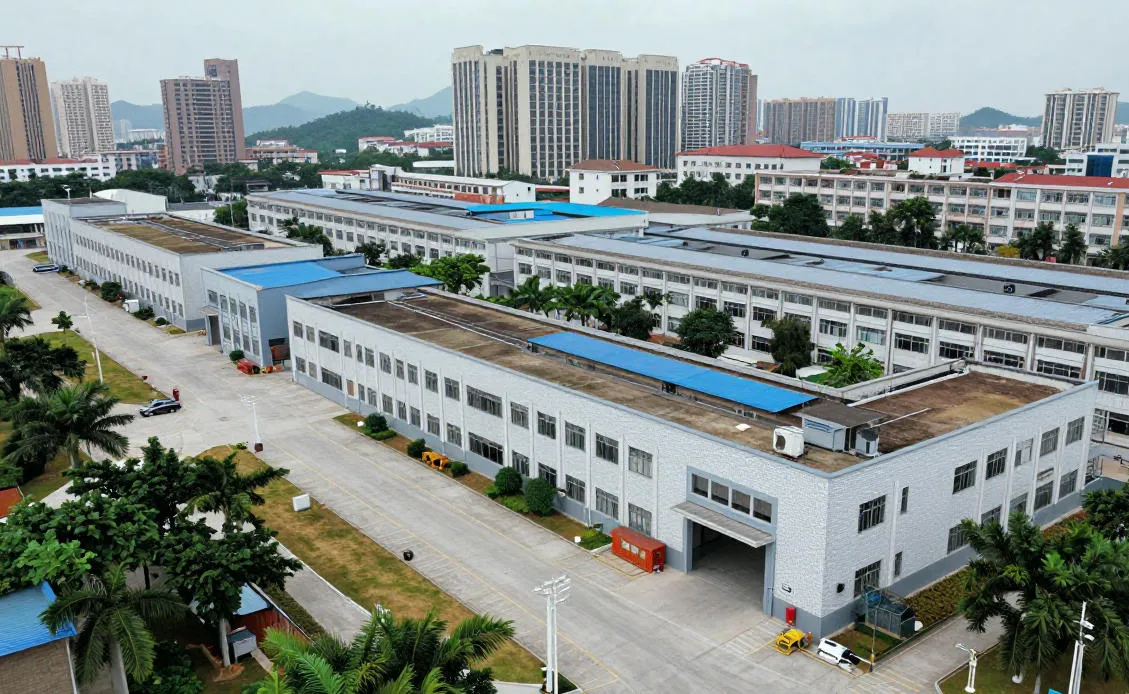
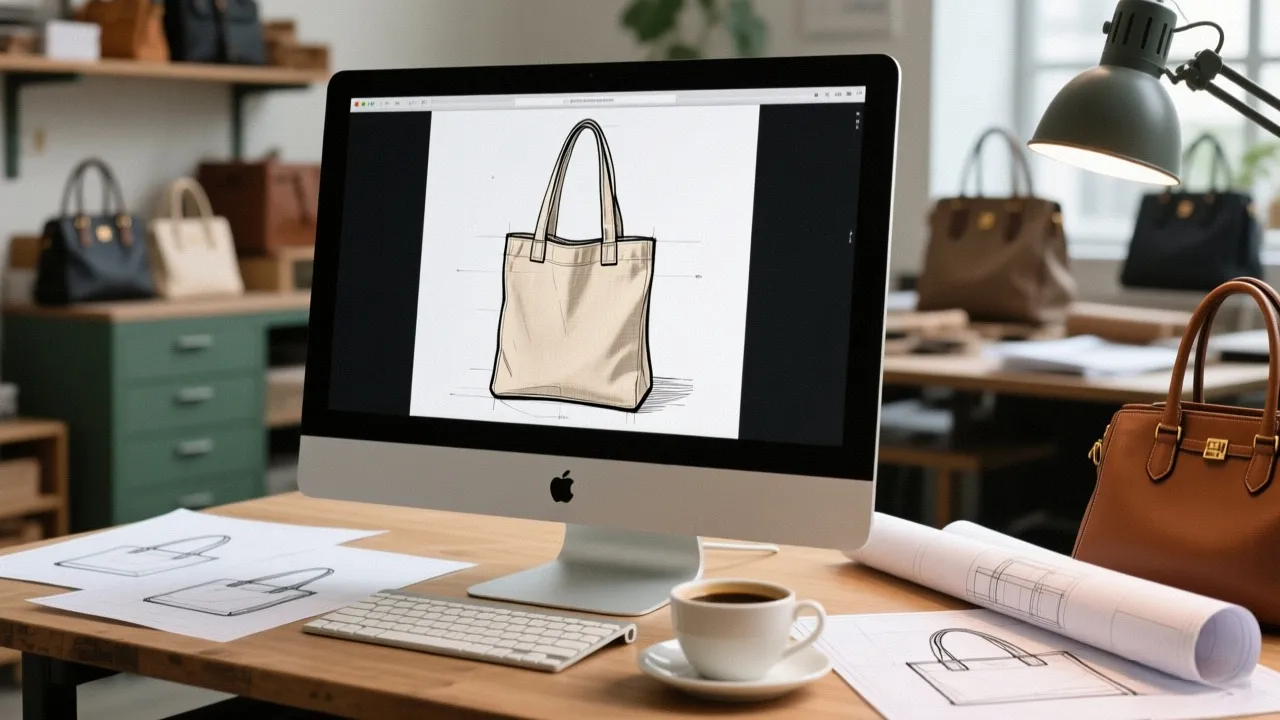
Categorizing Tote Bag Manufacturers: Finding Your Perfect Match
Not all factories serve the same buyer profiles. Understanding the landscape prevents costly mismatches.
Factory Types & Their Ideal Customers
| Factory Type | Best For | Typical MOQ | Lead Time |
|---|---|---|---|
| High-Volume Industrial | Major retailers, franchise orders | 5,000+ pieces | 30-45 days |
| Mid-Size Specialized | Brand owners, Shopify sellers | 500-2,000 pieces | 20-30 days |
| Small Boutique | Startups, limited editions | 100-500 pieces | 14-21 days |
| Trading Companies | Buyers wanting variety | Varies widely | Longer typically |
OEM vs ODM: Making the Strategic Choice
Understanding the difference between OEM and ODM manufacturing determines your product development timeline and cost structure.
OEM (Original Equipment Manufacturing)
You provide complete designs and specifications. The factory manufactures to your exact requirements. Best for established brands with dedicated R&D teams and unique product visions.
ODM (Original Design Manufacturing)
Factories offer pre-developed designs you can customize. Ideal for rapid product launches with lower development costs and faster time-to-market.
For e-commerce sellers on Shopify or Amazon, ODM provides a strategic advantage: reduce development costs while maintaining product differentiation through branding and material selection.
Materials & Printing Technologies: The Definitive Technical Blueprint
Material selection dramatically impacts product quality, cost, and market positioning. This section reveals the technical knowledge most buyers never learn.
Understanding Fabric Weight: Oz vs GSM
The eternal confusion between ounces and grams per square meter (GSM) causes significant miscommunication. Here’s the practical conversion:
| Fabric Type | Weight (oz) | Weight (GSM) | Best Application |
|---|---|---|---|
| Lightweight Canvas | 6-8 oz | 170-230 GSM | Promotional giveaways, single-use |
| Medium Canvas | 10-12 oz | 280-340 GSM | Retail bags, corporate gifts |
| Heavy Canvas | 14-16 oz | 400-450 GSM | Premium retail, heavy-duty use |
Pro Tip
For brand retail products, never accept anything below 10oz/280 GSM. Anything lighter will feel cheap and damage your brand perception. Premium positioning requires 12oz+ (340 GSM) minimum.
Printing Technology Decision Tree
Different printing techniques suit different scenarios. Making the wrong choice wastes money.
| Method | Best For | Min Quantity | Setup Cost | Durability |
|---|---|---|---|---|
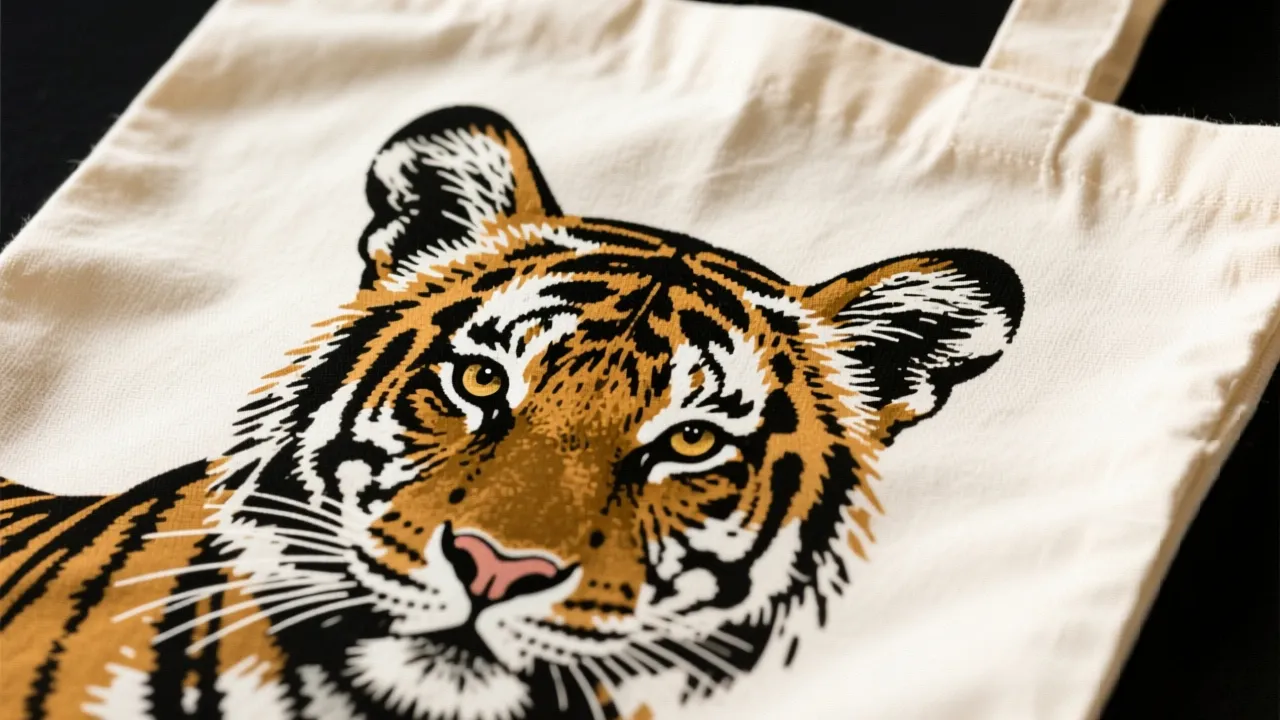
| Screen Printing | Simple designs, 1-3 colors | 300+ pieces | $50-150/color | Excellent |
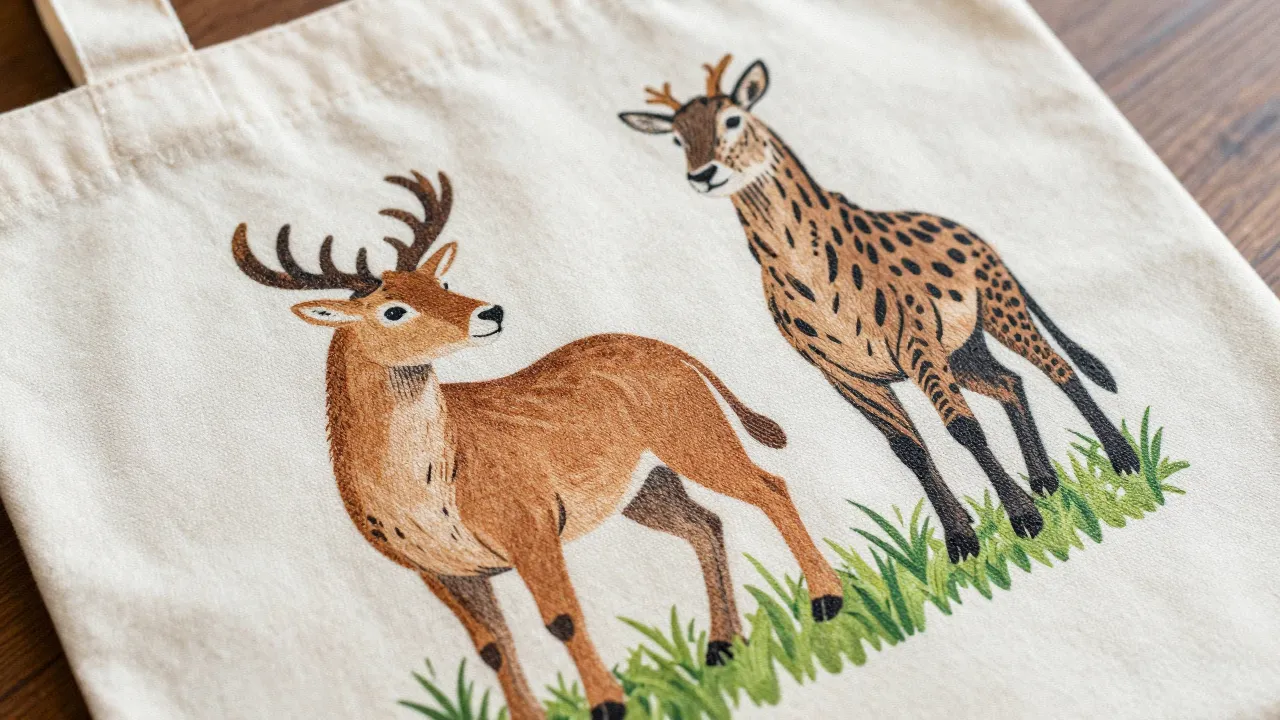
| Digital Printing | Complex, full-color images | 50+ pieces | $30-80 | Good |
| Heat Transfer | Small quantities, detailed | 20+ pieces | $25-50 | Moderate |
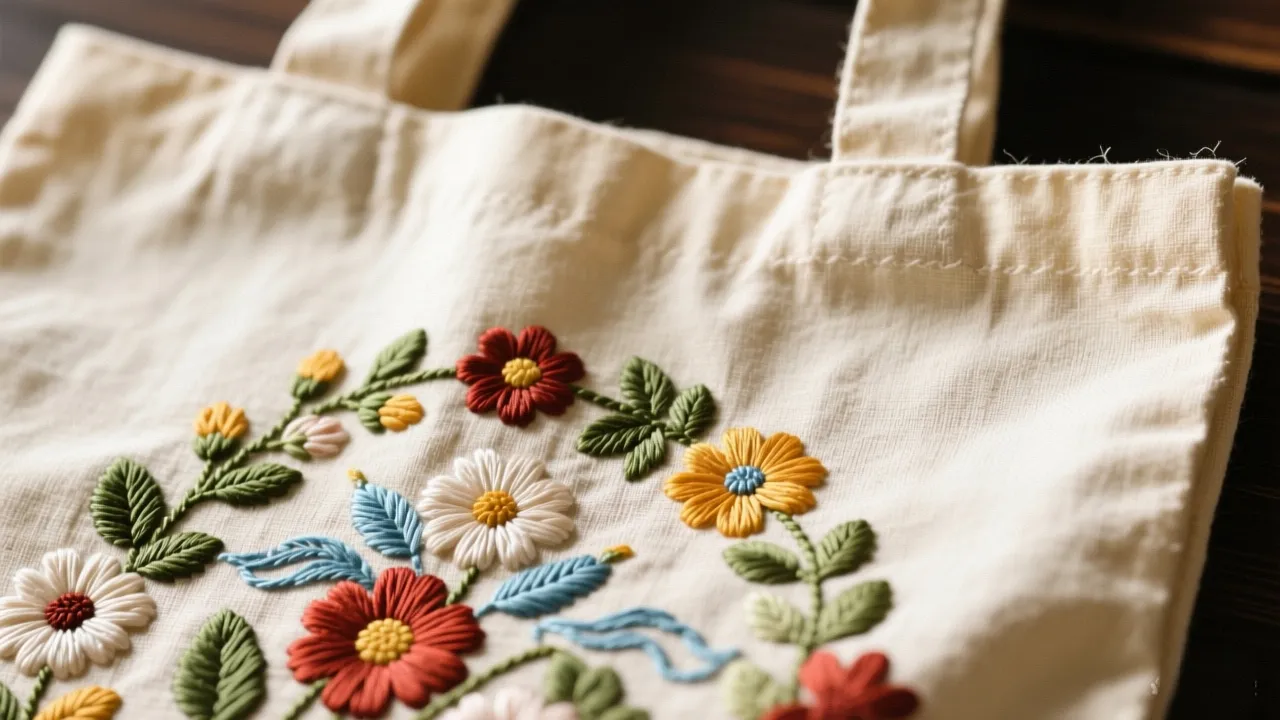
| Embroidery | Logos, premium look | 50+ pieces | $40-100 | Excellent |
Material Comparison: Making Informed Choices
Our comprehensive material comparison guide helps you select optimal substrates for your use case.
| Material | Durability | Eco-Friendliness | Cost Level | Best Use |
|---|---|---|---|---|
| Cotton Canvas | High | Biodegradable | $$ | Versatile, all-purpose |
| Organic Cotton | High | GOTS Certified | $$$ | Eco-conscious brands |
| Recycled Polyester | Very High | GRS Certified | $$$ | Sustainability messaging |
| Jute | Medium | 100% Natural | $$ | Natural/rustic aesthetic |
Real Cost Breakdown & Negotiation Strategies
Understanding the true cost structure transforms you from a vulnerable buyer into a negotiation partner.
Where Your Money Actually Goes
| Cost Component | Percentage of Total | Optimization Opportunity |
|---|---|---|
| Raw Materials | 40-55% | Volume consolidation, material substitution |
| Labor | 20-30% | Off-peak ordering, design simplification |
| Overhead & Factory Margin | 15-20% | Long-term partnerships |
| Quality Control | 5-10% | Invest for fewer defects |
The Dirty Tricks of Low-Cost Factories
Red Flag Alerts: Common Deception Tactics
Fabric Weight Fraud: Some factories use starched fabric that feels thick but collapses after washing. Test by soaking in water—if it shrinks dramatically, you’ve been scammed.
Stitching Shortcuts: Premium bags require X-box stitching at handle connections and overlock edges. Budget factories skip these, causing handle failure under 5kg loads.
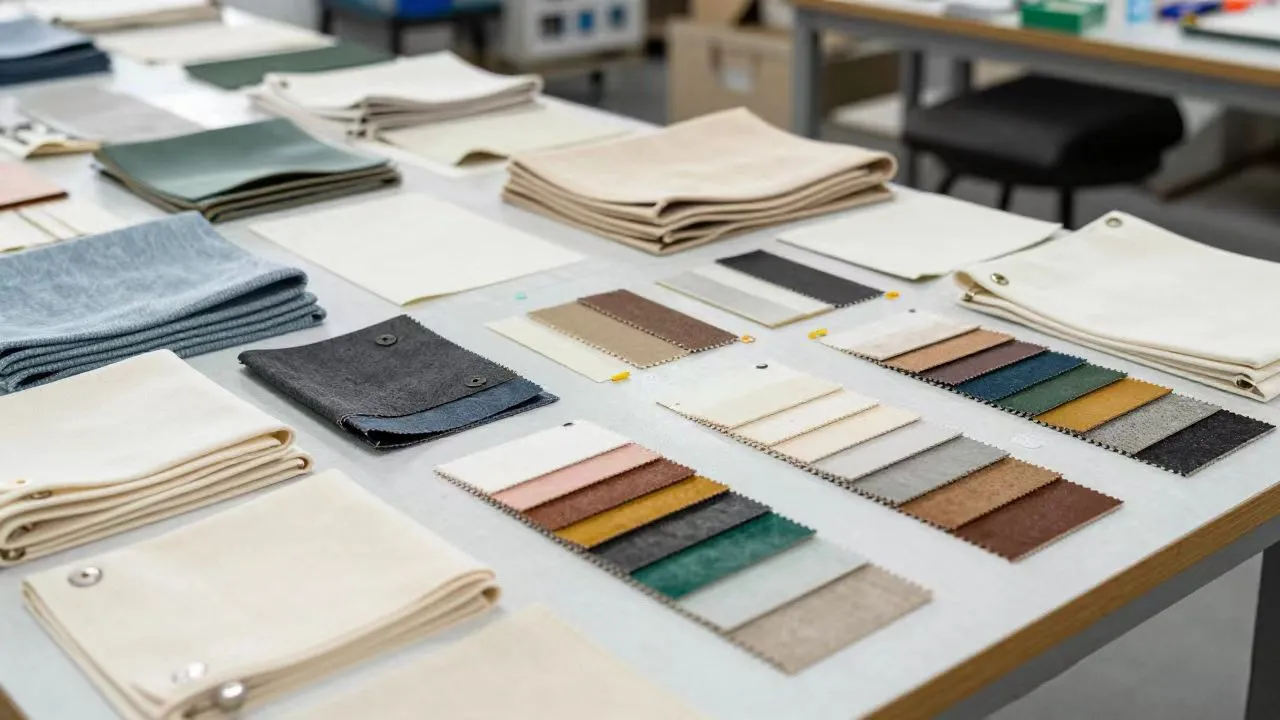
Color Misrepresentation: Request physical samples. Digital proofs often differ significantly from actual production.
Strategic Negotiation Leverage Points
Armed with industry data, you can negotiate effectively without damaging relationships:
- Commit to annual volume targets for better pricing tiers
- Offer prepayment (10-30%) in exchange for 5-10% discounts
- Bundle multiple designs to share setup costs
- Request FOB pricing to control shipping separately
Multi-Stage Quality Control & Compliance Certifications
Quality control isn’t optional—it’s the difference between thriving and failing with your product line.
The Three-Stage QC Protocol
| Stage | Timing | What to Inspect | Acceptance Criteria |
|---|---|---|---|
| Pre-Production Sample | Before mass production | Material match, stitching quality, print accuracy | 100% match to approval sample |
| In-Line Inspection | During production | Workmanship, defect rate, color consistency | Max 2% defect rate |
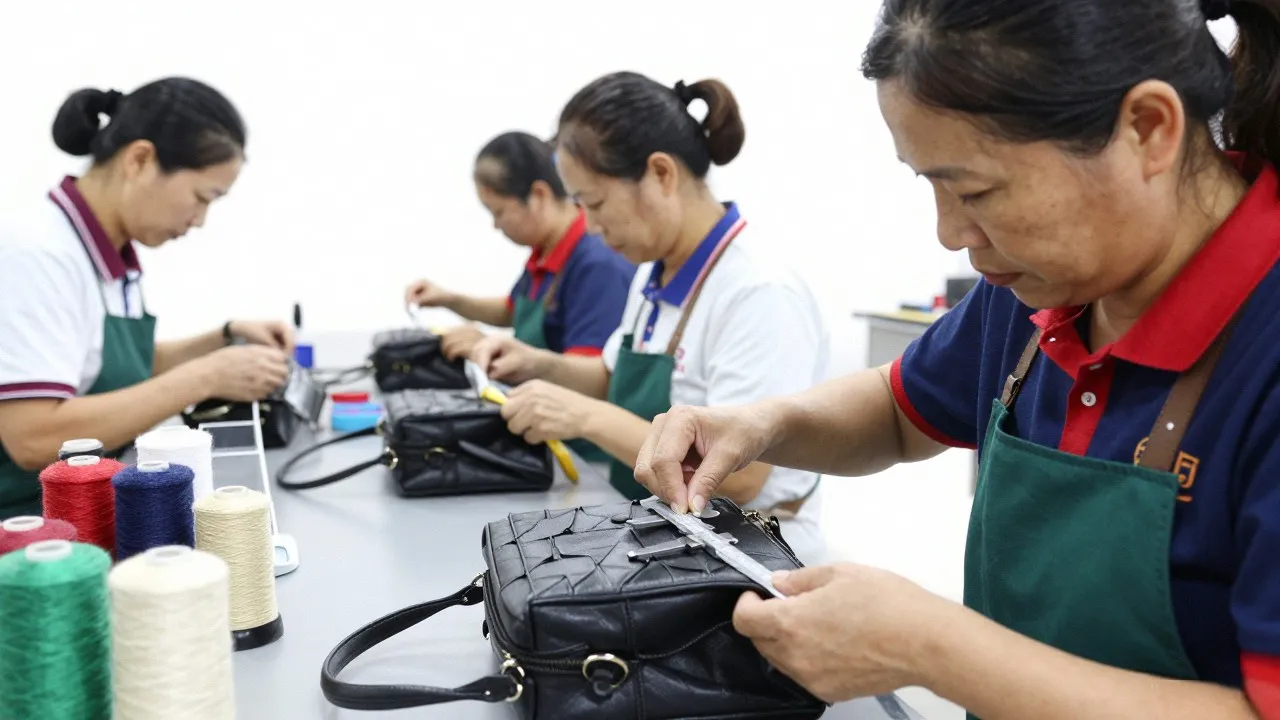
| Final Random Inspection | After completion | AQL sampling, packing, labeling | AQL 2.5 or better |
For detailed quality inspection checklists, download our comprehensive guide or request third-party inspection services.
Essential Compliance Certifications
Never accept certificates at face value. Verify every claim directly on issuing organization websites.
Required for EU Market
- OEKO-TEX Standard 100
- REACH Compliance
- California Prop 65 (for US)
Required for US Retail
- CPSIA Safety Standards
- BSCI Social Compliance
- ISO 9001 (preferred)
Remote Factory Verification: Due Diligence Without Traveling
You don’t need to board a plane to verify suppliers. Modern verification methods are highly effective when applied systematically.
The Verification Toolkit
Essential Verification Steps
1. Legal Status Check: Use Tianyancha or Qichacha to verify business registration, capital, and litigation history. Legitimate factories have RMB 500,000+ registered capital.
2. Live Video Factory Tour: Request real-time video calls showing current inventory, active production lines, and workers. Ask them to hold a sign with your name and date.
3. Sample Production Evidence: Request photos with timestamps showing their team handling your specific order—not stock images.
4. Third-Party Audit: For orders exceeding $10,000, commission SGS or Bureau Veritas for comprehensive factory audits.
Factory vs Trading Company: The Telltale Signs
Understanding the difference between factories and suppliers prevents middleman markups of 15-30%.
| Indicator | Factory | Trading Company |
|---|---|---|
| Price报价 | Direct factory pricing | Markup included |
| Sample Timeline | Can produce quickly | Needs to source externally |
| MOQ Flexibility | More flexible | Usually fixed minimums |
| Communication | Technical staff available | Sales-focused only |

Lead Time & Global Logistics: Planning for Success
Production timelines require careful planning. Rushing costs premium rates.
Breaking Down the 30-Day Production Cycle
| Phase | Duration | Key Activities |
|---|---|---|
| Sample Development | 7-14 days | Tech pack review, sample production, revisions |
| Material Procurement | 5-10 days | Fabric weaving/dyeing, hardware sourcing |
| Cutting & Sewing | 10-20 days | Production run, inline QC |
| Finishing & Packing | 3-5 days | Final inspection, packaging, labeling |
Logistics Cost Optimization
Shipping strategy dramatically affects landed costs:
- Sea Freight: $0.50-2.00/kg, 25-35 days—ideal for orders over 1,000 pieces
- Air Freight: $3.00-8.00/kg, 5-7 days—emergency orders only
- Express (DHL/UPS): $8.00-15.00/kg, 3-5 days—samples and small reorders
Chinese New Year Contingency
Plan orders to arrive 6 weeks before Chinese New Year (typically late January/February).Factories shut down completely for 2-4 weeks. Fabric mills may take additional 2 weeks to resume full production.
Your Tote Bag Cost Calculator
Use this interactive tool to estimate your production costs based on industry-standard pricing models.
Tote Bag Production Cost Estimator
Frequently Asked Questions
What is the typical MOQ for custom tote bags?
Our standard MOQ for custom tote bags is 200 pieces per design/color. For custom branding with logo labels and hang tags, MOQ starts at 300 pieces. We offer flexible options for startup brands—contact us to discuss your specific requirements.
What materials are commonly used in tote bag manufacturing?
Common materials include cotton canvas (6-16oz), organic cotton, recycled polyester (rPET), jute, and various PU/PVC leather options. Material choice depends on your budget, intended use, and sustainability goals. Our team can help you select the optimal material for your specific application.
How do I verify if a factory is genuine versus a trading company?
Request a live video factory tour where they show current inventory, workers, and recent orders. Ask for business licenses and cross-reference with Chinese government databases. Request random production photos with timestamps. We provide transparent verification through live video calls and third-party audits.
What additional costs should I budget for beyond unit price?
Budget 15-25% for shipping, 5-10% for import duties (varies by country), and 3-5% for quality inspection fees. Tooling/setup fees for custom colors or prints typically range from $50-200. Sample fees are usually $30-80 and refundable upon bulk order.
How can I reduce my tote bag production costs without sacrificing quality?
Key strategies include: consolidate orders annually for better volume discounts, simplify designs to reduce printing colors, choose materials with stable pricing, plan orders 8-12 weeks ahead to avoid rush fees, and partner with factories offering FOB pricing. Contact us for a free cost optimization consultation.
Ready to Source Premium Tote Bags Without the Risk?
Stop gambling with unreliable suppliers. Our 15+ years of manufacturing expertise and transparent production process have helped 500+ brands launch successful tote bag lines. From material selection to final delivery, we handle every detail with precision.
Whether you’re launching a new brand, restocking promotional inventory, or seeking a long-term production partner—let’s build something exceptional together. Our team responds within 2 hours during business hours.
Get Your Free Production Quote TodayPremium Heavy-Duty Canvas Solutions for Discerning Brands
Discover artisan-crafted canvas bags that blend timeless elegance with uncompromising durability. Our curated selection features hand-finished details, reinforced stress points, and premium cotton canvas that ages gracefully with every use. Partnering with reputable heavy-duty canvas bag suppliers ensures your brand delivers exceptional quality across every production run.
Premium bag & silk manufacturing — under one factory roof.
Tucked inside Shiling Town — Guangzhou’s centuries-old leather district — Dreamway is a focused manufacturing partner for brands that refuse to compromise. We build rugged, retail-ready tote bags, backpacks, handbags with a 200-piece MOQ, and craft 100% Mulberry silk pillowcases, scrunchies & sleep accessories starting from just 50 pieces. Our small team of 30+ artisans is senior, hands-on, and accountable — the same people who quote your sample will personally inspect your shipment.
Every order is verified against our published manufacturing quality standards — AQL 2.5 inspection, hardware pull-tests, seam-strength audits, and silk-fibre authenticity checks. From concept tech-pack to mass production, we run the entire supply chain in-house, so timelines stay honest and revisions stay painless.
Buying Guides & Manufacturing Insights
Sourcing smarter starts with knowing what to compare. These long-form guides break down the decisions our clients wrestle with most — from third-party inspections like the SGS vs Intertek vs Bureau Veritas showdown, to ranking China’s top 10 tote bag manufacturers, to the head-to-head of canvas vs polyester vs PU for bag bodies.
Designing your logo? Our custom tote bag logo size guide shows real placement and stitch-density examples. Curious how a handbag actually comes together? Walk through the leather handbag manufacturing process step by step, and pair it with the canvas tote durability factors that decide whether a bag survives five years of daily use.
For material decisions beyond canvas, compare PU vs polyester for bags and explore our roundup of the world’s top canvas bag manufacturers. If backpacks are your lane, our backpack manufacturing process and backpack lead-time guide give you realistic production windows. Choosing between social-compliance audits? Read BSCI vs SEDEX vs WRAP. For smaller leather goods, dive into the leather wallet manufacturer playbook; for sustainability claims, the recycled PU leather explainer and our backpack QC checklist separate marketing from reality. Finally, stay ahead of EU regulation with our PPWR FAQ for bag manufacturers.
Explore by Topic
Browse our deep-dive knowledge hubs — every cluster is curated by category and updated with new field reports.
By Category
Materials & Compliance
Real Client Cases
Numbers tell part of the story. These production cases show how Dreamway’s small team delivers at scale.
Featured Product Lines
A snapshot of what we manufacture most often — all OEM/ODM-ready with custom hardware, lining, and packaging.
Who We Help
From indie founders to global enterprise — Dreamway is built for brands that need a factory, not a freelancer.
Brand Builders
Beauty & Fashion
Lifestyle & Retail

Skip the inbox. Chat with Victoria — right now.
Point your camera at the QR and you’re connected to a real human in Guangzhou. Send a photo of your reference, get a quote within minutes, and lock in your 200-piece MOQ slot before this month’s capacity fills.
Specialized factories. Unified standards.
Leather & Bag Capital
Our bags come from Guangzhou’s Shiling leather district — home to 30+ senior artisans under one roof, working in 8,000 m² of integrated cutting, sewing, hardware-assembly, and QC space.
Mulberry Silk Heritage
Our 22mm Mulberry silk pillowcases and sleep sets come from vetted partner mills in Suzhou and Hangzhou — at the heart of China’s 5,000-year sericulture heritage, today running OEKO-TEX Standard 100 certified production lines.
Get your sample in 7 working days —
hand-built by Guangzhou’s 30+ artisans.
Send a sketch, a screenshot, or a competitor’s bag you want to beat. We’ll hand-build a custom sample and ship it to your door — produced by the same craftspeople who will run your mass-production order.
business days · in your timezone
on request · signed in 1 day
if first one misses the brief