

30+ core team members · 1.2M+ units shipped · 23+ countries served
How to Choose a Leather Handbag Manufacturer: The 7-Step Buyer’s Checklist (2026)

Picking a leather handbag manufacturer in 2026 comes down to three decisions you need to make before you sign anything: where to source (China, Italy, India, or Vietnam), which model to use (OEM, ODM, or private label), and how to find and verify a factory that’s actually legitimate. We have been running the same playbook here since 2008 — vetting 400+ factories, shipping 1.2M+ units for brands in 23 countries, and reaching for it again every time one of our clients asks us to help pick a second-source supplier. The same advice is what we give when a brand asks us how to find a leather handbag manufacturer for the first time.
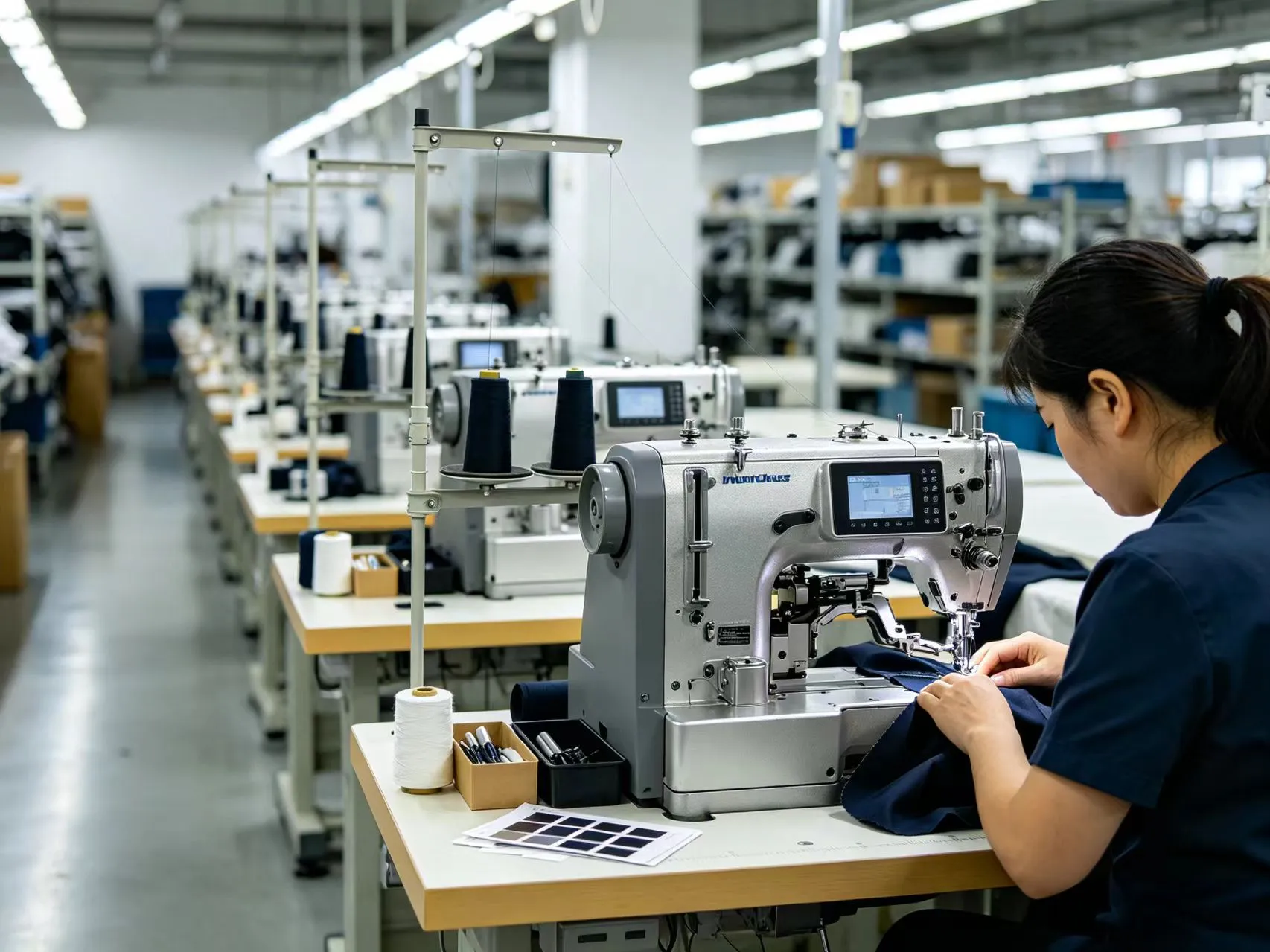
Step 01 — FoundationPick the production model first. Everything else flows from this.
If you remember nothing else from this guide, remember this: the first decision when you are working out how to find a leather handbag manufacturer that fits your brand is not which country, which factory, or even which price. It is the production model. Get this wrong, and you can spend 12 to 18 months untangling the result.
There are three models in play, and they have very different cost, MOQ, and timeline profiles.
OEM — the factory builds your exact design
An OEM leather bag manufacturer works from your tech pack and produces to your specification. This is the right model when you have a complete design file, a clear sense of materials, and at least 12 months before launch. It is also the only model that lets you build real brand equity in the product — the patterns, the lining, the edge paint, the strap construction, all of it is yours. Picking the right OEM leather bag manufacturer for a new program is mostly about verifying the production team can actually execute the spec, not just quote it. Once you have the right OEM leather bag manufacturer locked in, a typical 500-piece canvas-and-leather tote lands at FOB $28 to $42 per unit, sample fee $80 to $150 per style (refundable on bulk), bulk lead time 60 to 90 days.
Real numbers from quotes we have actually written in the last six months on a 500-piece canvas-and-leather tote: FOB $28 to $42 per unit, sample fee $80 to $150 per style (refundable on bulk), bulk lead time 60 to 90 days. MOQ 200 to 500 pieces per style, sometimes negotiable to 150 if you can accept a small tooling fee.
ODM — factory catalog, your colors and logo
An ODM leather bag manufacturer starts you from a stock design and lets you swap colors, hardware, lining, and logo. The catalog is the factory’s IP, so do not expect exclusivity. But for a first-time brand testing the market, ODM is the lowest-risk way to put a real bag on the market in 30 to 45 days.
Budget around $18 to $30 FOB at 100 to 200 pieces. Sample lead time is 7 to 14 days, which means you can go from signed quote to Amazon-ready product in a quarter if you move.
Private label — stock styles, your logo, fast
A private label leather handbag manufacturer ships stock styles with your logo applied. Lead time is 7 to 15 days, MOQ is 20 to 100 pieces, and FOB lands at $15 to $25. There is a catch: the unit cost runs 35 to 50 percent above a comparable bulk OEM run, and you cannot customize much beyond the logo plate and the hangtag.
It is the right tool for Shopify MVPs, e-commerce tests, and short-window promotional runs. It is the wrong tool for a brand you actually want to grow.
If you are still trying to figure out how to find a leather handbag manufacturer that fits your volume, start with the model choice. The wrong model forces a 6-month relaunch when the right one would have launched in 90 days.
— Internal data, GZDreamway production planning 2020 to 2025, n=200 brand engagementsFor the cost and MOQ trade-offs spelled out in detail, our OEM vs ODM vs private label breakdown is the page we point new clients to first when they ask us how to find a leather handbag manufacturer that fits their model. And before you send a tech pack to anyone, you want a clean handbag tech pack template in hand — without one, you are asking the factory to guess at your design, and they will guess in the cheapest direction.
Quick comparison — three models at a glance
| Model | MOQ | Sample Time | Bulk Lead Time | FOB (500pc Tote) | Best For |
|---|---|---|---|---|---|
| OEM | 200–500 pcs | 14–21 days | 60–90 days | $25–45 | Design-led brands |
| ODM | 50–200 pcs | 7–14 days | 30–45 days | $18–30 | First-time brands |
| Private Label | 20–100 pcs | 3–7 days | 7–15 days | $15–25 | E-commerce MVP |
Step 02 — GeographyFour countries produce 85 percent of the world’s branded leather handbags.
For most B2B buyers, the right China leather handbag manufacturer wins on cost, speed, and capability. Italy, India, and Vietnam each have their place, but they are not interchangeable, and choosing the wrong one for your brand profile is a common (and expensive) mistake.
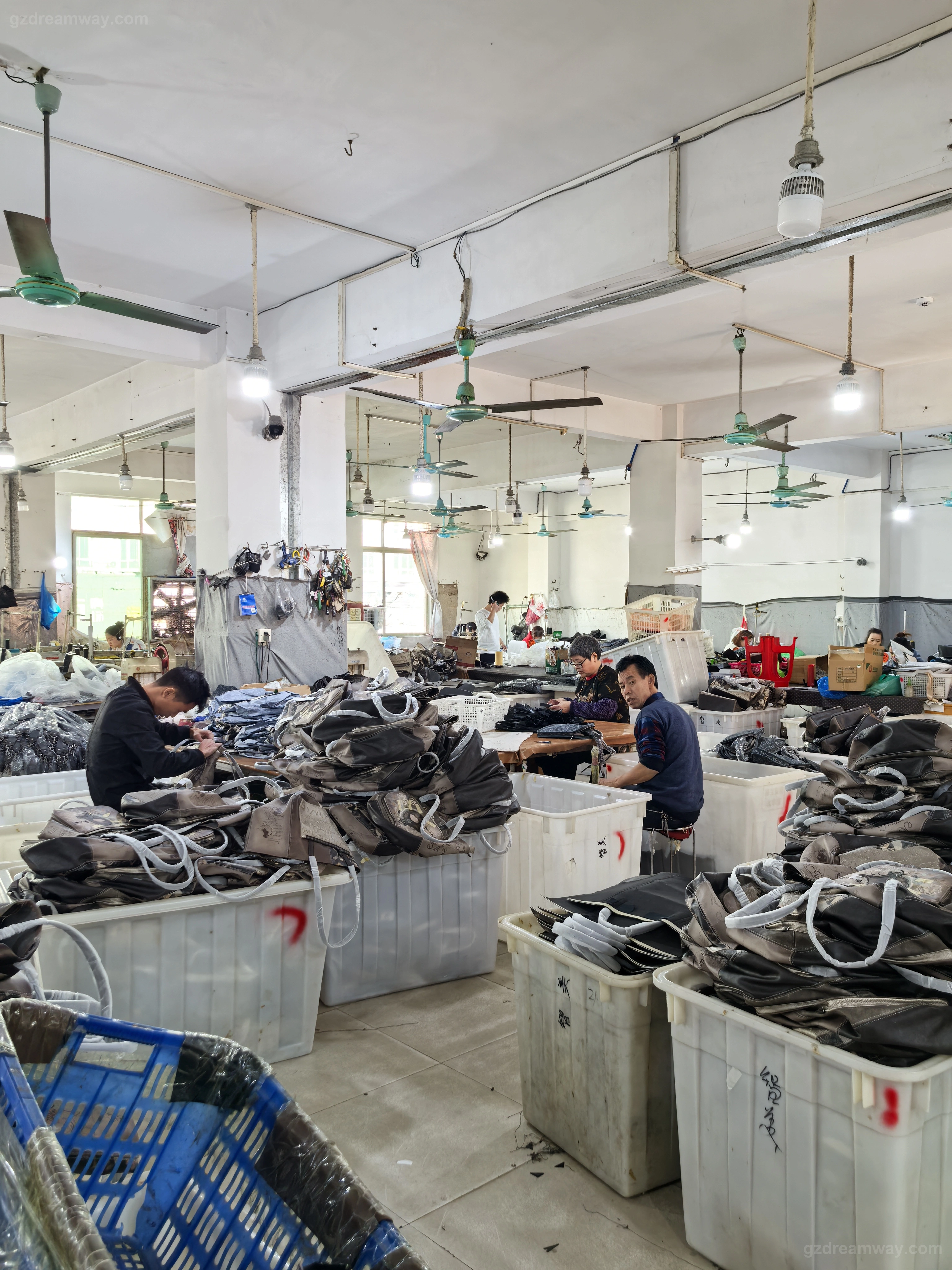
China — the workhorse for 200 to 10,000-piece runs
The action is in Guangzhou Baiyun plus Huadu Shiling. Within a one-hour drive of our office you will find more than 200 tanneries, hardware workshops, edge-paint suppliers, and zipper makers. Eighty-five percent of China’s leather handbag exports come out of this cluster, and the supply chain depth is something no other country can match at this price point — which is exactly why a China leather handbag manufacturer based in Guangzhou can usually beat the timeline and tooling cost of any other geography for runs between 200 and 10,000 pieces.
A genuine leather handbag manufacturer in China will hand you a tannery-of-origin certificate and an LWG audit trail for the hides you specified. If they cannot, walk away — you do not know what you are buying. If you are still mapping out how to find a leather handbag manufacturer in China for the first time, our best advice is to shortlist 5 to 8 factories and run the five-step verification in the next chapter on all of them before you send a single tech pack.
- FOB benchmark (500pc tote): $18–$35
- Bulk lead time: 35–50 days
- Strong in: OEM and ODM, hardware variety (YKK and riri are both standard), speed
- Compliance: BSCI, SA8000, Sedex SMETA widely available — ask for the actual report
- Watch out: Quality variance between lines. AQL 2.5 inspection is non-negotiable.
For a shortlist of vetted factories with capacity, audit, and lead-time data, see our 2026 ranking of Guangzhou tote bag manufacturers.
Italy — when the story is the price of admission
Tuscany-based manufacturers earn the $80 to $250 FOB price tag only when the brand story genuinely requires Made in Italy. Lead times run 90 to 120 days, MOQ usually starts at 300 to 500 pieces, and you will need to commit to a multi-season program to make the relationship worthwhile for both sides.
India — the right answer for hand-embroidered work
The Kanpur cluster produces more hand-embroidered and artisan leather goods than anywhere else in the world. FOB of $25 to $50, lead time 60 to 80 days, and hardware variety that is much more limited than China. Communication in English varies by factory; ask for a video call before you sign anything.
Vietnam — the EU tariff play
Ho Chi Minh City factories offer FOB of $20 to $40 on 300 to 500-piece runs with a 45 to 60-day lead time. The post-2024 EU tariff structure gives a 0 to 9 percent advantage over Chinese goods for EU-bound shipments, which can swing the math if you are shipping primarily into Europe.
2026 country comparison at a glance
| Factor | China (Guangzhou) | Italy (Tuscany) | India (Kanpur) | Vietnam (HCM) |
|---|---|---|---|---|
| FOB (500pc tote) | $18–$35 | $80–$250 | $25–$50 | $20–$40 |
| MOQ (avg) | 200 pcs | 300–500 pcs | 200–500 pcs | 300–500 pcs |
| Bulk lead time | 35–50 days | 90–120 days | 60–80 days | 45–60 days |
| Hardware variety | Excellent (YKK) | Excellent | Limited | Good |
| OEM factories | 1,000+ | 50+ | 200+ | 100+ |
| Private label factories | 500+ | 10+ | 50+ | 30+ |
| EU tariff (post-2024) | 3–9% | 0% (intra-EU) | 0–9% | 0–9% |
| Best for | OEM/ODM scale | Luxury heritage | Artisan pieces | EU mid-volume |
In 2025, 68 percent of new DTC handbag brands picked a China leather handbag manufacturer for their first 1,000 pieces. By year three, only 41 percent were still there — the rest had moved up the value chain into Italy or in-house production.
— Internal data, GZDreamway 2020 to 2025, n=200 brand engagementsStep 03 — ShortlistSort by capability first. Price will follow.
The cheapest quote is almost always the most expensive. A factory that comes in 30 percent below the median is cutting one of five things: leather grade, hardware, stitching density, QC staffing, or margin. By the time you spot the cut corner in the bulk shipment, the deposit is gone. If you have not yet figured out how to find a leather handbag manufacturer worth quoting in the first place, this chapter is the one to read first — the methodology here is what we use internally when a new client asks us to shortlist a supplier on their behalf.
Five capabilities that actually matter
- Vertical integration. Cutting, sewing, edge-paint, and QC under one roof, with one operations manager accountable for your order.
- Leather sourcing. Access to tier-1 tanneries and a real LWG audit trail. Full-grain, top-grain, or corrected — they should explain which they use and why.
- Hardware selection. YKK or riri zippers, branded metal hardware, not no-name substitutes.
- Capacity fit. A factory running at 95 percent utilization has no room for your rush. 60 to 80 percent utilization is the sweet spot.
- Compliance base. BSCI, SA8000, or Sedex SMETA. The certificate is on the wall; the audit report is in the file. Ask for the file.
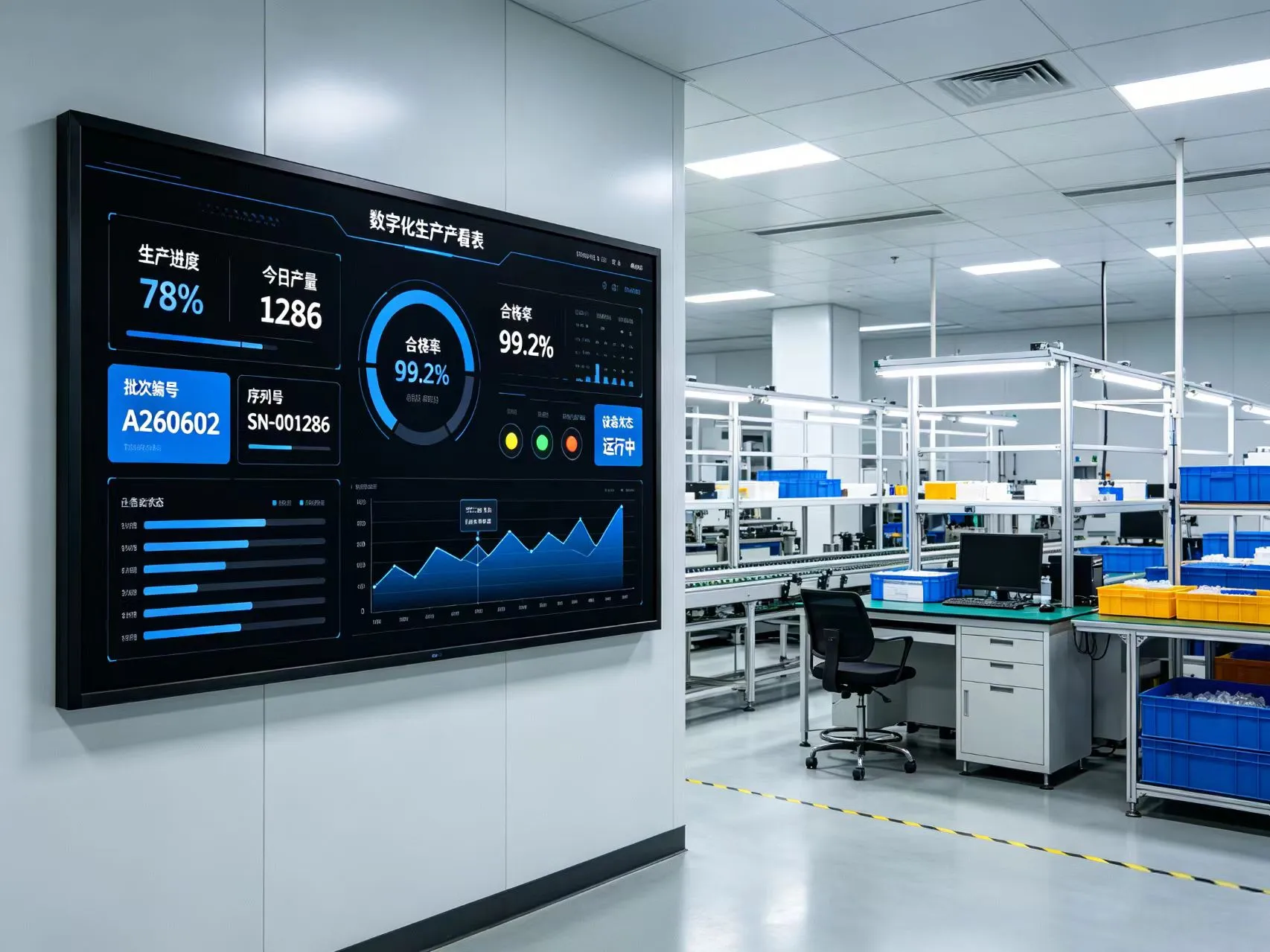
Three ways to actually build the shortlist
- Alibaba Gold Supplier — filter for 5+ years tenure, 90%+ on-time rate, and a sub-4-hour reply time. The Gold Supplier badge means they have paid Alibaba; it does not mean they are good. The other two filters do most of the work.
- Industry referrals — one good referral from a brand that has already imported is worth more than 100 cold RFQs. Ask in trade-association Slack groups, in DHgate forums, at trade shows.
- Trade shows — APLF Hong Kong, Lineapelle Milan, and Magic Las Vegas are still where the serious factories show up with samples and decision-makers on the booth.
Step 04 — VerificationIf you only do one thing on this list, do this. How to verify a leather handbag factory.
Most first-order disputes we see in our arbitration work trace back to a step the buyer skipped. The China Council for the Promotion of International Trade puts the number at around 60 percent. Once you understand how to find a leather handbag manufacturer that is also worth verifying, the rest of the buying process gets dramatically easier, because you stop wasting time on the wrong suppliers. The single most-asked question in our buyer FAQ is still how to verify a leather handbag factory — here is the field-tested answer, step by step.
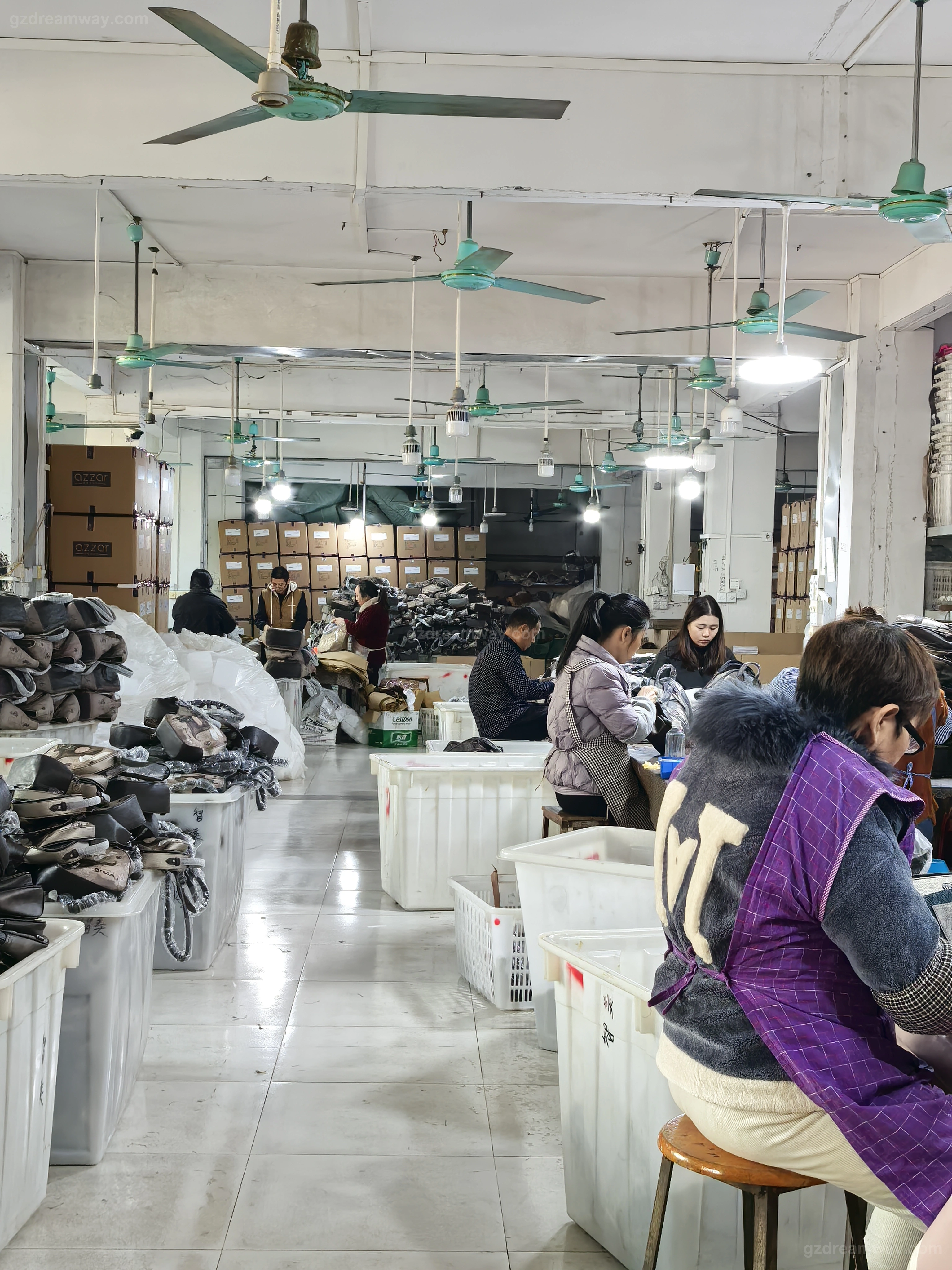
1. Business license and address
Pull the factory’s record from gsxt.gov.cn, the national enterprise credit system. You want a 5-year history with no major lawsuits and a registered address that matches what is on the website. Cross-check the address on Google Maps Street View — if it shows a residential building or a serviced office, you are not looking at a factory.
For the full 23-item audit we run on every new supplier, see our handbag factory audit checklist. It is the same document our QC team uses when a buyer asks us to vet a second-source option.
2. The actual third-party audit report
Ask for the BSCI, Sedex, or SA8000 report — not the certificate, the report. A reputable factory will email it within a day. Check that the audit was done within the last 12 months and read the non-compliance section; the way a factory handles non-compliances tells you more than the audit score itself.
If they will not share the report, that is your answer. The leather bag quality control checklist we hand to new clients covers what a credible QC document should look like: AQL 2.5 minimum, hardware pull tests, edge-paint bend tests, and a per-stage inspection plan.
3. Call two or three of their past clients
Skip the written testimonials. Get a phone number or a direct email. Ask one question: “What did they get wrong on the first order?” Every factory has a story here. The honest factories own the mistake and explain the fix. The dishonest ones get defensive, and that is the end of the conversation.
4. Pay for a sample, time the delivery
Even a 5-piece sample tells you three things: how fast they turn work around, whether their finishing is consistent, and whether they will push back on your tech pack. A 14-day sample window is a reasonable ask on an OEM order. The leather handbag manufacturing process has nine distinct stages — understanding them lets you set inspection gates at the right moments rather than relying on a single final inspection.
5. Lock the sample retention in writing
The approved sample should stay on the factory floor for 18 months. The clause costs you nothing and prevents the most common bulk-order dispute we see: “We never saw this design.” If the factory balks at a 12-month retention, that is its own kind of red flag.
At GZDreamway, the 5-step verification takes 12 to 18 days for a brand new client. On the first bulk order, that 18 days of work typically saves around 27 percent in rework costs. The buyers who skip these steps pay for it later — and that is the single most-asked question in our buyer FAQ.
— Internal GZDreamway QC and dispute data, 2020 to 2025Step 05 — CommunicationReply time in the sample phase predicts reply time in production.
The pattern shows up over and over in our client files. A factory that takes 72 hours to reply to a sample inquiry will, on average, take 14 days to reply to a production problem. Communication speed in the sample phase correlates about 90 percent with production response time in the bulk phase, and it is the single easiest signal to read before you commit a deposit.
Five communication red flags to watch for
- No reply within 24 hours on a business day, twice in a row.
- Different sales rep on every email, with no introduction when the handoff happens.
- Vague, deflecting answers to specific technical questions about leather grade, stitching, or hardware.
- Refuses to schedule a video call or a factory tour — even a virtual one is fine.
- Pressing for a deposit before sharing any factory documentation.
Sample quality rubric — what to inspect on day one
| Check Point | Acceptable | Reject |
|---|---|---|
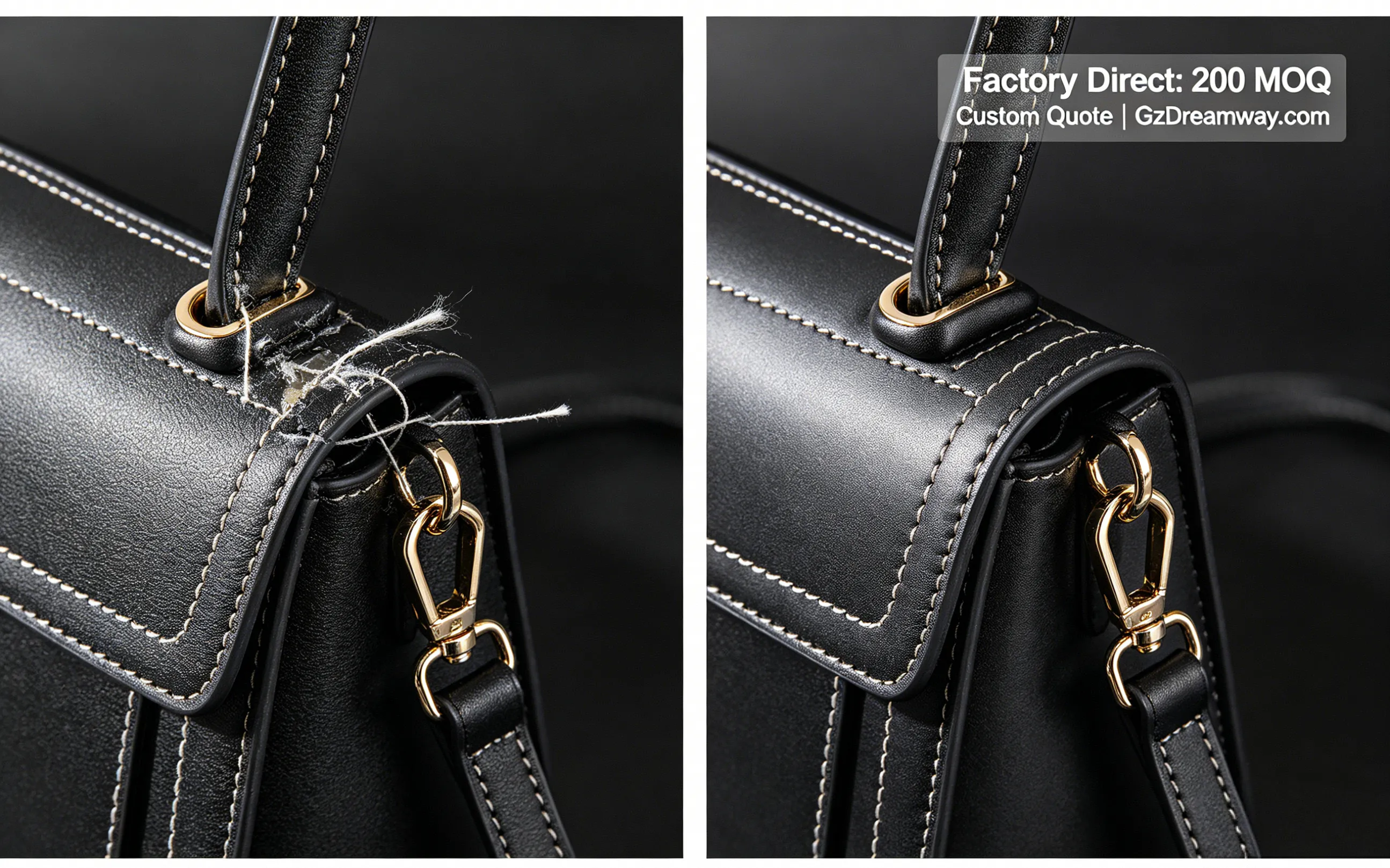
| Stitching density | 5–7 stitches per cm, even tension | Skipped stitches, loose threads, inconsistent length |
| Hardware | YKK or riri, smooth action, no plating defects | Sticky zippers, tarnished metal, mismatched color |
| Edge paint | Even coat, no cracking at a 90-degree fold | Peeling, irregular thickness, visible brush marks |
| Leather consistency | Uniform grain, no scarring on the face | Color variation between panels, surface defects |
| Strap pull test | 25 kg static load, no failure after 60 seconds | Deformation, stitch separation, or rivet pull-out |
Lead time benchmarks — do not accept longer than these
| Production Model | Sample Lead Time | Bulk Lead Time |
|---|---|---|
| Private Label | 3–7 days | 7–15 days |
| ODM | 7–14 days | 30–45 days |
| OEM | 14–21 days | 60–90 days |
Step 06 — QuotingGet three quotes. Always. Use the same template, line by line.
Most buyers leave 10 to 20 percent of margin on the table by accepting a single quote. Worse, they accept it without a like-for-like comparison, which means the OEM quote, the ODM quote, and the private label quote are sitting on the desk in different formats. A private label leather handbag manufacturer and an OEM leather bag manufacturer are quoting against different cost bases; the only way to compare them fairly is on a fixed template.
10-line quote comparison template
| # | Line item | Factory A | Factory B | Factory C |
|---|---|---|---|---|
| 1 | FOB price per unit | |||
| 2 | Mold and tooling cost (one-time) | |||
| 3 | Sample cost (refundable on bulk?) | |||
| 4 | Payment terms (T/T 30/70? L/C? DP?) | |||
| 5 | MOQ per style and per color | |||
| 6 | Bulk lead time | |||
| 7 | Defect rate allowance (AQL 1.0 / 2.5 / 4.0) | |||
| 8 | Defective goods policy | |||
| 9 | Repeat-order price discount | |||
| 10 | Exclusivity terms (region, channel, duration) |
Four price-negotiation rules of thumb
- Volume discount starts at 1,000 pieces per style, not 500.
- Repeat-order discount is 3 to 5 percent off the same SKU; lock it in writing now.
- Never pay 100 percent upfront. 30/70 T/T is the industry baseline. 50/50 is a red flag.
- Sample cost is refundable on 500+ piece orders, in our experience, on roughly 70 percent of suppliers.
Quoting is opaque without the underlying cost data — a typical handbag manufacturing cost structure runs about 42 percent leather, 18 percent hardware, 22 percent labor, 8 percent lining, 10 percent overhead. If your first run is under 200 pieces, a small-MOQ leather handbag factory in China is the only setup that will quote you realistically, and you should expect the unit cost to run 35 to 50 percent higher than a 500+ piece run.
And before you wire the deposit, get the 30/70 T/T terms in writing. The guide we share with new clients covers why 50/50 is a deal-breaker, how to negotiate L/C at $30K+ orders, and the few exceptions where 40/60 is acceptable.
Step 07 — ContractsSeven clauses separate a clean second order from a fight.
A handshake is not a contract, and a WeChat confirmation is not enforceable in any court we know of. These seven clauses are what an OEM leather bag manufacturer‘s standard contract should contain — if the factory pushes back on more than two of them, that is a signal about how the relationship will go when something goes wrong. Every clause below is something we have personally had to enforce or renegotiate on an OEM program in the last three years, so the wording matters.
1. Quality standard — AQL 2.5, or stricter
Acceptable Quality Level 2.5 means no more than 2.5 defective units per 100 inspected. For premium lines we recommend AQL 1.5 or 1.0. Specify inline QC at each production stage, not just a final inspection — catching defects at the cut stage is 8x cheaper than catching them at packing.
2. Defect rate — 3 percent maximum, factory replaces above that
Define a defect as functional or cosmetic, and write it down. The factory should replace defective units at its own cost above the 3 percent threshold. Without this clause in writing, “defect” becomes a negotiation every time.
3. Lead time — late delivery penalty, 1 to 2 percent per week
Retail lost sales from late delivery are real. Build in 1 to 2 percent penalty per week of delay beyond the agreed shipping date. Cap it at 10 to 15 percent of the order value so it stays commercially reasonable.
4. Payment terms — 30/70 T/T, never 100 percent upfront
30 percent deposit on PO confirmation, 70 percent balance against shipping documents. That is the industry standard. Any factory asking for 50/50 or 100 percent upfront has a cash flow problem and you do not want to be its lender.
5. Sample retention — factory keeps the sample for 18 months
The approved sample is the reference standard. The factory must store it for 18 months so there is no “we never saw this design” dispute in production. We extend it to 24 months on long-running programs.
6. Exclusivity — regional lockout for 12 to 24 months
If you are paying for market exclusivity by territory, put it in the contract — including which sales channels are covered (DTC, wholesale, marketplace) and the minimum annual volume required to maintain exclusivity. Exclusivity without volume commitments is a promise the factory cannot keep.
7. IP protection — tech pack is yours, not theirs
Your tech pack, your patterns, your hardware specifications. The contract must state explicitly that the factory cannot use them for any other client, and an NDA should be signed before you share the tech pack. This is the single most-skipped clause we see in first-order contracts, and it is the one that costs the most when it goes wrong.
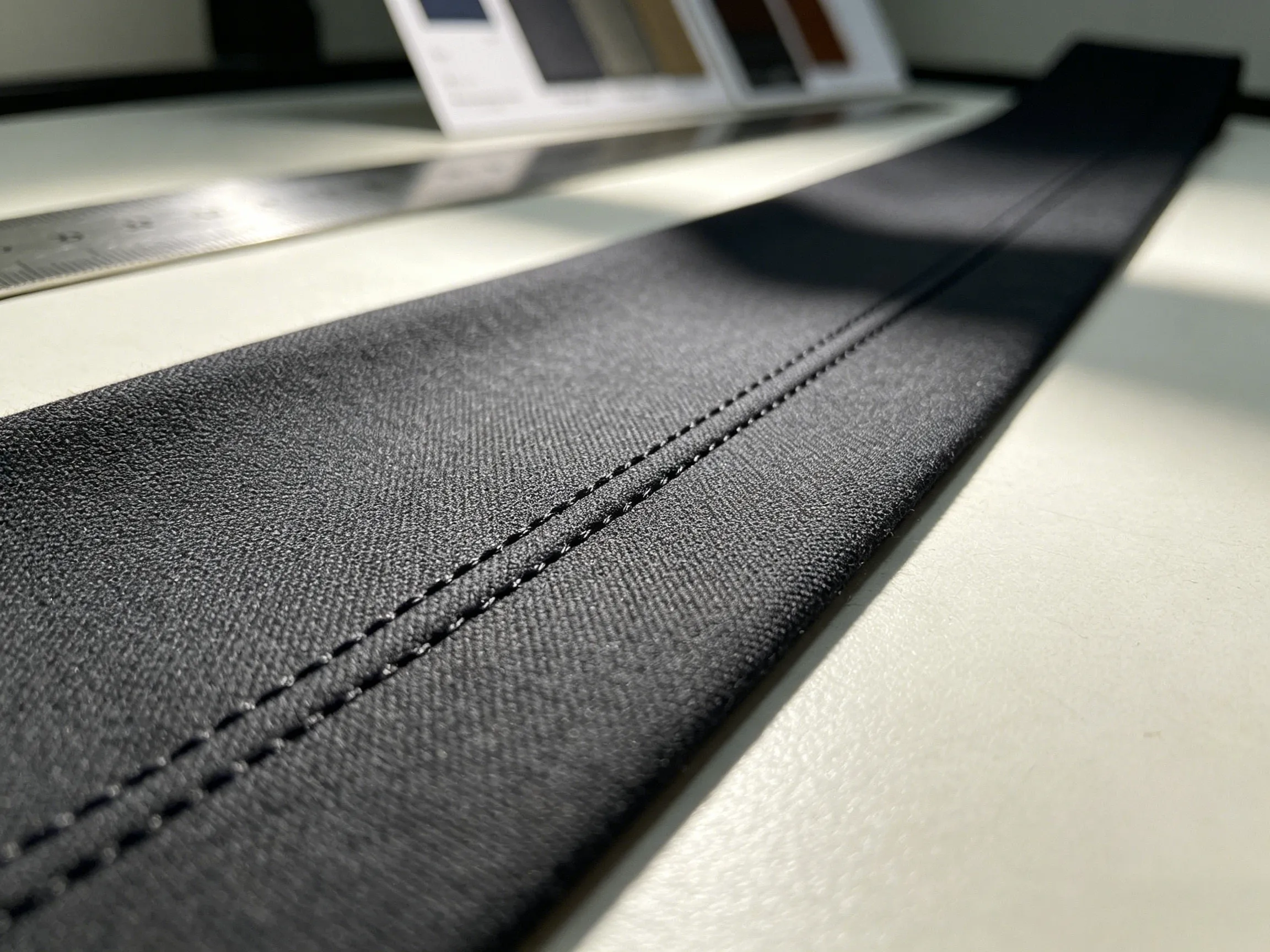
The seven-clause checklist
- AQL 2.5 or stricter, defined in writing
- 3 percent defect allowance, factory replaces above that
- Late delivery penalty of 1 to 2 percent per week
- 30/70 T/T payment terms, signed before deposit
- 18-month sample retention clause
- Exclusivity by region, with annual volume commitment
- IP and tech-pack protection, plus an NDA
Deep diveChina vs Italy vs India, 2026 edition.
Three countries produce 80 percent plus of the world’s branded leather handbags, and the gap between them has widened since 2024. The data below is what we actually see on real quotes from 200+ supplier audits and 1.2M+ units produced — not industry-press averages.
When China is the right answer
Pick a China leather handbag manufacturer when you need OEM or ODM at scale, when you want 200 to 10,000+ piece runs at $18 to $35 FOB, when you need fast hardware sourcing, and when BSCI or Sedex compliance documentation is part of your buyer’s brief. The Guangzhou cluster in Baiyun and Huadu is the global production hub for this segment — full stop, and the reason a China leather handbag manufacturer remains the default choice for the majority of the brands we work with. For most B2B buyers the question is not whether to source from a China leather handbag manufacturer but which one to trust with the first order.
When Italy is the right answer
Pick Italy when the brand story includes Made in Italy, when your target customer expects it as a quality signal, and when you can carry the 90 to 120-day lead time and the $80 to $250 FOB. Tuscany is unmatched for luxury heritage storytelling, and you should not try to imitate it from Guangzhou.
When India is the right answer
Pick India (Kanpur) when the product is hand-embroidered, when you need zardozi or similar artisan techniques, and when the volume is under 1,000 pieces. FOB of $25 to $50 with 60 to 80-day lead times is competitive for artisan pieces and gives you access to a different labor skill than the Chinese cluster.
Detailed comparison — all three at once
| Factor | China (Guangzhou) | Italy (Tuscany) | India (Kanpur) |
|---|---|---|---|
| FOB (500pc tote) | $18–$35 | $80–$250 | $25–$50 |
| MOQ (avg) | 200 pcs | 300–500 pcs | 200–500 pcs |
| Sample lead time | 7–14 days | 21–30 days | 14–21 days |
| Bulk lead time | 35–50 days | 90–120 days | 60–80 days |
| Hardware variety | Excellent (YKK) | Excellent | Limited |
| Edge-paint quality | Tier 1–3 | Tier 1–2 | Tier 2–3 |
| Communication (EN) | Strong | Strong | Medium |
| EU tariff (post-24) | 3–9% | 0% (intra-EU) | 0–9% |
| Best for | OEM/ODM scale | Luxury heritage | Artisan pieces |
| Risk profile | Quality variance | Cost | Capacity |
Red flagsTwelve signals that mean walk away, regardless of how nice the website looks.
These twelve signals appear in roughly 80 percent of the failed first-order projects our dispute team has worked on. If you see two or more, walk away — the polished website and the low quote are part of the same problem. In our experience, this is the quickest way to tell whether you are looking at a legitimate leather handbag factory or a shopfront operation with a marketing budget.
- No verifiable business license, or the factory refuses to share it.
- Factory address is a residential apartment, a serviced office, or a virtual office.
- Quotes 30 percent or more below market median, with no explanation for the gap.
- Refuses third-party inspection from SGS, Intertek, or Bureau Veritas.
- No written QC procedure, or the factory will not share its internal one.
- Demands 100 percent payment upfront, or 50/50 on a first order.
- Will not sign a sample retention contract of at least 12 months.
- No list of past clients, or refuses to connect you with any references.
- Lead time claim under 21 days for a 500-piece OEM order. That is not physically possible.
- No BSCI, Sedex, or SA8000 audit certificate, and no interest in getting one.
- Different sales rep on every email, with no handover note or introduction.
- Will not sign an NDA or an IP protection clause before seeing your tech pack.
Buyers who walk away from factories showing 2 or more of these red flags save an average of $47,000 in dispute resolution costs on their first order.
— GZDreamway arbitration case data, 2020 to 2025, n=148 disputesQuestions25 questions to ask any OEM or private label leather handbag manufacturer.
These twenty-five questions are the ones our team uses when a new buyer asks us to shortlist a supplier on their behalf. They are organized by capability, quality, business, and logistics — ask all of them, in writing, before you commit a deposit.
8 capability questions
- How long have you been operating as a leather handbag manufacturer?
- What is your annual production capacity in units per year?
- Do you own the factory, or are you a trading company? (There is a real difference — trading companies add 8 to 15 percent to the FOB.)
- Which leather grades do you typically source — full-grain, top-grain, corrected-grain?
- Can you provide tannery certifications such as LWG and ISO 14001?
- What is your standard MOQ per style? Per color?
- Do you offer OEM, ODM, and private label production models?
- Can you share three references from brands similar to mine?
7 quality questions
- What AQL standard do you use — 1.0, 2.5, or 4.0?
- Do you conduct hardware pull tests? What standard?
- How many QC staff do you assign per production line?
- Can I arrange third-party inspection through SGS, Intertek, or Bureau Veritas?
- What is your defective goods policy — replace, credit, or refund?
- Can you share two inspection reports from past orders?
- Do you have a written QC procedure for each production stage?
5 business questions
- What are your standard payment terms for first orders?
- Do you accept L/C for orders above $30,000?
- Are sample fees refundable against bulk orders?
- Which Incoterms do you offer — EXW, FOB, CIF, or DDP?
- Do you offer exclusivity by country or sales channel?
5 logistics questions
- What is the sample lead time for a custom OEM design?
- What is the bulk lead time after sample approval?
- Who handles export documentation and customs clearance?
- Can you quote FOB to my port and CIF to my warehouse address?
- Do you offer warehousing and drop-ship options for reorders?
FAQHow to choose a leather handbag manufacturer — the six questions buyers ask us most.
These six are the most common from our inbound inquiries. For 25 more covering MOQ, lead time, AQL, payment terms, and chemical compliance, see the full FAQ on the leather handbag manufacturing process — which is also the best place to start if you are still working out how to find a leather handbag manufacturer in a specific country or category.
How do I find a legitimate leather handbag manufacturer in China?
Five channels still work in 2026, and we recommend using two or three of them in combination rather than betting on a single one:
- Alibaba Gold Supplier — filter for 5+ years tenure, 90%+ on-time rate, and 4-hour reply time. The Gold Supplier badge alone means little; the tenure and on-time metrics are the real signals.
- Trade shows — APLF Hong Kong (leather-focused), Lineapelle Milan (luxury leather), and Magic Las Vegas (broader accessories) are the three shows where you will find serious factory owners, not just sales agents.
- Industry referrals — one good referral from a brand that has already imported successfully is worth 100 cold RFQs.
- B2B sourcing agencies that specialize in the Guangzhou cluster — they are useful if you are new to China and want a guide, but they typically add 8 to 15 percent to the FOB.
- Google advanced search for factory-direct websites in the Baiyun and Huadu districts. Look for sites that list the factory floor, the equipment, and the QC team — not a polished product gallery.
How to verify a leather handbag factory is who they say they are?
Run these five checks in order — this is what we mean in practice when we say “how to verify a leather handbag factory,” and it is what our own team does for every new supplier before we sign anything:
- Business license — pull the record from gsxt.gov.cn and check the 5-year history for any major lawsuits.
- Third-party audit report — BSCI, Sedex, or SA8000, dated within the last 12 months. The report, not the certificate.
- Direct references — call or email 2 or 3 of the factory’s past clients. Ask what went wrong on the first order, not what went right.
- Sample order — pay the full sample cost. Time the PO-to-delivery window. Inspect under AQL 2.5.
- Sample retention clause — factory keeps your approved sample on file for 18 months, in writing.
Should I pick a China, Italy, or India leather handbag manufacturer for my first 1,000 handbags?
For most B2B buyers at the 1,000-piece mark, China is the sensible default. The Guangzhou cluster gives you FOB of $18 to $35 on a 500-piece tote, lead times of 35 to 50 days, the deepest supply chain in the world, and the broadest range of compliance documentation.
Italy is the right call only when the brand story genuinely needs the Made in Italy label and your retail price supports the $80 to $250 FOB. India (Kanpur) is the right call when your product is hand-embroidered or you need specific artisan techniques, with FOB of $25 to $50 and lead times of 60 to 80 days.
Vietnam is the EU-tariff play — worth a serious look if 70 percent or more of your shipments are bound for Europe.
What is the difference between an OEM and a private label leather handbag manufacturer?
An OEM leather bag manufacturer builds your design from a tech pack — higher MOQ (200 to 500 pieces), $25 to $45 FOB on a 500-piece tote, 60 to 90-day lead times, and full control over the design.
A private label leather handbag manufacturer sells you stock styles with your logo applied — lower MOQ (20 to 100 pieces), faster delivery (7 to 15 days), $15 to $25 FOB, but a 35 to 50 percent unit cost premium versus bulk OEM pricing, and very limited customization.
The right choice depends on your launch timeline and on whether you need a product that is genuinely yours or one that is a fast market test.
How much does a private label leather handbag manufacturer charge per unit?
Plan on $15 to $25 FOB per unit for a 500-piece private label tote, based on 2026 quotes we have actually written. The same style in OEM production at 500 pieces lands at $25 to $45 FOB, so the private label premium is real — about 35 to 50 percent more per unit, driven by the smaller production run and the stock design licensing.
Lead time for private label is 7 to 15 days versus 60 to 90 days for OEM, which is the trade-off most private label buyers are paying for.
What is the typical MOQ for a custom leather handbag from a China factory?
Three numbers to remember. OEM from a China factory usually means 200 to 500 pieces per style. ODM, where you start from a factory catalog design and customize, runs 50 to 200 pieces. Private label, stock styles with your logo, drops to 20 to 100 pieces.
Under 200 pieces, expect the unit cost to run 35 to 50 percent higher than a 500-piece run. If your first run is genuinely under 100 pieces, a small-MOQ leather handbag factory in China is the only setup that will quote you realistically, and even there you should plan on a 4 to 6-week lead time for sampling before bulk.
Next stepTalk to a real production manager, not a chatbot.
If you are shortlisting right now, send us your tech pack.
GZDreamway has been a verified leather handbag manufacturer in Guangzhou since 2008. We hold BSCI, SA8000, Sedex SMETA, GRS, and ISO 9001. We have shipped 1.2M+ units to brands in 23 countries. Send us a sketch, a reference image, or a tech pack — our production managers, not a sales bot, will get back to you within one business day with a like-for-like quote.
The teamWho you will actually be working with.
Three people who run the bulk of our OEM and ODM programs. No account manager hand-off, no junior support queue — you talk to the people whose names are on the production order.
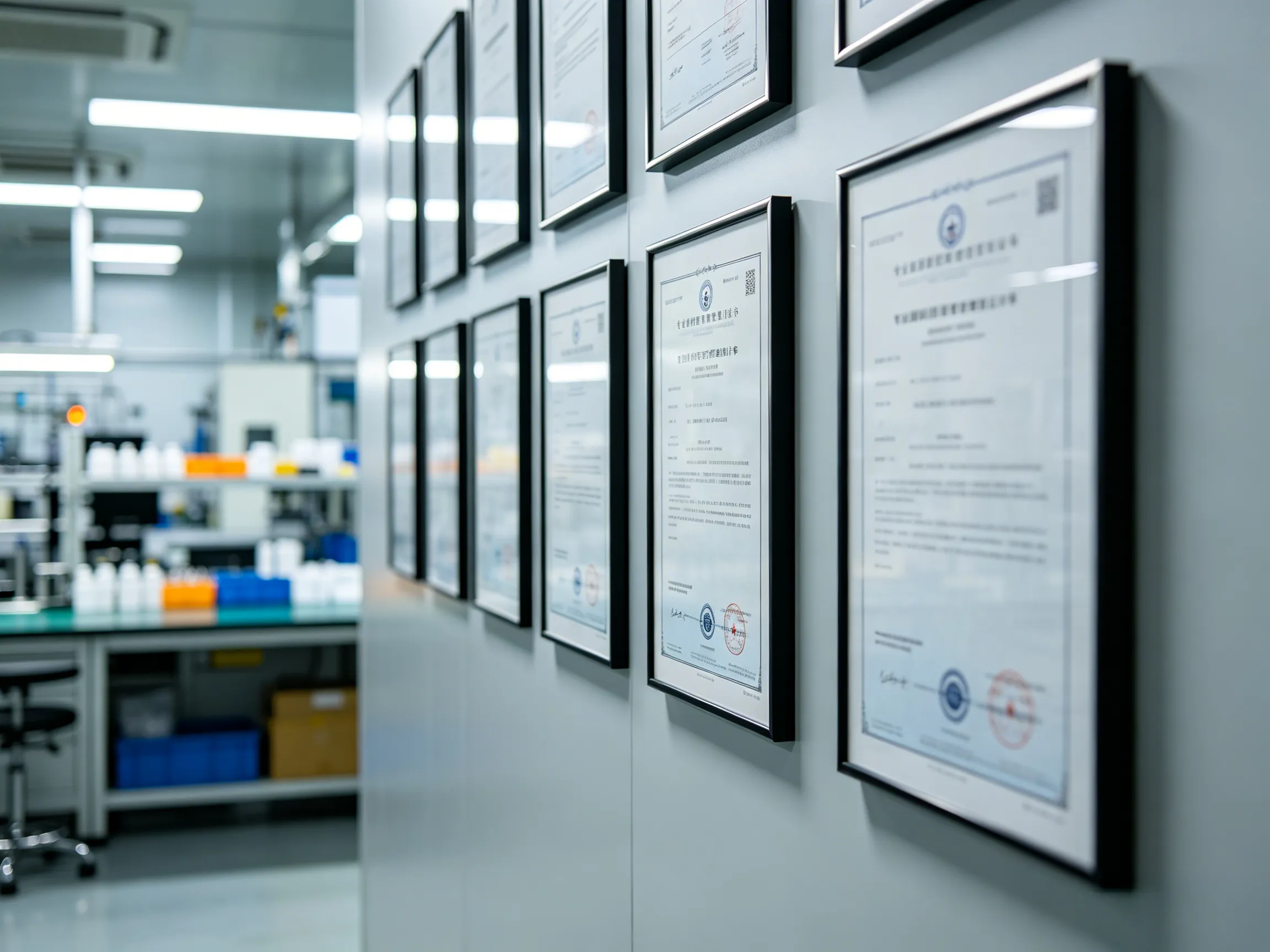
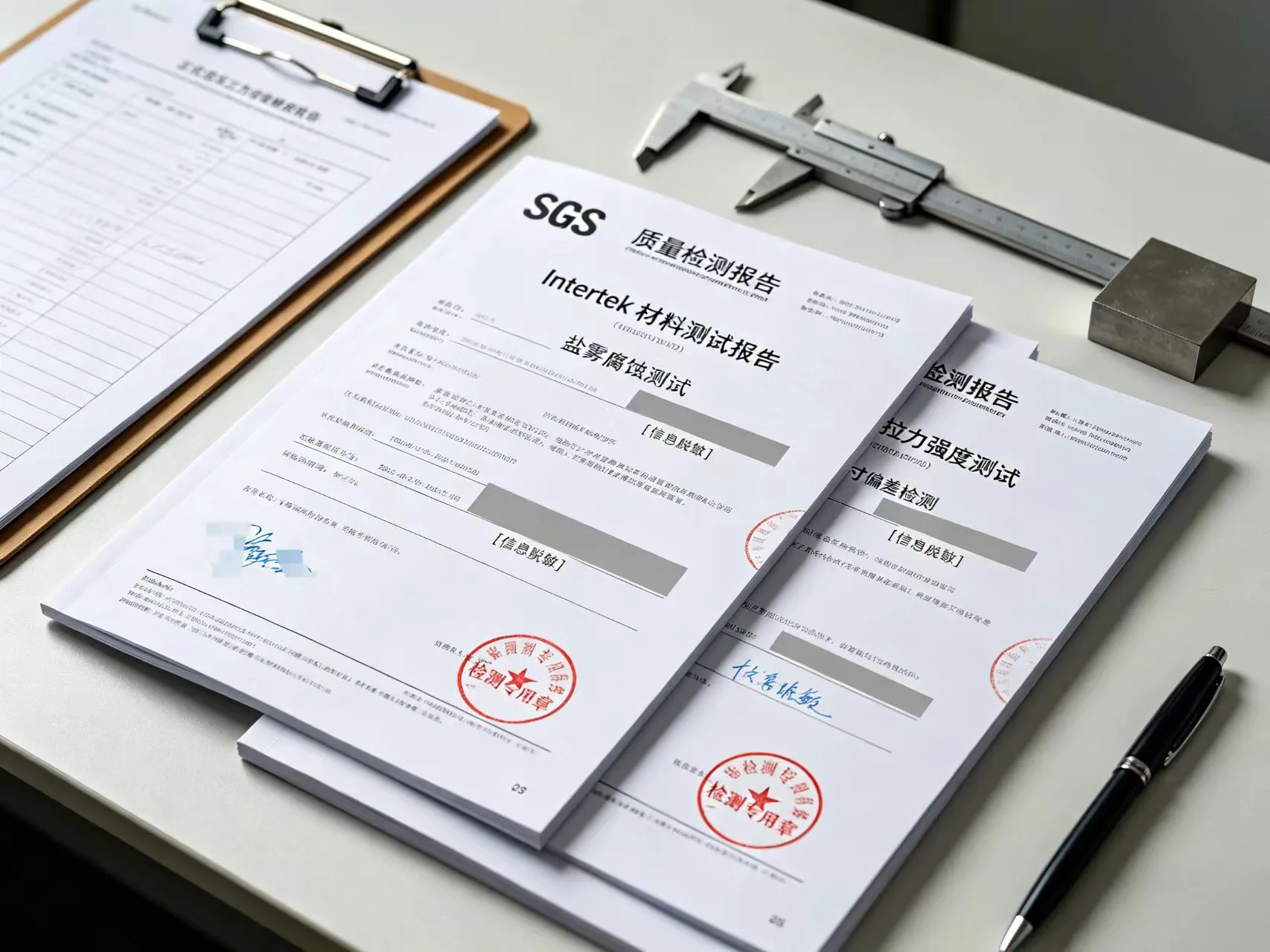
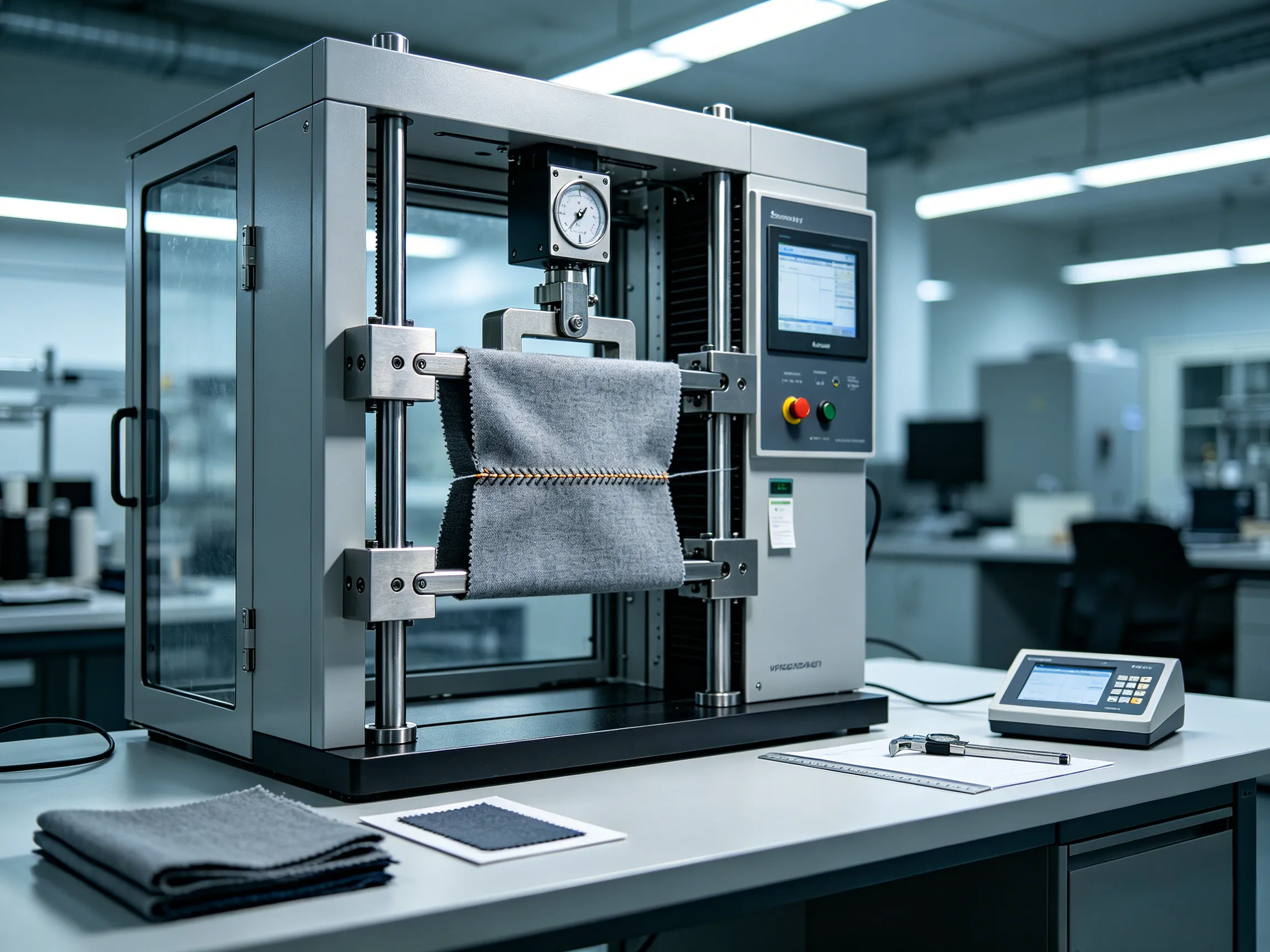
Quality you can verifyNot just claimed — documented.
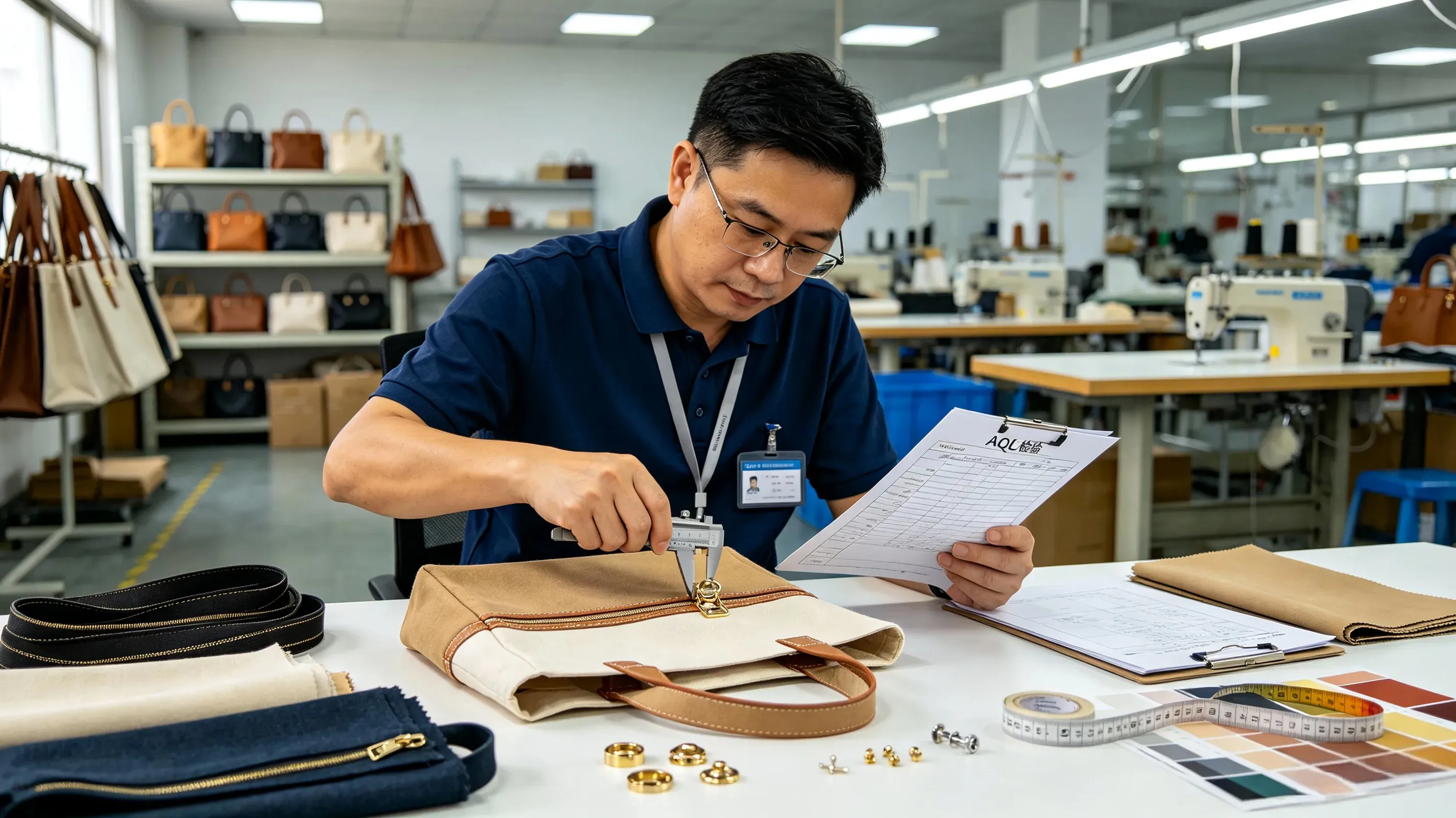
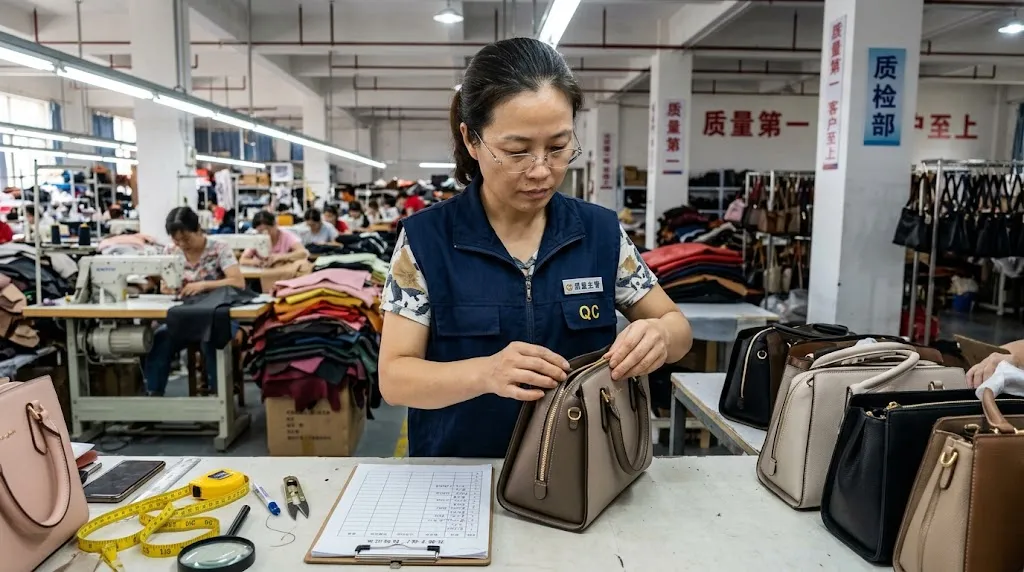
The pictures below are not stock photography. They are from our Guangzhou floor, our QC lab, and our final-inspection station. The audit reports, salt-spray certificates, and tensile-strength data behind each one are available to any current client on request.
Guangzhou Huadu Shilong Town — Premium Bag & Silk Product Manufacturer
Bags MOQ: 200 pcs | Silk Products MOQ: 50 pcs
Serving 50+ Countries Worldwide | 30+ Skilled Employees
Location
Guangzhou, China
Factory DirectScan the QR code to connect with Victoria

Editorial Resources for Leather Bag Manufacturing & Sourcing
For buyers, designers, and category managers evaluating private label leather handbag programs, our editorial team in Guangzhou has compiled reference material covering material science, REACH and Prop 65 documentation, production workflow, factory audit criteria, and unit cost modeling. Begin with the leather bag manufacturing topic cluster category page or browse a section below.
Topic Cluster
1 guideVisit our leather bag manufacturing topic cluster category page for an editorial index of private label program overviews, supplier comparison studies, material sourcing guides, and production workflow references curated for global leather bag buyers.
Materials & Sustainability
5 resourcesUnderstand why water based PU leather has become a preferred coating for sustainable handbag programs, with notes on its solvent-free application, softer tactile feel, lower VOC emissions, and compatibility with premium bag collections.
Review our side-by-side comparison of water based PU versus recycled PU characteristics covering tensile strength, aging performance, surface feel, environmental footprint, and price stability for sustainable bag sourcing.
Discover the future of vegan leather alternatives including pineapple leaf fiber, cactus pulp, mushroom mycelium, and apple skin composite materials suitable for plant based bag collections.
Read our safety analysis on whether recycled PU leather is toxic, covering chemical leaching risks, heavy metal content thresholds, certified eco label verification, and buyer checklist for compliance.
Partner with our sustainable leather handbag manufacturer offering eco certified leather sourcing, vegetable tanning options, recycled metal components, and traceability reporting for environmentally conscious collections.
Compliance & Trade
3 resourcesNavigate our REACH and California Prop 65 compliance roadmap for handbags, covering restricted substance lists, accredited laboratory testing protocols, and certification documentation required across US and EU markets.
Reference our complete HS code guide for handbags totes and pouches with tariff classifications, duty rate summaries, and customs documentation notes for major destination markets worldwide.
Apply our factory audit checklist for remote supplier vetting covering production capacity verification, working condition reviews, export documentation sampling, and quality management system confirmation steps.
Production & Craftsmanship
5 resourcesFollow our how to create a handbag tech pack template specifications covering dimension callouts, material references, hardware notes, tolerance definitions, and QC checkpoints that bridge designers with factory production teams.
Study our deep dive into bag hardware selection covering zipper pull strength ratings, metal tag plating thickness standards, slider fatigue testing procedures, and plating adhesion validation for premium bag construction.
Walk through our complete leather handbag manufacturing process covering material preparation, panel cutting, machine stitching, edge painting, sub-assembly, final assembly, and inline quality inspection stages at a modern factory.
Follow our leather bag sample development process timeline covering pattern drafting, hardware confirmation, material swatches, sample revision rounds, and sign-off milestones for new handbag designs.
Explore our Guangzhou leather bag manufacturing cluster overview covering regional supplier networks, skilled artisan availability, raw material sourcing hubs, and consolidated export logistics advantages for global importers.
Quality & Pricing
4 resourcesApply our leather bag quality control checklist covering stitching tolerance ranges, hardware fatigue testing, color fastness verification, lining inspection, and final packaging audits before any shipment leaves the factory floor.
Identify the seven factors that affect custom handbag unit costs including material grade, hardware selection, lining fabric, surface finish, order quantity, packaging complexity, and one-time tooling investment for accurate budget planning.
Review our handbag factory payment terms guide covering T/T and L/C settlement schedules, deposit ratio benchmarks, milestone payment structures, and sample fee refund policies for first time importers working with Asian suppliers.
Examine our handbag manufacturing cost structure breakdown covering labor versus material percentages, hidden overhead allocations, factory markup logic, and benchmark figures used for accurate cost modeling and quotation comparison.
OEM & Private Label Programs
7 resourcesPartner with our genuine leather handbag manufacturer in China offering OEM, ODM, and private label production with full grain, top grain, and split leather options, plus finished hardware sourcing from certified vendors.
Launch private label programs with our private label leather handbag manufacturer offering custom logo embossing, branded packaging, woven care labels, hangtag production, and flexible minimum order quantities for emerging brands.
Collaborate with our custom luxury leather handbag manufacturer offering handcrafted construction techniques, premium material selection, structured silhouette engineering, and limited edition production runs for designer label collaborations.
Source from our small MOQ leather handbag factory in China accepting limited production volumes, offering rapid sample turnarounds and shared material library access for boutique collections and startup brands.
Choose our low MOQ leather bag manufacturer for flexible order quantities, shared tooling programs, and rapid sampling services designed specifically for new brands entering the leather goods market.
Read our top ten leather bag manufacturers in China comparison covering factory scale, specialization areas, export experience, certification status, lead time benchmarks, and minimum order quantity ranges.
Compare OEM versus ODM versus private label leather bag partnerships with our decision framework covering design control boundaries, ownership of intellectual property, margin structures, and operational fit for different brand stages.
Product Categories
7 resourcesReview our luxury tote bag factory for premium brands capabilities covering reinforced handle stitching, structured baseboard inserts, edge paint finishing, and PU plus full grain leather construction options tailored for high end partners.
Reference our how to custom leather belts specifications covering strap dimensions, buckle compatibility, edge finishing options, lining preferences, embossing services, and retail ready packaging methods for boutique buyers.
Read our how to design custom cosmetic bags for beauty brands guide covering size breakdowns, lining preferences, closure mechanisms, branding techniques, gift packaging presentation, and shelf ready merchandising considerations.
Order from our custom leather tote bag manufacturer offering reinforced stitching patterns, structured silhouette options, custom hardware integration, and refined finishing techniques for wholesale tote programs.
Source from our leather cosmetic bag manufacturer offering compact case construction, washable interior linings, custom zipper pulls, and decoration services for skincare, fragrance, and cosmetics brand collaborations.
Partner with our leather crossbody bag manufacturer offering adjustable strap engineering, lightweight frame construction, integrated security features, and custom hardware for crossbody production programs.
Order from our custom leather wallet manufacturer offering billfold, cardholder, coin purse, and passport holder constructions with optional RFID blocking lining, custom embossing services, and presentation packaging.
Buyer Resources
2 resourcesRead our FAQ for leather handbag manufacturing process addressing sample production lead times, bulk production schedules, international shipping options, payment milestone expectations, and quality control procedures.
Apply our how to choose leather handbag manufacturer checklist covering factory experience, communication responsiveness, social audit certifications, sample quality evaluation, and past project reference verification for new buyers.
Compiled by the Guangzhou Dreamway editorial team. All links open internal editorial resources maintained for buyer reference.