
FAQ: Leather Handbag Manufacturing Process
Last updated: October 14, 2026 · First published: January 15, 2026 · Reviewed by GZDreamway Production Team
You clicked on this page because you are thinking about making leather handbags in China, and you want straight answers. I have spent the past decade answering these questions on the factory floor in Guangzhou. Below, I will walk you through the 25 questions that come up the most — the same ones our buyers ask on a Tuesday afternoon, while we are stitching a sample bag and running a 50N pull test on a handle.
Some of this you already know. Some of it will save you from making a costly mistake. The goal is simple: by the end of this FAQ, you should know whether a China factory is the right fit, what to expect during the first 90 days, and how to keep quality where it needs to be. Every number in here comes from real orders, not from a marketing brochure.
Who Is Writing This Page
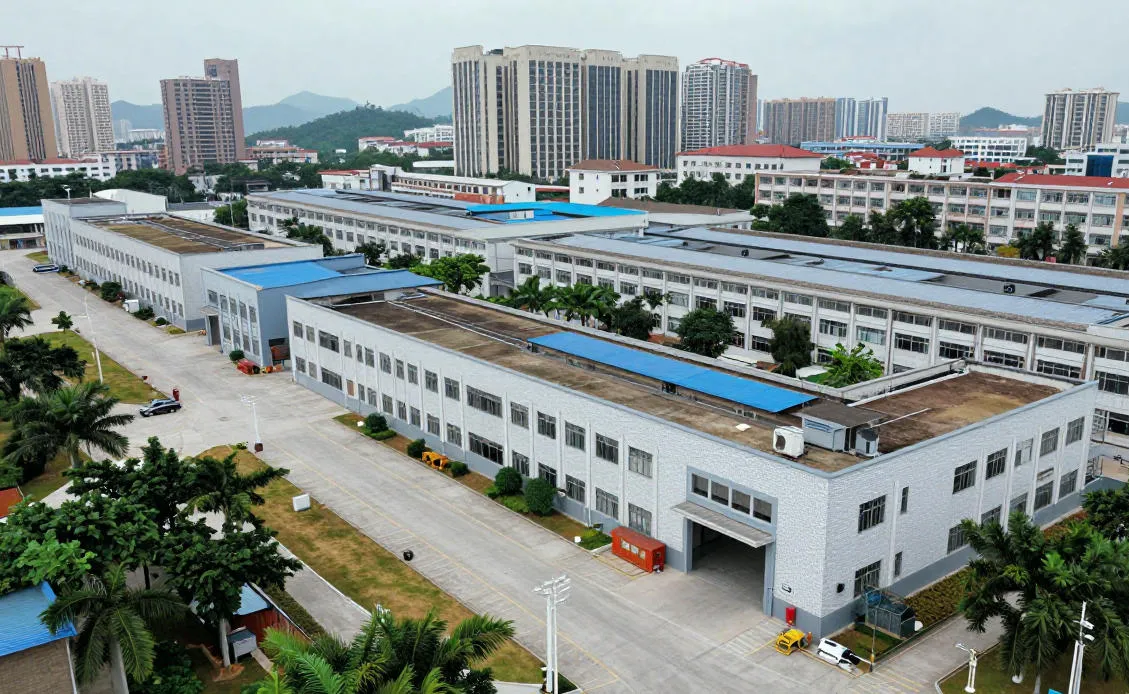
We are GZDreamway, a 30-person workshop in Huadu, Guangzhou. We have been making leather bags and silk products since 2008, mostly for brands in the US, UK, Germany, and Australia. Our MOQ sits at 200 pieces per style for bags and 50 pieces for silk, and we ship to more than 50 countries every year.
This page is not a sales pitch. It is a reference document. If you need a quotation, the contact details are at the bottom. If you just want the answers, scroll on.
The Three People Who Handle Your Order
Every OEM, ODM, and private label order is run by one of three people. They have been doing this work for a combined 40 years.
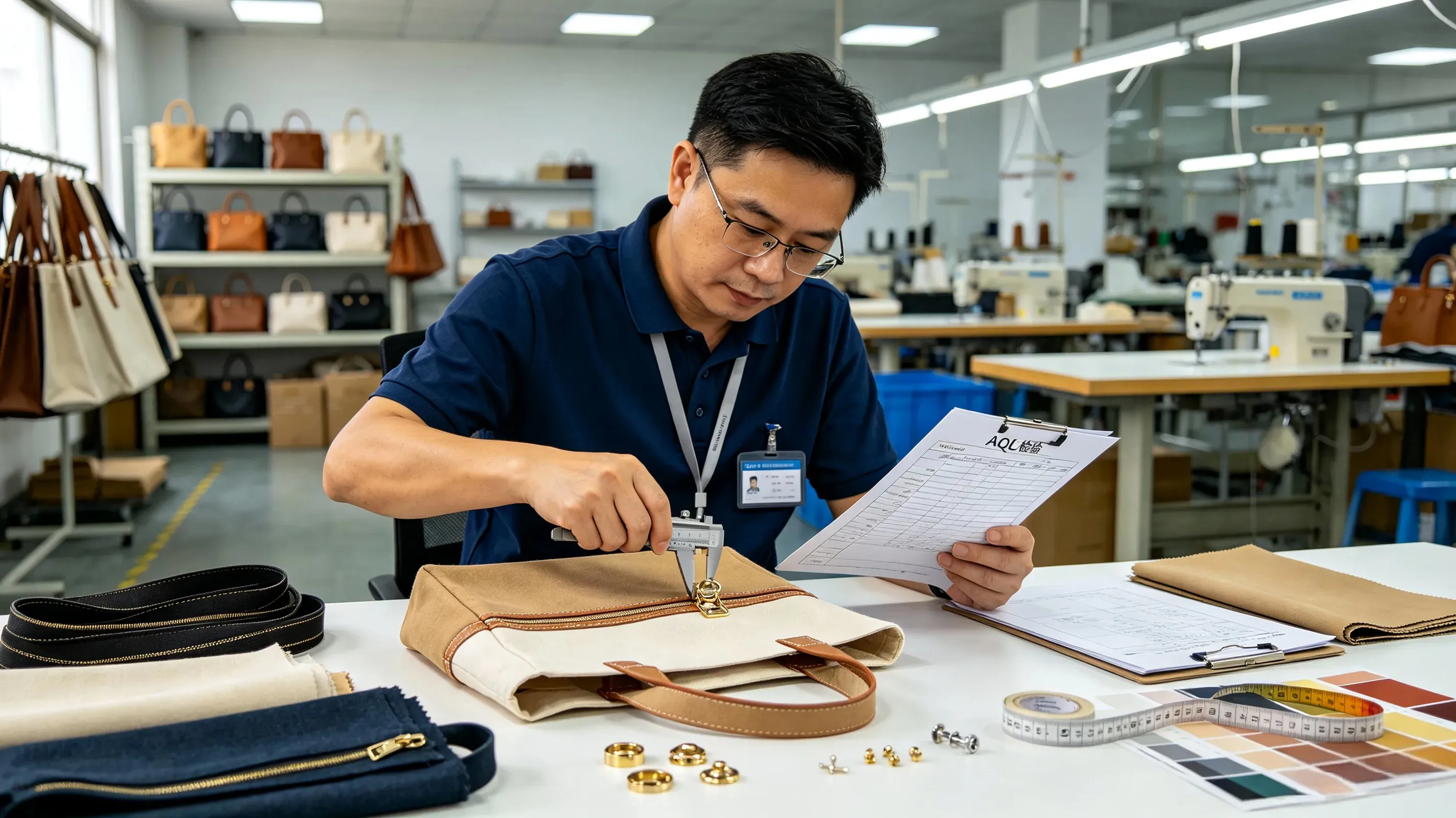
Kevin
Pattern Development Engineer
15 years working with leather, canvas, nylon, and technical fabrics. He drafts the patterns that the floor team follows.

Emily
Senior Project Manager
12 years in OEM bag manufacturing. Right now she is running 18 active projects, most of them headed to the US East Coast.
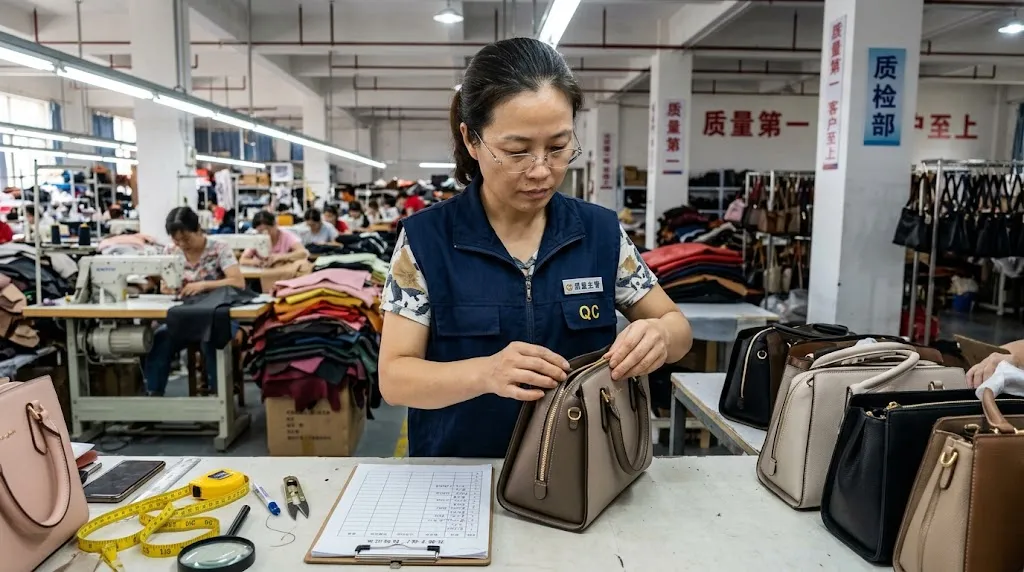
Helen
Senior QC Supervisor
13 years on the QC line. Helen catches the stitching issues and the metal hardware inconsistencies before any bag goes into a carton.
01 About Leather Handbag Manufacturers
Why source from a top leather bag manufacturer in China over other regions?
I will give you the honest version, not the brochure. China — and specifically the Guangzhou leather bag manufacturing cluster — has been doing this for over 50 years. The supply chain, the tanneries, the zipper workshops, the edge-paint suppliers, the metal foundries — they are all within an hour of the floor. That density is hard to replicate.
What you actually get, day to day:
- Material samples in your hand within 3 days, not 3 weeks
- Pattern revisions in 48 hours because the pattern maker is on-site
- YKK zipper stock available in 9mm, 10mm, and 12mm coil without a long lead time
- Edge paint and color matching done by people who have done it 10,000 times
Compare that to setting up the same chain in another country. It is possible, but it is 2–3 years of work. That is why the top leather bag manufacturers in China still win the majority of mid-to-high-end private label work in 2026.
What makes a high-quality leather bag manufacturer?
There is no single metric. After auditing factories for buyers since 2008, I look for six things:
- Floor ownership. The factory owns its production space, not a rented showroom.
- Machine inventory. Industrial machines, including automatic template sewing machines for consistent stitch geometry.
- Certifications. BSCI, Sedex, ISO 9001, or OEKO-TEX — verify the certificate numbers, not just the logos on the website.
- Sample development in-house. Pattern makers and sewing technicians on the same site.
- QC documentation. Written inspection procedures at every production stage, not just a verbal handshake.
- Client transparency. Willingness to share live video, factory photos with dates, and audit reports.
Use our handbag factory audit checklist when you are running your own review. It is the same one I use for our own supplier audits.
How do I verify a China leather bag factory is genuinely high quality?
Run the same 6-step verification I run on every new supplier. I will keep this short:
- Ask for the business license and export permit. Read the registered address. Compare it to Google Maps satellite imagery.
- Request a video call at 10am China time. You should see workers on the line, not an empty room.
- Check third-party reviews. Trustpilot, Alibaba, Google Reviews — read the 3-star ones, not the 5-star ones.
- Order one sample at full retail cost. If the sample cuts corners, the bulk will cut deeper.
- Ask for the quality control checklist. A serious factory has it ready in 24 hours.
- Start with a 200-piece trial. Anything bigger before trust is built is a gamble.
What is the difference between a top leather bag manufacturer and a trading company?
It matters more than people think. A genuine leather bag manufacturer owns:
- Physical production facilities with a documented machine list
- Direct labor contracts with the workers sewing your bag
- QC staff on the production floor, not at a remote office
- Direct relationships with tanneries and hardware suppliers
A trading company sits between you and the factory. Sometimes they add value with sourcing networks. Often they add 8–15% to the unit cost and limit what you can change during production. If the price is 12% below the factory quote, you are talking to a trader — ask before you sign anything.
Which certifications should a leather bag manufacturer hold?
Here is the list I check first when a brand is shipping into the EU or to a US department store:
| Certification | What It Covers | Where You Need It |
|---|---|---|
| BSCI | Social compliance, worker rights | EU retailers, US mass brands |
| Sedex / SMETA | Ethical supply chain audit | UK and US retailers |
| OEKO-TEX Standard 100 | Chemical safety on skin-contact materials | Baby products, silk, linings |
| REACH | EU chemical compliance | Any product entering the EU |
| GRS | Recycled content chain-of-custody | Sustainable collections |
For the full read on REACH and Prop 65, see our REACH and Prop 65 guide and our sustainable leather manufacturing page.
02 Quality, AQL & Inspection
What is the AQL standard for leather bag inspection?
AQL (Acceptable Quality Level) sets how many defects are tolerable in a sample. For most mid-market leather bags, the conversation goes like this:
| AQL Level | Defects Allowed | Best For |
|---|---|---|
| AQL 1.0 | 1.0% | Luxury houses, premium private label |
| AQL 2.5 | 2.5% | Mid-market brands (what we recommend) |
| AQL 4.0 | 4.0% | Budget or fast-fashion |
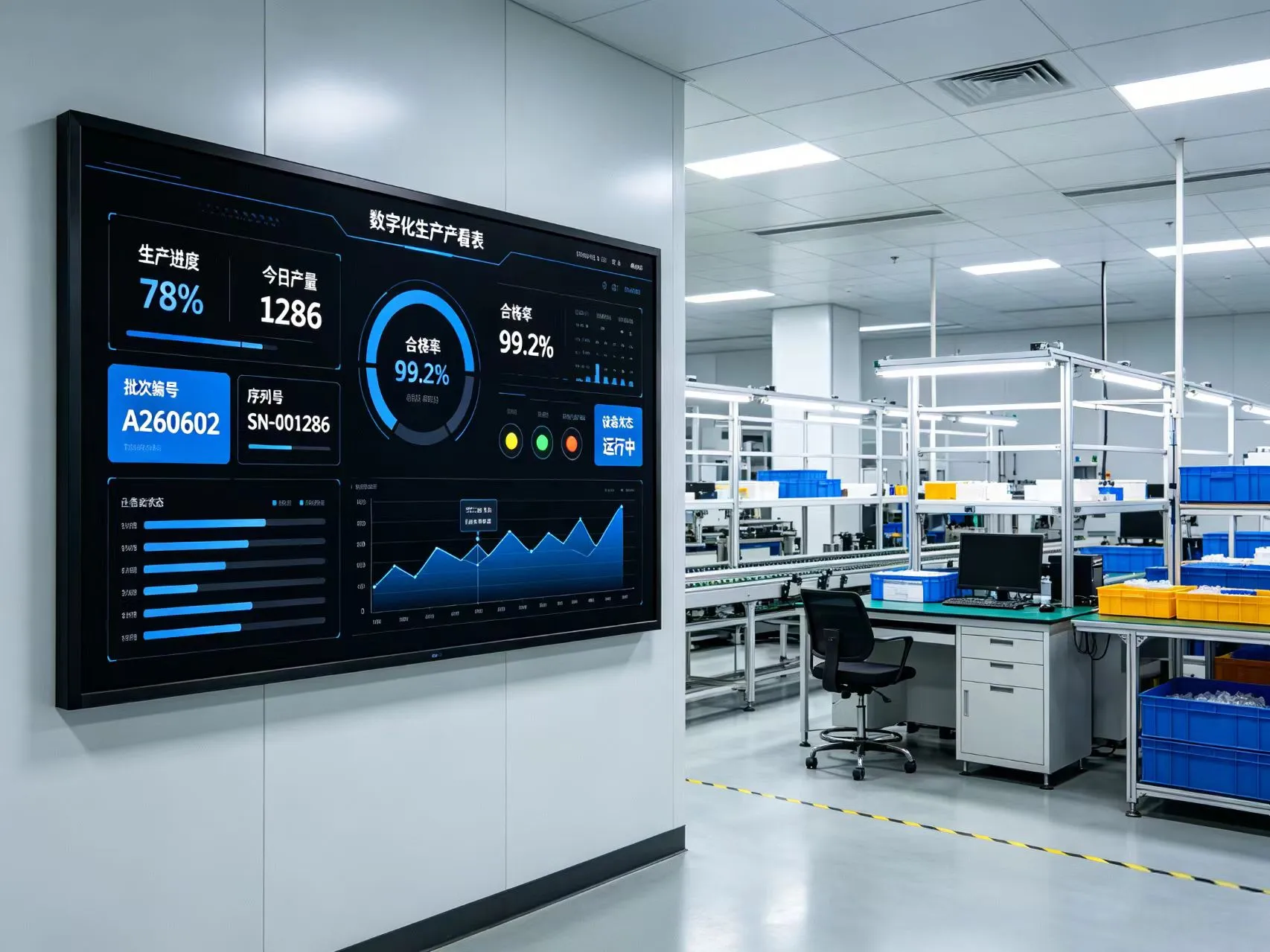
On our last 12 bulk runs at AQL 2.5, the final pass rate landed at 99.2%. That number is not a marketing line — it is what our QC log shows. The complete leather bag quality control checklist is downloadable, and it walks through the same inspection steps Helen runs on the floor.
Do you have written inspection procedures for each production stage?
Yes. We have a written inspection procedure that covers four checkpoints:
- IQC (Incoming Quality Control). Leather hand, hardware thickness, lining fabric, zipper function — checked before the cutting line starts.
- IPQC (In-Process Quality Control). Stitch length, edge paint, top-stitch alignment — checked at the 30% and 70% completion marks.
- OQC (Outgoing Quality Control). Final bag inspection, hardware function test, dimensional check.
- PSI (Pre-Shipment Inspection). AQL-based sampling on the packed cartons before the container is sealed.
Each step generates a digital record. Buyers receive the IQC and PSI reports as part of the shipment file. No extra charge.
Can I arrange third-party inspection (SGS, Intertek, Bureau Veritas)?
Yes, and we encourage it on the first order. Most of our buyers use one of three stages:
- Pre-Shipment Inspection (PSI). Final lot check before the container leaves the port. Most common — about 80% of our buyers do this.
- During Production Inspection (DUPRO). When the order is 20–30% complete. Catches issues before they are repeated across 2,000 bags.
- Initial Production Check. Material and component verification before the floor cuts the first panel.
Our QC documentation is already formatted to SGS, Intertek, and Bureau Veritas templates. The inspector walks in, the records are ready, and the average inspection takes 4–6 hours for a 500-piece run.
Do you conduct hardware pull tests and salt spray tests?
Yes, on every bulk order above 500 pieces. The tests we run:
- Handle pull test. 50N static load for 60 seconds, no visible deformation.
- Strap anchor test. 30N for 30 seconds, no separation at the stitching bar.
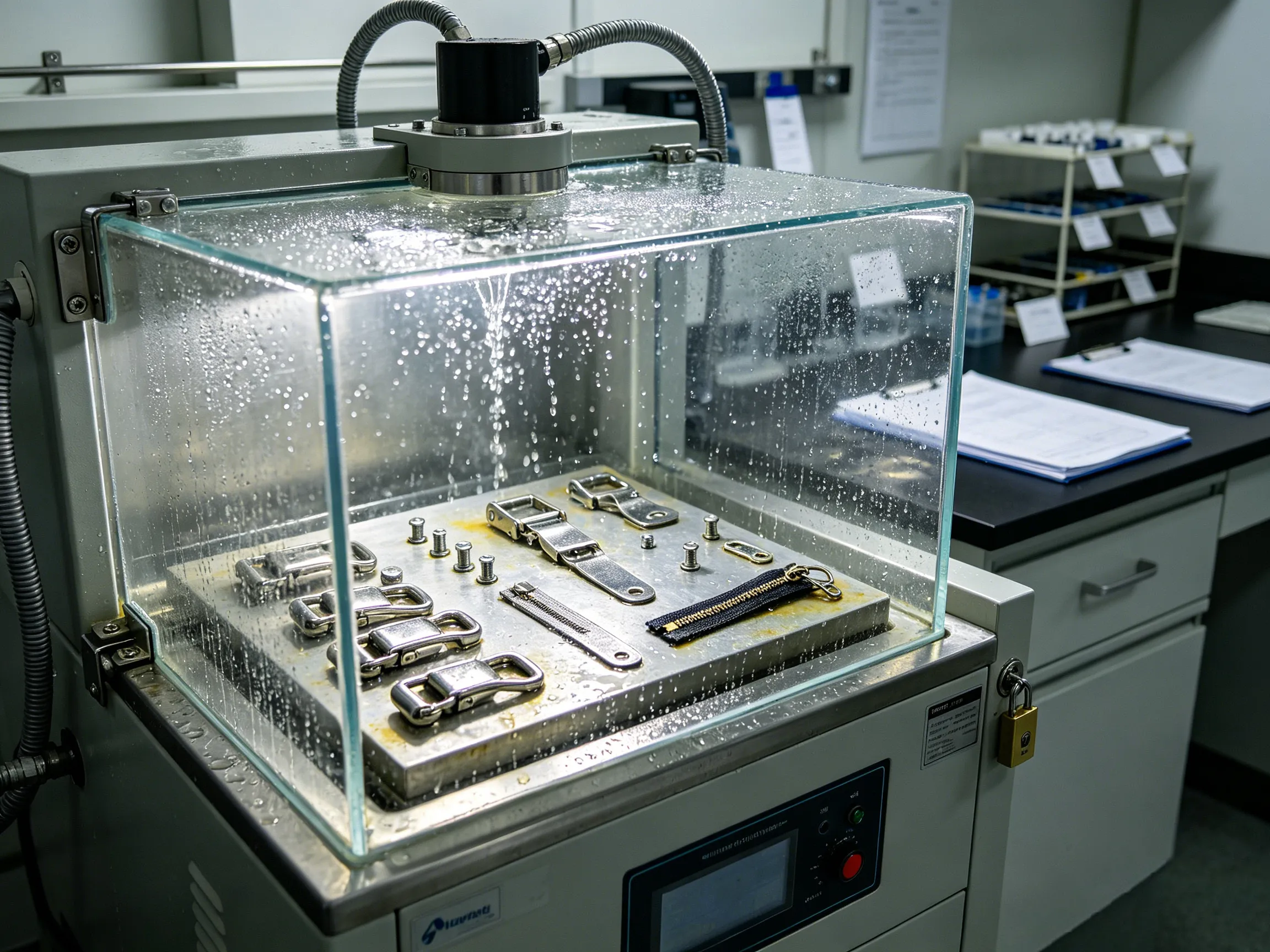
- Salt spray test. 24–48 hours of exposure for any metal hardware used in coated or antique-brass finishes.
- Zipper cycling. 5,000 open/close cycles on a YKK or SBS zipper sample from the production batch.
For a deeper read on what to ask for, see our bag hardware guide on zippers and metal tags.
What is your defective goods return or correction policy?
The defective goods policy is a 3-step process, written down:
- Report within 7 days of receiving the shipment, with photographs of the issue and the carton label.
- Root cause analysis within 48 hours. We name what failed, and what we will change so it does not happen on the next order.
- Resolution. Replacement units on the next production run, repair credit, or invoice credit — chosen by the buyer, in proportion to the defect rate.
For context on how defect rates feed into your landed cost, our handbag manufacturing cost breakdown walks through the numbers behind a 2% versus 5% defect scenario.
03 MOQ, Lead Time & Sampling
What is the MOQ for custom leather handbags from a China factory?
For us, the answer is specific:
- Leather bags: 200 pieces per style per colorway
- Silk products: 50 pieces per style
- Mixed-style orders: 100 pieces per style, with a 4-style minimum
Industry-wide, most factories sit between 200 and 500 pieces. We have kept our leather MOQ at 200 because that is where the production economics start to make sense for both sides. If you are below 200, look at our low-MOQ leather bag manufacturer page for the small-batch workflow, or our general low-MOQ guide.
Can I get samples before bulk production? How much do they cost?
Always sample first. The cost and timeline depend on how much of the work is new:
| Sample Type | Cost (USD) | Lead Time |
|---|---|---|
| Existing style + your logo | $50 – $100 | 1–2 weeks |
| ODM — adjust an existing pattern | $100 – $200 | 2–3 weeks |
| OEM — built from your tech pack | $200 – $300 | 4–6 weeks |
The faster you send a clean tech pack, the faster the sample comes back. If you do not have one, our handbag tech pack template is a starting point. For the longer picture, see our leather bag sample development process.
What is the sampling lead time for a custom leather bag?
Real numbers from the last 50 sample runs at our sampling room:
- Standard constructions (one body, one handle, one zipper): 2 weeks
- Mid-complexity (multiple panels, gussets, mixed materials): 3–4 weeks
- From-scratch OEM with pattern development included: 6–8 weeks
What slows the clock down: hardware sourcing outside our stocked list, exotic leather, and Pantone color matches on edge paint. None of these are deal-breakers — they just need a few extra days.
How many sample revisions are included in the sample fee?
Our payment terms guide spells this out, but here is the short version:
- Round 1 is included in the original fee.
- Round 2 is included if it is a small adjustment — change a stitch length, swap a hardware color, shorten a strap.
- Round 3+ is billed at $50–$100 per round, depending on what changes.
Both OEM and ODM projects typically land on Round 1 or 2. The ones who need 5 rounds usually have a tech pack that needs more work than the sample does.
What is the bulk production lead time after sample approval?
From the day you approve the sample and the deposit lands, plan for 50 days for a standard run. Real numbers we have hit this year:
- 200–500 pieces: 40–50 days
- 1,000 pieces: 55–65 days
- 2,000+ pieces: 70–85 days
- Seasonal buffer (Q3–Q4): add 7–14 days
The walkthrough of every step is in our leather handbag manufacturing process guide, and the sample-to-bulk handoff is in the sample development page.
04 Payment Terms, Incoterms & Logistics
What are the standard payment terms for first orders with a China factory?
Almost every first order we run uses the same payment structure:
- 30% T/T deposit when the order is confirmed. This pays for the leather, the lining, and the hardware that gets reserved against your order.
- 70% T/T balance against the bill of lading copy, before the container is released.
That 70% is your leverage. The factory cannot ship the container until the balance is settled, which means you still have a quality checkpoint before the money moves.
Do you offer L/C payment terms for established buyers?
Yes, for buyers we have shipped to at least twice. Per our payment terms guide:
- Type: Irrevocable L/C at sight
- Currencies: USD or EUR
- Issuing bank: Must be on our accepted list (top 100 global banks)
- Add 2–4 weeks for the L/C paperwork round trip
Expect an extra $300–$500 in bank fees on a $50,000 order. That is normal.
Are sample fees refunded against bulk orders?
Yes — and this is the part most factories do not advertise. Our standard refund policy:
| Bulk Order Value | Refund | Conditions |
|---|---|---|
| $5,000+ | 100% | Written confirmation needed at PO |
| $3,000 – $4,999 | 50% | Placed within 30 days of sample |
| Under $3,000 | Case by case | Negotiated individually |
If you are placing a small first run, ask about our low-MOQ workflow before signing the sample PO — the refund terms are slightly different.
Which incoterms do you offer (EXW, FOB, CIF, DDP)?
All four. For leather bags under HS code 4202, our HS code reference is the place to look up the right classification for your market.
| Incoterm | What We Do | What You Do |
|---|---|---|
| EXW (Ex Works) | Make the bag, pack the carton | Pickup, freight, insurance, duty |
| FOB (Free on Board) | Deliver to Shenzhen or Guangzhou port, load the container | Ocean freight, insurance, duty |
| CIF (Cost, Insurance, Freight) | FOB + marine insurance to your port | Duty, last-mile delivery |
| DDP (Delivered Duty Paid) | All the way to your warehouse | Sign for the delivery |
Most of our US and UK buyers run FOB or DDP. EU buyers usually go CIF or DDP, depending on whether they have a customs broker.
What are your exclusivity terms by market or region?
Exclusivity is a real conversation, not a checkbox. For private label leather bag orders, our standard terms:
- Territory: 1 country + 1 channel (e.g., exclusive to you for the US department store channel)
- Minimum volume: 500+ pieces per order cycle
- Duration: 12-month agreement, renewable on performance
What we will not do is grant global exclusivity on a 200-piece trial. The math does not work for either side.
05 Materials, Hardware & Product Types
What leather grades do Chinese manufacturers typically use?
Most of what you can find anywhere else, you can find here. The full menu a genuine leather handbag manufacturer in China will offer:
- Full-grain leather. The top layer, grain intact, develops a patina.
- Top-grain leather. Sanded and refinished, more uniform, slightly less character.
- Split leather. The lower layers, often corrected and embossed.
- Bonded leather. Compressed leather fibers, the budget option.
- PU leather. Synthetic. Modern water-based PU is a different animal than the PU of 2010.
- Vegan leather. Pineapple leaf fiber, cactus, apple skin — the new plant-based options.
What is the difference between full-grain, top-grain, and bonded leather?
The short version, on one screen:
| Grade | Surface | Durability | Price Tier |
|---|---|---|---|
| Full-grain | Natural grain, unique to each hide | Lifetime+ | Premium |
| Top-grain | Sanded, uniform, refinished | 10–20 years | Mid-high |
| Bonded | Pressed fibers, artificial finish | 2–5 years | Budget |
Full-grain ages. Top-grain holds its shape. Bonded looks fine out of the box and starts peeling at the corners in 18 months. If you are building a brand, full-grain or top-grain is the only way to go for a sustainable leather line that lasts.
Is recycled PU leather safe? What chemical risks should I know about?
It depends on the factory. Recycled PU needs a chemical safety check that covers at least:
- DMF (Dimethyl fumarate). An anti-mold biocide banned in the EU. Must be below 0.1 mg/kg under REACH SVHC.
- Phthalates. Plasticizers restricted under REACH and California Prop 65.
- Formaldehyde. Tested under OEKO-TEX or equivalent.
- Heavy metals. Lead, cadmium, and the rest of the four-metal set.
If you want a safer option that still looks like leather, compare water-based PU vs recycled PU. Water-based PU uses water as the carrier instead of DMF or other solvents, which removes a layer of risk.
How do I choose the right hardware (zippers, metal tags, buckles)?
Hardware is the part buyers underestimate. The bag can be beautiful, and a bad zipper will sink the brand. Our bag hardware guide covers the full spec, but the short version:
- Zippers. YKK or SBS for main compartments. Coil for soft bags, metal teeth for structured bags.
- Metal tags. 8–16 micron plating. Below 8 microns, the brass color wears off in 6 months.
- Buckles. Snap, ladder lock, or side-release, matched to the strap width and the load.
- Finishes. Antique brass, light gold, matte nickel, gunmetal, or custom plating to your Pantone.
Always request hardware samples before signing the bulk PO. A 30-gram buckle in your hand tells you more than any spec sheet.
Which handbag types can a China factory manufacture (tote, crossbody, cosmetic, wallet, belts)?
At GZDreamway, we run seven product lines across OEM, ODM, and private label. Each has a dedicated pattern template and a QC checklist:


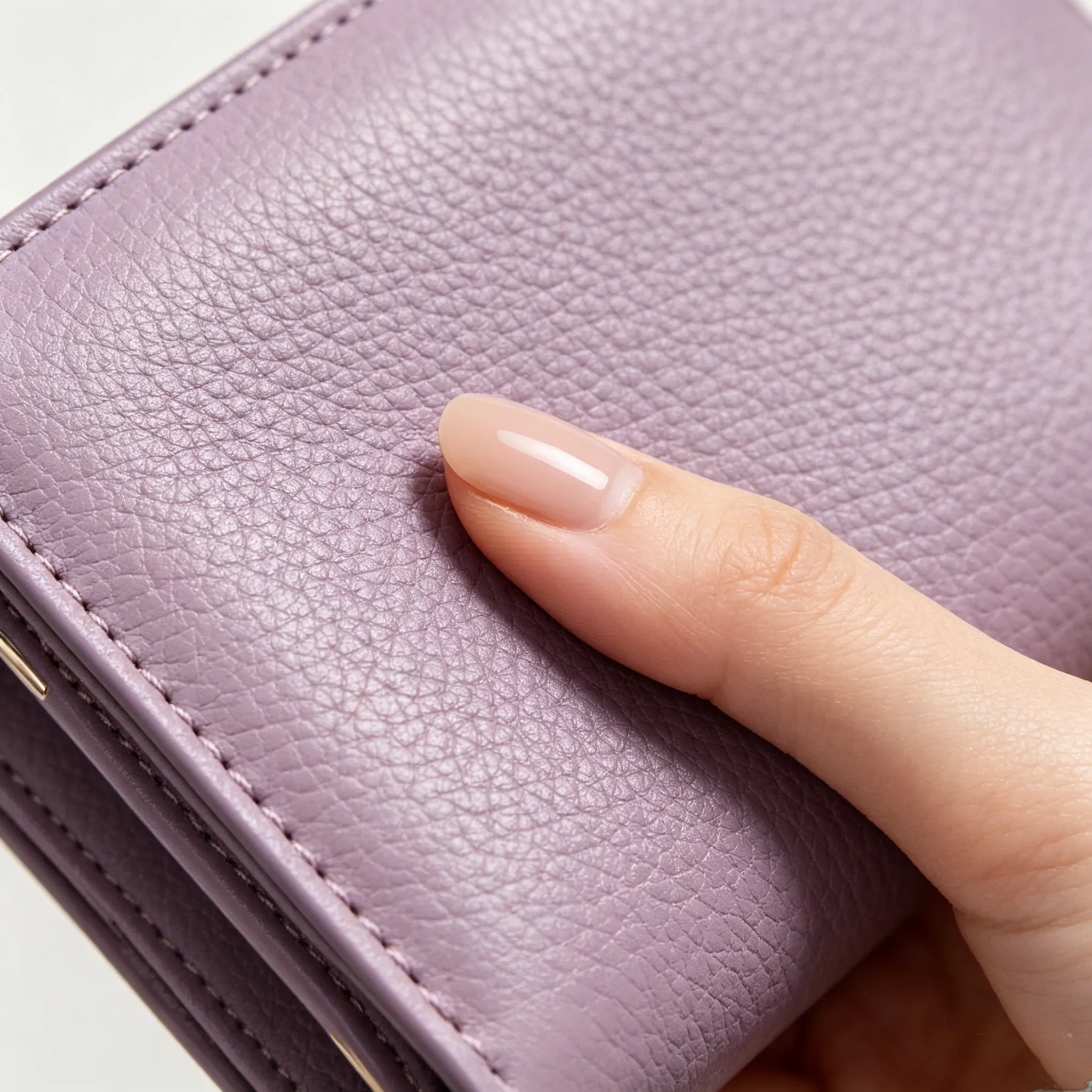


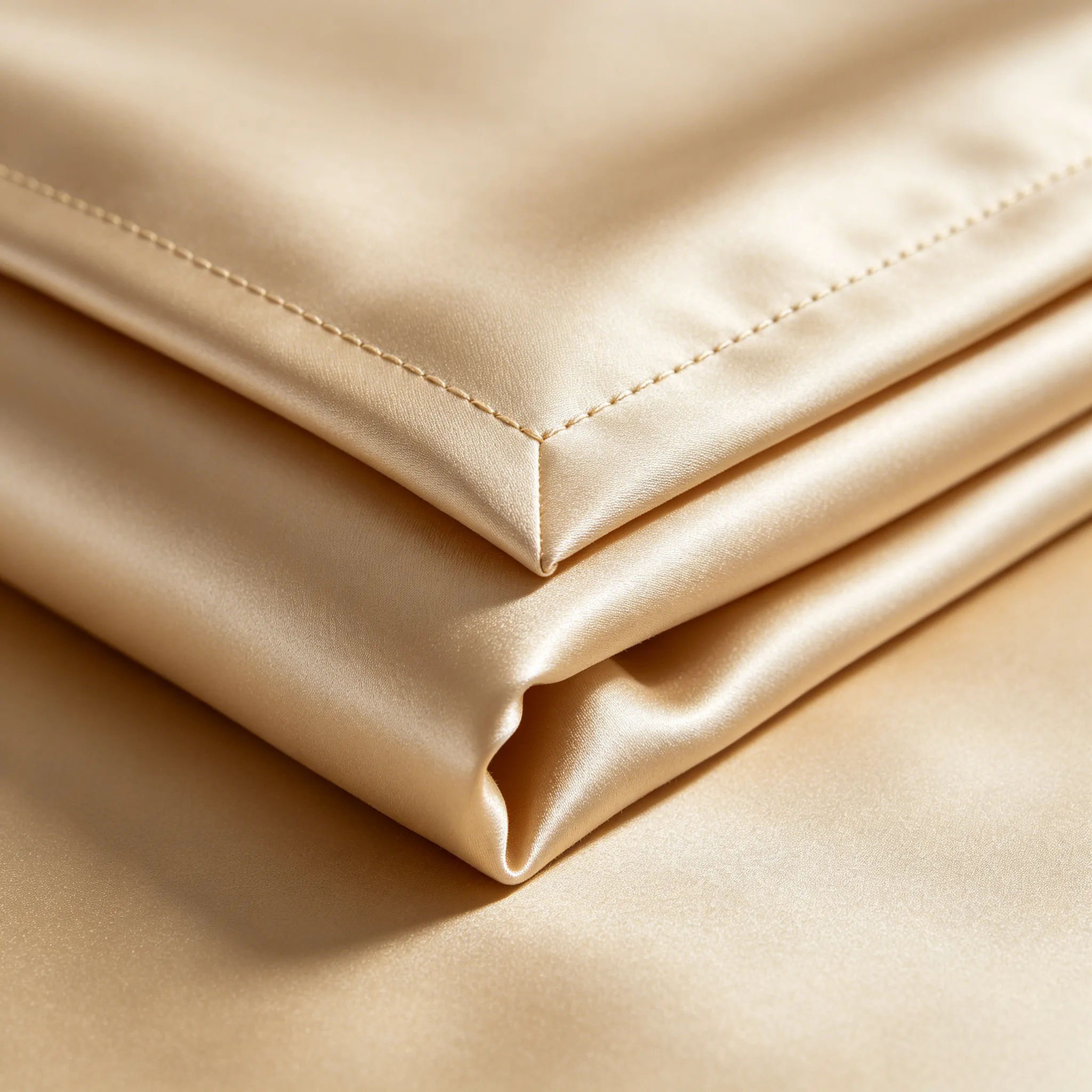
We also run leather cosmetic bags, custom cosmetic cases for beauty brands, and full luxury leather handbag collections. If you do not see your category on the list, ask — we have probably made it before.
06 People Also Ask
Five additional questions buyers raise in our inbox after the main FAQ.
Is China still cheaper than Vietnam for leather handbag production in 2026?
On landed cost, China still wins by 7-12% for full-grain leather orders above 500 pieces because Guangzhou’s tanneries, hardware suppliers, and skilled sewing workforce are concentrated within a 50 km radius, which compresses material lead time and labor overhead. Vietnam closes the gap below 300 pieces, where smaller runs benefit from lower setup amortization. For a 1,000-piece crossbody in full-grain leather with YKK zippers, expect a Guangzhou FOB price near USD 28-34 versus USD 31-37 from Ho Chi Minh, before DDP duties. Choose China when volume exceeds 500 pieces and material complexity is high; choose Vietnam when the order is small, the design is simple, and lead time is flexible. Our own Q2 walks through the six indicators of a genuine factory; Q15 covers bulk lead time for both regions.
What is the right AQL level for Amazon-FBA sellers?
AQL 2.5 is the safe default for Amazon-FBA leather handbags because it balances defect cost against removal-fee risk: 2.5 major defects per 100 pieces is the threshold most third-party inspectors (SGS, Intertek, Bureau Veritas) apply to consumer goods. AQL 4.0 is acceptable only for fast-fashion or seasonal capsules with planned markdowns, where returns are an accepted cost; AQL 1.0 is overkill outside luxury and inflates inspection time three-fold. For private-label sellers targeting 4-star+ reviews, AQL 2.5 major / 4.0 minor is the working spec, with a documented 5% pre-shipment audit on stitch density, edge paint, and hardware plating. See Q6 for the AQL comparison table covering handbag, wallet, and belt categories.
Do you offer DDP shipping to the US, UK, and EU?
Yes. DDP covers door-to-door with duty pre-paid, and we ship DDP to all 50 US states, the UK, and the EU-27, plus Australia, Canada, and Japan on request. We use DHL and FedEx for samples under 50 kg and LCL or FCL sea freight for bulk, with typical transit times of 18-25 days by sea to Los Angeles, 22-30 days to Felixstowe, and 25-32 days to Hamburg. The DDP quote includes HS-code classification, customs clearance, duty, and last-mile delivery to your nominated warehouse or Amazon FBA prep center. For US-bound orders over USD 800, we file the entry as the importer of record on your behalf with a written power of attorney. Related: Q19 walks through the EXW, FOB, CIF, and DDP responsibilities matrix.
How long does a leather bag sample take from tech pack to delivery?
Standard construction samples take 2 weeks because the pattern, hardware, and lining are already templated in our workshop, and only the size or colorway changes. OEM from-scratch samples take 6-8 weeks, covering pattern engineering, prototype sewing, edge paint testing, and one revision round. Shipping adds 5-7 days by DHL or FedEx to most US, UK, and EU destinations, and 2-3 days to Southeast Asia. Rushed samples are available in 7-10 working days with a 30% rush fee, subject to workshop capacity. Cross-reference: Q13 details the sampling timeline including hardware sourcing and lab-dip leather.
Can I supply my own leather and still use your factory?
Yes – this is the consign-material model. We accept client-supplied leather, hardware, lining, and zippers under a written inventory agreement that records SKU, lot number, quantity, and condition on arrival. Consigned stock is stored in a separate, locked area of our warehouse with a real-time balance sheet shared monthly. IQC inspection covers 10% of the consigned lot, with a 24-hour report on color, thickness, and surface defects before cutting. The consignment fee is waived on orders above 500 pieces; below that, a USD 200 storage surcharge applies per month. See Q7 for the IQC inspection procedure that covers client-supplied materials in full.
07 Next Steps to Start Your Project
Pick the Right Manufacturing Model
If you are still deciding between OEM, ODM, and private label, the right starting point is your own brand — not our catalog. The OEM vs ODM vs Private Label comparison maps the three models against your cost, IP, and time-to-market constraints. For a deeper selection framework covering nine criteria — from material sourcing to AQL inspection — see the How to Choose a Leather Handbag Manufacturer guide.
Get the Pricing Math Right
If pricing is the deciding factor, ask for a unit-cost breakdown that separates labor (15–25%), material (50–65%), hardware (5–10%), and overhead (5–15%). The 7 factors that affect custom handbag unit costs shows which line items move the most on a 200-piece versus a 2,000-piece order. For the structural view — how MOQ, leather grade, hardware complexity, and finish all interact — read how much it actually costs to make a handbag.
Start with a Trial You Can Trust
Most first orders benefit from a conservative 200-piece trial run with full QC documentation. After the trial, the leather handbag manufacturing process guide walks through the same 14 steps with AQL checkpoints, so you can compare the factory’s actual process against the published standard.
Ready to Start Your Project?
Send a sketch, a reference photo, or a tech pack. We respond within 24 hours with a first-pass quotation and a sample timeline.
Why Buyers Stay With Us
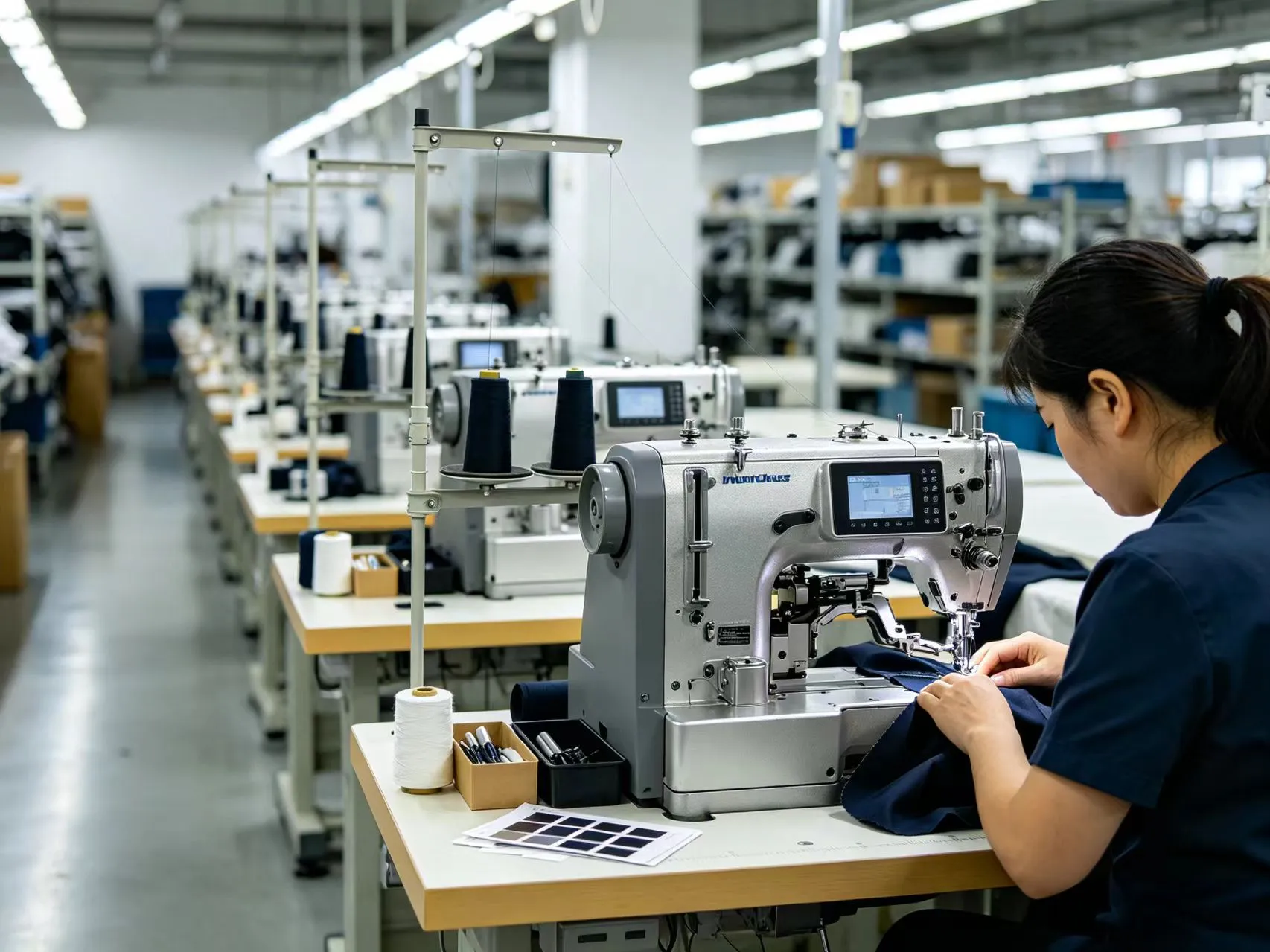
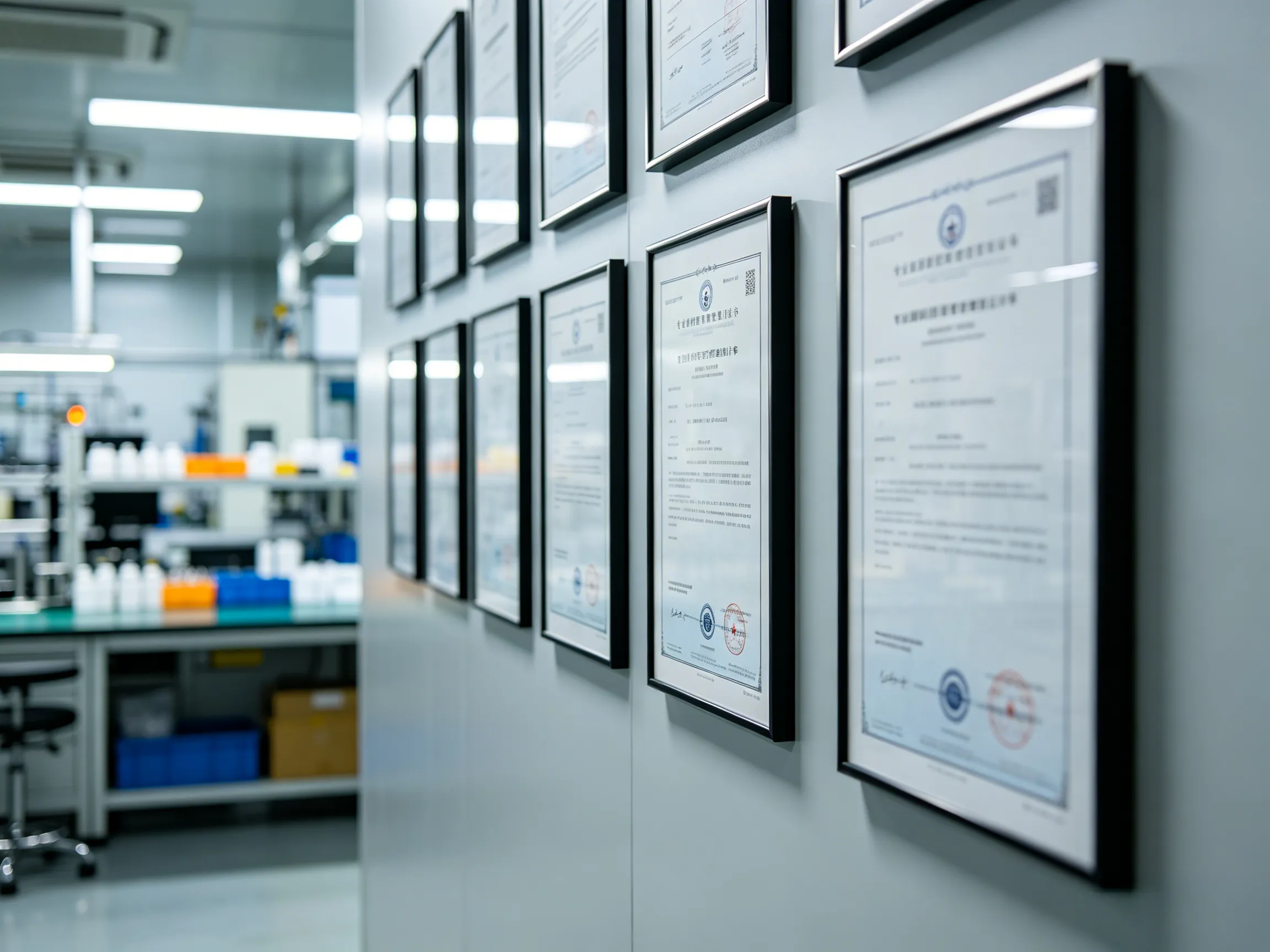
A few of the behind-the-scenes images that show what we mean by “tested on the line.”
What Buyers Said This Quarter
Real comments from buyers we shipped to in the last 90 days. Names are partially masked for privacy.
“Sample was on my desk in 11 days. Stitching was cleaner than my last factory in Vietnam. Bulk run was 49 days door-to-door.”
“Helen flagged a hardware issue on round 2 we did not even see. That alone saved the launch. Will order again.”
“200-piece MOQ was the reason I moved from a Korean supplier. Pricing was within 7% and the QC paperwork was far better.”
Accepted Payment Methods


Disclaimer: The information in this FAQ reflects our experience as a working manufacturer. Pricing, lead times, and acceptance criteria vary by project complexity, material availability, and order volume. Formal quotations remain the authoritative source for any commercial decision. All third-party brand names and trademarks referenced in this article are the property of their respective owners.
Editorial Resources for Leather Bag Manufacturing & Sourcing
For buyers, designers, and category managers evaluating private label leather handbag programs, our editorial team in Guangzhou has compiled reference material covering material science, REACH and Prop 65 documentation, production workflow, factory audit criteria, and unit cost modeling. Begin with the leather bag manufacturing topic cluster category page or browse a section below.
Topic Cluster
1 guideVisit our leather bag manufacturing topic cluster category page for an editorial index of private label program overviews, supplier comparison studies, material sourcing guides, and production workflow references curated for global leather bag buyers.
Materials & Sustainability
5 resourcesUnderstand why water based PU leather has become a preferred coating for sustainable handbag programs, with notes on its solvent-free application, softer tactile feel, lower VOC emissions, and compatibility with premium bag collections.
Review our side-by-side comparison of water based PU versus recycled PU characteristics covering tensile strength, aging performance, surface feel, environmental footprint, and price stability for sustainable bag sourcing.
Discover the future of vegan leather alternatives including pineapple leaf fiber, cactus pulp, mushroom mycelium, and apple skin composite materials suitable for plant based bag collections.
Read our safety analysis on whether recycled PU leather is toxic, covering chemical leaching risks, heavy metal content thresholds, certified eco label verification, and buyer checklist for compliance.
Partner with our sustainable leather handbag manufacturer offering eco certified leather sourcing, vegetable tanning options, recycled metal components, and traceability reporting for environmentally conscious collections.
Compliance & Trade
3 resourcesNavigate our REACH and California Prop 65 compliance roadmap for handbags, covering restricted substance lists, accredited laboratory testing protocols, and certification documentation required across US and EU markets.
Reference our complete HS code guide for handbags totes and pouches with tariff classifications, duty rate summaries, and customs documentation notes for major destination markets worldwide.
Apply our factory audit checklist for remote supplier vetting covering production capacity verification, working condition reviews, export documentation sampling, and quality management system confirmation steps.
Production & Craftsmanship
5 resourcesFollow our how to create a handbag tech pack template specifications covering dimension callouts, material references, hardware notes, tolerance definitions, and QC checkpoints that bridge designers with factory production teams.
Study our deep dive into bag hardware selection covering zipper pull strength ratings, metal tag plating thickness standards, slider fatigue testing procedures, and plating adhesion validation for premium bag construction.
Walk through our complete leather handbag manufacturing process covering material preparation, panel cutting, machine stitching, edge painting, sub-assembly, final assembly, and inline quality inspection stages at a modern factory.
Follow our leather bag sample development process timeline covering pattern drafting, hardware confirmation, material swatches, sample revision rounds, and sign-off milestones for new handbag designs.
Explore our Guangzhou leather bag manufacturing cluster overview covering regional supplier networks, skilled artisan availability, raw material sourcing hubs, and consolidated export logistics advantages for global importers.
Quality & Pricing
4 resourcesApply our leather bag quality control checklist covering stitching tolerance ranges, hardware fatigue testing, color fastness verification, lining inspection, and final packaging audits before any shipment leaves the factory floor.
Identify the seven factors that affect custom handbag unit costs including material grade, hardware selection, lining fabric, surface finish, order quantity, packaging complexity, and one-time tooling investment for accurate budget planning.
Review our handbag factory payment terms guide covering T/T and L/C settlement schedules, deposit ratio benchmarks, milestone payment structures, and sample fee refund policies for first time importers working with Asian suppliers.
Examine our handbag manufacturing cost structure breakdown covering labor versus material percentages, hidden overhead allocations, factory markup logic, and benchmark figures used for accurate cost modeling and quotation comparison.
OEM & Private Label Programs
7 resourcesPartner with our genuine leather handbag manufacturer in China offering OEM, ODM, and private label production with full grain, top grain, and split leather options, plus finished hardware sourcing from certified vendors.
Launch private label programs with our private label leather handbag manufacturer offering custom logo embossing, branded packaging, woven care labels, hangtag production, and flexible minimum order quantities for emerging brands.
Collaborate with our custom luxury leather handbag manufacturer offering handcrafted construction techniques, premium material selection, structured silhouette engineering, and limited edition production runs for designer label collaborations.
Source from our small MOQ leather handbag factory in China accepting limited production volumes, offering rapid sample turnarounds and shared material library access for boutique collections and startup brands.
Choose our low MOQ leather bag manufacturer for flexible order quantities, shared tooling programs, and rapid sampling services designed specifically for new brands entering the leather goods market.
Read our top ten leather bag manufacturers in China comparison covering factory scale, specialization areas, export experience, certification status, lead time benchmarks, and minimum order quantity ranges.
Compare OEM versus ODM versus private label leather bag partnerships with our decision framework covering design control boundaries, ownership of intellectual property, margin structures, and operational fit for different brand stages.
Product Categories
7 resourcesReview our luxury tote bag factory for premium brands capabilities covering reinforced handle stitching, structured baseboard inserts, edge paint finishing, and PU plus full grain leather construction options tailored for high end partners.
Reference our how to custom leather belts specifications covering strap dimensions, buckle compatibility, edge finishing options, lining preferences, embossing services, and retail ready packaging methods for boutique buyers.
Read our how to design custom cosmetic bags for beauty brands guide covering size breakdowns, lining preferences, closure mechanisms, branding techniques, gift packaging presentation, and shelf ready merchandising considerations.
Order from our custom leather tote bag manufacturer offering reinforced stitching patterns, structured silhouette options, custom hardware integration, and refined finishing techniques for wholesale tote programs.
Source from our leather cosmetic bag manufacturer offering compact case construction, washable interior linings, custom zipper pulls, and decoration services for skincare, fragrance, and cosmetics brand collaborations.
Partner with our leather crossbody bag manufacturer offering adjustable strap engineering, lightweight frame construction, integrated security features, and custom hardware for crossbody production programs.
Order from our custom leather wallet manufacturer offering billfold, cardholder, coin purse, and passport holder constructions with optional RFID blocking lining, custom embossing services, and presentation packaging.
Buyer Resources
2 resourcesRead our FAQ for leather handbag manufacturing process addressing sample production lead times, bulk production schedules, international shipping options, payment milestone expectations, and quality control procedures.
Apply our how to choose leather handbag manufacturer checklist covering factory experience, communication responsiveness, social audit certifications, sample quality evaluation, and past project reference verification for new buyers.
Compiled by the Guangzhou Dreamway editorial team. All links open internal editorial resources maintained for buyer reference.