
Tariff Engineering for Handbags: How to Legally Lower Import Duties via Fabric Blends

Tariff engineering uses strategic fabric blends to legally reduce import duties on custom handbags. This guide breaks down HTS code optimization, cost-effective fabric combinations, and compliance rules. Paired with our 200-unit MOQ, these strategies cut import costs while preserving quality and design integrity for global brands.

What is Tariff Engineering for Handbags?

Tariff engineering is a 100% legal import strategy that optimizes your handbag’s material composition—specifically fabric blends—to qualify for lower tax rates under international HTS (Harmonized Tariff Schedule) codes. For handbag importers, tariffs often account for 10-20% of total landed costs, making this one of the most impactful ways to boost profit margins without raising retail prices.

Many brands overpay import duties simply because they use single-material constructions (e.g., 100% leather or 100% polyester) that fall into high-tax HTS codes. By switching to compliant fabric blends, you can reclassify your handbags into lower-tax categories while maintaining durability, aesthetics, and brand quality.

At GzDreamway, we specialize in tariff engineering for custom handbags and tote bags, supporting brands with our flexible MOQ of 200 units to test optimized fabric blends before full-scale production.

Handbag Production Cost & Tariff Breakdown Analytics

Why Fabric Blends Are the Key to Tariff Savings

Customs authorities worldwide classify handbags based on their primary outer material. Single materials like genuine leather, pure PU, or high-density polyester trigger high tariff rates. Fabric blends (e.g., cotton-polyester, RPET-cotton, or nylon-rayon) allow you to meet the criteria for lower-tax HTS codes while retaining the performance features your customers love.

This is not tax evasion—it’s strategic product design aligned with global trade laws. Every blend we recommend is fully compliant with US, EU, and international customs regulations.

Fabric Blend Tariff Comparison Table (US & EU Markets)

Below is a factory-verified breakdown of popular handbag fabric blends, their corresponding HTS codes, and applicable import duties. This data is updated for 2026 trade regulations:

Fabric Blend Composition HTS Code (US) Import Duty Rate Best For Handbag Types
100% Pure Leather (Standard) 4202.21.00 10.5% Luxury Leather Handbags
60% Cotton + 40% Polyester 4202.92.00 5.2% Canvas Totes, Casual Bags
70% RPET Recycled Poly + 30% Cotton 4202.92.00 5.2% Eco-Friendly Tote Bags
50% Nylon + 50% Rayon 4202.92.00 5.2% Lightweight Fashion Handbags
100% Pure PU Leather 4202.22.00 9.8% Vegan Leather Handbags

As shown in the table, fabric blends cut import duties by nearly 50% compared to single leather or PU materials. For a brand importing 10,000 handbags, this translates to tens of thousands of dollars in annual savings.

Calculate your total landed cost (including tariffs) with our free tool: Tote Bag Cost Calculator (mandatory internal link).

Step-by-Step Tariff Engineering for Your Handbags

1. Select a Compliant Fabric Blend

Our design team will recommend blends that match your brand’s aesthetic, durability needs, and target HTS code. We offer sustainable options like recycled RPET blends for eco-conscious brands—learn more: Eco-Friendly Fabric Blends.
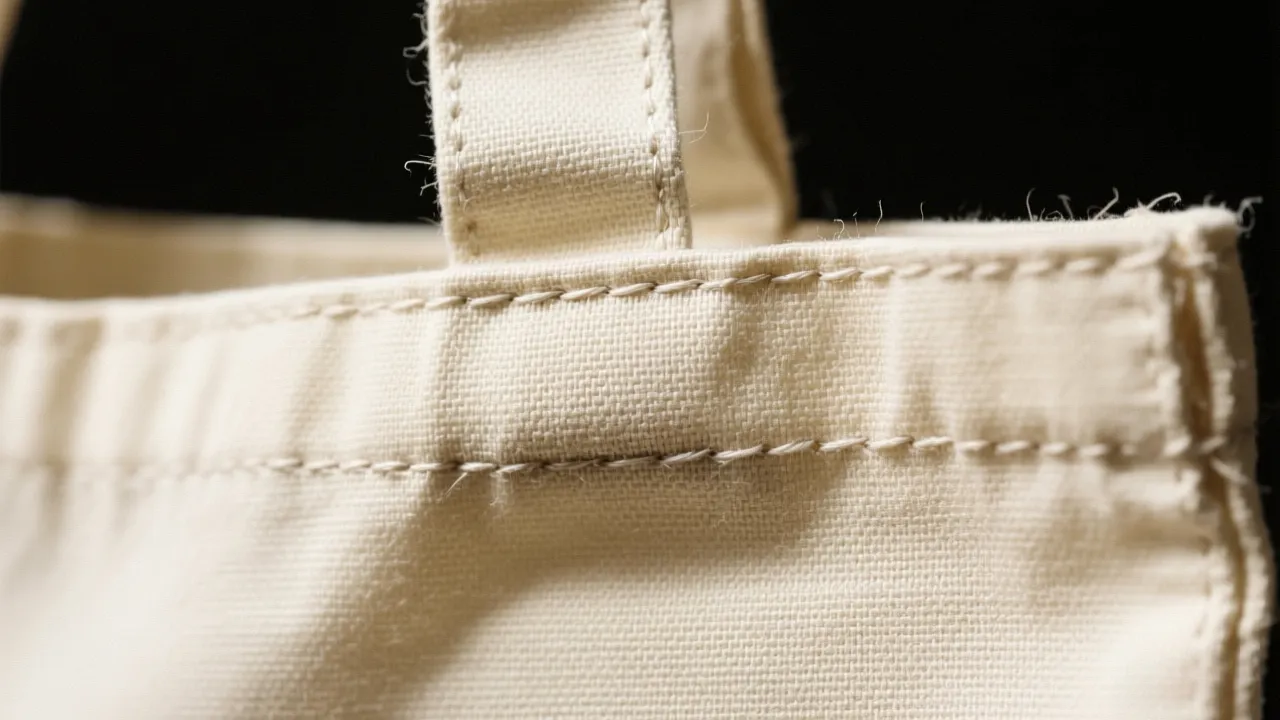
Durable Canvas-Polyester Blend Fabric for Tariff-Optimized Handbags

2. Update Your Tech Pack for Compliance

Your tech pack must clearly document the exact fabric blend percentage for customs clearance. Our Tech Pack Engineering service ensures your documentation is 100% audit-ready.

3. Verify HTS Code Classification

We work with global customs brokers to confirm your handbag’s classification before shipping. Avoid costly reclassifications with our guide: Complete HTS Code List for Handbags.

4. Produce with Our 200 MOQ

Test your tariff-optimized design with our low 200-unit MOQ before scaling to mass production. This minimizes risk while validating cost savings: Scale from Small MOQ to Bulk Production.

Handbag Tech Pack with Fabric Blend Specifications for Tariff Compliance

Common Misconceptions About Tariff Engineering

Many importers avoid tariff engineering due to misinformation. The truth is:

  • Fabric blends do NOT reduce handbag quality or durability
  • All strategies are fully legal and customs-compliant
  • Blends work for luxury, casual, and eco-friendly handbags alike

Don’t risk working with unqualified factories that cut corners—learn the risks: Cheap Factory Risks. GzDreamway guarantees full customs compliance for every tariff-optimized order.

Maximize Savings with Combined Cost Strategies

Tariff engineering works even better when paired with production cost reduction. Our guide Reduce Tariffs & Production Costs combines fabric blends, bulk sourcing, and logistics optimization for maximum savings.

Frequently Asked Questions (FAQ)

1. What is your MOQ for tariff-optimized fabric blend handbags?

GzDreamway’s standard MOQ for all custom handbag orders is 200 units per design, perfect for testing fabric blends and tariff optimization strategies.

2. Is tariff engineering with fabric blends legal?

Yes, tariff engineering using compliant fabric blends is 100% legal and approved by US, EU, and global customs authorities for handbag imports.

3. How much can I save on import duties with fabric blends?

Most brands reduce import duties by 40-55% using optimized fabric blends, translating to significant savings on every shipment of handbags.

4. Will fabric blends affect the quality of my handbags?

No. Our custom fabric blends maintain durability, aesthetics, and brand quality while qualifying for lower tariff classifications.

5. Do you provide customs compliance documentation for blends?

Absolutely. We provide full material certification and tech pack documentation to ensure smooth customs clearance for all tariff-optimized orders.

Final Thoughts: Partner with a Tariff Engineering Expert

Tariff engineering using fabric blends is the most effective way to legally lower import duties and boost your handbag brand’s profitability. With GzDreamway as your manufacturing partner, you get expert design, compliant fabric blends, flexible 200 MOQ, and end-to-end customs support.

Stop overpaying on import duties. Let our team optimize your handbag designs for maximum savings and full compliance.

Ready to start your tariff-optimized handbag order? Contact us today for a free fabric blend and tariff analysis!

Customer Reviews32 Reviews

小松 守2026-06-24
Amazon.co.jpや楽天、百貨店向けにハンドバッグを小ロット販売しています。nylon‑PVCやnylon‑polyester等のfabric blendsでimport dutyを下げる「fabric blend duty reduction」に強く興味がありますが、accredited FTIRの費用やexpress sampling(5〜10日)の遅延でシーズンローンチが圧迫され困っています。handbag factory OEM low MOQ pilot runs(tote/shoulder/crossbody)、Japan HTS/HS classification、NACCS申告サポート、estimated duty savings Japanの実例、priority sample slotsやbundled FTIR pricing、staged paymentsといったサンプルコスト削減策を教えてください。サンプル費が高くて少し困っています。
GZDreamway2026-06-24
小松様、ご投稿ありがとうございます。日本市場(Amazon.co.jp、楽天、百貨店)の短納期・季節性プレッシャーはよく理解しています。ご不満の点(FTIR費用・サンプル遅延)に対して、当社の実務的パッケージをご案内します:①handbag factory OEMでlow MOQのpilot runs(tote/shoulder/crossbody)により小ロットでfabric blendsを検証、②accredited FTIR reportsをbundled FTIR pricing+priority sample slotsで提供し、単価とリードタイムを低減、③express sampling(通常5–10日)で季節ローンチ対応の優先枠、④Japan HTS/HS classificationおよびNACCS申告サポートと必要に応じたadvance ruling(事前教示)支援、⑤estimated duty savings Japanの事例と定量モデル(モデルケース提示)、⑥customs audit defense dossier(FTIRレポート、spec sheets、packing lists、商業証憑)の作成で監査リスクを低減。サンプルコスト削減策としてpriority sample slots、staged payments、bundled FTIR pricing、さらに無料のtechnical quick‑check(写真+概算素材比)で不要な検査を回避します。次のステップ:製品写真・想定素材配合・月次/年次の見込み量をお送りください。Japan向けのtariff study、OEM pilot timeline、estimated duty savingsサンプルと必要書類のドラフトをお返しします。お気軽にご連絡ください。

Thank you, Mr. Komatsu — and thank you for the clear market context. We fully understand JIT and seasonality pressures for Amazon.co.jp, Rakuten and department store channels. To address your FTIR cost and sampling delay concerns we offer a practical, end‑to‑end package: 1) handbag factory OEM low‑MOQ pilot runs (tote/shoulder/crossbody) to validate fabric blends at small scale; 2) accredited FTIR reports with bundled FTIR pricing and priority sample slots to reduce per‑test cost and lead time; 3) express sampling (typically 5–10 days) with priority scheduling for seasonal launches; 4) Japan HTS/HS classification, NACCS filing support and advance ruling assistance where appropriate; 5) modeled estimated duty savings for Japan with concrete case examples; 6) a full customs audit defense dossier (lab reports, spec sheets, packing lists, commercial evidence) to reduce reclassification and audit risk. Sample‑cost reduction measures: priority sample slots, staged payments, bundled FTIR pricing and a free technical quick‑check (send photos + rough material ratios) to screen feasibility before accredited testing. Please send product photos, estimated material mix and forecast volumes and we will return a Japan‑specific tariff study, an OEM pilot timeline and a sample dossier showing estimated duty savings and the paperwork you’ll need for NACCS/HTS entries. We’ll prioritize your project to help meet seasonal deadlines.
Cesar Blanco2026-06-22
Interesante artículo. Soy vendedor en España (Amazon.es y tiendas físicas) y exporto algunas colecciones a México y Chile. Me interesa el tariff engineering usando fabric blends (nylon‑PVC, nylon‑poliéster con acabado sintético) para lograr fabric blend duty reduction y mejorar márgenes. Pequeña queja: los informes FTIR acreditados son caros y el express sampling (5–10 días) a veces retrasa las colecciones de temporada. ¿Ofrecen handbag factory OEM con low MOQ pilot runs para tote/shoulder/crossbody, HTS/HS classification y soporte TARIC/Intrastat para España, ejemplos reales de nylon‑PVC duty savings, y medidas para reducir coste de muestras como priority sample slots, staged payments y bundled FTIR pricing?
GZDreamway2026-06-21
Gracias Cesar — gran comentario y contexto claro para España→LATAM. Entendemos la presión de Amazon.es, e‑commerce propio y ventas en tiendas físicas; y la frustración por los costes y plazos de FTIR y muestreo. Ofrecemos un paquete práctico para abordar exactamente lo que pides: 1) handbag factory OEM con low MOQ pilot runs (tote/shoulder/crossbody) para validar fabric blends en small batches antes de producir en masa; 2) acreditación y emisión de FTIR reports con porcentaje de composición listos para justificar HTS/HS classification ante TARIC y aduanas españolas; 3) preparación de dossiers específicos TARIC/Intrastat y soporte para binding ruling cuando proceda; 4) estudios cuantificados de fabric blend duty reduction con ejemplos de nylon‑PVC duty savings aplicados a rutas España→México/Chile (modelados por escenario de mezcla y volúmenes); 5) reducción de costes de muestreo mediante priority sample slots, staged payments, bundled FTIR pricing y un free quick‑check técnico (envíe fotos + estimación de mezcla) para evitar tests innecesarios; 6) montaje de un customs audit defense dossier (lab reports, spec sheets, packing lists, evidencias comerciales) para minimizar riesgo de reclasificación. Para su pequeña queja sobre tiempos: ofrecemos express sampling con prioridad en 5–10 días y opciones de producción piloto acelerada para lanzamientos estacionales, además de descuentos en bundles de pruebas para PYMEs. Envíenos fotos del producto, la mezcla estimada de materiales y forecast de volúmenes y le remitiremos un tariff study específico para España, un timeline OEM para pilot runs y un ejemplo de dossier con estimated duty savings y la documentación necesaria para aduanas españolas y LATAM.

Thank you Cesar — excellent, specific context for Spain→LATAM. We recognise the pressures of Amazon.es, direct e‑commerce and retail channels and the frustration around FTIR cost and sampling lead times. We provide a practical, end‑to‑end package: 1) handbag factory OEM with low‑MOQ pilot runs (tote/shoulder/crossbody) to validate fabric blends in small batches before mass orders; 2) accredited FTIR reports with percentage composition formatted to substantiate HTS/HS classification for TARIC and Spanish customs; 3) TARIC/Intrastat documentation support and binding ruling assistance when appropriate; 4) quantified fabric blend duty reduction studies with nylon‑PVC duty‑savings examples modelled for Spain→Mexico/Chile import routes; 5) sample cost reduction via priority sample slots, staged payments, bundled FTIR pricing and a free technical quick‑check (send photos + rough material ratios) to avoid unnecessary accredited tests; 6) a full customs audit defense dossier (lab reports, spec sheets, packing lists, commercial evidence) to reduce reclassification risk. To address your complaint about lead times we offer express sampling with priority (typ. 5–10 days) and accelerated pilot production options for seasonal launches, plus discounts on bundled tests for SMEs. Send product photos, estimated material mix and forecast volumes and we will return a Spain‑specific tariff study, an OEM pilot timeline and a sample dossier showing estimated duty savings and customs‑ready documentation.
Lucas Almeida2026-06-20
Estou vendendo bolsas no Brasil (Mercado Livre, Instagram e multimarcas) e quero testar tariff engineering com fabric blends como nylon‑PVC e nylon‑poliéster para reduzir imposto de importação e melhorar margem. Reclamação: FTIR acreditado custa muito e o express sampling (5–10 dias) às vezes atrasa o lançamento sazonal; isso pesa numa PME. Procuro handbag factory OEM com low MOQ pilot runs para tote/shoulder/crossbody, apoio para NCM/HS classification para Receita Federal, estudos de estimated duty savings no Brasil e opções para reduzir custo de amostras como priority sample slots, staged payments e bundled FTIR pricing. Alguém já teve cases reais para MERCOSUL?
GZDreamway2026-06-22
Obrigado Lucas — excelente resumo do contexto brasileiro. Entendemos a pressão do Mercado Livre, multimarcas e a dor de cabeça que representam custos altos de FTIR e prazos de amostras. Para PMEs oferecemos um pacote prático: 1) handbag factory OEM com low‑MOQ pilot runs (tote/shoulder/crossbody) para validar fabric blends em small batches; 2) accredited FTIR reports com percentuais de composição formatados para suportar NCM/HS classification perante a Receita Federal; 3) express sampling priorizado (normalmente 5–10 dias) e priority sample slots para proteger lançamentos sazonais; 4) medidas para reduzir custo de amostras — bundled FTIR pricing, staged payments e descontos em pacotes de testes; 5) estudos quantificados de fabric blend duty reduction com estimated duty savings aplicados a importação para o Brasil/MERCOSUL e preparação de um customs audit defense dossier (lab reports, spec sheets, packing lists, evidências comerciais). Para sua reclamação sobre prazos e custos oferecemos também um free technical quick‑check (envie fotos + proporção estimada dos materiais) para filtrar viabilidade antes de testes acreditados, além de timelines de pilot runs e opções de produção acelerada para coleções sazonais. Envie fotos do produto, a mistura estimada de materiais e forecast de volumes e prepararemos um tariff study específico para o Brasil, um timeline OEM para pilot runs e um exemplo de dossier com estimated duty savings e documentação pronta para a Receita Federal.

Thank you Lucas — excellent summary for the Brazilian market. We understand the pressure from Mercado Libre and multi‑brand channels and the headache of high FTIR costs and slow sample lead times. For SMEs we provide a practical package: 1) handbag factory OEM with low‑MOQ pilot runs (tote/shoulder/crossbody) to validate fabric blends in small batches; 2) accredited FTIR reports with percentage composition formatted to support NCM/HS classification for Receita Federal; 3) prioritized express sampling (typically 5–10 days) and priority sample slots to protect seasonal launches; 4) sample cost reduction measures — bundled FTIR pricing, staged payments and discounts on test bundles; 5) quantified fabric blend duty reduction studies with estimated duty savings for Brazil/MERCOSUL imports and a full customs audit defense dossier (lab reports, spec sheets, packing lists, commercial evidence). To address your complaint about timing and cost we also offer a free technical quick‑check (send photos + rough material ratios) to screen feasibility before accredited testing, plus pilot run timelines and accelerated production options for seasonal collections. Send product photos, estimated material mix and forecast volumes and we will prepare a Brazil‑specific tariff study, an OEM pilot timeline and a sample dossier showing estimated duty savings and customs‑ready documentation.
Milan Hart2026-06-19
I'm an Australia‑based seller (Amazon.com.au, David Jones, Myer and local boutiques) experimenting with tariff engineering for handbags using fabric blends (nylon‑PVC, nylon‑polyester with synthetic coating) to get fabric blend duty reduction and improve margins. Small gripe: accredited FTIR lab reports are expensive and express sampling (5–10 days) delays seasonal drops. Looking for a handbag factory OEM low MOQ pilot runs option, HTS/HS classification for Australian customs (ABF), GST import compliance guidance, and real nylon‑PVC duty savings examples plus sample cost reduction tactics like priority sample slots, staged payments and bundled FTIR pricing. Any practical case studies or timelines?
GZDreamway2026-06-21
Thanks Milan — excellent, market‑specific question for Australia. We understand Myer/David Jones vendor timelines, Amazon.com.au listings and boutique wholesale cadence. To address your FTIR cost and sampling complaint we offer: 1) accredited FTIR lab reports formatted for ABF/Customs with percentage composition certificates and bundled FTIR pricing to lower per‑test cost; 2) express sampling priority (typ. 5–10 days) and priority sample slots to protect seasonal launches; 3) handbag factory OEM low MOQ pilot runs (tote/shoulder/crossbody) to trial fabric blend duty reduction with minimal upfront risk; 4) HTS/HS classification for Australian customs and GST import compliance checklists prepared with local customs brokers; 5) modeled nylon‑PVC duty savings case studies (import scenarios showing estimated duty reduction and landed cost impact) and a full customs audit defense dossier (lab reports, spec sheets, packing lists, commercial evidence) for audit readiness. To cut sample costs we combine priority sample slots, staged payments, and bundled FTIR pricing, and we provide a free quick‑check (photos + rough material ratios) to avoid unnecessary accredited tests. Send product images, estimated material mix and forecast volumes and we will return an Australia‑specific tariff study, an OEM pilot timeline, and a sample‑case showing estimated duty savings and required documentation to support ABF entries.
片山 絵里2026-06-19
日本でAmazon.co.jp・楽天・百貨店向けにハンドバッグを小ロット販売しているブランドです。nylon‑PVCやnylon‑polyester等のfabric blendsでimport dutyを下げたいと考えていますが、accredited FTIRレポートの費用やexpress sampling(5〜10日)の遅延がシーズン立ち上げに響き、少し困っています。handbag factory OEM 日本向け low MOQ パイロットラン、Japan HTS/HS classification と NACCS申告サポート、fabric blend duty reduction Japan のestimated duty savings 事例やサンプルコスト削減策(priority sample slots / staged payments / bundled FTIR pricing)を教えてください。
GZDreamway2026-06-19
ご投稿ありがとうございます、片山様。日本市場(Amazon.co.jp、楽天、百貨店)の短納期・JIT事情は良く理解しております。ご不満の点(FTIR費用・サンプル遅延)に対しては下記の実務的な解決策を用意しています:①accredited FTIRレポートはバンドル価格とpriority slotsで単価を下げ、先に行うfree quick‑check(写真+概算素材比)で不要検査を省きます;②express samplingは通常5–10日での優先対応枠を提供し、季節立ち上げに間に合わせるスケジュール調整を行います;③handbag factory OEM 日本向けにlow MOQのpilot runs(tote/shoulder/crossbody)で小ロット検証が可能、これにより大ロット前のリスクを低減します;④Japan HTS/HS classification、NACCS申告サポートと必要に応じたadvance ruling(事前教示)支援を実務的に行い、監査対応用のcustoms audit defense dossier(FTIR報告書、仕様書、packing lists、商業証憑)を作成します;⑤実際のfabric blend duty reduction Japan事例を用いたestimated duty savingsモデルを提示し、コスト対効果を可視化します。サンプル費用軽減にはpriority sample slots、staged payments、bundled FTIR pricing を組み合わせ、貴社の想定ロット数と納期優先度に合わせたプランを提案します。まずは製品写真、想定の素材配合比、年間見込みロット数をお送りください。無料quick‑checkの結果を基に、Japan向けのtariff study、OEMタイムライン、見込まれるduty savingsと必要書類のドラフトをお返しします。お気軽にご連絡ください。

Thank you for your message, Katayama‑san. We fully understand the JIT and seasonality pressures for Amazon.co.jp, Rakuten and department store channels in Japan. To address your concerns about FTIR costs and sampling delays we offer these practical measures: 1) accredited FTIR reports with bundled pricing and priority slots to reduce per‑sample cost, plus a free quick‑check (photos + rough material ratios) to avoid unnecessary full testing; 2) express sampling priority (typically 5–10 days) and schedule coordination to meet seasonal launch windows; 3) handbag factory OEM low‑MOQ pilot runs (tote/shoulder/crossbody) so you can validate fabric blends at small scale and limit upfront exposure; 4) Japan HTS/HS classification, NACCS filing support and advance ruling assistance where useful, and a full customs audit defense dossier (FTIR reports, spec sheets, packing lists, commercial evidence) for audit readiness; 5) concrete fabric blend duty reduction Japan case studies and estimated duty‑savings models so you can see cost‑benefit outcomes. To lower sample costs we combine priority sample slots, staged payments and bundled FTIR pricing tailored to your forecasted volumes and lead‑time priorities. Send product photos, estimated material ratios and forecasted volumes and we will run a free quick‑check and return a Japan‑specific tariff study, an OEM timeline and an estimated duty‑savings draft with required documentation. We look forward to helping you accelerate launches and reduce risk.
Helmut Jung2026-06-18
Ich verkaufe Taschen in Deutschland über Amazon.de, meinen Webshop und einige Boutiquen. Ich interessiere mich sehr für fabric blend duty reduction durch nylon‑PVC oder nylon‑polyester Blends, speziell um höhere Margen bei EU‑Importen zu erreichen. Kleine Beschwerde: akkreditierte FTIR‑Berichte sind teuer und express sampling (5–10 Tage) verzögert die Saisonstarts. Gibt es praxisnahe Optionen wie handbag factory OEM mit low MOQ pilot runs, HS/TARIC Klassifizierung, Intrastat‑Compliance und konkrete Beispiele zu estimated duty savings sowie Maßnahmen zur Reduzierung der Musterkosten (priority sample slots, staged payments, bundled FTIR pricing)?
GZDreamway2026-06-20
Vielen Dank Helmut — sehr gute und praxisnahe Frage für den deutschen Markt. Wir verstehen die Anforderungen von Amazon.de, Boutique‑Sales und TARIC/Intrastat‑Reporting und bieten dafür ein klares Maßnahmenpaket: 1) akkreditierte FTIR‑Berichte mit prozentualen Zusammensetzungsangaben, gebündeltem Pricing und Priority‑Slots, um die Prüfkosten pro Probe zu senken; 2) express sampling (typ. 5–10 Tage) mit priorisierten Slots und gestaffelten Zahlungen, damit saisonale Launches nicht ausgebremst werden; 3) handbag factory OEM‑Programme mit low MOQ Pilotruns (tote/shoulder/crossbody) zur Validierung von fabric blends ohne großes Vorabrisiko; 4) HS/TARIC‑Klassifizierung in Zusammenarbeit mit deutschen Zollbrokern, Unterstützung bei Binding Ruling‑Anträgen und eine Intrastat‑Compliance‑Checklist für EU‑Importe; 5) praxisorientierte fabric blend duty reduction‑Fallbeispiele mit estimated duty savings‑Modellen, plus ein komplettes customs audit defense dossier (FTIR‑Report, Specs, Packlists, Handelsbelege) zur Absicherung bei Prüfungen. Zur konkreten Kostenreduktion kombinieren wir priority sample slots, staged payments und bundled FTIR pricing; zusätzlich bieten wir einen kostenlosen quick‑check (Fotos + ungefähre Materialanteile), damit nur wirklich notwendige akkreditierte Tests gestartet werden. Wenn Sie uns Produktfotos, geschätzte Materialanteile und geplante Stückzahlen senden, erstellen wir ein maßgeschneidertes tariff study, einen OEM‑Timeline für Pilotläufe und ein Beispiel‑Dossier mit erwarteten Duty‑Savings und den nötigen Compliance‑Dokumenten. 2026-06-20

Thank you Helmut — excellent and very practical question for the German market. We understand the needs of Amazon.de sellers, boutique channels and TARIC/Intrastat reporting and offer a clear action plan: 1) accredited FTIR reports with percentage composition, bundled pricing and priority slots to reduce per‑sample cost; 2) express sampling (typ. 5–10 days) with priority slots and staged payment options so seasonal launches aren’t delayed; 3) handbag factory OEM programs with low‑MOQ pilot runs (tote/shoulder/crossbody) to validate fabric blends with low upfront risk; 4) HS/TARIC classification prepared with German customs brokers, binding ruling support and an Intrastat compliance checklist for EU imports; 5) practical fabric blend duty reduction case studies with estimated duty‑savings models and a full customs audit defense dossier (FTIR report, specs, packlists, commercial evidence) to secure entries under review. To cut sample costs we combine priority sample slots, staged payments and bundled FTIR pricing; we also offer a free quick‑check (photos + rough material ratios) so only necessary accredited testing is commissioned. Send us product photos, estimated material ratios and forecast volumes and we will prepare a tailored tariff study, an OEM timeline for pilot runs and a sample dossier with expected duty savings and required compliance documentation.
Ivy Marshall2026-06-18
I'm a small US seller (Amazon.com + a few boutique stockists) exploring tariff engineering for handbags via fabric blends — specifically nylon‑PVC and nylon‑polyester coated fabrics — to achieve fabric blend duty reduction. A small gripe: accredited FTIR lab reports are pricey and express sampling lead times hurt seasonal launches. I'd like real examples of estimated duty savings, HTS/HS classification help for CBP entries, and a handbag factory OEM low MOQ pilot runs option to trial blends without big risk.
GZDreamway2026-06-18
Thanks Ivy — excellent, very practical question for a US multichannel seller. We fully support tariff engineering for handbags (nylon‑PVC blends, nylon‑polyester coated fabrics) with a compliance‑first approach: 1) accredited FTIR lab reports formatted for CBP review and percentage composition certificates; 2) detailed HTS/HS classification work with licensed US customs brokers and support preparing a binding ruling request where beneficial; 3) handbag factory OEM low MOQ pilot runs (tote/shoulder/crossbody) so you can test fabric blend duty reduction in small batches; 4) express sampling (priority slots, typically 5–10 days) and bundled FTIR pricing to lower per‑sample cost; 5) a full customs audit defense dossier (lab reports, spec sheets, packing lists, commercial evidence) and modeled examples with estimated duty savings per blend scenario for CBP entries. To address your complaint about cost and timing we offer a free technical quick‑check (send photos + rough material ratios), staged payment plans, discounts on test bundles and priority sample windows to accelerate seasonal launches. Send product photos, an approximate material breakdown and forecast volumes and we will return a practical tariff study, an OEM pilot timeline and a sample dossier showing estimated duty savings and CBP‑ready documentation.
Maximilian Sturm2026-06-17
Ich verkaufe Handtaschen in Deutschland (Amazon.de, eigene Website und einige Boutiquen) und schaue konkret auf Tarifengineering für Handtaschen via fabric blends (z. B. nylon‑PVC oder nylon‑polyester mit synthetischer Beschichtung) um Importabgaben zu senken. Interessiert an accredited FTIR‑Laborreports für HS/TARIC‑Klassifizierung in der EU, an einem handbag factory OEM mit low MOQ für Pilotläufe (tote/shoulder/crossbody), an express sampling (5–10 Tage), Intrastat compliance und ggf. Binding Ruling‑Support. Kleine Beschwerde: FTIR‑Kosten und verzögerte Musterläufe bremsen unsere saisonalen Launches — gibt es pragmatische, kostensparende Optionen oder echte Beispiele zu estimated duty savings?
GZDreamway2026-06-17
Danke Maximilian — gute und sehr praxisnahe Frage. Wir verstehen die Herausforderungen des deutschen Marktes (Amazon.de, Boutiquen, TARIC/Intrastat‑Reporting) und bieten konkrete Lösungen für Ihr Tarifengineering/ fabric blend duty reduction‑Projekt: akkreditierte FTIR‑Analysen mit prozentualen Zusammensetzungsreports, gebündelte Pricing‑Optionen zur Senkung der Kosten pro Probe, express sampling‑Pakete (typ. 5–10 Tage) mit priority slots, sowie ein handbag factory OEM‑Programm mit low MOQ für Pilotläufe (tote/shoulder/crossbody) zur Validierung von nylon‑PVC oder nylon‑polyester Blends in kleinen Serien. Wir erstellen HS/TARIC‑Klassifizierungen in Zusammenarbeit mit deutschen Zollbrokern, liefern eine Intrastat‑Compliance‑Checklist, unterstützen bei Binding Ruling‑Anträgen und erstellen ein vollständiges customs audit defense dossier (Labreports, Spec Sheets, Packlists, Verkaufsbelege). Zur Entlastung Ihrer Beschwerde über Kosten/Termine bieten wir staged payment‑Pläne, Rabatte auf Test‑Bundles und einen kostenlosen Quick‑Check (Fotos + grobe Materialangaben) zur Vorselektion, bevor teure FTIR‑Analysen beauftragt werden; zudem legen wir praxisnahe Beispiele mit estimated duty savings für DE→AT/CH und EU‑Importszenarien vor. Wenn Sie uns Produktfotos, geschätzte Materialanteile und geplante Stückzahlen senden, erstellen wir ein maßgeschneidertes tariff study, ein OEM‑Timeline für Pilotruns und ein Kosten‑Nutzen‑Beispiel mit Compliance‑Hinweisen.

Thank you Maximilian — great, very practical question. We fully understand the challenges of the German market (Amazon.de, boutiques, TARIC/Intrastat reporting) and provide concrete solutions for your tariff engineering / fabric blend duty reduction project: accredited FTIR analyses with percentage composition reports, bundled pricing options to lower per‑sample costs, express sampling packages (typ. 5–10 days) with priority slots, and a handbag factory OEM program with low MOQs for pilot runs (tote/shoulder/crossbody) to validate nylon‑PVC or nylon‑polyester blends on a small scale. We prepare HS/TARIC classifications in cooperation with German customs brokers, provide an Intrastat compliance checklist, support binding ruling applications, and assemble a full customs audit defense dossier (lab reports, spec sheets, packing lists, commercial evidence). To address your complaint about costs and lead times we offer staged payment plans, discounts on test bundles and a free quick‑check (photos + rough material ratios) to screen feasibility before commissioning costly FTIR testing; we also provide real case examples with estimated duty savings for DE→AT/CH and other EU import scenarios. Send product photos, estimated material ratios and forecast volumes and we will deliver a tailored tariff study, an OEM timeline for pilot runs and a cost‑benefit example with compliance guidance.
Gabriel Ortiz2026-06-15
Vendo bolsos en España (Amazon.es y tiendas físicas) y exporto a México y Chile. Me interesa el fabric blend duty reduction con mezclas nylon‑PVC o nylon‑polyester, pero los análisis FTIR acreditados son caros y el express sampling retrasa lanzamientos. ¿Ofrecéis binding ruling, HTS/HS classification específica para España/México, low MOQ para pilot runs y ejemplos reales de duty savings? Pequeña queja: sería ideal reducir el coste de muestras para PYMEs.
GZDreamway2026-06-15
Gracias Gabriel — entendemos bien el contexto España→LATAM y la presión sobre PYMEs en temporadas. Ofrecemos accredited FTIR con informes de porcentaje de composición, opciones de bundled FTIR pricing y express sampling (5–10 días) para reducir coste y tiempo; además handbag factory OEM con low MOQ y pilot runs (tote/shoulder/crossbody) para validar fabric blends como nylon‑PVC y nylon‑polyester en pequeña escala. Proveemos HTS/HS classification específica (soporte TARIC para UE y consultoría para aranceles en México/Chile), asistencia para binding ruling y preparación de un completo customs audit defense dossier (lab reports, fichas técnicas, packing lists). Para su queja sobre el coste de muestras ofrecemos priority sample slots, staged payments, descuentos en paquetes de tests y un free quick‑check técnico (envíe fotos y mezcla estimada) para filtrar viabilidad antes de análisis caros. Envíenos fotos, composiciones aproximadas y volúmenes previstos y le remitimos un tariff study con ejemplos concretos de estimated duty savings para rutas España→México/Chile y un OEM timeline para pilot runs.
Nora Lefèvre2026-06-14
Je vends des sacs à main en France (Amazon.fr, boutiques locales et site propre) et j'exporte quelques séries vers le Maghreb. L'idée de faire du tariff engineering via des fabric blends (nylon‑PVC ou nylon‑polyester avec finition synthétique) pour une fabric blend duty reduction m'intéresse beaucoup pour améliorer les marges. Petite plainte : les analyses FTIR accréditées coûtent cher et l'express sampling (5–10 jours) retarde nos lancements saisonniers, ce qui pèse sur une PME. Proposez‑vous accredited FTIR reports pour justifier une TARIC/HS classification, handbag factory OEM low MOQ pour pilot runs (tote/shoulder/crossbody), binding ruling support et des exemples concrets d'estimations de duty savings pour les routes France→Maroc/Algérie/Tunisie ? Avez‑vous aussi des options pour réduire le coût des échantillons (priority slots, staged payments, free quick‑check) ?
GZDreamway2026-06-16
Merci Nora — très bonne question et contexte clair. Nous connaissons bien le circuit France→Maghreb (Amazon.fr, La Redoute, boutiques indépendantes) et les enjeux de saisonnalité pour les PME. Nos solutions concrètes : 1) accredited FTIR analysis avec rapports de pourcentages de composition (format utilisable pour justifier une TARIC/HS classification) et bundles tarifaires pour réduire le coût unitaire ; 2) express sampling accéléré (généralement 5–10 jours) avec créneaux prioritaires pour clients PME ; 3) handbag factory OEM offrant low MOQ et pilot runs pour tote/shoulder/crossbody afin de tester les fabric blends en petites séries ; 4) accompagnement technique pour TARIC/HS classification, préparation de dossiers pour binding ruling et élaboration d'un customs audit defense dossier (rapports de labo, fiches techniques, packing lists, factures commerciales) ; 5) études chiffrées de fabric blend duty reduction avec exemples d'estimations de duty savings pour France→Maroc/Algérie/Tunisie selon scénarios de mélange. Pour votre petite plainte sur le coût et les délais : nous proposons priority sample slots, staged payment plans, remises sur packs d'analyses et un free quick‑check technique (envoyez photos + estimation de mix) pour filtrer la viabilité avant d'engager des FTIR coûteux. Si vous nous envoyez photos, ratios estimés et volumes projetés, nous vous remettons un tariff study personnalisé et un timeline OEM pour un pilot run avec coûts et gains estimés.

Thank you Nora — excellent question and clear context. We know the France→Maghreb flow (Amazon.fr, La Redoute, independent boutiques) and the seasonality pressures for SMEs. Our concrete solutions: 1) accredited FTIR analysis with percentage composition reports (suitable to substantiate a TARIC/HS classification) and bundled pricing to lower per‑sample cost; 2) express sampling (typically 5–10 days) with priority slots for SME clients; 3) handbag factory OEM offering low MOQs and pilot runs for tote/shoulder/crossbody to trial fabric blends at small scale; 4) technical support for TARIC/HS classification, assistance preparing binding ruling requests and a full customs audit defense dossier (lab reports, technical datasheets, packing lists, commercial invoices); 5) quantified fabric blend duty reduction studies with example estimated duty savings for France→Morocco/Algeria/Tunisia depending on blend scenarios. To address your complaint about cost and lead time: we provide priority sample slots, staged payment plans, discounts on test bundles and a free technical quick‑check (send photos + rough material mix) to screen feasibility before committing to costly FTIR. Send product photos, estimated ratios and forecast volumes and we will deliver a tailored tariff study and an OEM timeline for a pilot run with cost and savings estimates.
Mateus Ribeiro2026-06-14
Estou vendendo bolsas no Brasil (Mercado Livre, Instagram e multimarcas) e quero testar tariff engineering for handbags via fabric blends como nylon‑PVC ou nylon‑polyester com acabamento sintético para obter fabric blend duty reduction no mercado brasileiro. Minha pequena reclamação: FTIR acreditado está muito caro e o express sampling demora, atrasando lançamentos sazonais — isso gera dor de cabeça para uma PME. A fábrica oferece accredited FTIR para NCM/HS classification no Brasil, handbag factory OEM low MOQ para pilot runs (tote/shoulder/crossbody), express sampling 5–10 dias, suporte para binding ruling e um customs audit defense dossier para Receita Federal? Também preciso de exemplos práticos de duty savings para importação ao Brasil e opções para reduzir custo de amostras (priority slots, staged payments, free quick‑check)?
GZDreamway2026-06-14
Obrigado pelo comentário detalhado, Mateus. Entendemos bem o contexto do Brasil (Mercado Livre, multimarcas, alto impacto das alíquotas e exigências da Receita Federal). Nossas soluções para tariff engineering for handbags e fabric blend duty reduction no Brasil incluem: 1) accredited FTIR analysis com relatório de percentuais de composição preparado para suportar NCM/HS classification e possíveis auditorias da Receita; 2) bundled FTIR pricing e express sampling (normalmente 5–10 dias) para reduzir custo por amostra e acelerar lançamentos sazonais; 3) handbag factory OEM com low MOQ para pilot runs (tote/shoulder/crossbody) e produção escalonada; 4) assistência técnica para NCM/HS classification, preparação de documentação para binding ruling junto a despachantes aduaneiros brasileiros; 5) preparação de um completo customs audit defense dossier (relatórios de laboratório, fichas técnicas, packing lists e evidências comerciais) e estudos quantitativos de estimated duty savings por cenário de mistura. Para a sua queixa sobre custo e tempo de amostras oferecemos medidas práticas: priorização de slots de amostragem, planos de pagamento escalonados, descontos em pacotes de testes e um free quick‑check técnico (envie fotos + proporção estimada de materiais) para filtrar viabilidade antes de testes caros. Se nos enviar fotos do produto, composição estimada e volumes previstos, retornamos com um tariff study específico para o Brasil, um timeline OEM para pilot runs e um exemplo de dossier com possíveis duty savings e passos de compliance. 2026-06-14

Thank you for the detailed comment, Mateus. We fully understand the Brazilian context (Mercado Livre, multi‑brand retail, high duty impact and Receita Federal requirements). Our solutions for tariff engineering for handbags and fabric blend duty reduction in Brazil include: 1) accredited FTIR analysis with percentage composition reports prepared to support NCM/HS classification and potential Receita audits; 2) bundled FTIR pricing and express sampling (typically 5–10 days) to lower per‑sample cost and speed seasonal launches; 3) handbag factory OEM with low MOQs for pilot runs (tote/shoulder/crossbody) and staged production; 4) technical assistance for NCM/HS classification and preparation of documentation for binding ruling with Brazilian customs brokers; 5) a full customs audit defense dossier (lab reports, technical datasheets, packing lists and commercial evidence) and quantitative studies estimating duty savings per blend scenario. To address your complaint about sample cost and lead time we offer practical measures: priority sample slots, staged payment plans, discounts on test bundles and a free technical quick‑check (send photos + rough material ratios) to screen feasibility before expensive testing. Send product photos, estimated composition and forecast volumes and we will return a Brazil‑specific tariff study, an OEM timeline for pilot runs and a sample dossier showing potential duty savings and compliance steps.
中山 悠2026-06-12
Amazon.co.jpとRakuten、実店舗向けにハンドバッグを販売しています。nylon‑PVCやnylon‑polyester等のfabric blendsを使ったfabric blend duty reductionに強く興味がありますが、accredited FTIRの費用とexpress samplingの遅延でシーズン立ち上げが圧迫されており少し不満です。handbag factory OEMでlow MOQのpilot runs、Japan向けのHTS/HS classificationやNACCS申告サポート、advance ruling支援、そして実際のduty savings事例を見せてもらえますか?サンプル費用の負担減や早いサンプル回転が欲しいです。
GZDreamway2026-06-12
ご投稿ありがとうございます、中山様。日本市場(Amazon.co.jp、楽天、市場(実店舗))の季節性とJIT納期のプレッシャーはよく理解しております。弊社の対応策は以下の通りです:1) 認定ラボによるFTIR分析(accredited FTIR)と百分比組成レポートの提供、2) bundled FTIR pricingとexpress sampling(通常5〜10日)でサンプルコストとリードタイムを最適化、3) handbag factory OEMによるlow‑MOQのpilot runs(tote/shoulder/crossbody)で小ロットでのfabric blend duty reductionを試験、4) 日本向けHTS/HS classificationとNACCS申告サポート、必要に応じてadvance ruling(事前教示)申請支援、5) 定量的なduty savingsケーススタディとcustoms audit defense dossier(ラボレポート、技術仕様書、梱包リスト、商業証憑)を作成して監査リスクを低減します。サンプル費用については、優先サンプル枠の提供、段階的支払プラン、そして写真+概算素材比で行う無料のquick‑check(フロントローディングで高額検査を回避)をご提案します。写真・想定素材配合・予定ロット数をお送りいただければ、日本向けの具体的なtariff study、OEMタイムラインと想定duty savingsを提示いたします。お気軽にご相談ください。

Thank you for your message, Mr. Nakayama. We understand the seasonality and JIT pressures for Amazon.co.jp, Rakuten and retail in Japan. Our solutions include: 1) accredited FTIR analysis with percentage composition reports; 2) bundled FTIR pricing and express sampling (typically 5–10 days) to optimize sample cost and lead times; 3) handbag factory OEM low‑MOQ pilot runs (tote/shoulder/crossbody) to trial fabric blend duty reduction at small scale; 4) Japan HTS/HS classification and NACCS filing support, and assistance with advance ruling when needed; 5) quantitative duty‑savings case studies and a customs audit defense dossier (lab reports, technical datasheets, packing lists, commercial evidence) to reduce audit exposure. To address your sample cost complaint we offer priority sample slots, staged payment options and a free quick‑check (photos + rough material ratios) to screen feasibility before commissioning full lab testing. Send product photos, estimated material mix and forecast volumes and we will deliver a concrete tariff study, an OEM timeline and an example of expected duty savings.
高田 瑞希2026-06-11
日本でAmazon.co.jpと楽天、百貨店向けに小ロットでハンドバッグを販売しています。nylon‑PVCやnylon‑polyesterなどのfabric blendsによるimport duty低減(fabric blend duty reduction)に非常に興味がありますが、accredited FTIRの検査費用が高く、express sampling(5〜10日)の遅延でシーズンローンチが圧迫されています。handbag factory OEMでのlow MOQ pilot runsやJapan HTS/HS classification、NACCS申告サポート、advance ruling支援、実際のduty savings事例と、サンプル費用を抑える現実的な提案をお願いします。
GZDreamway2026-06-13
ご投稿ありがとうございます、高田様。日本市場(Amazon.co.jp、楽天、百貨店、短納期のJIT対応)の課題はよく理解しております。弊社の対応は以下の通りです:1) accredited FTIRによる百分比組成レポートを発行し、Japan HTS/HS classificationやNACCS申告に利用可能、2) bundled FTIR pricingとexpress sampling(通常5–10日)でサンプルコストとリードタイムを最適化、3) handbag factory OEMでのlow‑MOQ pilot runs(tote/shoulder/crossbody)でnylon‑PVC等のfabric blendsを小ロットで検証、4) advance ruling(事前教示)やHTS見解の作成支援、5) 定量的なduty savingsケーススタディとcustoms audit defense dossier(ラボレポート、技術仕様書、梱包リスト、商業証憑)を用意して監査リスクを低減します。サンプル代負担軽減策として、優先サンプル枠、段階支払、そして写真+概算素材比で行う無料quick‑check(フロントローディング)を提供し、不要な高額FTIR検査を回避します。写真・想定素材配合・予定ロット数をお送りいただければ、日本向けの具体的なtariff study、OEMタイムライン、想定duty savingsを提示いたします。

Thank you for your message, Ms. Takada. We fully understand the pressures of the Japanese market (Amazon.co.jp, Rakuten, department stores and JIT timelines). Our solutions include: 1) accredited FTIR analysis with percentage composition reports suitable for Japan HTS/HS classification and NACCS filing; 2) bundled FTIR pricing and express sampling (typically 5–10 days) to reduce per‑sample cost and speed launches; 3) handbag factory OEM low‑MOQ pilot runs (tote/shoulder/crossbody) to trial nylon‑PVC and nylon‑polyester fabric blends at small scale; 4) assistance with advance ruling requests and formal HTS opinions; 5) quantitative duty‑savings case studies and a full customs audit defense dossier (lab reports, technical datasheets, packing lists, commercial evidence). To address your sample cost complaint we offer priority sample slots, staged payment options, and a free quick‑check (photos + rough material ratios) to screen feasibility before commissioning full lab tests. Send product photos, estimated material mixes and forecast volumes and we will deliver a concrete tariff study, OEM timeline and an estimated duty‑savings scenario.
Lukas Fischer2026-06-10
Ich verkaufe Handtaschen in Deutschland (Amazon.de und ein paar lokale Boutiquen) und interessiere mich für Tarifengineering für Handtaschen durch gezielte fabric blends wie nylon‑PVC oder nylon‑polyester mit synthetischer Beschichtung, um Importabgaben zu senken. Kleine Beschwerde: akkreditierte FTIR‑Analysen sind oft teuer und express Sampling verzögert Saisonstarts — das frustriert. Bietet Ihre Handtaschen Fabrik OEM mit low MOQ Pilotläufen, akkreditierte FTIR‑Analyseberichte, HS/TARIC‑Klassifizierung für Deutschland/EU, Intrastat‑Compliance‑Hilfe, express Sampling (5–10 Tage) und praktische Beispiele zu fabric blend duty reduction? Ich wäre dankbar für konkrete Lösungen zur Kosten- und Zeitoptimierung.
GZDreamway2026-06-10
Vielen Dank für Ihren Beitrag, Lukas. Wir verstehen die deutsche Marktdynamik (Amazon.de, Boutiquen, TARIC/Intrastat) sehr gut und bieten maßgeschneiderte Lösungen für Ihr Anliegen: 1) Akkreditierte FTIR‑Analyse mit Prozent‑Zusammensetzungsbericht, geeignet zur Untermauerung einer HS/TARIC‑Einreihung; 2) Bundled FTIR‑Pricing und Express‑Sampling‑Pakete (typ. 5–10 Tage) zur Senkung der Probenkosten und Beschleunigung von Saisonläufen; 3) Handtaschen Fabrik OEM‑Programme mit niedrigen MOQs und Pilotläufen für Tote/Shoulder/Crossbody, damit Sie fabric blend duty reduction in kleinen Serien testen können; 4) Detaillierte HS/TARIC‑Klassifizierung in Zusammenarbeit mit deutschen Zollbrokern plus Intrastat‑Checkliste; 5) Quantitative fabric blend duty reduction‑Studien mit geschätzten Duty‑Savings und ein vollständiges customs audit defense dossier (Laborreports, technische Spezifikationen, Packlisten, Handelsnachweise). Zur Minderung Ihrer Kosten und Frustration bieten wir prioritäre Musterfenster, gestaffelte Zahlungspläne und einen kostenlosen Quick‑Check (Foto + grobe Materialanteile) bevor teure Tests veranlasst werden. Wenn Sie uns Fotos, geschätzte Materialverhältnisse und geplante Stückzahlen senden, erstellen wir ein konkretes Tarif‑Study‑Angebot, einen OEM‑Timeline und ein Beispiel‑Dossier mit zu erwartenden Zollersparnissen und Compliance‑Hinweisen.

Thank you for your message, Lukas. We fully understand the German market dynamics (Amazon.de, boutiques, TARIC/Intrastat) and can offer tailored solutions: 1) accredited FTIR analysis with percentage composition reports suitable to substantiate an HS/TARIC classification; 2) bundled FTIR pricing and express sampling packages (typically 5–10 days) to reduce sample cost and speed seasonal launches; 3) handbag factory OEM programs with low MOQs and pilot runs for tote/shoulder/crossbody so you can trial fabric blend duty reduction on small batches; 4) detailed HS/TARIC classification prepared with German customs brokers plus an Intrastat compliance checklist; 5) quantitative fabric blend duty reduction studies with estimated duty savings and a full customs audit defense dossier (lab reports, technical datasheets, packing lists, commercial evidence). To address your cost and timing concerns we offer priority sample slots, staged payment options and a free quick‑check (photos + rough material ratios) before committing to expensive tests. Send product photos, estimated material mixes and forecast volumes and we will prepare a concrete tariff study quote, an OEM timeline and a sample dossier showing expected customs savings and compliance guidance.
Marisol Vega2026-06-09
Vendo bolsos en España (Amazon.es y web propia) y exporto a Latinoamérica; me interesa el tariff engineering for handbags mediante fabric blends como nylon‑PVC o nylon‑poliéster con acabado sintético para conseguir fabric blend duty reduction y mejorar márgenes. Tengo una pequeña queja: los FTIR acreditados son caros y el express sampling (5–10 días) suele retrasarse, retrasando lanzamientos estacionales. ¿Ofrecen handbag factory OEM con low MOQ y pilot runs para tote/shoulder/crossbody, informes de laboratorio FTIR acreditados, HS/TARIC classification específica para España/UE e Intrastat compliance, además de ejemplos prácticos de duty savings para rutas España→México? Gracias.
GZDreamway2026-06-11
Gracias Marisol — excelente resumen de necesidades. Entendemos el mercado español (Amazon.es, e‑commerce local y exportaciones a LATAM) y las frustraciones por costes de FTIR y tiempos de muestreo. Podemos apoyar con: 1) informes FTIR acreditados con porcentaje de composición listos para justificar HS/TARIC classification ante aduanas; 2) paquetes bundling de FTIR y opciones de express sampling (typ. 5–10 días) para reducir coste por muestra y acelerar lanzamientos; 3) handbag factory OEM/ODM con low MOQ y pilot runs para tote/shoulder/crossbody para probar fabric blend duty reduction en pequeñas series; 4) clasificación HS/TARIC elaborada con agentes aduaneros para España/UE e Intrastat compliance checklist; 5) estudios cuantitativos de duty savings por escenario de mezcla y un completo customs audit defense dossier (reportes de laboratorio, fichas técnicas, packing lists, evidencias comerciales). Para su queja sobre costes y retrasos ofrecemos slots prioritarios de muestreo, descuentos en paquetes de pruebas, planes de pago escalonados y un free quick‑check técnico (fotos + ratio aproximado de materiales) antes de ordenar análisis caros. Envíenos fotos del producto, estimación de mezcla y volúmenes previstos y le entregaremos un tariff study concreto, timeline OEM y un ejemplo de dossier con Estimated duty savings para rutas España→México.

Thank you Marisol — great summary of needs. We understand the Spanish market (Amazon.es, local e‑commerce and exports to LATAM) and the frustrations around FTIR costs and sampling lead times. We can support you with: 1) accredited FTIR reports with percentage composition suitable to substantiate HS/TARIC classification for customs; 2) bundled FTIR packages and express sampling options (typ. 5–10 days) to lower per‑sample cost and speed launches; 3) handbag factory OEM/ODM with low MOQs and pilot runs for tote/shoulder/crossbody so you can trial fabric blend duty reduction in small batches; 4) HS/TARIC classification prepared with customs brokers for Spain/EU and an Intrastat compliance checklist; 5) quantitative duty‑savings studies per blend scenario and a full customs audit defense dossier (lab reports, technical datasheets, packing lists, commercial evidence). To address your complaint about cost and delays we offer priority sample slots, discounts on test bundles, staged payment plans and a free quick‑check (photos + rough material ratios) before commissioning costly tests. Send product photos, estimated material mix and forecast volumes and we will deliver a concrete tariff study, an OEM timeline and a sample dossier with estimated duty savings for Spain→Mexico routes.
Shopping Cart
Leave a Message
×
Message submitted successfully.