
Dreamway Bag Material Guides · HubCanvas vs Polyester vs PU: Which Bag Material Should You Choose?

Walk into any sourcing meeting and the same three words will dominate the conversation: canvas, polyester, and PU leather. They are the workhorses of the global bag industry — together they account for the vast majority of every tote, backpack, cosmetic pouch, laptop carrier, gift bag, and corporate giveaway produced each year.
But here is the honest truth that most material guides will not tell you up front: no single fabric is universally "best." There is no winner. There is only a better fit for your product, your target market, and your brand positioning.
This guide is designed to help you answer one question, clearly and confidently:
Which material fits your product, your market, and your customers?
We are Dreamway, a small, dedicated OEM manufacturer based in Guangzhou's Huadu Shiling town — a region known for generations of leather and textile craftsmanship. For more than a decade we have produced handbags and silk products for over 50 countries, working with fashion brands, retail chains, beauty houses, outdoor labels, and corporate gifting teams. Every week our sales managers and pattern engineers field the exact questions this article answers, so what follows is built directly from the conversations we have on the factory floor and across the sample table.
This is the Hub article of our Bag Material Guides series. It gives you the wide-angle view of canvas, polyester, and PU leather. Each comparison then links you to a deeper, single-topic guide where you can drill into printing, GSM, recycled materials, water-based PU, and more.
Quick Comparison Table: Canvas vs Polyester vs PU at a Glance
If you only have thirty seconds, this table is built for you. It is also designed to win Featured Snippets on Google, which is why we keep the format lean, scannable, and comparison-first. On mobile it scrolls horizontally so every column stays readable.
| Attribute | Canvas (Cotton / Linen) | Polyester / rPET | PU Leather |
|---|---|---|---|
| Typical cost / unit (MOQ 200) | $1.80 – $5.50 | $0.90 – $3.20 | $3.50 – $12.00 |
| Durability rating | ★★★★★ (5–10 yrs) | ★★★☆☆ (2–5 yrs) | ★★★☆☆ (2–5 yrs, varies) |
| Waterproof / water-resistant | Only with treatment | Inherently water-resistant | Waterproof |
| Weight feel | Medium to heavy | Light | Medium |
| Printing compatibility | Excellent (screen, DTF, embroidery) | Excellent (sublimation, DTF) | Limited (embroidery, hot-press) |
| Eco-friendliness (baseline) | High (organic options) | Low (rPET improves) | Low (water-based improves) |
| MOQ flexibility (OEM) | 200+ units | 200+ units | 200+ units (higher for premium) |
| Luxury feel | ★★★☆☆ (premium when heavy GSM) | ★★☆☆☆ | ★★★★★ |
| Outdoor use | ★★★☆☆ (waxed canvas better) | ★★★★☆ | ★★★☆☆ (heat-sensitive) |
| Fashion / retail | ★★★★☆ | ★★★☆☆ | ★★★★★ |
| Corporate gifting | ★★★★★ | ★★★☆☆ | ★★★★☆ |
Keep this table open while you read the rest of the article — the sections below explain why each material sits where it does in this grid.
Understanding the Three Materials
Before we compare materials head-to-head, it helps to know what is actually inside each one. We will keep the technical depth shallow here — each material has its own deep-dive guide linked at the end of its section.
Canvas — the natural-fiber workhorse
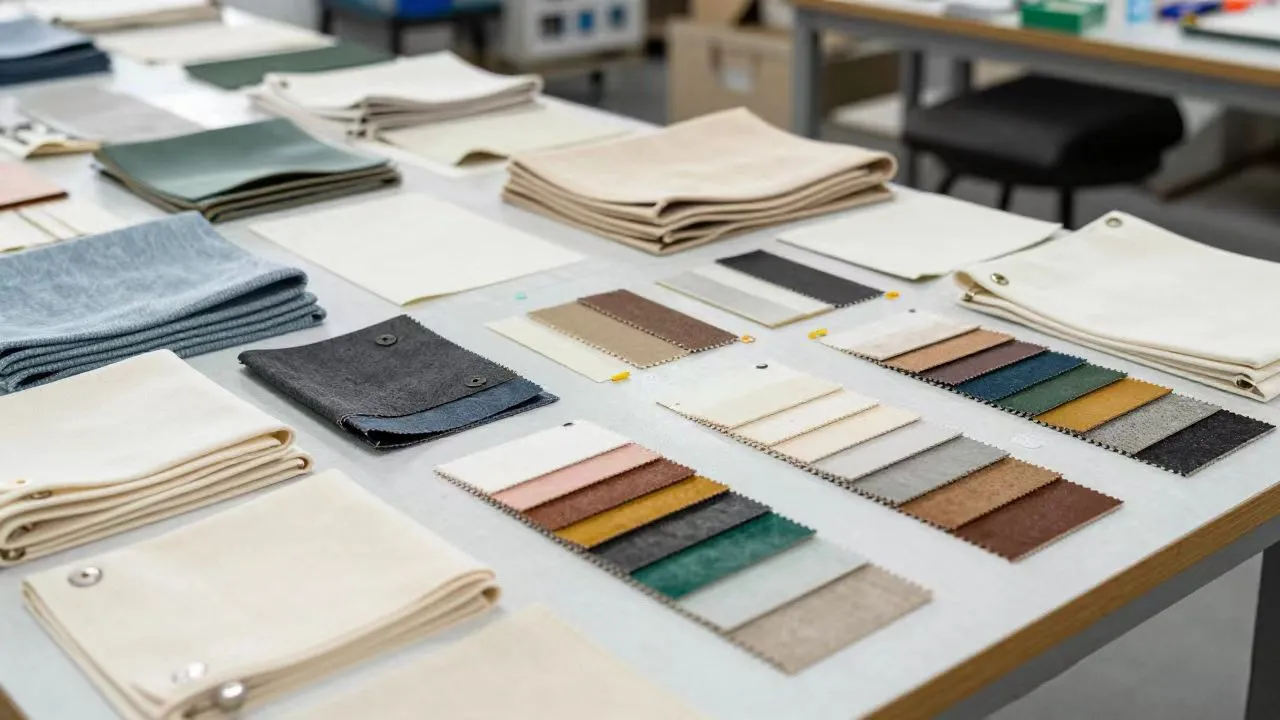
Canvas is a plain-woven fabric traditionally made from cotton, though hemp and linen canvases are increasingly common. Its performance is governed primarily by GSM (grams per square meter). Lightweight 150–250 GSM canvas suits promotional and disposable-shopping bags. Mid-weight 250–400 GSM is the sweet spot for retail totes, corporate gifts, and most daily-carry applications. Heavy-duty 400+ GSM canvas powers industrial, military-style, and premium structured bags. A full breakdown lives in our Canvas Fabric Weight Guide.
Polyester — the budget-friendly synthetic
Polyester is a petroleum-based fiber that dominates the budget and high-volume bag segment. It is 20–40% cheaper than canvas to produce, dries quickly, holds printed color well via sublimation, and is inherently water-resistant. Recycled PET (rPET) variants, sourced from post-consumer bottles and certified to GRS standards, have largely replaced virgin polyester in any brand with a credible sustainability claim.
PU Leather — the vegan luxury surface
PU (polyurethane) leather is a coated synthetic that delivers a leather-like aesthetic at a fraction of the price — and without the ethical baggage of animal-derived materials. It is waterproof, easy to wipe clean, and endlessly customizable in grain, color, and hand-feel. Modern water-based PU formulations cut VOC emissions by more than 70% compared to traditional solvent-based PU and are rapidly becoming the default at premium brands.
For a focused read on canvas specifically, see our Canvas Tote Bag Materials, Printing & Cost guide. For PU specifics, our Canvas vs Polyester vs PU comparison breaks down the same three materials from a different angle.
Canvas vs Polyester: Strength, Weight, Cost, Printing, Eco
Of the three pairings, canvas vs polyester is the most frequent sourcing question we receive. They look similar on the sample shelf, but they perform very differently.

Strength and durability
Canvas is the more durable of the two when properly constructed. With reinforced seams and the right GSM, canvas bags routinely last five to ten years of daily use. Polyester is no slouch — high-denier polyester (600D and above) is genuinely tough — but it tends to pill, fade, and lose structural integrity faster under continuous load. If your customer will use the bag as a daily workhorse for years, canvas wins. If the bag is a one-season promotional item, polyester is perfectly adequate.
Weight
Polyester is significantly lighter than canvas at equivalent thickness. For a tote bag, a polyester version typically weighs 30–45% less than a cotton canvas version of similar dimensions. That weight difference matters when the bags are shipped internationally in container quantities — it directly impacts your freight cost per unit.
Cost
Polyester wins on price, almost always. At MOQ 200, expect polyester totes at $0.90–$3.20 per unit and canvas totes at $1.80–$5.50 per unit. PU sits above both. The gap widens at higher MOQs because polyester mills are highly automated, while canvas still involves more natural-fiber processing steps.
Printing compatibility
Both materials print well, but through different processes. Polyester is the king of sublimation printing — vibrant, edge-to-edge color with no setup cost per unit, ideal for photographic or gradient artwork. Canvas prefers screen printing, DTF, heat transfer, and especially embroidery, where its textured weave adds tactile depth. If your design depends on rich photographic detail, lean polyester. If it depends on premium hand-feel and tactile branding, lean canvas.
Eco profile
Baseline canvas — particularly organic or recycled cotton — is the more sustainable choice. Polyester is petroleum-derived and sheds microplastics, but GRS-certified rPET closes much of that loop. We explore this more deeply in the Sustainability Comparison section below.
Canvas vs PU Leather: Luxury, Fashion, Premium Brands, Corporate Gifts
This is where bag material decisions start to feel like brand decisions. Canvas and PU leather occupy very different positions in the consumer's mind, and choosing between them is really about choosing which story you want your bag to tell.

Luxury positioning
PU leather delivers a luxury aesthetic at a price most consumers can absorb. From smooth nappa-like finishes to structured Saffiano-style grains, modern PU can be visually indistinguishable from genuine leather on the shelf — especially when paired with quality hardware. Canvas, even at high GSM, reads more casual and artisanal. If your customer expects a polished, dressy bag for office or evening use, PU is the safer call.
Fashion and seasonal collections
Fashion brands love PU because it can be re-coloured, re-grained, and re-finished every season without re-tooling the entire factory. Canvas supports capsule collections well too — its natural texture pairs effortlessly with minimal, earthy, or Scandinavian aesthetics — but its color refresh cycle is slower.
Premium brand storytelling
This is where the conversation gets interesting. Some premium brands intentionally avoid PU because consumers have learned to associate it with "synthetic" and "cheap." Others lean into it precisely because it lets them ship the leather look at a more accessible price point while keeping their animal-welfare credentials intact. There is no universal answer — it depends on whether your brand equity sits in heritage and authenticity or in modernity and accessibility.
Corporate gifts
For corporate gifting, canvas is the strongest performer in most categories — it photographs well, takes embroidery cleanly, suits both casual and executive audiences, and aligns with the sustainability narrative that procurement teams increasingly require. PU becomes the right answer when the gift must convey executive weight, such as a luxury laptop sleeve or an embossed portfolio.
From the sales floor — Emily, Senior Project Manager

EmilySenior Project Manager · 12 years in OEM bag manufacturing
"A lot of our European and North American clients choose PU for high-end gifting projects — even when they could afford canvas. It is rarely about budget. It is about brand fit. When a brand has spent ten years building a leather-led aesthetic, switching to canvas mid-stream breaks the story. My advice is to choose the material that lets your brand's existing promise stay consistent — and only switch when your brand promise itself is changing."
For a deeper look at canvas specifically for premium programs, our Custom Canvas Tote Bags Manufacturer page walks through weights, prints, and budgets for premium retail and gifting.
Polyester vs PU Leather
This pairing deserves less space here because the use cases rarely overlap. Polyester is the default for promotional, lightweight, and outdoor bags. PU is the default for premium, leather-look, and structured pieces. Where they do meet is in the mid-tier fashion market — a printed polyester tote with PU handles, a PU-trimmed polyester backpack — where brands mix materials to balance cost, weight, and aesthetic.
Rather than repeat the full comparison, we point you to our detailed material comparison and to the broader PU vs Polyester deep-dive in our guides series. The headline trade-off is simple: polyester wins on cost and weight, PU wins on luxury feel and waterproofing. Everything else is a matter of execution.
Material Performance Comparison
Below is a more granular performance breakdown. Each subsection gives you the practical answer a sourcing manager needs in a sample review.
Durability
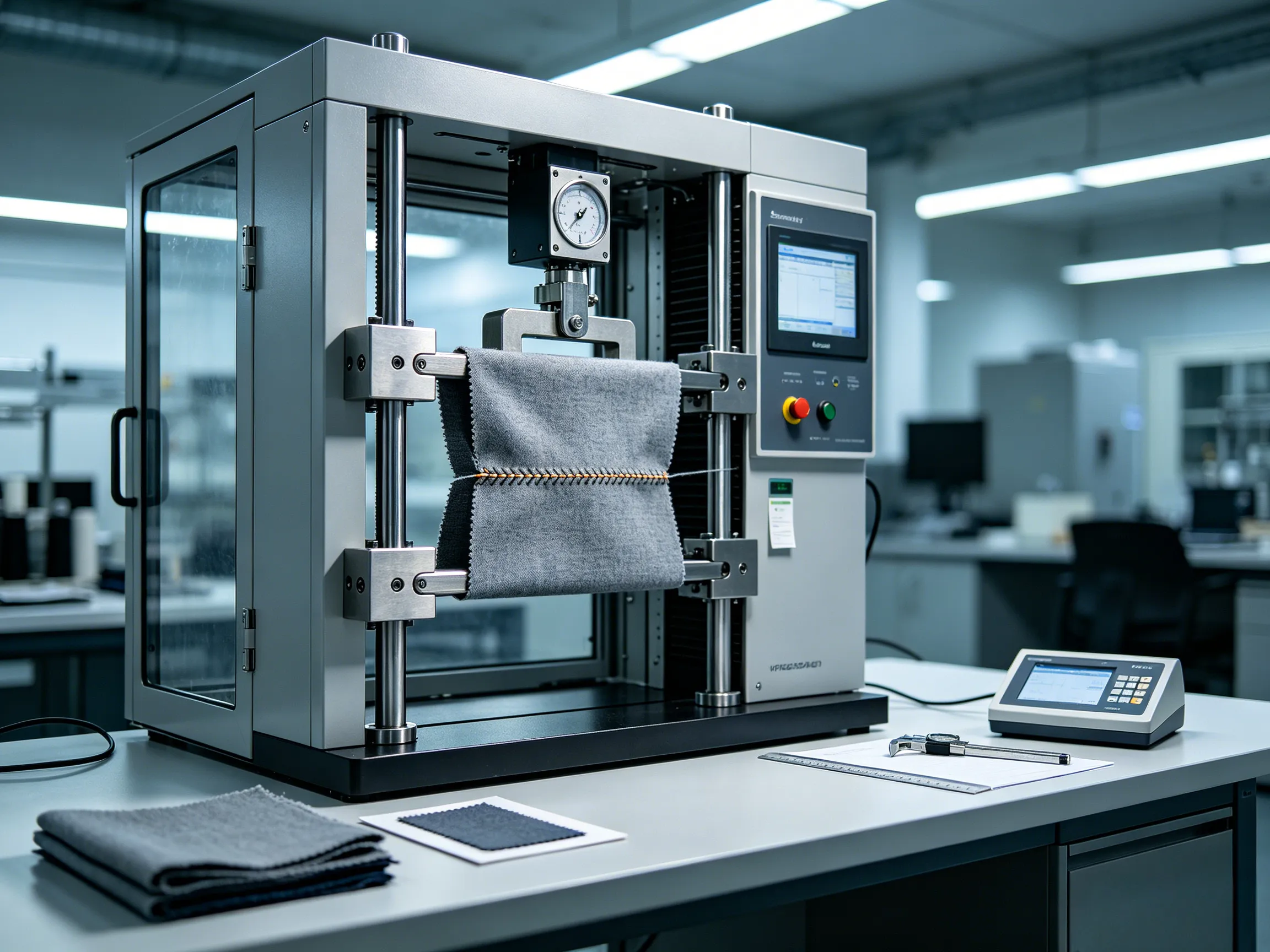
Canvas at 12 oz / 400+ GSM, with double-stitched seams and reinforced stress points, is the most durable option across the three. High-quality PU is a strong second but can delaminate within 12–18 months in hot, humid climates — a phenomenon known as hydrolysis, where ambient moisture slowly breaks down the PU coating. Polyester is the least durable of the three at equivalent use intensity.
Waterproof performance
PU is genuinely waterproof when the surface is intact. Polyester is inherently water-resistant because the fiber does not absorb water, though seams and zippers remain weak points. Canvas must be treated — typically with a PU or PVC backing, or with a waxed finish — to become water-resistant, and even then it is rarely fully waterproof.
Printing compatibility
This is where your design team should be paying close attention.
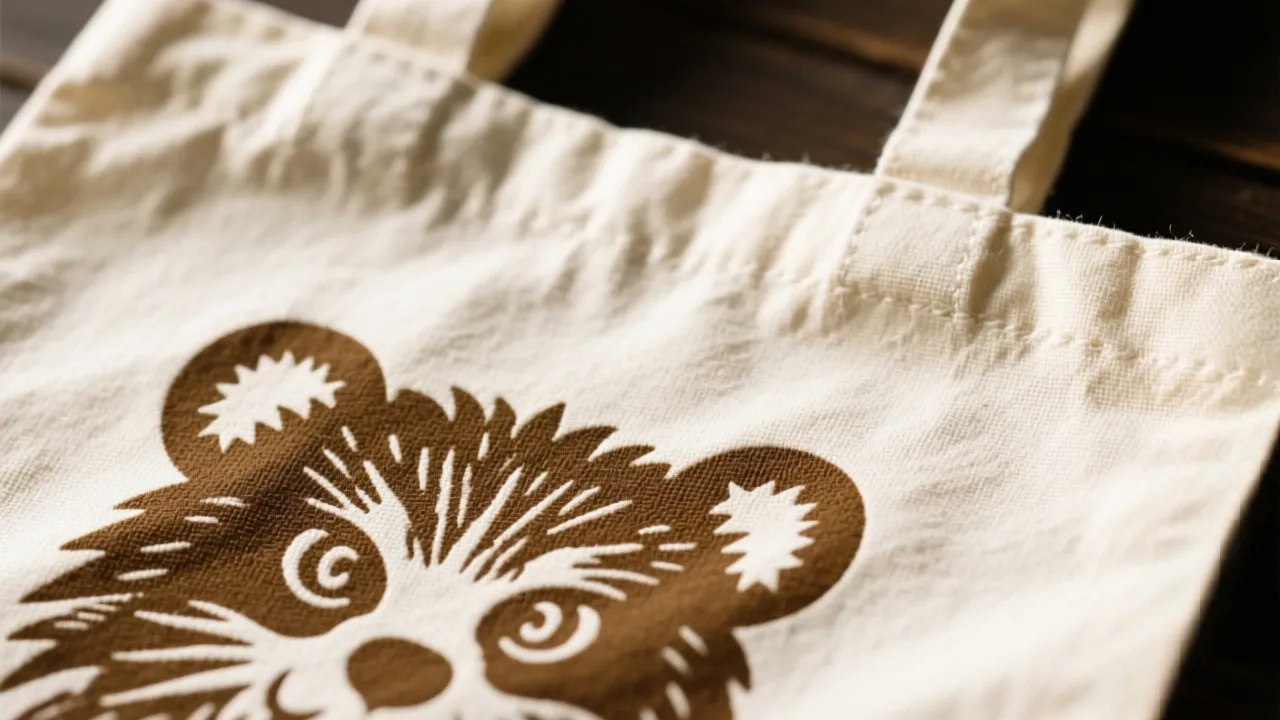
- Screen printing works beautifully on canvas and polyester but is impractical on PU because the ink does not adhere well to the coated surface.
- DTF (direct-to-film) printing works on canvas and polyester with vibrant results and no setup cost per color.
- Heat transfer is suitable for canvas and polyester; PU requires lower temperatures and specialized transfer films.
- Embroidery is at home on canvas and PU; on polyester it works but can pucker lighter weaves.
- UV / digital direct printing excels on polyester, is acceptable on coated canvas, and is not viable on most PU surfaces.
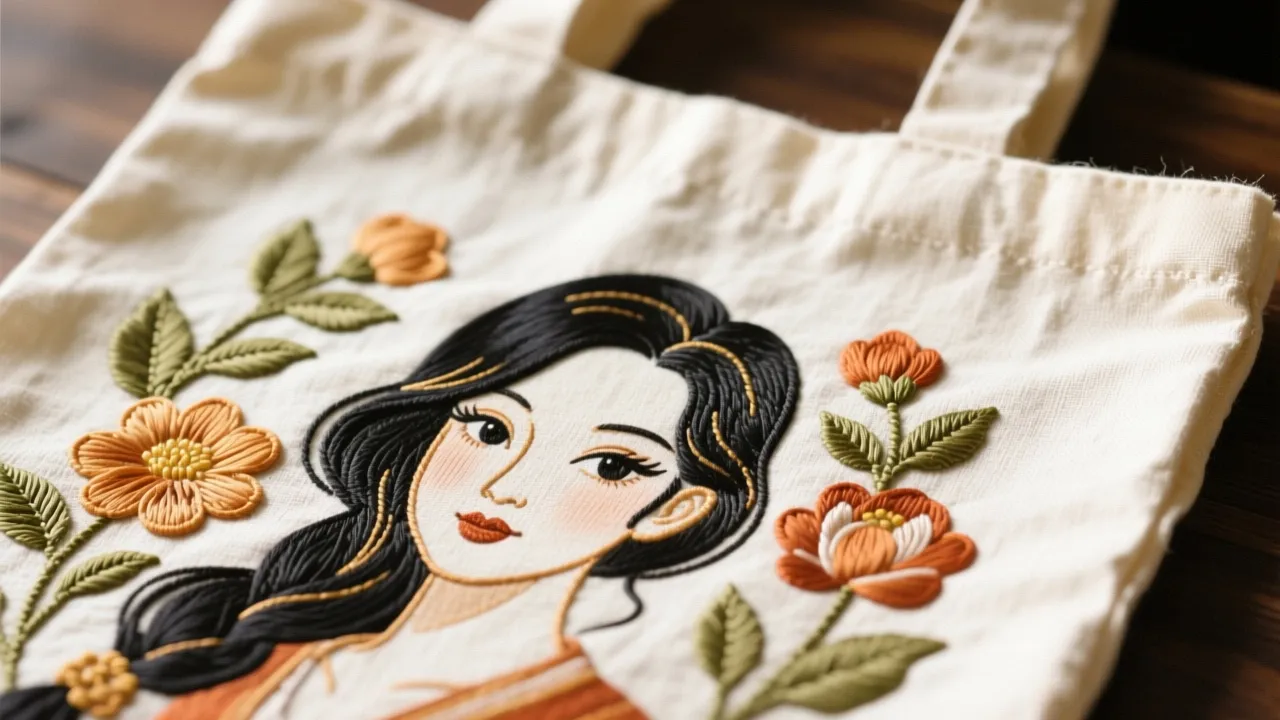
DTF (direct-to-film)
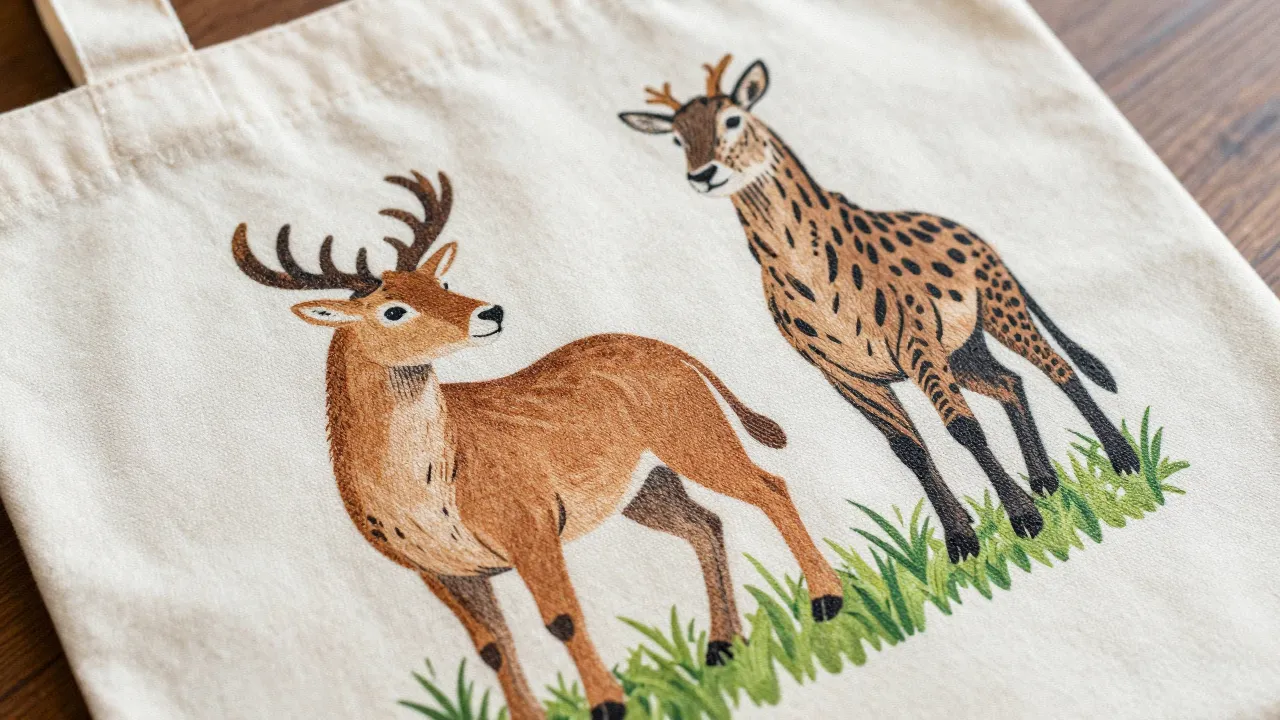
Digital direct printing
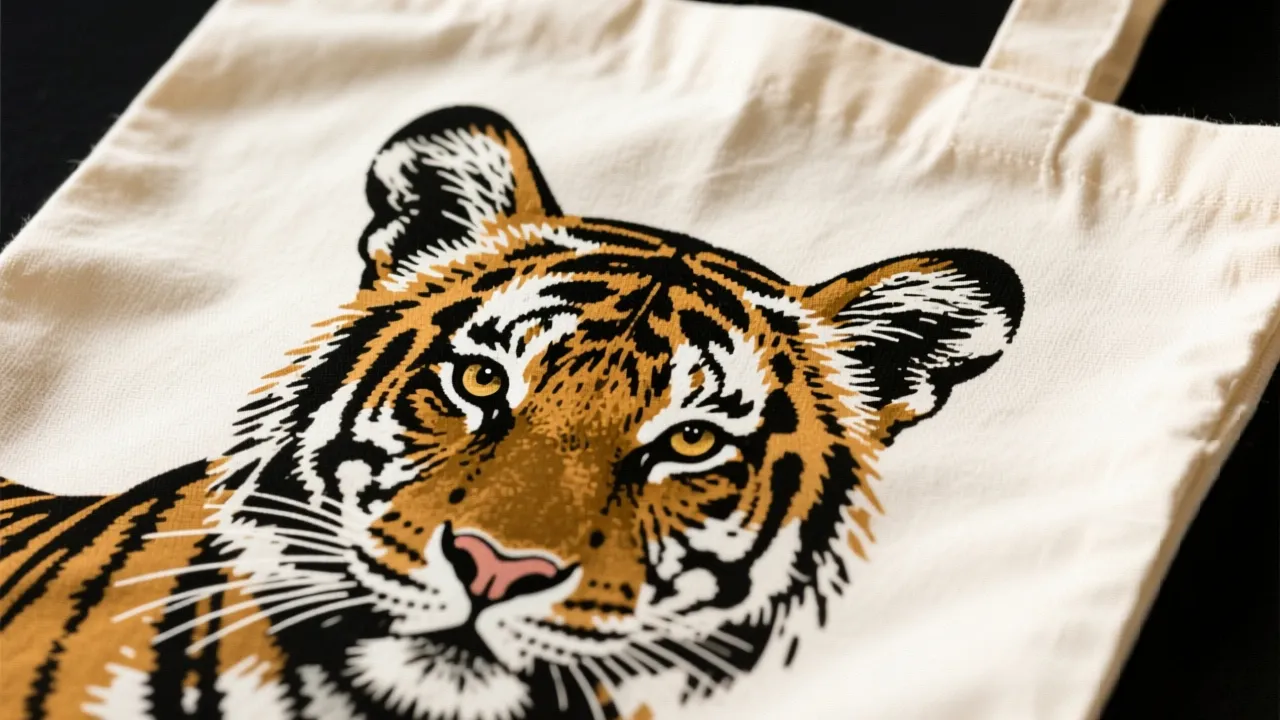
Plastisol (rubber) printing
Cleaning and maintenance
Polyester is the easiest to maintain — machine washable, fast drying, and forgiving of stains. Canvas is also machine washable but takes longer to dry and can shrink if pre-shrunk treatment was skipped. PU is the most convenient in everyday use because a damp cloth handles almost everything, but it should never be machine washed.
Color stability
Polyester holds dyed color the longest because the dye is bonded into the fiber. Canvas, especially natural cotton, will fade gradually with sun exposure — often a desired aesthetic for heritage brands, a flaw for fast-fashion buyers. PU holds color well initially but can yellow or discolor with prolonged UV exposure if not properly stabilized.
Scratch resistance
PU is the most scratch-prone surface — a sharp key or rough wall can leave a permanent mark. Polyester resists surface scratches well. Canvas is largely immune to scratching because any minor surface disturbance disappears into the weave.
Weight
Per square meter: polyester ≈ 120–200 g, cotton canvas ≈ 200–450 g, PU ≈ 350–600 g depending on backing. This matters most for backpacks, laptop bags, and any product your customer will carry for hours.
Cost
Polyester is the most affordable. Canvas is mid-range with organic and hemp variants pushing to the upper end. PU spans the widest range — from commodity PU at $3.50 per tote to premium water-based PU at $12+ per piece.
MOQ
All three materials are workable at our standard MOQ of 200 units for handbag programs (50 units for our silk pillowcase and accessory lines). For specialty constructions — PU with custom embossing, canvas with reactive dye color matching — MOQ may rise to 500–1,000 units.
.webp)
Which Material Is Best for Different Bag Types?
Every bag category has its own material sweet spot. The table below maps the most common bag types to the material we recommend at Dreamway, with reasoning.
| Bag type | Recommended material | Why |
|---|---|---|
| Gym bags | Polyester (600D+) | Light, sweat-resistant, easy to wash, low cost at scale |
| Travel bags | Heavy canvas or PU | Structure and abrasion resistance matter for checked baggage |
| Cosmetic bags | PU or coated canvas | Wipe-clean surface, leak-proof lining, premium shelf appeal |
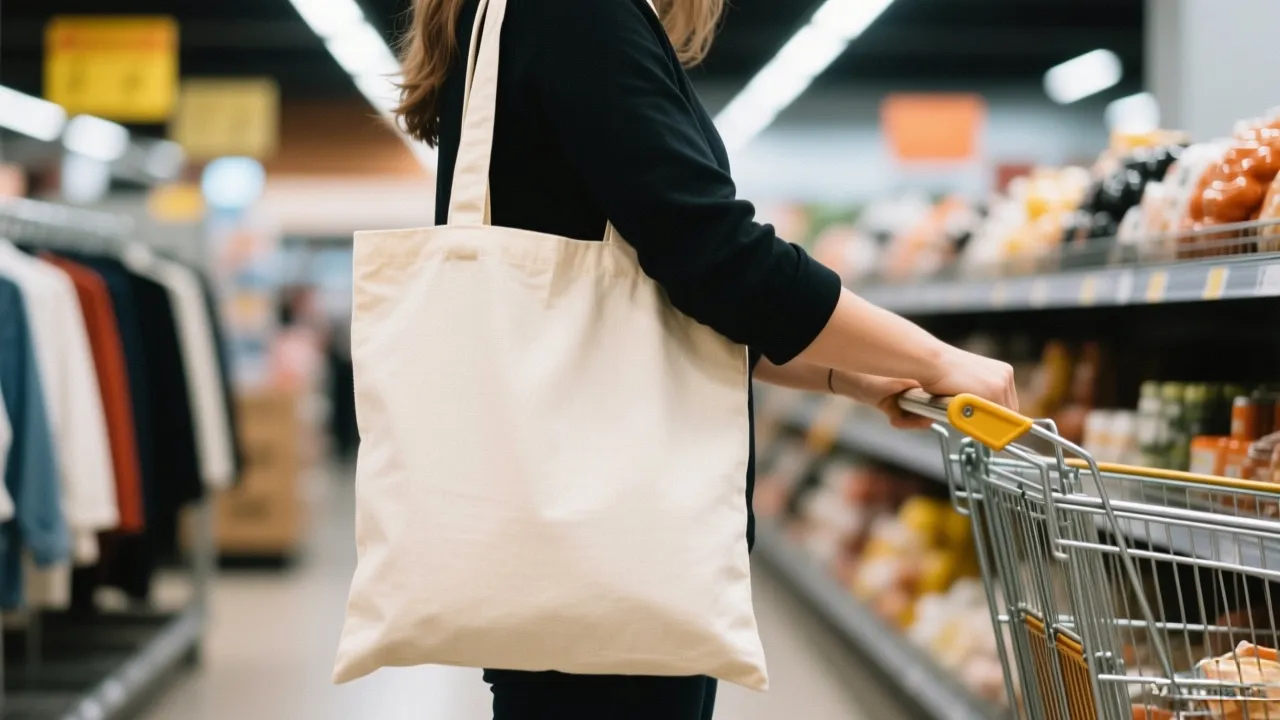
| Tote bags | Canvas (mid-weight) | Daily durability, print-friendly, sustainable |
| Laptop bags | PU or padded canvas | Padding, structure, executive aesthetic |
| Shopping bags | Non-woven PP / canvas | Reusable, brandable, low cost per impression |
| Gift bags | Canvas or PU | Premium unboxing, longevity as keepsake |
| Fashion bags | PU (water-based) | Leather aesthetic, season-friendly color refresh |
| Outdoor bags | Waxed canvas or PU-coated polyester | Weather resistance, abrasion tolerance |
| Backpacks | Polyester (600D+) or PU | Lightweight for capacity, PU for premium segments |

For long-tail searches, our Custom Canvas Tote Bags Manufacturer page covers the most-requested retail format in detail, while Canvas Tote Bag Materials, Printing & Cost maps material cost to construction.
Which Material Fits Your Brand?
Material choice is brand choice. The wrong material will undermine your positioning; the right one quietly reinforces every other marketing decision you have made. Below is how we typically guide our brand clients.
Fashion brands
Default to PU (water-based) for premium-tier handbag collections, especially if your brand carries a leather heritage. Use PU for clutch, crossbody, and structured silhouettes. Reserve canvas for capsule, weekend, and "soft luxury" sub-lines.

Retail brands
Default to canvas for private-label programs — grocery totes, lifestyle merch, in-store exclusives. The economics are unbeatable for a reusable product that needs to survive hundreds of customer trips.
Beauty brands
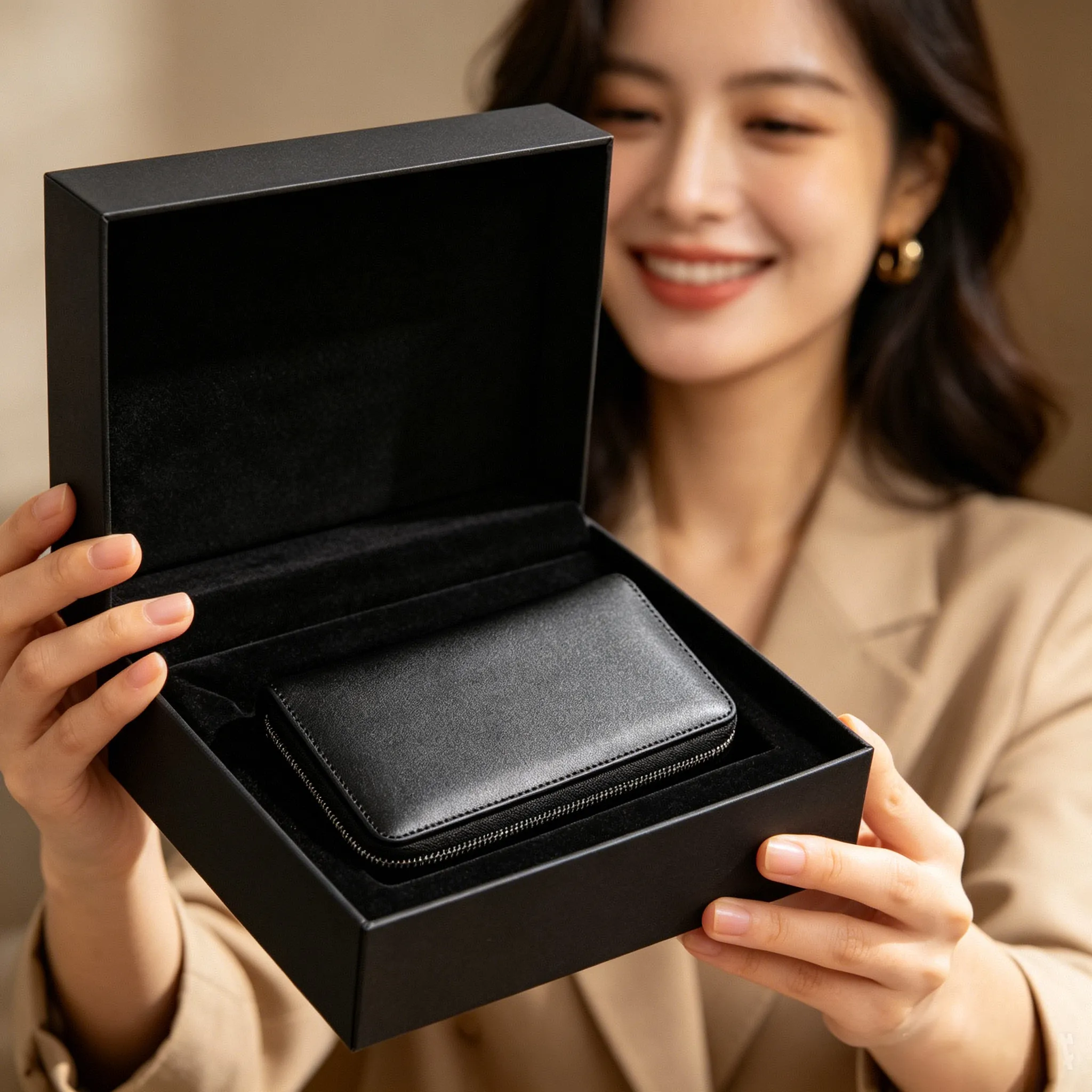
Default to PU for cosmetic pouches, gift-with-purchase carriers, and elevated beauty boxes. PU gives the unboxing moment a luxury hand-feel that canvas struggles to match at small sizes.
Corporate gifts
Default to canvas for branded giveaways, conference swag, and employee welcome kits. Canvas signals sustainability, longevity, and substance — exactly the values corporate gifting programs want to communicate.
Outdoor brands
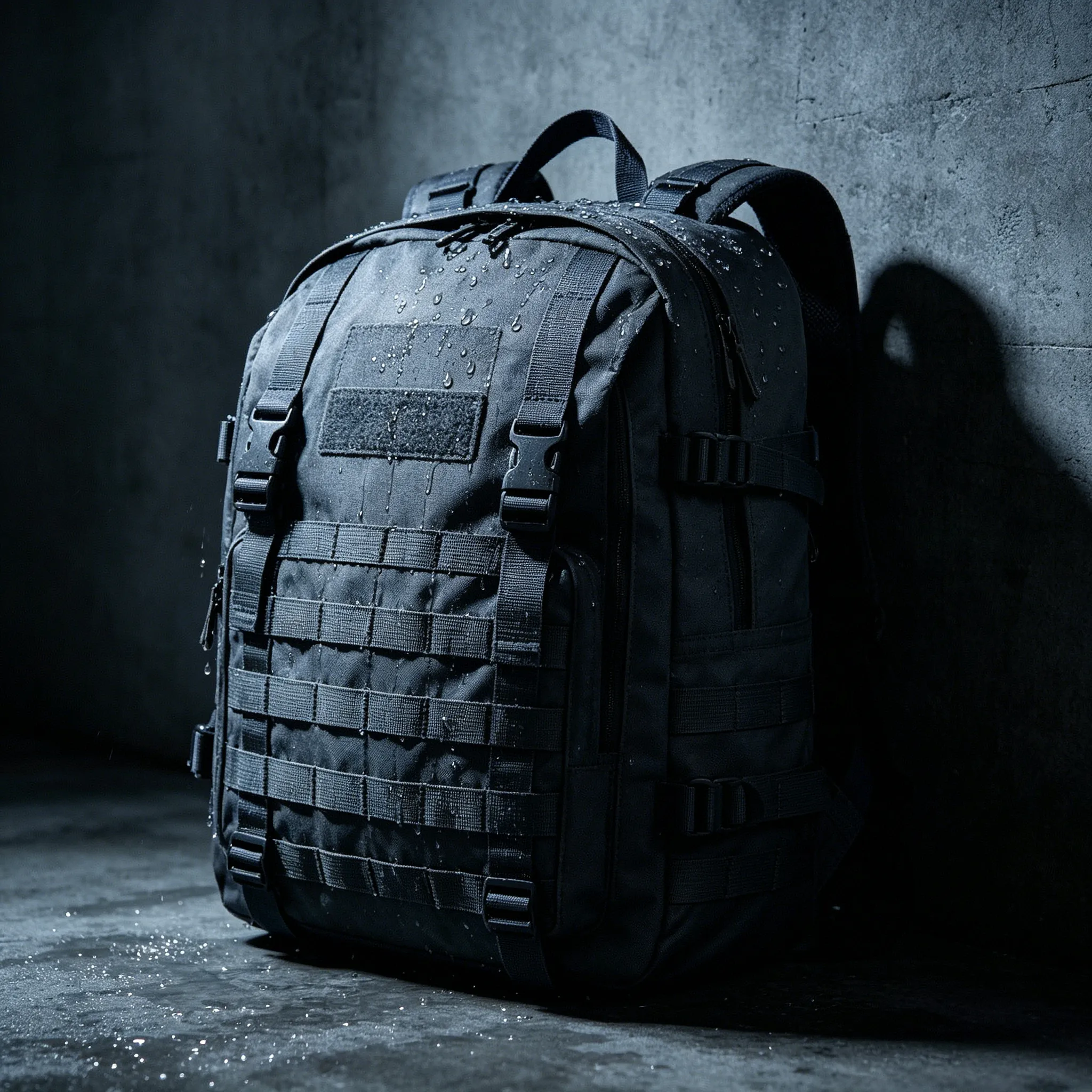
Default to PU-coated polyester or waxed canvas for hiking, cycling, and travel lines. Weight matters here. Durability matters more. Look for 600D+ polyester, bartacked seams, and weather-treated surfaces.
Travel brands
Default to PU or heavy canvas for luggage, duffels, and weekenders. PU offers structure and a leather aesthetic; heavy canvas offers heritage and durability. Both work — pick by brand story.
E-commerce brands
Default to canvas for shipping-friendly formats (totes, pouches) and PU for hero SKUs. Canvas folds flat and ships cheaply, which improves your unit economics. PU becomes worth its shipping cost when it is the headline product.
Private label
Default to canvas for the broadest private-label appeal — it photographs well, accepts virtually any print technique, and works across demographics. Add PU to your line only when your retail channel can absorb the higher price point.
For a focused comparison of the two most common retail fibers, see our Cotton vs Blended Canvas for Tote Bags guide.
Sustainability Comparison
Sustainability claims in the bag industry are notoriously slippery. Three honest benchmarks help cut through the noise:
- Fiber source — recycled vs virgin, plant-based vs petroleum-based.
- Process chemistry — water-based vs solvent-based coatings.
- End-of-life — biodegradable, recyclable, or persistent.
Canvas
Cotton canvas, particularly organic or GOTS-certified, scores well on all three benchmarks: the fiber is plant-based and renewable, the processing is largely mechanical, and at end-of-life the bag will biodegrade in months under the right conditions. Hemp canvas is even stronger on sustainability — it requires minimal water and no pesticides.
Recycled polyester (rPET)
Recycled PET — typically sourced from post-consumer bottles and certified to GRS (Global Recycled Standard) — closes the loop on a waste stream that would otherwise persist for centuries. It is not perfect: rPET still sheds microplastics, and recycling rates remain low. But for any brand making a credible "post-consumer recycled" claim, GRS-certified rPET is the baseline.
Recycled and water-based PU
Conventional solvent-based PU is the worst performer on sustainability — high VOC emissions, petroleum-derived, and persistent at end-of-life. Two next-generation options change that picture:
- Water-based PU cuts VOC emissions by more than 70% and produces a softer, more breathable surface. It is becoming the default at premium brands.
- Recycled PU (GRS-certified) reprocesses post-industrial PU waste into new coated fabric, reducing virgin plastic input.
The trade-offs between these two next-gen options matter for any brand pursuing a serious sustainability strategy. Our guide on Water-Based PU vs Recycled PU walks through the production, performance, and pricing trade-offs in detail.

Factory Considerations Before Choosing Materials
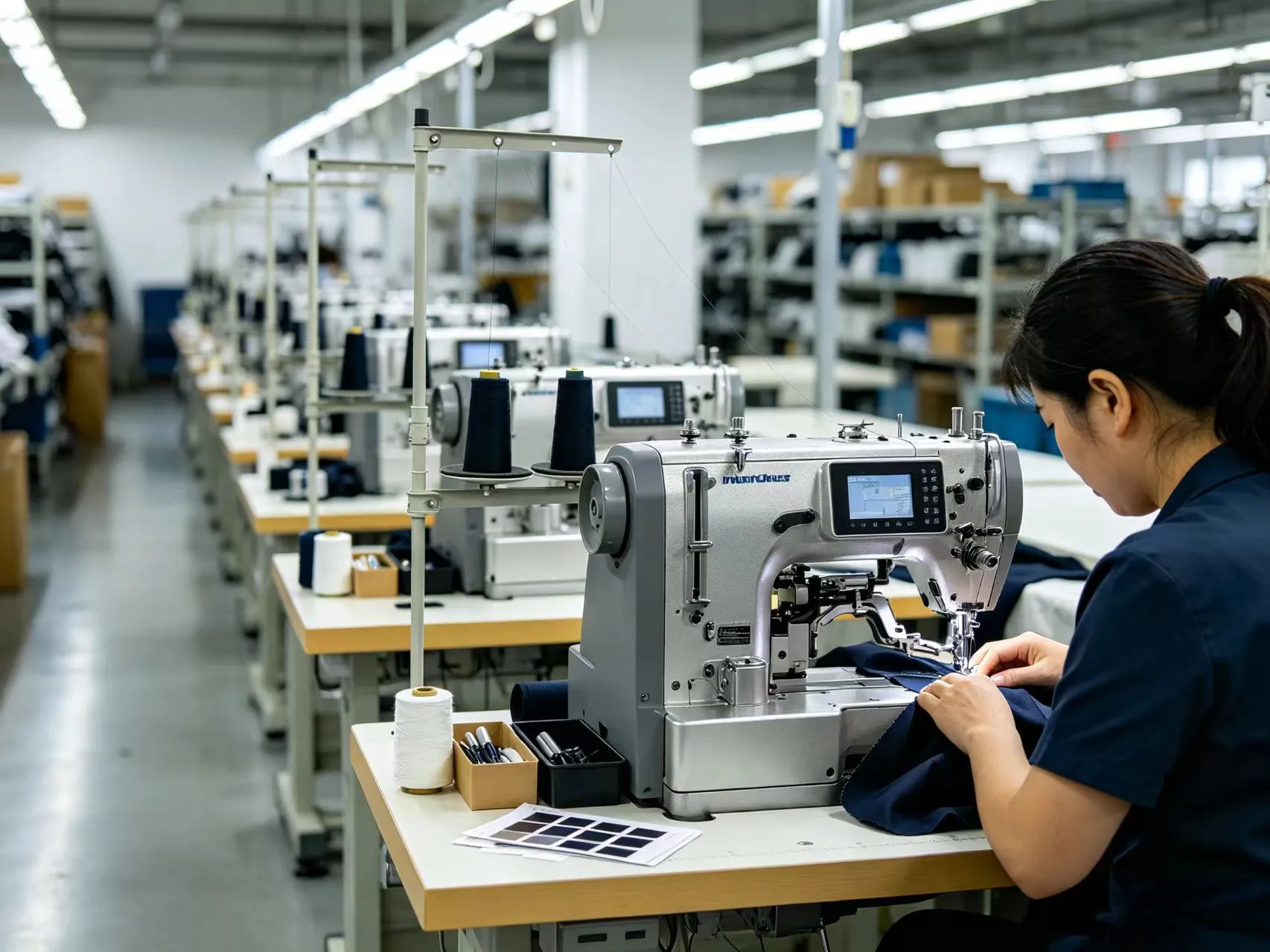
Choosing a material on paper is one thing. Producing it consistently at scale is another. The items below are the conversations you should be having with your factory before you commit to a material — not after.

MOQ
Our standard handbag MOQ is 200 units; for silk pillowcases and accessories the MOQ drops to 50 units. Materials with longer sourcing lead times — recycled PU in custom colors, organic canvas in non-stock weights — typically require higher MOQs to absorb the mill setup cost.

Lead time
Plan for 25–40 days from confirmed PO to ex-factory for canvas and polyester programs. PU programs can stretch to 35–55 days due to longer material sourcing and coating lead times. Rush programs are possible but usually incur a 15–25% expedite fee.
Printing
Confirm printing compatibility with your factory before you finalize artwork. A logo designed for sublimation will look flat on canvas. An embroidery file designed for PU will pucker on lightweight polyester. Our canvas printing guide shows the artwork prep required for each canvas printing technique.
Sampling
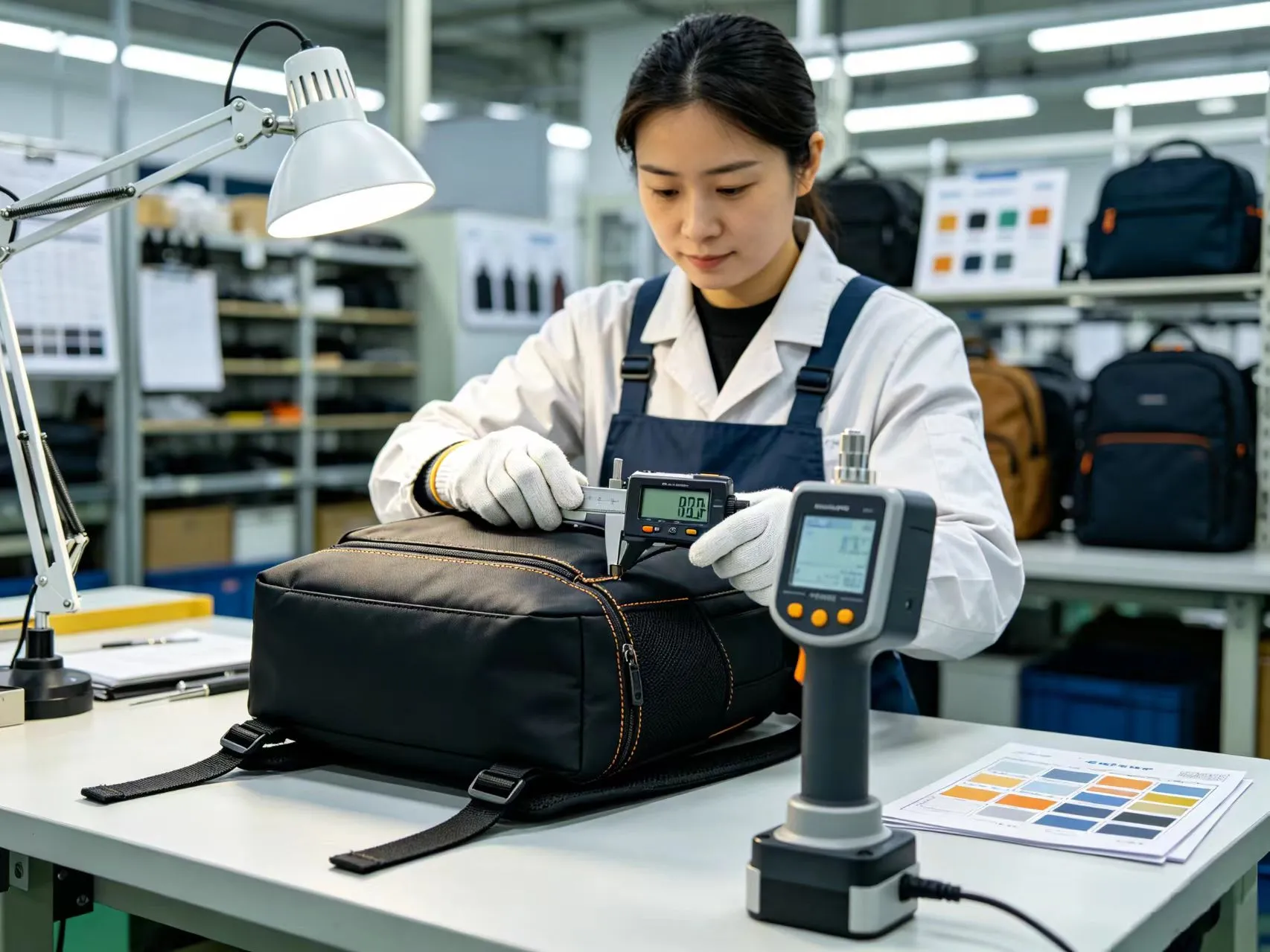
Always request a pre-production sample. At Dreamway we produce a counter sample within 7–10 days of artwork approval, then a corrected golden sample within another 5–7 days. Both samples are photographed, dimensionally measured, and signed off before bulk production starts.
Color matching
Color matching is the single most common source of disputes in bag production. Always provide a Pantone reference and confirm color under D65 light. For canvas, expect a 5–8% shade variance between lab dip and bulk production due to the natural fiber base. For polyester and PU, expect closer to 2–3% variance.
QC
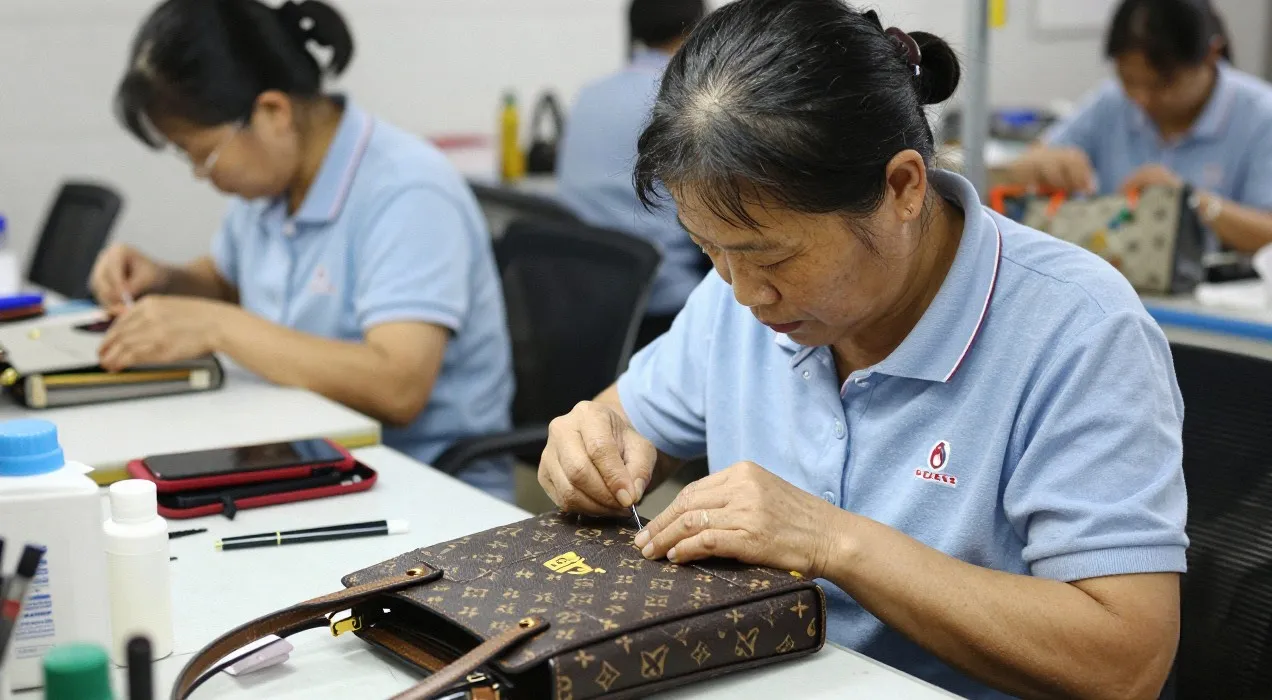
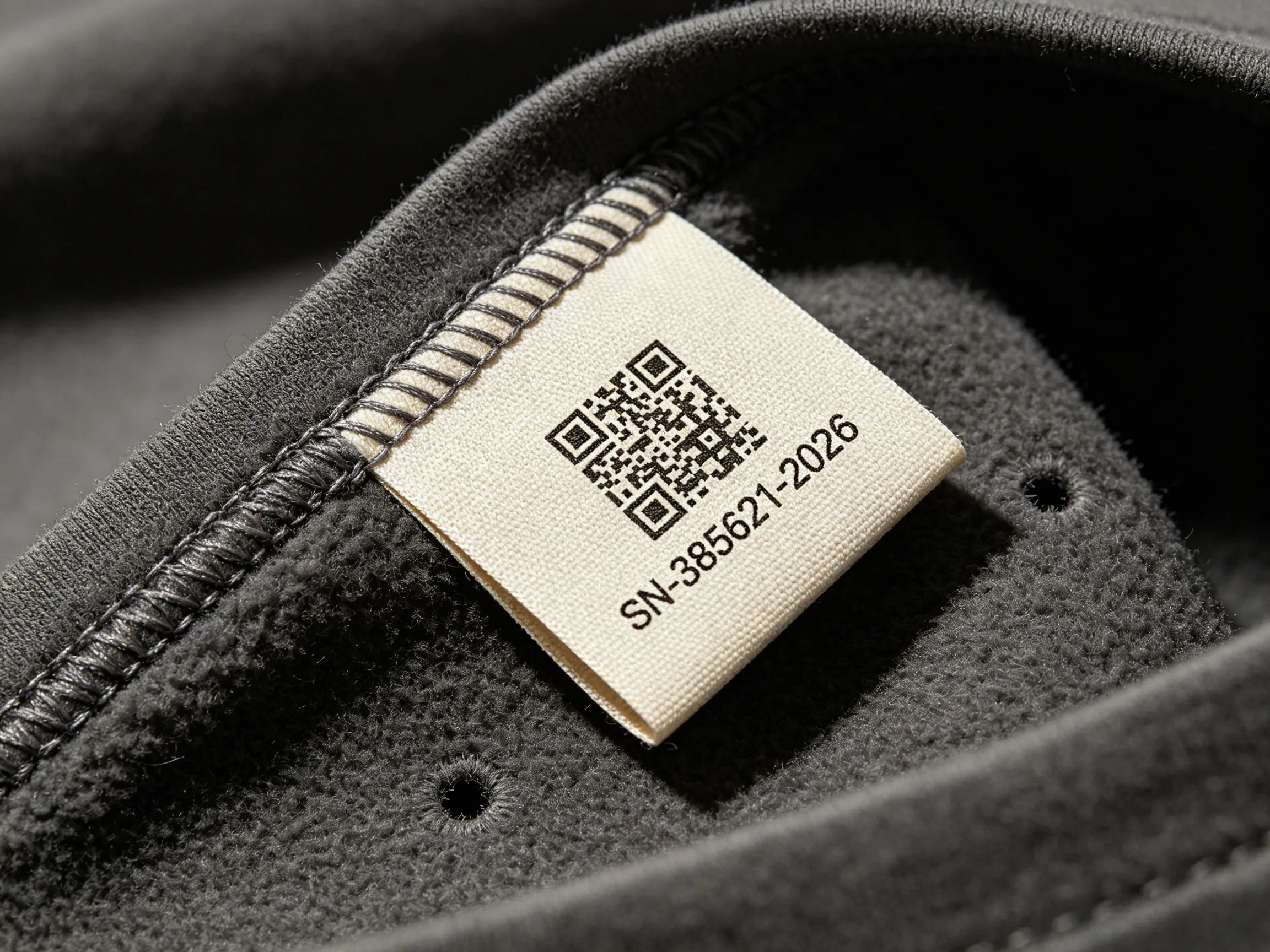
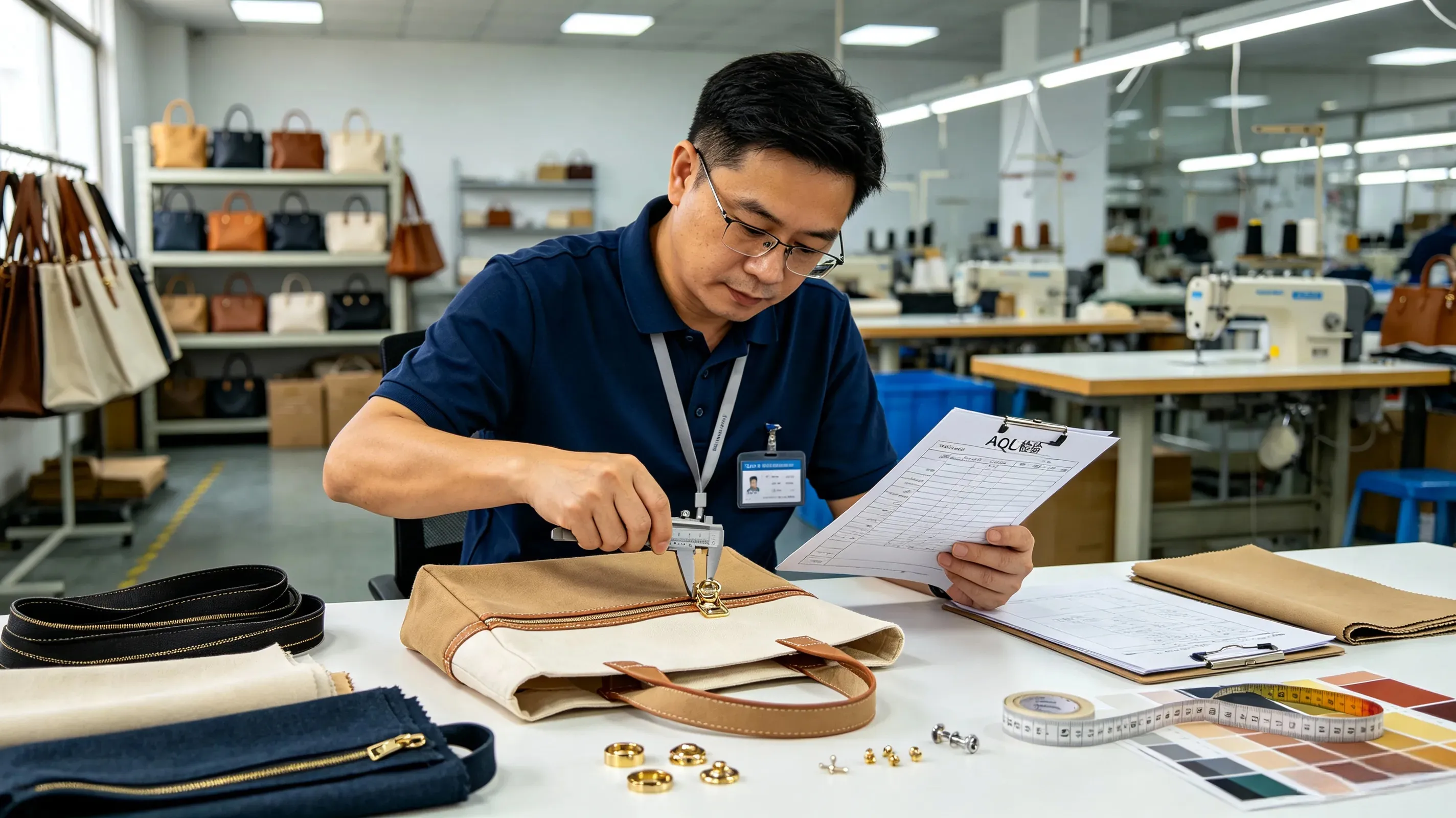
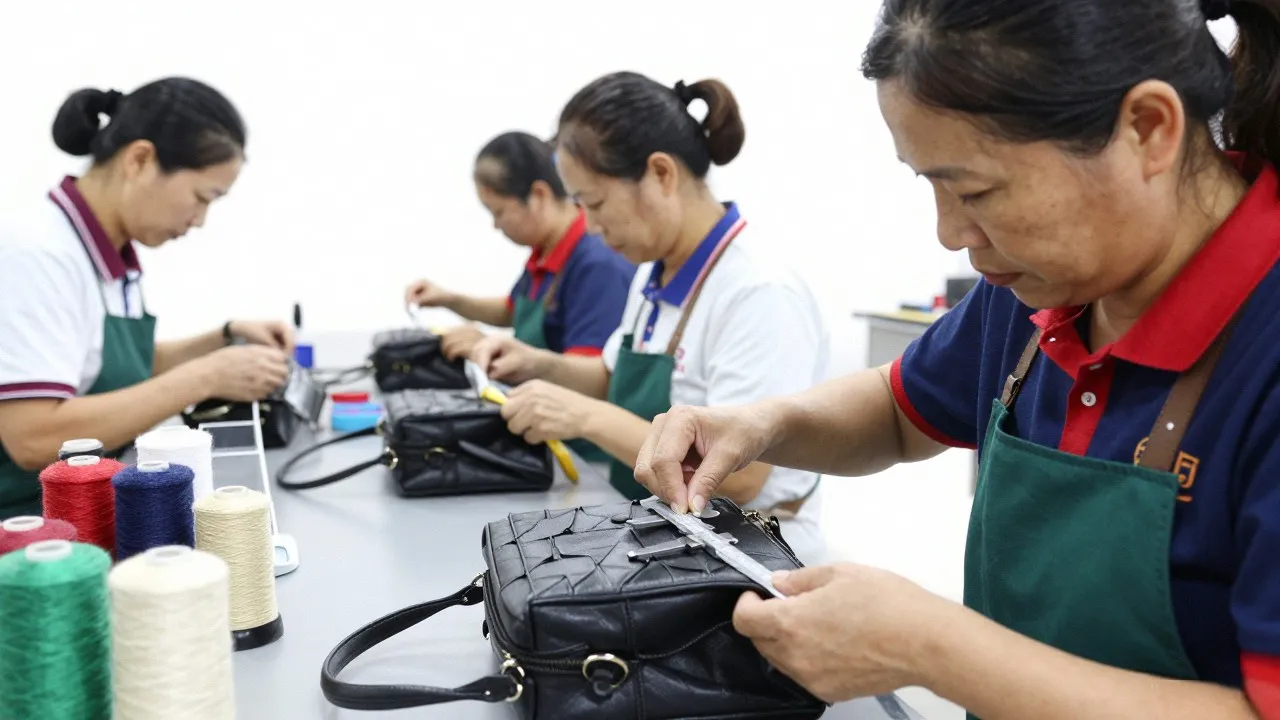
On-site quality control is non-negotiable for any order above a few hundred units. At Dreamway we run AQL 2.5 inspections on all finished goods, plus inline KCP (Key Control Point) checks at cutting, sewing, assembly, and packing. Every shipment leaves with a unique serial number QR code label — part of our full-chain traceability system.
Material availability
Stock materials can be cut within 48 hours. Custom materials — Pantone-dyed canvas, embossed PU, custom-coated rPET — require 15–30 days for mill production before factory cutting begins. Always confirm material availability before locking your production calendar.
From the QC bench — Kevin, Pattern Development Engineer
KevinPattern Development Engineer · 15 years in bag pattern making
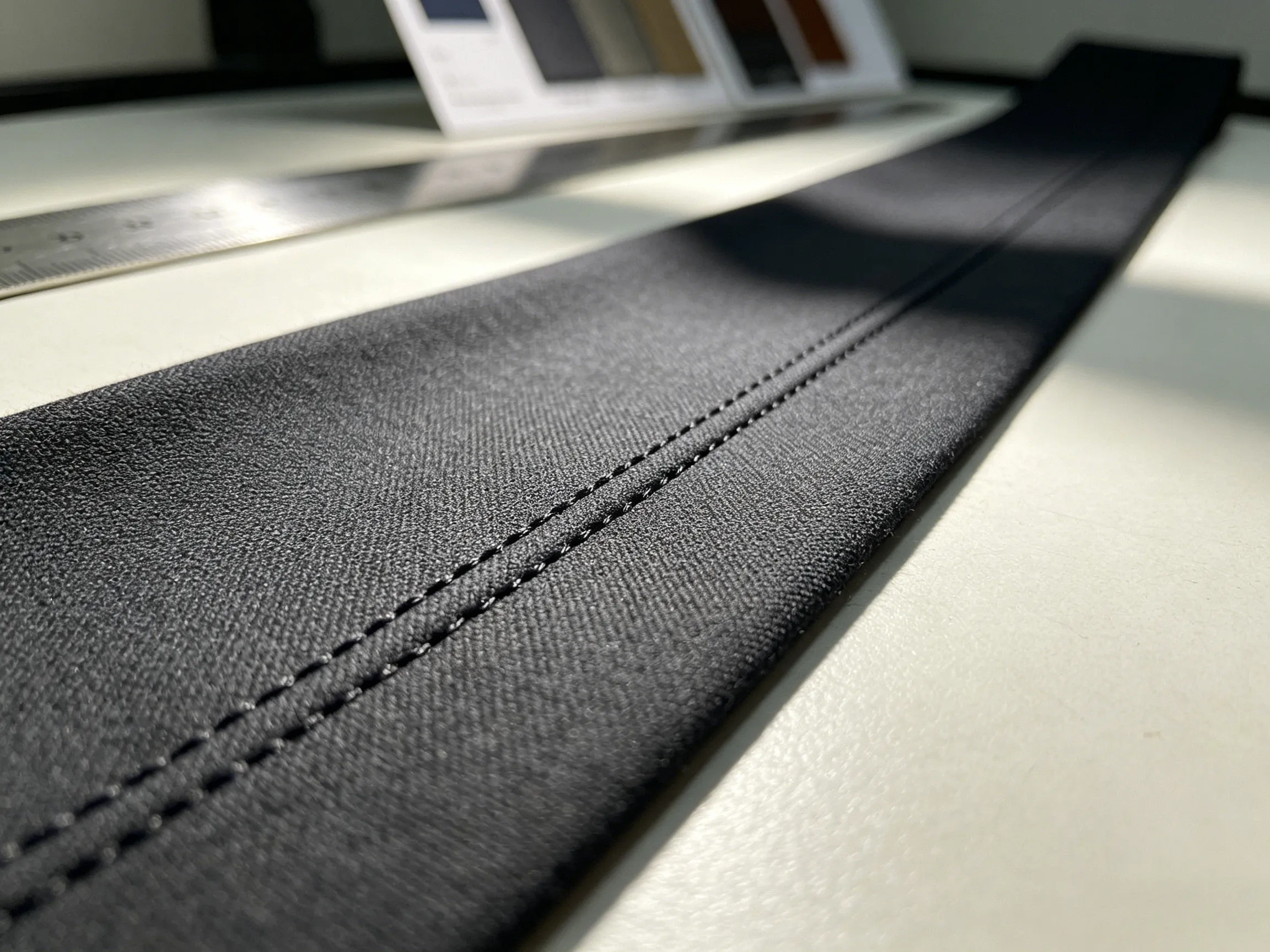
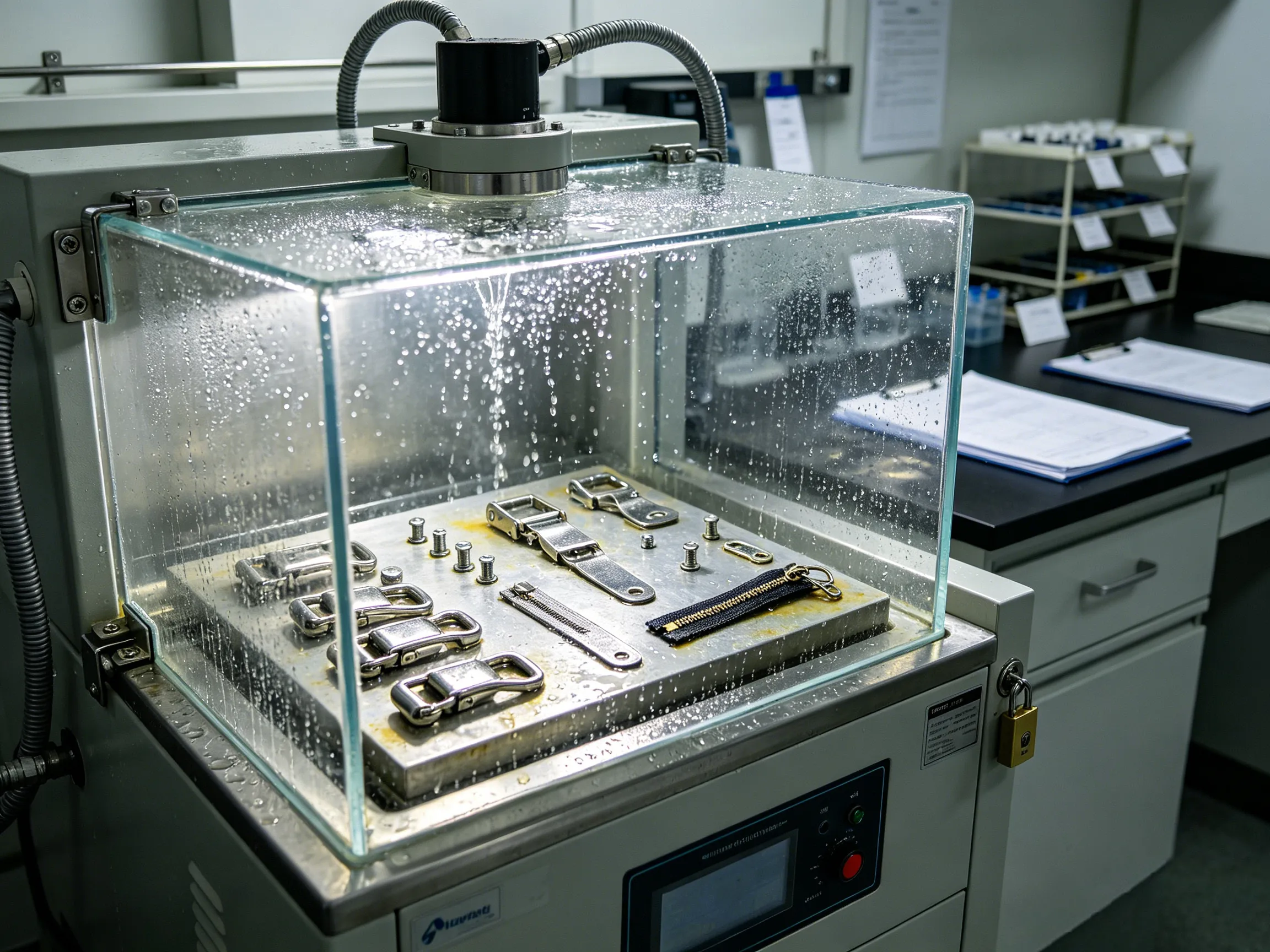
"Two rolls of canvas can both be labeled 12 oz and behave completely differently. Fiber staple length, yarn twist density, weave tension, and pre-shrunk treatment all change how the bag performs. At incoming inspection we measure GSM, check yarn count under magnification, and run a wash test on a swatch. If the GSM is off by more than 5%, or the swatch shrinks more than 3%, we reject the lot before a single panel is cut. Material quality is decided at the fabric warehouse — not at the QC table."

Common Buyer Mistakes (and How to Avoid Them)
After more than a decade of producing bags for global brands, we see the same handful of avoidable mistakes come up again and again. Share this list with anyone on your team who touches material sourcing.
Choosing purely on price
The cheapest quote often hides the most expensive outcome. A $0.40 per unit savings on a 5,000-unit run becomes meaningless if 8% of the bags arrive defective and need replacing. Compare landed cost, not unit cost.
Ignoring GSM
Two canvas bags at the same price can have wildly different structural integrity. Always specify GSM (or oz) and confirm it on the incoming material report. Our canvas weight guide shows the right GSM for each application.
Ignoring environmental regulations
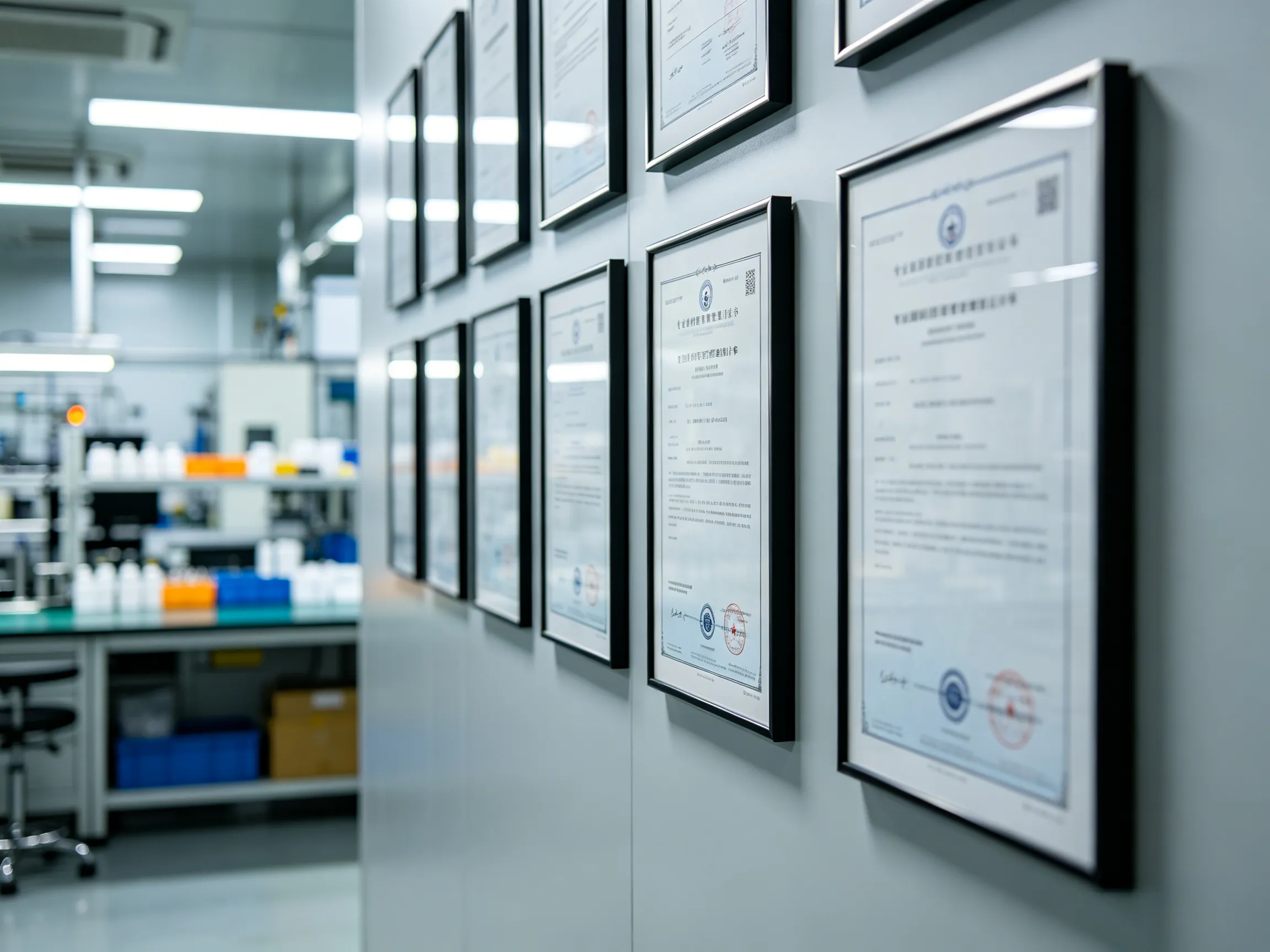
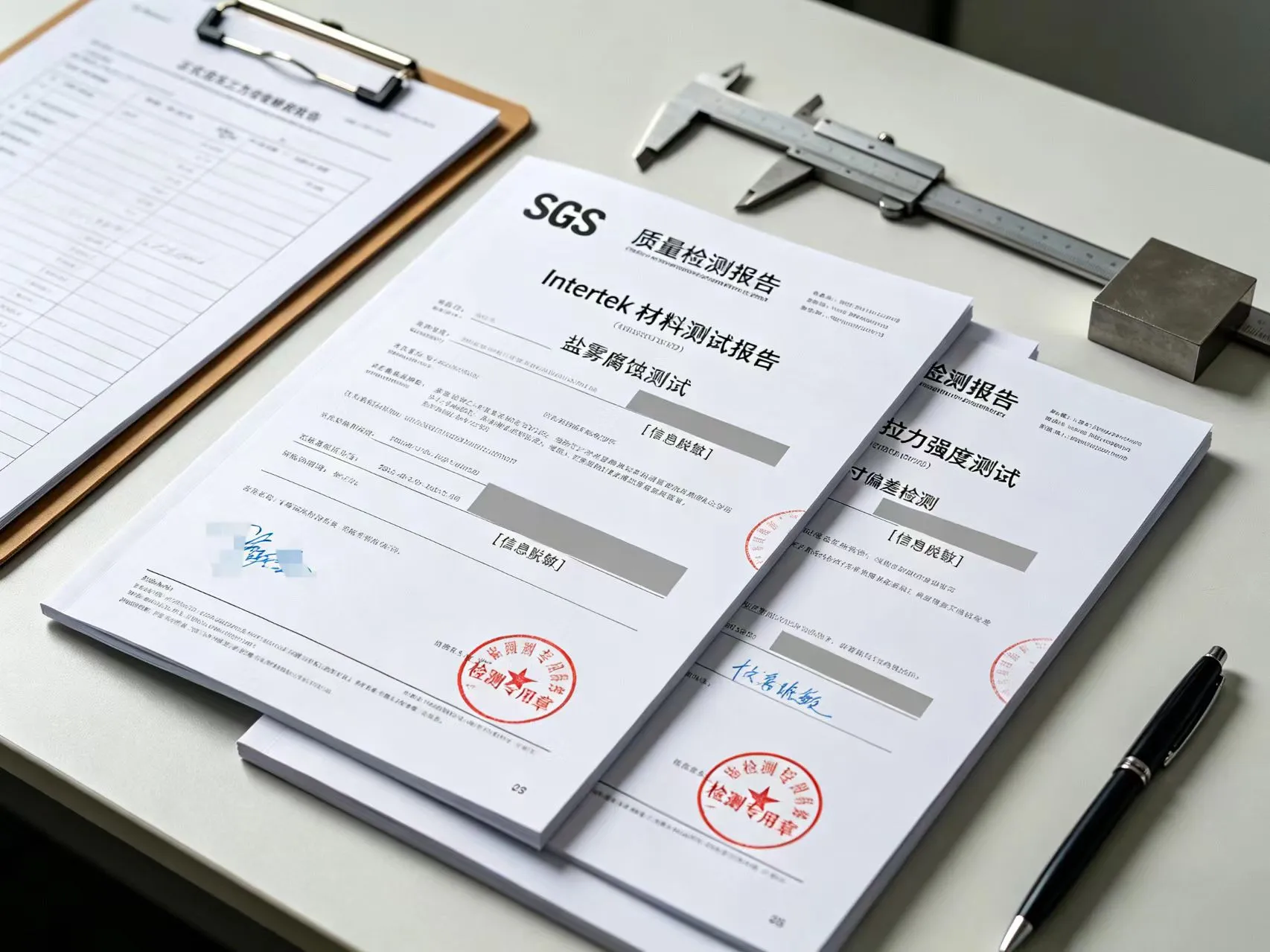
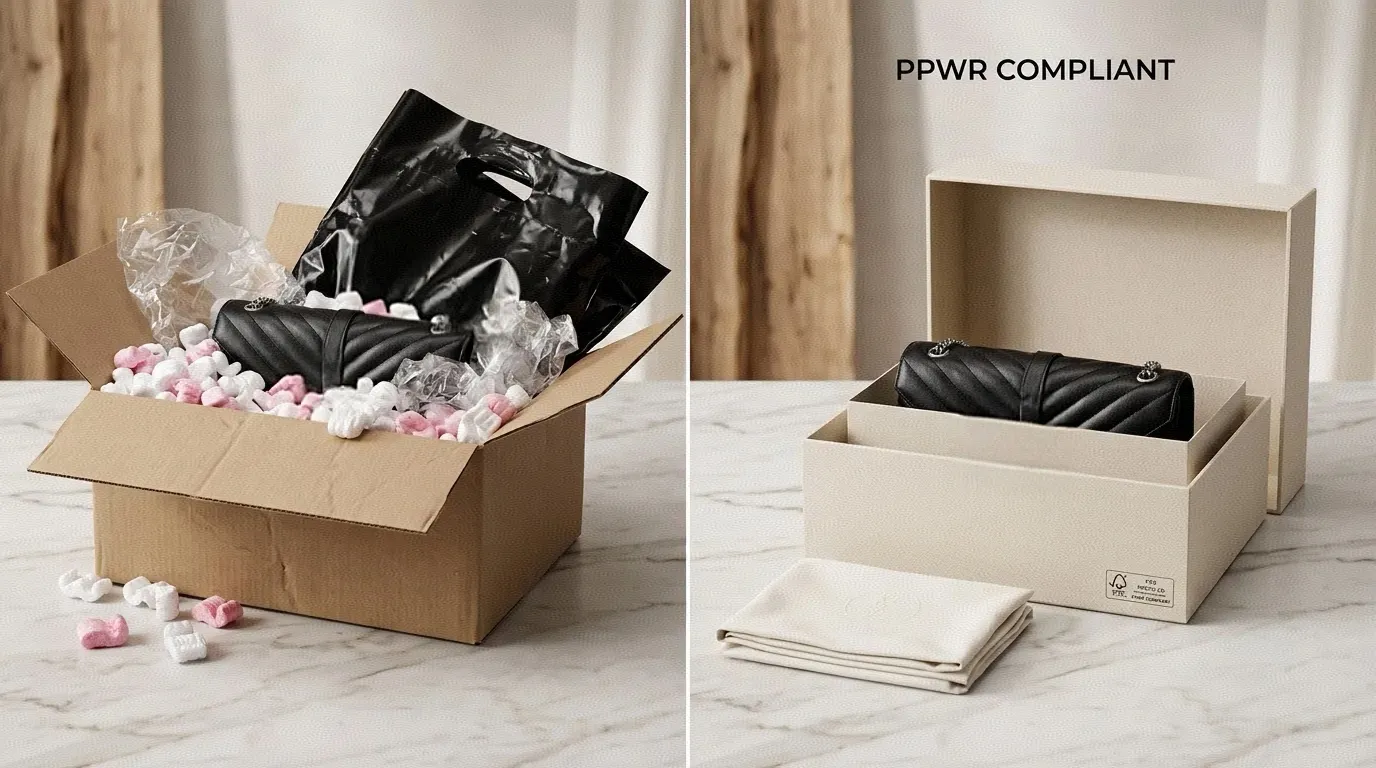
The EU's PPWR (Packaging and Packaging Waste Regulation), REACH, and California's Prop 65 all impose real restrictions on materials, coatings, and chemicals. Selling into those markets without compliance documentation can mean seized inventory at port. Ask your factory for current compliance certificates before you commit.
Ignoring MOQ
Some factories quote materials they cannot actually source at the requested MOQ. The result is a forced minimum order increase after the artwork is already done. Confirm MOQ in writing, with a per-color breakdown where relevant.
Underestimating printing limitations
Your designer may deliver a beautiful six-color gradient file that is sublimation-perfect — but you have specified PU. Clarify printing technique at the material selection stage, not after artwork approval. The comparison guide maps printing techniques to each material.
Assuming PU is genuine leather
Some low-grade PU is sold as "leather" to unsuspecting buyers. Genuine leather has a fibrous back; PU has a fabric or paper back. If the claim matters for your marketing — and increasingly it does, under EU consumer protection rules — verify before you label.
.webp)
Frequently Asked Questions
Is canvas stronger than polyester?
Generally yes — a properly constructed 12 oz / 400 GSM canvas bag will outlast a similarly sized polyester bag under daily use. Polyester has improved significantly at 600D and above, but for long-term durability canvas remains the strongest mainstream choice.
Is PU waterproof?
PU leather is fully waterproof on its coated surface, though seams, zippers, and stitch holes remain weak points. Polyester is water-resistant but not waterproof. Canvas is neither, unless treated with a PU/PVC backing or waxed finish.
Which material lasts longer?
Canvas typically lasts 5–10 years with reasonable care. PU lasts 2–5 years on average, with high-quality water-based PU at the upper end and lower-grade PU delaminating within 12–18 months in humid climates. Polyester lasts 2–5 years depending on denier and use intensity.
Which material is eco-friendly?
Organic or recycled cotton canvas is the most environmentally friendly baseline option. GRS-certified rPET polyester is the best synthetic choice. Water-based PU is the most responsible PU option, while conventional solvent-based PU is the least eco-friendly of the three.
Can PU crack?
Yes. Lower-grade PU cracks within 12–24 months, especially in cold or dry conditions. Higher-grade water-based PU and hydrolysis-resistant formulations resist cracking significantly better. Proper storage — away from direct sunlight and extreme temperatures — extends PU lifespan considerably.
Which material is best for tote bags?
Mid-weight canvas (10–12 oz / 280–340 GSM) is the best all-around tote material — durable, printable, sustainable, and cost-effective. Our Custom Canvas Tote Bags Manufacturer page covers weights and pricing in detail.
Which material is best for cosmetic bags?
PU leather (or PU-coated canvas) is the best cosmetic bag material because it is wipe-clean, leak-resistant, and provides the premium shelf appeal that beauty buyers expect. Lined PU keeps spilled product from soaking into the bag body.
Which material is easiest to print?
Polyester is the easiest to print overall — especially via sublimation, which produces vibrant, photographic results with no setup cost per color. Canvas is the easiest natural-fiber material to print, taking screen, DTF, heat transfer, and embroidery cleanly.
Which material feels most premium?
PU leather, especially in smooth nappa or structured Saffiano grain, feels the most premium of the three. Heavy canvas (14+ oz / 400+ GSM) delivers a premium artisanal feel — different from PU, but equally premium in its own aesthetic.
Is recycled PU better?
Recycled PU (GRS-certified) is a meaningful improvement over virgin PU because it diverts post-industrial waste from landfill. However, it is still petroleum-derived and not biodegradable. For maximum sustainability impact, water-based PU is generally considered the better next-generation choice. We compare the two in this guide.
Can canvas be waterproof?
Yes — through PU or PVC backing, or through a waxed-canvas finish. Treated canvas can reach near-waterproof performance, though it loses some breathability in the process. Our canvas materials guide explains the trade-offs between coated and uncoated canvas.
Which material is cheapest?
Polyester is the cheapest per unit, typically 20–40% below canvas at equivalent construction. Canvas is mid-range. PU is the most expensive at the premium tier, though commodity PU can overlap with the upper end of canvas pricing.
Need help matching a material to your next bag program? Our sales team in Guangzhou works with brands in 50+ countries — from first sample to mass production.
Visit Dreamway → Email Our Team →This is the Hub article of the Dreamway Bag Material Guides series. Continue with our Canvas Fabric Weight Guide, the Canvas vs Polyester vs PU comparison, or our Water-Based PU vs Recycled PU breakdown.
Start Your Custom Journey
Where Canvas Meets Craftsmanship
A Legacy Woven in Every Stitch
For nearly two decades, Dreamway has shaped the art of canvas bag making from the heart of Guangzhou — uniting heritage tailoring with sustainable materials to create pieces that travel with intention.
A truly refined canvas bag begins long before the first stitch — it is born from the careful study of the materials that give it soul, the quiet discipline of choosing canvas over polyester or PU, and the relentless pursuit of makers who treat every tote as a quiet luxury. To understand the makers behind the craft, we invite you to meet the top canvas bag manufacturers shaping the industry, explore the enduring charm of our signature canvas laundry bag, and commission your own custom canvas tote bag — or wander our complete custom canvas tote bag collection, where every silhouette is a quiet story waiting to be carried.
Top Canvas Bag Manufacturers
Meet the ateliers setting the standard for craftsmanship, capacity, and ethical production across the global canvas industry.
Discover the Makers No. 02Canvas Laundry Bag Maker
A quiet essential reimagined — heavyweight canvas, considered proportions, and a drawstring crafted to outlast every journey.
Explore the Piece No. 03Custom Canvas Tote Bags
From monogram to silhouette, commission a tote entirely your own — built in our Guangzhou atelier with the materials you choose.
Begin Your Commission No. 04Canvas Tote Bag Materials
A field guide to the weaves, weights, and finishes that define a tote of true character — and why the right cloth changes everything.
Read the Field Guide No. 05Canvas vs Polyester vs PU
An honest comparison of feel, durability, and footprint — so your next bag is chosen with clarity, not compromise.
Compare with Clarity No. 06Custom Canvas Tote Collection
The full library of silhouettes — from market companions to executive carryalls — all crafted to be made distinctly yours.
View the CollectionSpeak with the Atelier
For private commissions, wholesale inquiries, or a guided tour of our material library — our team replies within one business day, always in person, never by script.
The bag you carry tells the world who you are.
Let us help you tell a story worth carrying.
Every great brand began with a single, beautifully made object. Yours begins here — in the same atelier where heritage canvas, considered design, and quiet luxury converge. Reach out today, and let us craft the first chapter together.
Scan to Speak with Victoria
Point your camera at the code — our atelier replies in person, usually within minutes during business hours.

Customer Reviews100 Reviews