

Factory Audit Checklist: How to Vet Your Supplier Remotely
You don’t need a plane ticket to inspect a factory. Master the tools and checklist to verify your bag manufacturer’s quality, compliance, and capacity — entirely from your desk.
Get Your Free Remote Audit Template
Why Remote Audits Have Become the New Standard
The era when every brand could hop on a flight to Guangzhou to walk the factory floor is over — and the smartest brands have discovered that a well‑structured remote factory audit can be just as effective as an on‑site visit, often at a fraction of the time and cost. For importers sourcing custom handbags, canvas tote bags, or cosmetic pouches, the ability to verify a supplier remotely is no longer a temporary workaround; it’s a permanent competitive advantage.
However, a remote audit is only as good as the checklist behind it. Without a systematic framework, you risk missing critical red flags — fake certifications, under‑capacity production lines, or quality control processes that exist only on paper. This guide provides exactly that framework: a step‑by‑step factory audit checklist designed specifically for bag and accessory importers who need to vet manufacturers thoroughly without traveling.
Phase 1: The Document Deep‑Dive Before You Even Connect
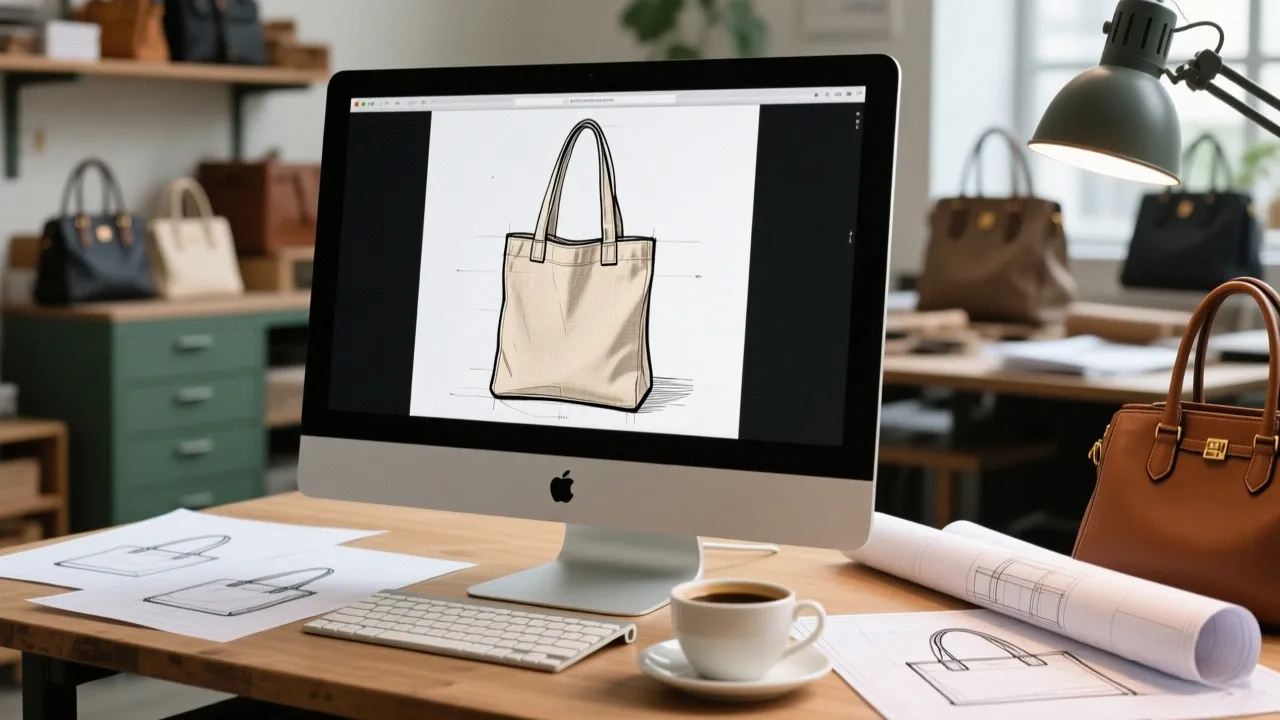
Before the first video call, request the following documents and verify them independently. A factory that is slow to provide these or offers excuses is already waving a red flag.
- Business License (营业执照): Verify the registration number against China’s National Enterprise Credit Information Publicity System. Confirm the factory is authorized to manufacture and export textile goods.
- ISO 9001, BSCI, or WRAP Certifications: These are not just badges. Request the certificate number and check its validity on the issuing body’s website. An expired or suspended certification is worse than none.
- Material Compliance Reports: The factory must provide up‑to‑date REACH and Prop 65 test reports for the specific materials they intend to use. A factory that can’t produce REACH and Prop 65 compliance documentation will expose you to customs holds and legal liability.
- Previous Export Records: Ask for a sample of recent bills of lading (with client details redacted) to confirm they have experience shipping to your target market.
Phase 2: The Structured Video Walkthrough — Live, Not Pre‑Recorded
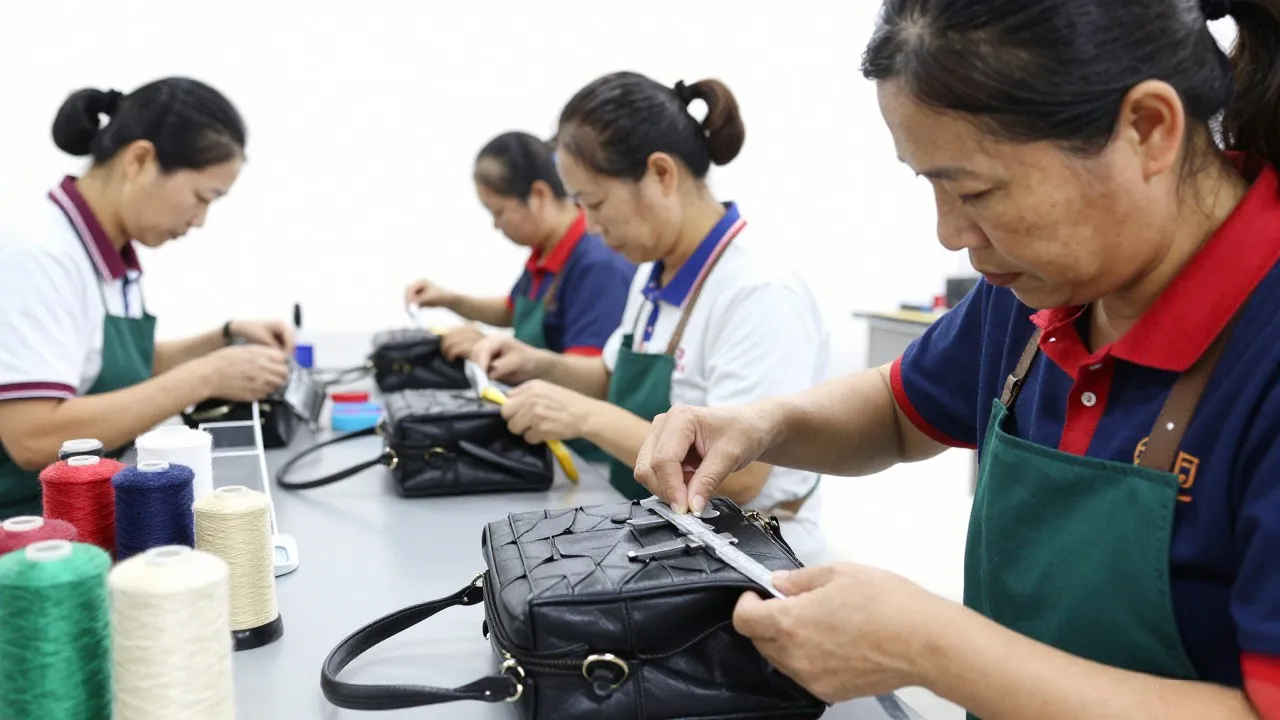
Never accept a pre‑recorded factory video as evidence of production capacity. Demand a live video factory tour conducted via WeChat, Zoom, or WhatsApp. Guide the camera operator. Ask them to walk through the facility in real‑time, and observe the following:
General Organization and Housekeeping
A clean, well‑lit, organized factory floor is consistently correlated with quality output. Look for clear aisle marking, proper material storage off the floor, and unobstructed fire exits. If the floor is chaotic, your order will be too.
Machinery and Workforce
Count the number of sewing stations, cutting tables, and printing presses. Compare this with the factory’s claimed monthly output. For example, a factory claiming to produce 50,000 bags per month with only 20 sewing stations is being dishonest. Watch workers’ faces — do they appear hurried but controlled, or exhausted and stressed?
In‑Production Orders
Ask to see what is currently on the line. If the factory claims to have capacity but every table is empty, they may be a trading company that subcontracts work. Request to see samples from current production and check their quality against your standards. Inspect the zippers and metal hardware on these samples — substandard components are immediately visible.
Phase 3: Testing Technical Competence and Sample Room Capabilities
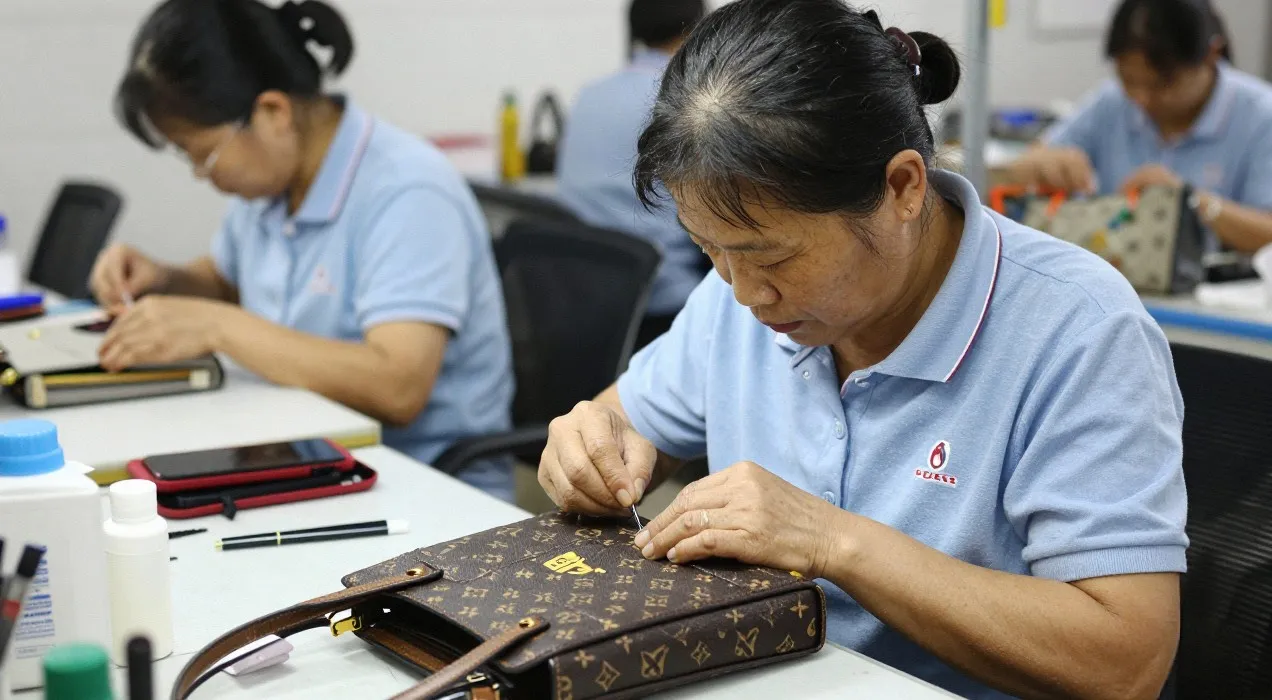
A factory that can’t read a tech pack will never deliver your design. Send a complete tech pack template for a bag they have never seen before, and ask them to produce a counter‑sample within a specified timeline. Evaluate not just the final product, but the process: did they ask clarifying questions? Did they suggest cost‑saving material alternatives? Did they flag potential production difficulties early? This communication quality is predictive of how the relationship will function once you place a bulk order.
Additionally, request a detailed breakdown of their quality control process. Where in the production line are inspections performed? What percentage of units are checked? Do they have in‑house testing equipment for colorfastness, seam strength, and zipper durability? A factory that enthusiastically shares its QC data is far more trustworthy than one that claims “we just make good bags.”
Phase 4: Mapping the Supply Chain and Subcontracting Risk
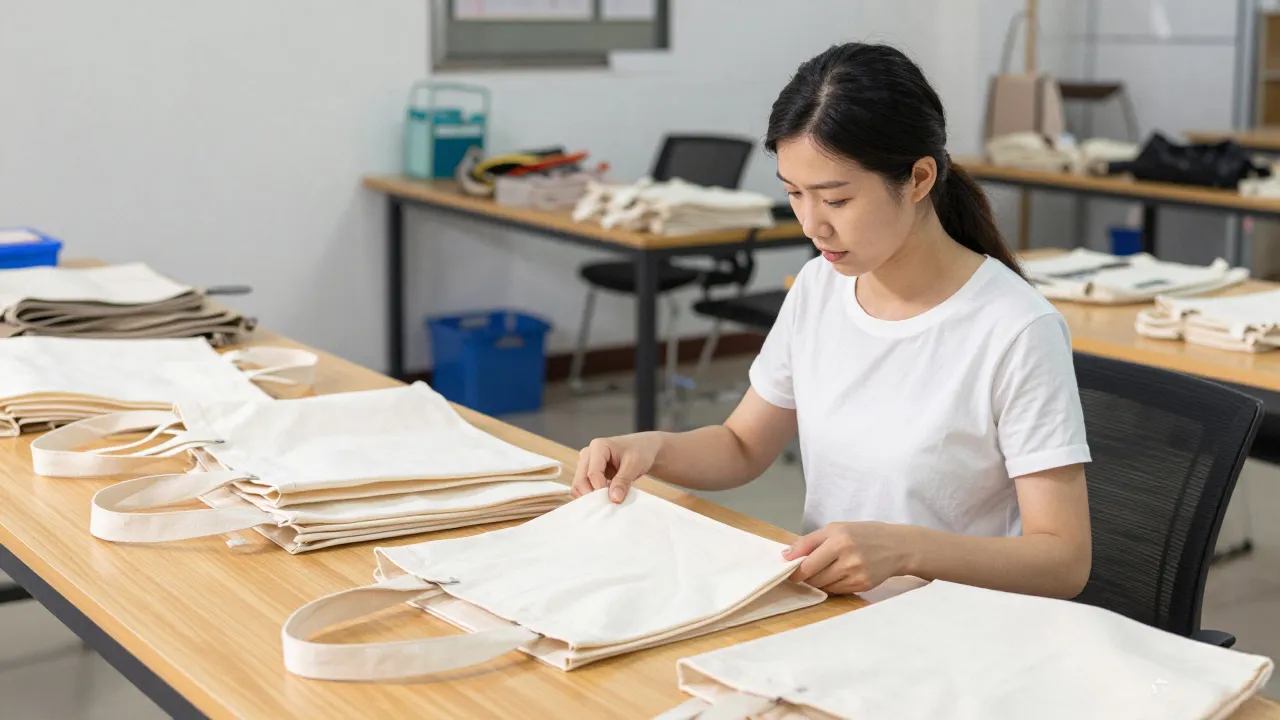
One of the biggest risks of remote sourcing is subcontracting. A factory accepts your order, then sends it to a smaller, unaudited workshop without your knowledge. To guard against this, ask the factory to identify its primary raw material suppliers. A legitimate manufacturer will have no hesitation in naming its canvas, zipper, and hardware vendors. You can then cross‑reference these suppliers independently.
Request a copy of the factory’s internal audit report for any subcontractors they may use for specialized processes like embroidery or printing. If they deny using subcontractors but refuse to let you verify material supplier relationships, treat this as a high‑risk indicator.
Phase 5: Social Responsibility and Ethical Manufacturing Checks
Modern consumers and retailers demand ethical sourcing. A remote audit must include questions about working conditions. Request the factory’s payroll records for a random month (with names redacted) and verify that wages exceed the local minimum. Ask to see the factory’s fire drill log and first‑aid station. While you cannot verify everything remotely, a factory that refuses to show basic safety infrastructure is likely hiding serious violations.
Certifications such as BSCI (Business Social Compliance Initiative) or SMETA (Sedex Members Ethical Trade Audit) are strong indicators, but they must be current and issued directly to the factory, not to a parent company or trading intermediary. Independently confirm the validity of these credentials.

Beyond Quality: Financial Stability and Duty Optimization
An audit must also evaluate the factory’s business stability. Ask about their client concentration: a factory that derives 80% of its revenue from a single customer is a financial risk to you. Inquire about their payment terms and whether they have the working capital to purchase raw materials for large orders without requiring a 100% deposit.
Finally, confirm that the factory can support your logistics strategy. Do they provide FOB Guangzhou or EXW terms? Can they split invoices to help you reduce tariffs and duties legally? A manufacturer who thinks beyond the production floor and understands the import process is a strategic partner, not just a supplier.
Audit Your Supplier With Confidence
Remote factory audits are a skill, refined through practice and a structured checklist. With the right documentation review, live walkthroughs, technical tests, and compliance verification, you can select a handbag manufacturer with the same confidence as an on‑site visit — often with clearer objectivity, since you’re not swayed by a charming tour guide or an expensive lunch.
At GZ Dreamway, we welcome remote audits. Our transparent approach means we’ll walk you through our production floor live, share our certifications, and connect you with our quality control team directly. No smoke, no mirrors — just verified quality.
Ready to Audit Your Supplier? Start With Ours.
Book a free, live virtual tour of our factory in Guangzhou. See our production lines, meet our QC team, and receive a complete audit documentation pack before you place a single order.
✅ Free live tour • Complete audit pack • No commitment required
Editorial Resources for Leather Bag Manufacturing & Sourcing
For buyers, designers, and category managers evaluating private label leather handbag programs, our editorial team in Guangzhou has compiled reference material covering material science, REACH and Prop 65 documentation, production workflow, factory audit criteria, and unit cost modeling. Begin with the complete leather bag manufacturing topic cluster or browse a section below.
Editorial Hub
1 guideVisit our central leather bag manufacturing topic cluster for an editorial index of private label program overviews, supplier comparison studies, material sourcing guides, and production workflow references curated for global leather bag buyers.
Materials & Sustainability
5 resourcesUnderstand why water based PU leather has become a preferred coating for sustainable handbag programs, with notes on its solvent-free application, softer tactile feel, lower VOC emissions, and compatibility with premium bag collections.
Review our side-by-side comparison of water based PU versus recycled PU characteristics covering tensile strength, aging performance, surface feel, environmental footprint, and price stability for sustainable bag sourcing.
Discover the future of vegan leather alternatives including pineapple leaf fiber, cactus pulp, mushroom mycelium, and apple skin composite materials suitable for plant based bag collections.
Read our safety analysis on whether recycled PU leather is toxic, covering chemical leaching risks, heavy metal content thresholds, certified eco label verification, and buyer checklist for compliance.
Partner with our sustainable leather handbag manufacturer offering eco certified leather sourcing, vegetable tanning options, recycled metal components, and traceability reporting for environmentally conscious collections.
Compliance & Trade
3 resourcesNavigate our REACH and California Prop 65 compliance roadmap for handbags, covering restricted substance lists, accredited laboratory testing protocols, and certification documentation required across US and EU markets.
Reference our complete HS code guide for handbags totes and pouches with tariff classifications, duty rate summaries, and customs documentation notes for major destination markets worldwide.
Apply our factory audit checklist for remote supplier vetting covering production capacity verification, working condition reviews, export documentation sampling, and quality management system confirmation steps.
Production & Craftsmanship
5 resourcesFollow our how to create a handbag tech pack template specifications covering dimension callouts, material references, hardware notes, tolerance definitions, and QC checkpoints that bridge designers with factory production teams.
Study our deep dive into bag hardware selection covering zipper pull strength ratings, metal tag plating thickness standards, slider fatigue testing procedures, and plating adhesion validation for premium bag construction.
Walk through our complete leather handbag manufacturing process covering material preparation, panel cutting, machine stitching, edge painting, sub-assembly, final assembly, and inline quality inspection stages at a modern factory.
Follow our leather bag sample development process timeline covering pattern drafting, hardware confirmation, material swatches, sample revision rounds, and sign-off milestones for new handbag designs.
Explore our Guangzhou leather bag manufacturing cluster overview covering regional supplier networks, skilled artisan availability, raw material sourcing hubs, and consolidated export logistics advantages for global importers.
Quality & Pricing
4 resourcesApply our leather bag quality control checklist covering stitching tolerance ranges, hardware fatigue testing, color fastness verification, lining inspection, and final packaging audits before any shipment leaves the factory floor.
Identify the seven factors that affect custom handbag unit costs including material grade, hardware selection, lining fabric, surface finish, order quantity, packaging complexity, and one-time tooling investment for accurate budget planning.
Review our handbag factory payment terms guide covering T/T and L/C settlement schedules, deposit ratio benchmarks, milestone payment structures, and sample fee refund policies for first time importers working with Asian suppliers.
Examine our handbag manufacturing cost structure breakdown covering labor versus material percentages, hidden overhead allocations, factory markup logic, and benchmark figures used for accurate cost modeling and quotation comparison.
OEM & Private Label Programs
7 resourcesPartner with our genuine leather handbag manufacturer in China offering OEM, ODM, and private label production with full grain, top grain, and split leather options, plus finished hardware sourcing from certified vendors.
Launch private label programs with our private label leather handbag manufacturer offering custom logo embossing, branded packaging, woven care labels, hangtag production, and flexible minimum order quantities for emerging brands.
Collaborate with our custom luxury leather handbag manufacturer offering handcrafted construction techniques, premium material selection, structured silhouette engineering, and limited edition production runs for designer label collaborations.
Source from our small MOQ leather handbag factory in China accepting limited production volumes, offering rapid sample turnarounds and shared material library access for boutique collections and startup brands.
Choose our low MOQ leather bag manufacturer for flexible order quantities, shared tooling programs, and rapid sampling services designed specifically for new brands entering the leather goods market.
Read our top ten leather bag manufacturers in China comparison covering factory scale, specialization areas, export experience, certification status, lead time benchmarks, and minimum order quantity ranges.
Compare OEM versus ODM versus private label leather bag partnerships with our decision framework covering design control boundaries, ownership of intellectual property, margin structures, and operational fit for different brand stages.
Product Categories
7 resourcesReview our luxury tote bag factory for premium brands capabilities covering reinforced handle stitching, structured baseboard inserts, edge paint finishing, and PU plus full grain leather construction options tailored for high end partners.
Reference our how to custom leather belts specifications covering strap dimensions, buckle compatibility, edge finishing options, lining preferences, embossing services, and retail ready packaging methods for boutique buyers.
Read our how to design custom cosmetic bags for beauty brands guide covering size breakdowns, lining preferences, closure mechanisms, branding techniques, gift packaging presentation, and shelf ready merchandising considerations.
Order from our custom leather tote bag manufacturer offering reinforced stitching patterns, structured silhouette options, custom hardware integration, and refined finishing techniques for wholesale tote programs.
Source from our leather cosmetic bag manufacturer offering compact case construction, washable interior linings, custom zipper pulls, and decoration services for skincare, fragrance, and cosmetics brand collaborations.
Partner with our leather crossbody bag manufacturer offering adjustable strap engineering, lightweight frame construction, integrated security features, and custom hardware for crossbody production programs.
Order from our custom leather wallet manufacturer offering billfold, cardholder, coin purse, and passport holder constructions with optional RFID blocking lining, custom embossing services, and presentation packaging.
Buyer Resources
2 resourcesRead our FAQ for leather handbag manufacturing process addressing sample production lead times, bulk production schedules, international shipping options, payment milestone expectations, and quality control procedures.
Apply our how to choose leather handbag manufacturer checklist covering factory experience, communication responsiveness, social audit certifications, sample quality evaluation, and past project reference verification for new buyers.
Compiled by the Guangzhou Dreamway editorial team. All links open internal editorial resources maintained for buyer reference.

Customer Reviews102 Reviews