
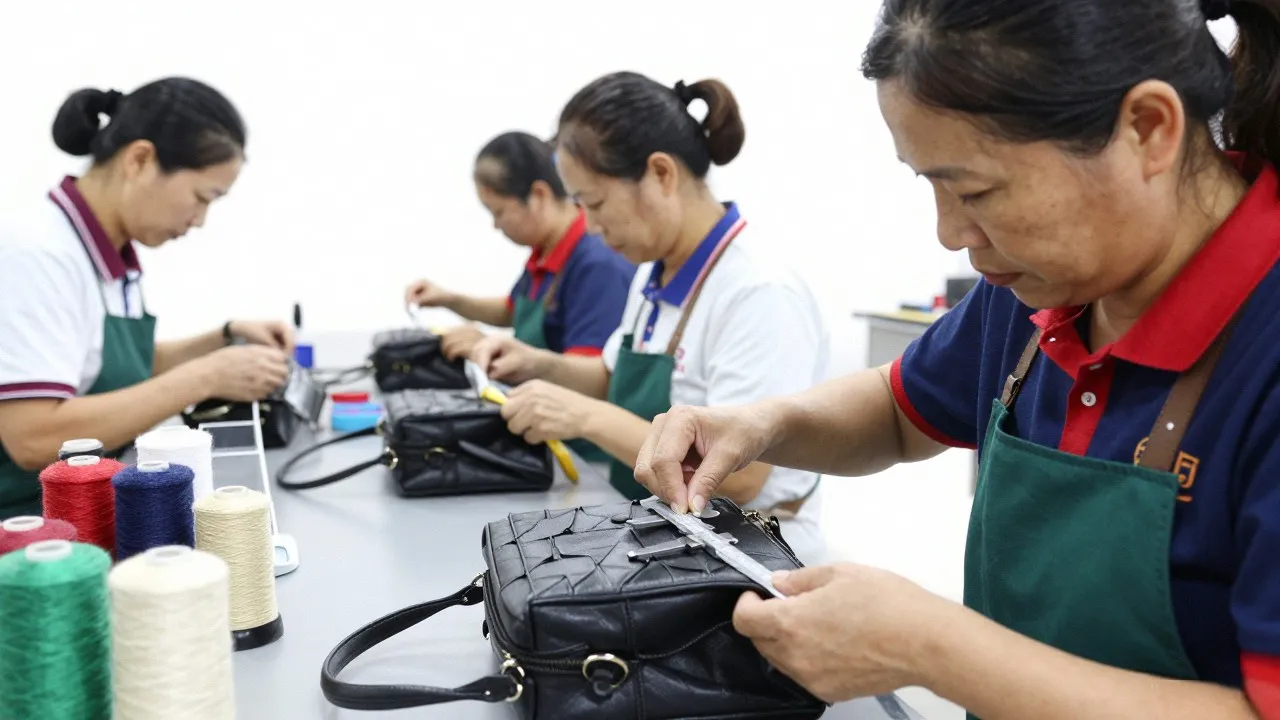
Why Chemical Compliance Defines the Modern Handbag Business
If you are planning to sell custom handbags in the European Union or California, understanding REACH and Proposition 65 isn’t just advisable — it’s mandatory. These regulations directly impact the materials, hardware, dyes, and adhesives you can use. A single non-compliant zipper pull or leather finish can lead to product recalls, fines, or a complete import ban. For emerging and established brands alike, mastering REACH compliant custom handbags and California Prop 65 bag requirements is the fastest way to gain market access while building consumer trust.
But compliance doesn’t have to be intimidating. In fact, when approached correctly, it becomes a powerful marketing differentiator. Shoppers today are more ingredient‑conscious than ever; they want to know that the safe materials for handbag manufacturing were used and that their purchase won’t expose them to harmful chemicals. By embedding compliance into your design and sourcing process, you position your brand as a responsible, premium choice.
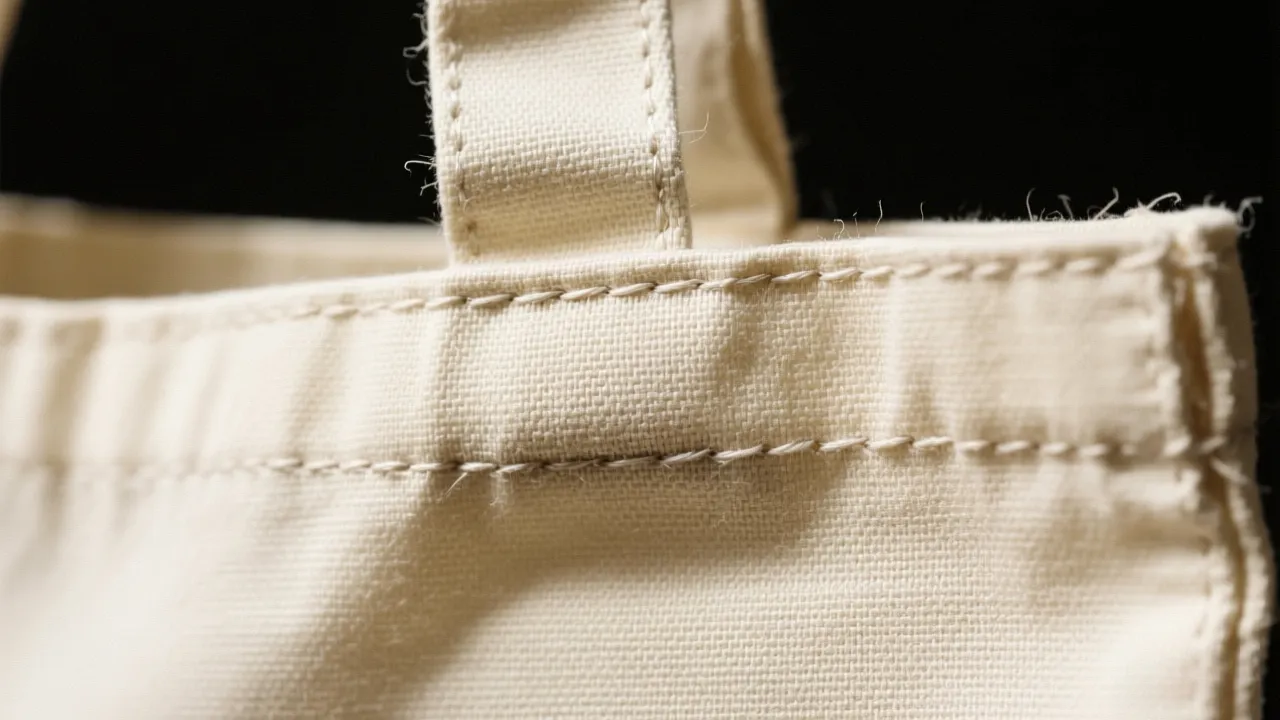
What Is REACH? The European Framework Explained
REACH stands for Registration, Evaluation, Authorisation, and Restriction of Chemicals. It is a comprehensive European Union regulation that covers virtually all consumer products, including handbags and accessories. The core principle is that manufacturers and importers must identify and manage the risks linked to the substances they use. If a chemical is on the SVHC (Substances of Very High Concern) candidate list, it may be restricted or banned from use above certain thresholds.
For a custom leather handbag, REACH might restrict certain phthalates used in synthetic leather coatings, azo dyes that release carcinogenic amines, or heavy metals like lead and cadmium in hardware. Even the smallest components—thread, lining glue, or printed logos—must be evaluated. The responsibility falls on every actor in the supply chain, meaning your factory needs to provide full material traceability.
When you’re sourcing plant‑based vegan leather bags, don’t assume they’re automatically REACH compliant. The bio‑based polyurethane (PU) might still contain restricted isocyanates if not properly cured. That’s why working with a knowledgeable OEM handbag manufacturer who understands EU chemical limits is critical.
Key REACH Requirement: If an SVHC is present in an article above 0.1% weight by weight, you must inform the recipient and, upon request, provide the substance name to consumers within 45 days.
California Proposition 65: The Right to Know
California’s Proposition 65, officially the Safe Drinking Water and Toxic Enforcement Act of 1986, requires businesses to provide warnings to Californians about significant exposures to chemicals that cause cancer, birth defects, or other reproductive harm. Unlike REACH, Prop 65 does not ban substances; it mandates a clear and reasonable warning if a product contains a listed chemical above the “safe harbor” level.
For custom handbags sold in California, this often means you need to test for lead in zippers, cadmium in decorative metal accents, and phthalates in synthetic leather. Even if your bag complies with REACH, a Prop 65 warning might still be legally necessary because Prop 65’s safe harbor limits are sometimes stricter than EU thresholds. Ignoring this can result in citizen lawsuits, which are common and costly.
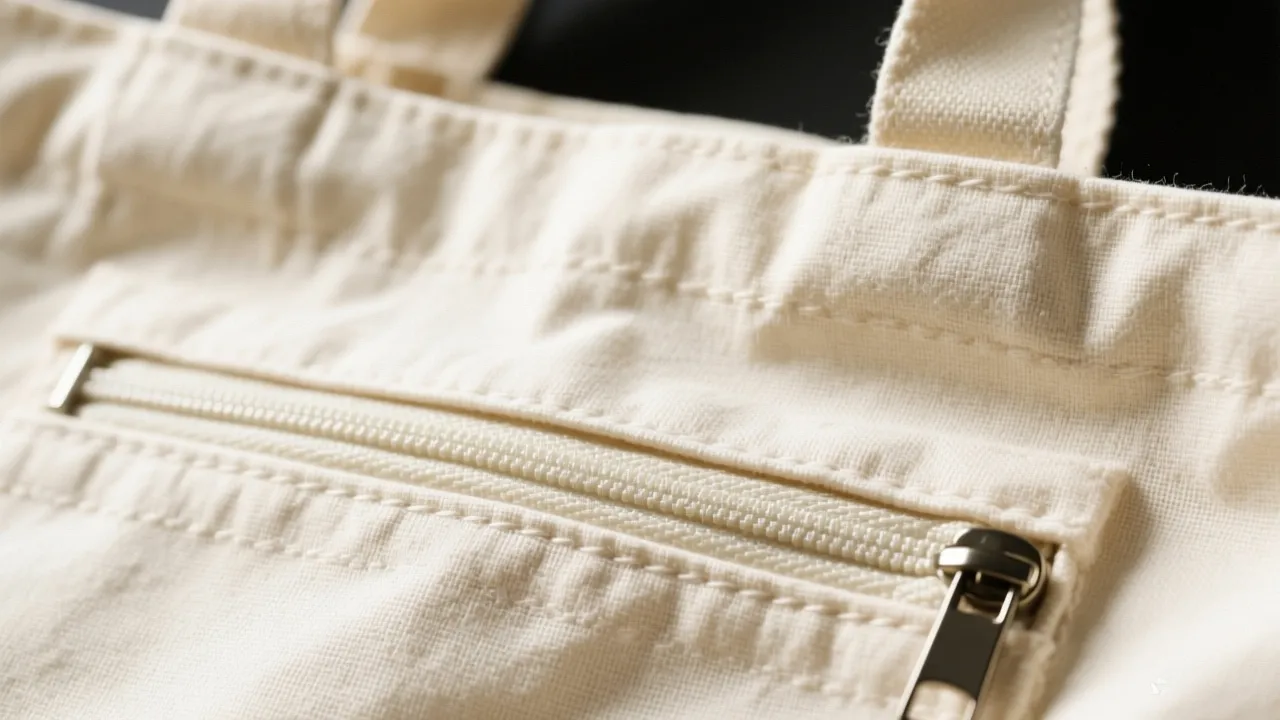
A common misconception is that only “cheap” products need warnings. In reality, a luxury designer handbag with brass hardware containing trace lead can trigger the requirement if the lead level exceeds 0.1 micrograms per day of exposure. Thus, Proactive Prop 65 testing for custom bags should be part of your standard quality assurance, regardless of your price point.
REACH vs. Prop 65: The Strategic Differences
| Aspect | EU REACH | California Prop 65 |
|---|---|---|
| Approach | Restriction and authorization; bans or limits substances | Warning requirement; does not ban substances |
| Enforcement | Government agencies (ECHA, member states) | Private citizen lawsuits, Attorney General |
| Thresholds | Specific concentration limits (often 0.1% w/w for SVHC in articles) | Safe harbor levels based on daily exposure (often much lower) |
| Geographic Scope | European Economic Area (EEA) | California, USA (but impacts any brand selling there) |
Understanding these differences allows you to design a unified global compliance strategy for handbags. Most brands aim to meet the strictest requirement (often Prop 65 levels) across all markets to simplify inventory and avoid duplicate testing.
High‑Risk Materials and Components in Handbags
Not every part of a bag poses equal risk. Your compliance efforts should focus on historically problematic areas:
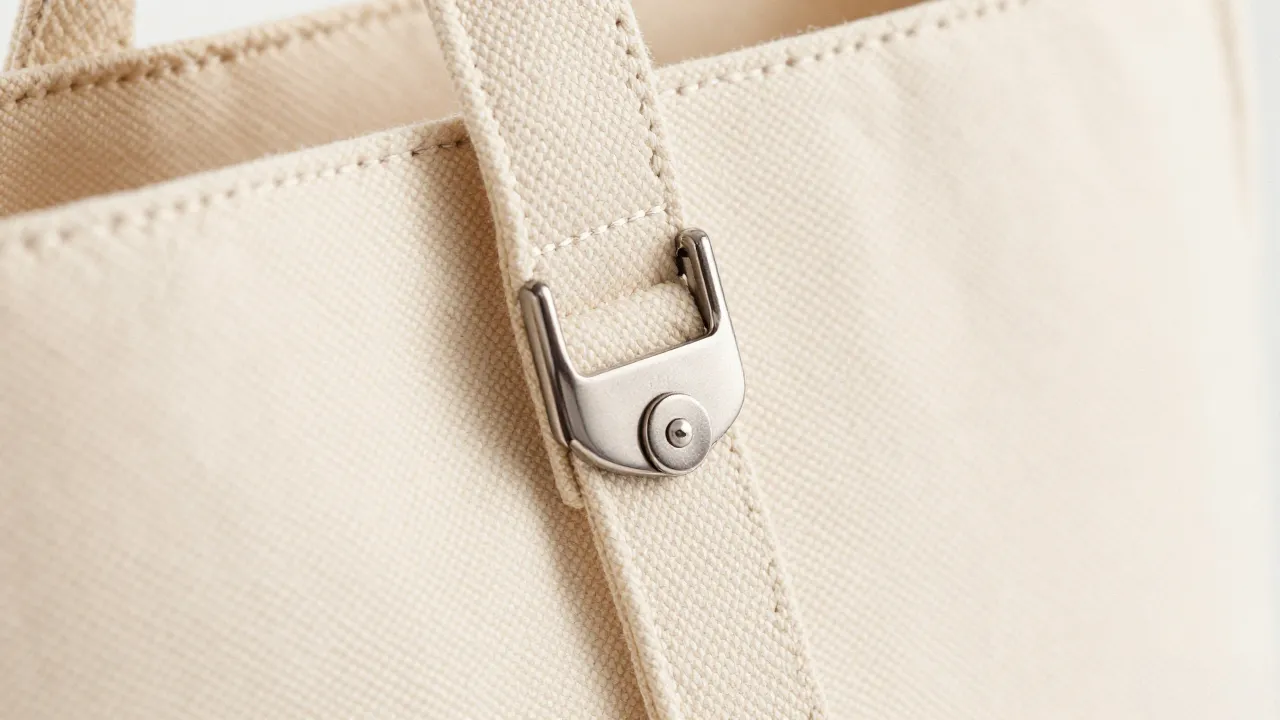
- Metal Hardware: Zippers, buckles, D‑rings, and studs can contain lead, cadmium, or nickel. Opt for certified lead‑free zippers and metal tags from compliant suppliers.
- Synthetic Leather: Phthalates (DEHP, DBP, BBP) are often used as plasticizers. REACH restricts them; Prop 65 requires warning. Always request phthalate‑free PU.
- Dyes and Pigments: Azo dyes that release amines are strictly regulated under REACH. Ensure your factory uses low‑impact or fiber‑reactive dyes.
- Adhesives and Coatings: Solvent‑based glues might contain toluene or formaldehyde. Water‑based alternatives are safer and compliant.
- Plastic Parts: Buttons, adjusters, and logos can contain bisphenol A (BPA) or flame retardants.

How to Build a Compliant Custom Handbag: A 5‑Step Process
Define Your Material Bill of Materials (BOM)
List every single component: outer fabric, lining, interlining, thread, zipper, puller, stud, adhesive, printing ink. A complete tech pack template is the starting point for compliance.
Request REACH SVHC and Prop 65 Declarations
Ask your raw material suppliers for up‑to‑date certifications. Lead‑free, phthalate‑free, and azo‑free guarantees should be documented.
Third‑Party Laboratory Testing
Even with supplier documents, periodic testing is wise. Send finished bags or materials to SGS, Intertek, or BV labs for EU REACH SVHC screening and Prop 65 heavy metal/phthalate panels.
Adjust Design if Necessary
If a decorative rivet fails, swap to a compliant alloy. This is much easier to do during sampling than after production has started.
Maintain a Living Compliance File
Keep all test reports organized. REACH and Prop 65 lists are updated regularly, so your compliance file should be reviewed annually. Your partners should notify you if any substance is newly listed.
Choosing a Manufacturer Who Prioritizes Compliance
Your compliance burden can be drastically reduced by partnering with a factory that has already integrated chemical management into its production. When evaluating a custom handbag manufacturer, ask for their factory audit checklist and specifically inquire about their REACH and Prop 65 experience. Do they maintain a restricted substances list (RSL)? Can they provide a migration of SVHC report?
A reliable partner will help you navigate the testing labyrinth and even suggest alternative materials that maintain the look and feel you want while being fully compliant. For example, if you’re designing a custom cosmetic bag for beauty brands that must be safe for contact with skincare, the lining and zipper requirements are even stricter. The right factory will know the difference.

Additionally, understanding how to reduce tariffs when importing bags from China can help offset any slight cost increase from using premium compliant materials, keeping your supply chain both ethical and cost‑effective.
Turning Compliance Into a Customer‑Winning Advantage
Far from being a dry legal necessity, Prop 65 and REACH compliance for handbags can be woven directly into your marketing narrative. Today’s consumers actively search for “non‑toxic handbags,” “lead‑free zippers,” and “eco‑friendly accessories.” By publishing your test results or simply featuring a “Prop 65 compliant” badge on your product page, you reduce purchase hesitation and justify a premium price point.
Moreover, retailers such as Target, Nordstrom, and Amazon now require extensive chemical testing documentation before they will stock private‑label brands. Getting your compliance house in order early means you’re ready for wholesale expansion at a moment’s notice. It’s a strategic investment, not a cost center.
Protect Your Brand, Delight Your Customers
Navigating REACH and California Prop 65 for custom handbags might seem daunting, but with the right knowledge and the right manufacturing partner, it becomes a seamless part of your quality assurance. Start with a clear material list, demand transparency from suppliers, and test before you ship. The result is a product that is not only beautiful but also safe, legal, and ready for the global marketplace.
At GZ Dreamway, we specialize in producing fully compliant custom handbags, from sample to shipment. Our team stays up‑to‑date with the latest SVHC additions and Prop 65 listings, so you don’t have to. Let’s build something safe and stunning together.
Is Your Current Bag Design Compliant?
Contact us for a free material compliance review. We’ll help you identify any risk areas and suggest safe, stylish alternatives.
✅ Confidential • No obligation • Fast turnaround
Customer Reviews104 Reviews