

Complete List of HS Codes for Handbags, Totes & Pouches

Handbag Factory Production Facility
Professional handbag manufacturing facility ensuring quality production

Understanding HS Codes for Handbags, Totes & Pouches: A Complete Guide

When importing or exporting handbags, totes, and pouches internationally, understanding the Harmonized System (HS) codes is crucial for compliance, customs clearance, and accurate tariff calculations. The HS code system provides a standardized numerical method for classifying traded products, making international commerce more efficient and transparent. This comprehensive guide will walk you through all the essential HS codes related to various types of bags, helping you navigate the complex world of international trade regulations.

What Are HS Codes and Why Are They Important?

The Harmonized Tariff Schedule (HTS) codes are six-digit identification codes that categorize over 5,000 groups of products traded worldwide. These codes were developed by the World Customs Organization and are used by customs authorities globally to identify products when assessing duties and taxes. For handbag manufacturers, importers, and exporters, knowing the correct HS codes ensures proper classification, prevents delays at customs, and helps avoid penalties.

Incorrect HS code classification can lead to significant issues including customs delays, additional fees, and potential legal complications. The precision required in HS code selection makes it essential for businesses to understand not just the basic categories but also the specific subcategories that apply to their particular products.
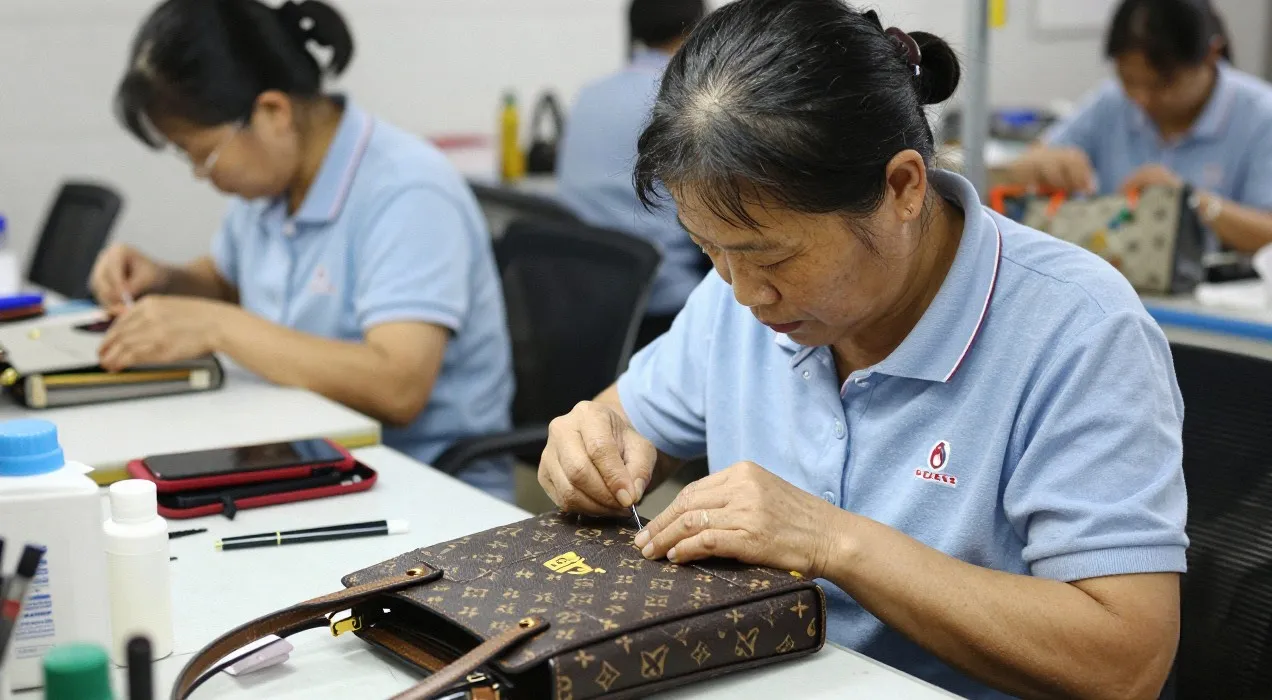
Bag Manufacturing Process
Precision craftsmanship in bag logo application during manufacturing

Main HS Code Categories for Handbags and Bags

The primary classification for handbags and similar articles falls under Chapter 42 of the Harmonized System, which covers “Articles of leather; saddlery and harness; travel goods, handbags and similar containers; articles of animal gut (other than silk-worm gut).” Within this chapter, there are several key headings that specifically address different types of bags and their materials.

HS Code Description Common Products
4202.11 Trunks, suitcases, vanity cases, executive cases, briefcases, school satchels, and similar containers, with outer surface of leather, of composition leather, or of patent leather Leather briefcases, executive cases, school bags
4202.12 With outer surface of plastic sheeting or of textile materials Plastic-covered bags, textile-covered luggage
4202.21 Handbags, whether or not with shoulder strap, including those without handle Purse-style handbags, clutch bags
4202.22 Whether or not with shoulder strap, including those without handle, with outer surface of plastic sheeting or of textile materials Fabric handbags, canvas totes
4202.31 Travel, sports and similar bags, with outer surface of leather, of composition leather, or of patent leather Duffel bags, gym bags, travel bags
4202.32 With outer surface of plastic sheeting or of textile materials Canvas travel bags, fabric duffels

Specific HS Codes for Different Types of Handbags

Within the broader categories, there are specific sub-classifications that further define the type of handbag based on material, construction, and intended use. Understanding these distinctions is particularly important for accurate classification and duty assessment.

Leather Handbags Classification

Leather handbags fall under the 4202.21 category, which specifically addresses handbags with an outer surface of leather, composition leather, or patent leather. This classification includes both traditional leather and synthetic leather alternatives. The distinction here is important because leather products often face different regulatory requirements and duty rates compared to textile alternatives.

Within the leather handbag category, there are further subdivisions based on whether the item has handles, shoulder straps, or other carrying mechanisms. The presence or absence of these features can affect the specific HS code assignment and the corresponding import duties.
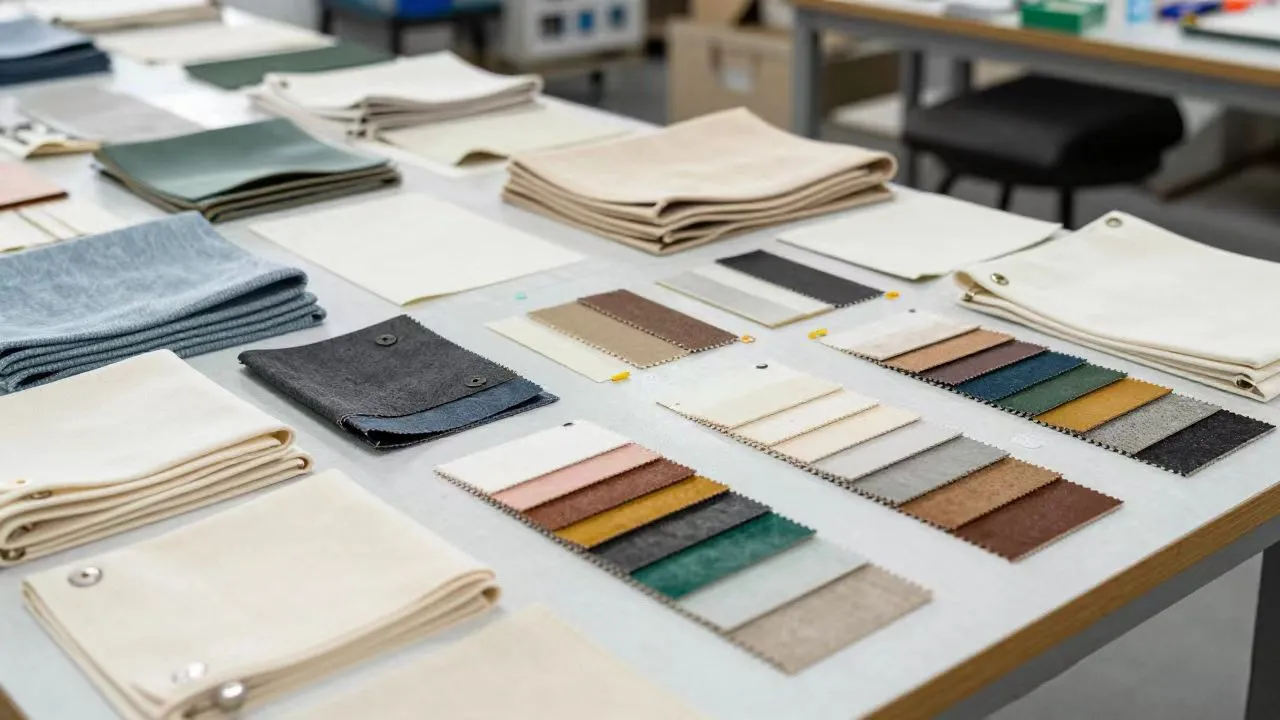
Bag Color Samples
Color samples for custom handbag manufacturing projects

Textile and Canvas Bag Classifications

Textile-based handbags, including canvas totes and fabric purses, are classified under 4202.22. This category encompasses a wide variety of materials including cotton, polyester, nylon, and other fabric combinations. The classification process for textile bags requires careful consideration of the primary material composition and any additional features like zippers, hardware, or decorative elements.

Canvas bags represent a significant portion of the market, particularly for eco-friendly and reusable applications. These products often benefit from preferential trade agreements and may qualify for reduced tariffs under certain circumstances. Understanding the specific HS codes for canvas bags can help importers take advantage of these opportunities.

For detailed information about canvas fabric specifications and weight measurements, our comprehensive guide on canvas fabric weight measurements provides valuable insights into material selection and classification.

Specialized Bag Categories and Their HS Codes

Beyond the basic handbag classifications, there are specialized categories for specific types of bags that serve particular functions. These include cosmetic bags, wine tote bags, laptop bags, and other specialty items that may have unique regulatory requirements.

Cosmetic bags, for example, often fall under specific subcategories due to their specialized design and intended use. The materials used in cosmetic bags, particularly those designed for travel, must meet additional safety and compliance standards that affect their classification and import requirements.

Custom cosmetic bags for beauty brands require special attention to both HS code classification and compliance requirements. For more information on creating compliant cosmetic bags, visit our guide on custom cosmetic bags for beauty brands.

Business Meeting at Bag Factory
Successful business negotiation between bag factory representatives and clients

Quality Control and Compliance Considerations

Manufacturing facilities play a crucial role in ensuring that products meet both quality standards and regulatory requirements. Proper quality control processes help ensure that the final products match their intended HS code classifications and meet all applicable safety and compliance standards.

During the manufacturing process, quality control teams must verify that materials, construction methods, and finished products align with the expected specifications for their intended HS code classification. This includes checking material composition, dimensions, and any special features that might affect classification.
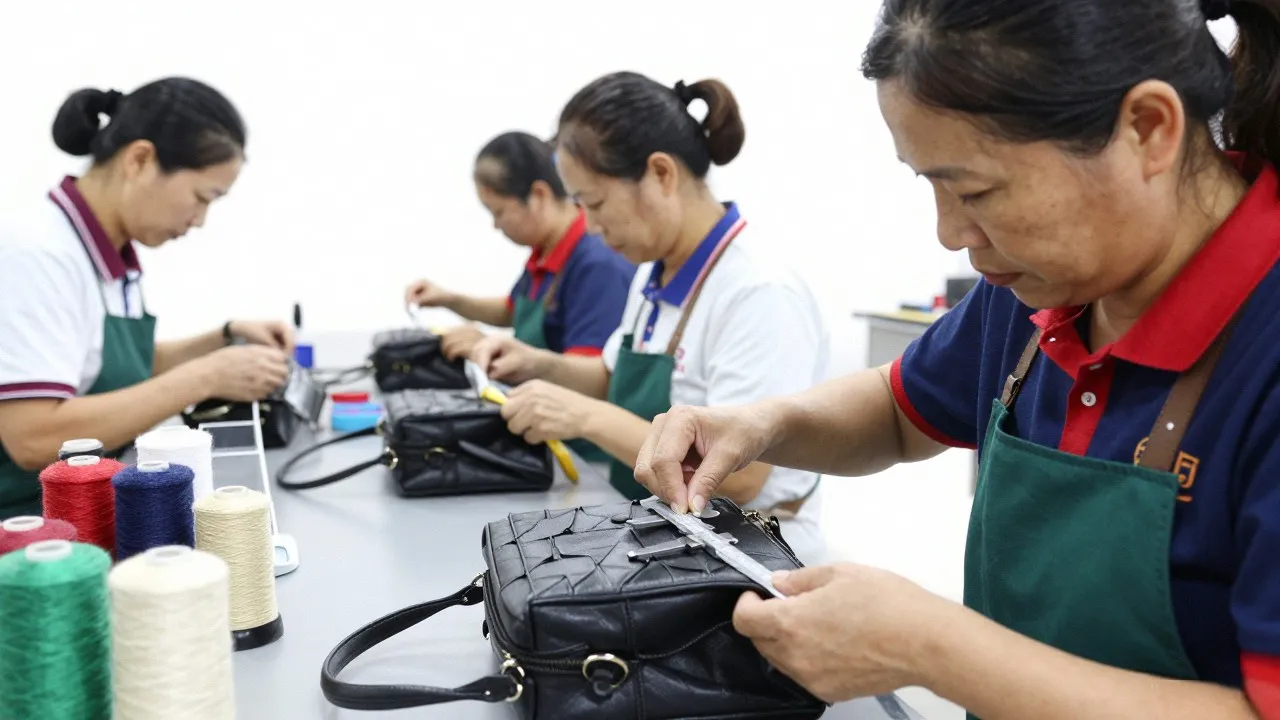
Quality Control Inspection
Professional quality inspection of finished handbags before shipment

Compliance Requirements for International Trade

Beyond HS code classification, handbags and bags must meet various compliance requirements depending on the destination country. These requirements can significantly impact the classification process and may require additional documentation or testing.

In the United States, products must comply with Proposition 65 regulations if they contain certain chemicals, while European markets require REACH compliance for chemical substances. Understanding these additional requirements is essential for proper HS code assignment and successful market entry.

For detailed information about compliance requirements, our article on handbag compliance with REACH and Prop 65 provides comprehensive guidance on meeting international standards.

Canvas Bag Shopping Scene
Practical application of canvas bags in everyday shopping scenarios

Tote Bags and Shopping Bags Classification

Tote bags represent one of the most popular categories of bags and have specific classification considerations. Standard tote bags typically fall under 4202.22 if made from textile materials, but the classification can vary based on size, construction, and intended use.

Reusable shopping bags, particularly those made from canvas or other durable materials, have gained popularity due to environmental concerns. These products often benefit from favorable trade policies and may qualify for reduced tariffs under sustainability initiatives.

For businesses looking to create custom reusable wine tote bags, our custom wine tote bag solutions offer tailored manufacturing services that meet specific market needs.

Beach Canvas Bag Use
Canvas bags in recreational beach and vacation settings

Pouches and Small Accessories

Smaller bags and pouches have their own specific classification considerations within the HS system. Pouches designed for specific purposes, such as cosmetic bags, document holders, or electronic device protection, may have different classifications based on their primary function and materials.

The distinction between a simple pouch and a more complex bag with multiple compartments can affect the HS code assignment. Manufacturers and importers should carefully consider the primary function and construction details when determining the appropriate classification.

School Canvas Bag Application
Educational environment use of canvas bags for students

Hardware Components and Their Impact on Classification

The hardware components used in handbags, totes, and pouches can sometimes influence their HS code classification. Zippers, buckles, handles, and other metal or plastic components may require separate consideration depending on their proportion of the total product value and weight.

High-quality hardware components, such as those used in premium handbags, can significantly affect both the product’s market positioning and its classification requirements. Understanding how these components interact with the overall product classification is crucial for accurate HS code assignment.

Our detailed guide on handbag hardware components explores the various options available for manufacturers and their impact on product classification.
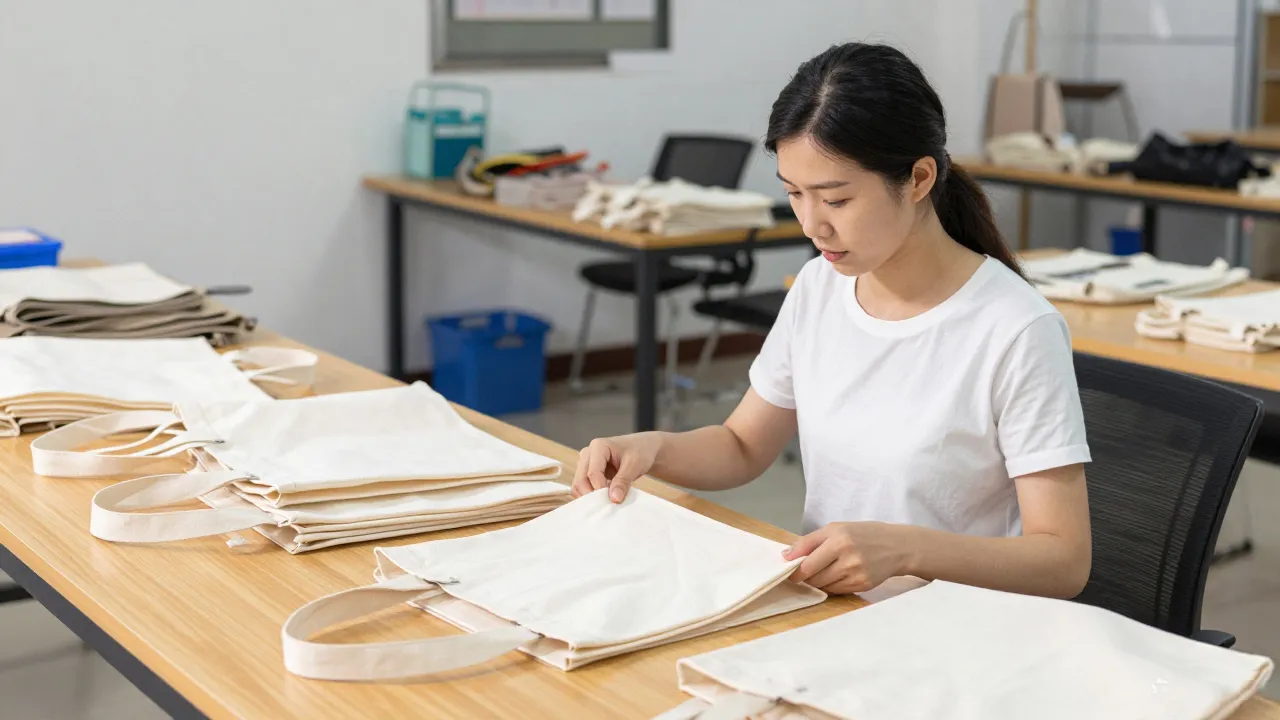
Canvas Bag Quality Control
Quality assurance process for canvas bag manufacturing

Material-Specific Classification Considerations

Different materials used in bag construction have specific classification implications. Leather, synthetic leather, canvas, polyester, and other materials each have distinct requirements and considerations within the HS code system.

The growing trend toward sustainable and vegan materials has introduced new classification challenges. Plant-based leathers and other innovative materials may require special consideration when determining the appropriate HS code classification.

For insights into future trends in sustainable materials, our article on future of vegan leather bags explores emerging technologies and market opportunities.
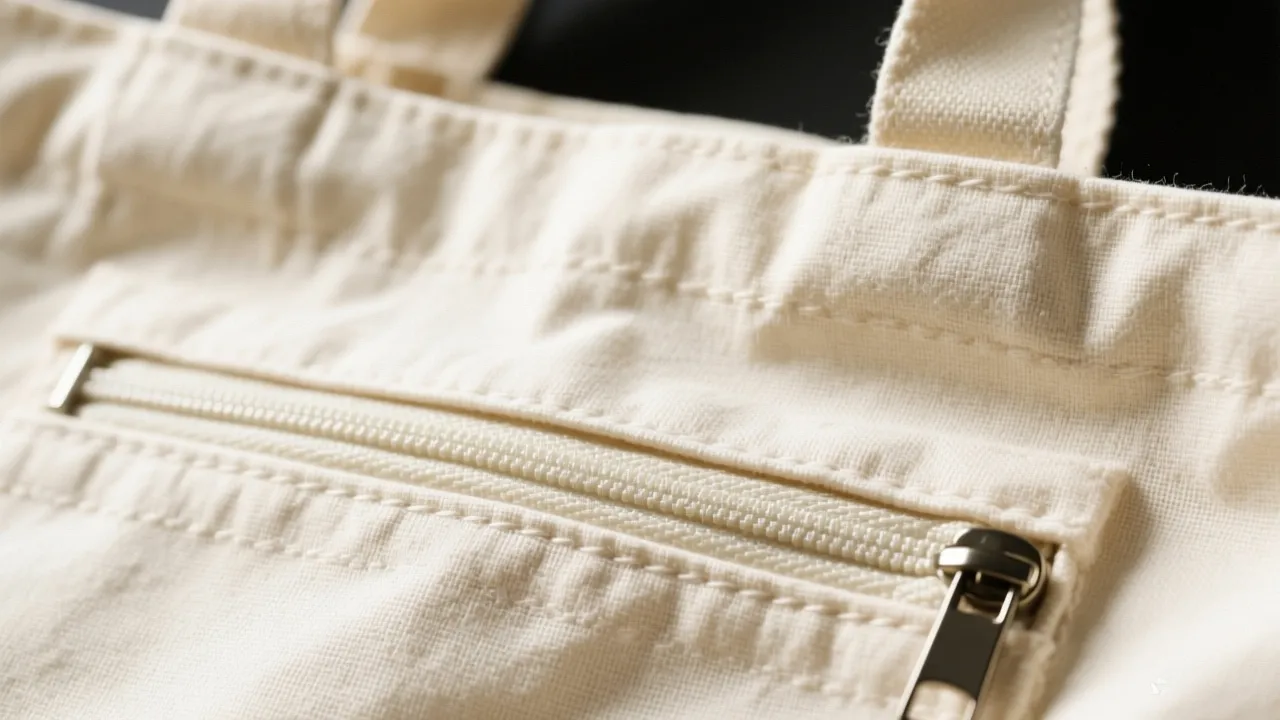
Zipper Detail Close-up
Close-up view of high-quality zipper components in canvas bags

Manufacturing and Design Implications

The manufacturing process and design specifications can influence HS code classification. Features such as waterproofing treatments, insulation layers, or specialized compartments may affect how a product is classified.

Design documentation, including tech packs and detailed specifications, plays an important role in ensuring accurate classification. Our handbag tech pack template guide provides manufacturers with essential tools for accurate product specification.
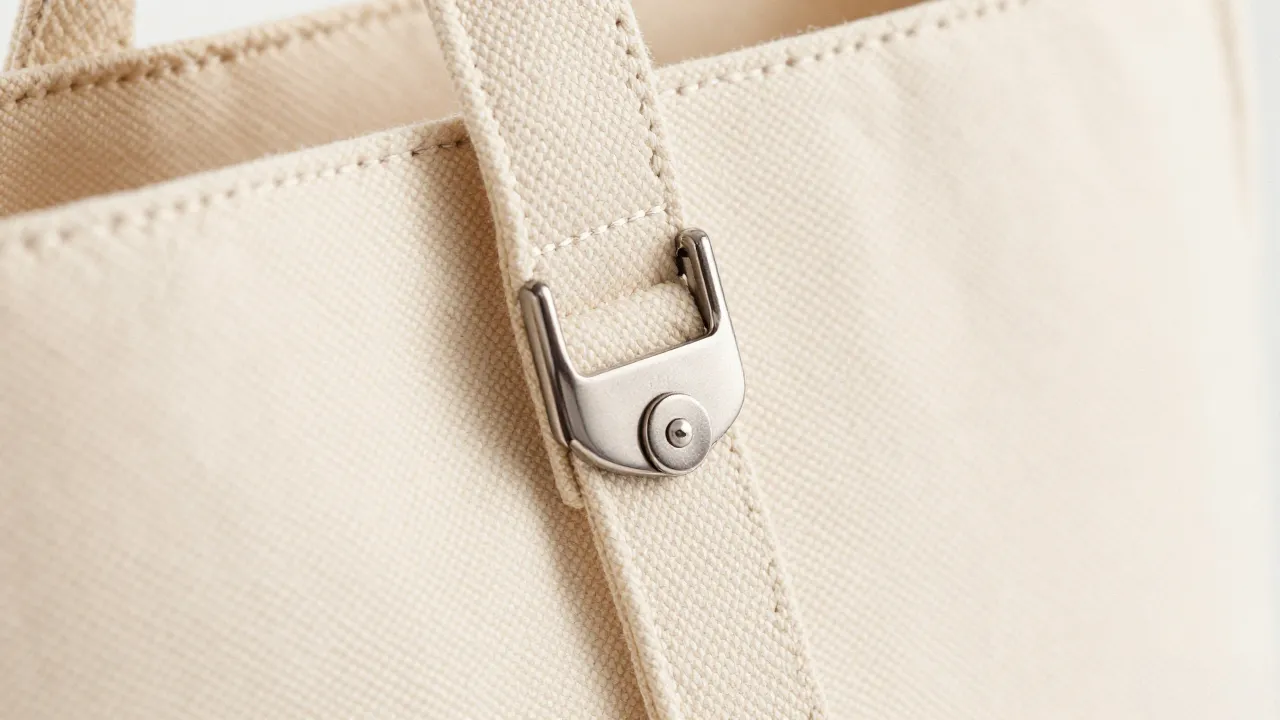
Hardware Components Close-up
Detailed view of hardware components used in bag construction

Import Duty Optimization Strategies

Understanding HS codes properly can help importers optimize their duty payments and take advantage of preferential trade programs. Many countries offer reduced tariffs for products that meet specific criteria, such as being manufactured in certain regions or meeting sustainability standards.

For detailed strategies on reducing import costs, our guide to reducing tariffs for bag imports from China offers practical approaches to cost optimization.

Internal Bag Construction
Interior design of canvas bags showing organization for mobile devices

Quality Assurance in Manufacturing

Professional manufacturing facilities implement comprehensive quality control systems to ensure that products meet both customer specifications and regulatory requirements. This includes verifying that the final products match their intended HS code classifications.

Regular factory audits help maintain quality standards and ensure compliance with international regulations. Our handbag factory audit checklist provides a comprehensive framework for quality assurance.
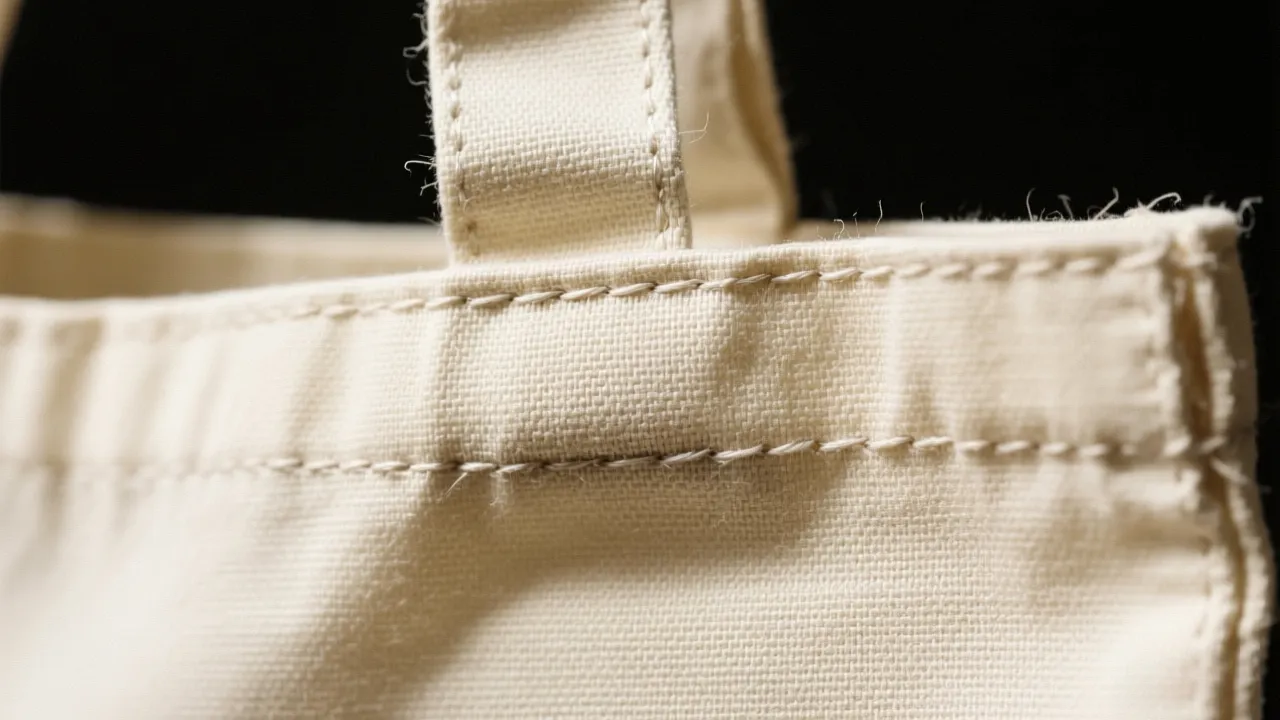
Fabric Detail View
Close-up detail of canvas bag fabric construction

Market Trends and Future Considerations

The handbag and bag industry continues to evolve with changing consumer preferences and regulatory requirements. Staying informed about upcoming trends helps manufacturers and importers prepare for changes in classification requirements.

Current trends indicate growing demand for sustainable materials, customizable designs, and multi-functional products. These trends may influence future HS code classifications and regulatory requirements.

For insights into upcoming design trends, explore our handbag design trends for 2026 analysis.

Design Process Computer Screen
Digital design process for custom canvas bag development

Sustainability and Certification Requirements

Increasingly, consumers and regulators demand proof of sustainable practices in bag manufacturing. Various certifications can affect both market positioning and HS code classification, particularly for products claiming environmental benefits.

Our comprehensive guide to bag sustainability certifications explains the various options available to manufacturers seeking to demonstrate environmental responsibility.

Embroidery Detail
Embroidered design elements on canvas bags

Advanced Manufacturing Techniques

Modern bag manufacturing incorporates various decoration and finishing techniques that can influence product classification. Embroidery, heat transfer printing, digital printing, and other processes add value and functionality to products while potentially affecting their HS code assignment.

Embroidery Close-up
Detailed view of embroidery work on canvas bags

Cost Factors in Manufacturing

Various factors influence the manufacturing cost of bags, including materials, labor, and compliance requirements. Understanding these factors helps businesses make informed decisions about product development and market positioning.

For detailed analysis of manufacturing cost factors, our article on handbag manufacturing price factors provides comprehensive insights into cost structure analysis.

Heat Transfer Printing
Heat transfer printing technique applied to canvas bags

Shipping and Logistics Optimization

Efficient shipping of bulk bag orders requires careful planning and optimization. Understanding packaging requirements, shipping methods, and logistics considerations helps reduce costs while maintaining product quality.

Our guide to shipping bulk bags cost optimization offers practical strategies for efficient logistics management.
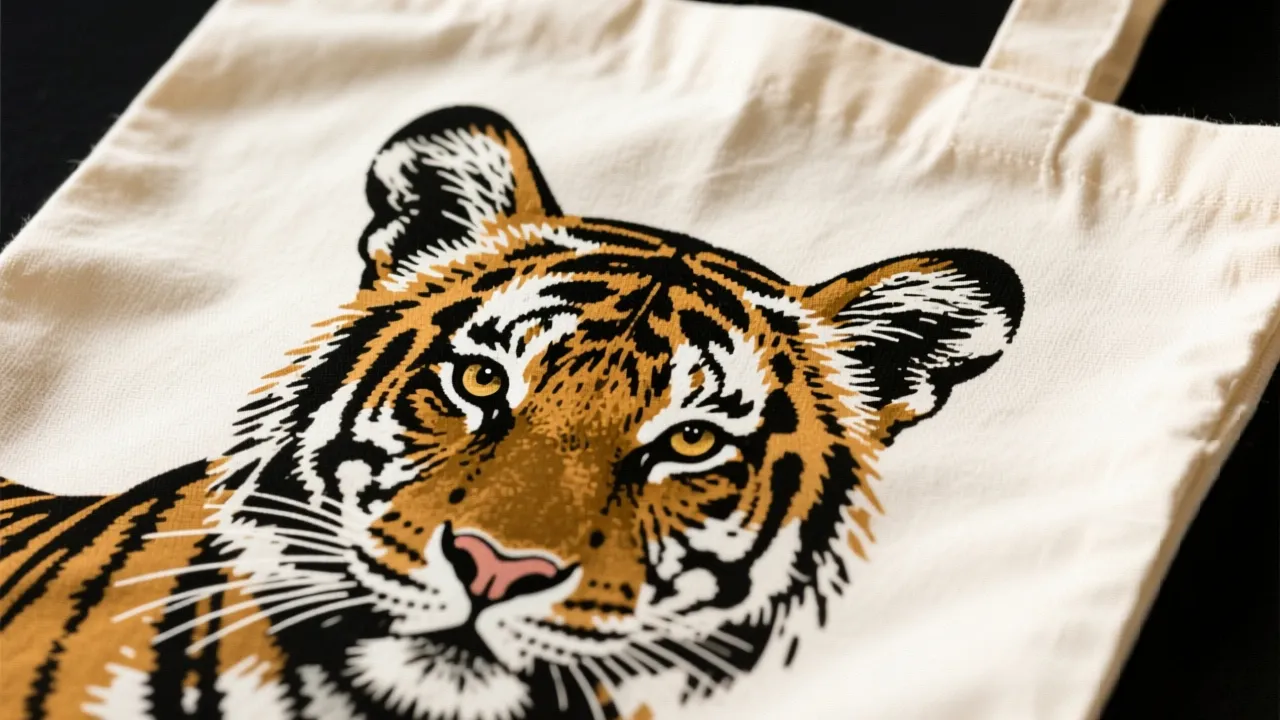
Digital Printing Detail
Digital printing technology applied to canvas bag customization

Material Comparison Analysis

Choosing the right materials for bag manufacturing involves comparing various options including canvas, polyester, and PU leather. Each material has specific advantages and considerations that affect both product performance and market positioning.

For detailed comparison analysis, our canvas vs polyester vs PU comparison guide provides comprehensive material evaluation criteria.

Screen Printing Technique
Screen printing application for custom canvas bag decoration

Complete HS Code Reference Guide

For businesses requiring comprehensive information about handbag HS codes, our complete handbag HS code guide provides detailed reference information and practical examples.

Key Takeaway: Accurate HS code classification is essential for successful international trade in handbags, totes, and pouches. The complexity of the classification system requires careful attention to product specifications, materials, and construction details. Working with experienced manufacturers who understand these requirements can significantly reduce risks and ensure smooth customs clearance.

Need Expert Guidance on HS Codes and Bag Manufacturing?

Our experienced team understands the complexities of international trade regulations and can help you navigate HS code classification requirements. Whether you’re importing, exporting, or manufacturing bags, we provide the expertise needed for successful market entry.

Visit Our Homepage | Contact Us Today

Est. Professional Manufacturer

Guangzhou Huadu Shilong Town — Premium Bag & Silk Product Manufacturer

Bags MOQ: 200 pcs | Silk Products MOQ: 50 pcs

Serving 50+ Countries Worldwide | 30+ Skilled Employees

Phone

86-020-87682749

24/7 Support

Location

Guangzhou, China

Factory Direct

Discover the World of Exquisite Clutch Bags

From elegant evening clutches to sophisticated everyday designs, our curated collection showcases the finest craftsmanship in leather accessories. Explore our comprehensive range of women’s clutch purses crafted by skilled artisans with decades of experience.

Success Story

From a Small Trial Order to a Long-Term Clutch Bag Partnership

Discover how a European fashion retailer transformed their accessory line with our premium custom leather clutch bags. What began as a cautious trial order of just 30 pieces in 2012 has blossomed into an enduring partnership spanning over a decade. Today, this valued client reorders thousands of meticulously crafted clutches annually, becoming one of our most treasured long-term partners in the industry.

“Their consistent quality and reliability have made them our go-to supplier for clutch bags for over 10 years.” — Procurement Director

Read the Full Story →
10+ Years

Featured Clutch Collections

Ready to find your perfect clutch bag? Our dedicated team is here to help you source premium accessories that elevate your brand.

Explore Full Clutch Collection

Manufacturer Knowledge Hub

Twenty-two practical guides from our Guangzhou factory — covering everything from clutch sourcing, MOQ strategy, and quality control to tariffs, tech packs, and compliance. Each card opens a dedicated resource built from real production data.

Customer Reviews106 Reviews

Hassan Al-Kuwari2026-08-10
I appreciated the deep dive into HS codes for handbags. It prompted me to assess my supply chain, and I did face a minor issue with a recent trial order of rPET totes. The customs at Jebel Ali in Dubai paused my shipment because they wanted clarity on the recycled content versus virgin polyester under 4202.92. I also lacked the specific metal alloy data sheets and microbial resistance test for the finish. This brief detention caused a missed window for a small trade show I was excited about. Now, I'm on the lookout for a manufacturing partner for small batches of around 180 to 250 units. They need to provide a pre-shipment HS classification, handle Emirates customs documentation, and carry out a photo/video inspection. I'm open to options like FOB or CIF, and I genuinely hope to find a supplier that can make this whole process less daunting.
GZDreamway2026-08-12
Hello Hassan, we appreciate you sharing your recent experience with the customs hold at Jebel Ali port. It’s a common bump when shipping rPET goods, but we’ve refined our approach to prevent it. Within a day to two of receiving your fabric composition and detailed photos of the metal fasteners, we generate a pre-shipment HS classification letter specific to 4202.92. This document meticulously explains the molecular and performance-based differences that separate rPET from traditional polyester. We also furnish complete metal hardware alloy datasheets, covering everything from brass to stainless steel, and arrange for an accredited antimicrobial finish test report sourced from labs like SGS or Intertek. On top of that, our team prepares the necessary UAE customs clearance templates, including a commercial invoice, packing list, and certificate of origin. And we don’t skip the photo/video inspection; it’s a standard part of our pre-shipment process, done in a format that customs officers in the Gulf region recognize. Our small-batch OEM service handles MOQs as low as 100 units, producing your order in 35 to 50 days, and shipping under FOB Shenzhen or CIF Jebel Ali. If you send over your detailed specifications along with product images, we will promptly organize a complete compliance folder to make sure your upcoming order passes through customs without any further inconvenience.
佐藤 恵美2026-08-10
こんにちは!手袋工場の記事を読みました。最近、rPETキャンバストートバッグを東京の店で仕入れたのですが、税関で「これはrPETですか普通のポリエステルですか?」と聞かれ、金属部品の合金データシートや抗菌仕上げの試験報告書が必要でした。以前のサプライヤーはこれらの書類を用意してくれず、3日間も遅延してしまい、地元のクラフトフェアに参加できませんでした。とても残念です。今、小さなバッチでOEM生産をしてくれるパートナーを探しています。MOQは100〜300個で、事前に出荷用HS分類レター、日本向けのTARICテンプレート、出荷前の写真/ビデオ検査を提供してくれる工場が理想です。また、FOB深センかCIF東京の条件も検討しています。日本の税関手続きは本当に複雑ですが、信頼できるサプライヤーと組めばスムーズになると思っています。ぜひご対応いただけますか?
GZDreamway2026-08-10
こんにちは佐藤様、この度は詳細なご共有をありがとうございます。東京の税関でお困りになったとのこと、大変申し訳ございません。私たちはこのような問題を解決するために、包括的な輸出書類パッケージを開発しました。具体的には、rPETと通常のポリエステルの技術的な違いを明確に示す、出荷前のHS分類レター(コード4202.92)を24〜48時間以内に発行いたします。さらに、金属部品の合金データシート(ニッケルメッキ真鍮、ステンレス鋼など)を提供し、SGSまたはIntertekの認定試験所による抗菌仕上げ試験報告書も手配いたします。日本のTARICテンプレートや商業送り状、梱包明細書も準備し、税関手続きをスムーズに進めるためのサポートを提供します。また、通関士との直接連携も可能です。私たちのsmall-batch OEMサービスは、MOQ100個から対応可能で、リードタイムは35〜50日、FOB深センまたはCIF東京の条件でご利用いただけます。ぜひ次の注文では、これらの書類を完備し、安心して取引いただけるよう努めます。具体的なご要望があればお知らせください。

Hello Sato-san, thank you for your detailed feedback. We are very sorry to hear about the trouble you experienced at Tokyo customs. We have developed a comprehensive export documentation package to resolve such issues. Specifically, we issue a pre-shipment HS classification letter (code 4202.92) within 24-48 hours that clearly explains the technical difference between rPET and standard polyester. Furthermore, we provide metal hardware alloy datasheets (such as nickel-plated brass, stainless steel) and arrange an accredited antimicrobial finish test report from an SGS or Intertek certified laboratory. We also prepare Japan-specific TARIC templates, commercial invoices, and packing lists to ensure smooth customs clearance, and we can coordinate directly with your customs broker. Our small-batch OEM service starts at an MOQ of 100 units, with a lead time of 35-50 days, and we offer FOB Shenzhen or CIF Tokyo terms. We will ensure your next order includes all necessary documents for a hassle-free experience. Please let us know your specific requirements. We look forward to building a trustworthy partnership. Regarding your inquiry about future orders, we can also provide GRS or Oeko-Tex certification for rPET materials upon request.
Noura Al-Mannai2026-08-09
The article provided a solid base, but the reality hit when a delivery of my rPET tote bags got stuck at Umm Qarn port in Bahrain. Customs officers were puzzled about classification under HS 4202.92, demanding alloy data sheets for the zippers and an antimicrobial test report I simply didn't possess. This created a two-day logjam, forcing me to cancel a reservation at an artisan exhibition. Now, I'm in the market for a small-lot manufacturer who will supply me with the right paperwork from the get-go. Specifically, a pre-shipment HS code letter, Bahrain customs forms, and a visual pre-dispatch check. I'd want a MOQ around 150-220 pieces and hope for better luck with a more prepared partner.
GZDreamway2026-08-11
Hello Noura, thanks for reaching out and detailing the hurdles at Umm Qarn port. We understand the frustration that comes with canceled exhibitions and delayed shipments. To address this, our process is built around providing full technical transparency upfront. Once you send us your fabric’s precise composition and close-ups of the metal parts, we can issue a pre-shipment HS classification letter for the 4202.92 code, typically within 24 to 48 hours. It’s written to be unambiguous for customs officers, highlighting the exact differences between rPET and standard polyester. We’ll also send over comprehensive alloy datasheets for all hardware—from nickel-plated brass to stainless steel—and a microbial resistance test report for your finish, accredited by SGS or Intertek. For Bahrain, we can prep the necessary TARIC/Customs templates, including commercial invoice, packing list, and certificate of origin. And as always, a photo/video pre-shipment inspection is part of the standard service. Our small-batch OEM offering starts at 100 units, gives a 35-50 day lead time, and is FOB Shenzhen or CIF Umm Qarn. If you forward the material specs and hardware images, we’ll compile the whole package so your next order glides through customs.
Carlos Mendoza2026-08-09
Hola, equipo. He leído el artículo sobre códigos HS para bolsas de mano y me ha parecido muy útil, pero quería compartir una experiencia reciente. Recibí un envío de rPET canvas totes en mi tienda de Ciudad de México y, aunque no hubo problemas con la aduana, sí noté que la calidad de las costuras era un poco irregular en algunas unidades. Además, me hubiera gustado tener más información sobre el origen de los materiales reciclados. A pesar de eso, estoy interesado en seguir trabajando con ustedes para futuros pedidos de small-batch OEM. ¿Podrían indicarme si pueden proporcionar una carta de clasificación HS y certificados de material reciclado como el GRS para facilitar el despacho en México? También me interesaría saber si ofrecen opciones de inspección previa al envío con fotos y video. Estoy buscando un MOQ bajo, alrededor de 100-200 piezas. ¡Gracias por su atención!
GZDreamway2026-08-09
Hola Carlos, gracias por compartir tus comentarios sobre la calidad de las costuras y tu interés en la trazabilidad del material. Lamento escuchar lo de las costuras irregulares; hemos implementado un control de calidad más riguroso en nuestro proceso de producción para abordar precisamente este tipo de problemas. En cuanto a tu consulta, sí podemos proporcionar una carta de clasificación HS (código 4202.92) y certificados GRS o Oeko-Tex para los materiales reciclados, junto con la documentación necesaria para el despacho aduanero en México. Realizamos inspecciones previas al envío con fotos y video como parte estándar de nuestro servicio. Además, nuestro small-batch OEM service trabaja con un MOQ desde 100 unidades y un plazo de entrega de 30 a 45 días. Para abordar tus inquietudes sobre las costuras, enviaremos una nota de crédito por las unidades defectuosas y ajustaremos el patrón de costura para futuras órdenes. También podemos coordinar directamente con tu agente aduanal en la Ciudad de México para agilizar el proceso. Por favor, envíanos los detalles específicos de tu último pedido para que podamos revisar y mejorar. Estamos comprometidos a resolver estos problemas y asegurar una colaboración fluida.

Hello Carlos, thank you for sharing your feedback on the stitching quality and your interest in material traceability. We apologize for the irregular stitching you encountered; we have implemented a more rigorous quality control process in our production line to address exactly this kind of issue. Regarding your inquiry, yes, we can provide an HS classification letter (code 4202.92) and GRS or Oeko-Tex certificates for the recycled materials, along with the necessary documentation for customs clearance in Mexico. We perform pre-shipment inspections with photos and video as a standard part of our service. Additionally, our small-batch OEM service works with MOQs starting from 100 units and a lead time of 30 to 45 days. To address your concerns about the stitching, we will issue a credit note for the defective units and adjust the sewing pattern for future orders. We can also coordinate directly with your customs broker in Mexico City to expedite the process. Please send us the specific details of your last order so we can review and improve. We are committed to resolving these issues and ensuring a smooth partnership.
Khalid Al-Dosari2026-08-08
Your post on HS codes was truly educational and quite timely. I recently planned to import 200 tote bags made of rPET for my boutique in Kuwait City, but I had a brief scare with the customs at Shuwaikh port. They couldn’t confirm if my goods were genuinely recycled or just virgin polyester under 4202.92, and my small operation didn’t have the metal alloy details for the buckles or the microbial test for the coating. The hold lasted only about a day, but it was enough to cause a little anxiety and delay for an upcoming social media launch. I think partnering with a factory that can preempt these questions with solid documentation is the way to go. I need a small-batch OEM with low MOQ and all the proper paperwork like pre-shipment HS letters and Kuwaiti clearance templates. Also, I’d value a partner who can do a quick photo/film check before sending anything out.
GZDreamway2026-08-10
Hello Khalid, thank you for sharing your experience with the Kuwaiti customs authorities. That moment of uncertainty is precisely why we’ve standardized our export documentation to exceed typical requirements. On receiving your fiber specification and images of the zippers and sliders, we can generate a detailed pre-shipment HS classification letter for the 4202.92 heading. This letter articulates the technical and qualitative differences between recycled PET and standard polyester, helping customs officials make a fast, accurate assessment. We also compile material data sheets for all metal components and secure an antimicrobial test report from a certified entity like SGS, ensuring that no document request is left wanting. For the Kuwaiti market, we can provide the necessary clearance templates, including a commercial invoice, packing list, and certificate of origin, which we’ll format according to local port authority preferences. Furthermore, we can arrange a photo and video inspection, with the results compiled in a report that customs have accepted in the past. Our small-batch OEM line accommodates MOQs starting from 100 units, with a production timeline of 35 to 50 days. If you share the fabric weight, hardware size, and your desired quantity, we can immediately begin assembling the HS letter, alloy data, and all other necessary compliance documents to make your next import to Kuwait a smooth and hassle-free experience.
Eduardo Lima2026-08-08
Seu artigo sobre códigos HS para bolsas de mão foi muito útil, mas tive um problema com uma remessa de bolsas de rPET canvas no Porto de Santos. A alfândega segurou minhas mercadorias por dois dias porque não conseguiram distinguir entre rPET e poliéster normal sob o código 4202.92, e pediram fichas técnicas de ligas metálicas para zíperes e um relatório de teste antimicrobiano, que não tinha preparado. Isso atrasou minha participação em uma feira de artesanato local, o que foi bem frustrante. Estou em busca de um parceiro de manufatura small-batch OEM com MOQ entre 120 e 280 unidades, que possa fornecer uma carta de classificação HS pré-embarque, modelos NCM prontos para o Brasil, e uma inspeção com fotos e vídeo antes do envio. A burocracia aqui é cansativa, mas estou confiante de que com o parceiro certo, posso evitar esses transtornos no futuro. Vocês conseguem atender a essas necessidades?
GZDreamway2026-08-08
Olá Eduardo, agradecemos por compartilhar sua experiência. Entendemos perfeitamente a frustração de uma retenção alfandegária que atrapalha sua participação em eventos locais. Para o mercado brasileiro, desenvolvemos um processo específico: assim que recebermos a composição das fibras e fotos aproximadas dos zíperes, emitimos uma carta de classificação HS pré-embarque detalhada (código 4202.92) em 24 a 48 horas, que explica claramente a diferença técnica entre rPET e poliéster virgem. Incluímos fichas técnicas de ligas metálicas para todos os componentes (latão niquelado, aço inoxidável) e um relatório de teste antimicrobiano acreditado por um laboratório certificado (SGS ou Intertek). Preparamos também modelos NCM personalizados, fatura comercial e lista de embalagem em conformidade com a Receita Federal. Realizamos a inspeção de fotos/vídeo antes do envio em formato aceito pela alfândega de Santos. Nosso serviço de produção em pequenos lotes tem MOQ a partir de 100 unidades, com prazo de entrega de 30 a 45 dias e opções FOB Shenzhen ou CIF Santos. Para resolver isso, envie-nos as especificações do material e fotos do hardware; montaremos imediatamente um pacote completo de conformidade para garantir que sua próxima remessa passe sem problemas.

Hello Eduardo, thank you for sharing your experience. We fully understand the frustration of a customs hold that disrupts your participation in local events. For the Brazilian market, we have developed a specific process: once we receive the fiber composition and close-up photos of the zippers, we issue a detailed pre-shipment HS classification letter (code 4202.92) within 24 to 48 hours that clearly explains the technical difference between rPET and virgin polyester. We include metal hardware alloy datasheets for all components (nickel-plated brass, stainless steel) and an accredited antimicrobial finish test report from a certified lab (SGS or Intertek). We also prepare customized NCM templates, commercial invoice, and packing list in compliance with Receita Federal. We conduct the photo/video pre-shipment inspection in a format accepted by Santos customs. Our small-batch OEM service has an MOQ starting at 100 units, with a lead time of 30 to 45 days and FOB Shenzhen or CIF Santos options. To resolve this, send us the material specifications and hardware photos; we will immediately compile a complete compliance package to ensure your next shipment clears smoothly.
Mariam Al-Baker2026-08-07
This guide on HS codes was a lifesaver for a startup like mine, yet a recent shipment of rPET handbags exposed a weakness in my process. The customs agency in Bahrain flagged my haul, asking for a clear definition of rPET versus virgin polyester under HS 4202.92. I lacked the proper metal alloy datasheets for the clasps and an antimicrobial test report, causing a slight delay that pushed back our soft launch. As a young entrepreneur, I’m learning the ropes but am determined to find a manufacturer who can ease the customs burden. I seek a partner that can supply a pre-shipment HS classification letter, Bahrain-specific TARIC templates, and a thorough photo/video inspection, with a MOQ of around 100 to 200 pieces. I'm convinced that the right factory can turn this cumbersome process into a straightforward one.
GZDreamway2026-08-09
Hello Mariam, thank you for sharing your entrepreneurial journey and the recent hurdle you faced. We understand that for a startup, every delay can feel significant, so we’re committed to simplifying the import process for you. When we receive your request, we can issue a pre-shipment HS classification letter for code 4202.92 within 24 to 48 hours, which clearly articulates the technical specifics that define your rPET material. This letter, coupled with comprehensive metal hardware alloy datasheets for all components and an accredited antimicrobial finish test report from a lab like SGS, forms a robust compliance package. We also prepare Bahrain-customized clearance templates, including the commercial invoice and packing list. In terms of quality control, our photo/video pre-shipment inspection is designed to give you and the customs authorities full confidence. Our small-batch OEM production starts at an MOQ of 100 units, offering you a low-risk way to test our services. We can work with FOB Shenzhen or CIF Bahrain options, with production typically taking 35 to 45 days. To begin, please provide us with the sample’s dimensions, the fiber blend percentage, and clear photos of the hardware; we’ll then quickly put together a complete document set so that your next order sails through customs without any hiccups.
Thomas Weber2026-08-07
I found the article on HS codes for handbags very helpful, especially the section on recycled materials. However, I recently had an issue with a small shipment of rPET canvas totes arriving at Frankfurt Airport. The customs officers were unsure if the material was genuinely rPET or standard polyester, so they requested detailed information about the metal components and an antimicrobial test report which I didn't have on hand. This delayed my prototype evaluation for an upcoming sustainable fashion line. I'm quite interested in finding a manufacturer for a small batch, with an MOQ around 150 to 300 pieces, that can provide a pre-shipment HS classification letter and all necessary documentation upfront. It would be great if you could also prepare TARIC templates for Germany and conduct a photo/video inspection before dispatch. I'm confident that with the right partner, these bureaucratic hurdles can be overcome, making the process much smoother for future orders.
GZDreamway2026-08-07
Hallo Thomas, vielen Dank für Ihr Feedback und die Schilderung Ihrer Erfahrung am Frankfurter Flughafen. Wir verstehen, dass eine fehlende Dokumentation beim Zoll sehr frustrierend sein kann, besonders wenn sie die Entwicklung neuer Produkte verzögert. Wir haben genau dafür einen optimierten Workflow entwickelt. Sobald Sie uns die Faserzusammensetzung und Nahaufnahmen der Metallteile senden, erstellen wir innerhalb von 24 bis 48 Stunden ein präzises Pre-Shipment-HS-Klassifikationsschreiben für HS 4202.92, das die technische Unterscheidung zwischen rPET und herkömmlichem Polyester klar darlegt. Dieses Schreiben wird durch detaillierte Metallegierungsdatenblätter für alle Komponenten wie Reißverschlüsse und Schnallen ergänzt. Zusätzlich koordinieren wir einen akkreditierten antimikrobiellen Finish-Testbericht von einem SGS- oder Intertek-Labor. Wir bereiten auch TARIC/NCM-Vorlagen für den deutschen Markt vor, einschließlich Handelsrechnung, Packliste und Ursprungszeugnis, die den lokalen Vorschriften entsprechen. Die Foto-/Video-Inspektion vor dem Versand erfolgt in einem Format, das direkt beim Frankfurter Zoll eingereicht werden kann. Mit unserem Small-Batch-OEM-Service starten wir bei 150 Stück, die Produktionszeit beträgt 35 bis 50 Tage, und wir bieten FOB Shenzhen oder CIF Frankfurt an. Um Ihr spezifisches Anliegen zu lösen, senden Sie uns bitte die genauen Materialdaten und Produktbilder; wir stellen dann das komplette Compliance-Paket zusammen, damit Ihre nächste Bestellung problemlos durch den Zoll kommt und Sie sich auf Ihre nachhaltige Produktlinie konzentrieren können.

Hello Thomas, thank you for your feedback and for describing your experience at Frankfurt Airport. We understand that missing documentation can be very frustrating, especially when it delays the development of new products. We have developed an optimized workflow for exactly this situation. Once you send us the fiber composition and close-up photos of the hardware, we will create a precise pre-shipment HS classification letter for HS 4202.92 within 24 to 48 hours, clearly stating the technical difference between rPET and conventional polyester. This letter is supplemented by detailed metal hardware alloy datasheets for all components such as zippers and buckles. Additionally, we coordinate an accredited antimicrobial finish test report from an SGS or Intertek laboratory. We also prepare TARIC/NCM templates for the German market, including commercial invoice, packing list, and certificate of origin that meet local regulations. The photo/video pre-shipment inspection is carried out in a format that can be submitted directly to Frankfurt customs. With our small-batch OEM service, we start at 150 pieces, production time is 35 to 50 days, and we offer FOB Shenzhen or CIF Frankfurt. To resolve your specific issue, please send us the exact material data and product images; we will then compile the complete compliance package to ensure your next order passes customs smoothly so you can focus on your sustainable product line.
Omar Al-Marri2026-08-06
I found your insights on handbag HS codes to be spot-on, but a recent consignment of rPET canvas totes destined for my store in Manama hit a snag at Khalifa bin Salman port. The issue was the customs inability to differentiate between rPET material and conventional polyester under the HS 4202.92 tariff line. They wanted us to present detailed composite data sheets for metal parts and a report on the antimicrobial finish, which we didn't have ready. This caused a three-day hold, missing the deadline for a community bazaar. I’m therefore actively looking for a manufacturing partner who specializes in small-batch production and can pre-empt these requests. Essential services include a pre-issued HS classification letter for customs, Bahraini import templates, and a photo/video pre-inspection before shipment. I’d prefer a MOQ of 120 to 250 pieces, and I’m confident that a prepared factory will save me these repeated headaches.
GZDreamway2026-08-08
Hello Omar, thank you for telling us about the classification issue you had at Khalifa bin Salman port. It’s a scenario we encounter with several clients in the Gulf region, and we’ve developed a comprehensive response to eliminate those delays. Our process begins with a pre-shipment HS classification letter for code 4202.94 which we can issue within a day or two of you sharing your fabric’s specifications. This letter is written to give a customs officer absolute clarity on the distinction between rPET and virgin polyester, detailing the molecular weight, density, and production methods. We also provide exhaustive metal hardware alloy datasheets for every zipper, ring, or buckle—listing the exact composition and plating—and secure an antimicrobial finish test report from a certified SGS or Intertek laboratory. For Bahrain, we prepare the necessary clearance documents, including a commercial invoice, packing list, and a certificate of origin, all formatted to local standards. We also conduct the requested photo and video inspection, with the report structured so it can be understood regardless of language. With our small-batch OEM line, we can accommodate MOQs starting at just 100 units, and we typically quote FOB Shenzhen or CIF Manama. To move ahead, send us your exact sizing and fabric weight, plus close-up photos of the hardware, and we’ll compile a complete dossier for your next order to pass without a hitch.
Fatima Al-Mansouri2026-08-06
He leído su artículo sobre códigos HS para bolsos de mano y me ha resultado muy útil, pero he tenido un problema con un envío de rPET canvas totes para mi tienda en Dubái. La aduana en el puerto de Jebel Ali retuvo el envío durante dos días porque no podían verificar si el material era realmente rPET o poliéster normal bajo el código HS 4202.92. Además, me pidieron una hoja de datos de aleación de metal para las cremalleras y un informe de prueba de acabado antimicrobiano, que no había preparado. Este retraso arruinó mi participación en un mercado local de artesanía. Estoy buscando un socio de fabricación small-batch OEM con un MOQ bajo de 100 a 250 unidades, que pueda proporcionar una carta de clasificación HS previa al envío, plantillas aduaneras para los EAU y una inspección con fotos y video antes del embarque. La burocracia aquí es agotadora, pero espero encontrar una solución efectiva. ¿Pueden ofrecer estos servicios con documentación completa para evitar futuros problemas?
GZDreamway2026-08-06
Hola Fatima, gracias por compartir su experiencia con el puerto de Jebel Ali. Entendemos perfectamente la frustración que este retraso causó en su participación en el mercado de artesanía. Para el mercado de los EAU y del Golfo, hemos desarrollado un sistema específico que aborda estos requisitos aduaneros. Una vez que recibimos su muestra y los datos de la fibra, emitimos una carta de clasificación HS previa al envío para el código 4202.92 en un plazo de 24 a 48 horas, explicando claramente la diferencia técnica entre el rPET y el poliéster virgen. Nuestro proceso de fabricación incluye la preparación de hojas de datos de aleación de metal detalladas para todos los herrajes (como latón niquelado o acero inoxidable) y coordinamos un informe de prueba de acabado antimicrobiano acreditado a través de SGS o Intertek. También preparamos las plantillas de despacho aduanero necesarias para los EAU, incluyendo factura comercial, lista de empaque y certificado de origen. Realizamos una inspección previa al embarque con fotos y video en un formato que cumple con los requisitos del puerto. Nuestro servicio small-batch OEM opera con MOQ desde 100 unidades, un plazo de entrega de 35 a 50 días y opciones FOB Shenzhen o CIF Jebel Ali. Para avanzar, por favor envíenos fotos en primer plano de los herrajes, detalles de la composición de la fibra y dimensiones de la muestra. Prepararemos inmediatamente un paquete de documentación completo para garantizar que su próximo envío pase sin problemas.

Hello Fatima, thank you for sharing your experience at Jebel Ali Port. We completely understand the frustration this delay caused for your craft fair participation. For the UAE and Gulf market, we have developed a specific system to address these customs requirements. Once we receive your sample and fiber data, we issue a pre-shipment HS classification letter for code 4202.92 within 24 to 48 hours, clearly explaining the technical difference between rPET and virgin polyester. Our manufacturing process includes preparing detailed metal hardware alloy datasheets for all components (such as nickel-plated brass or stainless steel) and coordinating an accredited antimicrobial finish test report through SGS or Intertek. We also prepare the necessary customs clearance templates for the UAE, including commercial invoice, packing list, and certificate of origin. We conduct a photo/video pre-shipment inspection in a format compliant with port requirements. Our small-batch OEM service operates with MOQs starting from 100 units, a lead time of 35 to 50 days, and FOB Shenzhen or CIF Jebel Ali options. To proceed, please send us close-up hardware photos, fiber composition details, and sample dimensions. We will immediately compile a complete documentation package to ensure your next shipment clears without issues.
يوسف السعدي2026-08-05
تعليق ممتاز ومفصل جداً عن أكواد النظام المنسق للحقائب القماشية، لكن للأسف واجهت مشكلة حقيقية مع شحنة من حقائب الـ rPET canvas totes لمتجري في مسقط. الجمارك في ميناء صحار احتجزت الشحنة لمدة يومين لأنهم لم يستطيعوا التمييز بين rPET والبوليستر العادي تحت رمز النظام المنسق 4202.92، وطلبوا وثائق مثل أوراق بيانات سبائك المعدن وتقرير اختبار التشطيب المضاد للميكروبات، والتي لم أكن قد جهزتها. هذا التأخير أفسد عليّ مشاركتي في معرض محلي للحرف اليدوية، وهو أمر محبط. ما زلت أبحث عن شريك تصنيع موثوق به في الإنتاج الصغير مع حد أدنى منخفض للطلبات يتراوح بين 100 و 250 قطعة، ويكون قادرًا على توفير خطاب تصنيف جمركي مسبق، وقوالب جاهزة للتخليص في عُمان، وفحص بالصور والفيديو قبل الشحن. البيروقراطية هنا مرهقة، لكني متفائلة بإيجاد حل سريع وفعال. هل يمكنكم توفير هذه الخدمات مع ضمان توثيق كامل لتفادي هذه المشاكل مستقبلاً؟
GZDreamway2026-08-05
مرحباً يوسف، شكراً لمشاركتك تجربتك مع ميناء صحار في عُمان. نفهم تماماً حجم الإحباط الذي سببته هذه العرقلة لمشاركتك في المعرض الحرفي، فهذه التجارب صعبة لكنها قابلة للحل. بالنسبة للسوق العماني والخليجي، قمنا بالفعل بتطوير بروتوكول خاص يتعامل مع متطلبات الجمارك المحلية. العملية تبدأ عندما نستلم منك العينة وبيانات الألياف، حيث سنصدر فوراً خطاب تصنيف جمركي مسبق (pre‑shipment HS classification letter) خاص بالرمز 4202.92 خلال 24 إلى 48 ساعة، يتضمن شرحاً تقنياً واضحاً يفرق بين الـ rPET والبوليستر الخام. بالإضافة إلى ذلك، نقدم أوراق بيانات سبائك المعدن التفصيلية لجميع القطع المعدنية (النحاس المطلي بالنيكل والستانلس ستيل)، وننسق مع مختبرات SGS أو Intertek لتوفير تقرير اختبار مضاد للميكروبات معتمد. نقوم بتجهيز قوالب التخليص الجمركي المطلوبة في عُمان بما في ذلك الفاتورة التجارية وقائمة التعبئة وشهادة المنشأ. نحرص أيضاً على إجراء فحص مسبق بالصور والفيديو يتوافق مع متطلبات الميناء. نعمل في الإنتاج الصغير مع حد أدنى يبدأ من 100 قطعة، ومهلة تصنيع تتراوح بين 35 و 50 يوماً، مع خيارات FOB شنتشن أو CIF صحار. لتجنب التكرار، يرجى إرسال صور مقربة للقطع المعدنية وتفاصيل تركيب الألياف وأبعاد العينة. سنقوم فوراً بتجميع حزمة التوثيق الكاملة التي تضمن المرور السلس لشحنتك القادمة دون أي عراقيل.

Hello Youssef, thank you for sharing your experience with the Port of Sohar in Oman. We fully understand the frustration this delay caused for your craft fair participation. For the Omani and Gulf market, we have developed a specific protocol to address local customs requirements. Once we receive your sample and fiber data, we issue a pre‑shipment HS classification letter for code 4202.92 within 24 to 48 hours, clearly detailing the technical difference between rPET and virgin polyester. We also provide detailed metal hardware alloy datasheets for all components and coordinate an accredited antimicrobial finish test report from SGS or Intertek. We prepare the necessary customs clearance templates for Oman, including commercial invoice, packing list, and certificate of origin. We conduct a photo/video pre‑shipment inspection compliant with port requirements. Our small-batch OEM service works with MOQs starting from 100 units, a lead time of 35 to 50 days, and FOB Shenzhen or CIF Sohar options. To proceed, please send us close‑up hardware photos, fiber composition details, and sample dimensions. We will immediately compile a complete documentation package to ensure your next shipment clears without issues.
David Hoffmann2026-08-04
Ich habe Ihren Artikel über HS-Codes für Taschen aus rPET mit großem Interesse gelesen. Allerdings musste ich feststellen, dass meine letzte Bestellung von canvas totes aus recyceltem Polyester am Zoll in Frankfurt scheiterte. Die Beamten verlangten ein Zertifikat, das den rPET-Anteil nachweist, sowie eine detaillierte Aufstellung der Metallteile. Das hatte ich nicht. Gibt es eine Möglichkeit, solche Dokumente für zukünftige Lieferungen im Voraus zu erhalten? Ich suche nach einem Hersteller, der nicht nur qualitativ hochwertige umweltfreundliche Taschen herstellt, sondern auch die komplexen Zollvorschriften kennt und einen reibungslosen Ablauf garantiert. Unsere Produktpalette umfasst derzeit Eco-Totes und Necessaires aus rPET-Gewebe, die wir in Kleinserie produzieren lassen möchten. Ein Partner, der mit den EU-Vorschriften für recycelte Materialien vertraut ist, wäre ideal. Danke für Ihre Hilfe!
GZDreamway2026-08-04
Hallo David, vielen Dank für Ihre Anfrage. Wir verstehen die Frustration, wenn eine Lieferung am Zoll scheitert. Genau für solche Fälle haben wir ein Compliance-Paket entwickelt. Es enthält ein vorab ausgestelltes HS-Klassifizierungsschreiben für die Codes 4202.92 und 4202.91, ein detailliertes Metalldatenblatt für alle verwendeten Legierungen sowie einen Prüfbericht über die antimikrobielle Ausrüstung von einem akkreditierten Labor. Unsere Produktionsabläufe sind auf kleine Serien ab 100 Stück ausgelegt, und wir stellen die kompletten Zollpapiere zur Verfügung, bevor Ihre Ware das Werk verlässt. Wir können auch auf Wunsch ein GRS- oder Oeko-Tex-Zertifikat für das Material bereitstellen. So können Sie sicher sein, dass Ihre Sendung in Frankfurt problemlos abgefertigt wird. Senden Sie uns einfach Ihre Musterspezifikationen zu, dann erstellen wir das passende Dokumentenpaket für Ihre nächste Bestellung.

Hello David, thank you for your inquiry. We understand the frustration when a shipment fails at customs. We have developed a compliance package specifically for such cases. It includes a pre-issued HS classification letter for codes 4202.92 and 4202.91, a detailed metal data sheet for all alloys used, and a test report on the antimicrobial finish from an accredited laboratory. Our production processes are designed for small batches starting at 100 pieces, and we provide the complete customs documentation before your goods leave our factory. We can also provide a GRS or Oeko-Tex certificate for the material upon request. This way, you can be sure that your consignment will be processed smoothly in Frankfurt. Just send us your sample specifications, and we will create the appropriate document package for your next order.
Lars Hoffmann2026-08-02
Als Inhaber eines kleinen Hamburger Labels für nachhaltige Mode habe ich Ihren Beitrag zu HS-Codes verschlungen, doch eine Mustersendung mit rPET-Totes wurde am Zollamt Hamburg gestoppt. Die Beamten verlangten einen eindeutigen Beleg, dass es sich um rPET und nicht um Standardpolyester handelt, und wollten Datenblätter für die Metallösen – die hatten wir einfach nicht parat. Das hat unseren Zeitplan für ein Pop-up-Event ganz schön durcheinandergebracht. Ärgerlich, aber lehrreich. Ich suche jetzt einen SMALL-BATCH-OEM mit einem MOQ zwischen 150-300 Stück für rPET-Canvas-Totes und Necessaires, der mir eine Vorab-HS-Klassifizierung für 4202.92, TARIC-Vorlagen für Deutschland, einen Foto-/Video-Check vor Versand und die Möglichkeit einer franko Hamburg-Lieferung bieten kann. Ist das mit Ihrem Service abbildbar?
GZDreamway2026-08-02
Hallo Lars, vielen Dank für Ihre offene Schilderung – genau solche Erlebnisse nehmen wir sehr ernst. Die Verzögerung Ihrer Musterlieferung in Hamburg ist ein Paradebeispiel für die bürokratischen Hürden, die uns dazu bewogen haben, ein standardisiertes Compliance-Paket zu schnüren. Sobald wir Ihre Faserzusammensetzung und Nahaufnahmen der Ösen erhalten, stellen wir innerhalb von 24-48 Stunden eine präzise Pre-Shipment-HS-Klassifikationsschreiben für HS 4202.92 aus, das den technischen Unterschied zwischen rPET und Virgin-Polyester klar dokumentiert. Dazu liefern wir detaillierte Metallegierungsdatenblätter für alle Beschläge (etwa vernickeltes Messing oder Edelstahl) und organisieren den geforderten antimikrobiellen Prüfbericht über ein SGS-Labor. Wir bereiten außerdem TARIC-Vorlagen samt Handelsrechnung und Packliste für den deutschen Markt vor und führen die Foto-/Video-Versandkontrolle in einem Format durch, das der Hamburger Zoll akzeptiert. Unser small-batch-OEM-Service startet bei 150 Stück, die Produktion dauert 35-50 Tage, und wir bieten FOB Shenzhen oder CIF Hamburg. Bitte senden Sie uns die genauen Materialangaben und die Maße Ihrer Wunschmuster – wir stellen dann das komplette Dokumentenpaket zusammen, damit Ihre nächste Kollektion ohne Stopp durchkommt.

Hello Lars, thank you for your candid feedback – we take such experiences very seriously. The delay of your sample shipment in Hamburg is a perfect example of the bureaucratic hurdles that led us to develop a standardized compliance package. Once we receive your fiber composition and close-up photos of the eyelets, we issue a precise pre-shipment HS classification letter for HS 4202.92 within 24-48 hours, clearly documenting the technical difference between rPET and virgin polyester. We also provide detailed metal hardware alloy datasheets for all fittings (e.g., nickel-plated brass or stainless steel) and organize the required antimicrobial test report through an SGS laboratory. Additionally, we prepare TARIC templates including commercial invoice and packing list for the German market and carry out the photo/video pre-shipment inspection in a format accepted by Hamburg customs. Our small-batch OEM service starts at 150 pieces, production takes 35-50 days, and we offer FOB Shenzhen or CIF Hamburg. Please send us the exact material specifications and the dimensions of your desired samples – we will compile the complete documentation package to ensure your next collection passes without interruption.
Anna Weber2026-08-01
Ich betreibe ein kleines, nachhaltiges Modegeschäft in Zürich und fand Ihren Artikel über HS-Codes sehr hilfreich. Allerdings hatten wir kürzlich ein Problem mit einer Lieferung von rPET-Umhängetaschen, die am Flughafen Zürich festgehalten wurde, weil der Unterschied zu herkömmlichem Polyester unter HS 4202.92 nicht klar war. Die Zollbeamten verlangten detaillierte Metalldatenblätter für die Karabiner und einen Prüfbericht für die antimikrobielle Beschichtung, die wir leider nicht beiliegen hatten. Dies führte zu einer Verzögerung von fast drei Tagen und störte die Einführung einer neuen Produktlinie für ein lokales Fairtrade-Event. Ich suche nun einen zuverlässigen Small-Batch-OEM-Partner für rPET-Taschen und -Täschchen, der ein niedriges MOQ von 100 bis 250 Stück anbietet und mir mit einer Vorab-HS-Klassifizierung, TARIC-Vorlagen für die Schweiz, einer Foto- und Video-Inspektion vor dem Versand sowie einer Zusammenarbeit mit einem Zollagenten in Zürich hilft, um zukünftige Verzögerungen zu vermeiden. Die Bürokratie ist manchmal überwältigend, aber ich hoffe auf eine Lösung, die den Prozess vereinfacht und mir Sicherheit gibt.
GZDreamway2026-08-01
Hallo Anna, vielen Dank für Ihr Feedback und die Schilderung Ihrer Erfahrung. Wir verstehen den Ärger über die Verzögerung am Flughafen Zürich, insbesondere da sie Ihre Event-Einführung störte. Genau für solche Fälle haben wir einen spezifischen Prozess entwickelt. Sobald Sie uns die Faserzusammensetzung und Nahaufnahmen der Karabiner und anderer Metallteile senden, stellen wir innerhalb von 24 bis 48 Stunden ein präzises Pre-Shipment-HS-Klassifikationsschreiben für HS 4202.92 aus. Dieses Schreiben beschreibt technisch den Unterschied zwischen rPET und virginärem Polyester und wird durch detaillierte Metallegierungsdatenblätter (z.B. für vernickeltes Messing oder rostfreien Stahl) sowie einen akkreditierten Prüfbericht für die antimikrobielle Ausrüstung von einem SGS- oder Intertek-Labor ergänzt. Wir bereiten auch TARIC-Vorlagen und andere Schweizer Zolldokumente vor, einschließlich der kommerziellen Rechnung und Packliste. Unsere Foto-/Video-Inspektion vor dem Versand erfolgt in einem für Schweizer Zollbeamte akzeptablen Format, und wir können direkt mit einem Zollagenten in Zürich koordinieren, um den Prozess zu beschleunigen. Mit unserem Small-Batch-OEM-Service und einem MOQ von 100 bis 250 Stück sind wir optimal auf die Bedürfnisse kleiner, nachhaltiger Marken ausgerichtet. Um schnell voranzukommen, senden Sie uns bitte die genauen Materialdetails und Fotos der Hardware; wir stellen dann das komplette Dossier zusammen, damit Ihre nächste Sendung reibungslos durch den Zoll kommt.

Hello Anna, thank you for your feedback and for describing your experience. We understand the frustration with the delay at Zurich Airport, especially as it disrupted your event launch. We have developed a specific process for exactly such cases. Once you send us the fiber composition and close-up photos of the carabiners and other metal components, we will issue a precise pre-shipment HS classification letter for HS 4202.92 within 24 to 48 hours. This letter describes the technical distinction between rPET and virgin polyester and is accompanied by detailed metal hardware alloy datasheets (e.g., for nickel-plated brass or stainless steel) and an accredited antimicrobial finish test report from an SGS- or Intertek-lab. We also prepare TARIC templates and other Swiss customs documents, including commercial invoice and packing list. Our photo/video pre-shipment inspection is conducted in a format acceptable to Swiss customs officials, and we can coordinate directly with a customs broker in Zurich to expedite the process. With our small-batch OEM service and an MOQ of 100 to 250 units, we are optimally positioned for the needs of small sustainable brands. To move quickly, please send us the exact material details and hardware photos; we will then compile the complete dossier to ensure your next shipment clears customs smoothly.
Priya Sharma2026-07-31
Your guide on HS codes for handbags is a lifesaver for my export business in Mumbai, but I hit a snag recently. A batch of my rPET canvas totes was held up at Nhava Sheva port because the officers questioned whether it was rPET or virgin polyester under 4202.92, and they wanted a metal alloy datasheet and a microbial test report which I didn't have. It cost me two days and a bit of my sanity. I run a small batch production and need an OEM partner who can offer around 200 to 400 pieces with all that paperwork sorted upfront, like a pre-shipment HS letter, and maybe some help with the Indian customs forms. It's a real headache, but I'm hoping you folks can help me streamline this process.
GZDreamway2026-07-31
Hello Priya, thanks for reaching out and sharing your experience at Nhava Sheva port. We completely get how irritating that delay must have been, especially with a small operation like yours. For the Indian market, we have a different approach that works quite well. Once you send us your fiber specs and close shots of the hardware, we prep a firm HS classification letter for 4202.92 within a day or two, clearly spelling out why rPET isn't the same as regular polyester. We also include alloy detail sheets for every zipper and buckle, plus a certified antimicrobial finish report from labs like SGS, so customs has everything they need in one go. We can also help with the Bill of Entry drafts and coordinate with your CHA and customs broker in Mumbai or Delhi to keep things moving. With our small batch OEM line, MOQs start at 150 units, lead time is about 30 to 45 days, and we quote FOB Shenzhen or CIF Nhava Sheva as needed. Just forward your material details and sample photos, and we'll assemble the entire compliance package so your next shipment clears without any roadblocks.
Shopping Cart
✉
← Leave a Message
×
Message submitted successfully.