
7 Factors That Affect Custom Handbag Unit Costs

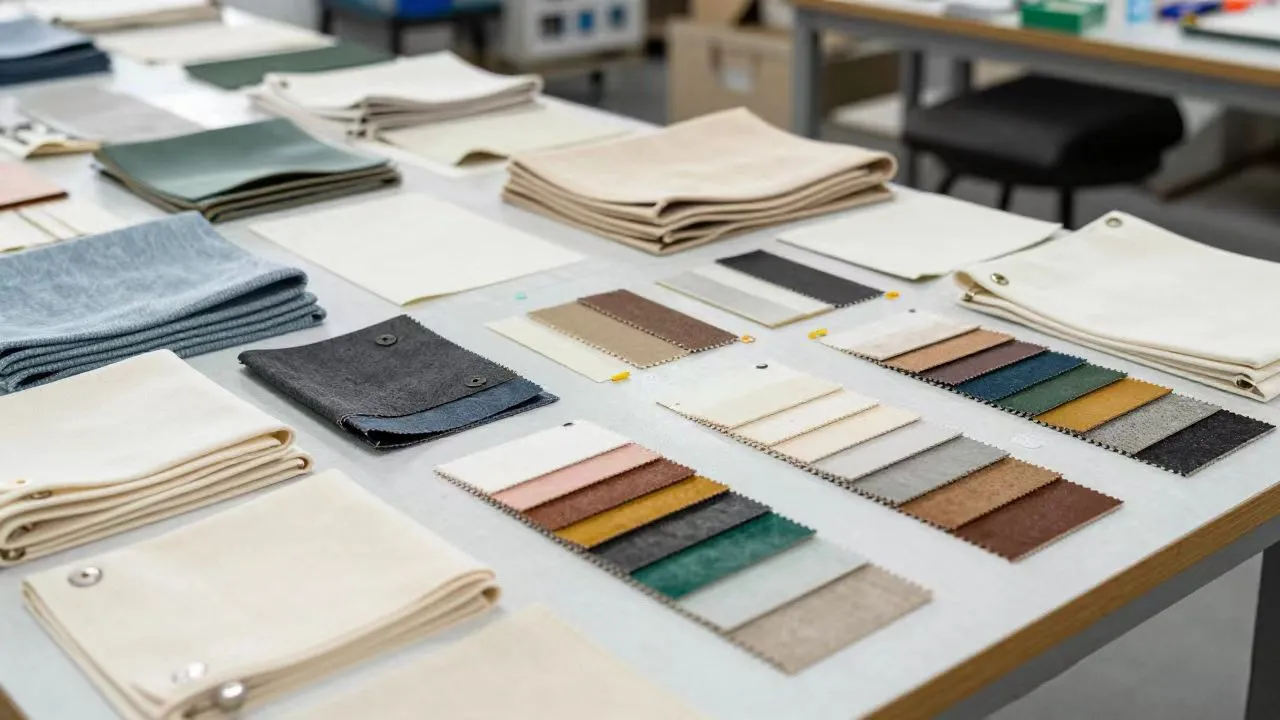
Handbag Color Samples
Color samples demonstrating how material choices affect custom handbag unit costs

7 Factors That Affect Custom Handbag Unit Costs

Understanding the complex interplay of factors that influence custom handbag manufacturing costs is crucial for businesses seeking to optimize their procurement strategies and achieve desired profit margins. From material selection to production volume, each decision point contributes to the final unit cost, making informed choices essential for competitive positioning. This comprehensive analysis explores the seven primary cost drivers that directly impact custom handbag pricing and profitability.

The custom handbag manufacturing industry operates within a complex ecosystem where multiple variables converge to determine final product costs. Businesses investing in custom handbag solutions must navigate intricate relationships between design specifications, material choices, production quantities, and quality requirements. Each factor interacts with others, creating a web of dependencies that significantly influences the bottom line.

Successfully managing custom handbag costs requires deep understanding of manufacturing processes, material properties, and market dynamics. Companies that master these cost factors gain competitive advantages through optimized pricing strategies, improved profit margins, and enhanced customer value propositions. The relationship between cost factors and final pricing determines not only profitability but also market positioning and brand perception.

Contemporary handbag manufacturing encompasses diverse techniques, materials, and production scales that directly impact unit costs. Modern consumers demand innovative designs, sustainable materials, and personalized features, adding layers of complexity to cost calculations. Manufacturers must balance innovation with cost-effectiveness while meeting evolving market expectations and regulatory requirements.

Factor 1: Material Selection and Quality Standards

Material selection represents the most significant factor affecting custom handbag unit costs, often accounting for 40-60% of total production expenses. The choice between premium leather, synthetic alternatives, canvas, polyester, or innovative eco-friendly materials creates substantial cost variations. Premium full-grain leather commands significantly higher prices than synthetic alternatives, while exotic skins and specialty fabrics further increase costs.

Quality standards and certification requirements add another layer of complexity to material costs. Materials meeting specific compliance standards such as REACH, Prop 65, or organic certifications typically cost more than standard alternatives. For detailed information about compliance requirements, our compliance guide provides comprehensive insights.
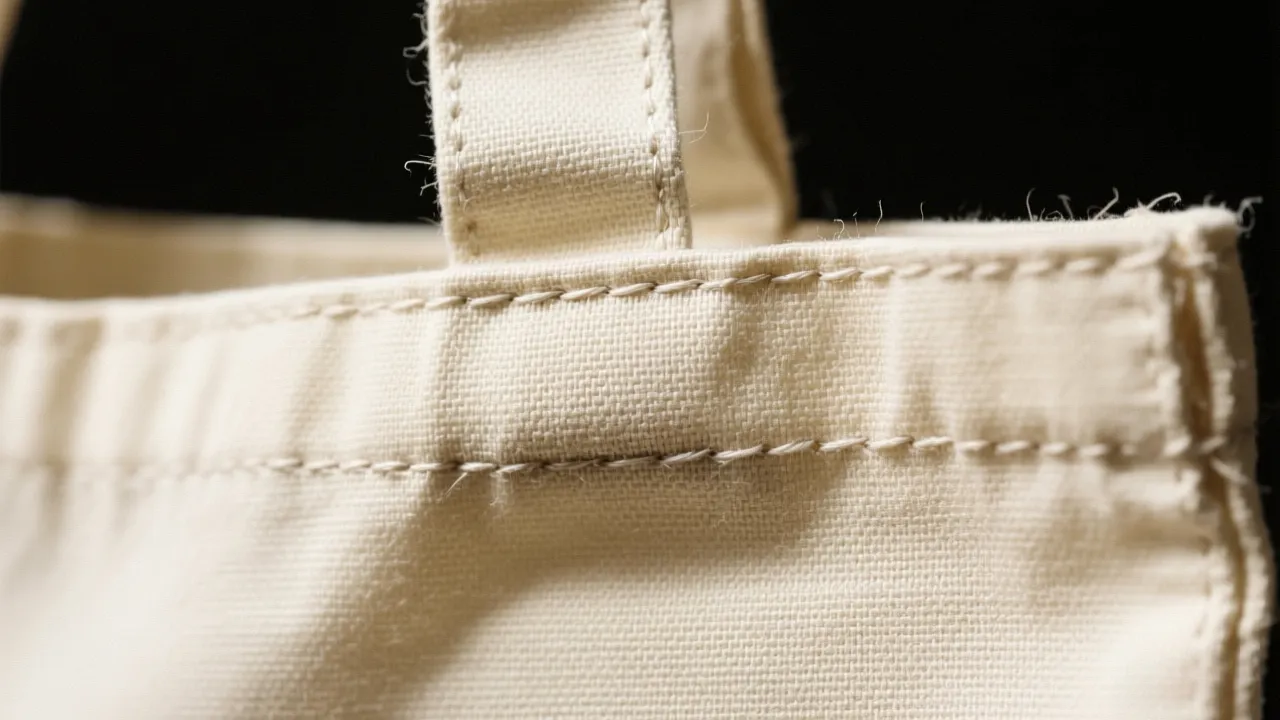
Material Detail
Close-up view of premium material details affecting handbag costs

The complexity of material sourcing affects costs differently across various material types. Exotic materials require specialized suppliers and longer lead times, increasing procurement costs. Sustainable and ethically sourced materials often command premium prices due to limited supply chains and certification requirements. Seasonal availability of certain materials may also impact pricing and production scheduling.

Material waste during cutting and assembly processes influences effective material costs per unit. Complex patterns and irregular shapes result in higher material waste percentages, increasing the effective cost per handbag. Efficient pattern layout and material utilization strategies can significantly impact final unit costs without compromising design integrity.

Material Cost Impact: Premium materials can increase unit costs by 50-200% compared to standard alternatives, making material selection a critical cost driver.

Factor 2: Production Volume and Economies of Scale

Production volume directly correlates with unit costs through economies of scale, with larger orders achieving significantly lower per-unit prices. Fixed setup costs, including tooling, sample development, and production line configuration, spread across greater quantities, reducing per-unit allocation. Small orders of under 100 units typically face premium pricing due to setup costs being distributed across fewer pieces.

The relationship between volume and cost follows a predictable curve, with unit costs decreasing substantially as order quantities increase up to optimal batch sizes. Orders exceeding factory capacity may incur overtime costs or require premium pricing for rush production. Understanding optimal order quantities helps balance inventory costs with production efficiency.
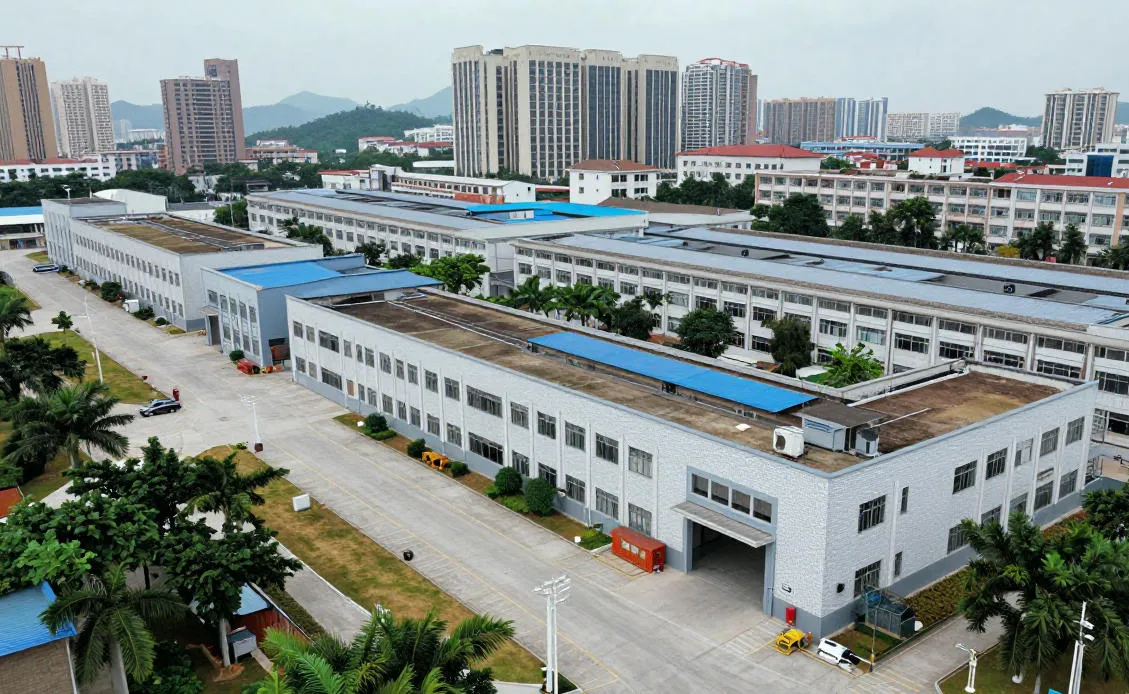
Factory Production
Large-scale production facility demonstrating volume efficiency benefits

Minimum order quantities (MOQs) set by manufacturers create threshold effects where small changes in order size can dramatically impact unit costs. Factories typically establish MOQs based on setup costs, labor efficiency, and production scheduling requirements. Orders below MOQs often face significant premium pricing or may not be accepted at all.

Long-term contracts and repeat orders often qualify for volume discounts and preferential pricing arrangements. Consistent ordering patterns enable factories to optimize production schedules, reduce changeover costs, and invest in specialized tooling that improves efficiency. These benefits translate to cost savings passed on to committed customers.

Small Order (100 units)
$45.00
per unit
Medium Order (500 units)
$28.50
per unit
Large Order (2000 units)
$18.75
per unit

Factor 3: Design Complexity and Manufacturing Processes

Design complexity directly impacts manufacturing time, skill requirements, and material waste, creating proportional increases in unit costs. Intricate designs featuring multiple panels, complex closures, decorative elements, or specialized hardware require additional production steps and skilled labor. Simple geometric shapes with minimal construction details achieve the lowest unit costs.

Specialized manufacturing processes such as embroidery, heat transfer printing, digital printing, or screen printing add significant costs per unit. Each process requires separate equipment, setup time, and skilled operators. The number of colors, design complexity, and placement precision affect pricing for decorative elements.
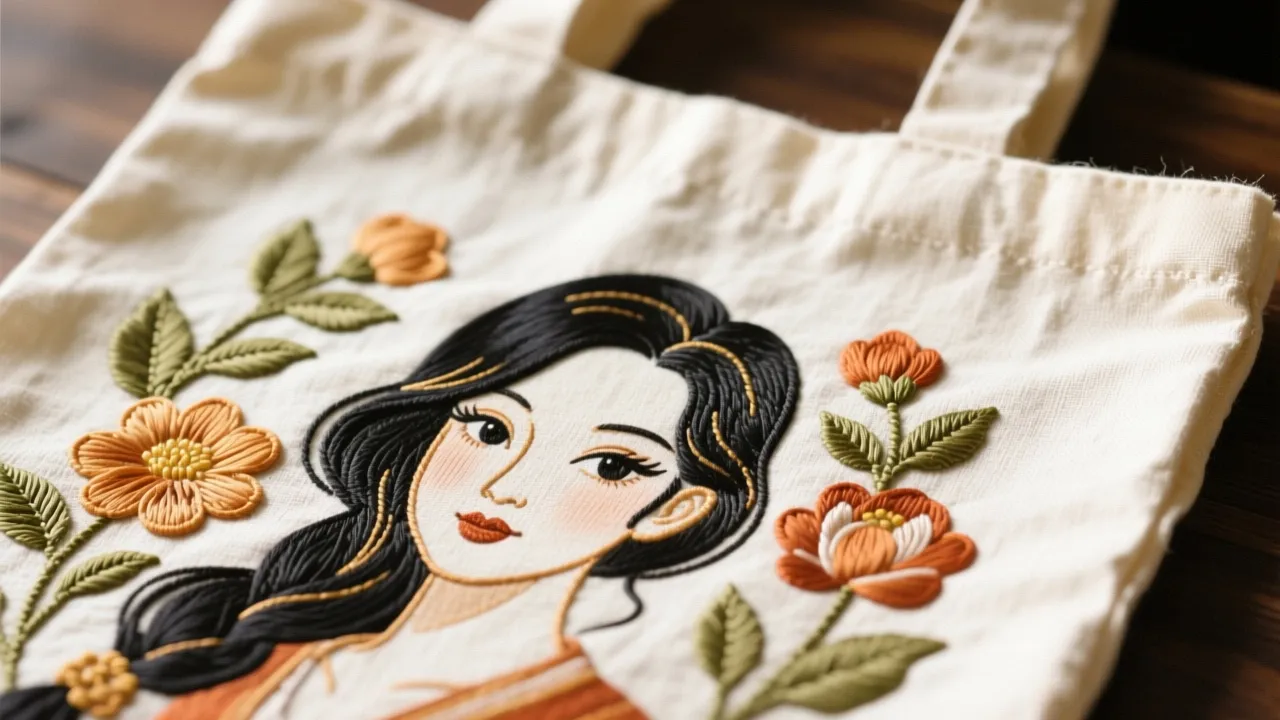
Embroidery Detail
Complex embroidery work demonstrating design complexity cost impact

Hardware selection and integration influence costs through both material and labor components. Premium zippers, buckles, handles, and metal accessories carry higher purchase prices and often require specialized installation techniques. The number and type of hardware pieces directly correlate with assembly time and labor costs.

Quality requirements for complex designs often necessitate additional inspection steps and quality control measures. More complex assemblies have higher failure rates and require more rigorous testing procedures, increasing labor costs per unit. Tolerance requirements for complex designs may also limit production speeds and efficiency.

Design Feature Cost Increase Complexity Level Production Impact
Basic Construction Base Cost Simple Fast Assembly
Multiple Panels +15-25% Moderate Extra Sewing Steps
Embellishments +20-40% High Specialized Labor
Custom Hardware +10-30% Moderate-High Installation Time
Multiple Colors +15-35% High Printing Setup
Special Closures +25-50% High Complex Assembly

Factor 4: Labor Costs and Skilled Workforce Requirements

Labor costs represent the second-largest component of handbag manufacturing expenses after materials. The skill level required for different handbag styles affects wage rates and production efficiency. Premium handbags requiring precise stitching, leather craftsmanship, or specialized techniques command higher labor costs due to the need for experienced artisans and reduced production speeds.

Geographic location significantly influences labor costs, with manufacturing in developed countries typically costing 2-4 times more than similar production in developing regions. However, quality consistency, intellectual property protection, and shipping costs must be balanced against labor cost savings. Nearshore manufacturing may offer compromise solutions with moderate labor costs and reduced shipping expenses.

Skilled Manufacturing
Skilled workers performing detailed handbag manufacturing tasks

Training and development investments for new or complex products affect initial production costs. Specialized skills required for new manufacturing techniques or innovative materials may require training programs that temporarily reduce efficiency. These costs are often allocated to early production runs, affecting unit costs for initial orders.

Quality control requirements for premium handbags necessitate additional inspection steps and skilled quality assurance personnel. Higher-end products often require individual inspection and testing, increasing labor costs per unit. Automated quality control systems can reduce long-term costs but require significant initial investments.

Benefits of Skilled Labor:

  • Higher quality output
  • Fewer defects and rework
  • Ability to handle complex designs
  • Better consistency
  • Reduced material waste
  • Longer product lifespan

Challenges of Skilled Labor:

  • Higher wage requirements
  • Longer training periods
  • Limited availability
  • Higher turnover costs
  • Increased recruitment expenses
  • Specialized facility needs

Factor 5: Manufacturing Location and Supply Chain Efficiency

Manufacturing location profoundly impacts total costs through labor expenses, transportation costs, quality standards, and supply chain efficiency. Countries with lower labor costs may appear attractive but could introduce complications such as longer lead times, communication challenges, and quality inconsistencies. The total cost of ownership includes all associated expenses beyond direct manufacturing costs.

Proximity to raw material suppliers affects material costs and lead times. Factories located near textile mills, leather tanneries, or hardware manufacturers benefit from reduced transportation costs and faster material availability. Regional clustering of suppliers creates cost advantages through shared logistics and reduced inventory requirements.
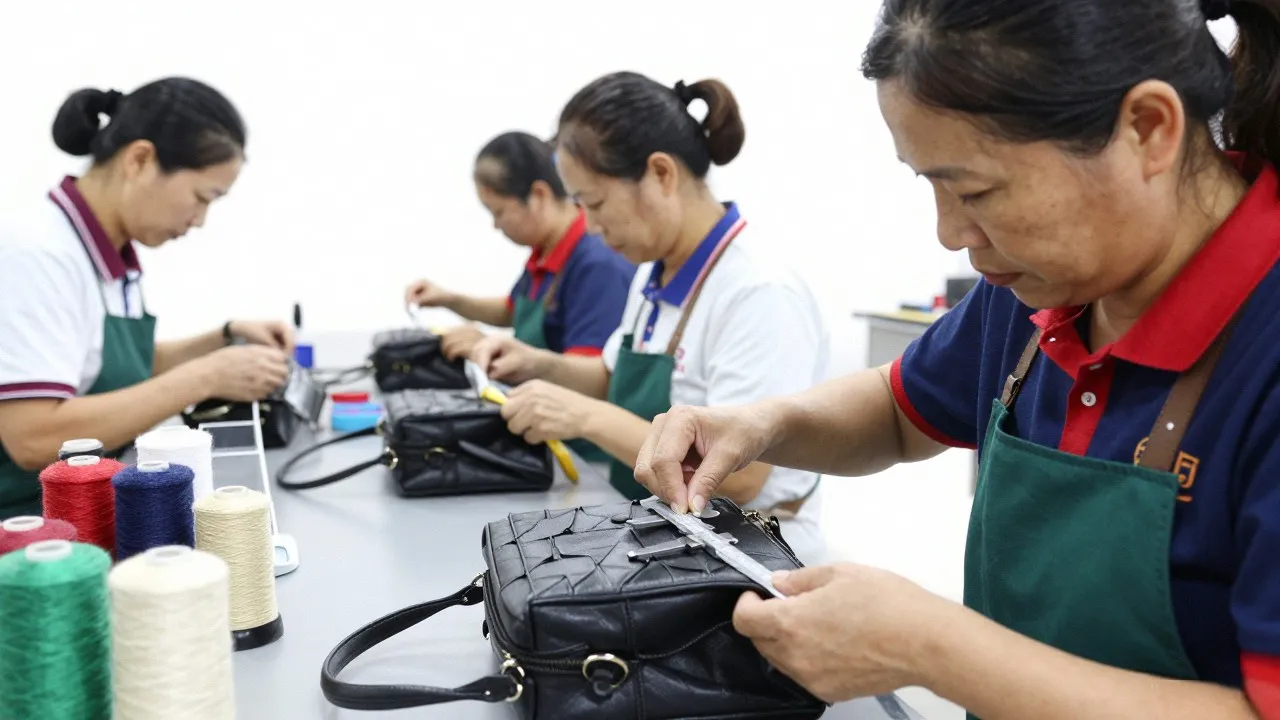
Quality Control
Quality control processes ensuring consistent manufacturing standards

Infrastructure quality in manufacturing locations affects production efficiency and cost. Reliable electricity, transportation networks, and telecommunications systems support smooth operations. Poor infrastructure can result in production delays, increased maintenance costs, and quality issues that ultimately raise unit costs.

Regulatory environments and trade policies influence manufacturing costs through tariffs, import duties, and compliance requirements. Understanding regional regulations helps optimize manufacturing location decisions. For information about tariff reduction strategies, see our tariff guide.

Factor 6: Quality Standards and Certification Requirements

Quality standards and certification requirements significantly impact manufacturing costs through additional testing, documentation, and compliance procedures. Products targeting specific markets may require certifications such as OEKO-TEX Standard 100, GOTS (Global Organic Textile Standard), or REACH compliance. These certifications require testing protocols, documentation systems, and ongoing compliance verification.

Quality control processes for premium products involve multiple inspection points, statistical sampling, and comprehensive testing procedures. Higher quality standards require more skilled inspectors, advanced testing equipment, and comprehensive documentation systems. The cost of quality control typically ranges from 3-8% of total manufacturing costs for premium products.
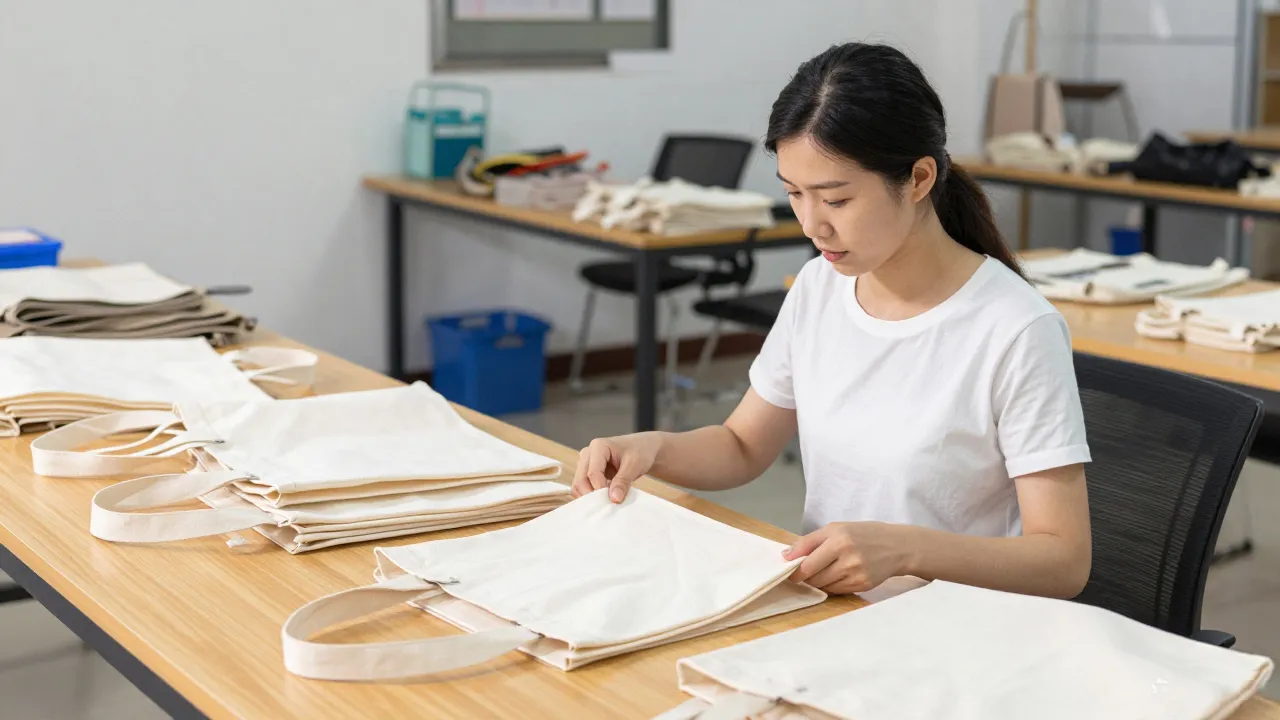
Quality Inspection
Quality inspection processes ensuring handbag standards are met

Sustainability certifications and eco-friendly requirements add costs through specialized materials, production processes, and verification procedures. Consumers increasingly demand sustainable products, making these certifications valuable despite added expenses. The cost premium for sustainable production typically ranges from 10-25% above conventional manufacturing.

For detailed information about sustainability certifications, our certification guide provides comprehensive coverage of available options and requirements.

Factor 7: Hardware and Accessory Components

Hardware and accessory components represent a significant portion of handbag costs, particularly for premium products. Zippers, buckles, handles, straps, and decorative elements contribute both material and labor costs. Premium hardware from established brands commands higher prices but often provides better durability and aesthetic appeal.

Custom hardware development involves mold costs, minimum order quantities, and extended lead times that affect total project costs. Unique buckles, specialized zippers, or custom logos require investment in tooling and production setup that may be allocated across entire production runs. These costs can significantly impact unit prices for small orders.
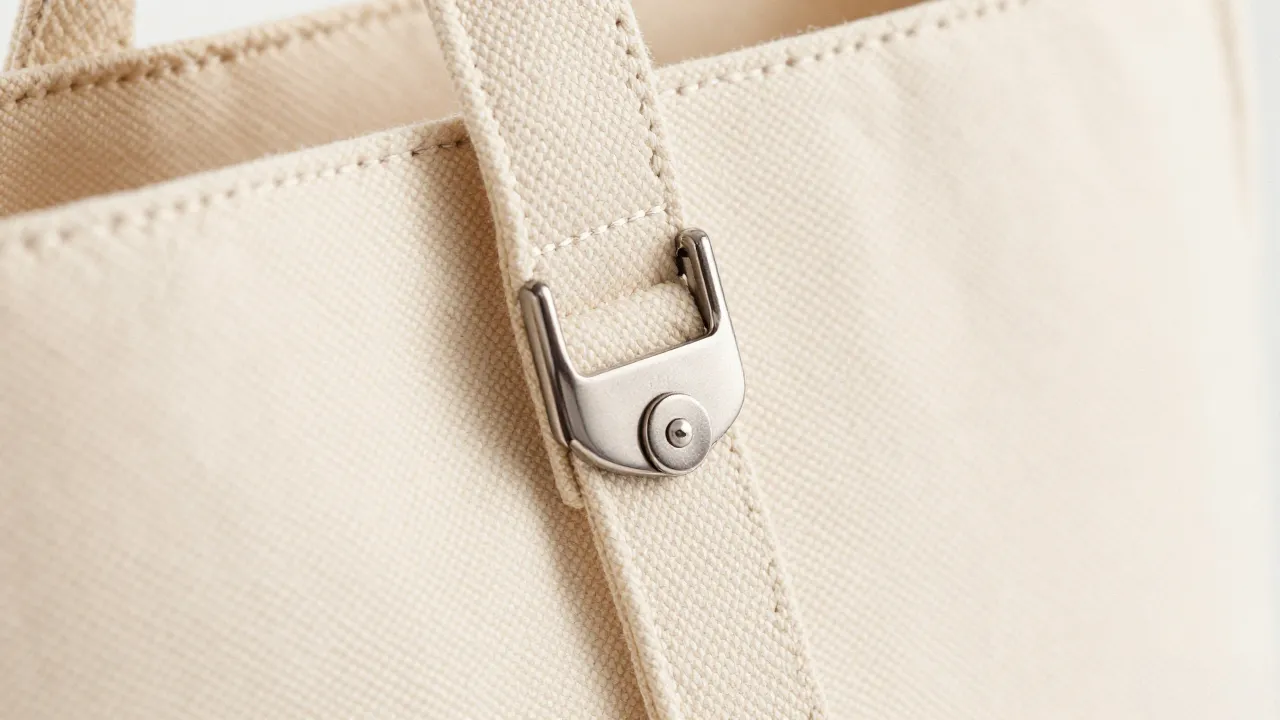
Hardware Components
Premium hardware components contributing to handbag costs

Hardware compatibility with chosen materials affects both costs and product performance. Certain metals may react with specific materials, requiring specialized treatments or alternative materials. Compatibility testing and validation add costs but prevent field failures and warranty claims.

Supplier relationships for hardware components influence pricing and availability. Established relationships with hardware manufacturers may provide access to competitive pricing, exclusive designs, or priority production slots. New product introductions may require premium pricing until suppliers achieve production efficiency.

Comprehensive Cost Optimization

Successfully managing custom handbag unit costs requires strategic coordination of all seven factors to achieve optimal pricing while maintaining quality and market competitiveness. Our manufacturing expertise helps clients navigate these complex cost relationships to achieve desired outcomes.

Visit Our Homepage | Contact Manufacturing Experts

Interdependency of Cost Factors

The seven factors affecting custom handbag unit costs interact in complex ways, creating interdependencies that amplify or mitigate individual cost impacts. For example, choosing premium materials may justify higher labor costs for skilled craftsmanship, while simple designs may enable cost-effective production even with standard materials. Understanding these interactions enables strategic decision-making that optimizes total costs.

Volume requirements may influence material choices, as minimum order quantities for specialty materials may conflict with production volumes. Similarly, design complexity may affect quality standards, as intricate assemblies may require additional inspection procedures. Strategic planning must account for these interdependencies to avoid unexpected cost increases.
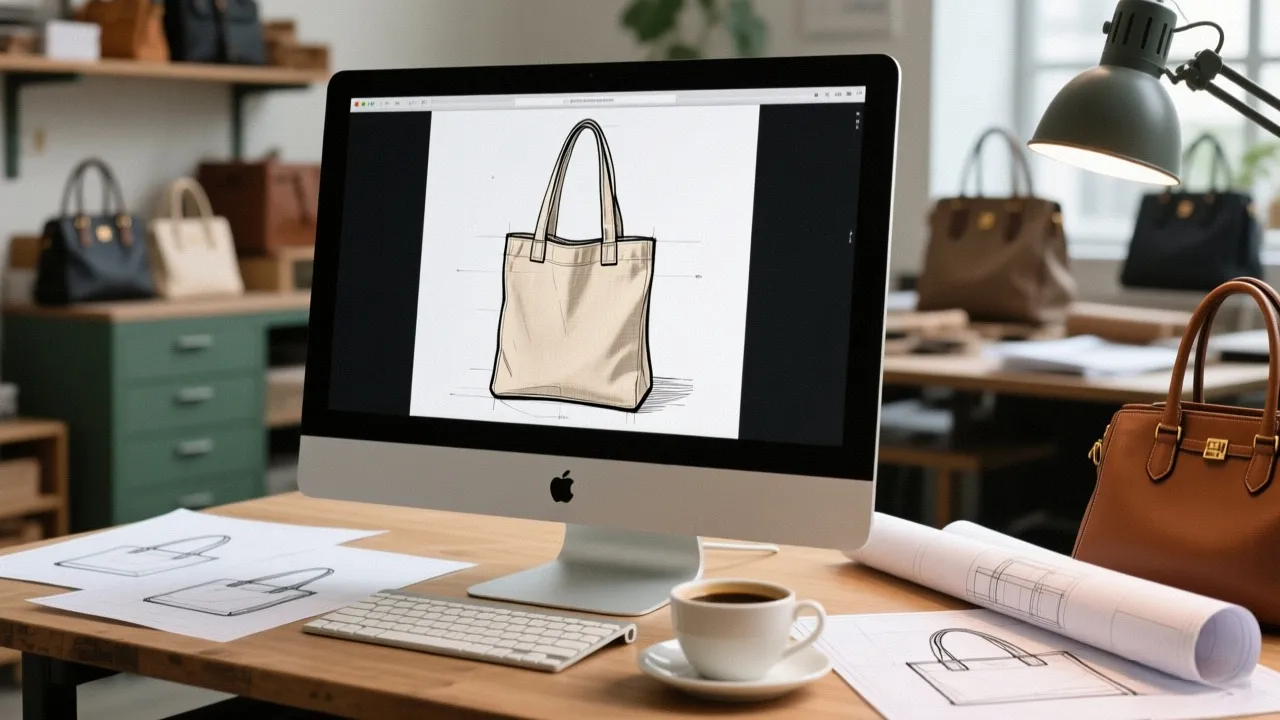
Design Process
Design process integrating cost considerations throughout development

Cost Optimization Strategies

Effective cost optimization involves balancing all seven factors to achieve target pricing while maintaining desired quality and functionality. Phased development approaches allow testing of different cost combinations before committing to full production. Prototyping and sample production help identify cost-saving opportunities without compromising final product quality.

Negotiation strategies should address multiple cost factors simultaneously rather than focusing on single components. Suppliers may offer package deals that reduce total costs through coordinated reductions across materials, labor, and production processes. Long-term partnerships enable shared cost reduction initiatives and mutual investment in efficiency improvements.

Impact of Technology on Manufacturing Costs

Technological advances in manufacturing equipment, automation, and production planning software continue to influence handbag manufacturing costs. Automated cutting systems reduce material waste and improve consistency, while computerized sewing machines increase production speeds. However, technology investments require careful evaluation of return on investment and compatibility with existing production capabilities.

Digital design tools enable virtual prototyping and pattern optimization, reducing material waste and development time. These tools can significantly impact costs by identifying efficiency opportunities before physical production begins. The initial investment in technology may be offset by long-term cost savings and quality improvements.
Digital Printing
Advanced digital printing technology affecting decoration costs

Seasonal and Market Influences

Seasonal demand patterns and market conditions affect manufacturing costs through capacity utilization, material availability, and labor market conditions. Peak seasons may command premium pricing due to capacity constraints, while off-season periods may offer cost advantages through excess capacity. Understanding these patterns enables strategic planning of production schedules.

Currency fluctuations impact costs for international manufacturing, affecting material imports, labor costs, and final product pricing. Hedging strategies and contract terms can mitigate currency risk, but require careful planning and financial expertise. Stable supplier relationships provide some protection against currency-related cost fluctuations.

Quality vs. Cost Trade-offs

Quality requirements directly influence cost structures, with higher standards typically requiring premium pricing. However, excessive quality requirements may create unnecessary costs without corresponding value to end customers. Balancing quality with cost effectiveness requires understanding customer expectations and market positioning requirements.

Defect rates and warranty costs must be considered in total cost calculations. Lower-quality production may initially reduce costs but increase long-term expenses through returns, repairs, and brand reputation damage. Optimal quality levels balance customer satisfaction with cost efficiency.

Business Partnership
Successful business partnership resulting in optimized manufacturing costs

Long-term Cost Management

Successful long-term cost management requires continuous monitoring and adjustment of all seven cost factors. Regular cost analysis identifies opportunities for improvement and ensures continued competitiveness. Market research and competitor analysis inform strategic decisions about cost targets and acceptable trade-offs.

Relationship management with suppliers and manufacturers enables collaborative cost reduction initiatives. Shared knowledge about production processes, material innovations, and market trends creates opportunities for mutual cost improvements. Long-term contracts may provide cost stability while enabling planned cost reduction initiatives.

Future Trends in Handbag Manufacturing Costs

Emerging trends in handbag manufacturing continue to influence cost structures and optimization strategies. Sustainable materials, digital manufacturing, and customization technologies create new cost considerations while potentially reducing traditional production expenses. Companies that anticipate and adapt to these trends gain competitive advantages.

Automation and artificial intelligence in manufacturing processes promise to reduce labor costs while improving quality and consistency. However, implementation requires significant investment and may affect supplier relationships. Strategic planning must balance automation benefits with human expertise requirements.

Product Application
Various handbag applications demonstrating market diversity

Implementation Strategies for Cost Reduction

Implementing cost reduction strategies requires systematic analysis of current practices and identification of improvement opportunities. Data-driven approaches using cost accounting and production metrics provide objective insights into cost drivers and optimization potential. Regular reviews ensure continued effectiveness of cost management initiatives.

Change management processes ensure that cost reduction efforts do not compromise quality or customer satisfaction. Clear communication with stakeholders about cost reduction goals and methods helps maintain support and cooperation. Success metrics should balance cost improvements with quality and service objectives.

Strategic Cost Management

Effective custom handbag cost management requires integrated consideration of all seven factors, strategic supplier relationships, and continuous optimization processes. Success comes from balancing cost efficiency with quality requirements and market positioning.

Conclusion and Strategic Recommendations

Mastering the seven factors that affect custom handbag unit costs enables businesses to achieve optimal pricing while maintaining competitive advantages. Success requires understanding the complex interrelationships between cost factors and implementing systematic approaches to cost management. Continuous improvement and adaptation to market changes ensure sustained cost effectiveness.

Strategic partnerships with experienced manufacturers provide access to cost optimization expertise and best practices. Collaborative approaches that align supplier incentives with cost reduction objectives create win-win situations that benefit all parties. The investment in sophisticated cost management processes yields substantial returns through improved profitability and market competitiveness.

For expert assistance with custom handbag manufacturing and cost optimization, visit our homepage or contact our manufacturing specialists. Our team provides comprehensive support for all aspects of custom handbag production and cost management.

Customer Reviews44 Reviews

Ricarda Moreira2026-06-08
Estou a lançar uma micro‑coleção e procuro uma fábrica: fábrica de bolsas OEM Brasil com MOQ baixo 50–150, couro vegano small‑batch, acabamento PVD em ferragens e entrega DDP Brasil. O que me incomoda é que os prazos de amostra são longos e já tive variações de cor entre lotes pequenos e dureza inconsistente nas ferragens que fazem explodir o custo por unidade (IPI/ICMS + frete). Oferecem pilot small‑batch (50 unidades), Pantone matching com espectrofotômetro por lote, inspeção AQL e simulação de landed cost com NCM/IPI/ICMS e estimativa de despacho aduaneiro antes da produção? Também preciso de 3PL São Paulo e opções JIT para reduzir estoque.
GZDreamway2026-06-08
Obrigado Ricarda — excelente síntese das dores do mercado brasileiro. Sim, podemos apoiar a sua micro‑coleção como fábrica de bolsas OEM Brasil com MOQ flexível (tipicamente 50–150) e produção de couro vegano em small‑batch com acabamento PVD em ferragens. Para resolver os pontos que citou, propomos um plano prático: 1) Pilot small‑batch de 50 unidades para validar fit, acabamento e true unit cost; 2) Swatches e amostras em 10–21 dias com opção sample expedited para lançamentos urgentes; 3) Controle de cor via Pantone matching + medições por espectrofotômetro por lote e uma “color approval round” antes da produção; 4) Ferragens: PVD finishing com testes de salt‑spray, abrasion e medição de dureza, plus pre‑qualification de peças críticas; 5) QA: inspeção AQL inline e opção de 100% final checks em componentes estratégicos; 6) Logística: DDP Brasil e parcerias 3PL em São Paulo para warehousing, pick‑&‑pack e JIT replenishment; 7) Entregamos uma simulação de landed cost detalhada que inclui NCM/HTS (classificação NCM), estimativas de IPI/ICMS, frete por cenário, e fees de despacho aduaneiro/clearance para modelar margem antes do OK de produção. Além disso sugerimos redução de freight por consolidação de lotes e otimização de embalagem para MOQs baixos. Se enviar arquivos de design e quantidades alvo, retornamos com um plano piloto, cronograma de amostras (incluindo expedited), relatório espectro por lote, protocolo de testes PVD, plano AQL e uma cotação DDP/landed‑cost para eliminar surpresas de preço.

Thank you Ricarda — excellent summary of the Brazilian market pain points. Yes, we can support your micro‑collection as an OEM handbag factory in Brazil with flexible MOQs (typically 50–150) and small‑batch vegan leather production with PVD hardware finishing. To address your concerns we propose a practical plan: 1) a 50‑unit pilot small‑batch to validate fit, finish and true unit cost; 2) swatches and samples within 10–21 days with an expedited option for urgent launches; 3) color control via Pantone matching plus spectrophotometer measurements per lot and a formal color‑approval round prior to production; 4) hardware: PVD finishing with salt‑spray, abrasion and hardness testing, plus pre‑qualification of critical parts; 5) QA: AQL inline inspections and optional 100% final checks on strategic components; 6) logistics: DDP Brazil and 3PL partnerships in São Paulo for warehousing, pick‑&‑pack and JIT replenishment; 7) we will deliver a detailed landed‑cost simulation including NCM/HTS classification, estimated IPI/ICMS, freight scenarios and customs/brokerage fees so you can model margins before committing. We also recommend freight reduction via shipment consolidation and packaging optimization for low MOQs. Please send your design files and target quantities and we will return a pilot plan, sample timeline (including expedited), spectro reports per lot, PVD test protocol, AQL plan and a DDP/landed‑cost quote to remove cost uncertainty.
吉田 真希2026-06-07
最近この記事を参考にしてOEMハンドバッグ工場を探しています。日本市場向けで「OEMハンドバッグ工場 日本向け」「低MOQ 50〜150」「エコレザー 小ロット」「PVD金具」「DDP 日本」「3PL 東京・大阪」「JIT 納品」対応が必須です。サンプルのリードタイムが長く、色ズレと金具の硬さばらつきで小ロットのunit costが跳ね上がった経験があり少し不安です。Pantoneマッチングや分光測色器、AQL検査、HTSコードを含むlanded costシミュレーションがあると安心します。
GZDreamway2026-06-09
吉田様、ご投稿ありがとうございます。ご不安な点、よくわかります。日本市場向けのOEMハンドバッグ工場として、低MOQ(通常50〜150)でのpilot small‑batch(例:50個)を推奨しており、まずはそれで色味・金具の硬度を確認するのが最短です。サンプルは標準10〜21日、expeditedで短縮可能です。色管理はPantoneマッチング+分光測色器でロットごとに測定・記録し、color approvalラウンドで承認を得ます。金具はPVD仕上げ後に塩水噴霧、摩耗、硬度試験を実施し、重要パーツは事前にpre‑qualificationします。QAはAQLのinline検査と、必要に応じて重要箇所の100%最終検査を提供。物流はDDP日本で対応し、東京・大阪の3PLと連携して倉庫保管、ピック&パック、JIT補充を行い、在庫コスト削減と納期短縮を支援します。さらに、HTSコードを含むlanded costシミュレーション(関税、消費税、ブローカー費用、複数の輸送シナリオ別)を作成して、true unit costを事前に見える化します。色ズレと金具ばらつきに関しては、最初のpilotでの追加QC(スペクトルレポート、PVD試験結果、サンプル承認チェックリスト)を必須にすることでリスクを大幅に低減できます。デザインファイルと目標数量をお送りいただければ、サンプルスケジュール(expedited含む)、試験プロトコル、AQL計画、そしてDDP/landed‑cost見積りを速やかにご提示します。
Mathilde Giraud2026-06-06
Je prépare le lancement d'une petite boutique à Lyon et je cherche une usine OEM sacs France acceptant MOQ bas 50–150 pour cuir végan en small‑batch, finition PVD sur fermetures, DDP France, 3PL Paris/Le Havre et JIT replenishment. Mon souci principal : les délais d'échantillons sont souvent trop longs et j'ai déjà constaté des variations de couleur entre petites séries ainsi que des différences de dureté des ferrures qui font exploser le coût rendu après TVA et droits — un peu frustrant. Proposez‑vous un pilot small‑batch (50 unités), Pantone matching avec spectrophotomètre par lot, inspections AQL et une simulation de landed cost incluant codes SH, estimation des droits, TVA et frais de douane/courtage avant production ? Merci pour des solutions concrètes adaptées au marché français.
GZDreamway2026-06-06
Merci Mathilde — très bonne question et tout à fait compréhensible pour une boutique lyonnaise. Oui, nous accompagnons des marques françaises avec des MOQs flexibles (typiquement 50–150) et recommandons systématiquement un pilot small‑batch (ex. 50 unités) pour valider fit, finition et true unit cost. Nos swatches et kits d'échantillons sont fournis en 10–21 jours avec une option sample expedited pour les lancements urgents ; nous proposons une « color approval round » et des swatches papier/tissus avant production. Pour la maîtrise des couleurs nous utilisons Pantone matching combiné à des mesures spectrophotométriques par lot ; pour les pièces métalliques nous appliquons des finitions PVD et réalisons des tests salt‑spray, abrasion et dureté, avec pré‑qualification des ferrures critiques. Notre QA inclut AQL inline inspections et options de 100% final checks sur composants stratégiques. Côté logistique, nous offrons DDP France et travaillons avec 3PL locaux (Paris, Le Havre, Marseille) pour warehousing, préparation Amazon‑FBA et JIT replenishment afin de réduire lead times et coûts de stockage. Nous fournissons une simulation de landed cost complète incluant codes SH (Système harmonisé), estimation des droits et TVA, scénarios de fret et estimation des frais de courtage pour modéliser la marge avant validation. Si vous voulez, envoyez vos fichiers de design et quantités cibles : nous renverrons un plan pilote détaillé, calendrier d'échantillons (avec option accélérée), rapports spectro par lot, protocole AQL et une cotation DDP/landed‑cost pour lever les incertitudes et éviter les surprises de coût.
高山 真由2026-06-05
東京の小さなセレクトショップを運営しています。OEMハンドバッグ工場 日本向けを探しており、低MOQ 50〜150、エコレザー 小ロット、PVD金具、DDP 日本、3PL 東京・大阪、JIT 納品が必須です。サンプルのリードタイムが長く、色ズレや金具の硬さのバラつきで小ロットのunit costが想定より跳ね上がる点が悩みです。Pantoneマッチング、分光測色器、AQL検査、landed costシミュレーション(HTSコード・通関手数料込み)を対応できますか?少し面倒ですが実務的な回答が欲しいです。
GZDreamway2026-06-07
高山様、ご投稿ありがとうございます。ご指摘の通り日本市場では小ロットでの色差や金具の硬度バラつきがunit costに大きく影響します。当社は低MOQ(通常50〜150)でのpilot small‑batch(例:50個)を推奨し、サンプルは標準10〜21日、expeditedオプションで短縮可能です。色管理はPantoneマッチング+分光測色器でロット毎に測定・記録し、color approvalラウンドを実施します。金具はPVD仕上げ後に塩水噴霧、摩耗、硬度試験を行い、重要部品は事前にpre‑qualificationします。QAはAQL inline検査と必要に応じた重要箇所の100%最終検査オプションを用意。物流はDDP日本で対応し、東京・大阪の3PLと連携して倉庫保管、ピック&パック、JIT補充を実現して在庫コストとリードタイムを削減します。さらに、landed costシミュレーションを作成し、HTSコードごとの想定関税、消費税、ブローカー費用、複数の輸送シナリオ別の見積りを提示します。梱包最適化と出荷のコンソリデーションでfreightを下げる具体策もご提案可能です。デザインファイルと目標数量をお送りいただければ、パイロット計画、サンプルスケジュール(expedited含む)、分光測色レポート、PVD試験プロトコル、AQLプラン、DDP/landed‑cost見積りを速やかにご提示いたします。 2026-06-07

Ms. Takayama, thank you for your post. You are right that small‑batch color shifts and hardware hardness variance can significantly affect unit cost in the Japanese market. We recommend a pilot small‑batch (e.g., 50 units) under our flexible MOQ policy (typically 50–150). Standard sample lead time is 10–21 days with an expedited option available. For color control we use Pantone matching plus spectrophotometer measurements per lot and run formal color‑approval rounds. For hardware we apply PVD finishes followed by salt‑spray, abrasion and hardness testing, and we pre‑qualify critical fittings. Our QA program includes AQL inline inspections and optional 100% final checks on priority components. Logistics: we provide DDP Japan and work with 3PL partners in Tokyo and Osaka for warehousing, pick‑&‑pack and JIT replenishment to reduce inventory cost and lead times. We will prepare a landed‑cost simulation covering HTS classification, estimated duties, consumption tax, brokerage fees and multiple freight scenarios. We also propose practical freight reductions via packaging optimization and shipment consolidation. Please send your design files and target quantities and we’ll deliver a pilot plan, sample schedule (including expedited), spectro reports, PVD test protocols, AQL plan and a detailed DDP/landed‑cost quote promptly.
Daphne Reed2026-06-05
I'm launching a small NYC boutique label and need a dependable OEM handbag factory USA that handles low MOQ 50–150, vegan leather small‑batch, PVD hardware finishing and DDP USA. My main gripe: sample lead times are often too long and small‑batch color shifts plus inconsistent hardware hardness blow up the landed cost after duties, broker fees and freight. Do you offer a 50‑unit pilot, Pantone matching with spectrophotometer per lot, AQL inspections, DDP quotes and a landed‑cost simulation including HTS codes and brokerage estimates? Also need 3PL Los Angeles/NJ for JIT replenishment — would appreciate practical steps to avoid repeated quality surprises.
GZDreamway2026-06-05
Thanks Daphne — we hear this concern a lot from US private‑label brands and have practical solutions. Yes, we support OEM handbag projects in the USA with flexible MOQs (typically 50–150) and strongly recommend a 50‑unit pilot small‑batch to validate fit, finish and the true unit cost. Our standard sample lead time is 10–21 days with an expedited option for urgent launches; to address your delay issue we can prioritize expedited samples and a color‑approval round. For color control we use Pantone matching combined with spectrophotometer measurements per lot so any small shifts are quantified and signed off before production. For hardware we apply PVD finishes and run salt‑spray, abrasion and hardness testing; critical fittings are pre‑qualified. Our QA program includes AQL inline inspections plus optional 100% final checks on priority components. Logistics: we provide DDP USA and work with 3PL partners in Los Angeles and New Jersey for warehousing, Amazon‑FBA prep and JIT replenishment to reduce lead times and landed cost. We also prepare a detailed DDP/landed‑cost simulation including HTS classification, estimated duties, broker fees and freight scenarios so you can model margins before committing. Send your design files and target quantities and we’ll return a pilot plan, sample schedule, spectro reports and a full landed‑cost quote to remove uncertainty.
Lorenz Adler2026-06-02
Ich plane eine kleine Boutique‑Kollektion in Hamburg und suche eine verlässliche OEM Handtaschenfabrik Deutschland mit low MOQ 50–150 für veganes Leder (veganes Leder small‑batch), PVD‑Beschläge, DDP Deutschland und 3PL Hamburg für JIT‑Replenishment. Was mich nervt: die Musterlaufzeiten sind oft zu lang, bei kleinen Losen gab es bereits leichte Farbabweichungen zwischen Chargen und schwankende Härtegrade bei Metallteilen, was die landed‑cost (inkl. MwSt., Zölle und Broker‑Fees) stark erhöht. Bietet ihr pilot small‑batch (z. B. 50 Einheiten), Pantone‑Matching mit Spektralfotometer, AQL‑Inspektionen und eine landed‑cost‑Simulation mit HTS‑Codes vor Serienstart an? Danke für eine praxisnahe Antwort.
GZDreamway2026-06-04
Danke Lorenz — sehr guter und konkreter Punkt für den deutschen Markt. Ja, wir unterstützen Projekte mit low MOQ 50–150 und empfehlen unbedingt ein pilot small‑batch (z. B. 50 Einheiten) zur Validierung von Passform, Finish und tatsächlichem Stückpreis. Unsere Musterlaufzeit liegt standardmäßig bei 10–21 Tagen; es gibt eine expedited‑Option für Eilprojekte. Zur Farbkontrolle arbeiten wir mit Pantone‑Matching kombiniert mit Spektralfotometer‑Messungen pro Charge, sodass minimale Abweichungen messbar und dokumentiert sind. Für Metallbeschläge setzen wir PVD‑Finishes ein und führen Salt‑spray, Abrasion‑ und Härtemessungen durch; kritische Teile werden vor Serienstart vorklassifiziert. Unsere QA umfasst AQL Inline‑Inspektionen plus optional 100% Final‑Checks bei kritischen Komponenten. Logistik: wir bieten DDP Deutschland und kooperieren mit 3PL‑Partnern in Hamburg/Berlin für Warehousing, Konsolidierung und JIT‑Replenishment, um landed‑cost und Lieferzeiten zu optimieren. Zusätzlich erstellen wir eine detaillierte landed‑cost‑Simulation inklusive HTS‑Codes, geschätzter Zölle, MwSt., Broker‑Fees und Freight‑Szenarien, damit Sie die true unit cost vor Produktionsfreigabe sehen. Tipp: durch Verpackungsoptimierung und Konsolidierung lassen sich Freight‑Kosten bei kleinen MOQs merklich senken. Schicken Sie uns bitte Design‑Files und Zielmengen — wir liefern ein Pilot‑Konzept, Probenplan, PVD‑Testprotokoll, AQL‑Plan und eine DDP/Landed‑Cost‑Kalkulation zur Prüfung.

Thank you Lorenz — excellent and specific concerns for the German market. Yes, we support projects with low MOQs (50–150) and strongly recommend a pilot small‑batch (e.g., 50 units) to validate fit, finish and the true unit cost. Our standard sample lead time is 10–21 days with an expedited option for urgent launches. For color control we use Pantone matching combined with spectrophotometer readings per lot so that small variances are measurable and documented. For hardware we apply PVD finishes and perform salt‑spray, abrasion and hardness testing; critical parts are pre‑qualified before mass production. Our QA program includes AQL inline inspections and optional 100% final checks on critical components. On logistics we provide DDP Germany and work with 3PL partners in Hamburg/Berlin for warehousing, consolidation and JIT replenishment to optimize landed cost and lead times. We also prepare a detailed landed‑cost simulation including HTS codes, estimated duties, VAT, broker fees and freight scenarios so you can see the true unit cost before production approval. Practical tip: packaging optimization and shipment consolidation can materially reduce freight for low MOQs. Please send design files and target quantities — we will deliver a pilot plan, sample schedule, PVD test reports, AQL protocol and a DDP/landed‑cost calculation for your review.
ياسمين الشامي2026-06-02
أنا بصدد إطلاق بوتيك صغير يخدم السوق الخليجي (Riyadh/Dubai) وأبحث عن مصنع يقدم OEM vegan leather Dubai بموك منخفض (low MOQ 50–150) مع PVD hardware finishing وDDP Saudi/UAE وإمكانية شهادات GCC. المزعج أن زمن العينات طويل أحيانًا ولدي تجارب سابقة بتغيرات لون صغيرة وصلابة معدنية غير متسقة في دفعات صغيرة مما يرفع landed cost بعد احتساب الجمارك والضرائب. هل توفرون pilot small‑batch (50 units)، Pantone matching مع spectrophotometer، AQL inspection، 3PL Dubai/Jeddah وJIT replenishment، بالإضافة إلى landed‑cost simulation مع HTS codes وbrokerage estimates قبل إقرار الطلب؟ شكراً.
GZDreamway2026-06-02
نشكر تواصلك يا ياسمين — نفهم تحديات سوق الخليج جيدًا ونعمل على حلول عملية لمثل هذه المشكلات. ندعم مشاريع OEM handbag factory Saudi/UAE وOEM vegan leather Dubai بموك مرن عادة 50–150 وحدة، ونوصي بـ pilot small‑batch (مثلاً 50 units) للتحقق من fit وfinish والتكلفة الفعلية. زمن العينات القياسي لدينا 10–21 يومًا مع خيار sample expedited للطلبات العاجلة. نستخدم Pantone matching مصحوبًا بقياسات spectrophotometer لكل دفعة للتحكم في الانحراف اللوني، وللمعدن نطبق PVD hardware finishing مع اختبارات salt‑spray, abrasion وhardness ونؤهل القطع قبل الإنتاج. نظمنا للجودة تشمل AQL inline inspections وخيارات 100% final checks للأجزاء الحرجة، ونقدّم تقارير اختبارات PVD وملفات QC للمعاينة. لوجيستيًا نوفر DDP Saudi/UAE ونعمل مع شركاء 3PL في Dubai وJeddah وRiyadh لخدمات warehousing، consolidation وJIT replenishment لتقليل مخاطر نفاد المخزون. كما نجهز landed‑cost simulation شاملة تتضمن HTS codes، تقدير duties، VAT/GST، broker fees و freight scenarios لمساعدتك على فهم true unit cost قبل التصنيع. نقدّم أيضًا نصائح لتجميع شحنات وتخفيض تكلفة التعبئة لتخفيض landed cost على موك منخفض. إذا رغبتِ نطلب ملفات التصميم والكميات المستهدفة لنعد خطة pilot، جدول عينات معأولوية (expedited samples)، بروتوكول اختبار PVD، خطة AQL وتقدير landed cost مفصل. نتطلع للعمل معكِ وتخفيف أي مشاكل في الجودة والمهل.
Maribel León2026-06-01
Estoy montando una marca en Madrid y busco una fábrica fiable: OEM bolso cuero vegano España low MOQ 50–150, small‑batch runs con PVD en herrajes, entrega DDP España y 3PL Madrid/Barcelona para JIT. Me preocupa que los tiempos de muestra sean largos, pequeños cambios de color entre lotes y dureza irregular en las piezas metálicas que disparan el landed cost al sumar IVA y aranceles. ¿Ofrecéis pilot small‑batch (50 unidades), Pantone matching con espectrofotómetro, inspección AQL y simulación de landed cost con HTS codes y estimación de fees de aduana antes de producir? También agradecería opciones para reducir freight en MOQs bajos.
GZDreamway2026-06-03
Gracias Maribel — entendemos perfectamente las dificultades del mercado español y las dudas que planteas. Sí, trabajamos con marcas en España y ofrecemos OEM bolso cuero vegano España con MOQ flexible (habitualmente 50–150 unidades) y producción small‑batch con PVD hardware finishing. Para mitigar tus preocupaciones proponemos: pilot small‑batch (ej. 50 unidades) para validar fit y coste real; swatches y muestras con Pantone matching y mediciones por espectrofotómetro por lote; pruebas PVD con salt‑spray, abrasion y control de dureza en herrajes; inspección AQL durante la producción y opción de 100% final checks en piezas críticas. En logística facilitamos DDP España y trabajamos con 3PL en Madrid y Barcelona para warehousing, consolidación y JIT replenishment — además preparamos una simulación de landed cost que incluye HTS codes, estimación de duties, IVA y broker fees para que veas el true unit cost antes de confirmar. Para reducir freight en MOQs bajos sugerimos consolidación de envíos, optimización de embalaje y rutas intermodales; también ofrecemos sample expedited (10–21 días estándar) y protocolos de control extra en los primeros lotes para evitar variaciones. Si quieres, mándanos tus archivos de diseño y cantidades objetivo y te armamos un plan piloto, cronograma de muestras y una cotización de landed cost detallada. 2026-06-03

Thank you Maribel — we fully understand the Spanish market issues and your concerns. Yes, we work with brands in Spain and can provide OEM vegan‑leather handbags with flexible MOQs (typically 50–150 units) and small‑batch production with PVD hardware finishing. To address your concerns we recommend: a pilot small‑batch (e.g., 50 units) to validate fit and true cost; swatches and samples with Pantone matching and spectrophotometer readings per lot; PVD testing including salt‑spray, abrasion and hardness checks on hardware; AQL inspections during production and optional 100% final checks on critical parts. Logistically we provide DDP Spain and partner with 3PLs in Madrid and Barcelona for warehousing, consolidation and JIT replenishment — we will also prepare a landed‑cost simulation including HTS codes, estimated duties, VAT and brokerage fees so you can see the true unit cost before committing. To lower freight on low MOQs we recommend shipment consolidation, packing optimization and intermodal routing; we also offer expedited samples (standard 10–21 days) and extra QC protocols for initial batches to prevent variance. Please send your design files and target quantities and we will prepare a pilot plan, sample schedule and a detailed landed‑cost quote.
Maya Lin2026-06-01
Great article — I'm launching a US boutique label and looking for an OEM handbag factory USA low MOQ 50–150 for custom handbags: vegan leather small‑batch runs, PVD hardware finishing, DDP USA delivery and 3PL Los Angeles/NJ warehousing with JIT replenishment. My main headache is slow sample lead times and small‑batch color shifts plus inconsistent hardness on fittings that blow up landed cost once duties, broker fees and freight are added. Do you offer pilot small‑batch (50 units), Pantone matching with spectrophotometer, AQL inspections and a DDP landed‑cost simulation including HTS codes and brokerage estimates?
GZDreamway2026-06-01
Thanks Maya — we support US private‑label brands with flexible MOQs (typically 50–150) and can handle vegan‑leather small‑batch production with PVD hardware finishing. We provide swatches and sample kits in 10–21 days and an expedited sample option; we recommend a 50‑unit pilot run to validate fit, finish and cost. For color control we use Pantone matching combined with spectrophotometer measurements per lot; for hardware we perform PVD plus abrasion, salt‑spray and hardness testing and pre‑qualify fittings. Quality assurance includes inline AQL inspections and optional 100% final checks on critical parts. On logistics we offer DDP USA and work with 3PL partners in Los Angeles and New Jersey for warehousing, Amazon‑FBA prep and JIT replenishment. We will prepare a DDP/landed‑cost simulation that includes HTS classification, estimated duties, broker fees and freight so you can model true unit cost before scaling. Please send your design files and target quantities and we’ll assemble a pilot plan, sample schedule and detailed cost simulation for your review.
Leonardo Braga2026-05-31
Artigo ótimo e prático. Estou a lançar uma micro‑coleção para o mercado brasileiro e procuro uma fábrica: fábrica de bolsas OEM Brasil low MOQ 50–150 para couro vegano small‑batch, PVD em ferragens e DDP Brasil. O que me incomoda é que prazos de amostras são longos e já tive variações de cor e dureza das ferragens em lotes pequenos, o que faz subir muito o custo unitário por causa de IPI/ICMS e frete. Procuro soluções reais como pilot small‑batch (50 unidades), Pantone matching com espectrofotômetro, inspeção AQL, 3PL São Paulo e entregas JIT — oferecem também simulação de landed cost (IPI/ICMS + frete) antes de fechar o pedido? Obrigado.
GZDreamway2026-05-31
Olá Leonardo, obrigado pelo comentário — entendemos perfeitamente essas dores do mercado brasileiro. Podemos apoiar sua micro‑coleção como fábrica de bolsas OEM Brasil com low MOQ (normalmente 50–150 unidades) e produção de couro vegano em small‑batch com acabamento PVD em ferragens. Oferecemos swatches e amostras padrão em 10–21 dias e uma opção sample expedited para reduzir lead time; recomendamos um pilot small‑batch de 50 unidades para validar fit, acabamento e landed cost. Para controlar cor aplicamos Pantone matching combinado com medições por espectrofotômetro por lote; para ferragens executamos PVD seguido de testes de abrasion, salt‑spray e medições de dureza, além de pre‑qualificação de peças. Implementamos inspeção AQL inline e podemos fazer 100% final checks em componentes críticos para minimizar variação. Na logística fornecemos DDP Brasil e trabalhamos com parceiros 3PL em São Paulo para warehousing, consolidação de cargas e JIT replenishment. Preparamos uma simulação DDP / landed‑cost detalhada que inclui estimativa de IPI, ICMS e frete e sugerimos estratégias de consolidação para otimizar margem. Para avançar, envie-nos os arquivos de design e quantidades alvo; montamos um kit de amostras, relatório de testes PVD, plano de inspeção (AQL) e cronograma do pilot para sua aprovação. Podemos também priorizar inspeção extra nas primeiras remessas para evitar surpresas. 2026-05-31

Hello Leonardo, thank you for your comment — we fully understand these Brazilian market pain points. We can support your micro‑collection as an OEM handbag factory in Brazil with low MOQs (typically 50–150 units) and small‑batch vegan leather production with PVD hardware finishing. We provide material swatches and standard samples within 10–21 days and an expedited sample option to shorten lead times; we recommend a 50‑unit pilot small‑batch to validate fit, finish and landed cost. For color control we use Pantone matching combined with spectrophotometer measurements per lot; for hardware we apply PVD followed by abrasion, salt‑spray and hardness testing plus pre‑qualification of parts. We run AQL inline inspections and can perform 100% final checks on critical components to minimize variance. Logistically we offer DDP Brazil and work with 3PL partners in São Paulo for warehousing, shipment consolidation and JIT replenishment. We will prepare a detailed DDP / landed‑cost simulation that includes estimated IPI, ICMS and freight, and recommend consolidation strategies to protect your margin. To proceed, please send design files and target quantities; we will assemble a sample kit, PVD test reports, an AQL inspection plan and a pilot timeline for your approval. We can also prioritize extra inspections on the initial shipments to avoid surprises.
藤本 梨花2026-05-30
この記事はとても参考になりました。東京のセレクトショップ向けに「OEMハンドバッグ工場 日本向け」を探しています。低MOQ 50〜150でエコレザー小ロット、PVD金具、DDP 日本、和柄プリント対応が必須です。正直に言うとサンプルのリードタイムが長く、色ズレや金具の硬さのばらつきで小ロット立ち上げ時にunit costが跳ね上がるのが悩みです。3PL(東京・大阪)やJIT納品、PantoneマッチングやAQL検査、まずはpilot small‑batch(50個)で検証できますか?
GZDreamway2026-05-30
藤本様、ご投稿ありがとうございます。ご不便を感じられている点、よく理解しております。弊社では日本向けOEMハンドバッグについて、低MOQ(通常50〜150台)の小ロット対応実績が多数あり、エコレザー小ロット供給、和柄プリントやパーソナライズ刻印、PVD仕上げの高耐久金具の提供が可能です。サンプルは通常10〜21日で、sample expeditedで短縮できます。色管理はPantoneマッチング+分光測色器によるロットごとの管理、金具はPVD後に摩耗・塩水噴霧・硬度試験を実施し、工程内AQL検査および重要部品は100%最終検査でばらつきを抑えます。物流面はDDP日本対応、東京・大阪の3PLパートナーによる倉庫保管・コンソリデーションとJIT補充に対応し、DDP landed‑costシミュレーション(消費税・関税想定含む)を作成して実際のunit costを見える化します。まずはpilot small‑batch(例:50個)でサンプルキット、PVD試験報告、カラー承認ラウンドを行い、コストと納期を検証することをお勧めします。デザインファイルと想定数量をお送りいただければ、具体的なパイロット計画、検査プロトコル、短縮サンプルスケジュールとお見積りを速やかにご提示します。 2026-05-30

Ms. Fujimoto, thank you for your post. We fully understand the issues you’re facing. For Japan-focused OEM handbag projects we support low MOQs (typically 50–150 units), small‑batch eco‑leather sourcing, traditional print applications and personalization, and PVD‑finished durable hardware. Our sample lead time is normally 10–21 days and can be shortened with an expedited sample service. For color control we use Pantone matching plus spectrophotometer checks per lot; for hardware we run PVD followed by abrasion, salt‑spray and hardness tests, with AQL inline inspections and 100% final checks on critical parts to minimize variance. Logistically we offer DDP Japan, work with 3PL partners in Tokyo and Osaka for warehousing, consolidation and JIT replenishment, and we prepare a DDP landed‑cost simulation (including estimated consumption tax/duties) so you can model true unit cost. We recommend starting with a pilot small‑batch (e.g., 50 units) including a sample kit, PVD test reports and a color‑approval round to validate cost and lead time. Please send your design files and target quantities and we will promptly provide a pilot plan, QA protocol, expedited sample schedule and a detailed quote.
Catarina Falcão2026-05-29
Ótimo artigo — muito útil para quem está a lançar uma marca no Brasil. Procuro uma fábrica de bolsas OEM Brasil low MOQ 50–150 para couro vegano small‑batch, acabamento PVD em ferragens e DDP Brasil; o que me chateia é que prazos de amostras são longos e já tive variações de cor e dureza das ferragens que estouraram o custo unitário por causa de IPI/ICMS e frete. Preciso de soluções práticas como pilot small‑batch (50 unidades), Pantone matching, inspeção AQL, 3PL São Paulo e entregas JIT para validar margem antes do lançamento.
GZDreamway2026-05-27
Obrigada Catarina — entendo perfeitamente a frustração com amostras demoradas e variações em pequenos lotes. Nossa proposta prática: oferecemos amostras e swatches em 10–21 dias com opção de sample expedited para reduzir lead time; recomendamos um pilot small‑batch de 50 unidades para validar custo e acabamento. Para controlar cor usamos Pantone matching e medições por espectrofotômetro por lote, e para ferragens aplicamos PVD com testes de abrasion e salt‑spray, medição de dureza e qualificações de peça antes da produção. Implementamos inspeção AQL inline e oferecemos 100% pre‑shipment checks em componentes críticos. Logisticamente fornecemos DDP Brasil e trabalhamos com 3PL em São Paulo para warehousing, consolidação e JIT replenishment; além disso preparamos uma simulação DDP detalhada que inclui estimativa de IPI/ICMS e frete para você calcular o landed cost real. Se desejar, priorizamos um kit de amostras e um protocolo de aprovação de cor (color approval round) antes do pilot run — envie-nos os arquivos de design e quantidades alvo que montamos o plano de piloto, relatórios PVD e cronograma de custos.

Thank you Catarina — we fully understand the frustration with slow samples and small‑batch variance. Our practical offer: swatches and samples in 10–21 days with an expedited option; we recommend a 50‑unit pilot to validate cost and finish. To control color we use Pantone matching and spectrophotometer checks per lot; for hardware we apply PVD with abrasion and salt‑spray testing, hardness measurements and pre‑qualification of parts. We run AQL inline inspections and can perform 100% pre‑shipment checks on critical components. Logistically we provide DDP Brazil and work with 3PL partners in São Paulo for warehousing, consolidation and JIT replenishment; we also prepare a detailed DDP simulation including estimated IPI/ICMS and freight so you can model real landed cost. If you like, we’ll prioritize a sample kit and a color‑approval round before the pilot — send your design files and target quantities and we’ll prepare the pilot plan, PVD reports and a cost/timeline proposal.
Evelina Hartwell2026-05-26
I'm launching a small boutique line in London and searching for an OEM handbag factory UK with low MOQ 50–150 for custom handbags, vegan leather small‑batch runs, PVD hardware finishing and DDP UK delivery. My main gripe: sample lead times can be painfully slow and we've seen small‑batch colour shifts and inconsistent hardness in metal fittings that blow up the landed cost once UK VAT and import duties are added. Do you offer pilot small‑batch (e.g. 50 units), Pantone matching, AQL inspections, and 3PL London/Manchester warehousing with JIT replenishment to protect margins before a full launch?
GZDreamway2026-05-28
Thanks Evelina — great question with very UK‑specific pain points. We work with boutiques across the UK and offer practical solutions: flexible MOQs (typically 50–150 units for vegan‑leather small batches), sample kits in 10–21 days and an expedited sample service (shorter lead times for urgent launches). We recommend a pilot small‑batch (e.g. 50 units) to validate fit, finish and landed cost. To control colour variance we use Pantone matching and spectrophotometer checks per lot; for hardware we apply PVD finishes plus abrasion and salt‑spray testing and measure hardness to a defined spec, with AQL inline inspections and optional 100% pre‑shipment checks on critical fittings. Logistically we provide DDP UK and work with 3PL partners in London, Manchester and Birmingham for warehousing, consolidation and JIT fulfilment. We also prepare a DDP landed‑cost simulation that includes UK VAT, import duties and broker fees so you can model margin impact. Send us your design files and target quantities and we’ll prepare a sample kit, PVD test reports and a pilot production plan with timelines and costs.
Raquel Torres2026-05-26
Estoy montando una pequeña marca de bolsos en Valencia y busco una fábrica de bolsos OEM España con low MOQ 50–150 para custom handbags, cuero vegano en small‑batch, acabado PVD en herrajes y opción DDP España. Me preocupa que los lead times de muestras sean largos y he sufrido leves variaciones de color y dureza en las piezas metálicas en lotes pequeños, lo que encarece el coste unitario por IVA y transporte; ¿ofrecéis pilot small‑batch, 3PL Madrid/Barcelona y entregas JIT con control Pantone matching y AQL para asegurar consistencia?
GZDreamway2026-05-24
Gracias Raquel por tu consulta. Entendemos las particularidades del mercado español y las molestias por retrasos en muestras; ofrecemos soluciones específicas: MOQs flexibles típicos 50–150 para runs small‑batch en cuero vegano, servicio de swatches y muestras en 10–21 días con opción de sample expedited para reducir lead time, y pilot small‑batch (ej. 50 unidades) para validar costes y calidad. Para controlar variación cromática aplicamos Pantone matching y espectrofotómetro en cada lote, y mantenemos inspección AQL inline con opción de 100% pre‑shipment checks en herrajes críticos; los acabados PVD se someten a pruebas de abrasion y salt‑spray para garantizar la dureza y consistencia. En logística ofrecemos DDP España y trabajamos con 3PL en Madrid y Barcelona para warehousing y entregas JIT, además de preparar una DDP landed‑cost simulation que incluye estimación de IVA y transporte para que calcules el coste unitario real. Te proponemos enviar un kit de muestras, informe de pruebas PVD y un plan piloto para comparar costes y tiempos; por favor remítenos tus diseños y cantidades objetivo.

Thank you Raquel for your inquiry. We understand the Spanish market specifics and the frustration with sample delays; we provide targeted solutions: flexible MOQs typically 50–150 for vegan‑leather small batches, swatches and samples within 10–21 days with expedited sample options, and a pilot small‑batch (e.g., 50 units) to validate cost and quality. To control color variance we use Pantone matching and spectrophotometric measurement per lot, and we run AQL inline inspections with optional 100% pre‑shipment checks on critical hardware; PVD finishes undergo abrasion and salt‑spray testing to ensure hardness and consistency. Logistically we offer DDP Spain and work with 3PL partners in Madrid and Barcelona for warehousing and JIT fulfillment, and we can prepare a DDP landed‑cost simulation including estimated VAT and freight so you can assess true unit cost. We recommend sending a sample kit, PVD test report and a pilot plan to compare costs and lead times—please share your design files and target quantities.
Klara Vogt2026-05-25
Guter Artikel. Ich suche für meine Boutique in Hamburg eine zuverlässige OEM Handtaschenfabrik Deutschland mit low MOQ 50–150 für veganes Leder in small‑batch, PVD‑Beschläge und DDP Deutschland. Was mich nervt: Musterlaufzeiten sind oft zu lang und bei kleinen Losgrößen gab es Farbabweichungen und unterschiedliche Härtegrade bei Metall, was die landed cost und Marge drückt. Bietet ihr pilot small‑batch, Pantone‑Matching, AQL‑Kontrollen, 3PL Lagerung und Just‑in‑Time Lieferungen für den deutschen Markt an? Ich brauche praktische Lösungen, kein Blabla.
GZDreamway2026-05-27
Liebe Klara, danke für Ihren Kommentar und das ehrliche Feedback. Wir verstehen die Frustration mit langen Musterzeiten und Qualitätsabweichungen bei kleinen Losen – gerade für Boutiquen in Deutschland ist das kritisch. Unsere Praxis: flexible MOQs typ. 50–150 für veganes Leder‑Small‑Batch, Musterkits in 10–21 Tagen (mit expedited‑Option), und Pilot‑small‑batch (z. B. 50 St.) zur Validierung von Kosten und Qualität. Farbtreue sichern wir per Pantone‑Matching und Spektralfotometer pro Charge; AQL Inline‑Kontrollen plus optional 100% Pre‑Shipment Checks für kritische PVD‑Beschläge (Salzsprüh‑ und Abriebtests). Logistik: DDP Deutschland, 3PL‑Partner in Hamburg/Berlin/Frankfurt für Warehousing, Konsolidierung und JIT‑Replenishment, dazu eine DDP landed‑cost‑Simulation (inkl. MwSt. und Fracht) zur realistischen Kalkulation. Um Ihre Ärgernisse zu beseitigen, schlagen wir einen Pilotlauf mit beschleunigten Mustern, PVD‑Prüfprotokoll und einer Farbfreigabe‑Runde vor. Senden Sie uns bitte Design‑Files und Zielmengen – wir erstellen Plan, Testreports und ein konkretes Angebot.

Dear Klara, thank you for your comment and candid feedback. We understand the frustration with long sample lead times and quality variance in small batches — this is critical for boutiques in Germany. Our approach: flexible MOQs typically 50–150 for vegan leather small batches, sample kits in 10–21 days with an expedited option, and a pilot small‑batch (e.g., 50 units) to validate cost and quality. We secure color accuracy via Pantone matching and spectrophotometer checks per lot; AQL inline inspections plus optional 100% pre‑shipment checks are available for critical PVD hardware (salt‑spray and abrasion testing). Logistics: DDP Germany, 3PL partners in Hamburg/Berlin/Frankfurt for warehousing, consolidation and JIT replenishment, and we provide a DDP landed‑cost simulation (including VAT and freight) for realistic costing. To address your pains we recommend a pilot run with expedited samples, PVD test reports and a color‑approval round. Please send design files and target quantities — we will prepare the plan, test documentation and a concrete quote.
Shopping Cart
Leave a Message
×
Message submitted successfully.