
7 Factors That Affect Custom Handbag Unit Costs

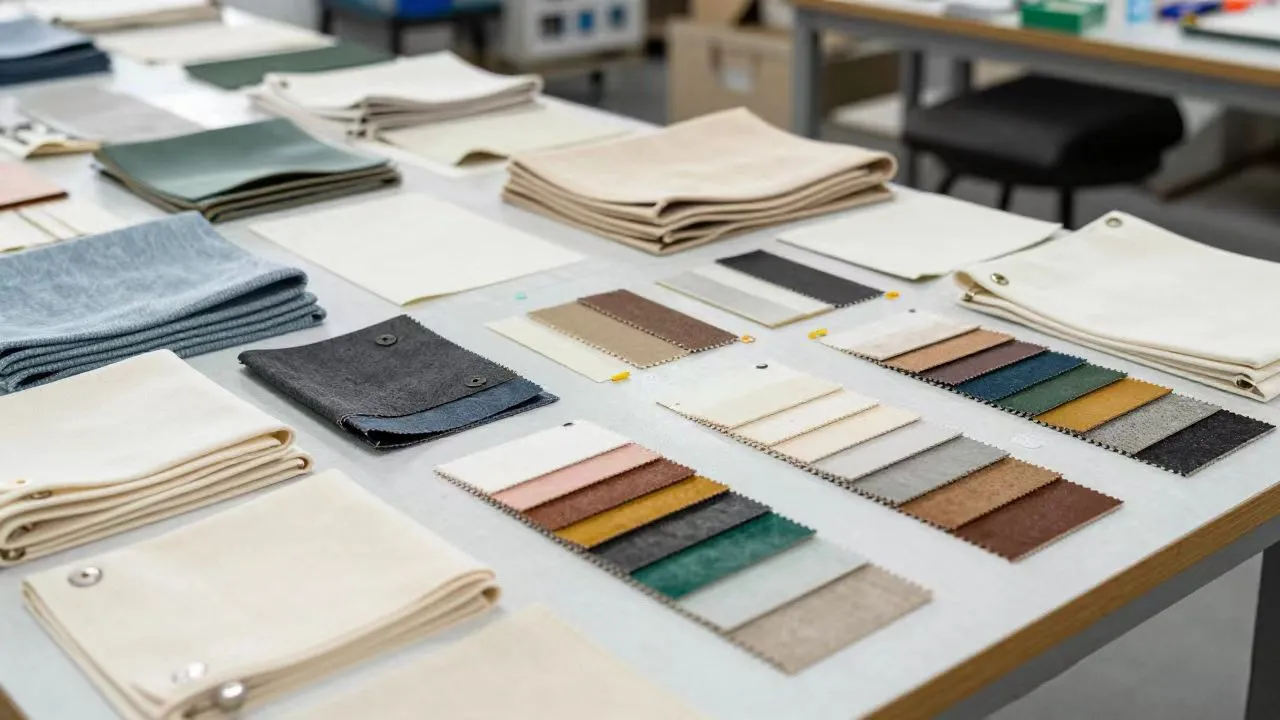
Handbag Color Samples
Color samples demonstrating how material choices affect custom handbag unit costs

7 Factors That Affect Custom Handbag Unit Costs

Understanding the complex interplay of factors that influence custom handbag manufacturing costs is crucial for businesses seeking to optimize their procurement strategies and achieve desired profit margins. From material selection to production volume, each decision point contributes to the final unit cost, making informed choices essential for competitive positioning. This comprehensive analysis explores the seven primary cost drivers that directly impact custom handbag pricing and profitability.

The custom handbag manufacturing industry operates within a complex ecosystem where multiple variables converge to determine final product costs. Businesses investing in custom handbag solutions must navigate intricate relationships between design specifications, material choices, production quantities, and quality requirements. Each factor interacts with others, creating a web of dependencies that significantly influences the bottom line.

Successfully managing custom handbag costs requires deep understanding of manufacturing processes, material properties, and market dynamics. Companies that master these cost factors gain competitive advantages through optimized pricing strategies, improved profit margins, and enhanced customer value propositions. The relationship between cost factors and final pricing determines not only profitability but also market positioning and brand perception.

Contemporary handbag manufacturing encompasses diverse techniques, materials, and production scales that directly impact unit costs. Modern consumers demand innovative designs, sustainable materials, and personalized features, adding layers of complexity to cost calculations. Manufacturers must balance innovation with cost-effectiveness while meeting evolving market expectations and regulatory requirements.

Factor 1: Material Selection and Quality Standards

Material selection represents the most significant factor affecting custom handbag unit costs, often accounting for 40-60% of total production expenses. The choice between premium leather, synthetic alternatives, canvas, polyester, or innovative eco-friendly materials creates substantial cost variations. Premium full-grain leather commands significantly higher prices than synthetic alternatives, while exotic skins and specialty fabrics further increase costs.

Quality standards and certification requirements add another layer of complexity to material costs. Materials meeting specific compliance standards such as REACH, Prop 65, or organic certifications typically cost more than standard alternatives. For detailed information about compliance requirements, our compliance guide provides comprehensive insights.
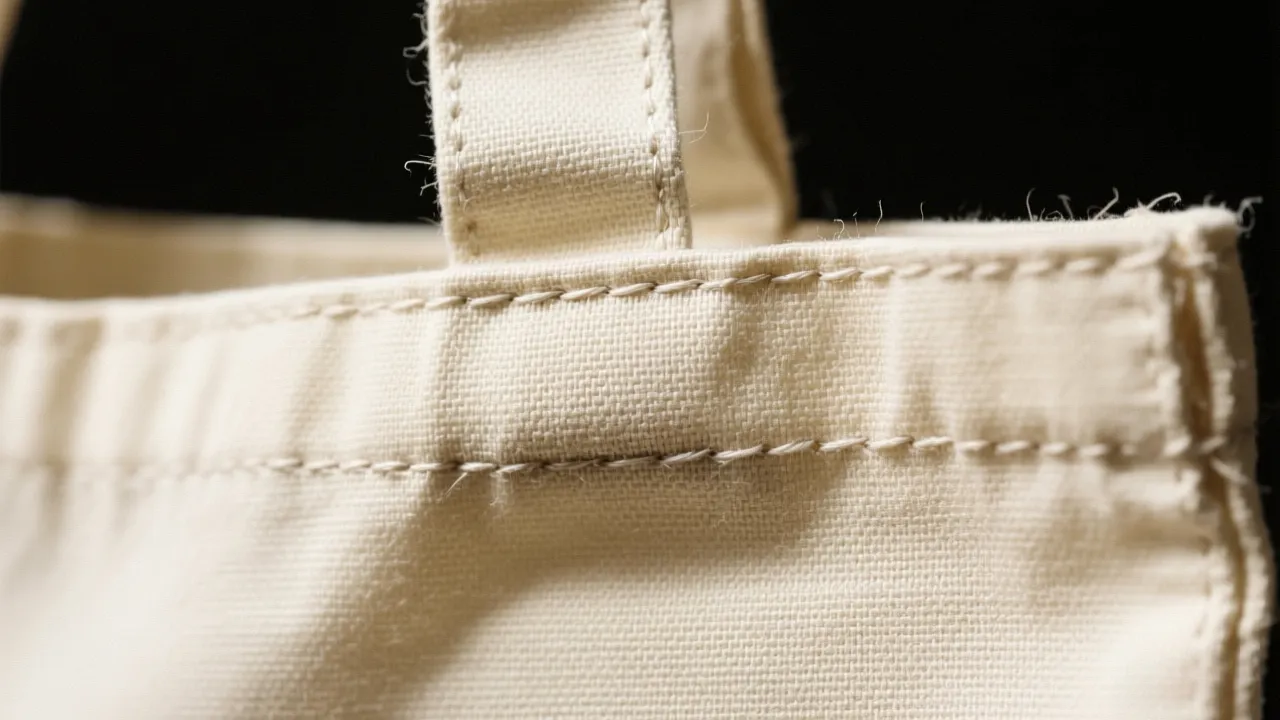
Material Detail
Close-up view of premium material details affecting handbag costs

The complexity of material sourcing affects costs differently across various material types. Exotic materials require specialized suppliers and longer lead times, increasing procurement costs. Sustainable and ethically sourced materials often command premium prices due to limited supply chains and certification requirements. Seasonal availability of certain materials may also impact pricing and production scheduling.

Material waste during cutting and assembly processes influences effective material costs per unit. Complex patterns and irregular shapes result in higher material waste percentages, increasing the effective cost per handbag. Efficient pattern layout and material utilization strategies can significantly impact final unit costs without compromising design integrity.

Material Cost Impact: Premium materials can increase unit costs by 50-200% compared to standard alternatives, making material selection a critical cost driver.

Factor 2: Production Volume and Economies of Scale

Production volume directly correlates with unit costs through economies of scale, with larger orders achieving significantly lower per-unit prices. Fixed setup costs, including tooling, sample development, and production line configuration, spread across greater quantities, reducing per-unit allocation. Small orders of under 100 units typically face premium pricing due to setup costs being distributed across fewer pieces.

The relationship between volume and cost follows a predictable curve, with unit costs decreasing substantially as order quantities increase up to optimal batch sizes. Orders exceeding factory capacity may incur overtime costs or require premium pricing for rush production. Understanding optimal order quantities helps balance inventory costs with production efficiency.
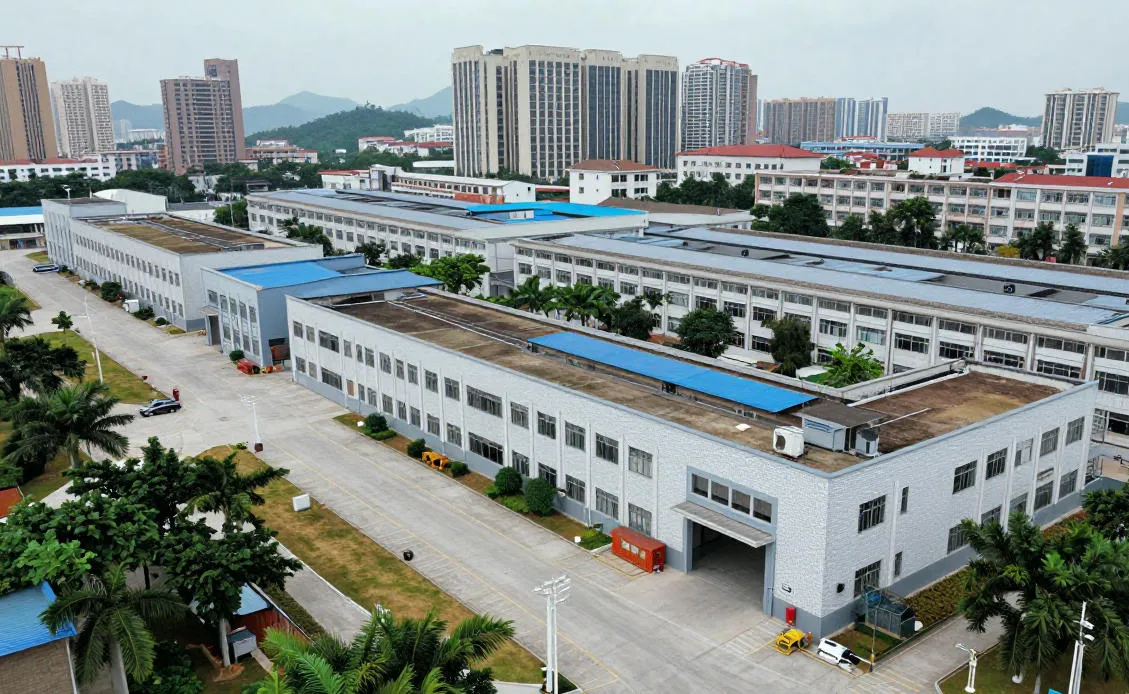
Factory Production
Large-scale production facility demonstrating volume efficiency benefits

Minimum order quantities (MOQs) set by manufacturers create threshold effects where small changes in order size can dramatically impact unit costs. Factories typically establish MOQs based on setup costs, labor efficiency, and production scheduling requirements. Orders below MOQs often face significant premium pricing or may not be accepted at all.

Long-term contracts and repeat orders often qualify for volume discounts and preferential pricing arrangements. Consistent ordering patterns enable factories to optimize production schedules, reduce changeover costs, and invest in specialized tooling that improves efficiency. These benefits translate to cost savings passed on to committed customers.

Small Order (100 units)
$45.00
per unit
Medium Order (500 units)
$28.50
per unit
Large Order (2000 units)
$18.75
per unit

Factor 3: Design Complexity and Manufacturing Processes

Design complexity directly impacts manufacturing time, skill requirements, and material waste, creating proportional increases in unit costs. Intricate designs featuring multiple panels, complex closures, decorative elements, or specialized hardware require additional production steps and skilled labor. Simple geometric shapes with minimal construction details achieve the lowest unit costs.

Specialized manufacturing processes such as embroidery, heat transfer printing, digital printing, or screen printing add significant costs per unit. Each process requires separate equipment, setup time, and skilled operators. The number of colors, design complexity, and placement precision affect pricing for decorative elements.
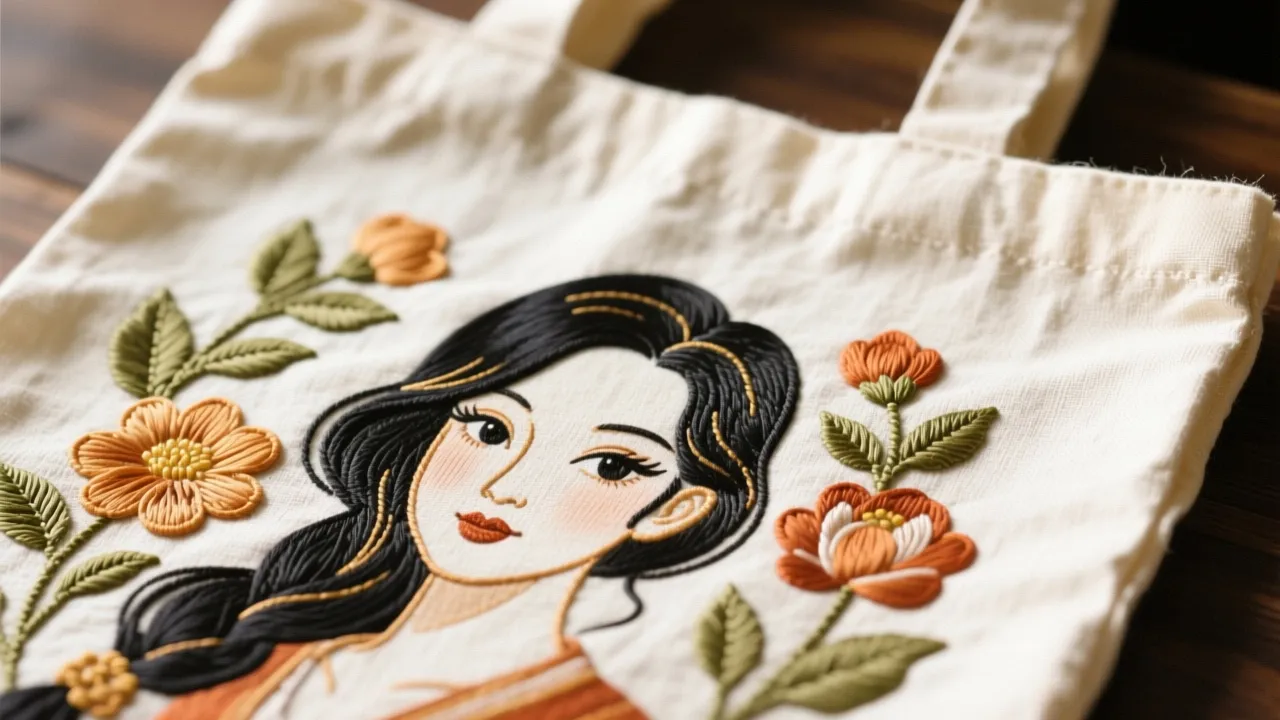
Embroidery Detail
Complex embroidery work demonstrating design complexity cost impact

Hardware selection and integration influence costs through both material and labor components. Premium zippers, buckles, handles, and metal accessories carry higher purchase prices and often require specialized installation techniques. The number and type of hardware pieces directly correlate with assembly time and labor costs.

Quality requirements for complex designs often necessitate additional inspection steps and quality control measures. More complex assemblies have higher failure rates and require more rigorous testing procedures, increasing labor costs per unit. Tolerance requirements for complex designs may also limit production speeds and efficiency.

Design Feature Cost Increase Complexity Level Production Impact
Basic Construction Base Cost Simple Fast Assembly
Multiple Panels +15-25% Moderate Extra Sewing Steps
Embellishments +20-40% High Specialized Labor
Custom Hardware +10-30% Moderate-High Installation Time
Multiple Colors +15-35% High Printing Setup
Special Closures +25-50% High Complex Assembly

Factor 4: Labor Costs and Skilled Workforce Requirements

Labor costs represent the second-largest component of handbag manufacturing expenses after materials. The skill level required for different handbag styles affects wage rates and production efficiency. Premium handbags requiring precise stitching, leather craftsmanship, or specialized techniques command higher labor costs due to the need for experienced artisans and reduced production speeds.

Geographic location significantly influences labor costs, with manufacturing in developed countries typically costing 2-4 times more than similar production in developing regions. However, quality consistency, intellectual property protection, and shipping costs must be balanced against labor cost savings. Nearshore manufacturing may offer compromise solutions with moderate labor costs and reduced shipping expenses.

Skilled Manufacturing
Skilled workers performing detailed handbag manufacturing tasks

Training and development investments for new or complex products affect initial production costs. Specialized skills required for new manufacturing techniques or innovative materials may require training programs that temporarily reduce efficiency. These costs are often allocated to early production runs, affecting unit costs for initial orders.

Quality control requirements for premium handbags necessitate additional inspection steps and skilled quality assurance personnel. Higher-end products often require individual inspection and testing, increasing labor costs per unit. Automated quality control systems can reduce long-term costs but require significant initial investments.

Benefits of Skilled Labor:

  • Higher quality output
  • Fewer defects and rework
  • Ability to handle complex designs
  • Better consistency
  • Reduced material waste
  • Longer product lifespan

Challenges of Skilled Labor:

  • Higher wage requirements
  • Longer training periods
  • Limited availability
  • Higher turnover costs
  • Increased recruitment expenses
  • Specialized facility needs

Factor 5: Manufacturing Location and Supply Chain Efficiency

Manufacturing location profoundly impacts total costs through labor expenses, transportation costs, quality standards, and supply chain efficiency. Countries with lower labor costs may appear attractive but could introduce complications such as longer lead times, communication challenges, and quality inconsistencies. The total cost of ownership includes all associated expenses beyond direct manufacturing costs.

Proximity to raw material suppliers affects material costs and lead times. Factories located near textile mills, leather tanneries, or hardware manufacturers benefit from reduced transportation costs and faster material availability. Regional clustering of suppliers creates cost advantages through shared logistics and reduced inventory requirements.
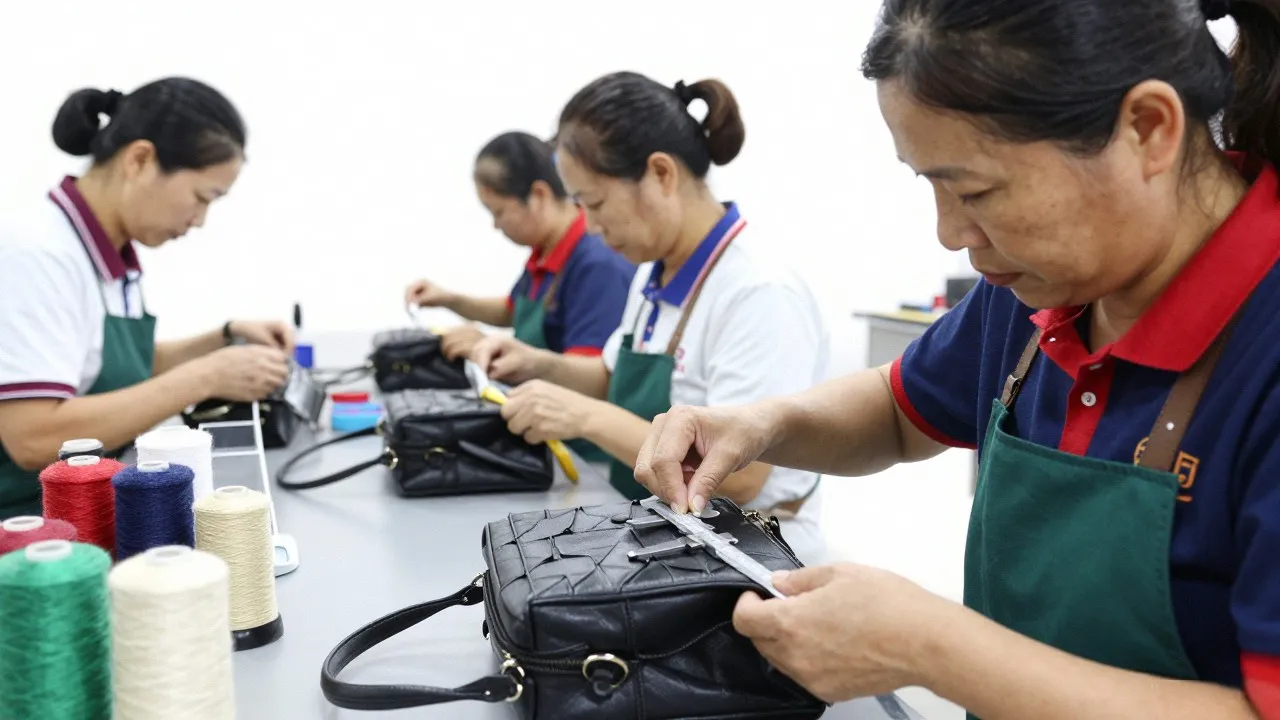
Quality Control
Quality control processes ensuring consistent manufacturing standards

Infrastructure quality in manufacturing locations affects production efficiency and cost. Reliable electricity, transportation networks, and telecommunications systems support smooth operations. Poor infrastructure can result in production delays, increased maintenance costs, and quality issues that ultimately raise unit costs.

Regulatory environments and trade policies influence manufacturing costs through tariffs, import duties, and compliance requirements. Understanding regional regulations helps optimize manufacturing location decisions. For information about tariff reduction strategies, see our tariff guide.

Factor 6: Quality Standards and Certification Requirements

Quality standards and certification requirements significantly impact manufacturing costs through additional testing, documentation, and compliance procedures. Products targeting specific markets may require certifications such as OEKO-TEX Standard 100, GOTS (Global Organic Textile Standard), or REACH compliance. These certifications require testing protocols, documentation systems, and ongoing compliance verification.

Quality control processes for premium products involve multiple inspection points, statistical sampling, and comprehensive testing procedures. Higher quality standards require more skilled inspectors, advanced testing equipment, and comprehensive documentation systems. The cost of quality control typically ranges from 3-8% of total manufacturing costs for premium products.
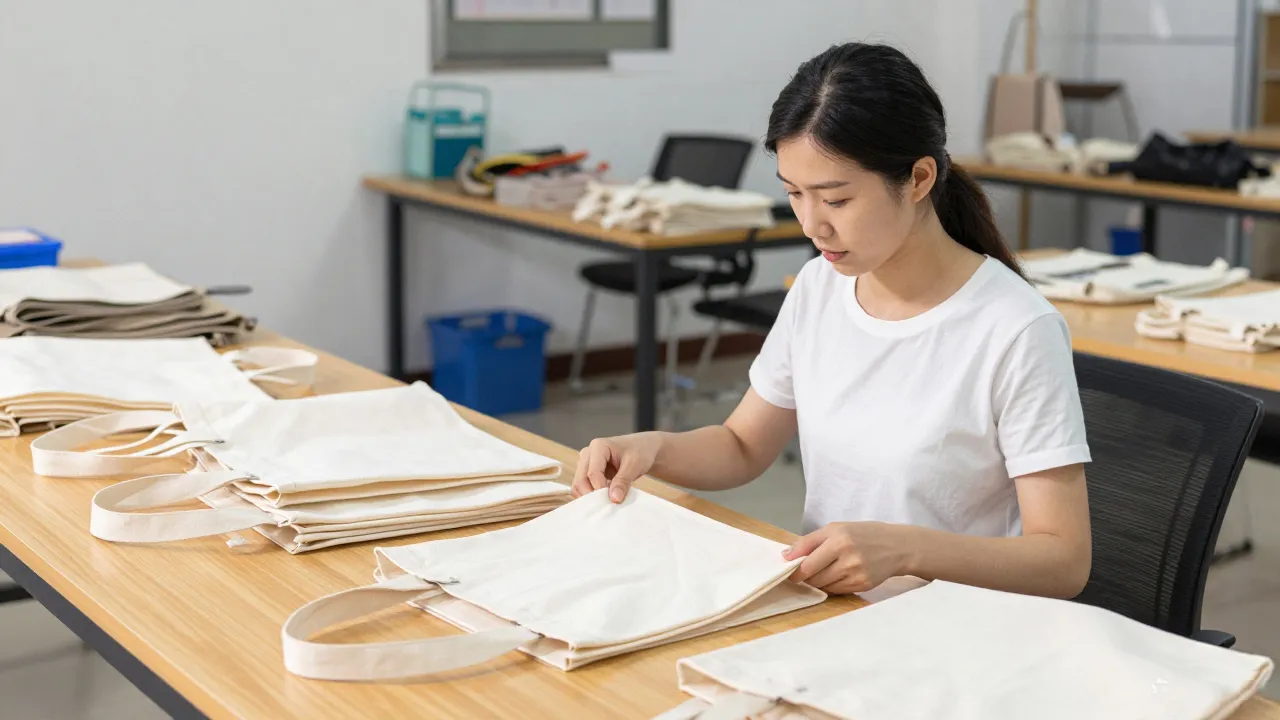
Quality Inspection
Quality inspection processes ensuring handbag standards are met

Sustainability certifications and eco-friendly requirements add costs through specialized materials, production processes, and verification procedures. Consumers increasingly demand sustainable products, making these certifications valuable despite added expenses. The cost premium for sustainable production typically ranges from 10-25% above conventional manufacturing.

For detailed information about sustainability certifications, our certification guide provides comprehensive coverage of available options and requirements.

Factor 7: Hardware and Accessory Components

Hardware and accessory components represent a significant portion of handbag costs, particularly for premium products. Zippers, buckles, handles, straps, and decorative elements contribute both material and labor costs. Premium hardware from established brands commands higher prices but often provides better durability and aesthetic appeal.

Custom hardware development involves mold costs, minimum order quantities, and extended lead times that affect total project costs. Unique buckles, specialized zippers, or custom logos require investment in tooling and production setup that may be allocated across entire production runs. These costs can significantly impact unit prices for small orders.
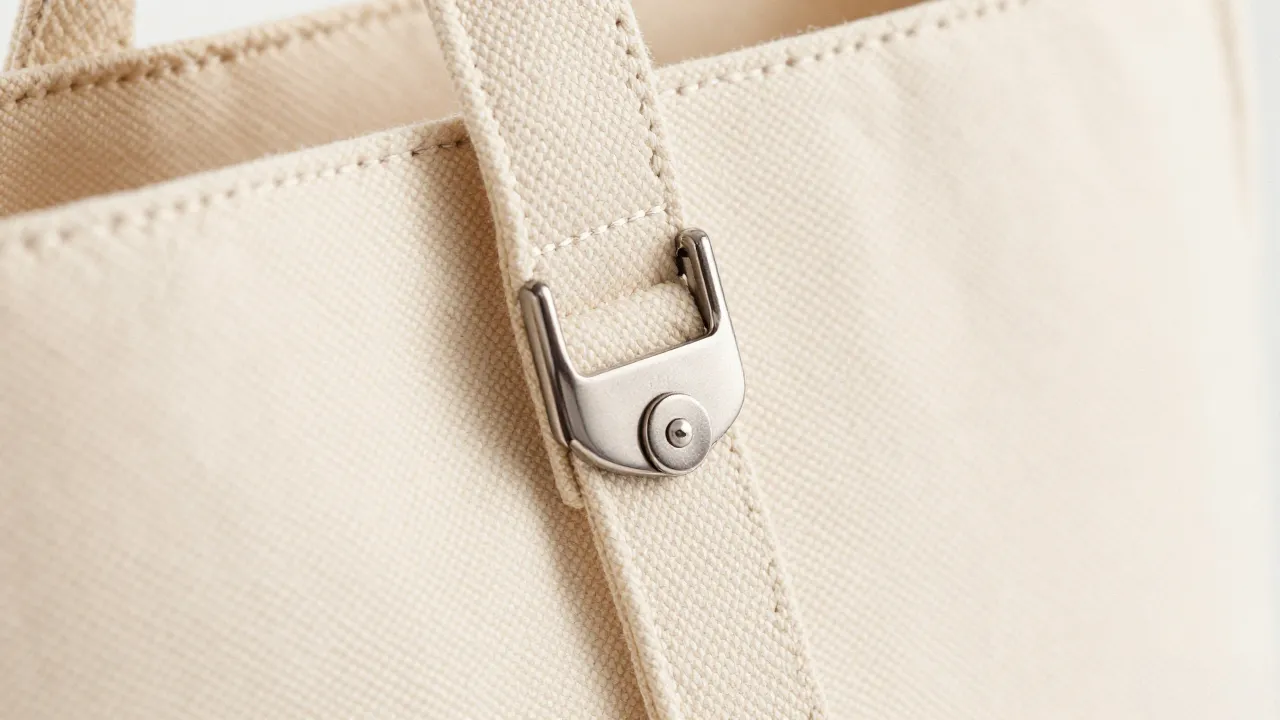
Hardware Components
Premium hardware components contributing to handbag costs

Hardware compatibility with chosen materials affects both costs and product performance. Certain metals may react with specific materials, requiring specialized treatments or alternative materials. Compatibility testing and validation add costs but prevent field failures and warranty claims.

Supplier relationships for hardware components influence pricing and availability. Established relationships with hardware manufacturers may provide access to competitive pricing, exclusive designs, or priority production slots. New product introductions may require premium pricing until suppliers achieve production efficiency.

Comprehensive Cost Optimization

Successfully managing custom handbag unit costs requires strategic coordination of all seven factors to achieve optimal pricing while maintaining quality and market competitiveness. Our manufacturing expertise helps clients navigate these complex cost relationships to achieve desired outcomes.

Visit Our Homepage | Contact Manufacturing Experts

Interdependency of Cost Factors

The seven factors affecting custom handbag unit costs interact in complex ways, creating interdependencies that amplify or mitigate individual cost impacts. For example, choosing premium materials may justify higher labor costs for skilled craftsmanship, while simple designs may enable cost-effective production even with standard materials. Understanding these interactions enables strategic decision-making that optimizes total costs.

Volume requirements may influence material choices, as minimum order quantities for specialty materials may conflict with production volumes. Similarly, design complexity may affect quality standards, as intricate assemblies may require additional inspection procedures. Strategic planning must account for these interdependencies to avoid unexpected cost increases.
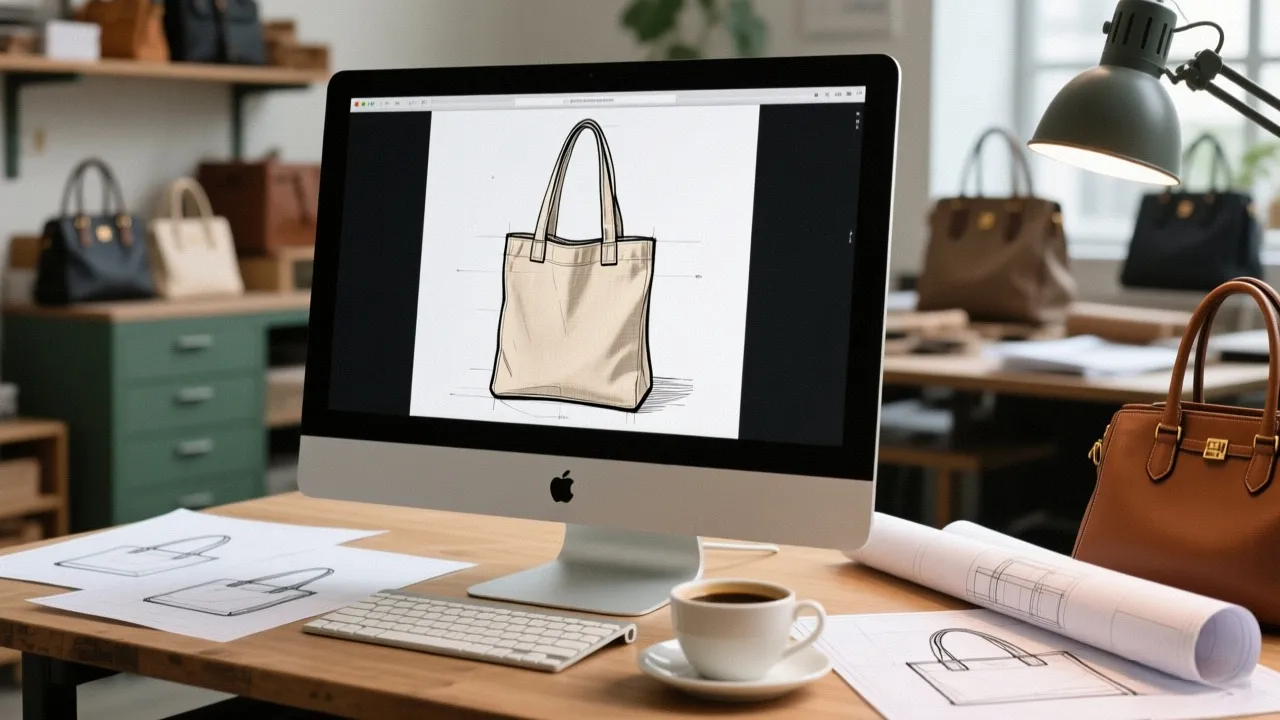
Design Process
Design process integrating cost considerations throughout development

Cost Optimization Strategies

Effective cost optimization involves balancing all seven factors to achieve target pricing while maintaining desired quality and functionality. Phased development approaches allow testing of different cost combinations before committing to full production. Prototyping and sample production help identify cost-saving opportunities without compromising final product quality.

Negotiation strategies should address multiple cost factors simultaneously rather than focusing on single components. Suppliers may offer package deals that reduce total costs through coordinated reductions across materials, labor, and production processes. Long-term partnerships enable shared cost reduction initiatives and mutual investment in efficiency improvements.

Impact of Technology on Manufacturing Costs

Technological advances in manufacturing equipment, automation, and production planning software continue to influence handbag manufacturing costs. Automated cutting systems reduce material waste and improve consistency, while computerized sewing machines increase production speeds. However, technology investments require careful evaluation of return on investment and compatibility with existing production capabilities.

Digital design tools enable virtual prototyping and pattern optimization, reducing material waste and development time. These tools can significantly impact costs by identifying efficiency opportunities before physical production begins. The initial investment in technology may be offset by long-term cost savings and quality improvements.
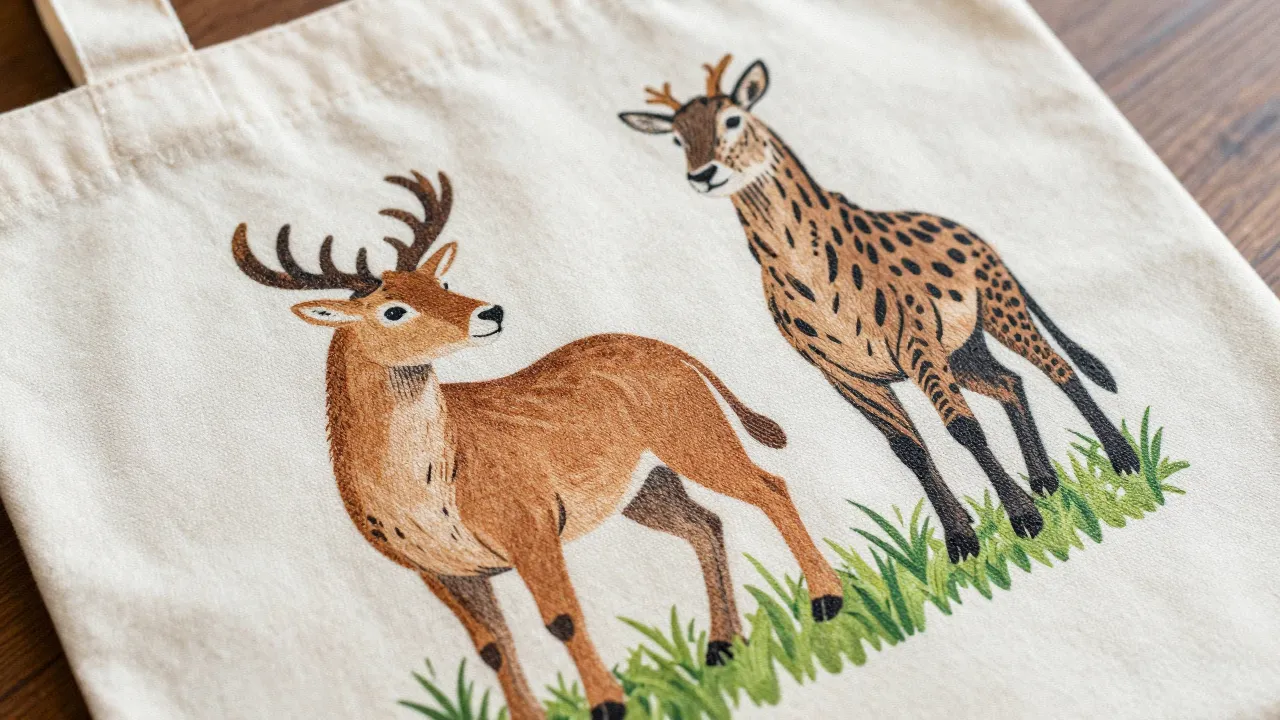
Digital Printing
Advanced digital printing technology affecting decoration costs

Seasonal and Market Influences

Seasonal demand patterns and market conditions affect manufacturing costs through capacity utilization, material availability, and labor market conditions. Peak seasons may command premium pricing due to capacity constraints, while off-season periods may offer cost advantages through excess capacity. Understanding these patterns enables strategic planning of production schedules.

Currency fluctuations impact costs for international manufacturing, affecting material imports, labor costs, and final product pricing. Hedging strategies and contract terms can mitigate currency risk, but require careful planning and financial expertise. Stable supplier relationships provide some protection against currency-related cost fluctuations.

Quality vs. Cost Trade-offs

Quality requirements directly influence cost structures, with higher standards typically requiring premium pricing. However, excessive quality requirements may create unnecessary costs without corresponding value to end customers. Balancing quality with cost effectiveness requires understanding customer expectations and market positioning requirements.

Defect rates and warranty costs must be considered in total cost calculations. Lower-quality production may initially reduce costs but increase long-term expenses through returns, repairs, and brand reputation damage. Optimal quality levels balance customer satisfaction with cost efficiency.

Business Partnership
Successful business partnership resulting in optimized manufacturing costs

Long-term Cost Management

Successful long-term cost management requires continuous monitoring and adjustment of all seven cost factors. Regular cost analysis identifies opportunities for improvement and ensures continued competitiveness. Market research and competitor analysis inform strategic decisions about cost targets and acceptable trade-offs.

Relationship management with suppliers and manufacturers enables collaborative cost reduction initiatives. Shared knowledge about production processes, material innovations, and market trends creates opportunities for mutual cost improvements. Long-term contracts may provide cost stability while enabling planned cost reduction initiatives.

Future Trends in Handbag Manufacturing Costs

Emerging trends in handbag manufacturing continue to influence cost structures and optimization strategies. Sustainable materials, digital manufacturing, and customization technologies create new cost considerations while potentially reducing traditional production expenses. Companies that anticipate and adapt to these trends gain competitive advantages.

Automation and artificial intelligence in manufacturing processes promise to reduce labor costs while improving quality and consistency. However, implementation requires significant investment and may affect supplier relationships. Strategic planning must balance automation benefits with human expertise requirements.
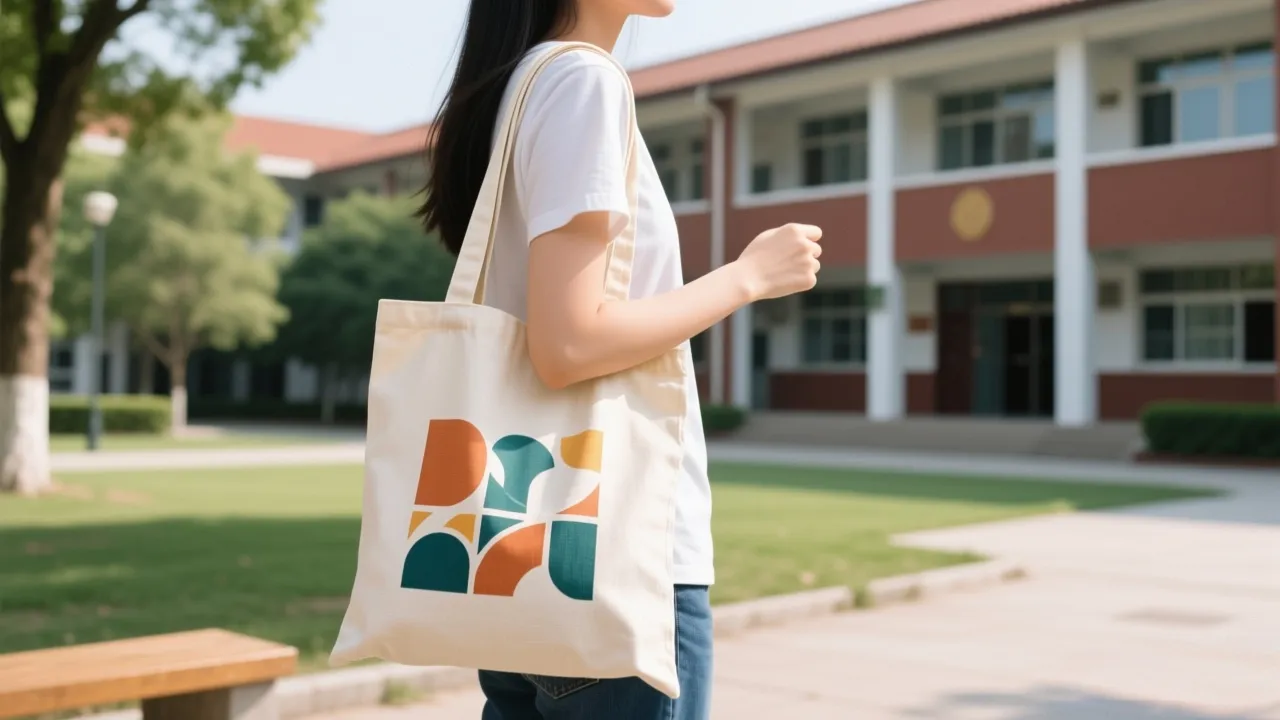
Product Application
Various handbag applications demonstrating market diversity

Implementation Strategies for Cost Reduction

Implementing cost reduction strategies requires systematic analysis of current practices and identification of improvement opportunities. Data-driven approaches using cost accounting and production metrics provide objective insights into cost drivers and optimization potential. Regular reviews ensure continued effectiveness of cost management initiatives.

Change management processes ensure that cost reduction efforts do not compromise quality or customer satisfaction. Clear communication with stakeholders about cost reduction goals and methods helps maintain support and cooperation. Success metrics should balance cost improvements with quality and service objectives.

Strategic Cost Management

Effective custom handbag cost management requires integrated consideration of all seven factors, strategic supplier relationships, and continuous optimization processes. Success comes from balancing cost efficiency with quality requirements and market positioning.

Conclusion and Strategic Recommendations

Mastering the seven factors that affect custom handbag unit costs enables businesses to achieve optimal pricing while maintaining competitive advantages. Success requires understanding the complex interrelationships between cost factors and implementing systematic approaches to cost management. Continuous improvement and adaptation to market changes ensure sustained cost effectiveness.

Strategic partnerships with experienced manufacturers provide access to cost optimization expertise and best practices. Collaborative approaches that align supplier incentives with cost reduction objectives create win-win situations that benefit all parties. The investment in sophisticated cost management processes yields substantial returns through improved profitability and market competitiveness.

For expert assistance with custom handbag manufacturing and cost optimization, visit our homepage or contact our manufacturing specialists. Our team provides comprehensive support for all aspects of custom handbag production and cost management.

Customer Reviews44 Reviews

高橋 紗英2026-05-25
記事、とても参考になりました。東京の小さなセレクトショップを運営しており、OEMハンドバッグ工場 日本向けで低MOQ 50〜150、エコレザー 小ロット、PVD仕上げの高耐久金具、DDP 日本対応、和柄プリントが可能な実績を探しています。サンプルのリードタイムが長く、色ブレや金具の硬さのばらつきで小ロット立ち上げ時のコストが想定より高くなる点が悩みです。3PL(東京・大阪)やJIT納品、PantoneマッチングやAQLでの管理は対応可能でしょうか?
GZDreamway2026-05-25
高橋様、ご投稿ありがとうございます。サンプル対応が遅くご不便をおかけしている点、まずお詫び申し上げます。当社は日本向けOEMハンドバッグでの小ロット対応を多数実施しており、低MOQ(通常50〜150台目安)、エコレザー小ロット供給、PVD仕上げの金具供給実績があります。サンプルリードタイムは通常10〜21日、優先サンプル対応で短縮可能です。色ズレ対策はPantoneマッチングと分光測色によるカラー管理、工程内AQL検査での品質維持を行い、金具はPVD後に塩水噴霧・摩耗試験を実施、必要に応じて最終出荷前の100%検査も可能です。物流面はDDP 日本での納入と、東京・大阪の3PLパートナーを使った倉庫保管・JIT納品に対応し、DDPランディッドコスト試算(消費税・関税含む)を提示できます。まずはパイロット小ロット(例:50台)でサンプルキット、PVD耐久試験結果、カラー打ち合わせを行い、コストと納期を検証することを推奨します。デザインファイルと希望数量をお送りいただければ、具体的な生産プランと見積もり、短縮サンプルスケジュールをご提案します。

Ms. Takahashi, thank you for your post. We apologize for any previous delays in sample handling. We have extensive experience with Japan-focused OEM handbag projects, supporting low MOQs (typically 50–150 units), small-batch eco‑leather sourcing, and PVD‑finished durable hardware. Our standard sample lead time is 10–21 days and can be expedited upon request. To control color variance we apply Pantone matching and spectrophotometric measurement, combined with AQL in‑line inspections; hardware undergoes PVD finishing followed by salt‑spray and abrasion tests, and we can perform 100% pre‑shipment checks if needed. Logistically we support DDP Japan delivery and work with 3PL partners in Tokyo and Osaka for warehousing and JIT fulfillment, and we can provide a DDP landed‑cost simulation including consumption tax and duties. We recommend starting with a pilot small‑batch (e.g., 50 units) including a sample kit, PVD durability reports and a color approval round to validate cost and lead times. Please send your design files and target quantities and we will prepare a concrete production plan, detailed quote and an expedited sample schedule.
Guilherme Sousa2026-05-24
Artigo muito útil — obrigado. Estou a preparar uma micro‑coleção para o mercado brasileiro e procuro uma fábrica: fábrica de bolsas OEM Brasil com MOQ baixo (50–150), couro vegano em small‑batch, acabamento PVD em ferragens e opção DDP Brasil. O que me incomoda é que os prazos de amostra costumam ser longos e já tive variações de cor e de dureza nas ferragens em lotes pequenos, o que eleva o custo por unidade com IPI/ICMS e frete; preciso de soluções práticas como pilot small‑batch, 3PL São Paulo e entregas JIT para validar margem antes do lançamento.
GZDreamway2026-05-24
Muito obrigado pelo seu comentário, Guilherme. Entendemos bem o mercado brasileiro e as dores que descreveu. Podemos atender MOQ baixo (tipicamente 50–150 unidades para runs small‑batch em couro vegano) e fornecemos swatches e amostras em 10–21 dias, com opção de sample expedited para reduzir lead time. Para reduzir variação de cor aplicamos Pantone matching, medições com espectrofotômetro e inspeção AQL inline; para ferragens usamos acabamento PVD com testes de abrasion e salt‑spray e oferecemos 100% final checks em peças críticas para garantir consistência. Na logística oferecemos DDP Brasil, consolidação de cargas para reduzir freight e trabalhamos com parceiros 3PL em São Paulo para warehousing e entregas JIT. Também preparamos simulações DDP detalhadas incluindo estimativa de IPI/ICMS e uma análise de landed cost. Recomendamos um pilot small‑batch (ex.: 50 unidades) com kit de amostras, relatórios de durabilidade PVD e uma simulação de custos antes da produção em série — envie por favor os ficheiros de design e quantidades alvo para prepararmos uma proposta técnica e comercial.

Thank you for your comment, Guilherme. We understand the Brazilian market and the issues you raised. We can support low MOQs (typically 50–150 units for vegan‑leather small batches) and deliver swatches and samples within 10–21 days with expedited sample options to shorten lead times. To control color variance we use Pantone matching, spectrophotometric measurement and AQL inline inspection; for hardware we apply PVD with abrasion and salt‑spray testing and can perform 100% final checks on critical parts. Logistics: we provide DDP Brazil, consolidate shipments to reduce freight and work with 3PL partners in São Paulo for warehousing and JIT deliveries. We also prepare detailed DDP simulations including estimated IPI/ICMS and a landed‑cost analysis. We recommend a pilot small‑batch (e.g., 50 units) with a sample kit, PVD durability reports and a cost simulation before full production — please send design files and target quantities so we can prepare a tailored technical and commercial proposal.
ريم الزهراني2026-05-23
مقال مفيد جدًا، لكن لدي بعض الشكاوى العملية لبوتيكي الصغير في دبي: أبحث عن مصنع OEM vegan leather Dubai بموك منخفض (50–150) مع تشطيب PVD للمعدن وخيار DDP Saudi/UAE وشهادات GCC؛ المشكلة أن زمن العينات طويل أحيانًا وتغيرات اللون والصلابة في المعادن تظهر في الطلبات الصغيرة مما يرفع التكلفة ويقلق العملاء. هل توفرون pilot small-batch و3PL Dubai/Jeddah وJIT لتفادي نفاد المخزون قبل المواسم؟
GZDreamway2026-05-23
نشكر تواصلك يا ريم. نفهم تمامًا تحديات سوق الخليج ونقدم حلولًا مخصصة: موك مرن عادة من 50–300 قطعة حسب المادة والمعدن، وvegan leather small-batch مع PVD finish على العتاد مصحوبًا باختبارات تحمل (salt‑spray، abrasion). زمن العينات القياسي 10–21 يومًا مع خيار sample expedited للطلبات العاجلة. لضمان ثبات اللون نستخدم Pantone matching وspectrophotometer checks بالإضافة إلى AQL in‑line inspections، ويمكننا تقديم 100% final checks للأجزاء الحرجة مثل السحّابات والبرشام. نوفر شحن DDP Saudi Arabia وDDP UAE وتزويدكم بشهادات التوافق (GCC conformity وREACH) عند الطلب. للعملية اللوجستية نعمل مع شركاء 3PL في Dubai وRiyadh لتخزين محلي وتسليم JIT وتقليل landed cost عبر consolidated shipments. نوصي بتجربة pilot small‑batch (مثلاً 50 وحدة) مع sample kit، تقارير PVD durability وDDP cost simulation قبل الإطلاق. أرسلوا لنا ملفات التصميم والكميات المستهدفة لنعد لكم خطة إنتاج، جدول زمنية، وعرض سعر مفصّل.

Thank you for reaching out, Reem. We fully understand Gulf market challenges and offer tailored solutions: flexible MOQs typically 50–300 units depending on material/hardware, vegan leather small‑batch production with PVD finishes on hardware accompanied by durability testing (salt‑spray and abrasion). Standard sample lead time is 10–21 days with expedited sample options for urgent projects. For color stability we use Pantone matching and spectrophotometer checks plus AQL in‑line inspections, and can perform 100% final checks on critical parts such as zips and rivets. We provide DDP shipping to Saudi Arabia and the UAE and can supply compliance certificates (GCC conformity and REACH) on request. Logistically we work with 3PL partners in Dubai and Riyadh for local warehousing and JIT deliveries, and reduce landed cost through consolidated shipments. We recommend a pilot small‑batch (e.g., 50 units) with a sample kit, PVD test reports and a DDP cost simulation prior to launch. Please send your design files and target quantities so we can prepare a production plan, timeline and a detailed quote.
Johanna Meissner2026-05-22
Guter Artikel — sehr praxisnah für meine Boutique in München. Ich plane eine kleine Kollektion und suche explizit eine OEM Handtaschenfabrik Deutschland, die mit niedrigen MOQ (z. B. 50–150 St.) für veganes Leder in Kleinstserien arbeitet, PVD‑Beschichtungen für Metallbeschläge anbietet und DDP Deutschland als Lieferoption hat. Was mich stört: Musterlaufzeiten sind oft zu lang und die Stückkosten wirken hoch, vor allem wegen Sonderbeschlägen und Logistik; leichte Farbabweichungen bei kleinen Losen hatte ich auch schon — das ist ärgerlich beim Markstart. Könnt ihr kurz erklären, wie ihr mit Pantone‑Farbabgleich, AQL‑Kontrollen, 3PL‑Lagerung und Just‑in‑Time Lieferungen für den deutschen Markt umgeht und ob ihr Pilot‑Small‑Batch zur Qualitätssicherung anbietet?
GZDreamway2026-05-22
Vielen Dank für Ihre Rückmeldung, Johanna. Wir kennen die Anforderungen deutscher Boutiquen sehr gut und adressieren exakt die genannten Punkte: unsere Mindestmengen sind flexibel (typisch 50–300 Stück je nach Material/Metall), wir liefern veganes Leder für Kleinstserien und bieten PVD‑Beschichtungen mit Haltbarkeitstests für Beschläge. Musterlaufzeit: Standard 10–21 Tage, bei Bedarf beschleunigte Sample‑Priorität möglich, damit Sie schneller validieren können. Zur Farbtreue nutzen wir Pantone‑Matching, Spektralfotometer‑Checks und AQL Inline‑Kontrollen; für kritische Teile bieten wir 100% Endkontrolle an. Zur Kostenreduktion analysieren wir Stücklisten (BOM) und schlagen staggered manufacturing, Konsolidierung von Verpackung sowie Sammelversand vor, dazu erstellen wir eine DDP‑Kalkulation für Deutschland, damit die landed cost planbar bleibt. Für Just‑in‑Time und schnelle Replenishments arbeiten wir mit deutschen 3PL‑Partnern (Warehousing & pick‑pack), um Lieferzeiten zu minimieren. Unser Vorschlag: ein Pilot‑small‑batch (z. B. 50 Stück) mit Musterkit, PVD‑Prüfprotokollen und Farbmustern; dazu eine DDP‑Kostensimulation und ein Prüfplan (inkl. Prüfproben, Abrieb‑ und Salzwasserzyklen für Beschläge). Schicken Sie uns bitte Design‑Files und gewünschte Mengen — wir erstellen ein konkretes Angebot und eine beschleunigte Musteroption, damit Sie die Qualitätsrisiken bei niedrigem MOQ prüfen können.

Thank you for your feedback, Johanna. We are very familiar with German boutique requirements and address the exact points you raised: our MOQs are flexible (typically 50–300 units depending on material/hardware), we supply vegan leather for small batches and provide PVD finishes with durability testing for hardware. Sample lead time: standard 10–21 days, with expedited sample priority available so you can validate faster. For color accuracy we use Pantone matching, spectrophotometric checks and AQL inline inspections; for critical parts we can offer 100% final checks. To reduce costs we analyze the BOM and recommend staggered manufacturing, packaging consolidation and consolidated shipping; we will provide a DDP landed‑cost calculation for Germany to keep costs predictable. For JIT and quick replenishment we cooperate with German 3PL partners (warehousing & pick‑pack) to minimize lead times. Our proposal: run a pilot small‑batch (e.g. 50 units) with a sample kit, PVD test reports and color swatches; we will also supply a DDP cost simulation and a QA test plan (including abrasion and salt‑spray cycles for hardware). Please send your design files and target quantities — we will prepare a concrete quote and an expedited sample option so you can validate quality risks at low MOQ.
小松 奈々2026-05-21
記事、とても参考になりました。現在、日本向けの小さなセレクトショップでOEMハンドバッグを立ち上げようとしています。特に「OEMハンドバッグ工場 日本向け」「低MOQ 50〜150」「エコレザー 小ロット」「PVD仕上げ」「DDP 日本」「和柄プリント」などの実績があるか知りたいです。サンプルのリードタイムが長くて困る点と、小ロットでの色ブレや金具の耐久性のバラつきが心配で、見積もりも想定より高く感じました。日本国内向けの3PL保管やJIT納品に対応できますか?まずは小ロットで品質を確かめたいです。
GZDreamway2026-05-21
ご質問ありがとうございます、小松様。日本市場向けのご相談、非常に多く承っています。当社は「OEMハンドバッグ工場 日本向け」として低MOQ対応(通常50〜300個を目安)を実施しており、エコレザー小ロット対応やPVD仕上げの高耐久金具の供給実績があります。サンプルリードタイムは通常10〜21日で、急ぎの場合はサンプル優先対応で短縮可能です。小ロットの色ブレ対策としてPantoneマッチング、分光色測定とAQL工程内検査を実行し、重要箇所は100%検査で安定化を図ります。金具はPVD+耐久試験を実施し、和柄プリントや刻印の試作も行ってから量産へ移行します。DDP日本発送、国内3PLやローカル倉庫による保管・混載出荷でJIT納品にも対応可能です。まずはデザインファイルと目標数量をお送りください。サンプルキット、DDPコスト試算、および小ロットパイロット(pilot small-batch)プランを作成してご提案します。どうぞお気軽にご連絡ください。

Thank you for your question, Ms. Komatsu. We regularly support clients for the Japanese market. As an OEM handbag factory for Japan we offer low-MOQ runs (typically 50–300 units), small-batch eco‑leather sourcing and durable PVD‑finished hardware. Our sample lead time is normally 10–21 days and can be expedited when required. To prevent color variance in small batches we use Pantone matching, spectrophotometric checks and AQL in‑line inspections, with optional 100% checks on critical parts. Hardware undergoes PVD finishing plus durability testing, and we perform proofs for Japanese print motifs and embossing before mass runs. We can ship DDP to Japan and provide domestic 3PL warehousing and consolidation for JIT delivery. Please send your design files and target quantities; we will prepare a sample kit, a DDP landed‑cost simulation and a small‑batch pilot plan for your review.
Marta Iglesias2026-05-19
Estoy montando una línea de bolsos para una boutique en Barcelona y busco una fábrica de bolsos OEM para España que acepte MOQ bajo para bolsos personalizados, ofrezca cuero vegano de alta resistencia en pequeñas series y acabado PVD en herrajes. Me preocupa el tiempo de muestras, pequeñas variaciones de color en lotes reducidos y el coste por unidad por los envíos y el IVA intracomunitario; también me interesa envío DDP España y opciones de almacenaje local para reducir lead times. ¿Podéis ayudar con esos puntos?
GZDreamway2026-05-19
Gracias Marta. Entendemos muy bien el mercado español y las necesidades de una boutique en Barcelona: como fábrica de bolsos OEM para España ofrecemos MOQs flexibles (normalmente 50–300 unidades según material y herrajes) y suministramos swatches y muestras en 10–21 días; si necesitas, activamos un servicio de muestras aceleradas para reducir el lead time. Aplicamos control de calidad AQL en línea, pruebas de color y protocolo de matching con cartas Pantone para minimizar variaciones cromáticas en pequeñas series y ofrecemos check 100% en piezas críticas para asegurar consistencia. Para herrajes usamos acabado PVD y realizamos tests de durabilidad; además ofrecemos envío DDP España para fijar el coste landed e incluimos la documentación requerida para IVA intracomunitario y certificados REACH bajo solicitud. Para acortar plazos proponemos producción escalonada y almacenaje local con socios 3PL en España para entregas just-in-time y reposiciones rápidas. Podemos enviar un kit de muestras, una simulación de costes DDP (incluyendo estimación de impuestos) y un plan de producción por fases o un piloto small-batch para validar calidad antes de la producción completa. Envíanos tus diseños y cantidades objetivo y te prepararemos un cronograma y cotización detallada.

Thank you Marta. We know the Spanish market and boutique needs well: as an OEM handbag factory for Spain we offer flexible MOQs (typically 50–300 units depending on materials and hardware) and deliver swatches and samples within 10–21 days; expedited sample service is available to shorten lead times. We apply AQL in-line inspection, color testing and Pantone matching protocols to minimize color variance in small batches, and can perform 100% checks on critical parts to ensure consistency. For hardware we use PVD finishes with durability testing; we provide DDP shipping to Spain to lock in landed cost and include documentation for intra‑EU VAT and REACH certificates on request. To reduce lead times we recommend staggered production and local warehousing with Spanish 3PL partners for just‑in‑time deliveries and quick replenishment. We can send a sample kit, a DDP cost simulation (with estimated taxes) and a phased production plan or small‑batch pilot to validate quality before full runs. Please share your designs and target quantities and we will prepare a detailed timeline and quote.
Aurélien Petit2026-05-18
Je prépare une petite collection pour une boutique à Paris et je cherche une usine de sacs OEM pour la France qui accepte des MOQ bas pour sacs personnalisés. Je veux du cuir végétalien haute résistance en petites séries, finitions PVD sur ferrures et expédition DDP France. Les délais d'échantillons sont parfois trop longs et les variations de couleur sur petits lots m'inquiètent, sans parler de l'impact de la TVA et des frais de transport sur le coût unitaire — un peu frustrant quand on lance une marque.
GZDreamway2026-05-20
Merci Aurélien. Nous connaissons bien le marché français et les besoins des boutiques parisiennes : comme usine de sacs OEM pour la France nous proposons des MOQ flexibles (généralement 50–300 unités selon matériaux et ferrures), envois de swatches et d'échantillons sous 10–21 jours et service d'échantillons accéléré si nécessaire pour réduire les délais. Pour limiter les variations de couleur en petites séries nous appliquons des protocoles de matching Pantone, tests colorimétriques et contrôles qualité AQL en ligne, avec option de contrôle 100% pour les pièces critiques. Pour les ferrures nous utilisons des finitions PVD avec tests de durabilité et cycles d'essai ; nous réalisons aussi des tests d'abrasion et de résistance sur le cuir végétalien haute résistance. Pour maîtriser le coût landed nous offrons expédition DDP France, préparation de simulation DDP incluant estimation TVA/droits, et fournissons les certificats REACH et documentation douanière nécessaires. Afin de réduire les lead times nous proposons entreposage local via partenaires 3PL en France, services de consolidation et plans de production échelonnée (staggered manufacturing) pour livraisons just‑in‑time sur vos collections saisonnières. Nous pouvons démarrer par un pilote small‑batch, envoyer un kit d'échantillons et une cotation DDP détaillée pour comparer coûts et délais. Envoyez-nous vos fichiers de design et quantités cibles et nous préparerons un calendrier et une proposition technique et commerciale sur mesure.

Thank you Aurélien. We know the French market and Parisian boutique needs well: as an OEM handbag factory for France we offer flexible MOQs (typically 50–300 units depending on materials and hardware), material swatches and samples within 10–21 days, and an expedited sample service when faster validation is required. To minimize color variance in small batches we use Pantone matching protocols, colorimetric testing and AQL in‑line inspections, with optional 100% checks on critical parts. For hardware we apply PVD finishes with durability, abrasion and cycle tests; we also test high‑performance vegan leather for wear resistance. To lock in your landed cost we provide DDP shipping to France and a DDP cost simulation including estimated VAT/duties, plus REACH certificates and customs paperwork on request. To shorten lead times we offer local warehousing with French 3PL partners, shipment consolidation and staggered production plans for just‑in‑time delivery of seasonal drops. We recommend starting with a small‑batch pilot and sample kit; please share your designs and target quantities and we will prepare a tailored timeline and detailed quote.
Noemí Ortiz2026-05-17
Busco una fábrica de bolsos OEM para España que acepte moq bajo para bolsos personalizados y ofrezca cuero vegano de alta resistencia en pequeñas series. Me preocupa el tiempo de muestras, el coste por unidad por los envíos desde Asia y el IVA intracomunitario; además necesito acabado PVD en herrajes y entregas just-in-time para la campaña de Navidad. También he tenido alguna mala experiencia con variaciones de calidad en lotes pequeños, ¿podéis ayudar con envío DDP España y opciones de almacenaje local para reducir lead times?
GZDreamway2026-05-19
Gracias Noemí. Entendemos perfectamente esas preocupaciones y hemos trabajado con marcas españolas para resolverlas: como fábrica de bolsos OEM para España ofrecemos MOQs flexibles típicamente de 50–300 unidades según material y herrajes; enviamos swatches y muestras en 10–21 días para validar cuero vegano de alta resistencia y evitar sorpresas. Aplicamos control de calidad AQL en línea y opcional 100% check en piezas críticas para prevenir variaciones en lotes pequeños. Para herrajes utilizamos acabado PVD o electrochapado con pruebas de durabilidad; ofrecemos envío DDP España para asegurar un coste landed predecible y entregamos certificados REACH y la documentación necesaria para temas de IVA intracomunitario. Para campañas como Navidad disponemos de producción escalonada, JIT y opciones de almacenaje en España con socios 3PL para acelerar reposiciones. Podemos enviar un kit de muestras, un plan de producción por fases y una simulación de costes DDP (incluyendo impuestos estimados). Envíanos tus diseños y cantidades objetivo y te prepararemos una propuesta detallada y un calendario de entrega.

Thank you Noemí. We fully understand these concerns and have supported Spanish brands with practical solutions: as an OEM handbag factory for Spain we offer flexible MOQs (typically 50–300 units depending on materials and hardware); we deliver swatches and samples within 10–21 days to validate high‑performance vegan leather and avoid surprises. We apply AQL inline inspections and optional 100% final checks on critical parts to prevent quality variance in small batches. For hardware we use PVD or electroplating with durability testing; we provide DDP shipping to Spain to lock in a predictable landed cost and supply REACH certificates and documentation for intra‑EU VAT handling. For seasonal campaigns like Christmas we run staggered production, JIT logistics and local warehousing with 3PL partners to speed replenishment. We can send a sample kit, phased production plan and a DDP cost simulation (including estimated taxes). Please share your designs and target quantities and we will prepare a detailed quote and delivery schedule.
نادية صالح2026-05-16
شكرًا على المقال المفيد. أنا أدير بوتيك صغير في دبي ونبحث عن مصنع OEM حقائب يد مخصصة للسوق الخليجي، خاصة خدمات OEM حقائب جلد نباتي دبي بكميات صغيرة وموك منخفض للسوق السعودي والإماراتي. لدي بعض القلق حول وقت العينات وتفاوت الجودة في الطلبات الصغيرة وتأثير الرسوم الجمركية وضريبة القيمة المضافة في السعودية والإمارات على التكلفة النهائية. هل تقدمون شحن DDP للسعودية والإمارات وتؤمنون شهادات مطابقة لمعايير GCC وREACH؟ كذلك مهتمة بتشطيب PVD للمعدن والقراءات المتعلقة بنقش شخصي للميني كلاتشات الملائمة للعبايات. أتمنى توضيح كيف تضمنون ثبات الجودة على موك منخفض وإمكانية التسليم وفق مواعيد المواسم (مثلاً قبل رمضان).
GZDreamway2026-05-16
شكرًا جزيلاً على سؤالكم، نادية. نفهم تمامًا متطلبات السوق الخليجي وخصوصياته؛ نقدم خدمات OEM حقائب يد مخصصة للسوق الخليجي مع موك مرن يبدأ عادة من 50–300 قطعة حسب المادة والمعدن. لمعالجة مخاوفكم: نطبق فحوصات AQL خلال الإنتاج، وفحص نهائي اختياري 100% للأجزاء الحرجة، ونزوّد عينات مواد (vegan leather swatches) داخل 10–21 يومًا لتفادي تباين الجودة في الطلبات الصغيرة. بالنسبة للمعدن نستخدم عمليات PVD أو طبقات مطلية كهربائيًا لزيادة المتانة ومقاومة التغير اللوني، ونقدّم اختبارات تحمل للمسامك والبراغي. نوفر شحن DDP للسعودية والإمارات لتثبيت تكلفة الاستلام ونزوّد شهادات توافق (REACH ومواد مطابقة لمتطلبات GCC) عند الطلب. كما نعمل على خطط إنتاج مجزّأة وجدولة JIT لتأمين التسليم الموسمي (مثلاً قبل رمضان) مع إمكانية تجميع شحنات صغيرة لتقليل التكاليف. إذا كانت لديكم مخاوف عن تفاصيل النقش الشخصي أو التصميمات الملائمة للعباية للـ mini clutches، نرسل لكم مجموعة عينات وتطبيقات نقش قبل الإنتاج الكمي، ونقدّم محاكاة تكلفة زمنية ومالية للموك المنخفض. نرحب بملفات التصميم وكميات الهدف لنزودكم بعرض تفصيلي وجدول زمني.

Thank you very much for your question, Nadia. We fully understand Gulf market requirements and specifics; we offer OEM handbag services for the Gulf with flexible MOQs typically from 50–300 units depending on material and hardware. To address your concerns: we apply AQL inspections during production, optional 100% final checks on critical parts, and provide vegan leather swatches within 10–21 days to prevent quality variance in small orders. For hardware we use PVD or electroplated finishes to enhance durability and color stability, and perform durability testing on clasps and fittings. We provide DDP shipping to Saudi Arabia and the UAE to fix your landed cost and can supply compliance certificates (REACH and GCC material conformity) on request. We also implement staggered production plans and JIT scheduling to secure seasonal deliveries (e.g., before Ramadan), with consolidation options to lower freight costs. For personalization and abaya-compatible mini clutches we will send sample kits and embossing proofs before mass production, and prepare a cost/lead-time simulation for low MOQ runs. Please share your design files and target quantities and we will provide a detailed quote and timeline.
Ines Pereira2026-05-15
Estou iniciando uma coleção de bolsas premium para o mercado brasileiro e li seu artigo com interesse. Fiquei com algumas dúvidas: os prazos de amostra às vezes demoram demais e o custo final por unidade sobe muito por causa de frete e impostos (IPI/ICMS). Procuro uma fábrica de bolsas OEM Brasil que aceite MOQ baixo para bolsas personalizadas, ofereça couro sintético de alta performance em pequenas quantidades e acabamento PVD em ferragens, além de opções de envio DDP Brasil para estabilizar o custo landed. Há também preocupação sobre como garantir qualidade estável em pequenos lotes e entregas just-in-time para coleções sazonais. Alguma experiência comprovada com estes pontos? Obrigada!
GZDreamway2026-05-17
Agradecemos seu comentário, Ines. Entendemos bem os desafios do mercado brasileiro. Trabalhamos com MOQ flexíveis (tipicamente 50–300 unidades por modelo) e fornecedores de couro sintético de alta performance para pequenas quantidades, reduzindo o custo sem perder estética premium. Para ferragens oferecemos acabamento PVD e testes de durabilidade antes da produção. Sobre prazos e custos: enviamos amostras de materiais em 10–21 dias e podemos consolidar remessas + oferecer envio DDP Brasil para fixar o landed cost e mitigar IPI/ICMS e taxas de importação. Implementamos controle de qualidade AQL em linha, inspeções finais 100% para peças críticas e planos de produção escalonados (staggered manufacturing) e JIT para atender coleções sazonais. Se preferir, oferecemos também opções de armazenagem local ou consolidação via parceiros logísticos no Brasil para repartir custos e acelerar reposição. Envie-nos seus arquivos de design e quantidades alvo que preparamos uma simulação de custo detalhada (incluindo impostos estimados), cronograma de amostras e opções de MOQ reduzido para validar a qualidade antes da produção em massa.

Thank you for your comment, Ines. We fully understand the Brazilian market challenges. We work with flexible MOQs (typically 50–300 units per style) and high-performance synthetic leather suppliers capable of small-batch runs to lower costs while preserving a premium look. For hardware we provide PVD finishes and pre-production durability testing. Regarding lead times and landed costs: we deliver material swatches and samples within 10–21 days and can consolidate shipments plus offer DDP to Brazil to stabilize landed cost and mitigate IPI/ICMS/import duties. We apply AQL inline inspections, optional 100% final checks for critical parts, and use staggered manufacturing and JIT scheduling to meet seasonal collections. We can also support local warehousing or consolidation through Brazilian logistics partners to split costs and speed replenishment. Please share your design files and target quantities and we will prepare a detailed cost simulation (including estimated taxes), sample timeline, and low-MOQ options so you can validate quality before mass production.
Hanna Lorenz2026-05-15
Ich habe euren Beitrag zu den 7 Faktoren, die die Einheitspreise von Handtaschen beeinflussen, mit Interesse gelesen. Sehr informativ für meine kleine Boutique in Deutschland, aber ich habe ein paar Sorgen: Die Musterlaufzeit und die Kalkulation für hochwertiges Metall wirken auf den ersten Blick recht hoch für low MOQ für deutsche Boutiquen. Würdet ihr bitte genauer auf eure Erfahrung als OEM-Handtaschenfabrik für Deutschland eingehen, speziell zu veganem Leder in kleinen Auflagen, Just-in-time Lieferung nach DE, REACH-Konformität, Zoll/EU-MwSt-Auswirkungen und kundenspezifischer Prägung für Mini-Shoulder-Bags? In der Vergangenheit gab es bei kleinen Bestellungen manchmal leichte Qualitätsabweichungen, deshalb wäre mir wichtig zu wissen, wie ihr das in kleinen Losgrößen absichert.
GZDreamway2026-05-15
Vielen Dank für Ihr ausführliches Feedback, Hanna. Wir verstehen die Sorge um Musterzeiten und Kosten bei kleinen Auflagen und arbeiten gezielt mit deutschen Boutiquen zusammen, um diese Hürden zu minimieren. Für den deutschen Markt bieten wir: Mindestbestellmengen flexibel ab 50–300 Einheiten je nach Material und Beschlag; vegane Materialien und high-performance PU/Microfibre-Samples; Musterrleadtime typ. 10–21 Tage; PVD- oder Galvanikbeschichtungen für langlebige Metallbeschläge; AQL-Qualitätskontrollen während der Produktion und 100% Endkontrolle bei kritischen Teilen auf Wunsch. Zur Zoll-/EU-MwSt-Thematik empfehlen wir DDP-Optionen nach DE, damit Sie kalkulierbare Kosten haben; wir stellen auch REACH-konforme Materialzertifikate zur Verfügung. Bei kleinen Losgrößen bieten wir gestaffelte Fertigungspläne, Vorproduktions-Freigaben (PPAP-ähnlich) und Musterkits an, um Passform, Prägung und Druckbilder für Mini-Shoulder-Bags vor Serienstart zu verifizieren. Gerne erstellen wir eine Kosten- und Lieferzeit-Simulation für Ihr gewünschtes Design und senden Materialmuster zu, damit Sie die Qualität selbst prüfen können. Bitte teilen Sie Design-Dateien und gewünschte Mengen mit, dann erstellen wir ein konkretes Angebot und Vorschläge für Just-in-time-Lieferung nach Deutschland.

Thank you for your detailed feedback, Hanna. We understand concerns about sample lead times and costs for small batches and actively work with German boutiques to reduce those barriers. For the German market we offer flexible MOQs from about 50–300 units depending on materials and hardware; vegan material and high-performance PU/microfibre samples; typical sample lead time 10–21 days; PVD or electroplated finishes for durable metal hardware; AQL in-line inspections and optional 100% final checks on critical parts. To ease customs and VAT issues we can ship DDP to Germany so your landed cost is predictable, and we provide REACH-compliance certificates. For small runs we use staggered production plans, pre-production approvals, and sample kits to validate fit, embossing and prints for mini shoulder bags before mass production. We will prepare a cost and lead-time simulation for your design and send material swatches so you can verify quality. Please share your design files and target quantities and we’ll provide a concrete quote and JIT shipping options for Germany.
島田 佳奈2026-05-14
日本市場向けにOEMハンドバッグ工場を探しています。特に「OEMハンドバッグ工場 日本向け」「低MOQ カスタムハンドバッグ」「エコレザー 小ロット」「高級ハードウェア メッキ耐久性」といった点で貴社の実績や事例をもっと知りたいです。説明は分かりやすく役立ちましたが、サンプルのリードタイムと小ロット時の品質管理がやや心配で、見積もりが想像より高く感じました。国内向けのミニショルダーや和柄プリント、パーソナライズ刻印などにも対応可能か教えてください。
GZDreamway2026-05-14
ご質問ありがとうございます、島田様。日本市場のニーズに合わせた対応について詳しくご案内いたします。当社は「OEMハンドバッグ工場 日本向け」として、低MOQのカスタムハンドバッグ対応実績があり、素材別に50〜300個の小ロット受注枠をご用意可能です(素材や金具仕様により変動します)。エコレザー小ロットのサプライヤーとも契約しており、和柄プリントやミニショルダーの型制作、パーソナライズ刻印も対応します。高級ハードウェアはPVDや電着メッキ加工で変色耐性を高め、量産前に金具治具での耐久試験を実施します。品質管理はAQL基準の抜取検査、工程内の定期検品、最終出荷前の全数またはサンプリング検査で行い、小ロットでも安定した仕上がりを維持します。サンプルリードタイムは一般的に10〜21日、量産は素材確定後30〜60日目安です。輸送コスト軽減のため国内向け小口輸送や納期に応じた混載便提案も可能で、コストシミュレーションとサンプル素材の見本をお送りします。具体的なデザインや希望数量を教えていただければ、詳しいMOQプランと見積もり、納期スケジュールを提示します。どうぞお気軽にご連絡ください。

Thank you for your questions, Ms. Shimada. We can support Japan-specific OEM handbag needs and would like to provide detailed guidance. As a factory experienced in "OEM handbag manufacturing for the Japanese market," we offer low-MOQ custom handbag options—typically between 50 and 300 units depending on material and hardware choices. We work with eco-leather vendors for small-batch orders and can handle mini shoulder bag patterns, traditional Japanese print applications, and personalization like engraved nameplates. For premium hardware we use PVD and electro-plating to enhance tarnish resistance and perform fixture-based durability tests before mass production. Our quality control follows AQL sampling, in-line inspections during production, and pre-shipment sampling or full checks to ensure consistency even for small lots. Typical sample lead time is 10–21 days; mass production generally takes 30–60 days after material confirmation. To reduce shipping costs, we can propose consolidated shipping or Japan-dedicated small-lot logistics. We will send a cost simulation and material swatches. Please share your design details and desired quantities so we can provide a precise MOQ plan, quotation, and schedule. We look forward to assisting you.
Malachi Sterling2026-05-10
I've been reviewing your guide on the variables of wholesale leather bag production costs, which was quite insightful for my new boutique line. However, I found the initial quote for high-quality hardware sourcing for luxury bags a bit higher than I anticipated compared to some local options I explored. I'm trying to understand how these labor costs in private label bag production truly scale when we increase our minimum order quantity for custom handbags to ensure my retail margins remain healthy during the launch phase.
GZDreamway2026-05-10
Thank you for your feedback, Malachi. We understand that initial pricing for premium components can be a concern for emerging brands. The cost of high-quality hardware sourcing for luxury bags reflects our commitment to using custom-molded, electroplated alloys that ensure longevity and prevent tarnishing over time. Regarding the labor costs in private label bag production, we utilize a tiered pricing structure; as you increase your minimum order quantity for custom handbags, the efficiency in our bespoke handbag manufacturing process improves significantly, allowing us to reduce the per-unit cost. We will send a revised quote to your email shortly to show these volume discounts.
Valéria Fontes2026-05-10
Estou analisando detalhadamente o seu guia sobre os fatores que impactam o custo unitário de bolsas customizadas para o lançamento da minha marca no Brasil. Achei o conteúdo extremamente esclarecedor, especialmente sobre a escolha de materiais. No entanto, notei que o custo do frete internacional e as complexas taxas de importação para o mercado brasileiro acabam elevando significativamente o preço final por unidade, o que me deixa bastante preocupada na hora de definir o pedido mínimo para bolsas personalizadas para não comprometer meu capital de giro. Além disso, gostaria de saber se vocês oferecem opções de couro sintético de alta qualidade ou materiais ecológicos que reduzam os custos de produção sem perder a estética premium exigida na fabricação de bolsas de marca própria de luxo.
GZDreamway2026-05-10
Olá Valéria, agradecemos imensamente o seu comentário e o interesse em nossos serviços. Entendemos perfeitamente os desafios logísticos e tributários específicos do mercado brasileiro. Para mitigar o impacto do frete no custo de produção de bolsas de couro ou sintéticas, nossa equipe técnica sugere a otimização do volume da embalagem e o agrupamento de remessas. Sobre os materiais, trabalhamos com uma vasta linha de couro ecológico de alta performance e microfibras que mantêm o padrão de excelência na fabricação de bolsas de marca própria. Quanto ao pedido mínimo para bolsas personalizadas, podemos negociar volumes escalonados para sua primeira coleção, garantindo que a durabilidade das ferragens de luxo para bolsas e o acabamento artesanal sejam mantidos mesmo em pedidos menores. Enviaremos agora mesmo nosso catálogo de materiais sustentáveis e uma simulação de custos para o seu e-mail.

Hello Valéria, thank you very much for your comment and interest in our services. We fully understand the specific logistical and tax challenges of the Brazilian market. To mitigate the impact of shipping on the leather or synthetic bag production cost, our technical team suggests optimizing packaging volume and consolidating shipments. Regarding materials, we work with a wide range of high-performance eco-leather and microfibers that maintain the standard of excellence in private label bag manufacturing. As for the minimum order quantity for custom handbags, we can negotiate staggered volumes for your first collection, ensuring that the durability of luxury bag hardware and the handcrafted finish are maintained even in smaller orders. We will send our sustainable materials catalog and a cost simulation to your email right away.
Shopping Cart
Leave a Message
×
Message submitted successfully.