

Guide to Sustainability: GRS, OEKO-TEX & FSC Certification Standards
In today’s environmentally conscious marketplace, sustainability certifications have become essential credentials that demonstrate a company’s commitment to responsible manufacturing practices. The Global Recycled Standard (GRS), OEKO-TEX, and Forest Stewardship Council (FSC) represent three of the most respected and widely recognized certification programs that validate sustainable practices across different aspects of production. These certifications serve as independent verification of environmental responsibility, social accountability, and product safety, providing consumers and businesses with confidence in sustainable claims.
The growing demand for eco-friendly products has elevated the importance of third-party sustainability certifications, as consumers increasingly seek transparent and verifiable evidence of environmental stewardship. Brands that invest in GRS, OEKO-TEX, and FSC certifications position themselves favorably in competitive markets while meeting the rising expectations of environmentally aware customers. These certifications not only validate current sustainable practices but also drive continuous improvement in environmental management and social responsibility.
Understanding the distinct focus areas and requirements of each certification program enables manufacturers and brands to select the most appropriate standards for their specific products and markets. GRS addresses recycled content and environmental management, OEKO-TEX focuses on product safety and harmful substance control, while FSC ensures responsible forest management and sustainable wood fiber sourcing. Together, these certifications create a comprehensive framework for demonstrating environmental responsibility across multiple dimensions of sustainability.
Key Insight: Successful sustainability certification requires a holistic approach that addresses environmental impact, social responsibility, and product safety across the entire supply chain, from raw material sourcing to final product delivery.
Global Recycled Standard (GRS): Advancing Circular Economy
The Global Recycled Standard (GRS) stands as a comprehensive certification system that verifies the recycled content of products while ensuring environmental and social responsibility throughout the manufacturing process. Developed by Textile Exchange, GRS applies to any product containing at least 20% recycled materials, encompassing both pre-consumer and post-consumer recycled content. This standard plays a crucial role in advancing circular economy principles by promoting the use of recycled materials and reducing waste generation.
GRS certification encompasses rigorous requirements for recycled content verification, chain of custody tracking, and environmental management systems. The standard mandates that certified products contain a minimum percentage of recycled materials, verified through detailed documentation and inspection processes. This transparency enables consumers and businesses to make informed choices about products that contribute to waste reduction and resource conservation.

The environmental management component of GRS certification requires facilities to implement comprehensive systems for tracking and reducing environmental impacts. This includes measuring and managing water and energy consumption, chemical usage, and waste generation. The standard promotes continuous improvement in environmental performance while ensuring that recycled content claims are accurate and verifiable.
GRS social requirements address worker health and safety, working conditions, and fair labor practices throughout the supply chain. These provisions ensure that environmental benefits do not come at the expense of social responsibility, creating a balanced approach to sustainability that considers both ecological and human factors. Regular audits verify compliance with these requirements and identify opportunities for improvement.
Advantages of GRS Certification:
- Verifies recycled content claims
- Promotes circular economy principles
- Addresses environmental management
- Ensures social responsibility
- Provides chain of custody tracking
Considerations for GRS:
- Requires minimum 20% recycled content
- Complex documentation requirements
- Ongoing audit obligations
- Implementation costs
- Supply chain coordination needed
OEKO-TEX: Ensuring Product Safety and Chemical Compliance
OEKO-TEX certification represents a globally recognized standard for testing and certifying textile products for harmful substances. Established in 1992, OEKO-TEX has become synonymous with product safety and chemical compliance, providing consumers with confidence that certified products meet strict safety standards. The certification system addresses a wide range of potential hazards, from heavy metals and formaldehyde to allergenic dyes and pesticides.
The OEKO-TEX Standard 100 certification specifically targets textile products that come into direct contact with human skin, establishing limits for over 100 harmful substances. Testing protocols examine every component of a product, including fabrics, threads, buttons, zippers, and other accessories. This comprehensive approach ensures that safety considerations extend beyond the primary material to encompass all product elements.

OEKO-TEX certification operates on a risk-based approach, categorizing products according to their level of skin contact and potential exposure. Category I covers baby articles (aged 0-3 years) with the most stringent requirements, while Category IV addresses decorative materials with minimal skin contact. This tiered system allows for appropriate safety measures based on actual usage scenarios and exposure levels.
The certification process involves annual testing and factory inspections to maintain compliance status. Products must be retested annually to ensure continued adherence to safety standards, while manufacturing facilities undergo regular audits to verify proper handling and storage of certified materials. This ongoing oversight maintains the integrity of the certification system and protects consumer interests.
| Certification | Focus Area | Key Requirements | Application Scope | Audit Frequency |
|---|---|---|---|---|
| GRS | Recycled Content | Min 20% recycled, environmental management | All recycled products | Annual + unannounced |
| OEKO-TEX | Product Safety | Harmful substance testing | Textiles & accessories | Annual renewal |
| FSC | Forest Management | Sustainable sourcing, chain of custody | Wood/paper products | Annual + surveillance |
| Combined | Full Sustainability | All requirements integrated | Comprehensive products | Multiple audits |
Forest Stewardship Council (FSC): Responsible Forest Management
The Forest Stewardship Council (FSC) certification establishes the gold standard for responsible forest management and sustainable wood fiber sourcing. Founded in 1993, FSC addresses the critical need for sustainable forestry practices that balance economic viability with environmental protection and social responsibility. The certification system ensures that wood and paper products originate from forests managed according to strict environmental and social standards.
FSC certification encompasses two primary components: forest management certification for forest owners and operators, and chain of custody certification for companies that process, manufacture, or trade FSC-certified materials. This dual approach ensures that sustainable forest management extends from the forest floor to the final consumer product, maintaining the integrity of the sustainable supply chain.

The environmental criteria for FSC certification include protection of biodiversity, conservation of rare ecosystems, and maintenance of forest functions. Social requirements ensure respect for indigenous peoples’ rights, community engagement in forest management decisions, and fair labor practices for forest workers. Economic considerations promote long-term forest management that maintains forest productivity and ecosystem services.
Chain of custody requirements mandate that FSC-certified materials remain segregated from non-certified materials throughout the manufacturing and distribution process. Detailed record-keeping systems track the flow of certified materials, enabling verification of FSC claims on final products. This transparency builds consumer confidence and prevents greenwashing practices.
Integration and Synergies Between Certifications
Modern sustainable manufacturing often requires multiple certifications to address different aspects of environmental and social responsibility. The integration of GRS, OEKO-TEX, and FSC certifications creates a comprehensive sustainability framework that addresses recycled content, product safety, and responsible sourcing simultaneously. This multi-certification approach demonstrates a holistic commitment to sustainability that resonates with increasingly sophisticated consumers.
Companies pursuing multiple certifications can leverage synergies between different standard requirements, streamlining implementation processes and maximizing the impact of sustainability investments. Common elements such as environmental management systems, worker training programs, and documentation procedures can serve multiple certification requirements simultaneously. This coordinated approach reduces administrative burden while enhancing overall sustainability performance.

The combined effect of multiple certifications creates a powerful marketing message that differentiates products in competitive markets. Consumers increasingly recognize these certification logos and associate them with quality, safety, and environmental responsibility. The presence of multiple certifications signals a comprehensive commitment to sustainability that goes beyond basic compliance.
Consumer Perception and Market Impact
Consumer awareness and appreciation of sustainability certifications continue to grow, with studies indicating that certified products command premium prices and enjoy increased brand loyalty. The visual recognition of certification logos on product labels and packaging influences purchasing decisions, particularly among environmentally conscious consumers who actively seek sustainable alternatives.
Market research demonstrates that sustainability certifications provide competitive advantages in multiple sectors, from fashion and textiles to home goods and accessories. The trust associated with third-party verification helps overcome skepticism about green marketing claims while providing concrete evidence of environmental and social benefits. This credibility translates into stronger brand positioning and customer relationships.
For information about sustainable material options, our guide to sustainable materials provides comprehensive insights into eco-friendly alternatives.
Implementation Strategies and Best Practices
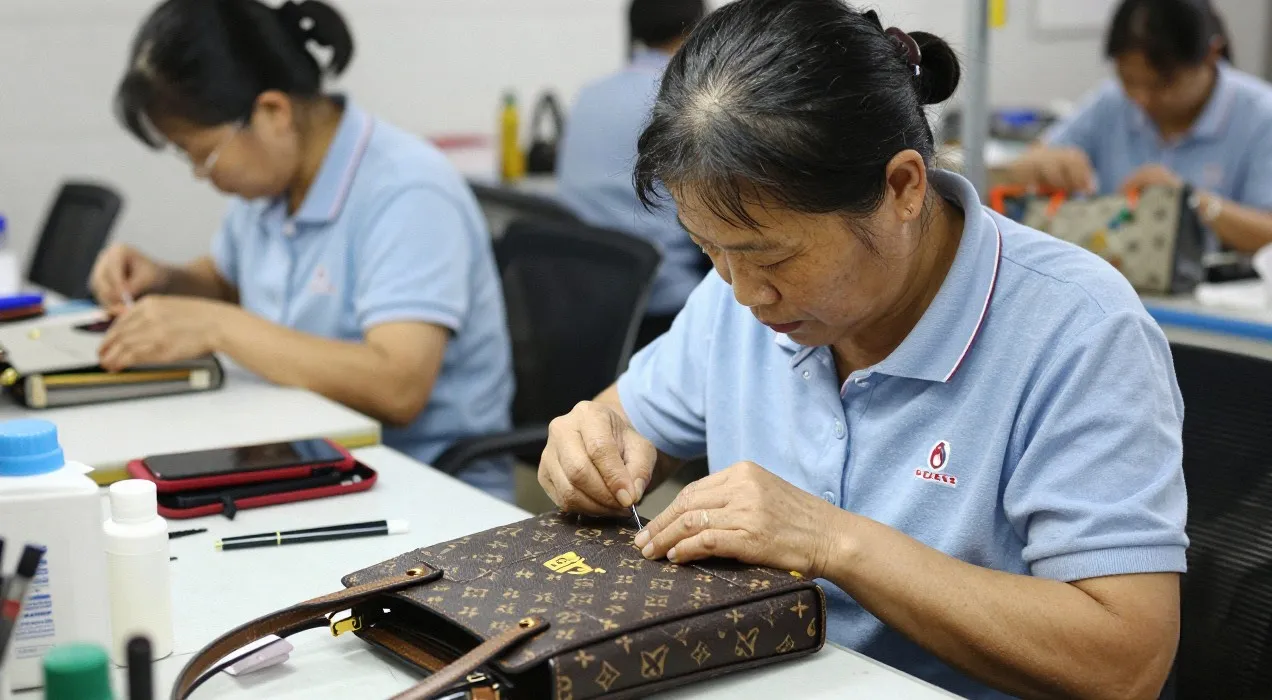
Successful certification implementation requires strategic planning that aligns with business objectives and operational capabilities. Companies should begin by conducting comprehensive assessments of current practices to identify gaps between existing operations and certification requirements. This baseline evaluation guides the development of implementation timelines and resource allocation strategies.
Stakeholder engagement plays a crucial role in certification success, requiring buy-in from management, employees, and supply chain partners. Clear communication about certification benefits and requirements helps build internal support while establishing accountability for meeting certification objectives. Training programs ensure that staff understand certification requirements and their roles in maintaining compliance.
For detailed guidance on manufacturing compliance, our compliance standards guide provides essential information for sustainable manufacturing.
Cost-Benefit Analysis and Return on Investment
Investment in sustainability certifications requires careful financial analysis that considers both immediate costs and long-term benefits. Initial expenses include certification fees, implementation costs, and potential operational adjustments. However, these investments often generate returns through premium pricing, reduced regulatory risks, and enhanced brand reputation.
The intangible benefits of certification, including stakeholder trust, regulatory compliance, and competitive differentiation, contribute significantly to overall return on investment. Companies with multiple certifications often experience reduced audit requirements and streamlined compliance processes, generating operational efficiencies that offset certification costs.
Supply Chain Management and Traceability
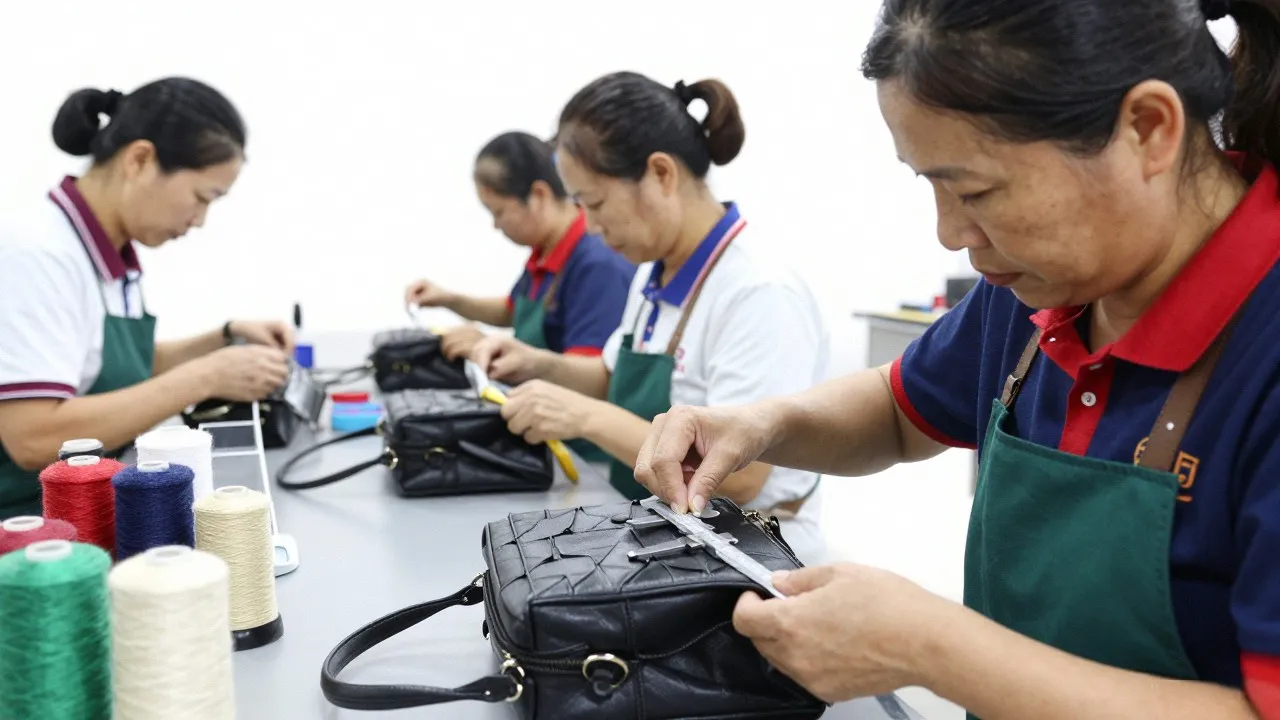
Effective certification management extends beyond individual facilities to encompass entire supply chains. Traceability systems that track materials from source to finished product become essential for maintaining certification status and verifying sustainability claims. Modern technology solutions, including blockchain and digital tracking systems, enhance traceability capabilities while reducing administrative burdens.
Supplier qualification and monitoring programs ensure that all supply chain partners meet certification requirements. Regular assessments and audits verify that sustainability standards are maintained throughout the manufacturing process. Collaborative relationships with suppliers facilitate knowledge sharing and continuous improvement initiatives.
For comprehensive information about sustainability certifications, our complete sustainability guide covers all essential certification programs.
Regulatory Compliance and Future Developments
Sustainability certifications often exceed regulatory requirements, providing companies with proactive compliance strategies that anticipate future regulatory developments. As governments worldwide implement stricter environmental regulations, certified companies enjoy competitive advantages through their established sustainable practices and documented compliance systems.
Emerging trends in sustainability certification include increased focus on climate impact, circular economy principles, and supply chain transparency. Certification bodies continuously update standards to address evolving environmental challenges and stakeholder expectations. Companies must stay informed about these developments to maintain certification relevance and effectiveness.

Technology Integration and Digital Solutions
Digital transformation is revolutionizing sustainability certification processes through automation, data analytics, and real-time monitoring capabilities. Advanced software platforms streamline documentation requirements, automate compliance reporting, and provide real-time visibility into sustainability performance metrics. These technological solutions reduce administrative burden while improving accuracy and efficiency.
Internet of Things (IoT) sensors and monitoring devices enable continuous tracking of environmental parameters such as energy consumption, water usage, and emissions. This real-time data supports proactive management of environmental impacts while providing the detailed documentation required for certification maintenance. Predictive analytics help identify potential compliance issues before they occur.
Global Market Access and Trade Benefits
Sustainability certifications facilitate access to international markets by demonstrating compliance with environmental and social standards required by importing countries and retailers. Many major brands and retailers mandate specific certifications for their suppliers, making these credentials essential for market participation. Certification harmonization efforts are creating global acceptance of major standards, reducing duplication of requirements.
Trade agreements increasingly incorporate sustainability provisions that favor certified products through preferential treatment or reduced tariffs. Companies with recognized certifications may qualify for special trade programs that provide market access advantages and cost savings. These benefits extend beyond individual products to influence overall business competitiveness.

Challenges and Solutions in Certification Management
Common challenges in certification management include documentation complexity, audit preparation, and maintaining consistency across multiple locations or product lines. Companies often struggle with understanding specific requirements for different certifications and coordinating implementation across various departments. Effective solutions include dedicated sustainability management teams and specialized software tools.
Small and medium enterprises may face particular challenges related to resource constraints and technical expertise. Collaborative approaches, including industry partnerships and certification pooling arrangements, can help smaller companies achieve certification benefits while sharing implementation costs. Industry associations often provide resources and guidance for members pursuing certification.
For information about manufacturing best practices, our factory audit guide provides comprehensive evaluation criteria.
Measuring and Reporting Sustainability Impact
Quantifying the impact of sustainability certifications requires robust measurement and reporting systems that track both environmental and business outcomes. Key performance indicators include recycled content percentages, chemical reduction achievements, and waste diversion rates. These metrics demonstrate tangible progress toward sustainability goals while supporting marketing and communications efforts.
Third-party verification of sustainability claims through certification provides credibility that internal reporting cannot match. Stakeholders, including investors, customers, and regulators, place greater trust in independently verified sustainability information. Regular reporting on certification maintenance and continuous improvement demonstrates ongoing commitment to sustainability.

Industry-Specific Applications and Considerations
Different industries face unique challenges and opportunities in implementing sustainability certifications. In the textile and fashion sector, GRS and OEKO-TEX certifications address consumer concerns about recycled content and chemical safety. The furniture industry relies heavily on FSC certification to verify sustainable wood sourcing and forest management practices.
Accessory manufacturers often pursue multiple certifications to address different material components and consumer concerns. Handbag producers might certify cotton canvas under OEKO-TEX, recycled polyester under GRS, and leather alternatives under relevant standards. This comprehensive approach addresses the complex material composition typical of accessory products.
For custom manufacturing solutions that incorporate certified sustainable materials, our custom solutions page showcases successful implementations.
Future Trends and Emerging Standards
The sustainability certification landscape continues to evolve in response to emerging environmental challenges and stakeholder expectations. Climate impact assessment is becoming an integral part of certification requirements, with standards incorporating carbon footprint measurements and reduction targets. Circular economy principles are driving new certification categories focused on product lifecycle management.
Consumer demand for transparency is pushing certification bodies to develop more accessible verification methods and public reporting requirements. Blockchain technology and digital certificates are creating new possibilities for real-time verification and supply chain transparency. These innovations promise to enhance the credibility and accessibility of sustainability certifications.

Conclusion and Strategic Recommendations
Sustainability certifications like GRS, OEKO-TEX, and FSC represent essential tools for companies committed to environmental responsibility and social accountability. These certifications provide credible, third-party verification of sustainability claims while driving continuous improvement in environmental and social performance. The strategic value of certification extends beyond compliance to encompass market differentiation, stakeholder trust, and long-term business resilience.
Successful certification implementation requires strategic planning, stakeholder engagement, and commitment to continuous improvement. Companies should view certification as part of a broader sustainability strategy rather than an isolated compliance activity. The integration of multiple certifications creates comprehensive sustainability frameworks that address diverse stakeholder expectations and market requirements.
The investment in sustainability certifications generates returns through enhanced brand reputation, market access, and operational efficiencies. As consumer awareness grows and regulatory requirements tighten, certified companies will enjoy competitive advantages in sustainable markets. The time to act is now, as early adopters gain leadership positions in the evolving sustainable economy.
Strategic Recommendation
Begin your sustainability certification journey by identifying the most relevant standards for your products and markets, then develop a phased implementation plan that builds upon initial successes while expanding certification coverage over time.
Expert Sustainability Certification Support
Partner with experienced professionals who understand the complexities of sustainability certifications and can guide you through the implementation process. Our team provides comprehensive support for GRS, OEKO-TEX, and FSC certification programs tailored to your specific business needs.

- Recycled PU vs PVC: Which Material Is Better for Sustainable Bags?
- Is Recycled PU Leather Toxic? Safety, Chemical Risks & Buyer Guide
- Recycled PU Leather: Is It Sustainable? Bag Brand Guide
- Recycled PU vs PU Leather: Which Is Better for Bags?
- What Is Recycled PU Leather? Complete Guide for Bag Brands
- PU vs. Polyester for Bags: Which Material Is Better for Your Brand?
- Silk vs. Bamboo vs. Tencel: Why Luxury Wellness Brands Still Choose Real Mulberry Silk for Bedding
- How to Spot Fake Silk: A Factory Guide to Testing Real Mulberry Silk for B2B Buyers
- The Ultimate Guide to Sourcing Mulberry Silk: 16mm vs 19mm vs 22mm Compared
- Canvas vs. Polyester vs. PU: Material Comparison
- Guide to Sustainability: GRS, OEKO-TEX & FSC
- Canvas Fabric Weight Guide: GSM and Oz Explained
- The Future of Vegan Leather: Pineapple, Cactus, and Apple Fiber
- Water-Based PU vs Recycled PU: Which Is Better for Bags?
- Why Water Based PU Leather is so popular?
- Comparing Cotton vs. Blended Canvas for Tote Bags
- Eco-Friendly and Sustainable Canvas Tote Bags
- Canvas Tote Bag Material & Weight Guide: oz/GSM Chart for Every Bag Type
- Sustainable Custom Tote Bags with Logo: Certifications, Materials & Greenwashing Red Flags
- Canvas Tote Bag Factory: What Affects the Durability?
- Cotton Tote Bag Factory: Grades, GSM Options & Fabric Testing
- Luxury Tote Bag Factory for Premium Brands (PU/Leather Options)
- Recycled Tote Bag Factory: RPET, Organic Cotton & Eco-Friendly Materials
- Top Custom PU Handbag Factories & Pro Tips for Choosing Quality
DREAMWAY
Custom Bag & Silk Manufacturer · Shiling, Guangzhou
Company
Products
Guides & Insights
Ready to Bring Your Bag Idea to Life? Let’s Talk Today.
From your first sketch to bulk delivery, our team replies within 12 hours with expert advice and a free quote. No pressure — just honest manufacturing guidance.

Prefer a call? +86-020-87682749 · Mon–Sat, 9:00–18:00 (GMT+8)
Customer Reviews99 Reviews