Canvas vs. Polyester vs. PU: Material Comparison

Quick Summary This guide compares Canvas, Polyester, and PU — three of the most popular materials for custom bags and totes — across cost, durability, waterproofing, eco-friendliness, and MOQ flexibility. Whether you are sourcing promotional totes, retail shopping bags, or premium handbags, this article cuts through the noise to help you make a data-backed sourcing decision that protects your margins and brand reputation.
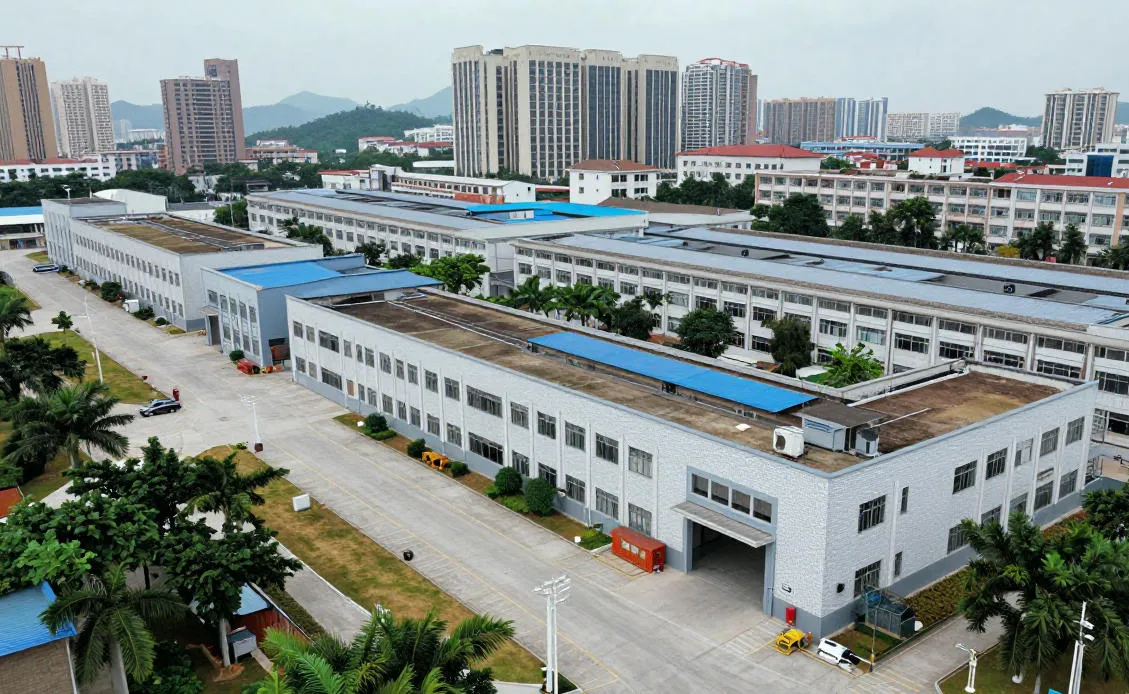
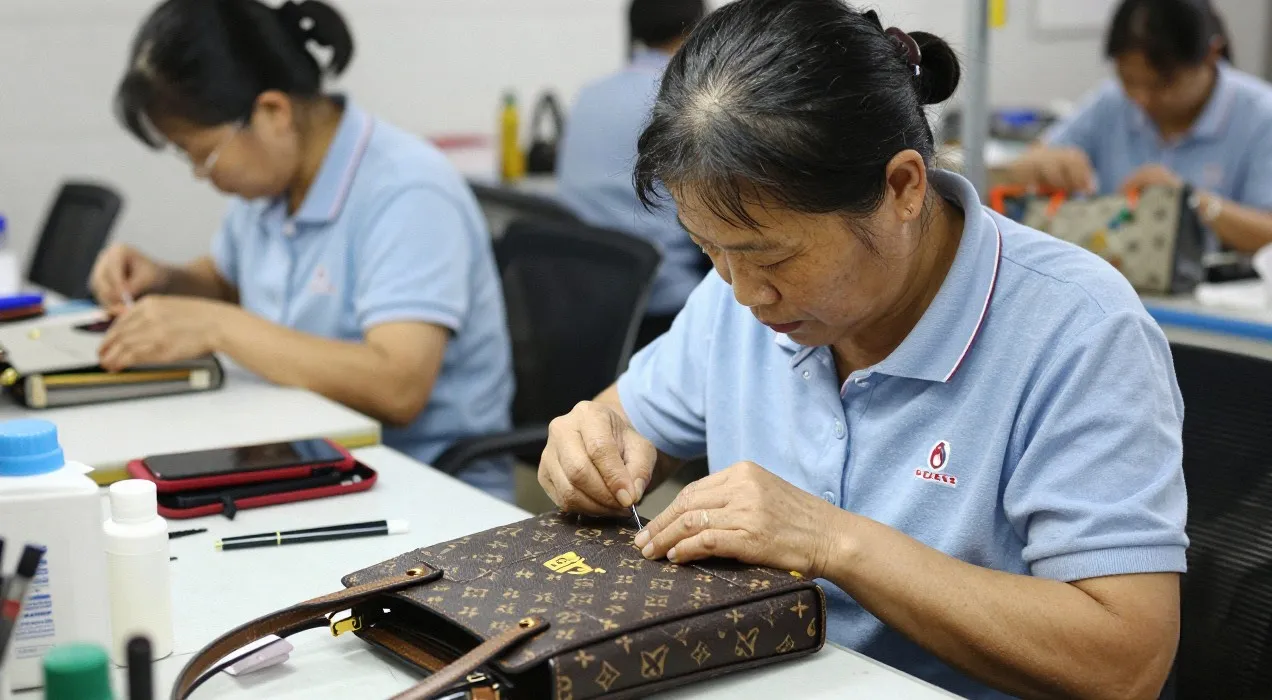
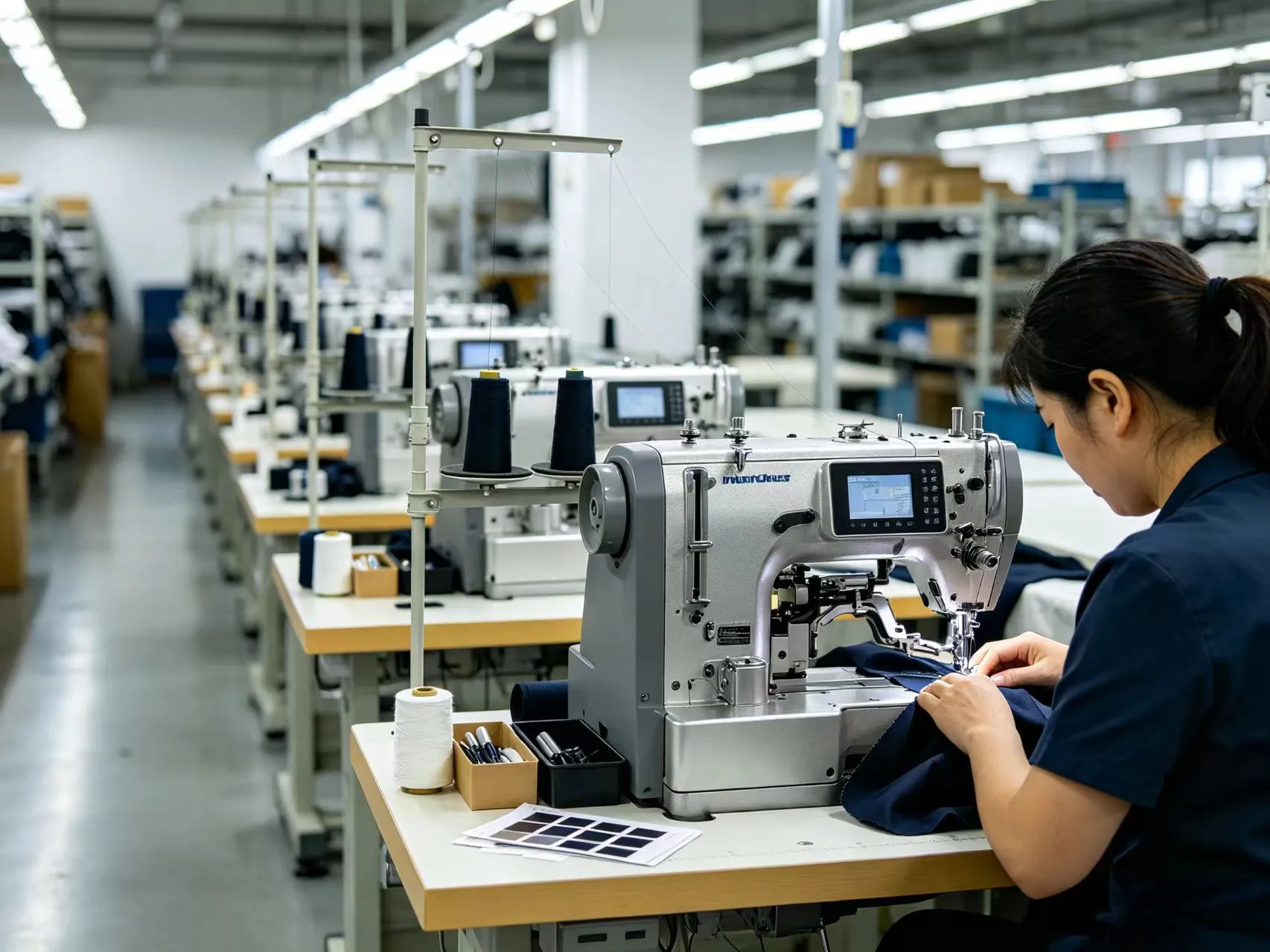
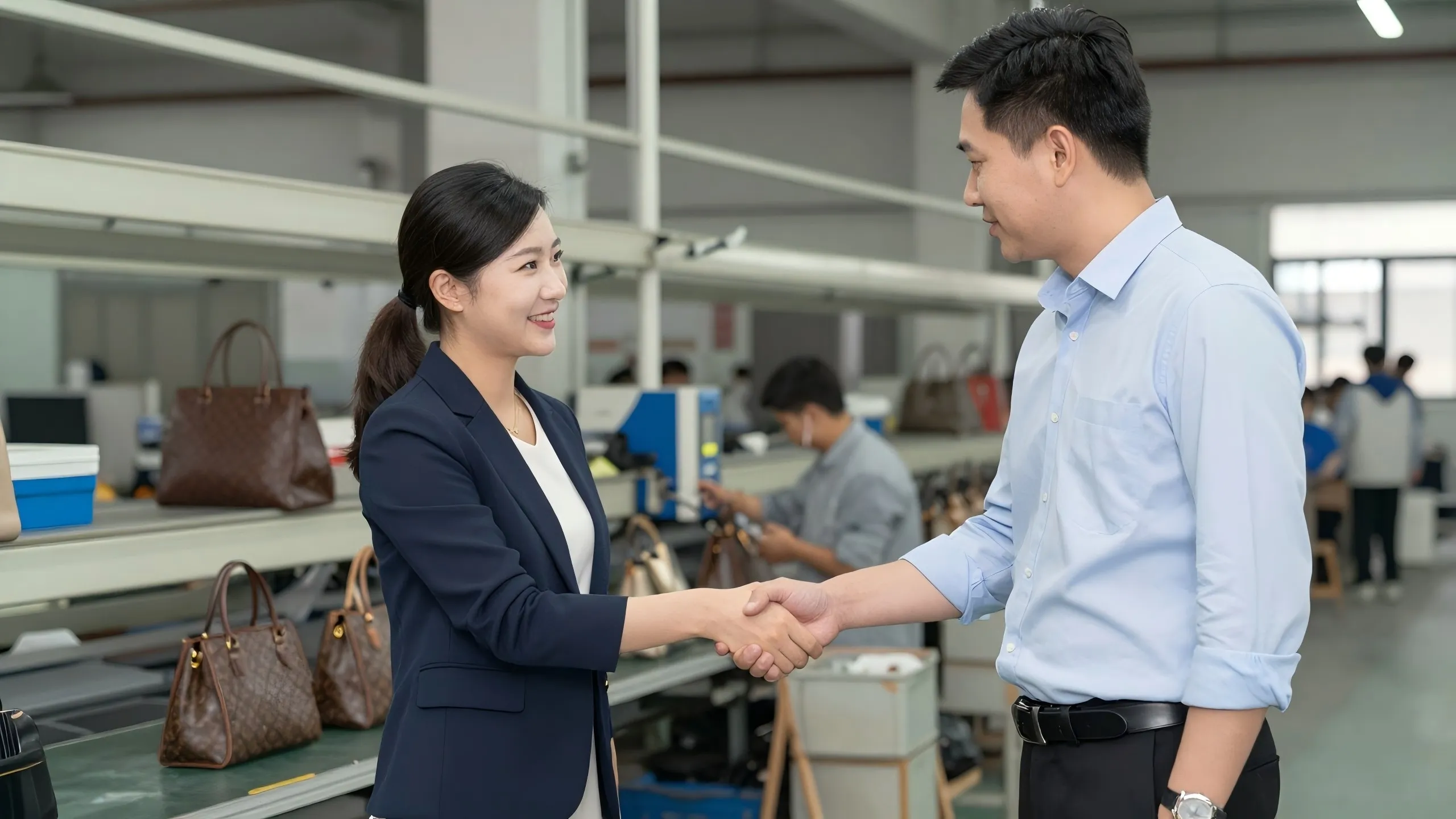
Handbag factory production floor
Modern handbag manufacturing facility — quality begins with the right material choice.

Choosing the right bag material is one of the most consequential decisions a brand buyer, product manager, or procurement officer will make. The wrong call — a fabric that pills after three washes, a finish that cracks in humid climates, or a cost structure that blows your BOM — can erode customer trust and eat into margins before a single bag ships. Among the dozens of options available, Canvas, Polyester, and PU (Polyurethane) Leather consistently surface as the three most viable candidates for brands and businesses sourcing custom bags in 2026. Each brings distinct strengths, trade-offs, and price points to the table. This article provides a comprehensive, factory-level comparison to help you make the right call for your product line, budget, and end market.

Understanding Canvas: The Natural-Fiber Workhorse

Canvas is a heavyweight woven fabric — traditionally made from cotton or linen — that has been a cornerstone of bag manufacturing for centuries. Its tight weave creates a dense, durable surface that resists tearing and abrasion, making it a preferred material for custom canvas tote bags, promotional giveaways, and retail shopping bags alike.

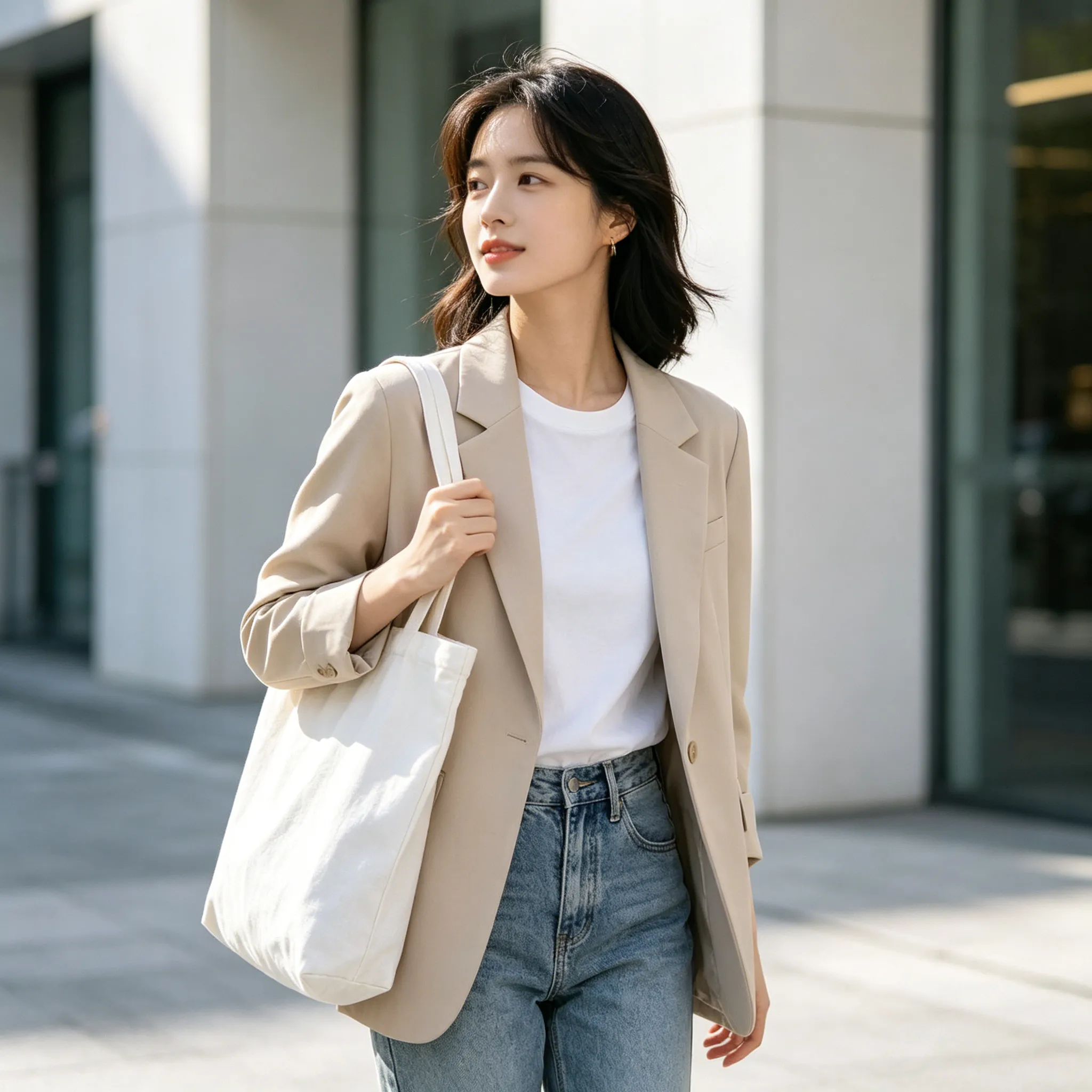
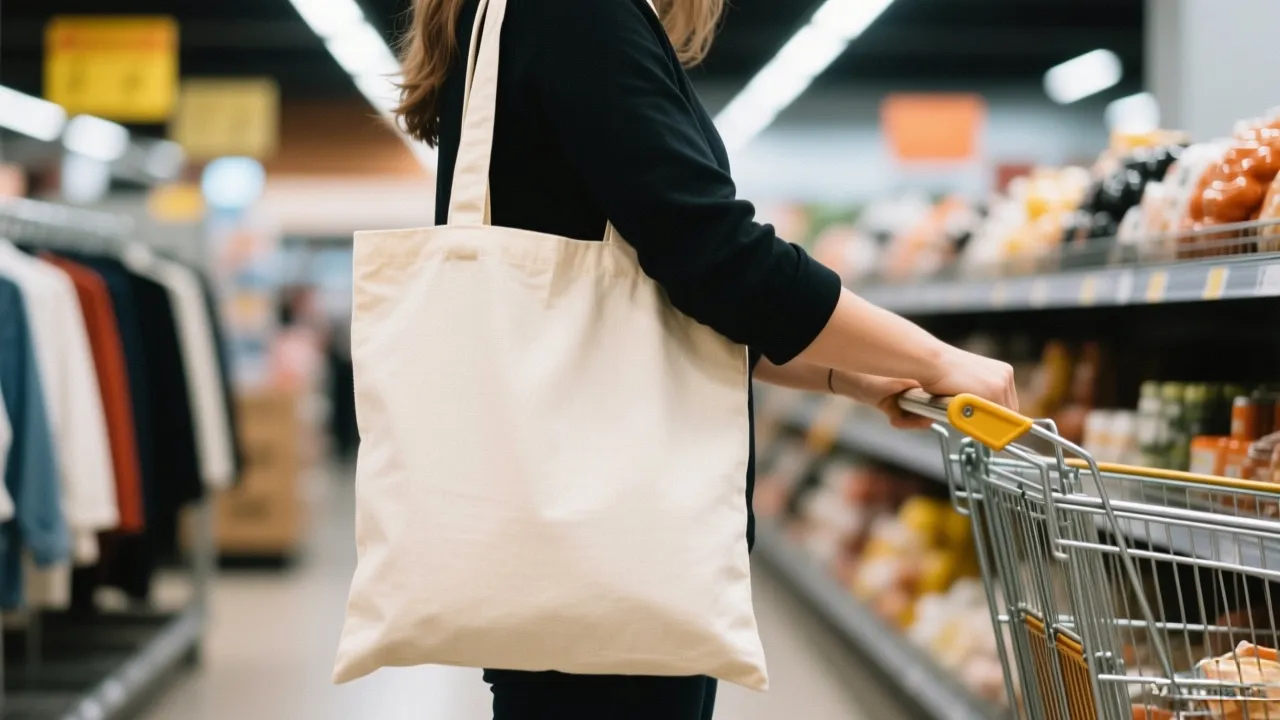
Canvas tote bag used for grocery shopping
Canvas totes are a top choice for everyday grocery and retail shopping scenarios.

In the modern manufacturing context, canvas is available in multiple weight grades, typically measured in GSM (grams per square meter). The canvas fabric weight guide explains how heavier GSM translates to greater structural rigidity and load-bearing capacity — a critical factor for buyers sourcing heavy-duty carry bags or insulated shopping totes. Organic and OEKO-TEX certified canvas options are increasingly available, appealing to eco-conscious brands navigating sustainability claims in competitive markets.

One of canvas’s standout advantages is its compatibility with a wide range of decoration techniques. Screen printing, embroidery, heat transfer, digital printing (DTG), and dye-sublimation all adhere well to canvas surfaces, giving brands maximum flexibility in translating logos and artwork onto the final product. For brands looking to maximize visual impact, pairing canvas with premium printing methods is explored in depth in the custom printed canvas tote bags guide.

Canvas tote bag at beach resort
Canvas bags perform beautifully in leisure and resort environments — especially when customized with brand-forward prints.

However, canvas is not without its challenges. Untreated canvas is naturally absorbent, meaning it can soak up water and develop mold in high-humidity environments if not properly waterproofed. Brands targeting tropical markets or outdoor use should factor in additional water-resistant coatings (such as wax or acrylic finishing) into their product cost calculations. Buyers can learn more about balancing canvas material grades and quality specifications in our canvas tote bag materials, printing, and cost breakdown.

Understanding Polyester: The High-Volume Performer

Polyester is a synthetic petroleum-based fiber that dominates the budget and mid-market bag segment. Its key selling proposition is cost efficiency at scale: polyester bags are typically 20–40% cheaper to produce than equivalent canvas bags, making them the go-to choice for promotional tote bags, event swag, and high-volume retail giveaways.

Non-woven polyester tote bag with custom logo
Non-woven polyester totes offer a cost-effective branding solution for high-volume campaigns.

Polyester scores exceptionally well on technical metrics: it is inherently water-resistant, dries quickly, resists mold and mildew, and tolerates frequent machine washing without significant degradation. For brands serving athletic, outdoor, or childcare markets — think custom drawstring bags and diaper bags — polyester’s functional advantages are hard to ignore.

Recycled polyester (rPET) has emerged as a compelling sustainability argument, allowing brands to market bags made from post-consumer plastic bottles while reducing virgin plastic demand. The sustainability certifications guide covers how rPET aligns with GRS (Global Recycled Standard) and OEKO-TEX standards — certifications increasingly demanded by European and North American retailers.

Stack of custom non-woven tote bags under soft lighting
Soft-lit display of custom branded non-woven bags — perfect for retail displays and pop-up events.

The main limitation of polyester is its tactile and aesthetic profile. Compared to canvas or PU, polyester feels less premium — a meaningful drawback for brands positioning in the mid-to-premium retail segment. Polyester is also prone to pilling (small fabric balls forming on the surface) after repeated use, which can diminish the bag’s visual appeal over time. For brands that need to balance cost with perceived quality, blending polyester with natural fibers — as covered in the cotton vs. blended canvas comparison — can offer a middle ground.

Understanding PU Leather: The Premium Alternative

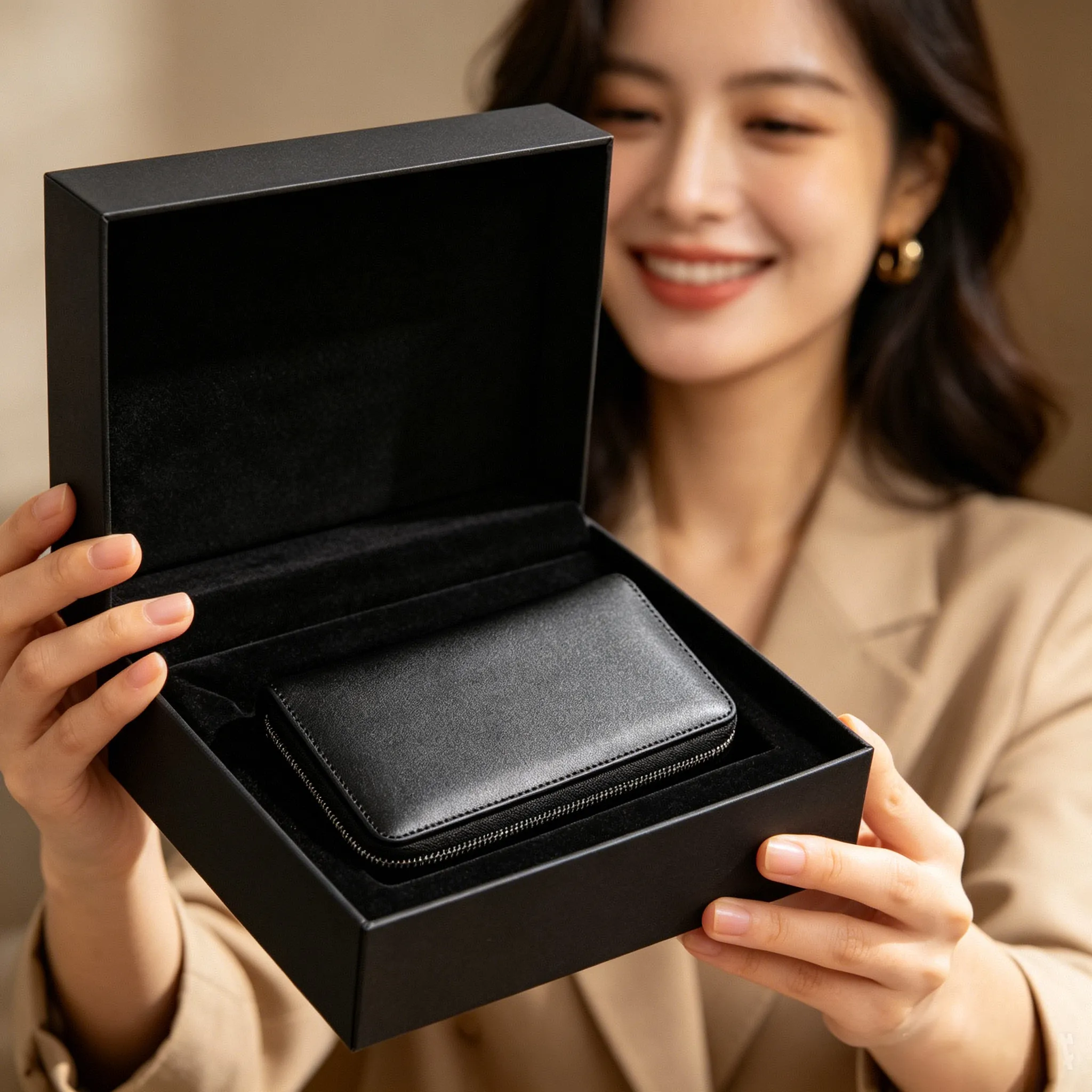
PU (Polyurethane) leather is a synthetic material typically constructed by coating a fabric base — often polyester or cotton — with a polyurethane resin layer. Modern PU can be engineered to mimic the grain, texture, and sheen of genuine leather at a fraction of the cost, making it a popular choice for fashion handbags, laptop sleeves, briefcases, and premium custom handbag production.

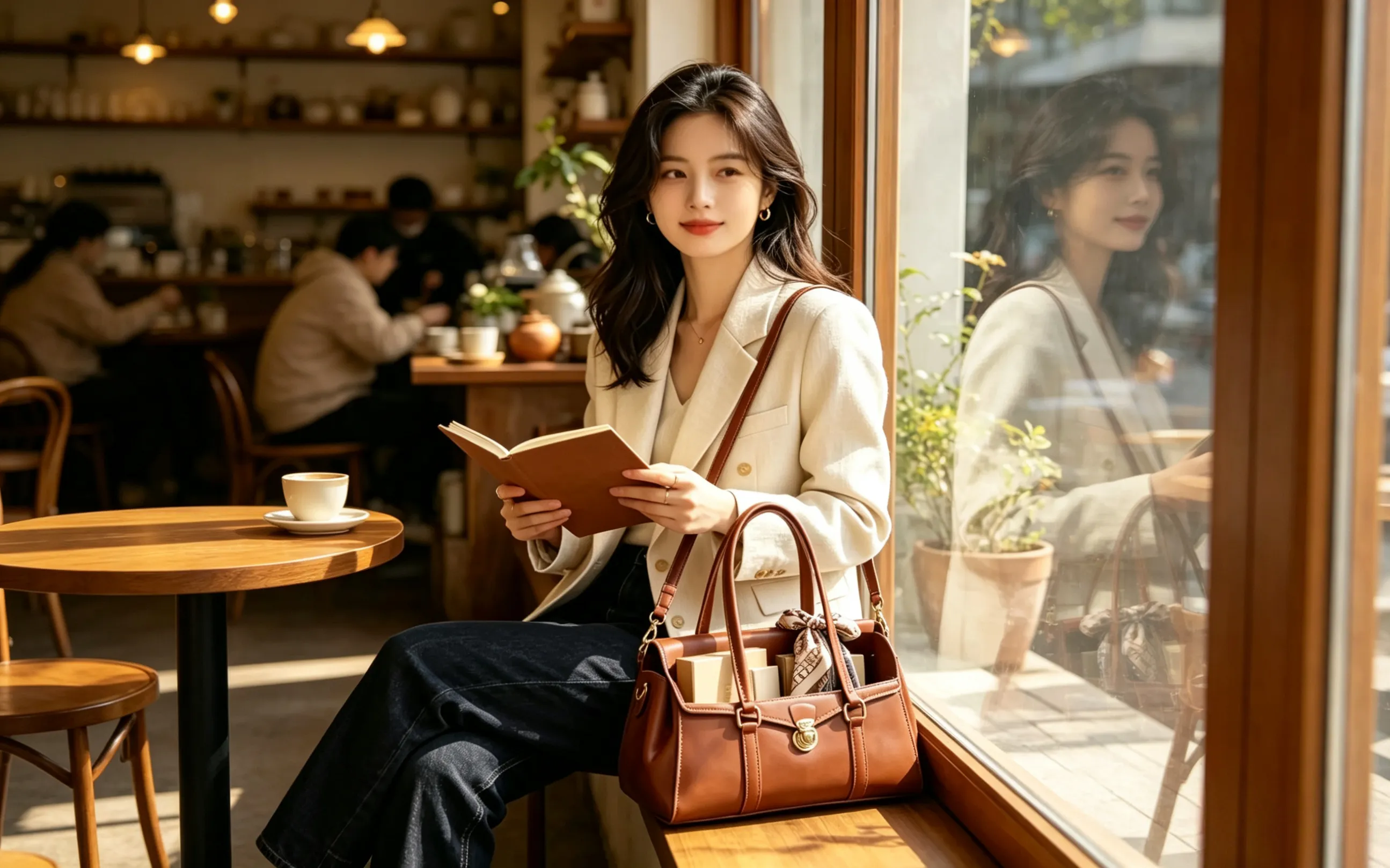
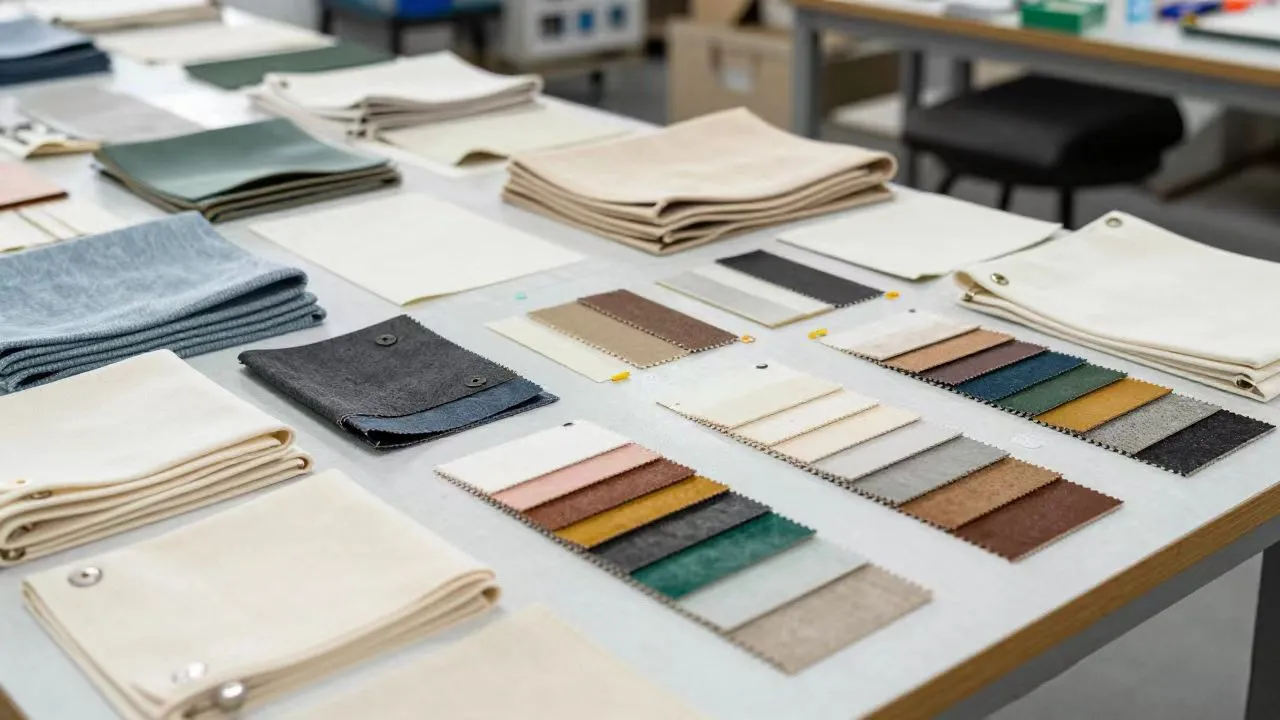
Handbag color swatches for PU leather selection
PU leather offers near-limitless color and finish options — from matte neutrals to high-gloss metallics.

From a procurement perspective, PU hits a strategic sweet spot: it delivers a luxury aesthetic without the premium price tag or ethical concerns associated with animal-derived leather. For brands targeting vegan, cruelty-free, or plant-based positioning, PU opens doors to compelling marketing narratives — especially as next-generation vegan leathers made from pineapple, cactus, and apple fiber continue to enter the mainstream. Water-based PU, in particular, is gaining traction as a lower-VOC, more environmentally responsible alternative to traditional solvent-based PU coatings, as explored in our dedicated water-based PU leather explainer.

PU is waterproof, easy to wipe clean, and accepts printing and embossing techniques readily. It can be laser-cut, heat-stamped, or foil-stamped to achieve high-end branding effects that would be cost-prohibitive on natural fabrics.

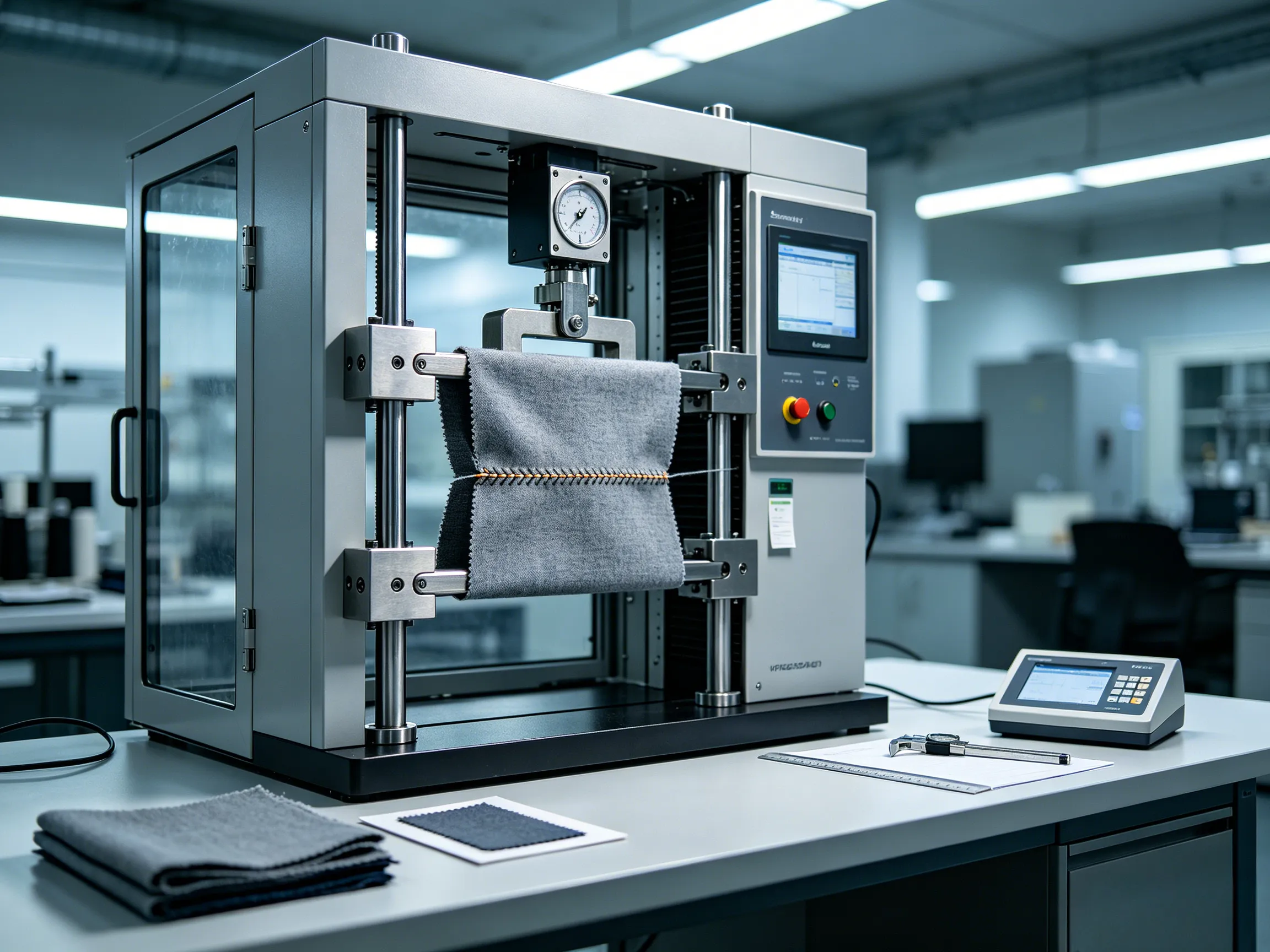
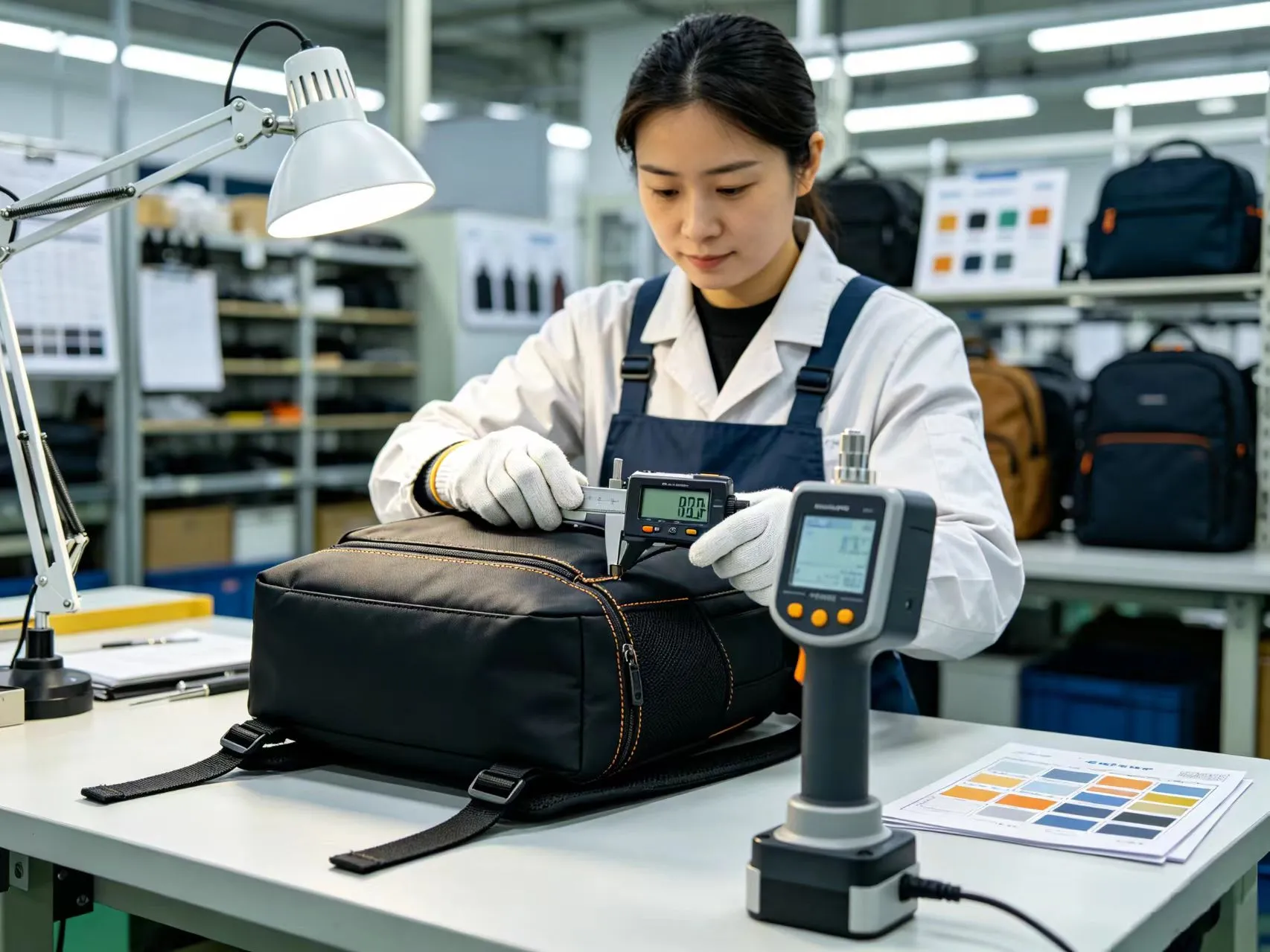
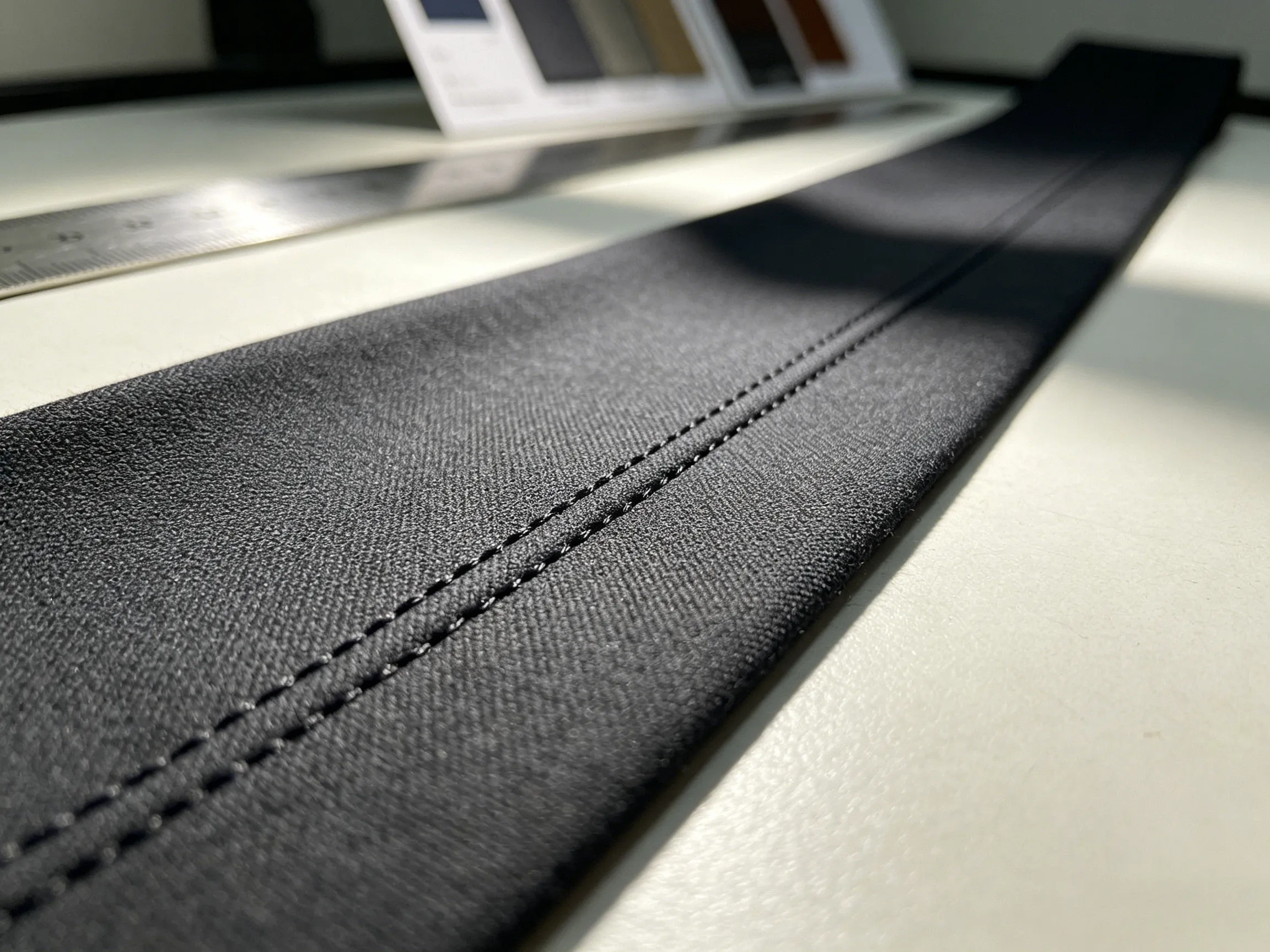
Close-up of fabric texture showing material quality
Inspecting fabric texture and surface quality — a critical step in material selection and quality control.

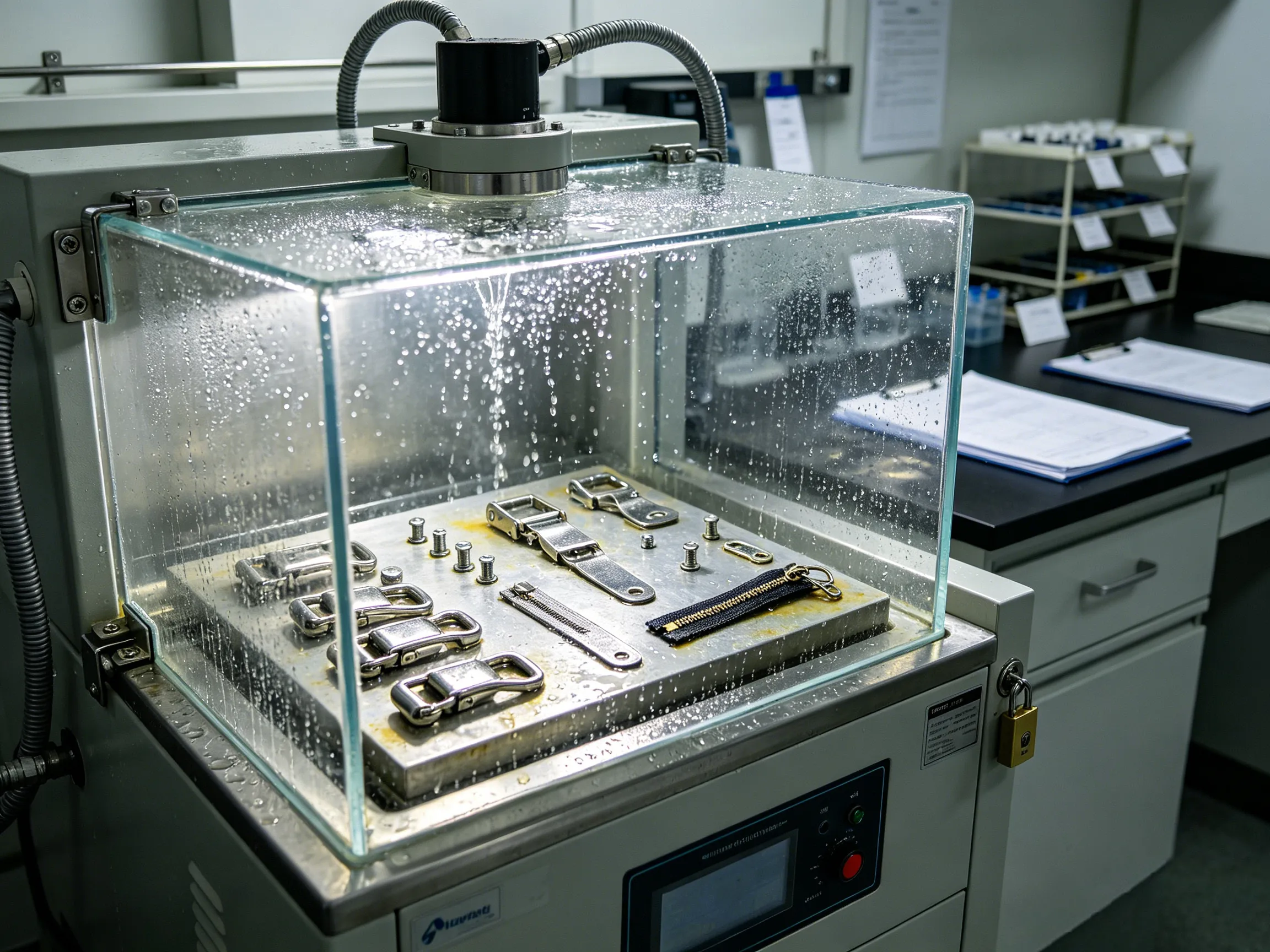
However, buyers must be aware of PU’s durability ceiling. Lower-quality PU can delaminate (the surface layer separates from the base fabric) within 12–18 months of heavy use, particularly in hot and humid climates. High humidity accelerates hydrolysis — a chemical reaction where water molecules break down the PU coating — leading to peeling, cracking, or surface stickiness. Brands sourcing PU bags for tropical or coastal markets should request hydrolysis-resistant formulations and validate them through accelerated aging tests. Our deep dive into water-based PU vs. recycled PU highlights the performance trade-offs that directly impact product lifespan and warranty exposure.

Material Comparison Table: Canvas vs. Polyester vs. PU

The table below consolidates key procurement-relevant metrics across the three materials. These figures are indicative factory-level benchmarks based on standard configurations; actual performance will vary by GSM, coating treatment, and manufacturing process.

AttributeCanvas (Cotton/Linen)Polyester / rPETPU Leather
Typical Cost Range (per unit, MOQ 200)$1.80 – $5.50$0.90 – $3.20$3.50 – $12.00
Durability Rating★★★★★ (5–10 years with care)★★★☆☆ (2–5 years)★★★☆☆ (2–5 years; varies by grade)
Waterproof / Water-ResistantResistant only with treatmentInherently water-resistantWaterproof
BreathabilityExcellentLowLow to Moderate
Eco-Friendliness (Baseline)High (organic options available)Low (rPET improves score)Low (water-based improves score)
Decoration Methods SupportedScreen, DTG, embroidery, heat transfer, sublimationScreen, sublimation, transferScreen, emboss, laser, foil stamp
Typical MOQ Flexibility200+ units (OEM)200+ units (OEM)200+ units (OEM/ODM)
Premium Aesthetic Score★★★★☆★★☆☆☆★★★★★
Maintenance / Care EaseMachine washable; air dryMachine washable; fast dryWipe clean; avoid machine wash
Best Suited ForRetail totes, gifts, school, eventsPromotional, sports, childcare, bulkFashion bags, laptop, business, luxury promo
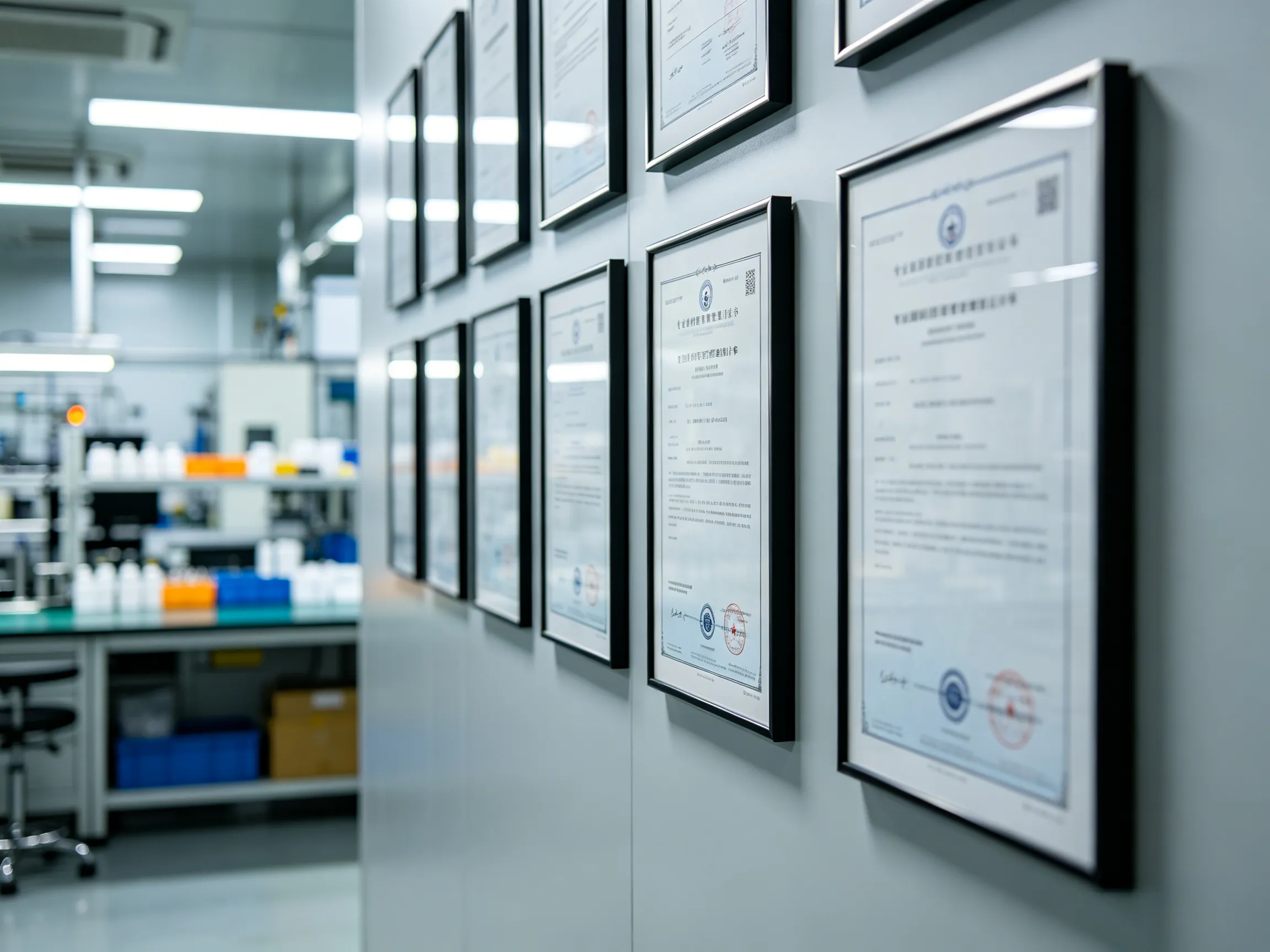
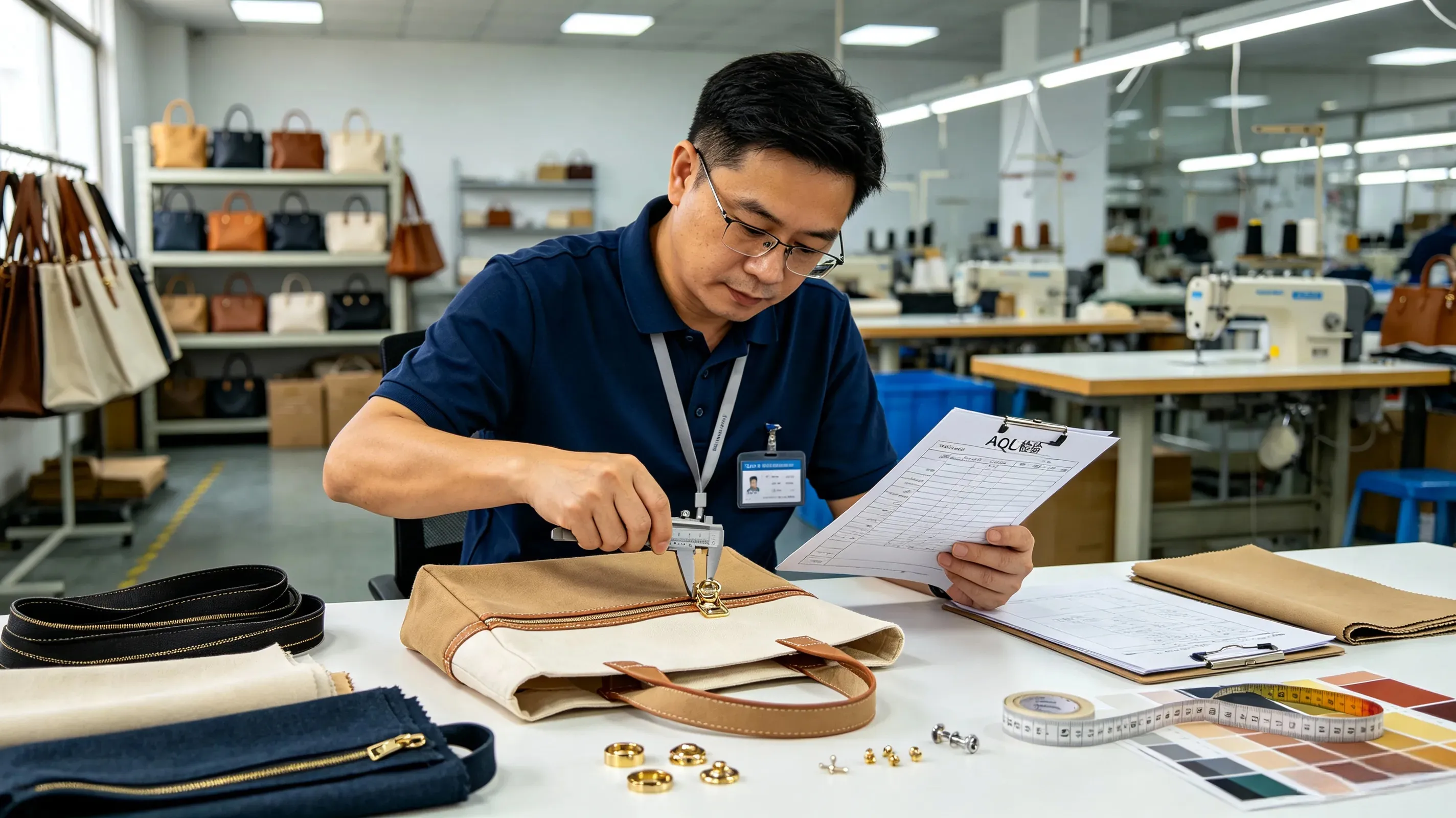
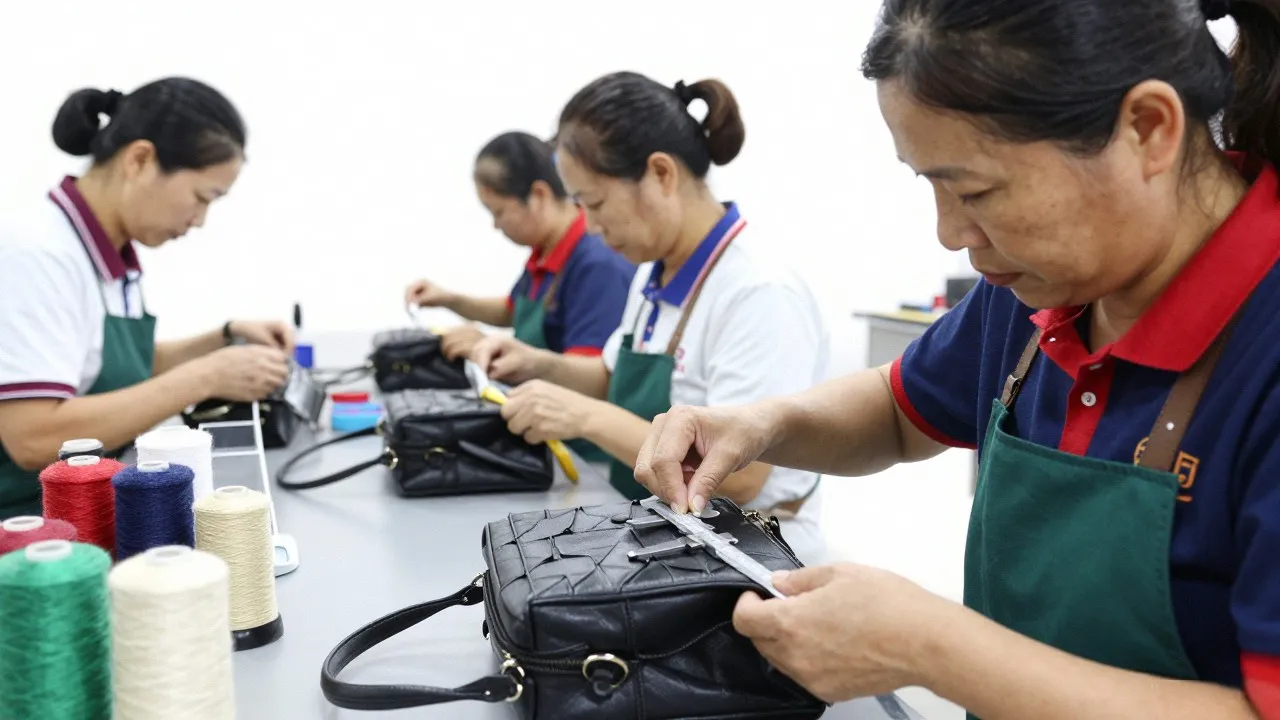
Factory QC inspector checking bag quality
Rigorous quality control ensures every material specification is verified before mass production begins.

How to Choose the Right Material for Your Product Line

There is no universally “best” material — only the right material for a given application, market, and business model. Here is a practical decision framework that procurement teams and brand buyers can apply directly:

Scenario 1: You Need a Cost-Effective, High-Volume Promotional Bag

If your primary goal is to distribute branded bags at trade shows, corporate events, or product launches without blowing the marketing budget, polyester — especially non-woven or RPET polyester — delivers the best cost-per-impression ratio. Pair it with screen printing for bold, single- or two-color logos, and you can land a functional, brand-forward bag under $1.50 per unit at MOQ 200. For a deeper understanding of how bulk ordering reduces unit costs, see our bulk tote bag cost reduction guide.

Scenario 2: You Want a Premium Brand Experience with Natural Appeal

Canvas is the clear winner here. Its organic texture, printability, and heritage associations command a higher perceived value from consumers. Brands in the fashion, lifestyle, wellness, and artisanal food spaces consistently choose canvas to reinforce a premium, sustainable brand story. Our canvas tote bag care and maintenance guide is a useful resource to share with end customers to extend bag lifespan and reduce return rates.

Scenario 3: You Target the Fashion or Business Accessories Market

PU leather — particularly water-based PU — enables a luxury look without the leather sourcing complexity or tariff exposure that comes with genuine leather. It works exceptionally well for laptop bags, executive totes, makeup pouches, and fashion handbags. The handbag design trends 2026 article highlights how leading brands are using PU to deliver on-trend aesthetics at accessible price points.

Scenario 4: You Need MOQ Flexibility to Test a New Product Line

Start-ups and emerging brands often need to test products in small batches before committing to large orders. Our small MOQ bag production guide explains how to structure initial orders with a 200-unit MOQ to minimize inventory risk while validating market demand. The tote bag MOQ explained article further breaks down how minimum order quantities impact per-unit pricing and lead time.

Cost Drivers: Beyond the Material Itself

Material cost is only one component of the total cost of ownership. Savvy buyers know to factor in several additional variables:

  • Hardware and trim — Zippers, clasps, buckles, metal tags, and pullers can add $0.30–$2.00 per unit depending on quality grade. Our hardware selection guide walks through the trade-offs between budget and premium hardware options.
  • Decoration complexity — A simple one-color screen print costs a fraction of a multi-color DTG print or full embroidery. Artwork preparation quality also matters; poorly prepared files drive up setup charges. Refer to our logo artwork preparation guide before submitting designs.
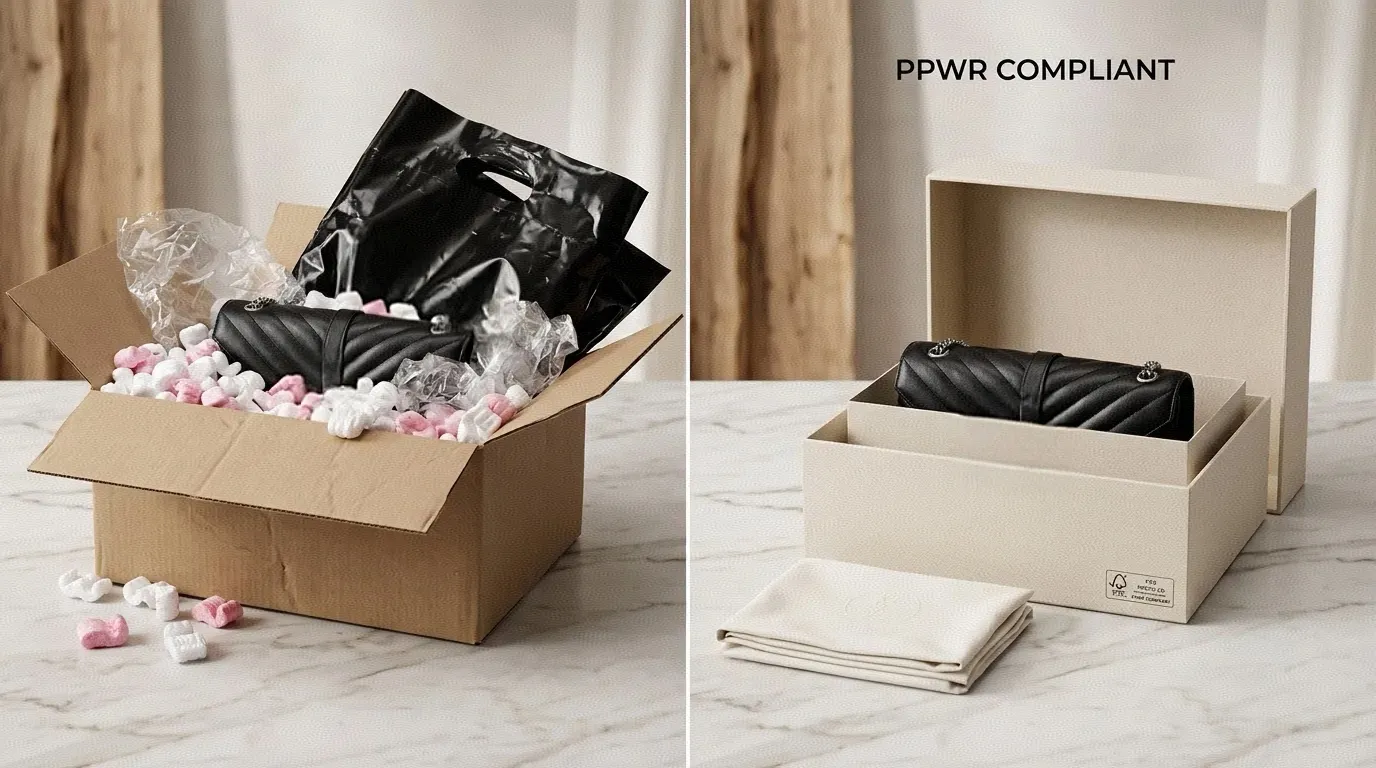
  • Packaging — Polybagging, hang tags, tissue paper, and custom boxes add $0.20–$1.50 per unit. Branded packaging has a measurable impact on perceived value and unboxing experience, as explored in our e-commerce tote bag strategy guide.
  • Freight and duties — For bags imported from China, ocean freight, insurance, and import duties (typically 6–20% depending on HTS code) can significantly affect landed cost. The HS code guide for handbags and tariff reduction strategies are essential reads for any importer.
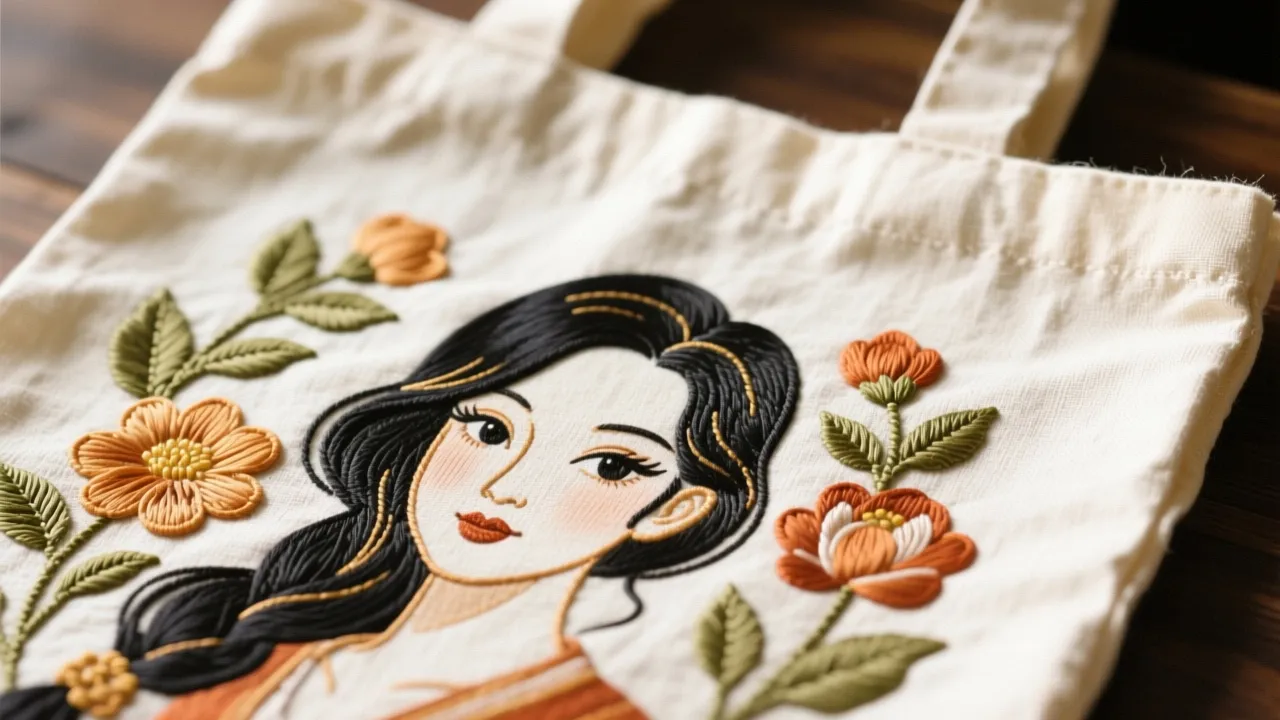
Handcrafted embroidery detail on canvas tote bag
Embroidery adds a tactile, luxury finish that elevates canvas bags above standard promotional products.

Sustainability Considerations for 2026 and Beyond

Environmental credentials have shifted from a “nice-to-have” to a procurement prerequisite for many brands — particularly those selling into European markets or competing for shelf space with sustainability-focused retailers. Here is how each material maps to the key certifications and consumer expectations shaping 2026 sourcing decisions:

  • Canvas: Organic canvas (GOTS-certified) and recycled cotton canvas are commercially available at reasonable premiums. OEKO-TEX Standard 100 ensures no harmful substances in the finished product. For brands targeting the eco-conscious consumer segment, canvas — especially blended or organic variants — aligns well with green marketing claims without greenwashing risk.
  • Polyester: Virgin polyester is derived from petroleum and is not biodegradable. The better story is recycled PET (rPET), which diverts plastic bottles from landfills. GRS certification allows brands to make verified recycled content claims. Our eco-friendly tote bag sourcing guide covers how to navigate the certification landscape and avoid greenwashing pitfalls.
  • PU Leather: Traditional PU faces scrutiny for its petroleum origins and end-of-life profile. Water-based PU reduces solvent emissions during production. Some manufacturers are experimenting with bio-based PU alternatives, though these remain niche and come with higher price tags and limited supplier availability.
Eco-friendly RPET tote bag for sustainable brand promotion
RPET tote bags made from recycled plastic bottles — a compelling sustainability story for eco-conscious brands.

Common Sourcing Mistakes and How to Avoid Them

Even experienced procurement teams can stumble when sourcing custom bags. Here are the most frequent pain points we see in factory communications, and how to sidestep them:

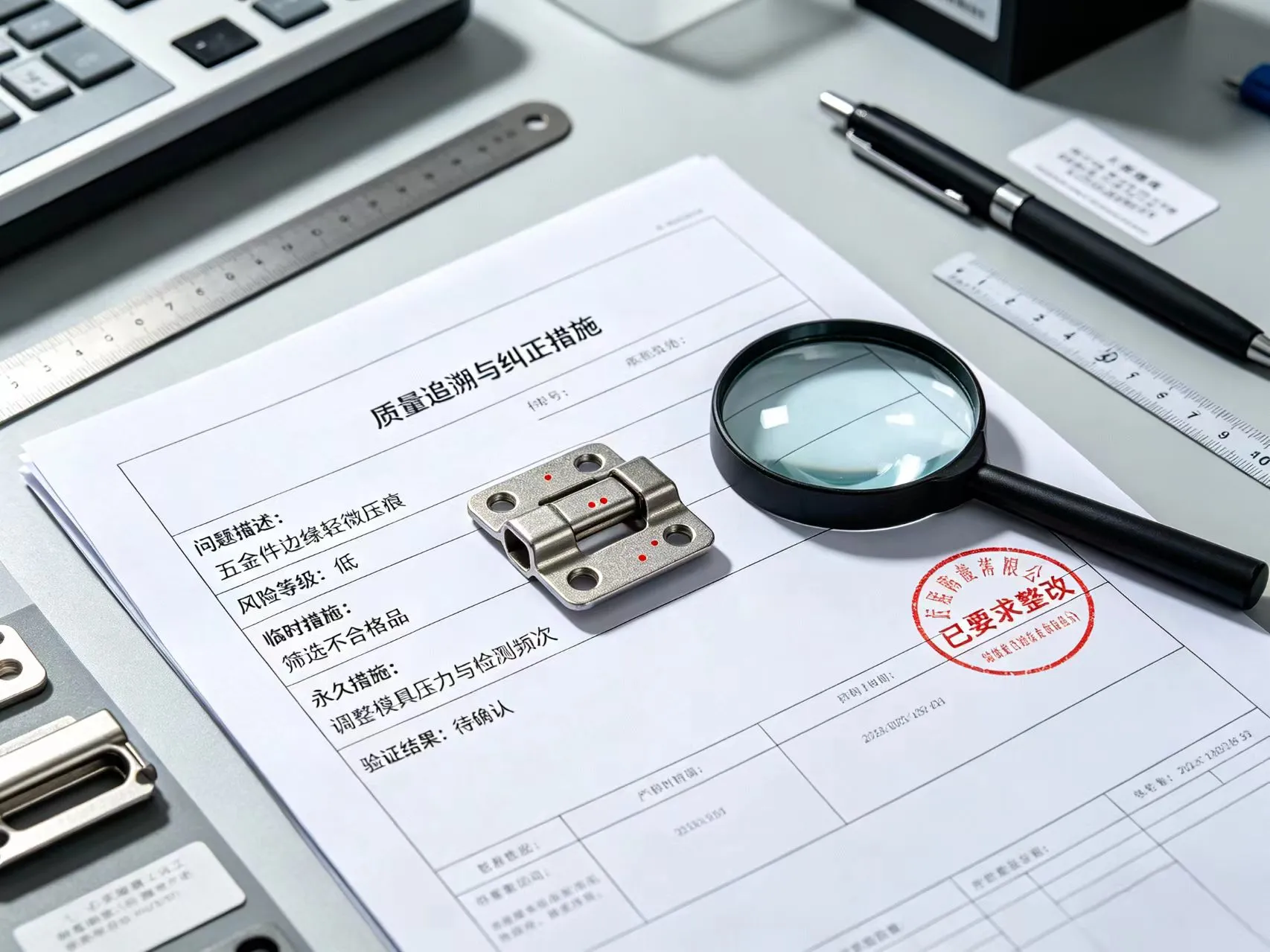
Underestimating the tech pack: A vague product brief leads to sample rejections, rework cycles, and delayed timelines. Invest in a detailed tech pack that specifies GSM, weave density, colorfastness standards, hardware specifications, and quality benchmarks before sampling begins. The tech pack cost engineering guide shows how a well-structured tech pack can actually reduce total production cost.

Ignoring compliance requirements: Bags sold in the US must comply with CPSIA and ASTM standards for physical and chemical safety. European markets enforce REACH chemical restrictions. The REACH and Prop 65 compliance guide is a must-read for any brand importing custom bags from China.

Skipping the factory audit: At MOQ 200, you are placing a meaningful order — treat it accordingly. A structured factory audit checklist verifies production capability, quality management systems, social compliance, and financial stability before you wire a deposit. Our article on handbag manufacturing cost structure also explains how factory overhead and efficiency directly affect the price you pay.

How to Get Your Custom Bags Made with Confidence

Whether you are ordering 200 units for a product launch or 5,000 units for a retail line, the sourcing process follows a predictable path: material selection → tech pack development → sampling → approval → production → quality control → shipping. Each stage presents opportunities to optimize cost, quality, and timeline — or to stumble if not managed proactively.

If you are transitioning from small-batch sampling to full-scale mass production, our guide to scaling from small MOQ to mass production walks through the operational and financial adjustments you will need to make. Similarly, understanding the 7 factors that affect custom handbag unit costs gives you the analytical framework to negotiate confidently with suppliers and avoid the hidden risks of sourcing from the cheapest factory.

Ready to Source the Perfect Bag for Your Brand?

Whether you have settled on canvas, polyester, or PU — or you need an expert to walk you through the trade-offs based on your specific product brief, target market, and budget — our team is standing by. We specialize in custom bag manufacturing with MOQ starting at just 200 units, serving brands and retailers worldwide with full OEM and ODM capabilities. Send us your design concept, target price, and quantity today, and receive a detailed production plan and sample quote within 48 hours.

Get Your Free Production Quote Now — No Obligation Explore Our Full Product Catalog

Frequently Asked Questions

What is the minimum order quantity (MOQ) for custom canvas, polyester, and PU bags?
Our standard MOQ for custom bags — whether canvas, polyester, or PU — is 200 units per design per color. This applies across all three material categories. For specialty materials such as organic canvas, water-based PU, or rPET fabric, the MOQ may vary; contact us directly to confirm availability and pricing for your specific requirements.
Which material is the most durable for everyday-use bags?
Canvas, when properly treated and maintained, is generally the most durable option, with a typical service life of 5–10 years. High-quality PU leather is the second most durable and offers superior water resistance, but lower-grade PU can delaminate within 12–18 months. Polyester is the most cost-effective for high-volume, short-lifecycle applications but has a shorter lifespan of 2–5 years under heavy daily use.
Are canvas bags waterproof?
Untreated canvas is water-resistant but not fully waterproof — it will absorb water and become heavy if saturated. For waterproof applications, waxed canvas or canvas treated with acrylic/water-repellent coatings is recommended. PU leather, by contrast, is inherently waterproof and requires no additional treatment.
Which material is best for eco-friendly or sustainable branded bags?
Canvas — particularly organic or GOTS-certified canvas — is the most environmentally friendly option among the three. Recycled PET (rPET) polyester is the next best choice, especially with GRS certification. Water-based PU represents an improvement over traditional solvent-based PU, though it still relies on petroleum-derived inputs. For a full breakdown of sustainable material options, see our sustainability certifications guide.
Can I get my logo printed or embroidered on all three materials?
Yes. Screen printing, DTG (digital direct-to-garment), heat transfer, and embroidery all work on canvas. Polyester supports screen printing, sublimation, and heat transfer. PU leather accepts screen printing, foil stamping, embossing, and laser engraving. The best method depends on your artwork complexity, color requirements, and budget — our team can recommend the optimal approach for your specific design.
What is the typical production lead time for custom bags at MOQ 200?
Standard production lead time ranges from 25–35 days after sample approval, depending on material availability, decoration complexity, and factory scheduling. Peak season (Q3) may extend timelines. For urgent orders, see our rush order guide to understand the feasibility and cost premium for sub-2-week deliveries.
How do I verify the quality of my bags before they ship?
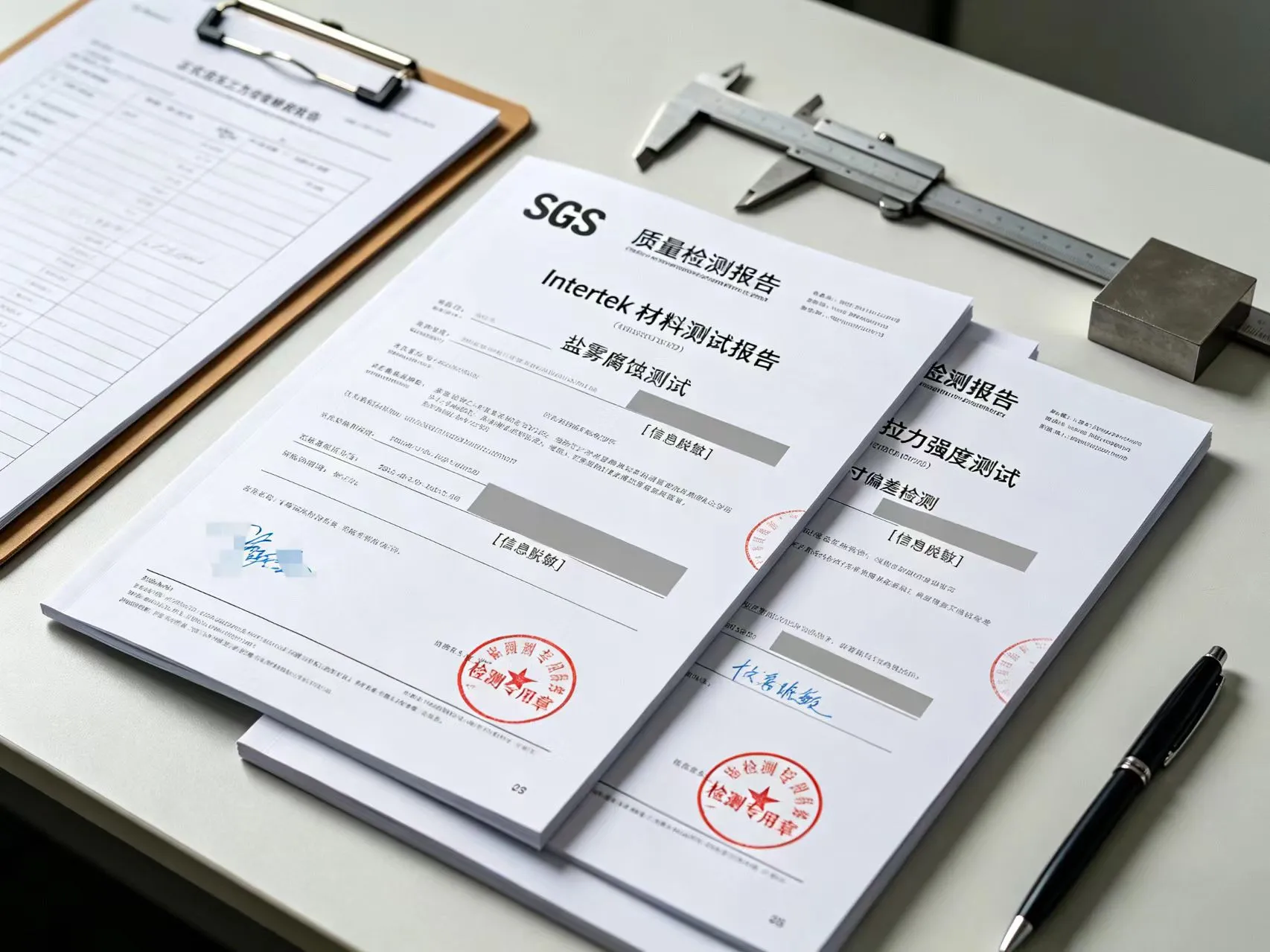
We conduct a comprehensive quality control inspection at the AQL 2.5 standard before shipment, covering material specifications, stitch density, hardware functionality, print quality, and dimensional accuracy. You can also request a pre-shipment third-party inspection (SGS, Bureau Veritas, or QIMA) for an additional fee. Our quality control checklist details every inspection point we cover during mass production.
What payment terms do you offer for custom bag orders?
Standard payment terms are 30% deposit to start production and 70% balance before shipment (T/T). For orders above $10,000, we can discuss L/C (Letter of Credit) arrangements. We also offer sample fee refund policies for qualifying bulk orders — review our full handbag factory payment terms guide for the complete details.

Related Articles You Might Find Useful

Article by GzDreamway · www.gzdreamway.com

Customer Reviews44 Reviews

Anselm Berger2026-06-08
Ich plane eine kleine Kollektion nachhaltiger Taschen für norddeutsche Boutiquen und bin unschlüssig zwischen recyceltem 600D waterproof Polyester und DWR‑laminiertem Canvas. Wichtig sind mir Formstabilität bei Regen, Martindale‑Ergebnisse, OEKO‑TEX/REACH‑Zertifikate sowie konkrete Vorgaben zu bartack‑Positionierung, double stitch und hot‑melt seam tape. Mein letzter Lieferant lieferte zu hartes PU und die Nähte öffneten sich nach wenigen Monaten — ziemlich ärgerlich. Kennt jemand eine verlässliche Taschenfabrik Deutschland / Eco Tote Herstellung Deutschland, die ein technisches Musterpaket und ein realistisches MOQ 100–300 anbietet?
GZDreamway2026-06-10
Danke Anselm — guter, praxisorientierter Brief für den nördlichen Markt. Kurz und konkret: für feuchte Herbst‑ und Winterbedingungen empfehlen wir meist recyceltes 600D waterproof Polyester als erste Wahl wegen besserer Formstabilität und schneller Trocknung; DWR‑laminiertes Canvas ist eine sehr gute Premium‑Eco‑Option, benötigt aber in der Regel Innensteifung (laminiertes Futter oder Verstärkungsplatten), um dauerhafte Struktur zu sichern. Zur Lösung des harten PU‑Problems verwenden wir weiches Microfaser‑PU mit Anti‑Hydrolyse‑Behandlung und finaler Softening‑Stufe. Nähspezifikationen (für belastbare Nähte): double stitch an Hauptnähten (Stichlänge 2,5–3,5 mm), bartack an allen Belastungspunkten (10–12 mm, X‑ oder T‑Muster je nach Einsatz), hot‑melt seam tape innen (10–20 mm Breite) und hochzugfestes Garn (T70–T90 äquivalent). Unser technisches Musterpaket enthält Materialmuster (600D waterproof, DWR‑laminiertes Canvas, weiches PU), Martindale‑Berichte (typische heavy‑duty Werte 25k–40k Zyklen je nach Material), Zug‑ und Abrasionstests sowie OEKO‑TEX/REACH‑Zertifikate. Lead time für Muster ~2–3 Wochen nach Spezbestätigung; realistisches MOQ für small‑batch Eco Tote Herstellung Deutschland: 100–300 Einheiten (komplexe Finishes können das erhöhen). Zur Behebung Ihres PU‑Problems führen wir auf Musterstufe Weichmacher‑Anpassungen und Zugtests durch und legen eine bartack‑Karte sowie seam‑tape‑Spezifikation und ein QC‑Protokoll bei. Bitte senden Sie erwartete Traglast, bevorzugte Drucktechnik (Sublimation / UV + Varnish / verstärkter Siebdruck + Topcoat) und Zielpreis, dann bereiten wir ein technisches Musterpaket aus unserer Taschenfabrik Deutschland vor und vereinbaren Tests.

Thank you Anselm — excellent, practice‑focused brief for the northern market. In short: for damp autumn/winter conditions we usually recommend recycled 600D waterproof polyester as the first choice for superior shape retention and fast drying; DWR‑laminated canvas is a strong premium eco option but typically requires internal stiffening (laminated lining or reinforcement boards) to maintain long‑term structure. To fix stiff PU issues we use soft microfiber PU with anti‑hydrolysis treatment and a final softening stage. Sewing specs (for durable seams): double stitching on main seams (stitch pitch 2.5–3.5 mm), bartacks at all load points (10–12 mm, X or T pattern as appropriate), hot‑melt seam tape on internal joins (10–20 mm wide) and high‑tenacity thread (equivalent to T70–T90). Our technical sample kit includes material swatches (waterproof 600D, DWR‑laminated canvas, soft PU), Martindale reports (typical heavy‑duty ranges 25k–40k cycles depending on substrate), tensile and abrasion tests and OEKO‑TEX/REACH certificates. Sample lead time ~2–3 weeks after spec confirmation; realistic MOQ for small‑batch eco tote manufacturing Germany is 100–300 units (complex finishes may increase this). To solve your PU issue we adjust softening/plasticizer on samples and run tensile tests; we include a bartack placement map, seam‑tape specification and a QC protocol. Please send expected bag load, preferred printing method (dye‑sublimation / UV + varnish / reinforced screen print + topcoat) and target price band and we will prepare a technical sample kit from our bag factory Germany and arrange tests.
入江 ひかる2026-06-08
東京の通勤用エコトートを小ロットで企画しています。梅雨や通勤の毎日でも型崩れしにくい素材を探しており、リサイクル600D防水とDWR+ラミネートのオーガニックキャンバスで迷っています。以前のサプライヤーはPUが硬くて数ヶ月で縫い目がほつれ、サンプルにもMartindaleレポートや縫製強化の図面が無くて困りました。バッグ工場東京/バッグ工場大阪向けの小ロット(MOQ 100–300)で、PUのソフト化処理、bartack配置、double stitch、hot‑melt seam tape の具体的数値や昇華・UV・シルクスクリーン印刷の耐久性について教えてください。サンプルキット(Martindale、OEKO‑TEX/REACH同梱)を早めに見て比較したいです。
GZDreamway2026-06-08
入江様、ご投稿ありがとうございます。サンプルでのご不満、大変ごもっともです。東京通勤用途と梅雨対策を踏まえた当社の推奨と技術対応を具体的にご案内します。まず素材選定では、形保持と速乾性を最重視するならリサイクル600D防水を第一候補、エコ訴求と高級感優先ならDWR+ラミネートのオーガニックキャンバスを採用し、いずれも内部補強(ラミネート裏地や芯材パネル)を追加する設計が有効です。PU問題への対策としては、当社はPUマイクロファイバーを採用し、anti‑hydrolysis 処理+最終ソフトニング工程で硬化を防ぎます。縫製仕様は標準で double stitch(2.5–3.5mmピッチの主縫い)+ bartack を全荷重ポイントに配置(長さ10–12mm、XまたはT形状を用途に応じ選択)、hot‑melt seam tape は幅10–20mmで内側シームに貼付してシーム剥がれを抑制、ハイテンシティ糸(T70〜T90相当)を推奨します。印刷については昇華が生地パネルで最も耐久性が高く、UV印刷+保護ニスはPUトリムに最適、キャンバスには強化シルクスクリーン+トップコートで剥がれを防ぎます。サンプルキットにはリサイクル600D防水、DWR+ラミネートキャンバス、ソフトPUの見本、Martindale耐摩耗レポート、引張・擦れ試験、OEKO‑TEX/REACH証明、bartack配置図とシームテープ仕様書を同梱します。サンプルリードタイムは仕様確定後約2–3週間、一般的な小ロットMOQは100–300(加工複雑度で変動)です。貴社の想定荷重(例:5–10kg)、希望の印刷方式、目標販売価格レンジをお知らせいただければ、バッグ工場東京/バッグ工場大阪向けにカスタムの技術キットと見積をすぐにご用意します。 2026-06-08

Dear Ms. Irie — thank you for your detailed brief and for highlighting the sample issues. Your frustration is understandable. Based on Tokyo commuter use and rainy season needs, our concrete recommendations are: for maximum shape retention and fast drying choose recycled 600D waterproof polyester; for premium eco positioning choose DWR plus laminated organic canvas but add internal stiffeners or laminated lining for structure. To fix stiff PU we use soft microfiber PU with anti‑hydrolysis treatment and a final softening process. Sewing specs: double stitching (2.5–3.5mm stitch pitch for main seams) plus bartacks at all load points (10–12mm length, X or T pattern as appropriate), hot‑melt seam tape (10–20mm width) applied to internal seams to prevent seam failure, and high‑tenacity thread (equivalent to T70–T90). Printing: dye‑sublimation for textile panels is most durable; UV printing + protective varnish is best for PU trims; reinforced screen printing + topcoat works well on canvas. The technical sample kit we provide includes recycled 600D waterproof, DWR+laminated canvas, soft PU swatches, Martindale abrasion report, tensile/rub tests, OEKO‑TEX/REACH certificates, bartack placement map and seam‑tape specs. Sample lead time ~2–3 weeks after spec confirmation. Typical small‑batch MOQ is 100–300 units (can vary with finish complexity). Please send expected bag load (e.g., 5–10kg), preferred printing method and target retail price band and we’ll prepare a tailored technical kit and quote for bag factories in Tokyo or Osaka promptly.
ماريا حسن2026-06-07
قرأت المقال بعناية وأنا بصدد إطلاق خط حقائب إيكو موجه لسوق الخليج؛ ما زلت محتارة بين 600D بوليستر مقاوم للماء وكانفاس عضوي DWR+laminate للثلث الساحلي. المورد السابق أرسل PU جامد وفتحت الخياطة بعد أشهر، وهذا سبب قلق كبير. أبحث عن مصنع حقائب دبي / تصنيع حقائب الإمارات يرسل عينات تقنية (تقرير Martindale، شهادات OEKO‑TEX/REACH)، توصيات تعزيز الخياطة (bartack، double stitch، hot‑melt seam tape)، خيارات طباعة تدوم (sublimation، UV + varnish) وMOQ صغير 100–300 لدفعات صغيرة والتصدير.
GZDreamway2026-06-06
شكرًا ماريا على الوصف الواضح. نفهم إحباطك مع PU الجامد وفتح الخياطة — هذه مشكلة نحلها عمليًا عبر استخدام PU ميكروفايبر ناعم بمعالجة anti‑hydrolysis وتليين نهائي، مع تنفيذ double stitching وbartacks في كل نقاط الحمل، hot‑melt seam tape على اللحامات الداخلية وإدخالات تقوية (لوحات داخلية) وخيط high‑tenacity. نجهز حزمة عينات تقنية لمصنع حقائب دبي / تصنيع حقائب الإمارات تتضمن: 600D مقاوم للماء، كانفاس عضوي DWR+laminate، PU ميكروفايبر ناعم، تقارير Martindale، اختبارات السحب/الاحتكاك وشهادات OEKO‑TEX/REACH؛ زمن إعداد العينات ~2–3 أسابيع بعد تأكيد المواصفات. للطباعة ننصح بـsublimation للأقمشة، UV + varnish لقطع PU، وسيرغرافي مع topcoat للكانفاس لضمان ثبات الألوان. MOQ عملي للدفعات الصغيرة والتصدير عادة 100–300 وحدة (التشطيبات المعقدة قد ترفع الحد). سنرفق أيضاً خريطة مواضع bartack، مواصفات seam‑tape وبروتوكول QC قبل الشحن لضمان عدم تكرار مشكلة الخياطة المفتوحة. أرسلي رجاءً الوزن المستهدف لكل حقيبة، طريقة الطباعة المفضلة ونطاق السعر المرجو لنعد لك عرضًا تفصيليًا وعينة تقنية مخصصة.

Thank you Maria — clear brief. We understand your frustration with stiff PU and seam failures. Our practical solution is soft microfiber PU with anti‑hydrolysis treatment and final softening, combined with double stitching, bartacks at all load points, hot‑melt seam tape on internal joins, reinforcement inserts (internal boards) and high‑tenacity thread. We can prepare a technical sample kit for a bag factory Dubai / eco bag manufacturing UAE including: waterproof 600D, DWR+laminated organic canvas, soft microfiber PU, Martindale reports, tensile/abrasion tests and OEKO‑TEX/REACH certificates; sample lead time ~2–3 weeks after spec confirmation. For printing we recommend dye‑sublimation for textile panels, UV printing + varnish for PU trims, and reinforced screen printing + topcoat for canvas to ensure durable prints. Realistic small‑batch MOQ for export is typically 100–300 units (complex finishes may raise this). We will also provide bartack placement maps, seam‑tape specifications and a pre‑shipment QC protocol to prevent seam opening. Please send expected load per bag, preferred printing method and target retail price band so we can prepare a detailed quote and ship a tailored technical sample.
Sergio Blanco2026-06-06
Estoy montando una micro-colección de ecobolsas para tiendas de playa y e‑commerce en la Costa del Sol. Tras leer el artículo sigo indeciso entre 600D poliéster reciclado resistente al agua y lona orgánica DWR+laminada. Mi último proveedor envió PU demasiado rígido y las costuras se abrieron a los pocos meses — muy frustrante. Busco fábrica de bolsos España, kit de muestras técnicas (Martindale, OEKO‑TEX/REACH), refuerzos de costura (bartack, doble costura, hot‑melt seam tape), impresión duradera (sublimación, UV, serigrafía con barniz) y un MOQ realista 100–300 para fabricación small-batch España.
GZDreamway2026-06-04
Gracias Sergio — buen brief centrado en la Costa del Sol y el mercado retail de playa en España. Recomendamos normalmente el 600D poliéster reciclado resistente al agua para tiendas de playa por su retención de forma, secado rápido y resistencia al salitre; la lona orgánica DWR+laminada aporta un acabado premium eco pero suele necesitar paneles de refuerzo interno o forro laminado para evitar deformaciones con humedad. Para resolver el problema del PU rígido: usamos PU microfibra suave con tratamiento anti‑hydrolysis y acabado suavizante, combinado con doble costura, bartacks en puntos de carga, hot‑melt seam tape en uniones internas, inserciones de refuerzo (placas internas) y hilo de alta tenacidad — esto previene la apertura de costuras. Kit de muestras técnicas: 600D waterproof reciclado, canvas DWR+laminado, PU microfibra suave + informes Martindale, pruebas de tracción/abrasión y certificados OEKO‑TEX/REACH; plazo muestras ~2–3 semanas tras validar especificaciones. Impresión durable: sublimación para paneles textiles, impresión UV + barniz para detalles PU, serigrafía reforzada + topcoat para canvas. MOQ realisticos para fabricación small‑batch España / exportación UE: 100–300 unidades (acabados complejos pueden aumentar MOQ). Incluimos mapa de posición de bartacks, especificación de seam‑tape y protocolo QC (tensión, abrasión) antes del envío. Envíanos carga objetivo por bolsa, método de impresión preferido y rango de precio de venta y te prepararemos un presupuesto detallado y el envío del kit técnico desde nuestra fábrica de bolsos España.

Thank you Sergio — excellent brief focused on the Costa del Sol and coastal retail needs in Spain. We typically recommend recycled 600D waterproof polyester for beach shops due to superior shape retention, fast drying and salt‑air resistance; DWR plus laminated organic canvas is a premium eco choice but usually requires internal stiffener panels or a laminated lining to avoid structure loss in humid conditions. To fix stiff PU we use soft microfiber PU with anti‑hydrolysis treatment and final softening, combined with double stitching, bartacks at load points, hot‑melt seam tape on internal joins, reinforcement inserts (internal boards) and high‑tenacity thread — this prevents seam openings. Technical sample kit: waterproof recycled 600D, DWR+laminated canvas, soft microfiber PU with Martindale reports, tensile/abrasion tests and OEKO‑TEX/REACH certificates; sample lead time ~2–3 weeks after spec confirmation. Durable printing: dye‑sublimation for textile panels, UV printing + varnish for PU trims, reinforced screen printing + topcoat for canvas. Realistic small‑batch MOQ for Spain manufacturing / EU export: 100–300 units (complex finishes may raise MOQ). We provide bartack placement maps, seam‑tape specs and a QC protocol (tensile, abrasion) before shipping. Send expected bag load, preferred printing method and target retail price band and we will prepare a detailed quote and ship the technical sample kit from our bag factory Spain.
Sabrina Lemaire2026-06-04
Je prépare une petite série de tote bags éco pour boutiques à Paris et e‑commerce France, et j'hésite entre 600D polyester recyclé imperméable et toile bio DWR+laminée pour la côte atlantique; mon dernier fournisseur a envoyé du PU trop rigide et les coutures se sont ouvertes après quelques mois — très agaçant. Je cherche une usine sacs éco France / fabrication sacs sur‑mesure Paris qui propose un kit d'échantillons techniques (rapport Martindale, OEKO‑TEX/REACH), recommandations de renforts couture (bartack, double couture, hot‑melt seam tape), options d'impression durable (sublimation, impression UV + vernis, sérigraphie renforcée) et un MOQ réaliste pour small‑batch (100–300).
GZDreamway2026-06-03
Merci Sabrina — très bon brief axé sur le marché français. Pour Paris et la côte atlantique nous recommandons généralement le 600D polyester recyclé imperméable pour la tenue de forme et le séchage rapide ; la toile bio DWR+laminée reste parfaite pour une image premium éco mais nécessite un renfort interne (panneau rigide ou doublure laminée) pour éviter la déformation en cas d'humidité. Pour corriger le problème du PU trop rigide : nous utilisons du PU microfibre souple avec traitement anti‑hydrolyse et assouplissant de finition, combiné à double couture, bartacks aux points de charge, hot‑melt seam tape sur les jonctions internes, inserts de renfort et fil haute ténacité — ceci élimine les ouvertures de couture constatées. Kit d'échantillons technique : 600D waterproof recyclé, canvas DWR+laminé, PU microfibre souple + rapports Martindale, essais traction/abrasion et certificats OEKO‑TEX/REACH ; délai échantillon ~2–3 semaines après validation des specs. Impression durable : sublimation pour panneaux textile, UV + vernis pour détails PU, sérigraphie renforcée + topcoat pour canvas. MOQ small‑batch réaliste pour fabrication sacs sur‑mesure France : 100–300 unités (finitions complexes peuvent augmenter). Envoyez-nous la charge cible par sac, méthode d'impression préférée et fourchette prix de vente et nous établirons un devis détaillé, plan de bartack (carte de positionnement) et spécification de seam‑tape adaptés à votre projet.

Thank you Sabrina — excellent brief focused on the French market. For Paris and the Atlantic coast we typically recommend recycled 600D waterproof polyester for superior shape retention and quick drying; DWR plus laminated organic canvas is an excellent premium eco choice but usually needs internal stiffeners (stiffener panels or laminated lining) to avoid structure loss in humid conditions. To fix the too‑stiff PU issue we use soft microfiber PU with anti‑hydrolysis treatment and final softening, combined with double stitching, bartacks at load points, hot‑melt seam tape on internal joins, reinforcement inserts and high‑tenacity thread — this prevents seam openings. Technical sample kit: waterproof recycled 600D, DWR+laminated canvas, soft microfiber PU with Martindale reports, tensile/abrasion tests and OEKO‑TEX/REACH certificates; sample lead time ~2–3 weeks after spec confirmation. Durable printing: dye‑sublimation for textile panels, UV printing + varnish for PU trims, reinforced screen printing + topcoat for canvas. Typical small‑batch MOQ for bespoke bag manufacturing in France: 100–300 units (complex finishes may raise MOQ). Send expected bag load, preferred printing method and target retail price band and we will provide a detailed quote, bartack placement map and seam‑tape specification tailored to your project.
Camille Dubreuil2026-06-03
Je prépare une micro‑collection de tote bags pour boutiques indépendantes et e‑commerce sur la côte atlantique et à Paris, et j'hésite entre 600D polyester recyclé imperméable et toile bio DWR+laminée. Mon dernier fournisseur a envoyé du PU trop rigide et les coutures se sont ouvertes après quelques mois — assez frustrant. Je cherche une usine sacs sur‑mesure Paris / fabrication sacs éco France qui fournisse un kit d'échantillons techniques (rapport Martindale, OEKO‑TEX/REACH), recommandations de renforts couture (bartack, double couture, hot‑melt seam tape), options d'impression durable (sublimation, impression UV + vernis, sérigraphie renforcée) et un MOQ small‑batch réaliste (100–300).
GZDreamway2026-06-05
Bonjour Camille — merci pour ce brief précis axé sur la côte atlantique et le marché boutique parisien. Pour garantir tenue de forme et résistance à l'humidité nous recommandons souvent le 600D polyester recyclé imperméable pour les small‑batch (bonne tenue, séchage rapide). La toile bio DWR+laminée offre un rendu premium éco mais nécessite panneaux de renfort ou doublure laminée pour éviter l'affaissement en conditions humides. Pour corriger le problème du PU trop rigide : nous utilisons du PU microfibre souple avec traitement anti‑hydrolyse et assouplissant final, combiné à double couture, bartacks aux points de charge, hot‑melt seam tape sur jonctions internes, inserts de renfort et fil haute ténacité — cela prévient l'ouverture des coutures. Kit d'échantillons techniques : 600D waterproof recyclé, canvas DWR+laminé, PU microfibre souple + rapports Martindale, essais traction/abrasion et certificats OEKO‑TEX/REACH ; délai échantillon ~2–3 semaines après validation des specs. Impression durable : sublimation pour panneaux textile, UV + vernis pour détails PU, sérigraphie renforcée + topcoat pour canvas. MOQ small‑batch réaliste pour fabrication sacs éco France / usine sacs sur‑mesure Paris : 100–300 unités (finitions complexes peuvent augmenter). Nous incluons un protocole QC ciblé pour contrôler les coutures et ajuster le niveau d'assouplissant PU sur l'échantillon avant production en série. Envoyez-nous le poids cible par sac, la méthode d'impression préférée et la fourchette de prix et nous établirons un devis détaillé, une carte de positionnement des bartacks et la spécification du seam‑tape adaptée à votre projet.

Hello Camille — thank you for the clear brief focused on the Atlantic coast and Paris boutique market. To ensure shape retention and humidity resistance we often recommend recycled 600D waterproof polyester for small‑batch runs (good structure, fast drying). DWR plus laminated organic canvas delivers a premium eco feel but usually needs internal stiffener panels or a laminated lining to avoid sagging in wet conditions. To fix the too‑stiff PU issue we use soft microfiber PU with anti‑hydrolysis treatment and final softening, combined with double stitching, bartacks at load points, hot‑melt seam tape on internal joins, reinforcement inserts and high‑tenacity thread — this prevents seam openings. Technical sample kit: waterproof recycled 600D, DWR+laminated canvas, soft microfiber PU with Martindale reports, tensile/abrasion tests and OEKO‑TEX/REACH certificates; sample lead time ~2–3 weeks after spec confirmation. Durable printing: dye‑sublimation for textile panels, UV printing + varnish for PU trims, and reinforced screen printing + topcoat for canvas. Typical small‑batch MOQ for eco bag manufacturing in France / bespoke bag factory Paris: 100–300 units (complex finishes may raise the MOQ). We include targeted QC to inspect seams and tune PU softening on the sample before mass production. Send expected bag load, preferred printing method and target price band and we will prepare a detailed quote, bartack placement map and seam‑tape specification tailored to your project.
Evelyn Stone2026-06-03
I'm launching a small-batch eco tote line for London boutiques and online shops and still torn between recycled 600D waterproof polyester and DWR + laminated organic canvas for rainy UK streets. My last supplier sent PU that was too stiff and seams opened after a few months — quite frustrating. Looking for small-batch eco tote manufacturing UK advice, a technical sample kit with Martindale report and OEKO‑TEX/REACH certificates, seam reinforcement recommendations (bartack placement, double stitching, hot‑melt seam tape), durable printing options (sublimation durability, UV printing + varnish, reinforced screen printing) and realistic MOQ (100–300) for custom recycled 600D waterproof polyester tote wholesale UK projects.
GZDreamway2026-06-02
Thank you Evelyn — excellent brief focused on UK retail conditions. For London’s wet climate we typically recommend recycled 600D waterproof polyester as the first choice for shape retention, fast drying and retail durability; DWR + laminated organic canvas is a strong eco option if you need a premium hand, but it usually requires internal stiffener panels or a laminated lining to avoid structure loss in frequent outdoor use. To fix the stiff‑PU and seam‑opening issue we use soft microfiber PU with anti‑hydrolysis treatment and final softening, combined with double stitching, bartacks at all load points, hot‑melt seam tape on internal joins, internal reinforcement boards and high‑tenacity thread — plus targeted QC to catch weak seams before shipping. For printing: dye‑sublimation gives the most durable result on textile panels, UV printing with protective varnish is best for PU trims, and reinforced screen printing with a protective topcoat works well on canvas. We can prepare a small‑batch technical sample kit (waterproof 600D, DWR+laminated canvas, soft PU) including Martindale abrasion reports, tensile/rub tests and OEKO‑TEX/REACH certificates; sample lead time ~2–3 weeks after spec confirmation. Typical small‑batch MOQ for bespoke totes aimed at UK boutiques is 100–300 units (complex finishes may raise that). If you send expected bag load, preferred printing method and target retail price band we’ll provide a detailed quote, bartack placement map and seam‑tape specification from our handbag factory export program tailored for the UK market.
栗田 美咲2026-06-02
東京の小さなセレクトショップ向けにエコトートを企画中です。梅雨や通勤で形崩れしにくい素材を探しており、600Dリサイクルポリエステル防水とDWR+ラミネートのオーガニックキャンバスで迷っています。以前のサプライヤーでPUが硬く縫い目がほつれた経験があり少し不安です。バッグ工場東京 小ロット、エコバッグ 製造 日本向け、Martindale 試験・OEKO‑TEX/REACH 同梱のサンプルキット、昇華/UV/シルクスクリーンの耐久印刷、bartack や hot‑melt seam tape 等の縫製補強の具体案を教えてください。
GZDreamway2026-06-02
栗田様、ご相談ありがとうございます。東京の通勤需要と梅雨環境を踏まえると、形保持と速乾性を優先する場合は600Dリサイクルポリエステル防水を第一候補にします。DWR+ラミネートのオーガニックキャンバスはエコ訴求に強いですが、内部補強(ラミネート裏地、芯材パネル)を入れないと形崩れしやすいです。以前の「PUが硬く縫い目がほつれた」問題には、柔らかいマイクロファイバーPU+アンチハイドロリシス処理と最終ソフトニングを行い、二重縫い、bartackを全荷重ポイントに配置、hot‑melt seam tape の内貼り、内部補強板、ハイテンシティ糸を組み合わせれば再発を防げます。印刷は昇華が生地面で最も耐久性が高く、PU部分はUV印刷+保護ニス、キャンバスは強化シルクスクリーン+トップコートを推奨します。サンプルキット(600D防水、DWR+ラミネートキャンバス、ソフトPU)にMartindaleレポート、摩耗/引張試験、OEKO‑TEX/REACH証明を同梱可能で、サンプル納期は仕様確定後約2〜3週間、通常の小ロットMOQは100〜300(複雑仕様は300〜1000)。想定荷重と希望の印刷方法、目標価格帯をお知らせいただければ、バッグ工場東京向けの見積書、bartack 配置図、シームテープ仕様書を含む技術キットを手配し、縫製補強で問題を確実に解消します。

Dear Ms. Kurita, thank you for your inquiry. Considering Tokyo commuting patterns and the rainy season, recycled 600D waterproof polyester is our first recommendation when prioritizing shape retention and fast drying. DWR plus laminated organic canvas is strong for eco-marketing but usually needs internal stiffeners (laminated lining or core panels) to keep structure. To address your previous issue of "stiff PU and seam openings," we use soft microfiber PU with anti‑hydrolysis treatment and final softening, combined with double stitching, bartacks at all load points, hot‑melt seam tape on internal joins, internal reinforcement boards and high‑tenacity thread to prevent recurrence. For printing: dye‑sublimation offers the best durability on textile panels; PU trims are best with UV printing plus protective varnish; canvas panels benefit from reinforced screen printing with a protective topcoat. A technical sample kit (waterproof 600D, DWR+laminated canvas, soft PU) can include Martindale reports, abrasion/tensile tests and OEKO‑TEX/REACH certificates; sample lead time is ~2–3 weeks after spec confirmation. Typical small‑batch MOQ is 100–300 units (complex finishes may raise it to 300–1000). Please send expected bag load, preferred printing method and target price band and we will prepare a detailed quote, bartack placement map and seam‑tape specifications from our bag factory Tokyo to resolve the sewing issues and ensure long‑term durability.
藤原 悠斗2026-05-31
大阪のセレクトショップ向けに小ロットでエコトートを作りたいです。600Dリサイクルポリエステル防水とDWR+ラミネートのオーガニックキャンバスで迷っています。以前のサプライヤーでPUが硬く縫い目がほつれた経験があり少し心配です。バッグ工場大阪やエコバッグ 製造 日本向けの小ロット(MOQ 100〜300)、Martindale試験やOEKO‑TEX/REACHを含むサンプルキット、昇華/UV/シルクスクリーンの耐久印刷、bartackやhot‑melt seam tapeなどの縫製補強のおすすめを教えてください。
GZDreamway2026-05-31
藤原様、ご相談ありがとうございます。大阪の気候と店舗販売の実務を踏まえると、形崩れ対策と速乾性を優先する場合は600Dリサイクルポリエステル防水を第一候補とします。オーガニックキャンバス(DWR+ラミネート)はエコ訴求に有利ですが、内部の補強(ラミネート裏地や芯材)を入れないと形保持が難しくなります。以前の硬いPUで縫い目がほつれた問題については、柔らかいマイクロファイバーPU+アンチハイドロリシス処理と最終のソフトニングを行い、二重縫い、bartackの全ポイント配置、hot‑melt seam tape、内部補強板、ハイテンシティ糸を組み合わせることで再発を防げます。印刷は昇華がテキスタイル面で最も耐久性が高く、PU部分はUV印刷+保護ニス、キャンバスは強化シルクスクリーン+トップコートを推奨します。サンプルキット(600D防水リサイクル、DWR+ラミネートキャンバス、ソフトPU)にMartindale、摩耗/引張試験、OEKO‑TEX/REACH証明を同梱可能で、サンプル納期は仕様確定後約2〜3週間、通常の小ロットMOQは100〜300(複雑な仕様は300〜1000となる場合あり)です。想定荷重、希望の印刷方法、目標価格帯をお知らせいただければ、バッグ工場大阪向けの見積書、bartack配置図、シームテープ仕様書を含む技術キットを手配し、縫製強度と仕上げで問題を解消します。
رامي الحصيني2026-05-30
أنا أعمل على خط حقائب إيكو موجه للسوق الخليجي وأتساءل بين 600D بوليستر مع تشطيب مضاد للماء أو كانفاس عضوي DWR+لامينيت. المورد السابق أرسل PU جامد وفتحت الخياطة بعد أشهر — مزعج فعلاً. أريد مصنع حقائب دبي/مصنع حقائب الإمارات يرسل حزمة عينات تقنية (تقرير Martindale، اختبارات احتكاك، شهادات OEKO‑TEX/REACH)، نصائح تقوية الخياطة (bartack، double stitch، hot‑melt seam tape)، وطرق طباعة تدوم (sublimation، UV، سكرين+ورنيش). وما هو الـMOQ للدفعات الصغيرة والتصدير؟
GZDreamway2026-06-01
نشكرك يا رامي على التفاصيل. بالنسبة للسوق الخليجي والرطوبة الساحلية نوصي عادةً بـrecycled 600D polyester مع تشطيب مقاوم للماء لحفظ الشكل والتجفيف السريع، بينما كانفاس عضوي مع DWR+laminate خيار بيئي جيد لكنه يتطلب لوح تقوية داخلي للحفاظ على الصلابة. لمعالجة مشكلة الـPU الصلب وفتق الخياطة: نستخدم microfiber PU ناعم بمعالجة anti‑hydrolysis وتليين نهائي، ونطبق double stitching وبارتاكس عند كل نقاط الشد، hot‑melt seam tape على اللحامات الداخلية، وألواح تقوية داخلية مع خيط high‑tenacity. نقوم باختبارات Martindale، اختبارات الاحتكاك والسحب، ونرفق شهادات OEKO‑TEX/REACH في حزمة العينات. لطباعة دائمة نقترح sublimation للأقمشة، UV مع varnish لتفاصيل الـPU، وreinforced screen printing مع protective topcoat للكانفاس. حزمة العينات التقنية الجاهزة (600D مقاوم للماء، DWR+laminate canvas، microfiber PU مضاد‑التحلل المائي) مع تقارير الاختبار متاحة خلال ~2–3 أسابيع بعد تأكيد المواصفات. MOQ النموذجي للدفعات الصغيرة عادة 100–300 وحدة؛ تخصيصات أكبر أو تشطيبات معقدة قد ترفعها إلى 300–1000. نحن نقدم خرائط bartack ومواصفات seam‑tape ضمن العرض الفني، وفحوصات QC قبل الشحن لحل مشكلتك مع الخياطة المفتوحة. أرسل لنا الوزن المستهدف لكل حقيبة وطريقة الطباعة المطلوبة وسنعد عرض تقني وشحنة عينات من bag factory Dubai / eco bag manufacturing UAE.

Thank you Rami for the clear brief. For the Gulf market and coastal humidity we typically recommend recycled 600D polyester with a waterproof finish for superior shape retention and fast drying; DWR plus laminated organic canvas is a strong eco option but usually needs internal stiffeners to maintain structure. To address stiff PU and seam failures we use soft microfiber PU with anti‑hydrolysis treatment and final softening, combined with double stitching, bartacks at all stress points, hot‑melt seam tape on internal joins, internal reinforcement boards and high‑tenacity thread. We run Martindale, rub and tensile tests and include OEKO‑TEX/REACH certificates in the sample kit. For durable printing we recommend dye‑sublimation for textile panels, UV printing with varnish for PU details, and reinforced screen printing with a protective topcoat for canvas. A technical sample kit (waterproof 600D, DWR+laminated canvas, anti‑hydrolysis microfiber PU) with test reports is available in ~2–3 weeks after spec confirmation. Typical small‑batch MOQ is 100–300 units; complex finishes may increase MOQ to 300–1000. We provide bartack placement maps and seam‑tape specs in the technical pack and perform pre‑shipment QC to prevent seam opening. Send expected bag load and preferred printing method and we’ll prepare a technical quote and arrange sample shipment from our bag factory Dubai / eco bag manufacturing UAE.
Leonardo Silva2026-05-30
Estou a lançar uma pequena coleção de ecobags para o mercado brasileiro e e‑commerce, e depois de ler "Canvas vs. Polyester vs. PU" ainda estou em dúvida entre 600D poliéster reciclado resistente à água e lona orgânica com DWR + laminado. Tive problemas antes: PU muito rígido e costuras que abriram após poucos meses — bem frustrante. Procuro fábrica de bolsas Brasil que envie um kit de amostras técnicas (relatório Martindale, OEKO‑TEX/REACH), recomendações de reforço de costura (bartack, dupla costura, hot‑melt seam tape), opções de impressão durável (sublimação, impressão UV, serigrafia com verniz) e indicação de MOQ para pequenas tiragens e exportação. Alguém com experiência em ecobags para clima tropical pode aconselhar?
GZDreamway2026-05-30
Obrigado Leonardo — excelente resumo do briefing. Para o clima tropical do Brasil nós normalmente recomendamos 600D poliéster reciclado com acabamento resistente à água para melhor retenção de forma e secagem rápida; a lona orgânica com DWR + forro laminado é ótima como opção eco, mas requer painéis internos ou laminação para estabilidade. Para evitar PU rígido e costuras abertas usamos PU microfibra suave tratado anti‑hidrólise e processo de amaciamento final, além de dupla costura, bartacks em todos os pontos de tração, hot‑melt seam tape nas junções internas e inserções de reforço (placas internas) com linha de alta tenacidade; também realizamos testes pré‑embarque de tração e Martindale. Em impressão recomendamos sublimação para painéis têxteis, UV com verniz protetor para detalhes em PU e serigrafia reforçada com topcoat para canvas — isso reduz descascamento. Podemos preparar um kit técnico de amostras (600D reciclado resistente à água, DWR+laminado canvas, PU microfibra anti‑hidrólise) incluindo relatórios Martindale, ensaios de abrasão e certificados OEKO‑TEX/REACH; prazo de amostra ~2–3 semanas após confirmação de specs. MOQ típico para pequenas tiragens nacionais costuma ser 100–300 unidades; customizações maiores podem elevar para 300–1000. Se nos enviar carga esperada por bolsa, método de impressão preferido e faixa de preço alvo, montamos um orçamento detalhado, plano de reforços de costura (mapa de bartacks, especificação do seam tape) e programamos o envio das amostras da fábrica de bolsas Brasil.

Thank you Leonardo — great brief. For Brazil’s tropical climate we typically recommend recycled 600D polyester with a waterproof finish for superior shape retention and fast drying; organic canvas with DWR plus a laminated lining is an excellent eco option but usually needs internal panels or lamination for structure. To prevent stiff PU and seam failures we use soft microfiber PU with anti‑hydrolysis treatment and final softening, combined with double stitching, bartacks at all stress points, hot‑melt seam tape on internal joins and reinforcement boards, plus high‑tenacity thread and pre‑shipment tensile and Martindale tests. For printing we recommend dye‑sublimation for textile panels, UV printing with protective varnish for PU details, and reinforced screen printing with a protective topcoat for canvas to minimize peeling. We can prepare a technical sample kit (waterproof recycled 600D, DWR+laminated canvas, anti‑hydrolysis microfiber PU) including Martindale reports, abrasion tests and OEKO‑TEX/REACH certificates; sample lead time ~2–3 weeks after spec confirmation. Typical MOQ for small domestic runs is 100–300 units; more complex branding may move MOQ to 300–1000. Send expected bag load, preferred printing method and target price band and we’ll provide a detailed quote, bartack placement map, seam‑tape specs and arrange sample shipment from our bag factory for Brazil.
Harper Wells2026-05-27
I'm launching a small-batch eco tote line for London boutiques and e‑commerce UK, and after reading "Canvas vs. Polyester vs. PU" I'm torn between recycled 600D waterproof polyester and DWR + laminated organic canvas. My previous supplier sent PU that was too stiff and seams opened after a few months — quite frustrating. Looking for small-batch eco tote manufacturing UK guidance, a technical sample kit (Martindale report, OEKO‑TEX/REACH), seam reinforcement suggestions (bartack, double stitching, hot‑melt seam tape), durable printing options (dye‑sublimation, UV + varnish, reinforced screen printing) and realistic MOQ for custom recycled 600D waterproof polyester tote wholesale UK projects.
GZDreamway2026-05-29
Thank you Harper — great brief. For rainy UK conditions we generally recommend recycled 600D waterproof polyester for best shape retention, quick drying and retail durability; DWR‑coated organic canvas with an internal laminate or stiffening board is an excellent eco choice for a premium hand but needs reinforcement to keep structure for frequent outdoor use. To address your stiff‑PU/seam failures: we use soft microfiber PU with anti‑hydrolysis treatment and final softening, plus process controls to avoid stiffness. Seam strategy: double stitching, bartacks at all stress points, hot‑melt seam tape on internal joins, internal stiffener panels and high‑tenacity thread; ultrasonic welding can be applied on trims where appropriate. For printing: dye‑sublimation is ideal for textile panels, UV printing with protective varnish for PU details, and reinforced screen printing with a protective topcoat for canvas to prevent peeling. We can prepare a small‑batch technical sample kit for evaluation (waterproof 600D, DWR+laminated canvas, soft microfiber PU) including Martindale abrasion reports, rub/tensile/UV fade tests, OEKO‑TEX/REACH certificates, bartack placement maps and seam‑tape specs. Typical MOQ for small‑batch orders aimed at UK retail is 100–300 units for simple custom runs; more complex branding/finishes may move MOQ to 300–1000. Sample lead time is ~2–3 weeks after spec confirmation; mass lead time provided once specs are final. We run pre‑shipment tensile/abrasion QC and corrective softening/finish checks specifically to prevent the seam opening issues you experienced. If you send target bag load, preferred printing method and desired retail price band, we’ll provide a detailed quote and arrange the sustainable handbag factory China export to UK sample shipment and testing package for review.
中谷 奈緒2026-05-27
梅雨や台風シーズンを見越して、東京通勤向けのエコトートを小ロットで企画中です。600Dリサイクルポリエステル防水とDWRコーティング+ラミネートのオーガニックキャンバスで迷っています。前回のサプライヤーはPUが硬く縫い目がほつれたので少し残念でした。Martindaleレポート、OEKO‑TEX/REACH証明、縫製補強(bartack、二重縫い、hot‑melt seam tape)と昇華・UV・シルクスクリーンの耐久印刷サンプル、小ロット対応のMOQと納期を教えてください(バッグ工場東京/エコバッグ 製造 日本向けを想定)。
GZDreamway2026-05-27
中谷様、ご相談ありがとうございます。東京の梅雨・台風環境では形崩れと湿気対策が重要で、都市通勤向けのエコバッグでは通常600Dリサイクルポリエステル防水を推奨します。オーガニックキャンバス(DWR+ラミネート)は環境面で優れますが、内部ラミネートや補強ボードがないと形保持が難しくなります。以前の硬いPUで縫い目がほつれた問題は、当社の対策(柔らかいマイクロファイバーPU+アンチハイドロリシス処理と最終ソフトニング、二重縫い、bartack、hot‑melt seam tape、内部補強板、ハイテンシティ糸、出荷前の引張/摩耗QC)で再発防止が可能です。印刷は昇華(テキスタイル)、UV+保護ニス(PU)、強化シルクスクリーン+保護コート(キャンバス)を推奨します。小ロット向けサンプルキット(600D防水、DWRラミネートキャンバス、ソフトPU)にMartindale試験結果、摩耗/擦れ試験、OEKO‑TEX/REACH証明、bartack配置図とシームテープ仕様を同梱できます。MOQは日本国内向けの小ロットで100〜300、カスタム度合いによって300〜1000で調整します。サンプル納期はご発注後約2〜3週間、量産リードタイムは仕様確定後に提示します。想定荷重、希望の印刷方法、目標ロット数をお知らせください。詳しい見積とサンプル手配を速やかにご案内します。

Dear Ms. Nakatani, thank you for your inquiry. For Tokyo’s rainy and typhoon seasons we generally recommend recycled 600D waterproof polyester for commuter eco-totes due to superior shape retention and fast drying. Organic canvas with DWR plus a laminated lining is greener but usually requires an internal laminate or stiffener to keep structure. The seam failures caused by stiff PU can be prevented: we use soft microfiber PU with anti‑hydrolysis treatment and final softening, combined with double stitching, bartacks, hot‑melt seam tape, internal stiffening boards, high‑tenacity thread and pre‑shipment tensile/abrasion QC. For printing: dye‑sublimation for textiles, UV printing with protective varnish for PU, and reinforced screen printing with a protective coat for canvas. We can prepare a small‑lot sample kit (waterproof 600D, DWR laminated canvas, soft PU) including Martindale reports, rub/abrasion tests, OEKO‑TEX/REACH certificates, bartack placement maps and seam‑tape specs. Typical MOQ for Japan small lots is 100–300 units; for more complex customization 300–1000 units may apply. Sample lead time ~2–3 weeks after order; mass production lead time provided after specs are finalized. Send expected load per bag, preferred printing method and target quantities and we will provide a detailed quote and arrange tailored samples promptly.
Isabela Mota2026-05-26
Estou a desenvolver uma linha de bolsas sustentáveis para o mercado brasileiro e e‑commerce Brasil, e preciso de orientação para o clima tropical. Estou em dúvida entre 600D poliéster reciclado resistente à água ou lona orgânica com DWR + forro laminado. Tive problemas com PU muito rígido e costuras que abriram em poucos meses — foi frustrante. Procuro uma fábrica de bolsas Brasil que fabrique ecobags para clima tropical e envie um kit de amostras técnicas (relatório Martindale, OEKO‑TEX/REACH), recomendações de reforço de costura (bartack, dupla costura, hot‑melt seam tape), opções de impressão durável (sublimação, UV, serigrafia com verniz) e info sobre MOQ e prazos.
GZDreamway2026-05-28
Olá Isabela, obrigada pelo detalhamento — essa situação é comum no clima tropical brasileiro e compreendemos a frustração com PU rígido e costuras falhas. Para produção de ecobags para clima tropical na fábrica de bolsas Brasil, normalmente recomendamos 600D poliéster reciclado com acabamento resistente à água por sua capacidade de manter forma e secar rápido; a lona orgânica DWR + forro laminado é ótima para linhas eco, mas costuma exigir reforços internos (painel de reforço ou forro moldado) para estabilidade. Para evitar o problema do PU rígido sugerimos PU microfibra suave com tratamento anti‑hidrólise e processo de amaciamento final; nas costuras aplicamos dupla costura, bartacks nos pontos de tração, hot‑melt seam tape nas junções internas e placas de reforço onde necessário, além de linha de alta tenacidade e inspeções QC (tensão, abrasão). Na impressão recomendamos sublimação para tecidos, UV com verniz protetor para PU e serigrafia reforçada com camada protetora para canvas. Podemos preparar um kit de amostras técnicas (600D reciclado resistente à água, lona DWR laminada, PU microfibra anti‑hidrólise) incluindo relatórios Martindale, ensaios de abrasão/fricção, certificados OEKO‑TEX/REACH, mapas de posicionamento de bartack e especificação do seam tape. MOQ típico para pequenas encomendas nacionais costuma variar entre 100–300 unidades; para personalizações maiores 300–1000 unidades. Prazo de amostras ~2–3 semanas após confirmação; produção em massa conforme especificação final. Envie-nos a carga prevista por bolsa, método de impressão preferido e quantidade alvo (ou se pretende exportar para UE) para que façamos um orçamento técnico e agendemos o envio das amostras.

Hello Isabela, thank you for the detailed brief — this issue is common in Brazil’s tropical climate and we understand the frustration with stiff PU and seam failures. For eco‑bag production for tropical climates at a bag factory in Brazil, we usually recommend recycled 600D polyester with a waterproof finish for shape retention and fast drying; organic DWR canvas with laminated lining is excellent for eco lines but typically needs internal stiffeners (reinforcement panel or molded lining) for stability. To avoid stiff PU problems we use soft microfiber PU with anti‑hydrolysis treatment and final softening; for seams we apply double stitching, bartacks at stress points, hot‑melt seam tape on internal joins and reinforcement boards where required, plus high‑tenacity thread and QC checks (tensile/abrasion). For printing we recommend dye‑sublimation for textiles, UV printing with protective varnish for PU and reinforced screen printing with a protective coat for canvas. We can prepare a technical sample kit (recycled waterproof 600D, DWR laminated canvas, anti‑hydrolysis microfiber PU) including Martindale reports, abrasion/rub tests, OEKO‑TEX/REACH certificates, bartack placement maps and seam‑tape specs. Typical MOQ for small domestic runs is 100–300 units; for heavier customization 300–1000 units. Sample lead time ~2–3 weeks after confirmation; mass production lead time provided after specs are finalized. Please send expected load per bag, preferred printing method and target quantities (or EU export plans) so we can prepare a technical quote and arrange sample shipment.
Nicolas Martel2026-05-26
Je développe une petite collection pour boutiques indépendantes et e‑commerce en France (Lyon/Paris) et j'hésite entre 600D polyester recyclé waterproof et toile coton bio DWR + laminat. Mon précédent fournisseur a livré un PU trop rigide et les coutures se sont ouvertes après quelques mois — très décevant. Je souhaite un pack d'échantillons techniques (rapport Martindale, certificats OEKO‑TEX/REACH), recommandations pour renforts couture (bartack, double couture, hot‑melt seam tape), solutions d'impression durables (sublimation, UV + vernis, sérigraphie protégée) et une idée de MOQ pour export UE.
GZDreamway2026-05-24
Merci Nicolas pour ce brief précis. Pour la distribution en boutiques et vente en ligne en France nous préconisons souvent le 600D polyester recyclé waterproof pour meilleure tenue de forme et séchage rapide ; la toile coton bio DWR + laminat est plus éco‑responsable mais nécessite renforts internes pour garder la structure. Pour éviter le PU rigide nous utilisons un PU microfibre souple traité anti‑hydrolyse et procédé d'assouplissement final. Sur les coutures : double couture, bartack aux points de traction, hot‑melt seam tape sur les jonctions internes et inserts de renfort — nous fournissons des plans de positionnement dans le kit. Pour l'impression : sublimation pour tissus, UV + vernis pour PU, sérigraphie renforcée avec couche protectrice pour canvas. Nous pouvons préparer un pack d'échantillons techniques (échantillons matériaux 600D recyclé, canvas DWR laminé, PU microfibre, rapports Martindale, essais d'abrasion/frottement, certificats OEKO‑TEX/REACH), protocole QC pré‑expédition et propositions de MOQ adaptées (généralement 300–1000 selon complexité de personnalisation). Envoyez-nous le poids cible par sac, la méthode d'impression préférée et la quantité visée pour un devis personnalisé et un calendrier d'échantillonnage.
Shopping Cart
Leave a Message
×
Message submitted successfully.