Dreamway Bag Material Guides · HubCanvas vs Polyester vs PU: Which Bag Material Should You Choose?
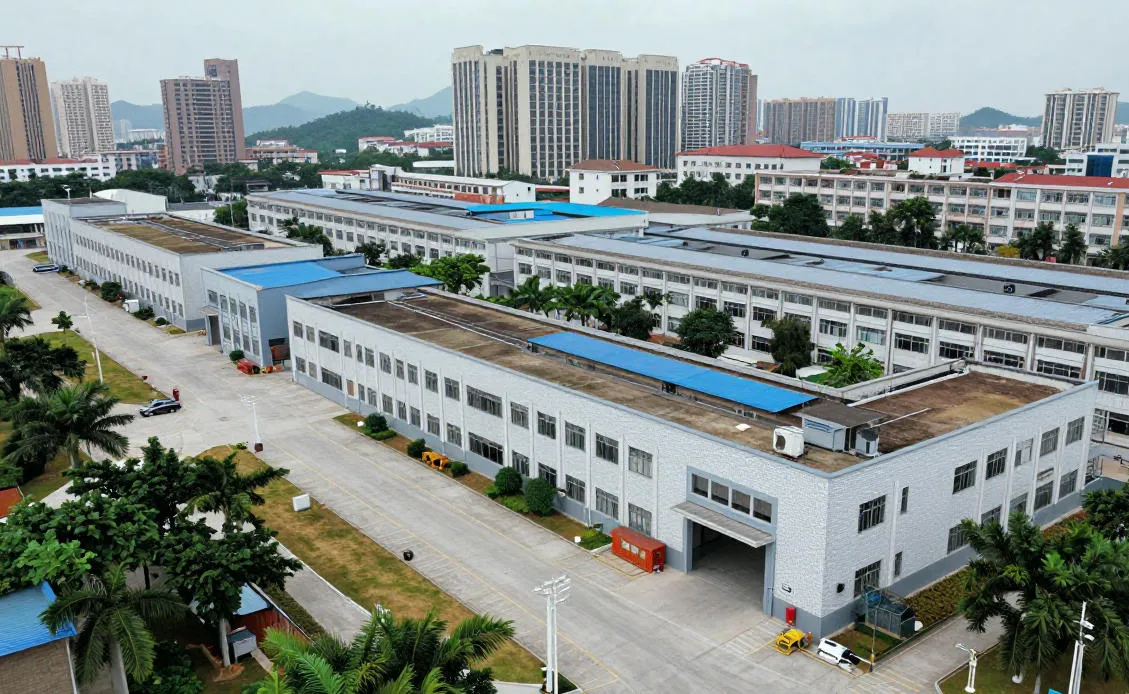
Dreamway handbag and silk factory floor in Guangzhou Huadu Shiling
Inside Dreamway — a Guangzhou-based OEM manufacturer producing handbags and silk products for 50+ countries.

Walk into any sourcing meeting and the same three words will dominate the conversation: canvas, polyester, and PU leather. They are the workhorses of the global bag industry — together they account for the vast majority of every tote, backpack, cosmetic pouch, laptop carrier, gift bag, and corporate giveaway produced each year.

But here is the honest truth that most material guides will not tell you up front: no single fabric is universally "best." There is no winner. There is only a better fit for your product, your target market, and your brand positioning.

This guide is designed to help you answer one question, clearly and confidently:

Which material fits your product, your market, and your customers?

We are Dreamway, a small, dedicated OEM manufacturer based in Guangzhou's Huadu Shiling town — a region known for generations of leather and textile craftsmanship. For more than a decade we have produced handbags and silk products for over 50 countries, working with fashion brands, retail chains, beauty houses, outdoor labels, and corporate gifting teams. Every week our sales managers and pattern engineers field the exact questions this article answers, so what follows is built directly from the conversations we have on the factory floor and across the sample table.

This is the Hub article of our Bag Material Guides series. It gives you the wide-angle view of canvas, polyester, and PU leather. Each comparison then links you to a deeper, single-topic guide where you can drill into printing, GSM, recycled materials, water-based PU, and more.


Quick Comparison Table: Canvas vs Polyester vs PU at a Glance

If you only have thirty seconds, this table is built for you. It is also designed to win Featured Snippets on Google, which is why we keep the format lean, scannable, and comparison-first. On mobile it scrolls horizontally so every column stays readable.

Attribute Canvas (Cotton / Linen) Polyester / rPET PU Leather
Typical cost / unit (MOQ 200)$1.80 – $5.50$0.90 – $3.20$3.50 – $12.00
Durability rating★★★★★ (5–10 yrs)★★★☆☆ (2–5 yrs)★★★☆☆ (2–5 yrs, varies)
Waterproof / water-resistantOnly with treatmentInherently water-resistantWaterproof
Weight feelMedium to heavyLightMedium
Printing compatibilityExcellent (screen, DTF, embroidery)Excellent (sublimation, DTF)Limited (embroidery, hot-press)
Eco-friendliness (baseline)High (organic options)Low (rPET improves)Low (water-based improves)
MOQ flexibility (OEM)200+ units200+ units200+ units (higher for premium)
Luxury feel★★★☆☆ (premium when heavy GSM)★★☆☆☆★★★★★
Outdoor use★★★☆☆ (waxed canvas better)★★★★☆★★★☆☆ (heat-sensitive)
Fashion / retail★★★★☆★★★☆☆★★★★★
Corporate gifting★★★★★★★★☆☆★★★★☆

Keep this table open while you read the rest of the article — the sections below explain why each material sits where it does in this grid.


Understanding the Three Materials

Before we compare materials head-to-head, it helps to know what is actually inside each one. We will keep the technical depth shallow here — each material has its own deep-dive guide linked at the end of its section.

Canvas — the natural-fiber workhorse

Canvas is a plain-woven fabric traditionally made from cotton, though hemp and linen canvases are increasingly common. Its performance is governed primarily by GSM (grams per square meter). Lightweight 150–250 GSM canvas suits promotional and disposable-shopping bags. Mid-weight 250–400 GSM is the sweet spot for retail totes, corporate gifts, and most daily-carry applications. Heavy-duty 400+ GSM canvas powers industrial, military-style, and premium structured bags. A full breakdown lives in our Canvas Fabric Weight Guide.

Polyester — the budget-friendly synthetic

Polyester is a petroleum-based fiber that dominates the budget and high-volume bag segment. It is 20–40% cheaper than canvas to produce, dries quickly, holds printed color well via sublimation, and is inherently water-resistant. Recycled PET (rPET) variants, sourced from post-consumer bottles and certified to GRS standards, have largely replaced virgin polyester in any brand with a credible sustainability claim.

PU Leather — the vegan luxury surface

PU (polyurethane) leather is a coated synthetic that delivers a leather-like aesthetic at a fraction of the price — and without the ethical baggage of animal-derived materials. It is waterproof, easy to wipe clean, and endlessly customizable in grain, color, and hand-feel. Modern water-based PU formulations cut VOC emissions by more than 70% compared to traditional solvent-based PU and are rapidly becoming the default at premium brands.

For a focused read on canvas specifically, see our Canvas Tote Bag Materials, Printing & Cost guide. For PU specifics, our Canvas vs Polyester vs PU comparison breaks down the same three materials from a different angle.


Canvas vs Polyester: Strength, Weight, Cost, Printing, Eco

Of the three pairings, canvas vs polyester is the most frequent sourcing question we receive. They look similar on the sample shelf, but they perform very differently.
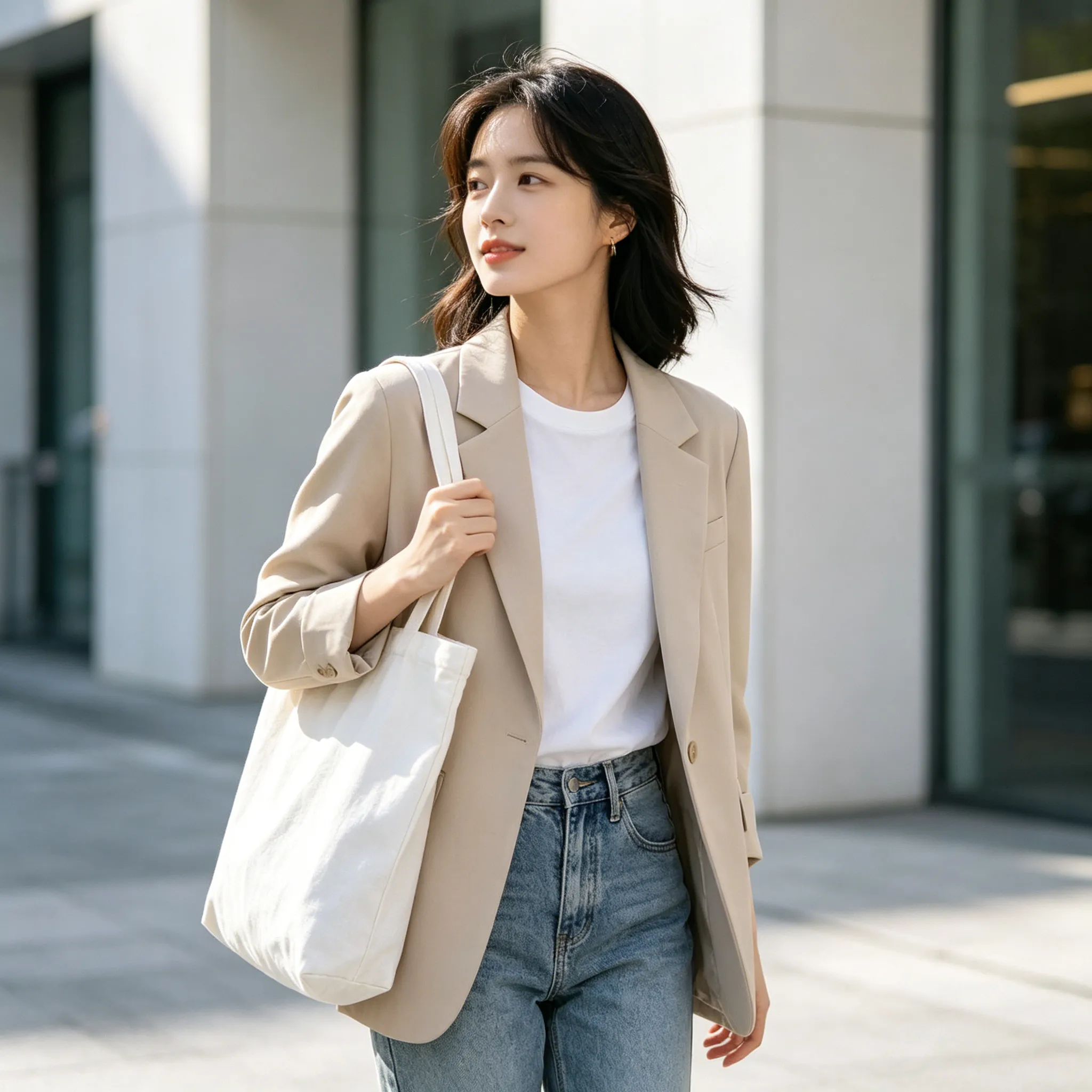
White canvas tote bag styled as a fashion commuter accessory
Cotton canvas totes remain a favourite in fashion and lifestyle retail because they age gracefully and accept almost any print technique.

Strength and durability

Canvas is the more durable of the two when properly constructed. With reinforced seams and the right GSM, canvas bags routinely last five to ten years of daily use. Polyester is no slouch — high-denier polyester (600D and above) is genuinely tough — but it tends to pill, fade, and lose structural integrity faster under continuous load. If your customer will use the bag as a daily workhorse for years, canvas wins. If the bag is a one-season promotional item, polyester is perfectly adequate.

Weight

Polyester is significantly lighter than canvas at equivalent thickness. For a tote bag, a polyester version typically weighs 30–45% less than a cotton canvas version of similar dimensions. That weight difference matters when the bags are shipped internationally in container quantities — it directly impacts your freight cost per unit.

Cost

Polyester wins on price, almost always. At MOQ 200, expect polyester totes at $0.90–$3.20 per unit and canvas totes at $1.80–$5.50 per unit. PU sits above both. The gap widens at higher MOQs because polyester mills are highly automated, while canvas still involves more natural-fiber processing steps.

Printing compatibility

Both materials print well, but through different processes. Polyester is the king of sublimation printing — vibrant, edge-to-edge color with no setup cost per unit, ideal for photographic or gradient artwork. Canvas prefers screen printing, DTF, heat transfer, and especially embroidery, where its textured weave adds tactile depth. If your design depends on rich photographic detail, lean polyester. If it depends on premium hand-feel and tactile branding, lean canvas.

Eco profile

Baseline canvas — particularly organic or recycled cotton — is the more sustainable choice. Polyester is petroleum-derived and sheds microplastics, but GRS-certified rPET closes much of that loop. We explore this more deeply in the Sustainability Comparison section below.


Canvas vs PU Leather: Luxury, Fashion, Premium Brands, Corporate Gifts

This is where bag material decisions start to feel like brand decisions. Canvas and PU leather occupy very different positions in the consumer's mind, and choosing between them is really about choosing which story you want your bag to tell.
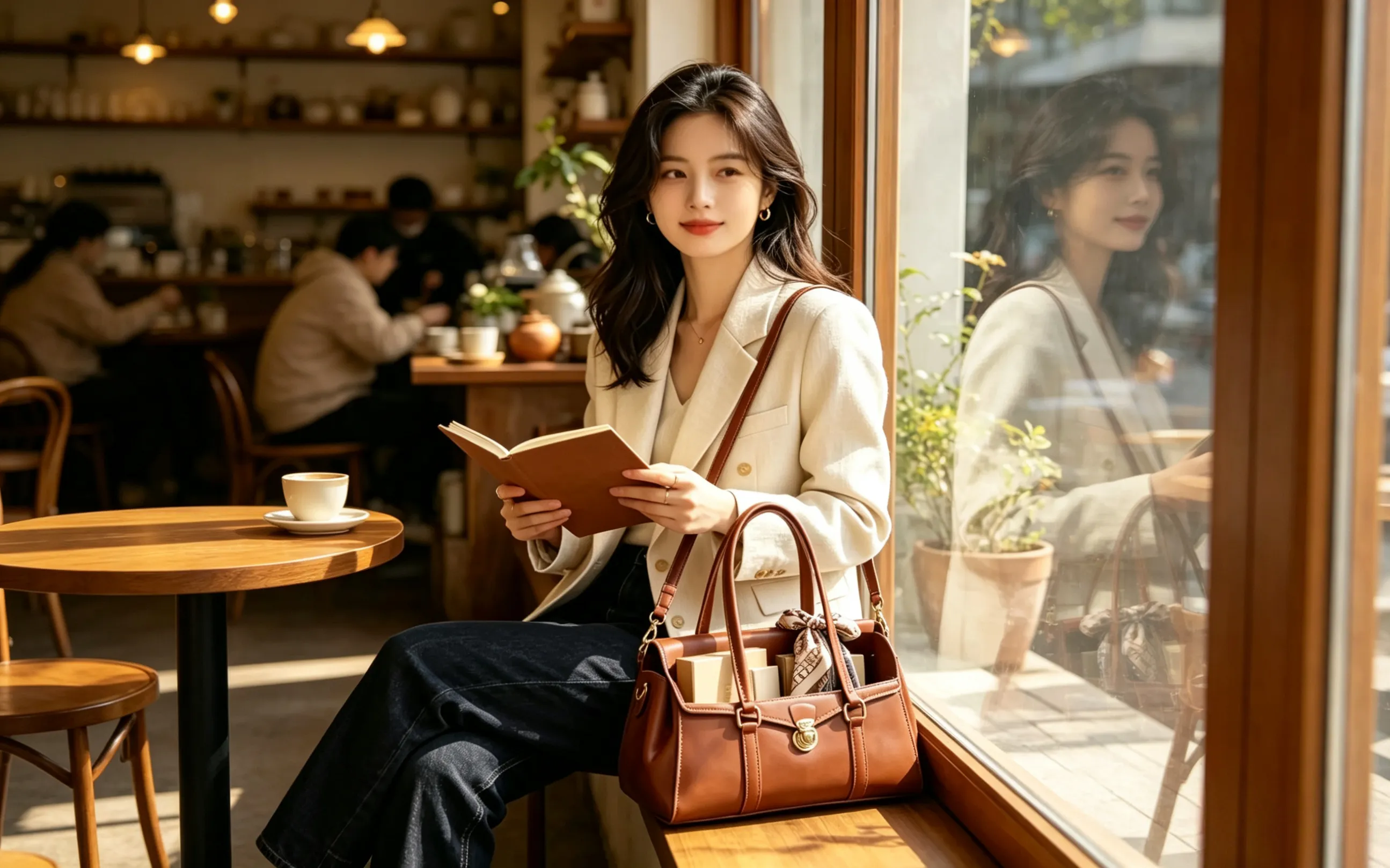
Stylish Chinese model at a café window with a premium leather handbag beside her
PU leather enables the leather aesthetic without the leather price — a powerful combination for premium-tier accessories.

Luxury positioning

PU leather delivers a luxury aesthetic at a price most consumers can absorb. From smooth nappa-like finishes to structured Saffiano-style grains, modern PU can be visually indistinguishable from genuine leather on the shelf — especially when paired with quality hardware. Canvas, even at high GSM, reads more casual and artisanal. If your customer expects a polished, dressy bag for office or evening use, PU is the safer call.

Fashion and seasonal collections

Fashion brands love PU because it can be re-coloured, re-grained, and re-finished every season without re-tooling the entire factory. Canvas supports capsule collections well too — its natural texture pairs effortlessly with minimal, earthy, or Scandinavian aesthetics — but its color refresh cycle is slower.

Premium brand storytelling

This is where the conversation gets interesting. Some premium brands intentionally avoid PU because consumers have learned to associate it with "synthetic" and "cheap." Others lean into it precisely because it lets them ship the leather look at a more accessible price point while keeping their animal-welfare credentials intact. There is no universal answer — it depends on whether your brand equity sits in heritage and authenticity or in modernity and accessibility.

Corporate gifts

For corporate gifting, canvas is the strongest performer in most categories — it photographs well, takes embroidery cleanly, suits both casual and executive audiences, and aligns with the sustainability narrative that procurement teams increasingly require. PU becomes the right answer when the gift must convey executive weight, such as a luxury laptop sleeve or an embossed portfolio.

From the sales floor — Emily, Senior Project Manager
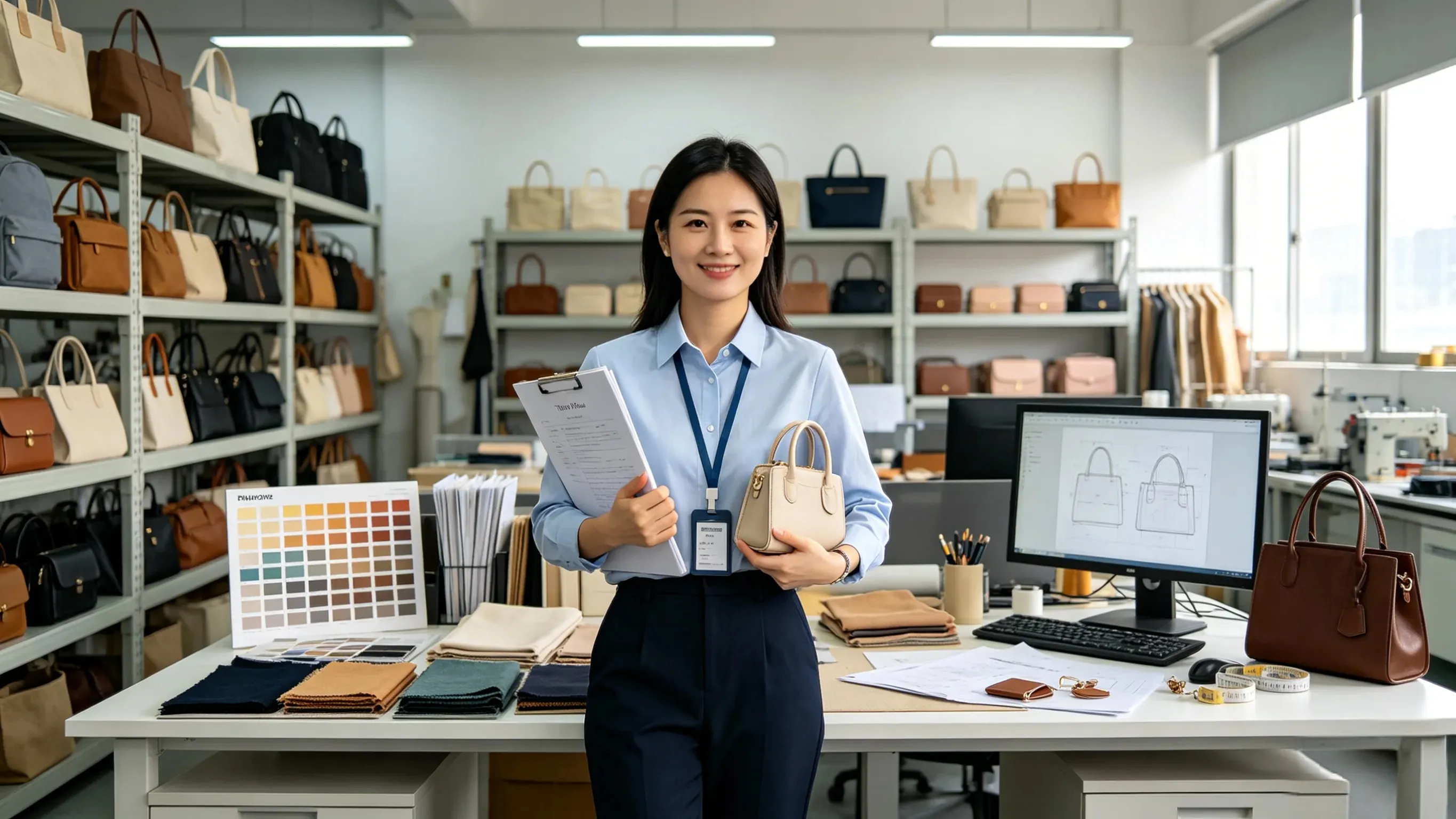
Emily, Senior Project Manager at Dreamway

EmilySenior Project Manager · 12 years in OEM bag manufacturing

"A lot of our European and North American clients choose PU for high-end gifting projects — even when they could afford canvas. It is rarely about budget. It is about brand fit. When a brand has spent ten years building a leather-led aesthetic, switching to canvas mid-stream breaks the story. My advice is to choose the material that lets your brand's existing promise stay consistent — and only switch when your brand promise itself is changing."

For a deeper look at canvas specifically for premium programs, our Custom Canvas Tote Bags Manufacturer page walks through weights, prints, and budgets for premium retail and gifting.


Polyester vs PU Leather

This pairing deserves less space here because the use cases rarely overlap. Polyester is the default for promotional, lightweight, and outdoor bags. PU is the default for premium, leather-look, and structured pieces. Where they do meet is in the mid-tier fashion market — a printed polyester tote with PU handles, a PU-trimmed polyester backpack — where brands mix materials to balance cost, weight, and aesthetic.

Rather than repeat the full comparison, we point you to our detailed material comparison and to the broader PU vs Polyester deep-dive in our guides series. The headline trade-off is simple: polyester wins on cost and weight, PU wins on luxury feel and waterproofing. Everything else is a matter of execution.


Material Performance Comparison

Below is a more granular performance breakdown. Each subsection gives you the practical answer a sourcing manager needs in a sample review.

Durability

Canvas at 12 oz / 400+ GSM, with double-stitched seams and reinforced stress points, is the most durable option across the three. High-quality PU is a strong second but can delaminate within 12–18 months in hot, humid climates — a phenomenon known as hydrolysis, where ambient moisture slowly breaks down the PU coating. Polyester is the least durable of the three at equivalent use intensity.
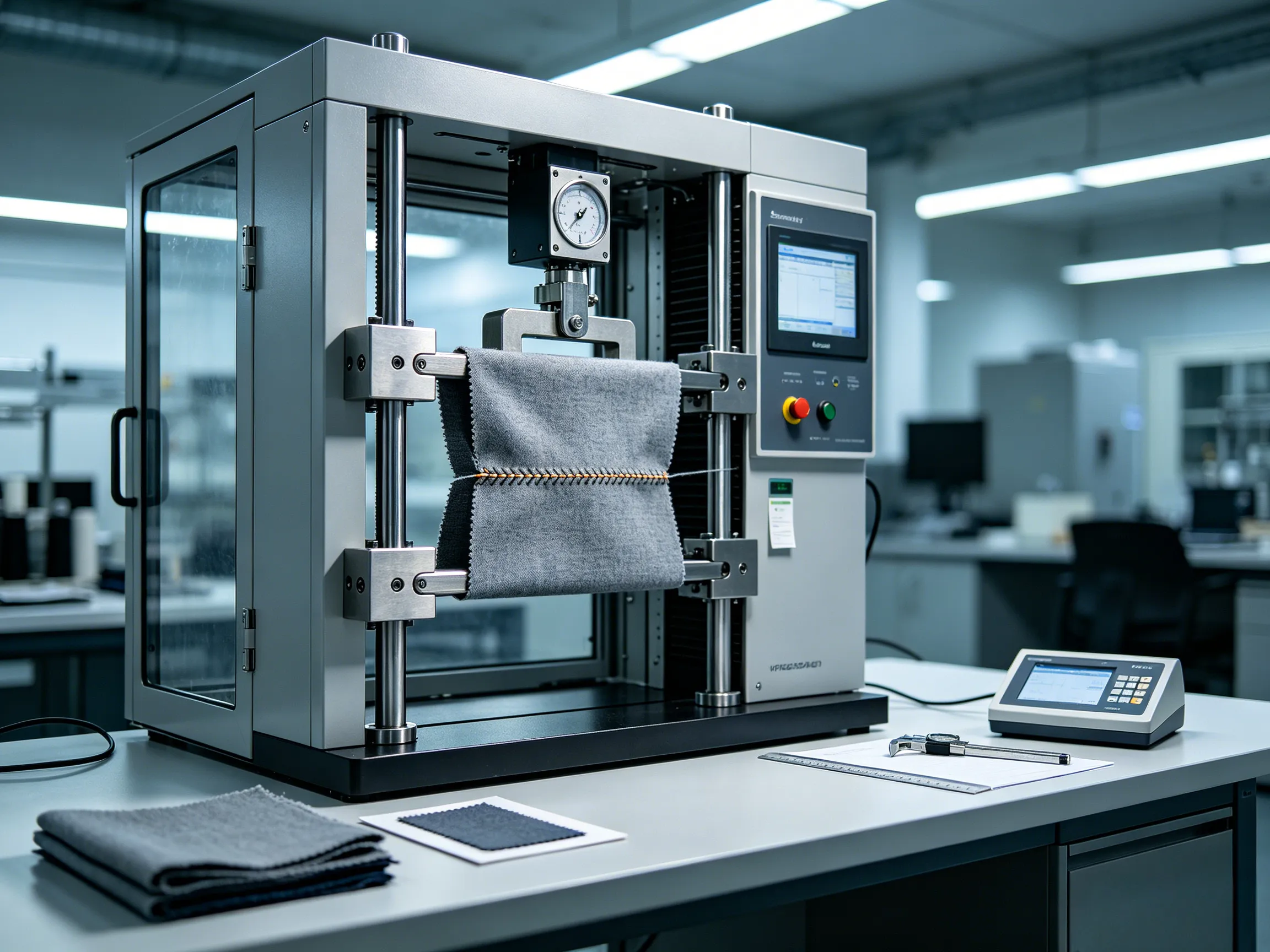
GZDreamway laboratory tensile strength test ensuring canvas bag load capacity
Professional tensile testing ensures every batch exceeds industry load-bearing standards before shipping.

Waterproof performance

PU is genuinely waterproof when the surface is intact. Polyester is inherently water-resistant because the fiber does not absorb water, though seams and zippers remain weak points. Canvas must be treated — typically with a PU or PVC backing, or with a waxed finish — to become water-resistant, and even then it is rarely fully waterproof.

Printing compatibility

This is where your design team should be paying close attention.

  • Screen printing works beautifully on canvas and polyester but is impractical on PU because the ink does not adhere well to the coated surface.
  • DTF (direct-to-film) printing works on canvas and polyester with vibrant results and no setup cost per color.
  • Heat transfer is suitable for canvas and polyester; PU requires lower temperatures and specialized transfer films.
  • Embroidery is at home on canvas and PU; on polyester it works but can pucker lighter weaves.
  • UV / digital direct printing excels on polyester, is acceptable on coated canvas, and is not viable on most PU surfaces.
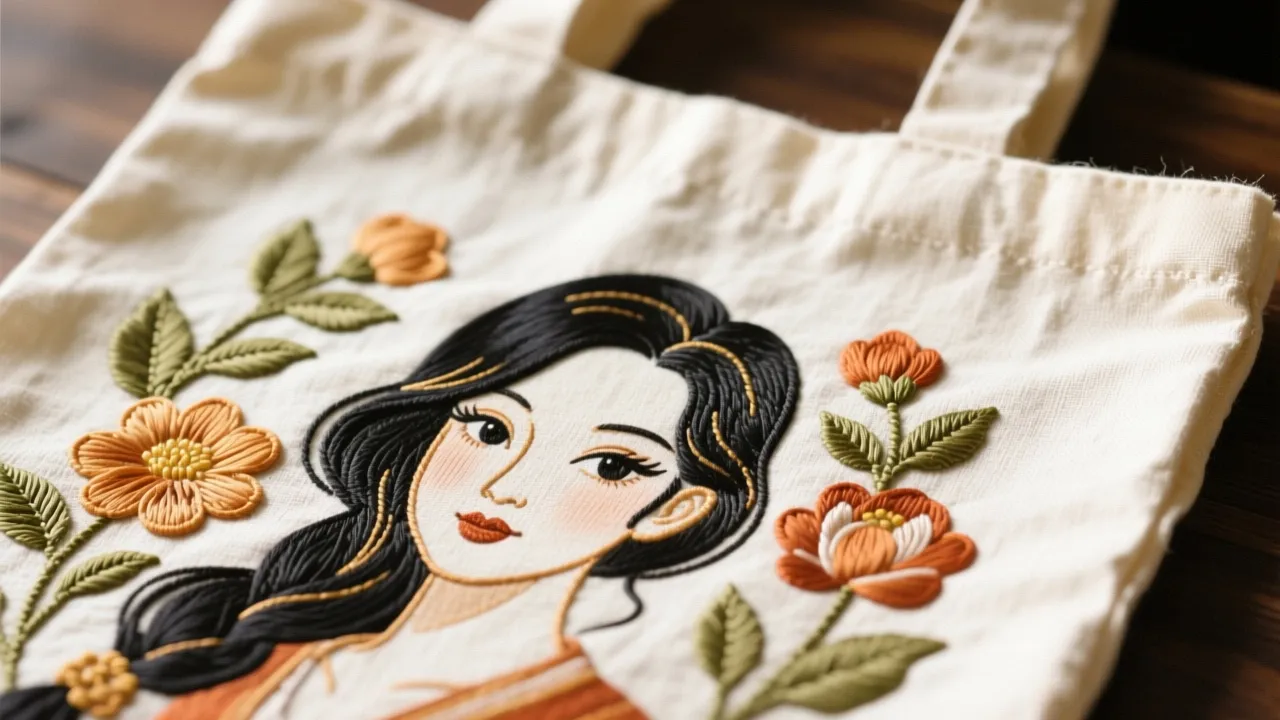
Detail of embroidery on a canvas tote bag
Embroidery on canvas delivers a tactile, premium finish that screen printing cannot match.

DTF (direct-to-film)

Heat transfer detail on a custom canvas bag
DTF and heat-transfer printing deliver vibrant, photo-quality results on canvas without per-color setup fees.

Digital direct printing

Digital direct printing detail on canvas fabric
Digital direct printing is the right answer when a design has gradients, fine type, or low MOQ.

Plastisol (rubber) printing

Plastisol rubber print detail on a canvas tote
Plastisol (rubber) printing delivers opaque, raised color on dark canvas — ideal for bold brand logos.

Cleaning and maintenance

Polyester is the easiest to maintain — machine washable, fast drying, and forgiving of stains. Canvas is also machine washable but takes longer to dry and can shrink if pre-shrunk treatment was skipped. PU is the most convenient in everyday use because a damp cloth handles almost everything, but it should never be machine washed.

Color stability

Polyester holds dyed color the longest because the dye is bonded into the fiber. Canvas, especially natural cotton, will fade gradually with sun exposure — often a desired aesthetic for heritage brands, a flaw for fast-fashion buyers. PU holds color well initially but can yellow or discolor with prolonged UV exposure if not properly stabilized.
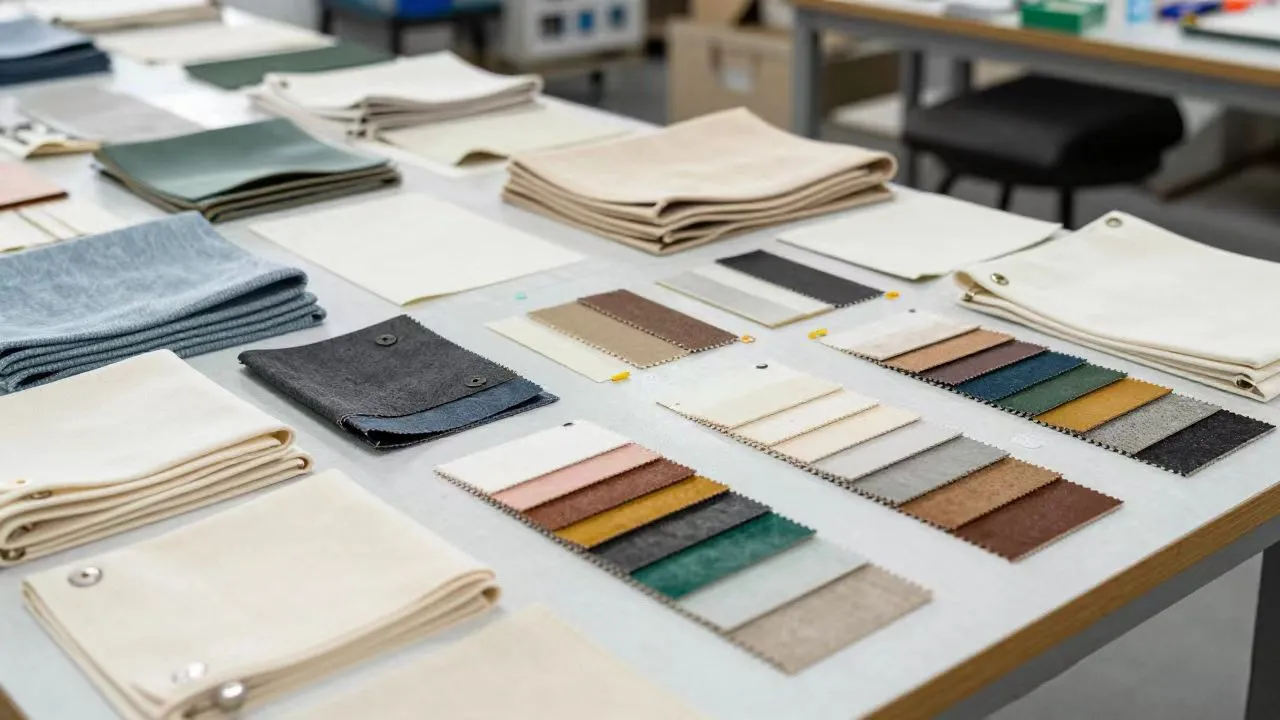
Color swatch card for handbag materials at Dreamway factory
Color matching starts with a controlled swatch card — Pantone references are matched under D65 light.
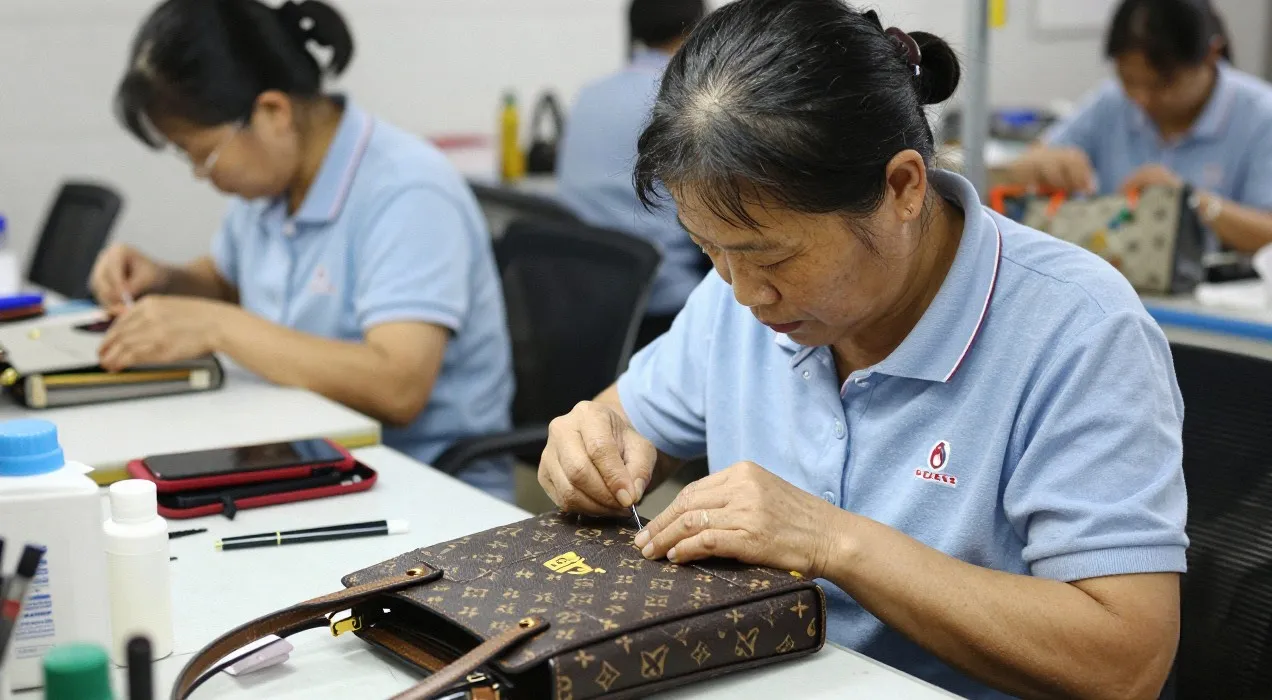
Factory worker sewing a brand logo onto a handbag panel
Skilled artisans hand-stitch brand logos — the small detail that separates a premium bag from a commodity one.

Scratch resistance

PU is the most scratch-prone surface — a sharp key or rough wall can leave a permanent mark. Polyester resists surface scratches well. Canvas is largely immune to scratching because any minor surface disturbance disappears into the weave.

Weight

Per square meter: polyester ≈ 120–200 g, cotton canvas ≈ 200–450 g, PU ≈ 350–600 g depending on backing. This matters most for backpacks, laptop bags, and any product your customer will carry for hours.

Cost

Polyester is the most affordable. Canvas is mid-range with organic and hemp variants pushing to the upper end. PU spans the widest range — from commodity PU at $3.50 per tote to premium water-based PU at $12+ per piece.

MOQ

All three materials are workable at our standard MOQ of 200 units for handbag programs (50 units for our silk pillowcase and accessory lines). For specialty constructions — PU with custom embossing, canvas with reactive dye color matching — MOQ may rise to 500–1,000 units.

Semi-transparent virtual financial chart over a handbag production line showing labour, materials, and overhead split
Transparent cost breakdowns — labour, materials, overhead — help buyers see exactly where each dollar goes.

Which Material Is Best for Different Bag Types?

Every bag category has its own material sweet spot. The table below maps the most common bag types to the material we recommend at Dreamway, with reasoning.

Bag typeRecommended materialWhy
Gym bagsPolyester (600D+)Light, sweat-resistant, easy to wash, low cost at scale
Travel bagsHeavy canvas or PUStructure and abrasion resistance matter for checked baggage
Cosmetic bagsPU or coated canvasWipe-clean surface, leak-proof lining, premium shelf appeal
Tote bagsCanvas (mid-weight)Daily durability, print-friendly, sustainable
Laptop bagsPU or padded canvasPadding, structure, executive aesthetic
Shopping bagsNon-woven PP / canvasReusable, brandable, low cost per impression
Gift bagsCanvas or PUPremium unboxing, longevity as keepsake
Fashion bagsPU (water-based)Leather aesthetic, season-friendly color refresh
Outdoor bagsWaxed canvas or PU-coated polyesterWeather resistance, abrasion tolerance
BackpacksPolyester (600D+) or PULightweight for capacity, PU for premium segments
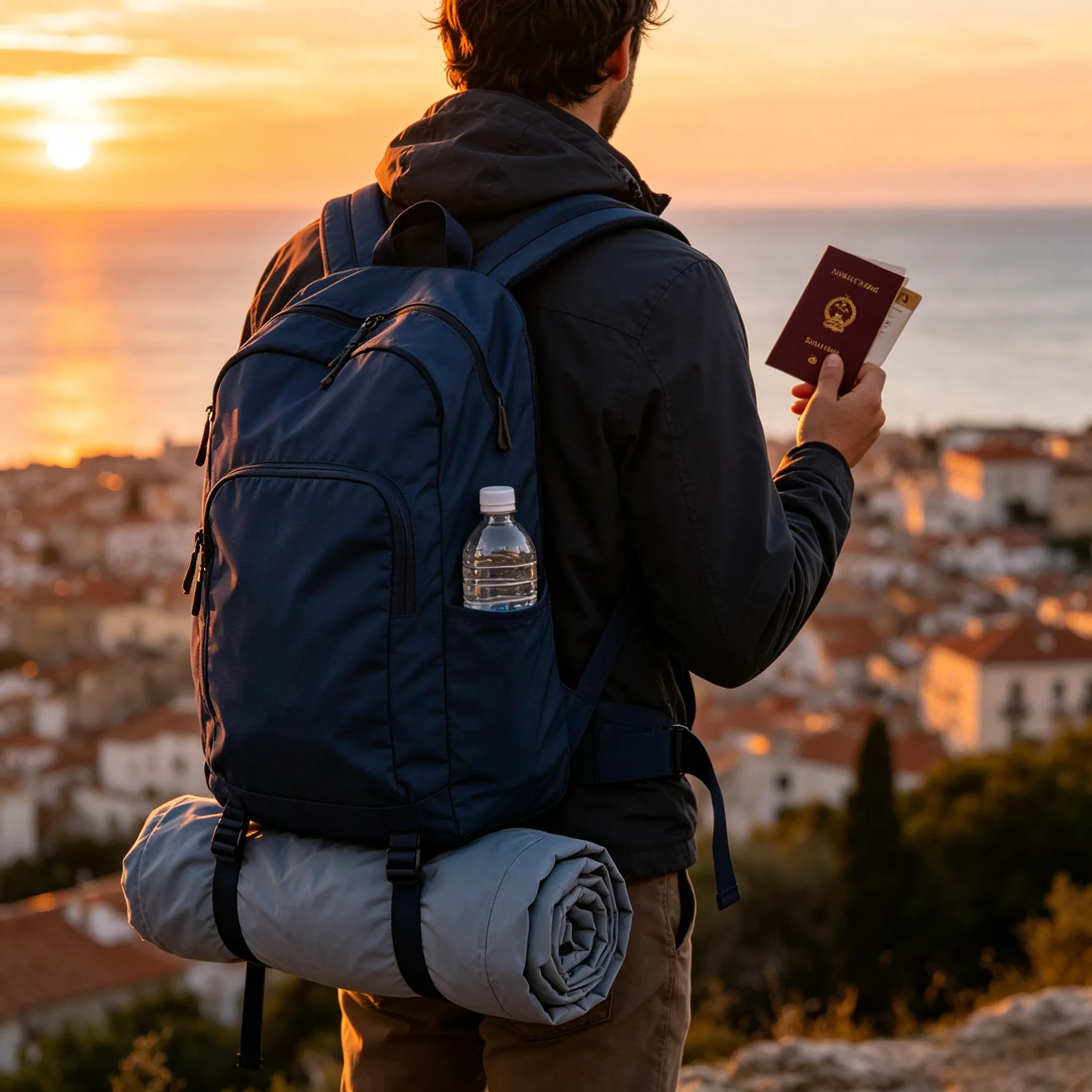
Adventurous backpack travel scene with a rugged custom backpack
Outdoor and travel backpacks lean toward 600D+ polyester or waxed canvas for weather resilience.

For long-tail searches, our Custom Canvas Tote Bags Manufacturer page covers the most-requested retail format in detail, while Canvas Tote Bag Materials, Printing & Cost maps material cost to construction.


Which Material Fits Your Brand?

Material choice is brand choice. The wrong material will undermine your positioning; the right one quietly reinforces every other marketing decision you have made. Below is how we typically guide our brand clients.

Fashion brands

Default to PU (water-based) for premium-tier handbag collections, especially if your brand carries a leather heritage. Use PU for clutch, crossbody, and structured silhouettes. Reserve canvas for capsule, weekend, and "soft luxury" sub-lines.
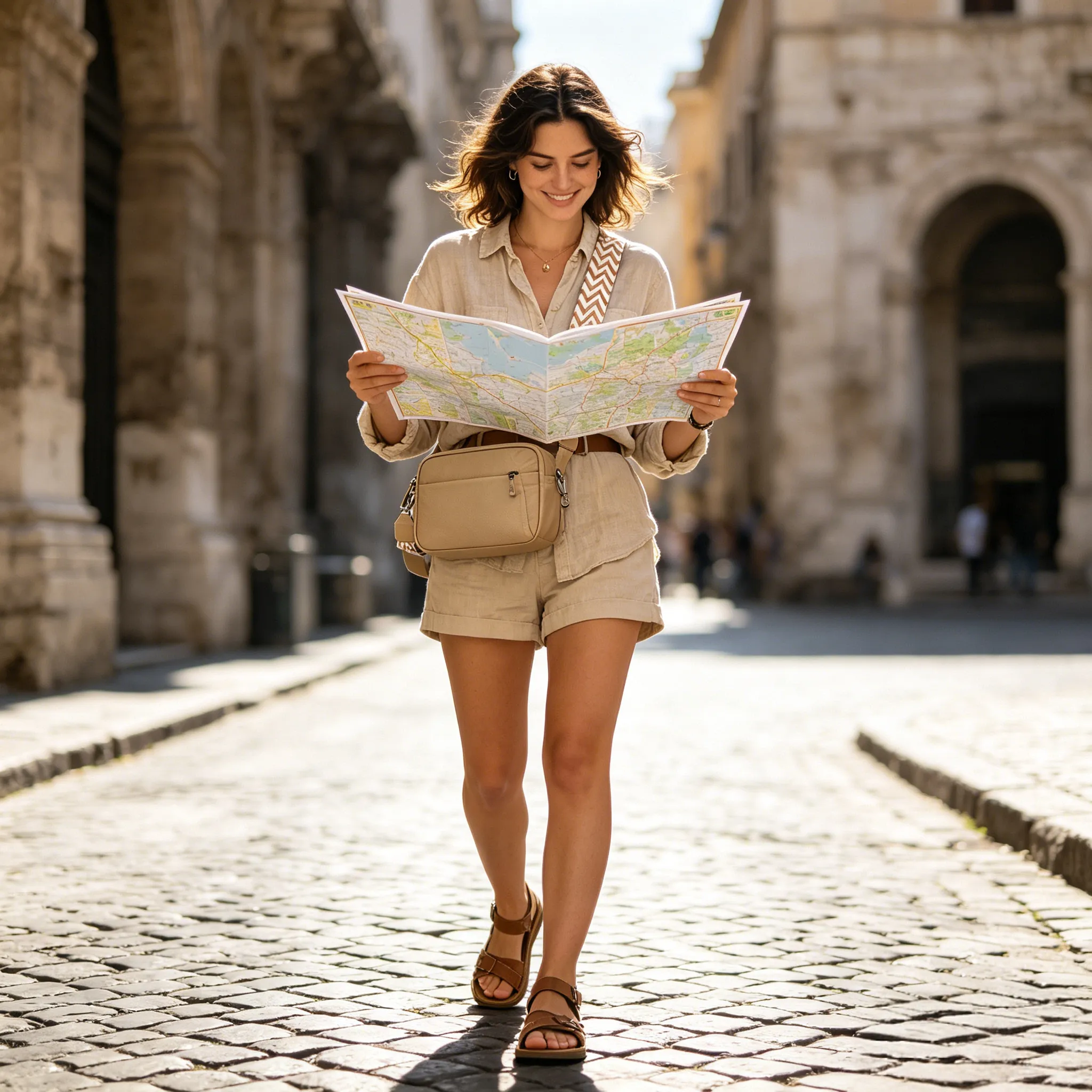
Woman with a crossbody bag sightseeing in a European city
Crossbody silhouettes typically favor PU leather for structure and finish.

Retail brands

Default to canvas for private-label programs — grocery totes, lifestyle merch, in-store exclusives. The economics are unbeatable for a reusable product that needs to survive hundreds of customer trips.

Beauty brands

Default to PU for cosmetic pouches, gift-with-purchase carriers, and elevated beauty boxes. PU gives the unboxing moment a luxury hand-feel that canvas struggles to match at small sizes.
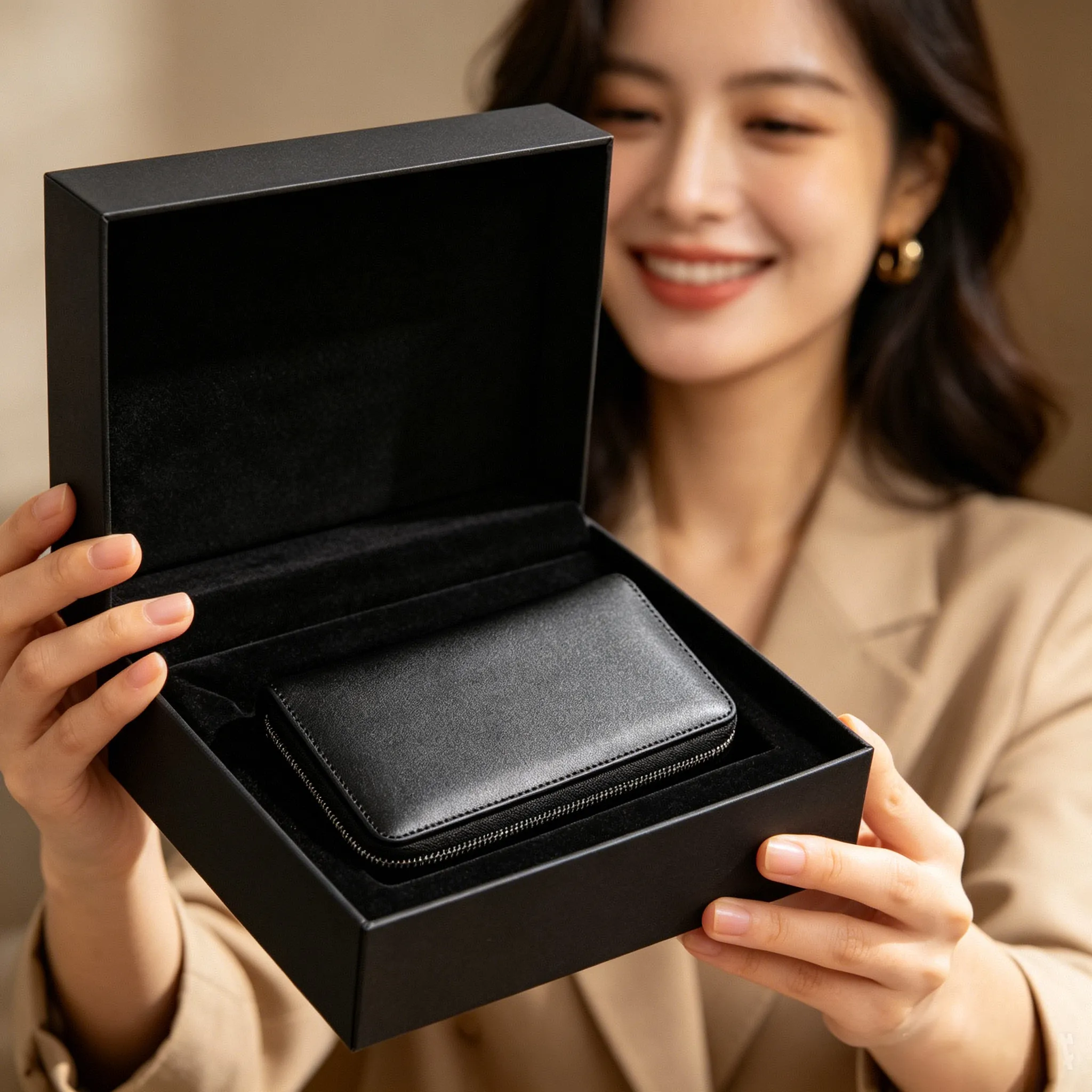
Premium gift unboxing scene for a women's wallet
Beauty and accessory gifting lean toward PU for the elevated unboxing moment.

Corporate gifts

Default to canvas for branded giveaways, conference swag, and employee welcome kits. Canvas signals sustainability, longevity, and substance — exactly the values corporate gifting programs want to communicate.

Outdoor brands

Default to PU-coated polyester or waxed canvas for hiking, cycling, and travel lines. Weight matters here. Durability matters more. Look for 600D+ polyester, bartacked seams, and weather-treated surfaces.
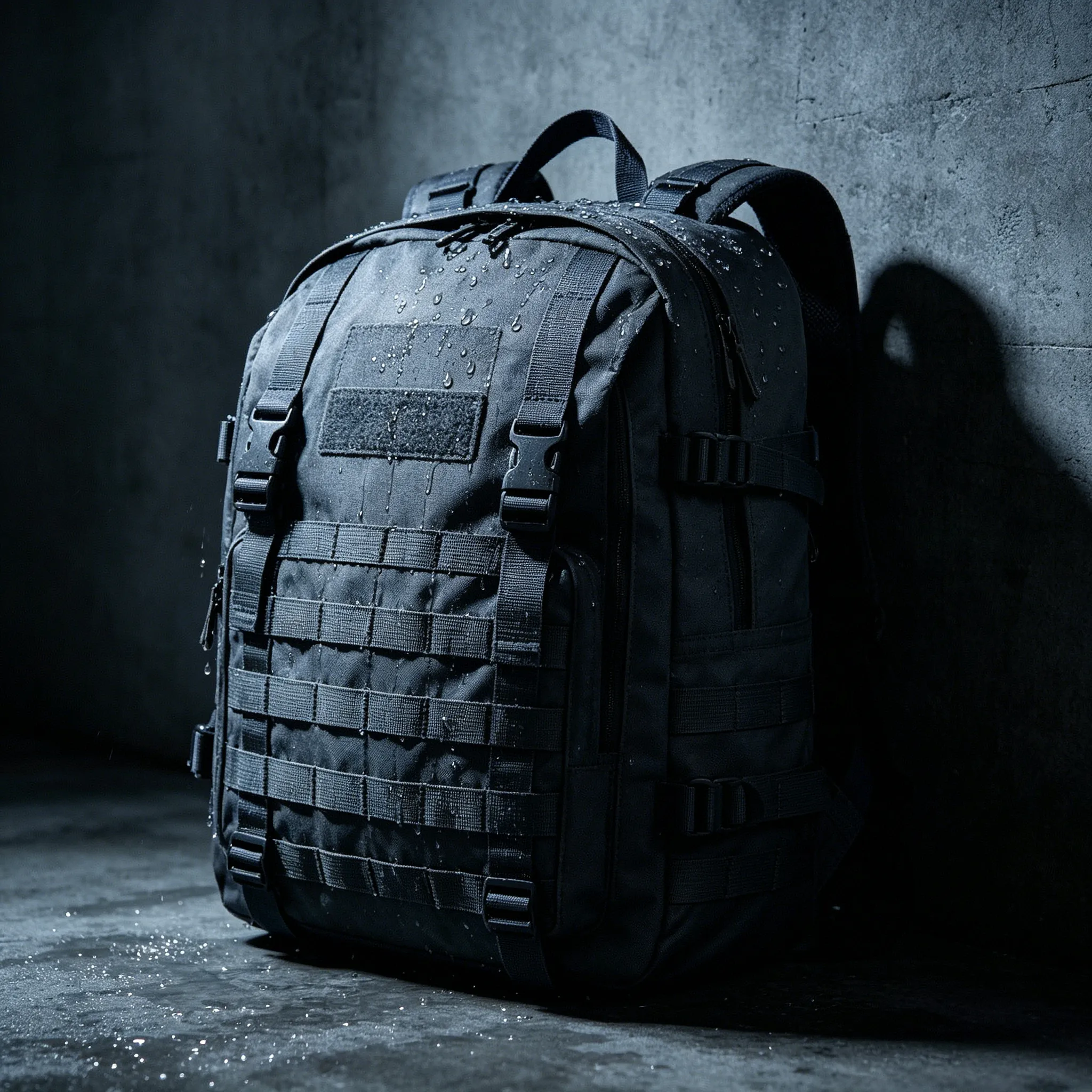
Backpack highlighting water-resistant materials
Outdoor-grade water resistance comes from PU or PVC coatings paired with sealed seams.

Travel brands

Default to PU or heavy canvas for luggage, duffels, and weekenders. PU offers structure and a leather aesthetic; heavy canvas offers heritage and durability. Both work — pick by brand story.

E-commerce brands

Default to canvas for shipping-friendly formats (totes, pouches) and PU for hero SKUs. Canvas folds flat and ships cheaply, which improves your unit economics. PU becomes worth its shipping cost when it is the headline product.

Private label

Default to canvas for the broadest private-label appeal — it photographs well, accepts virtually any print technique, and works across demographics. Add PU to your line only when your retail channel can absorb the higher price point.

For a focused comparison of the two most common retail fibers, see our Cotton vs Blended Canvas for Tote Bags guide.


Sustainability Comparison

Sustainability claims in the bag industry are notoriously slippery. Three honest benchmarks help cut through the noise:

  • Fiber source — recycled vs virgin, plant-based vs petroleum-based.
  • Process chemistry — water-based vs solvent-based coatings.
  • End-of-life — biodegradable, recyclable, or persistent.

Canvas

Cotton canvas, particularly organic or GOTS-certified, scores well on all three benchmarks: the fiber is plant-based and renewable, the processing is largely mechanical, and at end-of-life the bag will biodegrade in months under the right conditions. Hemp canvas is even stronger on sustainability — it requires minimal water and no pesticides.

Recycled polyester (rPET)

Recycled PET — typically sourced from post-consumer bottles and certified to GRS (Global Recycled Standard) — closes the loop on a waste stream that would otherwise persist for centuries. It is not perfect: rPET still sheds microplastics, and recycling rates remain low. But for any brand making a credible "post-consumer recycled" claim, GRS-certified rPET is the baseline.

Recycled and water-based PU

Conventional solvent-based PU is the worst performer on sustainability — high VOC emissions, petroleum-derived, and persistent at end-of-life. Two next-generation options change that picture:

  • Water-based PU cuts VOC emissions by more than 70% and produces a softer, more breathable surface. It is becoming the default at premium brands.
  • Recycled PU (GRS-certified) reprocesses post-industrial PU waste into new coated fabric, reducing virgin plastic input.

The trade-offs between these two next-gen options matter for any brand pursuing a serious sustainability strategy. Our guide on Water-Based PU vs Recycled PU walks through the production, performance, and pricing trade-offs in detail.

Sustainable circular economy lifecycle of an organic cotton dust bag
A circular lifecycle — from organic cotton to finished dust bag — is increasingly table stakes for premium buyers.

Factory Considerations Before Choosing Materials

Choosing a material on paper is one thing. Producing it consistently at scale is another. The items below are the conversations you should be having with your factory before you commit to a material — not after.
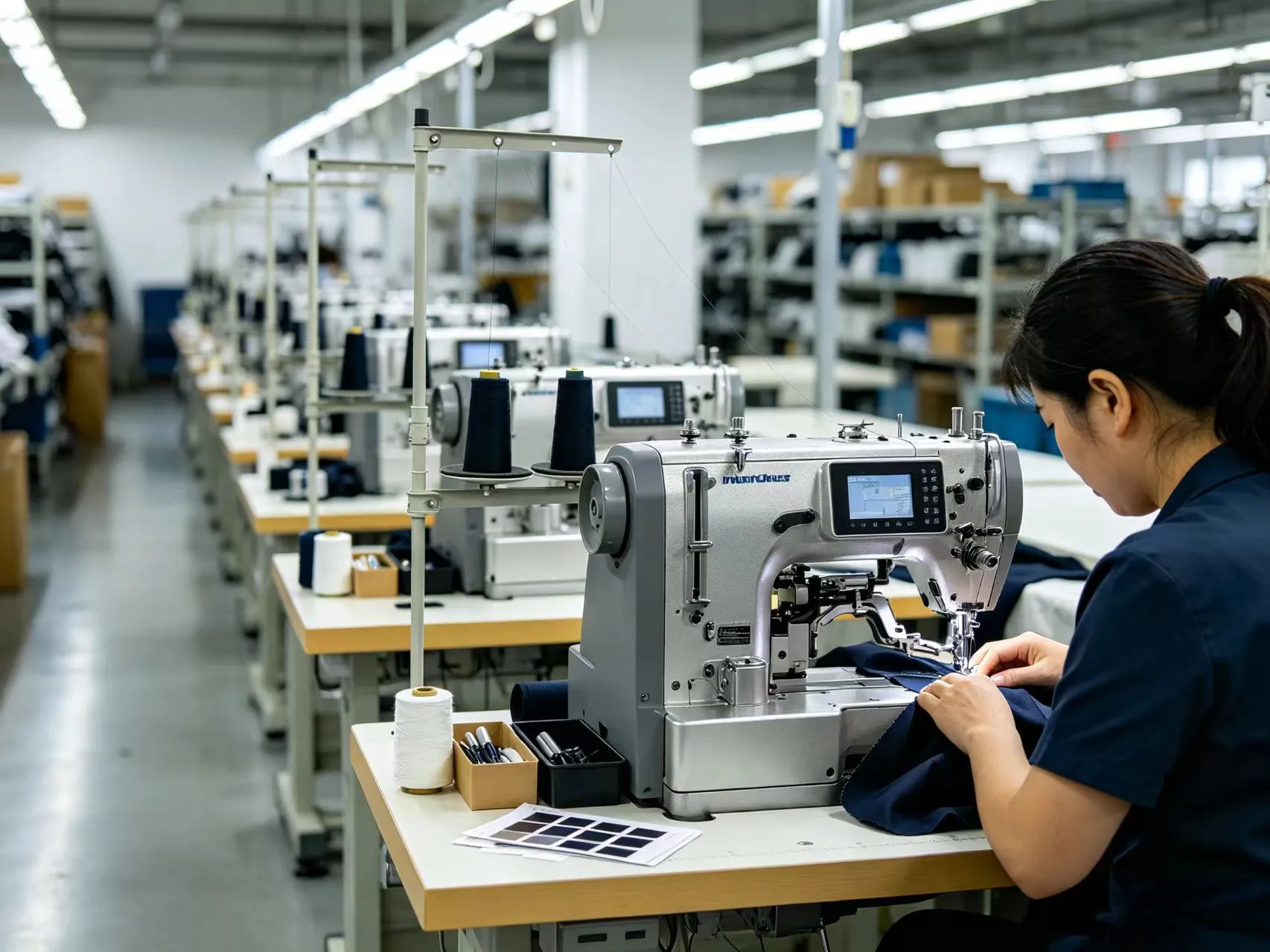
Advanced textile manufacturing equipment and skilled technicians at Dreamway factory
Production foundation: top-tier equipment and craftsmanship build a reliable capacity moat.
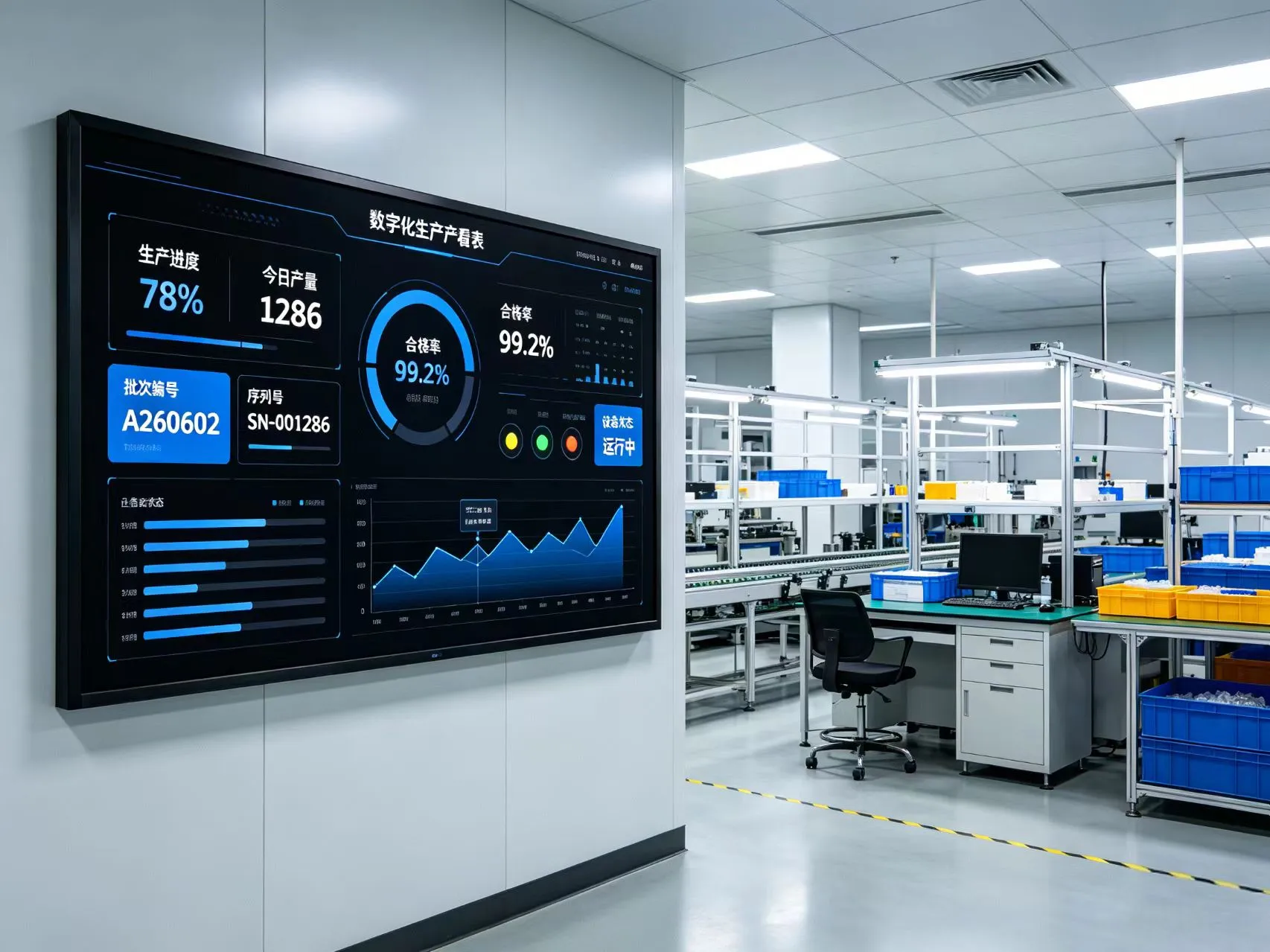
GZDreamway digital quality monitoring dashboard displaying real-time production data
Digital quality loop: MES-powered monitoring prevents risk at every step of production.

MOQ

Our standard handbag MOQ is 200 units; for silk pillowcases and accessories the MOQ drops to 50 units. Materials with longer sourcing lead times — recycled PU in custom colors, organic canvas in non-stock weights — typically require higher MOQs to absorb the mill setup cost.
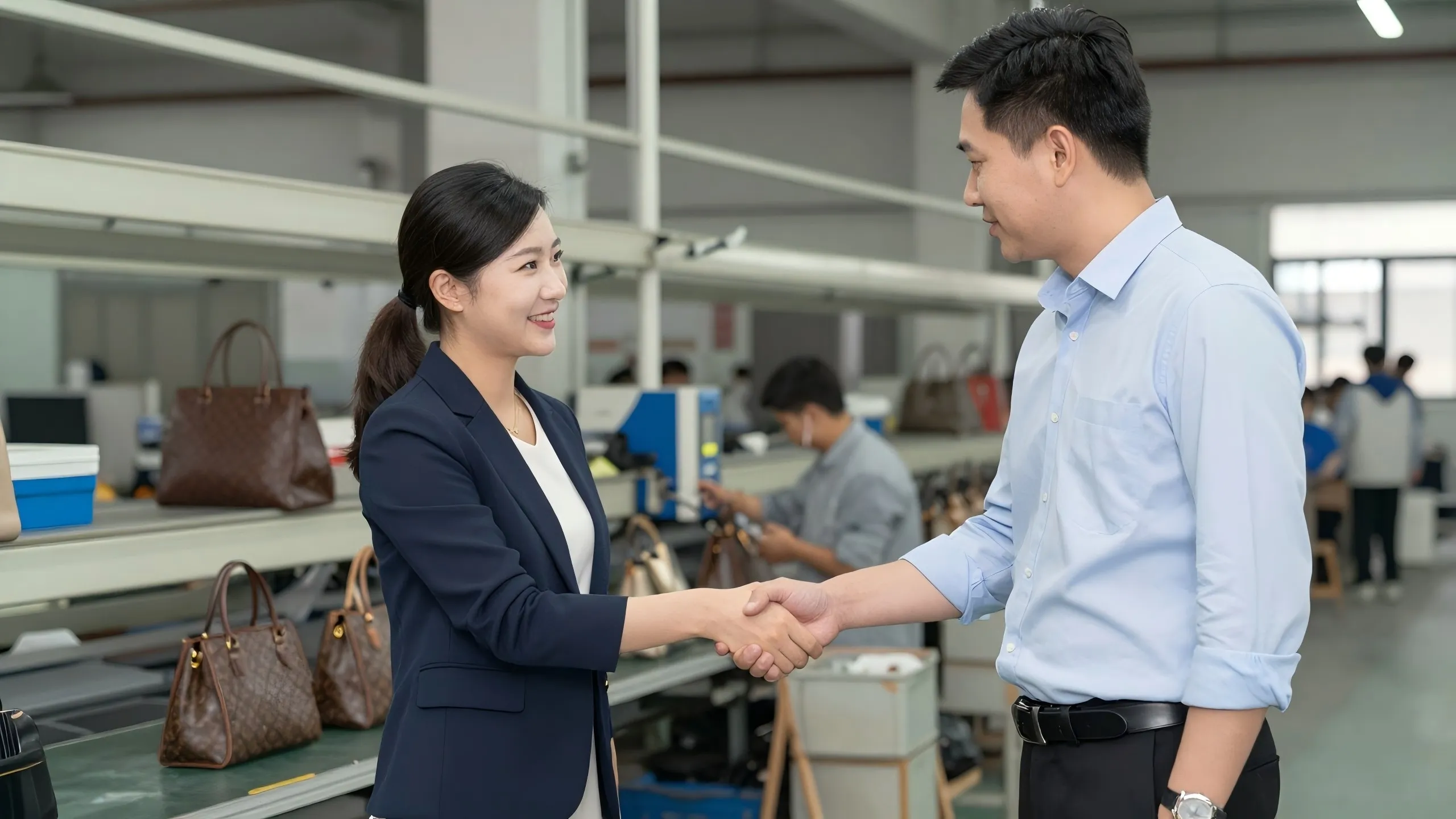
Factory sales representative shaking hands with a satisfied overseas client
A signed contract and a satisfied handshake — the moment every successful sourcing relationship is built on.

Lead time

Plan for 25–40 days from confirmed PO to ex-factory for canvas and polyester programs. PU programs can stretch to 35–55 days due to longer material sourcing and coating lead times. Rush programs are possible but usually incur a 15–25% expedite fee.

Printing

Confirm printing compatibility with your factory before you finalize artwork. A logo designed for sublimation will look flat on canvas. An embroidery file designed for PU will pucker on lightweight polyester. Our canvas printing guide shows the artwork prep required for each canvas printing technique.

Sampling

Always request a pre-production sample. At Dreamway we produce a counter sample within 7–10 days of artwork approval, then a corrected golden sample within another 5–7 days. Both samples are photographed, dimensionally measured, and signed off before bulk production starts.
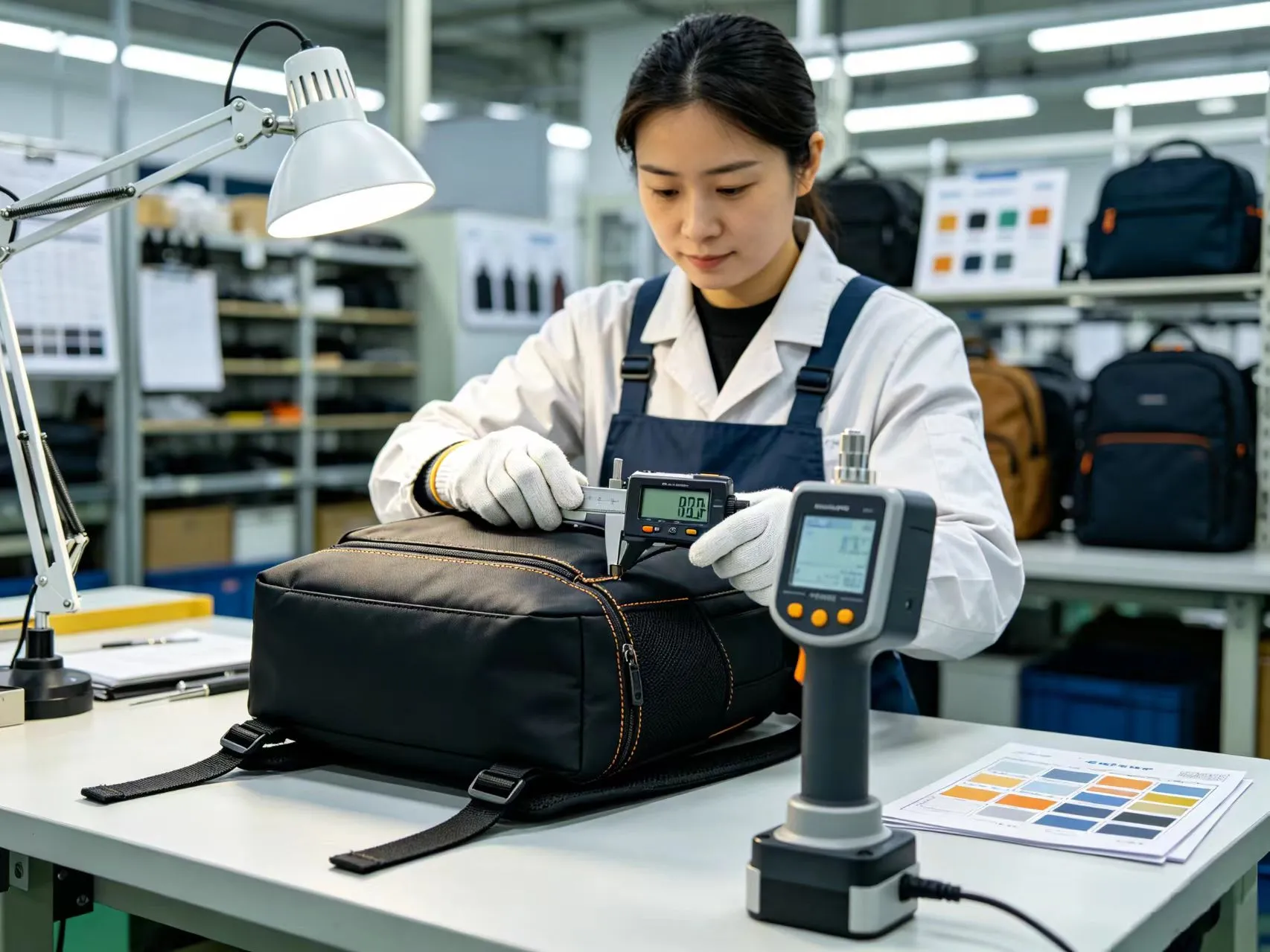
Key control point inspection on the factory production line
Process control: KCP checks at the sewing stage catch issues before assembly is complete.

Color matching

Color matching is the single most common source of disputes in bag production. Always provide a Pantone reference and confirm color under D65 light. For canvas, expect a 5–8% shade variance between lab dip and bulk production due to the natural fiber base. For polyester and PU, expect closer to 2–3% variance.
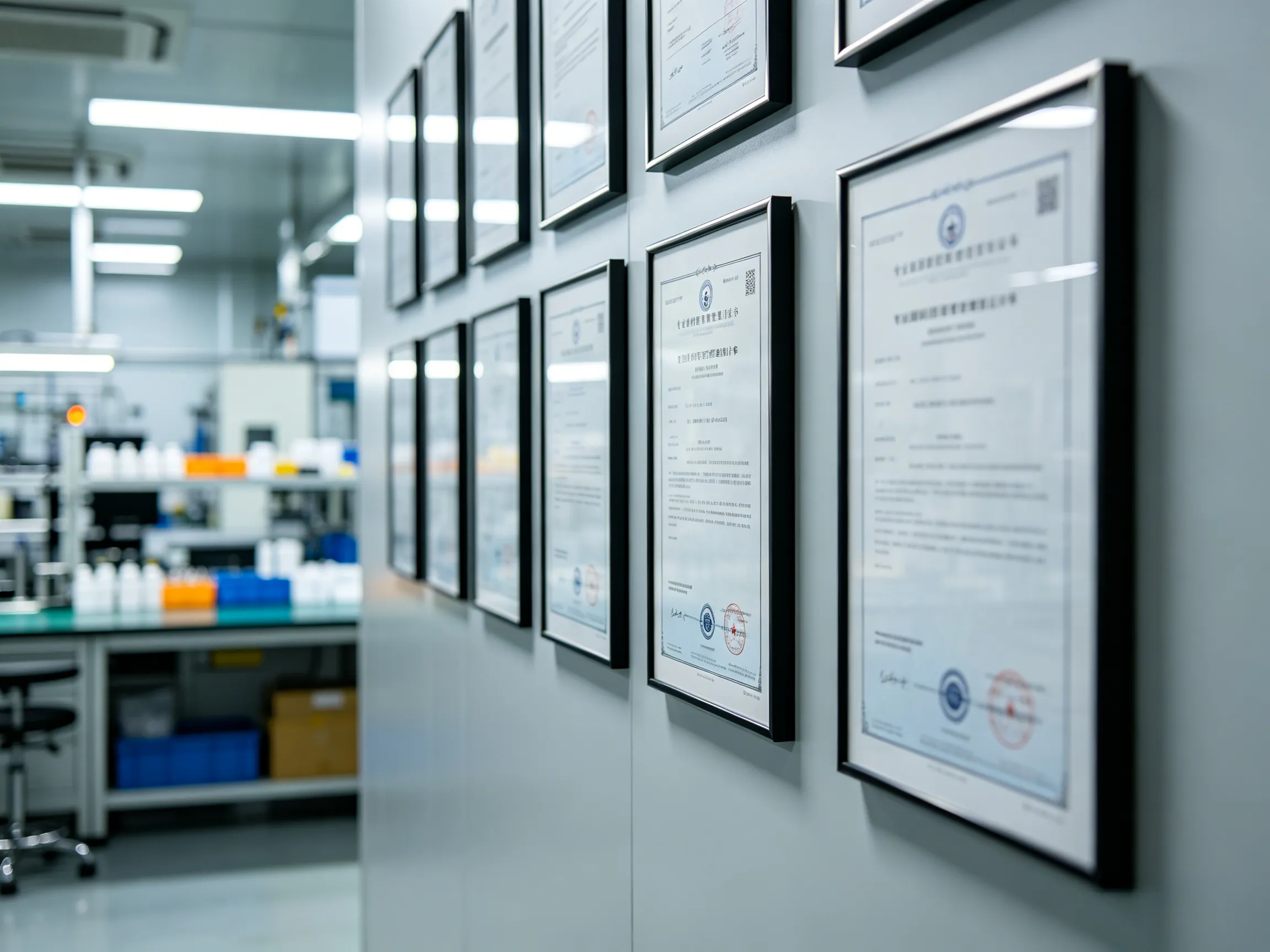
GZDreamway ISO and BSCI certification wall display
International certifications: ISO and BSCI compliance underpin every program we ship.

QC

On-site quality control is non-negotiable for any order above a few hundred units. At Dreamway we run AQL 2.5 inspections on all finished goods, plus inline KCP (Key Control Point) checks at cutting, sewing, assembly, and packing. Every shipment leaves with a unique serial number QR code label — part of our full-chain traceability system.
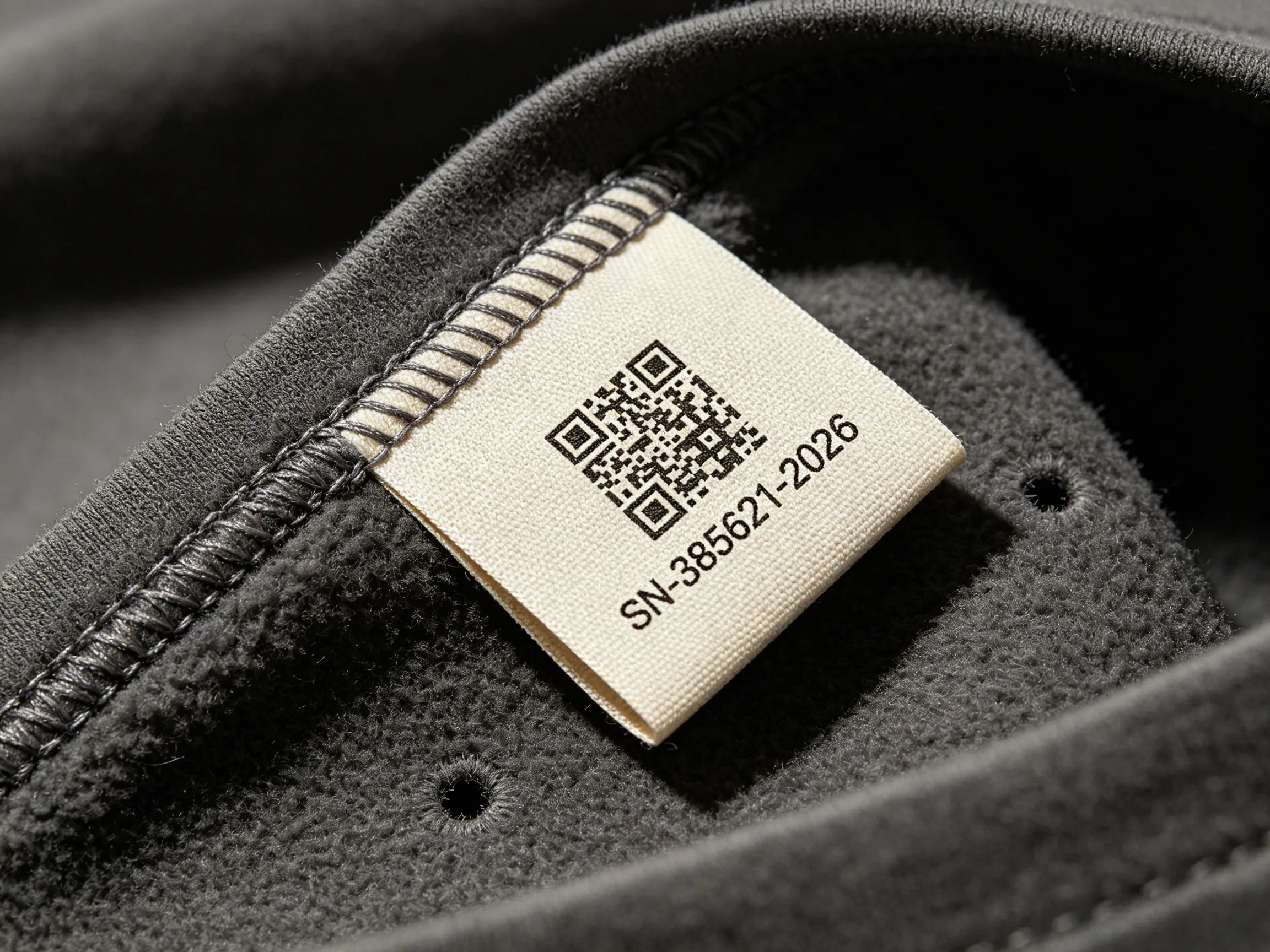
Internal QR-code traceability label sewn into a finished product
Full-chain traceability: every product carries a unique digital identity, ready for EU DPP-style compliance.
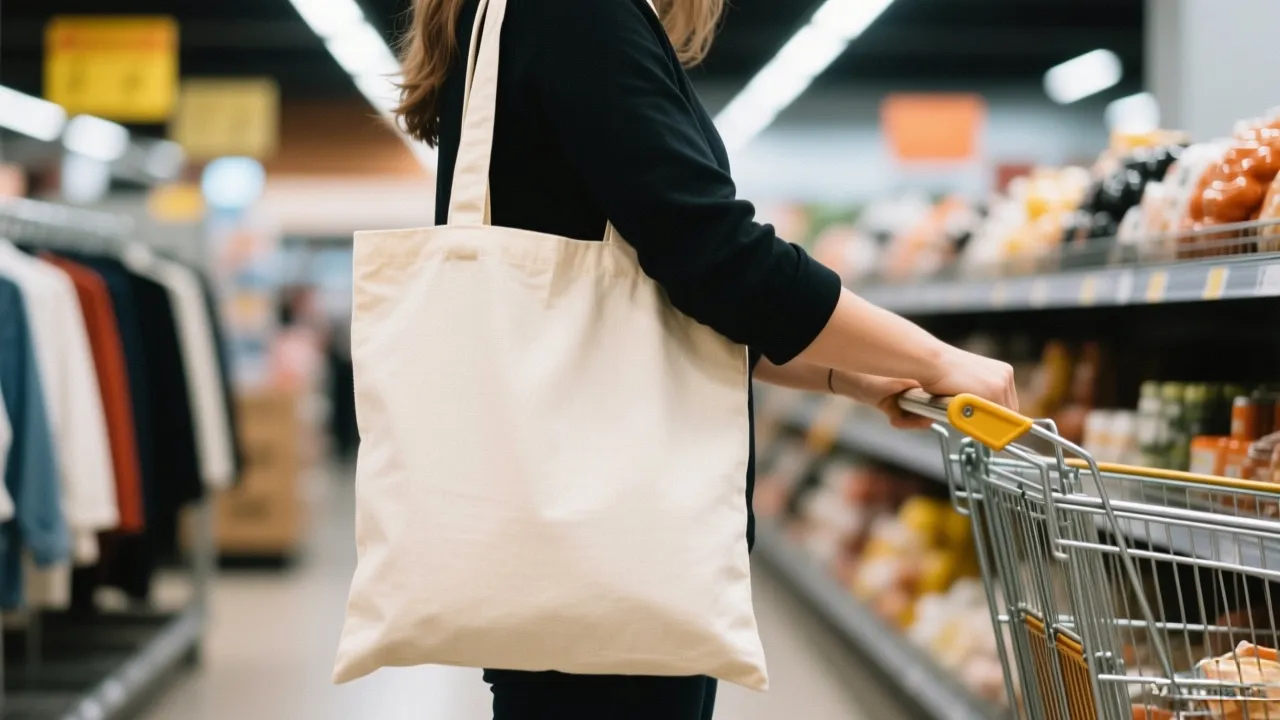
Canvas tote being used during supermarket grocery shopping
Reusable canvas shopping totes — the workhorse of grocery and retail bag programs.

Material availability

Stock materials can be cut within 48 hours. Custom materials — Pantone-dyed canvas, embossed PU, custom-coated rPET — require 15–30 days for mill production before factory cutting begins. Always confirm material availability before locking your production calendar.

From the QC bench — Kevin, Pattern Development Engineer
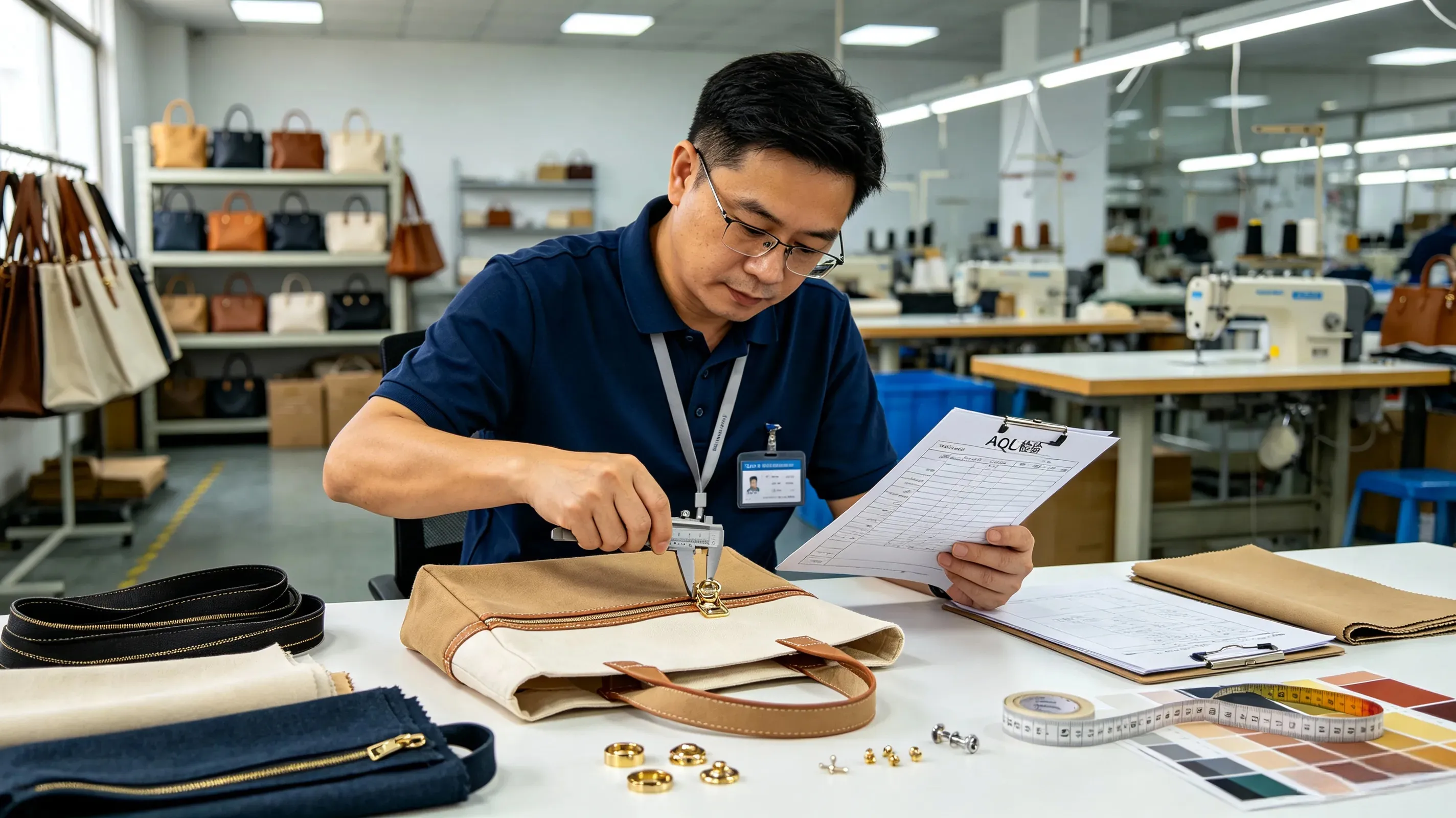
Kevin, Pattern Development Engineer at Dreamway

KevinPattern Development Engineer · 15 years in bag pattern making

"Two rolls of canvas can both be labeled 12 oz and behave completely differently. Fiber staple length, yarn twist density, weave tension, and pre-shrunk treatment all change how the bag performs. At incoming inspection we measure GSM, check yarn count under magnification, and run a wash test on a swatch. If the GSM is off by more than 5%, or the swatch shrinks more than 3%, we reject the lot before a single panel is cut. Material quality is decided at the fabric warehouse — not at the QC table."
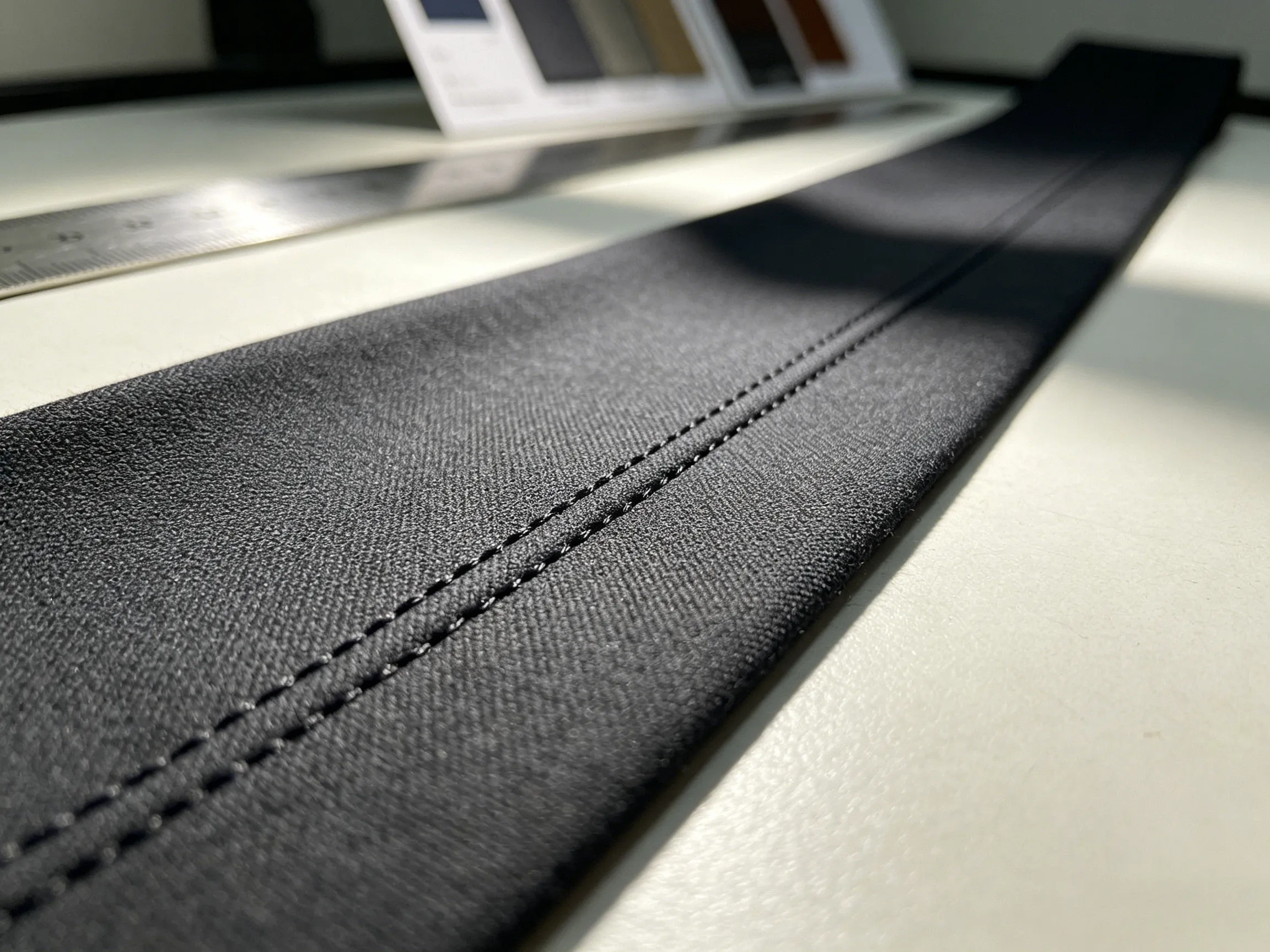
High-magnification detail of GZDreamway factory stitching quality
Microscope-grade precision: every stitch and seam is calibrated to exacting tolerances.
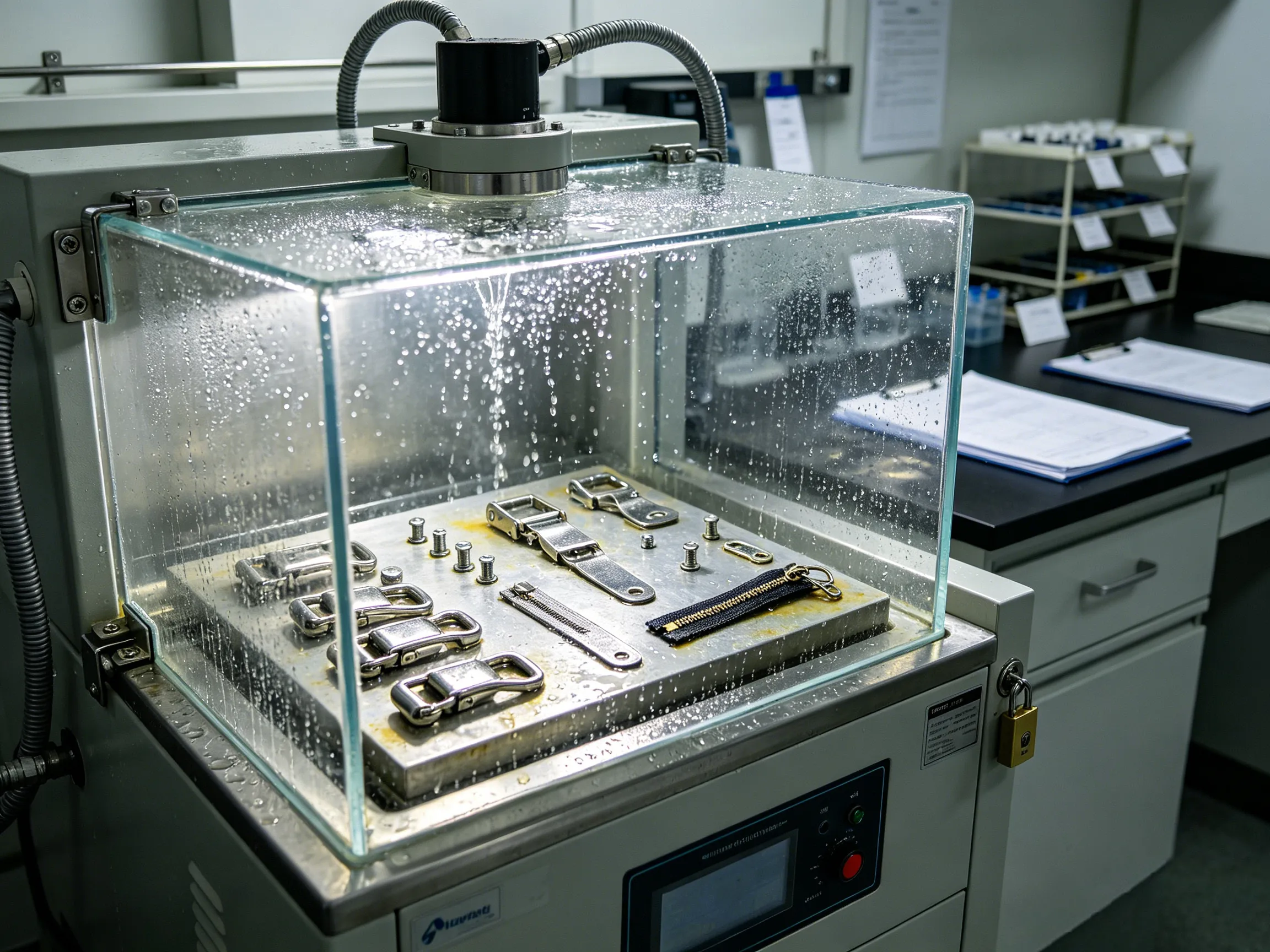
Salt-spray corrosion test on metal hardware in laboratory conditions
Hardware endurance: salt-spray testing validates corrosion resistance under extreme conditions.
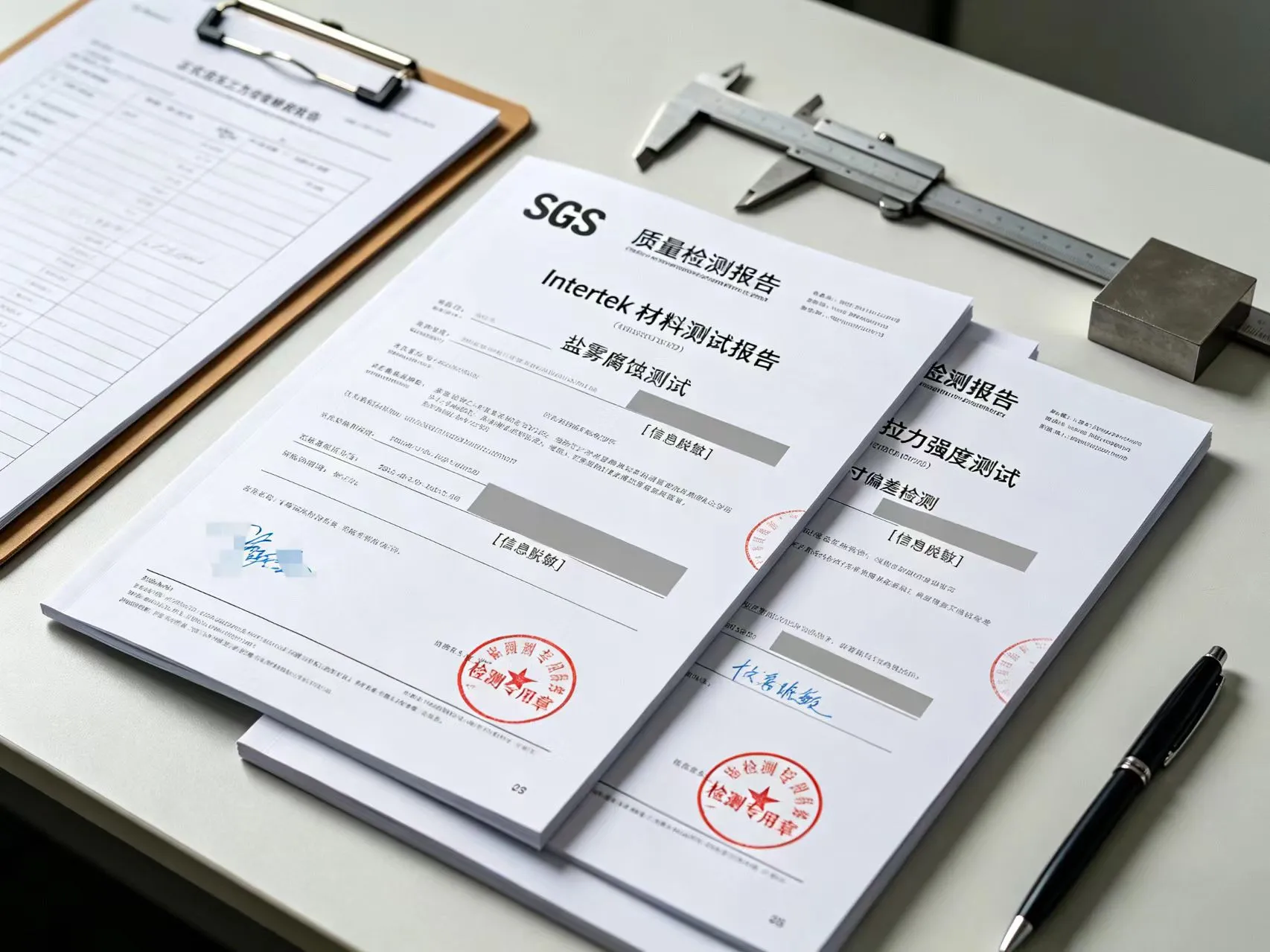
Professional third-party quality inspection report samples
Authoritative backing: third-party inspections welcomed on every shipment.
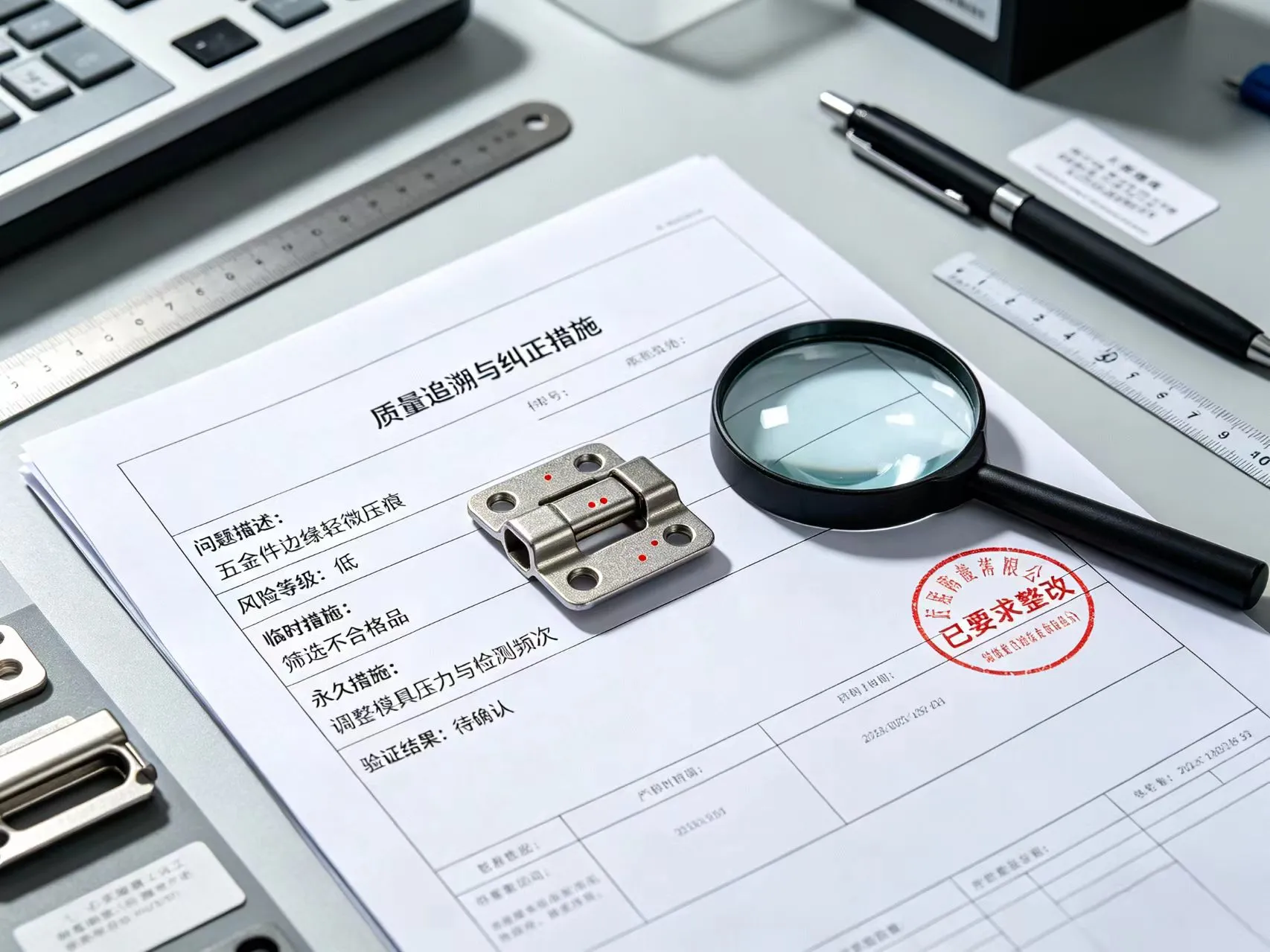
Corrective action report with red stamp and defective hardware sample under a magnifier
Respect for quality: defect analysis drives a closed-loop preventive system.
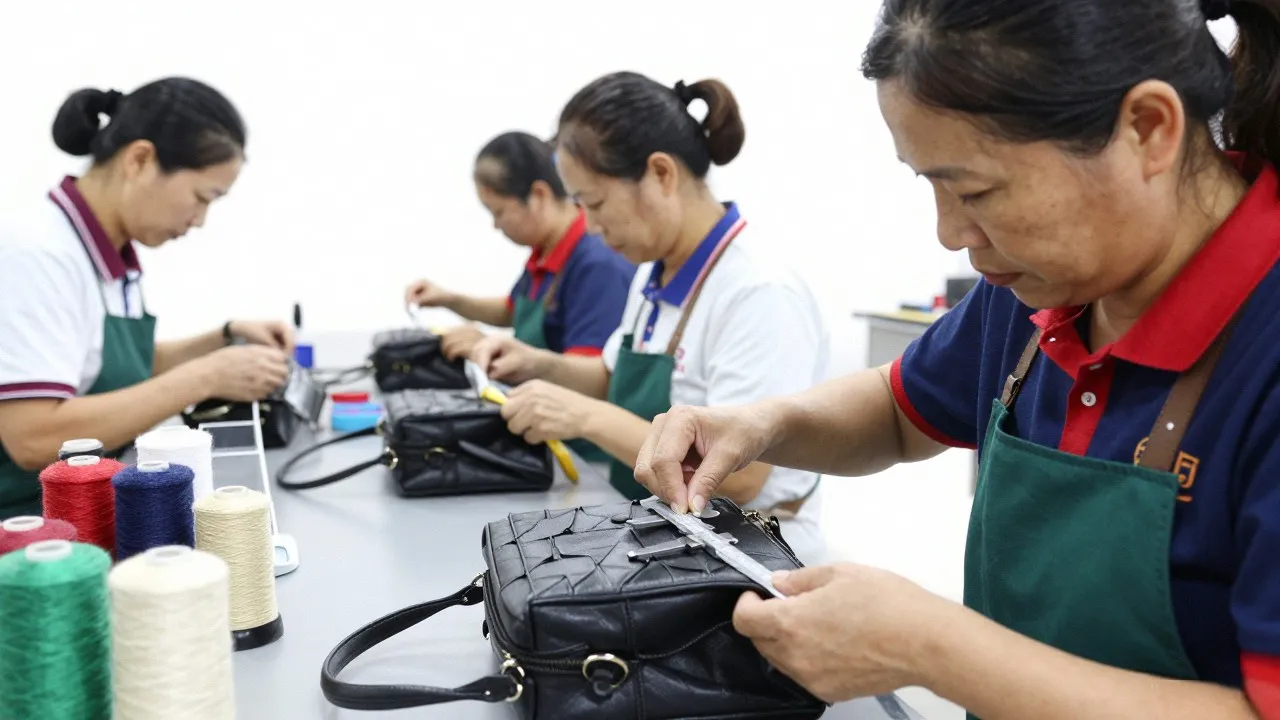
Factory quality inspector checking a finished handbag on the production line
Final QC at the packing table: every bag is inspected before it leaves the factory.

Common Buyer Mistakes (and How to Avoid Them)

After more than a decade of producing bags for global brands, we see the same handful of avoidable mistakes come up again and again. Share this list with anyone on your team who touches material sourcing.

Choosing purely on price

The cheapest quote often hides the most expensive outcome. A $0.40 per unit savings on a 5,000-unit run becomes meaningless if 8% of the bags arrive defective and need replacing. Compare landed cost, not unit cost.

Ignoring GSM

Two canvas bags at the same price can have wildly different structural integrity. Always specify GSM (or oz) and confirm it on the incoming material report. Our canvas weight guide shows the right GSM for each application.

Ignoring environmental regulations

The EU's PPWR (Packaging and Packaging Waste Regulation), REACH, and California's Prop 65 all impose real restrictions on materials, coatings, and chemicals. Selling into those markets without compliance documentation can mean seized inventory at port. Ask your factory for current compliance certificates before you commit.
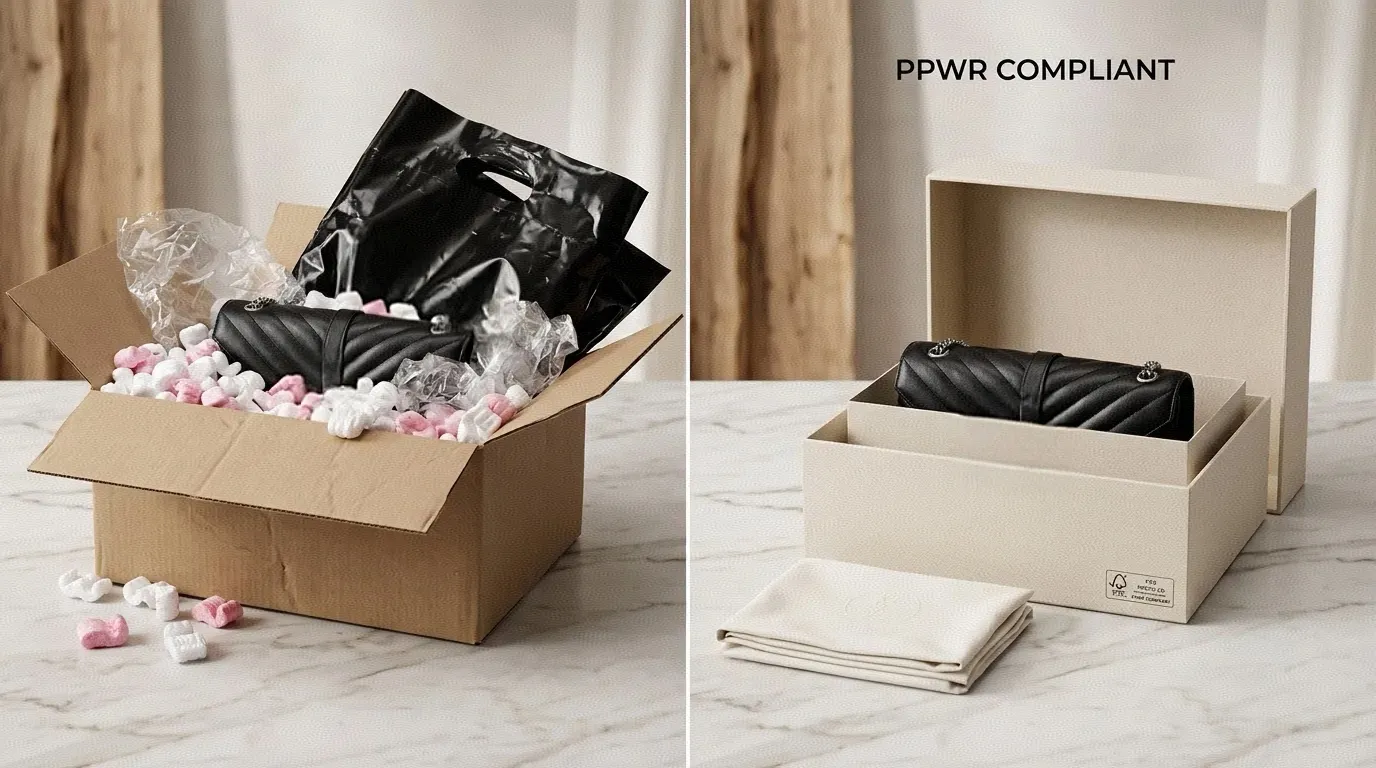
Visual comparison of EU PPWR compliant packaging versus wasteful packaging
PPWR compliance starts with smart material selection and minimalist packaging design.

Ignoring MOQ

Some factories quote materials they cannot actually source at the requested MOQ. The result is a forced minimum order increase after the artwork is already done. Confirm MOQ in writing, with a per-color breakdown where relevant.

Underestimating printing limitations

Your designer may deliver a beautiful six-color gradient file that is sublimation-perfect — but you have specified PU. Clarify printing technique at the material selection stage, not after artwork approval. The comparison guide maps printing techniques to each material.

Assuming PU is genuine leather

Some low-grade PU is sold as "leather" to unsuspecting buyers. Genuine leather has a fibrous back; PU has a fabric or paper back. If the claim matters for your marketing — and increasingly it does, under EU consumer protection rules — verify before you label.

Side-by-side comparison of cheap bag flaws versus refined bag craftsmanship
Side-by-side construction comparison — cheap bags fail at the seam; refined bags succeed at every detail.

Disclaimer Material performance varies depending on coating technology, fabric weight (GSM), manufacturing process, and supplier quality standards. The comparisons in this guide are based on common industry practices and are intended for educational purposes. Buyers should request samples and conduct product testing before mass production.

Frequently Asked Questions

Is canvas stronger than polyester?

Generally yes — a properly constructed 12 oz / 400 GSM canvas bag will outlast a similarly sized polyester bag under daily use. Polyester has improved significantly at 600D and above, but for long-term durability canvas remains the strongest mainstream choice.

Is PU waterproof?

PU leather is fully waterproof on its coated surface, though seams, zippers, and stitch holes remain weak points. Polyester is water-resistant but not waterproof. Canvas is neither, unless treated with a PU/PVC backing or waxed finish.

Which material lasts longer?

Canvas typically lasts 5–10 years with reasonable care. PU lasts 2–5 years on average, with high-quality water-based PU at the upper end and lower-grade PU delaminating within 12–18 months in humid climates. Polyester lasts 2–5 years depending on denier and use intensity.

Which material is eco-friendly?

Organic or recycled cotton canvas is the most environmentally friendly baseline option. GRS-certified rPET polyester is the best synthetic choice. Water-based PU is the most responsible PU option, while conventional solvent-based PU is the least eco-friendly of the three.

Can PU crack?

Yes. Lower-grade PU cracks within 12–24 months, especially in cold or dry conditions. Higher-grade water-based PU and hydrolysis-resistant formulations resist cracking significantly better. Proper storage — away from direct sunlight and extreme temperatures — extends PU lifespan considerably.

Which material is best for tote bags?

Mid-weight canvas (10–12 oz / 280–340 GSM) is the best all-around tote material — durable, printable, sustainable, and cost-effective. Our Custom Canvas Tote Bags Manufacturer page covers weights and pricing in detail.

Which material is best for cosmetic bags?

PU leather (or PU-coated canvas) is the best cosmetic bag material because it is wipe-clean, leak-resistant, and provides the premium shelf appeal that beauty buyers expect. Lined PU keeps spilled product from soaking into the bag body.

Which material is easiest to print?

Polyester is the easiest to print overall — especially via sublimation, which produces vibrant, photographic results with no setup cost per color. Canvas is the easiest natural-fiber material to print, taking screen, DTF, heat transfer, and embroidery cleanly.

Which material feels most premium?

PU leather, especially in smooth nappa or structured Saffiano grain, feels the most premium of the three. Heavy canvas (14+ oz / 400+ GSM) delivers a premium artisanal feel — different from PU, but equally premium in its own aesthetic.

Is recycled PU better?

Recycled PU (GRS-certified) is a meaningful improvement over virgin PU because it diverts post-industrial waste from landfill. However, it is still petroleum-derived and not biodegradable. For maximum sustainability impact, water-based PU is generally considered the better next-generation choice. We compare the two in this guide.

Can canvas be waterproof?

Yes — through PU or PVC backing, or through a waxed-canvas finish. Treated canvas can reach near-waterproof performance, though it loses some breathability in the process. Our canvas materials guide explains the trade-offs between coated and uncoated canvas.

Which material is cheapest?

Polyester is the cheapest per unit, typically 20–40% below canvas at equivalent construction. Canvas is mid-range. PU is the most expensive at the premium tier, though commodity PU can overlap with the upper end of canvas pricing.


Need help matching a material to your next bag program? Our sales team in Guangzhou works with brands in 50+ countries — from first sample to mass production.

Visit Dreamway → Email Our Team →

This is the Hub article of the Dreamway Bag Material Guides series. Continue with our Canvas Fabric Weight Guide, the Canvas vs Polyester vs PU comparison, or our Water-Based PU vs Recycled PU breakdown.

Customer Reviews86 Reviews

Simon Hartmann2026-05-22
Der Beitrag "Canvas vs. Polyester vs. PU" hat mir sehr geholfen. Für den deutschen Markt suche ich formstabile, ökologische Taschen: Ist recyceltes 600D Polyester oder DWR-beschichtete Bio-Canvas besser bei feuchtem Herbstwetter in Norddeutschland? Mein letzter Lieferant lieferte zu steifes PU und Nähte, die sich nach kurzer Zeit öffneten — das war ärgerlich. Ich möchte gern ein technisches Musterpaket mit Martindale-Report, OEKO-TEX/REACH-Zertifikaten und Empfehlungen zu Nahtverstärkung (bartack, doppelte Naht, hot-melt seam tape) sowie langlebigen Druckverfahren (Sublimation, UV-Druck, verstärkter Siebdruck). Gibt es auch Angaben zur Formstabilität und Empfehlungen für Öko-Taschen Herstellung Deutschland?
GZDreamway2026-05-22
Danke für Ihre präzise Anfrage, Herr Hartmann. Für Norddeutschland und den anspruchsvollen Einzelhandel empfehlen wir in vielen Fällen recyceltes 600D Polyester mit wasserdichter Beschichtung wegen besserer Formstabilität und schneller Trocknung; eine DWR-beschichtete Bio-Canvas ist aus Nachhaltigkeitssicht exzellent, benötigt aber meist Laminat oder ein Innenfutter/Versteifungsboard, um dauerhafte Formtreue zu sichern (Öko-Taschen Herstellung Deutschland). Zur Vermeidung Ihres Problems mit steifem PU und aufplatzenden Nähten: wir verwenden weiche Mikrofaser‑PU mit Anti‑Hydrolyse‑Finish und plastifizierender Nachbehandlung, kombinieren doppelte Nähte mit Bartacks an Belastungspunkten, Hot‑melt‑Seam‑Tape auf Innennähten und optional Ultraschallschweißung bei Besätzen; dazu High‑Tenacity‑Garn und gezielte QC‑Checks. Für Drucke empfehlen wir Sublimation für Textilien, UV‑Druck mit Schutzlack auf PU und verstärkten Siebdruck plus Schutzcoat für Canvas‑Oberflächen, um Abblättern zu vermeiden. Wir können ein technisches Musterpaket zusammenstellen (recyceltes 600D wasserabweisend, DWR Bio‑Canvas mit Laminat, weiches Mikrofaser‑PU) inklusive Martindale‑Abriebbericht, Reibechtheitstests, OEKO‑TEX/REACH‑Zertifikaten, Nähverstärkungsplänen (Bartack‑Positionen, Nahtaufbau, Tape‑Material) und Vorschlägen zur MOQ für den deutschen Markt. Wenn Sie uns gewünschte Traglast, bevorzugte Druckmethode und Zielmenge mitteilen, bereiten wir Muster mit Prüfberichten und konkreten Spezifikationen für Öko‑Taschen Hersteller Deutschland vor.

Thank you for your precise inquiry, Mr. Hartmann. For northern Germany and retail-grade eco bags we often recommend recycled 600D polyester with a waterproof finish for superior shape retention and fast drying; DWR‑coated organic canvas is an excellent sustainable choice but typically requires lamination or an internal stiffener to maintain long‑term shape (eco bag manufacturing Germany). To prevent the issues you experienced with stiff PU and seam failures, we use soft microfiber PU with anti‑hydrolysis finishing and plasticizer treatment, combine double stitching with bartacks at stress points, apply hot‑melt seam tape on internal seams and ultrasonic welding on certain parts, plus high‑tenacity thread and targeted QC checks. For printing, we recommend dye‑sublimation for textiles, UV printing with protective varnish on PU, and reinforced screen printing with a protective coat for canvas surfaces to avoid peeling. We can prepare a technical sample kit (recycled waterproof 600D, DWR organic canvas with laminate, soft microfiber PU) including Martindale abrasion reports, rub‑fastness tests, OEKO‑TEX/REACH certificates, seam reinforcement plans (bartack locations, stitch build‑up, tape specs) and MOQ proposals for the German market. Provide the expected load, preferred printing method and target order quantity and we will deliver tailored samples with lab reports and explicit specifications for eco bag manufacturing in Germany.
三浦 智也2026-05-21
東京の梅雨や台風シーズンを見越してエコバッグ 製造 日本向けの小ロット企画を進めています。600D ポリエステル 防水とDWR コーティングのキャンバスで迷っており、以前はPUが硬すぎ縫製がほつれた経験があるので少し心配です。サンプルキット、OEKO-TEX/REACH、Martindale試験や昇華印刷・UVプリントの耐久性、縫製補強(bartack、hot‑meltテープ等)の具体案を教えてください。
GZDreamway2026-05-21
ご質問ありがとうございます、三浦様。東京の梅雨・台風環境を考慮すると、外出頻度が高い都市向けには600D ポリエステル 防水をまずおすすめします。エコ重視ならDWR コーティングのキャンバス+ラミネート裏地で形状保持が可能です。縫製不具合の対処には、二重縫い、bartack補強、hot‑meltシームテープ、内部補強ボードや溶着(必要時)を併用し、高強度のポリエステル糸とQC検査で再発を防ぎます。PUに関しては当社のマイクロファイバーPUにアンチハイドロリシス処理と柔軟仕上げを施し、硬さ問題を解決しています。印刷は昇華(テキスタイル)、UVプリント(PU、保護ニス併用)、強化シルクスクリーン(キャンバス+保護コート)を推奨し、Martindale耐摩耗、擦れ試験、水噴霧試験のレポートとOEKO‑TEX/REACH証明書を同梱したサンプルキットを準備できます。まずは想定荷重、ロゴや印刷方法、目標ロット数をお知らせください。サンプルと試験結果で縫製補強プラン(bartack位置図、シームテープ仕様、芯材厚)を提示し、不安点を確実に解消します。
Margot Perrier2026-05-20
Je prépare une ligne de sacs éco-responsables pour la côte atlantique en France et, après avoir lu "Canvas vs. Polyester vs. PU", je doute entre 600D polyester recyclé résistant à l'eau et toile de coton biologique DWR. Mon précédent fournisseur a livré un PU trop rigide et des coutures qui se sont ouvertes, très décevant. Je cherche un fabricant de sacs personnalisés France qui fournisse kit d'échantillons techniques, tests Martindale et certificats OEKO-TEX/REACH, et des options d'impression durable (sublimation, UV, sérigraphie vernis). Quels renforts de couture recommandez-vous pour éviter les ruptures sur sacs de plage humides ?
GZDreamway2026-05-20
Merci Margot pour votre question détaillée. Pour la côte atlantique française nous recommandons généralement le 600D polyester recyclé avec traitement imperméabilisant pour garder la tenue et sécher rapidement ; la toile de coton biologique DWR reste une excellente option éco-responsable mais nous préconisons alors un forro laminé ou une armature interne pour éviter la déformation. Pour résoudre le problème des coutures qui s’ouvrent, nous appliquons double piqûre, renforts bartack aux points de tension, ruban hot‑melt sur les coutures, et soudure ultrasonique quand c’est approprié ; nous utilisons du fil haute ténacité et inspections QC avant expédition. Concernant le PU rigide, notre PU microfibre reçoit un traitement anti‑hydrolyse et un plastifiant de qualité + finition d’assouplissement pour un toucher souple adapté aux sacs haut de gamme. Pour l’impression durable : sublimation pour textiles, impression UV avec vernis pour PU et sérigraphie renforcée avec couche protectrice pour toile — nous pouvons fournir rapports Martindale, essais de frottement et certificats OEKO‑TEX/REACH. Nous préparons un kit d'échantillons techniques (600D polyester recyclé résistant à l'eau, toile coton bio DWR, PU microfibre anti‑hydrolyse) avec fiches techniques, résultats de tests et options OEM/ODM, MOQ flexibles et propositions d’emballage pour le marché français. Envoyez-nous le poids moyen des sacs et la méthode d’impression souhaitée pour qu’on prépare des échantillons et un plan de renforts couture adaptés.

Thank you Margot for the detailed brief. For France’s Atlantic coast we typically recommend recycled 600D polyester with a waterproof finish to retain shape and dry quickly; organic canvas with an eco DWR is a very good eco option but we advise a laminated lining or internal stiffener to prevent deformation. To stop seam failures we use double stitching, bartack reinforcements at stress points, hot‑melt seam tape and ultrasonic sealing where suitable; we use high‑tenacity thread and pre‑shipment QC checks. Our microfiber PU is treated with anti‑hydrolysis additives and quality plasticizers plus soft finishing to avoid stiffness and ensure a supple hand for premium handbags. For printing: dye‑sublimation for textiles, UV printing with protective varnish on PU, and reinforced screen printing with a protective coat on canvas — we can supply Martindale abrasion reports, rub tests and OEKO‑TEX/REACH certificates. We will prepare a technical sample kit (recycled waterproof 600D, DWR organic canvas, anti‑hydrolysis microfiber PU) with technical data sheets, lab results and OEM/ODM proposals, flexible MOQ and packaging options for the French market. Please send expected bag load and preferred printing method so we can quote and ship tailored samples and seam reinforcement plans.
Marisol Gutiérrez2026-05-19
Estoy montando una línea de bolsas sostenibles para el mercado español y me quedó la duda tras leer "Canvas vs. Polyester vs. PU". Vivo en la costa y necesito que las bolsas no pierdan la forma con lluvia y humedad: ¿recomiendan 600D poliéster reciclado resistente al agua o lona de algodón orgánico con DWR ecológico y forro laminado? Tuve problemas con un proveedor anterior: PU demasiado rígido y costuras que se abrieron en pocos meses, fue muy frustrante. También me interesan impresiones que no se descasquen (sublimación en tejidos, impresión UV en PU, serigrafía con barniz protector) y especificaciones técnicas como pruebas Martindale y certificados OEKO-TEX/REACH. Busco un fabricante de bolsos personalizados España que envíe muestras técnicas y pruebas de laboratorio, y necesito saber opciones de refuerzos de costura para evitar roturas.
GZDreamway2026-05-19
Gracias Marisol por la descripción tan completa. Para la costa española solemos recomendar 600D poliéster reciclado con recubrimiento impermeable para mantener la forma y secado rápido en condiciones de lluvia; la lona orgánica con DWR ecológico es una gran alternativa para líneas eco, pero aconsejamos añadir forro laminado o refuerzo interno para evitar deformación en uso continuo. Para evitar costuras abiertas aplicamos doble pespunte, refuerzos bartack en puntos de tensión, cintas hot-melt en las costuras y, cuando procede, sellado por ultrasonidos; usamos hilo de alta tenacidad y control de calidad pre-embarque. Nuestro PU microfibra incorpora tratamiento anti-hidrólisis y plastificantes de calidad para evitar rigidez y agrietamiento en ambientes húmedos. En impresión: sublimación para textiles, UV con barniz para PU, y serigrafía reforzada con capa protectora para canvas; podemos incluir pruebas Martindale, test de fricción y ensayos de envejecimiento. Podemos preparar un kit de muestras (600D reciclado resistente al agua, lona orgánica con DWR, PU microfibra anti-hidrólisis) con fichas técnicas, informes Martindale y certificados OEKO-TEX/REACH, además de opciones OEM/ODM, MOQ flexibles y propuestas de embalaje para la UE. Envíanos el peso aproximado de uso, método de impresión deseado y cantidad estimada para cotizar y preparar muestras técnicas.

Thank you Marisol for the comprehensive brief. For Spain’s coastal areas we generally recommend recycled 600D polyester with a waterproof coating to retain shape and dry quickly in rainy conditions; organic canvas with an eco DWR is a strong eco-friendly option but we advise adding a laminated lining or internal stiffening to prevent deformation under continuous use. To prevent seam failure we use double-stitching, bartack reinforcements at stress points, hot-melt seam tape, and ultrasonic sealing where appropriate; we use high-tenacity threads and pre-shipment QC checks. Our microfiber PU includes anti-hydrolysis treatment and quality plasticizers to avoid stiffness and cracking in humid environments. For printing: dye-sublimation for textiles, UV printing with protective varnish for PU, and reinforced screen printing with a protective coat for canvas; we can provide Martindale abrasion tests, rub-fastness and aging tests. We can prepare a sample kit (recycled waterproof 600D, DWR organic canvas, anti-hydrolysis microfiber PU) with technical data sheets, Martindale reports and OEKO-TEX/REACH certificates, plus OEM/ODM options, flexible MOQ and EU packaging proposals. Please send estimated bag load, preferred printing method and target order quantity so we can quote and arrange technical samples.
Diego Luna2026-05-17
Estoy desarrollando una línea de bolsos para la costa española y, después de leer "Canvas vs. Polyester vs. PU", sigo indeciso entre 600D poliéster reciclado resistente al agua y lona de algodón orgánico con DWR ecológico. Mi proveedor anterior mandó PU demasiado rígido y las costuras se abrieron al poco tiempo, fue muy frustrante. Busco un fabricante de bolsos personalizados España que ofrezca muestras técnicas, pruebas Martindale y certificados OEKO-TEX/REACH, además de impresión duradera (sublimación, UV o serigrafía con barniz protector). ¿Qué recomendáis para mantener la forma frente a lluvia y humedad costera?
GZDreamway2026-05-19
Gracias Diego, buen resumen. Para la costa española solemos recomendar 600D poliéster reciclado resistente al agua por su estabilidad dimensional y secado rápido; la lona de algodón orgánico con DWR ecológico funciona bien si se añade forro laminado o refuerzo interno para evitar deformaciones. Para resolver el problema de costuras que se abren aplicamos doble pespunte, refuerzos bartack en puntos de tensión, cintas hot‑melt en las costuras y, cuando procede, sellado ultrasónico; usamos hilo de alta tenacidad y controles QC pre‑embarque. Nuestro PU microfibra incorpora tratamiento anti‑hidrolisis y plastificantes de calidad para evitar rigidez y agrietamiento en ambientes húmedos. En impresión recomendamos sublimación para tejidos, impresión UV con barniz protector para PU y serigrafía reforzada con capa protectora para canvas. Podemos preparar un kit de muestras técnicas (600D poliéster reciclado resistente al agua, lona orgánica con DWR, PU microfibra anti‑hidrolisis) con informes Martindale, pruebas de fricción y certificados OEKO‑TEX / REACH, además de opciones OEM/ODM y MOQ flexibles. Envíanos el uso previsto, el peso aproximado de carga y la cantidad estimada para cotizar y preparar muestras técnicas y propuestas de refuerzos de costura.

Thank you Diego, good brief. For Spain’s coast we typically recommend recycled 600D waterproof polyester for dimensional stability and fast drying; organic cotton canvas with an eco DWR is a good green option if a laminated lining or internal stiffening is added to prevent deformation. To fix seam failures we apply double stitching, bartack reinforcements at stress points, hot‑melt seam tape and ultrasonic sealing where appropriate; we use high‑tenacity thread and pre‑shipment QC. Our microfiber PU includes anti‑hydrolysis treatment and quality plasticizers to avoid stiffness and cracking in humid conditions. For printing we suggest dye‑sublimation for textiles, UV printing with protective varnish for PU and reinforced screen printing with a protective coat for canvas. We can prepare a technical sample kit (recycled waterproof 600D, DWR organic canvas, anti‑hydrolysis microfiber PU) with Martindale reports, rub tests and OEKO‑TEX / REACH certificates, plus OEM/ODM options and flexible MOQ. Please send intended use, expected load and estimated order quantities so we can quote and ship technical samples and seam reinforcement proposals.
Carla Nogueira2026-05-17
Estou a montar uma linha de bolsas sustentáveis para o mercado brasileiro e fiquei com dúvidas depois de ler a comparação Canvas vs Polyester vs PU. No clima tropical que temos aqui, com muita umidade e chuva, qual material garante melhor durabilidade sem perder a forma: poliéster 600D reciclado resistente à água ou lona de algodão orgânico com acabamento DWR ecológico? Tive problemas com um fornecedor anterior: PU muito rígido e costuras que abriram em poucos meses — isso foi frustrante. Também preciso de soluções de impressão que não descasquem (sublimação para tecido, impressão UV em PU, serigrafia com verniz protetor) e especificações para avaliar amostras. Busco uma fábrica de bolsas personalizadas Brasil que entregue amostras técnicas, relatórios Martindale, testes de fricção, e certificados OEKO-TEX/REACH. Podem ajudar com reforços de costura e acabamento anti-hidrólise no PU?
GZDreamway2026-05-17
Obrigado pela sua pergunta detalhada, Carla. Pelo clima tropical do Brasil recomendamos geralmente o 600D poliéster (idealmente em versão reciclada) para melhor manutenção de forma, secagem rápida e resistência à chuva; a lona de algodão orgânico com DWR ecológico é uma ótima opção para clientes que priorizam sustentabilidade, mas pedimos laminação interna ou forro moldado para evitar deformação em uso intenso. Para evitar costuras que abrem aplicamos ponto duplo, reforços bartack nos pontos de tensão, fita hot-melt nas costuras e selagem onde necessário, além de linhas de alta tenacidade e inspeção de QC pré-embarque (isso resolve a frustração com fornecedores que entregam peças com falhas em meses). Nosso PU microfibra inclui tratamento anti-hidrólise e plastificantes de qualidade para evitar rigidez e fissuras em ambientes úmidos. Em impressão, para tecidos indicamos sublimação por sua durabilidade e resistência à lavagem; para PU recomendamos impressão UV com verniz de proteção; para lona sustentável usamos serigrafia reforçada com camada protetora para reduzir descascamento. Podemos enviar um kit de amostras (600D poliéster reciclado resistente à água, lona orgânica com DWR, PU microfibra anti-hidrólise) com fichas técnicas, relatórios Martindale e testes de lavagem/fricção, além de certificados OEKO-TEX/REACH e resultados de ensaios de envelhecimento; oferecemos também opções OEM/ODM, controle de MOQ, e inspeções de fábrica documentadas. Se quiser, envie o peso médio esperado das bolsas, método de impressão pretendido e quantidade estimada para que possamos preparar uma proposta técnica e amostras personalizadas.

Thank you for your detailed question, Carla. For Brazil's tropical climate we generally recommend 600D polyester (preferably recycled) for superior shape retention, fast drying and rain resistance; organic cotton canvas with an eco-friendly DWR is excellent for sustainability-focused lines but we advise an internal lamination or molded lining to prevent deformation under heavy use. To prevent seam failures we use double stitching, bartacks at stress points, hot-melt seam tape and seam sealing where required, plus high-tenacity thread and pre-shipment QC checks (this addresses the common issue of seams opening after a few months). Our microfiber PU is treated with anti-hydrolysis additives and quality plasticizers to avoid stiffness and cracking in humid conditions. For printing: dye-sublimation is best for textiles for long-lasting color; UV printing with protective varnish works well on PU; reinforced screen printing with a protective coat is recommended for sustainable canvas to reduce peeling. We can send a sample kit (recycled 600D waterproof polyester, DWR organic canvas, anti-hydrolysis microfiber PU) with material specs, Martindale and wash/rub test reports, plus OEKO-TEX/REACH certificates. We also support OEM/ODM, MOQ options and factory inspection records. Please share expected bag weight, preferred printing method and estimated order volumes so we can prepare a tailored technical quote and sample set.
زياد الكردي2026-05-16
قرأت مقال المقارنة بين Canvas وPolyester وPU باهتمام كبير. أعمل على خط حقائب صديقة للبيئة للسوق الخليجي والتصدير (تصنيع حقائب صديقة للبيئة الإمارات، مصنع حقائب دبي)، ولكني قلق بشأن تحمل الأمطار الموسمية والرطوبة الساحلية دون فقدان الشكل. هل أنصح بـكانفاس مطلي DWR مع بطانة معززة أم 600D بوليستر مقاوم للماء للحفاظ على الصلابة؟ المورد السابق أرسل PU صلبًا وخياطة بدأت تفتح بعد أشهر قليلة، وهذا مزعج. أحتاج أيضًا إلى حلول طباعة تدوم (sublimation أو طباعة UV أو سكرين مع طلاء حماية) ومواصفات العينات للمقارنة.
GZDreamway2026-05-16
شكرًا لاستفسارك سيد زياد. بالنسبة لسوق الخليج والرطوبة الساحلية ونوبات المطر القوية أحيانًا، نوصي عادة بــ600D بوليستر مقاوم للماء للحصول على ثبات شكل أفضل وجفاف أسرع، بينما يمكن لكانفاس المطلي بـDWR مع بطانة لاصقة أن يكون خيارًا أكثر صداقة للبيئة ويُعزز للثبات (تصنيع حقائب صديقة للبيئة الإمارات، مصنع حقائب دبي). لمنع فتح الخياطة نطبق خياطة مزدوجة، تعزيزات bartack عند نقاط الشد، ألواح تقوية داخلية ولصق تقويمي. الـPU ميكروفايبر الذي نستخدمه مرن ومعالج بمضافات مضادة للتحلل المائي لزيادة المتانة في البيئات الرطبة. بالنسبة للطباعة: نوصي بالـsublimation للأقمشة للحصول على ألوان ثابتة، وطباعة UV على PU للتفاصيل الدقيقة، واستخدام طباعة سكرين مع طبقة واقية للكانفاس. نوفر تقارير اختبارات Martindale للاحتكاك واختبارات رذاذ الماء ومقاومة الفرك، ويمكننا إرسال حزمة عينات (600D بوليستر مقاوم، كانفاس DWR، PU ميكروفايبر ناعم) مع مواصفات المواد وشهادات OEKO-TEX/REACH. إذا كانت تجربتكم السابقة تضمنت خياطة ضعيفة أو مشاكل شحن، نقدّم فحوصات مراقبة جودة قبل الشحن وخيارات تخصيص MOQ وOEM/ODM لتصنيع حقائب فاخرة للأسواق في الإمارات والسعودية. يرجى تزويدنا بوزن الاستخدام المتوقع وطريقة الطباعة المطلوبة وسنجهز عرضًا نموذجيًا وعينات اختبارية.
Jonah Krüger2026-05-15
Der Artikel zum Vergleich Canvas vs. Polyester vs. PU war sehr hilfreich. Ich plane nachhaltige, formstabile Einkaufstaschen und Handtaschen für den deutschen Markt (Öko-Taschen Herstellung Deutschland) und frage mich, ob eine DWR-beschichtete Canvas-Tasche oder 600D Polyester wasserdicht besser die nassen Herbst- und Winterbedingungen hier übersteht, ohne die Form zu verlieren. Mein letzter Lieferant hatte Probleme mit aufplatzenden Nähten und zu steifem PU-Kunstleder. Wie verhält sich Mikrofaser-PU im Tragekomfort und gibt es belastbare Methoden für Sublimationsdruck, UV-Druck oder verstärkten Siebdruck, damit Logos nicht nach kurzem Gebrauch abblättern? Würde mich über Material-Spezifikationen, Prüfberichte und Muster (600D Polyester, wasserabweisende Canvas, weiches PU) freuen.
GZDreamway2026-05-15
Vielen Dank für Ihre ausführliche Frage, Herr Krüger. Für das deutsche Klima empfehlen wir für häufige Außenanwendung meist 600D Polyester wasserdicht wegen besserer Formstabilität und schneller Trocknung; eine DWR-beschichtete Canvas-Tasche mit laminiertem Innenfutter kann jedoch ebenfalls sehr langlebig und ökologisch attraktiv sein (Öko-Taschen Herstellung Deutschland). Zur Nahtfestigkeit setzen wir doppelte Nähte, Bartacks an stressbelasteten Punkten, Schabrackeneinsätze und zusätzliche Klebeverstärkung ein, um das Aufplatzen der Nähte zu verhindern. Unser Mikrofaser-PU ist weich und vermittelt ein echtes Ledergefühl durch Nachbehandlung und Finish, wobei zusätzliche Anti-Hydrolyse-Additive die Haltbarkeit bei hoher Luftfeuchte verbessern. Beim Druck empfehlen wir für Textilien Sublimationsdruck für farbbrillante, dauerhafte Ergebnisse, UV-Druck für präzise Details auf PU und verstärkten Siebdruck mit Schutzlack für grobe Baumwolloberflächen; wir liefern Martindale-Abriebtests, Reibechtheit- und Sprühwassertests. Wir senden gern ein Musterpaket (600D Polyester wasserdicht, DWR-Canvas, Mikrofaser-PU) plus Prüfberichte und OEKO-TEX/REACH-Konformitätsnachweise, und besprechen MOQ sowie OEM/ODM-Optionen für formstabile Handtaschen Hersteller Europa. 2026-05-15

Thank you for your detailed inquiry, Mr. Krüger. For the German climate, 600D waterproof polyester generally offers superior shape retention and faster drying for heavy outdoor use; DWR-coated canvas with a laminated lining can also be durable and eco-friendly (eco bag manufacturing Germany). To prevent seam failure we use double stitching, bartacks at stress points, internal reinforcements and adhesive bonding. Our microfiber PU is soft and leather-like after finishing, and anti-hydrolysis additives improve durability in humid conditions. For printing, dye-sublimation yields vivid, long-lasting results on textiles, UV printing works well on PU for fine details, and reinforced screen printing with protective lacquer is best for coarse cottons; we can provide Martindale abrasion, rub-fastness, and spray-water test reports. We will gladly send a sample kit (600D waterproof polyester, DWR canvas, microfiber PU) with lab reports and OEKO-TEX/REACH certificates, and discuss MOQ and OEM/ODM options to meet European form-stable handbag requirements.
小野 由紀2026-05-14
最近のCanvas vs Polyester vs PUの比較記事、とても参考になりました。東京の梅雨や台風シーズンを想定すると、防水キャンバストートと600Dポリエステル防水バッグのどちらが形崩れせず長持ちしますか?エコフレンドリーなトート(エコバッグ 製造 日本向け)を検討中で、以前の仕入先はPUレザーが硬すぎて手触りが悪く、縫製のほつれも気になりました。印刷耐久(昇華印刷、UVプリント)や縫い代の補強についても教えてください。サンプルや生地スペックがあれば嬉しいです。
GZDreamway2026-05-14
ご質問ありがとうございます、小野様。日本の湿潤な気候と長雨を考慮すると、600Dポリエステル防水バッグは耐水性と形状保持に優れ、外出頻度の高い都市向けには有力な選択です。一方、防水キャンバストートにはエコなDWR(環境配慮型撥水)コーティングや防水ライニングを施すことで、エコフレンドリー トート バッグ 製造(日本向け)のニーズに応えられます。PUレザーの硬さについては、当社はマイクロファイバー系のソフトPUを採用し、加熱プレスと柔軟仕上げで高級感のある手触りを実現します。印刷は昇華転写、UVデジタル印刷、強化シルクスクリーンを用途別に使い分け、摩擦・洗濯耐性の試験データ(耐擦り試験、水噴霧試験)を提供可能です。縫製補強は二重縫い、接着補強、そしてバッグ内部の芯材(補強ボード)で形崩れを防ぎます。サンプルキット(防水キャンバス、600Dポリエステル、ソフトPUレザー)と物性試験報告書を無料でお送りしますので、詳細な用途(使用頻度、想定重量、ロゴ印刷方法)をお知らせください。大量生産(OEM/ODM)にも対応し、縫製強度と仕上げの一貫管理で日本市場向けの品質を保証します。

Thank you for your inquiry, Ms. Ono. For Japan's humid rainy seasons, 600D polyester waterproof bags offer superior water resistance and shape retention for frequent urban use. Alternatively, canvas totes treated with eco-friendly DWR coatings and waterproof linings can meet eco-friendly tote bag manufacturing needs. Regarding stiff PU, we use microfiber PU and softening finishing processes to deliver supple, high-end hand-feel. Printing options include dye-sublimation, UV digital printing, and reinforced screen printing depending on application; we can provide abrasion and spray-water test reports. Structural reinforcements (double stitching, adhesive reinforcement, internal boards) prevent deformation. We will send a sample kit (waterproof canvas, 600D polyester, soft PU) plus material specs and lab reports—please share intended use (frequency, load, logo method). We support OEM/ODM mass production with strict sewing strength and finish QC for the Japanese market.
Rupert Finch2026-05-10
I've been reviewing your material comparison between canvas, polyester, and PU for our upcoming boutique collection in London. While the guide is very helpful, I'm slightly concerned about the water resistance of the heavy-duty cotton canvas compared to the 600D polyester fabric for outdoor use. We are looking for custom eco-friendly tote bags that can withstand the rainy weather here without losing their shape. Also, the last sample of PU leather we received from another supplier felt a bit too stiff, so I'm hoping your premium synthetic leather options are more supple for high-end fashion handbags.
GZDreamway2026-05-10
Thank you for your detailed inquiry, Rupert. As a leading professional handbag manufacturer, we understand the specific durability requirements for the UK market. For your custom eco-friendly tote bags, we can apply a specialized eco-friendly water-repellent coating to our heavy-duty cotton canvas, ensuring moisture protection without compromising the natural hand-feel. Regarding the texture of our premium synthetic leather, we utilize advanced microfiber PU material which offers a much softer, authentic leather feel compared to standard grades. We would be happy to send you a new material swatch kit featuring our latest water-resistant canvas and supple PU leather options to ensure your fashion handbag production meets your high quality standards.
Fabrício Teixeira2026-05-10
Estou interessado em iniciar uma linha de bolsas sustentáveis no Brasil, mas tenho dúvidas sobre a durabilidade do poliéster reciclado em comparação com a lona de algodão orgânico para o clima tropical. Recentemente, encomendei algumas amostras de outro fornecedor e a impressão do logotipo em serigrafia começou a descascar após pouco tempo de uso. Vocês oferecem soluções de impressão mais duráveis para bolsas promocionais de lona sustentável e como se comporta o seu couro sintético de alta qualidade sob alta umidade? Preciso de um fabricante de bolsas personalizadas que garanta que o material não rache facilmente.
GZDreamway2026-05-10
Olá Fabrício, agradecemos o seu contato. Entendemos perfeitamente os desafios do mercado brasileiro. Como um fabricante de bolsas personalizadas com vasta experiência em exportação, utilizamos técnicas de impressão avançadas, como a transferência térmica e impressão digital UV, que garantem que o logotipo permaneça intacto mesmo em condições extremas. Para o clima tropical, recomendamos o nosso couro sintético de alta qualidade com tratamento anti-hidrólise, que evita rachaduras e descamação causadas pela umidade. Além disso, nossas bolsas promocionais de lona sustentável recebem um reforço estrutural para manter a forma. Estamos à disposição para enviar amostras físicas e demonstrar nossa excelência na produção de bolsas em larga escala.

Hello Fabrício, thank you for reaching out. We perfectly understand the challenges of the Brazilian market. As a custom bag manufacturer with extensive export experience, we utilize advanced printing techniques such as heat transfer and UV digital printing, which ensure the logo remains intact even in extreme conditions. For tropical climates, we recommend our high-quality synthetic leather with anti-hydrolysis treatment, which prevents cracking and peeling caused by humidity. Additionally, our sustainable canvas promotional bags receive structural reinforcement to maintain their shape. We are available to send physical samples and demonstrate our excellence in large-scale bag production.
Shopping Cart
Leave a Message
×
Message submitted successfully.