Dreamway Bag Material Guides · HubCanvas vs Polyester vs PU: Which Bag Material Should You Choose?
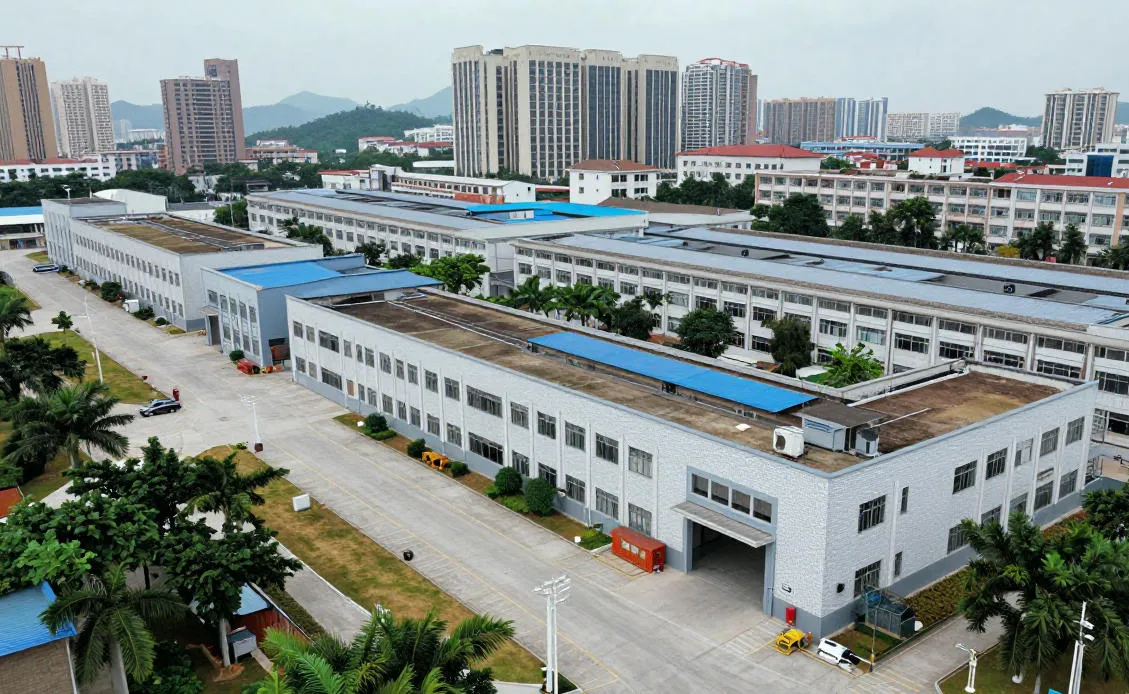
Dreamway handbag and silk factory floor in Guangzhou Huadu Shiling
Inside Dreamway — a Guangzhou-based OEM manufacturer producing handbags and silk products for 50+ countries.

Walk into any sourcing meeting and the same three words will dominate the conversation: canvas, polyester, and PU leather. They are the workhorses of the global bag industry — together they account for the vast majority of every tote, backpack, cosmetic pouch, laptop carrier, gift bag, and corporate giveaway produced each year.

But here is the honest truth that most material guides will not tell you up front: no single fabric is universally "best." There is no winner. There is only a better fit for your product, your target market, and your brand positioning.

This guide is designed to help you answer one question, clearly and confidently:

Which material fits your product, your market, and your customers?

We are Dreamway, a small, dedicated OEM manufacturer based in Guangzhou's Huadu Shiling town — a region known for generations of leather and textile craftsmanship. For more than a decade we have produced handbags and silk products for over 50 countries, working with fashion brands, retail chains, beauty houses, outdoor labels, and corporate gifting teams. Every week our sales managers and pattern engineers field the exact questions this article answers, so what follows is built directly from the conversations we have on the factory floor and across the sample table.

This is the Hub article of our Bag Material Guides series. It gives you the wide-angle view of canvas, polyester, and PU leather. Each comparison then links you to a deeper, single-topic guide where you can drill into printing, GSM, recycled materials, water-based PU, and more.


Quick Comparison Table: Canvas vs Polyester vs PU at a Glance

If you only have thirty seconds, this table is built for you. It is also designed to win Featured Snippets on Google, which is why we keep the format lean, scannable, and comparison-first. On mobile it scrolls horizontally so every column stays readable.

Attribute Canvas (Cotton / Linen) Polyester / rPET PU Leather
Typical cost / unit (MOQ 200)$1.80 – $5.50$0.90 – $3.20$3.50 – $12.00
Durability rating★★★★★ (5–10 yrs)★★★☆☆ (2–5 yrs)★★★☆☆ (2–5 yrs, varies)
Waterproof / water-resistantOnly with treatmentInherently water-resistantWaterproof
Weight feelMedium to heavyLightMedium
Printing compatibilityExcellent (screen, DTF, embroidery)Excellent (sublimation, DTF)Limited (embroidery, hot-press)
Eco-friendliness (baseline)High (organic options)Low (rPET improves)Low (water-based improves)
MOQ flexibility (OEM)200+ units200+ units200+ units (higher for premium)
Luxury feel★★★☆☆ (premium when heavy GSM)★★☆☆☆★★★★★
Outdoor use★★★☆☆ (waxed canvas better)★★★★☆★★★☆☆ (heat-sensitive)
Fashion / retail★★★★☆★★★☆☆★★★★★
Corporate gifting★★★★★★★★☆☆★★★★☆

Keep this table open while you read the rest of the article — the sections below explain why each material sits where it does in this grid.


Understanding the Three Materials

Before we compare materials head-to-head, it helps to know what is actually inside each one. We will keep the technical depth shallow here — each material has its own deep-dive guide linked at the end of its section.

Canvas — the natural-fiber workhorse

Canvas is a plain-woven fabric traditionally made from cotton, though hemp and linen canvases are increasingly common. Its performance is governed primarily by GSM (grams per square meter). Lightweight 150–250 GSM canvas suits promotional and disposable-shopping bags. Mid-weight 250–400 GSM is the sweet spot for retail totes, corporate gifts, and most daily-carry applications. Heavy-duty 400+ GSM canvas powers industrial, military-style, and premium structured bags. A full breakdown lives in our Canvas Fabric Weight Guide.

Polyester — the budget-friendly synthetic

Polyester is a petroleum-based fiber that dominates the budget and high-volume bag segment. It is 20–40% cheaper than canvas to produce, dries quickly, holds printed color well via sublimation, and is inherently water-resistant. Recycled PET (rPET) variants, sourced from post-consumer bottles and certified to GRS standards, have largely replaced virgin polyester in any brand with a credible sustainability claim.

PU Leather — the vegan luxury surface

PU (polyurethane) leather is a coated synthetic that delivers a leather-like aesthetic at a fraction of the price — and without the ethical baggage of animal-derived materials. It is waterproof, easy to wipe clean, and endlessly customizable in grain, color, and hand-feel. Modern water-based PU formulations cut VOC emissions by more than 70% compared to traditional solvent-based PU and are rapidly becoming the default at premium brands.

For a focused read on canvas specifically, see our Canvas Tote Bag Materials, Printing & Cost guide. For PU specifics, our Canvas vs Polyester vs PU comparison breaks down the same three materials from a different angle.


Canvas vs Polyester: Strength, Weight, Cost, Printing, Eco

Of the three pairings, canvas vs polyester is the most frequent sourcing question we receive. They look similar on the sample shelf, but they perform very differently.
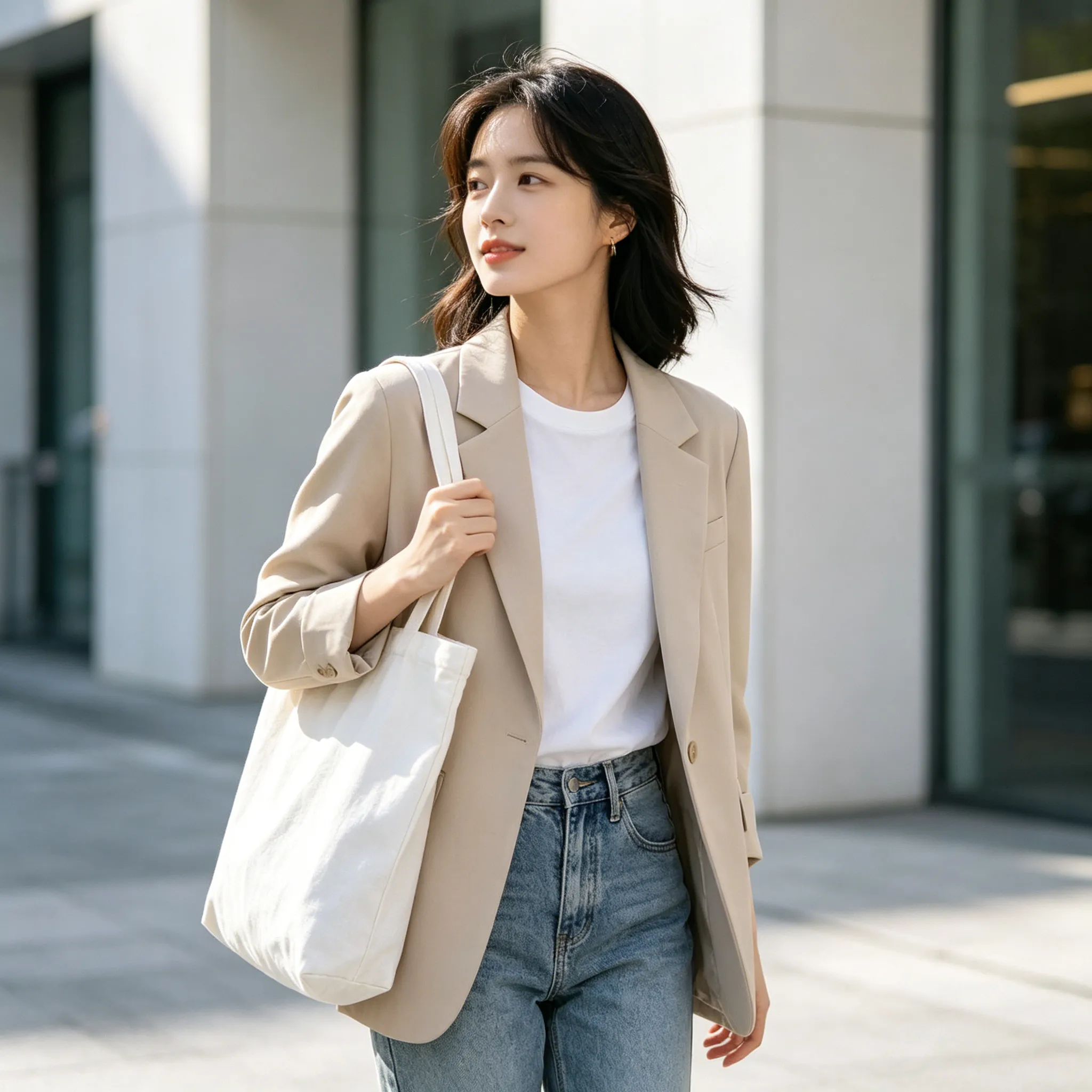
White canvas tote bag styled as a fashion commuter accessory
Cotton canvas totes remain a favourite in fashion and lifestyle retail because they age gracefully and accept almost any print technique.

Strength and durability

Canvas is the more durable of the two when properly constructed. With reinforced seams and the right GSM, canvas bags routinely last five to ten years of daily use. Polyester is no slouch — high-denier polyester (600D and above) is genuinely tough — but it tends to pill, fade, and lose structural integrity faster under continuous load. If your customer will use the bag as a daily workhorse for years, canvas wins. If the bag is a one-season promotional item, polyester is perfectly adequate.

Weight

Polyester is significantly lighter than canvas at equivalent thickness. For a tote bag, a polyester version typically weighs 30–45% less than a cotton canvas version of similar dimensions. That weight difference matters when the bags are shipped internationally in container quantities — it directly impacts your freight cost per unit.

Cost

Polyester wins on price, almost always. At MOQ 200, expect polyester totes at $0.90–$3.20 per unit and canvas totes at $1.80–$5.50 per unit. PU sits above both. The gap widens at higher MOQs because polyester mills are highly automated, while canvas still involves more natural-fiber processing steps.

Printing compatibility

Both materials print well, but through different processes. Polyester is the king of sublimation printing — vibrant, edge-to-edge color with no setup cost per unit, ideal for photographic or gradient artwork. Canvas prefers screen printing, DTF, heat transfer, and especially embroidery, where its textured weave adds tactile depth. If your design depends on rich photographic detail, lean polyester. If it depends on premium hand-feel and tactile branding, lean canvas.

Eco profile

Baseline canvas — particularly organic or recycled cotton — is the more sustainable choice. Polyester is petroleum-derived and sheds microplastics, but GRS-certified rPET closes much of that loop. We explore this more deeply in the Sustainability Comparison section below.


Canvas vs PU Leather: Luxury, Fashion, Premium Brands, Corporate Gifts

This is where bag material decisions start to feel like brand decisions. Canvas and PU leather occupy very different positions in the consumer's mind, and choosing between them is really about choosing which story you want your bag to tell.
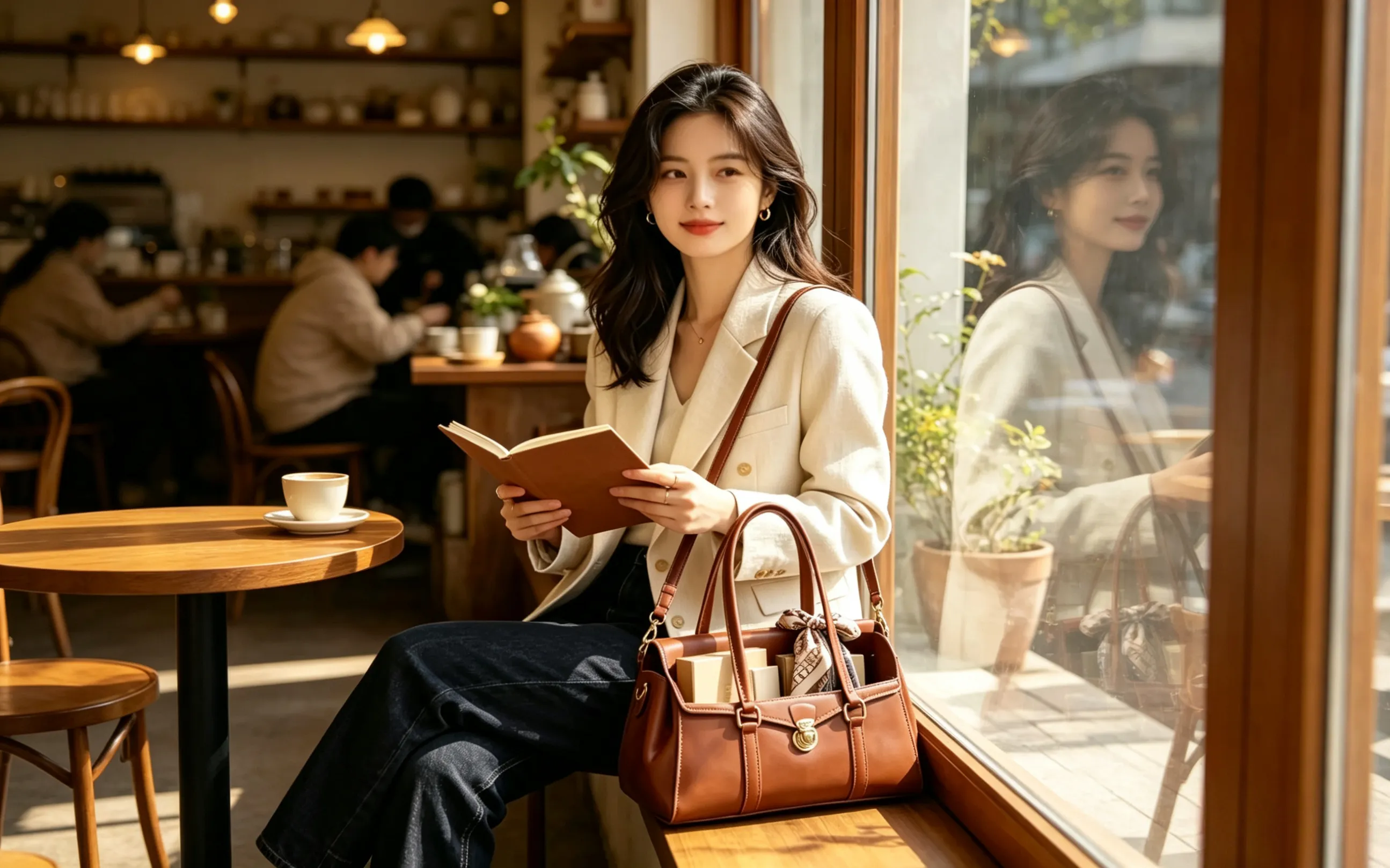
Stylish Chinese model at a café window with a premium leather handbag beside her
PU leather enables the leather aesthetic without the leather price — a powerful combination for premium-tier accessories.

Luxury positioning

PU leather delivers a luxury aesthetic at a price most consumers can absorb. From smooth nappa-like finishes to structured Saffiano-style grains, modern PU can be visually indistinguishable from genuine leather on the shelf — especially when paired with quality hardware. Canvas, even at high GSM, reads more casual and artisanal. If your customer expects a polished, dressy bag for office or evening use, PU is the safer call.

Fashion and seasonal collections

Fashion brands love PU because it can be re-coloured, re-grained, and re-finished every season without re-tooling the entire factory. Canvas supports capsule collections well too — its natural texture pairs effortlessly with minimal, earthy, or Scandinavian aesthetics — but its color refresh cycle is slower.

Premium brand storytelling

This is where the conversation gets interesting. Some premium brands intentionally avoid PU because consumers have learned to associate it with "synthetic" and "cheap." Others lean into it precisely because it lets them ship the leather look at a more accessible price point while keeping their animal-welfare credentials intact. There is no universal answer — it depends on whether your brand equity sits in heritage and authenticity or in modernity and accessibility.

Corporate gifts

For corporate gifting, canvas is the strongest performer in most categories — it photographs well, takes embroidery cleanly, suits both casual and executive audiences, and aligns with the sustainability narrative that procurement teams increasingly require. PU becomes the right answer when the gift must convey executive weight, such as a luxury laptop sleeve or an embossed portfolio.

From the sales floor — Emily, Senior Project Manager

Emily, Senior Project Manager at Dreamway

EmilySenior Project Manager · 12 years in OEM bag manufacturing

"A lot of our European and North American clients choose PU for high-end gifting projects — even when they could afford canvas. It is rarely about budget. It is about brand fit. When a brand has spent ten years building a leather-led aesthetic, switching to canvas mid-stream breaks the story. My advice is to choose the material that lets your brand's existing promise stay consistent — and only switch when your brand promise itself is changing."

For a deeper look at canvas specifically for premium programs, our Custom Canvas Tote Bags Manufacturer page walks through weights, prints, and budgets for premium retail and gifting.


Polyester vs PU Leather

This pairing deserves less space here because the use cases rarely overlap. Polyester is the default for promotional, lightweight, and outdoor bags. PU is the default for premium, leather-look, and structured pieces. Where they do meet is in the mid-tier fashion market — a printed polyester tote with PU handles, a PU-trimmed polyester backpack — where brands mix materials to balance cost, weight, and aesthetic.

Rather than repeat the full comparison, we point you to our detailed material comparison and to the broader PU vs Polyester deep-dive in our guides series. The headline trade-off is simple: polyester wins on cost and weight, PU wins on luxury feel and waterproofing. Everything else is a matter of execution.


Material Performance Comparison

Below is a more granular performance breakdown. Each subsection gives you the practical answer a sourcing manager needs in a sample review.

Durability

Canvas at 12 oz / 400+ GSM, with double-stitched seams and reinforced stress points, is the most durable option across the three. High-quality PU is a strong second but can delaminate within 12–18 months in hot, humid climates — a phenomenon known as hydrolysis, where ambient moisture slowly breaks down the PU coating. Polyester is the least durable of the three at equivalent use intensity.
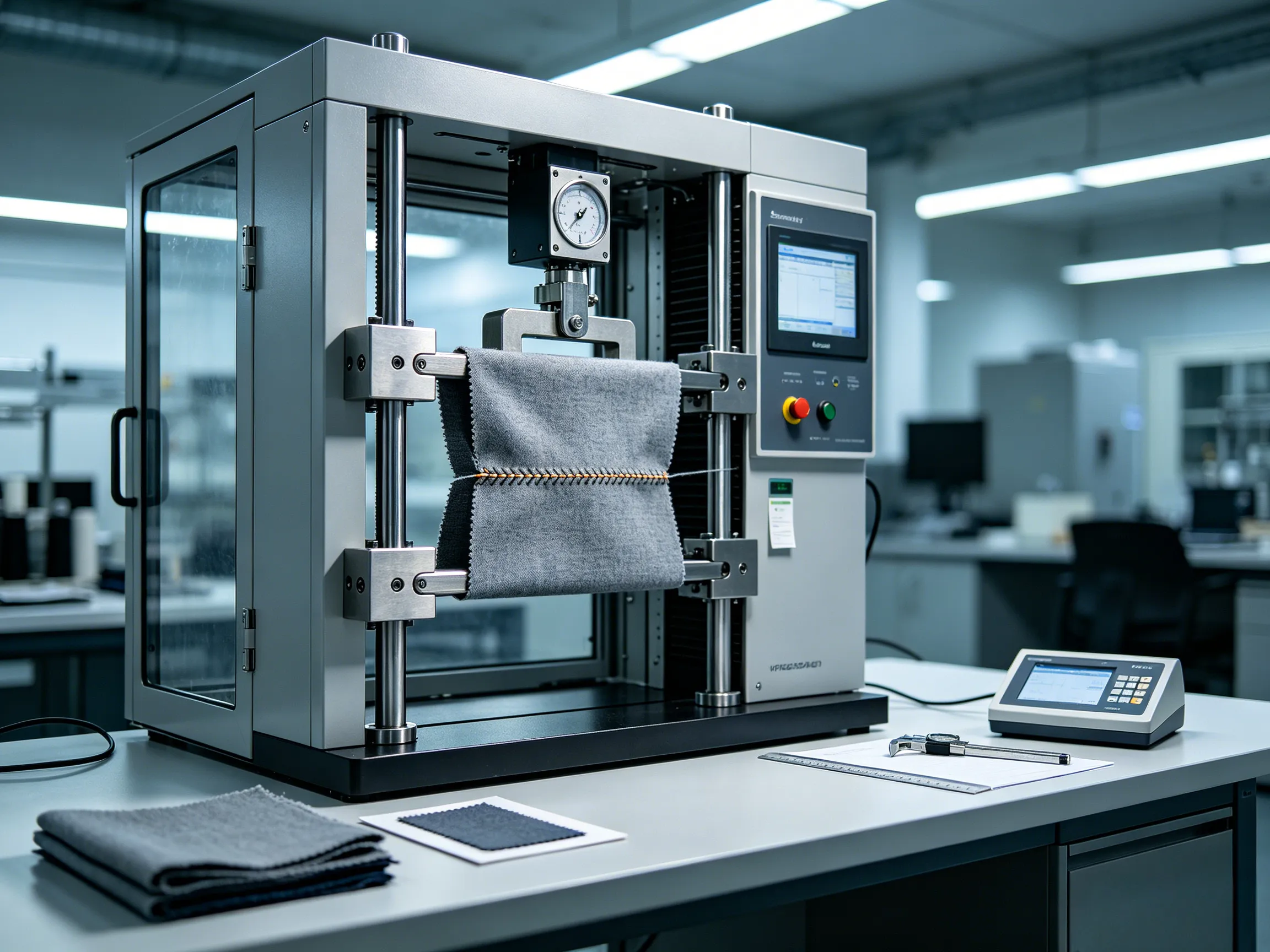
GZDreamway laboratory tensile strength test ensuring canvas bag load capacity
Professional tensile testing ensures every batch exceeds industry load-bearing standards before shipping.

Waterproof performance

PU is genuinely waterproof when the surface is intact. Polyester is inherently water-resistant because the fiber does not absorb water, though seams and zippers remain weak points. Canvas must be treated — typically with a PU or PVC backing, or with a waxed finish — to become water-resistant, and even then it is rarely fully waterproof.

Printing compatibility

This is where your design team should be paying close attention.

  • Screen printing works beautifully on canvas and polyester but is impractical on PU because the ink does not adhere well to the coated surface.
  • DTF (direct-to-film) printing works on canvas and polyester with vibrant results and no setup cost per color.
  • Heat transfer is suitable for canvas and polyester; PU requires lower temperatures and specialized transfer films.
  • Embroidery is at home on canvas and PU; on polyester it works but can pucker lighter weaves.
  • UV / digital direct printing excels on polyester, is acceptable on coated canvas, and is not viable on most PU surfaces.
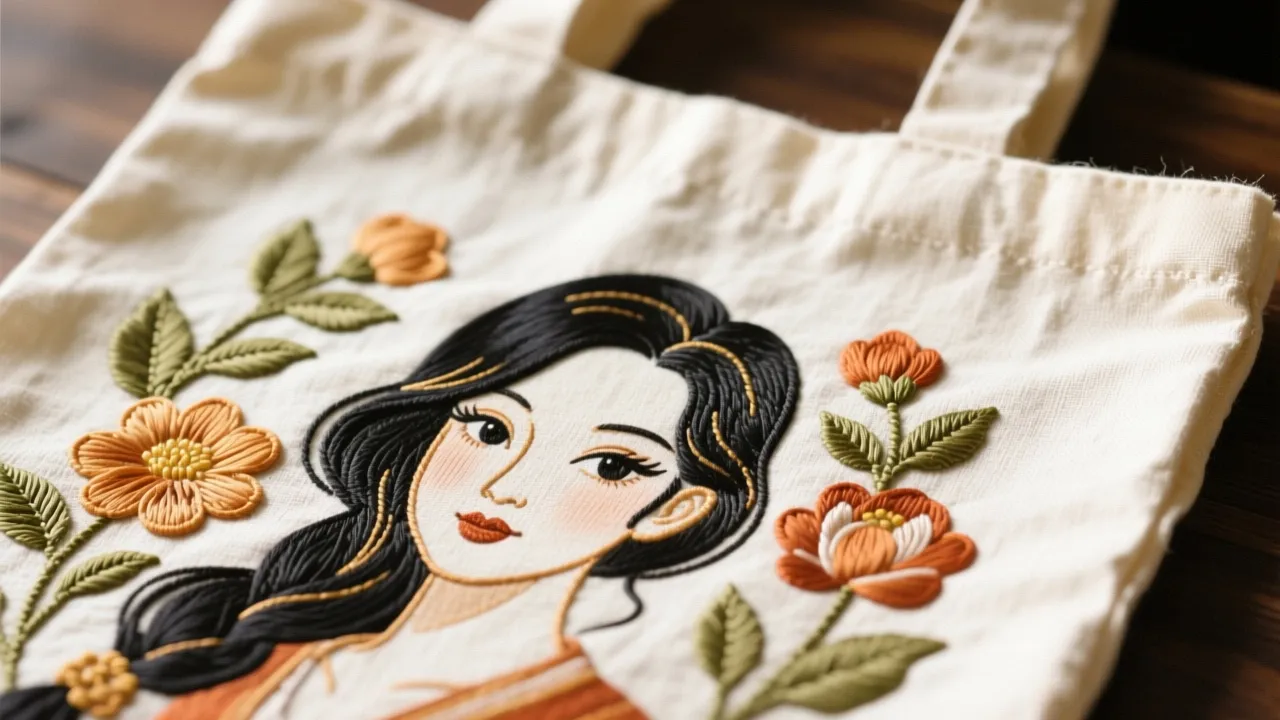
Detail of embroidery on a canvas tote bag
Embroidery on canvas delivers a tactile, premium finish that screen printing cannot match.

DTF (direct-to-film)

Heat transfer detail on a custom canvas bag
DTF and heat-transfer printing deliver vibrant, photo-quality results on canvas without per-color setup fees.

Digital direct printing

Digital direct printing detail on canvas fabric
Digital direct printing is the right answer when a design has gradients, fine type, or low MOQ.

Plastisol (rubber) printing

Plastisol rubber print detail on a canvas tote
Plastisol (rubber) printing delivers opaque, raised color on dark canvas — ideal for bold brand logos.

Cleaning and maintenance

Polyester is the easiest to maintain — machine washable, fast drying, and forgiving of stains. Canvas is also machine washable but takes longer to dry and can shrink if pre-shrunk treatment was skipped. PU is the most convenient in everyday use because a damp cloth handles almost everything, but it should never be machine washed.

Color stability

Polyester holds dyed color the longest because the dye is bonded into the fiber. Canvas, especially natural cotton, will fade gradually with sun exposure — often a desired aesthetic for heritage brands, a flaw for fast-fashion buyers. PU holds color well initially but can yellow or discolor with prolonged UV exposure if not properly stabilized.
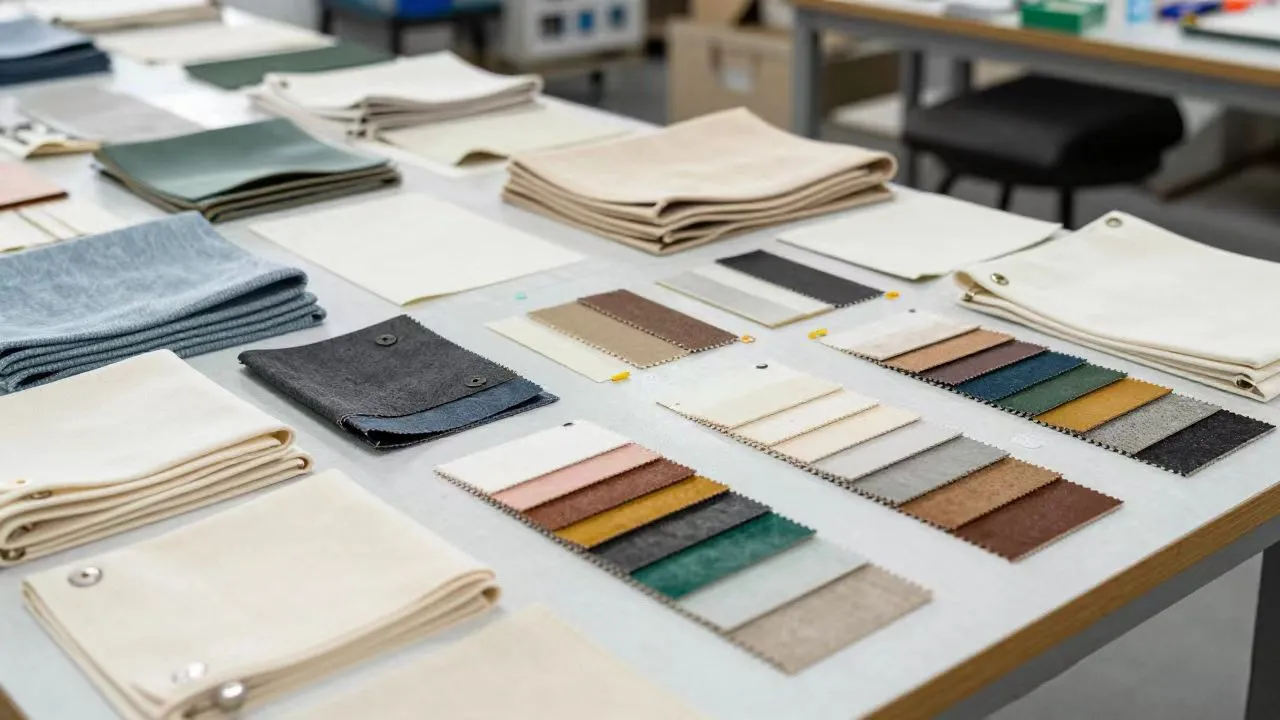
Color swatch card for handbag materials at Dreamway factory
Color matching starts with a controlled swatch card — Pantone references are matched under D65 light.
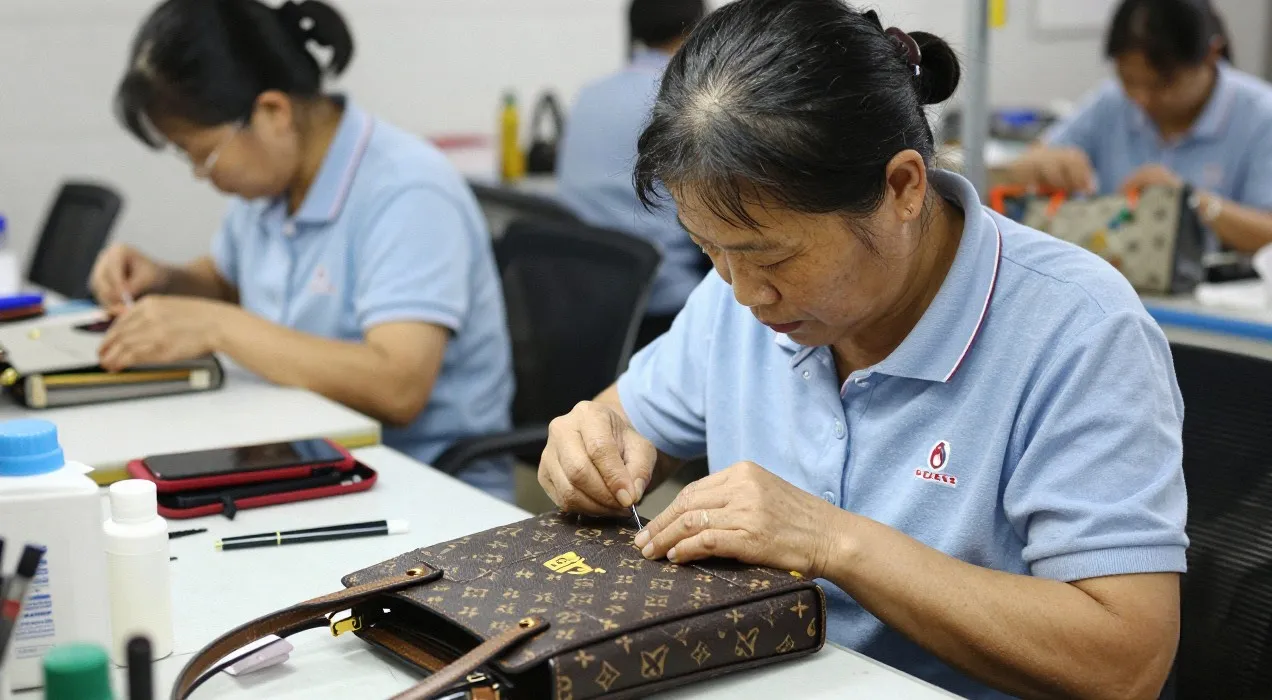
Factory worker sewing a brand logo onto a handbag panel
Skilled artisans hand-stitch brand logos — the small detail that separates a premium bag from a commodity one.

Scratch resistance

PU is the most scratch-prone surface — a sharp key or rough wall can leave a permanent mark. Polyester resists surface scratches well. Canvas is largely immune to scratching because any minor surface disturbance disappears into the weave.

Weight

Per square meter: polyester ≈ 120–200 g, cotton canvas ≈ 200–450 g, PU ≈ 350–600 g depending on backing. This matters most for backpacks, laptop bags, and any product your customer will carry for hours.

Cost

Polyester is the most affordable. Canvas is mid-range with organic and hemp variants pushing to the upper end. PU spans the widest range — from commodity PU at $3.50 per tote to premium water-based PU at $12+ per piece.

MOQ

All three materials are workable at our standard MOQ of 200 units for handbag programs (50 units for our silk pillowcase and accessory lines). For specialty constructions — PU with custom embossing, canvas with reactive dye color matching — MOQ may rise to 500–1,000 units.

Semi-transparent virtual financial chart over a handbag production line showing labour, materials, and overhead split
Transparent cost breakdowns — labour, materials, overhead — help buyers see exactly where each dollar goes.

Which Material Is Best for Different Bag Types?

Every bag category has its own material sweet spot. The table below maps the most common bag types to the material we recommend at Dreamway, with reasoning.

Bag typeRecommended materialWhy
Gym bagsPolyester (600D+)Light, sweat-resistant, easy to wash, low cost at scale
Travel bagsHeavy canvas or PUStructure and abrasion resistance matter for checked baggage
Cosmetic bagsPU or coated canvasWipe-clean surface, leak-proof lining, premium shelf appeal
Tote bagsCanvas (mid-weight)Daily durability, print-friendly, sustainable
Laptop bagsPU or padded canvasPadding, structure, executive aesthetic
Shopping bagsNon-woven PP / canvasReusable, brandable, low cost per impression
Gift bagsCanvas or PUPremium unboxing, longevity as keepsake
Fashion bagsPU (water-based)Leather aesthetic, season-friendly color refresh
Outdoor bagsWaxed canvas or PU-coated polyesterWeather resistance, abrasion tolerance
BackpacksPolyester (600D+) or PULightweight for capacity, PU for premium segments
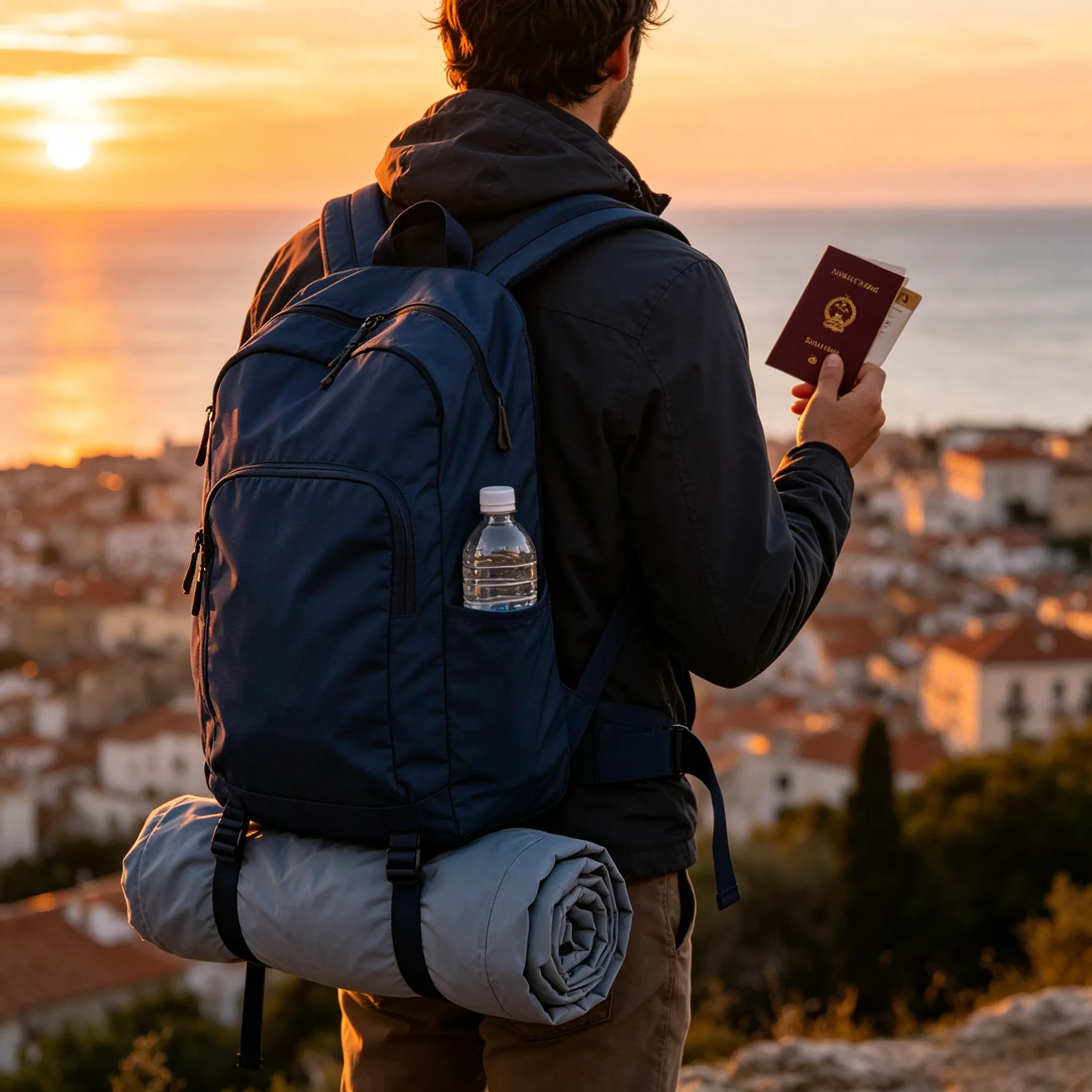
Adventurous backpack travel scene with a rugged custom backpack
Outdoor and travel backpacks lean toward 600D+ polyester or waxed canvas for weather resilience.

For long-tail searches, our Custom Canvas Tote Bags Manufacturer page covers the most-requested retail format in detail, while Canvas Tote Bag Materials, Printing & Cost maps material cost to construction.


Which Material Fits Your Brand?

Material choice is brand choice. The wrong material will undermine your positioning; the right one quietly reinforces every other marketing decision you have made. Below is how we typically guide our brand clients.

Fashion brands

Default to PU (water-based) for premium-tier handbag collections, especially if your brand carries a leather heritage. Use PU for clutch, crossbody, and structured silhouettes. Reserve canvas for capsule, weekend, and "soft luxury" sub-lines.
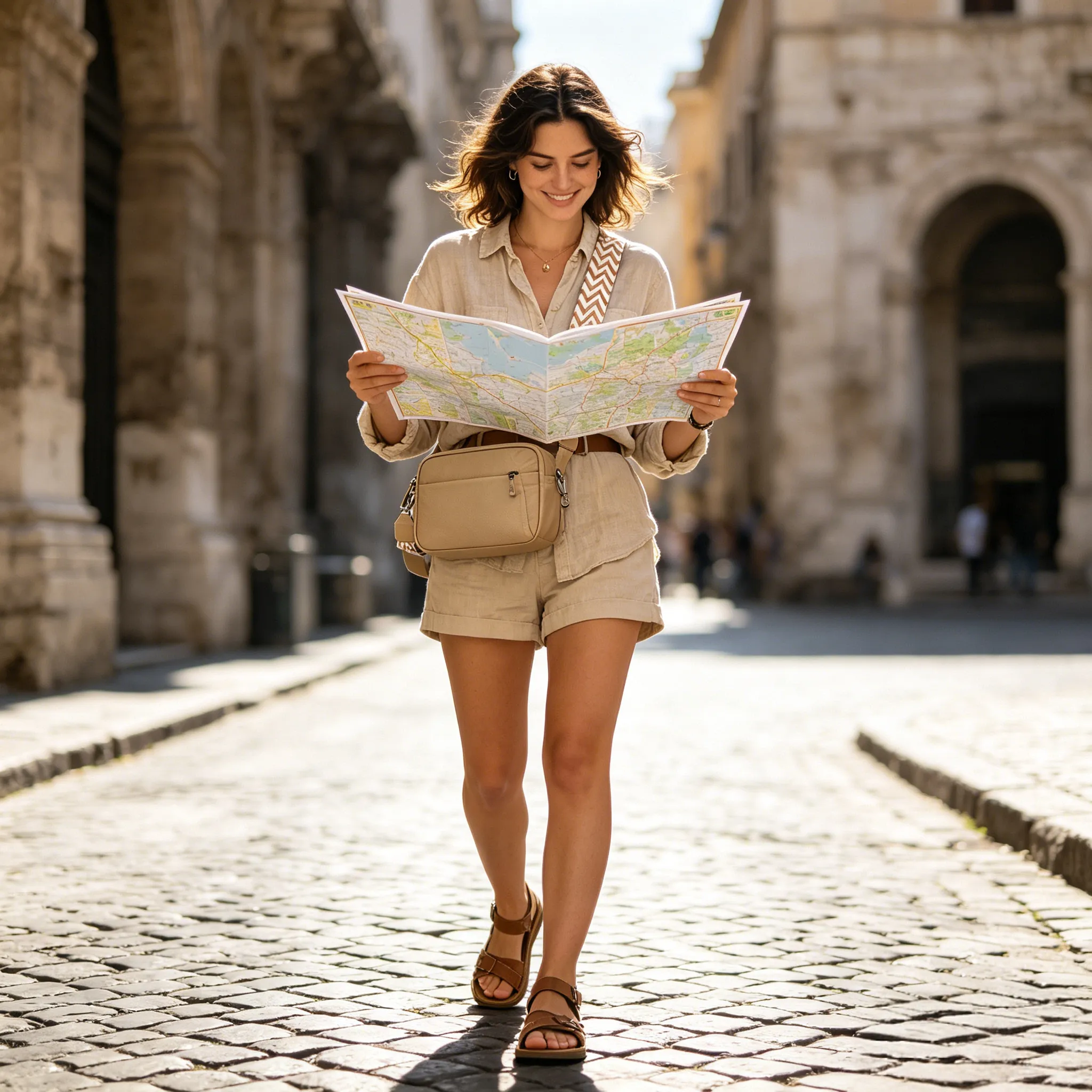
Woman with a crossbody bag sightseeing in a European city
Crossbody silhouettes typically favor PU leather for structure and finish.

Retail brands

Default to canvas for private-label programs — grocery totes, lifestyle merch, in-store exclusives. The economics are unbeatable for a reusable product that needs to survive hundreds of customer trips.

Beauty brands

Default to PU for cosmetic pouches, gift-with-purchase carriers, and elevated beauty boxes. PU gives the unboxing moment a luxury hand-feel that canvas struggles to match at small sizes.
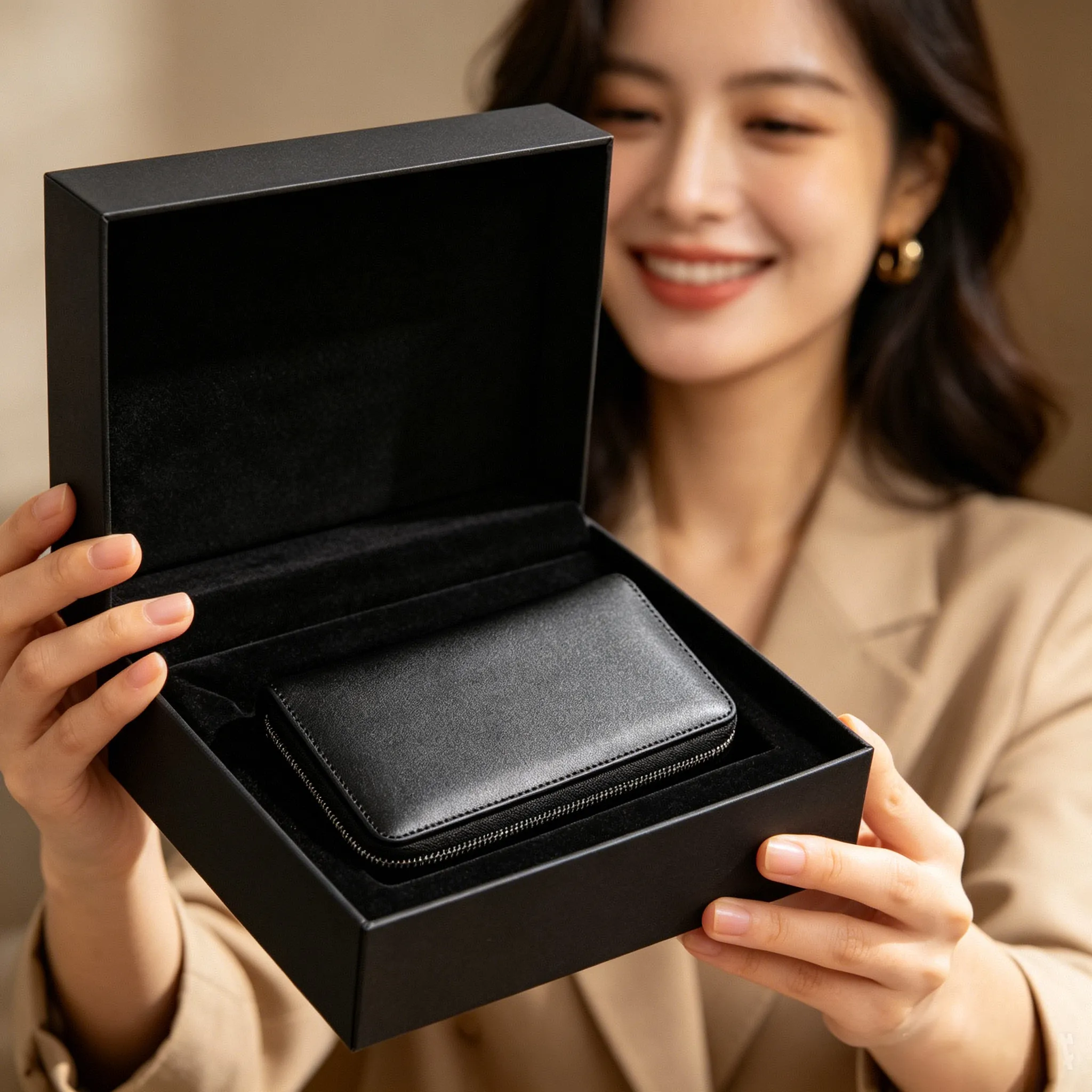
Premium gift unboxing scene for a women's wallet
Beauty and accessory gifting lean toward PU for the elevated unboxing moment.

Corporate gifts

Default to canvas for branded giveaways, conference swag, and employee welcome kits. Canvas signals sustainability, longevity, and substance — exactly the values corporate gifting programs want to communicate.

Outdoor brands

Default to PU-coated polyester or waxed canvas for hiking, cycling, and travel lines. Weight matters here. Durability matters more. Look for 600D+ polyester, bartacked seams, and weather-treated surfaces.
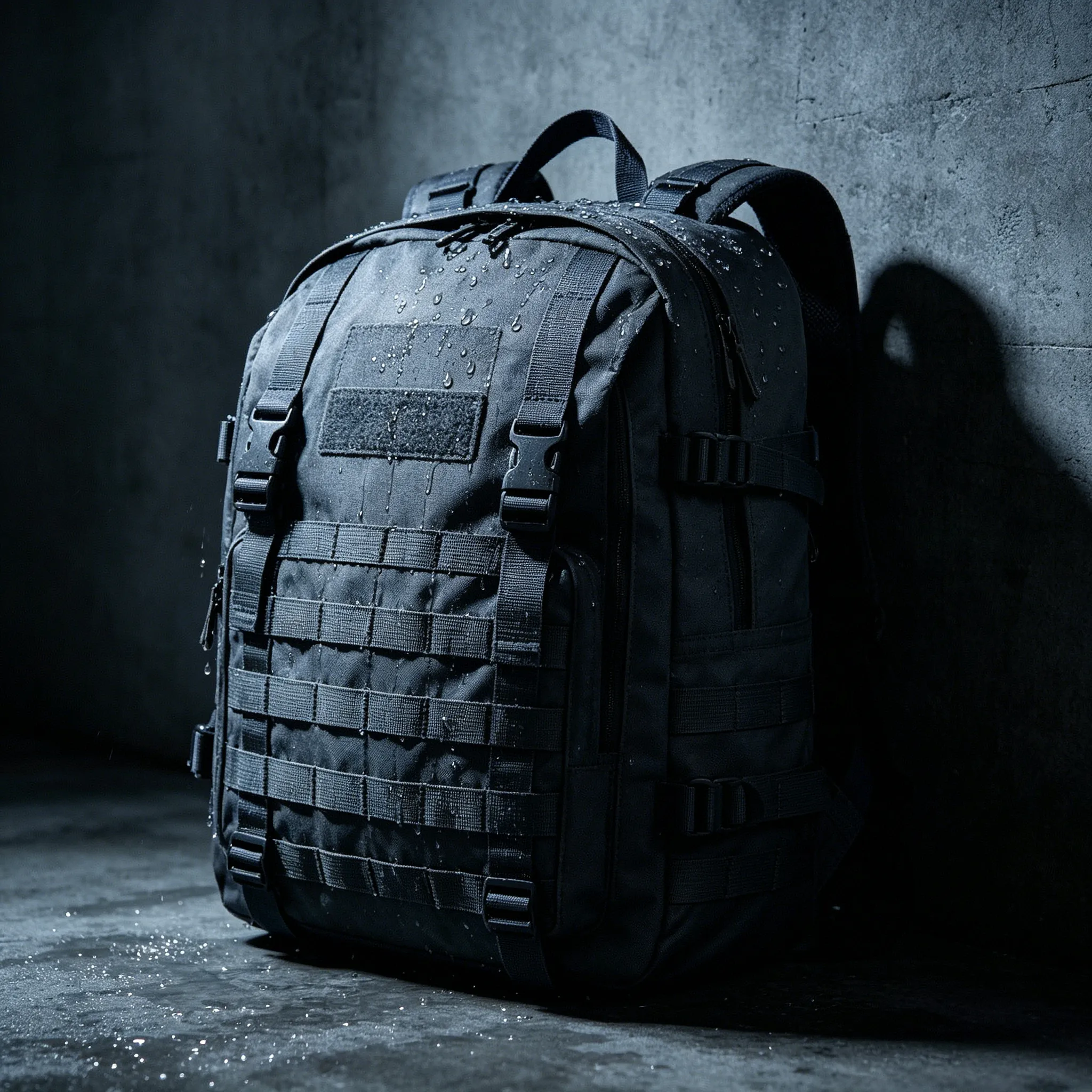
Backpack highlighting water-resistant materials
Outdoor-grade water resistance comes from PU or PVC coatings paired with sealed seams.

Travel brands

Default to PU or heavy canvas for luggage, duffels, and weekenders. PU offers structure and a leather aesthetic; heavy canvas offers heritage and durability. Both work — pick by brand story.

E-commerce brands

Default to canvas for shipping-friendly formats (totes, pouches) and PU for hero SKUs. Canvas folds flat and ships cheaply, which improves your unit economics. PU becomes worth its shipping cost when it is the headline product.

Private label

Default to canvas for the broadest private-label appeal — it photographs well, accepts virtually any print technique, and works across demographics. Add PU to your line only when your retail channel can absorb the higher price point.

For a focused comparison of the two most common retail fibers, see our Cotton vs Blended Canvas for Tote Bags guide.


Sustainability Comparison

Sustainability claims in the bag industry are notoriously slippery. Three honest benchmarks help cut through the noise:

  • Fiber source — recycled vs virgin, plant-based vs petroleum-based.
  • Process chemistry — water-based vs solvent-based coatings.
  • End-of-life — biodegradable, recyclable, or persistent.

Canvas

Cotton canvas, particularly organic or GOTS-certified, scores well on all three benchmarks: the fiber is plant-based and renewable, the processing is largely mechanical, and at end-of-life the bag will biodegrade in months under the right conditions. Hemp canvas is even stronger on sustainability — it requires minimal water and no pesticides.

Recycled polyester (rPET)

Recycled PET — typically sourced from post-consumer bottles and certified to GRS (Global Recycled Standard) — closes the loop on a waste stream that would otherwise persist for centuries. It is not perfect: rPET still sheds microplastics, and recycling rates remain low. But for any brand making a credible "post-consumer recycled" claim, GRS-certified rPET is the baseline.

Recycled and water-based PU

Conventional solvent-based PU is the worst performer on sustainability — high VOC emissions, petroleum-derived, and persistent at end-of-life. Two next-generation options change that picture:

  • Water-based PU cuts VOC emissions by more than 70% and produces a softer, more breathable surface. It is becoming the default at premium brands.
  • Recycled PU (GRS-certified) reprocesses post-industrial PU waste into new coated fabric, reducing virgin plastic input.

The trade-offs between these two next-gen options matter for any brand pursuing a serious sustainability strategy. Our guide on Water-Based PU vs Recycled PU walks through the production, performance, and pricing trade-offs in detail.

Sustainable circular economy lifecycle of an organic cotton dust bag
A circular lifecycle — from organic cotton to finished dust bag — is increasingly table stakes for premium buyers.

Factory Considerations Before Choosing Materials

Choosing a material on paper is one thing. Producing it consistently at scale is another. The items below are the conversations you should be having with your factory before you commit to a material — not after.
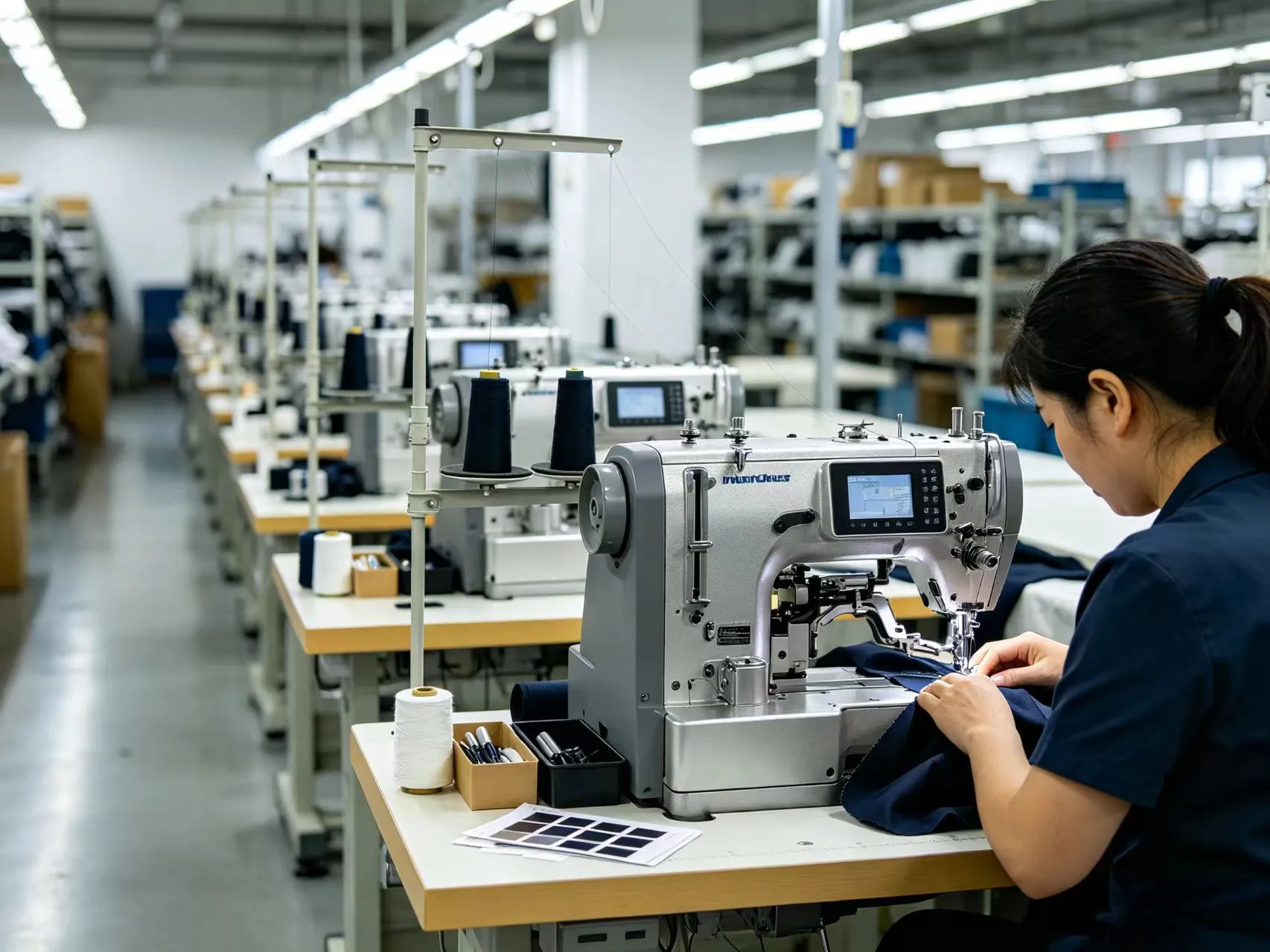
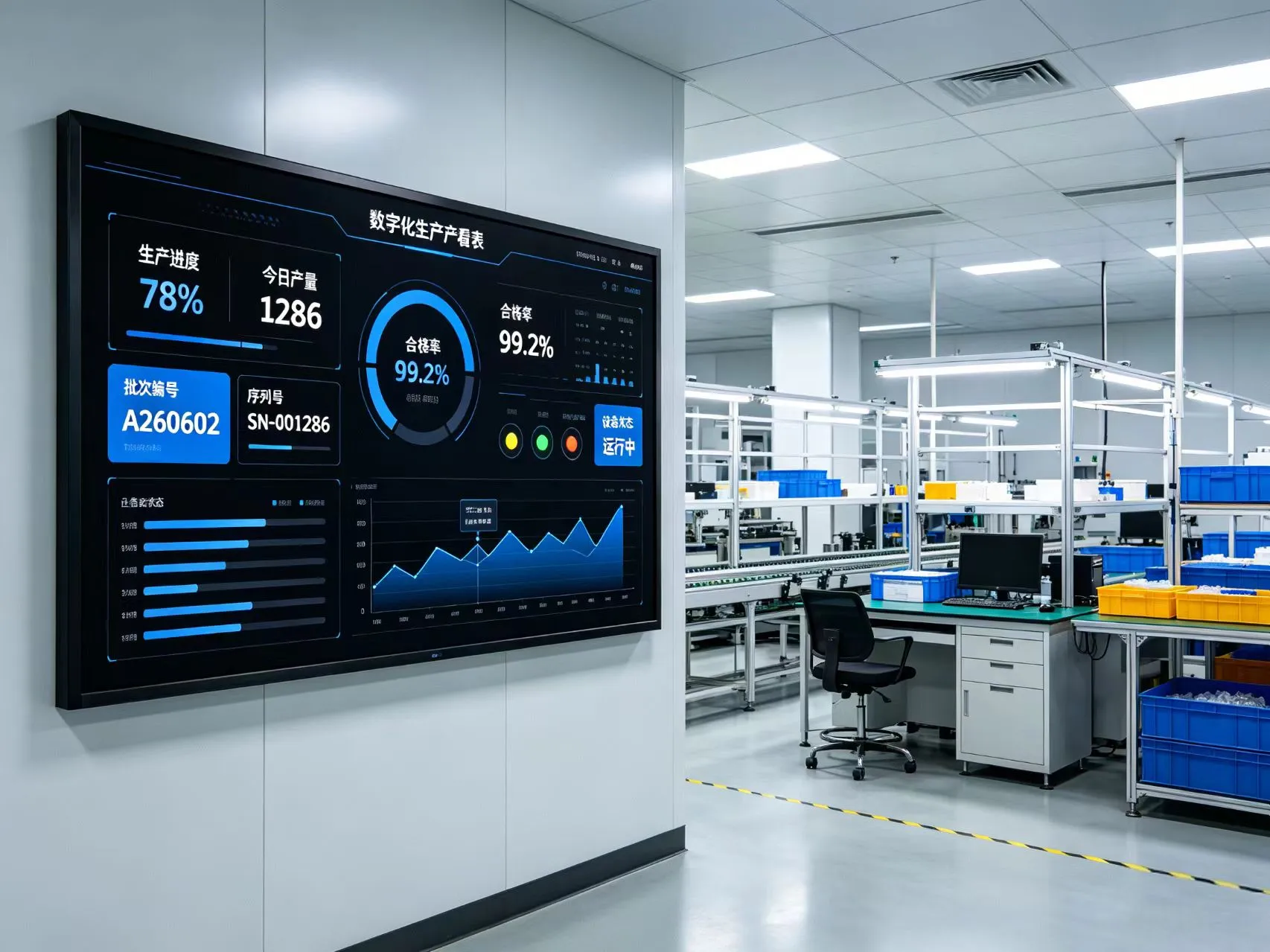
Advanced textile manufacturing equipment and skilled technicians at Dreamway factory
Production foundation: top-tier equipment and craftsmanship build a reliable capacity moat.
GZDreamway digital quality monitoring dashboard displaying real-time production data
Digital quality loop: MES-powered monitoring prevents risk at every step of production.

MOQ

Our standard handbag MOQ is 200 units; for silk pillowcases and accessories the MOQ drops to 50 units. Materials with longer sourcing lead times — recycled PU in custom colors, organic canvas in non-stock weights — typically require higher MOQs to absorb the mill setup cost.
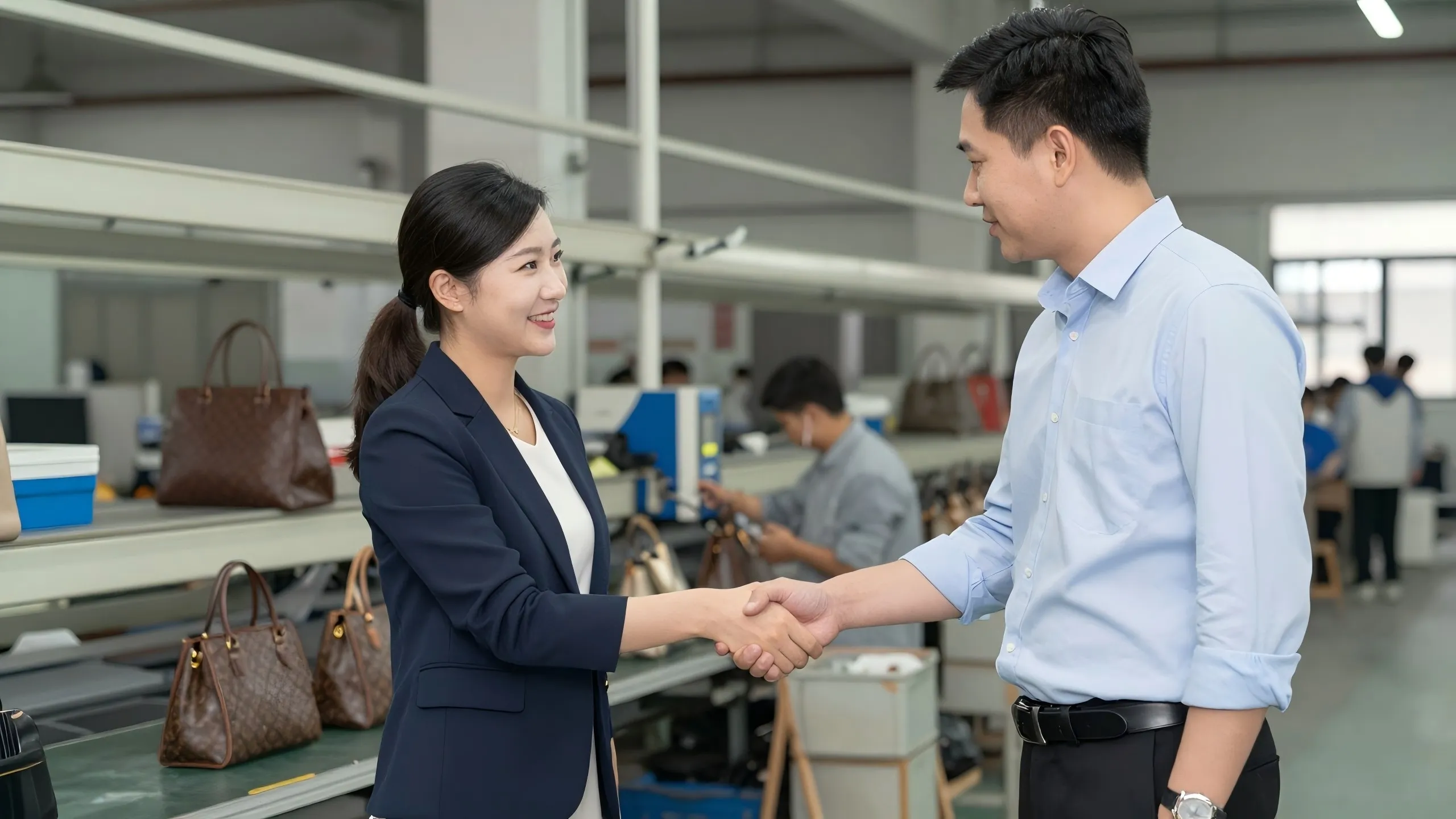
Factory sales representative shaking hands with a satisfied overseas client
A signed contract and a satisfied handshake — the moment every successful sourcing relationship is built on.

Lead time

Plan for 25–40 days from confirmed PO to ex-factory for canvas and polyester programs. PU programs can stretch to 35–55 days due to longer material sourcing and coating lead times. Rush programs are possible but usually incur a 15–25% expedite fee.

Printing

Confirm printing compatibility with your factory before you finalize artwork. A logo designed for sublimation will look flat on canvas. An embroidery file designed for PU will pucker on lightweight polyester. Our canvas printing guide shows the artwork prep required for each canvas printing technique.

Sampling

Always request a pre-production sample. At Dreamway we produce a counter sample within 7–10 days of artwork approval, then a corrected golden sample within another 5–7 days. Both samples are photographed, dimensionally measured, and signed off before bulk production starts.
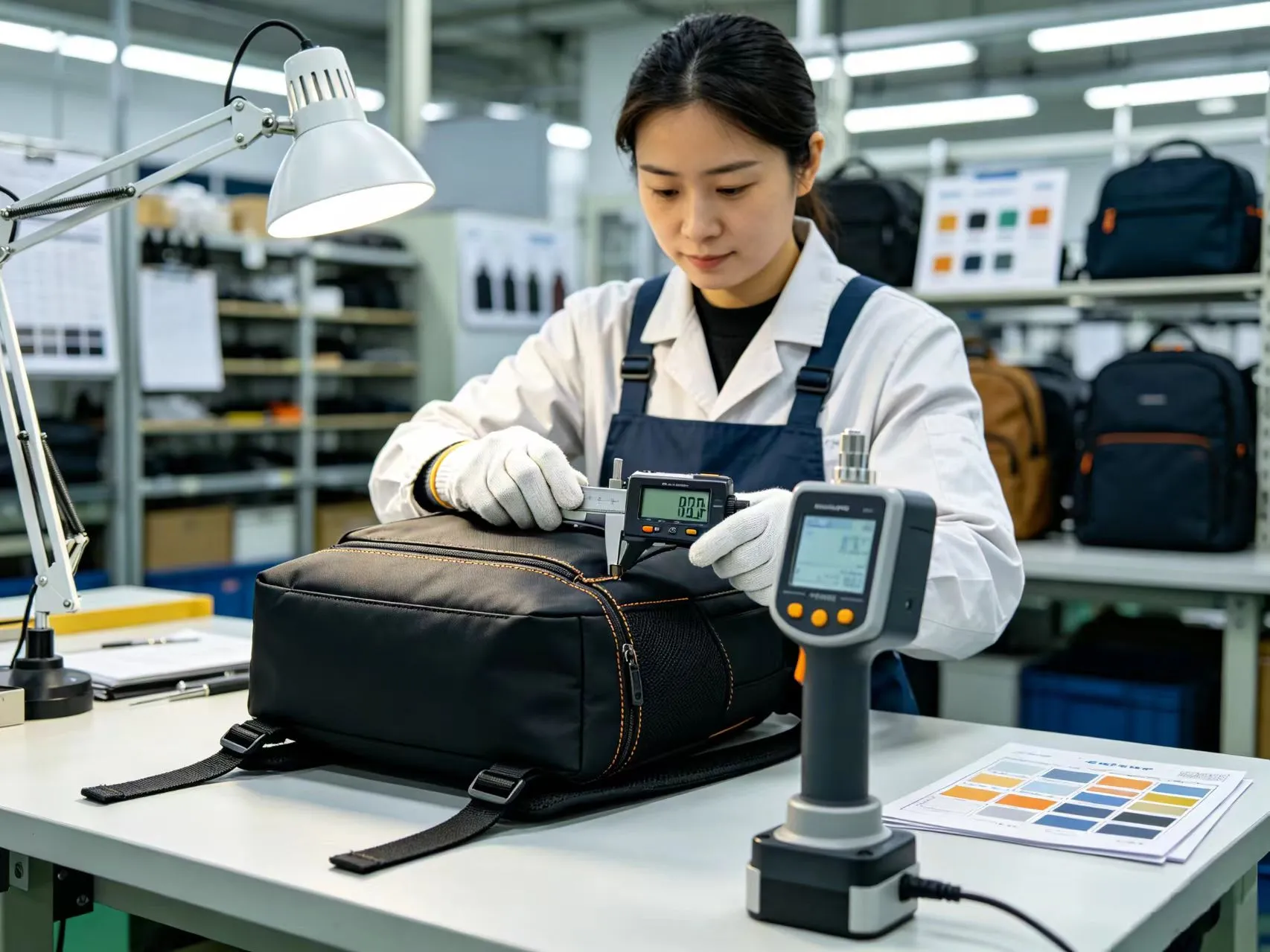
Key control point inspection on the factory production line
Process control: KCP checks at the sewing stage catch issues before assembly is complete.

Color matching

Color matching is the single most common source of disputes in bag production. Always provide a Pantone reference and confirm color under D65 light. For canvas, expect a 5–8% shade variance between lab dip and bulk production due to the natural fiber base. For polyester and PU, expect closer to 2–3% variance.
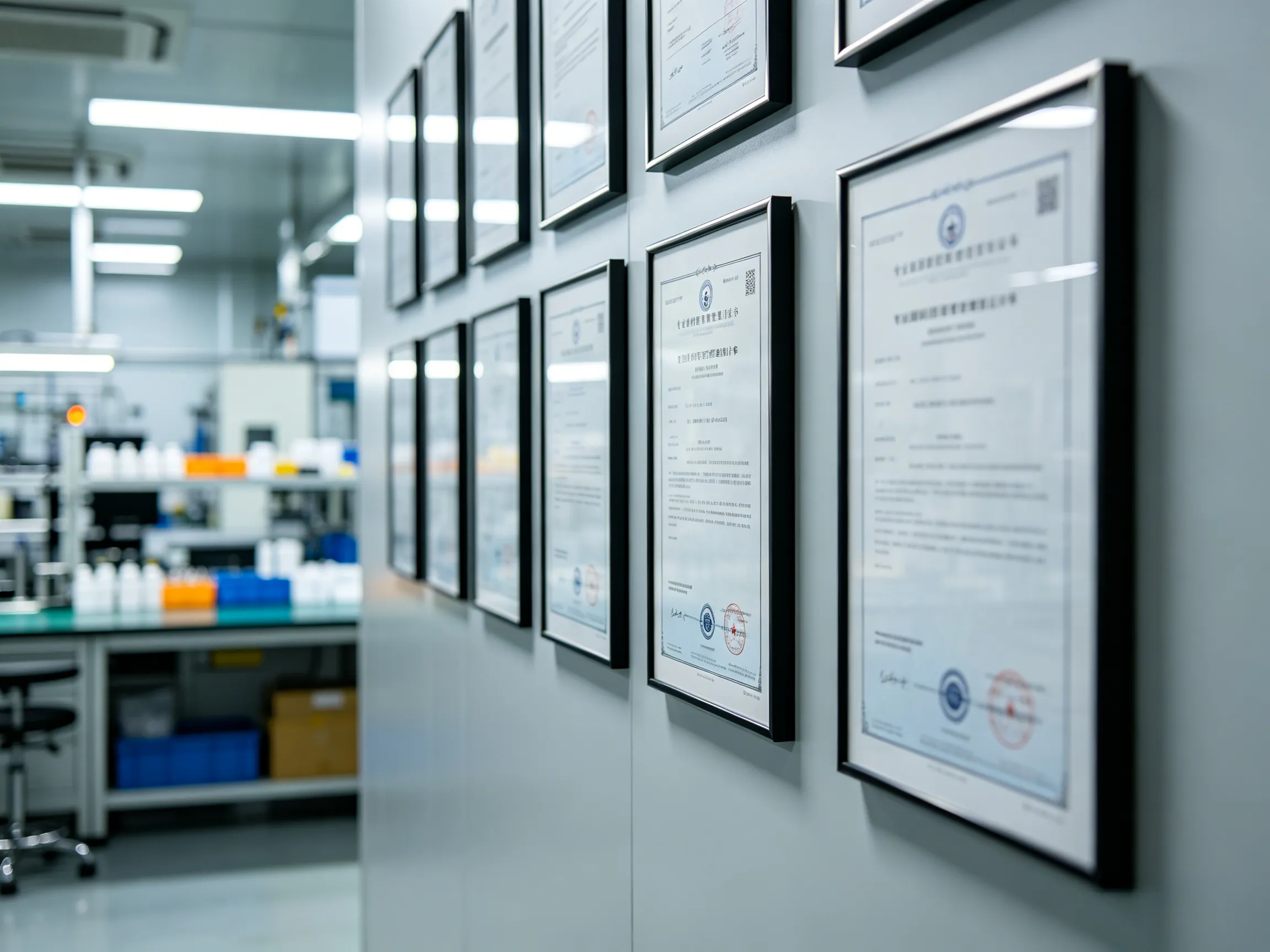
GZDreamway ISO and BSCI certification wall display
International certifications: ISO and BSCI compliance underpin every program we ship.

QC

On-site quality control is non-negotiable for any order above a few hundred units. At Dreamway we run AQL 2.5 inspections on all finished goods, plus inline KCP (Key Control Point) checks at cutting, sewing, assembly, and packing. Every shipment leaves with a unique serial number QR code label — part of our full-chain traceability system.
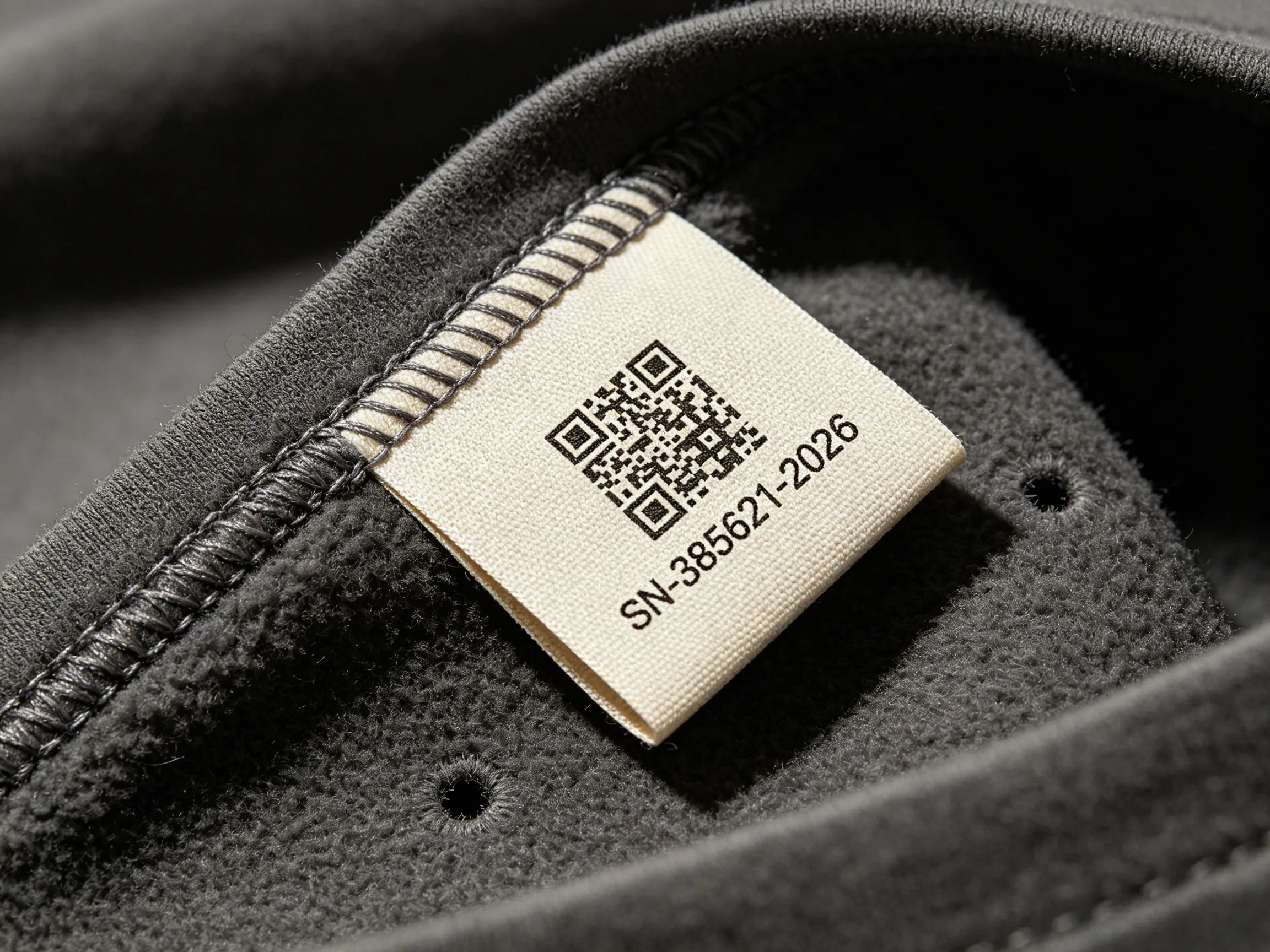
Internal QR-code traceability label sewn into a finished product
Full-chain traceability: every product carries a unique digital identity, ready for EU DPP-style compliance.
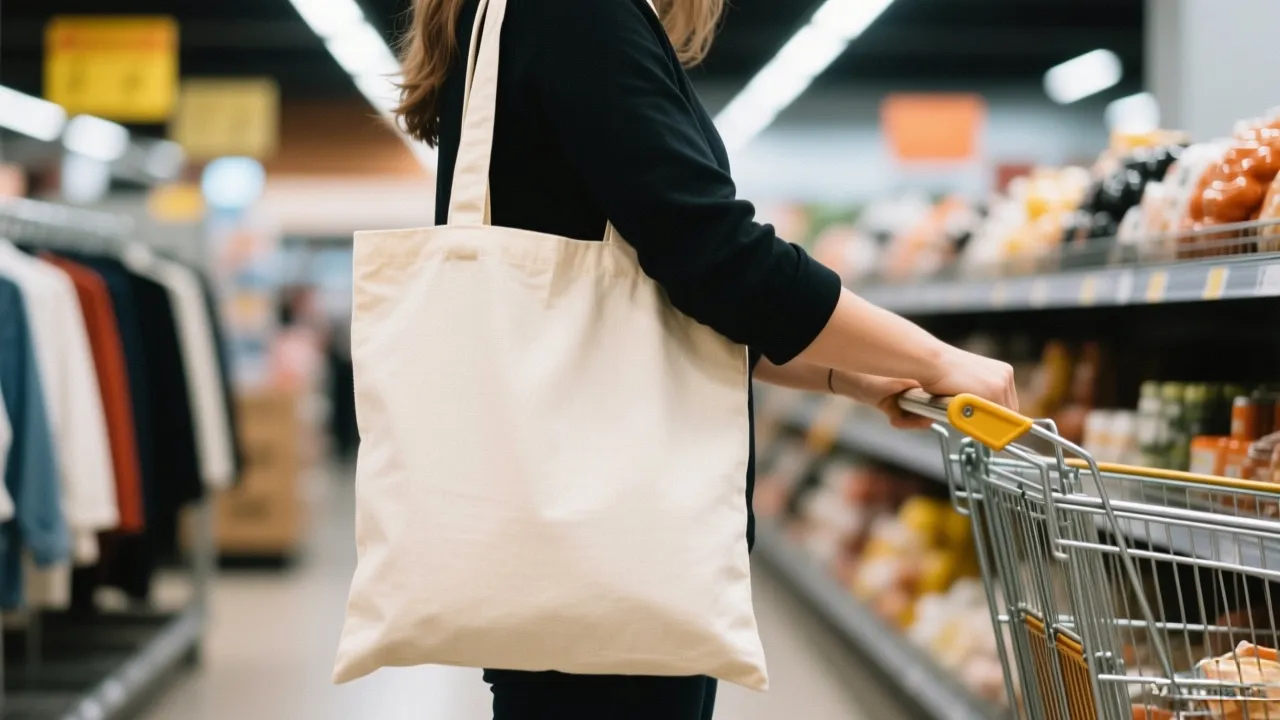
Canvas tote being used during supermarket grocery shopping
Reusable canvas shopping totes — the workhorse of grocery and retail bag programs.

Material availability

Stock materials can be cut within 48 hours. Custom materials — Pantone-dyed canvas, embossed PU, custom-coated rPET — require 15–30 days for mill production before factory cutting begins. Always confirm material availability before locking your production calendar.

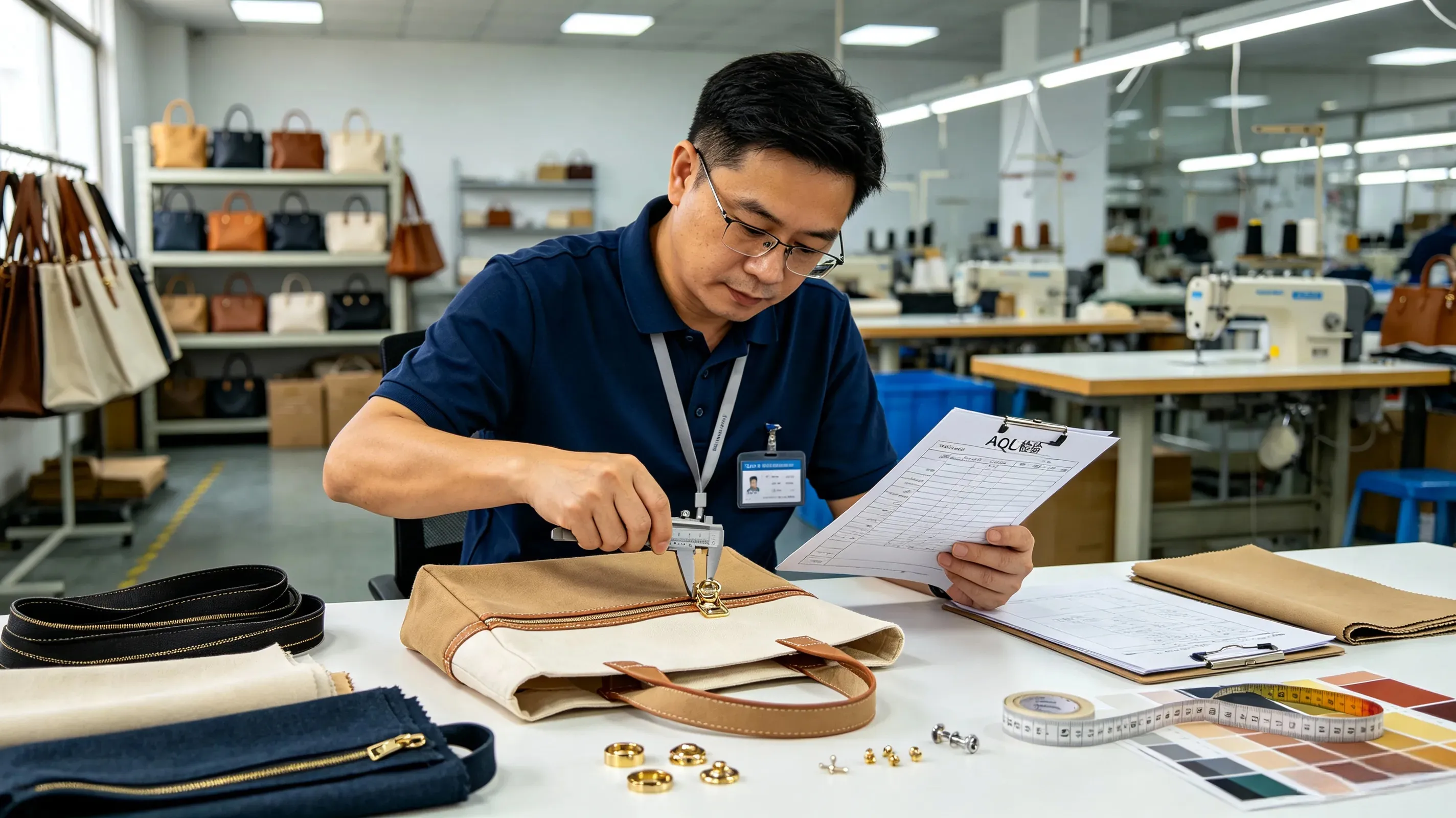
From the QC bench — Kevin, Pattern Development Engineer
Kevin, Pattern Development Engineer at Dreamway

KevinPattern Development Engineer · 15 years in bag pattern making

"Two rolls of canvas can both be labeled 12 oz and behave completely differently. Fiber staple length, yarn twist density, weave tension, and pre-shrunk treatment all change how the bag performs. At incoming inspection we measure GSM, check yarn count under magnification, and run a wash test on a swatch. If the GSM is off by more than 5%, or the swatch shrinks more than 3%, we reject the lot before a single panel is cut. Material quality is decided at the fabric warehouse — not at the QC table."
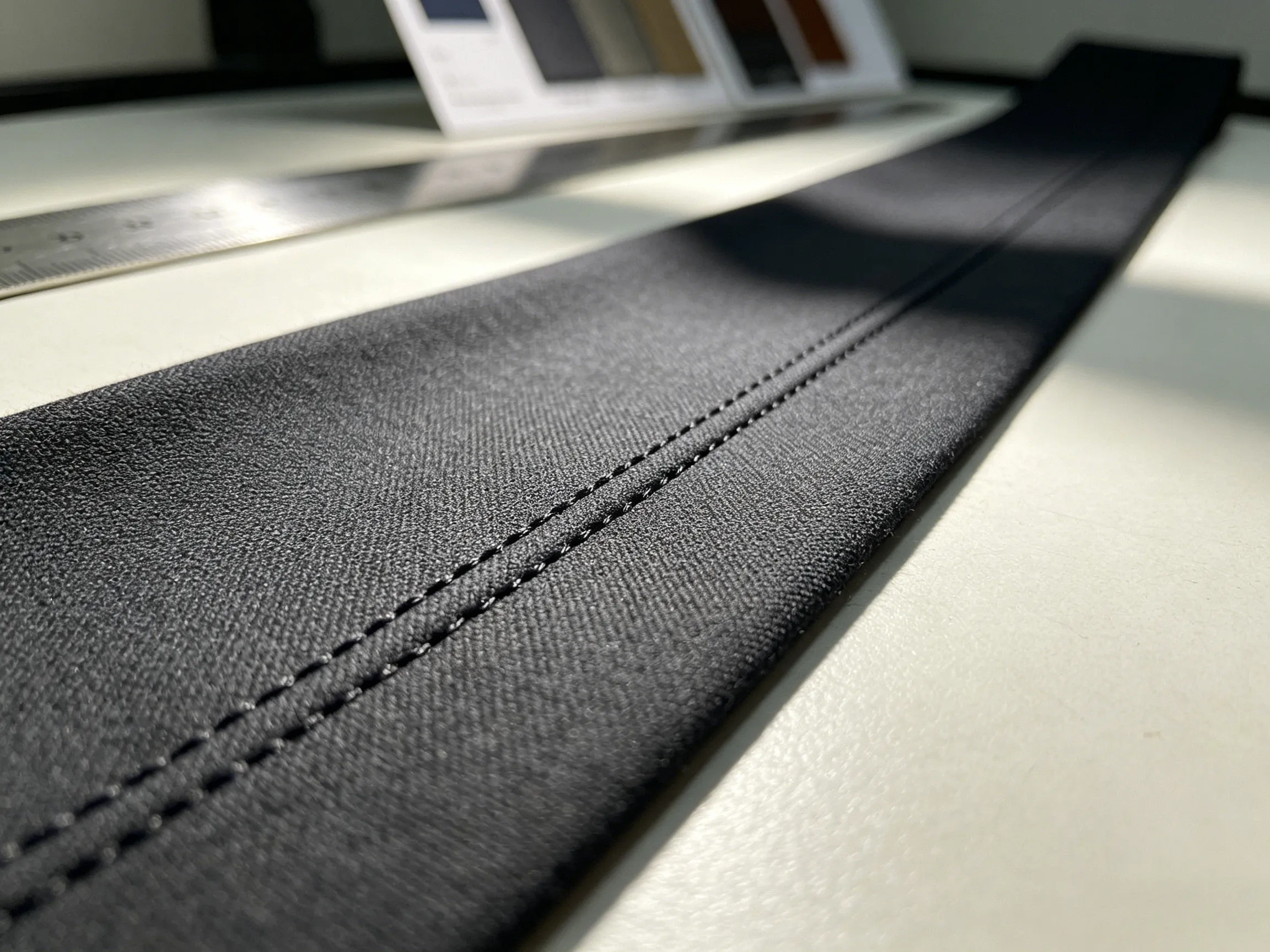
High-magnification detail of GZDreamway factory stitching quality
Microscope-grade precision: every stitch and seam is calibrated to exacting tolerances.
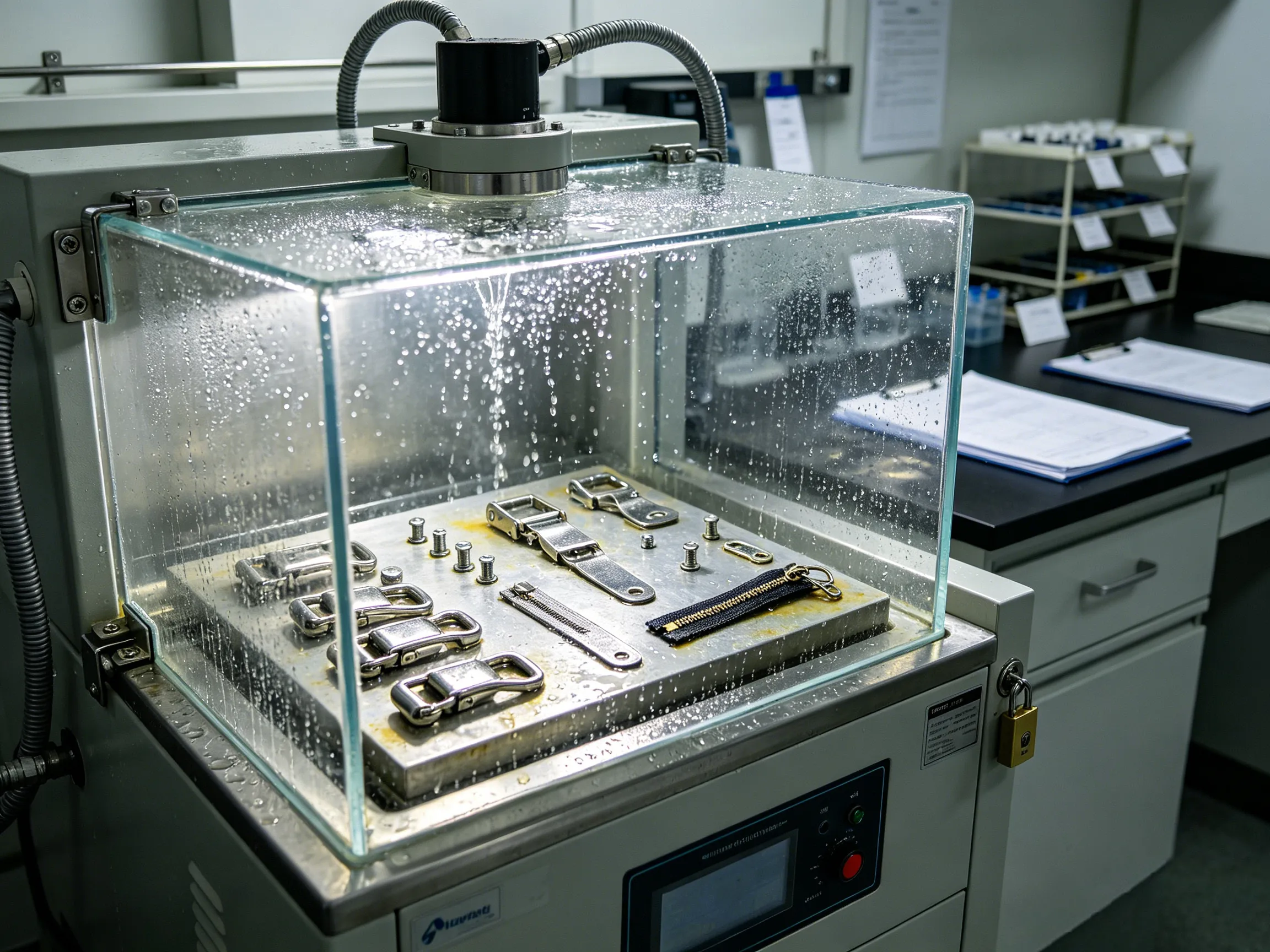
Salt-spray corrosion test on metal hardware in laboratory conditions
Hardware endurance: salt-spray testing validates corrosion resistance under extreme conditions.
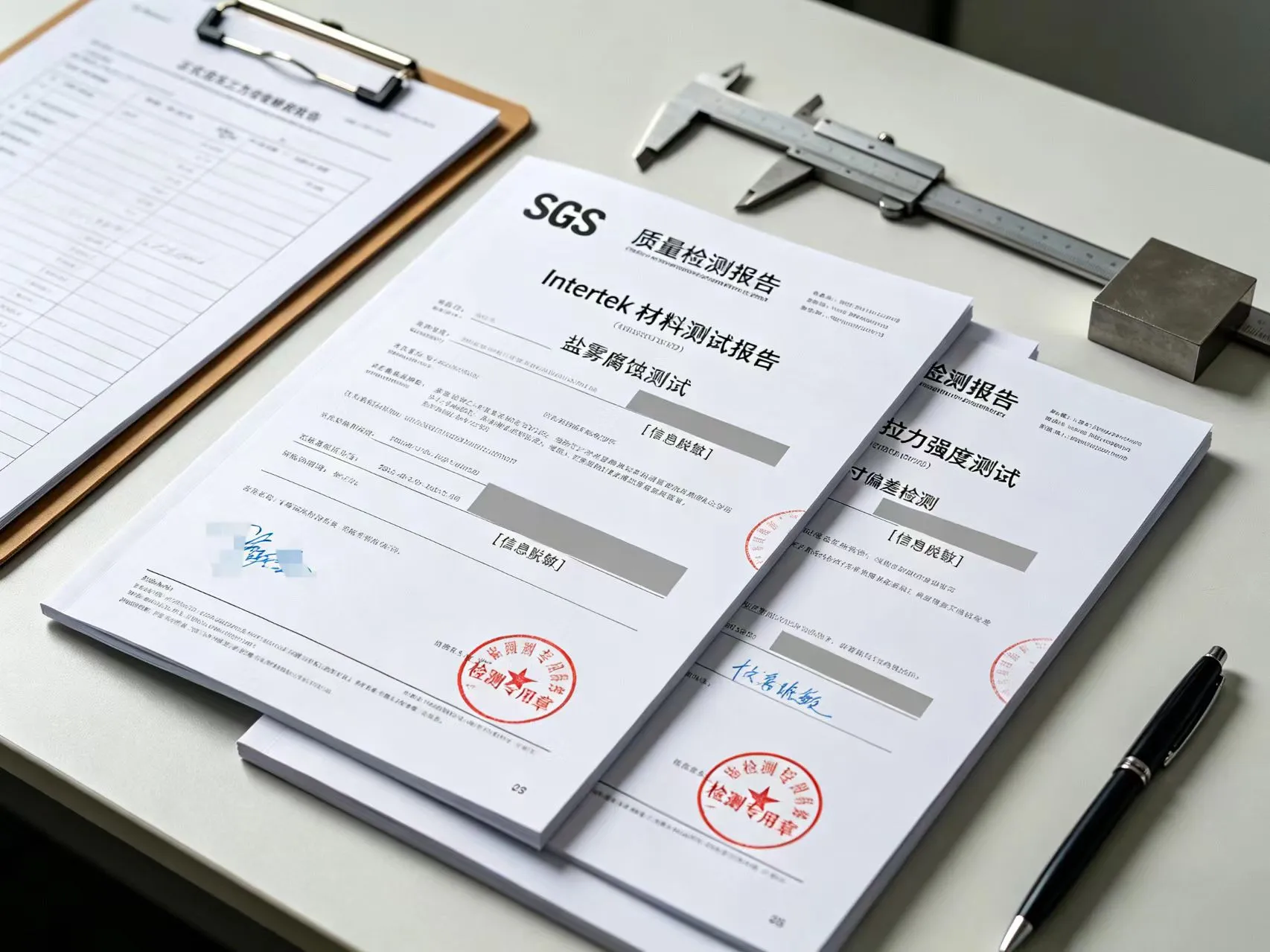
Professional third-party quality inspection report samples
Authoritative backing: third-party inspections welcomed on every shipment.
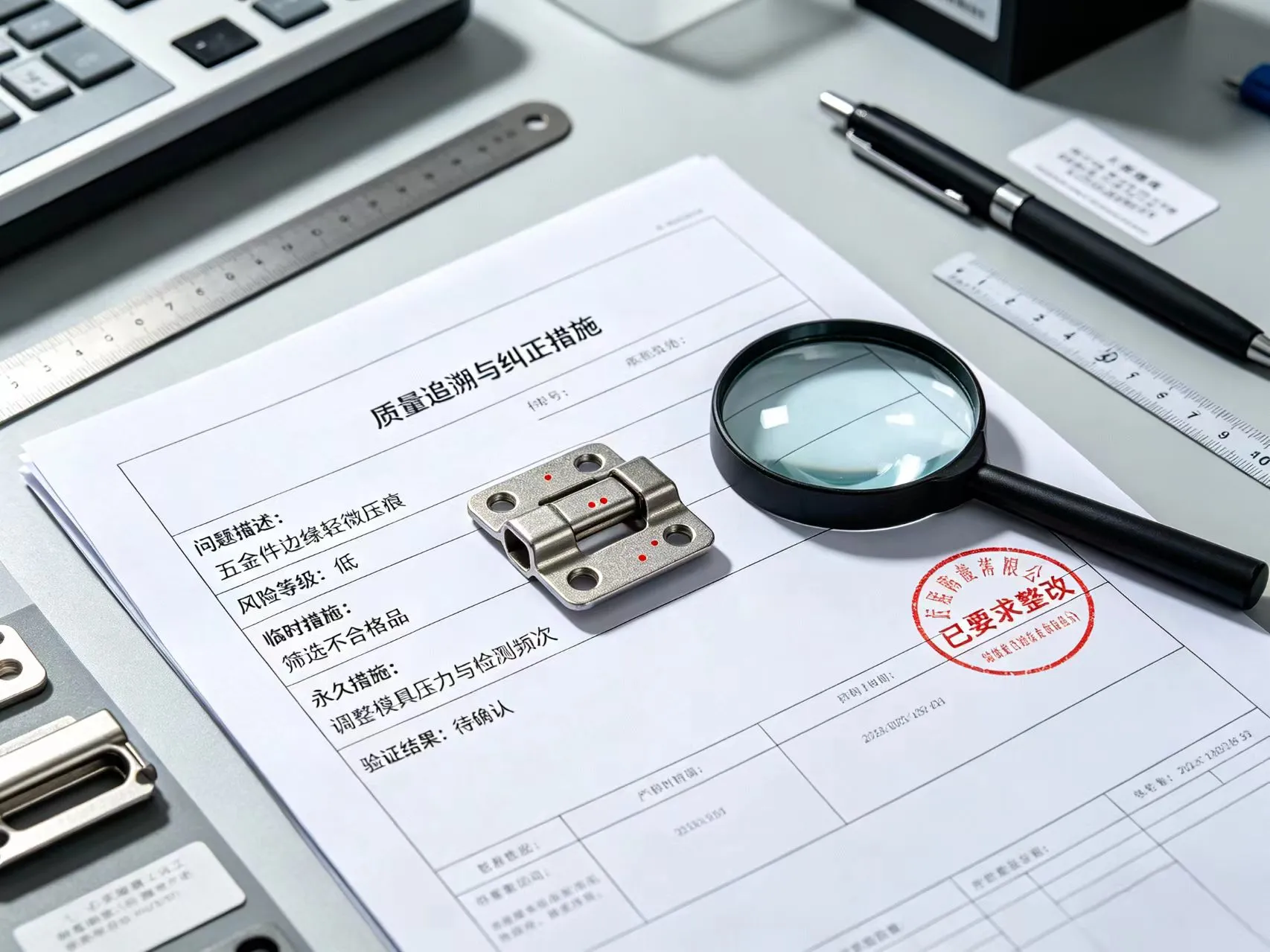
Corrective action report with red stamp and defective hardware sample under a magnifier
Respect for quality: defect analysis drives a closed-loop preventive system.
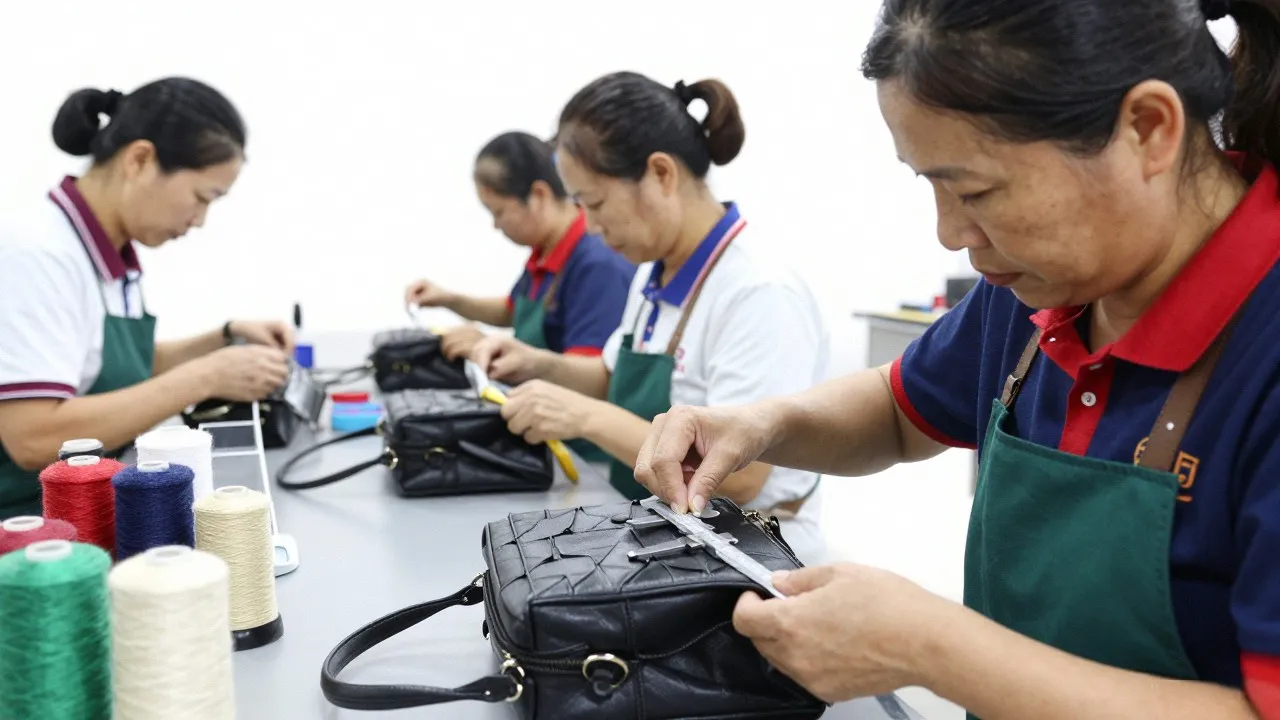
Factory quality inspector checking a finished handbag on the production line
Final QC at the packing table: every bag is inspected before it leaves the factory.

Common Buyer Mistakes (and How to Avoid Them)

After more than a decade of producing bags for global brands, we see the same handful of avoidable mistakes come up again and again. Share this list with anyone on your team who touches material sourcing.

Choosing purely on price

The cheapest quote often hides the most expensive outcome. A $0.40 per unit savings on a 5,000-unit run becomes meaningless if 8% of the bags arrive defective and need replacing. Compare landed cost, not unit cost.

Ignoring GSM

Two canvas bags at the same price can have wildly different structural integrity. Always specify GSM (or oz) and confirm it on the incoming material report. Our canvas weight guide shows the right GSM for each application.

Ignoring environmental regulations

The EU's PPWR (Packaging and Packaging Waste Regulation), REACH, and California's Prop 65 all impose real restrictions on materials, coatings, and chemicals. Selling into those markets without compliance documentation can mean seized inventory at port. Ask your factory for current compliance certificates before you commit.
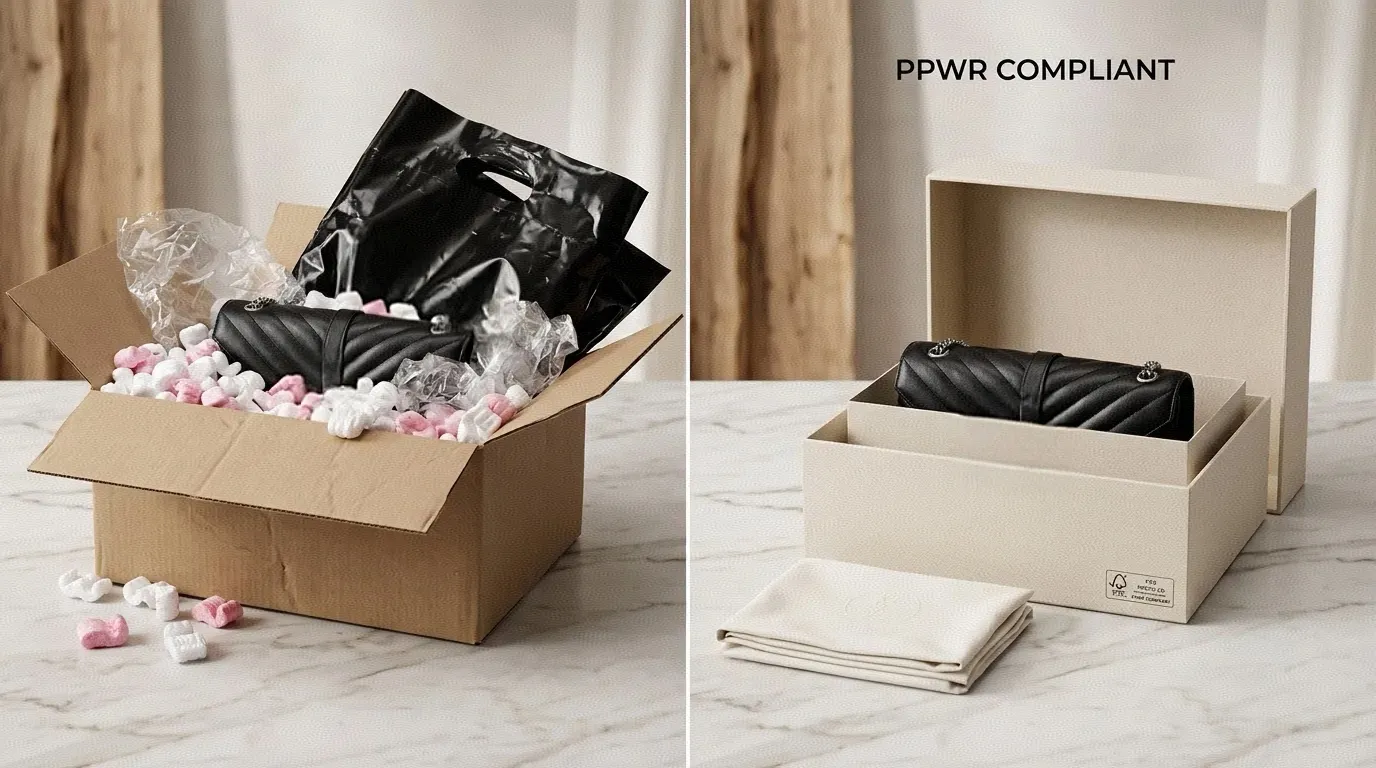
Visual comparison of EU PPWR compliant packaging versus wasteful packaging
PPWR compliance starts with smart material selection and minimalist packaging design.

Ignoring MOQ

Some factories quote materials they cannot actually source at the requested MOQ. The result is a forced minimum order increase after the artwork is already done. Confirm MOQ in writing, with a per-color breakdown where relevant.

Underestimating printing limitations

Your designer may deliver a beautiful six-color gradient file that is sublimation-perfect — but you have specified PU. Clarify printing technique at the material selection stage, not after artwork approval. The comparison guide maps printing techniques to each material.

Assuming PU is genuine leather

Some low-grade PU is sold as "leather" to unsuspecting buyers. Genuine leather has a fibrous back; PU has a fabric or paper back. If the claim matters for your marketing — and increasingly it does, under EU consumer protection rules — verify before you label.

Side-by-side comparison of cheap bag flaws versus refined bag craftsmanship
Side-by-side construction comparison — cheap bags fail at the seam; refined bags succeed at every detail.

Disclaimer Material performance varies depending on coating technology, fabric weight (GSM), manufacturing process, and supplier quality standards. The comparisons in this guide are based on common industry practices and are intended for educational purposes. Buyers should request samples and conduct product testing before mass production.

Frequently Asked Questions

Is canvas stronger than polyester?

Generally yes — a properly constructed 12 oz / 400 GSM canvas bag will outlast a similarly sized polyester bag under daily use. Polyester has improved significantly at 600D and above, but for long-term durability canvas remains the strongest mainstream choice.

Is PU waterproof?

PU leather is fully waterproof on its coated surface, though seams, zippers, and stitch holes remain weak points. Polyester is water-resistant but not waterproof. Canvas is neither, unless treated with a PU/PVC backing or waxed finish.

Which material lasts longer?

Canvas typically lasts 5–10 years with reasonable care. PU lasts 2–5 years on average, with high-quality water-based PU at the upper end and lower-grade PU delaminating within 12–18 months in humid climates. Polyester lasts 2–5 years depending on denier and use intensity.

Which material is eco-friendly?

Organic or recycled cotton canvas is the most environmentally friendly baseline option. GRS-certified rPET polyester is the best synthetic choice. Water-based PU is the most responsible PU option, while conventional solvent-based PU is the least eco-friendly of the three.

Can PU crack?

Yes. Lower-grade PU cracks within 12–24 months, especially in cold or dry conditions. Higher-grade water-based PU and hydrolysis-resistant formulations resist cracking significantly better. Proper storage — away from direct sunlight and extreme temperatures — extends PU lifespan considerably.

Which material is best for tote bags?

Mid-weight canvas (10–12 oz / 280–340 GSM) is the best all-around tote material — durable, printable, sustainable, and cost-effective. Our Custom Canvas Tote Bags Manufacturer page covers weights and pricing in detail.

Which material is best for cosmetic bags?

PU leather (or PU-coated canvas) is the best cosmetic bag material because it is wipe-clean, leak-resistant, and provides the premium shelf appeal that beauty buyers expect. Lined PU keeps spilled product from soaking into the bag body.

Which material is easiest to print?

Polyester is the easiest to print overall — especially via sublimation, which produces vibrant, photographic results with no setup cost per color. Canvas is the easiest natural-fiber material to print, taking screen, DTF, heat transfer, and embroidery cleanly.

Which material feels most premium?

PU leather, especially in smooth nappa or structured Saffiano grain, feels the most premium of the three. Heavy canvas (14+ oz / 400+ GSM) delivers a premium artisanal feel — different from PU, but equally premium in its own aesthetic.

Is recycled PU better?

Recycled PU (GRS-certified) is a meaningful improvement over virgin PU because it diverts post-industrial waste from landfill. However, it is still petroleum-derived and not biodegradable. For maximum sustainability impact, water-based PU is generally considered the better next-generation choice. We compare the two in this guide.

Can canvas be waterproof?

Yes — through PU or PVC backing, or through a waxed-canvas finish. Treated canvas can reach near-waterproof performance, though it loses some breathability in the process. Our canvas materials guide explains the trade-offs between coated and uncoated canvas.

Which material is cheapest?

Polyester is the cheapest per unit, typically 20–40% below canvas at equivalent construction. Canvas is mid-range. PU is the most expensive at the premium tier, though commodity PU can overlap with the upper end of canvas pricing.


Need help matching a material to your next bag program? Our sales team in Guangzhou works with brands in 50+ countries — from first sample to mass production.

Visit Dreamway → Email Our Team →

This is the Hub article of the Dreamway Bag Material Guides series. Continue with our Canvas Fabric Weight Guide, the Canvas vs Polyester vs PU comparison, or our Water-Based PU vs Recycled PU breakdown.

Customer Reviews86 Reviews

Sergio Blanco2026-06-06
Estoy montando una micro-colección de ecobolsas para tiendas de playa y e‑commerce en la Costa del Sol. Tras leer el artículo sigo indeciso entre 600D poliéster reciclado resistente al agua y lona orgánica DWR+laminada. Mi último proveedor envió PU demasiado rígido y las costuras se abrieron a los pocos meses — muy frustrante. Busco fábrica de bolsos España, kit de muestras técnicas (Martindale, OEKO‑TEX/REACH), refuerzos de costura (bartack, doble costura, hot‑melt seam tape), impresión duradera (sublimación, UV, serigrafía con barniz) y un MOQ realista 100–300 para fabricación small-batch España.
GZDreamway2026-06-04
Gracias Sergio — buen brief centrado en la Costa del Sol y el mercado retail de playa en España. Recomendamos normalmente el 600D poliéster reciclado resistente al agua para tiendas de playa por su retención de forma, secado rápido y resistencia al salitre; la lona orgánica DWR+laminada aporta un acabado premium eco pero suele necesitar paneles de refuerzo interno o forro laminado para evitar deformaciones con humedad. Para resolver el problema del PU rígido: usamos PU microfibra suave con tratamiento anti‑hydrolysis y acabado suavizante, combinado con doble costura, bartacks en puntos de carga, hot‑melt seam tape en uniones internas, inserciones de refuerzo (placas internas) y hilo de alta tenacidad — esto previene la apertura de costuras. Kit de muestras técnicas: 600D waterproof reciclado, canvas DWR+laminado, PU microfibra suave + informes Martindale, pruebas de tracción/abrasión y certificados OEKO‑TEX/REACH; plazo muestras ~2–3 semanas tras validar especificaciones. Impresión durable: sublimación para paneles textiles, impresión UV + barniz para detalles PU, serigrafía reforzada + topcoat para canvas. MOQ realisticos para fabricación small‑batch España / exportación UE: 100–300 unidades (acabados complejos pueden aumentar MOQ). Incluimos mapa de posición de bartacks, especificación de seam‑tape y protocolo QC (tensión, abrasión) antes del envío. Envíanos carga objetivo por bolsa, método de impresión preferido y rango de precio de venta y te prepararemos un presupuesto detallado y el envío del kit técnico desde nuestra fábrica de bolsos España.

Thank you Sergio — excellent brief focused on the Costa del Sol and coastal retail needs in Spain. We typically recommend recycled 600D waterproof polyester for beach shops due to superior shape retention, fast drying and salt‑air resistance; DWR plus laminated organic canvas is a premium eco choice but usually requires internal stiffener panels or a laminated lining to avoid structure loss in humid conditions. To fix stiff PU we use soft microfiber PU with anti‑hydrolysis treatment and final softening, combined with double stitching, bartacks at load points, hot‑melt seam tape on internal joins, reinforcement inserts (internal boards) and high‑tenacity thread — this prevents seam openings. Technical sample kit: waterproof recycled 600D, DWR+laminated canvas, soft microfiber PU with Martindale reports, tensile/abrasion tests and OEKO‑TEX/REACH certificates; sample lead time ~2–3 weeks after spec confirmation. Durable printing: dye‑sublimation for textile panels, UV printing + varnish for PU trims, reinforced screen printing + topcoat for canvas. Realistic small‑batch MOQ for Spain manufacturing / EU export: 100–300 units (complex finishes may raise MOQ). We provide bartack placement maps, seam‑tape specs and a QC protocol (tensile, abrasion) before shipping. Send expected bag load, preferred printing method and target retail price band and we will prepare a detailed quote and ship the technical sample kit from our bag factory Spain.
Sabrina Lemaire2026-06-04
Je prépare une petite série de tote bags éco pour boutiques à Paris et e‑commerce France, et j'hésite entre 600D polyester recyclé imperméable et toile bio DWR+laminée pour la côte atlantique; mon dernier fournisseur a envoyé du PU trop rigide et les coutures se sont ouvertes après quelques mois — très agaçant. Je cherche une usine sacs éco France / fabrication sacs sur‑mesure Paris qui propose un kit d'échantillons techniques (rapport Martindale, OEKO‑TEX/REACH), recommandations de renforts couture (bartack, double couture, hot‑melt seam tape), options d'impression durable (sublimation, impression UV + vernis, sérigraphie renforcée) et un MOQ réaliste pour small‑batch (100–300).
GZDreamway2026-06-03
Merci Sabrina — très bon brief axé sur le marché français. Pour Paris et la côte atlantique nous recommandons généralement le 600D polyester recyclé imperméable pour la tenue de forme et le séchage rapide ; la toile bio DWR+laminée reste parfaite pour une image premium éco mais nécessite un renfort interne (panneau rigide ou doublure laminée) pour éviter la déformation en cas d'humidité. Pour corriger le problème du PU trop rigide : nous utilisons du PU microfibre souple avec traitement anti‑hydrolyse et assouplissant de finition, combiné à double couture, bartacks aux points de charge, hot‑melt seam tape sur les jonctions internes, inserts de renfort et fil haute ténacité — ceci élimine les ouvertures de couture constatées. Kit d'échantillons technique : 600D waterproof recyclé, canvas DWR+laminé, PU microfibre souple + rapports Martindale, essais traction/abrasion et certificats OEKO‑TEX/REACH ; délai échantillon ~2–3 semaines après validation des specs. Impression durable : sublimation pour panneaux textile, UV + vernis pour détails PU, sérigraphie renforcée + topcoat pour canvas. MOQ small‑batch réaliste pour fabrication sacs sur‑mesure France : 100–300 unités (finitions complexes peuvent augmenter). Envoyez-nous la charge cible par sac, méthode d'impression préférée et fourchette prix de vente et nous établirons un devis détaillé, plan de bartack (carte de positionnement) et spécification de seam‑tape adaptés à votre projet.

Thank you Sabrina — excellent brief focused on the French market. For Paris and the Atlantic coast we typically recommend recycled 600D waterproof polyester for superior shape retention and quick drying; DWR plus laminated organic canvas is an excellent premium eco choice but usually needs internal stiffeners (stiffener panels or laminated lining) to avoid structure loss in humid conditions. To fix the too‑stiff PU issue we use soft microfiber PU with anti‑hydrolysis treatment and final softening, combined with double stitching, bartacks at load points, hot‑melt seam tape on internal joins, reinforcement inserts and high‑tenacity thread — this prevents seam openings. Technical sample kit: waterproof recycled 600D, DWR+laminated canvas, soft microfiber PU with Martindale reports, tensile/abrasion tests and OEKO‑TEX/REACH certificates; sample lead time ~2–3 weeks after spec confirmation. Durable printing: dye‑sublimation for textile panels, UV printing + varnish for PU trims, reinforced screen printing + topcoat for canvas. Typical small‑batch MOQ for bespoke bag manufacturing in France: 100–300 units (complex finishes may raise MOQ). Send expected bag load, preferred printing method and target retail price band and we will provide a detailed quote, bartack placement map and seam‑tape specification tailored to your project.
Camille Dubreuil2026-06-03
Je prépare une micro‑collection de tote bags pour boutiques indépendantes et e‑commerce sur la côte atlantique et à Paris, et j'hésite entre 600D polyester recyclé imperméable et toile bio DWR+laminée. Mon dernier fournisseur a envoyé du PU trop rigide et les coutures se sont ouvertes après quelques mois — assez frustrant. Je cherche une usine sacs sur‑mesure Paris / fabrication sacs éco France qui fournisse un kit d'échantillons techniques (rapport Martindale, OEKO‑TEX/REACH), recommandations de renforts couture (bartack, double couture, hot‑melt seam tape), options d'impression durable (sublimation, impression UV + vernis, sérigraphie renforcée) et un MOQ small‑batch réaliste (100–300).
GZDreamway2026-06-05
Bonjour Camille — merci pour ce brief précis axé sur la côte atlantique et le marché boutique parisien. Pour garantir tenue de forme et résistance à l'humidité nous recommandons souvent le 600D polyester recyclé imperméable pour les small‑batch (bonne tenue, séchage rapide). La toile bio DWR+laminée offre un rendu premium éco mais nécessite panneaux de renfort ou doublure laminée pour éviter l'affaissement en conditions humides. Pour corriger le problème du PU trop rigide : nous utilisons du PU microfibre souple avec traitement anti‑hydrolyse et assouplissant final, combiné à double couture, bartacks aux points de charge, hot‑melt seam tape sur jonctions internes, inserts de renfort et fil haute ténacité — cela prévient l'ouverture des coutures. Kit d'échantillons techniques : 600D waterproof recyclé, canvas DWR+laminé, PU microfibre souple + rapports Martindale, essais traction/abrasion et certificats OEKO‑TEX/REACH ; délai échantillon ~2–3 semaines après validation des specs. Impression durable : sublimation pour panneaux textile, UV + vernis pour détails PU, sérigraphie renforcée + topcoat pour canvas. MOQ small‑batch réaliste pour fabrication sacs éco France / usine sacs sur‑mesure Paris : 100–300 unités (finitions complexes peuvent augmenter). Nous incluons un protocole QC ciblé pour contrôler les coutures et ajuster le niveau d'assouplissant PU sur l'échantillon avant production en série. Envoyez-nous le poids cible par sac, la méthode d'impression préférée et la fourchette de prix et nous établirons un devis détaillé, une carte de positionnement des bartacks et la spécification du seam‑tape adaptée à votre projet.

Hello Camille — thank you for the clear brief focused on the Atlantic coast and Paris boutique market. To ensure shape retention and humidity resistance we often recommend recycled 600D waterproof polyester for small‑batch runs (good structure, fast drying). DWR plus laminated organic canvas delivers a premium eco feel but usually needs internal stiffener panels or a laminated lining to avoid sagging in wet conditions. To fix the too‑stiff PU issue we use soft microfiber PU with anti‑hydrolysis treatment and final softening, combined with double stitching, bartacks at load points, hot‑melt seam tape on internal joins, reinforcement inserts and high‑tenacity thread — this prevents seam openings. Technical sample kit: waterproof recycled 600D, DWR+laminated canvas, soft microfiber PU with Martindale reports, tensile/abrasion tests and OEKO‑TEX/REACH certificates; sample lead time ~2–3 weeks after spec confirmation. Durable printing: dye‑sublimation for textile panels, UV printing + varnish for PU trims, and reinforced screen printing + topcoat for canvas. Typical small‑batch MOQ for eco bag manufacturing in France / bespoke bag factory Paris: 100–300 units (complex finishes may raise the MOQ). We include targeted QC to inspect seams and tune PU softening on the sample before mass production. Send expected bag load, preferred printing method and target price band and we will prepare a detailed quote, bartack placement map and seam‑tape specification tailored to your project.
Evelyn Stone2026-06-03
I'm launching a small-batch eco tote line for London boutiques and online shops and still torn between recycled 600D waterproof polyester and DWR + laminated organic canvas for rainy UK streets. My last supplier sent PU that was too stiff and seams opened after a few months — quite frustrating. Looking for small-batch eco tote manufacturing UK advice, a technical sample kit with Martindale report and OEKO‑TEX/REACH certificates, seam reinforcement recommendations (bartack placement, double stitching, hot‑melt seam tape), durable printing options (sublimation durability, UV printing + varnish, reinforced screen printing) and realistic MOQ (100–300) for custom recycled 600D waterproof polyester tote wholesale UK projects.
GZDreamway2026-06-02
Thank you Evelyn — excellent brief focused on UK retail conditions. For London’s wet climate we typically recommend recycled 600D waterproof polyester as the first choice for shape retention, fast drying and retail durability; DWR + laminated organic canvas is a strong eco option if you need a premium hand, but it usually requires internal stiffener panels or a laminated lining to avoid structure loss in frequent outdoor use. To fix the stiff‑PU and seam‑opening issue we use soft microfiber PU with anti‑hydrolysis treatment and final softening, combined with double stitching, bartacks at all load points, hot‑melt seam tape on internal joins, internal reinforcement boards and high‑tenacity thread — plus targeted QC to catch weak seams before shipping. For printing: dye‑sublimation gives the most durable result on textile panels, UV printing with protective varnish is best for PU trims, and reinforced screen printing with a protective topcoat works well on canvas. We can prepare a small‑batch technical sample kit (waterproof 600D, DWR+laminated canvas, soft PU) including Martindale abrasion reports, tensile/rub tests and OEKO‑TEX/REACH certificates; sample lead time ~2–3 weeks after spec confirmation. Typical small‑batch MOQ for bespoke totes aimed at UK boutiques is 100–300 units (complex finishes may raise that). If you send expected bag load, preferred printing method and target retail price band we’ll provide a detailed quote, bartack placement map and seam‑tape specification from our handbag factory export program tailored for the UK market.
栗田 美咲2026-06-02
東京の小さなセレクトショップ向けにエコトートを企画中です。梅雨や通勤で形崩れしにくい素材を探しており、600Dリサイクルポリエステル防水とDWR+ラミネートのオーガニックキャンバスで迷っています。以前のサプライヤーでPUが硬く縫い目がほつれた経験があり少し不安です。バッグ工場東京 小ロット、エコバッグ 製造 日本向け、Martindale 試験・OEKO‑TEX/REACH 同梱のサンプルキット、昇華/UV/シルクスクリーンの耐久印刷、bartack や hot‑melt seam tape 等の縫製補強の具体案を教えてください。
GZDreamway2026-06-02
栗田様、ご相談ありがとうございます。東京の通勤需要と梅雨環境を踏まえると、形保持と速乾性を優先する場合は600Dリサイクルポリエステル防水を第一候補にします。DWR+ラミネートのオーガニックキャンバスはエコ訴求に強いですが、内部補強(ラミネート裏地、芯材パネル)を入れないと形崩れしやすいです。以前の「PUが硬く縫い目がほつれた」問題には、柔らかいマイクロファイバーPU+アンチハイドロリシス処理と最終ソフトニングを行い、二重縫い、bartackを全荷重ポイントに配置、hot‑melt seam tape の内貼り、内部補強板、ハイテンシティ糸を組み合わせれば再発を防げます。印刷は昇華が生地面で最も耐久性が高く、PU部分はUV印刷+保護ニス、キャンバスは強化シルクスクリーン+トップコートを推奨します。サンプルキット(600D防水、DWR+ラミネートキャンバス、ソフトPU)にMartindaleレポート、摩耗/引張試験、OEKO‑TEX/REACH証明を同梱可能で、サンプル納期は仕様確定後約2〜3週間、通常の小ロットMOQは100〜300(複雑仕様は300〜1000)。想定荷重と希望の印刷方法、目標価格帯をお知らせいただければ、バッグ工場東京向けの見積書、bartack 配置図、シームテープ仕様書を含む技術キットを手配し、縫製補強で問題を確実に解消します。

Dear Ms. Kurita, thank you for your inquiry. Considering Tokyo commuting patterns and the rainy season, recycled 600D waterproof polyester is our first recommendation when prioritizing shape retention and fast drying. DWR plus laminated organic canvas is strong for eco-marketing but usually needs internal stiffeners (laminated lining or core panels) to keep structure. To address your previous issue of "stiff PU and seam openings," we use soft microfiber PU with anti‑hydrolysis treatment and final softening, combined with double stitching, bartacks at all load points, hot‑melt seam tape on internal joins, internal reinforcement boards and high‑tenacity thread to prevent recurrence. For printing: dye‑sublimation offers the best durability on textile panels; PU trims are best with UV printing plus protective varnish; canvas panels benefit from reinforced screen printing with a protective topcoat. A technical sample kit (waterproof 600D, DWR+laminated canvas, soft PU) can include Martindale reports, abrasion/tensile tests and OEKO‑TEX/REACH certificates; sample lead time is ~2–3 weeks after spec confirmation. Typical small‑batch MOQ is 100–300 units (complex finishes may raise it to 300–1000). Please send expected bag load, preferred printing method and target price band and we will prepare a detailed quote, bartack placement map and seam‑tape specifications from our bag factory Tokyo to resolve the sewing issues and ensure long‑term durability.
藤原 悠斗2026-05-31
大阪のセレクトショップ向けに小ロットでエコトートを作りたいです。600Dリサイクルポリエステル防水とDWR+ラミネートのオーガニックキャンバスで迷っています。以前のサプライヤーでPUが硬く縫い目がほつれた経験があり少し心配です。バッグ工場大阪やエコバッグ 製造 日本向けの小ロット(MOQ 100〜300)、Martindale試験やOEKO‑TEX/REACHを含むサンプルキット、昇華/UV/シルクスクリーンの耐久印刷、bartackやhot‑melt seam tapeなどの縫製補強のおすすめを教えてください。
GZDreamway2026-05-31
藤原様、ご相談ありがとうございます。大阪の気候と店舗販売の実務を踏まえると、形崩れ対策と速乾性を優先する場合は600Dリサイクルポリエステル防水を第一候補とします。オーガニックキャンバス(DWR+ラミネート)はエコ訴求に有利ですが、内部の補強(ラミネート裏地や芯材)を入れないと形保持が難しくなります。以前の硬いPUで縫い目がほつれた問題については、柔らかいマイクロファイバーPU+アンチハイドロリシス処理と最終のソフトニングを行い、二重縫い、bartackの全ポイント配置、hot‑melt seam tape、内部補強板、ハイテンシティ糸を組み合わせることで再発を防げます。印刷は昇華がテキスタイル面で最も耐久性が高く、PU部分はUV印刷+保護ニス、キャンバスは強化シルクスクリーン+トップコートを推奨します。サンプルキット(600D防水リサイクル、DWR+ラミネートキャンバス、ソフトPU)にMartindale、摩耗/引張試験、OEKO‑TEX/REACH証明を同梱可能で、サンプル納期は仕様確定後約2〜3週間、通常の小ロットMOQは100〜300(複雑な仕様は300〜1000となる場合あり)です。想定荷重、希望の印刷方法、目標価格帯をお知らせいただければ、バッグ工場大阪向けの見積書、bartack配置図、シームテープ仕様書を含む技術キットを手配し、縫製強度と仕上げで問題を解消します。
رامي الحصيني2026-05-30
أنا أعمل على خط حقائب إيكو موجه للسوق الخليجي وأتساءل بين 600D بوليستر مع تشطيب مضاد للماء أو كانفاس عضوي DWR+لامينيت. المورد السابق أرسل PU جامد وفتحت الخياطة بعد أشهر — مزعج فعلاً. أريد مصنع حقائب دبي/مصنع حقائب الإمارات يرسل حزمة عينات تقنية (تقرير Martindale، اختبارات احتكاك، شهادات OEKO‑TEX/REACH)، نصائح تقوية الخياطة (bartack، double stitch، hot‑melt seam tape)، وطرق طباعة تدوم (sublimation، UV، سكرين+ورنيش). وما هو الـMOQ للدفعات الصغيرة والتصدير؟
GZDreamway2026-06-01
نشكرك يا رامي على التفاصيل. بالنسبة للسوق الخليجي والرطوبة الساحلية نوصي عادةً بـrecycled 600D polyester مع تشطيب مقاوم للماء لحفظ الشكل والتجفيف السريع، بينما كانفاس عضوي مع DWR+laminate خيار بيئي جيد لكنه يتطلب لوح تقوية داخلي للحفاظ على الصلابة. لمعالجة مشكلة الـPU الصلب وفتق الخياطة: نستخدم microfiber PU ناعم بمعالجة anti‑hydrolysis وتليين نهائي، ونطبق double stitching وبارتاكس عند كل نقاط الشد، hot‑melt seam tape على اللحامات الداخلية، وألواح تقوية داخلية مع خيط high‑tenacity. نقوم باختبارات Martindale، اختبارات الاحتكاك والسحب، ونرفق شهادات OEKO‑TEX/REACH في حزمة العينات. لطباعة دائمة نقترح sublimation للأقمشة، UV مع varnish لتفاصيل الـPU، وreinforced screen printing مع protective topcoat للكانفاس. حزمة العينات التقنية الجاهزة (600D مقاوم للماء، DWR+laminate canvas، microfiber PU مضاد‑التحلل المائي) مع تقارير الاختبار متاحة خلال ~2–3 أسابيع بعد تأكيد المواصفات. MOQ النموذجي للدفعات الصغيرة عادة 100–300 وحدة؛ تخصيصات أكبر أو تشطيبات معقدة قد ترفعها إلى 300–1000. نحن نقدم خرائط bartack ومواصفات seam‑tape ضمن العرض الفني، وفحوصات QC قبل الشحن لحل مشكلتك مع الخياطة المفتوحة. أرسل لنا الوزن المستهدف لكل حقيبة وطريقة الطباعة المطلوبة وسنعد عرض تقني وشحنة عينات من bag factory Dubai / eco bag manufacturing UAE.

Thank you Rami for the clear brief. For the Gulf market and coastal humidity we typically recommend recycled 600D polyester with a waterproof finish for superior shape retention and fast drying; DWR plus laminated organic canvas is a strong eco option but usually needs internal stiffeners to maintain structure. To address stiff PU and seam failures we use soft microfiber PU with anti‑hydrolysis treatment and final softening, combined with double stitching, bartacks at all stress points, hot‑melt seam tape on internal joins, internal reinforcement boards and high‑tenacity thread. We run Martindale, rub and tensile tests and include OEKO‑TEX/REACH certificates in the sample kit. For durable printing we recommend dye‑sublimation for textile panels, UV printing with varnish for PU details, and reinforced screen printing with a protective topcoat for canvas. A technical sample kit (waterproof 600D, DWR+laminated canvas, anti‑hydrolysis microfiber PU) with test reports is available in ~2–3 weeks after spec confirmation. Typical small‑batch MOQ is 100–300 units; complex finishes may increase MOQ to 300–1000. We provide bartack placement maps and seam‑tape specs in the technical pack and perform pre‑shipment QC to prevent seam opening. Send expected bag load and preferred printing method and we’ll prepare a technical quote and arrange sample shipment from our bag factory Dubai / eco bag manufacturing UAE.
Leonardo Silva2026-05-30
Estou a lançar uma pequena coleção de ecobags para o mercado brasileiro e e‑commerce, e depois de ler "Canvas vs. Polyester vs. PU" ainda estou em dúvida entre 600D poliéster reciclado resistente à água e lona orgânica com DWR + laminado. Tive problemas antes: PU muito rígido e costuras que abriram após poucos meses — bem frustrante. Procuro fábrica de bolsas Brasil que envie um kit de amostras técnicas (relatório Martindale, OEKO‑TEX/REACH), recomendações de reforço de costura (bartack, dupla costura, hot‑melt seam tape), opções de impressão durável (sublimação, impressão UV, serigrafia com verniz) e indicação de MOQ para pequenas tiragens e exportação. Alguém com experiência em ecobags para clima tropical pode aconselhar?
GZDreamway2026-05-30
Obrigado Leonardo — excelente resumo do briefing. Para o clima tropical do Brasil nós normalmente recomendamos 600D poliéster reciclado com acabamento resistente à água para melhor retenção de forma e secagem rápida; a lona orgânica com DWR + forro laminado é ótima como opção eco, mas requer painéis internos ou laminação para estabilidade. Para evitar PU rígido e costuras abertas usamos PU microfibra suave tratado anti‑hidrólise e processo de amaciamento final, além de dupla costura, bartacks em todos os pontos de tração, hot‑melt seam tape nas junções internas e inserções de reforço (placas internas) com linha de alta tenacidade; também realizamos testes pré‑embarque de tração e Martindale. Em impressão recomendamos sublimação para painéis têxteis, UV com verniz protetor para detalhes em PU e serigrafia reforçada com topcoat para canvas — isso reduz descascamento. Podemos preparar um kit técnico de amostras (600D reciclado resistente à água, DWR+laminado canvas, PU microfibra anti‑hidrólise) incluindo relatórios Martindale, ensaios de abrasão e certificados OEKO‑TEX/REACH; prazo de amostra ~2–3 semanas após confirmação de specs. MOQ típico para pequenas tiragens nacionais costuma ser 100–300 unidades; customizações maiores podem elevar para 300–1000. Se nos enviar carga esperada por bolsa, método de impressão preferido e faixa de preço alvo, montamos um orçamento detalhado, plano de reforços de costura (mapa de bartacks, especificação do seam tape) e programamos o envio das amostras da fábrica de bolsas Brasil.

Thank you Leonardo — great brief. For Brazil’s tropical climate we typically recommend recycled 600D polyester with a waterproof finish for superior shape retention and fast drying; organic canvas with DWR plus a laminated lining is an excellent eco option but usually needs internal panels or lamination for structure. To prevent stiff PU and seam failures we use soft microfiber PU with anti‑hydrolysis treatment and final softening, combined with double stitching, bartacks at all stress points, hot‑melt seam tape on internal joins and reinforcement boards, plus high‑tenacity thread and pre‑shipment tensile and Martindale tests. For printing we recommend dye‑sublimation for textile panels, UV printing with protective varnish for PU details, and reinforced screen printing with a protective topcoat for canvas to minimize peeling. We can prepare a technical sample kit (waterproof recycled 600D, DWR+laminated canvas, anti‑hydrolysis microfiber PU) including Martindale reports, abrasion tests and OEKO‑TEX/REACH certificates; sample lead time ~2–3 weeks after spec confirmation. Typical MOQ for small domestic runs is 100–300 units; more complex branding may move MOQ to 300–1000. Send expected bag load, preferred printing method and target price band and we’ll provide a detailed quote, bartack placement map, seam‑tape specs and arrange sample shipment from our bag factory for Brazil.
Harper Wells2026-05-27
I'm launching a small-batch eco tote line for London boutiques and e‑commerce UK, and after reading "Canvas vs. Polyester vs. PU" I'm torn between recycled 600D waterproof polyester and DWR + laminated organic canvas. My previous supplier sent PU that was too stiff and seams opened after a few months — quite frustrating. Looking for small-batch eco tote manufacturing UK guidance, a technical sample kit (Martindale report, OEKO‑TEX/REACH), seam reinforcement suggestions (bartack, double stitching, hot‑melt seam tape), durable printing options (dye‑sublimation, UV + varnish, reinforced screen printing) and realistic MOQ for custom recycled 600D waterproof polyester tote wholesale UK projects.
GZDreamway2026-05-29
Thank you Harper — great brief. For rainy UK conditions we generally recommend recycled 600D waterproof polyester for best shape retention, quick drying and retail durability; DWR‑coated organic canvas with an internal laminate or stiffening board is an excellent eco choice for a premium hand but needs reinforcement to keep structure for frequent outdoor use. To address your stiff‑PU/seam failures: we use soft microfiber PU with anti‑hydrolysis treatment and final softening, plus process controls to avoid stiffness. Seam strategy: double stitching, bartacks at all stress points, hot‑melt seam tape on internal joins, internal stiffener panels and high‑tenacity thread; ultrasonic welding can be applied on trims where appropriate. For printing: dye‑sublimation is ideal for textile panels, UV printing with protective varnish for PU details, and reinforced screen printing with a protective topcoat for canvas to prevent peeling. We can prepare a small‑batch technical sample kit for evaluation (waterproof 600D, DWR+laminated canvas, soft microfiber PU) including Martindale abrasion reports, rub/tensile/UV fade tests, OEKO‑TEX/REACH certificates, bartack placement maps and seam‑tape specs. Typical MOQ for small‑batch orders aimed at UK retail is 100–300 units for simple custom runs; more complex branding/finishes may move MOQ to 300–1000. Sample lead time is ~2–3 weeks after spec confirmation; mass lead time provided once specs are final. We run pre‑shipment tensile/abrasion QC and corrective softening/finish checks specifically to prevent the seam opening issues you experienced. If you send target bag load, preferred printing method and desired retail price band, we’ll provide a detailed quote and arrange the sustainable handbag factory China export to UK sample shipment and testing package for review.
中谷 奈緒2026-05-27
梅雨や台風シーズンを見越して、東京通勤向けのエコトートを小ロットで企画中です。600Dリサイクルポリエステル防水とDWRコーティング+ラミネートのオーガニックキャンバスで迷っています。前回のサプライヤーはPUが硬く縫い目がほつれたので少し残念でした。Martindaleレポート、OEKO‑TEX/REACH証明、縫製補強(bartack、二重縫い、hot‑melt seam tape)と昇華・UV・シルクスクリーンの耐久印刷サンプル、小ロット対応のMOQと納期を教えてください(バッグ工場東京/エコバッグ 製造 日本向けを想定)。
GZDreamway2026-05-27
中谷様、ご相談ありがとうございます。東京の梅雨・台風環境では形崩れと湿気対策が重要で、都市通勤向けのエコバッグでは通常600Dリサイクルポリエステル防水を推奨します。オーガニックキャンバス(DWR+ラミネート)は環境面で優れますが、内部ラミネートや補強ボードがないと形保持が難しくなります。以前の硬いPUで縫い目がほつれた問題は、当社の対策(柔らかいマイクロファイバーPU+アンチハイドロリシス処理と最終ソフトニング、二重縫い、bartack、hot‑melt seam tape、内部補強板、ハイテンシティ糸、出荷前の引張/摩耗QC)で再発防止が可能です。印刷は昇華(テキスタイル)、UV+保護ニス(PU)、強化シルクスクリーン+保護コート(キャンバス)を推奨します。小ロット向けサンプルキット(600D防水、DWRラミネートキャンバス、ソフトPU)にMartindale試験結果、摩耗/擦れ試験、OEKO‑TEX/REACH証明、bartack配置図とシームテープ仕様を同梱できます。MOQは日本国内向けの小ロットで100〜300、カスタム度合いによって300〜1000で調整します。サンプル納期はご発注後約2〜3週間、量産リードタイムは仕様確定後に提示します。想定荷重、希望の印刷方法、目標ロット数をお知らせください。詳しい見積とサンプル手配を速やかにご案内します。

Dear Ms. Nakatani, thank you for your inquiry. For Tokyo’s rainy and typhoon seasons we generally recommend recycled 600D waterproof polyester for commuter eco-totes due to superior shape retention and fast drying. Organic canvas with DWR plus a laminated lining is greener but usually requires an internal laminate or stiffener to keep structure. The seam failures caused by stiff PU can be prevented: we use soft microfiber PU with anti‑hydrolysis treatment and final softening, combined with double stitching, bartacks, hot‑melt seam tape, internal stiffening boards, high‑tenacity thread and pre‑shipment tensile/abrasion QC. For printing: dye‑sublimation for textiles, UV printing with protective varnish for PU, and reinforced screen printing with a protective coat for canvas. We can prepare a small‑lot sample kit (waterproof 600D, DWR laminated canvas, soft PU) including Martindale reports, rub/abrasion tests, OEKO‑TEX/REACH certificates, bartack placement maps and seam‑tape specs. Typical MOQ for Japan small lots is 100–300 units; for more complex customization 300–1000 units may apply. Sample lead time ~2–3 weeks after order; mass production lead time provided after specs are finalized. Send expected load per bag, preferred printing method and target quantities and we will provide a detailed quote and arrange tailored samples promptly.
Isabela Mota2026-05-26
Estou a desenvolver uma linha de bolsas sustentáveis para o mercado brasileiro e e‑commerce Brasil, e preciso de orientação para o clima tropical. Estou em dúvida entre 600D poliéster reciclado resistente à água ou lona orgânica com DWR + forro laminado. Tive problemas com PU muito rígido e costuras que abriram em poucos meses — foi frustrante. Procuro uma fábrica de bolsas Brasil que fabrique ecobags para clima tropical e envie um kit de amostras técnicas (relatório Martindale, OEKO‑TEX/REACH), recomendações de reforço de costura (bartack, dupla costura, hot‑melt seam tape), opções de impressão durável (sublimação, UV, serigrafia com verniz) e info sobre MOQ e prazos.
GZDreamway2026-05-28
Olá Isabela, obrigada pelo detalhamento — essa situação é comum no clima tropical brasileiro e compreendemos a frustração com PU rígido e costuras falhas. Para produção de ecobags para clima tropical na fábrica de bolsas Brasil, normalmente recomendamos 600D poliéster reciclado com acabamento resistente à água por sua capacidade de manter forma e secar rápido; a lona orgânica DWR + forro laminado é ótima para linhas eco, mas costuma exigir reforços internos (painel de reforço ou forro moldado) para estabilidade. Para evitar o problema do PU rígido sugerimos PU microfibra suave com tratamento anti‑hidrólise e processo de amaciamento final; nas costuras aplicamos dupla costura, bartacks nos pontos de tração, hot‑melt seam tape nas junções internas e placas de reforço onde necessário, além de linha de alta tenacidade e inspeções QC (tensão, abrasão). Na impressão recomendamos sublimação para tecidos, UV com verniz protetor para PU e serigrafia reforçada com camada protetora para canvas. Podemos preparar um kit de amostras técnicas (600D reciclado resistente à água, lona DWR laminada, PU microfibra anti‑hidrólise) incluindo relatórios Martindale, ensaios de abrasão/fricção, certificados OEKO‑TEX/REACH, mapas de posicionamento de bartack e especificação do seam tape. MOQ típico para pequenas encomendas nacionais costuma variar entre 100–300 unidades; para personalizações maiores 300–1000 unidades. Prazo de amostras ~2–3 semanas após confirmação; produção em massa conforme especificação final. Envie-nos a carga prevista por bolsa, método de impressão preferido e quantidade alvo (ou se pretende exportar para UE) para que façamos um orçamento técnico e agendemos o envio das amostras.

Hello Isabela, thank you for the detailed brief — this issue is common in Brazil’s tropical climate and we understand the frustration with stiff PU and seam failures. For eco‑bag production for tropical climates at a bag factory in Brazil, we usually recommend recycled 600D polyester with a waterproof finish for shape retention and fast drying; organic DWR canvas with laminated lining is excellent for eco lines but typically needs internal stiffeners (reinforcement panel or molded lining) for stability. To avoid stiff PU problems we use soft microfiber PU with anti‑hydrolysis treatment and final softening; for seams we apply double stitching, bartacks at stress points, hot‑melt seam tape on internal joins and reinforcement boards where required, plus high‑tenacity thread and QC checks (tensile/abrasion). For printing we recommend dye‑sublimation for textiles, UV printing with protective varnish for PU and reinforced screen printing with a protective coat for canvas. We can prepare a technical sample kit (recycled waterproof 600D, DWR laminated canvas, anti‑hydrolysis microfiber PU) including Martindale reports, abrasion/rub tests, OEKO‑TEX/REACH certificates, bartack placement maps and seam‑tape specs. Typical MOQ for small domestic runs is 100–300 units; for heavier customization 300–1000 units. Sample lead time ~2–3 weeks after confirmation; mass production lead time provided after specs are finalized. Please send expected load per bag, preferred printing method and target quantities (or EU export plans) so we can prepare a technical quote and arrange sample shipment.
Nicolas Martel2026-05-26
Je développe une petite collection pour boutiques indépendantes et e‑commerce en France (Lyon/Paris) et j'hésite entre 600D polyester recyclé waterproof et toile coton bio DWR + laminat. Mon précédent fournisseur a livré un PU trop rigide et les coutures se sont ouvertes après quelques mois — très décevant. Je souhaite un pack d'échantillons techniques (rapport Martindale, certificats OEKO‑TEX/REACH), recommandations pour renforts couture (bartack, double couture, hot‑melt seam tape), solutions d'impression durables (sublimation, UV + vernis, sérigraphie protégée) et une idée de MOQ pour export UE.
GZDreamway2026-05-24
Merci Nicolas pour ce brief précis. Pour la distribution en boutiques et vente en ligne en France nous préconisons souvent le 600D polyester recyclé waterproof pour meilleure tenue de forme et séchage rapide ; la toile coton bio DWR + laminat est plus éco‑responsable mais nécessite renforts internes pour garder la structure. Pour éviter le PU rigide nous utilisons un PU microfibre souple traité anti‑hydrolyse et procédé d'assouplissement final. Sur les coutures : double couture, bartack aux points de traction, hot‑melt seam tape sur les jonctions internes et inserts de renfort — nous fournissons des plans de positionnement dans le kit. Pour l'impression : sublimation pour tissus, UV + vernis pour PU, sérigraphie renforcée avec couche protectrice pour canvas. Nous pouvons préparer un pack d'échantillons techniques (échantillons matériaux 600D recyclé, canvas DWR laminé, PU microfibre, rapports Martindale, essais d'abrasion/frottement, certificats OEKO‑TEX/REACH), protocole QC pré‑expédition et propositions de MOQ adaptées (généralement 300–1000 selon complexité de personnalisation). Envoyez-nous le poids cible par sac, la méthode d'impression préférée et la quantité visée pour un devis personnalisé et un calendrier d'échantillonnage.
ماهر البدر2026-05-25
أنا أعمل على خط حقائب صديقة للبيئة موجه للسوق الخليجي مع نية التصدير إلى الاتحاد الأوروبي، وبعد قراءة المقال "Canvas vs. Polyester vs. PU" لا زلت مترددًا بين 600D بوليستر مقاوم للماء أو كانفاس عضوي مع DWR ولامينيت. مورد سابق أرسل PU صلبًا وفتحت الخياطة بعد أشهر، وكان ذلك محبطًا. أحتاج مصنع حقائب في الإمارات/مصنع حقائب دبي يقدم حزمة عينات تقنية (تقارير Martindale، اختبارات الاحتكاك، شهادات OEKO‑TEX/REACH)، توصيات لتعزيز الخياطة (bartack، خياطة مزدوجة، hot‑melt seam tape) وخيارات طباعة تدوم (sublimation، طباعة UV، سكرين مع ورنيش)، وما هي حدود MOQ للتصدير إلى الاتحاد الأوروبي؟
GZDreamway2026-05-24
شكرًا يا ماهر على الملخص الواضح. بالنسبة للسوق الخليجي والرطوبة الساحلية ننصح غالبًا بـ600D بوليستر مع تشطيب مقاوم للماء لحفظ الشكل وجفاف أسرع، بينما كانفاس عضوي مع DWR+لامينيت يبقى خيارًا صديقًا للبيئة لكنه يتطلب تقوية داخلية للحفاظ على الشكل. لتجنب مشكلة الـPU الصلب وفتح الخياطة نستخدم PU ميكروفايبر مرن بمعالجة مضادة للتحلل المائي، ونطبق خياطة مزدوجة، bartack عند نقاط الشد، hot‑melt seam tape على اللحامات الداخلية، وإدخالات تقوية ولوح داعم حيث يلزم، مع خيط عالي الشد وفحوصات QC متكررة. للطباعة: نوصي بالسوبليميشن للأقمشة، UV مع ورنيش للـPU، وسكرين مع طبقة واقية للكانفاس لتفادي التقشر. يمكننا تجهيز حزمة عينات تقنية تتضمن 600D مقاوم للماء، كانفاس DWR مع لامينيت، PU ميكروفايبر مضاد للـhydrolysis، تقارير Martindale، اختبارات الاحتكاك والرطوبة، وشهادات OEKO‑TEX/REACH، بالإضافة إلى اقتراحات MOQ للتصدير إلى الاتحاد الأوروبي وخيارات تغليف متوافقة مع متطلبات الاستيراد. أرسل لنا الوزن المتوقع لكل حقيبة، أسلوب الطباعة المفضل والكمية الهدف وسنعد عرض سعر، جدول عينات وتقارير QC مفصلة مخصصة لسوقكم.

Thank you Maher for the clear brief. For the Gulf market and coastal humidity we often recommend waterproof 600D polyester for shape retention and faster drying; organic canvas with DWR plus an internal laminate is a greener option but usually needs internal stiffeners to keep structure. To avoid stiff PU and seam failures we use flexible microfiber PU with anti‑hydrolysis treatment, apply double stitching, bartack reinforcements at stress points, hot‑melt seam tape on internal seams, and internal reinforcement boards where necessary, along with high‑tenacity thread and rigorous QC checks. For printing: dye‑sublimation for textiles, UV printing with varnish for PU, and reinforced screen printing with a protective coat for canvas to prevent peeling. We can prepare a technical sample kit including waterproof 600D, DWR laminated canvas, anti‑hydrolysis microfiber PU, Martindale reports, rub and moisture tests, and OEKO‑TEX/REACH certificates, plus MOQ proposals for EU export and EU‑compliant packaging options. Send expected bag load, preferred printing method and target quantities and we will prepare a tailored quote, sampling schedule and QC protocol for your market.
Julien Caron2026-05-24
Je lance une petite collection de sacs éco-responsables pour des boutiques de mode à Paris et sur la côte d'Azur ; après avoir lu "Canvas vs. Polyester vs. PU" je suis partagé entre 600D polyester recyclé imperméable et toile coton bio DWR. Mon précédent fournisseur a livré un PU trop rigide et les coutures se sont ouvertes au bout de quelques mois — très frustrant. Je cherche un fabricant de sacs France / usine de sacs sur-mesure Europe qui puisse fournir un kit d'échantillons techniques (Martindale, OEKO‑TEX/REACH), recommandations sur renforts de couture (bartack, double couture, hot‑melt seam tape) et options d'impression durables (sublimation, UV, sérigraphie vernis). Quelles solutions proposez-vous et quelles MOQ pour l'export vers l'UE ?
GZDreamway2026-05-23
Merci Julien pour ce brief précis. Pour le marché parisien et la côte d'Azur nous recommandons souvent le 600D polyester recyclé avec finition imperméable pour une meilleure tenue de forme et un séchage rapide ; la toile coton bio DWR reste une excellente option éco-responsable mais nécessite généralement un laminat intérieur ou un panneau de renfort pour conserver la structure. Pour éviter le PU rigide et les coutures qui s'ouvrent, nous utilisons du PU microfibre souple traité anti‑hydrolyse, appliquons double couture, renforts bartack aux points de tension, hot‑melt seam tape sur les jonctions internes et inserts de renfort ; nous utilisons du fil haute ténacité et des contrôles QC renforcés. Côté impression : sublimation pour textiles, impression UV + vernis pour PU, et sérigraphie renforcée avec couche protectrice pour canvas afin d'éviter le décollage. Nous pouvons préparer un kit d'échantillons techniques incluant 600D recyclé imperméable, toile DWR laminée, PU microfibre anti‑hydrolyse, rapports Martindale, essais d'abrasion et certificats OEKO‑TEX/REACH, ainsi que des propositions de MOQ adaptées à l'export UE. Envoyez-nous le poids prévu par sac, la méthode d'impression préférée et la quantité cible et nous établirons un devis, un plan d'échantillonnage et un protocole QC personnalisés.

Thank you Julien for the clear brief. For Paris and the Côte d'Azur we often recommend recycled 600D polyester with a waterproof finish for superior shape retention and faster drying; DWR organic cotton canvas is a strong eco choice but usually needs an internal laminate or stiffening board to keep structure. To prevent stiff PU and seam failures we use soft microfiber PU with anti‑hydrolysis treatment, apply double stitching, bartack reinforcements at stress points, hot‑melt seam tape on internal seams and reinforcement inserts; we use high‑tenacity thread and enhanced QC checks. For printing: dye‑sublimation for textiles, UV printing with varnish for PU, and reinforced screen printing with a protective coat for canvas to avoid peeling. We can prepare a technical sample kit including waterproof recycled 600D, laminated DWR canvas, anti‑hydrolysis microfiber PU, Martindale reports, abrasion tests and OEKO‑TEX/REACH certificates, plus MOQ proposals for EU export. Send expected load per bag, preferred printing method and target quantities and we'll prepare a tailored quote, sampling schedule and QC protocol.
ليلى خليل2026-05-23
قرأت المقال "Canvas vs. Polyester vs. PU" بعناية لأنني أجهز خط حقائب صديقة للبيئة للسوق الخليجي والتصدير، وخاصة تصنيع حقائب صديقة للبيئة الإمارات ومصنع حقائب دبي. عندنا رطوبة ساحلية ومواسم أمطار موسمية في بعض المناطق، والمشكلة أن مورد سابق أرسل PU كان صلبًا وفتحت الخياطة بعد أشهر — هذا مزعج فعلاً. هل تنصحون بـ600D بوليستر مع طلاء مقاوم للماء أم كانتفاس عضوي مع DWR ولبّادة لاصقة للحفاظ على الصلابة؟ وما توصياتكم لتعزيز الخياطة (bartack، خياطة مزدوجة، hot-melt seam tape) وطرق طباعة تدوم (sublimation، طباعة UV، سكرين مع طلاء حماية)؟ أحتاج أيضًا لحزمة عينات تقنية مع تقارير Martindale وشهادات OEKO-TEX/REACH ومقترحات MOQ لتصنيع حقائب التصدير الخليجية.
GZDreamway2026-05-22
شكرًا لتوضيحك المفصّل يا ليلى. بالنسبة للسوق الخليجي والرطوبة الساحلية نُوصي عادةً بـ600D بوليستر مع تشطيب مقاوم للماء للحفاظ على ثبات الشكل وجفاف أسرع أثناء التعرض للمطر والملح الهوائي؛ كانفاس عضوي مغطى بـDWR جيد من ناحية الاستدامة لكنه يحتاج عادةً إلى لامينيت داخلي أو لوح تقوية للحفاظ على الصلابة في الاستخدام المتكرر (تصنيع حقائب صديقة للبيئة الإمارات، مصنع حقائب دبي). للتعامل مع مشكلة الـPU الصلب وفتح الخياطة نستخدم PU ميكروفايبر مرن مع معالجة مضادة للتحلل المائي وعمليات تليين نهائية، ونطبق خياطة مزدوجة، تعزيزات bartack في نقاط الحمل، hot‑melt seam tape على اللحامات الداخلية، ألواح تقوية داخلية وعند الضرورة لحام بالموجات فوق الصوتية على القطع الحساسة، بالإضافة إلى خيوط عالية الشد وفحوصات QC متكررة. للطباعة نوصي بـsublimation للأقمشة للتلوين الدائم، طباعة UV مع ورنيش حماية على PU للتفاصيل الدقيقة، وسكرين مطوّر مع طبقة واقية للكانفاس لتفادي التقشر. نستطيع تجهيز حزمة عينات تقنية (600D بوليستر مقاوم للماء، كانفاس DWR مع لامينيت، PU ميكروفايبر ناعم) متضمنة تقارير Martindale، اختبارات مقاومة الاحتكاك والرطوبة، شهادات OEKO‑TEX/REACH، خرائط مواقع bartack ومواصفات شريط seam tape، واقتراحات MOQ للتصدير إلى دول الخليج. إذا أرسلتِ الوزن المقصود للحمل، طريقة الطباعة المفضلة والكمية المستهدفة سنعد عروض أسعار ونماذج اختبارية مع جداول زمنية وقياسات جودة مخصصة لسوقكم.

Thank you for the clear brief, Leila. For the Gulf market and coastal humidity we typically recommend recycled 600D polyester with a waterproof finish to ensure superior shape retention and faster drying under rain and salt air; DWR‑coated organic canvas is a very good eco choice but usually requires a laminated lining or internal stiffener to maintain structure under heavy use (eco bag manufacturing UAE, bag factory Dubai). To avoid stiff PU and seam failures we use flexible microfiber PU with anti‑hydrolysis treatment and soft finishing, apply double stitching, bartack reinforcements at load points, hot‑melt seam tape on internal seams, internal stiffening boards and ultrasonic welding where appropriate, plus high‑tenacity thread and repeated QC checks. For printing we recommend dye‑sublimation for textiles, UV printing with protective varnish on PU for fine detail, and reinforced screen printing with a protective coat for canvas to avoid peeling. We can prepare a technical sample kit (waterproof 600D polyester, DWR canvas with laminate, soft microfiber PU) including Martindale reports, rub‑and‑moisture tests, OEKO‑TEX/REACH certificates, bartack location maps and seam‑tape specs, and MOQ proposals for Gulf export. Send expected load per bag, preferred printing method and target quantities and we will prepare quotes, test samples and a tailored QC and production timeline for your market.
Shopping Cart
Leave a Message
×
Message submitted successfully.